
With the theme “Wonders Illuminate a New Era,” Ha Long Carnaval 2026 continued to showcase the international reach of a major cultural and tourism event, attracting numerous diplomatic agencies, organizations, and international localities with cooperative ties to Quang Ninh Province, including members of the East Asia Inter-Regional Tourism Forum (EATOF) and traditional partners such as Guangxi (China).
The participation of international delegations and performers brought distinctive cultural colors to the event, helping create a diverse and vibrant festival atmosphere while clearly demonstrating Quang Ninh’s spirit of exchange, cooperation, and deep integration with the region and the world.
 The Guangxi, China art troupe performing at the opening ceremony of Carnaval 2026
Commenting on the event, international delegates expressed their deep admiration for Quang Ninh Province’s professional, well-organized, and attentive arrangements. Everything from diplomatic protocol and welcoming delegates to program coordination, stage design, and logistics was carried out in a coordinated and effective manner. The program was meticulously developed, harmoniously combining traditional and modern elements to celebrate the values of Ha Long Bay, a World Natural Heritage Site, through contemporary art rich in emotion.
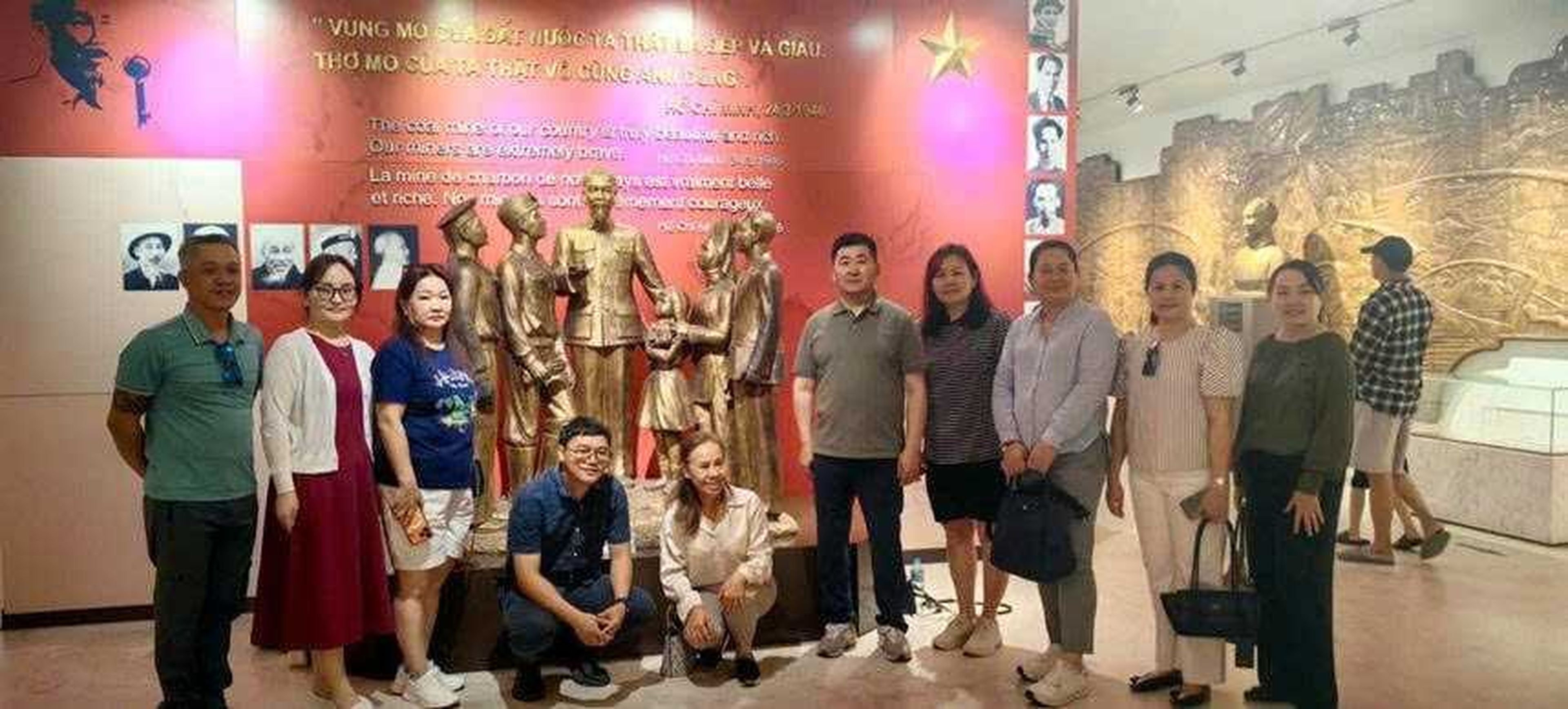
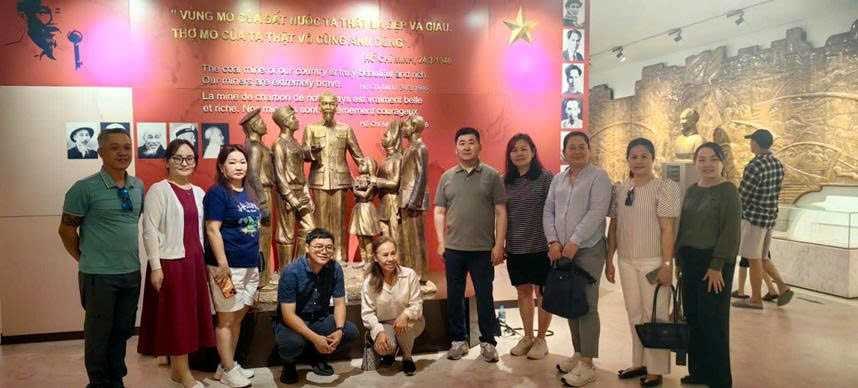 International delegates visiting Quang Ninh Museum
In a letter of thanks to the Quang Ninh Department of Culture, Sports and Tourism, Tuv Province (Mongolia), an EATOF member, expressed its appreciation for the province’s warm and professional hospitality. The delegation highly valued Quang Ninh’s experience and efforts in developing Ha Long Bay into a distinctive tourism destination that harmoniously combines heritage values with modern technology. It also expressed confidence that cooperation among EATOF member localities would continue to expand and develop sustainably in the years ahead.
The success of Ha Long Carnaval 2026 not only helped promote Quang Ninh’s image as a safe, welcoming, and attractive destination, but also reaffirmed the province’s role as an important bridge for advancing tourism cooperation and cultural exchange among organizations and localities in the region and around the world.