

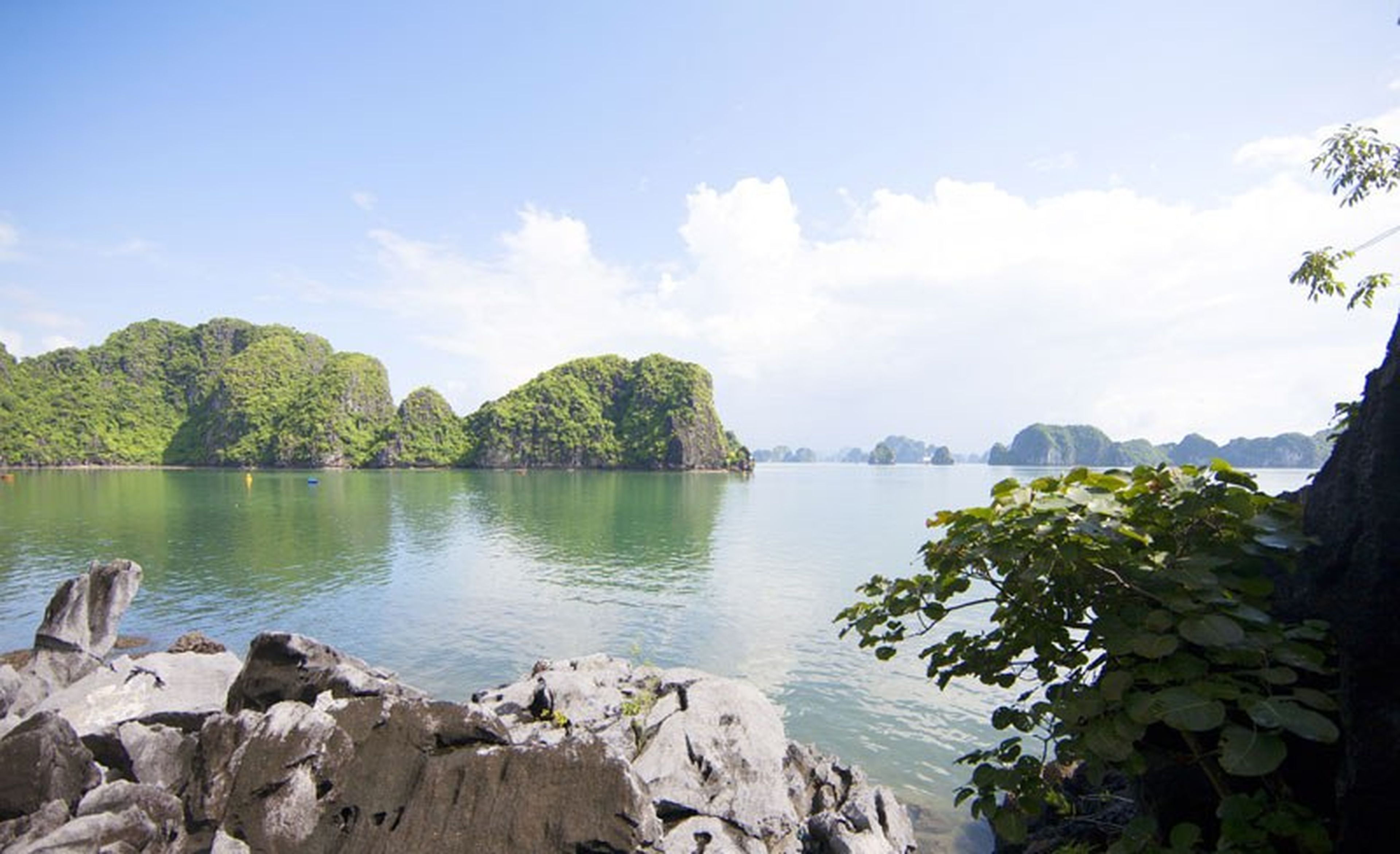
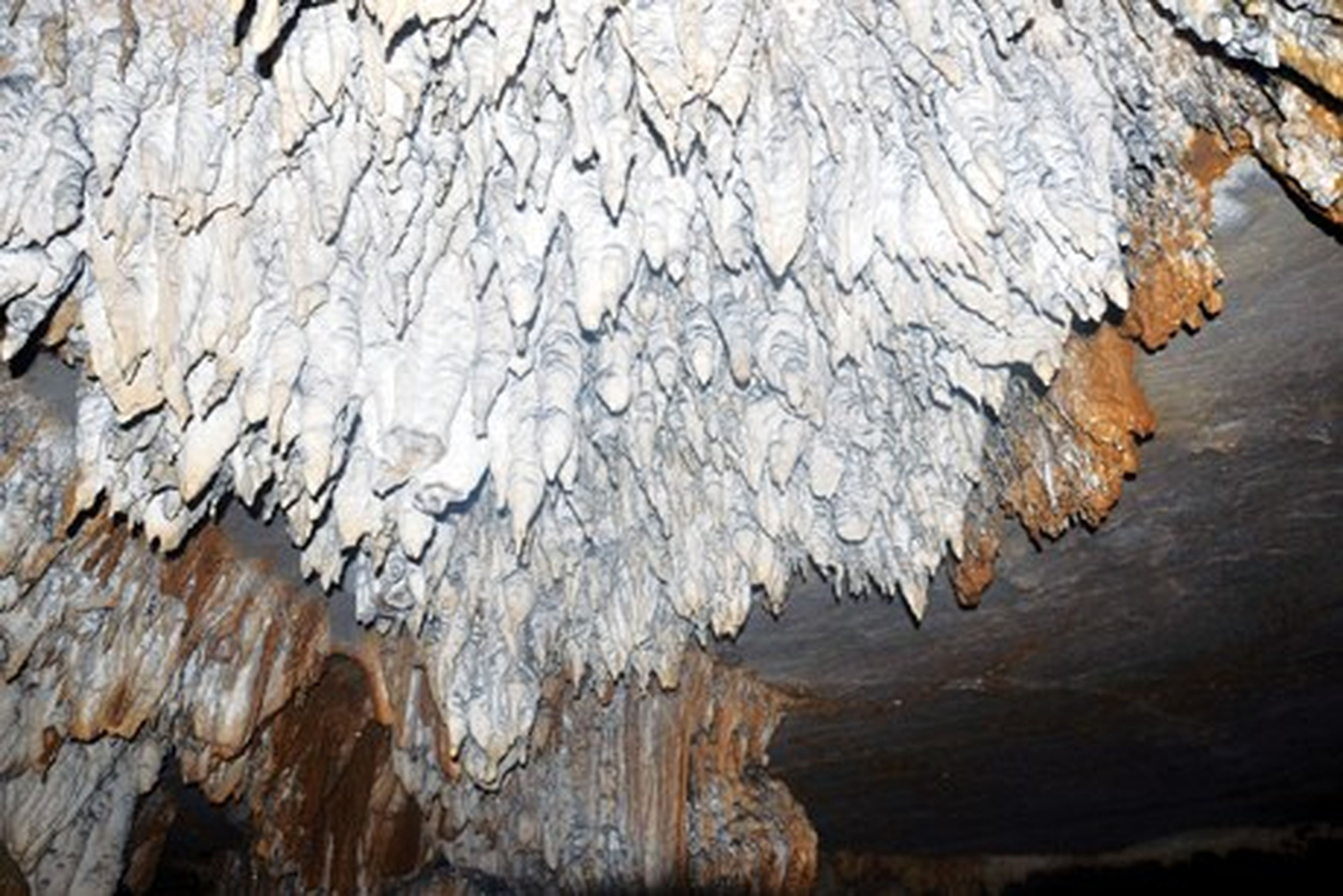
Ho Dong Tien Cave nestles between two cliffs in Ha Long Bay, standing out not only for its scenic value but also for its immense value for scientific, geological and geomorphological research. It is a favorite cave among many researchers.
Ho Dong Tien Cave – A fairyland within the heritage of Ha Long Bay
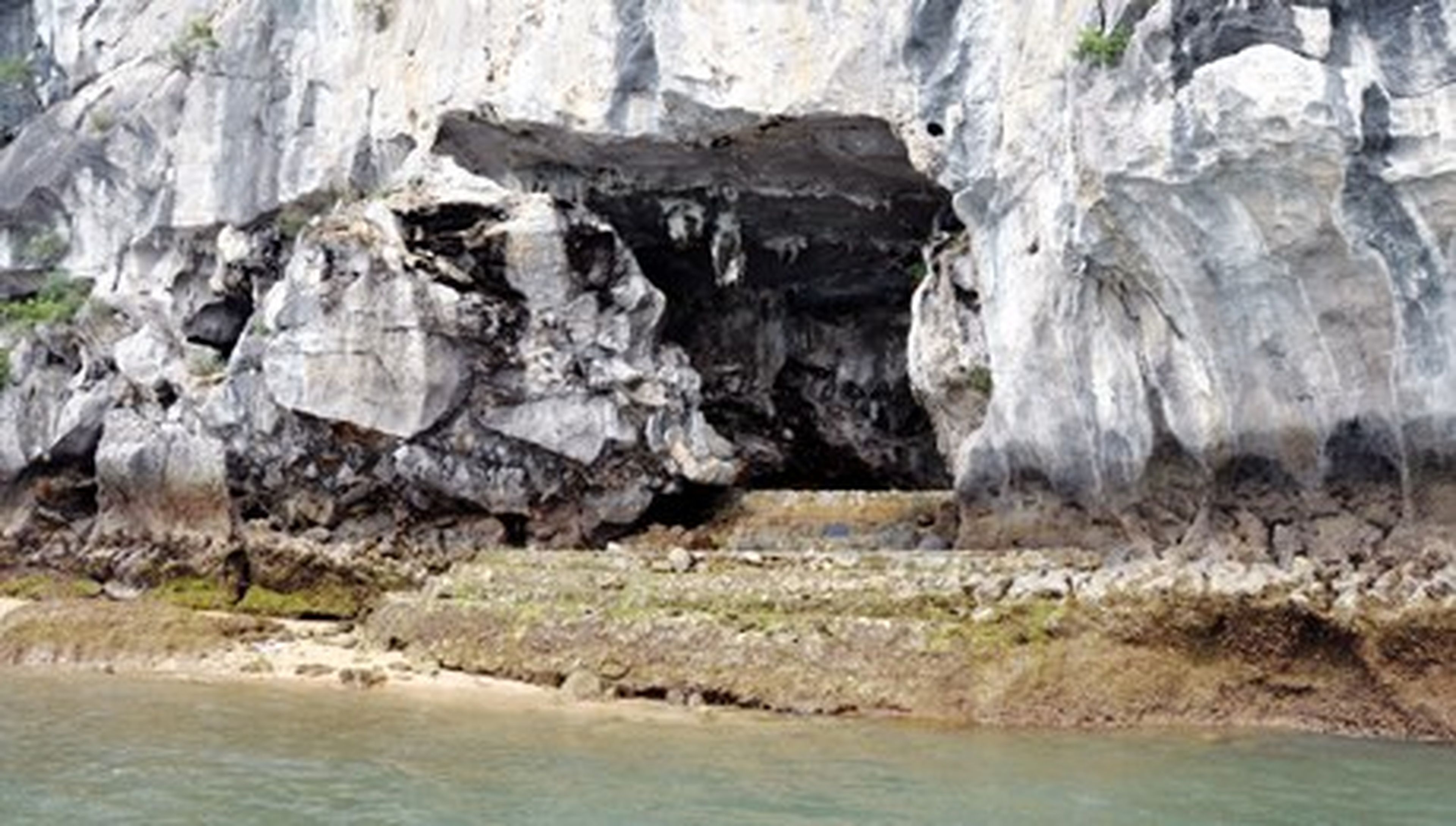
Ho Dong Tien Cave is only slightly above sea level, so the cave entrance was renovated to prevent flooding. To explore the cave, visitors take a tour through three chambers. The passages between the chambers are very narrow, just wide enough for one person, and the deeper one goes, the darker the cave becomes.
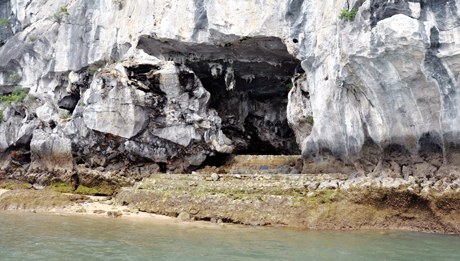
Outside the cave entrance. Photo: Quang Ninh Newspaper.
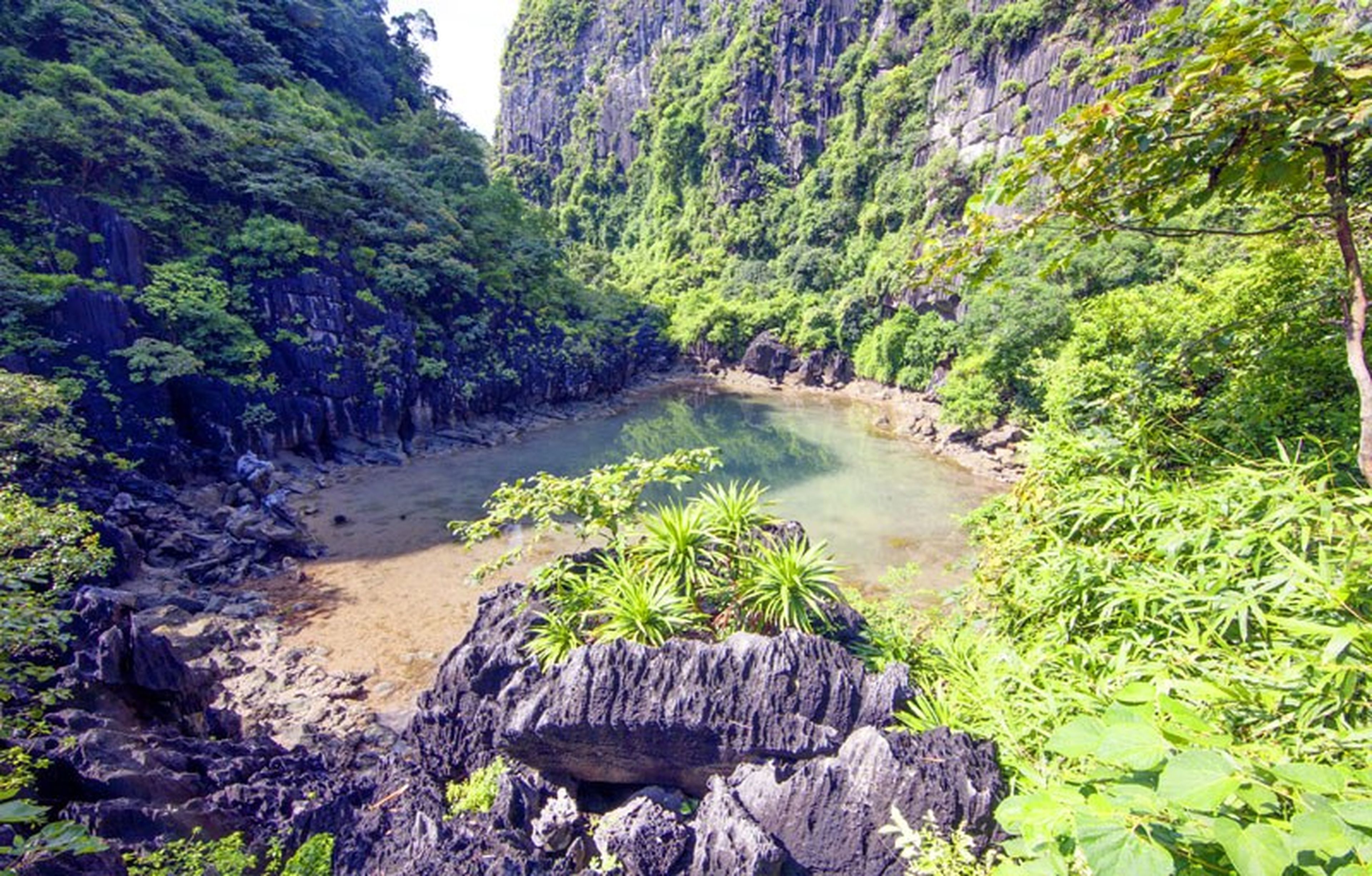
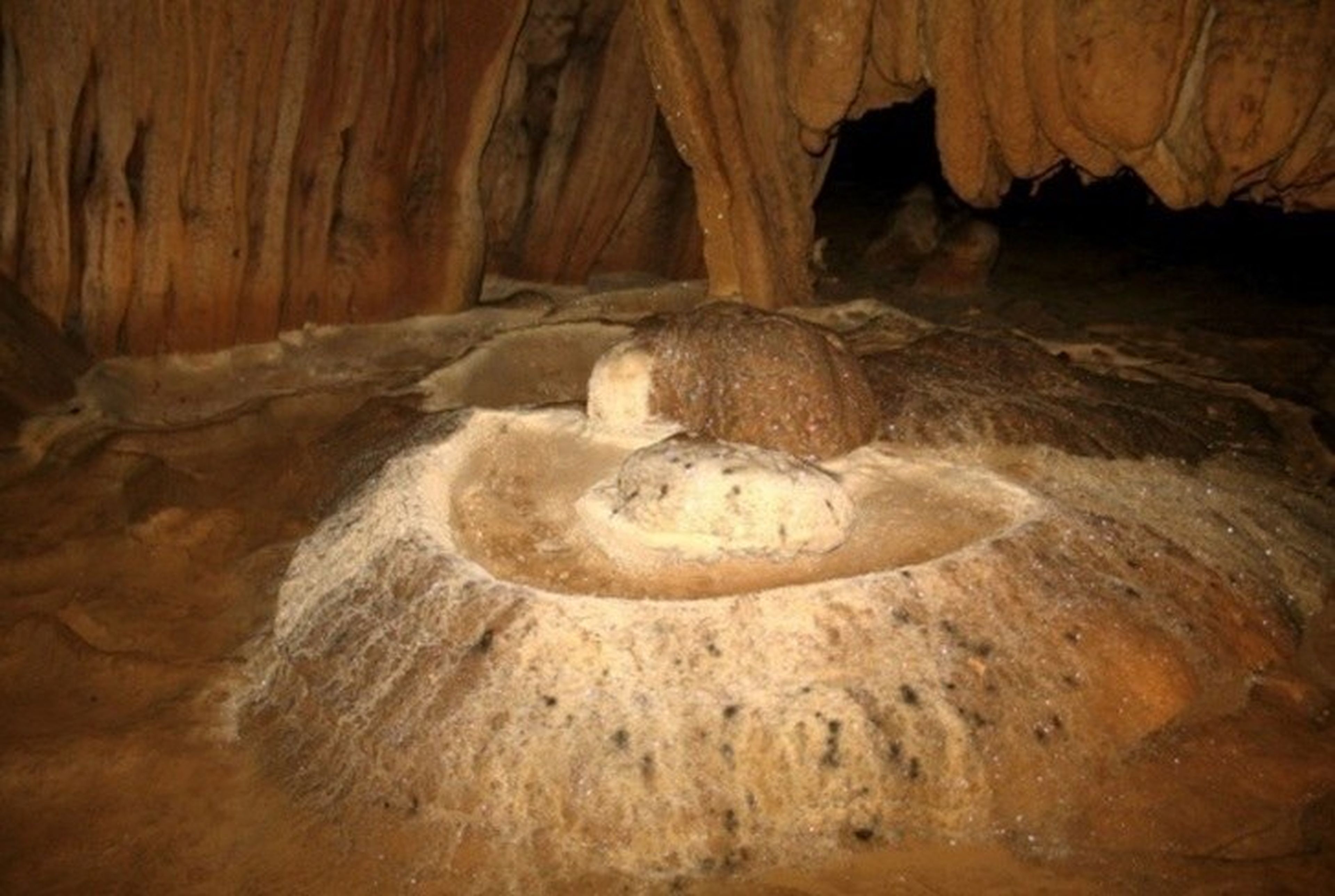
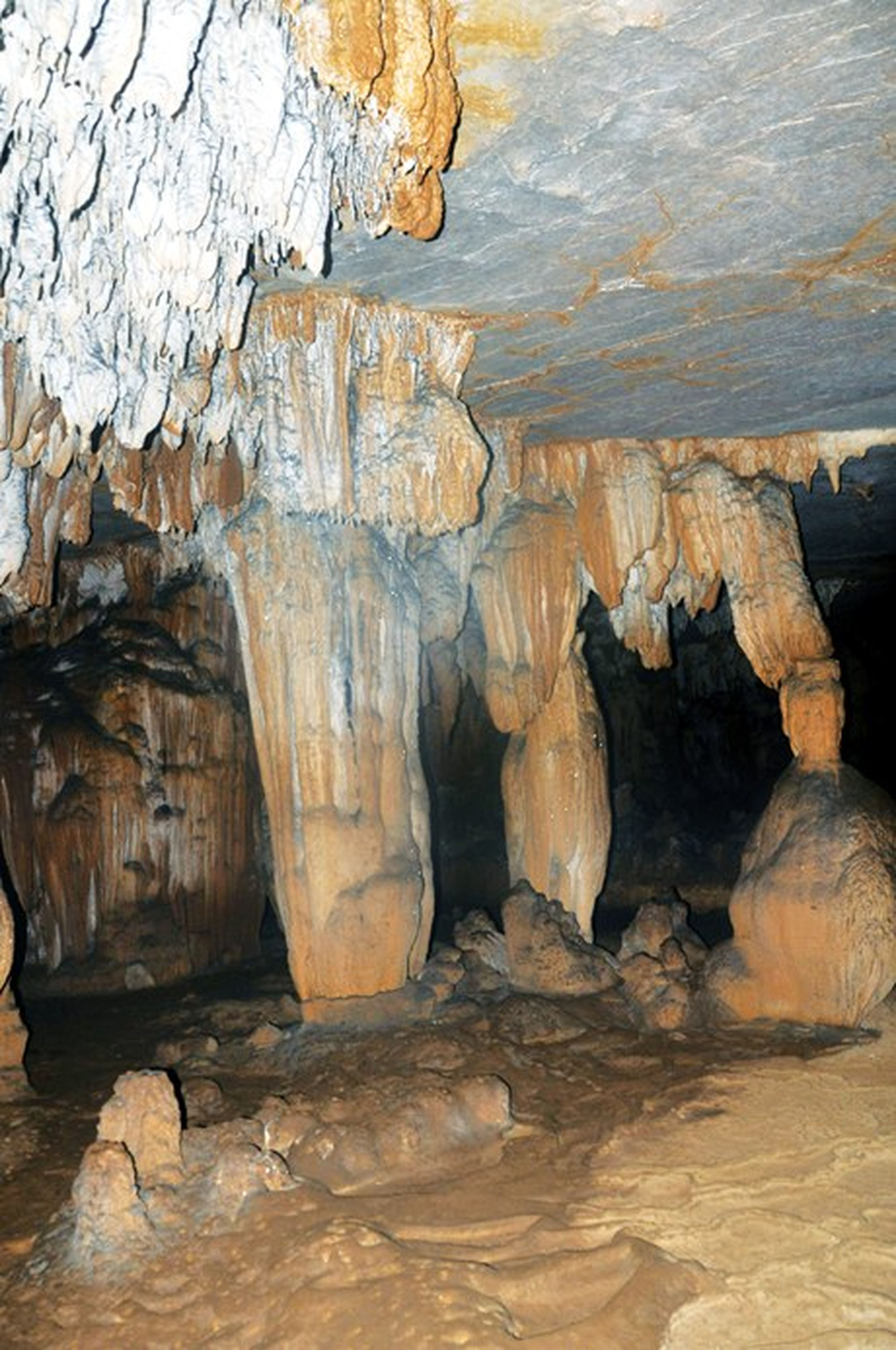
The second chamber of the cave has two openings leading to an enclosed lake, surrounded by limestone mountains. The limestone mountains are home to diverse flora and fauna. In addition to its scientific value in geology, geomorphology and biodiversity, the cave also possesses a unique beauty of its own. The stalactites in the cave have been little affected by light, so they sparkle when illuminated.
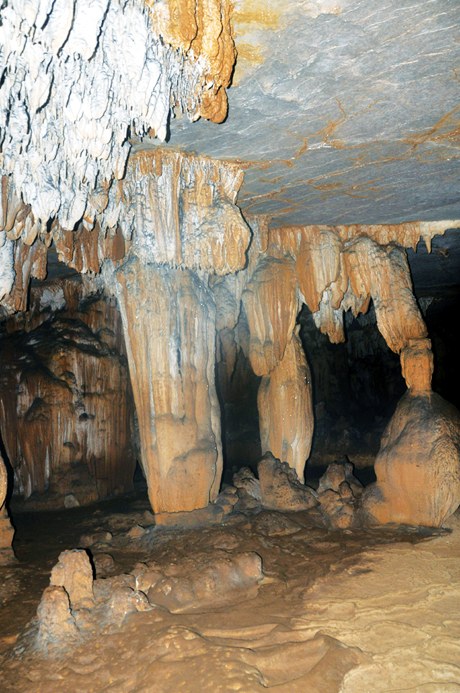
Numerous stalactite columns rise upward. Photo: Quang Ninh Newspaper.
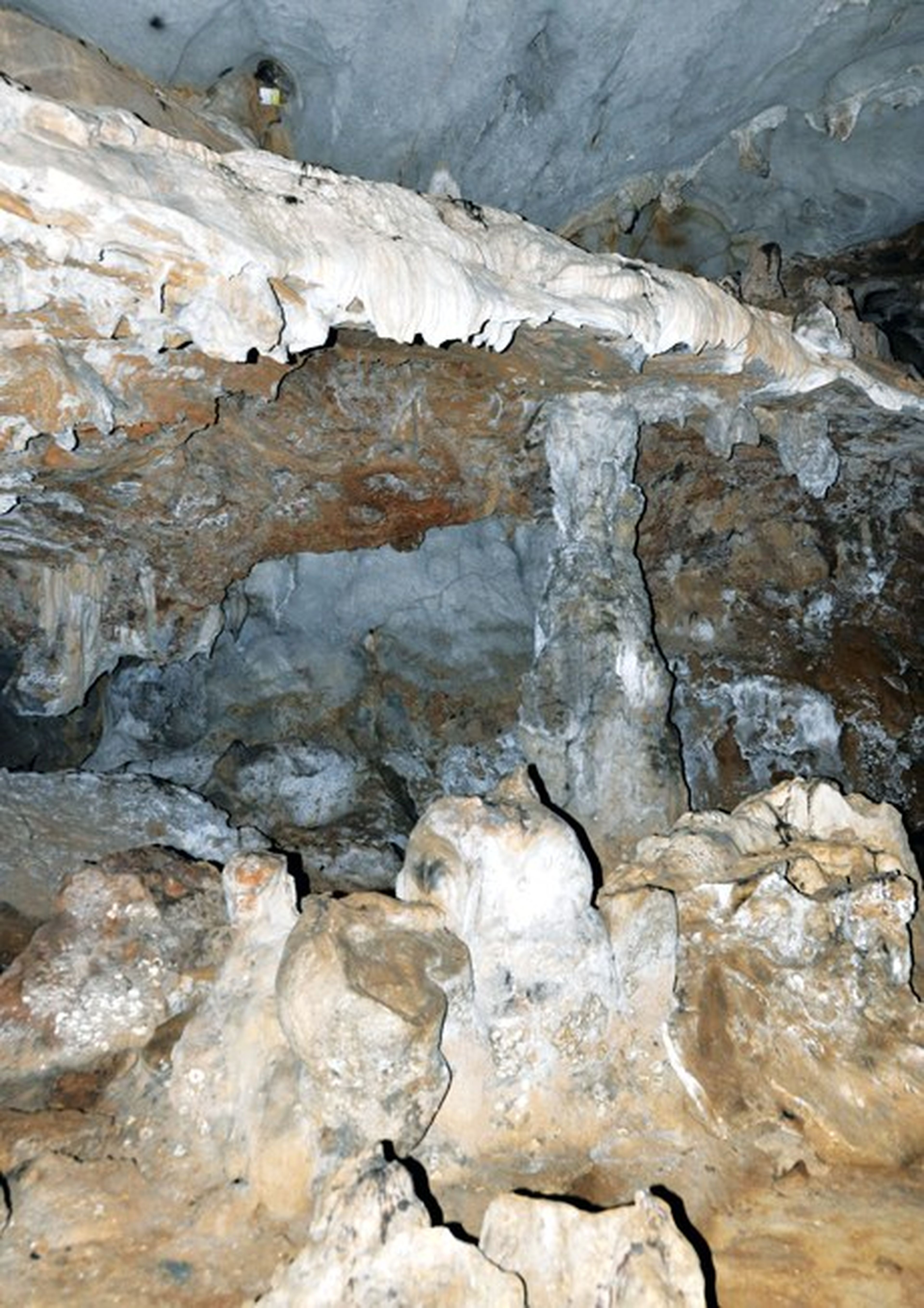
The rock formations in Ho Dong Tien Cave were formed during different periods of history and continue to change. Remains of numerous cave levels, shaped like lofts, can still be seen on the walls; they were formed through the erosion caused by underground water over millions of years.
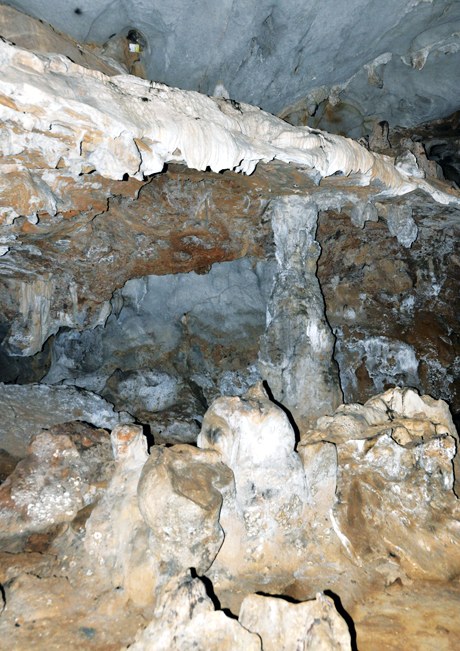
Numerous loft-like levels in the cave. Photo: Quang Ninh Newspaper.
However, many parts of the cave have been filled with sediment and remain unexplored. It is this constant transformation of the stalactites that has attracted many geologists and archaeologists to conduct research here.
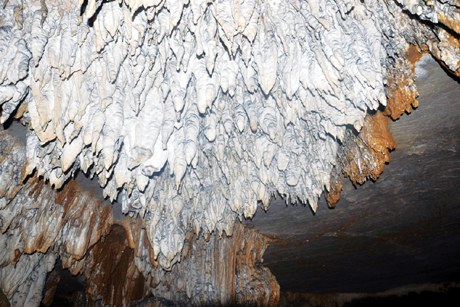
Numerous sparkling stalactites. Photo: Quang Ninh Newspaper.
The stalactite columns have formed the cave's main chambers. Some sections of the cave are extremely cramped, low and narrow, allowing only one person at a time to pass through while stooping. The cave is humid and poorly lit, so visitors need flashlights to get around. The floor is also quite slippery, so visitors are often advised to wear suitable footwear when exploring it.
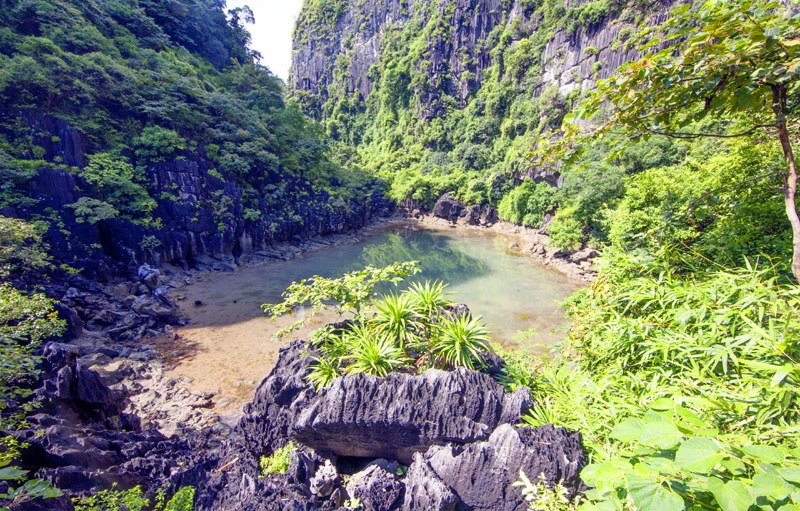
The lake inside the cave. Photo: Quang Ninh Newspaper.
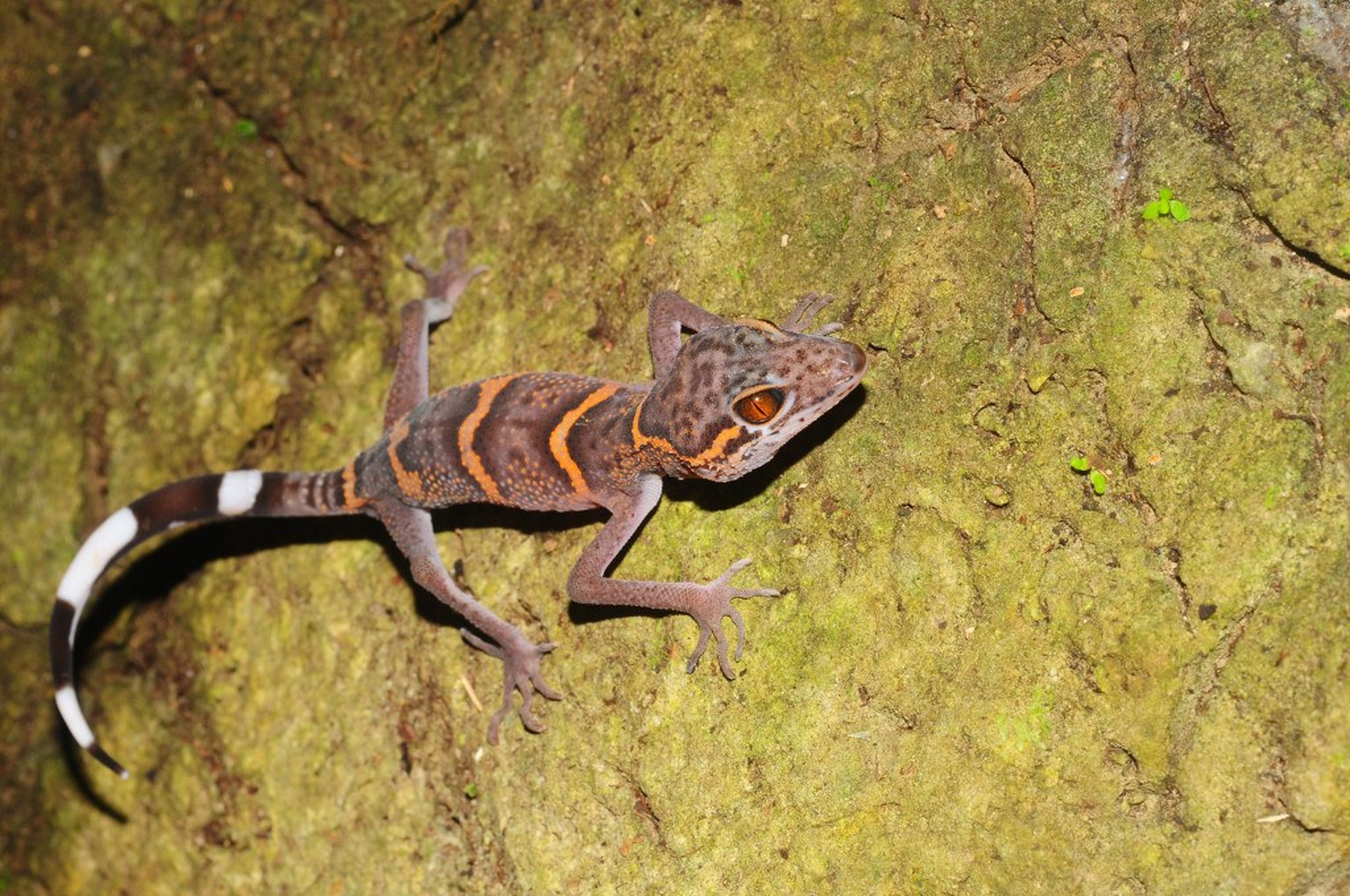
The cave currently contains many columnar stalactites hanging down to touch the floor, providing grounds to speculate that an ancient cave level still lies beneath the floor. There are also many stalagmites rising up to support the stalactite columns. Half of the lower part of the cave remains filled with sediment, concealing an undiscovered mystery.
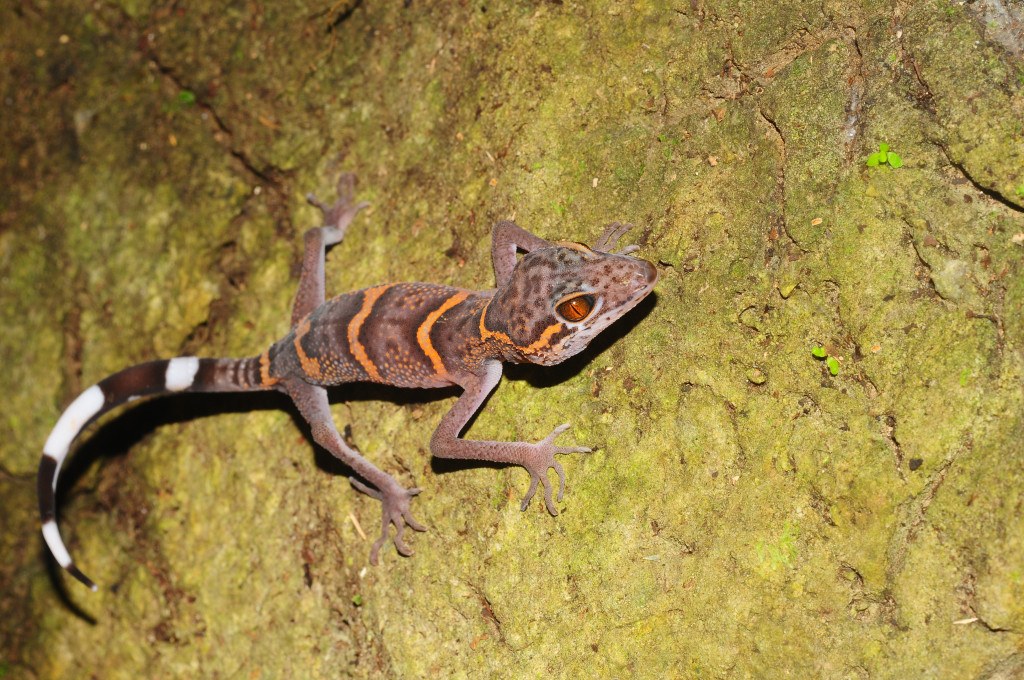
The rare Cat Ba eyelid gecko, one of the species living in the cave. Photo: Quang Ninh Newspaper.
The second chamber of Ho Dong Tien Cave has two openings leading to a lake surrounded by limestone mountains. Lakes of this type are called áng. In fact, they are karst funnels whose bottoms have been flooded.
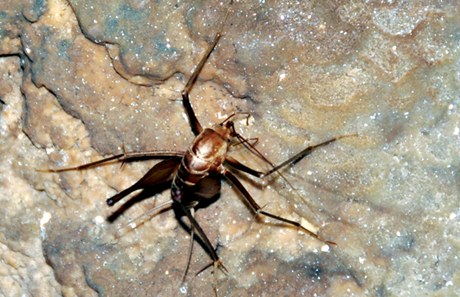
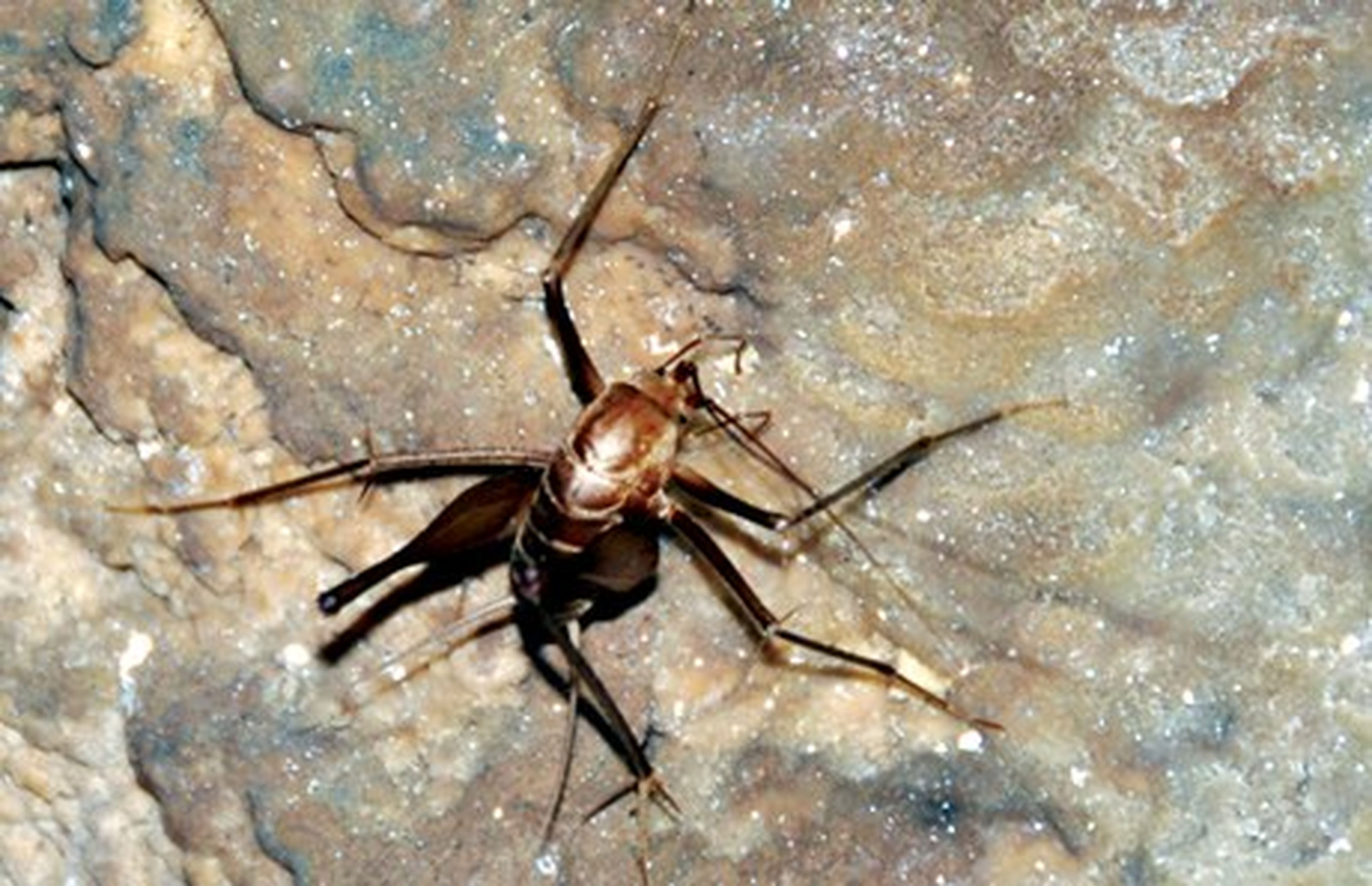
Cave crickets in Ho Dong Tien Lake. Photo: Quang Ninh Newspaper.
This is a special ecological environment that is both isolated and connected to the sea through a system of underground caves and fissures in the limestone. As a result, ángs often contain a unique ecosystem with many endemic species.
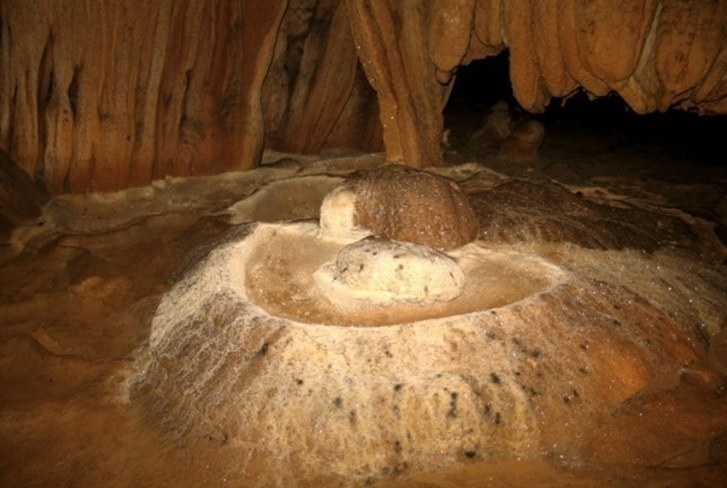
Photo: Ha Long Bay.
Legend has it that in ancient times, fairies descended to bathe in the lake and sleep on the stone slabs inside the cave. That is how the name “Ho Dong Tien” Lake came into being.
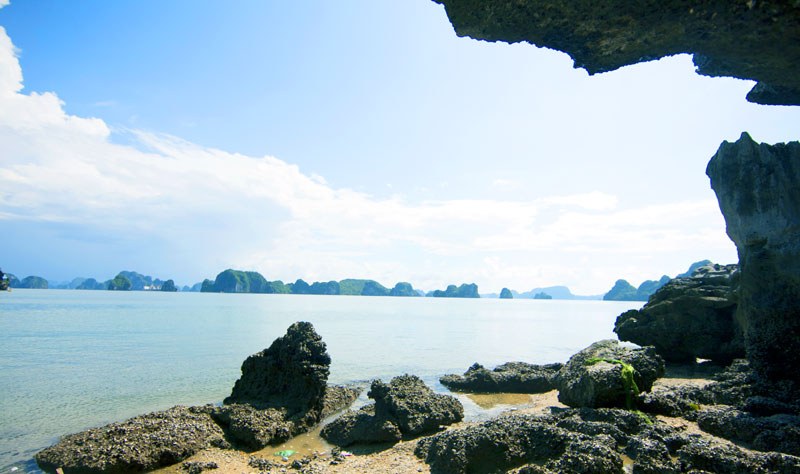
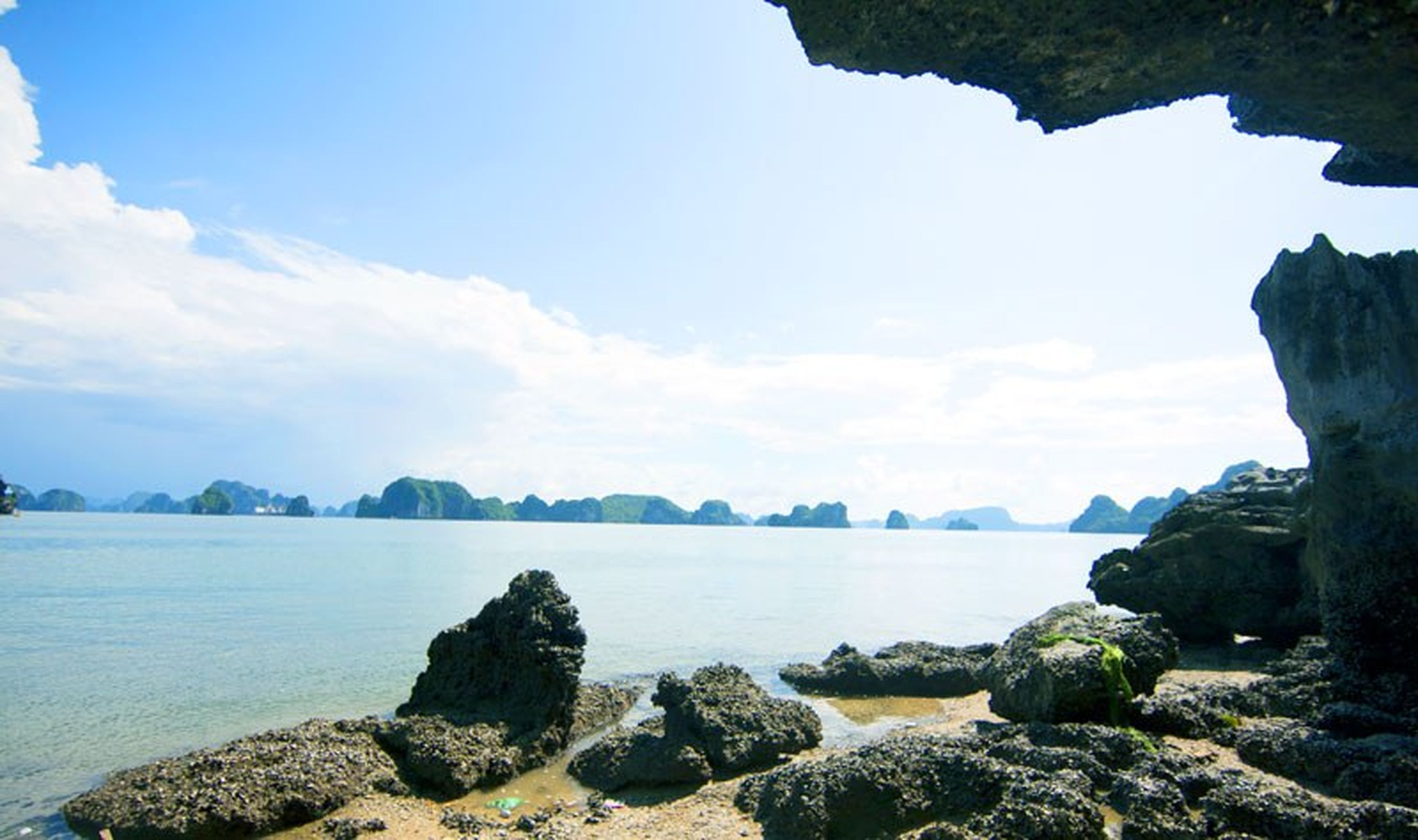
The landscape outside the cave. Photo: Quang Ninh Newspaper.
Ho Dong Tien Cave was once a favorite refuge for people living apart from the outside world. In the 20th century, Vietnamese and Chinese pirate gangs used the cave to hide their treasures. In the 1950s, the Viet Minh used it as a hideout.
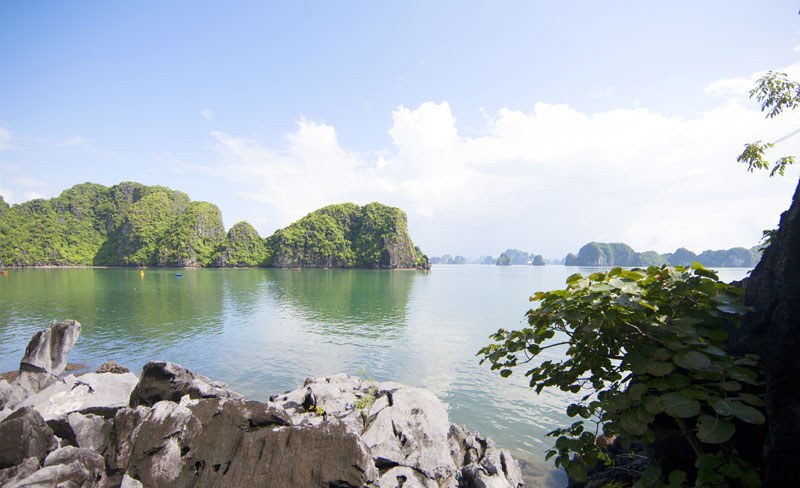
The cave entrance viewed from inside. Photo: Quang Ninh Newspaper.
This place has all the elements needed for hiding and defense, including a source of fresh water; protection from rain and wind; a difficult-to-access cave; activities inside the cave that cannot be detected from outside; and small, narrow tunnels that make it difficult to enter the cave.