Phong Coc has long been known for the distinctive cultural values, festivals and craft villages of the Ha Nam island area. Building on values preserved through generations, the locality is gradually transforming its heritage into tourism products, turning culture into a development resource in the spirit of Resolution 80-NQ/TW .
Located at the center of the Ha Nam island area, Phong Coc Ward possesses a distinctive system of cultural heritage associated with the history of land reclamation from the sea. The area is home to Tien Cong Shrine, Coc Communal House, Hung Hoc Communal House, ancient village communal houses and clan ancestral halls, along with traditional customs such as clan ancestor memorial ceremonies and clan feast-opening ceremonies, all preserved through many generations.
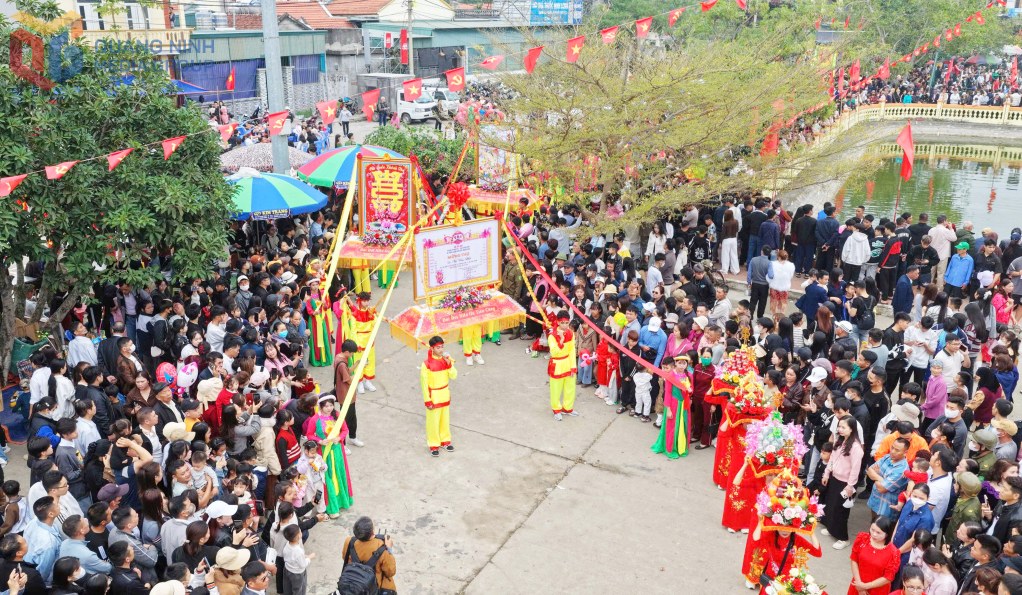
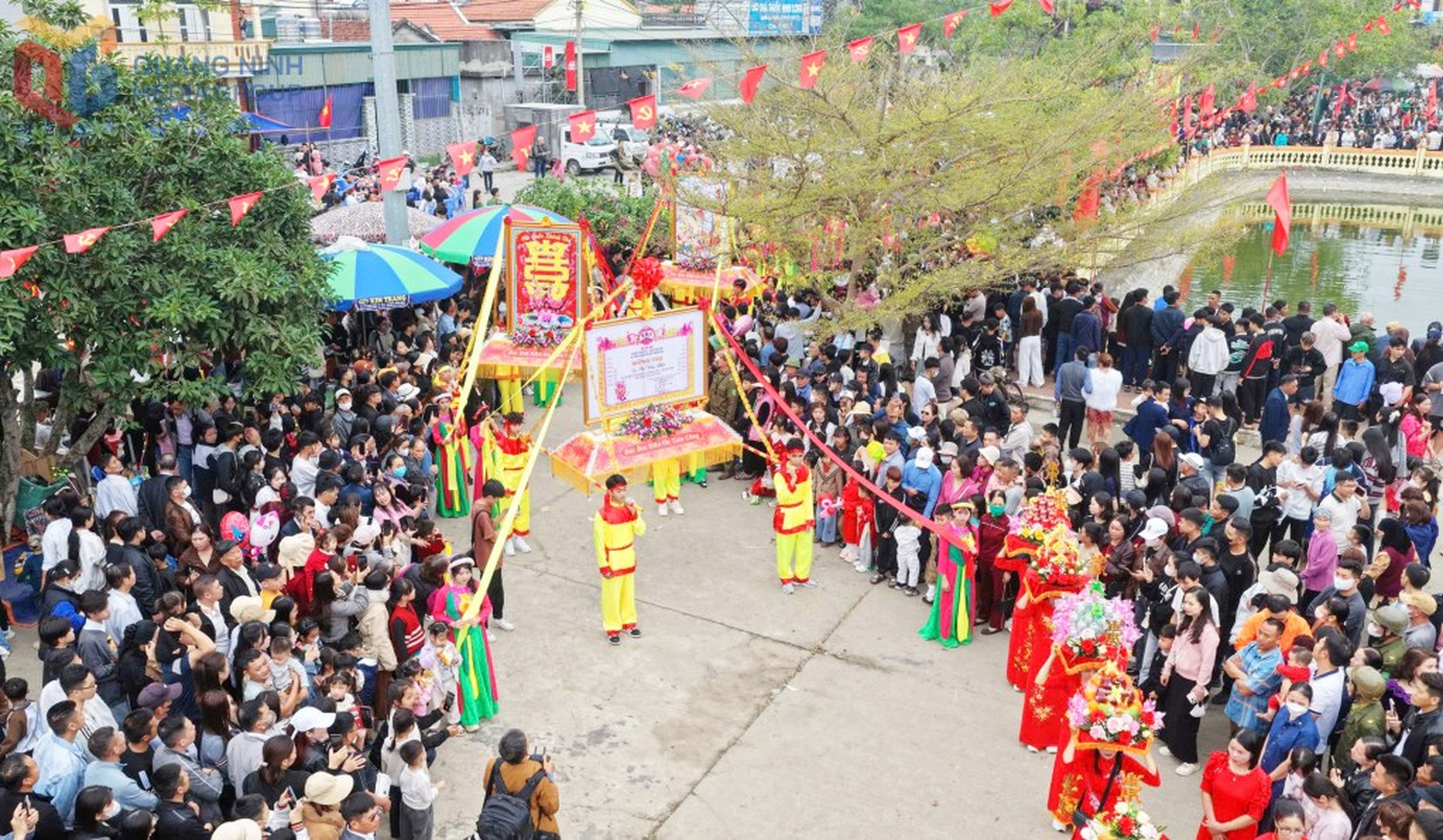
Phong Coc stands out not only for the number of its historical and cultural sites and festivals, but also because these cultural values remain present in community life. From clan activities to stories of reclaiming the Ha Nam island area passed down through generations, everything contributes to the distinctive identity of this land. Among them, the Tien Cong Festival and the Going-to-the-Fields Festival both preserve the historical and cultural values of agriculture while also becoming highlights that attract visitors seeking to explore the area. Sharing his views on turning culture into a development resource, Mr. Ngo Dinh Dung, Vice Chairman of the Phong Coc Ward People's Committee, said: "Phong Coc has identified the development of culture as an endogenous resource, linking the preservation and promotion of heritage values with tourism development to create cultural products with a distinctive identity."
Based on this orientation, traditional festivals are no longer viewed merely as community cultural and religious activities, but are being approached through conservation linked with appropriate utilization to develop sustainable tourism. According to the locality's cultural development plan, by 2030, Phong Coc will develop at least 5 distinctive cultural tourism products, including: the Tien Cong Festival Journey; the Going-to-the-Fields Festival experience; the clan cultural space - clan feast-opening ceremonies and ancestor memorial ceremonies; communal house tourism - the Great Auspicious Blessing Festival; and traditional craft village experiences.
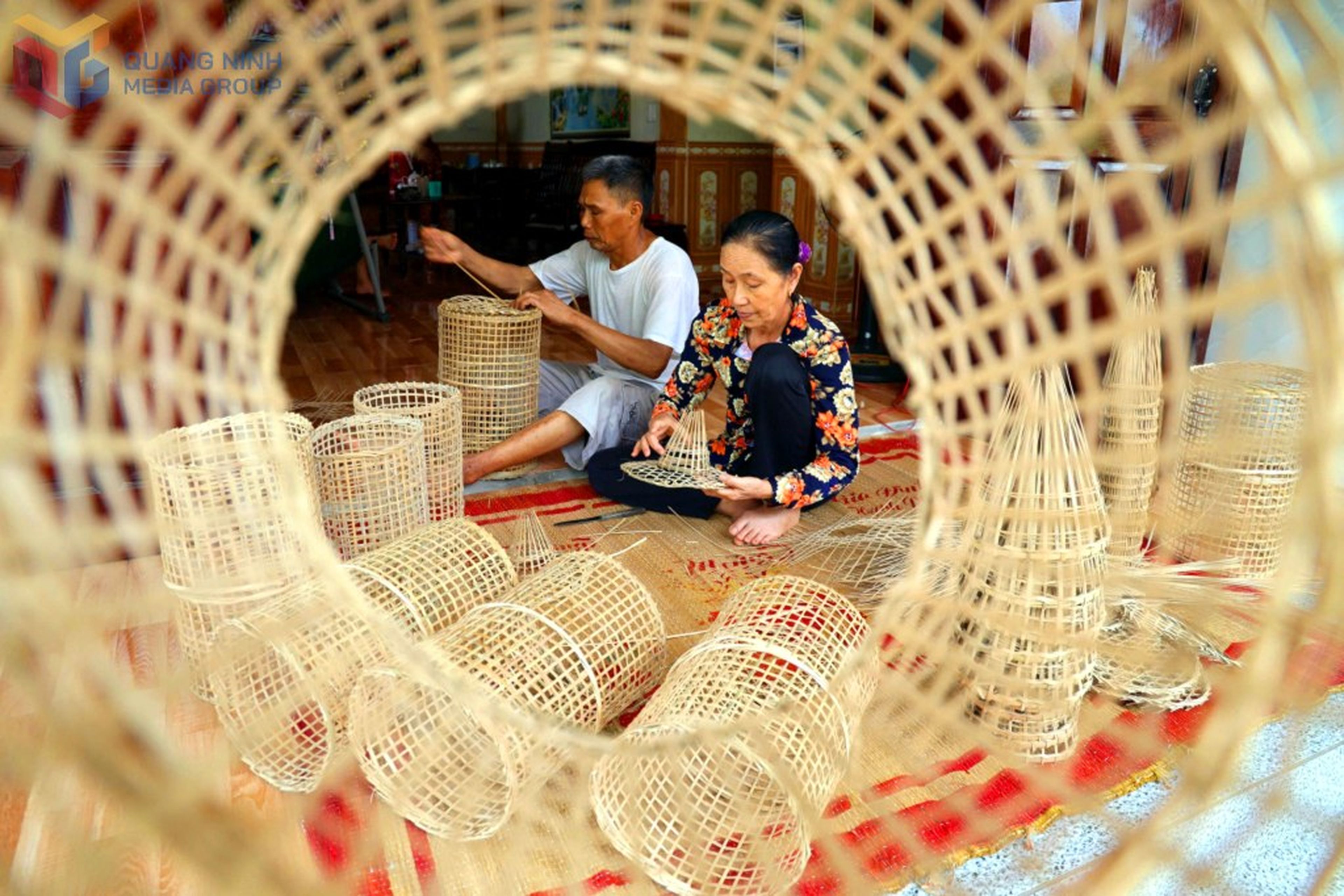
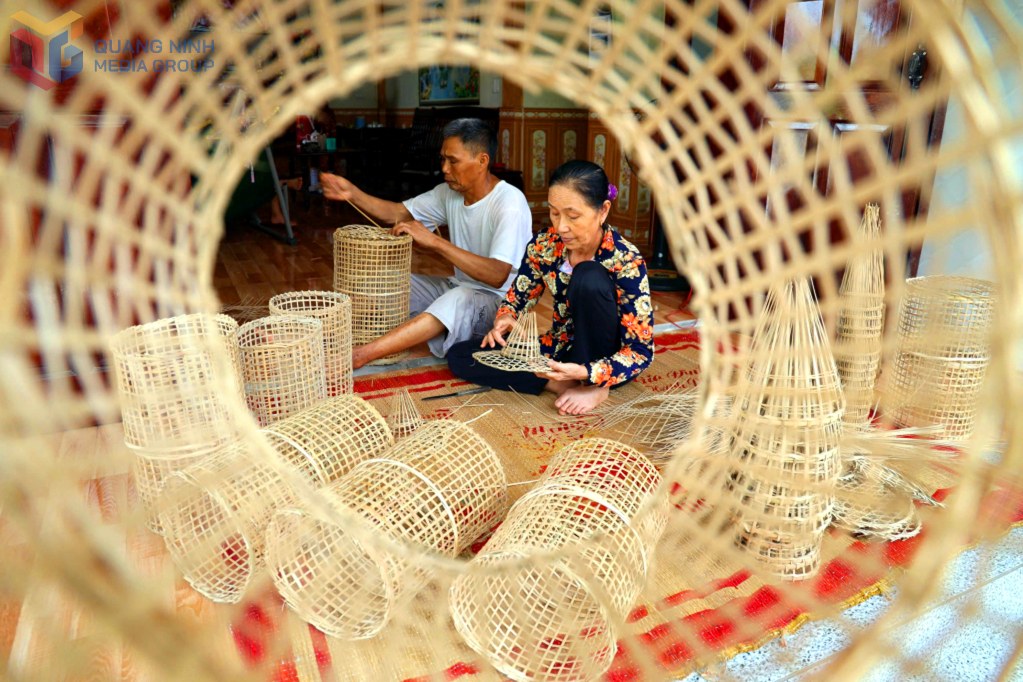
Among these, restoring the traditional Hung Hoc fishing-gear weaving craft in association with tourism experiences is considered a promising direction. Not only does the craft village preserve the traditional occupation of residents in the coastal estuary area, it also helps visitors learn about livelihoods, the culture of labor and local history. Alongside this, Phong Coc is focusing on connecting distinctive cultural sites and destinations to create cultural exploration journeys in the Ha Nam area, helping increase its appeal to visitors.
From the story of festivals, communal houses and craft villages, Phong Coc is moving toward building a new development model: a “cultural ecosystem - heritage economy - creativity.” In this model, heritage is not merely an object of conservation, but also becomes a resource that creates livelihoods, jobs and added value for the community.
To realize this goal, the people's role as the main stakeholders is placed at the center. Artisans, older residents, clans, business households and neighborhood communities can all participate in conserving, introducing and utilizing cultural values. The community itself will tell the stories of Tien Cong, the ancient communal houses, the custom of clan feast-opening ceremonies and the traditional crafts that have been associated with this land for generations.
Alongside promoting heritage values, the locality also aims to complete the restoration and embellishment of national-level historical and cultural sites such as Tien Cong Shrine, Hung Hoc Communal House and Ho Mach; and prepare a dossier proposing that Coc Communal House and Tien Cong Shrine be recognized as special national-level historical and cultural sites. In parallel, it is tasked with providing heritage education for the younger generation. Through activities involving experiential learning and the study of local history, students are nurtured with pride in their homeland and develop greater awareness of preserving and promoting traditional cultural values.
The plan does not stop there. Phong Coc Ward also aims to build a digital database of local heritage and culture, establish a digital tourism and heritage map, develop digital communications products and create a dedicated communications channel for Phong Coc culture. The locality also aims to establish a nighttime economy space featuring a pedestrian street, a cultural night market, a traditional food space and regular folk art performances...