

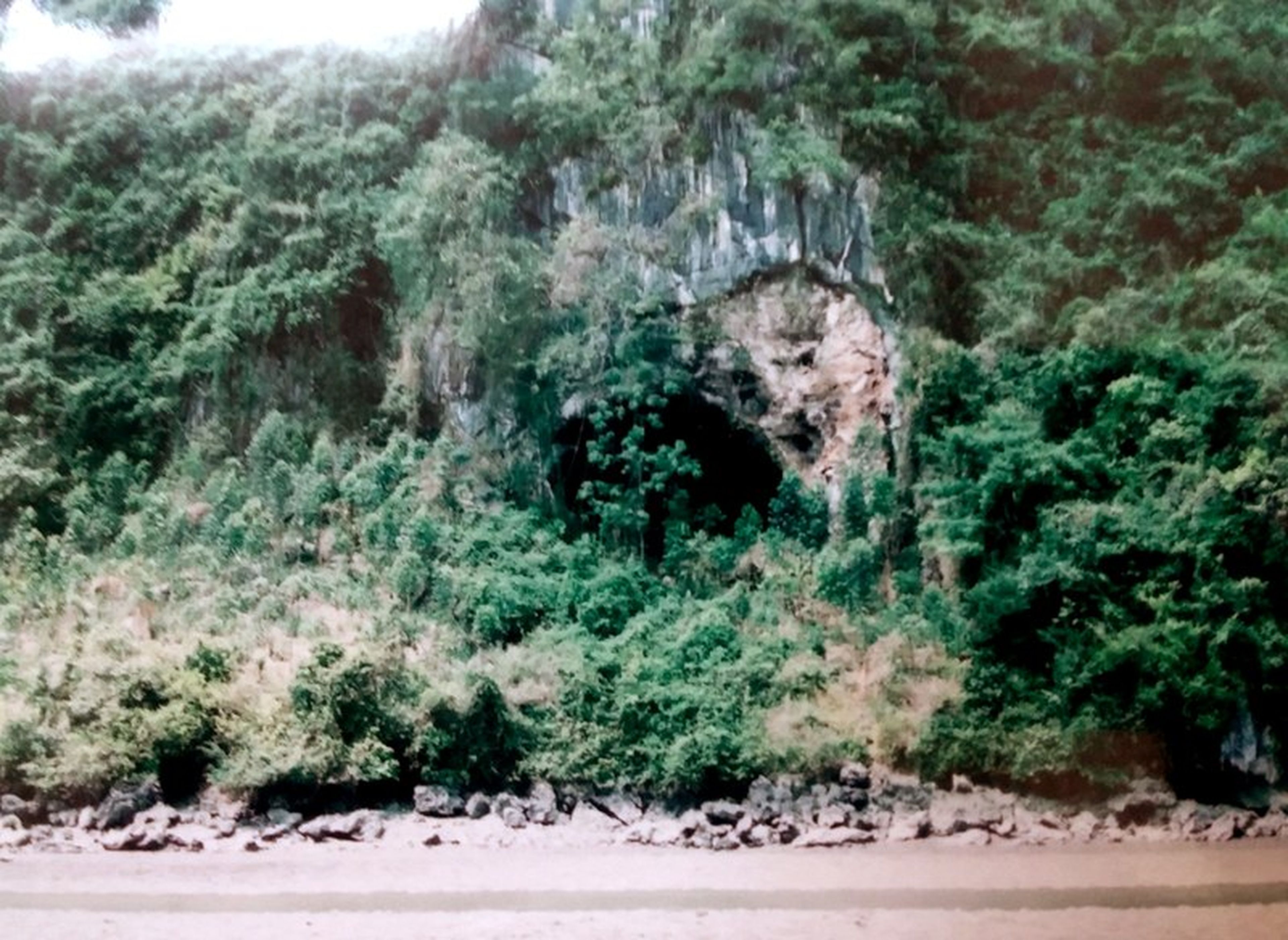
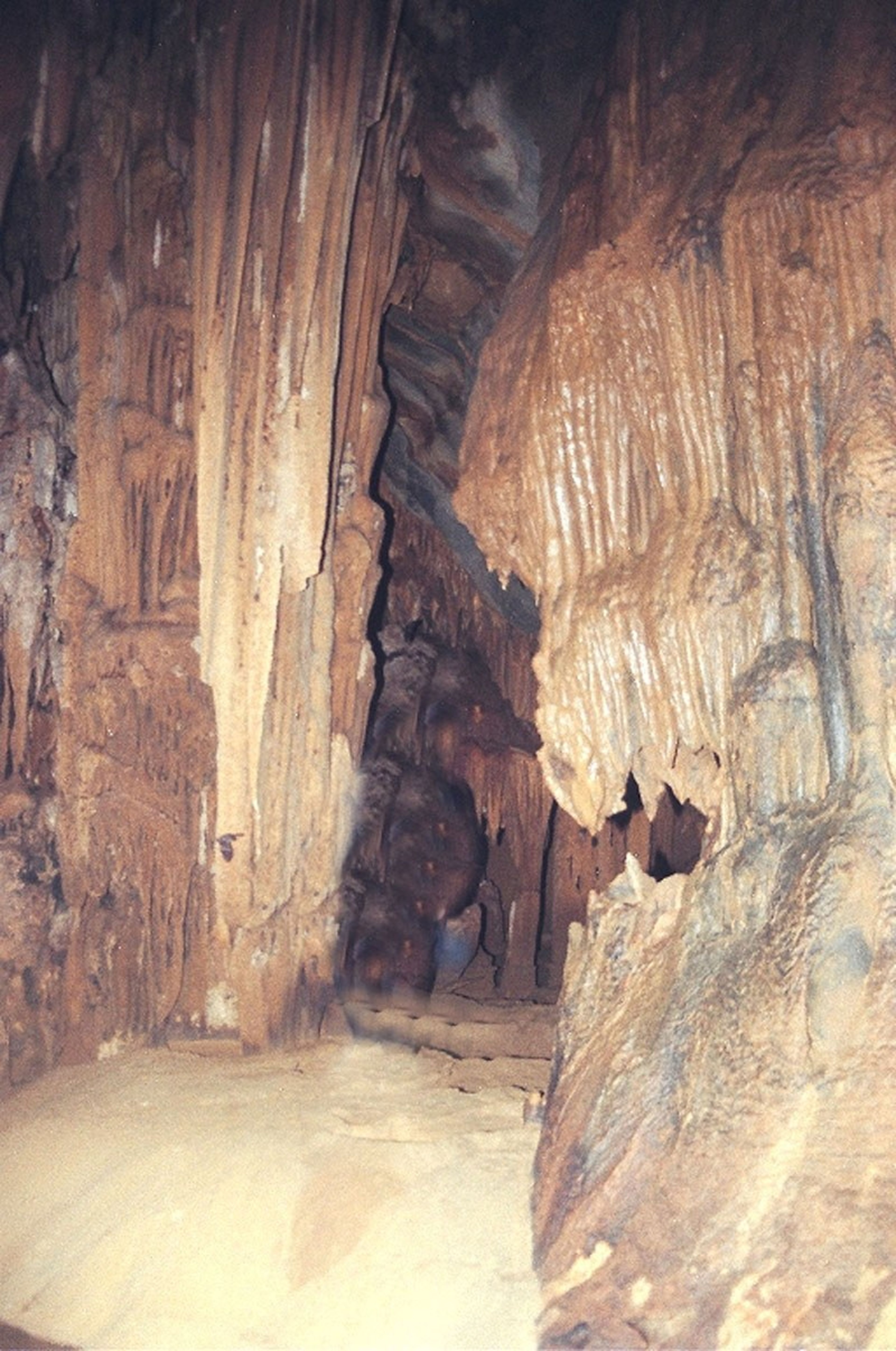
Hang Nhà Trò Cave is 2 km from Bản Sen Commune, Vân Đồn District. The cave retains its pristine beauty, and the deeper you venture, the more surprised you will be by its heavenly scenery, filled with stalactites and stone pillars.
Hang Nhà Trò Cave – The “Theater” Amid the Open Sea of Vân Đồn
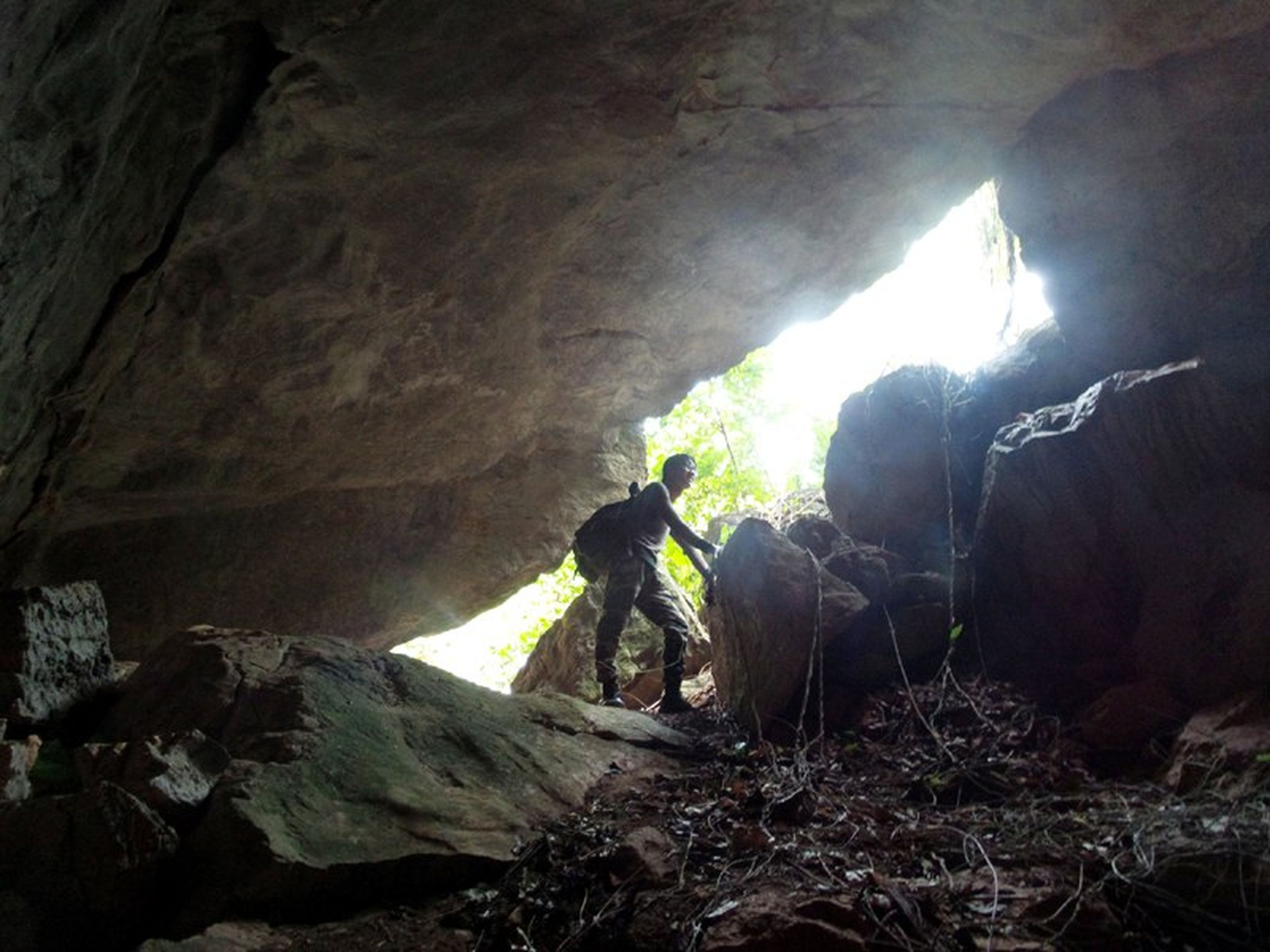
Recently, tourism in Vân Đồn has gradually grown strongly, but Hang Nhà Trò Cave is still waiting to be awakened. Therefore, to get here, visitors must travel by small boat. Even local people do not know exactly where the name “Nhà Trò” came from. The cave entrance is narrow and lies halfway up the mountain, but the deeper you go, the more spacious the cave becomes.
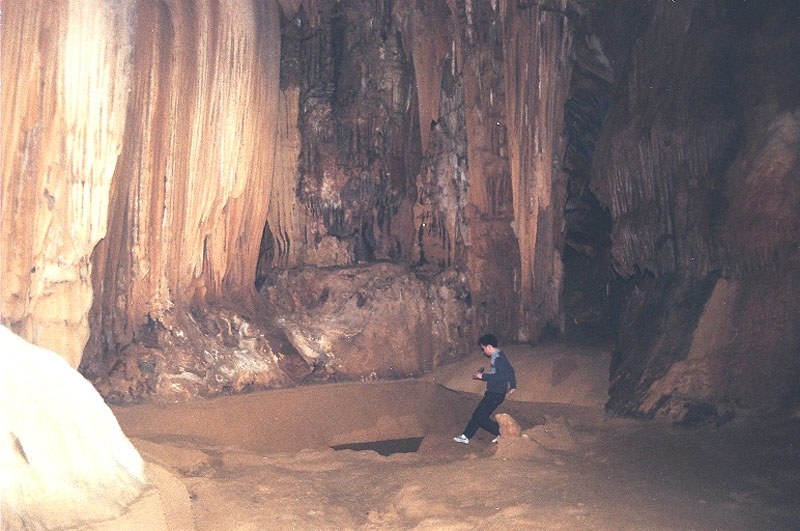
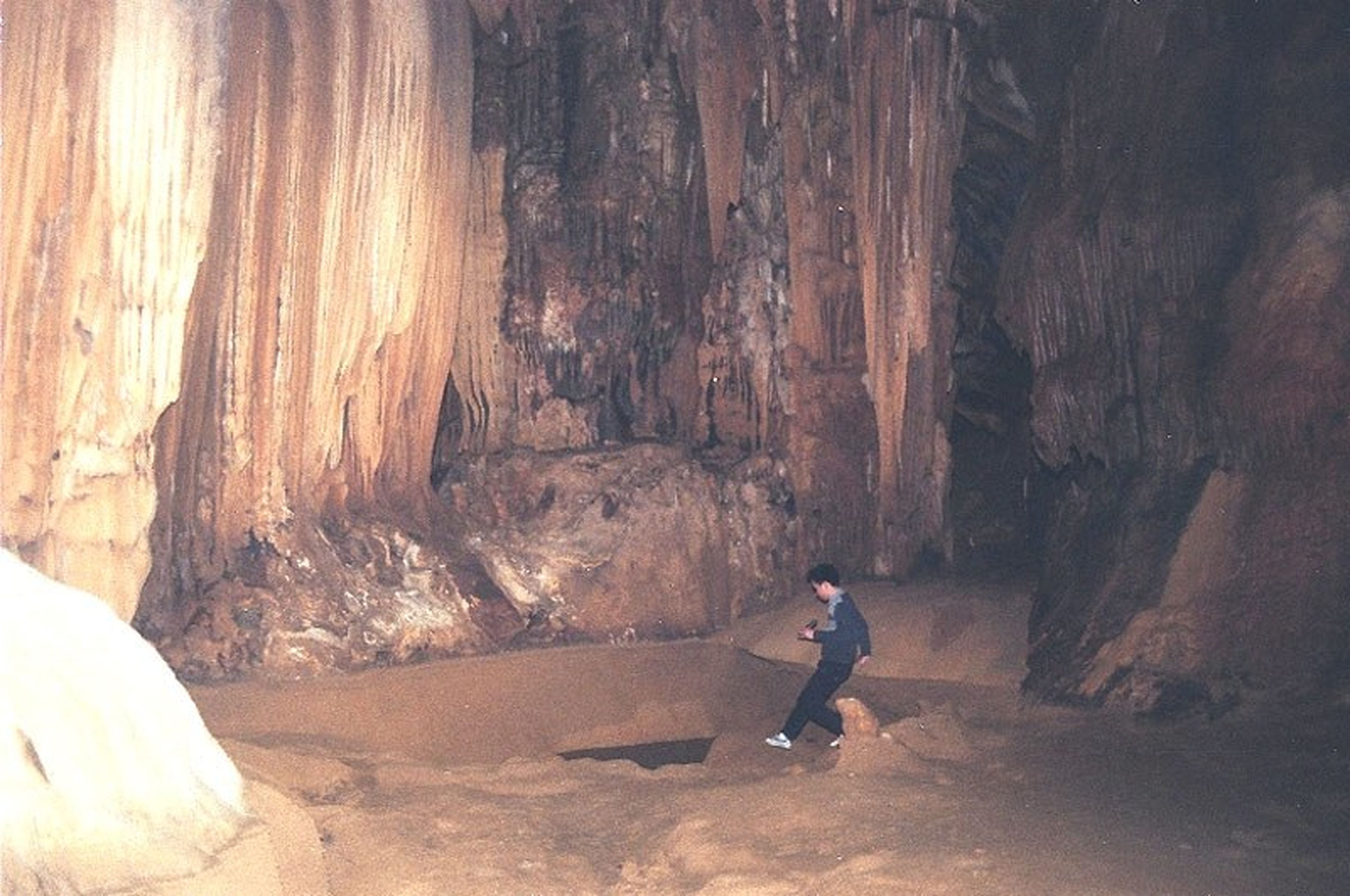
The cave has a vast space inside, like a stage. Photo: Quảng Ninh Newspaper.
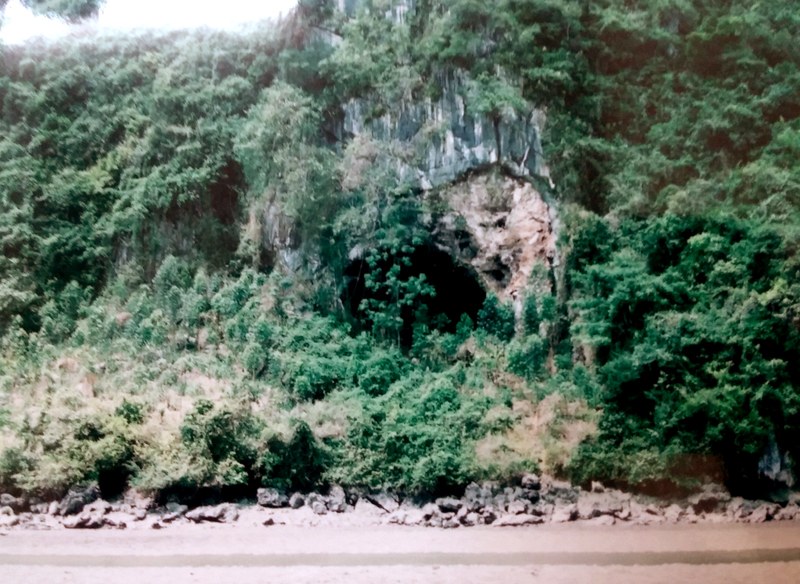
Hang Nhà Trò Cave seen from the outside. Photo: Quảng Ninh Newspaper.
Although no documents have been written about the cave’s name, from the cave entrance to its main area, it seems that the name Nhà Trò refers to a place where entertainment activities often took place, much like a theater today. Along the route into the cave, there are many stalactites shaped like animals, while a roughly 50-square-meter open area inside resembles a stage.
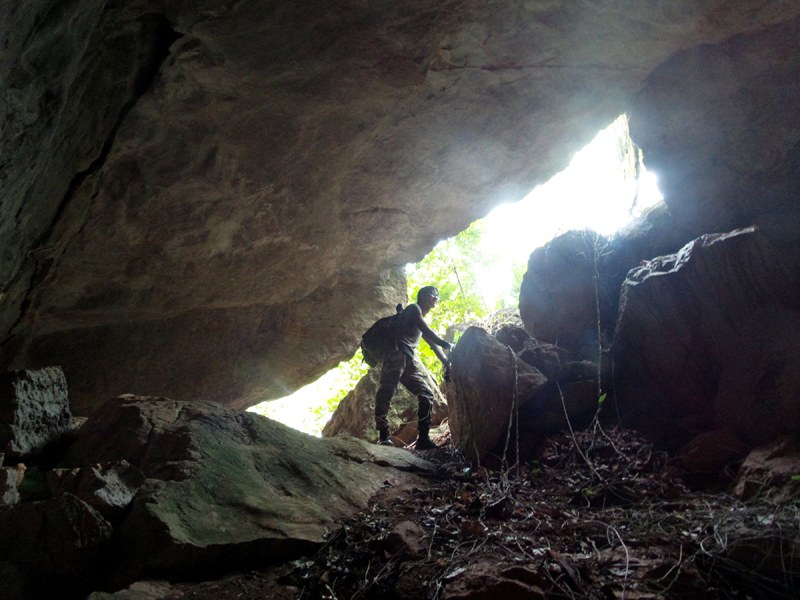
The route into Hang Nhà Trò Cave. Photo: Quảng Ninh Newspaper.
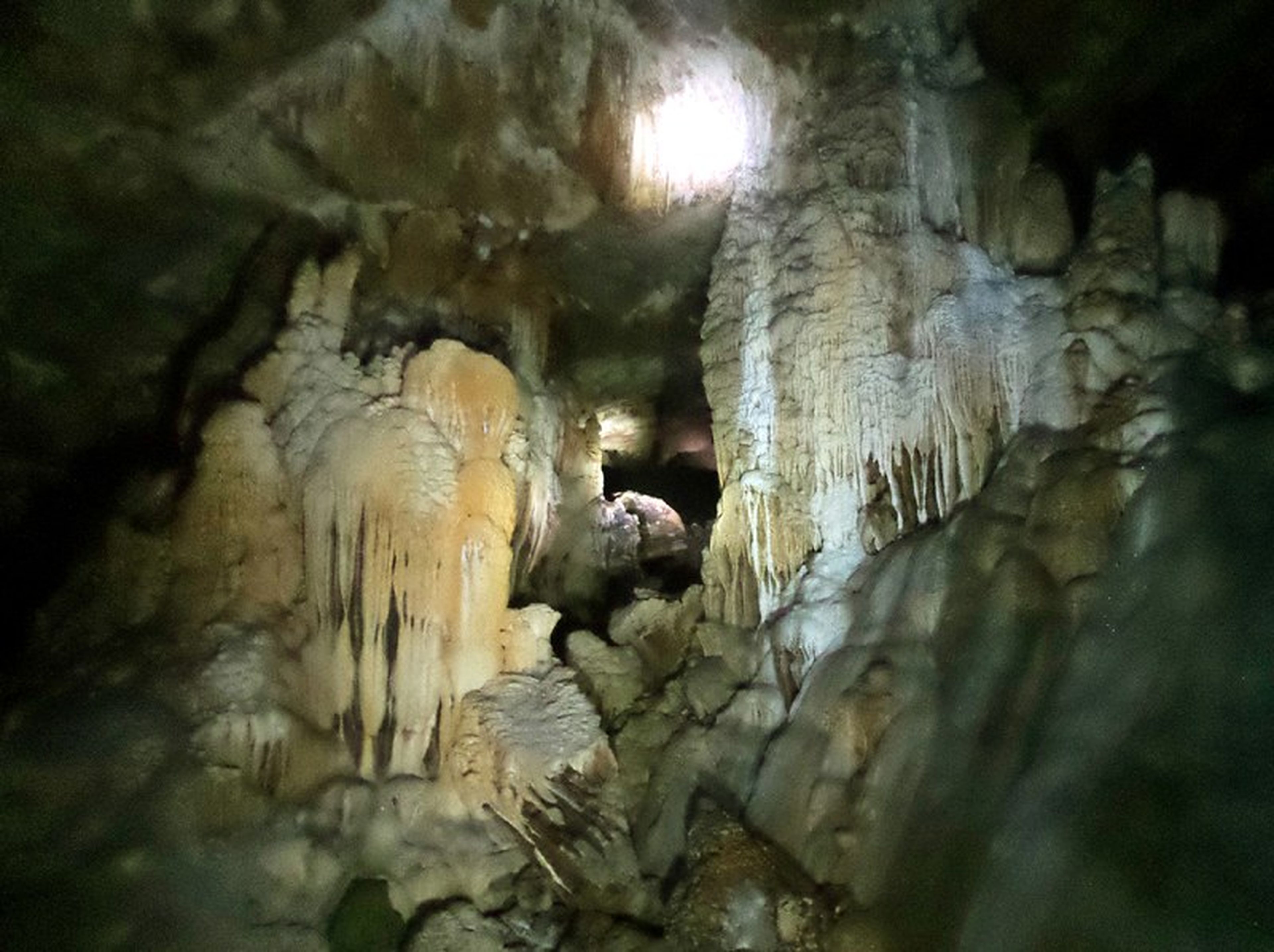
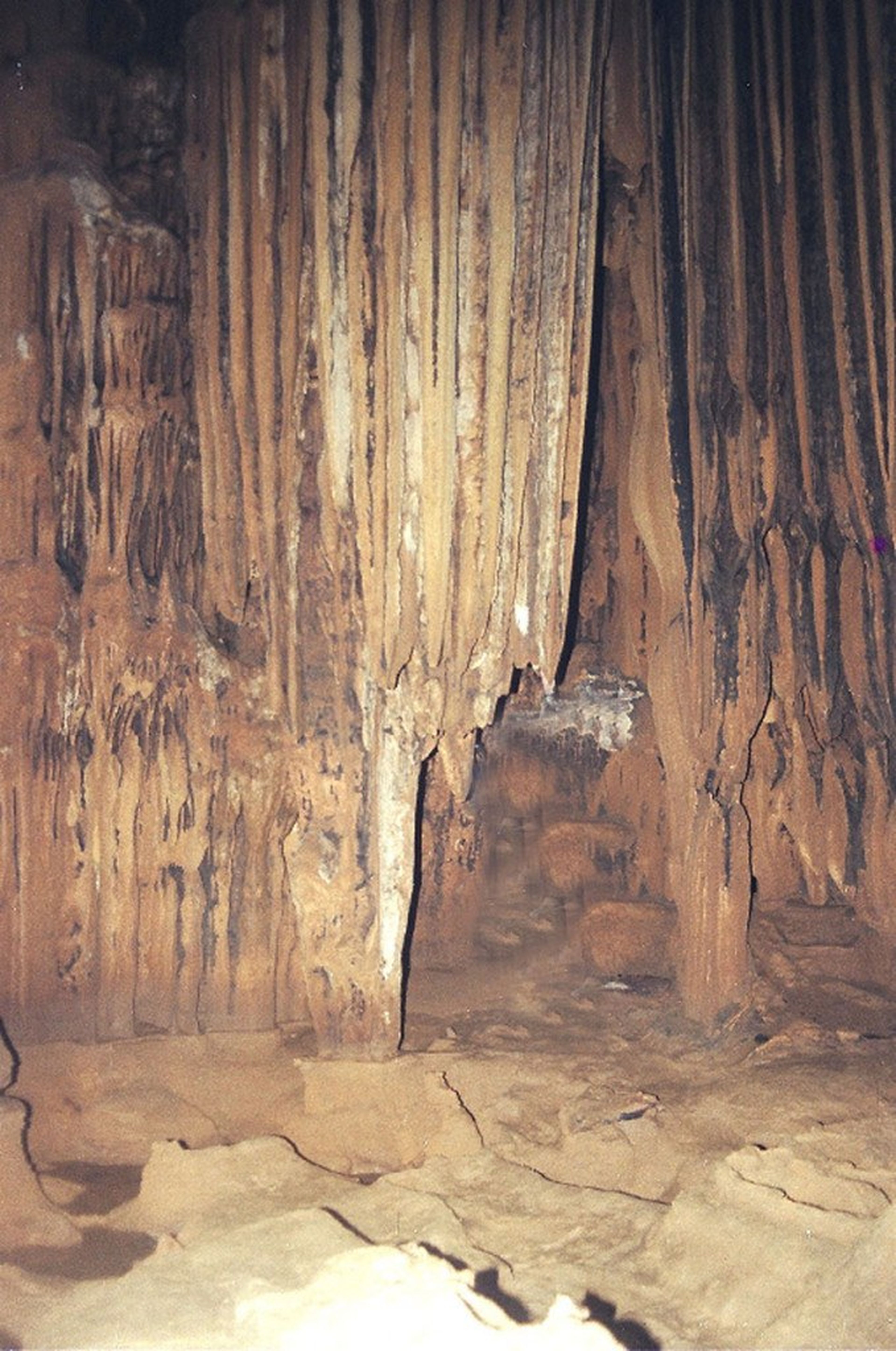
Around this open area, stalactites are arranged in folds like velvet curtains. There are entrances and exits on both sides, along with stalactites resembling monsters or amusing human heads.
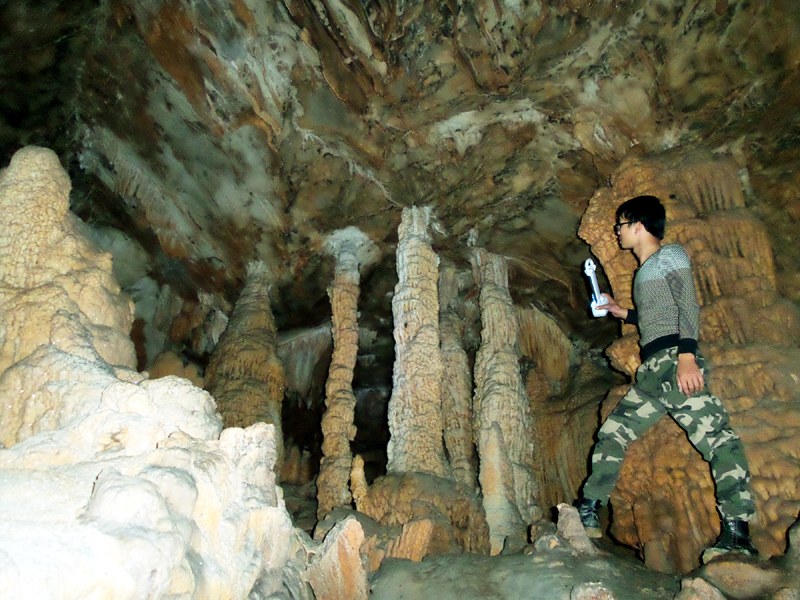
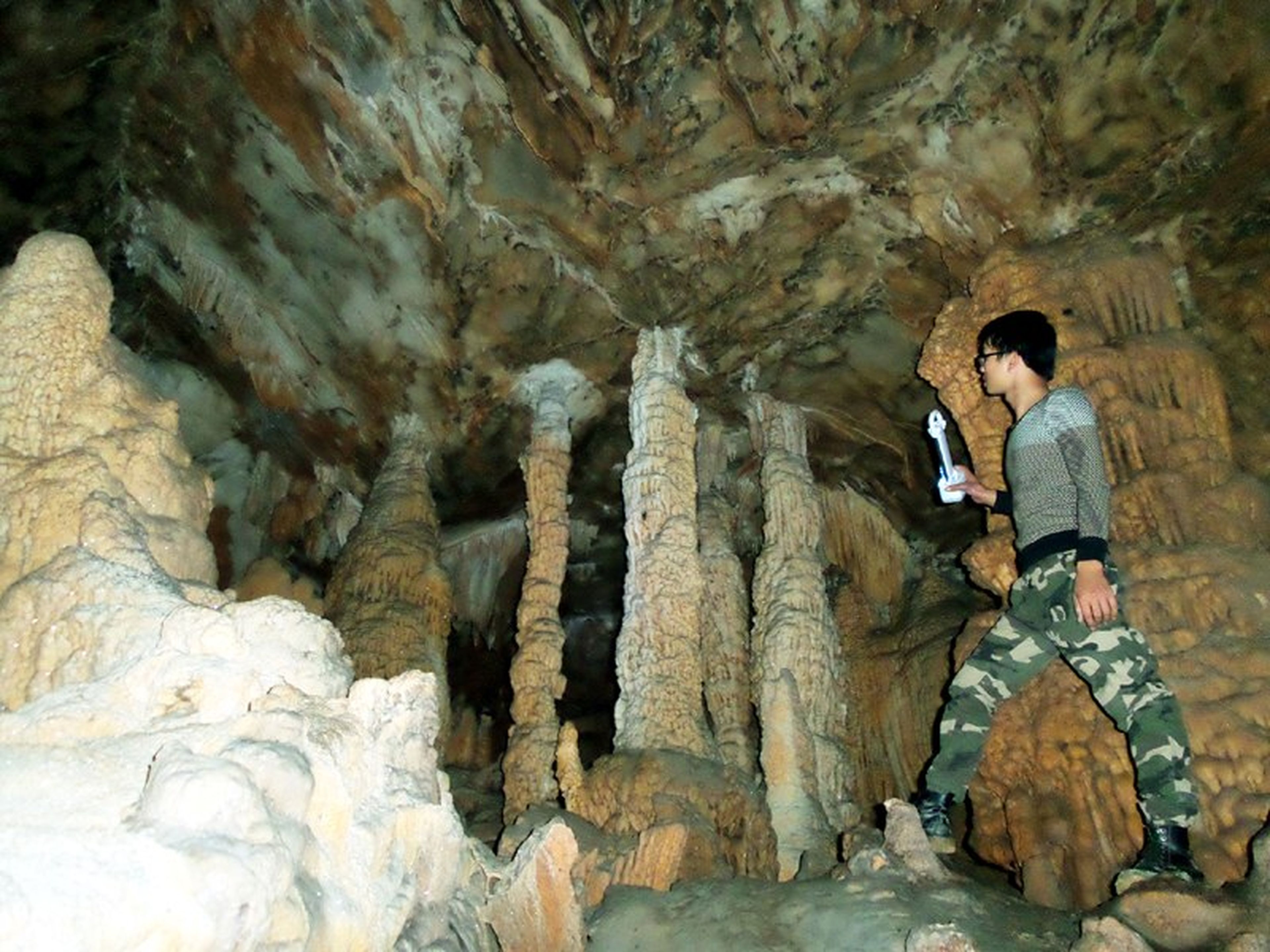
Pillars like those in a theater. Photo: Quảng Ninh Newspaper.
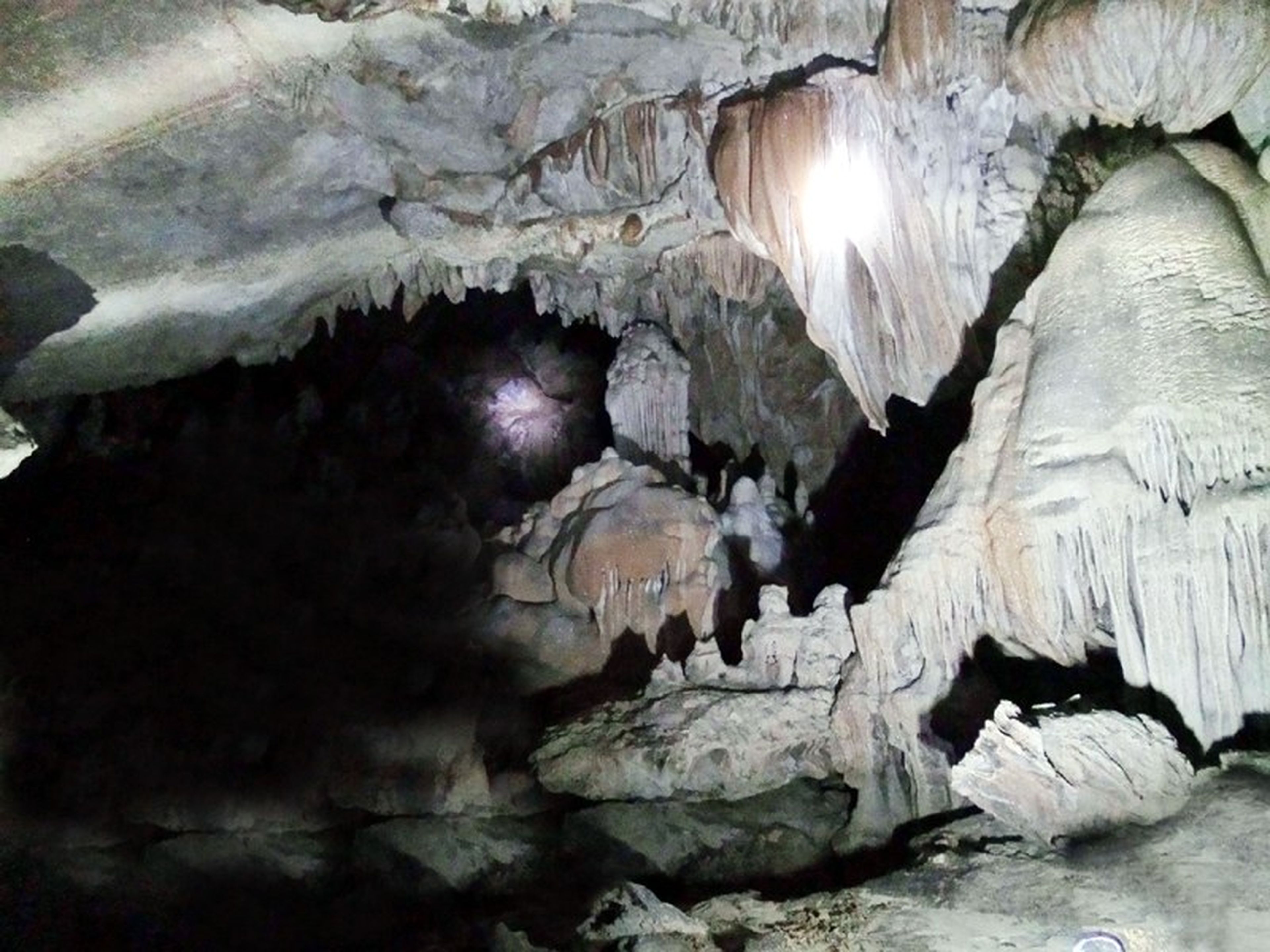
Not only does it have a spacious vaulted ceiling, Hang Nhà Trò Cave also stands out for its white, glistening stalagmites and stalactites, which resemble crystal curtains. The spacious center of the cave contains numerous large and small stone pillars, resembling the pillars in theaters.
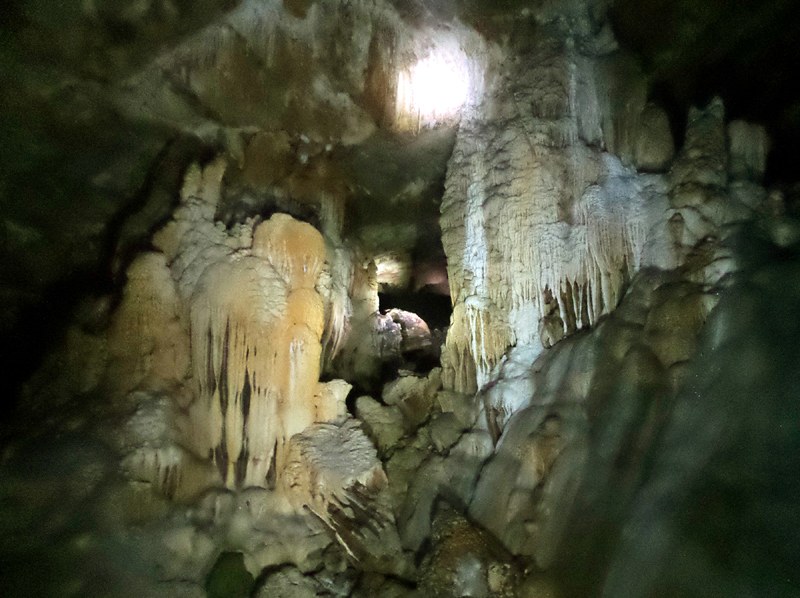
The system of stalagmites and stalactites. Photo: Quảng Ninh Newspaper.
Not only does it have aesthetic value, Hang Nhà Trò Cave is also an archaeological site. According to research by the Vietnam Institute of Archaeology, archaeologists have found round and flat shells belonging to the freshwater menali snail, a staple food of prehistoric people. Mixed into the fossil layer were sandstone flakes and pestle-making tools dating from the Neolithic period, 5,000 to 7,000 years ago.
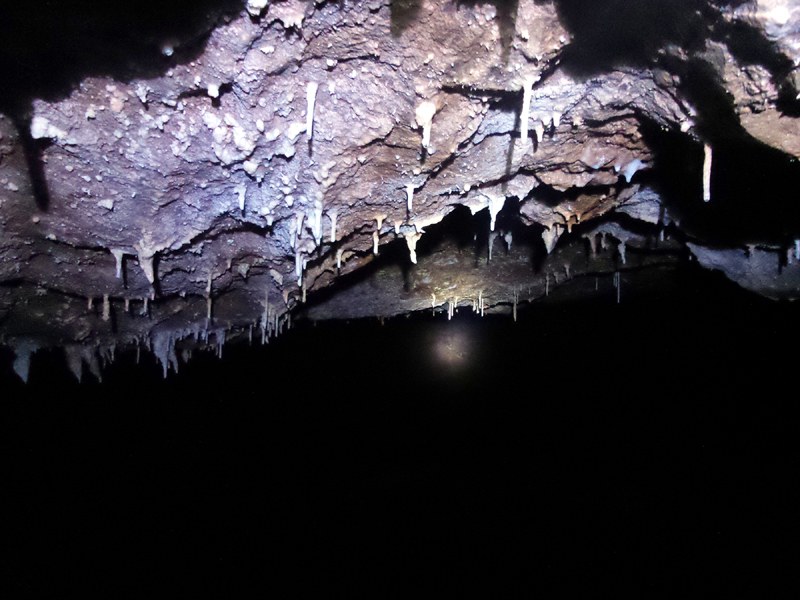
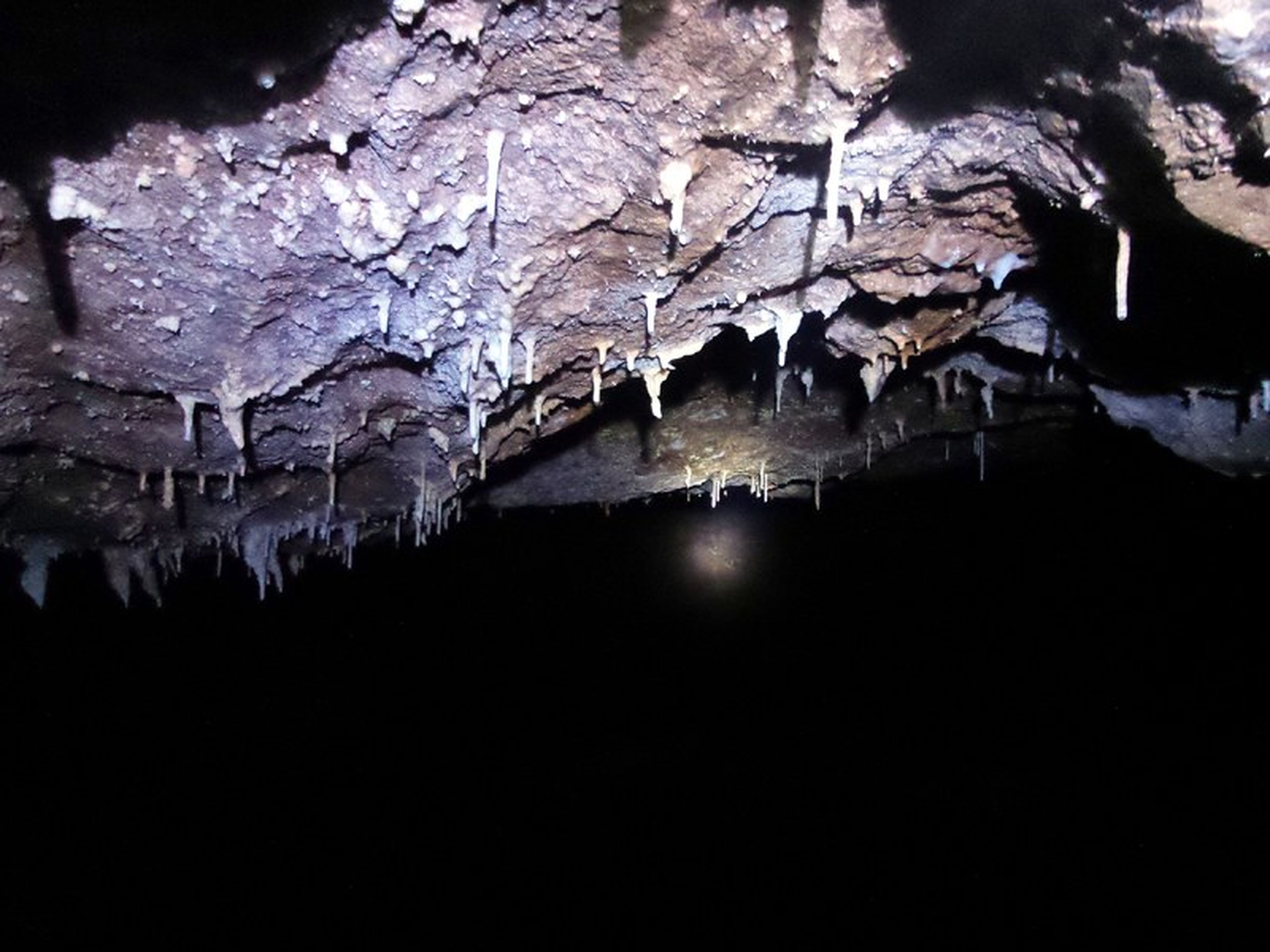
Stalactites currently forming. Photo: Quảng Ninh Newspaper.
Researchers also discovered bèo pottery at Hang Nhà Trò, an ancient type of pottery 5,000–6,000 years old, as well as axe-shaped stone cores. The Institute of Archaeology affirmed that Hang Nhà Trò is a tributary site belonging to the Hòa Bình culture and an important location for archaeological research.
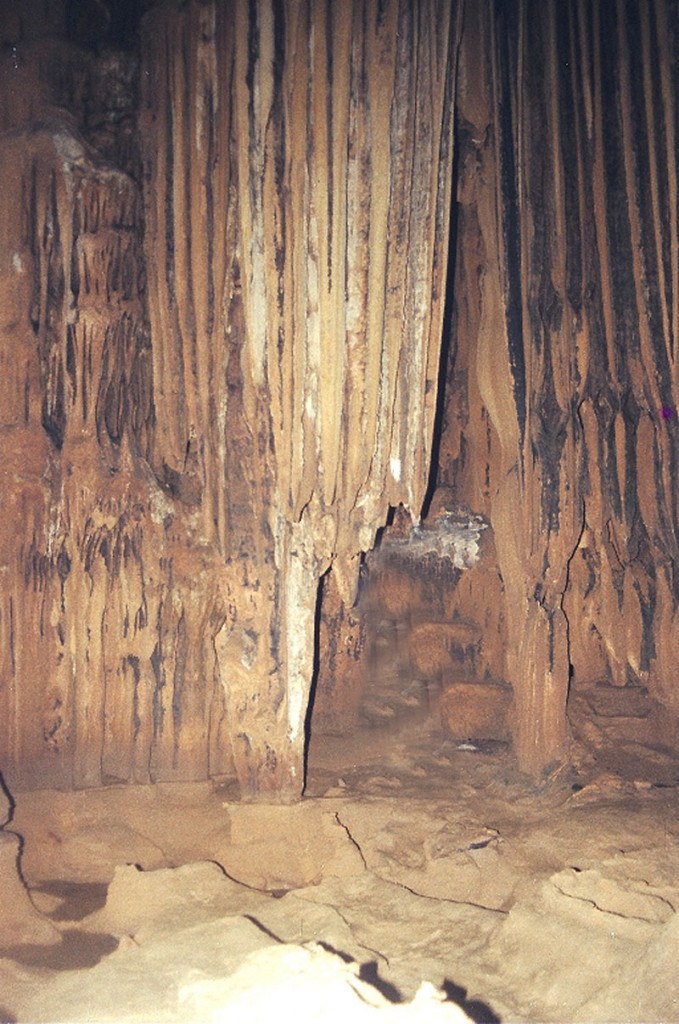
Stalactites resembling curtains. Photo: Quảng Ninh Newspaper.
The discovery of Hang Nhà Trò is solid evidence that helps clarify the origins of the Hạ Long culture, which first appeared as early as the Paleolithic period and continued through the Neolithic period of the Hòa Bình culture thousands of years ago.
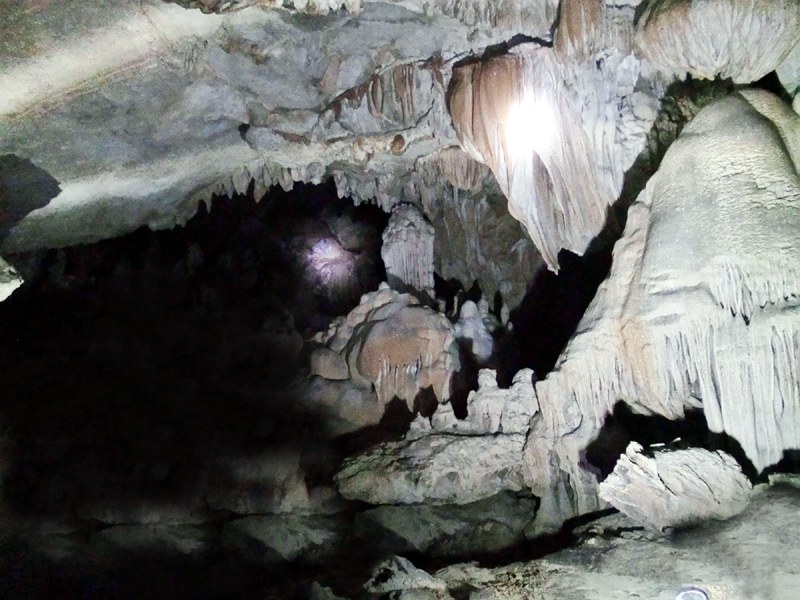
The spacious interior of the cave. Photo: Quảng Ninh Newspaper.
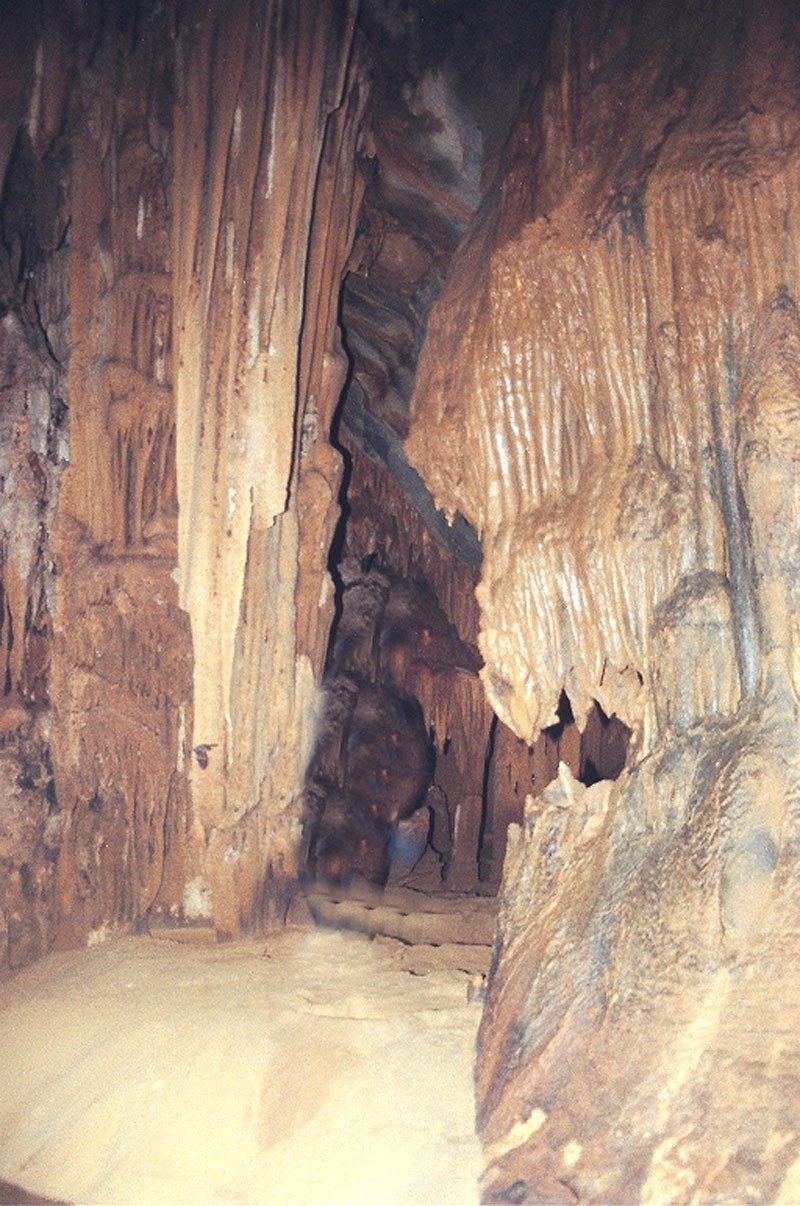
Beside the large open space are passageways resembling the wings of a stage. Photo: Quảng Ninh Newspaper.
Exploring Hang Nhà Trò Cave is quite strenuous, so visitors should prepare carefully before the trip, bringing bright flashlights to light the way and a camera for once-in-a-lifetime photos. And don’t forget to follow the iVIVU blog for more engaging articles and the most complete getaway!