1 Introduction to Ha Nam Island - A Unique Island of Vietnam
If you are already familiar with a Quang Ninh of golden sunshine across Ha Long Bay or modern entertainment complexes, try taking a detour to Quang Yen town. There lies a unique island—a land where, to me, time seems to have stepped back a few centuries to preserve the most authentic values of a Vietnamese village. That is Ha Nam Island, embraced by historic rivers and the sea: the majestic Bach Dang River (Dang Giang) to the west, the Chanh River to the north, and facing the Gulf of Tonkin to the south.
Ha Nam Island is closely associated with the most authentic values and soul of ancient Vietnamese villages
The first time I set foot here, I was astonished to learn that this entire island lies about 2m below sea level at high tide. To survive through centuries, the ancestors here built sturdy surrounding dikes, turning this place into a "miniature Netherlands" amidst the waterways of Quang Ninh.
Seen from above, the island boasts a truly distinctive shape, resembling a giant carp flipping its tail toward the open sea, while its head always faces the ancient citadel of Thang Long—the ancestral home of the pioneering settlers. That unique topography and shape not only create a distinctive landscape but also tell a story of human resilience against fierce nature.
2 The Most Convenient Ways to Reach Ha Nam Island
If you depart from Hanoi or Hai Phong like me, the journey will be extremely interesting as you cross Bach Dang Bridge—the largest cable-stayed bridge in Vietnam. This bridge has helped shorten the travel time from Hanoi to Ha Long to only about 1.5 hours by car, and the exit toward Quang Yen to reach Ha Nam Island is right nearby.
To reach the island center, you will cross the Song Chanh Bridge—a vital lifeline connecting the northern and southern banks. This serves as the gateway leading you away from the hustle and bustle of urban life into the tranquil ambiance of this special island region.
3 History of Ha Nam Island's Formation: From Croaking Frogs to a Fertile Land
The story of the founding of Ha Nam Island is steeped in legend, and every time I hear it, I am still deeply moved and filled with admiration for the ingenuity and resilience of our forebears.
3.1 The Land Reclamation Journey of the 17 Tien Cong
Stepping back in time to the year 1434, groups of settlers from the imperial capital of Thang Long (now the Kim Lien ward area) sailed down to the mouth of the Bach Dang River. At that time, this place was merely muddy, saline alluvial tidal flats.
According to legend, in the stillness of the night on the river, the ancestors suddenly heard frogs croaking loudly. Following folk wisdom that "where frogs croak, fresh water flows," they anchored their boats, dug the earth, and discovered a miraculous freshwater vein at Ho Mach. From that vital water source, the 17 Tien Cong (founding ancestors) decided to settle down, build dikes to reclaim land from the sea, and established the fertile land we see today.
3.2 Ho Mach Relic - The Fountainhead of Life on Ha Nam Island
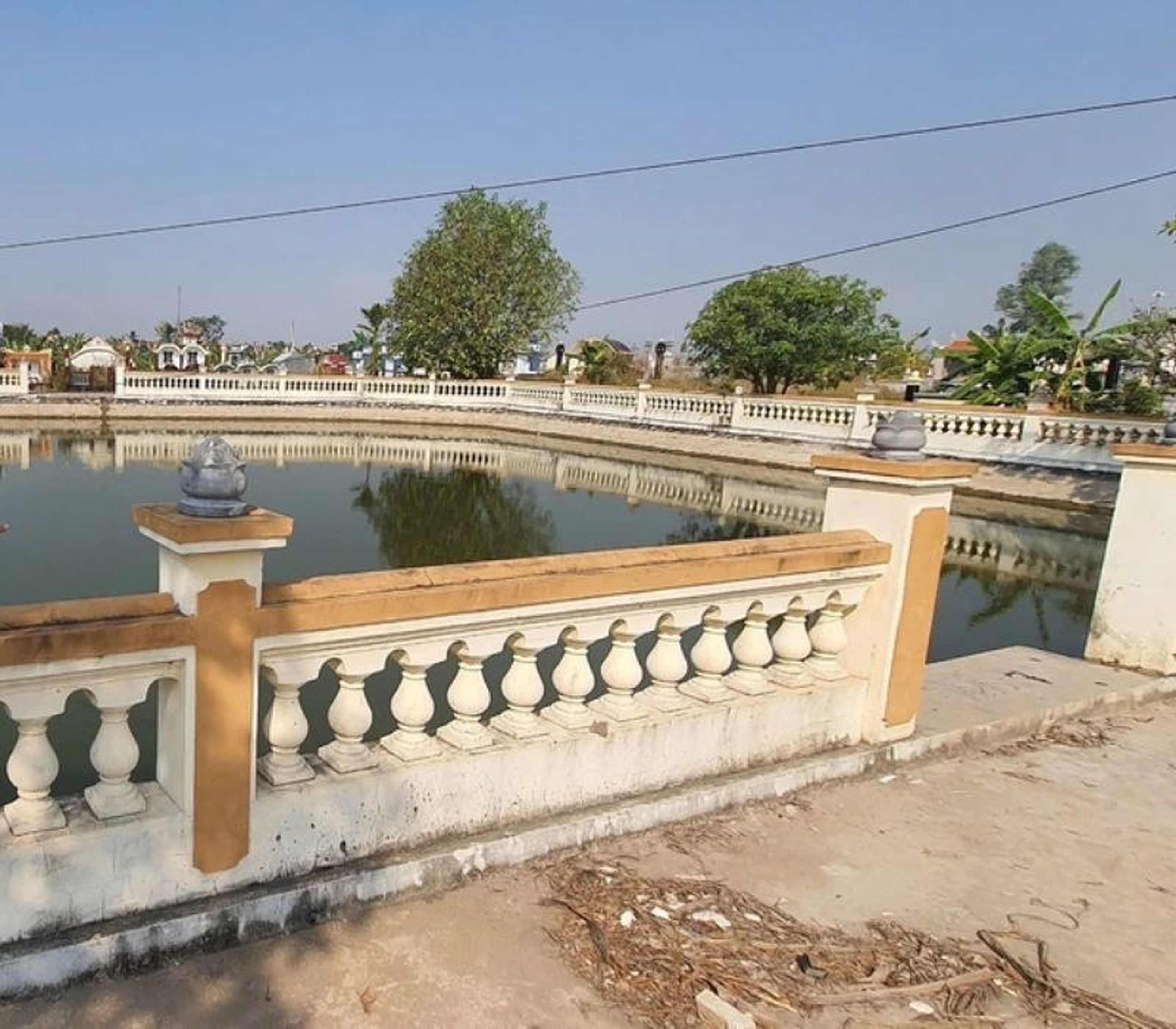
I took time to visit Ho Mach (also known as Mach Well), where the legendary frog croaks originated long ago. Today, this is an important national historical relic.
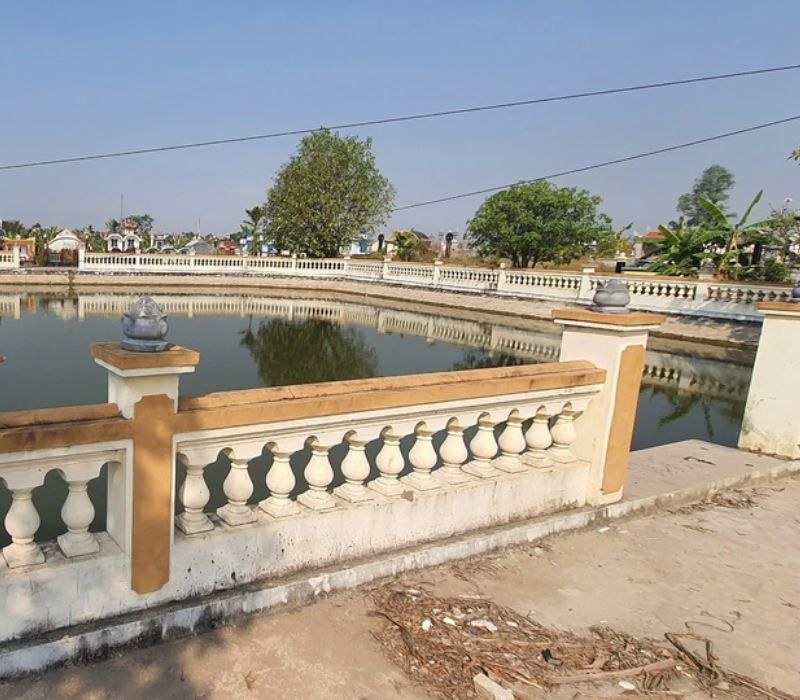
Ho Mach is regarded as the island's lifeline of vital waters
What touched me most was the gratitude of the islanders: they never eat frog meat because they regard frogs as "benefactors" who guided their ancestors to the water source of life. Ho Mach is not just a pool of water; it is a symbol of survival and profound gratitude across generations.
4 Cultural and Historical Experiences Not to Miss
Ha Nam Island is like an open-air "living museum" with such a dense concentration of relics that I believe taking an entire day would still not be enough to explore them all.
4.1 Exploring the Distinctive System of National Relics on Ha Nam Island
Here is a figure that will amaze you: on such a small island, there are over 130 relics, including 32 national-level relics. Most remarkably, there is a system of 24 ancestral clan shrines ranked as national relics. This is a unique hallmark of Ha Nam Island, where each lineage preserves its ancestral shrine as a testament to the community's longevity and unity since the pioneering reclamation era.
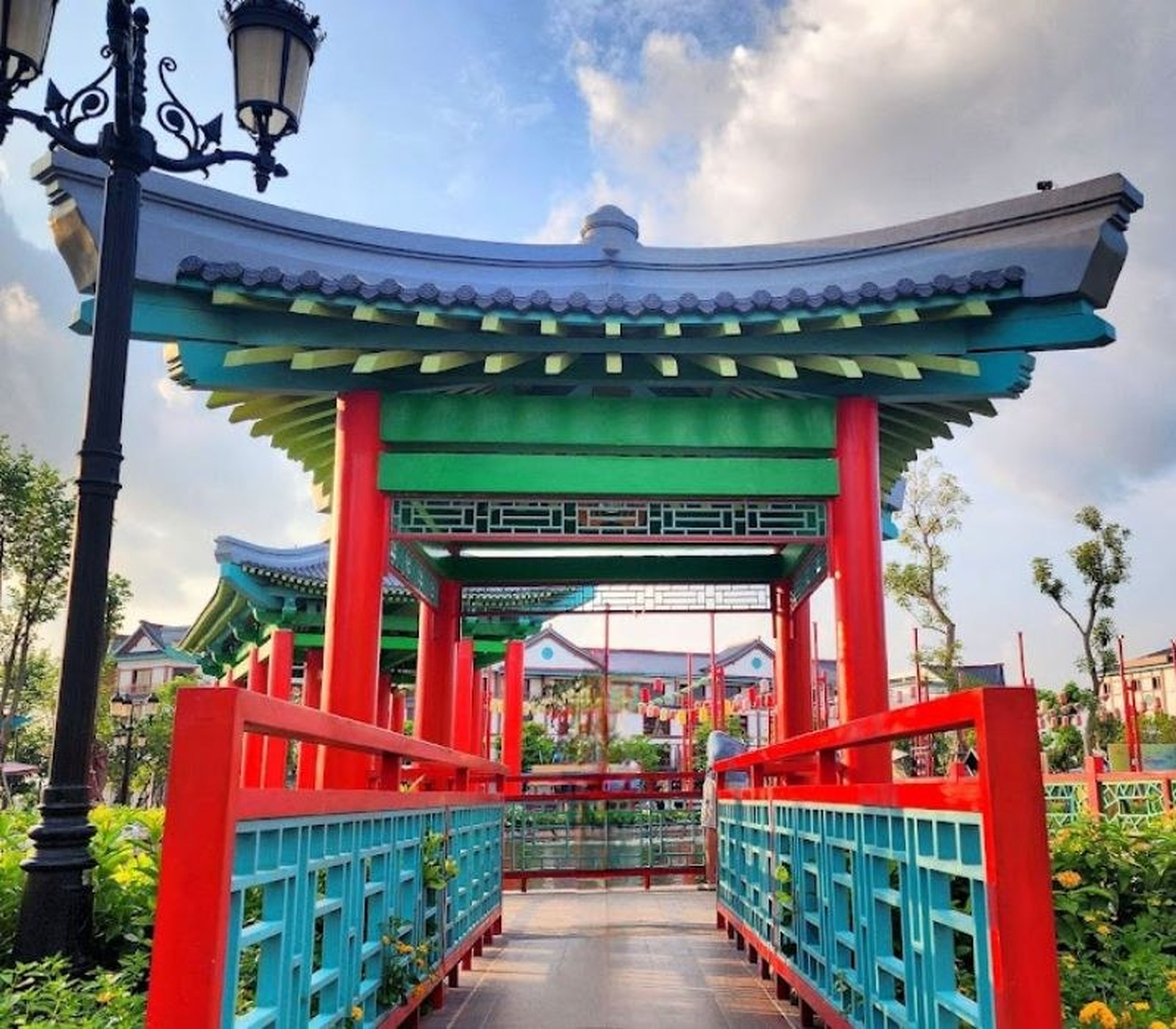
On this small Ha Nam Island, there are over 130 relics, taking everyone by surprise
4.2 Discovering Centuries-Old Ancient Houses
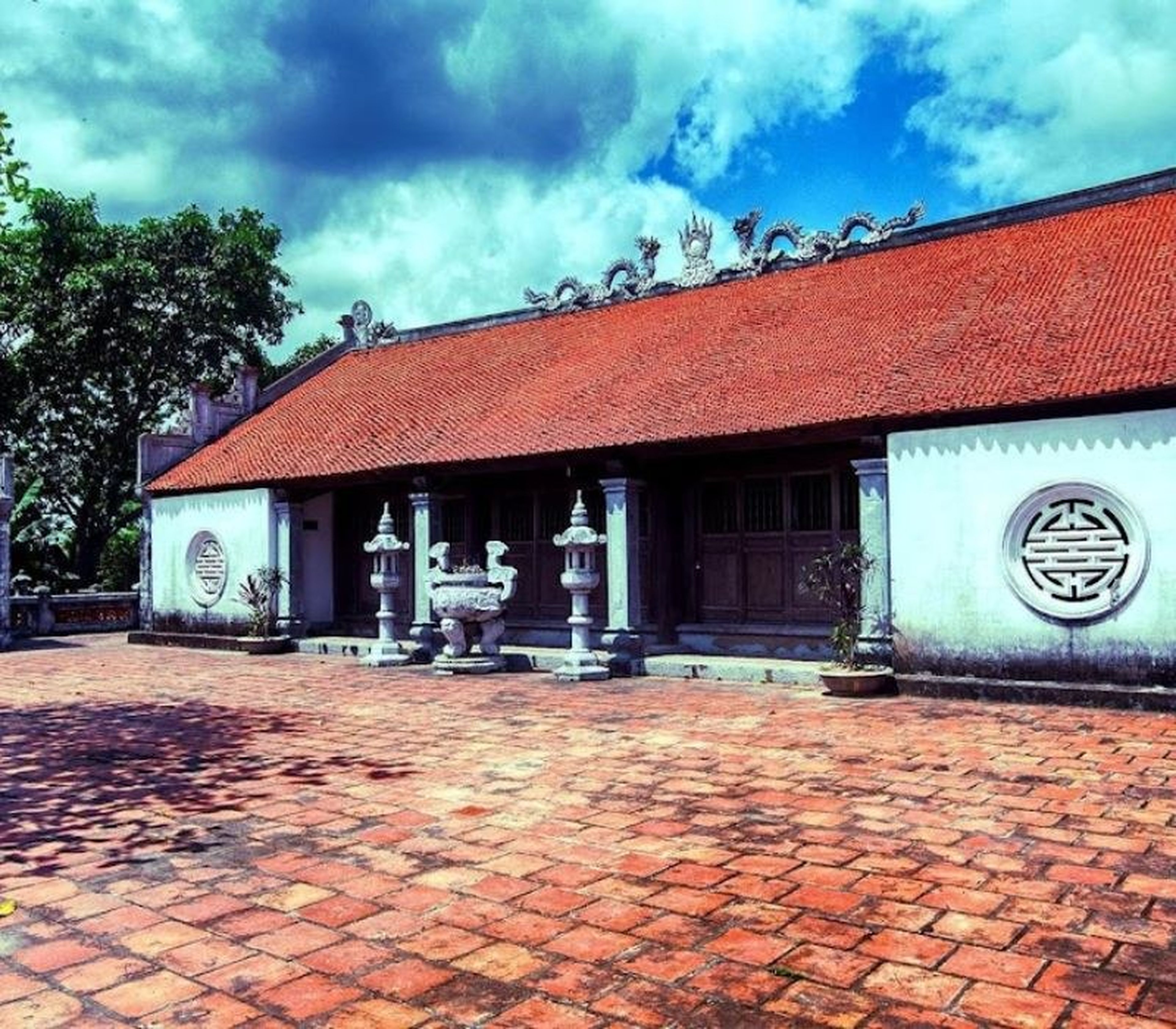
If you love peaceful spaces, visit the ancient wooden houses dating back 200 to 300 years, such as those of Mr. Pham Van Tang or Mr. Duong Van Hang. Stepping into these houses, I felt as if I had wandered into another realm.
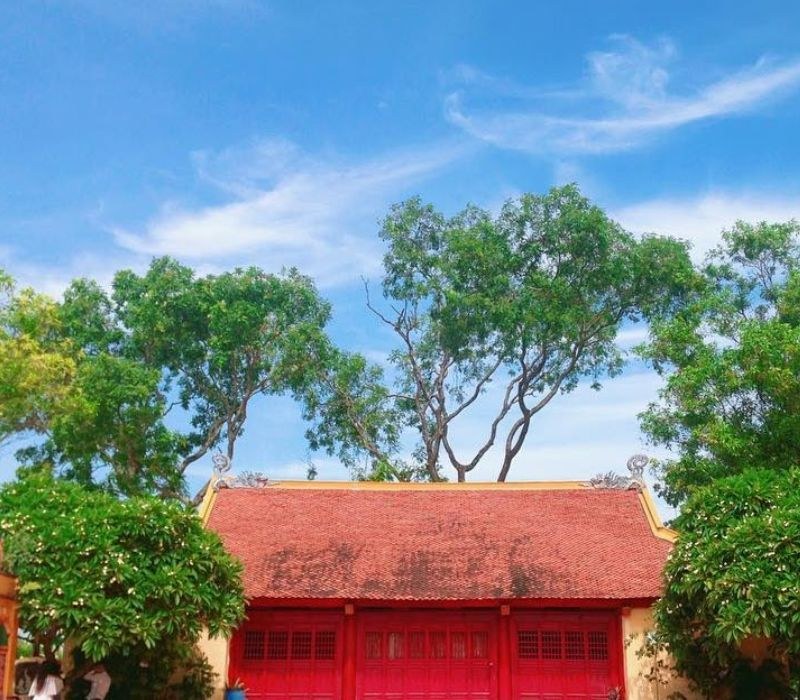
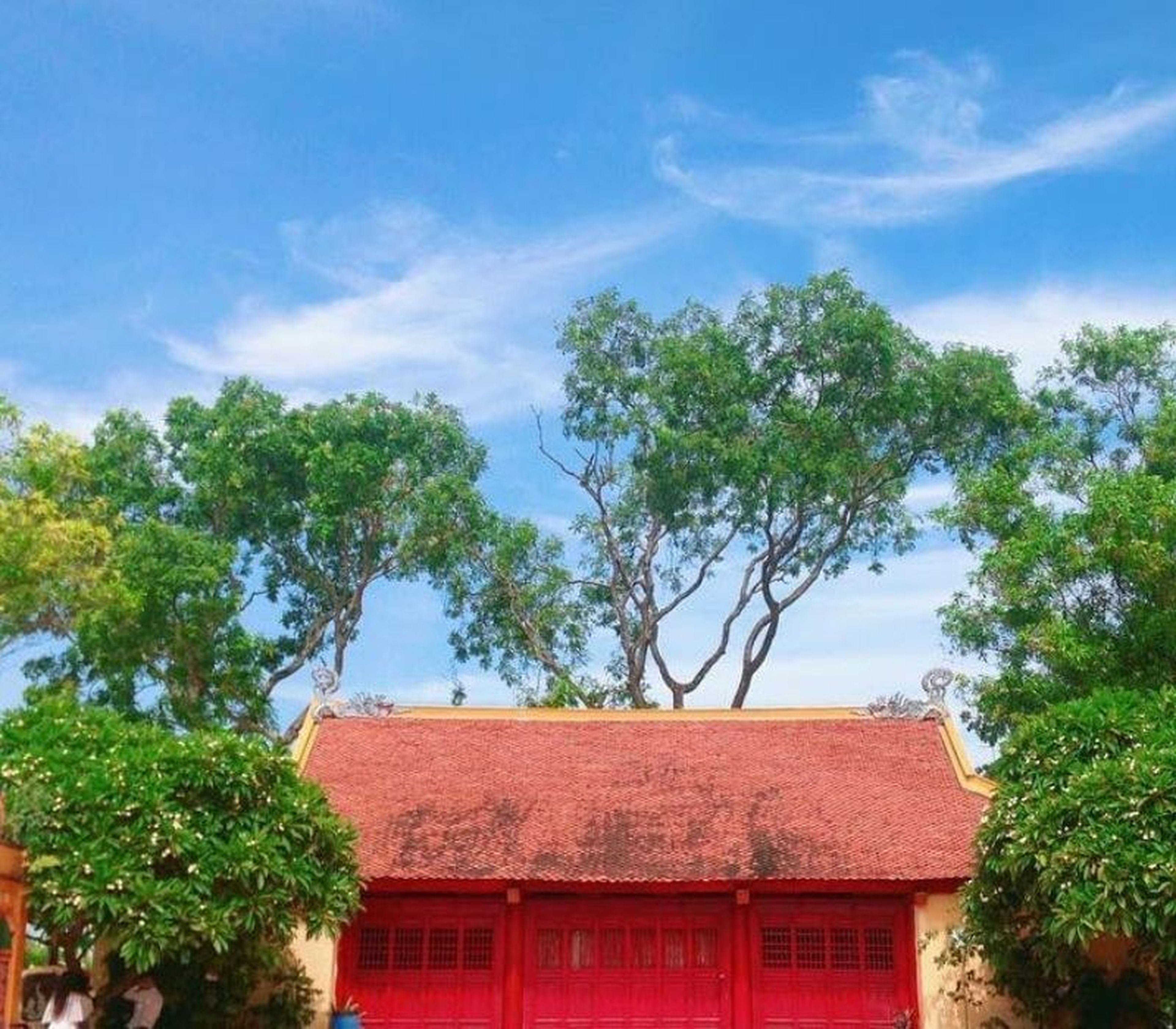
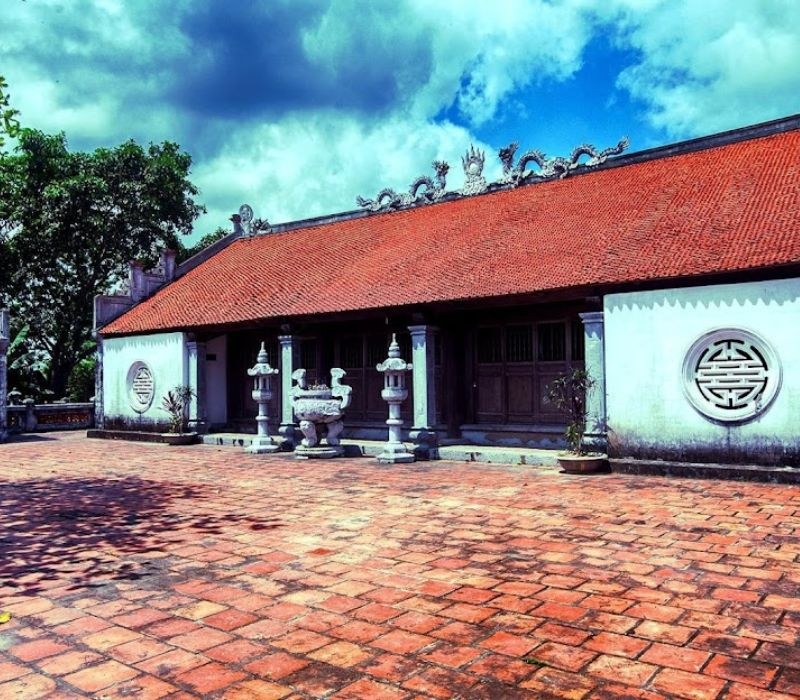
The ancient houses on the island are remarkably old, with some reaching up to 300 years of age
The traditional architecture guided by the principle of "Azure Dragon on the left, White Tiger on the right," polished ironwood pillars, and mossy yin-yang tiled roofs evoke a wonderful sense of serenity. Sitting to sip a cup of green tea under the veranda of an ancient house while listening to tales of yesteryear was the experience I cherished most during this trip.
4.3 Revisiting the Glorious Bach Dang Battlefield
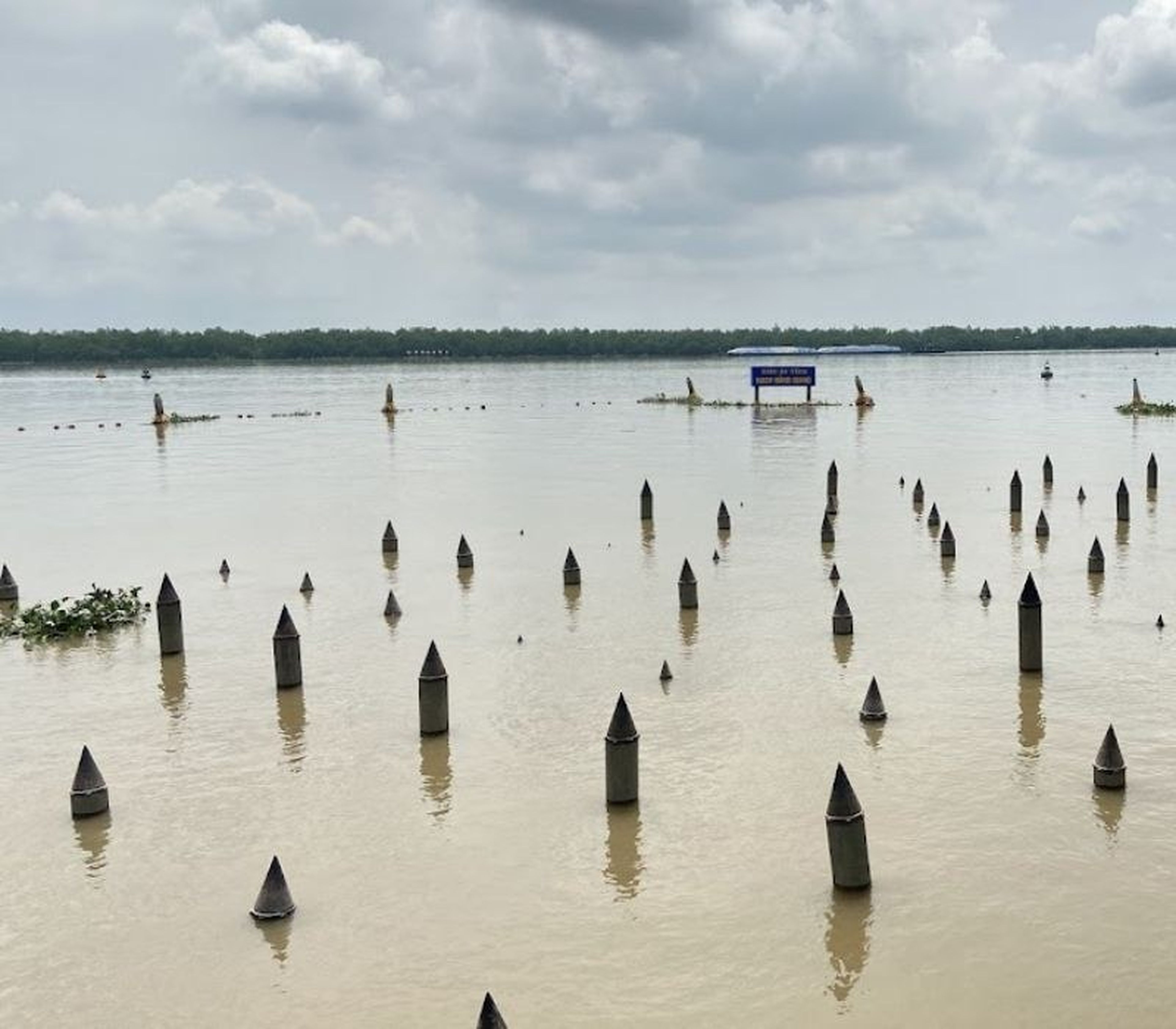
Ha Nam is also a land of glorious victories. I visited the Dong Ma Ngua and Dong Van Muoi stake yards—authentic vestiges of the great victory over the Yuan-Mongol invaders in 1288. Looking into the excavation pits with glossy black ironwood stakes preserved underground, I clearly felt the heroic spirit of our forebears of old. Don't forget to pay homage to the statue of Saint Tran at Trung Ban Communal House. This is a truly unique statue portraying the national hero in a relaxed, serene posture following the victory.
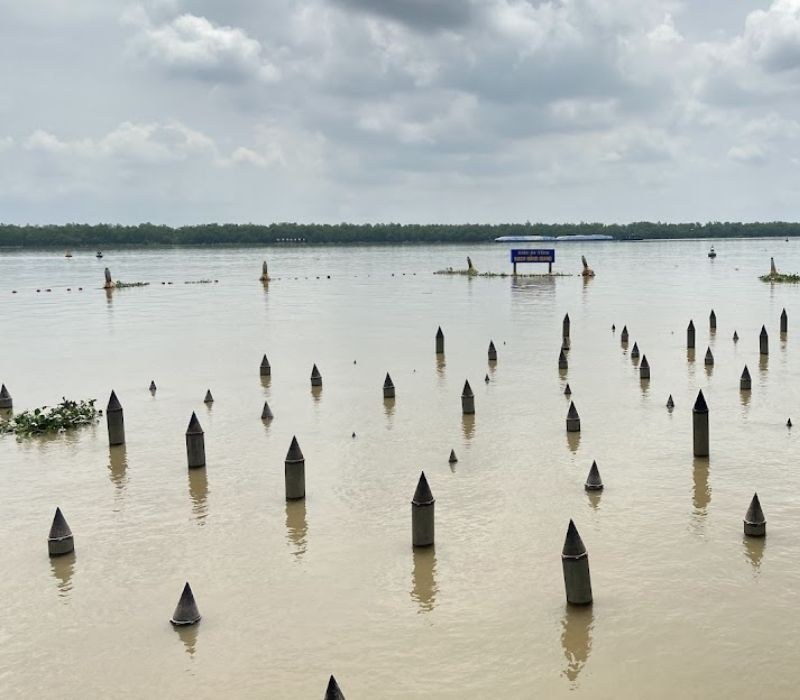
Revisiting the Bach Dang battlefield, associated with the glorious victory over the Yuan-Mongol invaders, is an experience you definitely should not miss
5 Tien Cong Festival - A One-of-a-Kind "Procession of Living Elders"
If anyone asks me what the greatest highlight of Ha Nam Island is, I would answer without hesitation: It is the Tien Cong Festival—where the philosophy of "When drinking water, remember its source" is elevated into a radiant cultural spectacle.
5.1 5.1. The Beauty of the Moral Tradition "When Drinking Water, Remember Its Source"
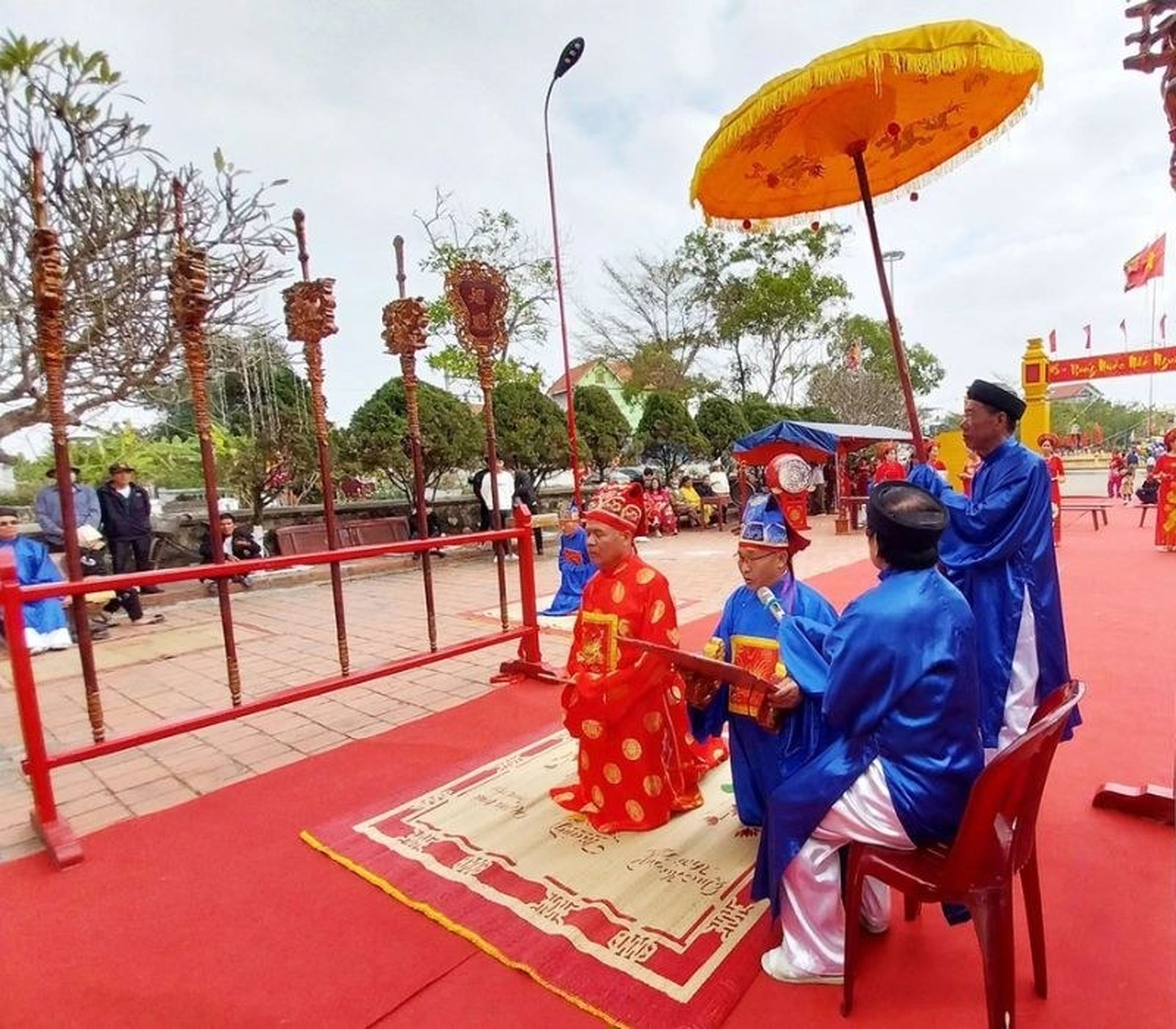
Taking place from the 5th to the 7th day of the first lunar month each year at Tien Cong Temple, the festival is an occasion for descendants from all over to return and pay homage to the 17 Tien Cong who reclaimed and established the island. The early spring atmosphere here is bustling and vibrant, with colorful flags and flowers everywhere and joy filling everyone's hearts.
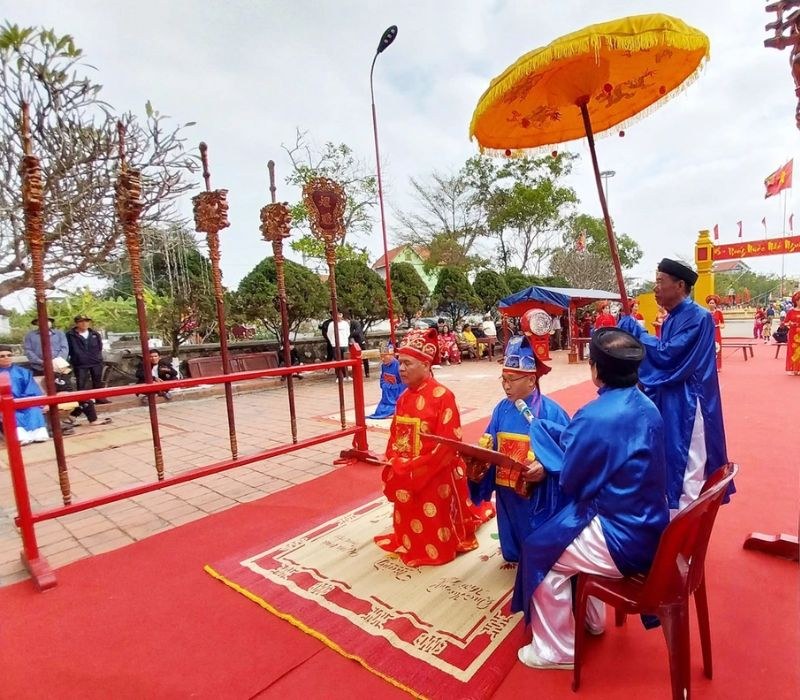
The Tien Cong Festival is intertwined with the cherished Vietnamese tradition of remembering one's roots
5.2 The Procession of Cu Thuong - National Intangible Cultural Heritage
The most unique experience is the custom of "carrying living elders in procession." Families with elders turning 80, 90, or 100 years old (addressed as Cu Thuong) organize a procession to carry the elders to Tien Cong Temple on scarlet hammocks. I was deeply awestruck seeing silver-haired elders dressed in fine traditional robes sitting in the hammocks, surrounded by crowds of children and grandchildren, resounding traditional eight-instrument orchestral music, and jubilant lion and dragon dances.
This is the most vivid longevity celebration ritual I have ever witnessed, honoring the role of the elderly in family and society. Following the ceremony, you can also join in folk games such as swinging and wrestling, or listen to unique traditional Dum singing.
6 Savoring Local Specialties and Traditional Craft Villages
My trip concluded with discovering traditional craft villages and the rustic yet refined culinary flavors of the island region.
6.1 The Craft of Building Bat-Wing Sail Bamboo Boats
Ha Nam Island is the cradle of the craft of building three-plank bat-wing sail boats—a legendary craft capable of sailing upstream and against the wind solely through the skill of the sail handler. Seeing skilled craftsmen meticulously weave bamboo strips and saw timber with my own eyes, I finally understood why local fishermen take such immense pride in their boats. The bat-wing sailboat is not just a vessel; it is a symbol of the Ha Nam people's ingenuity and adaptability amidst open ocean winds and waves.
6.2 Local Cuisine with Banh Gio (Ash Cake)
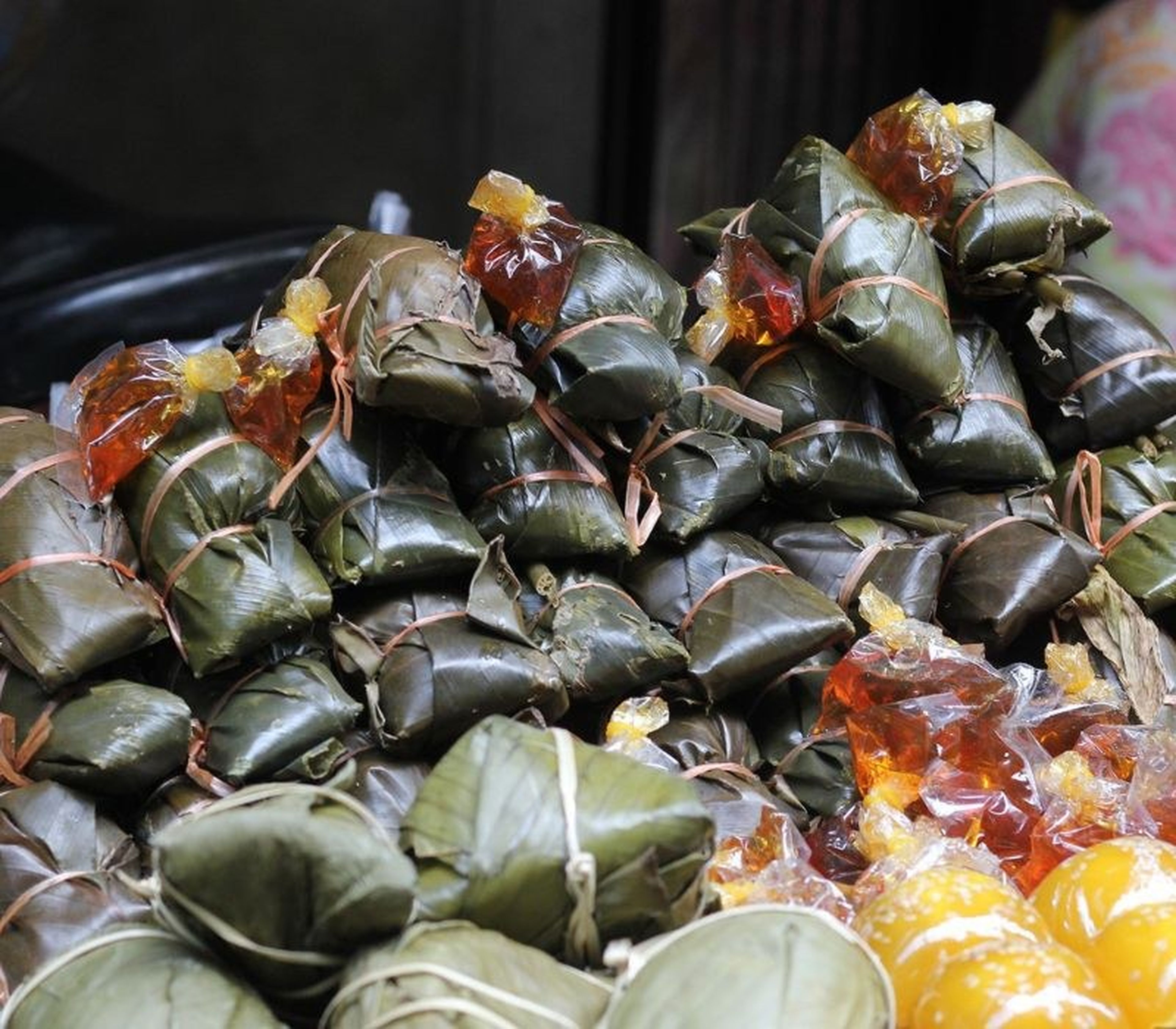
Among a multitude of dishes, I was most impressed by the traditional banh gio (ash cake). The cake is made from premium glutinous rice soaked in ash water extracted from herbal plants on the island, wrapped in Phrynium leaves or banana leaves, and boiled thoroughly. The translucent amber slice of cake is chewy and fragrant; when dipped in sweet molasses, it offers an elegant, refreshing flavor. Island residents often sell these cakes at Tet market fairs or serve them during ancestral death anniversaries as a way to preserve ancestral flavors.
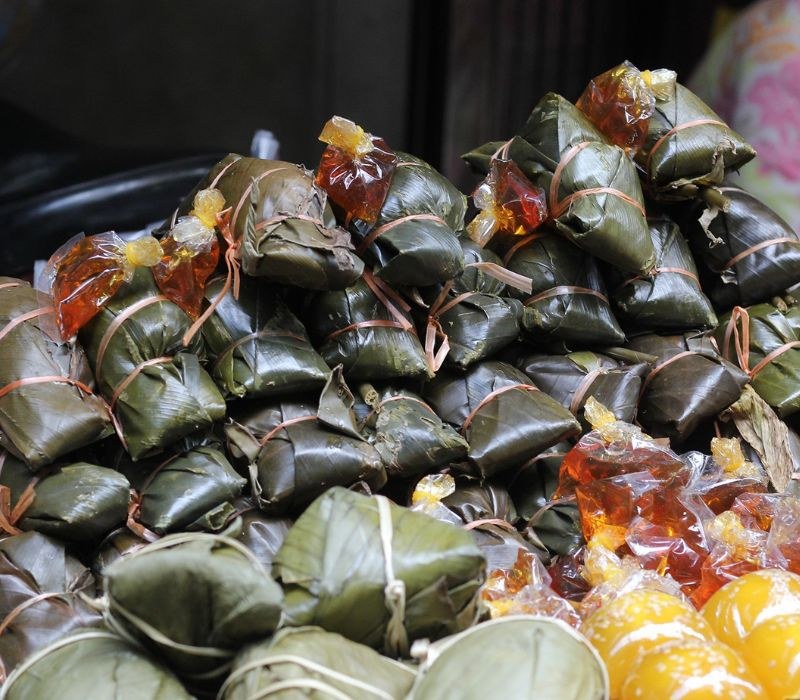
Banh gio boasts a translucent amber hue and is wonderfully appealing when paired with molasses
7 Tips and Notes for a Complete "Journey to the Roots"
To ensure your journey exploring Ha Nam Island goes as smoothly as possible, I have a few practical tips to share. The ideal time is definitely early spring, specifically the first lunar month, allowing you to immerse yourself in the vibrant festival atmosphere of the Tien Cong Festival.
As for the itinerary, you can spend a morning visiting Ho Mach, the ancestral shrines, and the Bach Dang stake yard, followed by a leisurely afternoon visiting the ancient houses.
If you have extra time, I suggest pairing your visit with the Quang Ninh Museum in Ha Long City to see firsthand the authentic Bach Dang wooden stakes that are strictly preserved there. A small but important note: when visiting ancestral shrines or communal houses and temples, please remember to dress modestly and maintain quietness out of respect for the islanders' sacred places.
Ha Nam Island in my mind is a land of memories, where traditional values still flow vigorously like the millennia-old freshwater spring at Ho Mach. From the resilient sea dikes to the deeply humanistic procession of living elders, everything creates a proud and enchanting Ha Nam. If you are looking for a destination to slow down, touch history, and feel the heartbeat of traditional Vietnamese village culture, pack your backpack and head to Ha Nam Island. Believe me, this island of wonders nestled in the heart of heritage will not disappoint you!