1 Introduction to Hà Nam Island – Vietnam’s Mysterious Island
If you are already familiar with a Quảng Ninh illuminated by golden sunshine over Hạ Long Bay or its modern entertainment complexes, try turning toward Quảng Yên Town for a change. There lies a mysterious island, a place where, in my view, time seems to have turned back several hundred years to preserve the most authentic values of a Vietnamese rural village. This is Hà Nam Island – an island embraced by historic rivers and the sea: the majestic Bạch Đằng River (Đằng Giang) to the west, the Chanh River to the north, and the Gulf of Tonkin to the south.
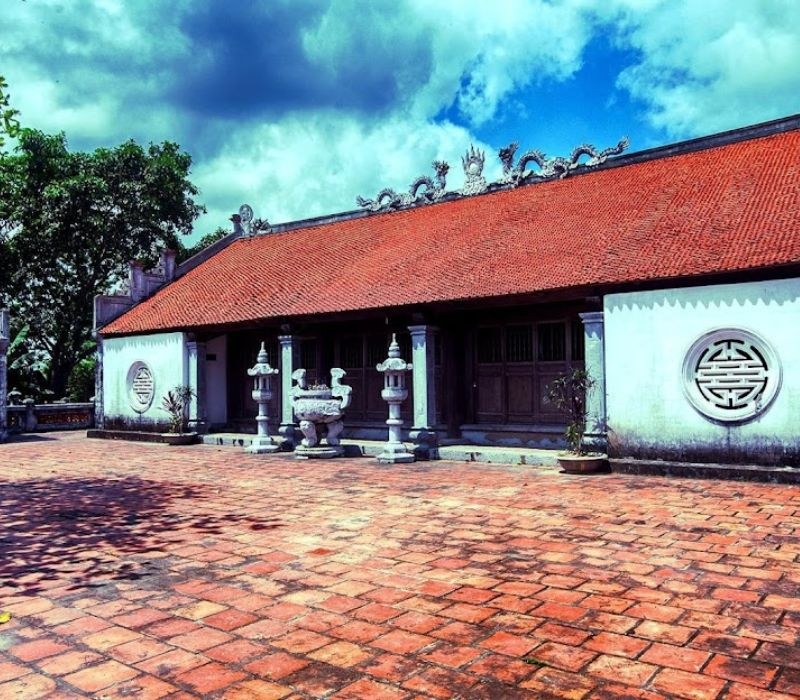
Hà Nam Island is closely associated with the most authentic values at the heart of Vietnam’s ancient rural villages
When I first set foot here, I was astonished to learn that the entire island lies about 2m below sea level whenever the tide rises. To survive across the centuries, the ancestors here built sturdy dikes around the island, turning it into a miniature “Netherlands” amid Quảng Ninh’s waterways.
Seen from above, the island has a remarkably distinctive shape, resembling a giant carp thrashing its tail toward the open sea, while its head always points toward Thăng Long Imperial Citadel – the homeland of those who ventured forth to open up new territories. This unique terrain and shape create not only a distinctive landscape but also tell a story of people’s resilience in the face of fierce nature.
2 The most convenient way to travel to Hà Nam Island
If, like me, you are setting out from Hanoi or Hải Phòng, the journey will be especially interesting as it takes you across Bạch Đằng Bridge – Vietnam’s largest cable-stayed bridge. The bridge has shortened the drive from Hanoi to Hạ Long to just about 1.5 hours, and the turnoff to Quảng Yên for Hà Nam Island is located nearby.
To reach the island’s center, you will cross Chanh River Bridge – a vital link connecting the northern and southern sides. This is the gateway that takes you away from the hustle and bustle of the city and into the peaceful atmosphere of this special island region.
3 The formation of Hà Nam Island: From the sound of frogs to a fertile land
The story of Hà Nam Island’s origins is steeped in legend, and whenever I hear it again, I still feel deeply moved and admiring of the ancestors’ ingenuity.
3.1 The pioneering journey of the 17 Tiên Công founders
Turning back the clock to 1434, groups of residents from Thăng Long Imperial Citadel (around what is now Kim Liên Ward) sailed down to the mouth of the Bạch Đằng River. At that time, the area was merely a muddy, saline alluvial flat.
Legend has it that, in the stillness of the night on the river, the ancestors suddenly heard frogs croaking loudly. According to the folk wisdom that “where frogs croak, fresh water can be found,” they moored their boats, dug into the earth, and discovered a miraculous freshwater source at Hồ Mạch. From this spring, the 17 Tiên Công founders decided to settle, build dikes to reclaim land from the sea, and establish the fertile region that exists today.
3.2 Hồ Mạch Heritage Site – The source of life on Hà Nam Island
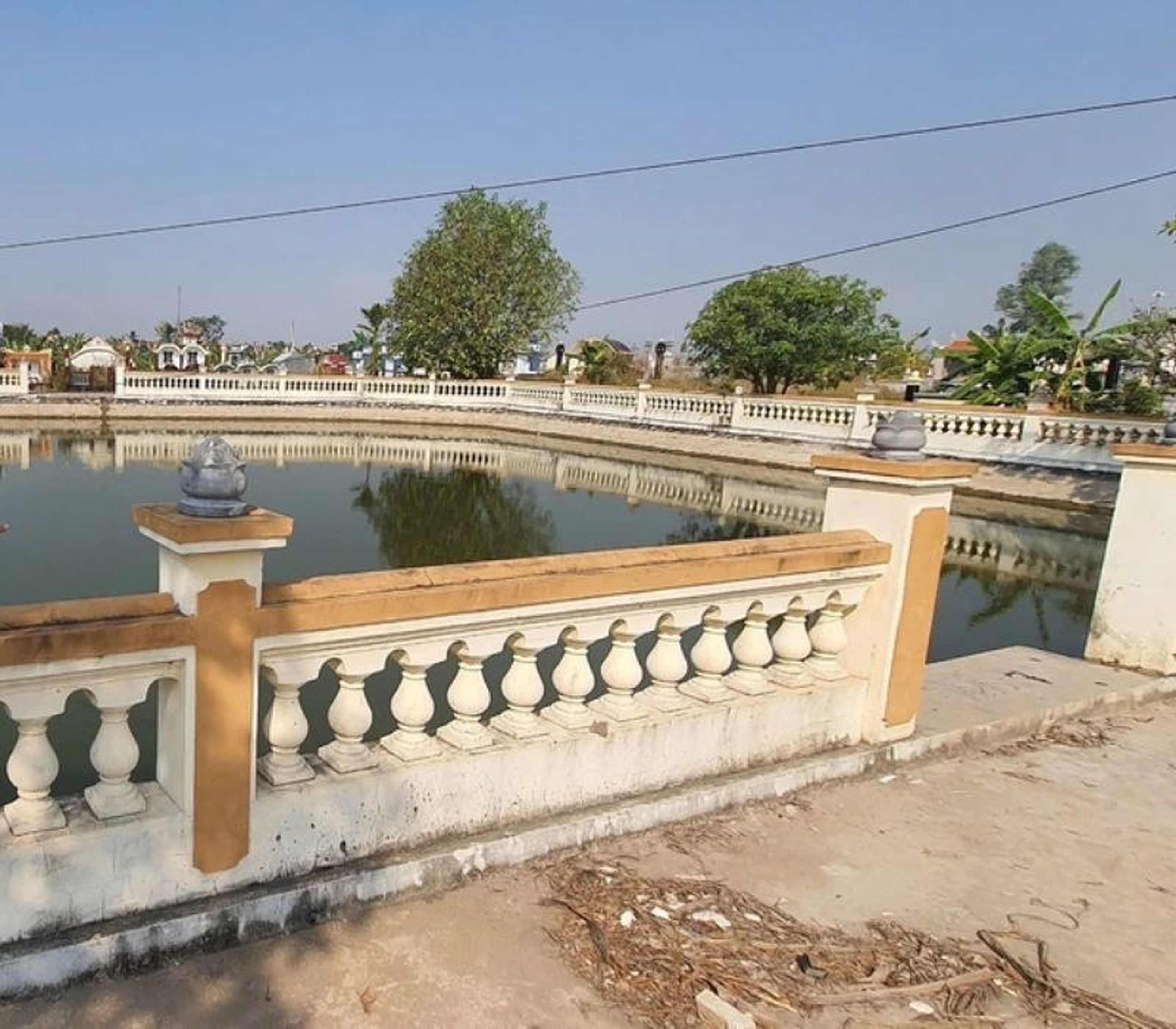
I took the time to visit Hồ Mạch (also known as Mạch Well), where the legendary frogs were once heard. Today, it is an important national historical relic.
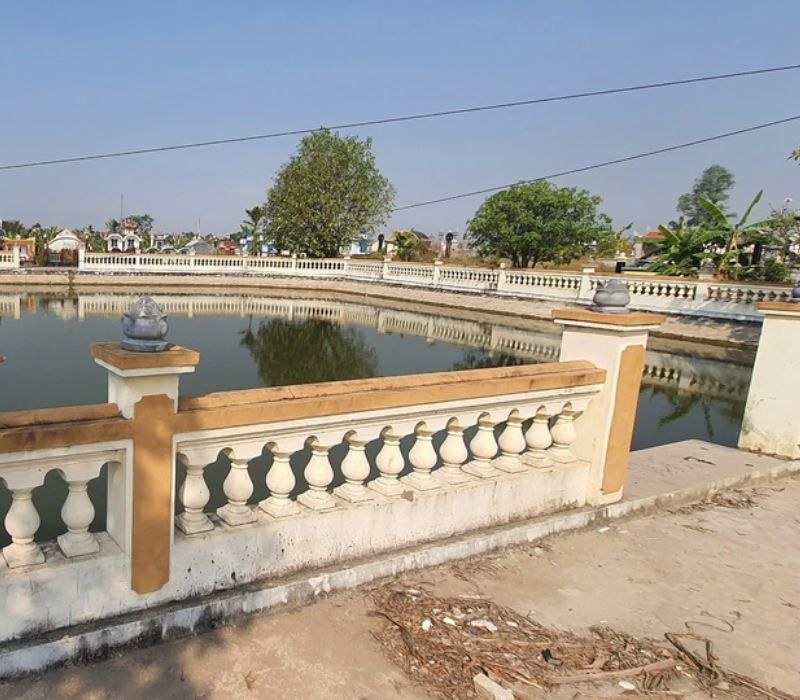
Hồ Mạch is considered the source of life for the island
What moved me most was the island residents’ gratitude: they never eat frog meat because they regard frogs as the “benefactors” who helped their ancestors discover the source of life. Hồ Mạch is not merely a water hole; it is a symbol of survival and profound gratitude passed down through generations.
4 Unmissable cultural and historical experiences
Hà Nam Island is like an open-air “living museum,” with such a high concentration of historical sites that I believe you could spend an entire day here and still not discover them all.
4.1 Explore the island’s remarkable national heritage sites
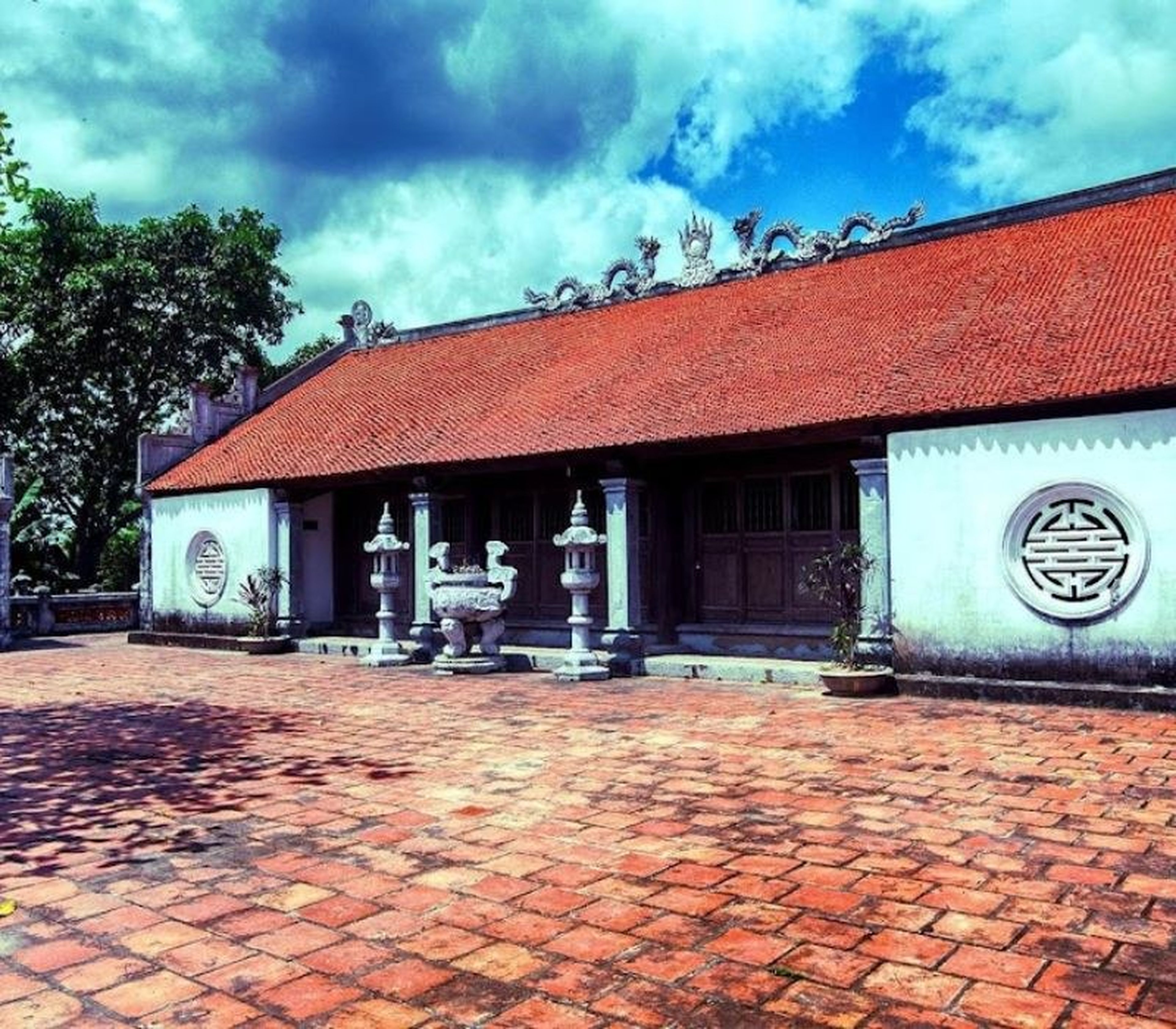
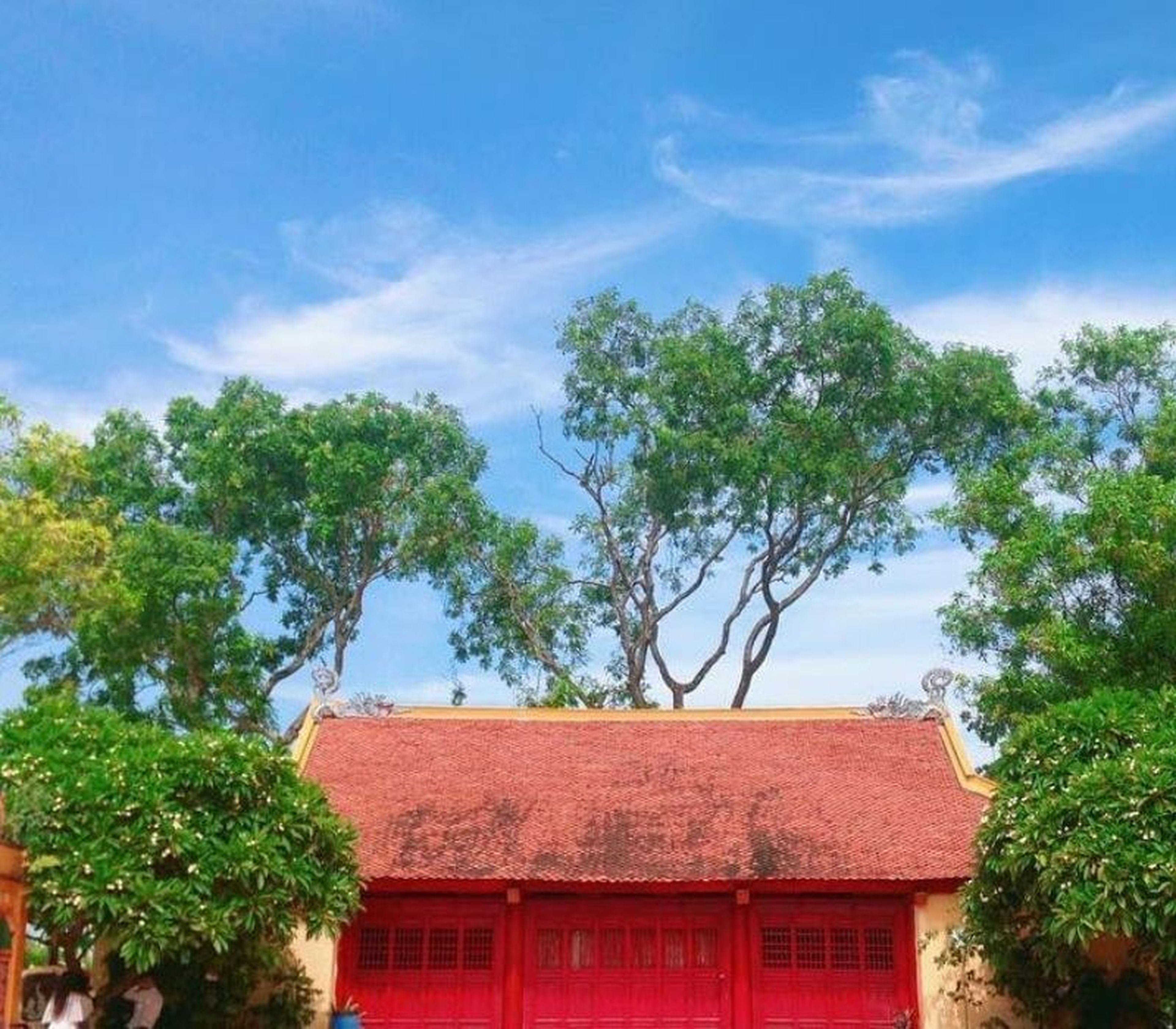
One figure will astound you: this small island is home to more than 130 relics, including 32 national-level relics. Most remarkable of all is the system of 24 clan ancestral halls recognized as national heritage sites. This is a distinctive feature unique to Hà Nam Island, where each clan preserves its ancestral hall as evidence of the community’s continuity and solidarity since the days of land reclamation.
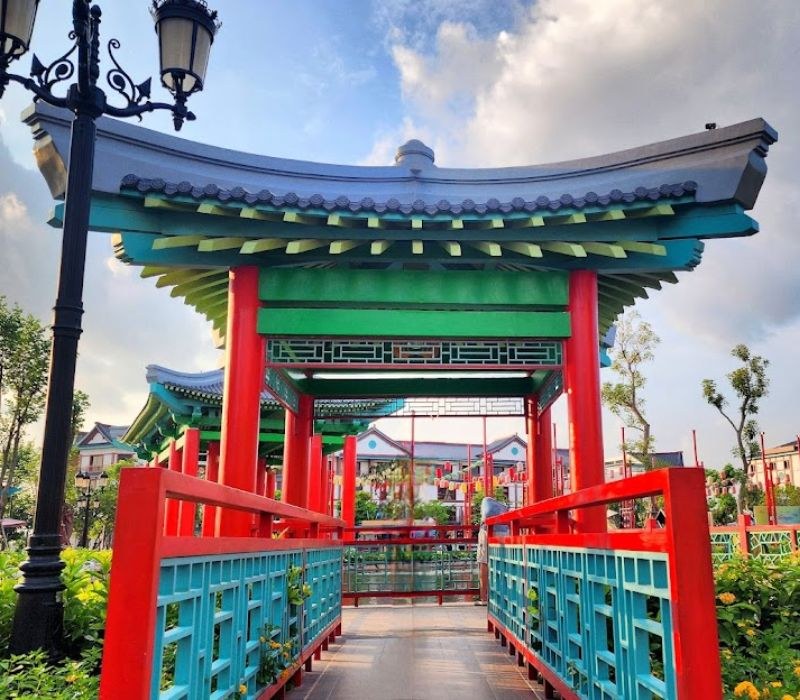
This small Hà Nam Island is home to more than 130 historical sites, surprising everyone who visits
4.2 Discover centuries-old traditional houses
If you enjoy peaceful spaces, visit the old wooden houses that are 200 to 300 years old, such as the homes of Phạm Văn Tăng and Dương Văn Hăng. Stepping into these houses, I felt as though I had entered another world.
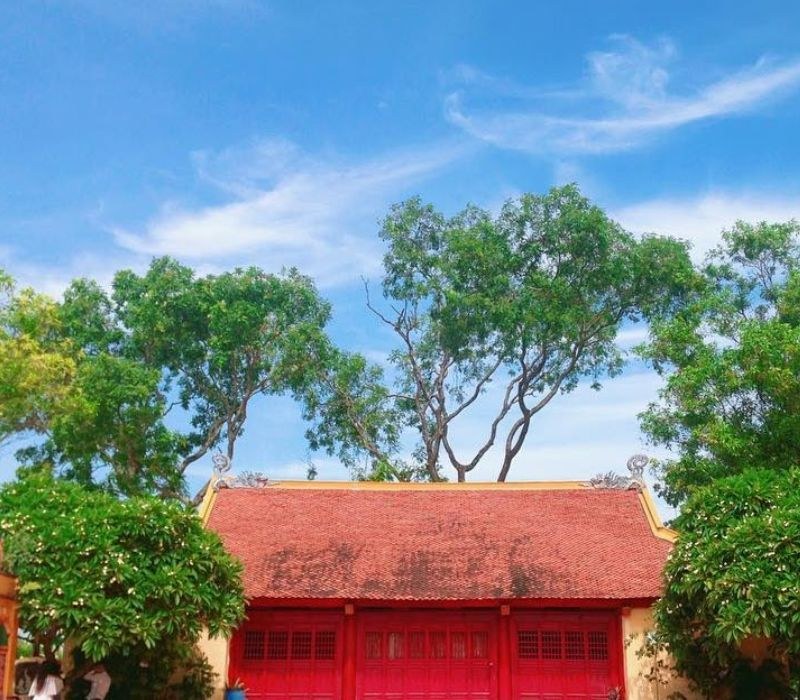
The old houses on the island are all remarkably old, with some dating back 300 years
Traditional architecture governed by the principle of “Azure Dragon on the left, White Tiger on the right,” gleaming ironwood pillars, and moss-covered yin-yang tiled roofs create an extraordinary sense of calm. Sitting beneath the eaves of an old house, sipping green tea and listening to stories of the past was the experience I treasured most on this trip.
4.3 Revisit the glorious Bạch Đằng battlefield
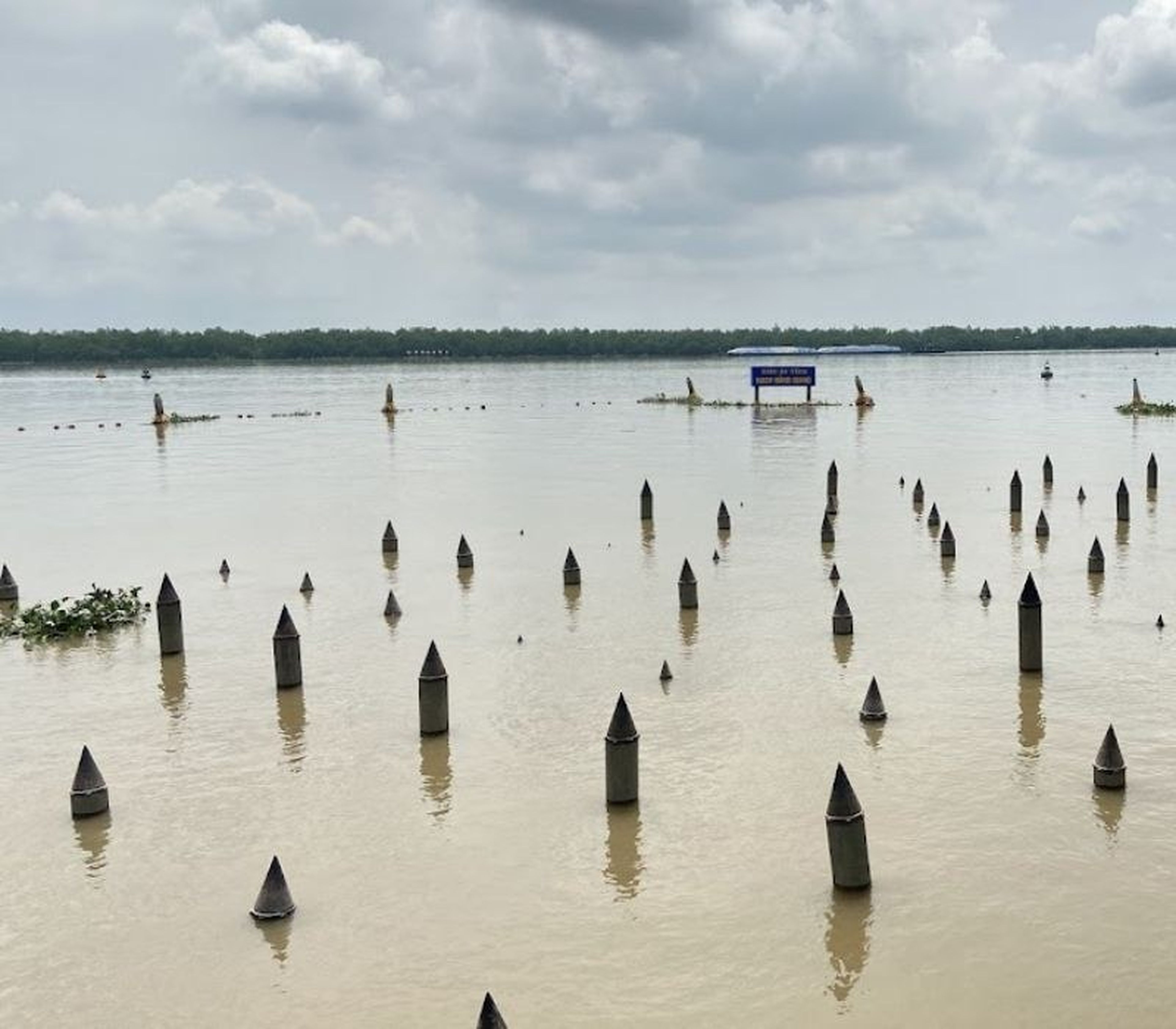
Hà Nam is also a land of illustrious victories. I visited the Đồng Má Ngựa and Đồng Vạn Muối stake fields – authentic remnants of the great victory over the Mongol-Yuan army in 1288. Looking at the excavation pits and the glossy black ironwood stakes beneath the earth, I could vividly sense the heroic spirit of our forefathers. Do not forget to pay homage to the statue of Đức Thánh Trần at Trung Bản Communal House. This remarkably unique statue depicts the national hero in a leisurely pose after victory.
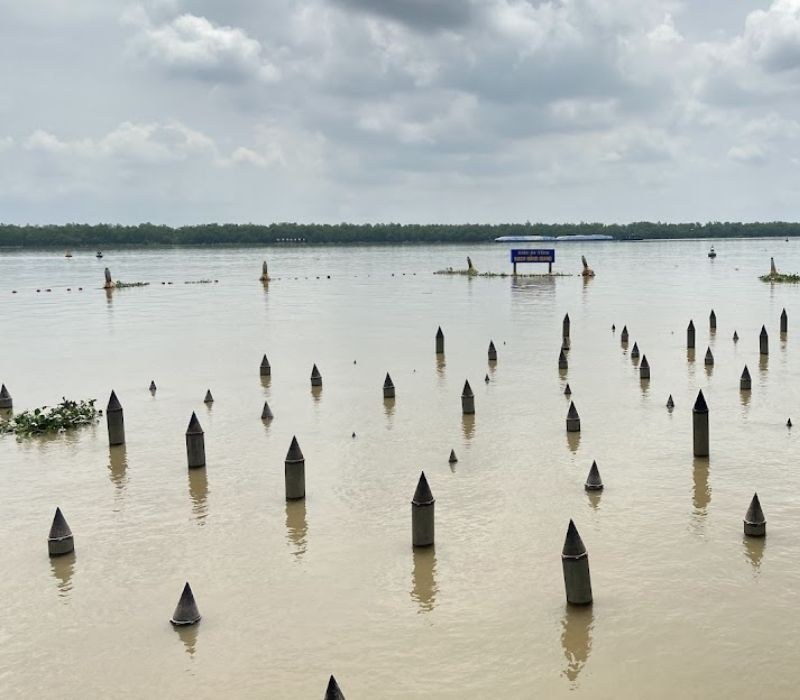
Revisiting the Bạch Đằng battlefield, associated with the glorious victory over the Mongol-Yuan army, is an experience you definitely should not miss
5 The Tiên Công Festival – the one-of-a-kind festival honoring the living
If someone asked me what the greatest highlight of Hà Nam Island is, I would answer without hesitation: the Tiên Công Festival – where the principle of “When drinking water, remember its source” is elevated into a brilliant cultural tradition.
5.1 5.1. The beauty of the principle “When drinking water, remember its source”
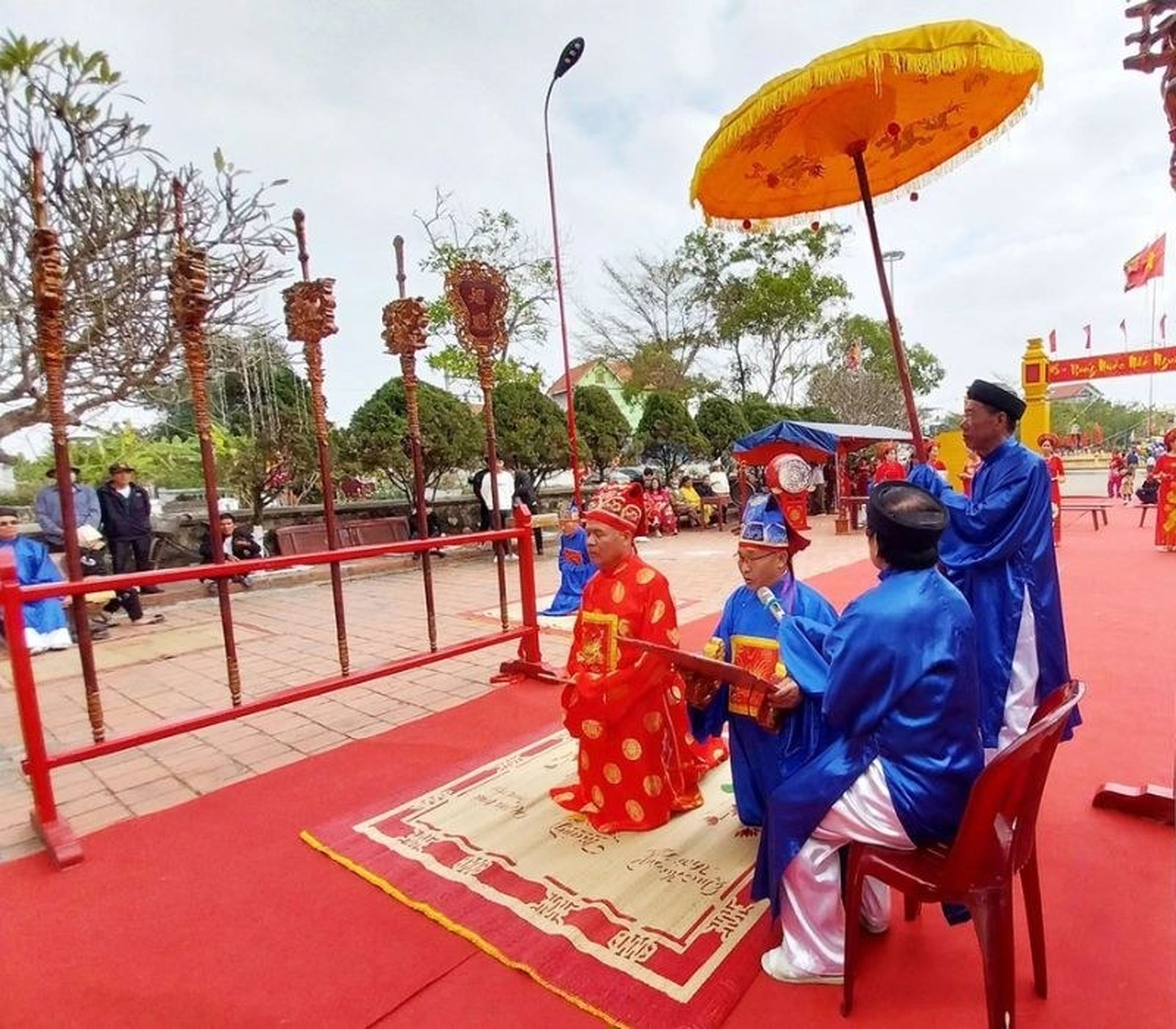
Held from the 5th to the 7th day of the first lunar month every year at the Tiên Công Shrine, the festival is an occasion for descendants from everywhere to return and make offerings to the 17 Tiên Công founders who helped reclaim the island. The atmosphere at the beginning of spring is extremely lively, with colorful flags and flowers everywhere and people filled with joy.
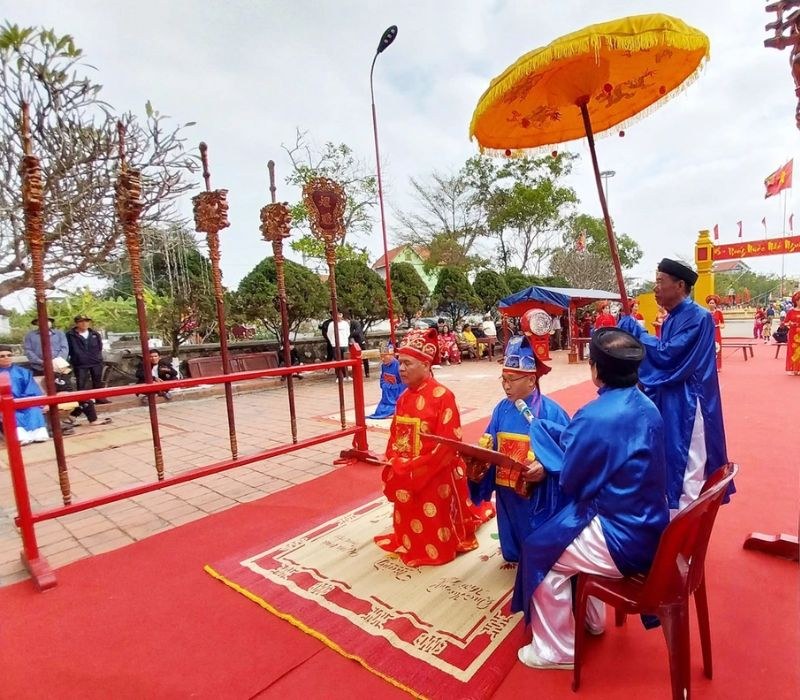
The Tiên Công Festival embodies the Vietnamese people’s treasured principle of remembering those who came before
5.2 The procession of the Elderly – National Intangible Cultural Heritage
The most unique experience is the custom of “procession of the living.” Families whose elders reach 80, 90, or 100 years of age (known as Elderly Honorees) organize processions carrying them to the Tiên Công Shrine in red hammocks. I was speechless when I saw the images of white-haired elders in formal clothing sitting in hammocks, surrounded by their many descendants, with the resonant sounds of the octet ensemble and the lively dances of lions and dragons.
This was the most vivid longevity celebration ceremony I had ever seen, honoring the value of elderly people in the family and society. After the ceremony, you can also join traditional games such as swing riding and wrestling, or listen to the distinctive hát đúm courtship singing.
6 Savor local specialties and traditional crafts
My trip ended with discovering the island’s craft villages and its rustic yet refined culinary flavors.
6.1 The craft of making bat-wing-sailed bamboo boats
Hà Nam Island is the birthplace of the craft of building three-sided boats with bat-wing sails – legendary boats capable of moving against the current and wind solely through the skillful handling of their sails. Only after seeing skilled craftsmen meticulously weave bamboo strips and cut wood firsthand did I understand why local fishermen are so proud of their boats. The bat-wing boat is not merely a means of transport; it is a symbol of the ingenuity and adaptability of Hà Nam’s people in the face of the open sea’s waves and winds.
6.2 Local cuisine with gio cake (ash cake)
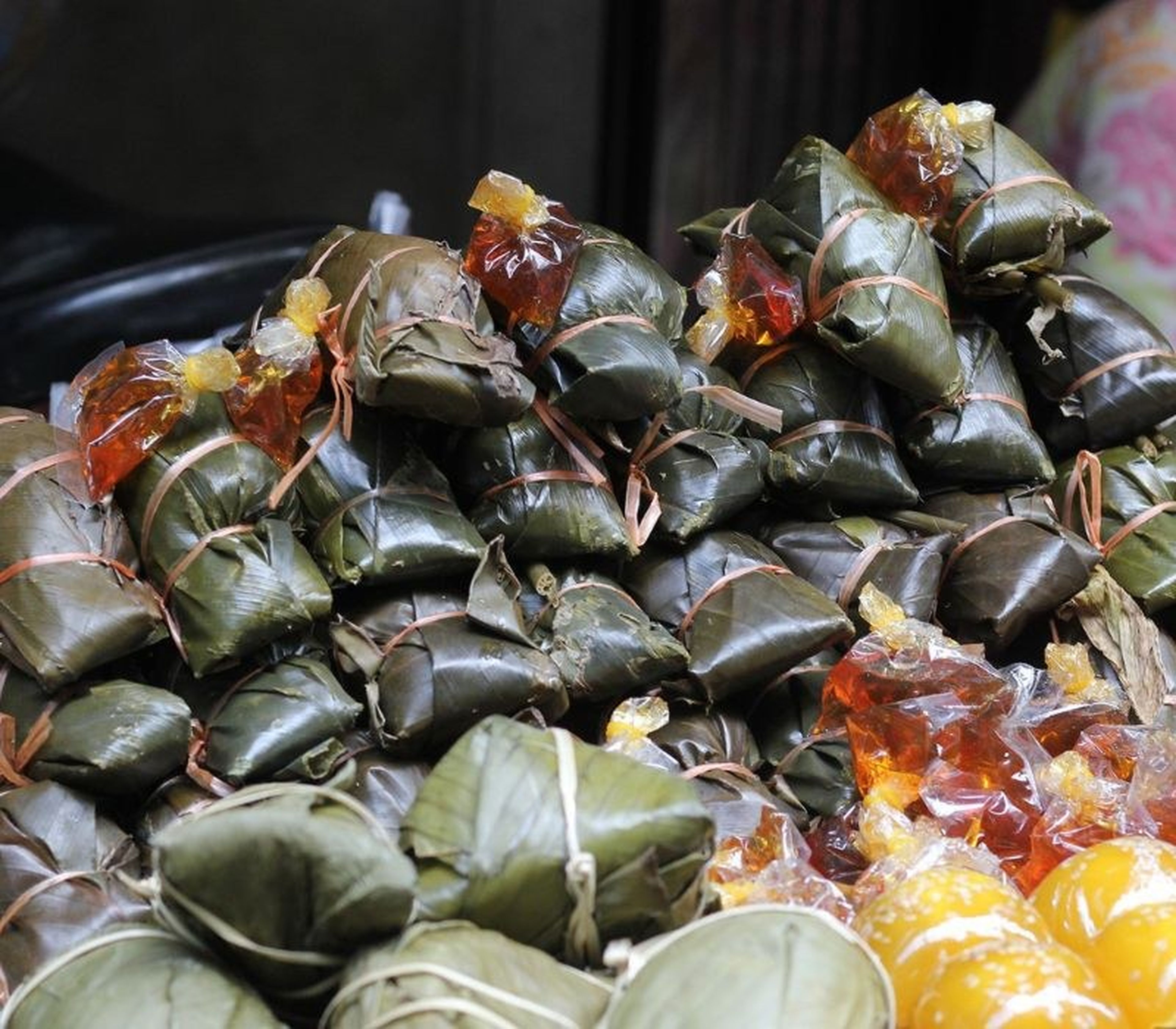
Among the countless dishes, I was most impressed by the traditional gio cake. The cake is made from high-quality glutinous rice soaked in ash water from the island’s herbal plants, wrapped in dong or banana leaves, and then thoroughly boiled. The translucent amber-colored cake is soft and fragrant; dipped in intensely sweet sugarcane syrup, it creates an elegant, refreshing flavor. Island residents often sell this cake at Tết markets or serve it during death anniversaries as a way of preserving the flavors of their ancestors.
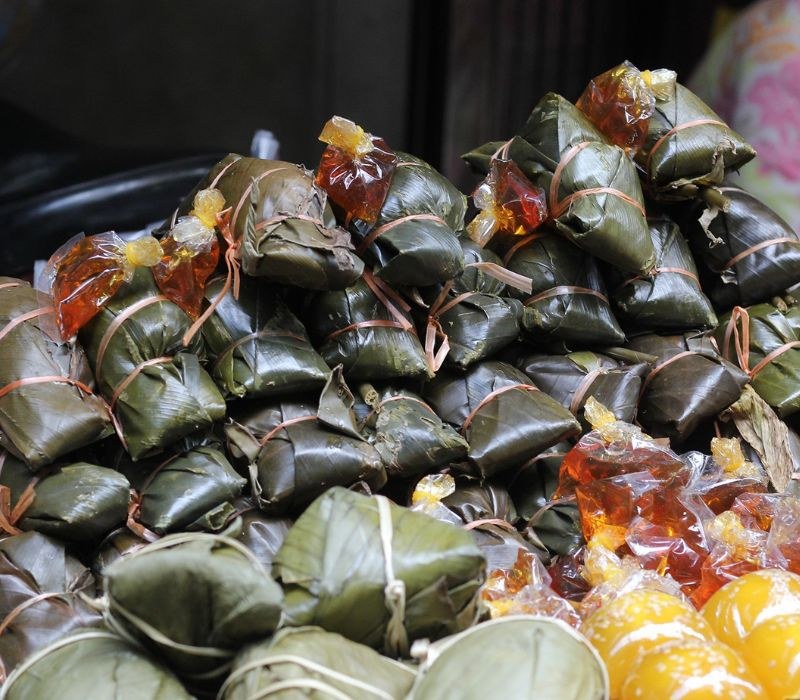
Gio cake has a translucent amber color, and its flavor becomes remarkably enticing when eaten with sugarcane syrup
7 Tips and notes for a fulfilling heritage journey
To make your exploration of Hà Nam Island as smooth as possible, I have a few practical tips to share. The ideal time is certainly early spring, specifically the first lunar month, when you can immerse yourself in the lively festive atmosphere of the Tiên Công Festival.
For your itinerary, you can spend a morning visiting Hồ Mạch, the clan ancestral halls, and the Bạch Đằng stake fields, then leisurely visit the old houses in the afternoon.
If you have more time, I suggest combining your trip with a visit to the Quảng Ninh Museum in Hạ Long City to see the actual Bạch Đằng wooden stakes preserved and carefully protected there. One small but important note is that when visiting clan ancestral halls, communal houses, or shrines, remember to dress respectfully and keep the surroundings quiet out of respect for the island residents’ sacred spaces.
In my mind, Hà Nam Island is a land of memories, where traditional values continue to flow powerfully, like the thousand-year-old freshwater source at Hồ Mạch. From the steadfast sea dikes to the deeply humane procession honoring the living, everything comes together to create a proud and captivating Hà Nam. If you are looking for a destination where you can slow down, touch history, and feel the pulse of Vietnamese village culture, pack your backpack and head to Hà Nam Island. Trust me, this island of wonders in the heart of a heritage region will not disappoint you!