1 Introduction to Bai Chay Bridge
1.1 About Bai Chay Bridge
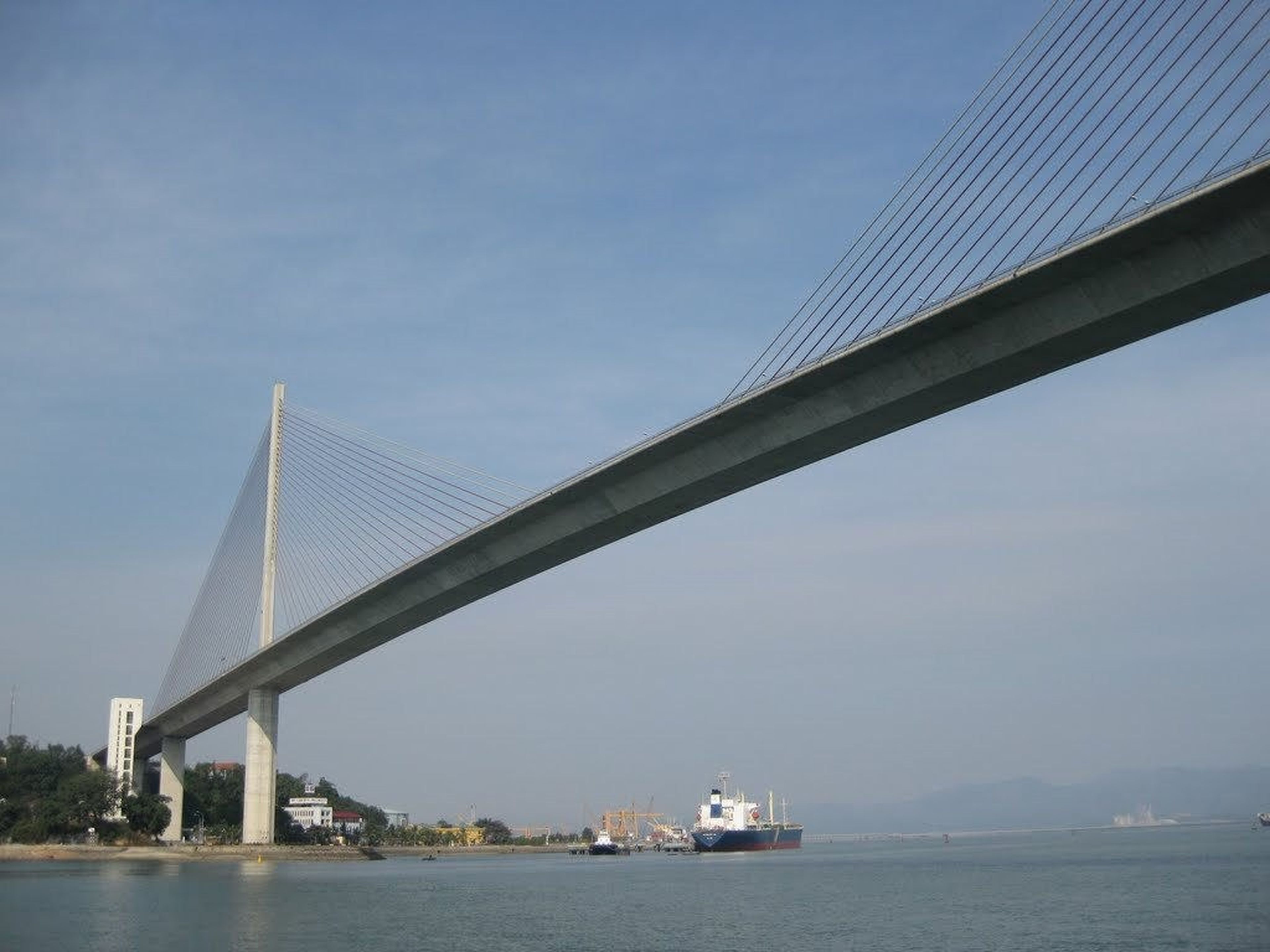
Bai Chay Bridge is located on National Highway 18 in Quang Ninh Province. It connects Bai Chay and Hon Gai, leading straight to Ha Long Bay. The bridge is also considered a vital transport route that is extremely important to the province’s development, particularly the growth of its tourism sector. What’s more, Bai Chay Bridge is regarded as one of the world’s five largest single-plane cable-stayed bridges with prestressed concrete, as of today.
Building the bridge required the provincial authorities to spend a substantial sum, amounting to billions of dong. It took a full 20 years for the bridge to be completed, following numerous changes and choices before the construction project was approved and quickly brought to completion. This is one of the country’s key infrastructure projects, situated in a location of particular strategic importance. Bai Chay Bridge is currently managed by the Quang Ninh Provincial Police.
See also: Experience Bai Chay Night Market, with its many exciting activities
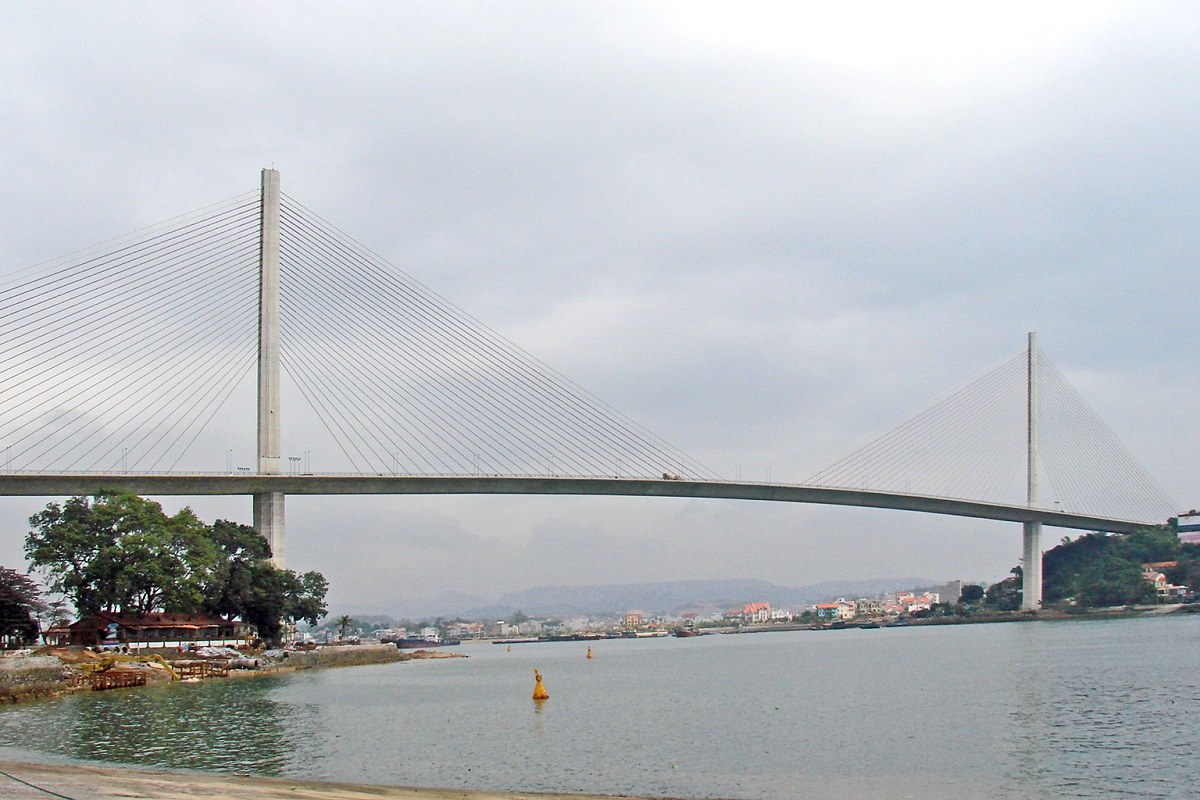
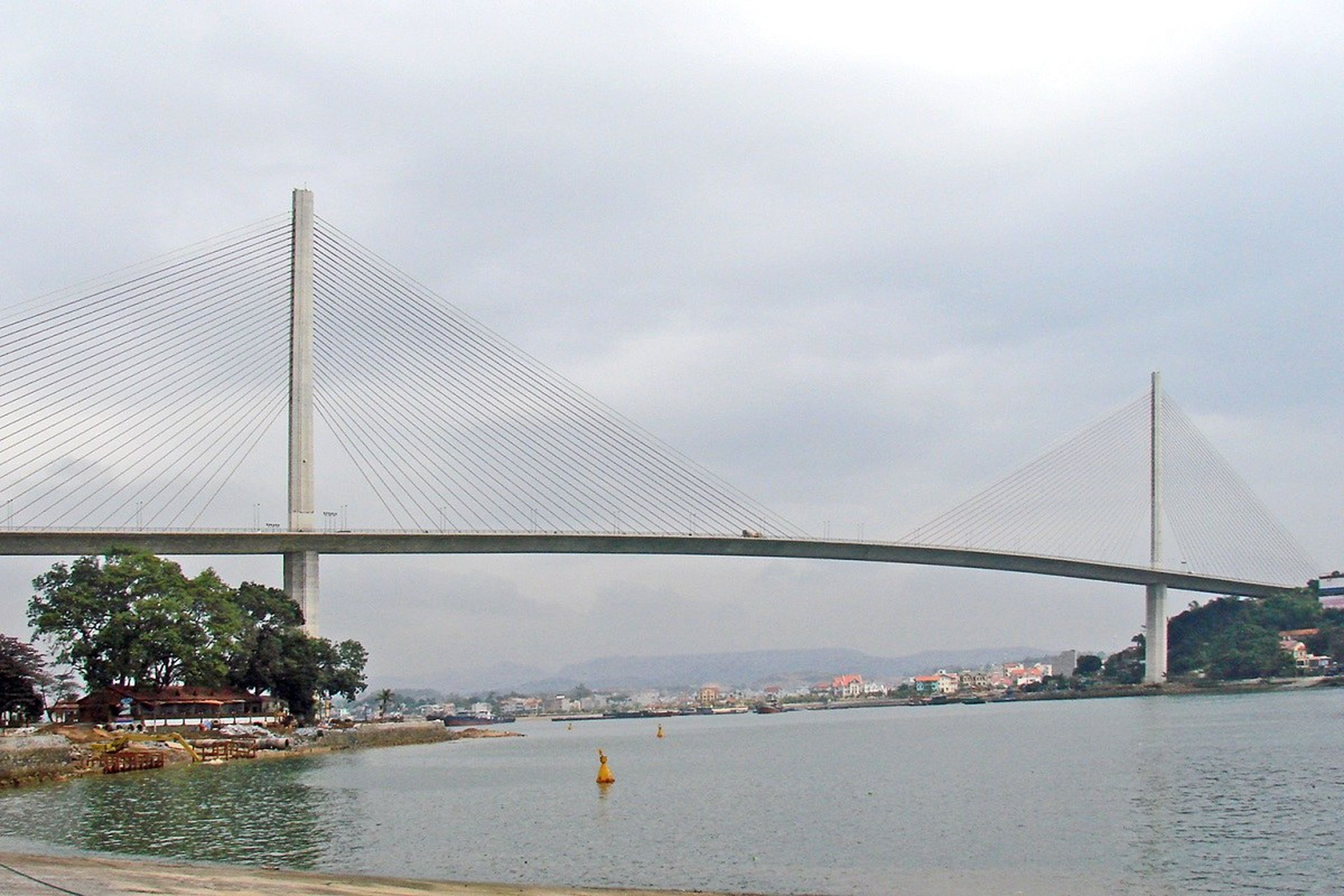
Bai Chay Bridge looks majestic and imposing from afar
1.2 History of Bai Chay Bridge
Construction of Bai Chay Bridge began in 2003, with a budget of more than 2.14 trillion dong. Most of the funding was provided by the Japanese government. The project’s construction engineer was also Japanese, helping create the unique architectural landmark we see today. Following the “Vietnam-Japan Labor Culture” project, this was the second project in which Japan helped us build a structure of this kind.
Bai Chay Bridge officially opened to traffic on 02/12/2006. Thanks to the bridge, local residents can conveniently travel between the two riverbanks and trade with one another. Its opening also helped spur the development of Quang Ninh’s urban tourism network, making it easier for domestic and international visitors to reach local attractions.
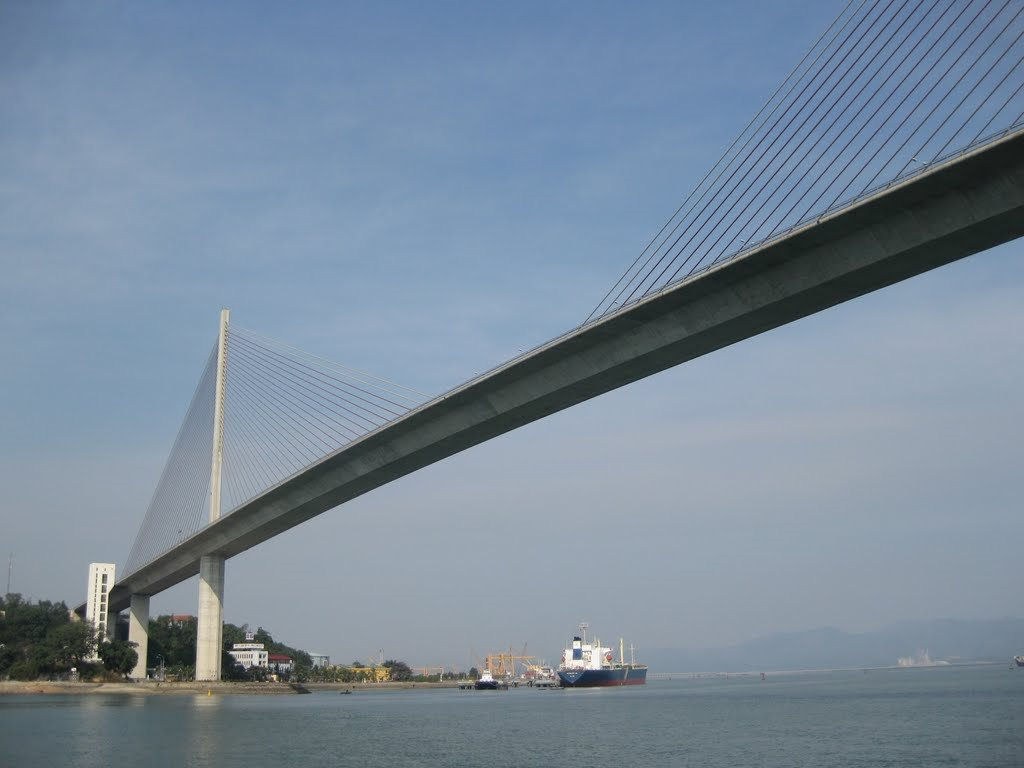
The bridge was designed to be both highly modern and elegant
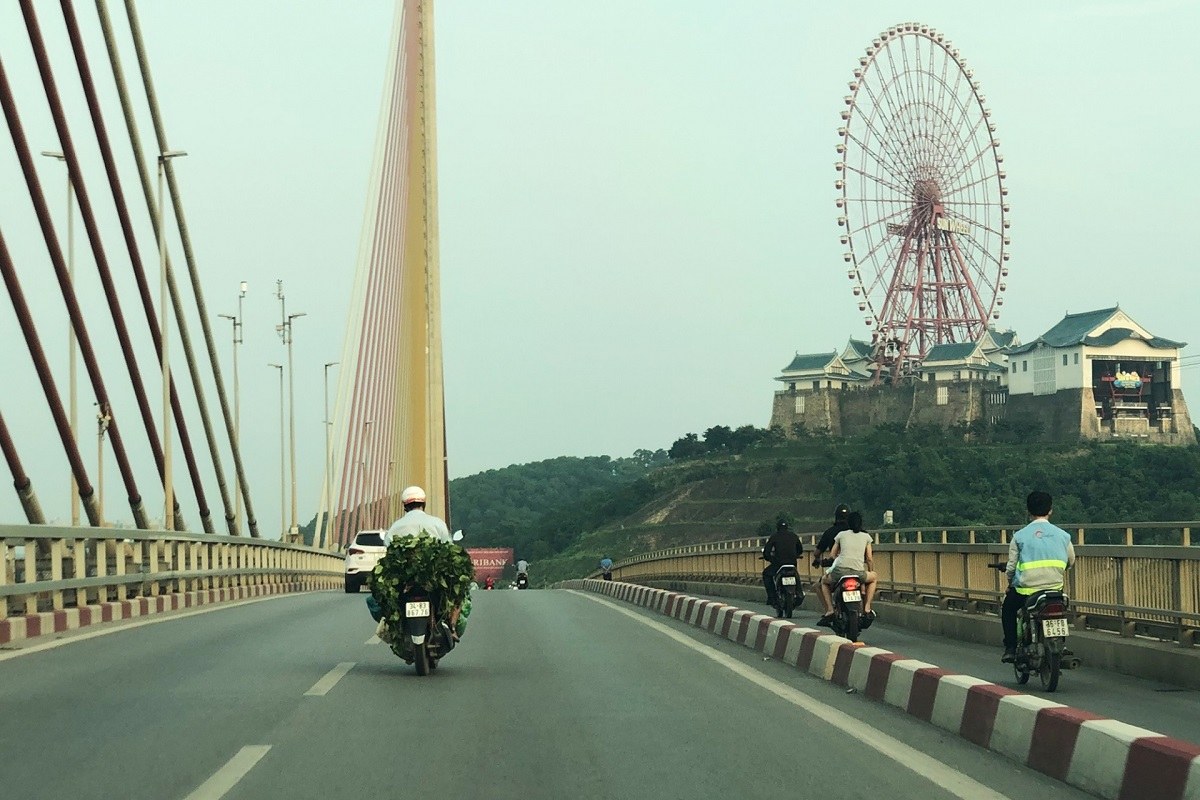
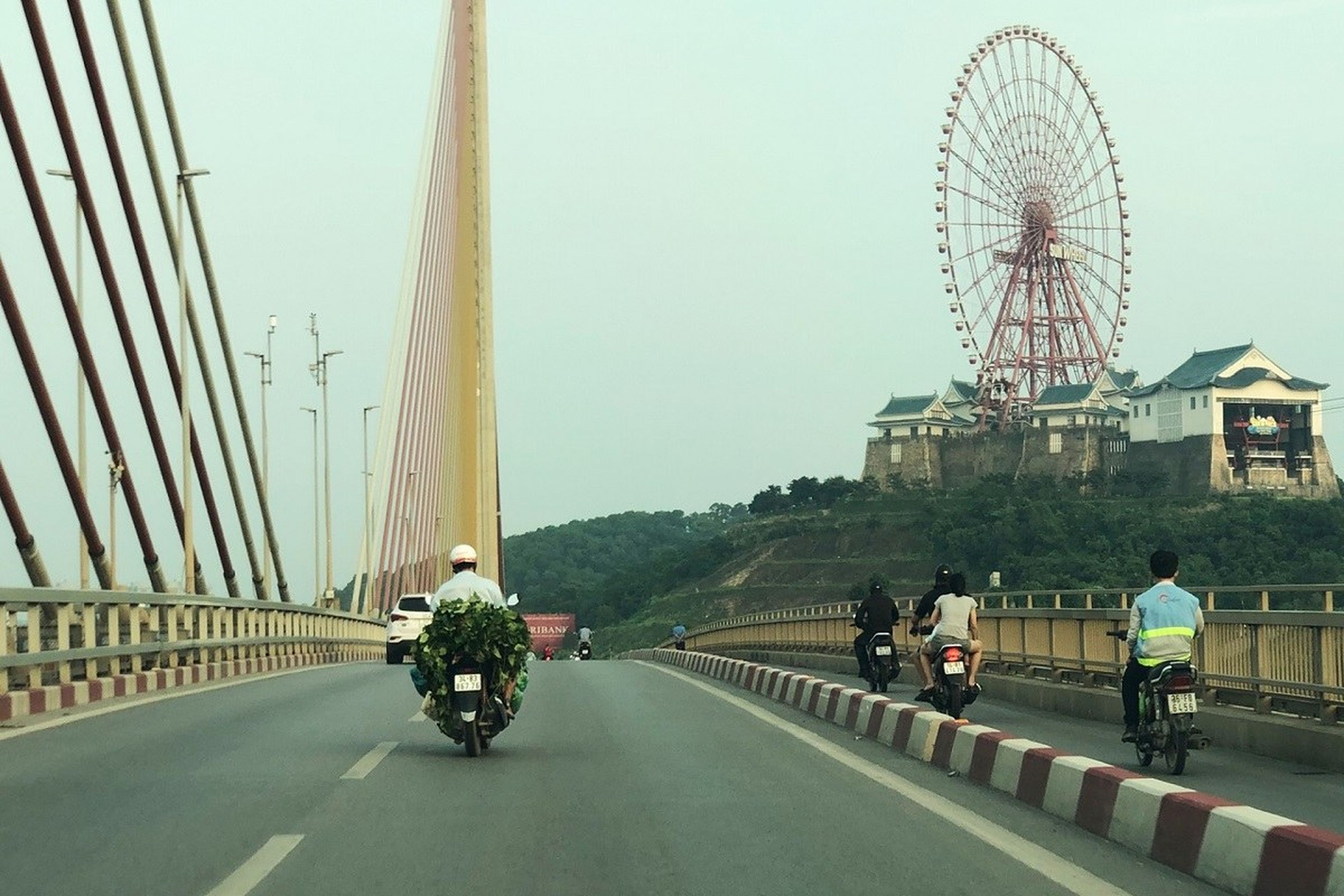
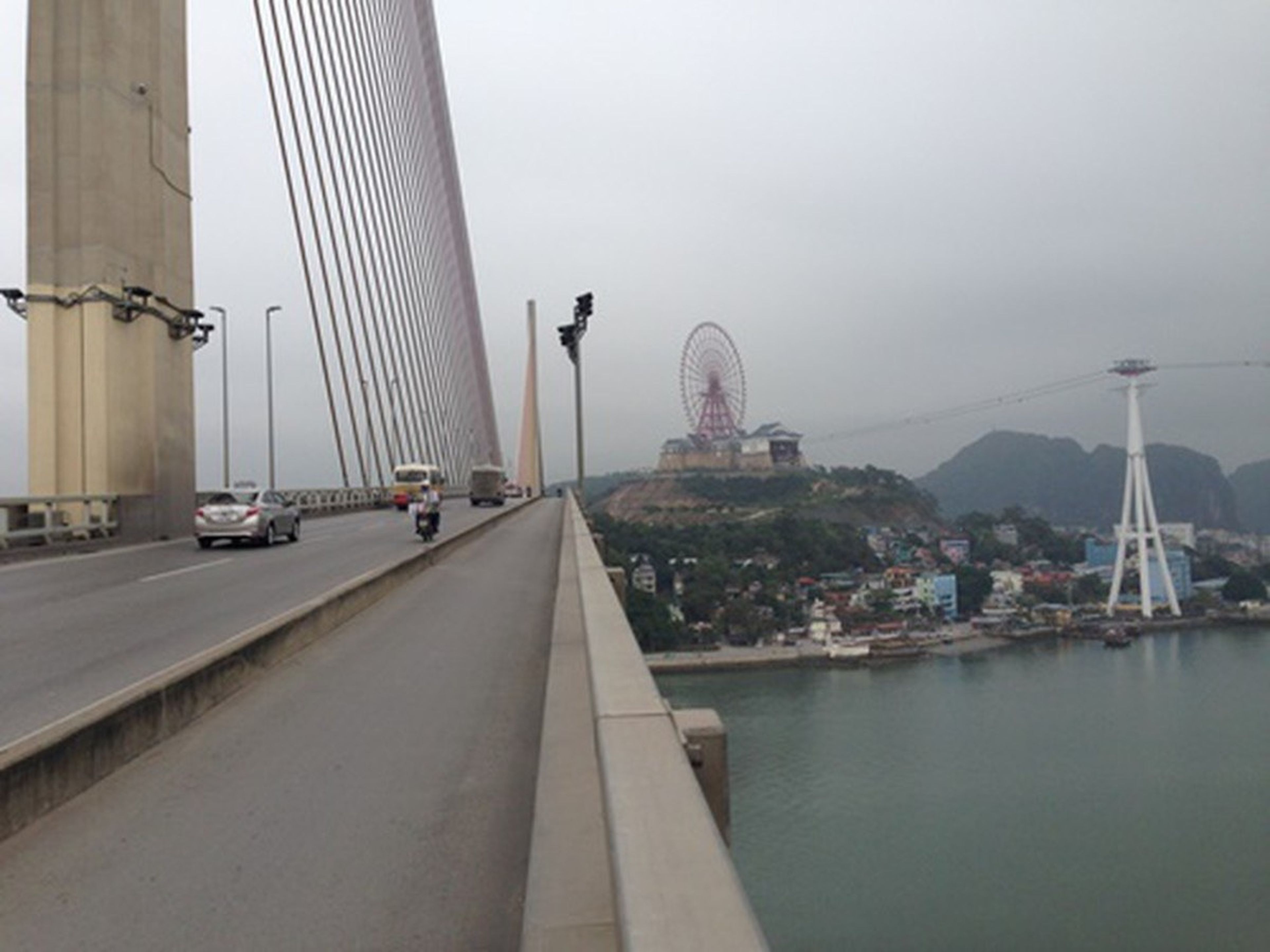
Bai Chay Bridge is always bustling with people crossing it
2 Admire the architecture of Bai Chay Bridge
If you get the chance to visit Quang Ninh, come and see this one-of-a-kind bridge for yourself. It stretches 2,487 meters in length. MIA.vn is certain you’ll be amazed by how it resembles a slender silk ribbon draped across the river, creating a vast and lively expanse. You’ll surely be impressed by the engineers whose painstaking work brought a bridge of this scale to life.
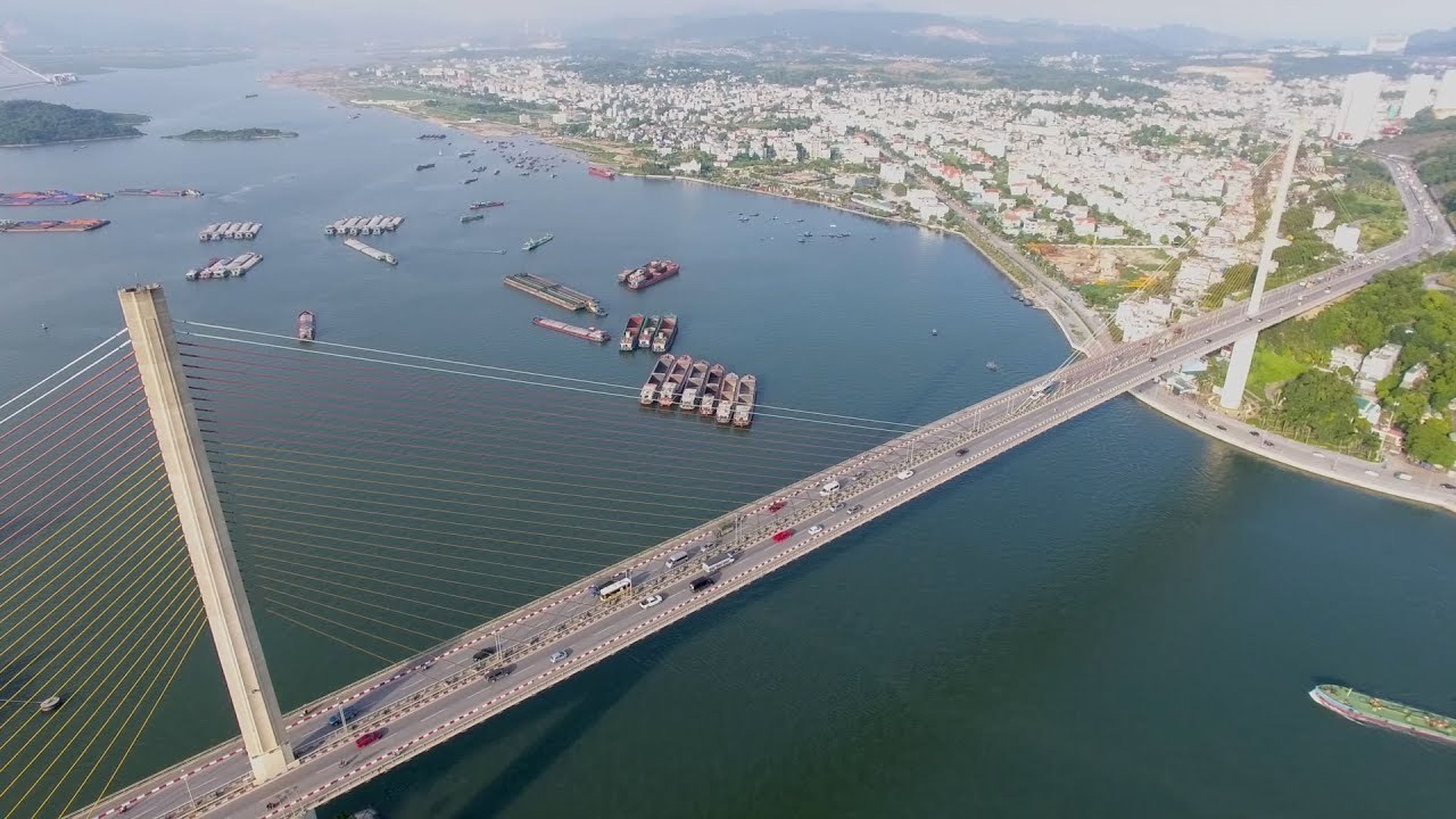
Bai Chay Bridge features vertical cable stays that connect to the bridge deck, forming its defining design element. Seen from above, it looks like a gigantic musical instrument spanning a vast area. The engineering team’s skillful work created the bridge’s distinctive curve, a feat few places in Vietnam can achieve. The use of cable stays across such a long span further demonstrates the exceptional craftsmanship behind its construction. The concrete pylons are reinforced with strong steel, while its prestressed system, with its rhythmic spans, once set a world record.
The support towers on both sides reach 90 m per tower, enabling the bridge to withstand even the harshest weather. This is advanced technology used only in developed countries. It was the first time in Vietnam that two bridge towers were built on foundations using sunk pneumatic caissons, with heavy-duty pressing equipment.
With such an outstanding artistic design, Bai Chay Bridge is a source of pride for the people of the mining region. The beautiful scenery around the bridge also helps create a stunning panorama, bringing together a variety of elements and views from all directions to make the bridge irresistibly appealing.
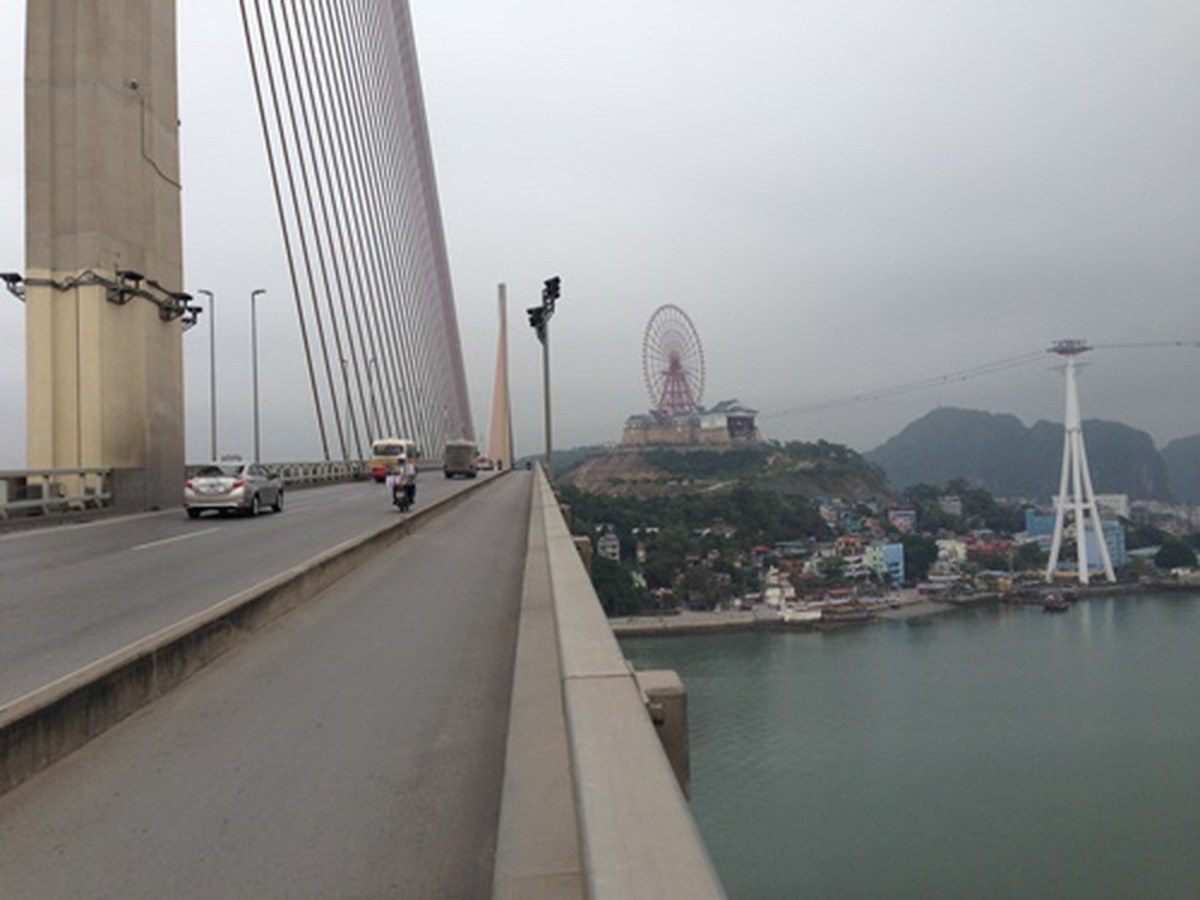
Rain or shine, Bai Chay Bridge has a beauty all its own
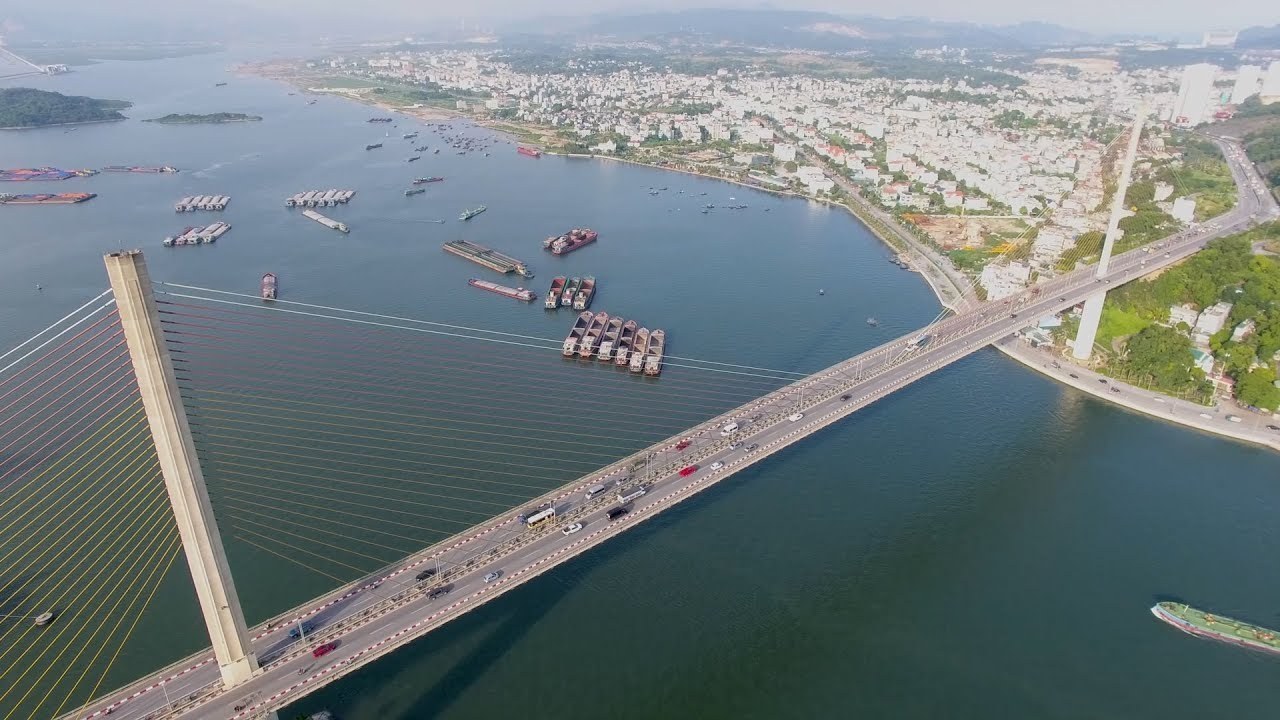
Visit Bai Chay Bridge and you’ll have the chance to admire its beauty from above
Bai Chay Bridge deserves to be called a national masterpiece, as the people of the mining region have featured it in poems and folk songs many times. Be sure to visit and admire the bridge when you get the chance! And don’t forget to visit Ha Long Bay Museum, Ti Top Island, Tuan Chau Island, and more.