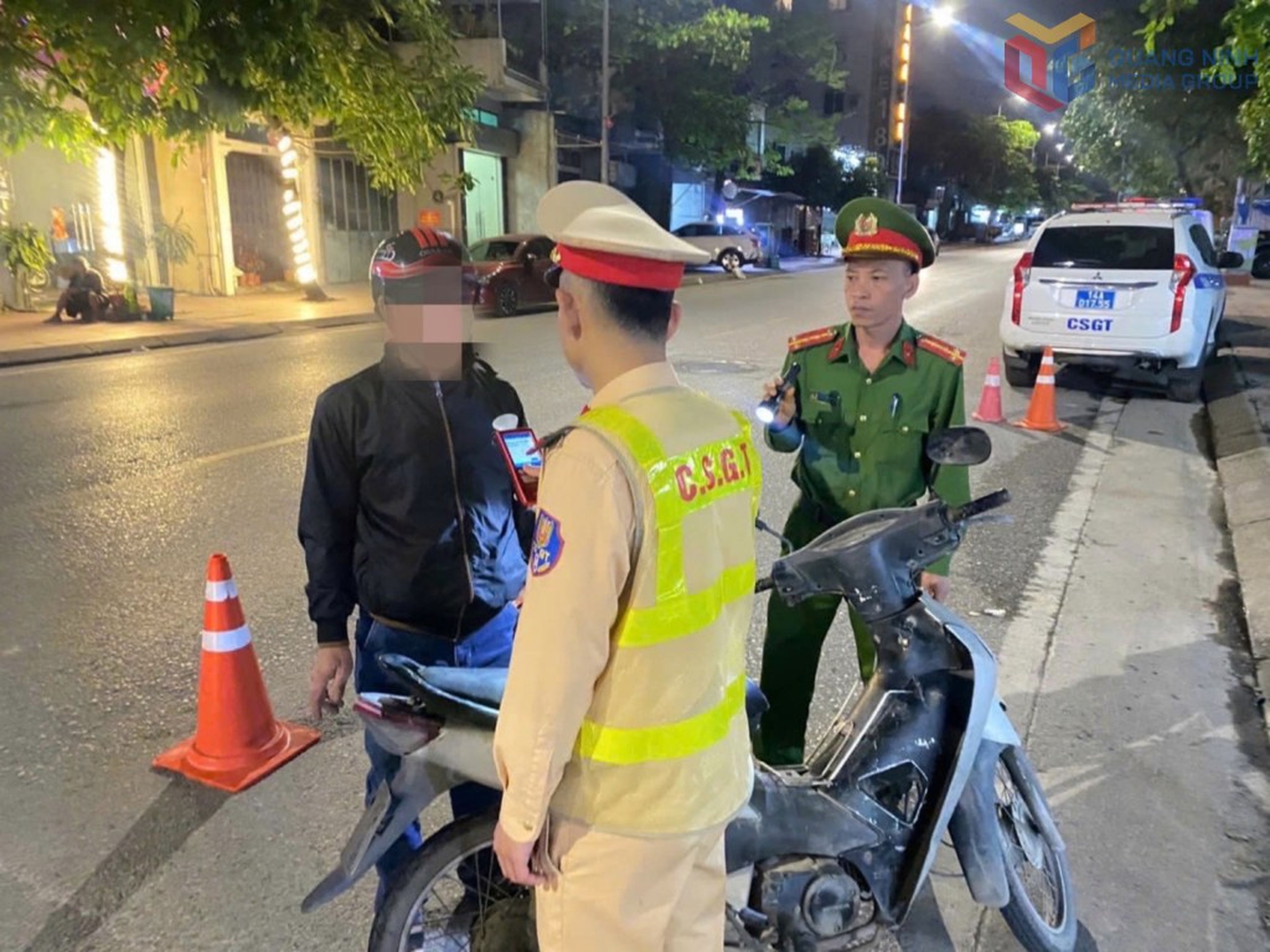
Boasting numerous distinctive natural landscapes alongside an increasingly synchronized and modern transportation infrastructure, Quang Ninh is becoming an attractive destination for numerous domestic and international tourists, especially during the peak summer tourism season. In the face of surging travel and sightseeing demands, local authorities have been synchronously deploying multiple solutions to ensure security and safety, contributing to building a civilized and hospitable tourism environment.
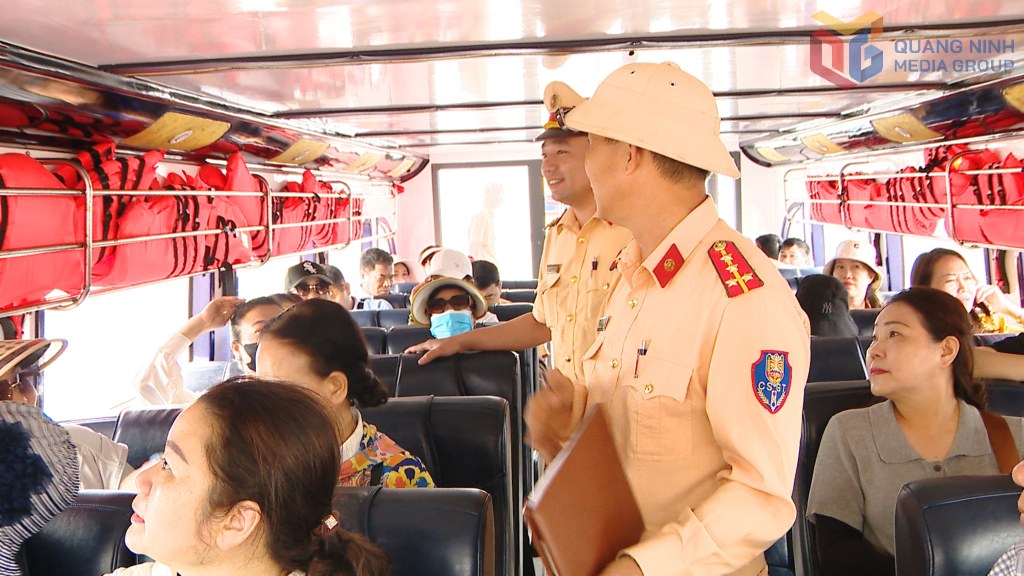
At Mui Ngoc wharf (Mong Cai 1 Ward), connecting to Van Gia wharf (Vinh Thuc Commune), there are currently 11 high-speed boats licensed for passenger transport. On average, the wharf serves nearly 300 passenger trips each day traveling between the mainland and the island commune of Vinh Thuc. It is forecasted that during the Hung Kings' Commemoration Day, April 30, and May 1 holidays, passenger volume through the wharf could double and continue to rise sharply during the upcoming summer tourism season.
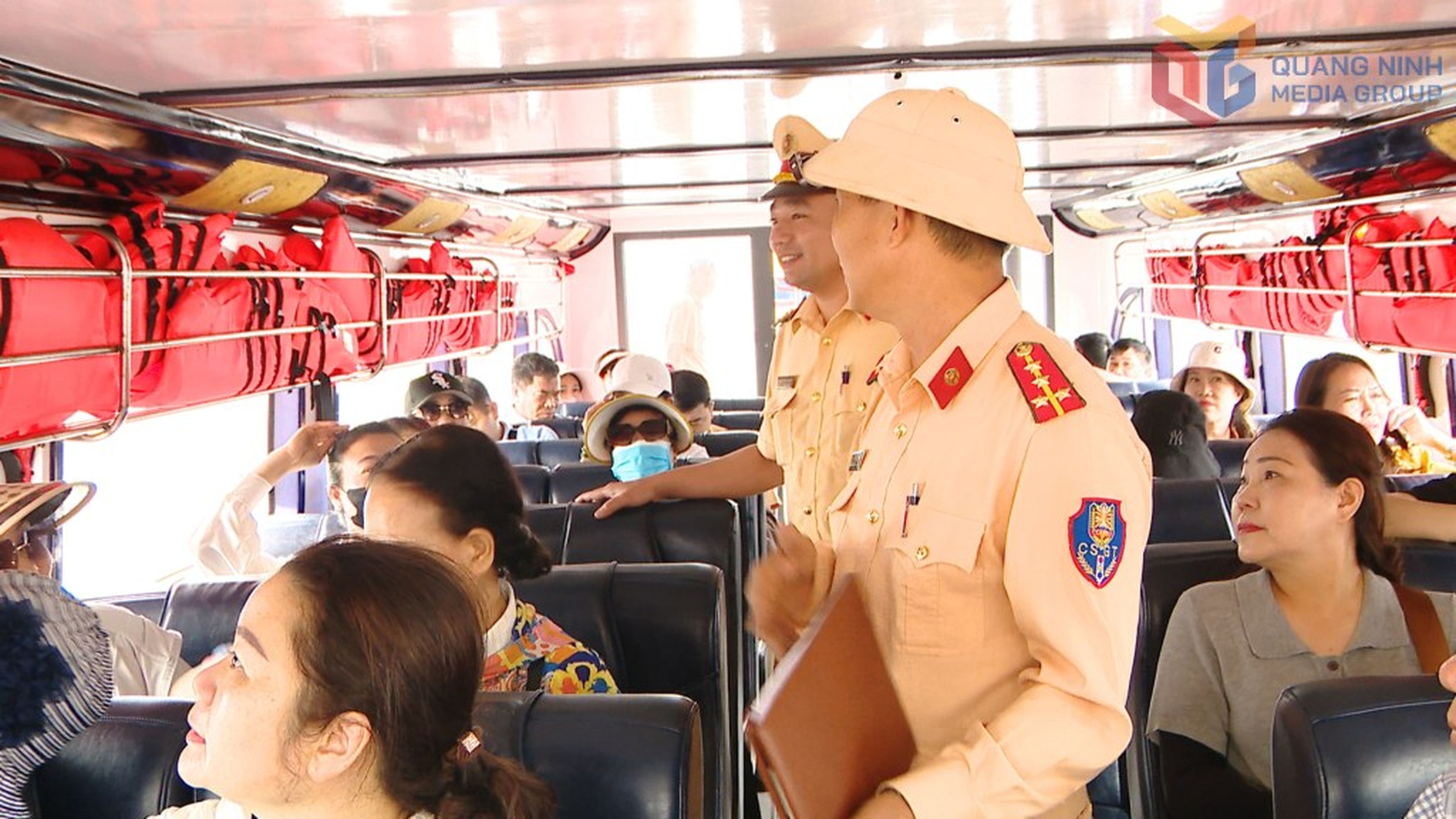
As cross-waterway wharves, in addition to passenger transport vessels, Mui Ngoc and Van Gia wharves also see hundreds of local civilian boats, cargo ships, and fishing boats operating simultaneously, posing potential risks to inland waterway traffic safety. To minimize risks to the lowest level, besides regularly checking the technical safety conditions of vessels and the professional certificates of crew members and vessel operators, the Waterway Police Team under the Traffic Police Division (Provincial Police) has coordinated with Mong Cai 1 Ward Police and Vinh Thuc Commune Police to step up communication and require business owners and vessel operators to sign commitments to strictly abide by safety regulations. Special emphasis is placed on mandatory wearing of life jackets when participating in waterway traffic and an absolute ban on the consumption of alcohol and stimulants by vessel operators.
Major Do Xuan Viet, an officer of the Waterway Police Team, Traffic Police Division (Provincial Police), stated: Due to the distinctive nature of a border and island locality where most residents make a living from the sea, waterway traffic is closely intertwined with daily life, production, and economic development. Although the majority of residents and tourists have complied well with inland waterway traffic safety regulations, some individuals, especially locals, still hold a subjective mindset and underestimate the importance of wearing life jackets. In order to strengthen traffic order and safety, the unit has been coordinating closely with the police of island communes to promote legal education on traffic safety; while also collaborating with port authorities and the border guard forces to intensify patrols, inspections, and maintain a firm grasp of the local situation. Through this, violations such as expired vessel technical inspections, carrying passengers exceeding capacity, and failing to provide or require passengers to wear life jackets are promptly detected and strictly penalized; operations are resolutely suspended for vessels failing to meet safety requirements.
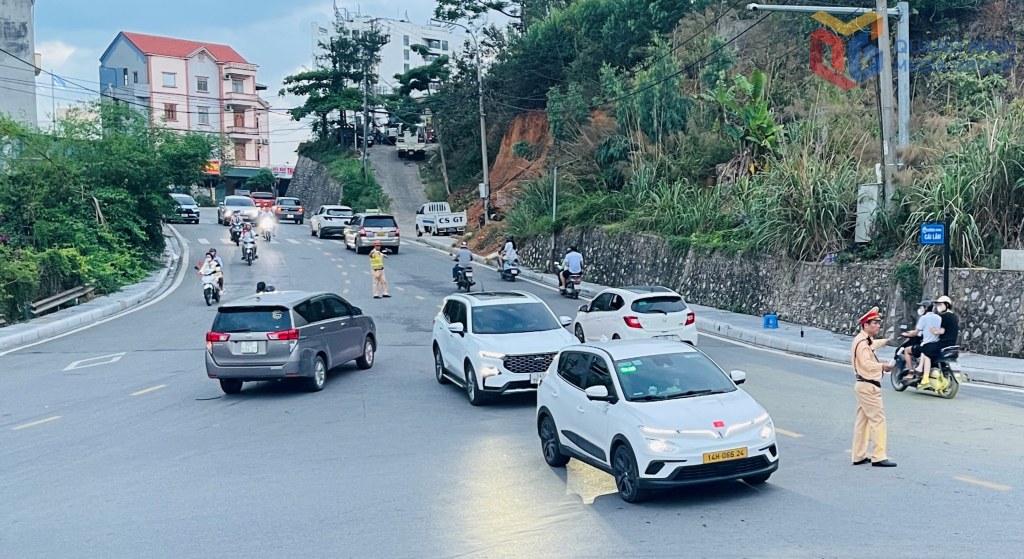
Thoroughly grasping the perspective of ensuring human security associated with maintaining social order, public safety, traffic safety, food safety, fire and explosion prevention, disaster and epidemic control, and building a green, clean, and safe living environment, the traffic police force has not only tightened management along waterway routes but also reinforced measures to maintain road traffic order and safety. Accordingly, the unit proactively coordinates with professional forces and commune-level police to maintain and effectively deploy QN-14 task forces, concentrating on key routes and areas with complex traffic order and safety situations. Through patrol and inspection efforts, the forces have promptly uncovered, combated, and strictly handled violations that directly cause traffic accidents, such as driving under the influence of alcohol, using illicit drugs, speeding, as well as groups of youths gathering and causing public traffic disorder.
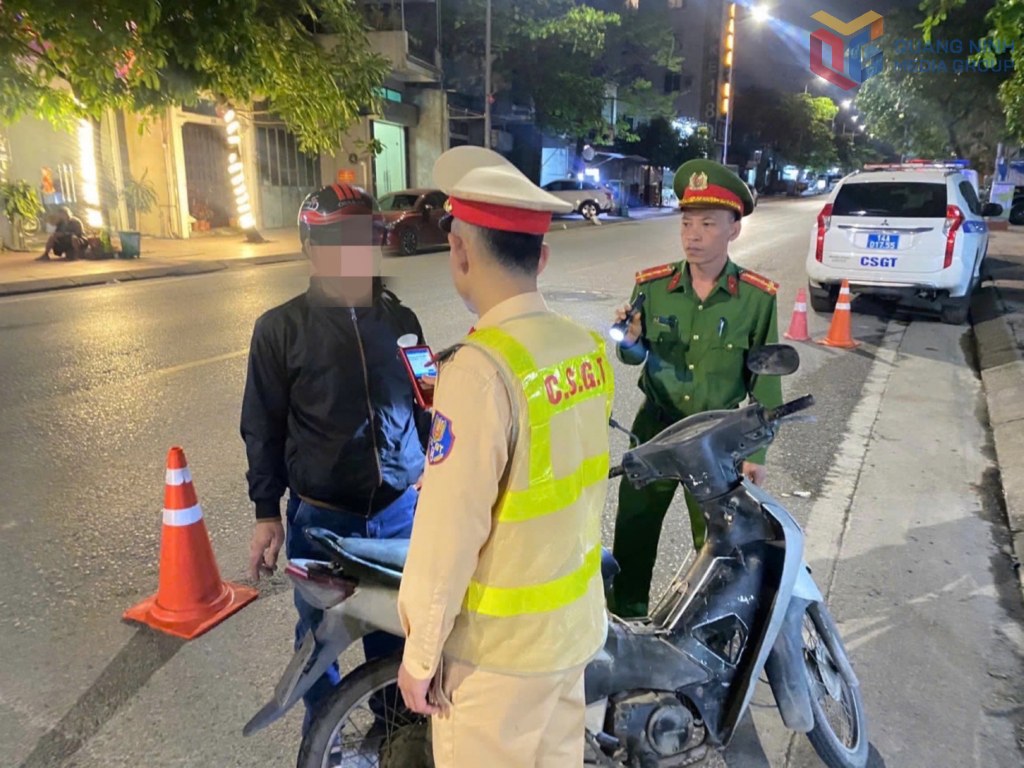
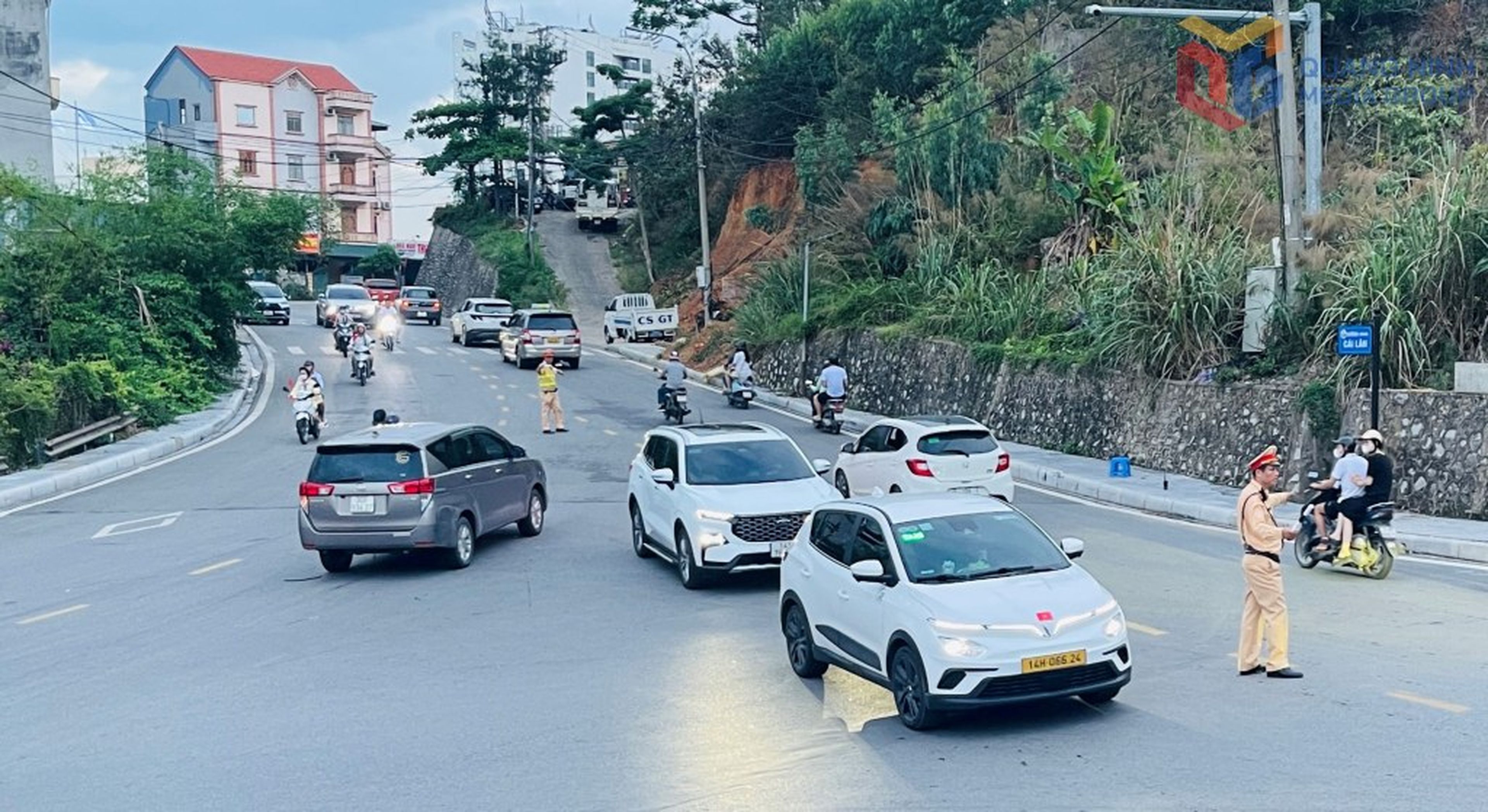
Lieutenant Colonel Nguyen Ba Kien, Head of Road Traffic Police Team No. 2, Traffic Police Division (Provincial Police), said: The jurisdiction under the team's charge covers communes and wards in the areas of former Ha Long City, former Cam Pha City, Van Don Special Zone, and Co To Special Zone—key marine and island tourism centers of the province. Entering the summer travel season, the volume of commuters and vehicles across transit routes is projected to surge, especially during holiday periods and weekends. Based on a firm grasp of the local situation, the team has proactively advised the Party Committee and the leadership of the Traffic Police Division on formulating operational plans to ensure traffic order and safety serving the public and visitors during the peak summer tourist season, primarily for the upcoming Hung Kings' Commemoration Day, April 30, and May 1 holidays. Accordingly, personnel are mobilized to the maximum, with officers and soldiers upholding a high sense of responsibility under the motto of working 'through the night, through the holidays' to guarantee smooth and safe traffic flow.
The unit has also deployed multiple task teams to organize traffic routing from early on and from a distance; intensified patrols and inspections to remind vehicles to stop and park in compliance with regulations; and stayed ready to support and assist local residents and tourists whenever necessary. At the same time, it resolutely deals with traffic law violations that pose risks of accidents and congestion. Concurrently, the team cooperates closely with professional forces and the police of communes, wards, and special zones in effectively preventing and combating various types of crimes and legal offenses on transport routes, aiming to guarantee security and safety and best accommodate the travel, sightseeing, and recreational needs of residents and visitors during the peak tourism season.