

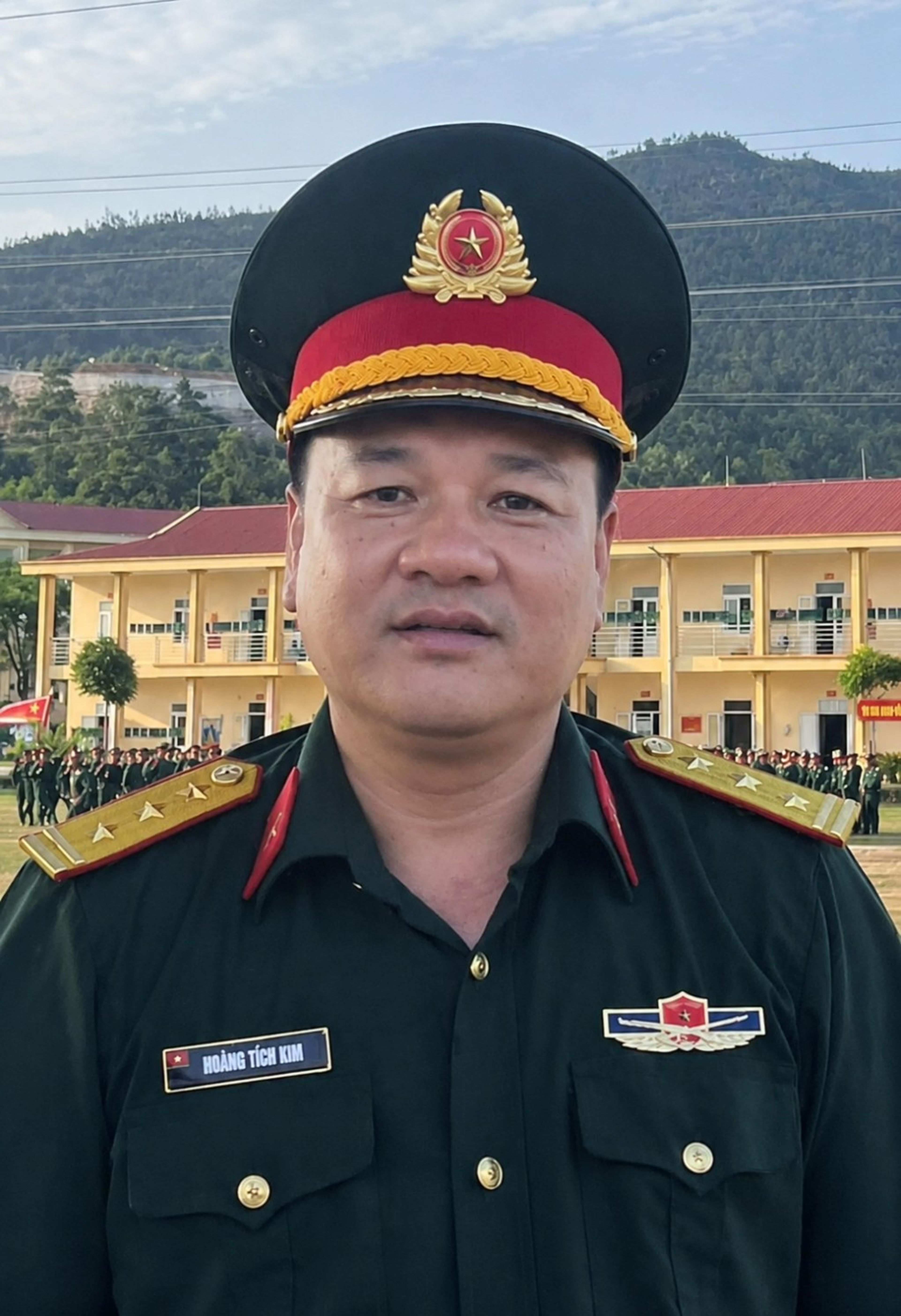
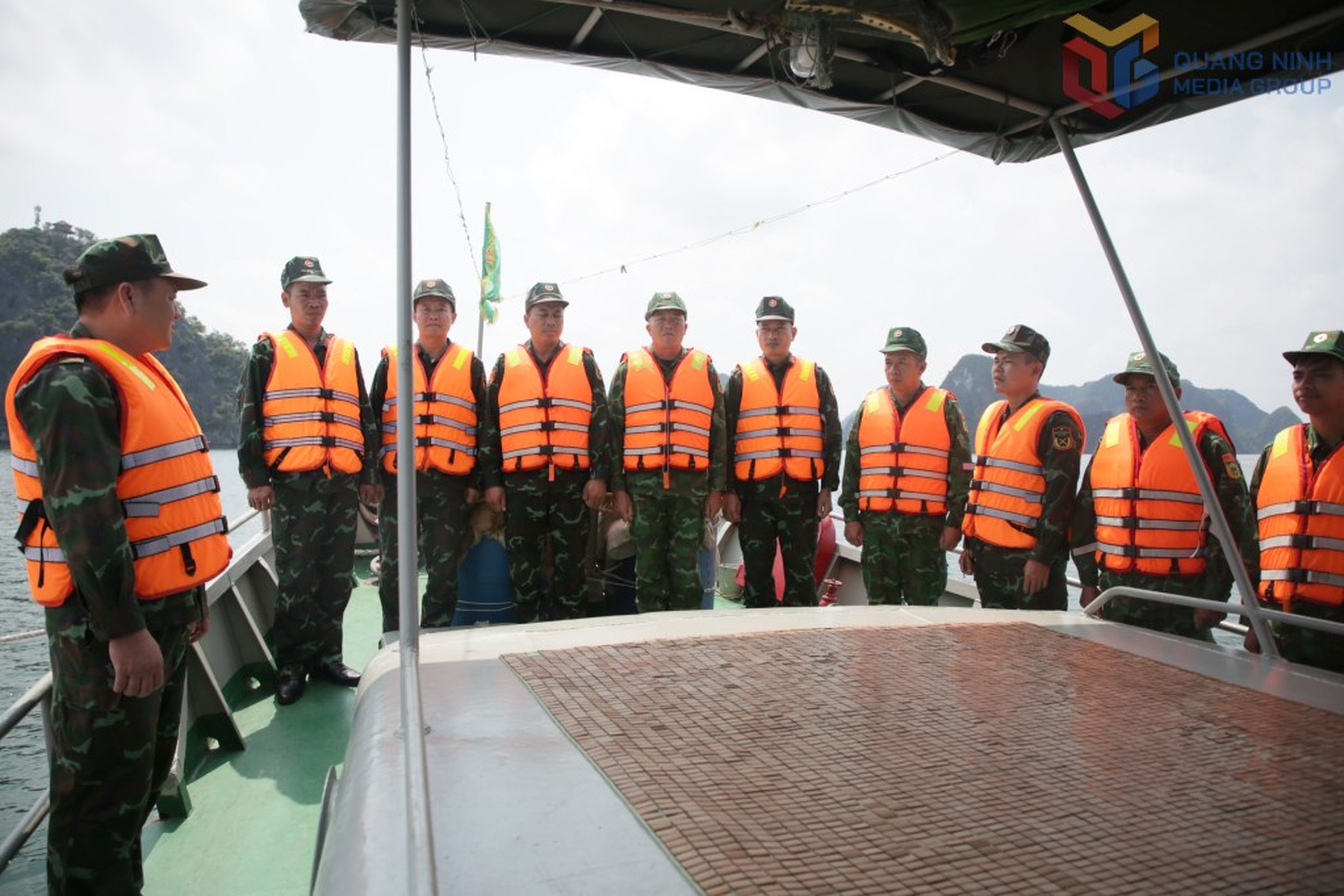
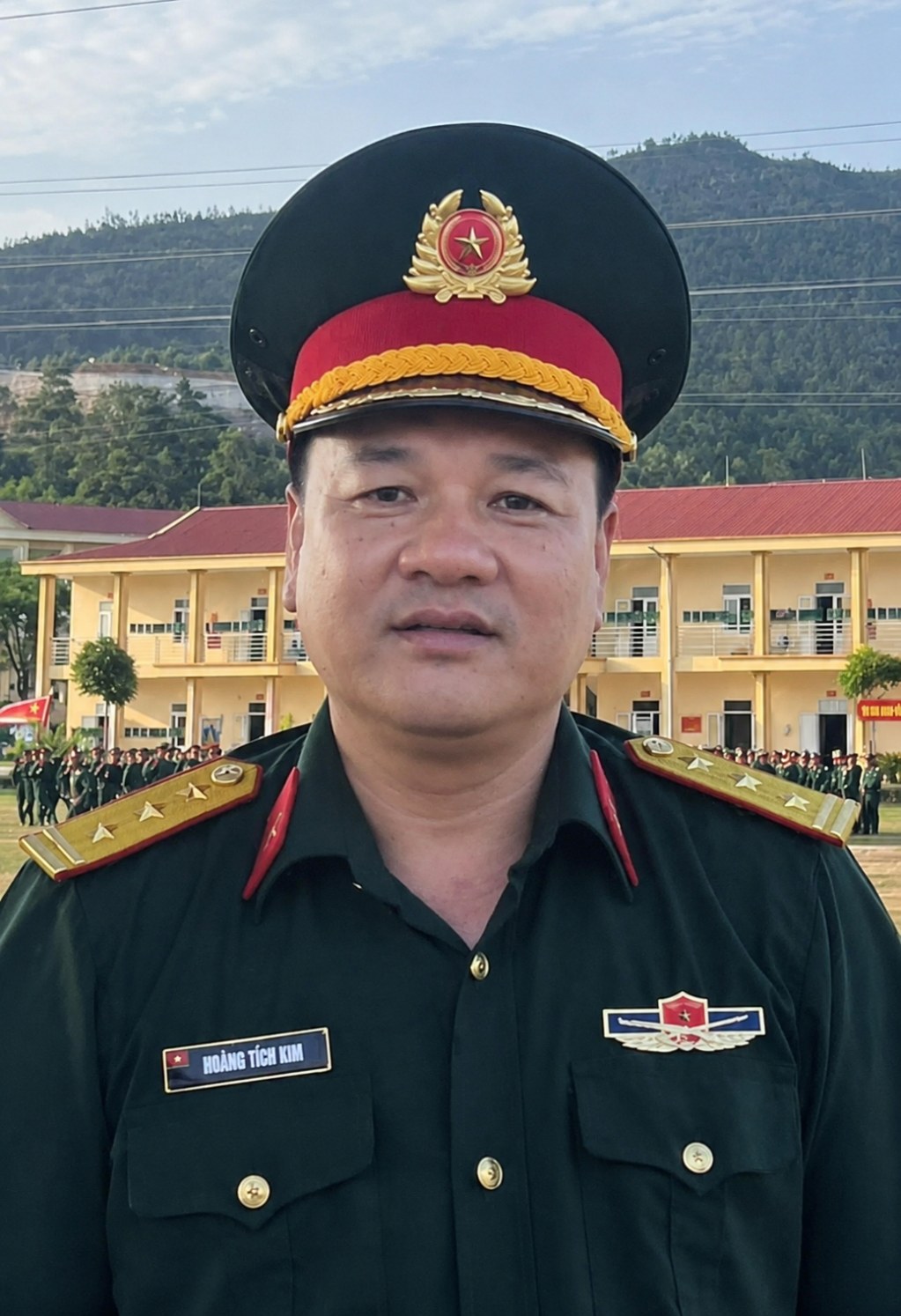
In recent years, along with the strong growth of the tourism industry, Hạ Long Bay has continued to affirm its position as a leading destination in Vietnam and the region. However, the ever-increasing number of visitors, together with the particular nature of activities at sea, has placed higher demands on ensuring tourists’ safety. On this matter, a reporter from Quảng Ninh Newspaper and Radio and Television interviewed Senior Lieutenant Colonel Hoàng Tích Kim, Head of the Operations Section, Department of Staff, Provincial Military Command—the core force involved in search and rescue operations in Hạ Long Bay.
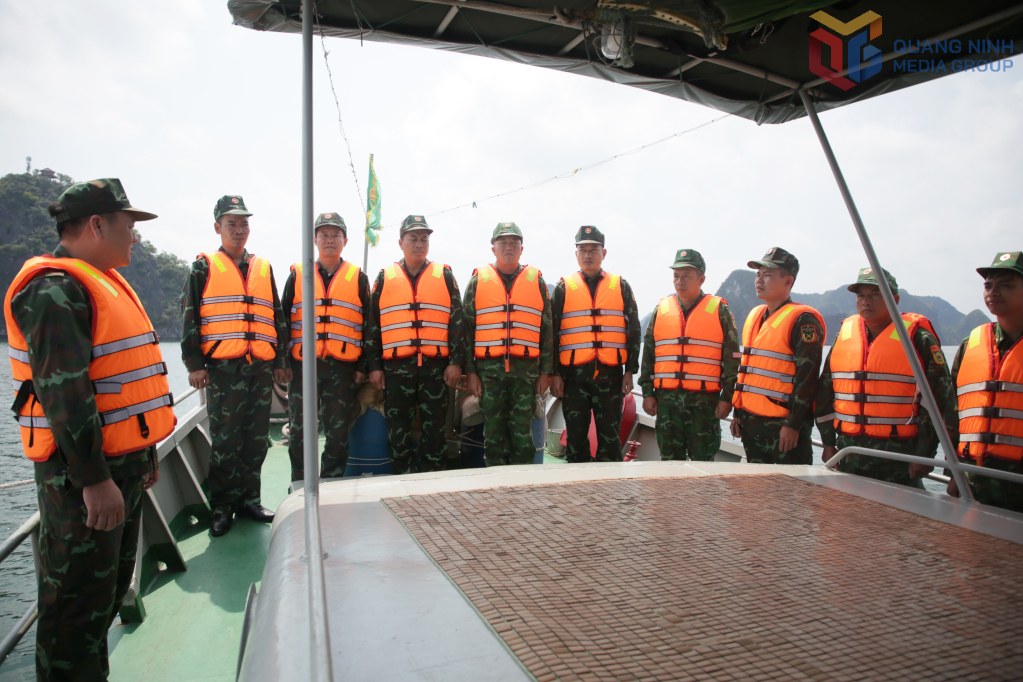
- Hạ Long Bay covers a vast area, with numerous sightseeing and overnight-stay routes at sea. How has the Provincial Military Command organized forces and vehicles to ensure they can reach the scene as quickly as possible when an incident involving a tourist boat or visitors occurs, Senior Lieutenant Colonel? + Hạ Long Bay is a special area, with hundreds of vessels operating on numerous sightseeing and overnight-stay routes, while the number of tourists is always high, particularly on weekends, public holidays and during the peak tourism season. To ensure a rapid response to any situation, the Provincial Military Command maintains a standing force on duty in the bay 24 hours a day. Currently, 15 personnel with 2 ships and 3 boats are regularly stationed in the Ti Tốp Island area; in coordination with military agencies and units stationed in the area, 3,023 officers and soldiers stand ready to mobilize upon receiving information at the relevant agencies and units (the Provincial Military Command’s force: 1,588 personnel; military units stationed in the area: 1,435 personnel), with 16 ships, 56 mobile boats and 6 specialized vehicles. Since the beginning of 2026, the force has participated in handling and providing support in 3 incidents involving search and rescue, medical emergencies and other emergency situations in the bay. Alongside maintaining forces and vehicles, we attach particular importance to situation monitoring, patrols and inspections in areas where tourist boats are concentrated, overnight-stay locations and areas frequently affected by bad weather. The objective is to detect incidents early, reach them quickly and handle arising situations effectively, minimizing damage to people and property. |
- In practice, how effective is the current inter-agency coordination mechanism in dealing with emergency situations, Senior Lieutenant Colonel?
+ Currently, the coordination mechanism among the Provincial Military Command, Provincial Police, Department of Health, Hạ Long Bay–Yên Tử World Heritage Site Management Board and relevant forces is maintained regularly and closely. When an incident occurs, information is received and shared promptly, and the forces quickly carry out their duties according to their respective functions, helping shorten response times, improve rescue effectiveness and ensure the safety of residents and visitors.
In this arrangement, the military force plays the core role in search and rescue; the police force participates in maintaining security and order, rescue operations, and fire prevention and firefighting; the health sector carries out first aid and transports casualties; and the Heritage Site Management Board supports information provision, scene coordination and logistics. Through this coordination mechanism, since the beginning of 2026 the forces have received 1,035 calls, including 3 reports related to incidents and accidents in the bay; mobilized 240 officer-and-soldier deployments and 46 vehicle deployments to handle emergency situations. At the same time, the units organized 5 exercises and coordination training sessions to improve their capacity to work together in complex situations.
- Ensuring safety today involves not only rescue operations but also early warning and preventive measures taken in advance. How has the Provincial Military Command coordinated with relevant units to detect risks early, particularly extreme weather events, in order to minimize risks to tourists, Senior Lieutenant Colonel?
+ That is correct. The current approach is to make a strong shift from passive response to proactive prevention and early warning, thereby minimizing the risk of incidents. In carrying out our duties, we have found that the greatest risks to sightseeing and overnight-stay activities in the bay remain extreme weather events such as thunderstorms, tornadoes and unexpectedly strong winds. In addition, there may be technical failures involving vessels, fires or explosions, and medical emergencies arising while tourists are sightseeing.
To proactively respond, the Provincial Military Command works closely with the relevant authorities to receive and update weather forecasts and warnings of thunderstorms, tornadoes and strong winds at sea; and maintains communications systems among the forces and vessels operating in the bay. Currently, all tourist boats are equipped with GPS voyage-monitoring systems, Automatic Identification System (AIS) equipment and communications systems for handling emergency situations, helping improve monitoring, warning and remote support capabilities.
In addition, the province has added safe shelter areas for tourist boats when dangerous weather occurs; strengthened rescue exercises and training; and reviewed and completed response plans for situations according to each level of risk.
In the coming period, the Provincial Military Command will continue coordinating with the relevant forces to improve forecasting and warning capabilities, apply science and technology to management, monitoring and operations, and invest in and supplement equipment for search and rescue, helping make Hạ Long Bay a safe, friendly and attractive destination for domestic and international visitors.
- Thank you very much, Senior Lieutenant Colonel!