

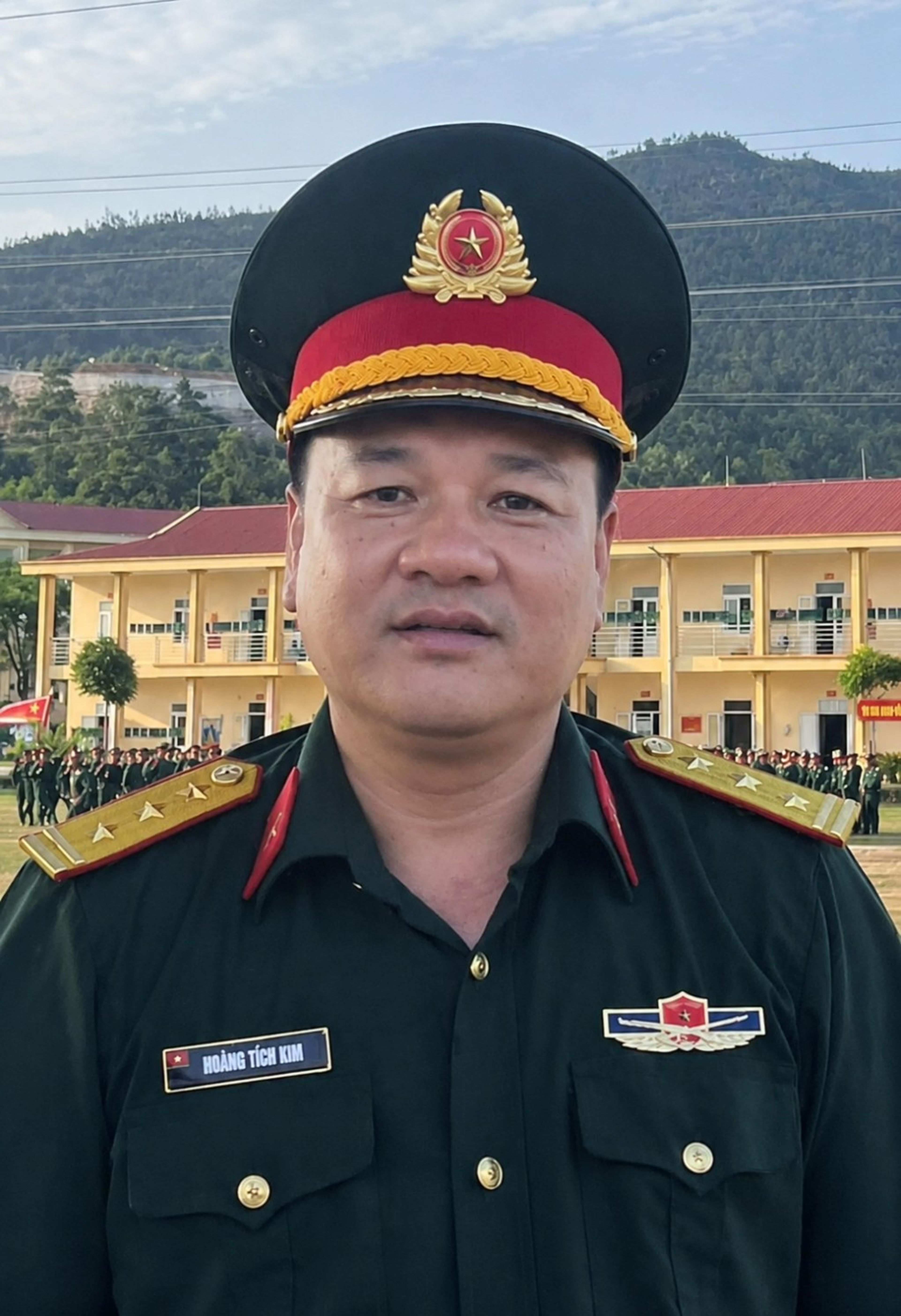
In recent years, along with the robust growth of the tourism industry, Ha Long Bay continues to affirm its position as a leading destination in Vietnam and the region. However, the increasingly large volume of tourists coupled with the specific nature of marine activities has also set higher demands for ensuring tourist safety. Regarding this topic, a reporter from Quang Ninh Newspaper and Radio - Television interviewed Senior Lieutenant Colonel Hoang Tich Kim, Head of the Operations Division, General Staff Department, Provincial Military Command—the core force participating in search and rescue operations on Ha Long Bay.
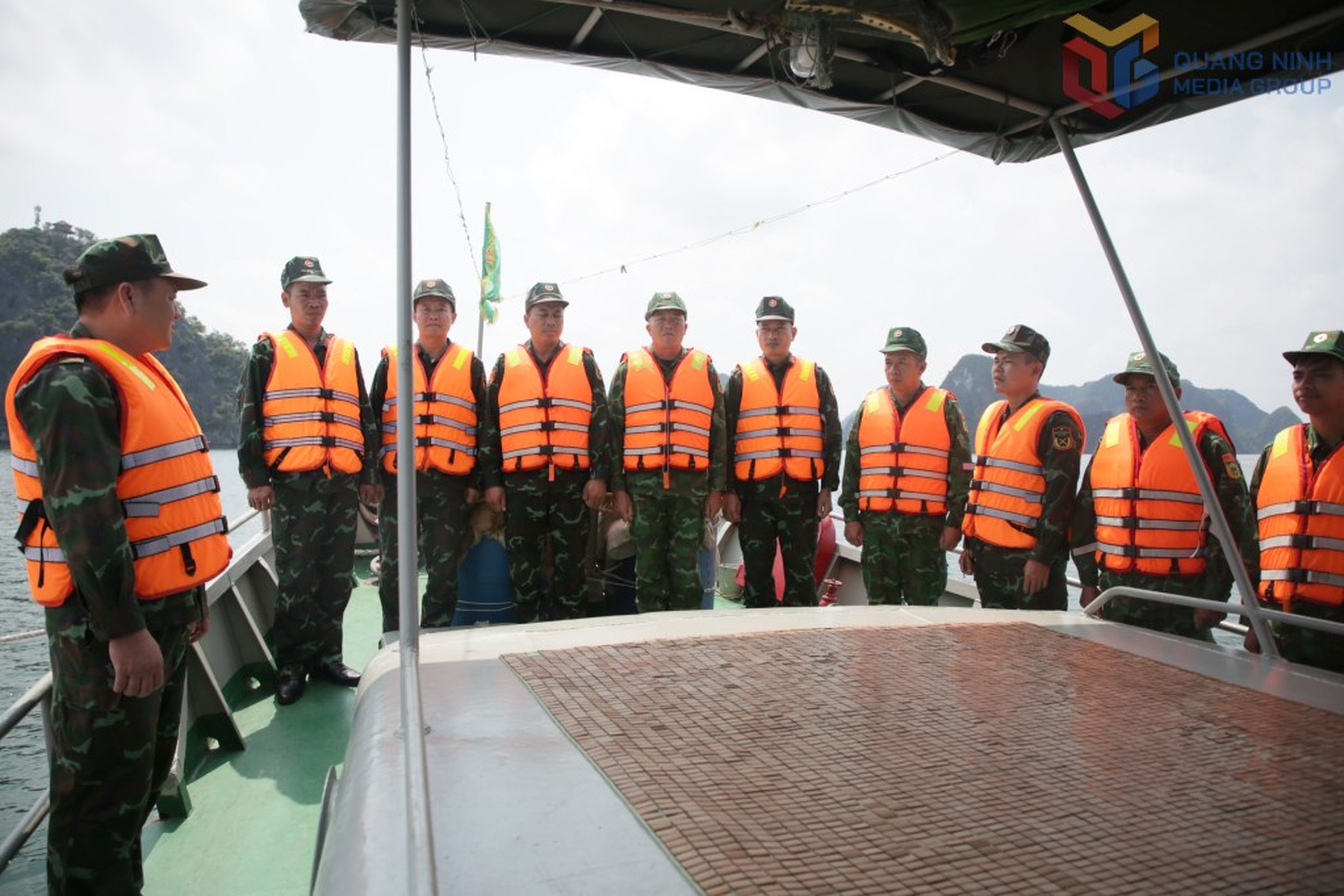
- Ha Long Bay covers a vast area with numerous sightseeing routes and overnight stay options at sea. How has the Provincial Military Command organized standby forces and equipment to ensure the quickest access to the scene when an incident occurs involving tourist boats or visitors, Senior Lieutenant Colonel? + Ha Long Bay is a unique area, with hundreds of vessels operating on various sightseeing and overnight routes, while visitor numbers consistently remain high, especially during weekends, holidays, and peak travel seasons. To ensure a rapid response capability to any situation, the Provincial Military Command maintains a standing force on duty on the bay 24/24 hours a day. Currently, the force regularly deployed on duty in the Ti Top Island area consists of 15 personnel with 2 ships and 3 motorboats; coordinating with military agencies and units stationed in the area ready for rapid deployment upon receiving information are 3,023 officers and soldiers (forces of the Provincial Military Command: 1,588 personnel; military units stationed in the area: 1,435 personnel) with 16 ships, 56 mobile motorboats, and 6 specialized vehicles. From the beginning of 2026 to date, the force has participated in handling and assisting in 3 incidents related to search, rescue, emergency medical assistance, and other emergency situations on the bay. Besides maintaining forces and vehicles, we attach special importance to situation monitoring, patrols, and inspections in areas with high concentrations of tourist boats, overnight stay points, and areas frequently affected by adverse weather. The set goal is early detection, rapid access, and effective handling of arising situations, minimizing human casualties and property damage. |
- Through practical operations, how has the current inter-agency coordination mechanism proven its effectiveness in handling emergency situations, Comrade?
+ Currently, the coordination mechanism among the Provincial Military Command, Provincial Police, Department of Health, Ha Long Bay - Yen Tu World Heritage Management Board, and related forces is maintained regularly and closely. When an incident occurs, information is received and shared promptly, and forces quickly deploy their duties according to their functions, helping shorten handling times, enhance rescue efficiency, and ensure safety for residents and visitors.
Among them, the military force plays the core role in search and rescue; the police force participates in maintaining security, order, search and rescue, and fire prevention and firefighting; the health sector provides initial emergency care and transports the injured; the Heritage Management Board assists with information provision, on-scene coordination, and logistics. Through this coordination mechanism, from the beginning of 2026 to date, the forces have received 1,035 calls, including handling 3 reports related to incidents and accidents on the bay; mobilizing 240 officer and soldier deployments and 46 vehicle deployments to handle emergency situations. Simultaneously, units have conducted 5 joint training exercises to enhance coordination capacity in complex situations.
- Safety assurance work currently does not stop at search and rescue but also aims toward early warning and remote prevention. How has the Provincial Military Command coordinated with relevant agencies to detect risks early, especially extreme weather events, to minimize risks for tourists, Senior Lieutenant Colonel?
+ Exactly. The current perspective is that we must shift strongly from passive rescue to proactive prevention and early warning to minimize the risk of incidents occurring. Through practical implementation of our duties, we recognize that the greatest risk to sightseeing and overnight stay activities on the bay remains extreme weather events such as sudden thunderstorms, whirlwinds, and strong gusts. Alongside these are technical malfunctions of vessels, fires, explosions, or medical emergency situations arising during tourists' visits.
To respond proactively, the Provincial Military Command coordinates closely with functional agencies in receiving and updating weather forecast bulletins and warnings of thunderstorms, whirlwinds, and strong winds at sea; and maintains communication systems between forces and vessels operating on the bay. Currently, all tourist boats are equipped with GPS tracking systems, Automatic Identification System (AIS) devices, and communication systems serving emergency handling, helping enhance remote monitoring, warning, and support capabilities.
Along with that, the province has designated additional safe shelter areas for tourist boats when dangerous weather arises; stepped up search and rescue exercises and training; and reviewed and improved incident handling plans tailored to each risk level.
In the coming time, the Provincial Military Command will continue to coordinate with functional forces to enhance forecasting and early warning capabilities and apply science and technology in management, supervision, and operational command; at the same time, invest in and supplement search and rescue equipment, contributing to building Ha Long Bay into a safe, friendly, and attractive destination for domestic and international visitors.
- Thank you very much, Senior Lieutenant Colonel!