1 Introducing Trình Pagoda
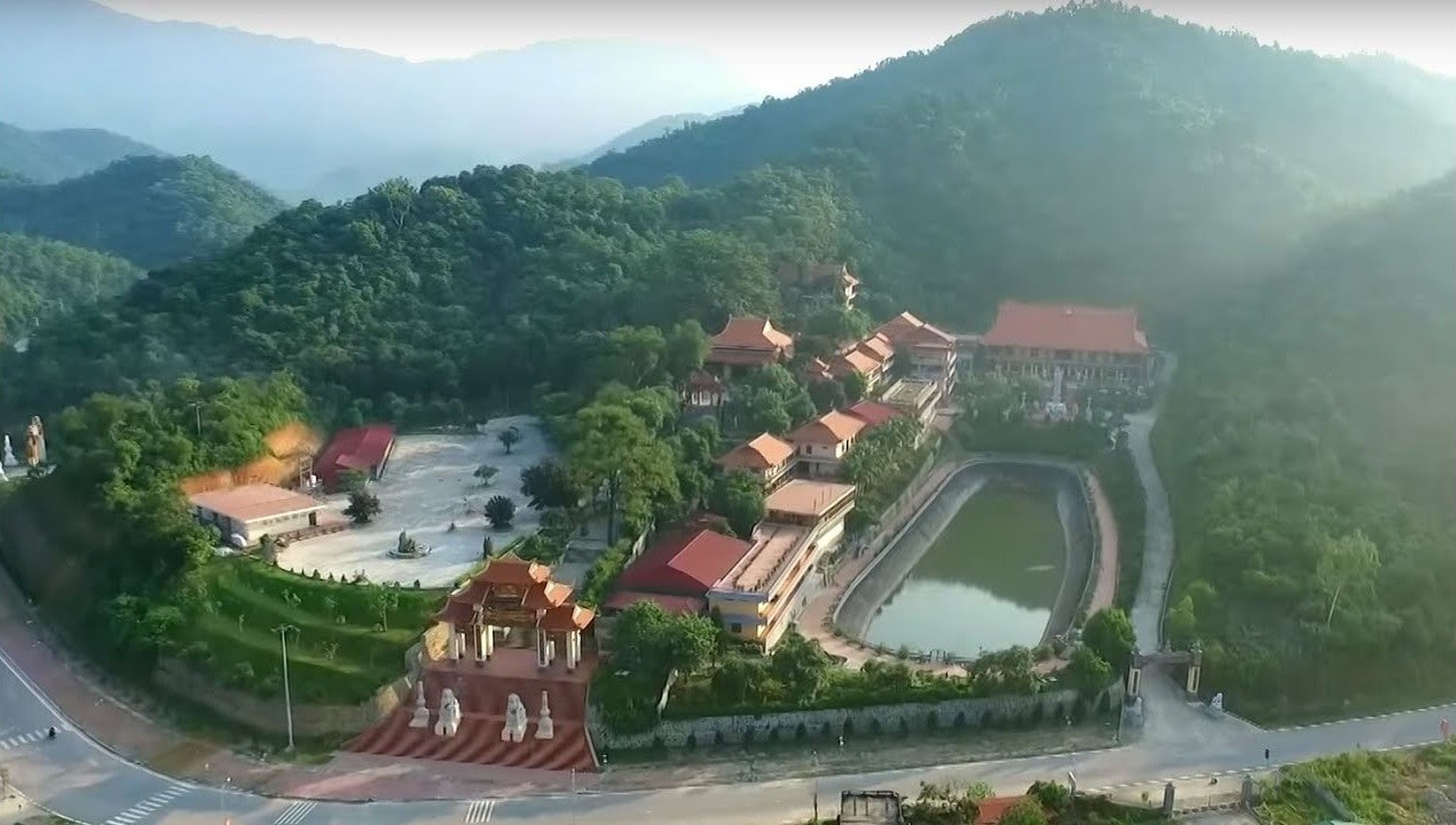
At the start of a pilgrimage to the sacred summit of Yên Tử, visitors are immediately impressed by Trình Pagoda (also known as Bí Thượng Pagoda), the gateway to Yên Tử. The pagoda was built with great care and features distinctive architecture and a long history. In the past, King Trần Nhân Tông also stopped here to rest before making his way up to Yên Tử Pagoda.
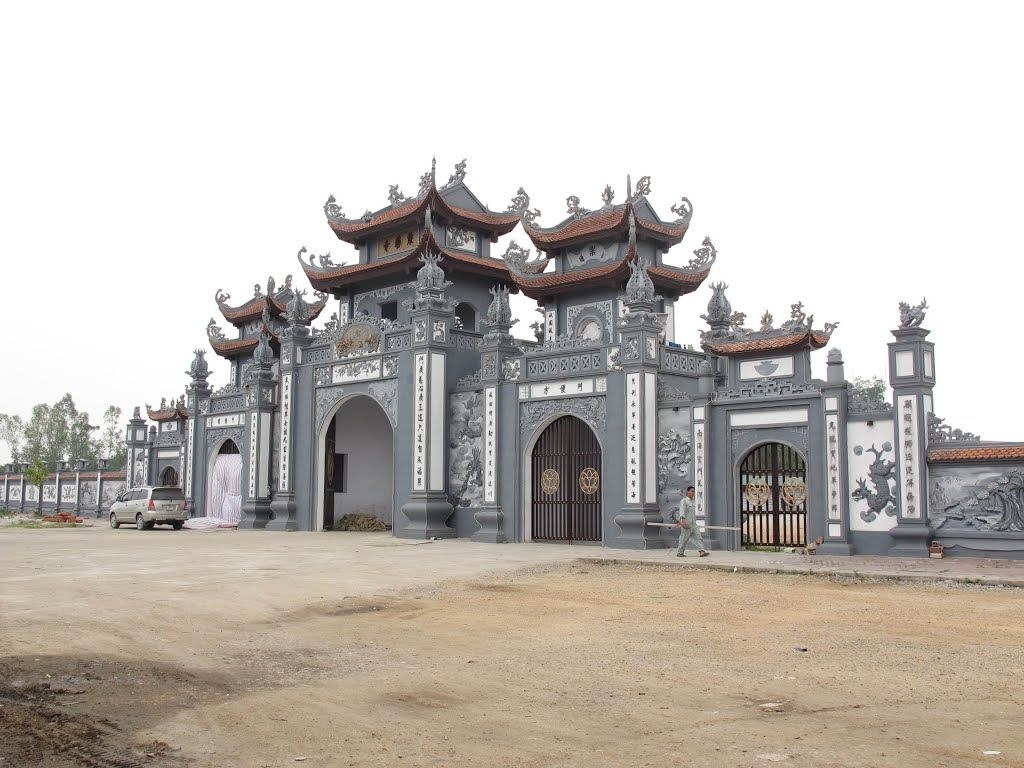
Trình Pagoda, where King Trần Nhân Tông once stopped to rest before heading up to Yên Tử
- Address: Bí Trung, Phương Đông, Uông Bí, Quảng Ninh
See also: A complete, detailed guide to taking the Yên Tử cable car
2 How to get to Trình Pagoda
Before visiting Trình Pagoda, you will first need to travel by a long-distance mode of transport, such as a plane, coach, car, or motorbike. Trình Pagoda is located on a hillside in Bí Thượng Village, formerly part of Bí Giàng Canton, Yên Hưng District, Quảng Ninh Province; today, it is in the Bí Thượng area, Phương Đông Ward, Uông Bí City, Quảng Ninh Province. Visitors can get there via National Highway 18, the Hạ Long–Hải Phòng Expressway, or the Nội Bài–Hạ Long Expressway/National Highway 18.
3 Exploring Trình Pagoda
3.1 The long history of Trình Pagoda
Trình Pagoda was originally built during the Later Lê dynasty and faces southwest. It is the birthplace of the Trúc Lâm Zen sect, founded by Điều Ngự Giác Hoàng Trần Nhân Tông. Drawing on and inheriting the finest elements of Indian and Chinese Buddhism, the sect established a socially engaged Zen tradition with a distinctly Vietnamese identity.
The Yên Tử Trúc Lâm Zen sect teaches that the Buddha is within one's own mind, not somewhere in a distant heavenly realm or in another lifetime. The Buddha is a guide, not a deity who bestows blessings or brings misfortune. When the mind is calm and clear, and one lets go of delusions, greed, anger, and ignorance, living in harmony with one's serene, pure original nature, wisdom arises, ignorance is dispelled, suffering ends, and one attains enlightenment and Buddhahood.
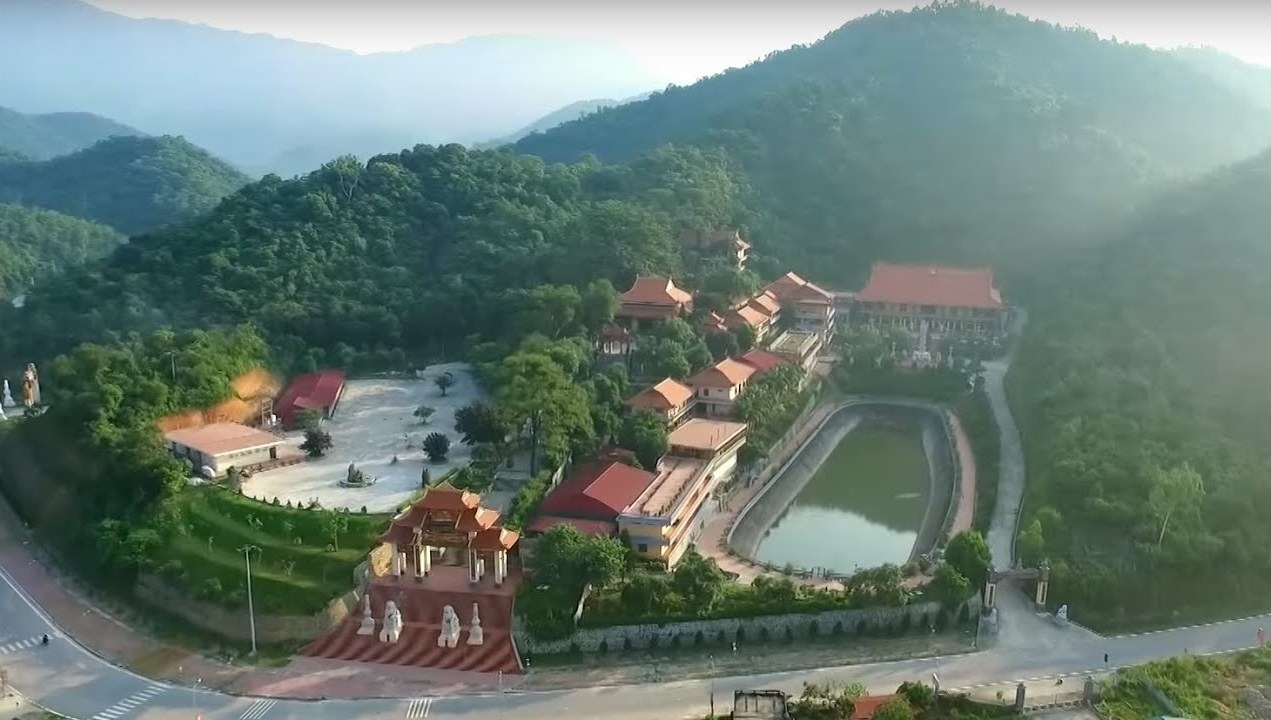
Trình Pagoda is the birthplace of the Yên Tử Trúc Lâm Zen sect
The Buddha is our own true nature; there is no need to seek him far away. With this perspective, the Trúc Lâm Zen sect truly places people at its heart, respecting and upholding human worth. Practicing the Ten Wholesome Deeds, as advocated by the sect, became an ethical standard. The Trúc Lâm Zen sect also soon became the ideological and moral foundation of a golden age during the Trần dynasty.
Around the beginning of the 19th century, the pagoda was rebuilt on the site of the former one in a “Nhất” (一) layout, though it was smaller than the original. In the early 1920s, a fire destroyed the pagoda. Thanks to the generosity of Buddhist devotees from the Bùi family, it was rebuilt in a “Đinh” (丁) layout, larger than the previous structure, with a three-bay front hall and a one-bay rear sanctuary.
During the resistance war against the French, Trình Pagoda was almost completely destroyed, with only an ancient stupa remaining. In 1993, thanks to donations from local residents, the pagoda was rebuilt as a single-story, three-bay structure with reinforced-concrete beams and columns and tiled roofing. Bí Thượng Pagoda was then renovated and improved in 1999.
In the early 1990s, a major road about 14 kilometers long was opened into sacred Yên Tử, running from the Dốc Đỏ junction along Road 18A, through Cửa Ngăn, to the Giải Oan bus station, connecting to the pilgrimage route to Yên Tử. In 2006, with state funding and donations from visitors from across the country, Trình Pagoda was built and expanded into the spacious, impressive complex seen today. It soon became a place where officials and Buddhist devotees perform the ritual of “paying respects on the way in and giving thanks on the way back” when making a pilgrimage or visiting the sacred mountains of Quảng Ninh.
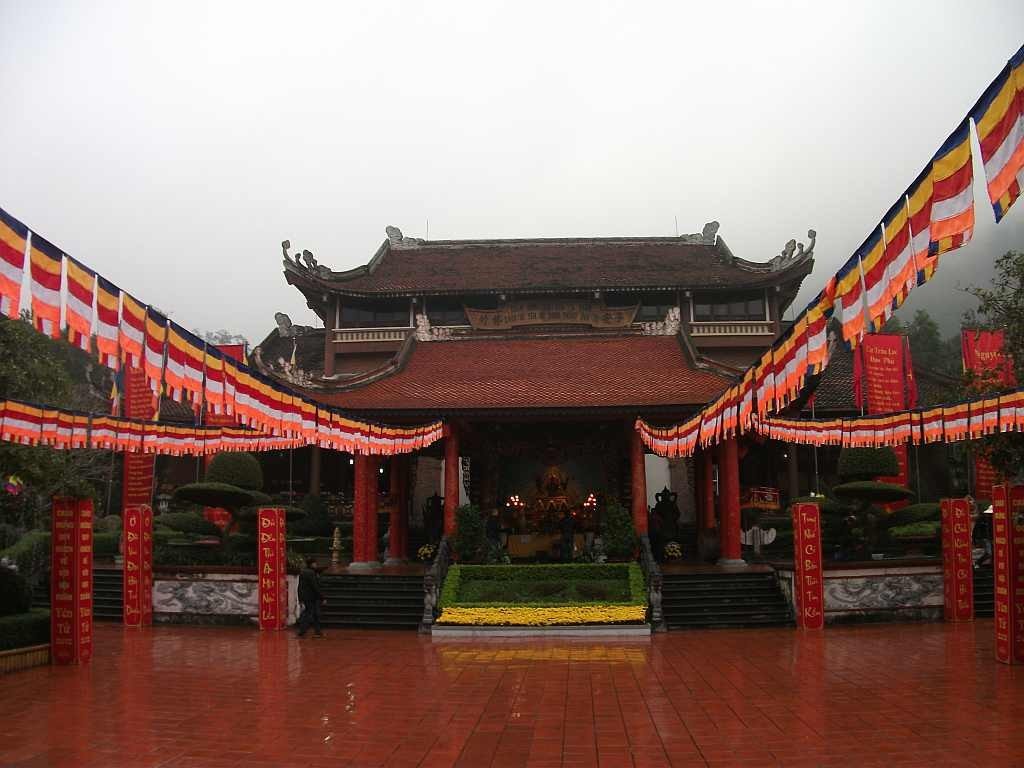
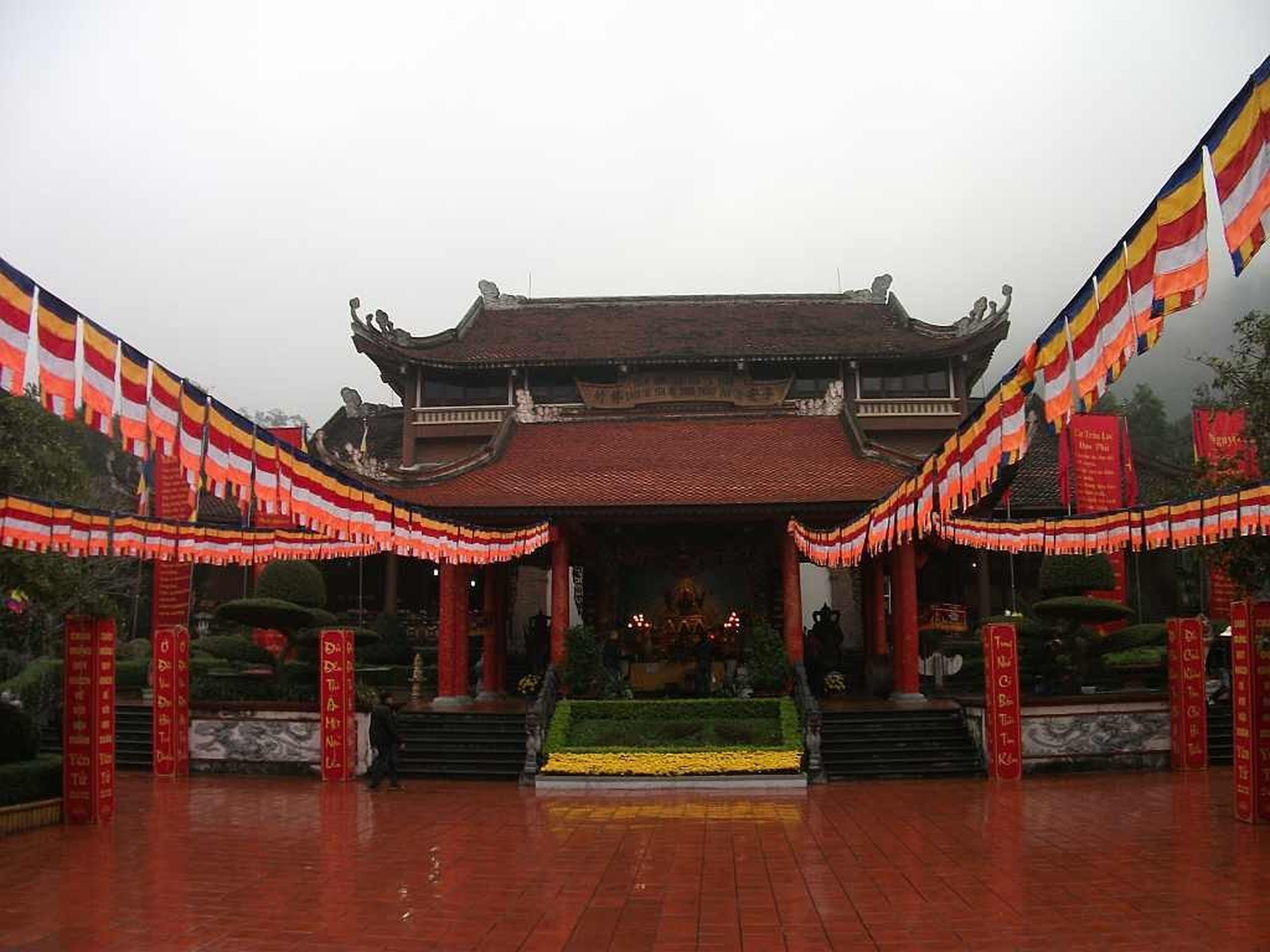
Trình Temple and Pagoda, where visitors perform the ritual of paying respects on arrival and giving thanks on their return during New Year pilgrimages to worship the Buddha
See also: The sacred temple of Đức Ông Trần Quốc Nghiễn in Hạ Long
3.2 Exploring the architecture
The original Trình Pagoda had a “Nhất” (一) layout, measuring 4.4m from east to west and 5m from north to south. Its wooden post-and-beam frame rested on stone bases and consisted of two main trusses and two secondary trusses. The main trusses were 2.8m apart, while the secondary trusses were 0.8m from the main ones. Today, visitors will first notice the pagoda's “inner gong (工), outer guo (国)” layout. The complex includes a front hall, a main hall enshrining the Buddha, east and west wings housing the Eighteen Arhats, an ancestral hall honoring the Three Patriarchs of Trúc Lâm, a shrine to the Trần dynasty, and altars to the Three Holy Mothers and the Three Kings, in keeping with traditional Vietnamese folk beliefs.
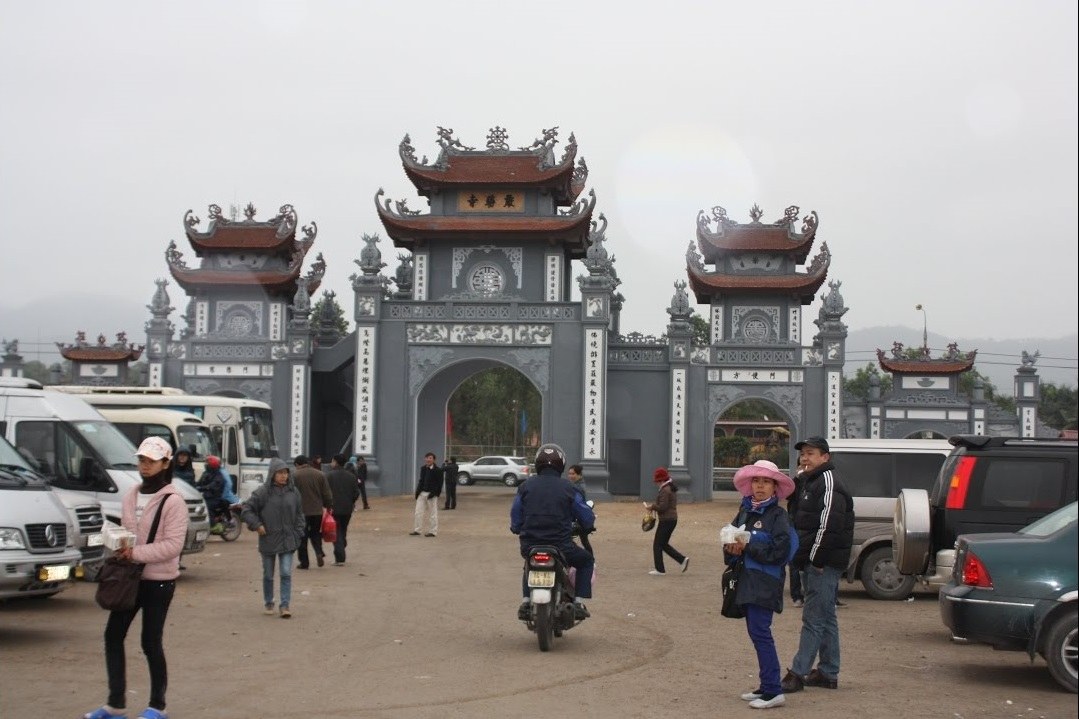
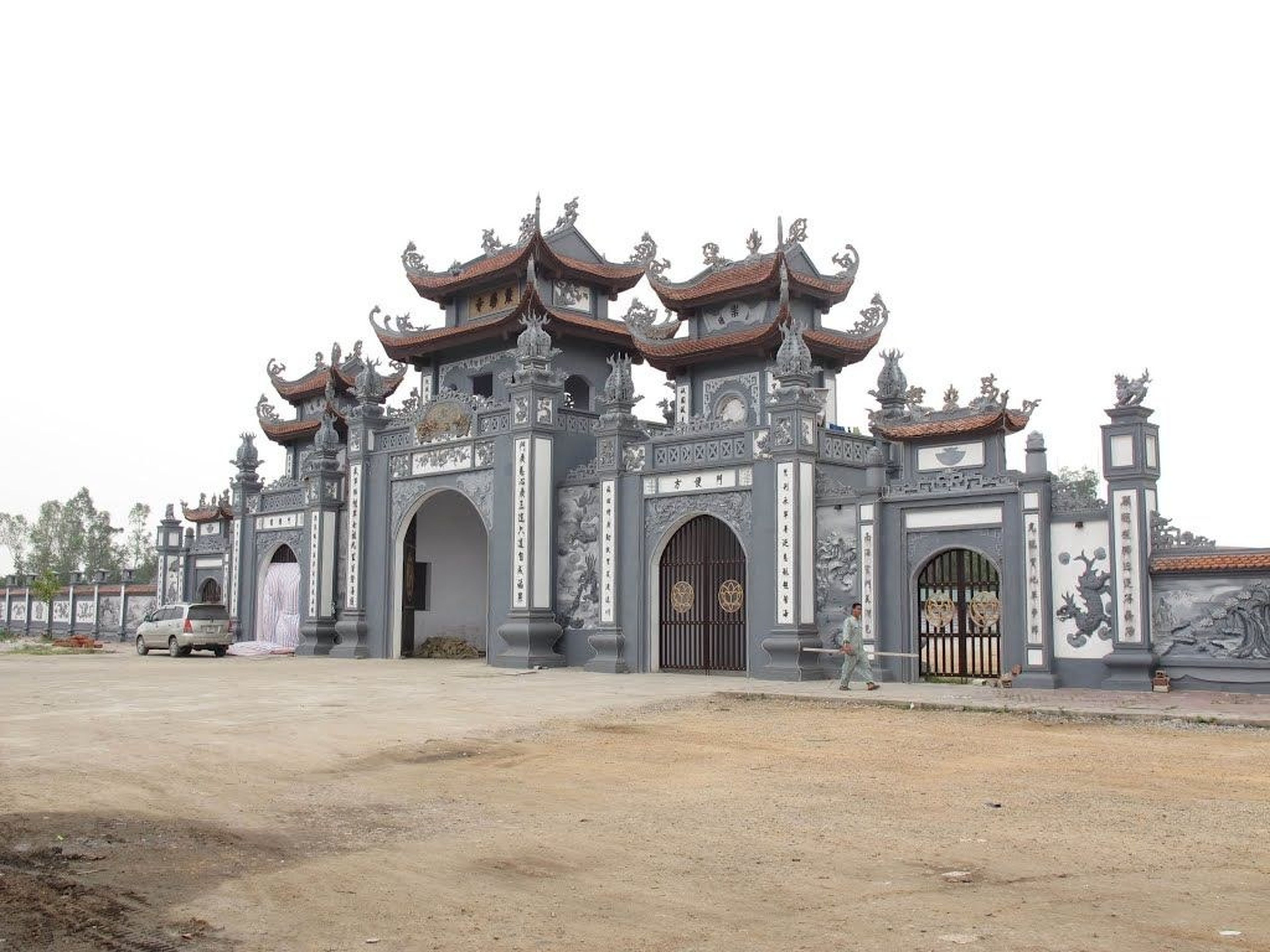
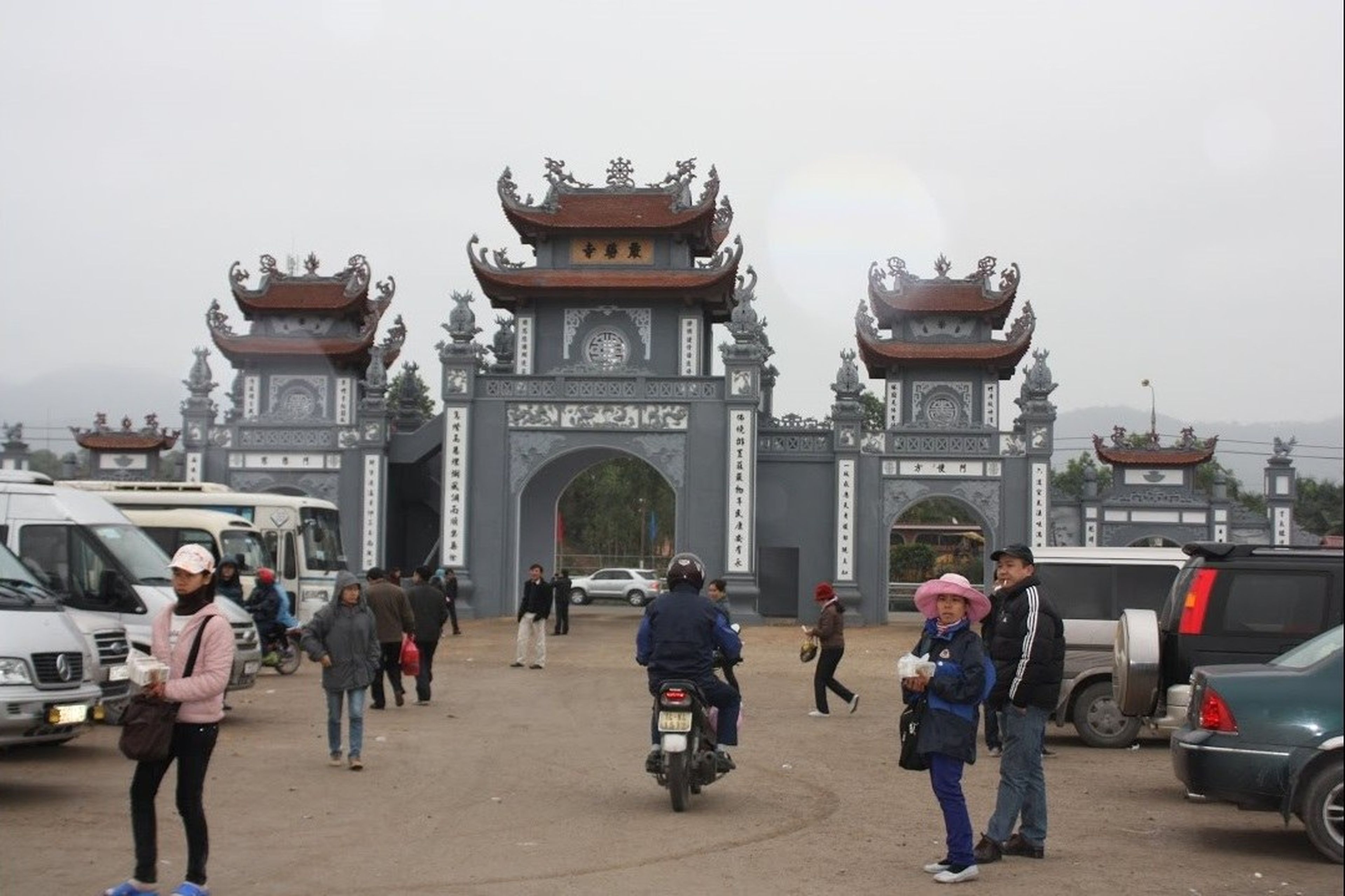
The entrance gate was rebuilt on a grander scale, showcasing the distinctive character of classical Vietnamese architecture
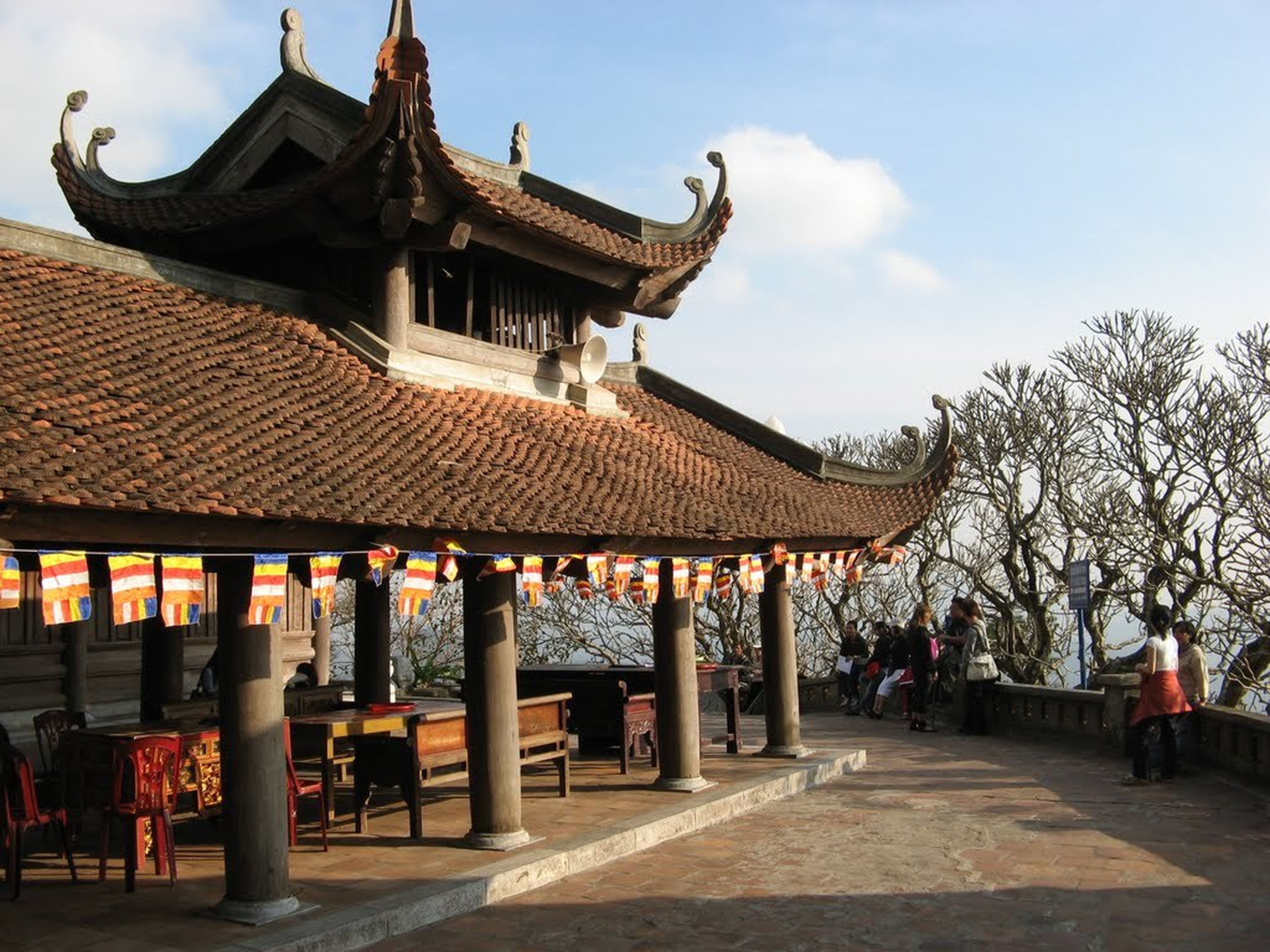
The statues are cast in bronze or carved from jackfruit and fragrant rosewood. The pagoda is also covered with traditional curved tiles. Along the ridge of the front hall is a row of decorative bricks, with a prominent inscription in three Chinese characters, “Bí Thượng Tự” (Bí Thượng Pagoda), at the center. At both ends of the roof ridge, dragon heads rise above it, their mouths holding the ridge amid motifs of waves and clouds. The roof corners curve upward like waves and wisps of clouds.
In 2007, the provincial authorities built the permanent office of the Executive Board of the Quảng Ninh Buddhist Sangha on the eastern side of the pagoda grounds. In 2011, Tùng Lâm Development Joint Stock Company donated funds to build a more imposing and spacious entrance gate to Trình Pagoda. Its classical decorative motifs lend the gateway to Yên Tử a solemn, distinctive spiritual character.
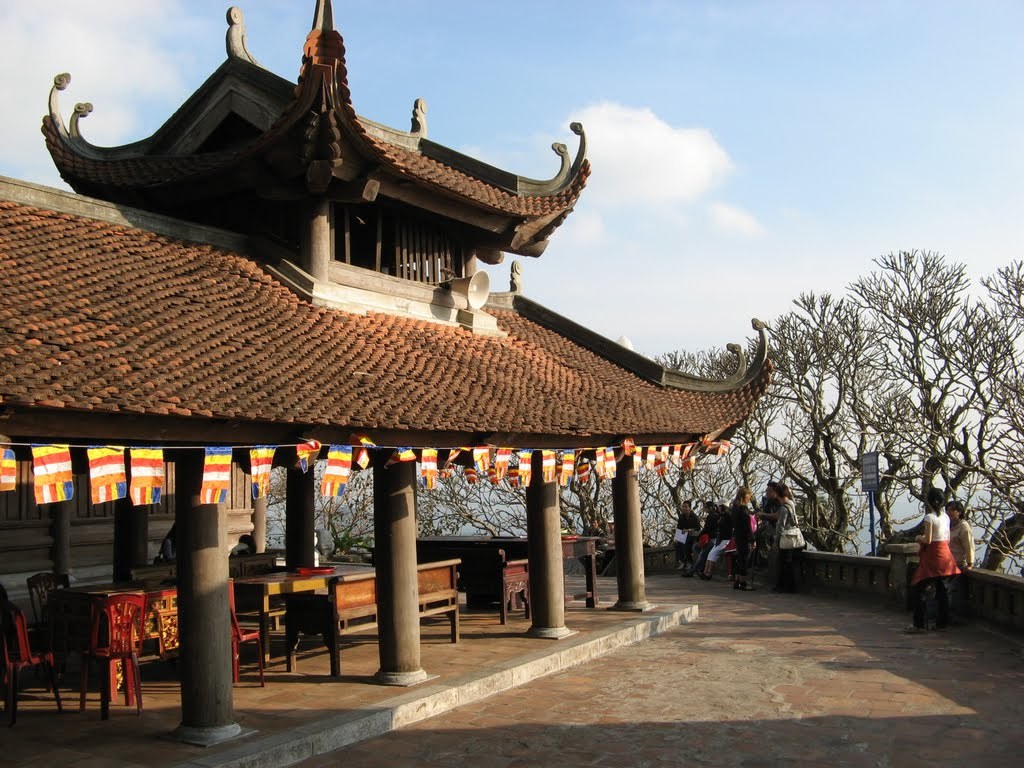
Trình Pagoda is also regarded as a sacred gateway for visitors setting out to explore Yên Tử
To this day, Trình Pagoda remains a sacred gateway and a place where people entrust their hopes to heaven and earth as they begin their spiritual journeys. If you visit Quảng Ninh or Hạ Long Bay, be sure to stop here and explore the sacred mountains of Yên Tử. You are sure to enjoy precious moments of reflection, unwind, and find spiritual healing as you explore the spiritual path of life.