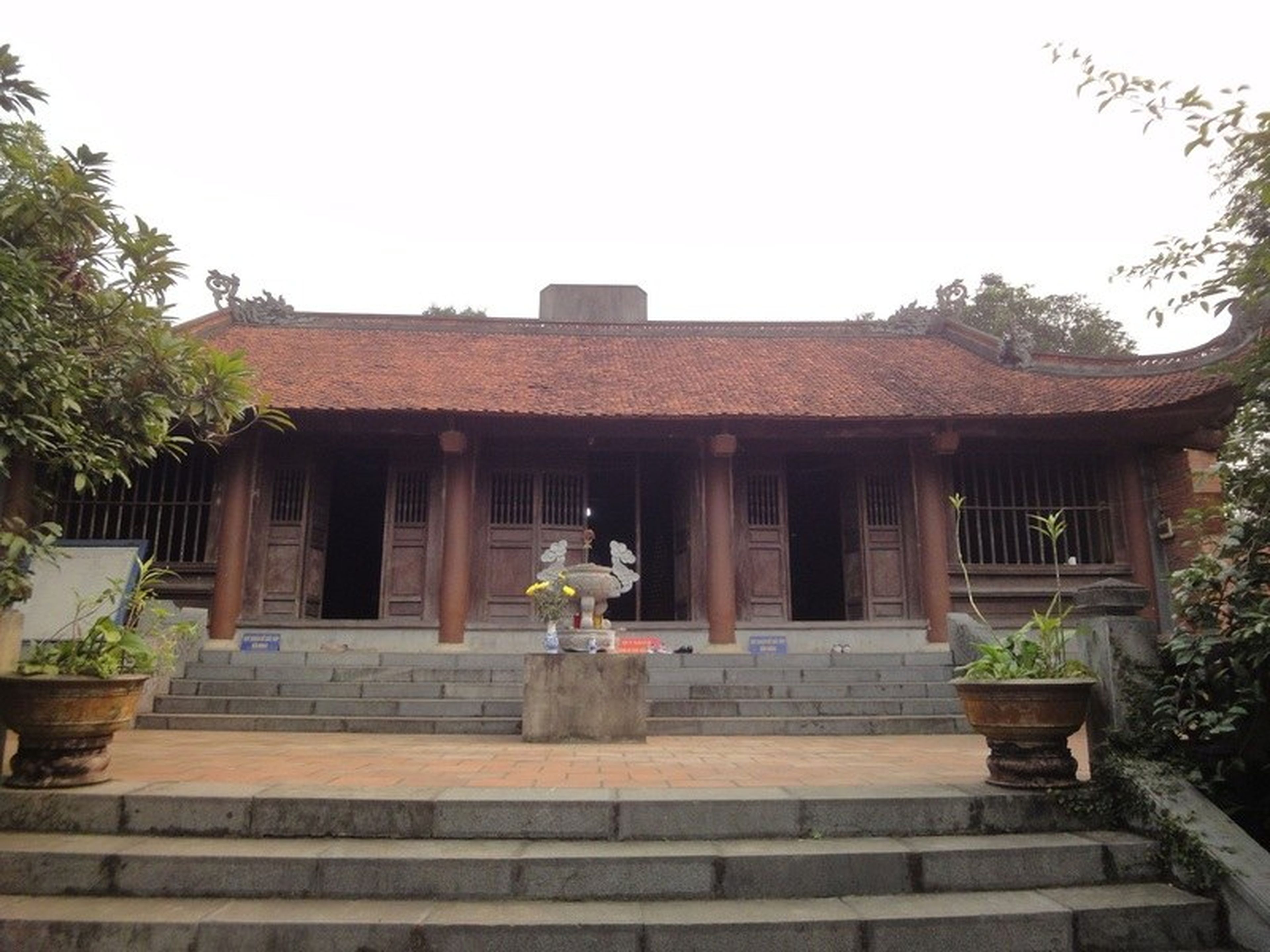
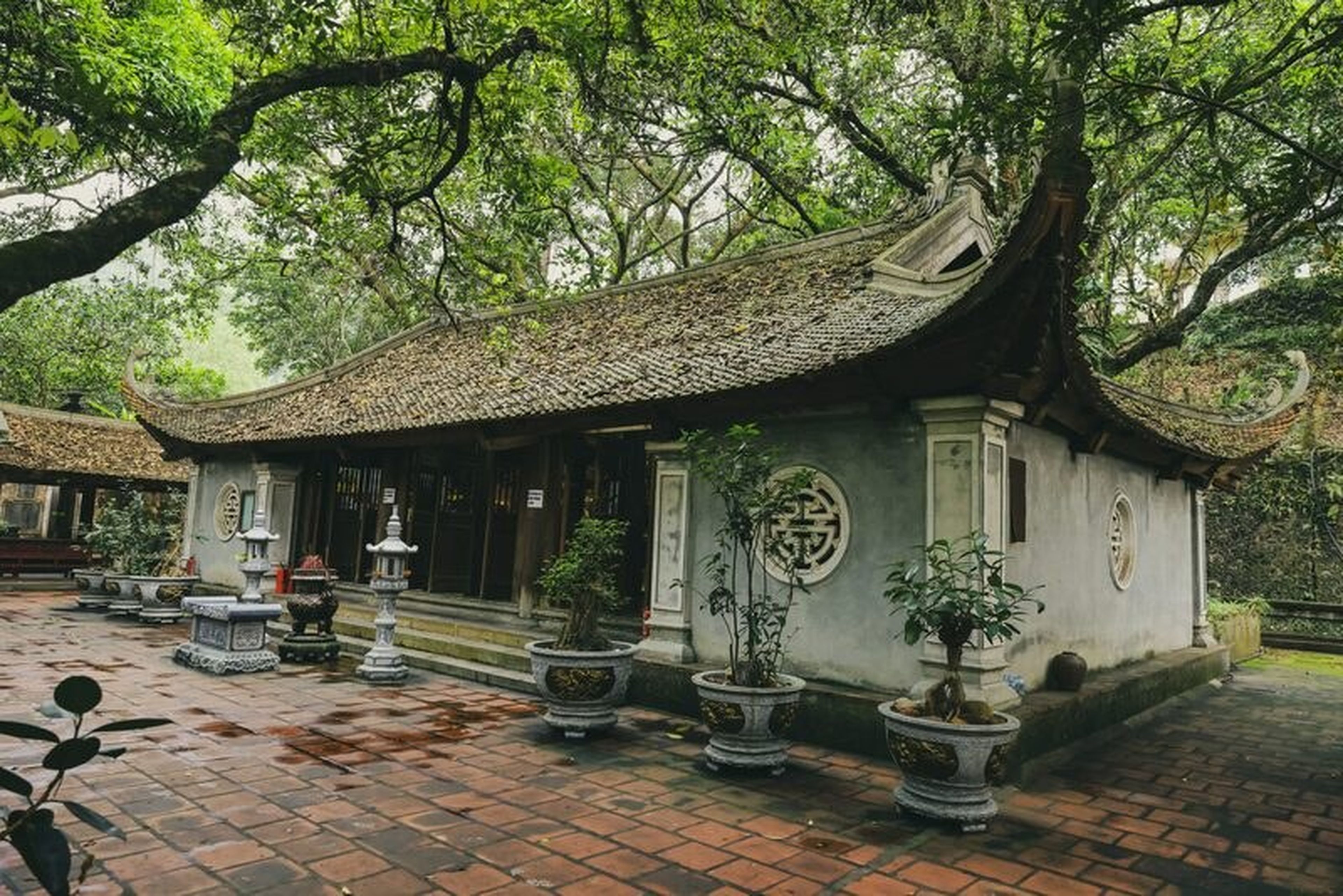
1Where is the Yên Tử Monument Complex?
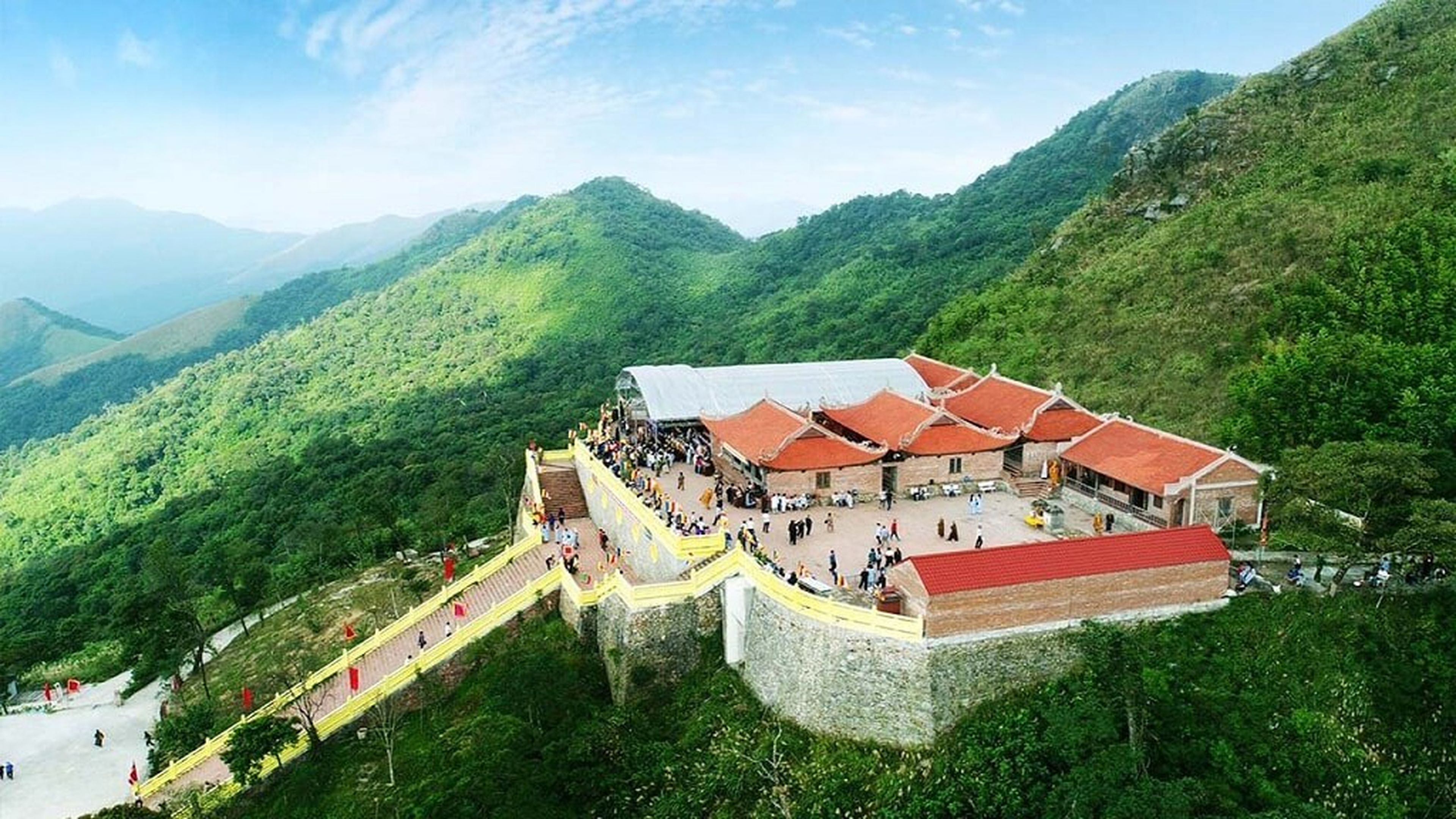
The Yên Tử Monument Complex is located in Yên Tử, renowned as a sacred Buddhist land, with a system of pagodas featuring traditional architecture that attracts visitors from near and far. The complex was built on Yên Tử Mountain, also known by locals as Tượng Đầu Mountain, which lies on the boundary between Bắc Giang and Quảng Ninh provinces. At an altitude of 1068 meters above sea level, the area has an extremely diverse and abundant ecosystem.
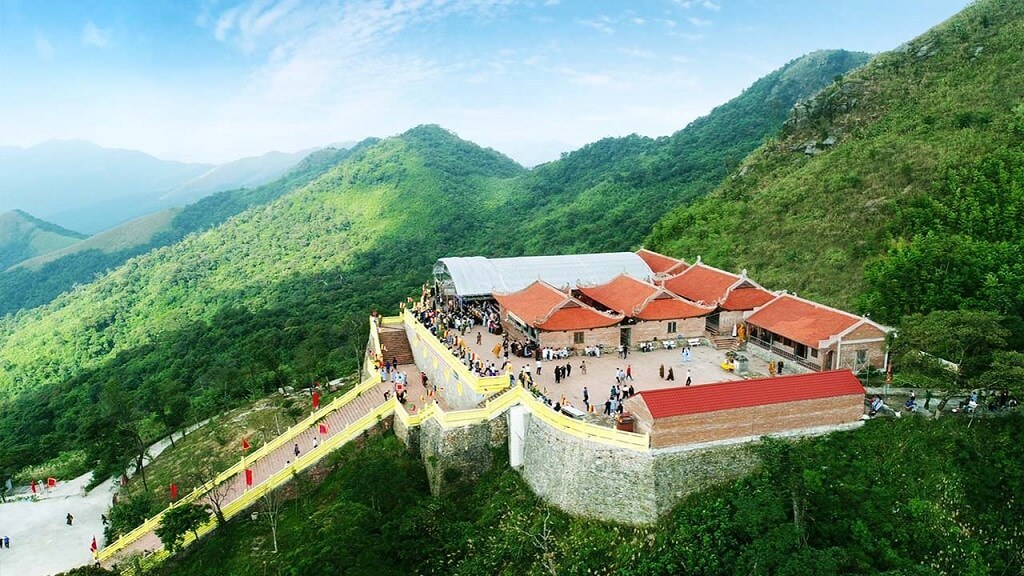
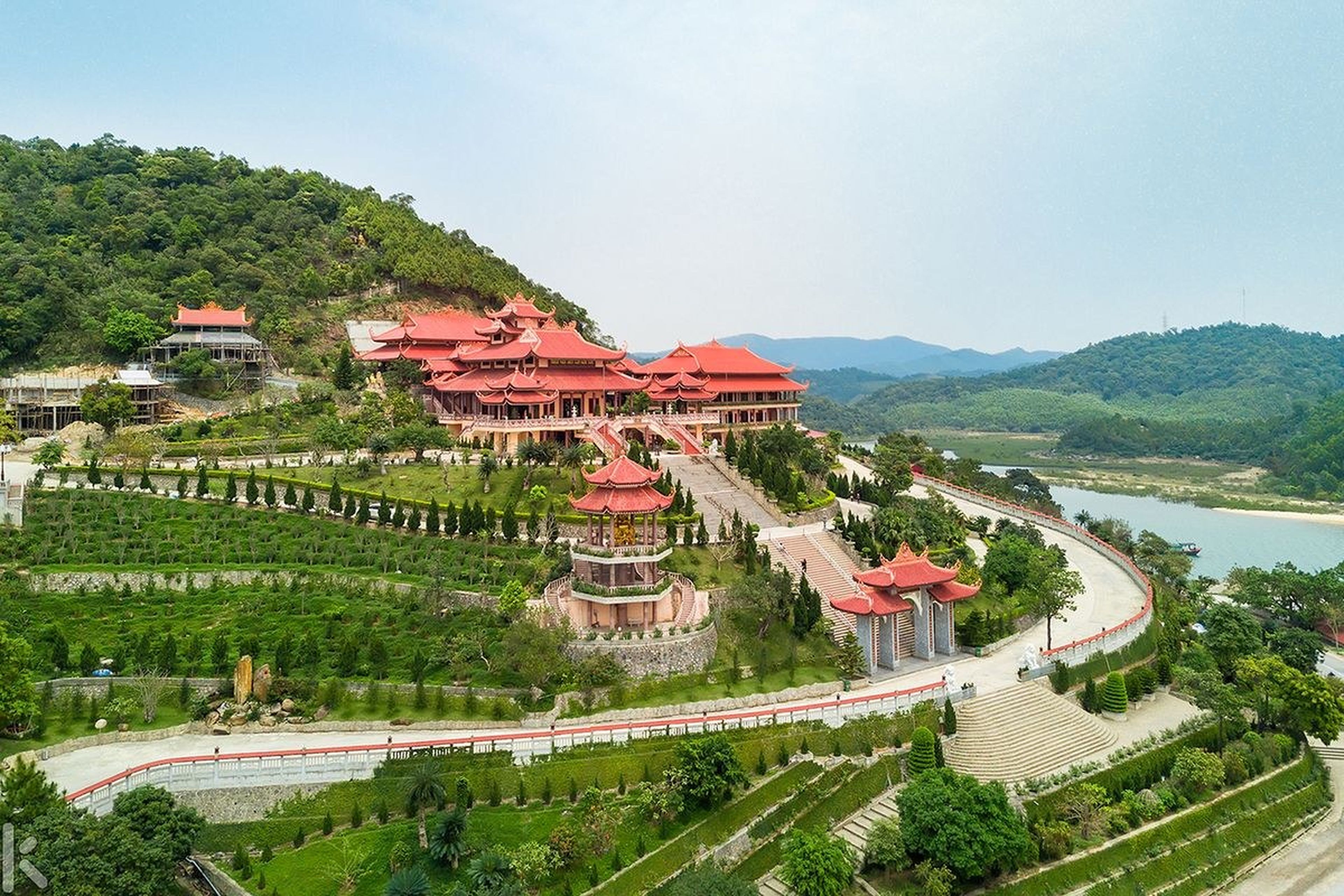
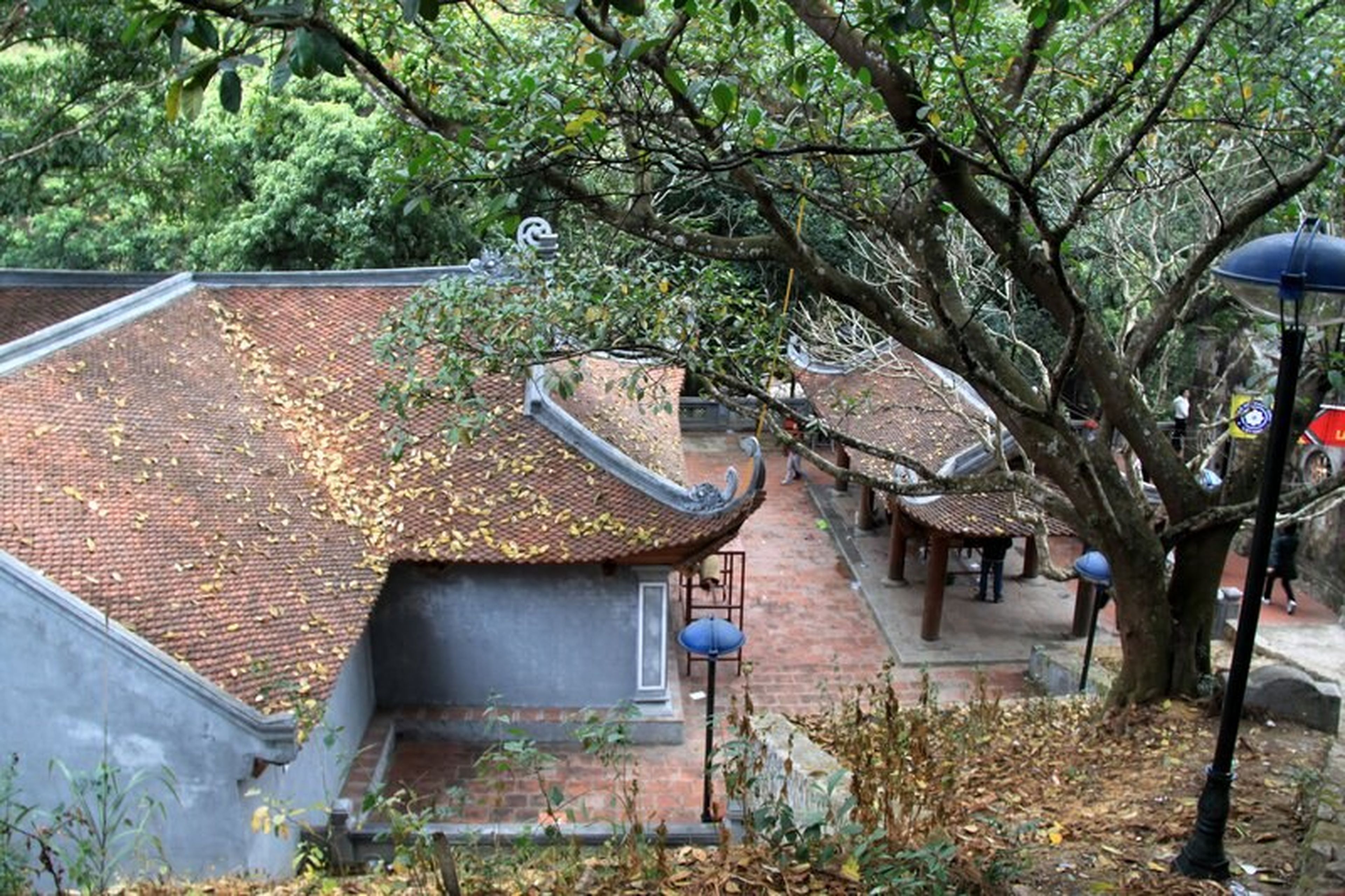
The Yên Tử Monument Complex sits on the mountain peak in a peaceful and solemn setting. Illustrative photo: Quảng Ninh Newspaper
The Yên Tử Monument Complex brings together historical relics and cultural structures associated with the formation and development of the Trúc Lâm Yên Tử Zen sect. With its romantic mountain scenery, fresh climate, and rich nature, it has become a highlight of cultural and spiritual tourism in Quảng Ninh.
2Ideal time to visit the Yên Tử Monument Complex
Like most provinces and cities in northern Vietnam, Quảng Ninh has four distinct seasons. To enjoy the best time in the Buddhist land of Yên Tử, MIA.vn recommends visiting between the first and third lunar months each year. This is spring, when the weather is cool, light spring rain falls, and the festive atmosphere is certainly an experience many visitors look forward to.
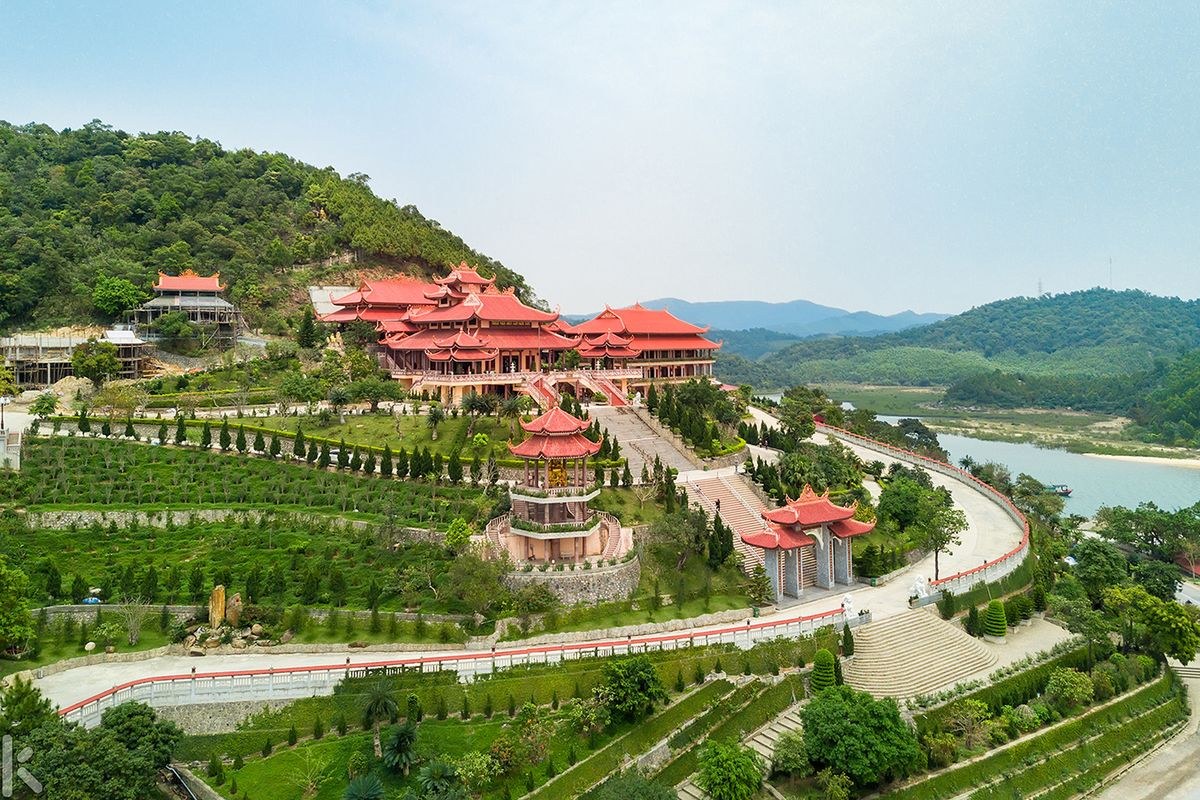
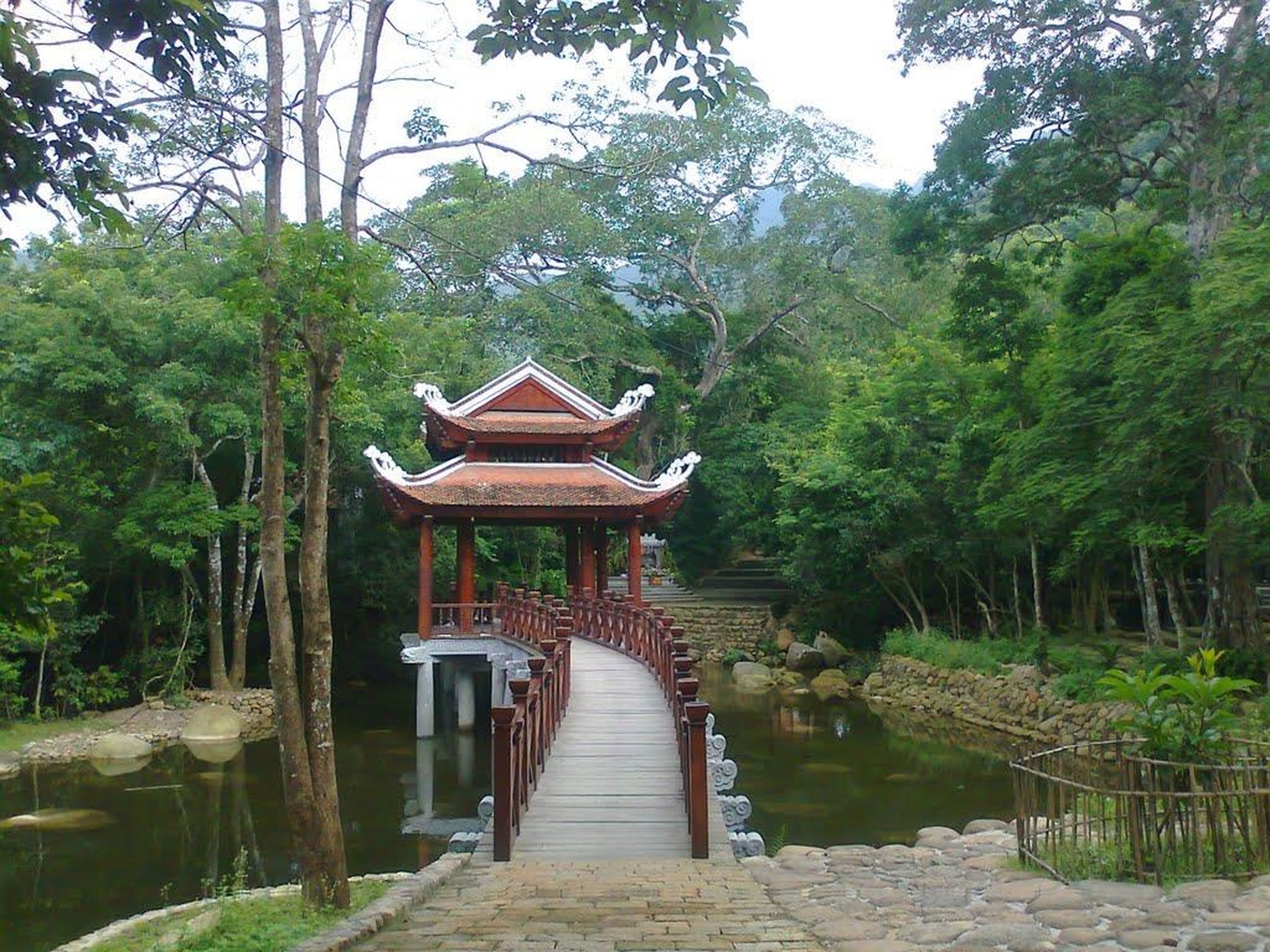
The Yên Tử Monument Complex, with its harmonious greenery, pagodas, and Buddha statues. Illustrative photo: Southeast Asia Times
However, MIA.vn would like to note a few points:
If you want to enjoy the liveliest festival atmosphere, visit Yên Tử on the opening day, the first day of the tenth lunar month. However, this period attracts very large crowds. If you dislike crowded conditions or are traveling with elderly family members or children, consider your plans carefully.
After the third lunar month, the number of festival visitors gradually decreases, while the summer weather is also quite ideal for travel. In addition, visitor numbers are lower during this season, making it suitable for those who enjoy attending festivals but do not like crowds.
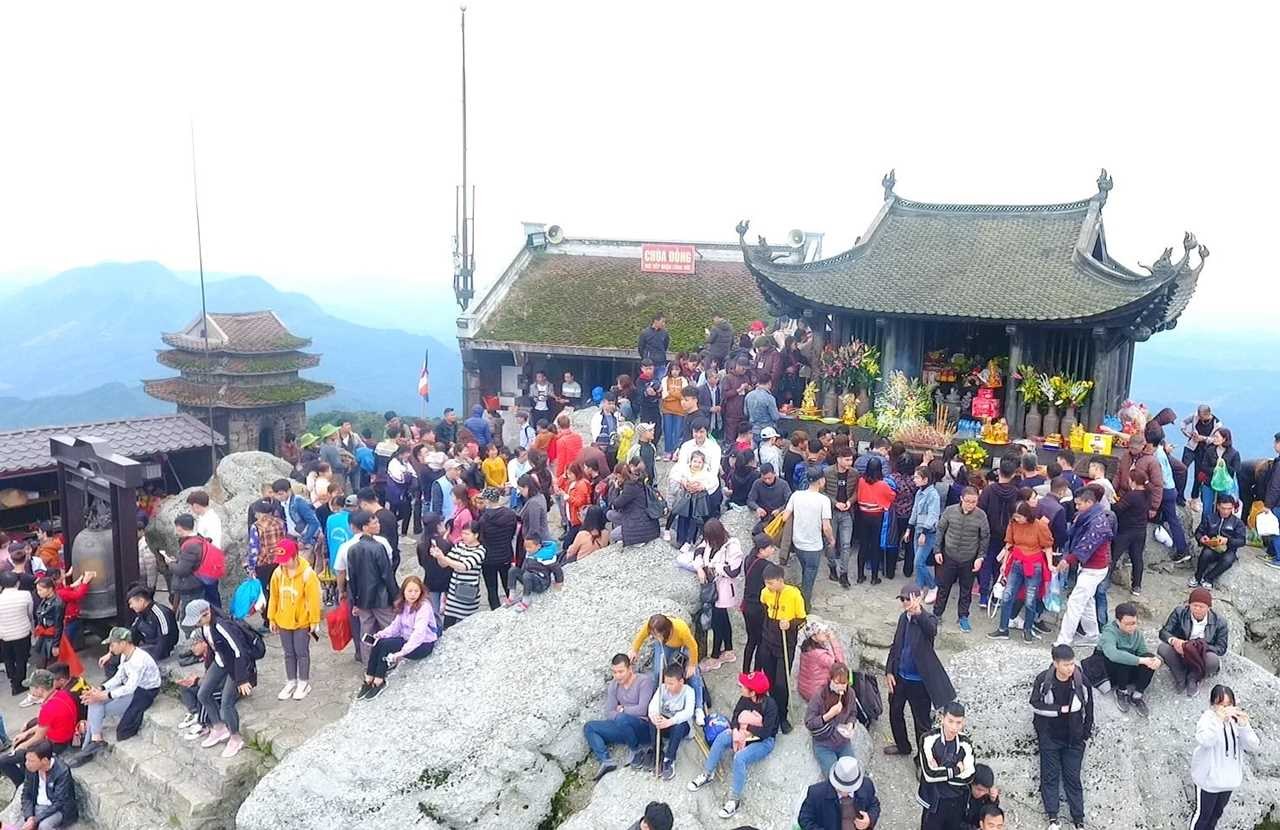
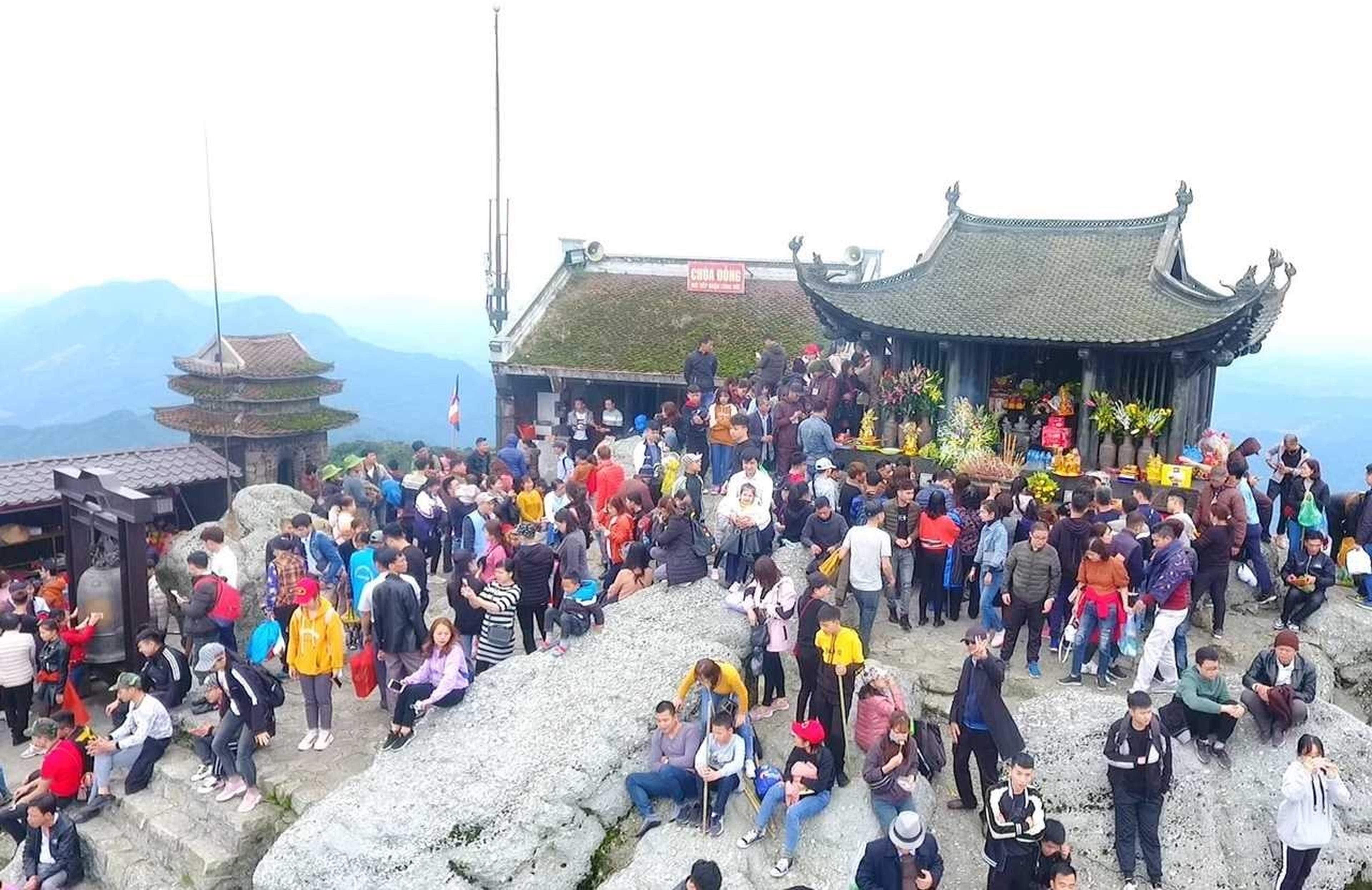
Visitors flock to Yên Tử in very large numbers during the festival season. Illustrative photo: Ministry of Culture, Sports and Tourism
In addition, if you simply want to travel to Hạ Long and are looking for an ideal spiritual and cultural destination, you can visit the Yên Tử Monument Complex in any season. Just check the weather forecast in advance and avoid stormy days; your journey is sure to be highly enjoyable.
3Transportation to Yên Tử Mountain
To reach the Yên Tử Monument Complex, visitors first need to ascend the mountain. The two most popular options are walking and taking the cable car.
3.1 Hiking up Yên Tử Mountain
The route up Yên Tử Mountain is about 6km long. Therefore, an average person will need around 6 to 8 hours to hike it under conditions of light crowds and favorable weather. Walking is both a way to train and improve physical fitness and an interesting challenge on the journey to conquer Yên Tử. Although demanding, this journey also offers the chance to admire the pristine beauty of the majestic mountain landscape.
The journey begins at the parking area. After walking about 300 meters, visitors reach Giải Oan Stream, then climb along the ancient Tùng road to the Tổ Tower, Hoa Yên Pagoda, Một Mái Pagoda, Bảo Sái Pagoda, and finally Đồng Pagoda.
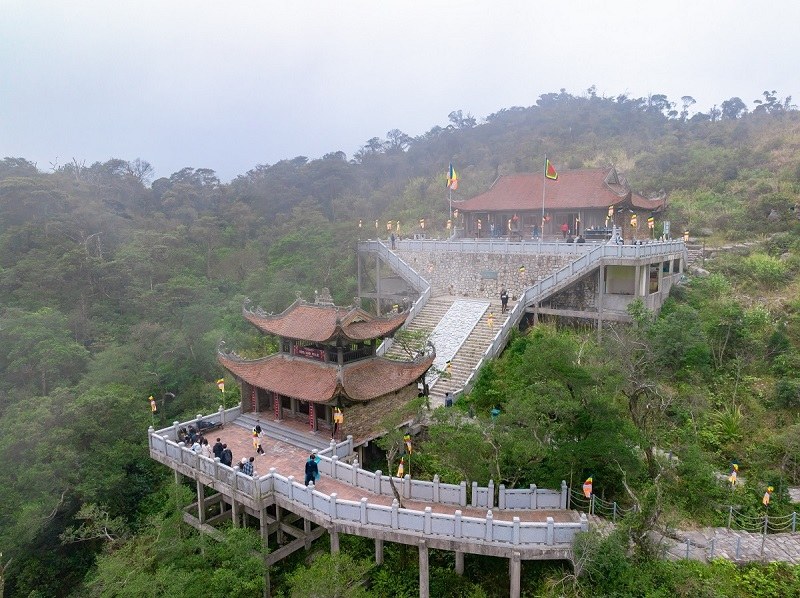
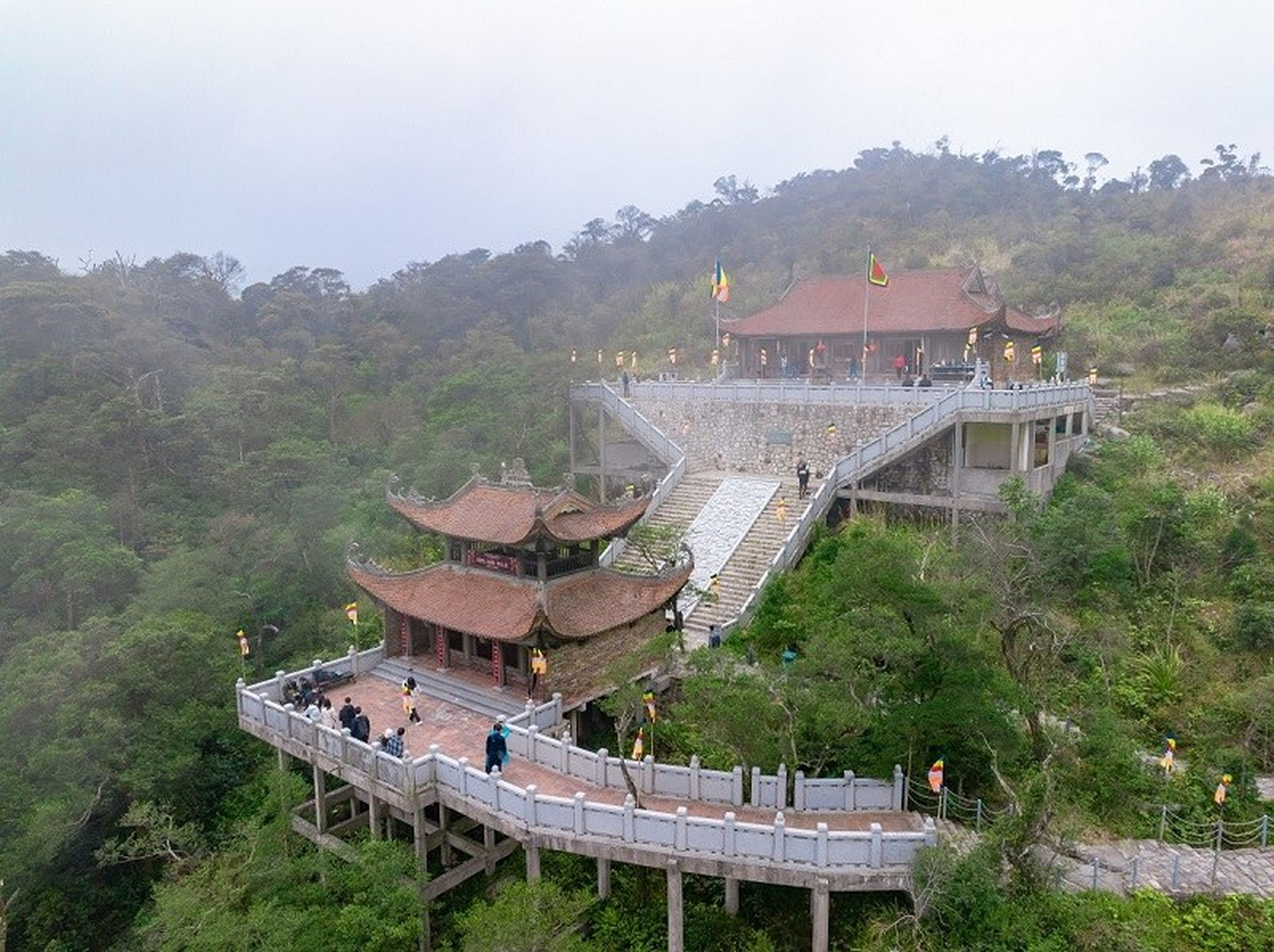
The Yên Tử tourism complex with highly attractive scenery. Illustrative photo: Vietnam Tourism
3.2 Taking the cable car up Yên Tử Mountain
If you do not want to undertake a strenuous climb, you can take the Yên Tử cable car to explore the monument complex. The site has a fairly modern cable car system, with a total length of 1.2 meters, reaching an altitude of 450 meters. You can therefore reach the majestic Yên Tử summit in just 10 to 15 minutes.
Reference cable car fares are as follows:
Round-trip ticket: 350,000 VND/person
One-way ticket: 200,000 VND/ 1 person/ 1 route
People over 70 and children under 1.2 meters: Free
4 Free admission to Yên Tử from 2026 to 2028: A major boost for heritage tourism
The Quảng Ninh Provincial People's Council has approved a resolution waiving all admission fees to the Yên Tử monument and scenic complex from 2026 through the end of 2028. The policy was introduced after Yên Tử was recognized by UNESCO as a World Cultural Heritage Site on 12/7/2025.
This is the locality's tribute to the community, monks, nuns, Buddhists, and those who contributed to preserving and completing the heritage dossier that enabled Yên Tử to achieve international status.
Free admission creates an opportunity for more people to access this sacred space. At the same time, it helps promote Yên Tử as the “ancestral homeland” of the Trúc Lâm Zen sect and affirms Quảng Ninh's tourism development strategy oriented toward “one destination, two world heritages.”
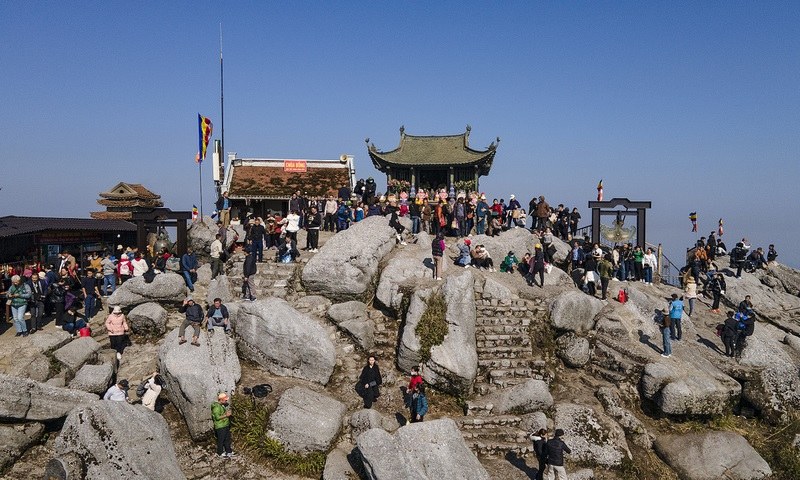
As spiritual tourism receives increasing attention, this policy will help Yên Tử continue to maintain its position as Vietnam's leading heritage destination. Illustrative photo: Giang Huy
5 Distinctive features of the monument complex
The Yên Tử monument and scenic complex covers approximately 9,295 ha, stretching across Uông Bí City and Đông Triều. This vast space is divided into two main clusters according to traditional zoning.
5.1 The Yên Tử route cluster
This cluster extends from Dốc Đỏ to the Giải Oan bus station. Along the way, visitors pass Trình Pagoda, Suối Tắm Pagoda, Cầm Thực Pagoda, and Lân Pagoda, also known as Trúc Lâm Yên Tử Zen Monastery.
This is the starting route for the pilgrimage. Each stop has its own significance: it is both a place to worship Buddha and a resting point to prepare mentally before proceeding deeper into the heart of the Yên Tử scenic complex.
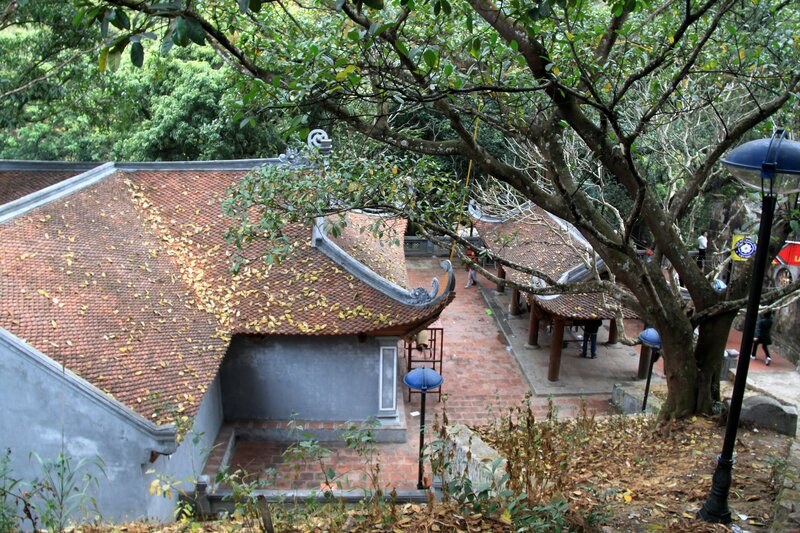
The starting route for Buddhist worship. Illustrative photo: TRIPMAP
5.2 Central cluster: Yên Tử Summit
The central cluster begins at Giải Oan Pagoda and ends at Đồng Pagoda on the mountain summit. This is Yên Tử's most sacred area.
Hoa Yên Pagoda and Trúc Lâm Yên Tử Zen Monastery are two representative components of the Yên Tử–Vĩnh Nghiêm–Côn Sơn, Kiếp Bạc complex, which has been recognized by UNESCO as a World Cultural Heritage Site. Previously, Yên Tử alone had been classified as a special national relic in 2012.
The connection between the relic sites creates a seamless journey. Visitors do not merely sightsee but truly experience the depth of Yên Tử's scenic heritage with every step.
5.3 The Yên Tử Festival, the largest pilgrimage season in northern Vietnam
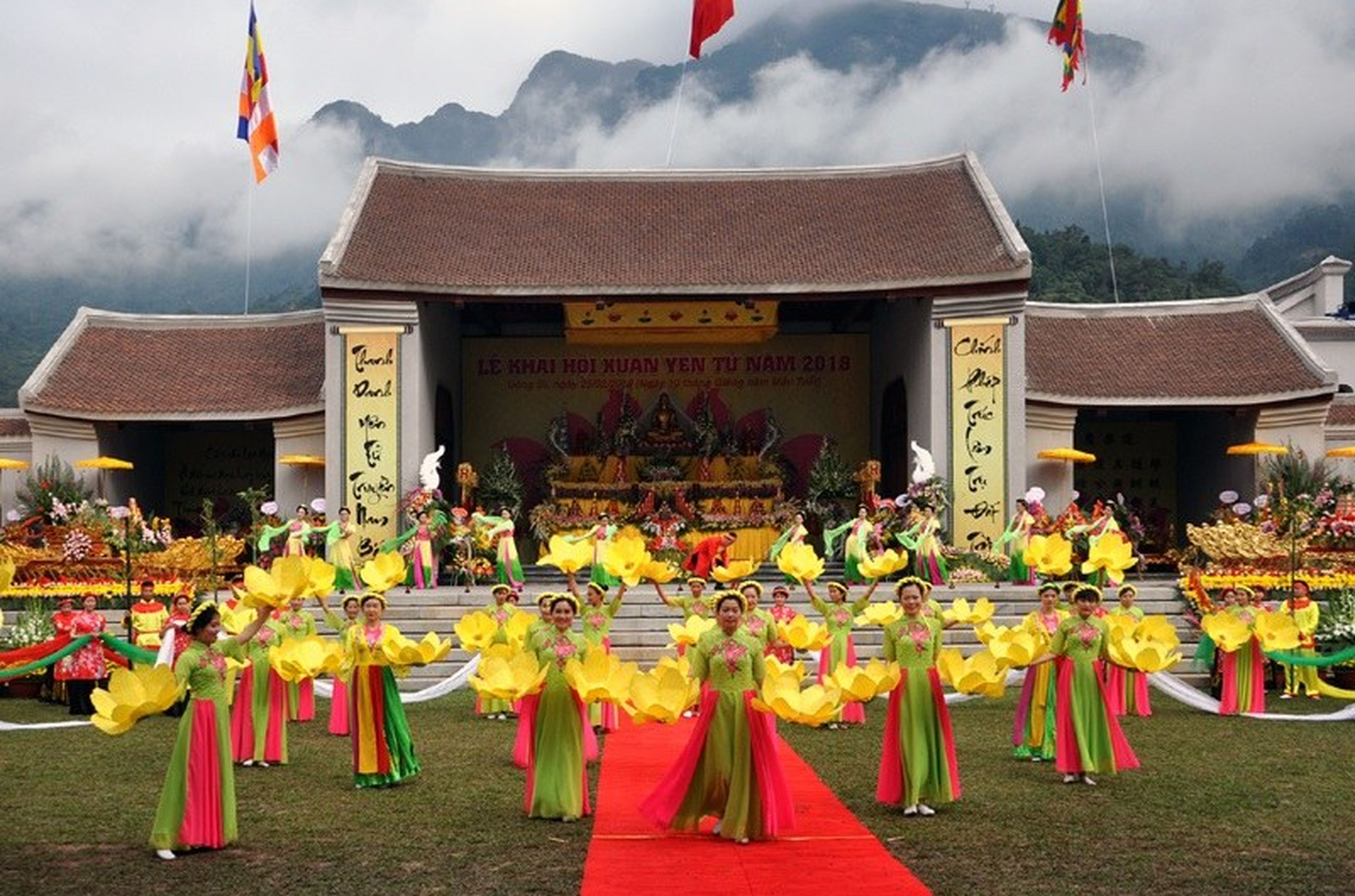
Every year, the Yên Tử Festival begins on the tenth day of the first lunar month and lasts throughout the three spring months. This is when millions of Buddhists and visitors make their way to the sacred mountain.
The festival atmosphere is lively while retaining its solemn character. Some come to worship, some to trek, and some to find a moment of peace for the soul. As free admission is applied through the end of 2028, the number of visitors to Yên Tử is expected to increase even further. This will not only boost tourism but also spread the enduring cultural value of a world heritage site.
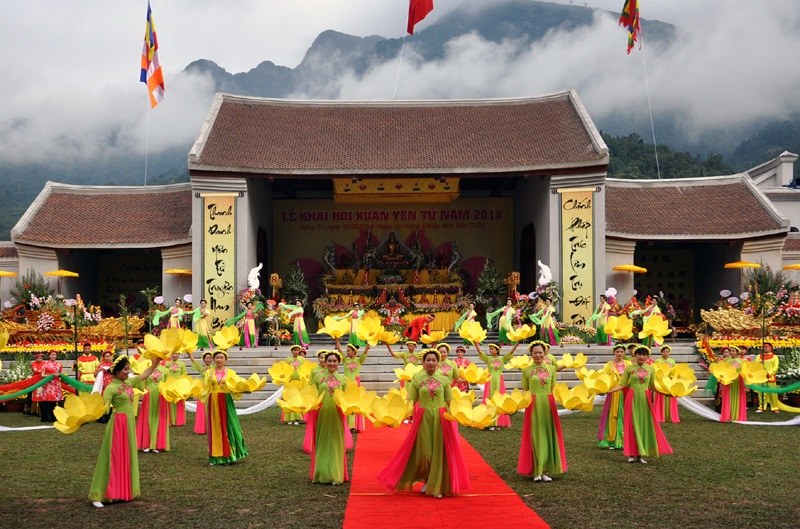
The spring festival space at Yên Tử. Illustrative photo: Xây Dựng Chính Sách, Pháp Luật - Government Portal
6Impressive attractions in the Yên Tử Monument Complex
Next, let's explore with MIA.vn the attractive destinations within the Yên Tử grounds.
6.1 Trình Pagoda
Trình Pagoda is also known as Bí Thượng Pagoda or Trình Temple. The pagoda stands at an altitude of 1000 meters above sea level amid majestic mountains. Built nearly 400 years ago, Trình Pagoda features unique architecture. It is famous as a pagoda reaching into the clouds, almost touching Yên Tử's blue sky, and is also a popular destination for visitors.
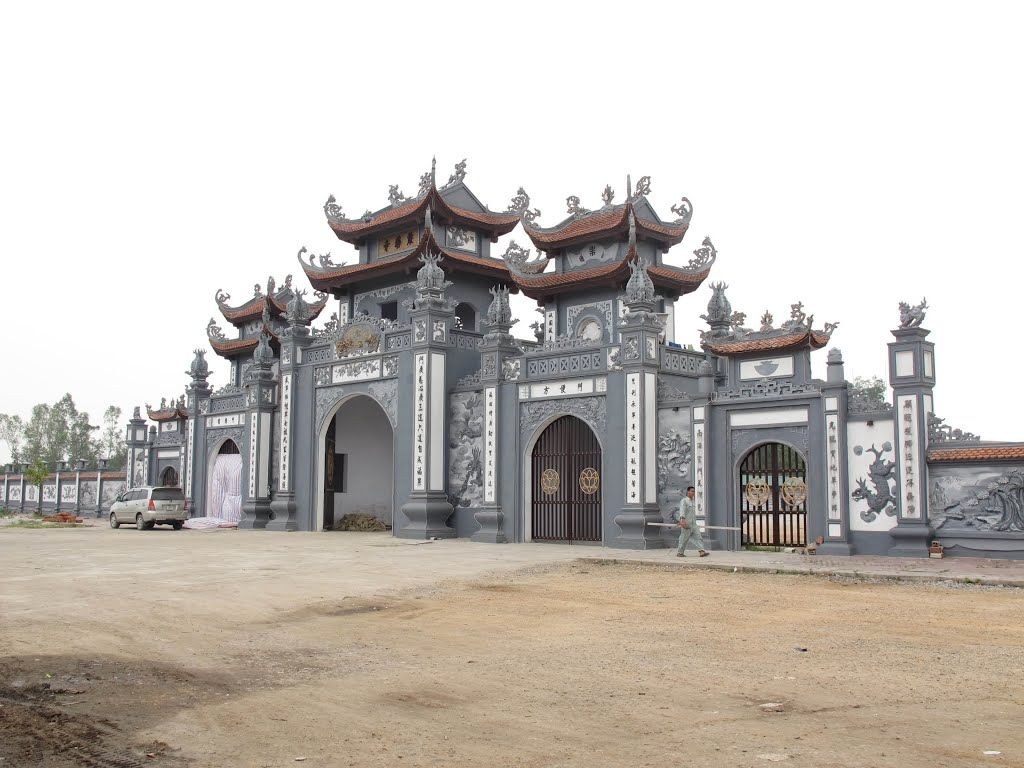
Trình Pagoda features traditional architecture, finely decorated with familiar motifs from Vietnamese temple and pagoda architecture. Illustrative photo: Yên Tử Tùng Lâm
The space at Trình Pagoda is pure, quiet, and peaceful, with lush greenery, the gentle sound of flowing water, and birdsong. The pagoda has become a sacred spiritual destination and a place of faith for Buddhists in Quảng Ninh and neighboring northern provinces.
6.2 Giải Oan Stream
During their exploration of the Yên Tử Monument Complex, visitors cross the clear, winding Giải Oan Stream. It is associated with the story of hundreds of court ladies who drowned themselves to prevent King Trần Nhân Tông from deciding to become a Buddhist monk.
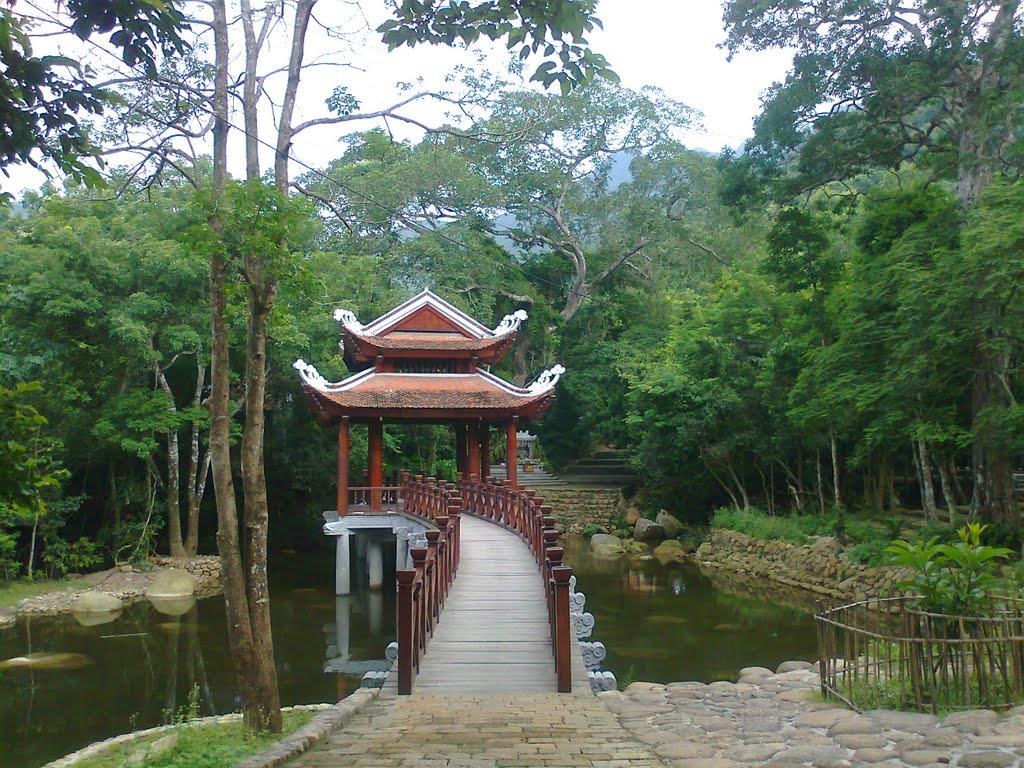
Giải Oan Stream has murmured its way through the landscape for thousands of years. Illustrative photo: Đất Rồng Travel Trading JSC
While touring the vast Yên Tử Mountain, stopping at this refreshing stream is certainly a good choice. Visitors can admire the romantic mountain scenery while breathing in the fresh air.
6.3 Hoa Yên Pagoda
Hoa Yên Pagoda stands at an altitude of 535 meters above sea level and is also called Phù Vân because the mountain peak is always shrouded in drifting mist and clouds. Beside Hoa Yên Pagoda is Cả Pagoda, once a small hermitage where King Trần Nhân Tông preached. Today, this pagoda is a familiar sightseeing and pilgrimage destination for Buddhists.
6.4 Một Mái Pagoda
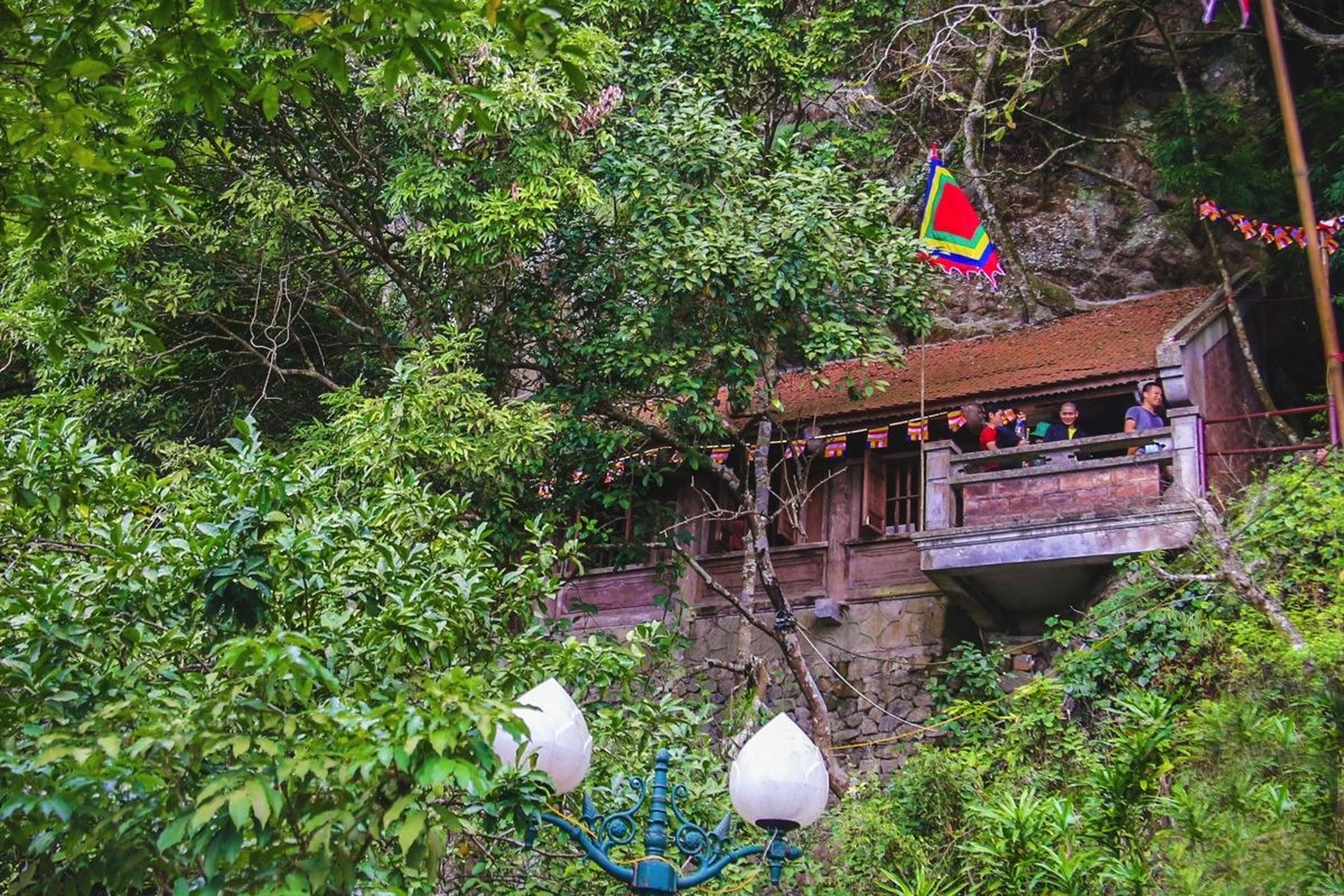
Một Mái Pagoda is also known as Bồ Đà Pagoda. It was built half inside a cave, with the other half extending outside. Perched halfway up the mountain, the pagoda is surrounded by rock and trees and has a tranquil space in harmony with nature.
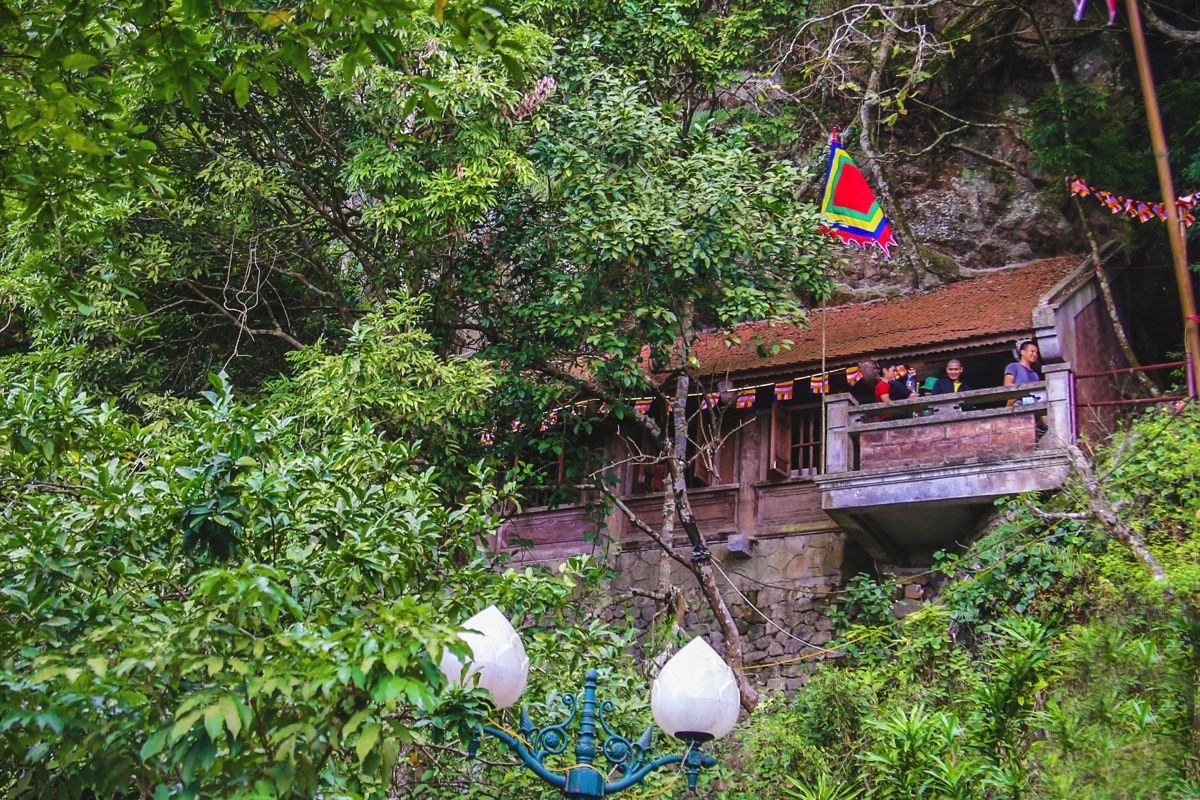
Một Mái Pagoda hidden among thousands of lush green tree canopies. Illustrative photo: Kinhtemoitruong.vn
6.5 An Kỳ Sinh and the statue of Buddha King Trần Nhân Tông
An Kỳ Sinh is famous for a natural rock formation resembling a monk with his hands clasped reverently. Driven by their faith, local people established a shrine to An Tử, the monk believed to have created many traditional remedies to cure illnesses and save lives.
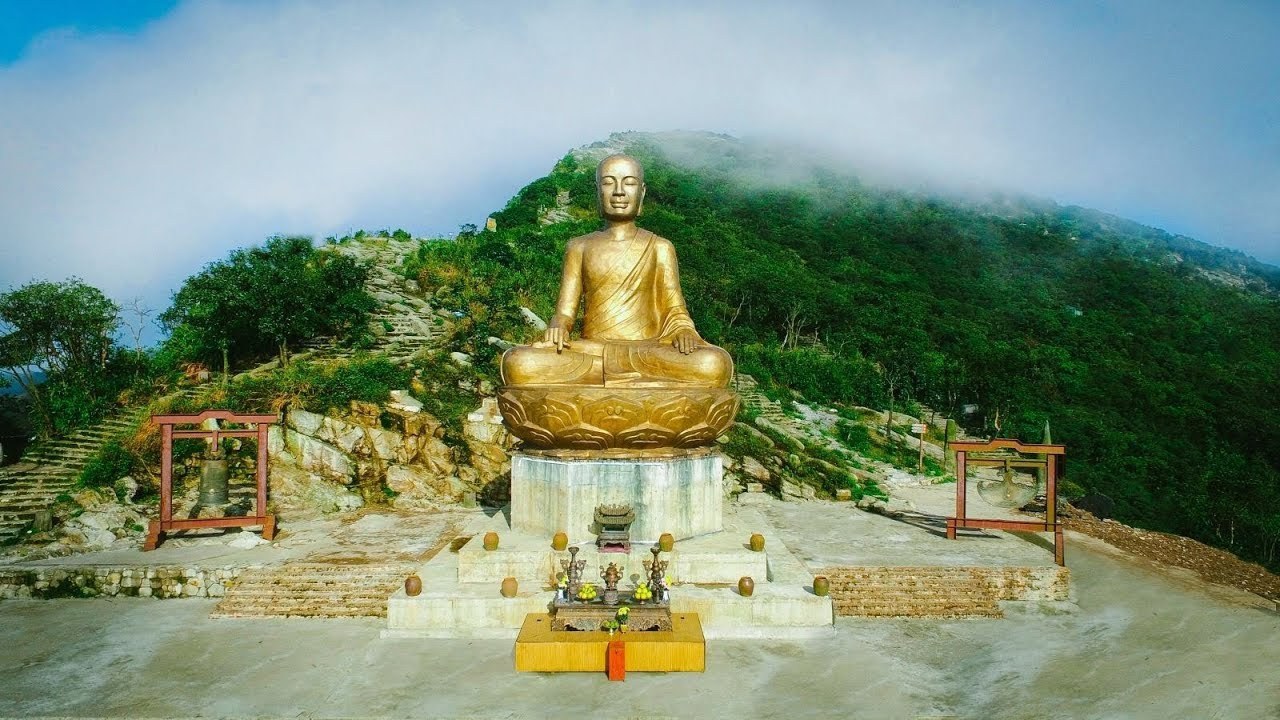
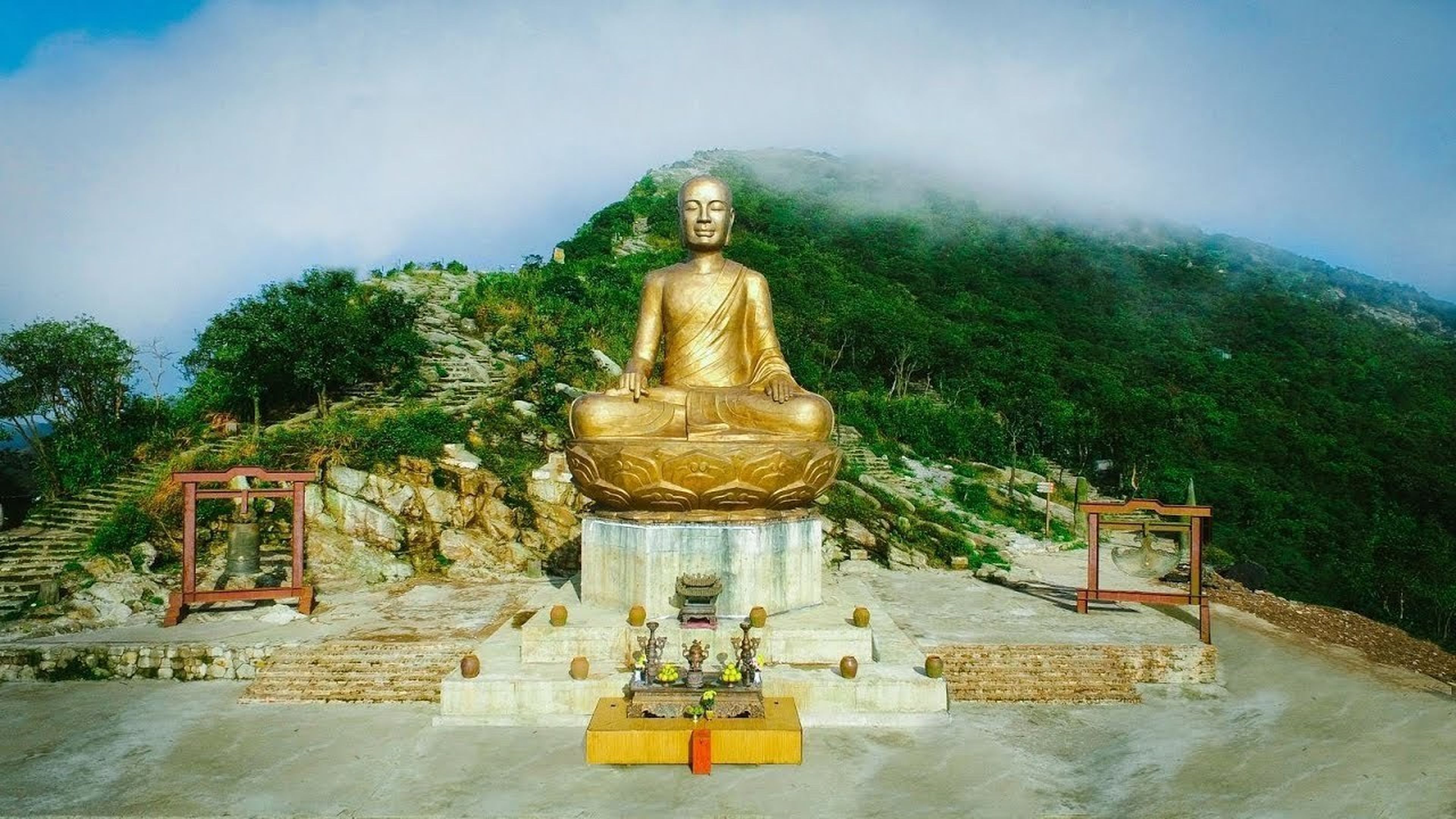
The statue of Buddha King Trần Nhân Tông, cast from solid bronze and imposing amid Yên Tử's landscape. Illustrative photo: Ministry of Culture, Sports and Tourism
The statue of Buddha King Trần Nhân Tông stands at an altitude of 1,100m amid majestic, magnificent mountain scenery. Local people cast it from solid bronze; it weighs 138 tons and is 12.6m high. The statue commemorates King Trần Nhân Tông's contributions and is also a popular destination for sightseeing and Buddhist worship.
6.6 Trúc Lâm Yên Tử Zen Monastery
Yên Tử cannot be mentioned without Trúc Lâm Yên Tử Zen Monastery, also known as Lân Pagoda. This is where King Trần Nhân Tông chose to practice after abdicating the throne. In 1293, he ordered Lân Pagoda to be renovated and turned it into a center for preaching and spiritual practice. From there, the Trúc Lâm Zen sect was born, bearing a strong Vietnamese national identity.
Together with Buddha King Trần Nhân Tông, the two Zen masters Pháp Loa and Huyền Quang helped the sect flourish during the Trần Dynasty. After the Buddha King passed away on Yên Tử Mountain, succeeding generations continued to preserve and spread Trúc Lâm thought.
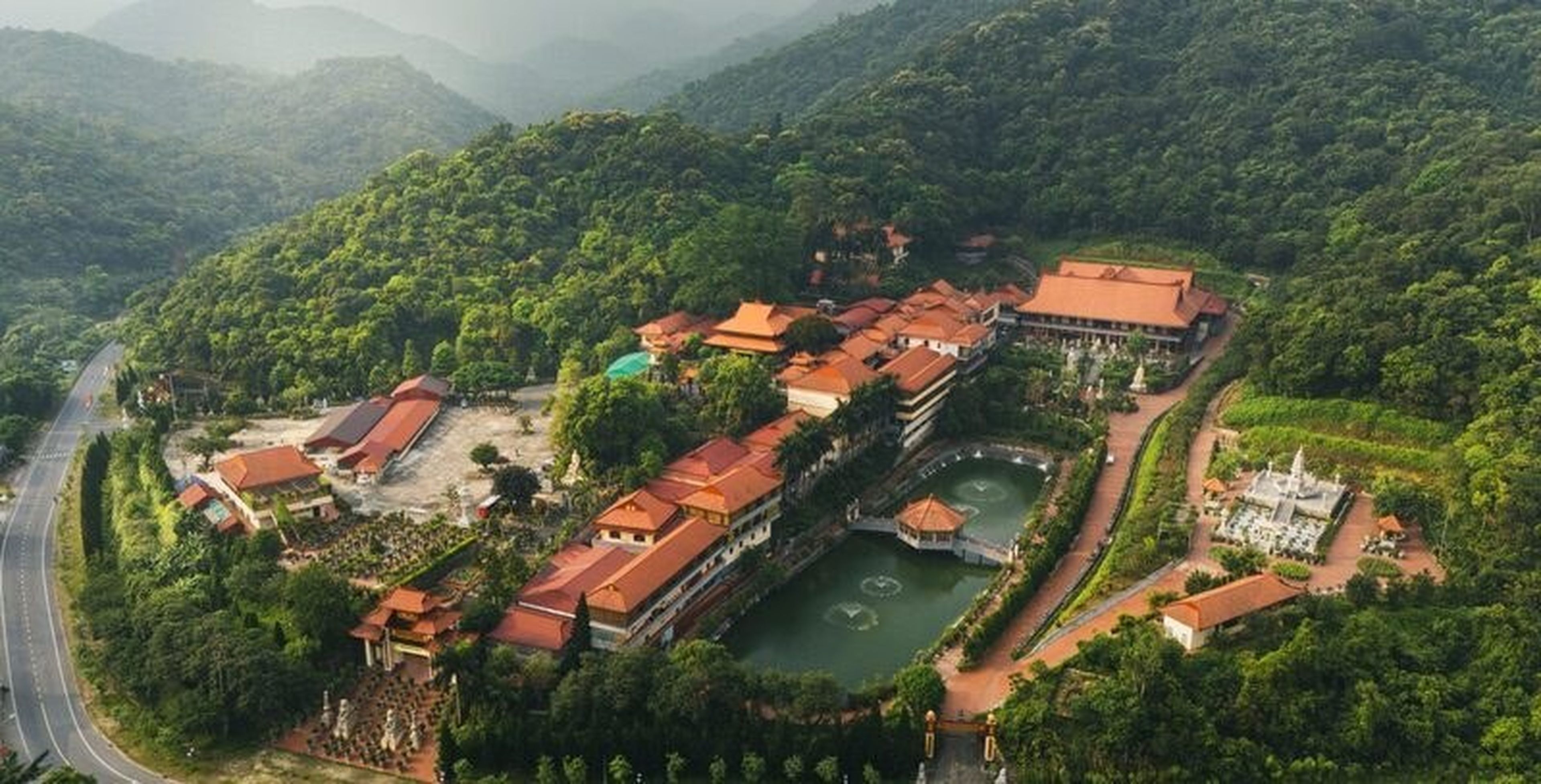
Over the course of wars, many parts of the monastery were damaged. In 2002, Lân Pagoda was extensively rebuilt on an area of nearly 180,000 m². The structure was restored by artisans knowledgeable about ancient architecture, marking the strong revival of this Buddhist center. The main hall of Trúc Lâm Yên Tử Zen Monastery, Đại Hùng Bảo Điện, stands out with intricate stone patterns bearing the distinctive imprint of Trần Dynasty architecture.
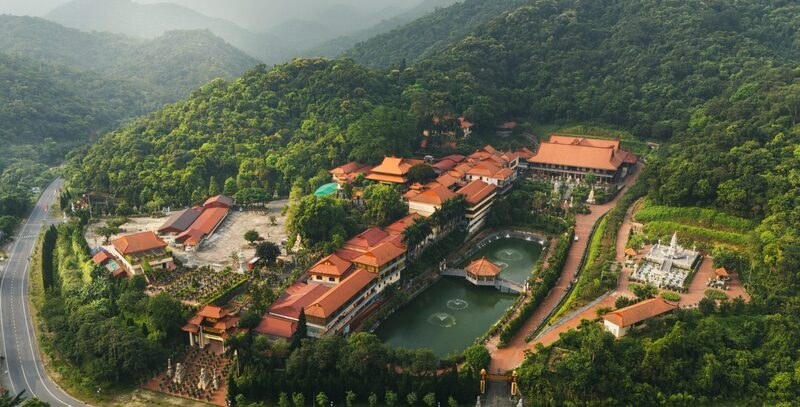
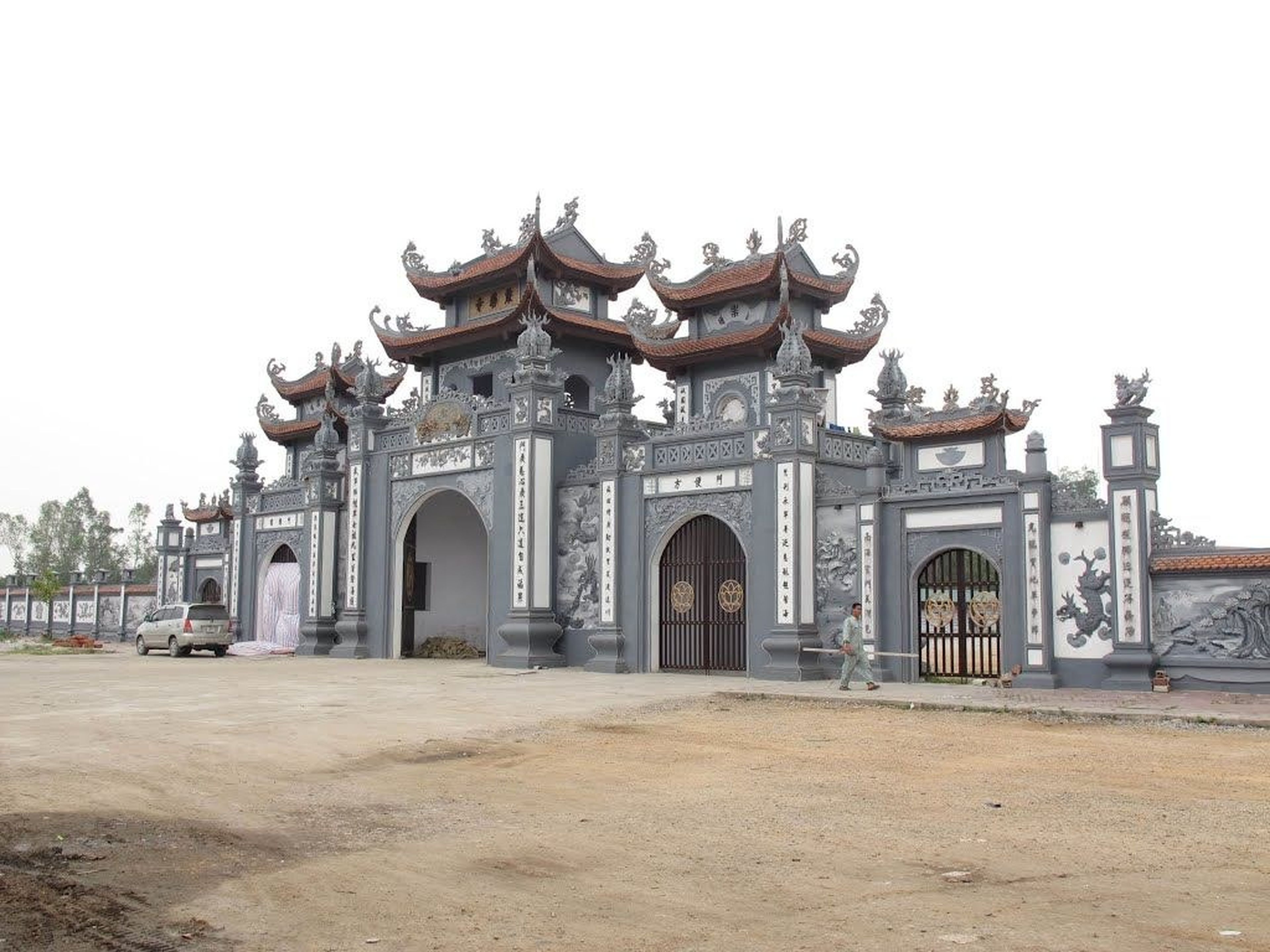
Today, Trúc Lâm Yên Tử Zen Monastery is an important stop in the Yên Tử monument and scenic complex, attracting tens of thousands of visitors each year. Illustrative photo: Yên Tử Tùng Lâm
6.7 Đồng Pagoda
Within the entire Yên Tử monument and scenic complex, Đồng Pagoda is the most important stop. It is the destination toward which all monks, nuns, Buddhists, and visitors head when making a pilgrimage to the sacred land.
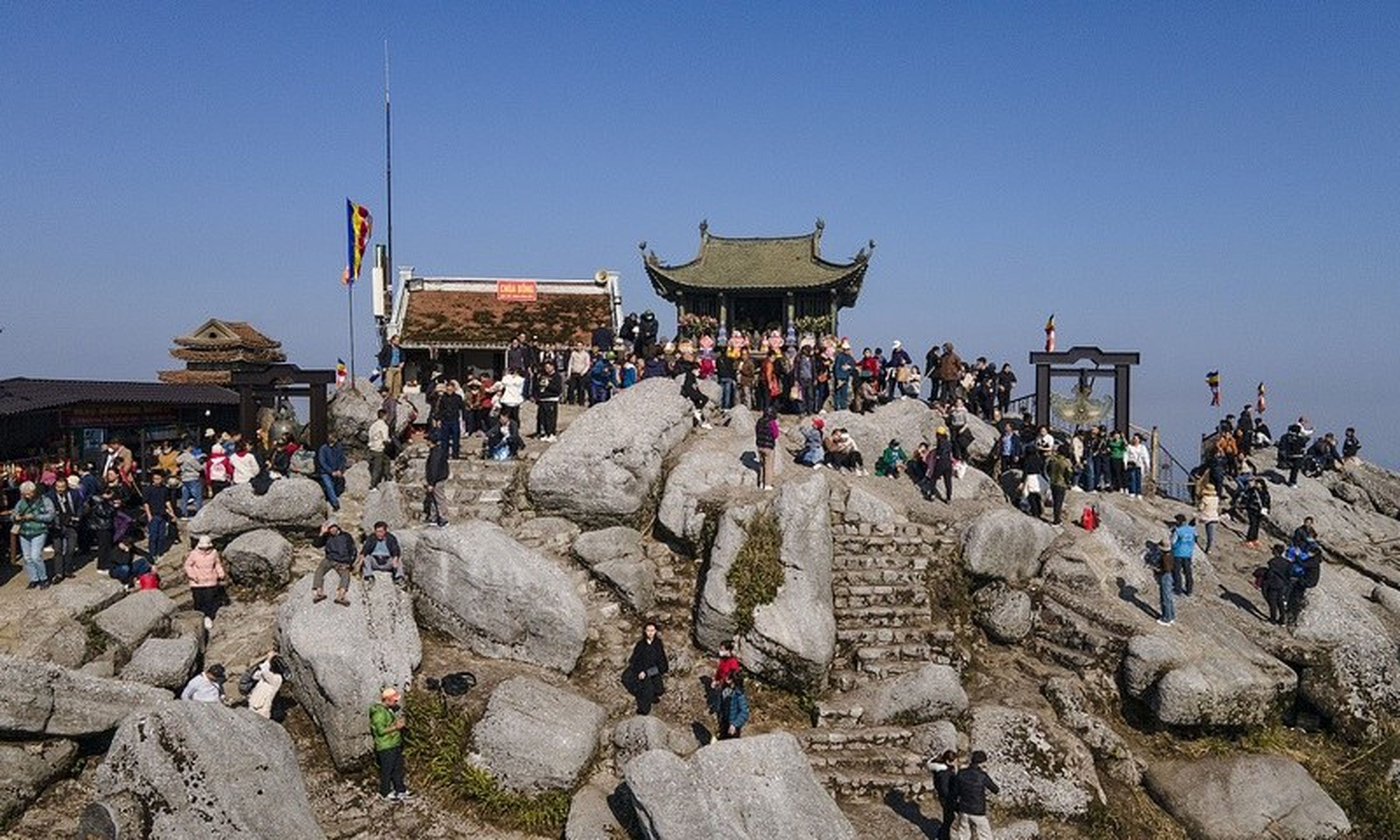
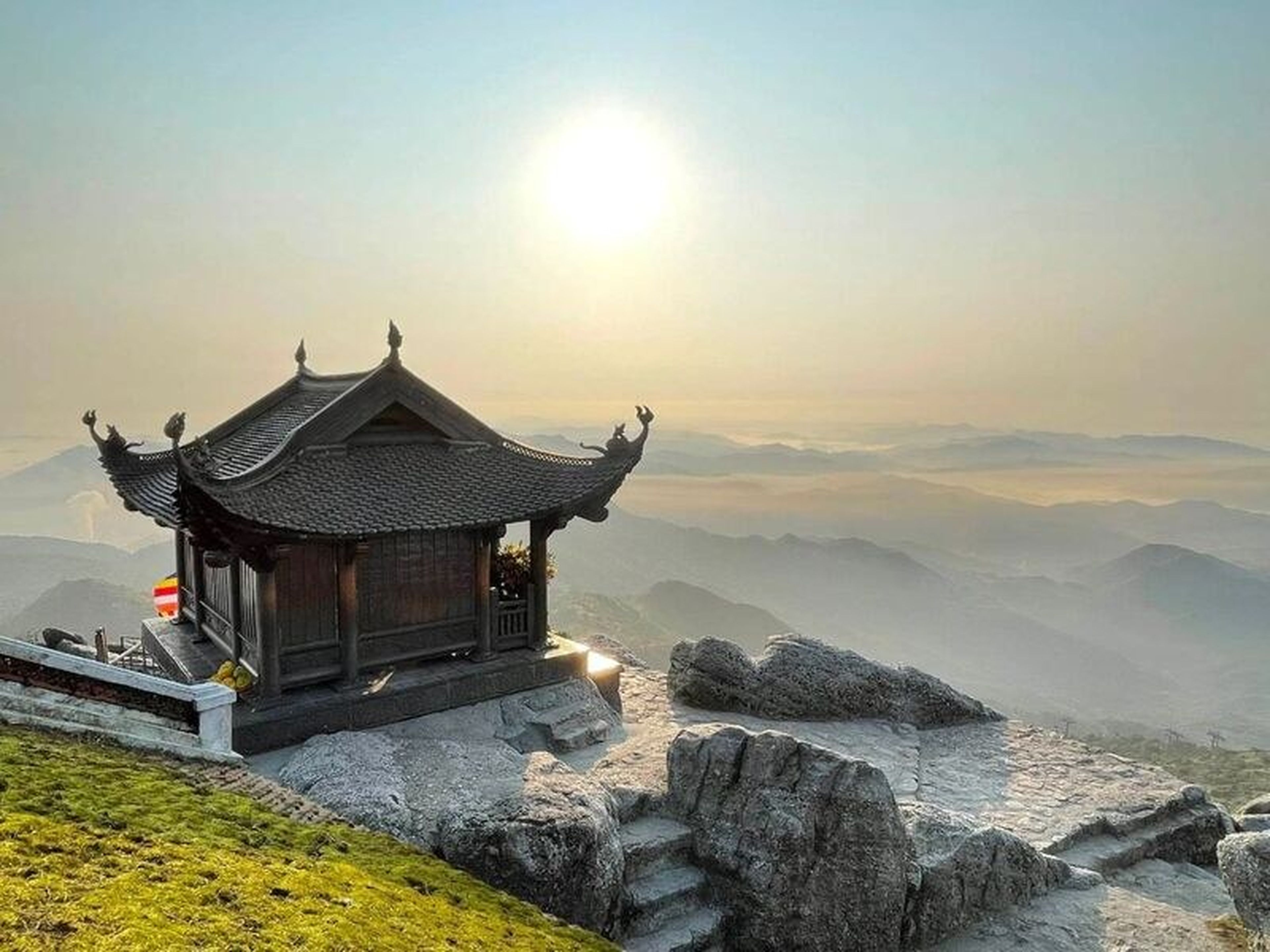
Đồng Pagoda, also called Thiên Trúc Tự, stands on the highest peak of the Yên Tử range at an altitude of 1,068 meters above sea level. Amid a sea of drifting clouds, the pagoda appears as a symbol of enlightenment and perseverance. Its most distinctive feature is that the entire structure was cast in bronze, and it is considered the largest bronze pagoda on a mountain summit in Asia. The pagoda covers nearly 20m² and weighs approximately 70 tons. It is 4.6m long, 3.6m wide, and 3.35m high from the floor to the roof. Each roof tile weighs about 4kg. Each of the four columns weighs approximately 1 ton. The bronze bell and khánh weigh over 250kg.
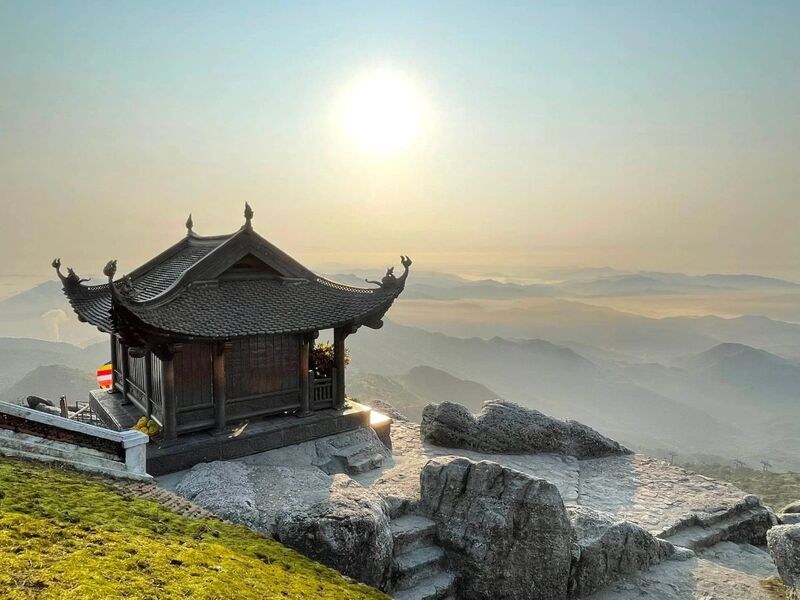
The architecture of Đồng Pagoda reflects the Trần Dynasty style. Illustrative photo: VinWonders
6.8 Cầm Thực Pagoda
On the pilgrimage route to Yên Tử, Cầm Thực Pagoda is the third pagoda where visitors stop. It is associated with the story of King Trần Nhân Tông and his disciple Bảo Sái.
According to legend, after bathing in the stream to wash away worldly dust, the master and disciple continued into the mountains. At noon, when he opened the vegetarian meal bag, Bảo Sái remembered that the food had been given to a beggar at Cửa Ngăn. King Trần did not blame him; instead, he and his disciple drank stream water in place of a meal and rested.
To commemorate this story, people in the past built a pagoda and named it Cầm Thực, meaning “not eating.” The name recalls a life of contentment and few desires, maintaining a pure mind before entering deeper into Yên Tử's sacred space.
Remains of the Trần-era pagoda show a six-bay, “nhất”-shaped architectural foundation; its former name was Linh Nhâm Tự. During the resistance war against the French, the pagoda became a revolutionary base and was burned and destroyed. Local people moved the bell, statues, and worship objects to a shrine near Suối Tắm for safekeeping.
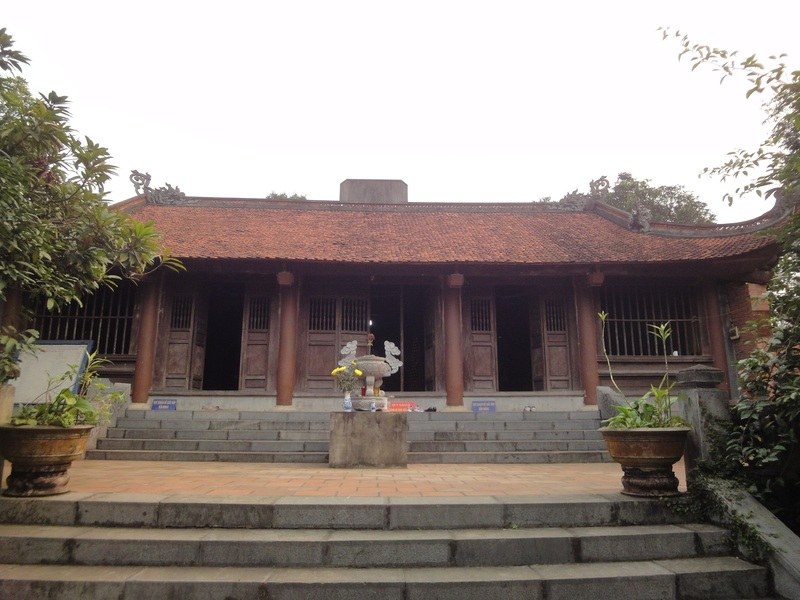
Amid the cool greenery of Yên Tử's scenic heritage, Cầm Thực Pagoda offers a peaceful, simple, and contemplative atmosphere. Illustrative photo: TRIPMAP
6.9 Suối Tắm Pagoda
If Đồng Pagoda is the highest destination, Suối Tắm Pagoda is considered the gateway into Yên Tử. The pagoda is located on the slope of Cửa Ngăn in Uông Bí City, Quảng Ninh Province. Its setting resembles the head of a sacred turtle facing the border area between the forests of Yên Tử and the plains along the Bạch Đằng River. Since ancient times, Cửa Ngăn has been regarded as the boundary between the Buddhist realm and the mortal world.
In front of the pagoda, a clear, cool stream flows year-round beneath the canopy of ancient trees. According to legend, more than 700 years ago, King Trần Nhân Tông stopped and bathed here. Therefore, Suối Tắm symbolizes washing away worldly dust before entering Yên Tử's meditative space.
Suối Tắm Pagoda still preserves many ancient statues from the 19th century. Its “đinh”-shaped architecture, arched rolling doors, and rear sanctuary preserve old statues and worship objects. Surrounding it are 400- to 500-year-old trees casting shade over the murmuring rocky stream. Within the overall Yên Tử monument and scenic complex, Suối Tắm Pagoda serves as the first stopping point.
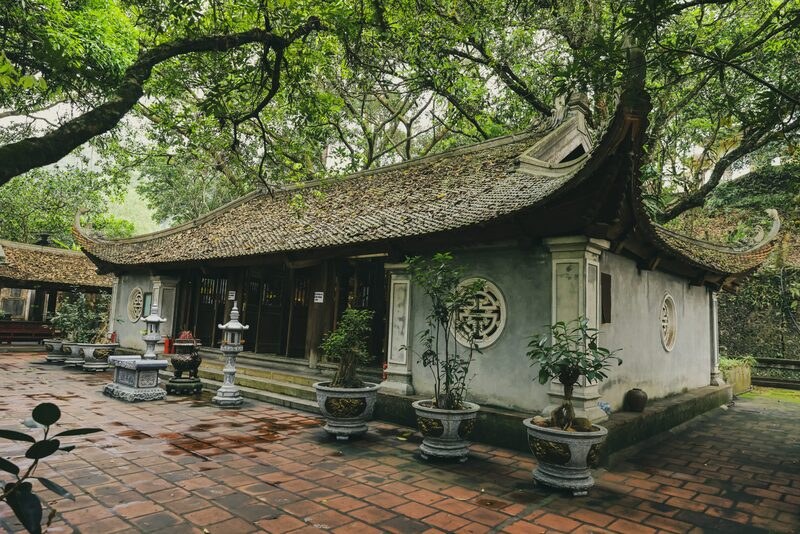
This is where you slow down, calm your mind, and prepare for the mountain climb ahead. Illustrative photo: Yên Tử Tùng Lâm
7 Frequently asked questions about Yên Tử
7.1 Why visit Yên Tử during the free-admission period?
Free admission makes exploring the Yên Tử monument and scenic complex more accessible. You can allocate your budget to experiences, accommodation, or activities that offer deeper insight into the culture.
This is also an ideal time for younger generations to access a world heritage site at home. Yên Tử is a living history classroom and a place for educating people about tradition and national pride.
7.2 What should you prepare for the journey to conquer Yên Tử?
The hike up Yên Tử involves extensive walking and requires physical fitness. You should prepare good shoes, lightweight clothing, and flexible luggage. A durable, lightweight, easy-to-pull suitcase will make the trip more convenient, especially if you combine your visit with several destinations in Quảng Ninh.
You can consider the genuine suitcase lines at MIA.vn. They feature modern designs, smooth wheels, durable materials, and clear warranties. Preparing your luggage carefully will help you focus fully on your experience at Yên Tử. We hope the information shared by MIA.vn helps visitors enjoy truly interesting experiences in this sacred land.