With its advantages in sea and island tourism and vast aquaculture areas, Van Don has developed a pilot plan for a marine and island ecotourism model linked to aquaculture in the area in 2026. The plan aims to establish a unique experience-based tourism model associated with local characteristics, contributing to the diversification of tourism products and promoting the development of Van Don tourism in a green, sustainable and high-quality direction.
Rich potential for sea tourism
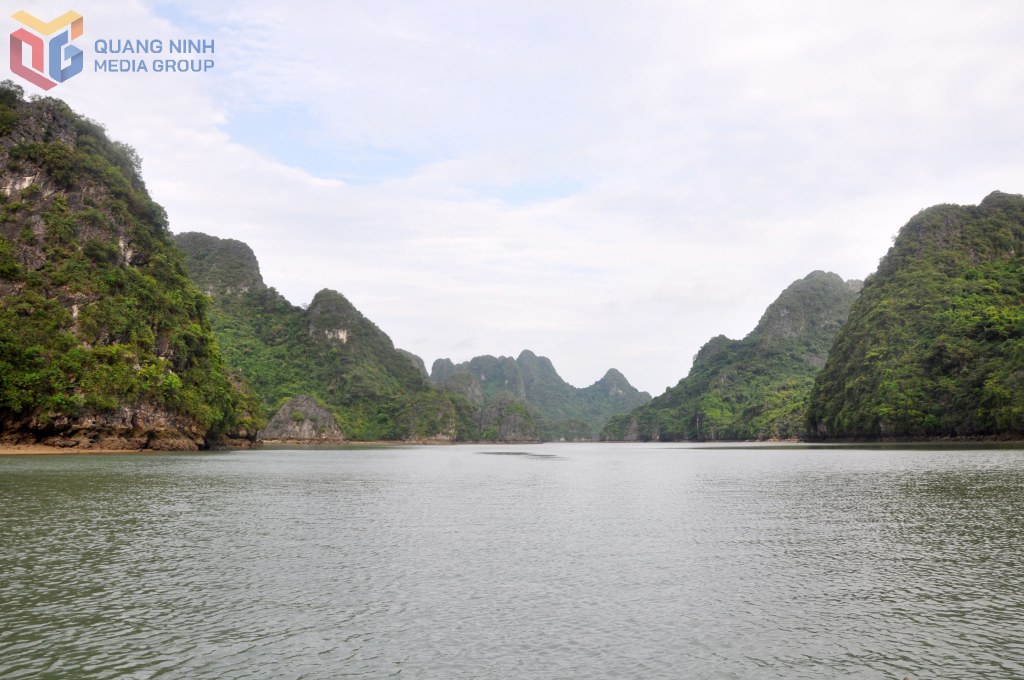
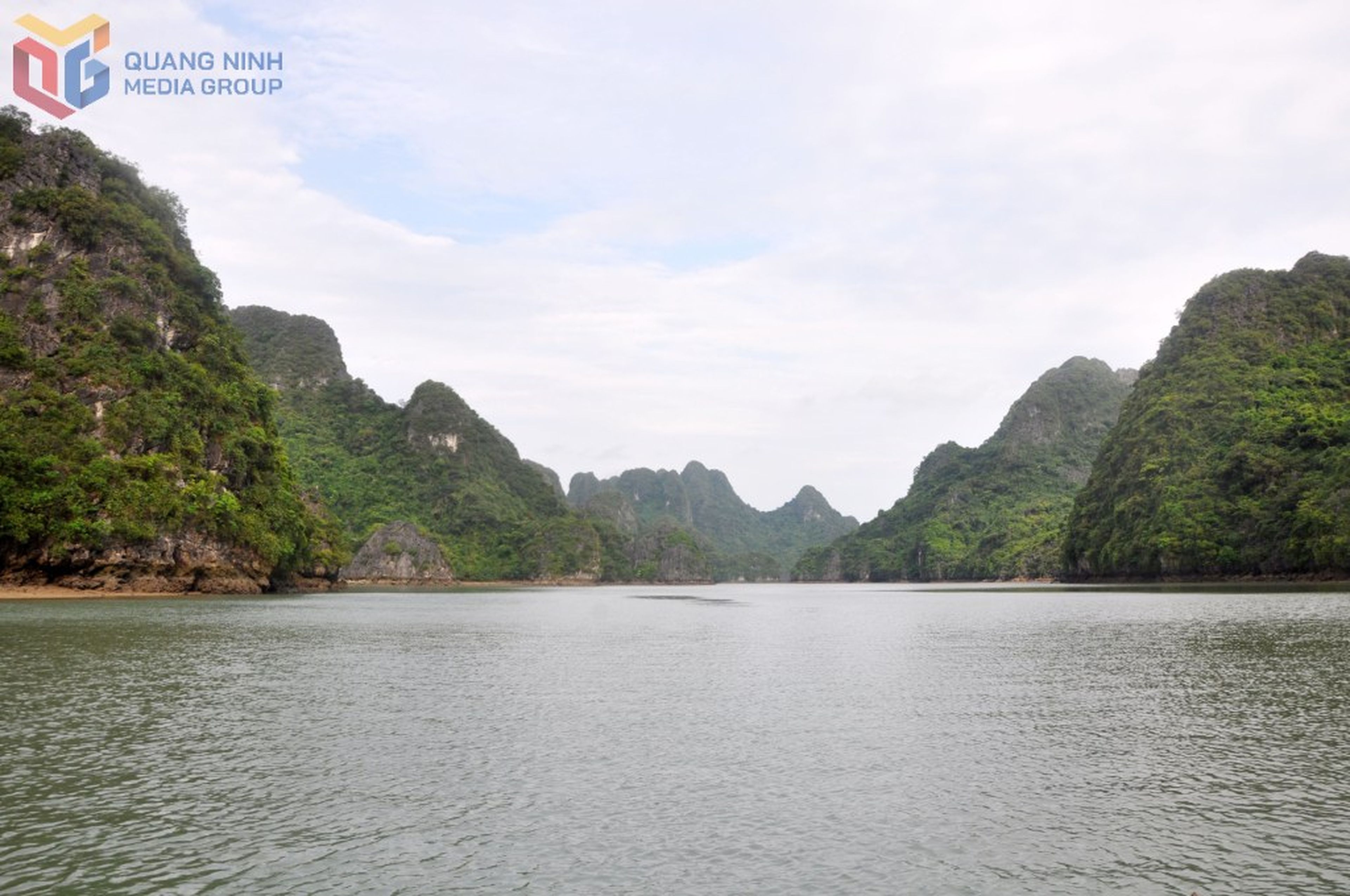
Located in Bai Tu Long Bay, Van Don special administrative zone has the largest island and marine area in the country, with more than 600 large and small islands and a sea area of approximately 1,620km2. It is also home to Bai Tu Long National Park, with a natural area of up to 15,783ha, bringing together all three basic ecosystems: island forest, wetland and marine ecosystems, with high biodiversity value.
Van Don has poetic and romantic natural scenery, with many beautiful islands and pristine beaches (Quan Lan, Minh Chau, Ngoc Vung…) as well as 44 cultural and historical relics and scenic sites. Among them, the most prominent is the Special National Relic of the Van Don Ancient Trading Port Complex. These features create exceptional value for developing marine and island ecotourism with strong appeal to tourists, especially international visitors.
In addition, in recent years Van Don has received comprehensive investment in tourism infrastructure, including roads, air transport and sea transport, with Van Don International Airport, a highway system connecting it with Hanoi, Hai Phong and Mong Cai, and Ao Tien High-Class Port. As a result, Van Don tourism has continued to develop, gradually establishing itself as a key economic sector and achieving important results, making a positive contribution to economic growth in Van Don in particular and Quang Ninh in general. Contributing to these results, local authorities, businesses, organizations and individuals have invested in and built facilities, diversified products, put them into effective operation and initially promoted the value of Bai Tu Long Bay, as well as the islands in the area.
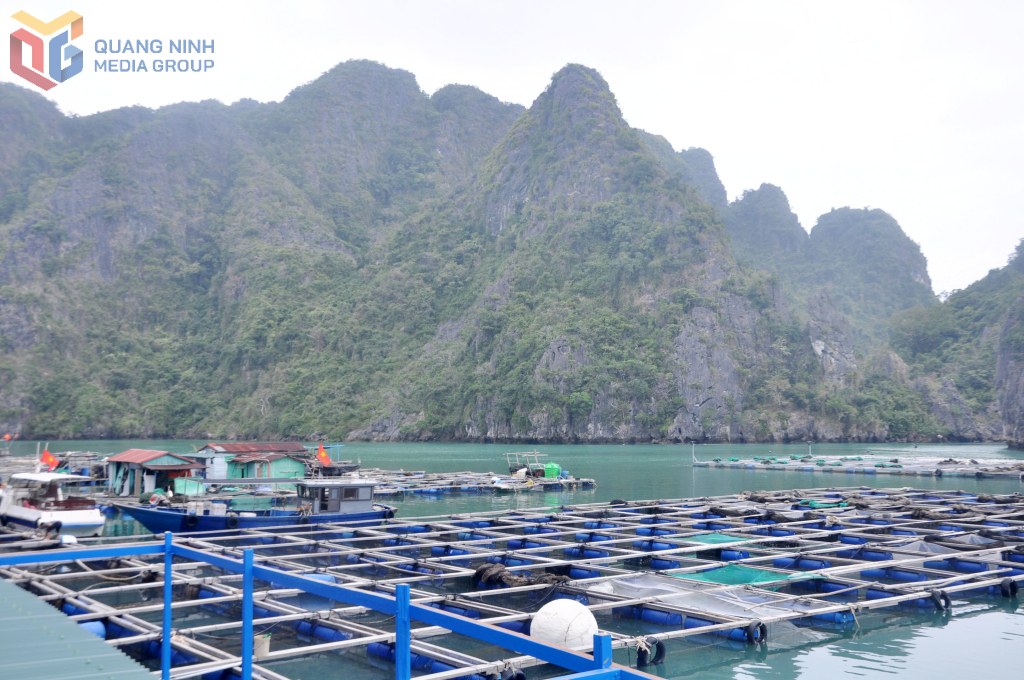
Nevertheless, during implementation, the development of tourism services has revealed several shortcomings and limitations. These include tourism products that are not truly distinctive and remain monotonous; a lack of high-quality tourism products, nighttime economic services, in-depth experiential tourism and high-end resort tourism in line with national and provincial orientations; and the small scale of businesses... The development of distinctive tourism products does not yet have a clear legal framework. Stemming from this situation, diversifying local tourism products is necessary and urgent at the present stage.
Leveraging the advantages of marine aquaculture
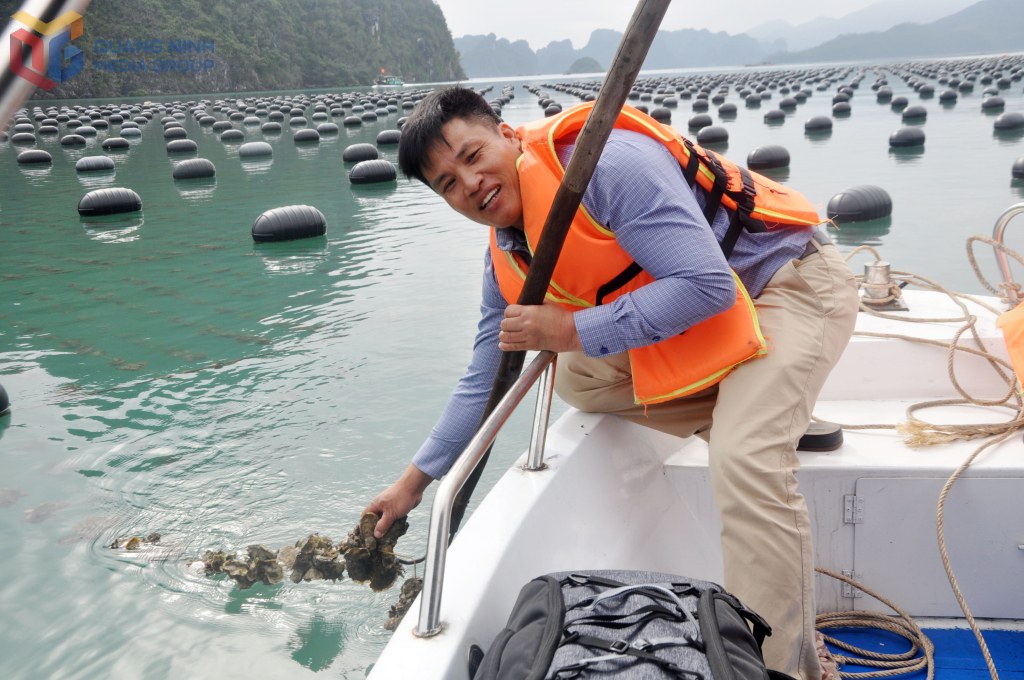
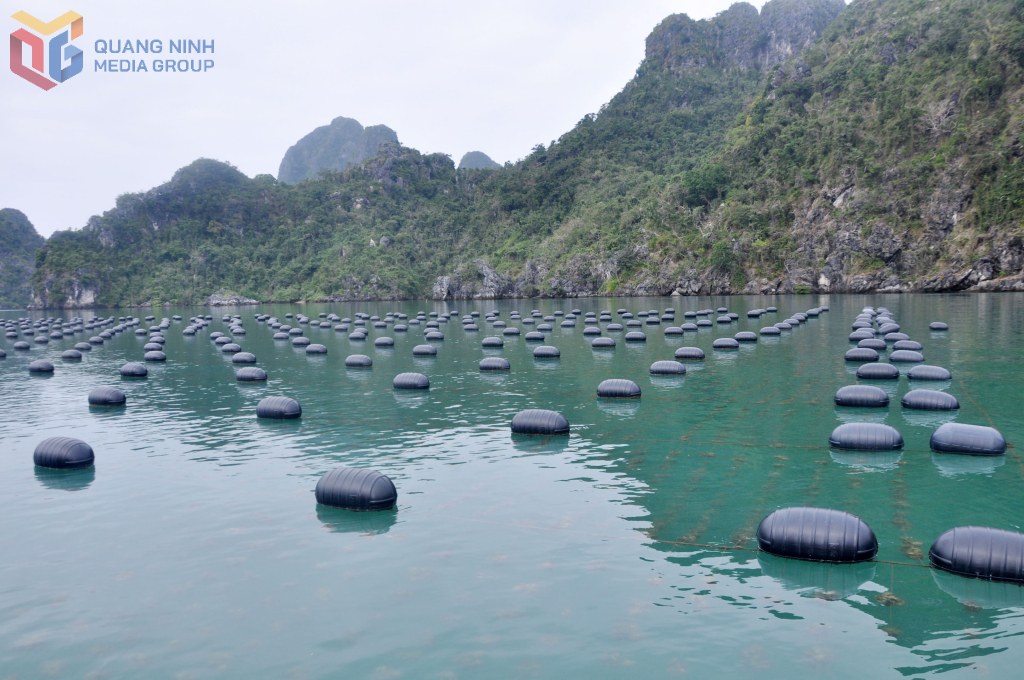
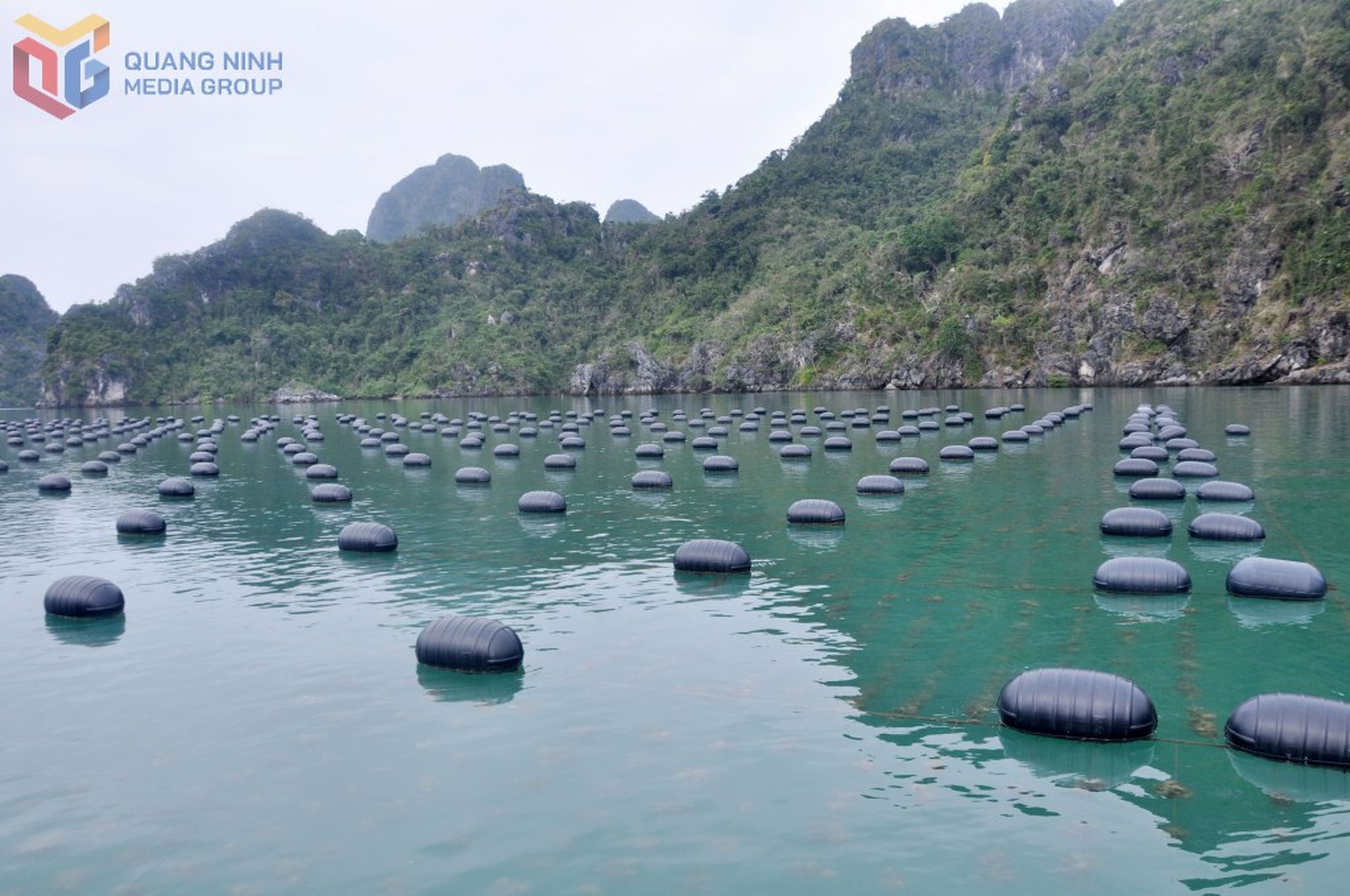
From a product perspective, tourism products linked to Van Don’s aquaculture strengths tap into the distinctive potential of this sea and island region, targeting a wide range of visitors, especially young people, families and those who enjoy exploring nature through activities associated with local communities. This aims to extend visitors’ stays, increase spending and improve the quality of their experiences. For local residents who depend on the sea for aquaculture, the model will help increase the economic value for fishermen by combining aquaculture with tourism services, attracting investment and developing distinctive tourism products. It will establish an integrated value chain of “Aquaculture - Processing - Tourism,” increasing the value of aquatic production by 15-17% of income value over the same water surface area compared with aquaculture alone.
In addition to its economic value, the product also plays an important role in promoting Van Don as a nature - experience - safety destination, contributing to raising community and visitor awareness of environmental conservation and the protection of marine and island resources, with the goal of developing green and sustainable tourism.
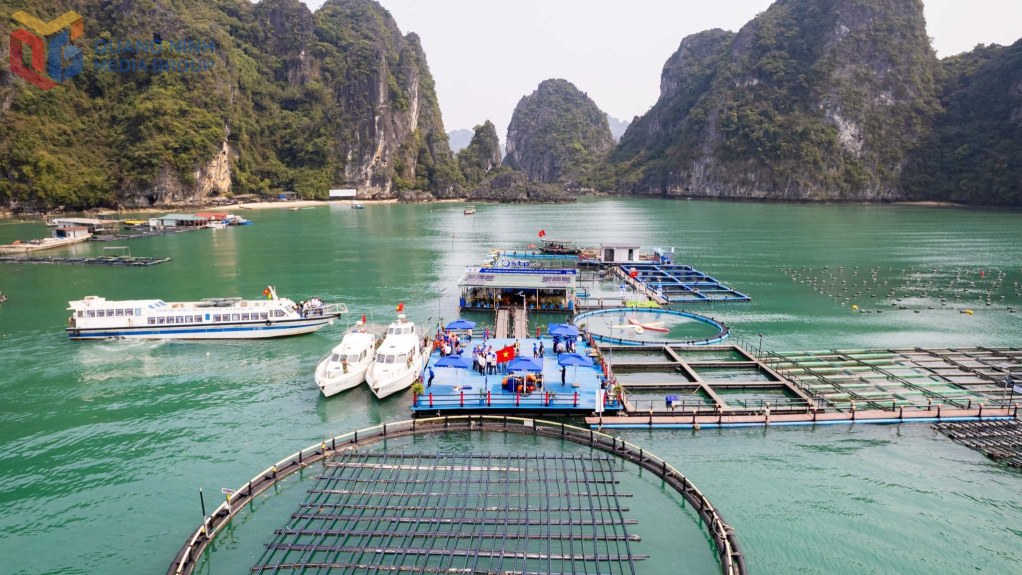
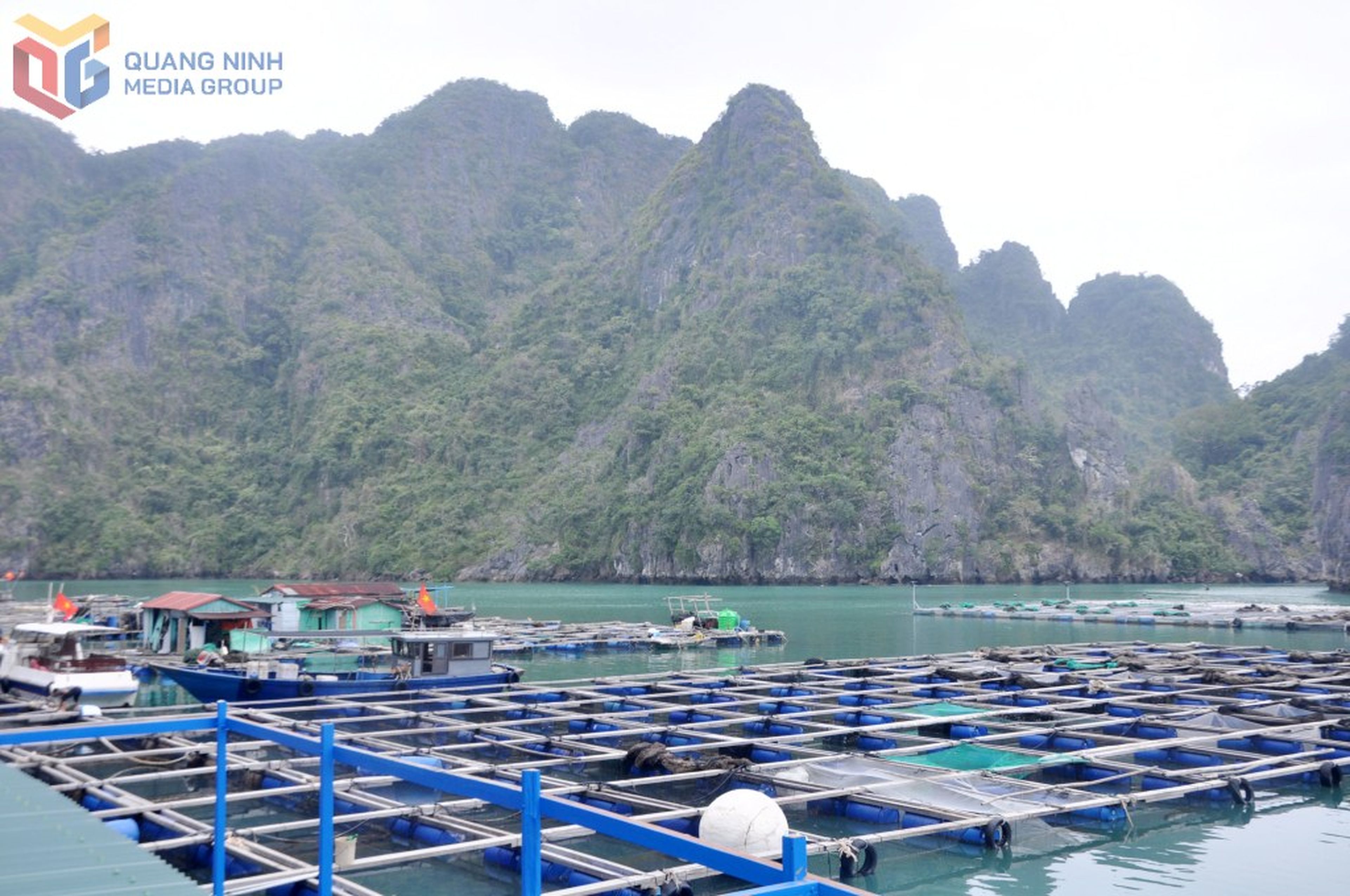
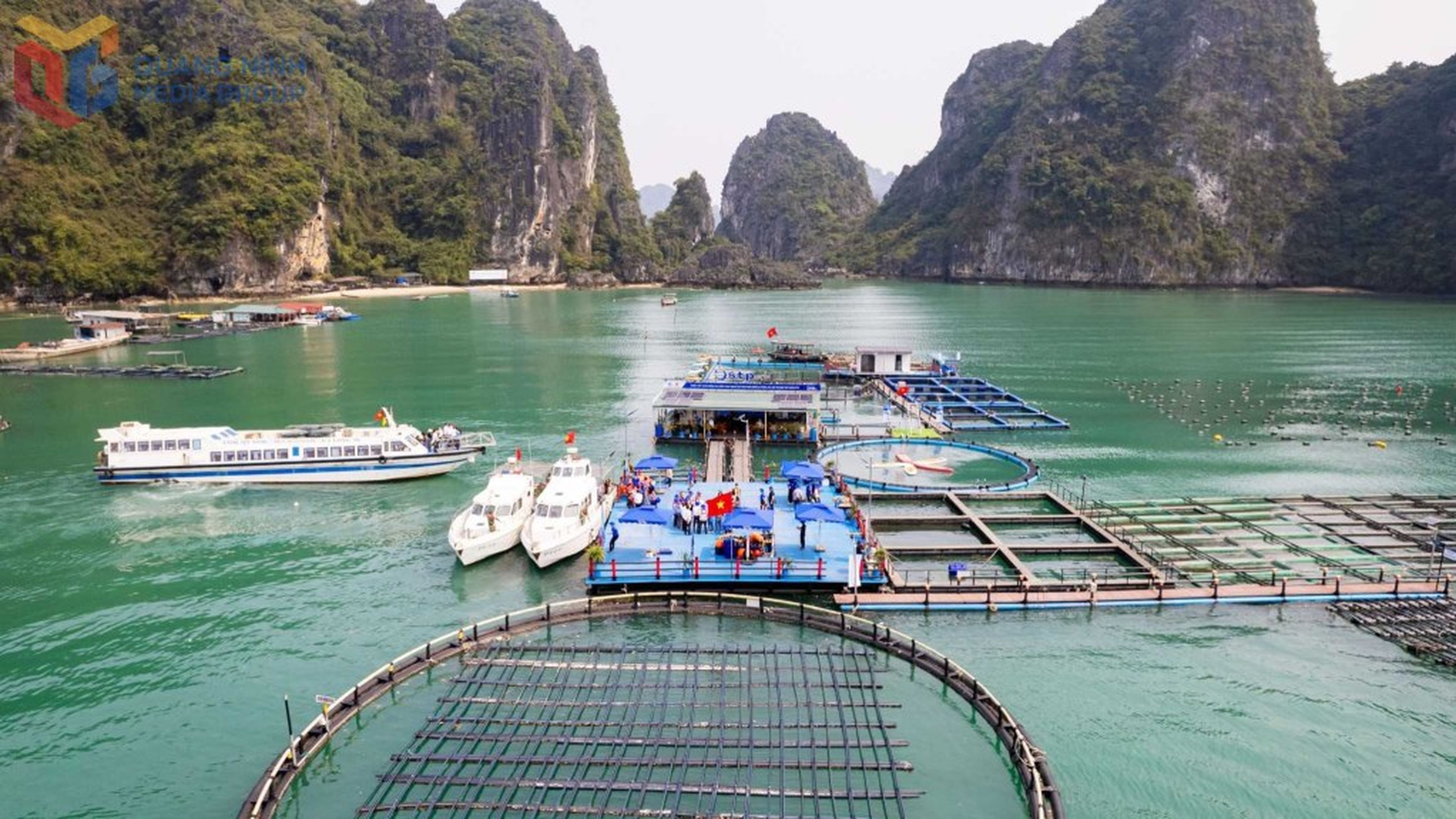
This year, 2026, Van Don is expected to pilot the development of 8-10 “Model farming rafts combined with tourism services” to serve visitors seeking experiences. Aquaculture businesses and cooperatives that meet all requirements must invest in guest rafts that are clean and safe, with separate areas for welcoming guests, serving meals and providing practical experiences (feeding fish, fishing...), with the main raft house covering at least 250m2… Production and aquaculture areas must account for 40-50% of the total area; areas serving tourists must account for 20-25% of the total area. 100% of pilot facilities must use environmentally friendly farming materials (HDPE) in accordance with regulations and ensure standards for safety, environmental sanitation, search and rescue, and visitor experiences.
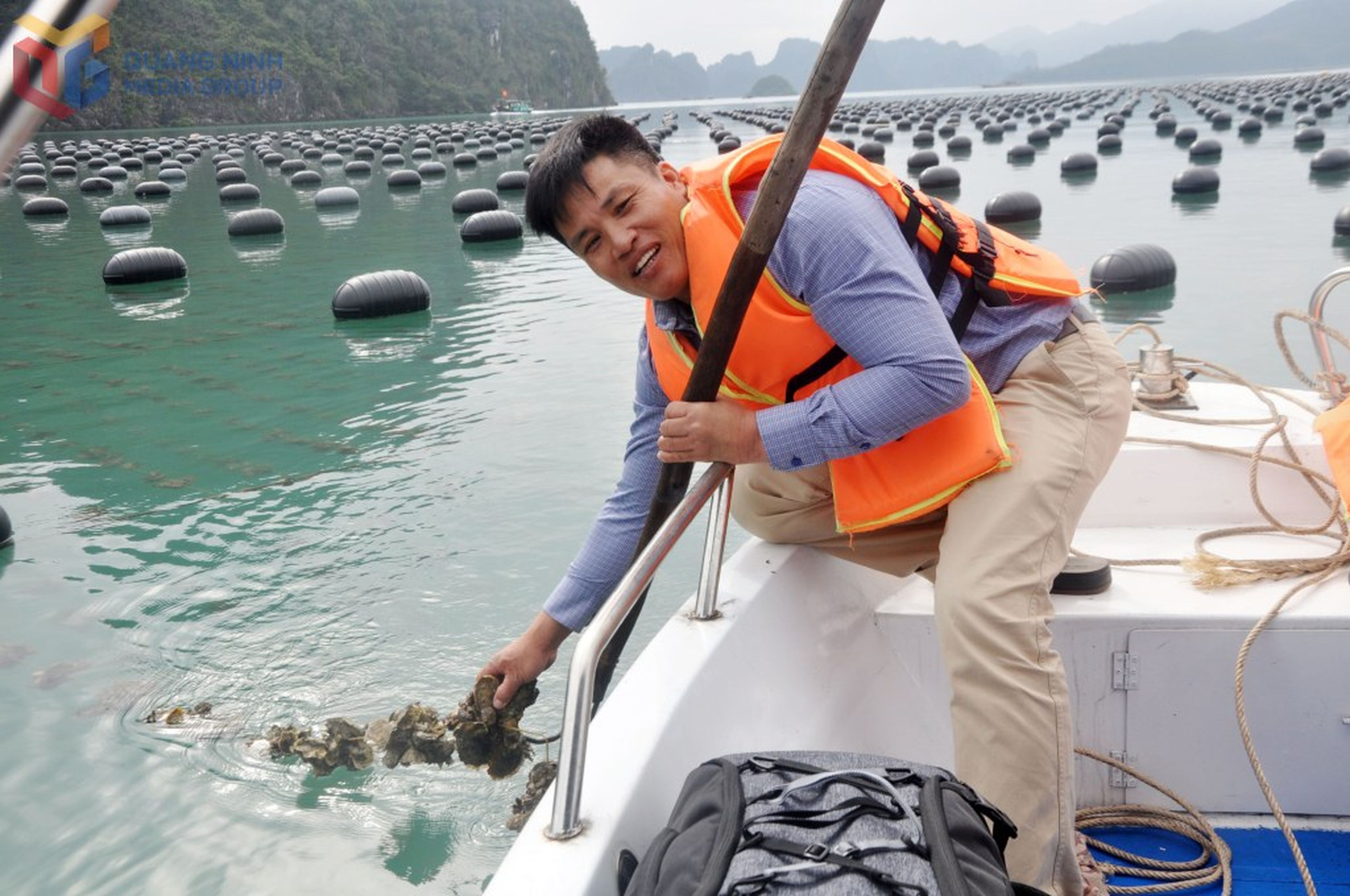
The marine aquaculture-linked ecotourism models will focus on three main groups of activities. Among them, the “A Day as a Fisherman” tourism experience allows visitors to tour oyster and fish farming areas... using round HDPE cages that can withstand strong waves and winds. Visitors can directly experience harvesting oysters and clams, fishing in the farming raft area and carrying out preliminary processing of products on the raft under the guidance of fishermen. Water-based recreational services around concentrated aquaculture areas will be associated with activities including swimming, fishing, kayaking and SUP. Visitors can also experience distinctive cuisine and Van Don OCOP products on the raft houses...
According to information obtained, after approving the pilot plan for a marine and island ecotourism product linked to aquaculture in the area, Van Don special administrative zone held a meeting with nine units proposing to participate in the model and guided them on meeting the requirements for preparing a project to implement the pilot model. The project, prepared by businesses and cooperatives, will be submitted to the People’s Committee of the special administrative zone for appraisal before implementation. Hopefully, the realization of these models will be accelerated, opening up opportunities for visitors to enjoy more distinctive experiences when they come to Bai Tu Long Bay.