Boasting advantages in marine and island resources along with vast aquaculture zones, Van Don has formulated a pilot plan to develop a marine and island ecotourism model linked to aquaculture in the area in 2026. This initiative aims to establish a unique experiential tourism model rooted in local characteristics, contributing to the diversification of tourism products and driving Van Don's tourism toward green, sustainable, and high-quality growth.
Rich potential for marine tourism
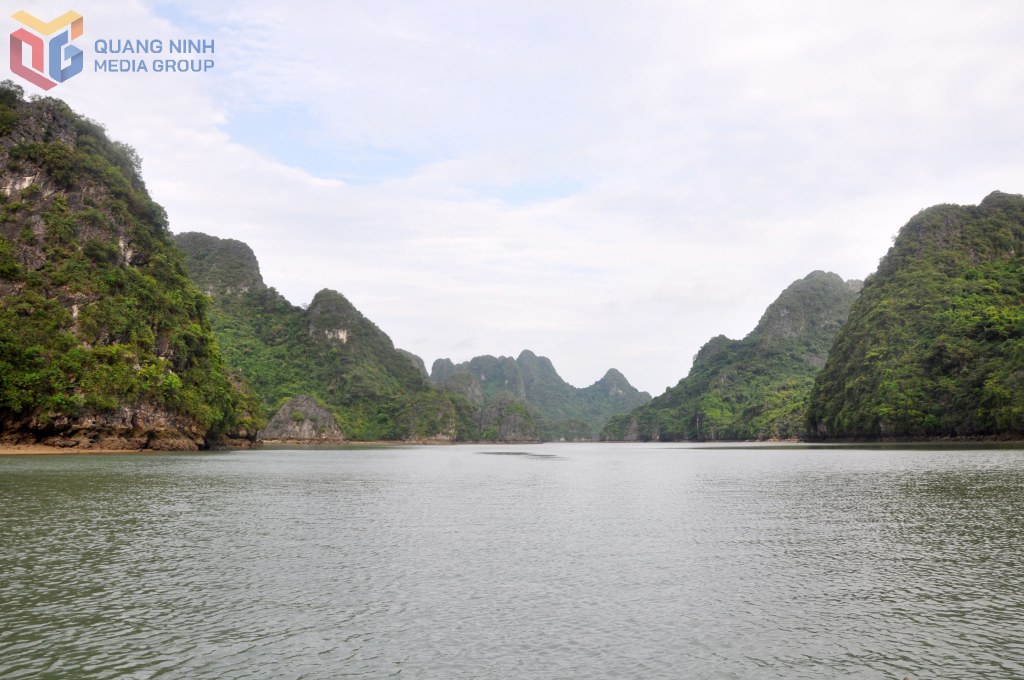
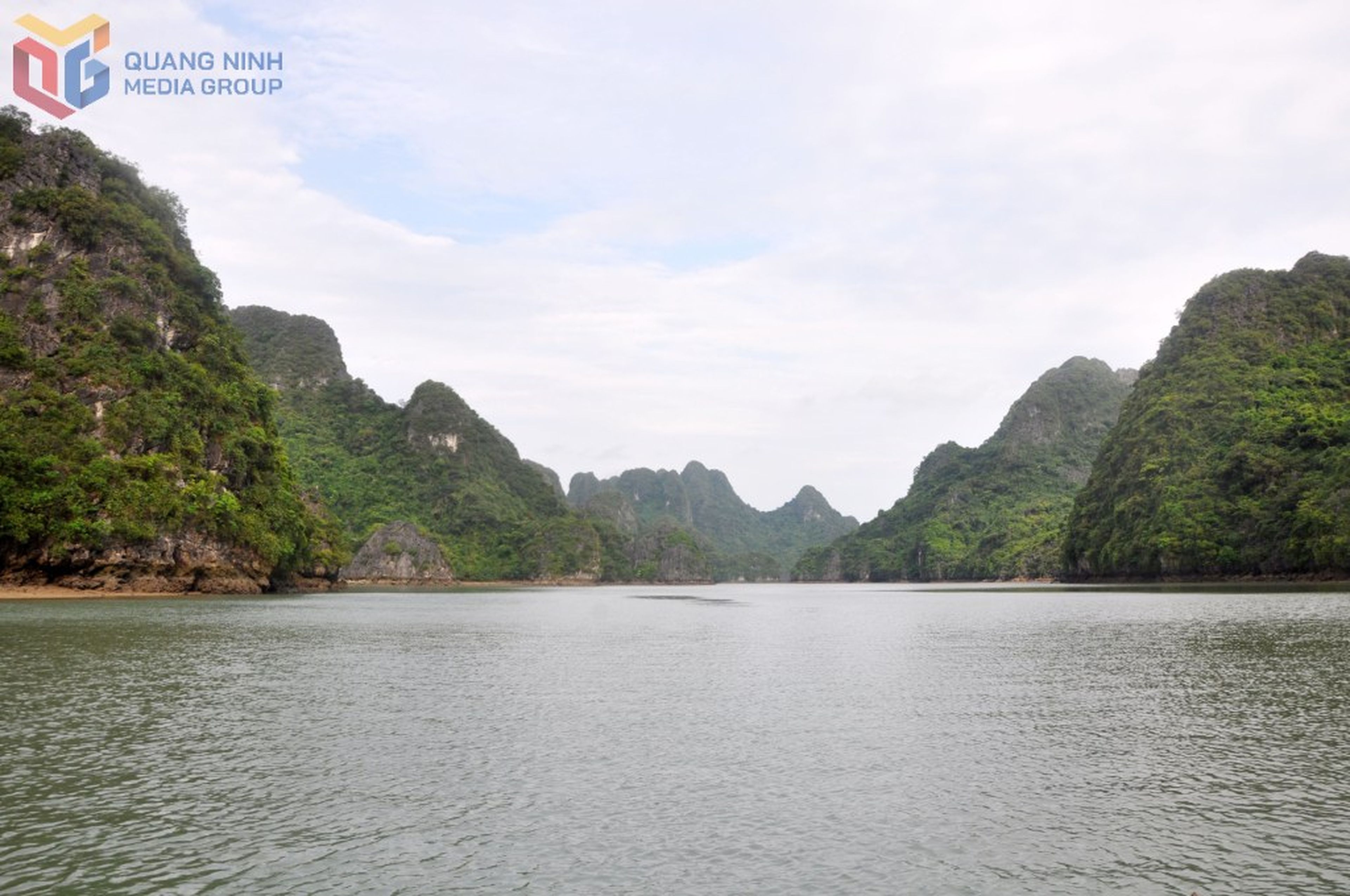
Located within Bai Tu Long Bay, the Van Don special zone possesses the largest island and marine area in the country, featuring over 600 large and small islands alongside an expansive sea area of approximately 1,620km2. It is also home to Bai Tu Long National Park, spanning a natural area of up to 15,783ha, which converges all three core ecosystems: island forest, wetland, and marine ecosystems, harboring high biodiversity value.
Van Don features poetic, scenic natural landscapes with numerous stunning islands, pristine beaches (Quan Lan, Minh Chau, Ngoc Vung, etc.), and 44 cultural, historical, and scenic heritage sites; among them, the Van Don Ancient Trading Port Special National Monument stands out prominently. These factors generate distinctive values for developing marine and island ecotourism with significant appeal to tourists, especially international visitors.
In addition, over recent years, Van Don has received synchronized investment to upgrade its tourism infrastructure across road, air, and maritime routes, including Van Don International Airport, expressway systems connecting with Hanoi, Hai Phong, and Mong Cai, and Ao Tien High-class Port. Thanks to this, Van Don's tourism has grown continuously, gradually affirming its status as a spearhead economic sector and achieving significant milestones, actively contributing to the economic growth of Van Don in particular and Quang Ninh in general. Contributing to these outcomes, local authorities, businesses, organizations, and individuals have invested, built, diversified products, and effectively tapped into and initially promoted the value of Bai Tu Long Bay as well as the local islands.
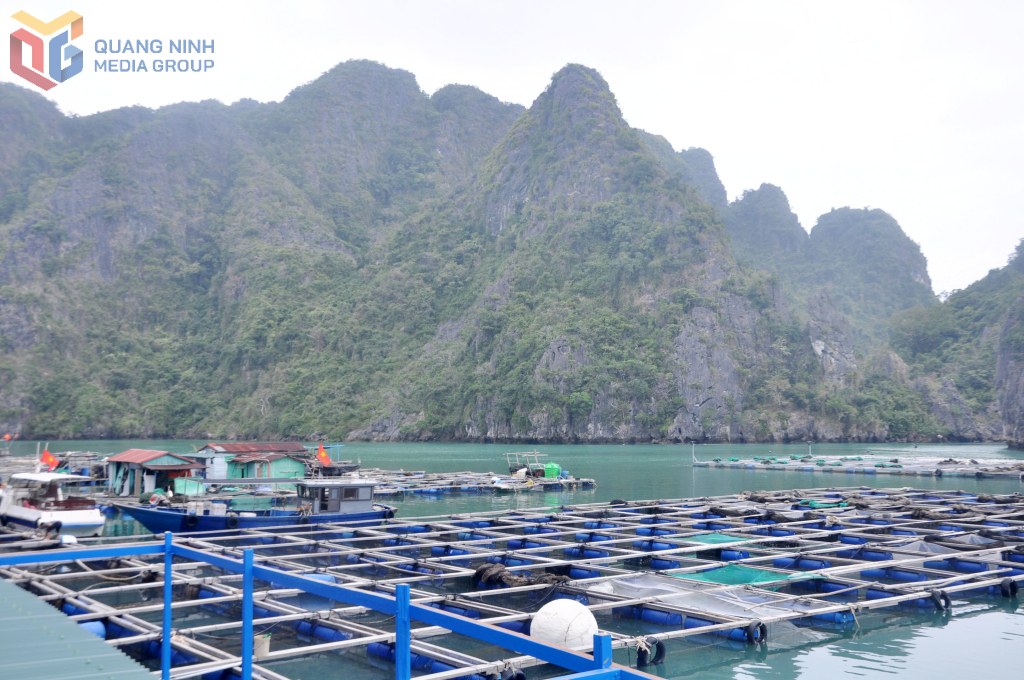
Nevertheless, during implementation, the development of the tourism service sector has revealed several shortcomings and limitations. These include tourism products that are not truly distinctive, still monotonous, and lacking high-quality tourism offerings, night-time economy services, in-depth experiential tours, and upscale resort tourism aligned with national and provincial orientations, while enterprise scale remains small... The development of signature tourism products also lacks a clear legal framework. Arising from this reality, diversifying local tourism products is both necessary and urgent in the current phase.
Leveraging marine aquaculture strengths
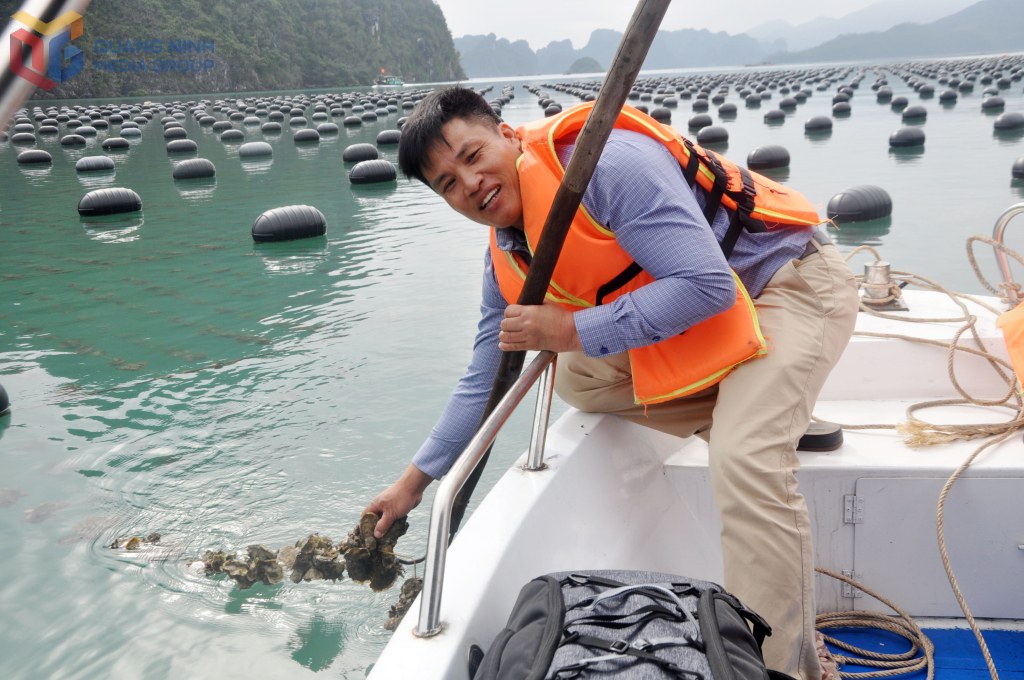
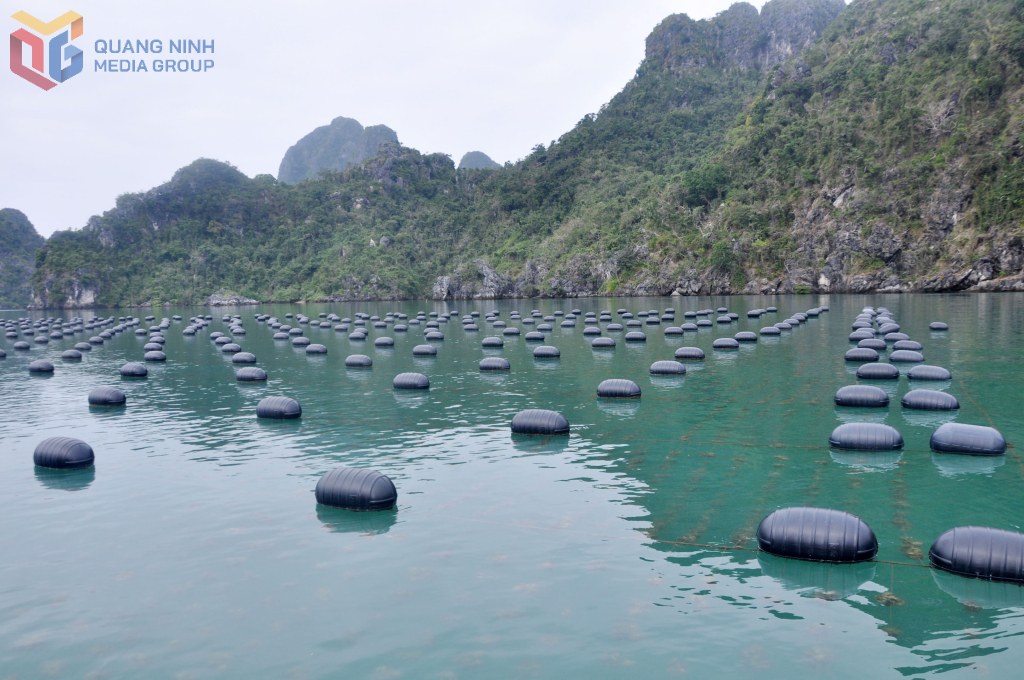
From a product perspective, tourism offerings combined with Van Don's aquaculture strengths capitalize on the distinctive potential of this island region, targeting diverse tourist segments, especially youth, families, and nature enthusiasts keen on engaging with local community activities. This aims to extend visitor stays, boost spending, and enhance the quality of the visitor experience. For local residents relying on sea-based aquaculture, the model will contribute to increasing economic value for fishers through combining aquaculture with tourism services, attracting investment, and developing distinctive tourism products. By forming an integrated "Farming - Processing - Tourism" value chain, aquaculture production value can increase by 15-17% in revenue per unit of water surface area compared to conventional farming alone.
Beyond economic value, this product also plays a vital role in promoting Van Don's image as a destination of "Nature - Experience - Safety", fostering community and visitor awareness of environmental conservation and the protection of marine and island resources, heading toward green and sustainable tourism development.
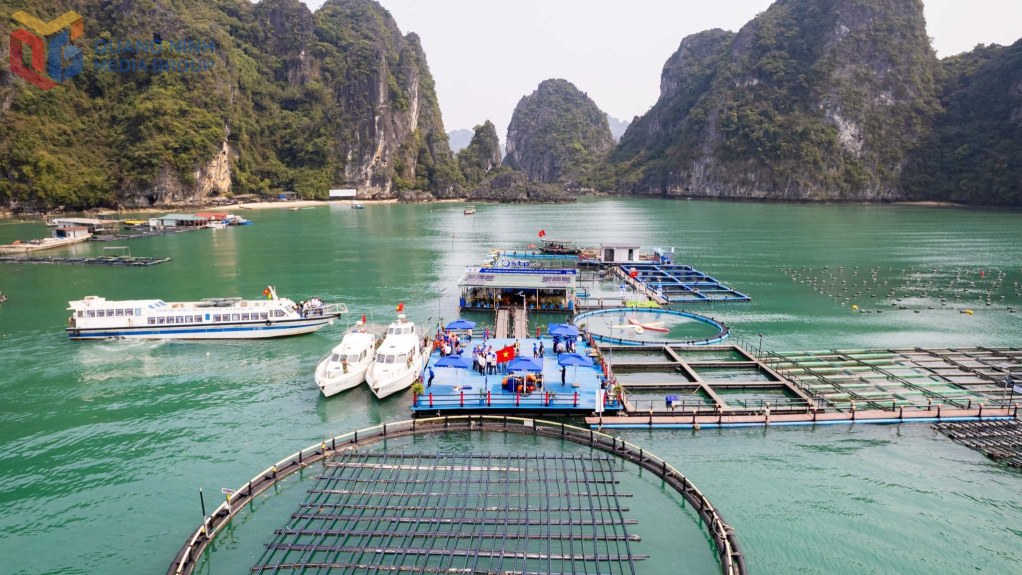
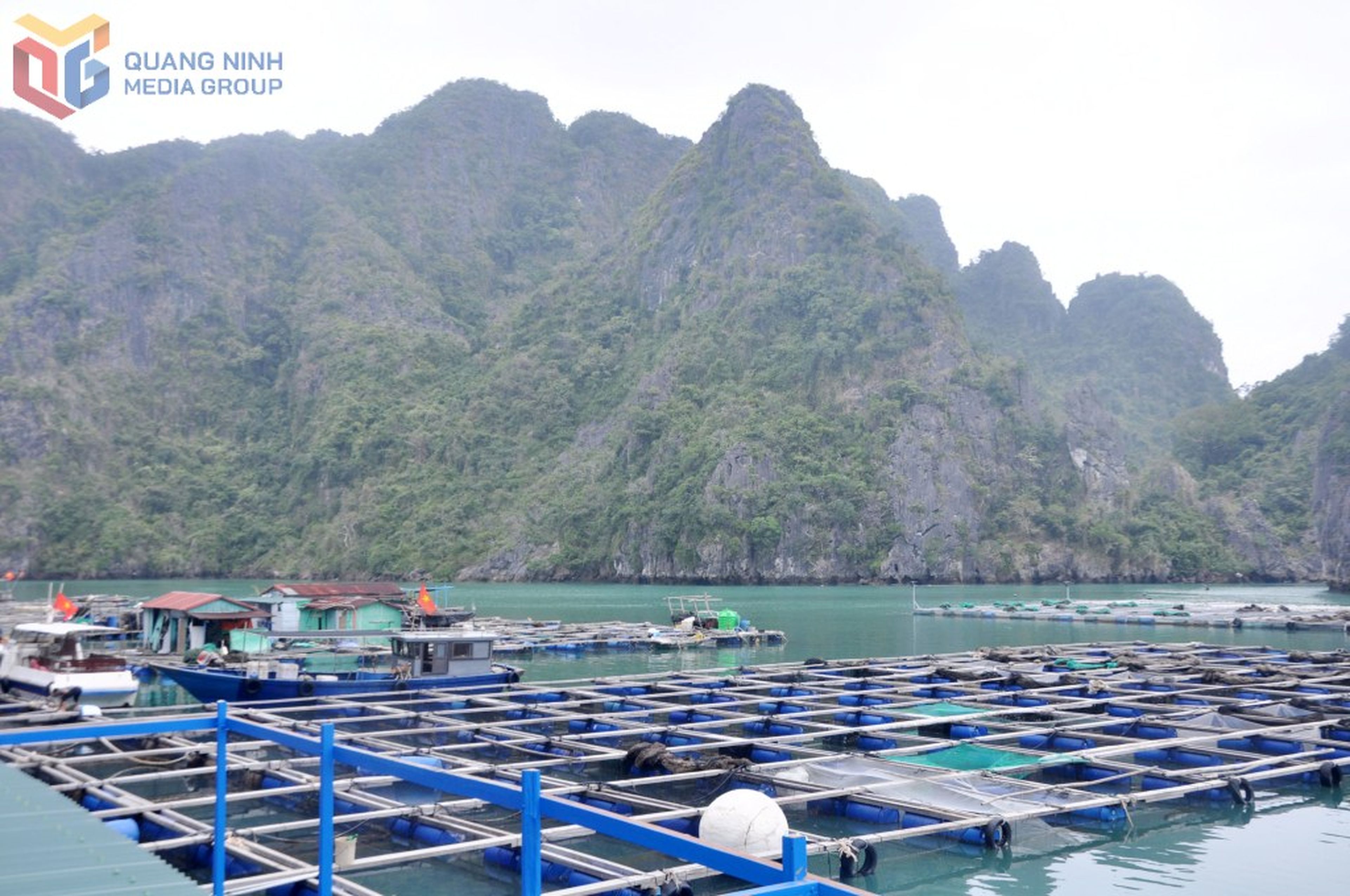
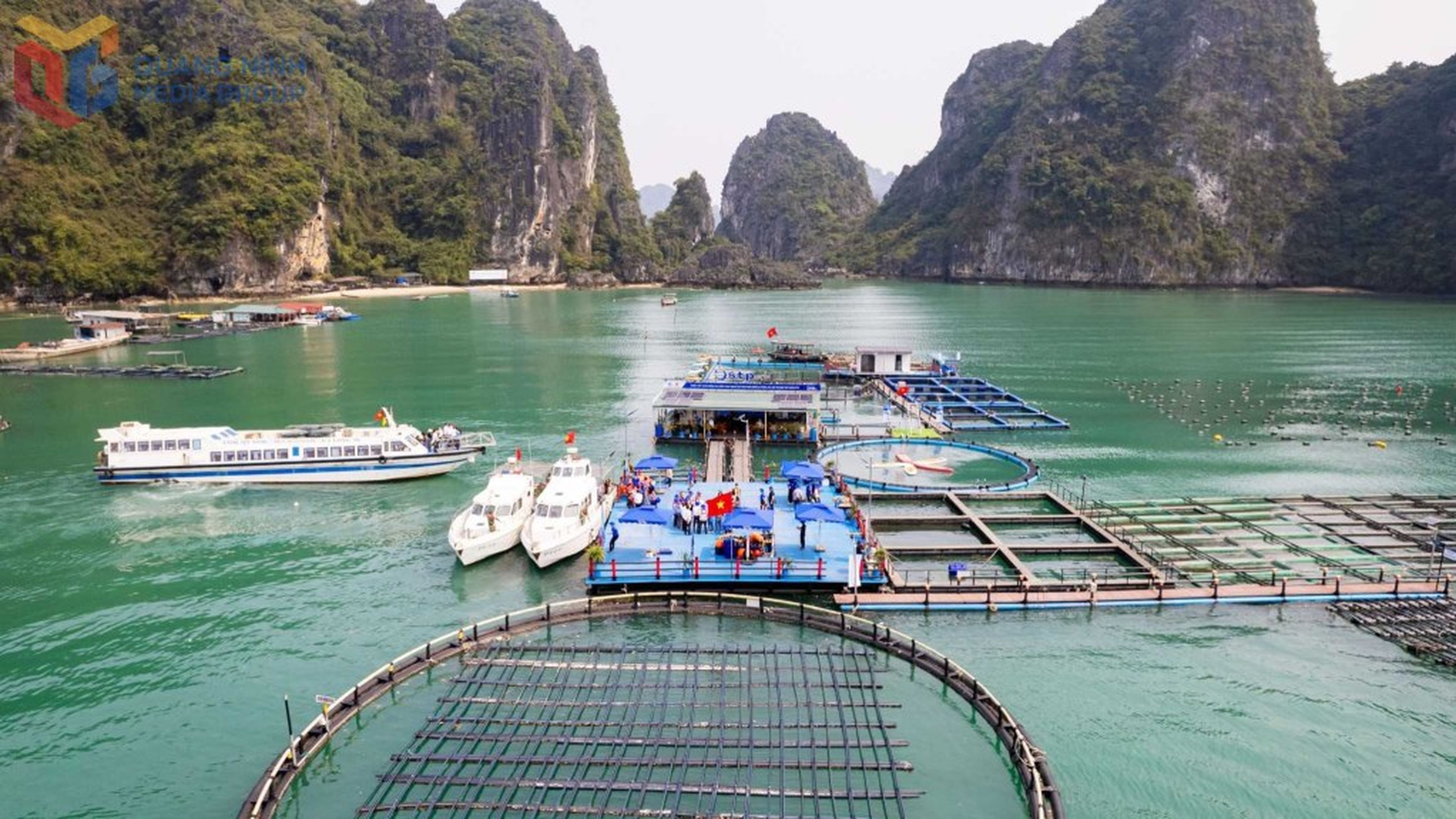
In 2026, Van Don plans to pilot 8-10 "Model farm raft combined with tourism services" prototypes to serve visitor experiences. Qualified aquaculture enterprises and cooperatives must invest in clean, safe visitor-receiving rafts featuring dedicated areas for welcoming guests, catering services, and hands-on activities for tourists (fish feeding, fishing...), with the main raft house covering a minimum area of 250m2 or more... The aquaculture and production zone accounts for 40-50% of the total area; the tourism reception area accounts for 20-25% of the total area. 100% of pilot facilities must utilize eco-friendly materials (HDPE) in accordance with standards, ensuring compliance with safety, environmental hygiene, rescue and safety operations, and tourist experience standards.
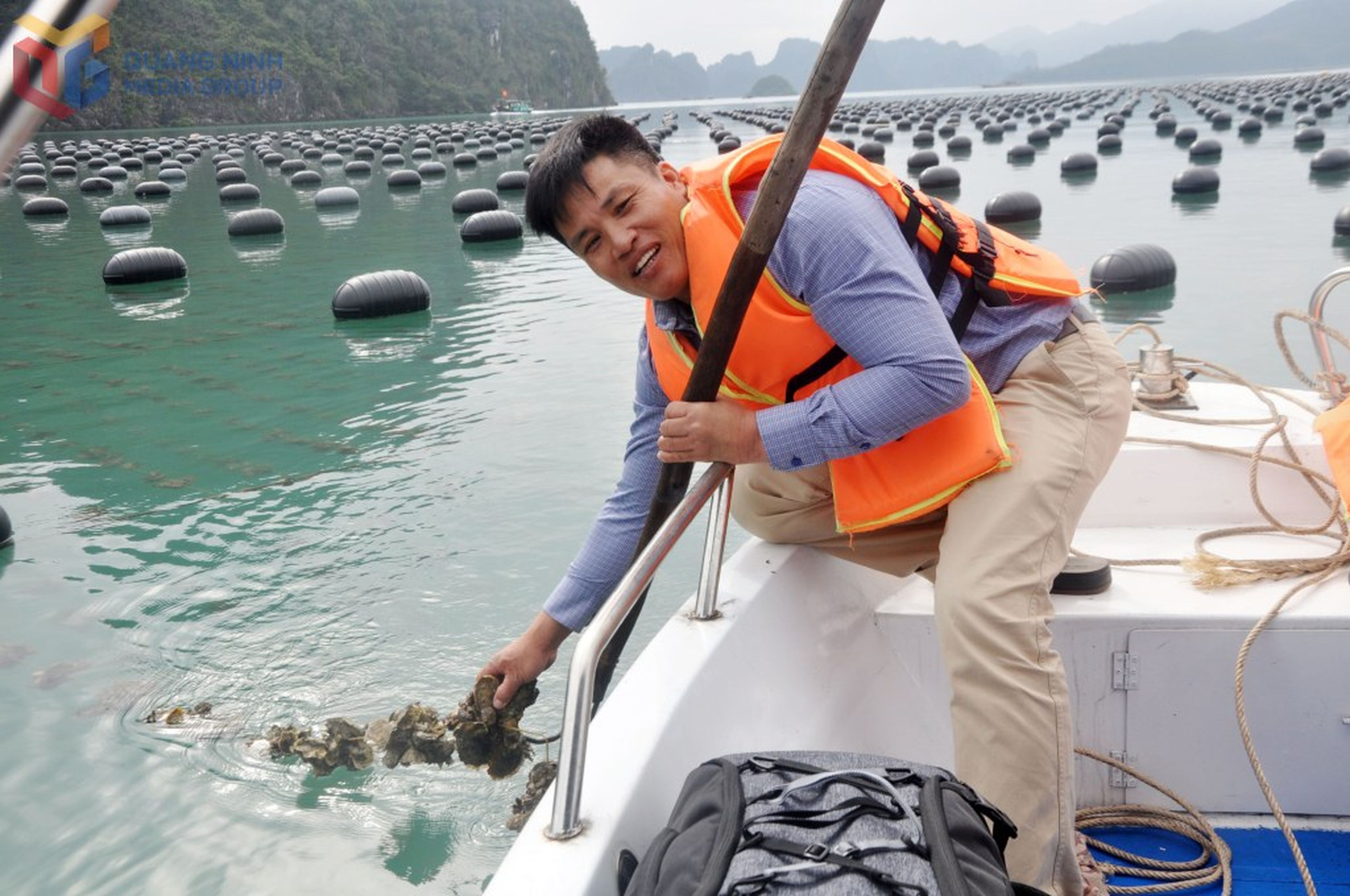
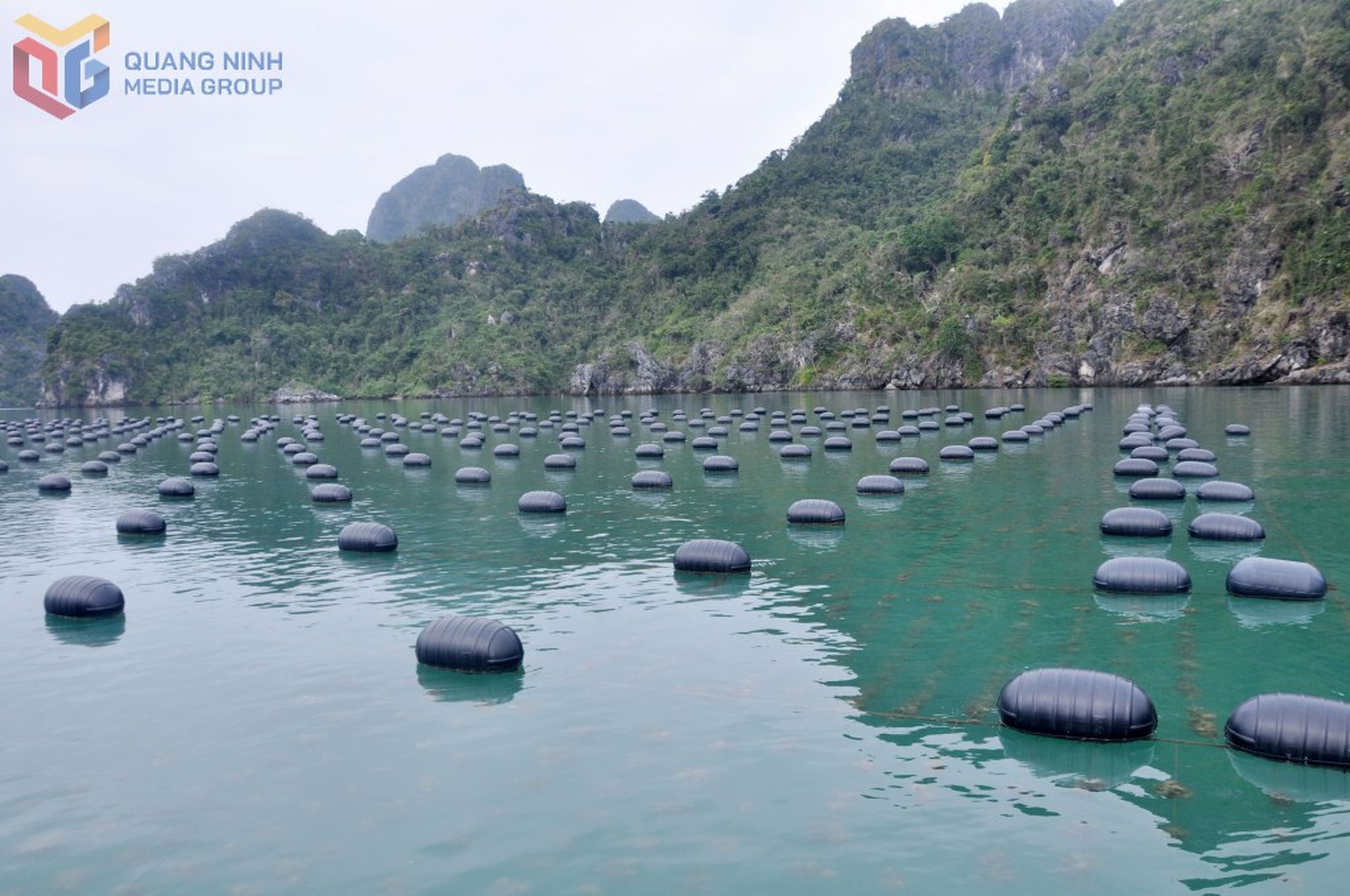
Ecotourism models linked to mariculture will focus on 3 main activity groups. Among them, the "One Day as a Fisherman" experiential tourism product allows visitors to tour oyster and fish farming zones using storm-resistant circular HDPE cage systems. Tourists can directly experience harvesting oysters and clams, fishing at the raft farming areas, and preliminary processing of seafood on the rafts under the guidance of local fishermen. Water recreation services around concentrated aquaculture zones include swimming, fishing, kayaking, and SUP paddling. Visitors can also savor unique culinary delights and Van Don OCOP products right on the floating rafts...
According to findings, following the approval of the Pilot Plan for marine and island ecotourism products associated with aquaculture in the area, the Van Don special zone convened a meeting with 9 candidate entities proposing participation in the model, providing guidance to eligible units on regulatory requirements to draft pilot project proposals for enterprises and cooperatives to submit to the Special Zone People's Committee for appraisal prior to implementation. Hopefully, the realization of these models will be accelerated, opening up opportunities for tourists to enjoy more distinctive experiences when visiting Bai Tu Long Bay.