In recent years, community-based tourism in Quang Ninh has gradually affirmed its role as one of the sustainable directions, contributing to diversifying tourism products and enhancing local cultural identity values.
To lay the foundation for community-based tourism to thrive, the province has focused on investing in infrastructure, supporting residents in accessing homestay models, enhancing hospitality skills, and creating distinctive products. A notable milestone was in October 2025, when the Quang Ninh Tourism Association launched the Community Tourism Club with 65 members, including enterprises, service establishments, and representatives of community-based tourism groups and teams.
In that overall landscape, Green Life Ha Long Cooperative (Viet Hung Ward) is known as a prime model for community-based tourism linked to environmental protection. Established in late 2019, stemming from concerns over plastic waste, the cooperative forged its own path by collecting and recycling non-biodegradable materials such as banners, car tires, plastic bottles, etc., into useful products.
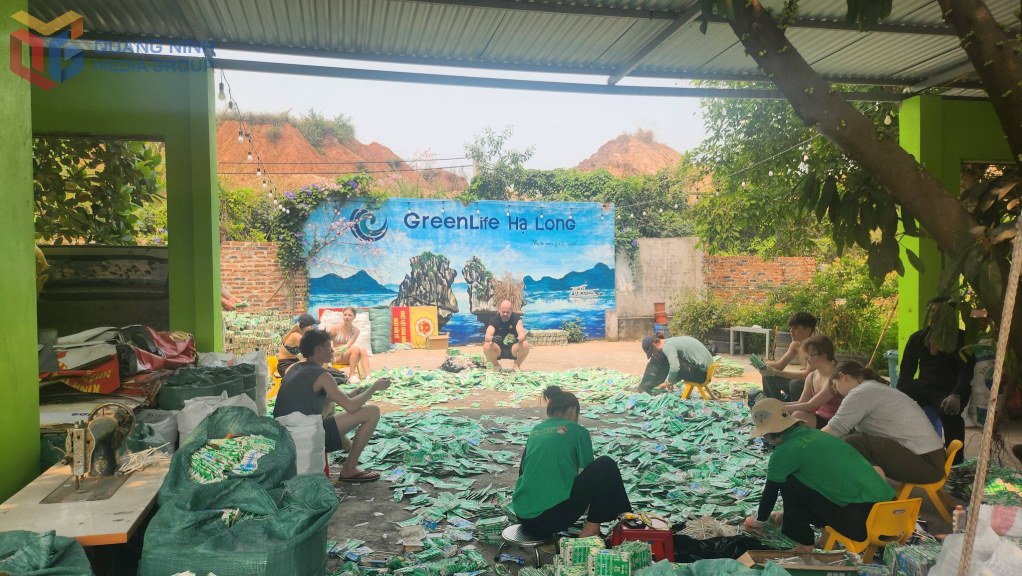
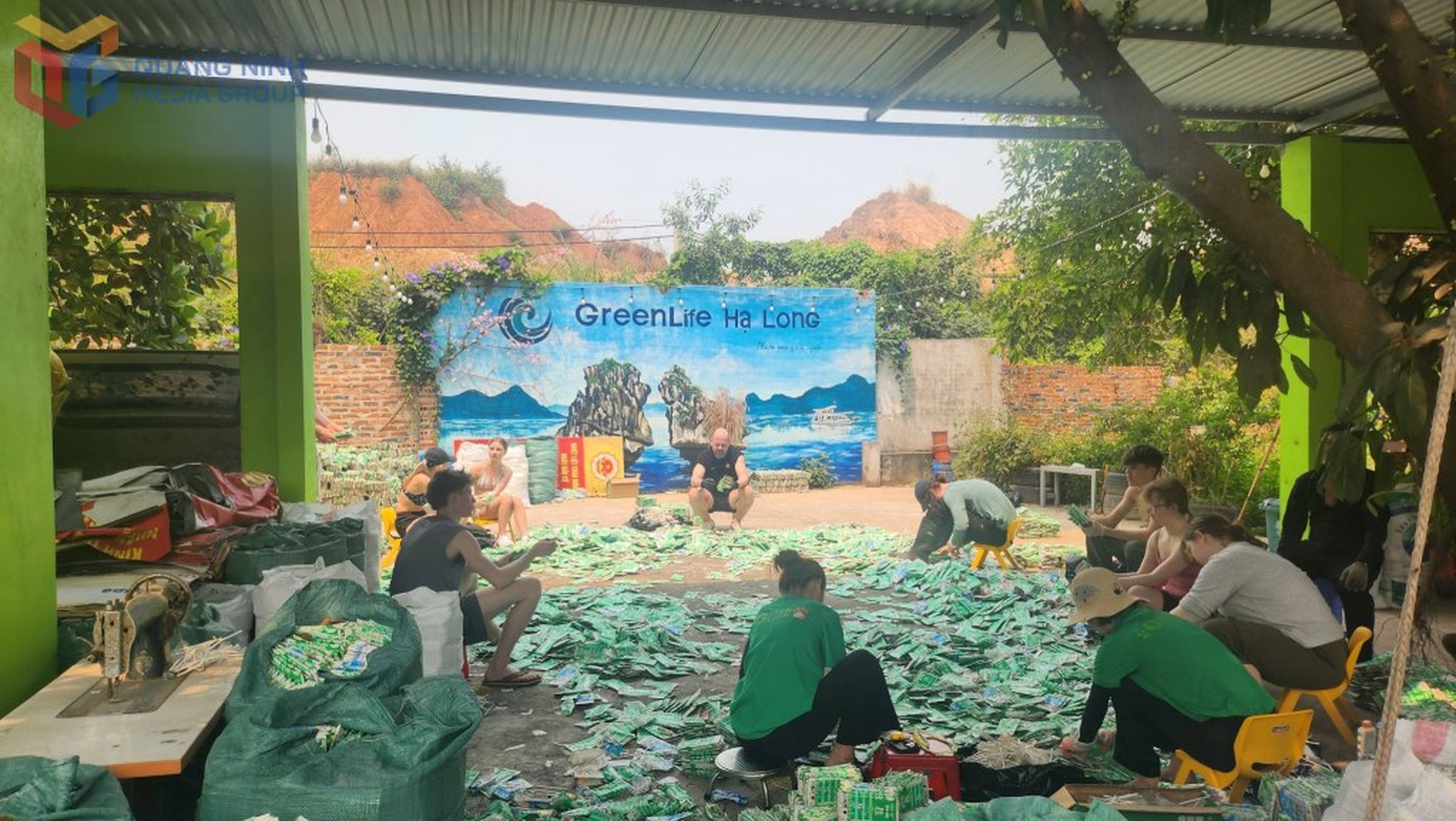
Since May 2022, Green Life Ha Long has opened its doors to visitors, offering the unique experience of “turning waste into resources.” Here, visitors can not only take tours but also directly engage in the recycling process, creatively making products such as handbags, backpacks, and souvenirs. A notable highlight is the cooperative's collection of milk cartons from the school milk program recently implemented in the province. As of the end of April 2026, the unit had collected 2.5 tons of milk cartons, all of which were subsequently transported to Hanoi for further processing and recycling.
Not stopping at environmental activities, Green Life Ha Long has also become a destination for various international exchange programs. Last April, a group of students from the UK spent 15 days experiencing life here, joining in packaging tons of milk cartons, processing banners, tending gardens, and composting. These activities have not only delivered practical value, but also demonstrated the younger generation's sense of environmental responsibility, contributing to spreading green living messages on a broader scale.
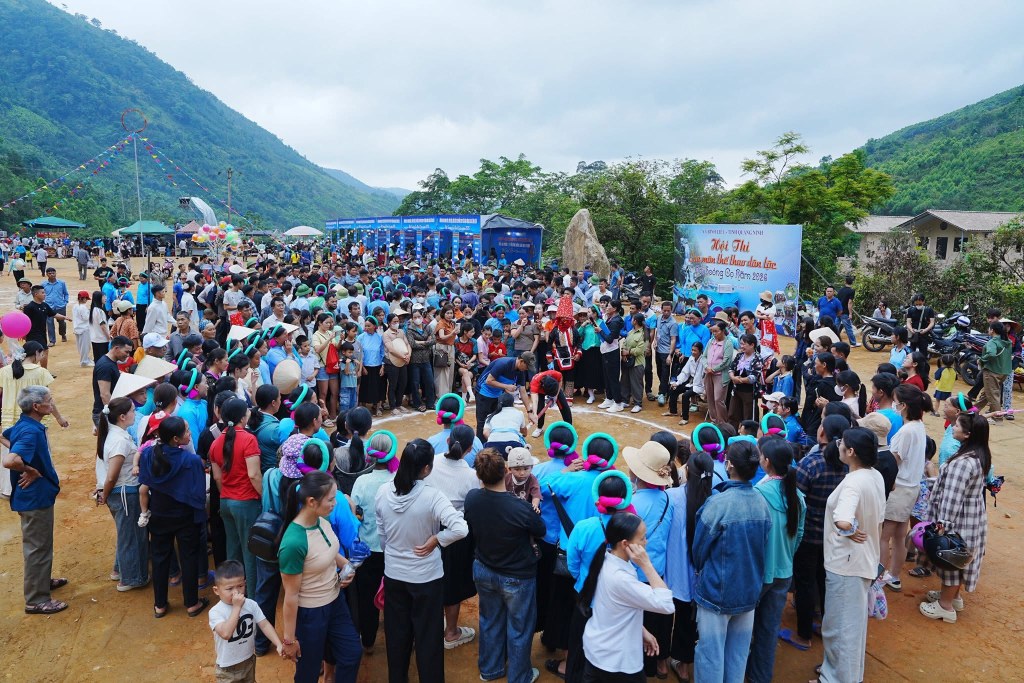
Photo: Provided by the organizer
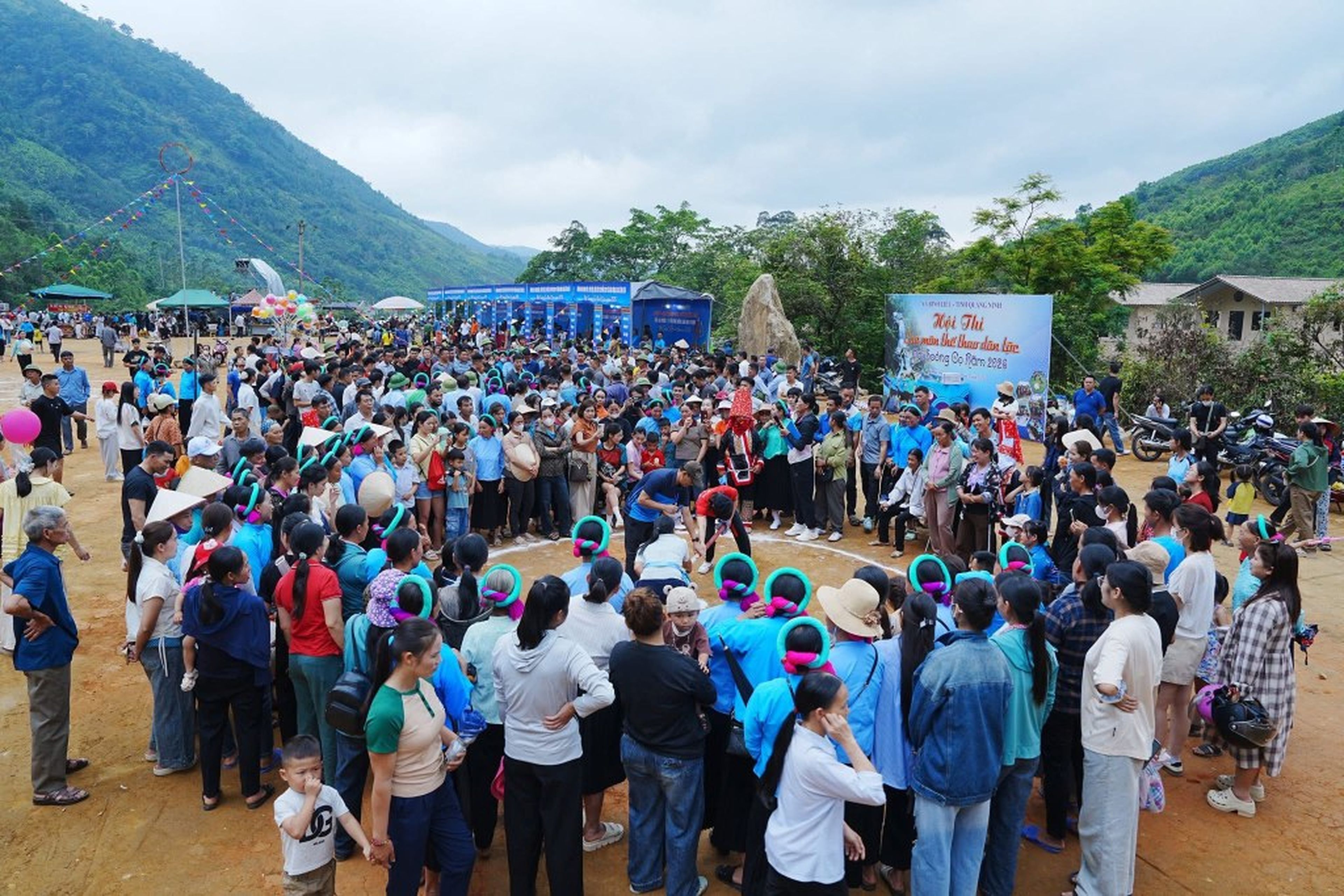
Attending the festival, visitors had the opportunity to experience the cultural life of the San Chi ethnic people in Luc Ngu Hamlet, from visiting traditional houses and learning about daily customs to participating in producing handicrafts like canna noodles, musical exchanges, and bonfires. In particular, the digital transformation and tourism support space organized for the first time contributed to modernizing promotional activities and enhancing the visitor experience.
One of the key factors driving community-based tourism in Quang Ninh is its connection with the “One Commune, One Product” (OCOP) Program. With nearly 200 products rated 3 to 5 stars, OCOP not only elevates the value of local goods, but also serves as a catalyst for developing experiential tourism products.
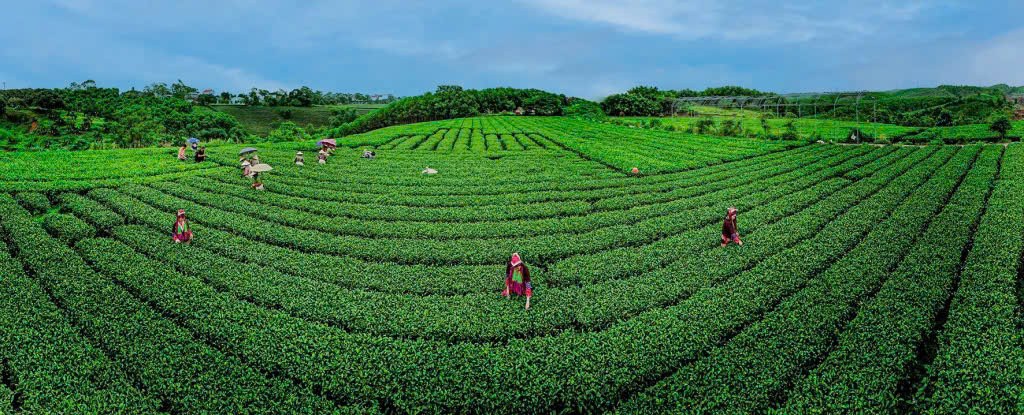
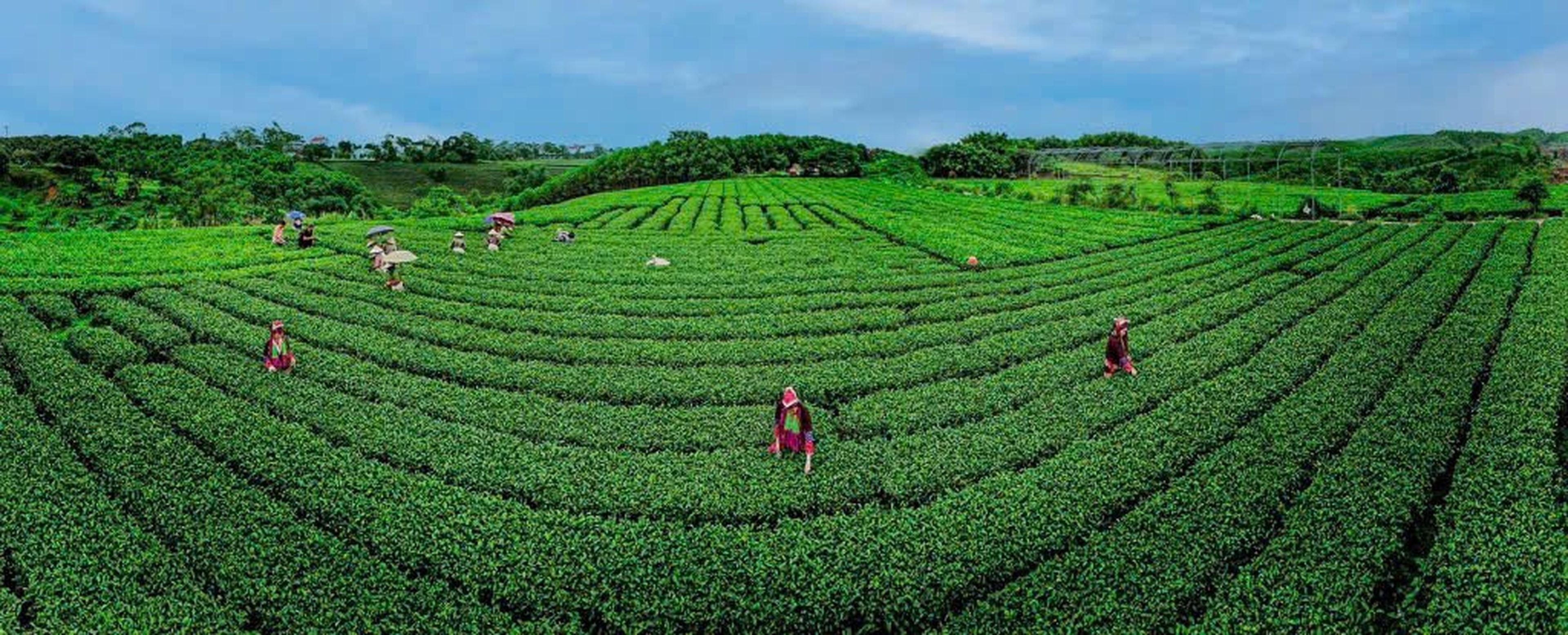
In Duong Hoa Commune, natural advantages have been effectively harnessed to establish tea zones coupled with tourism. The lush green tea hills not only serve agricultural production, but have also become an attractive destination where tourists can explore the tea planting and processing procedures and learn about the lives of indigenous people. In the coming time, the locality plans to develop tea towards high quality, building a brand associated with rural tourism, thereby enhancing product value and vividly promoting its image.