In recent years, community-based tourism in Quang Ninh has gradually affirmed its role as one of the sustainable directions, helping diversify tourism products and enhance the value of local identity.
To lay the foundation for community-based tourism to develop, the province has focused on investing in infrastructure, supporting residents in accessing the homestay model, improving service skills, and developing distinctive products. A noteworthy step was the launch of the Quang Ninh Community-Based Tourism Club by the Quang Ninh Tourism Association in October 2025, with 65 members, including businesses, service establishments, and representatives of community-based tourism teams and groups.
Against this broader backdrop, Green Life Ha Long Cooperative (Viet Hung Ward) is known as a typical model of community-based tourism associated with environmental protection. Established in late 2019 out of concern over plastic waste, the cooperative has developed its own direction by collecting and recycling hard-to-decompose materials such as banners, tires, and plastic bottles... into useful products.
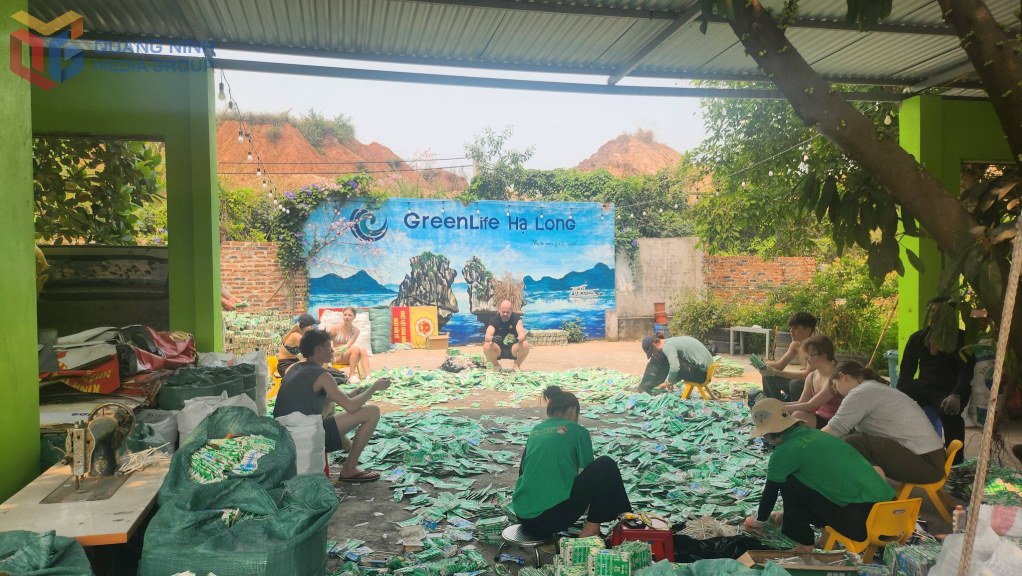
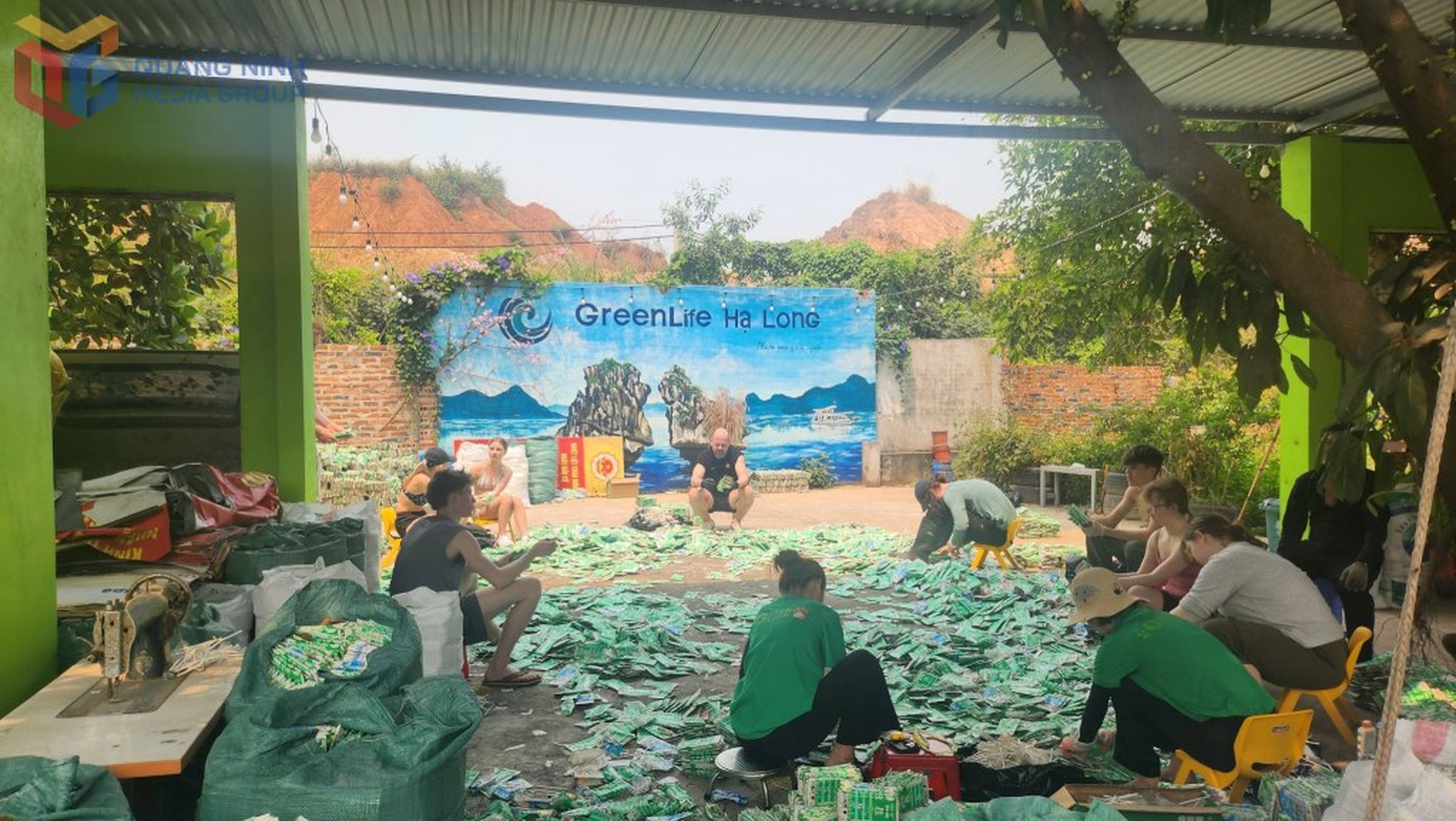
Since May 2022, Green Life Ha Long has opened its doors to visitors, offering the unique experience of “turning waste into resources.” Here, visitors do not simply tour the site but also directly participate in the recycling process and create products such as handbags, backpacks, and souvenirs. A notable highlight is the cooperative’s collection of milk cartons from the school milk program, which was only recently introduced in the province. By the end of April 2026, the organization had collected 2.5 tons of milk cartons; all of the cartons were then transported to Hanoi for further processing and recycling.
Green Life Ha Long’s activities extend beyond environmental initiatives, as it has also become a destination for numerous international exchange programs. Last April, a group of students from the United Kingdom spent 15 days experiencing the site, taking part in packing tons of milk cartons, processing panels, tending the garden, and making compost. These activities not only provide practical value but also demonstrate the younger generation’s sense of responsibility toward the environment, helping spread the message of green living more widely.
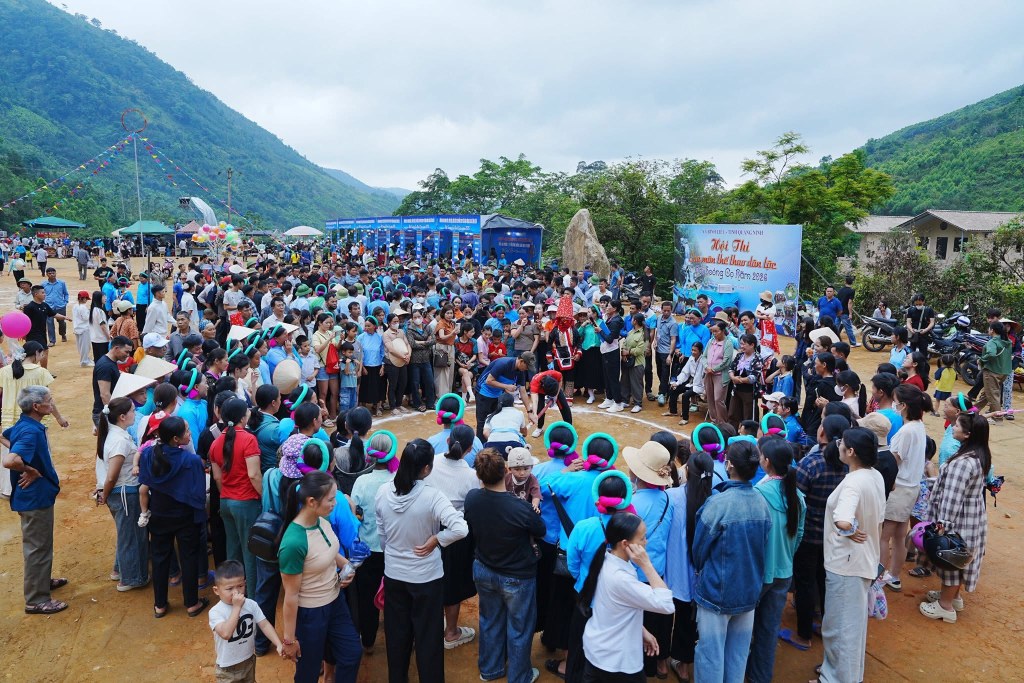
Photo: Service provider
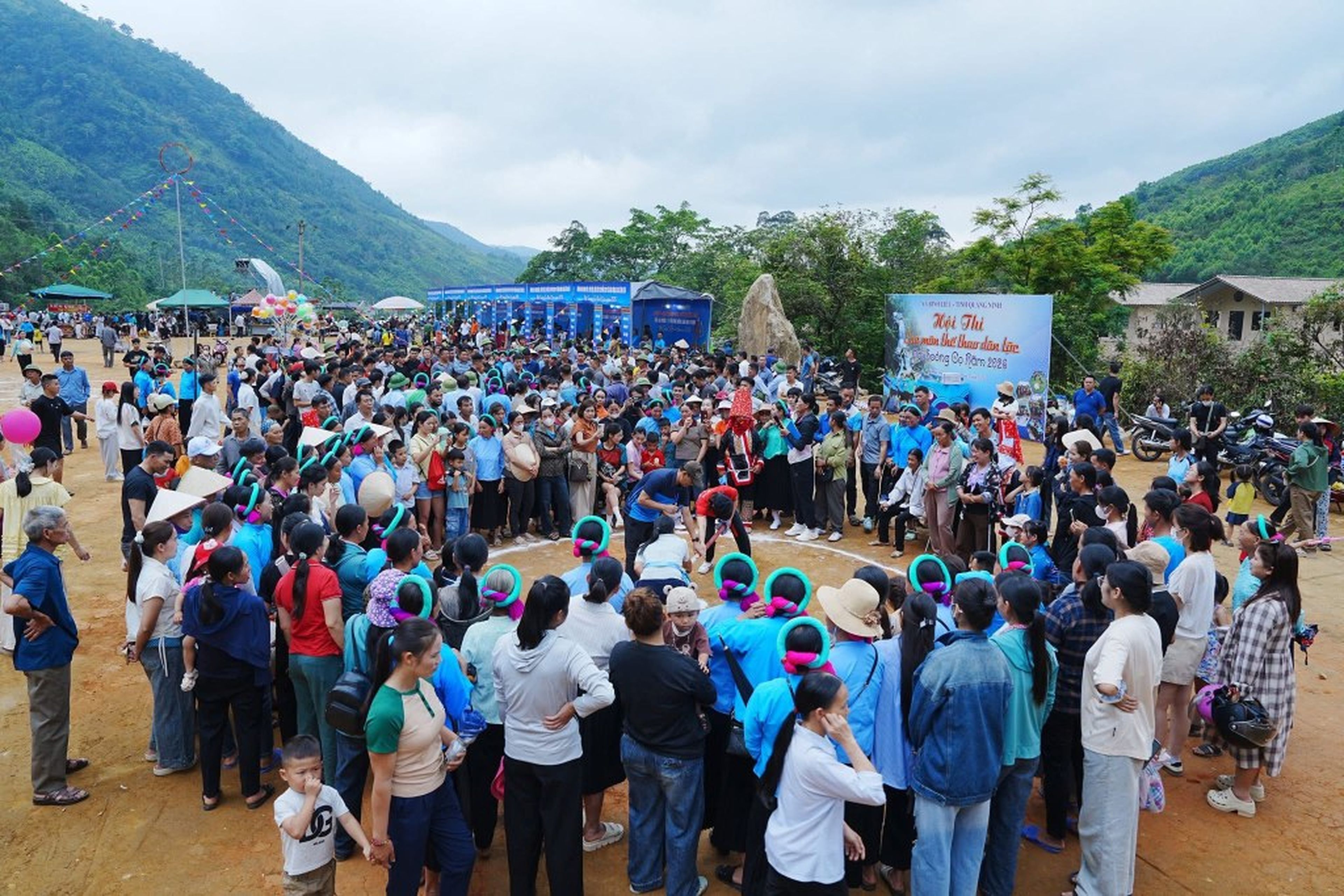
At the festival, visitors had the opportunity to experience the cultural life of the San Chi ethnic community in Luc Ngu Village, from visiting traditional houses and learning about daily customs to taking part in making traditional handicraft products such as arrowroot vermicelli, enjoying cultural performances, and lighting campfires. In particular, the digital transformation and tourism support area, organized for the first time, helped modernize promotional activities and enhance the visitor experience.
One of the important factors driving community-based tourism in Quang Ninh is its connection with the “One Commune, Ward, One Product” Program (OCOP). With nearly 200 products rated from 3 to 5 stars, OCOP not only increases the value of local goods but also serves as a catalyst for developing experiential tourism products.
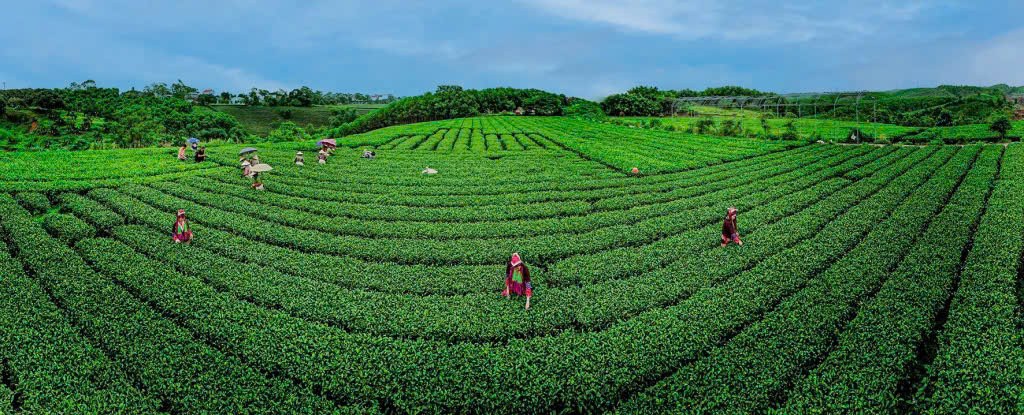
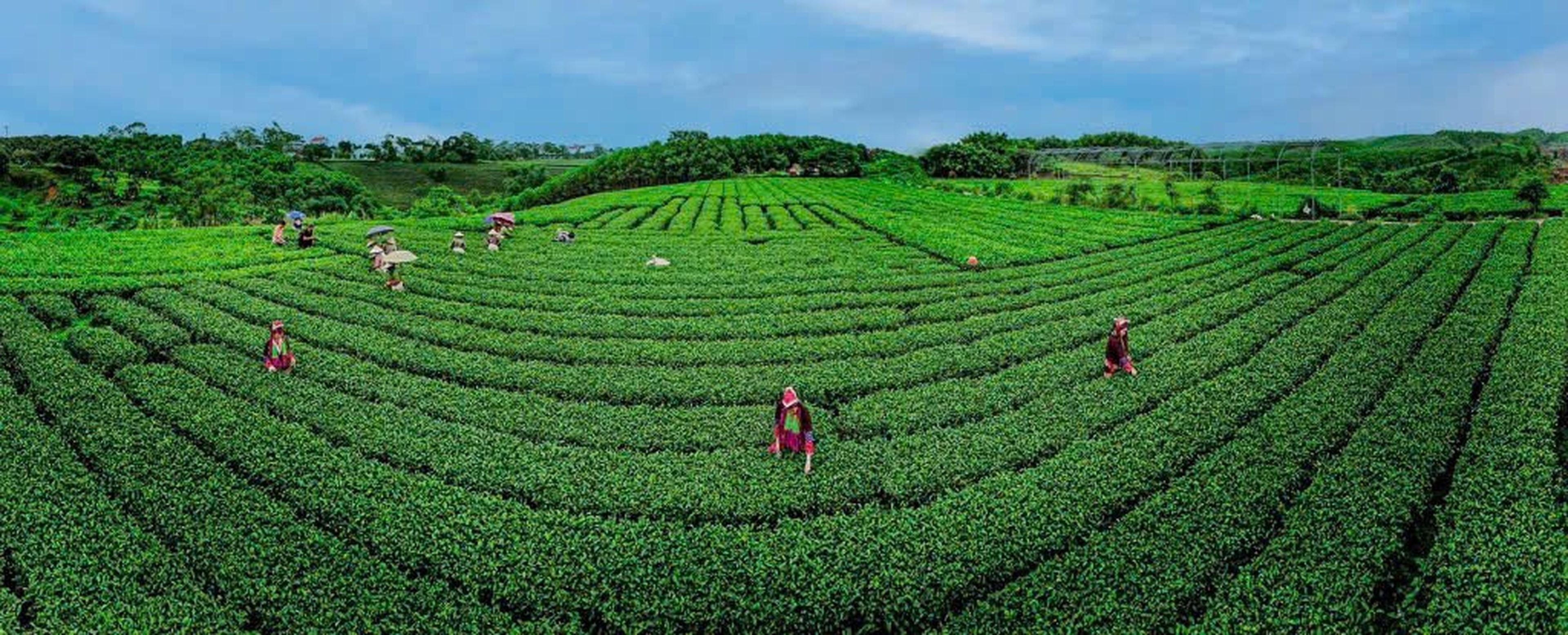
In Duong Hoa Commune, natural advantages have been effectively harnessed to establish a tea-growing area linked to tourism. The lush green tea hills not only support production but have also become an attractive destination where visitors can explore the tea-growing and processing process and learn about the lives of local residents. In the coming period, the locality plans to develop tea toward high quality and build a brand associated with rural tourism, thereby enhancing product value and promoting its image in a vivid way.