




1 Where is Bai Rua Quan Lan and what makes it special?
Bai Rua is located at the northernmost tip of Quan Lan Island, in Van Don District, Quang Ninh Province. From the island center to the beach is about 5 to 7 km, with no paved road leading directly there. The final stretch requires walking or riding a motorbike along a forest trail under the tree canopy for about 15 to 20 minutes.
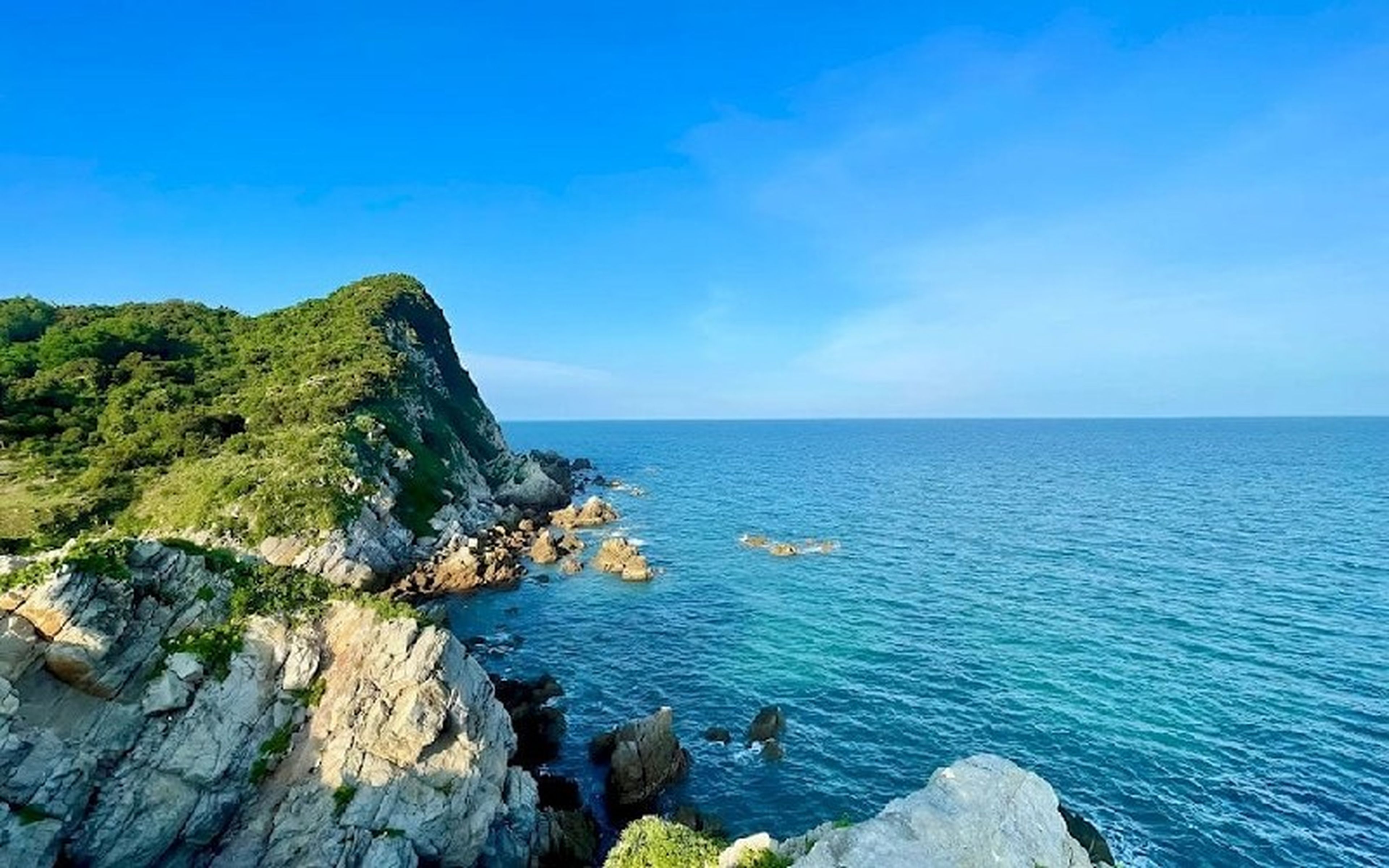
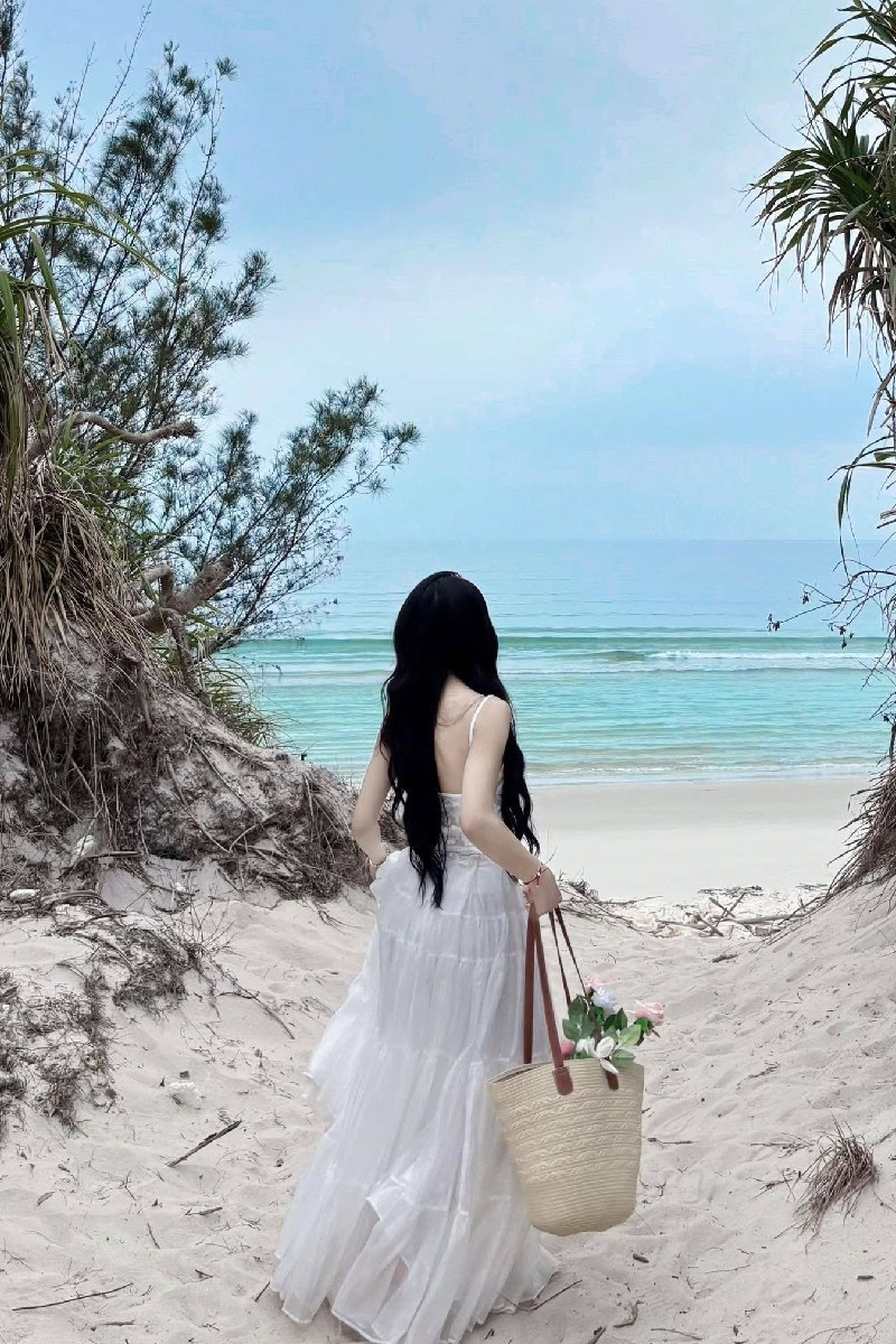
What sets Bai Rua Quan Lan apart from other beaches on the island is not just its secluded location. Stretching about 800 m, the beach features fine white sand interspersed with moss-covered pebbles, creating a landscape unlike any other beach I have ever set foot on. The shallow water is so crystal-clear that you can see the seabed even when standing quite far from the shore. Behind the beach rises a lush primeval forest cliff standing like a natural wall.

Bai Rua Quan Lan features fine white sand interspersed with moss-covered pebbles. Photo: VinWonders
2 Bai Rua Quan Lan Review: Real Experiences
Not every day is suitable for visiting the beach, but my visits have never disappointed. There are a few honest points I would like to share so readers won't be caught by surprise upon arrival.
2.1 Scenery and seawater
I arrived at Bai Rua Quan Lan early in the morning, around 7:00 AM. The sea was calm then, the sunlight was gentle, and a light sea mist softly veiled the horizon. Stepping through the forest path out onto the beach, the first sight to greet me was black rocks coated in green moss scattered along the water's edge.
It is neither an ordinary rocky shore nor a typical sandy beach, but something in between, looking as if carefully arranged by someone. The water is so transparent that looking down, you can see every single pebble and small patches of seaweed beneath your feet.
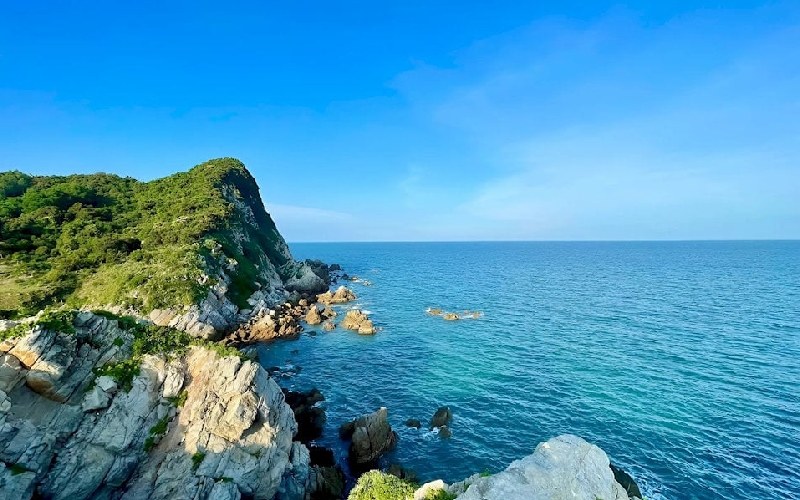
Peaceful morning scenery with crystal-clear turquoise water where small patches of seaweed can be seen underfoot. Photo: Vietnam Airlines
2.2 Actual level of tranquility
Even on weekends, Bai Rua Quan Lan remains uncrowded, especially if you arrive before 9:00 AM or after 4:00 PM. There are no tourist services, no stalls or shops, and no chairs for rent. This is what I love about it, as it retains its rustic charm without being commercialized. However, please note that you should prepare these essentials in advance so you can enjoy your time here all day with peace of mind.

Bai Rua still retains its pristine charm as it has not been heavily developed for tourism. Photo: Gody
2.3 Sunset and sunrise
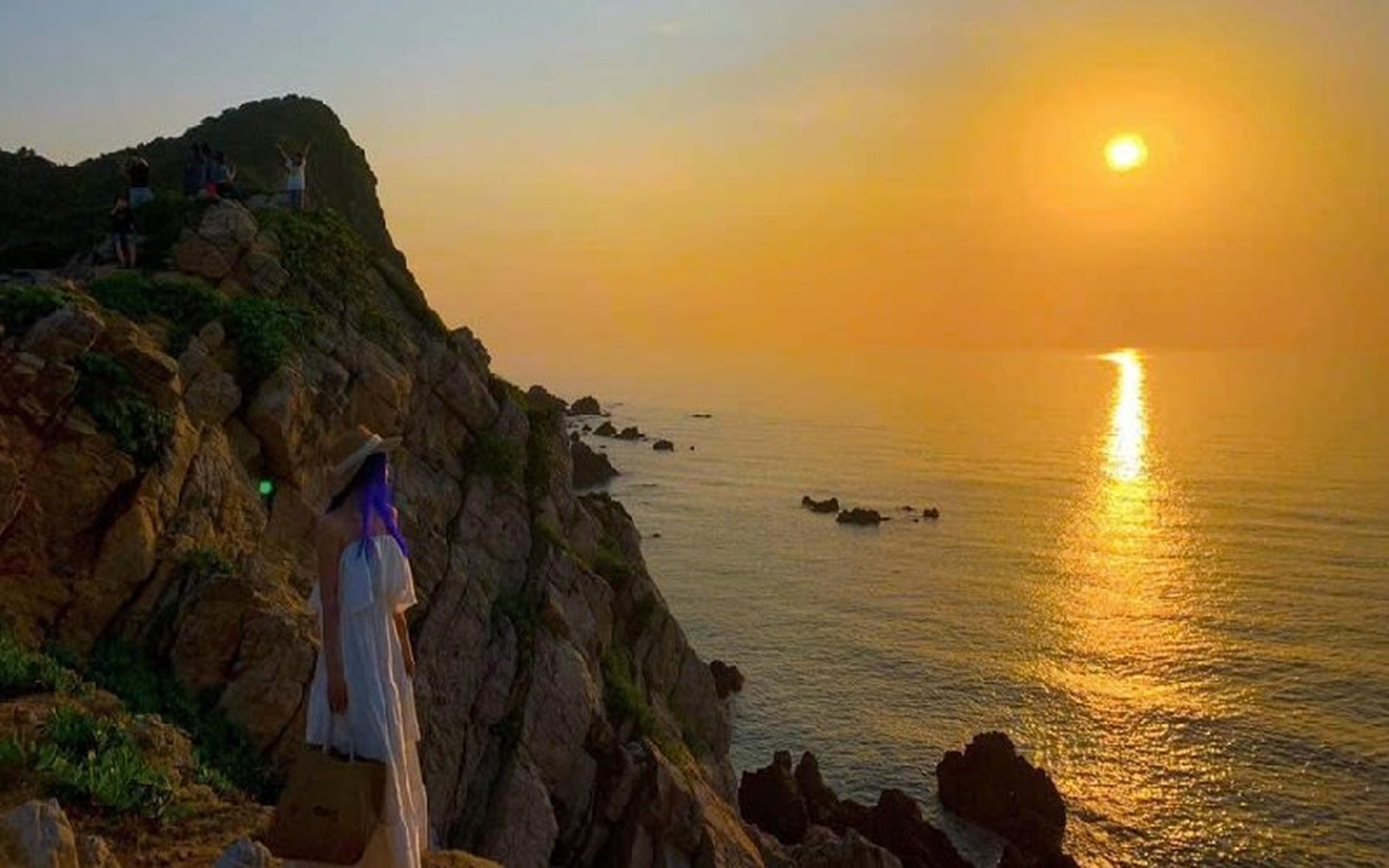
Facing north, Bai Rua is not an ideal spot for a true sunset. However, the late afternoon golden light cast across the sea surface and mossy rocks is something I never grew tired of photographing. Sunrise here is even more stunning than sunset, especially when the sun just emerges above the horizon and the first rays hit the water's surface.
3 How to get to Bai Rua Quan Lan
To reach Bai Rua, you must first get to Quan Lan Island. Below is the route from Hanoi based on how I usually travel.
3.1 From Hanoi to Quan Lan Island
From Hanoi, you can take a coach or limousine van to Ao Tien Port (Van Don District), which takes about 3 to 3.5 hours. Then, catch a speedboat from Ao Tien Port to Quan Lan Island, taking around 30 to 40 minutes. Speedboats operate multiple trips daily, with ticket prices ranging around 80,000 to 120,000 VND one-way.
If traveling from Ha Long or Cam Pha, there are also boat routes to Quan Lan, requiring just a few additional connecting rides.

Traveling from Hanoi to Quan Lan Island takes around 3 to 3.5 hours. Photo: VinWonders
3.2 From the island center to Bai Rua
Upon docking at Quan Lan Port, rent a motorbike near the pier area for about 120,000 VND per day. Ride towards the north of the island, pass the fishing village, and continue along a dirt road for about 5 to 7 km. Once you reach the end of the road accessible by vehicle, walk for another 15 to 20 minutes along a forest trail to reach the beach.
Note: The dirt path leading to Bai Rua gets slippery after rain, so extra caution is needed if riding a motorbike.
4 When is the best time to visit Bai Rua?
In my experience, Bai Rua Quan Lan is at its most beautiful from April to June. The weather is sunny yet not overly hot, the water is at its clearest of the year, and the waves are gentle.
July and August offer beautiful seas but occasionally experience strong winds. Between September and November, frequent rains make access paths harder to navigate, so you should consider this carefully.
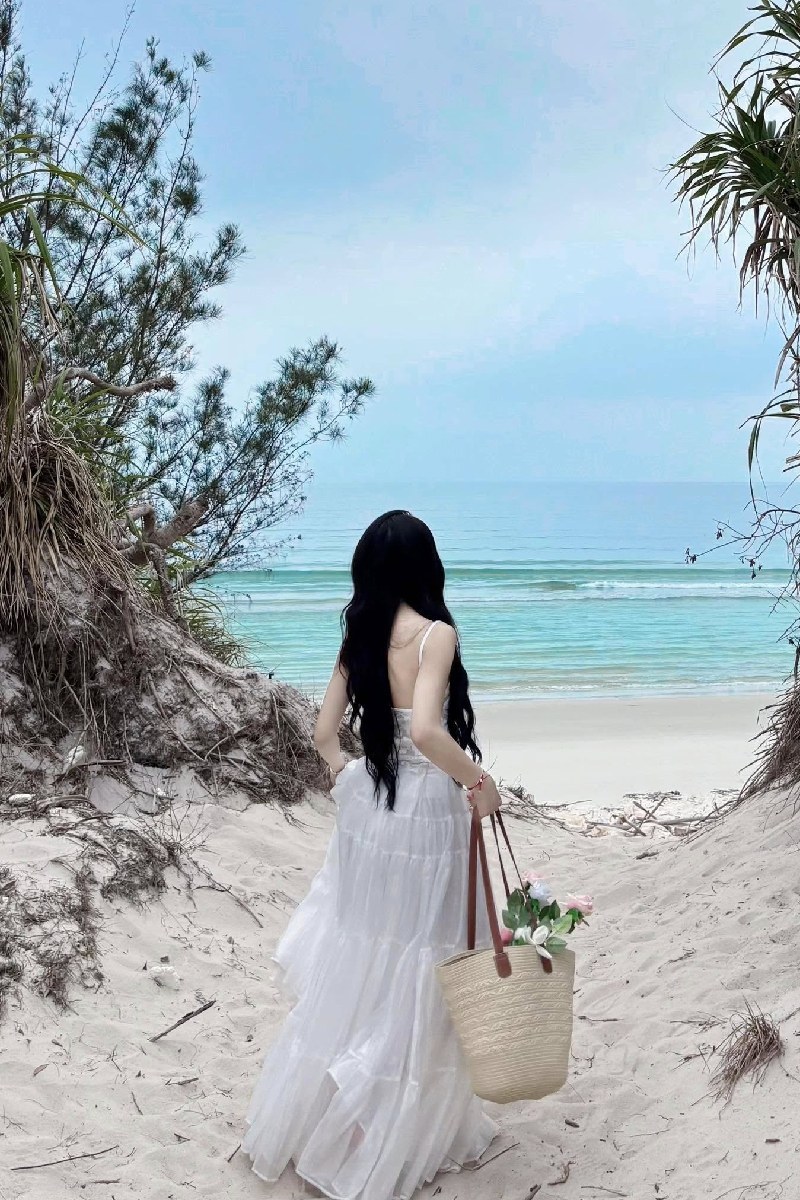
April to June is the best time to visit Bai Rua Quan Lan. Photo: QUANG THANG CAT BA
During the day, the morning between 6:00 AM and 10:00 AM is the ideal window. At this time, the lighting is beautiful, crowds are thin, and the weather is cool enough to sit on the sand and savor the atmosphere without worrying about sunburn.
5 What to prepare when visiting Bai Rua?
Since the beach lacks services, you should prepare almost everything in advance.
- Bring at least 1.5 liters of drinking water per person, snacks for the visit, sunscreen, and a beach towel.
- Wear shoes with good grip or sturdy sandals, as the trail includes slippery rocky sections.
- Bring a bag to pack out your trash; this is a rare clean beach that retains its pristine beauty, and we want to keep it that way for a long time.

Remember to prepare essential items to ensure a seamless trip. Photo: VinWonders
6 FAQs - Frequently Asked Questions About Bai Rua Quan Lan
6.1 Where is the exact location of Bai Rua Quan Lan?
Bai Rua is located at the northernmost point of Quan Lan Island, Van Don District, Quang Ninh Province.
6.2 Is there an admission fee for Bai Rua?
There is no admission fee; the beach is free to visit, but you will need to rent a motorbike on the island to get there.
6.3 Is Bai Rua suitable for young children?
It is suitable if the children are able to walk a 20-minute forest trail. The sea here is shallow with gentle waves during summer, making it safe for swimming.
With its untouched beauty and refreshing island atmosphere, Bai Rua Quan Lan is an ideal destination for nature lovers. It is sure to offer you stunning photo opportunities and memorable experiences on your backpacking journey exploring Quan Lan.