Đầm Hà benefits from its expansive marine area, pristine scenery, diverse ecosystems, and a community whose way of life is closely tied to the sea. These strengths provide a foundation for the locality to develop diverse marine and island ecotourism offerings rich in experiences.
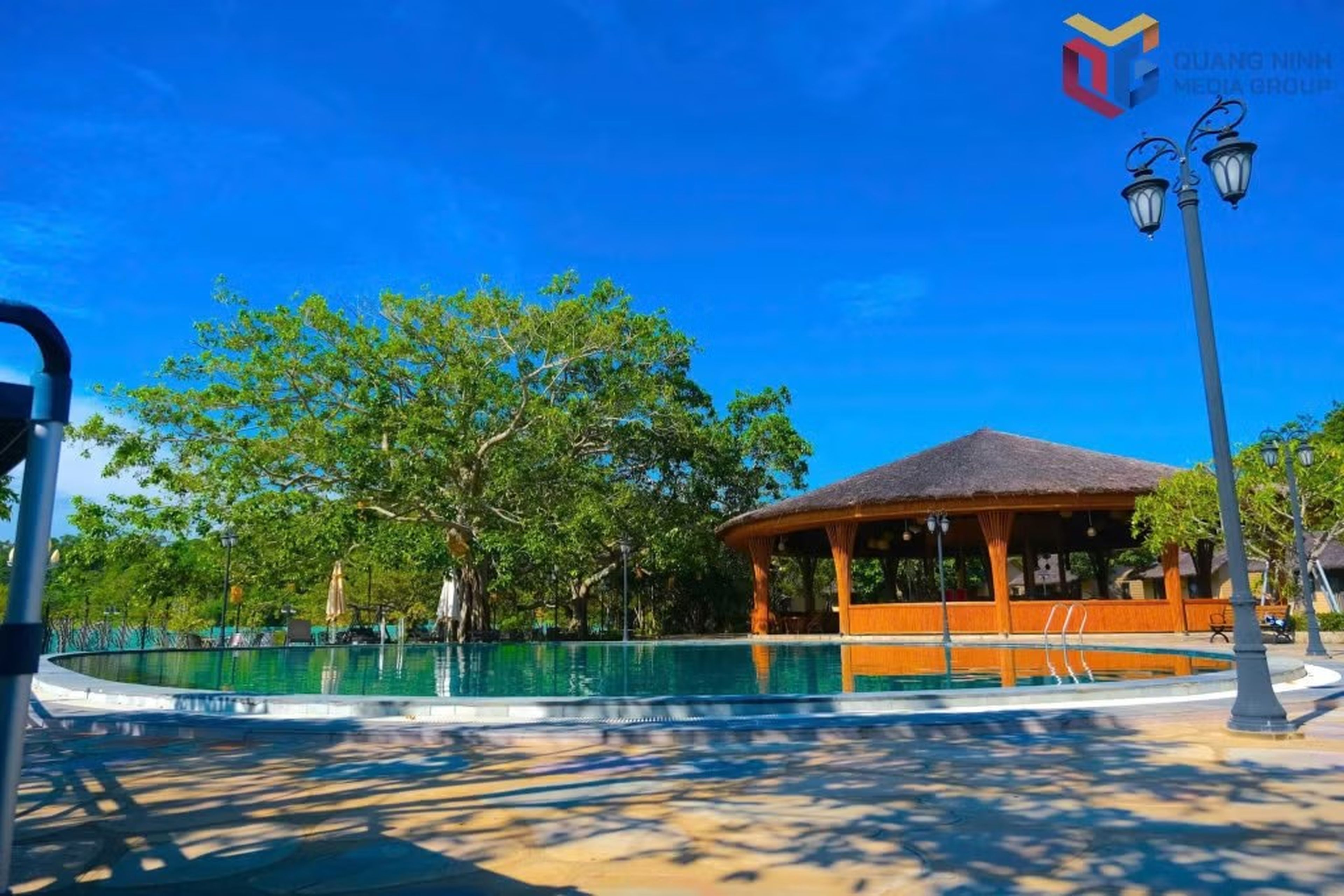
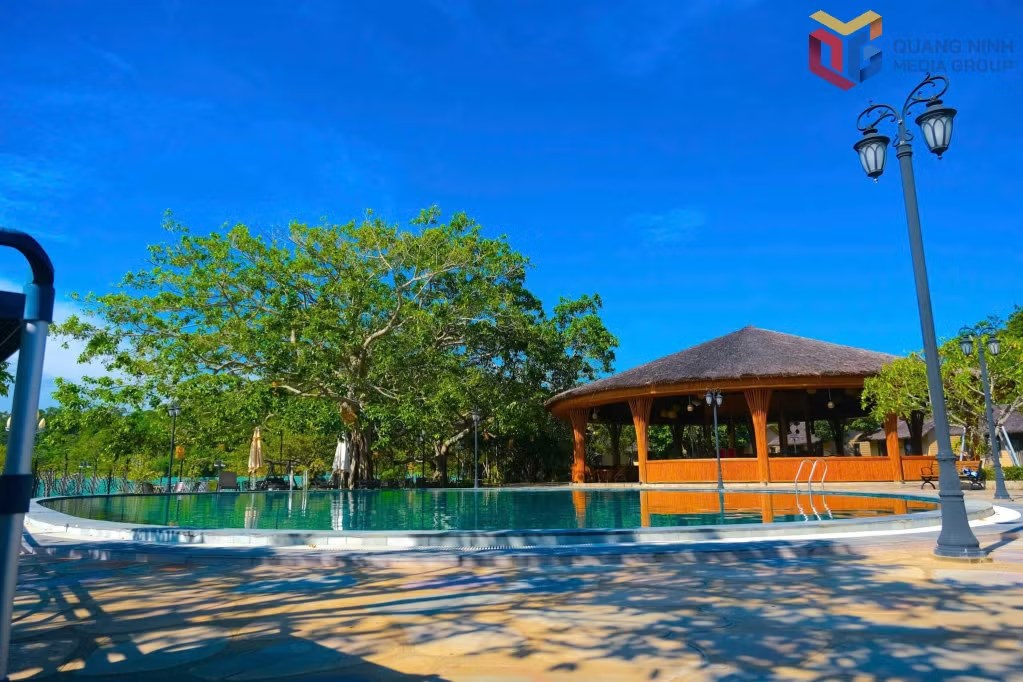
Đá Dựng Island Ecotourism Area is a notable tourist destination in Đầm Hà. In June 2025, the island was recognized by the provincial People’s Committee as an ecotourism destination, creating a basis for developing its scenic and natural assets through experiential and slow tourism. Đá Dựng Island features infrastructure and architecture that blend harmoniously with the natural landscape, with plans for a secluded eco-resort model offering limited accommodation and a focus on premium experiences. Its secluded setting and surrounding island ecosystem are well suited to activities such as boat trips to explore the waters, kayaking, fishing, savoring seafood, and experiencing the way of life of coastal residents.
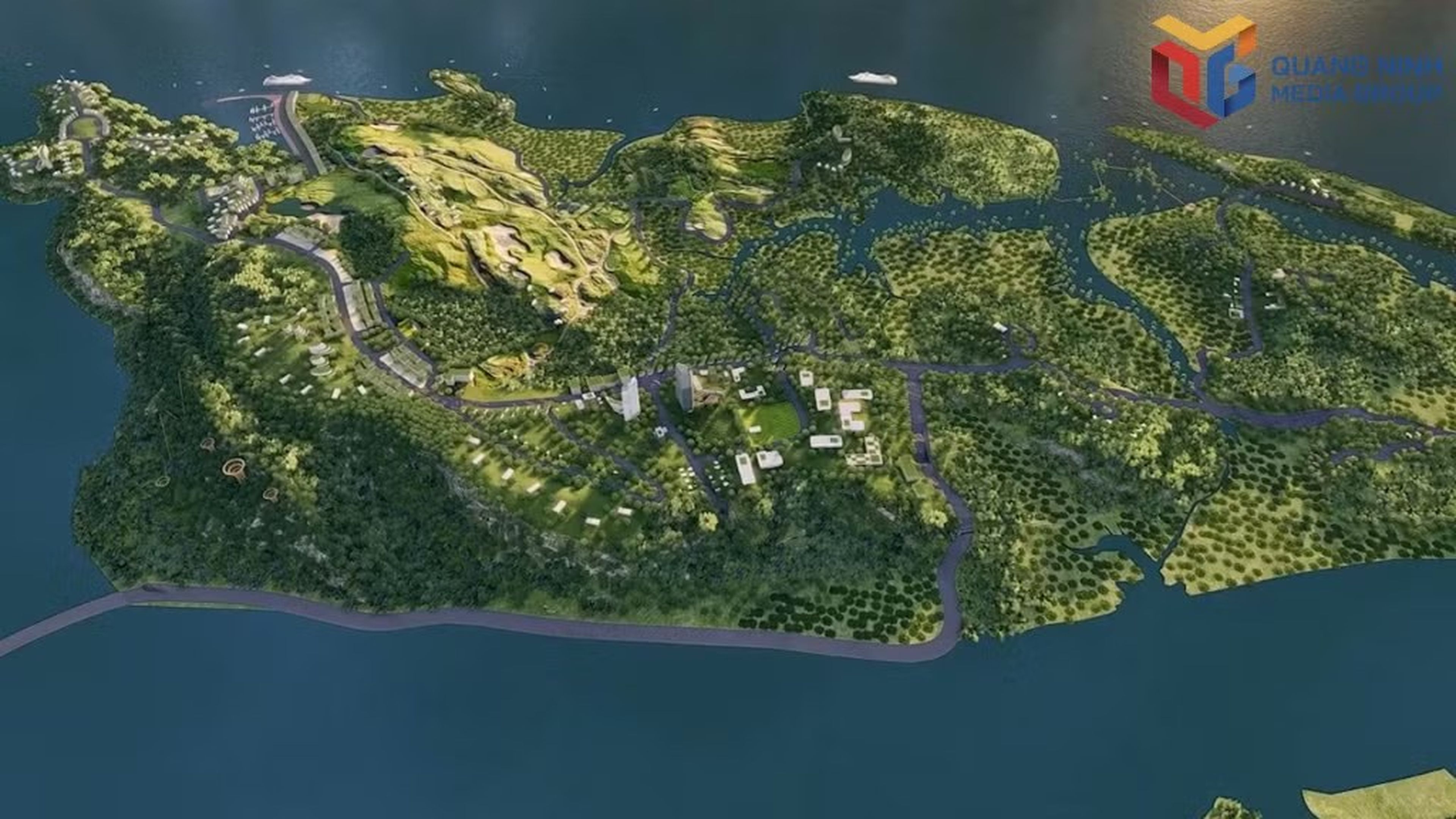
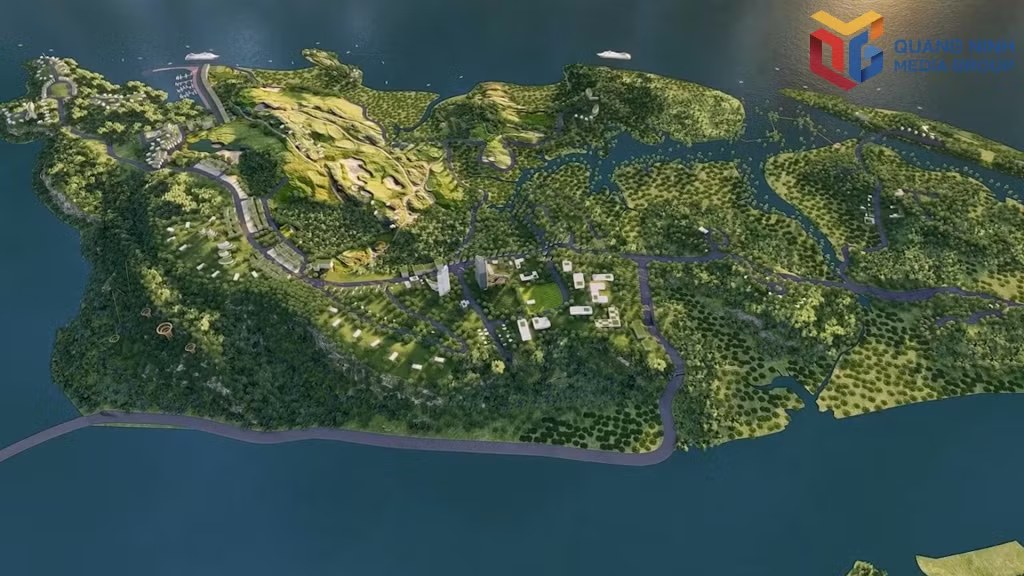
At the same time, Đầm Hà is actively seeking investment in the Núi Cuống Island Tourism Area project. The project covers nearly 1,080ha, including more than 670ha designated for planning, with the remainder set aside for research into ways to enhance the value of the forest and marine resources. The tourism area is planned to include a golf course and a resort, alongside aquaculture development in the surrounding area. The population is projected to reach approximately 7,800 by 2030 and 20,000 by 2045. The surrounding secluded islands will be developed as resort villages offering a variety of experiences while helping conserve mangrove ecosystems.
In Đầm Hà’s development vision, coastal tourism is also closely connected to local residents’ daily lives and livelihoods. The commune is currently working with businesses to develop a proposal for an ecotourism area combined with aquaculture on Vạn Vược Island. Located in Xóm Giáo hamlet, the island is 4km from the mainland. With a planned area of 147ha, Vạn Vược aims to become a destination offering experiences that combine forest and sea.
To expand the tourism area and enrich visitors’ experiences, Đầm Hà is developing routes that link the coast with the mainland. This will broaden the resort experience, allowing visitors to explore the commune’s mainland heritage, including Đầm Hà Communal House, its festival, and the Nhà tơ singing and communal-house singing and dancing traditions. These are two of the commune’s recognized national intangible cultural heritage elements. The routes will also connect with Tràng Y Communal House and a network of officially ranked historical sites. Notably, Đầm Hà is home to People’s Artisan Đặng Thị Tự, who has been described as a “living dictionary” of Nhà tơ singing and communal-house singing and dancing. The legacy of this veteran artisan, who devoted her life to preserving traditional songs, is an invaluable resource for the commune as it builds a heritage tourism narrative.
According to commune statistics, Đầm Hà welcomed approximately 39,000 visitors in the first 7 months of 2026, reaching 65% of the annual target assigned by the province. This result shows that tourism is gradually emerging as a promising area for development and provides a basis for the commune to continue shaping an appropriate strategy and making more effective use of its existing potential.
Lê Duy Hưng, Deputy Head of the Culture and Social Affairs Division of Đầm Hà Commune, said: “In the short term, the commune will focus on making effective use of tourism on Đá Dựng Island and promoting the value of the Núi Hứa Archaeological, Historical and Scenic Site, with the goal of welcoming more than 60,000 visitors in 2026. In the long term, Đầm Hà will prioritize completing infrastructure, attracting investment in the Núi Cuống and Vạn Vược island tourism areas, connecting tourist attractions and marine economic zones, developing cultural and culinary spaces, and strengthening links with the province’s major tourism hubs. These efforts will help establish Đầm Hà as a distinctive marine ecotourism destination.”