Dam Ha has advantages of vast sea space, pristine landscapes, diverse ecosystems, and community life closely tied to the sea. This is the foundation for the locality to develop diverse and experiential island ecotourism.
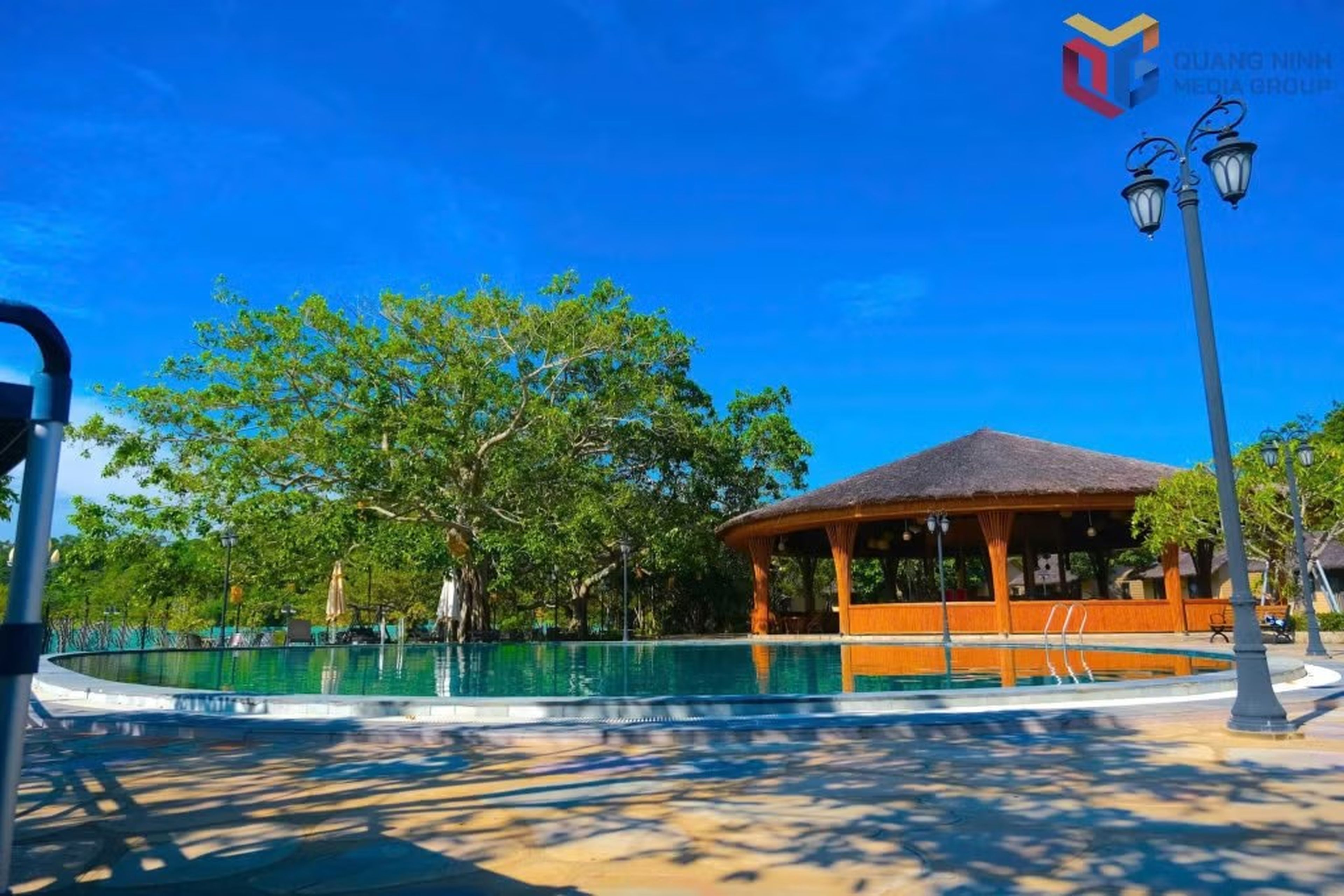
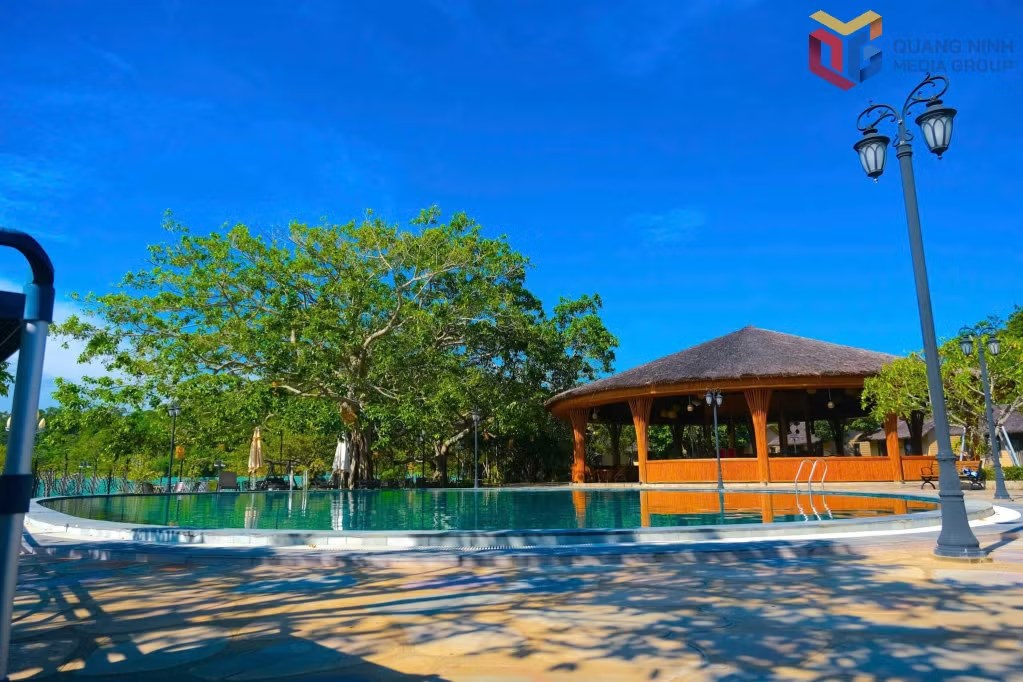
Da Dung Island Ecotourism Area is a prominent tourist destination of Dam Ha. In June 2025, the island was recognized by the provincial People's Committee as an ecotourism site, thereby creating a basis for exploiting landscape and natural values associated with experiential tourism and slow tourism. Da Dung Island has infrastructure and architecture harmonious with the natural landscape, aiming for an isolated ecological resort model, with limited accommodation and a focus on high-end experiences. The isolated space and the island's surrounding ecosystem are suitable for activities such as boat trips to explore the sea, kayaking, fishing, enjoying seafood, and experiencing the life of sea dwellers.
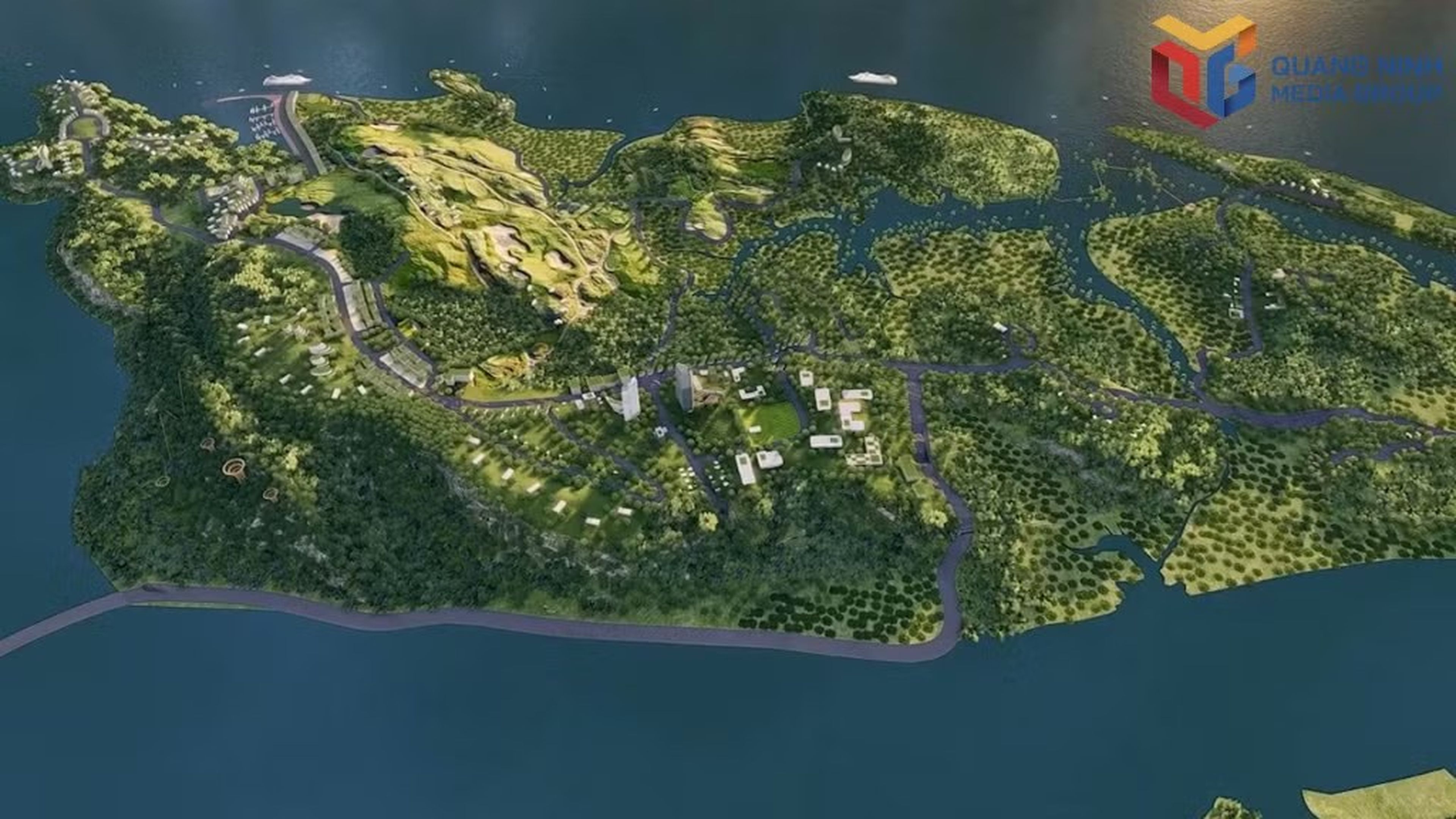
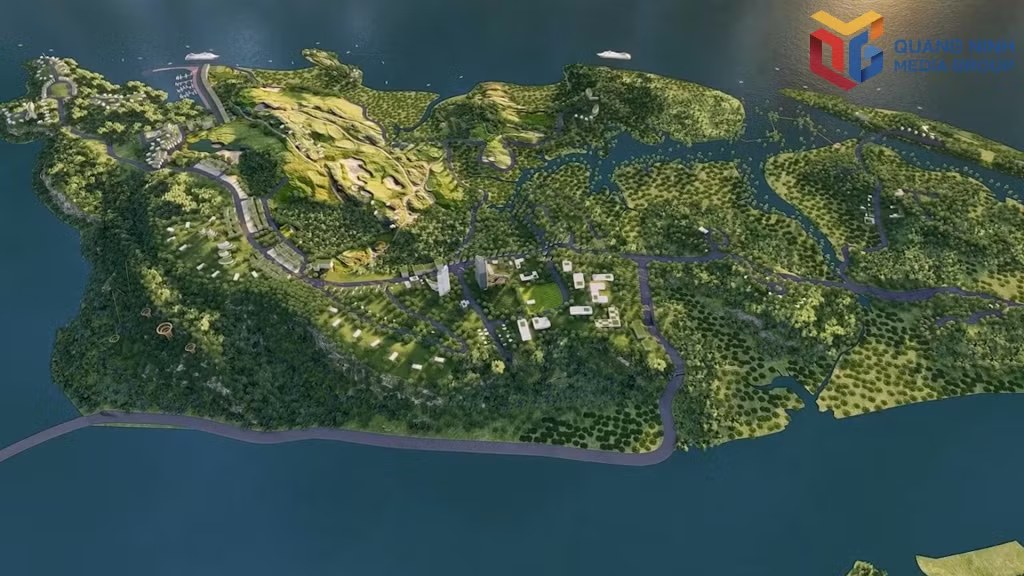
In addition, Dam Ha is actively calling for investment in the Nui Cuong Island Tourism Area Project. The project has a scale of nearly 1,080 hectares, of which the planning area is over 670 hectares, and the rest is an area for researching and promoting the value of forests and seas. The tourist area aims to have a golf course, a resort area combined with aquaculture development around it. The population scale is about 7,800 people by 2030 and reaching 20,000 people by 2045. The surrounding isolated islands will build resort villages with diverse types of experiences, associated with the conservation of mangrove forest ecological areas.
In Dam Ha's orientation, marine tourism is also linked to the lives and production practices of local people. Currently, the commune is coordinating with enterprises to build a project for an ecotourism area combined with aquaculture on Van Vuoc Island. The island is located in Xom Giao hamlet, 4km from the mainland. With a planned area of 147 hectares, Van Vuoc aims to become an experience area combining forest and sea.
In order to expand tourism space and increase experiences for visitors, Dam Ha is building a route connecting the sea with the mainland. Accordingly, the resort space is expanded, and visitors will be able to visit heritage sites on the mainland part of the commune, such as visiting Dam Ha communal house, experiencing the Dam Ha communal house festival, and learning about Nha to - Hat, and Cua dinh dance. These are two national intangible cultural heritages recognized by the commune; at the same time, connecting the tourism route with Trang Y communal house and the system of ranked historical relics. Especially, Dam Ha has People's Artisan Dang Thi Tu, who is likened to a "living dictionary" about Nha to - Hat, and Cua dinh dance. The material from the dedication of the old artisan who devoted her whole life to preserving traditional songs is an invaluable asset for the commune to build a heritage tourism story.
According to the commune's statistics, in the first 7 months of 2026, Dam Ha welcomed about 39,000 visitors, reaching 65% of the annual plan assigned by the province. This result shows that tourism is gradually becoming a development direction with much potential, and is also a basis for the commune to continue shaping a suitable direction and more effectively exploit available potential.
Mr. Le Duy Hung, Deputy Head of the Culture - Society Division of Dam Ha commune, said: In the immediate future, the commune will focus on effectively exploiting Da Dung Island tourism, promoting the value of the Nua Hứa archaeological - historical - scenic relic site, striving to welcome over 60,000 visitors in 2026. In the long term, Dam Ha prioritizes completing infrastructure, calling for investment in Nui Cuong Island and Van Vuoc Island tourist areas, connecting tourist attractions and marine economic zones; developing cultural and culinary spaces; strengthening links with major tourism centers of the province, thereby making Dam Ha a distinctive marine ecotourism destination.