Cua Van Floating Cultural Center was established in May 2006. It is a special project within the Ha Long Ecomuseum project and the very first floating cultural center model dedicated to a fishing community in Vietnam.
Cua Van Floating Cultural Center – Floating Museum on Ha Long Bay
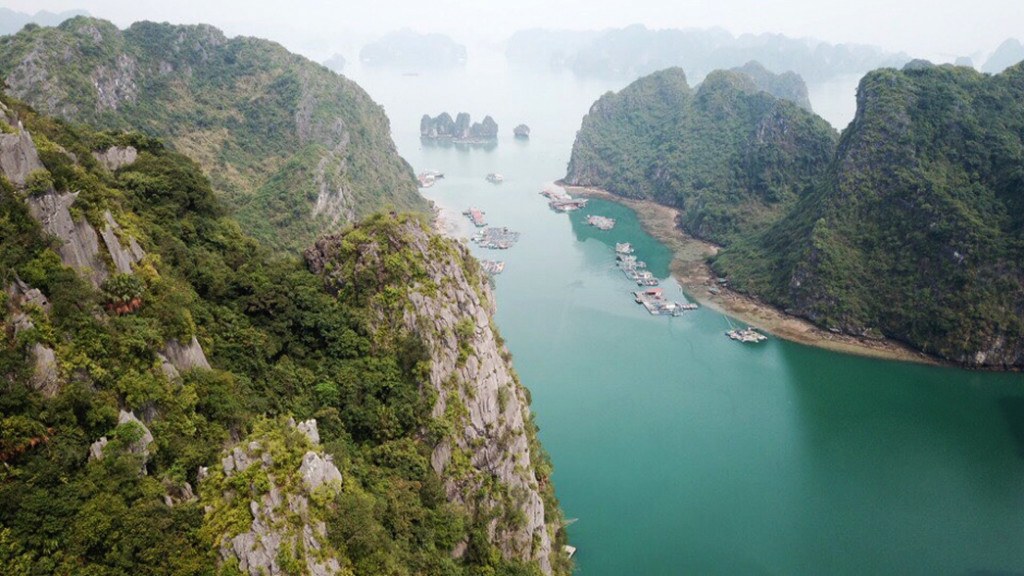
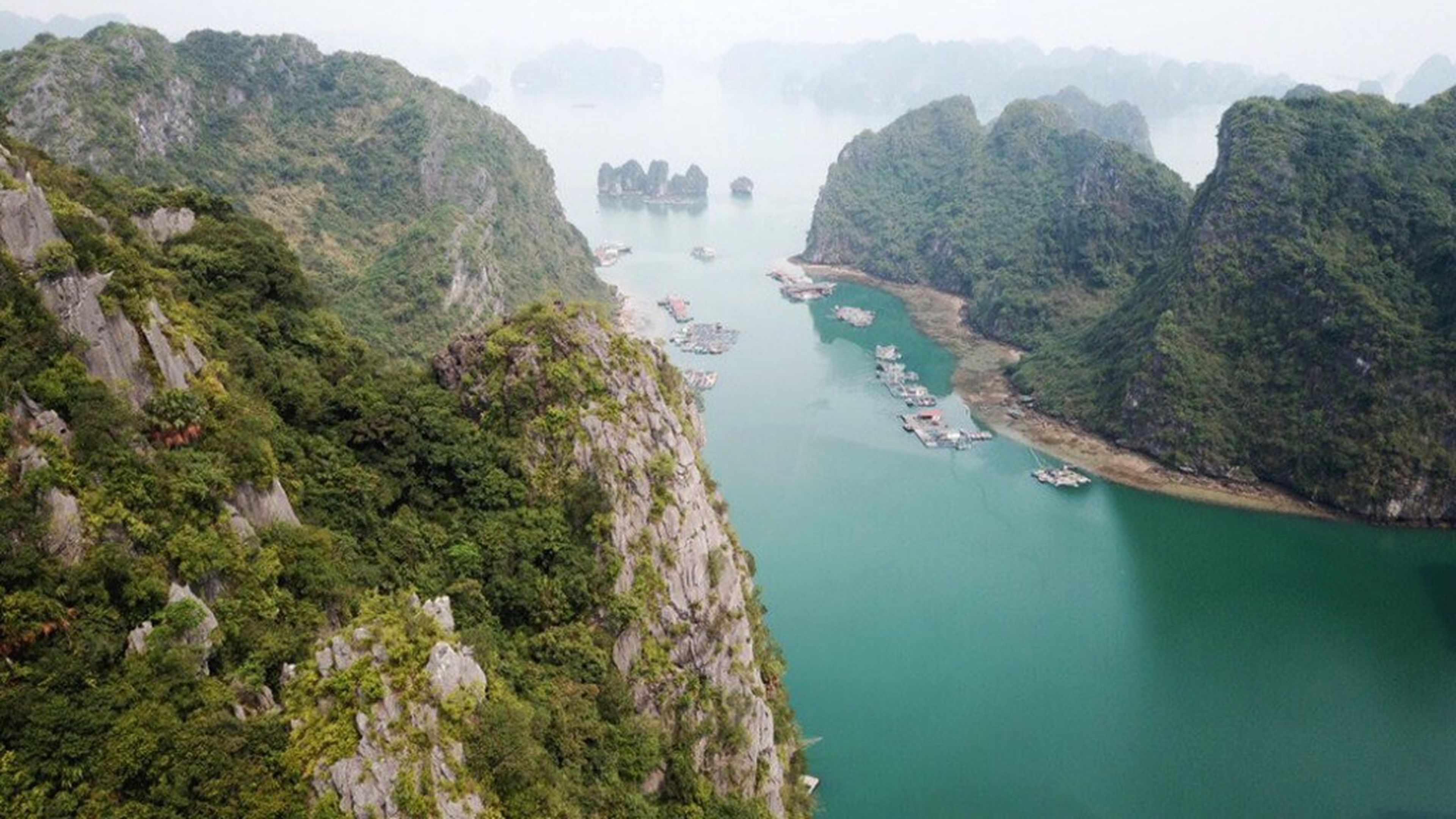
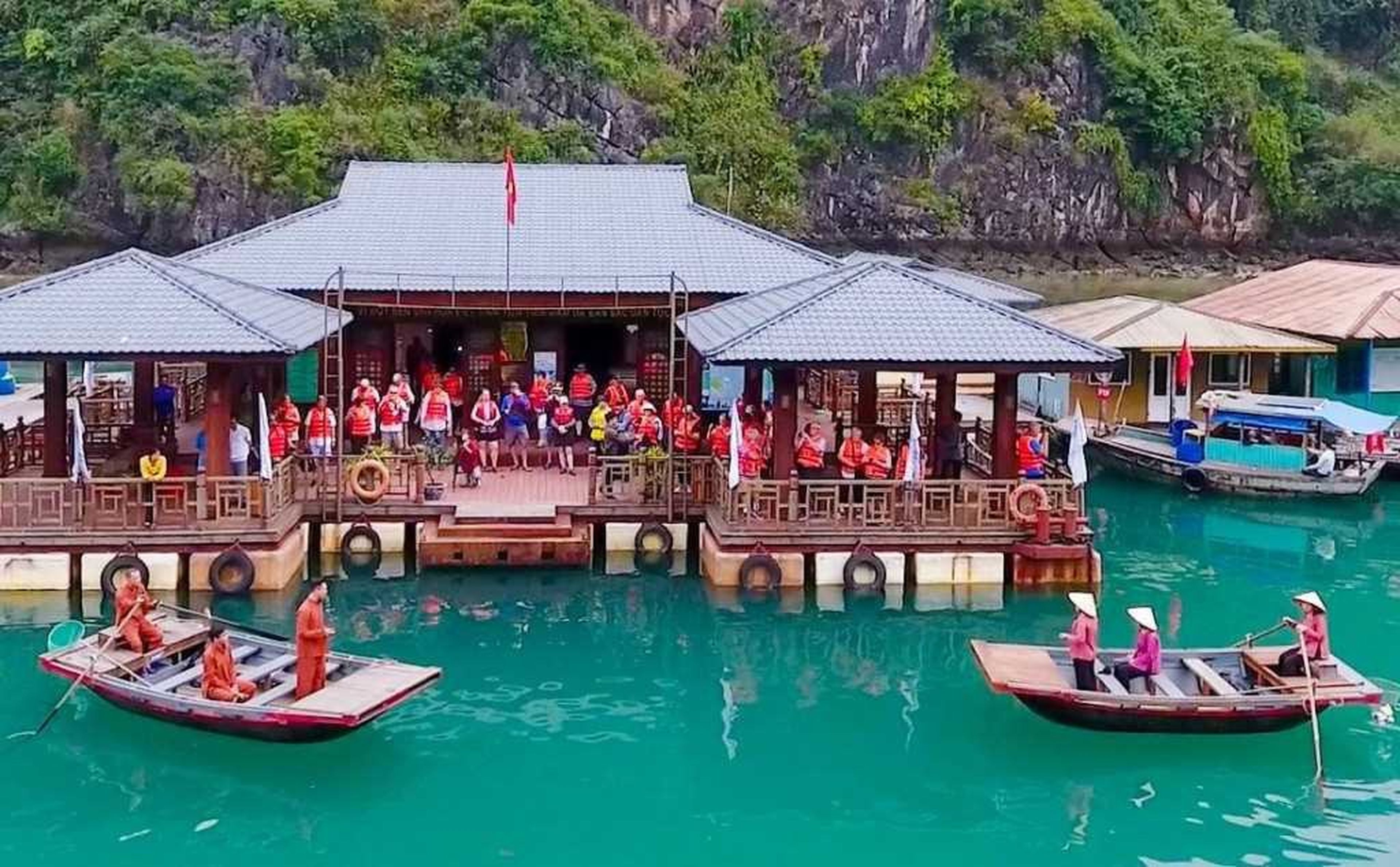
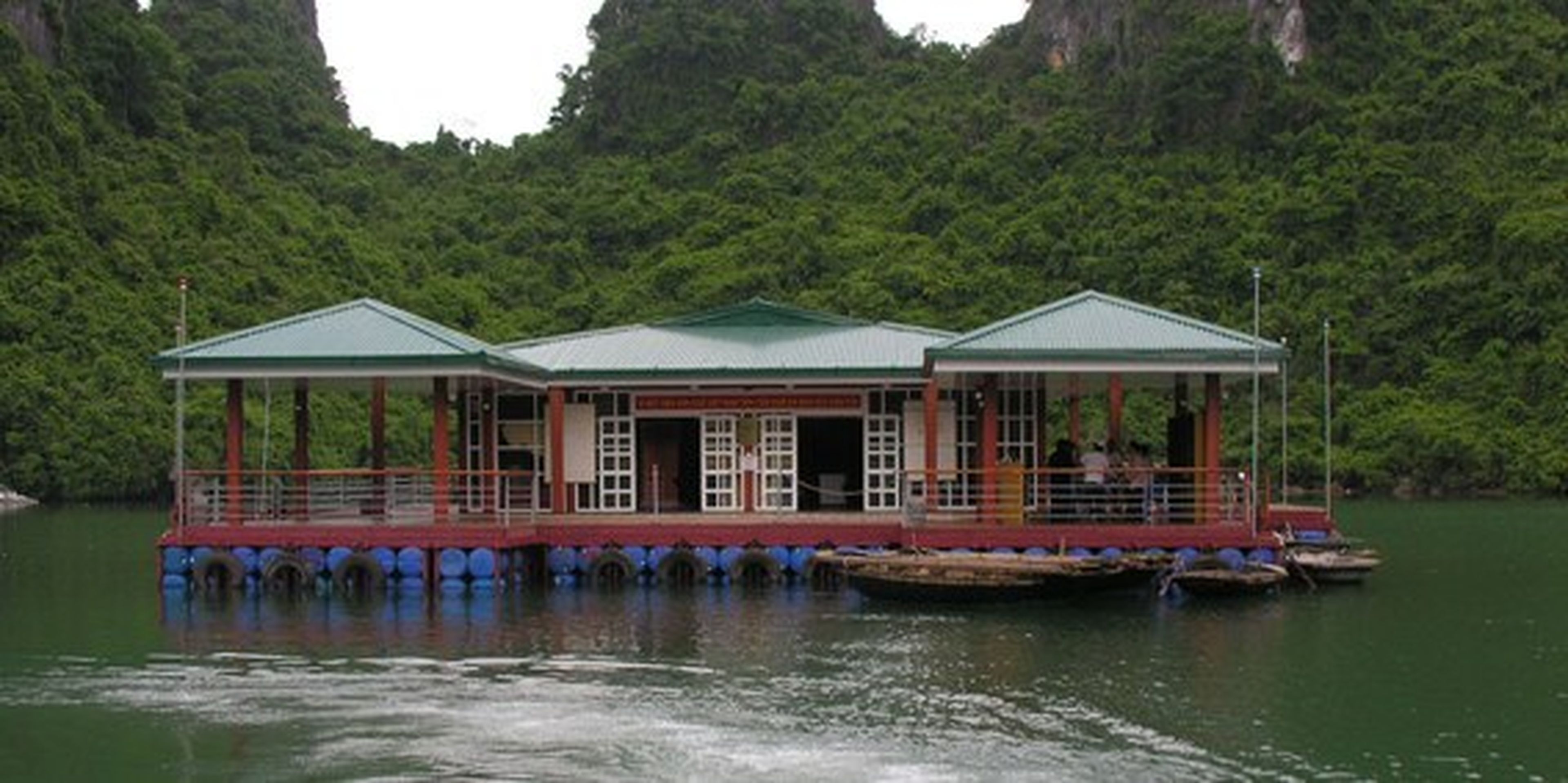
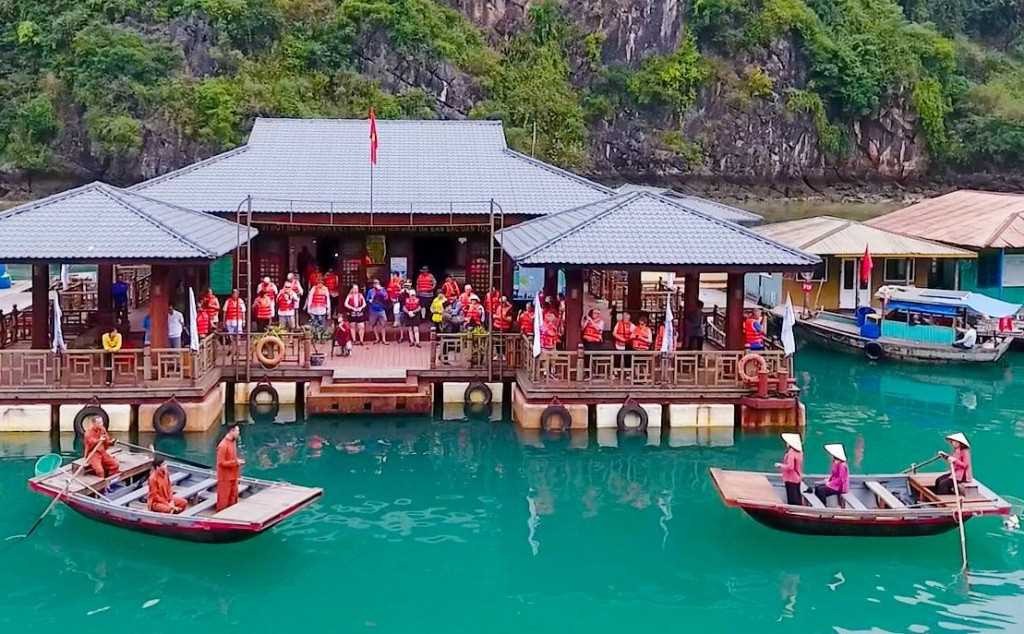
The floating cultural center nestled in the heart of the heritage site. Illustrative photo: La Nghia Hieu.
Located 30km from Bai Chay wharf, Cua Van fishing village has long been regarded as the capital of fishing villages. With floating rafts, fishing boats, and honest, sincere people, the fishing village creates a distinctive charm unlike any other coastal village.
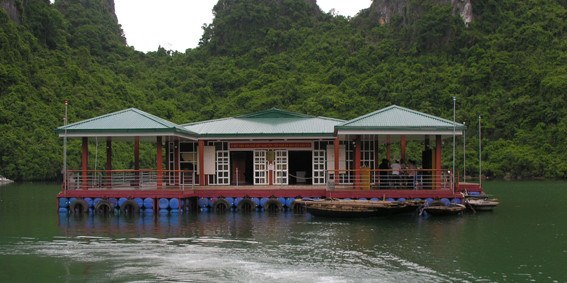
Cua Van Floating Cultural Center. Photo: Kinh Te Do Thi.
Cua Van is also fascinating because the fishermen here possess a unique culture, following a profession of conquering the open sea connected to a lifetime lived on boats and floating rafts, only anchoring at the shore of some island upon passing away.
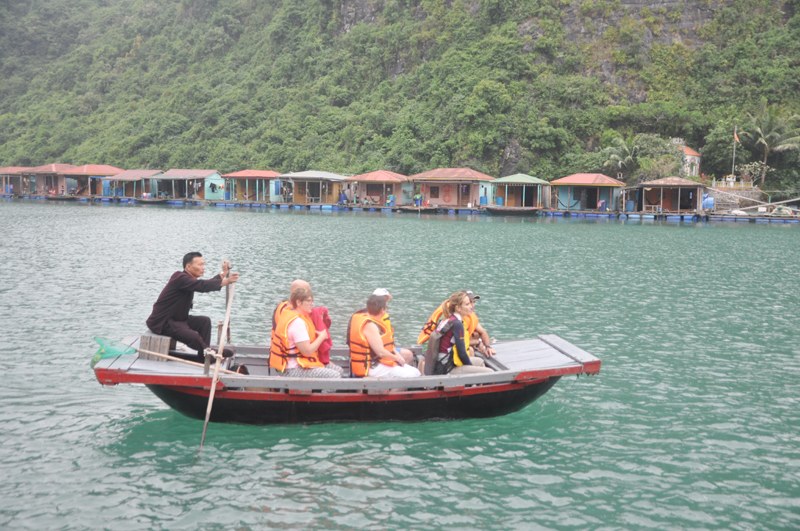
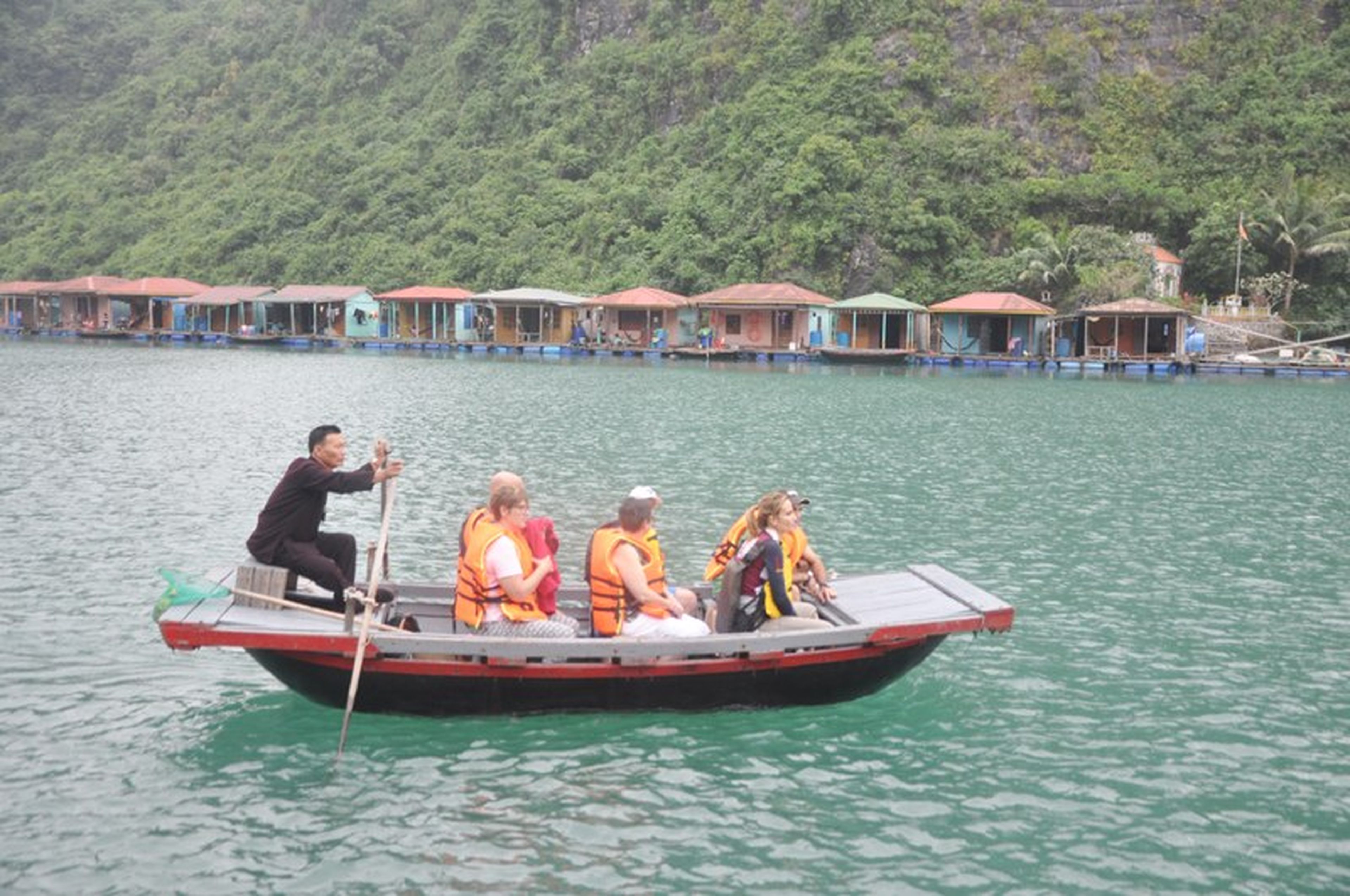
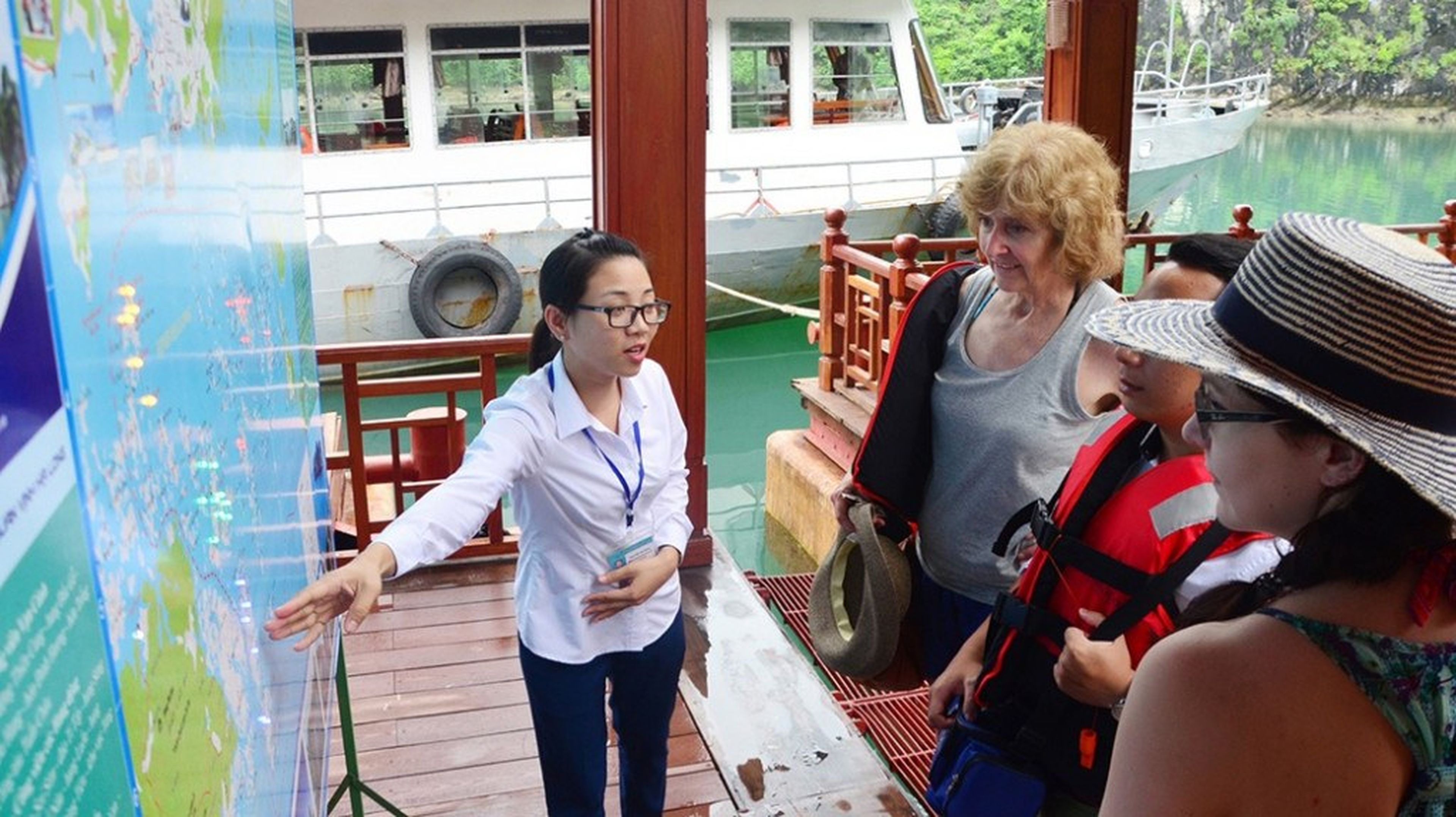
Tourists taking boat tours to explore Cua Van. Photo: Quang Ninh Newspaper.
Born and raised on the sea, the residents of Cua Van are accustomed to braving the waves and winds, standing united to face the wrath of the ocean as well as thwarting invasion plots to safeguard every inch of the nation's frontier lands.
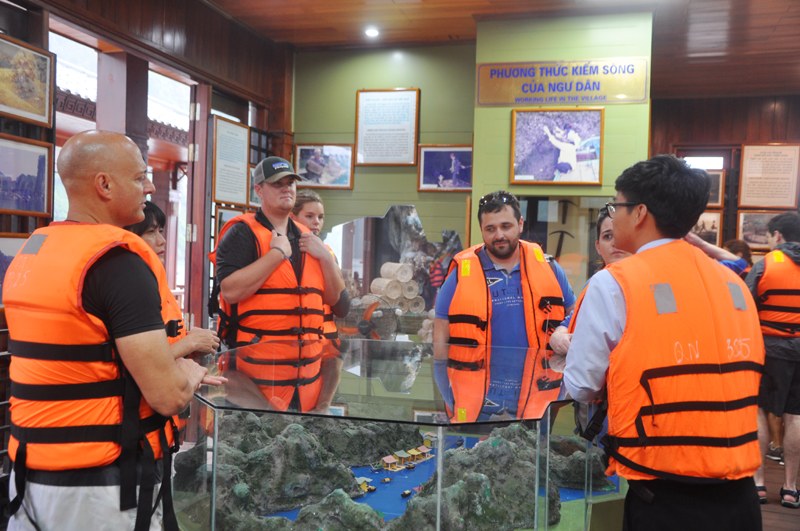
Photo: Quang Ninh Newspaper.
Therefore, this location was selected to build the Cua Van Floating Cultural Center, a branch of the Ha Long Ecomuseum, aimed at conserving and preserving the cultural values of fishing villages. This is also an exemplary model for fishing communities living at sea.
A love-duet singing performance. Photo: VOVTV.
The floating cultural center was established with the mission of preserving and introducing cultural aspects—not only traditional but also contemporary, not only representative but also everyday life; while promoting awareness and educating the fishing community and visitors on environmental and landscape preservation.
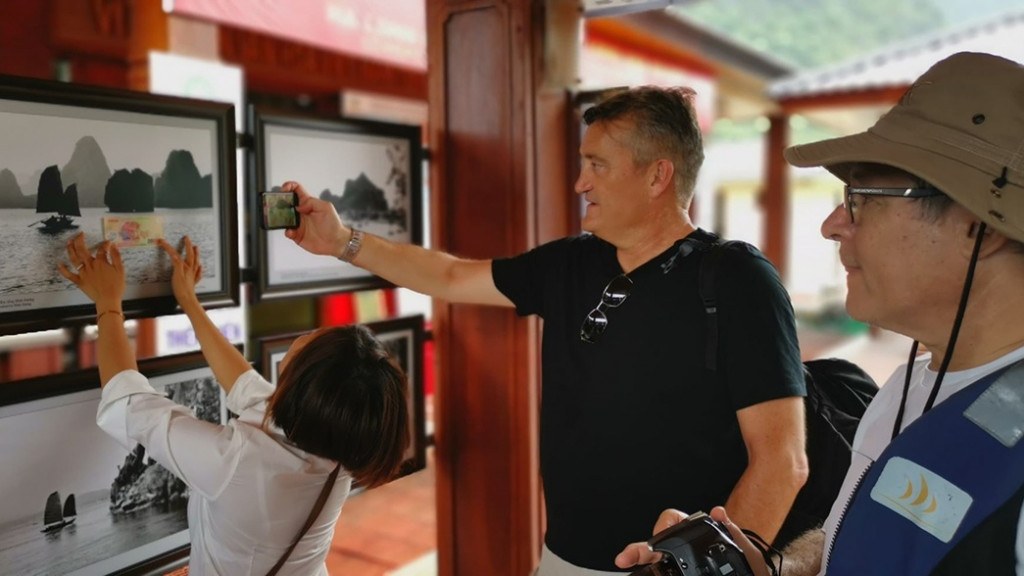
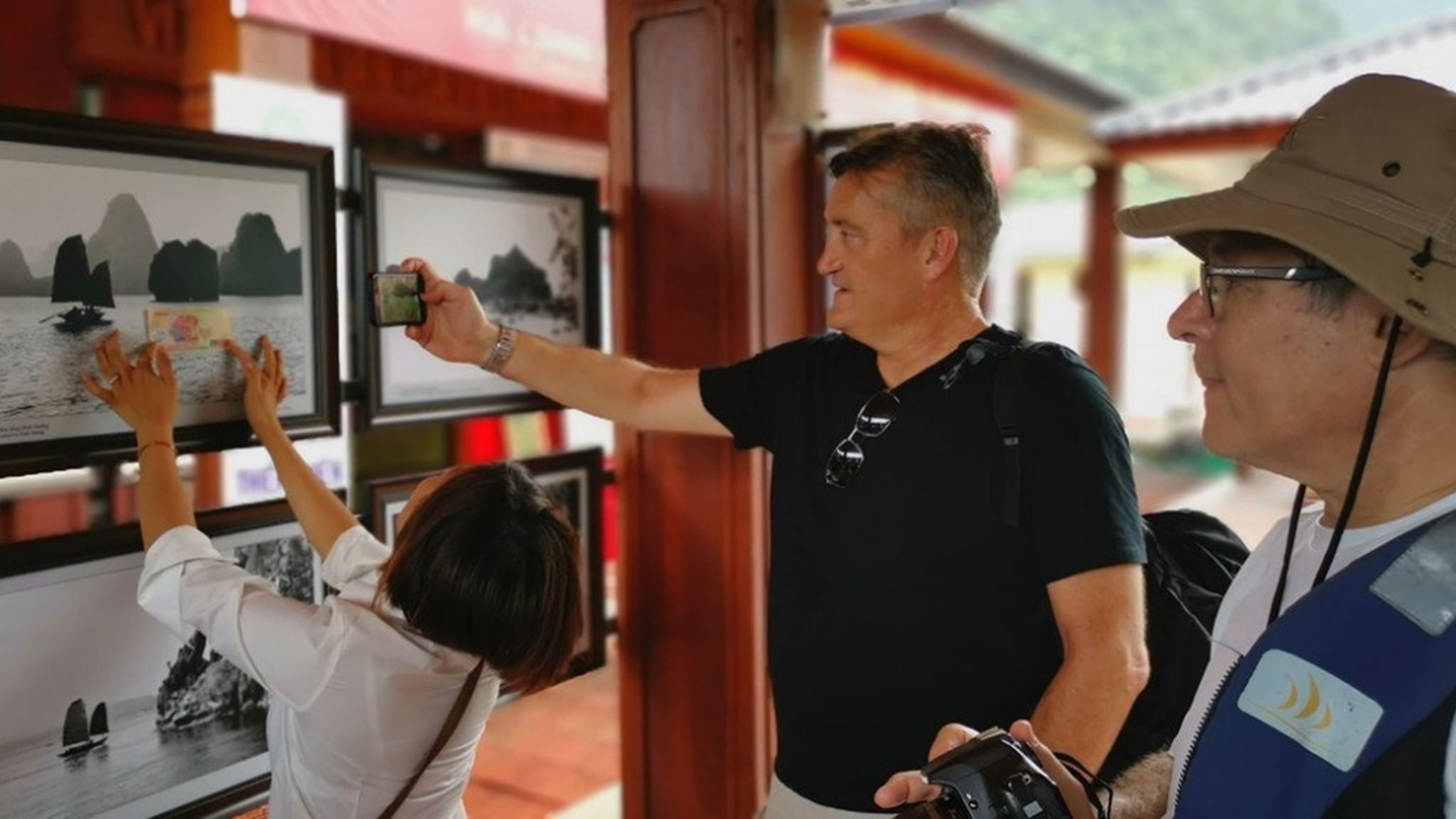
Hundreds of paintings depicting Ha Long past and present. Photo: Thanh Nien Newspaper.
At the same time, it serves as a place for cultural exchange between fishing villages, and between fishing communities and tourists; a destination attracting students and researchers; an exhibition venue displaying and presenting forms of indigenous culture; and notably helps generate employment and improve the socio-economic life for the residents of Cua Van fishing village.
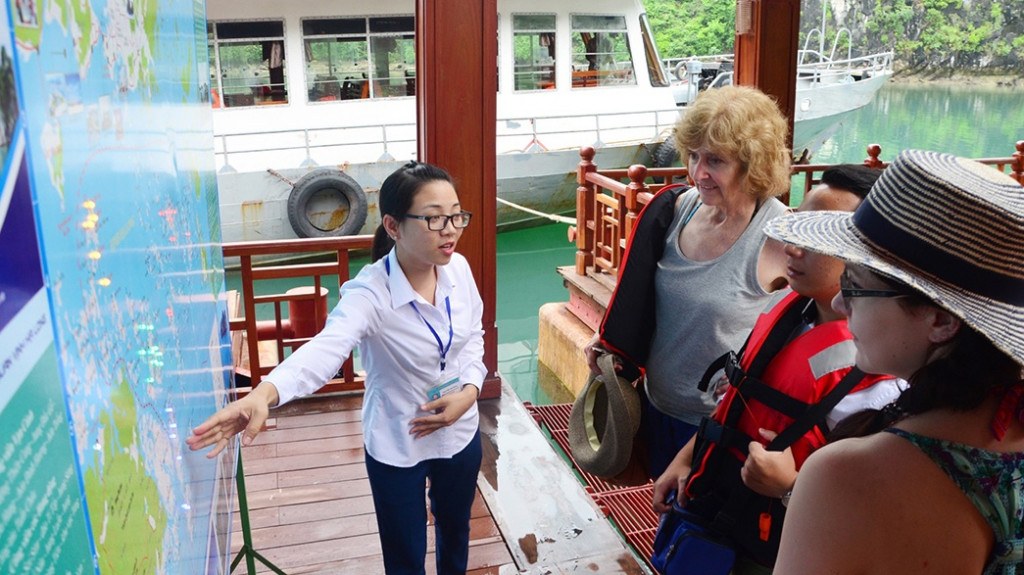
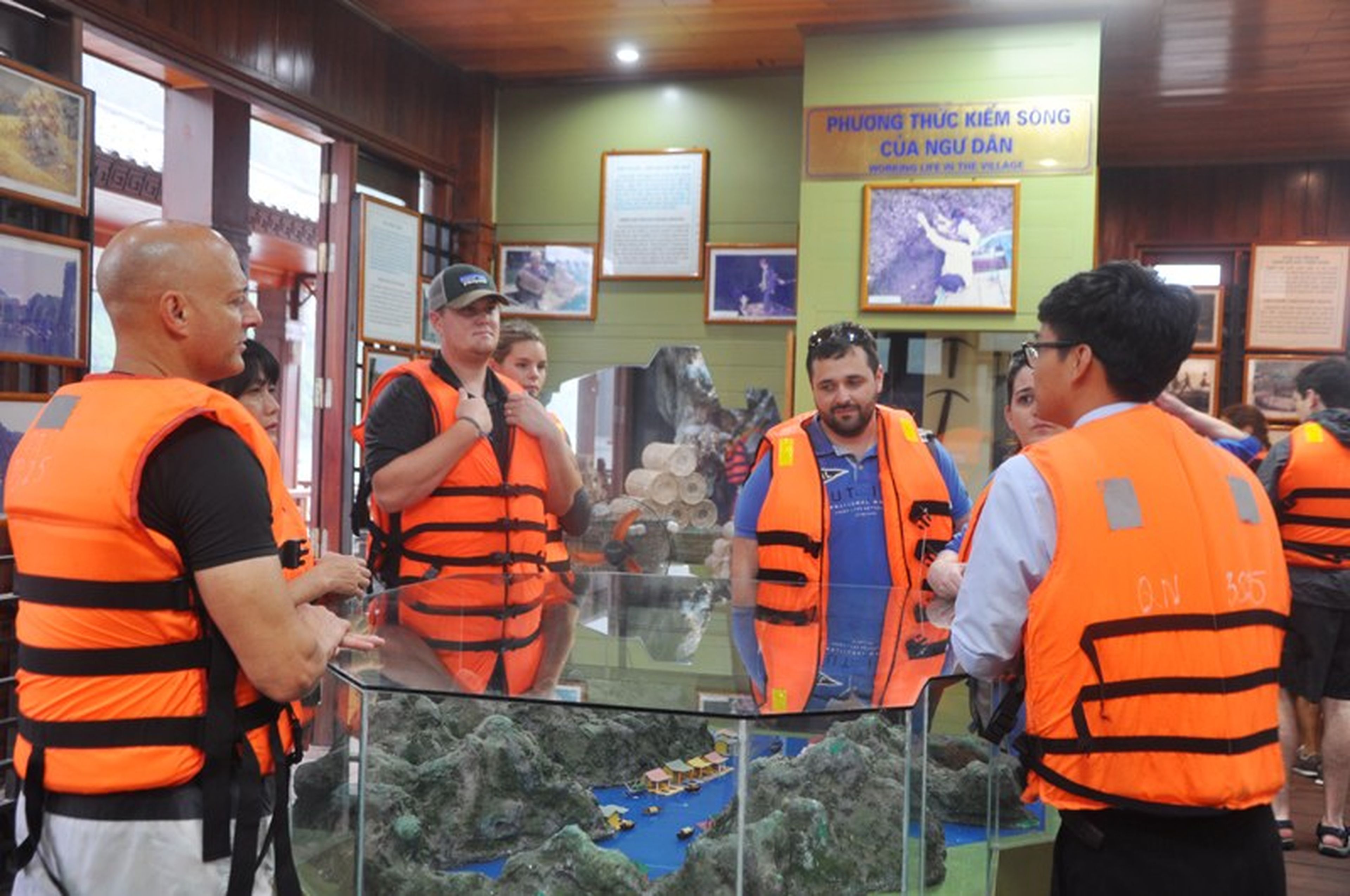
Presentation on the history of Cua Van fishing village. Photo: Thanh Nien Newspaper.
Visiting the Cua Van Floating Cultural Center today, visitors can gain a more comprehensive insight into the lives of fishermen in the Ha Long Bay area past and present through more than 1,200 documents, images, and artifacts. The exhibits are displayed under 5 themes: fishermen's livelihoods; material life of fishing folk; water dwellings and human life; spiritual and religious beliefs; and for today and future generations.
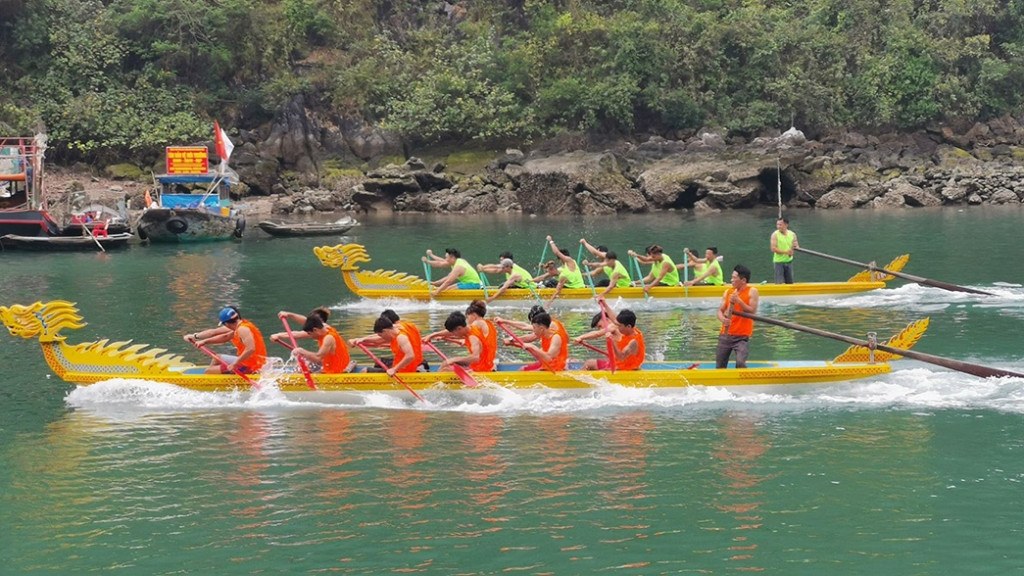
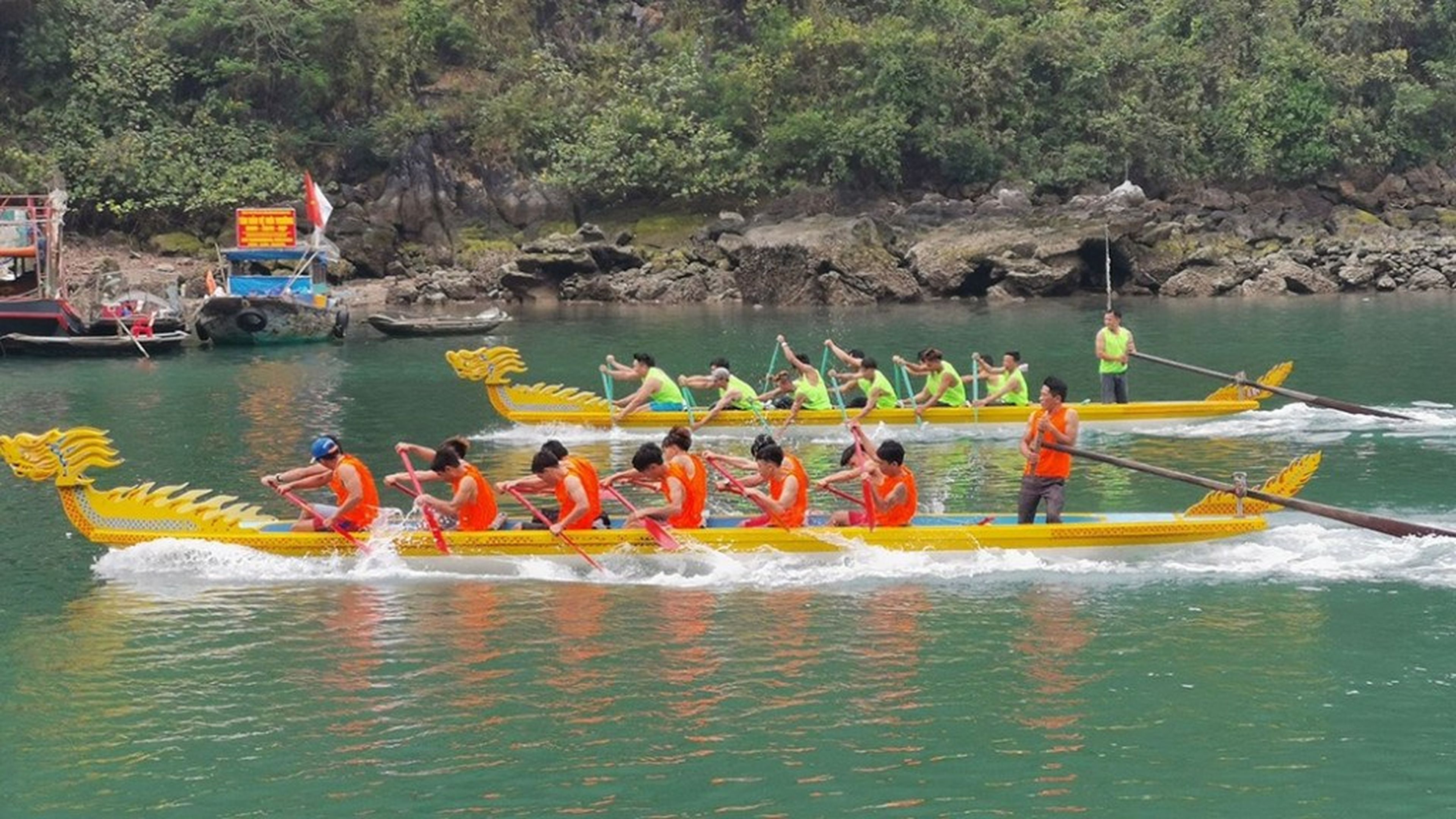
Dragon boat racing performance. Photo: Thanh Nien Newspaper.
These exhibition themes provide visitors with a broader overview of the lives of fishermen in Cua Van village, featuring distinctive traits preserved across generations that form a unique cultural identity.
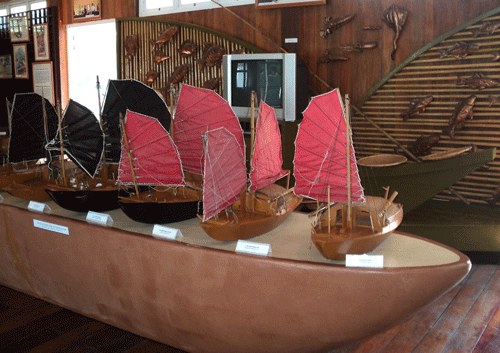
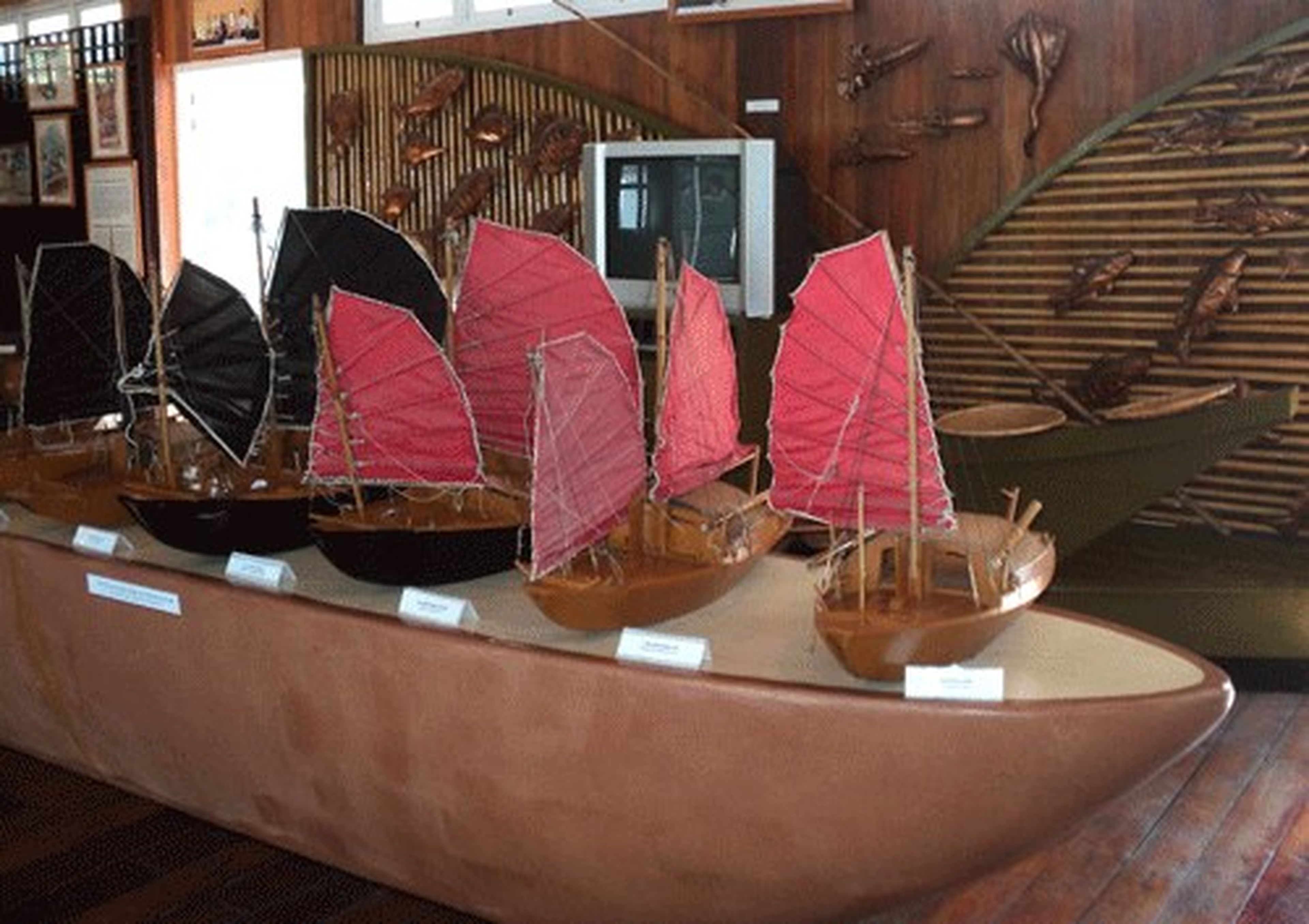
Model of a fishing boat. Photo: Bien Phong Newspaper.
In the fresh atmosphere of Cua Van fishing village's landscape, visitors can tour the museum, participate in row-boating, kayaking, and explore the scenic beauty of the Ha Long Bay heritage site. Over ten fishermen's homes have been conserved, offering visitors a deeper appreciation of the fishermen's daily lives and routines.
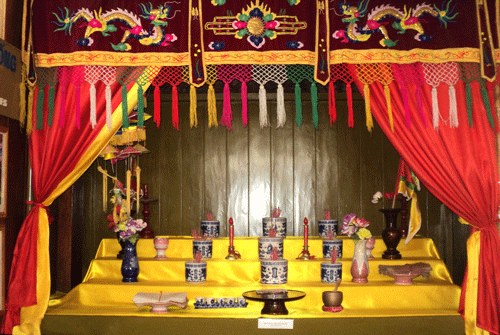
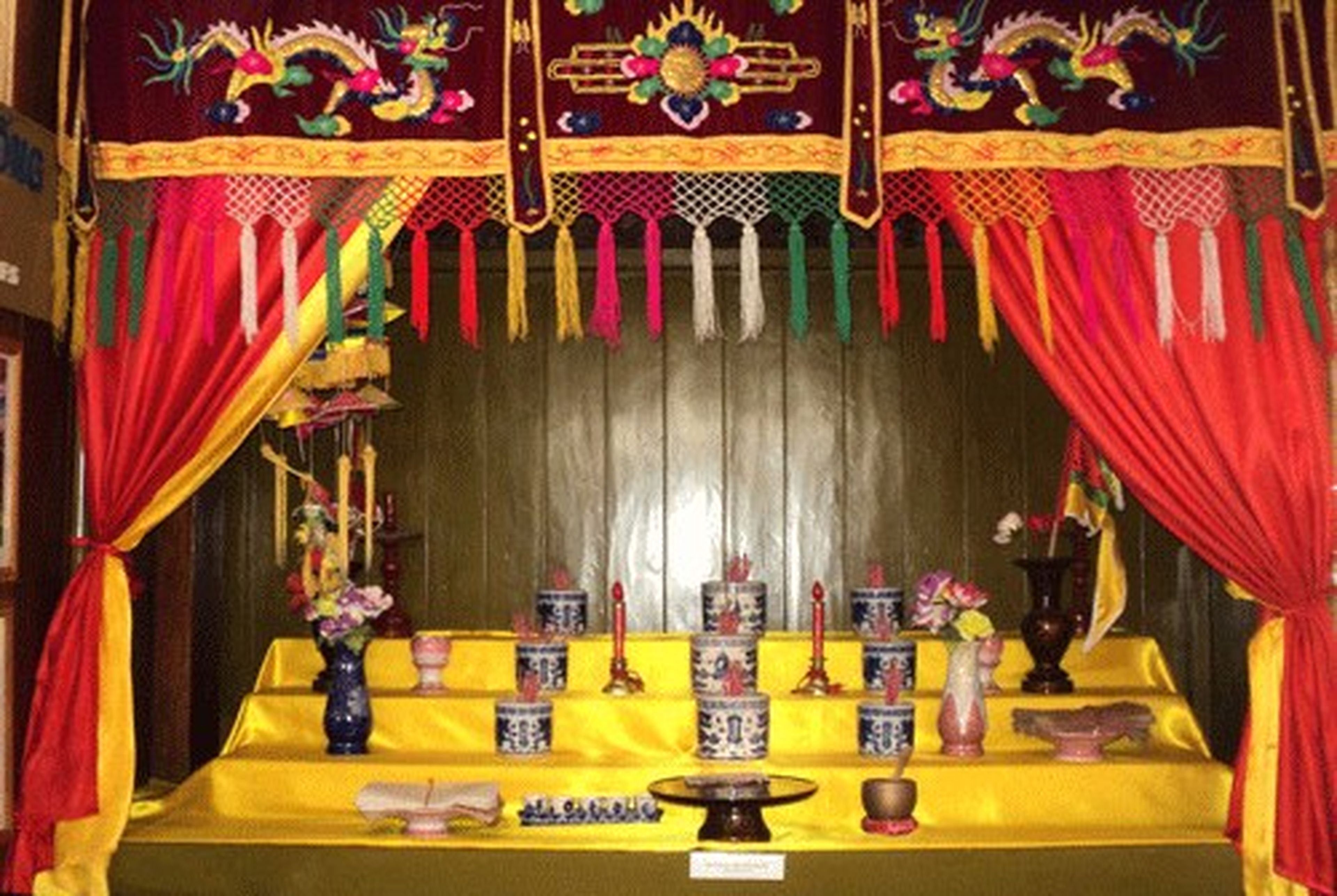
Model of an altar inside a houseboat in Cua Van. Photo: Bien Phong Newspaper.
Furthermore, visitors here can enjoy traditional folk tunes, love duets, "dum" singing, and sea shanties performed by the children of local fishermen... Two fixed performance schedules daily: 9:30 to 11:30 and 13:30 to 15:00 will bring novel experiences to visitors arriving at the Ha Long Bay heritage area.
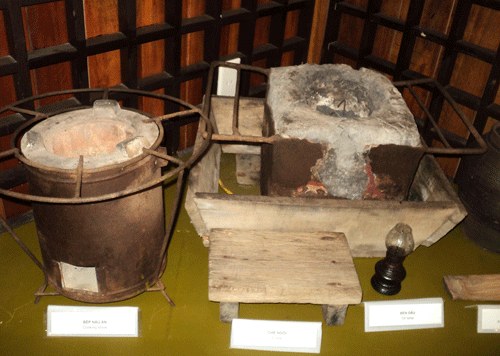
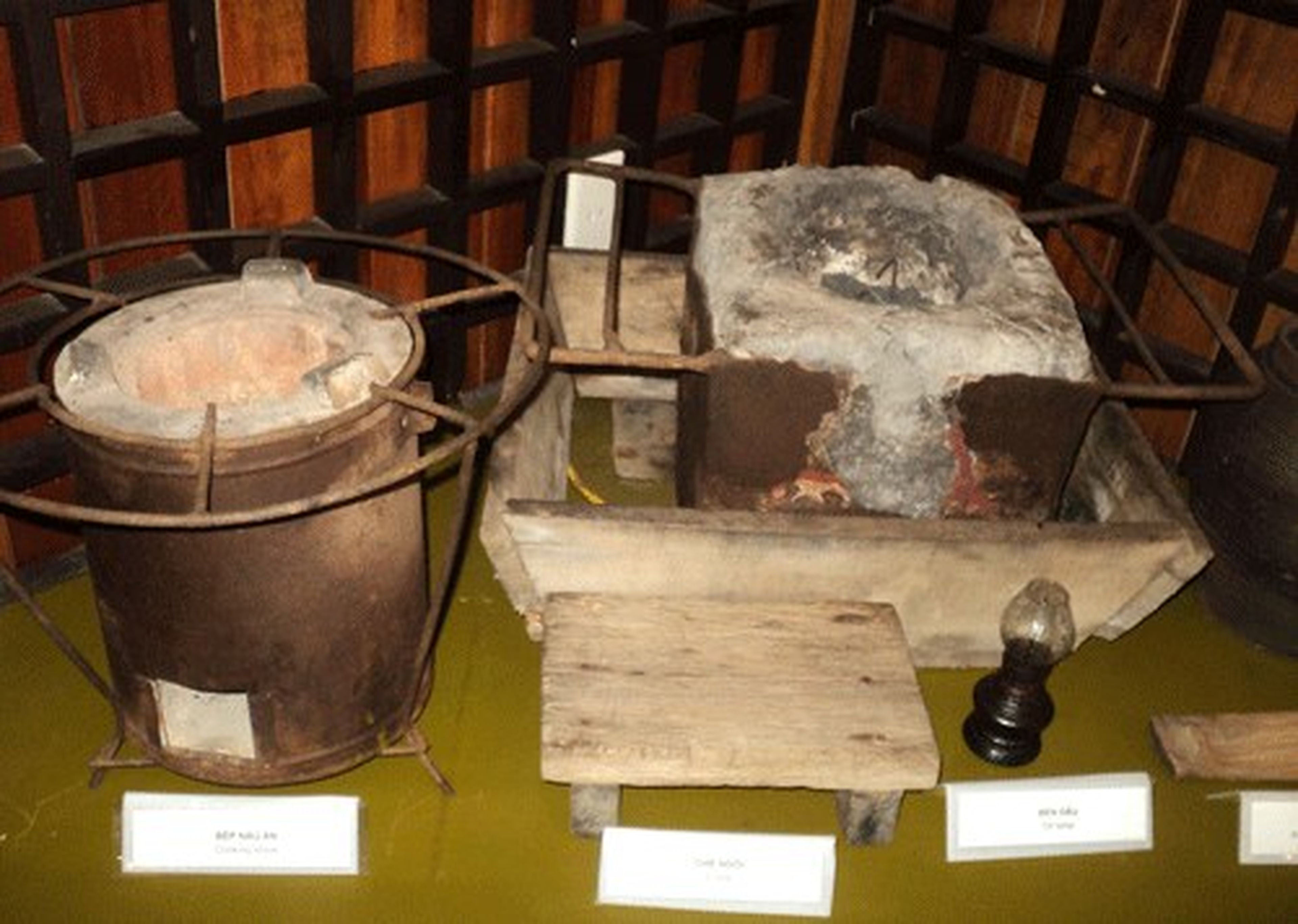
Some daily utensils of the fishing village. Photo: Bien Phong Newspaper.
Cua Van Floating Cultural Center is a unique model for preserving and promoting Vietnamese fishing village culture to domestic and international visitors. Thereby, it brings maritime culture closer to the public and fosters a profound love for the nation's precious lands and seas.