Not only developing based on abundant tourism potential, Quang Ninh is gradually positioning itself as a pioneering green tourism destination in Vietnam. From development strategies and spatial planning to product development and enhancing community responsibility, the province is step by step realizing its goal of sustainable growth, turning green tourism into a competitive advantage.
Green tourism is no longer just a trend, but is becoming an imperative requirement in the context of climate change, environmental pressures, and shifts in tourist demand. In recent years, an increasing number of tourists have prioritized destinations that are environmentally responsible, preserve culture, and develop in harmony with local communities.
Seizing that trend, the Quang Ninh Tourism Association recently coordinated with the Vietnam Tourism Association to organize a seminar introducing the "Green Tourism - VITA Green" criteria set for local tourism businesses. According to Mr. Nguyen Ba Dung, Vice President of the Vietnam Tourism Association, the criteria focus on environmental protection, efficient resource use, indigenous cultural preservation, and community responsibility. When applied, businesses not only improve product quality and optimize operating costs, but also build sustainable brands to meet the market's green consumption trend. The implementation of this criteria set is expected to contribute to enhancing the competitiveness of Quang Ninh tourism in the new period.
Notably, Quang Ninh has also been selected to host the National Green Tourism Forum in 2026, further affirming its leading role in the green transition of Vietnam's tourism industry. The forum aims to create a shift from awareness to action, promoting the image of Vietnam tourism developing sustainably in line with international trends.
According to the Quang Ninh Provincial Master Plan for the 2021-2030 period, with a vision to 2050, developing ecotourism and community-based tourism is identified as one of the strategic focuses, associated with biodiversity conservation and green economic development.
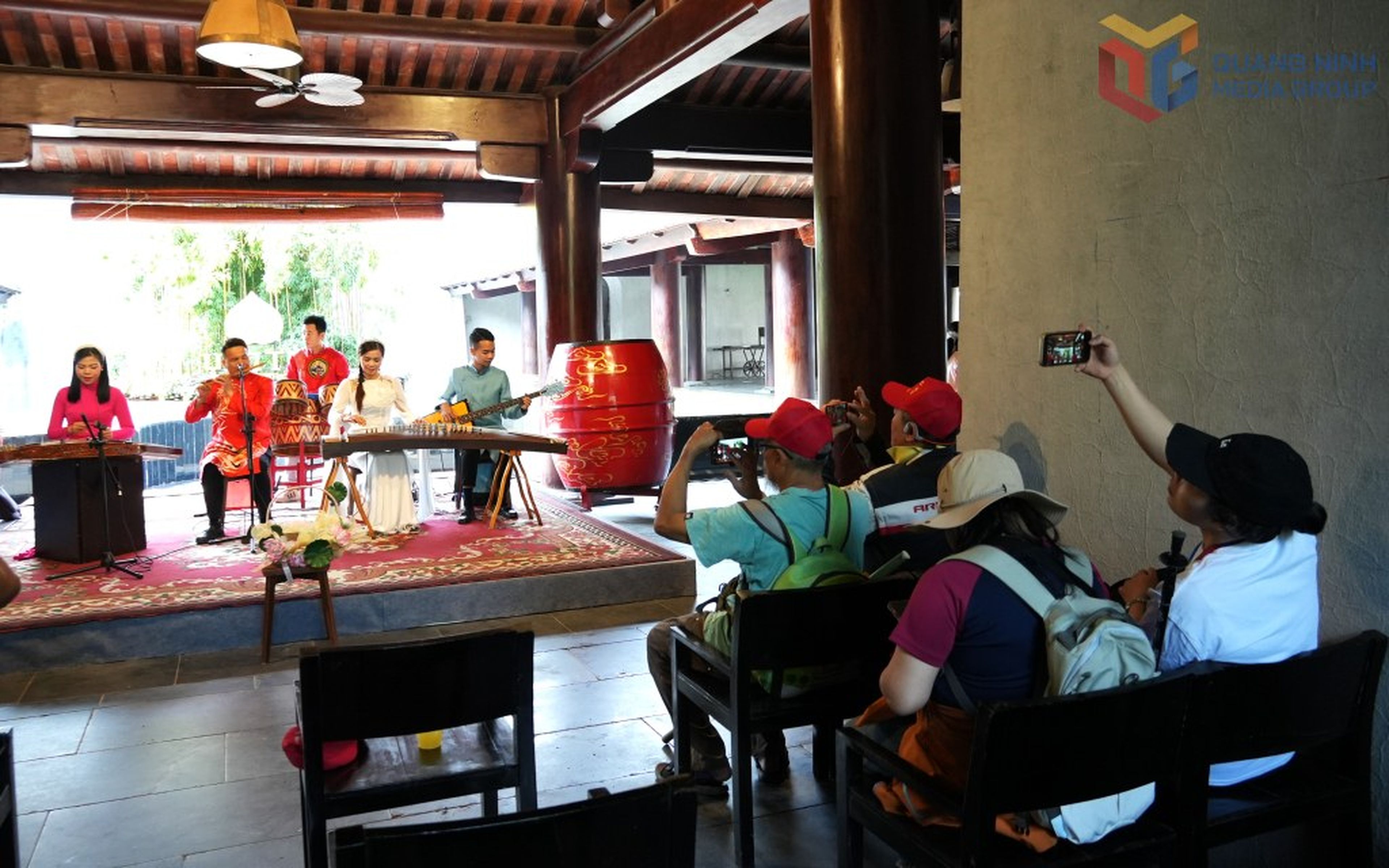
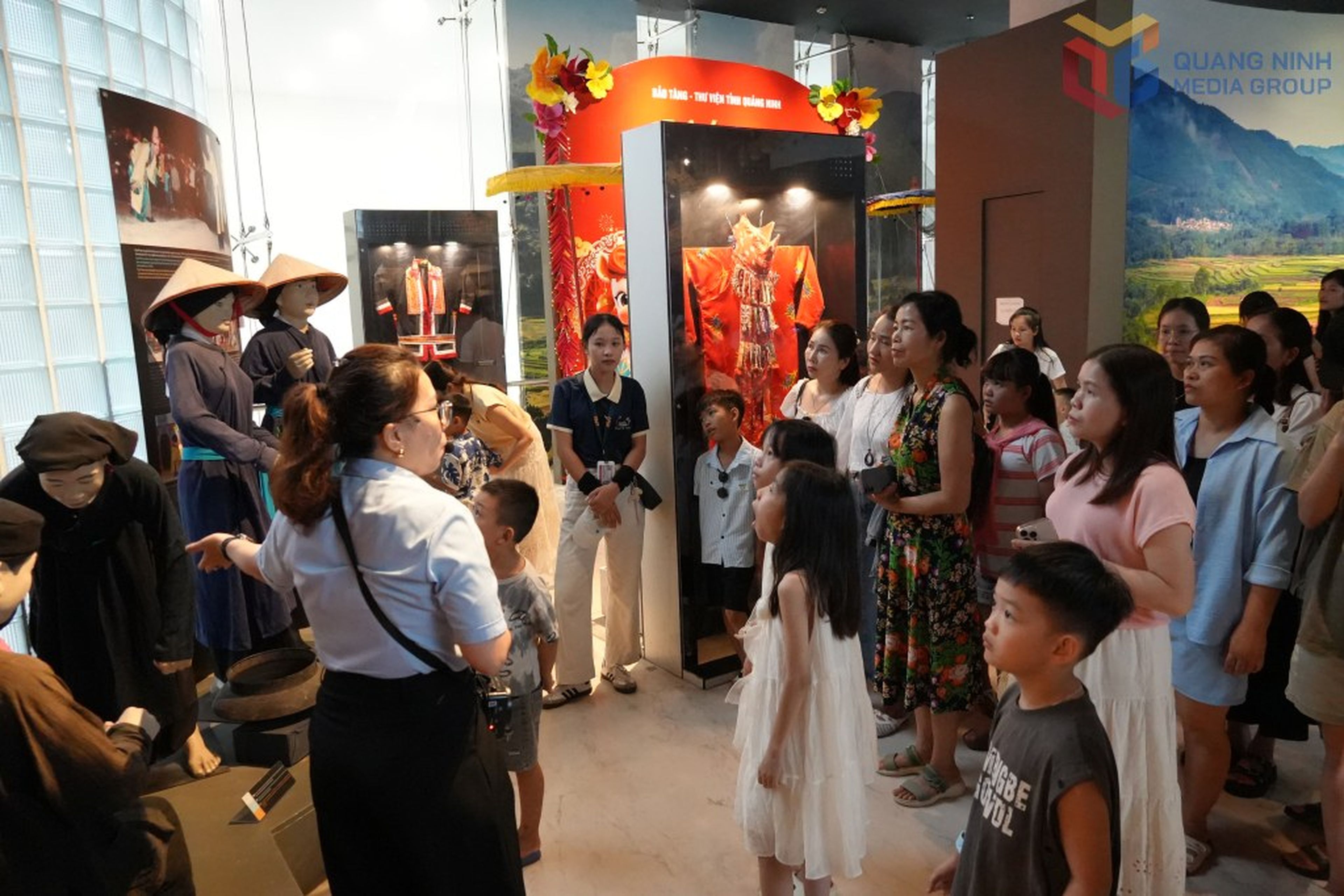
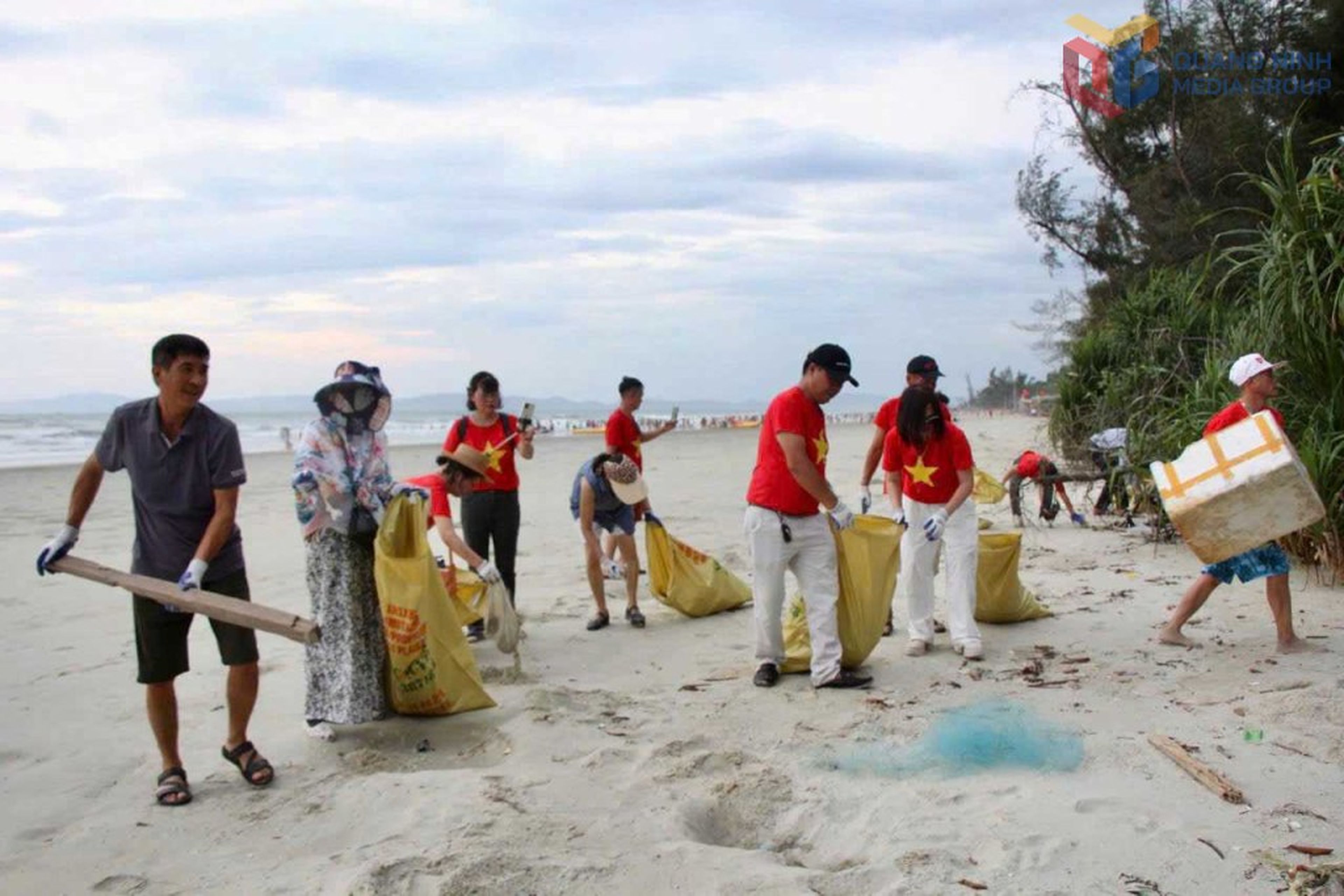
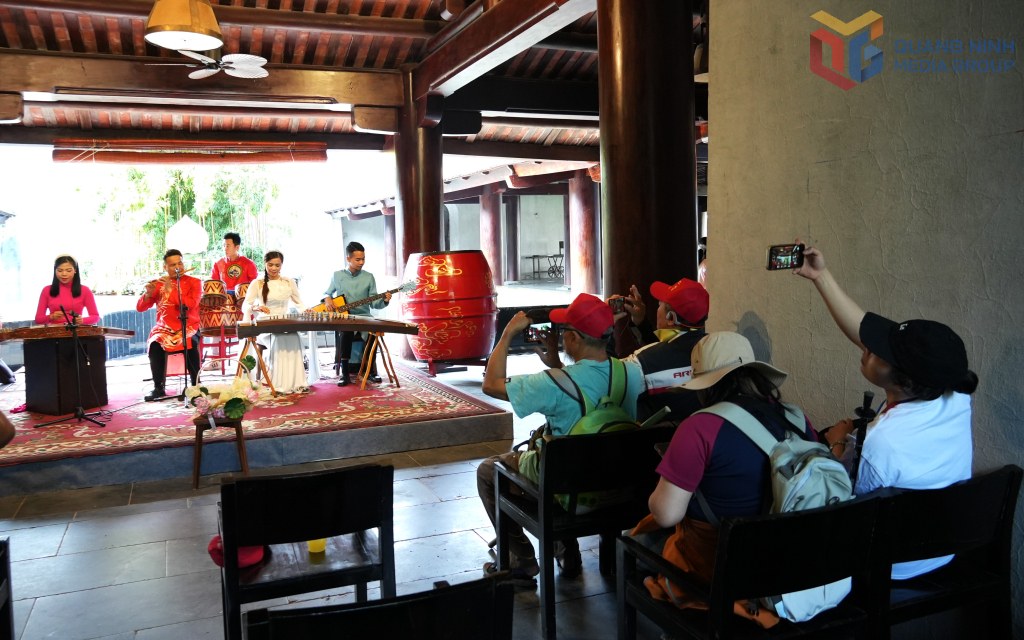
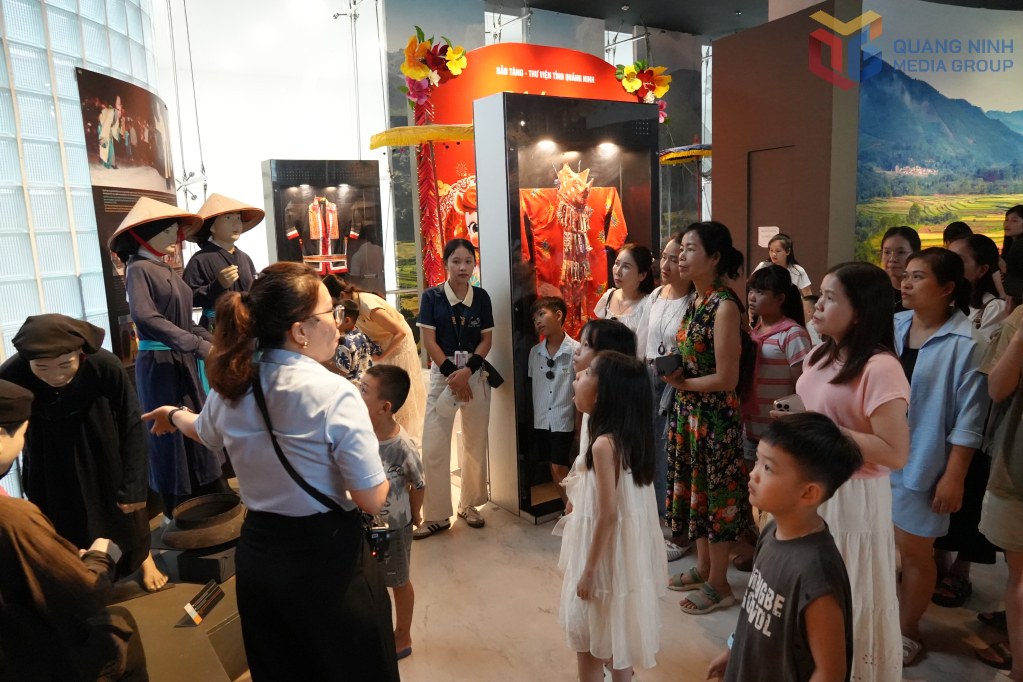
Across the province, numerous green tourism models are gradually taking shape, creating livelihoods for local people while contributing to resource conservation. In Binh Lieu, community-based tourism activities linked to the cultures of the Dao, Tay, and San Chi ethnic groups are attracting an increasing number of tourists. In Dong Trieu, the rural village tourism model combining agriculture and culture offers visitors intimate experiences such as farming, enjoying local specialties, and watching water puppetry. Meanwhile, Co To is becoming one of the pioneering localities aiming to build a plastic-waste-free island...
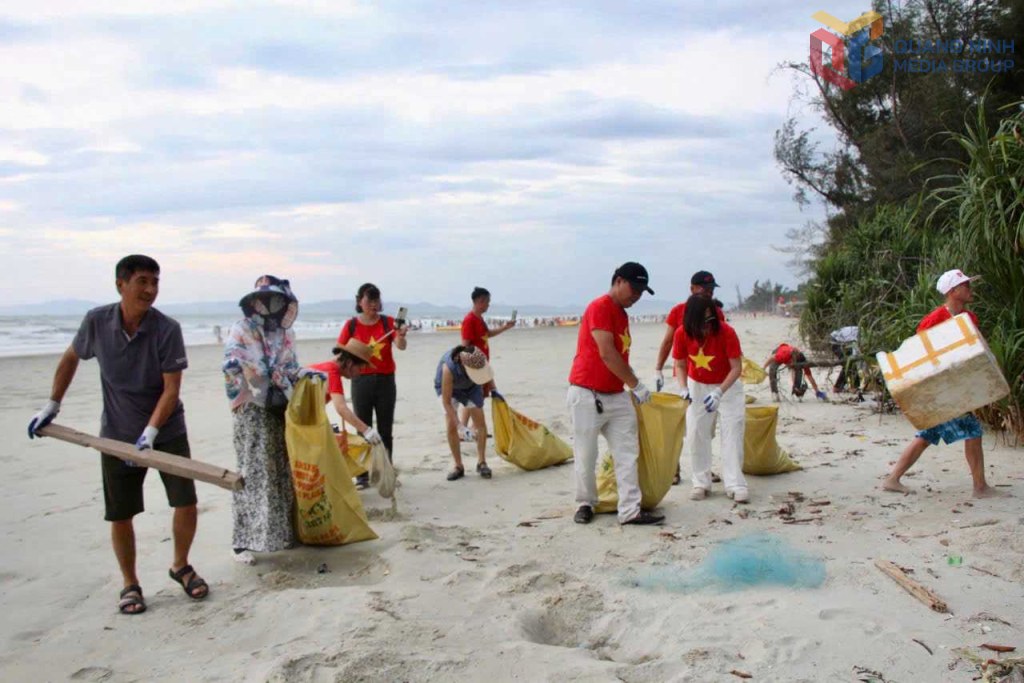
Right in Ha Long Bay, many tourism businesses have also proactively transitioned towards green practices, gradually adopting environmentally friendly materials. Waste management, energy conservation, and restrictions on single-use plastics are being enforced with increasing rigor. These are crucial steps to preserve the values of the World Natural Heritage site.
Quang Ninh's distinction lies not only in developing additional green tourism products, but also in its strategic approach. As early as 2013, the province identified the goal of transforming its development model from "brown" to "green", gradually reducing reliance on mineral extraction and strongly developing tourism and high-quality services. By 2023, the Scheme for Recovery and Sustainable Development of the Tourism Industry reaffirmed the goal of developing tourism towards green growth, coupled with nature conservation and the promotion of traditional cultural values.
According to experts, green tourism helps Quang Ninh transform its development model. The locality focuses on increasing experiential value, extending lengths of stay, and raising visitor spending. At the same time, the province places emphasis on taking conservation as a consistent guiding principle, minimizing conflicts between economic development and heritage preservation.
By 2030, with a vision to 2045, the province aims to become the country's leading hub for green and marine-island tourism, gradually elevating to international stature. To realize this goal, a new value chain is taking shape with luxury resort products, MICE tourism, wellness tourism, cultural tourism, festivals, ecotourism... targeting high-spending, long-staying visitor segments. Along with this is the development of sustainable infrastructure, inter-regional connectivity, and a civilized night-time economy with well-controlled environmental impacts.