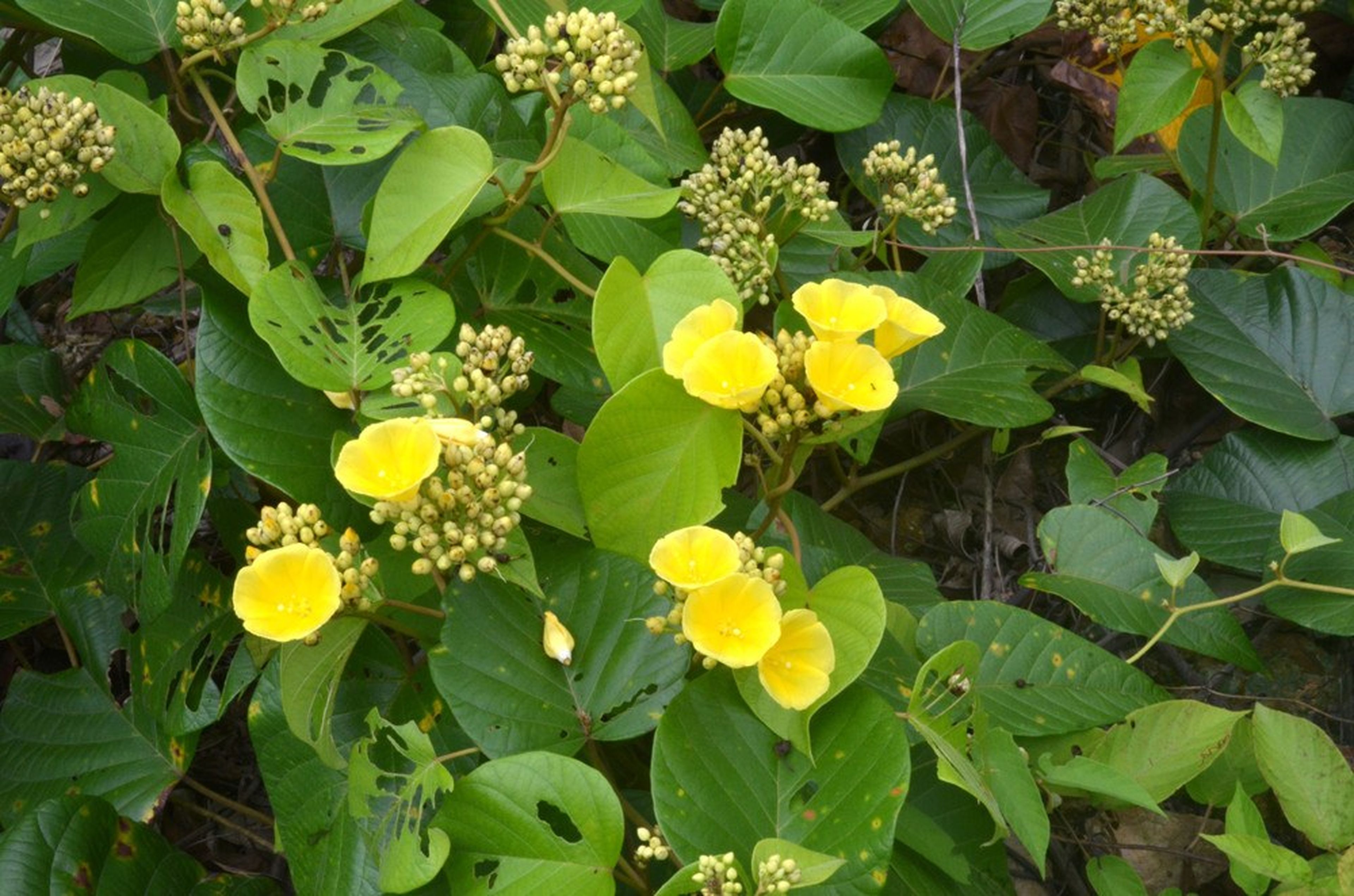
Cái Lim Lagoon is located on Trà Ngọ Lớn Island in Bái Tử Long National Park. It remains pristine and features plant communities unlike any found in other mangrove forests in Vietnam.
Cái Lim Lagoon – the “Living Museum” on Bái Tử Long Bay
Bái Tử Long National Park covers 15,783 ha of sea and offshore islands, including Ba Mùn, Trà Ngọ Lớn, Trà Ngọ Nhỏ, Sậu Đông and Sậu Nam… Cái Lim Lagoon on Trà Ngọ Lớn Island remains remarkably pristine, as if humans had never set foot there.
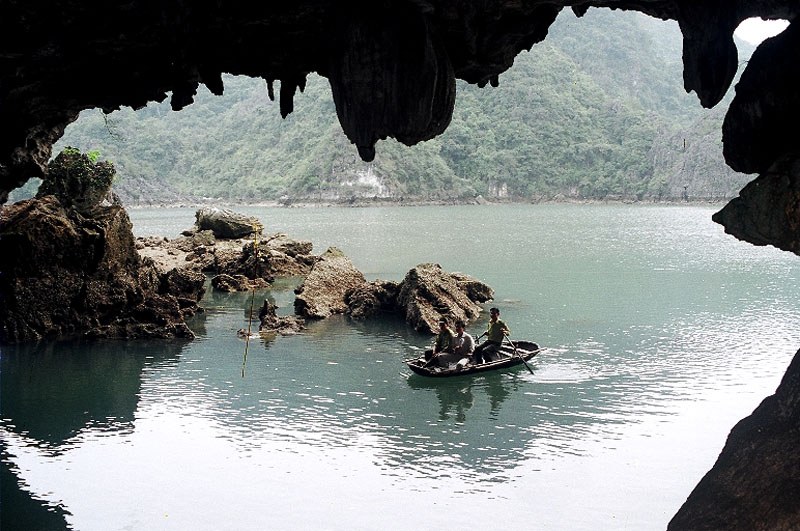
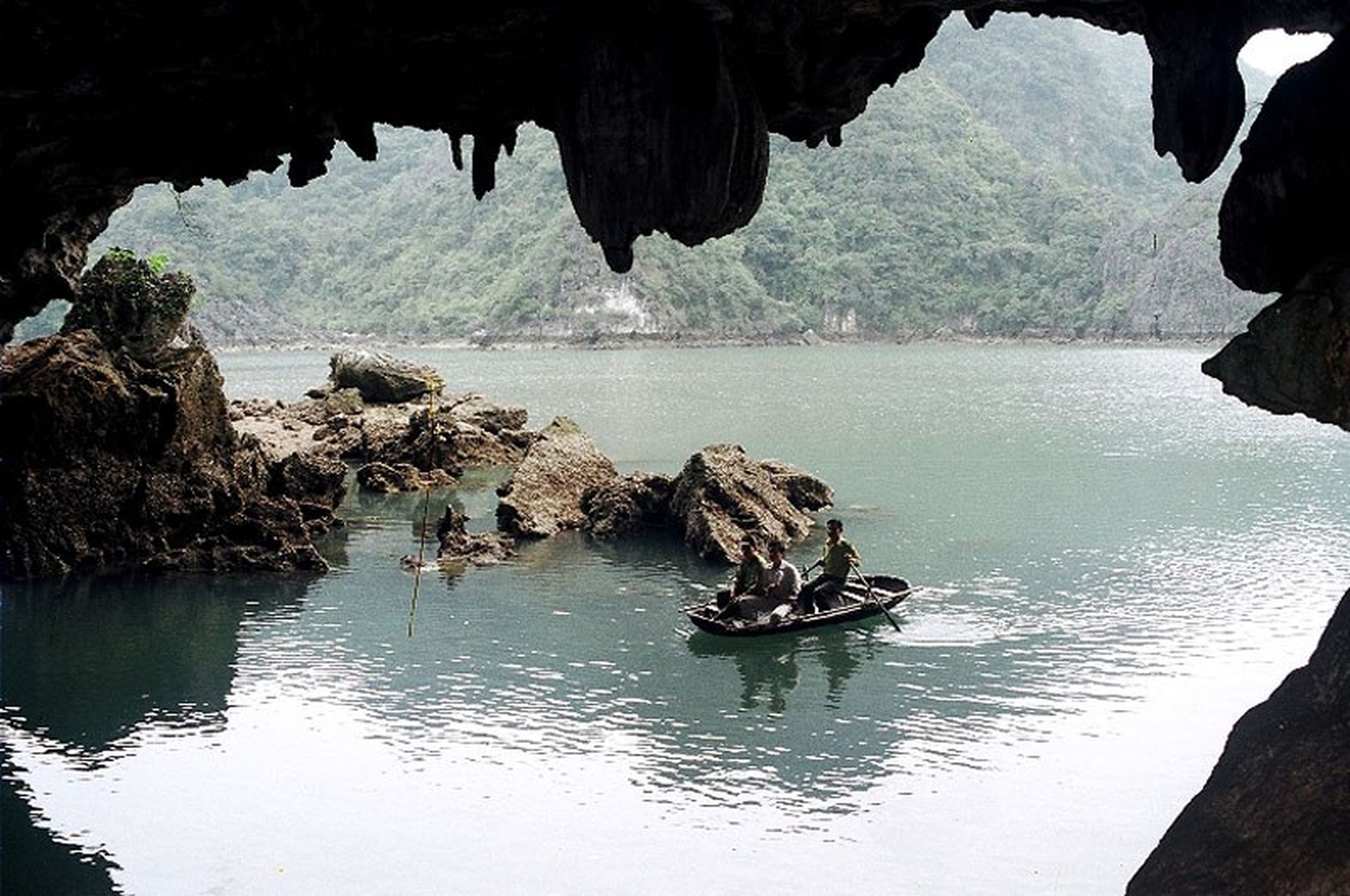
Boating into Cái Lim Lagoon. Photo: Quảng Ninh Newspaper.
Its unique geological structure, comprising limestone mountain ranges surrounding vast valleys and forming lagoons, creates a rich habitat for many animal and plant species. The main area of Cái Lim Lagoon contains a mangrove forest covering approximately 10 ha.
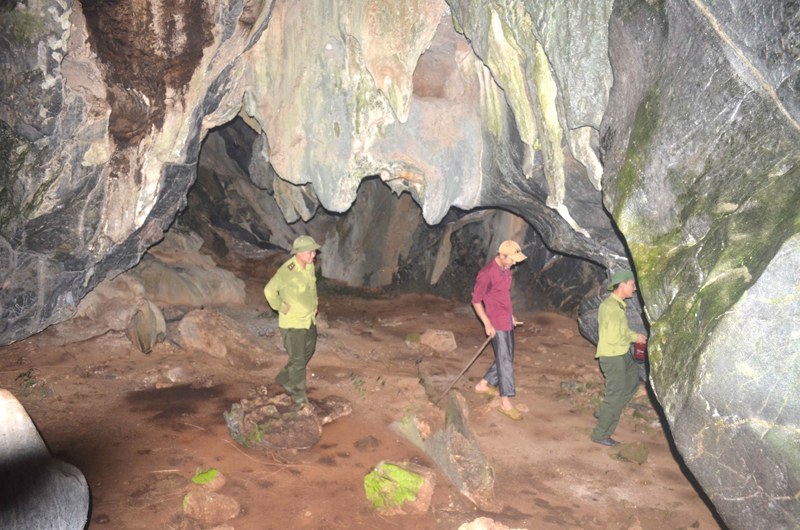
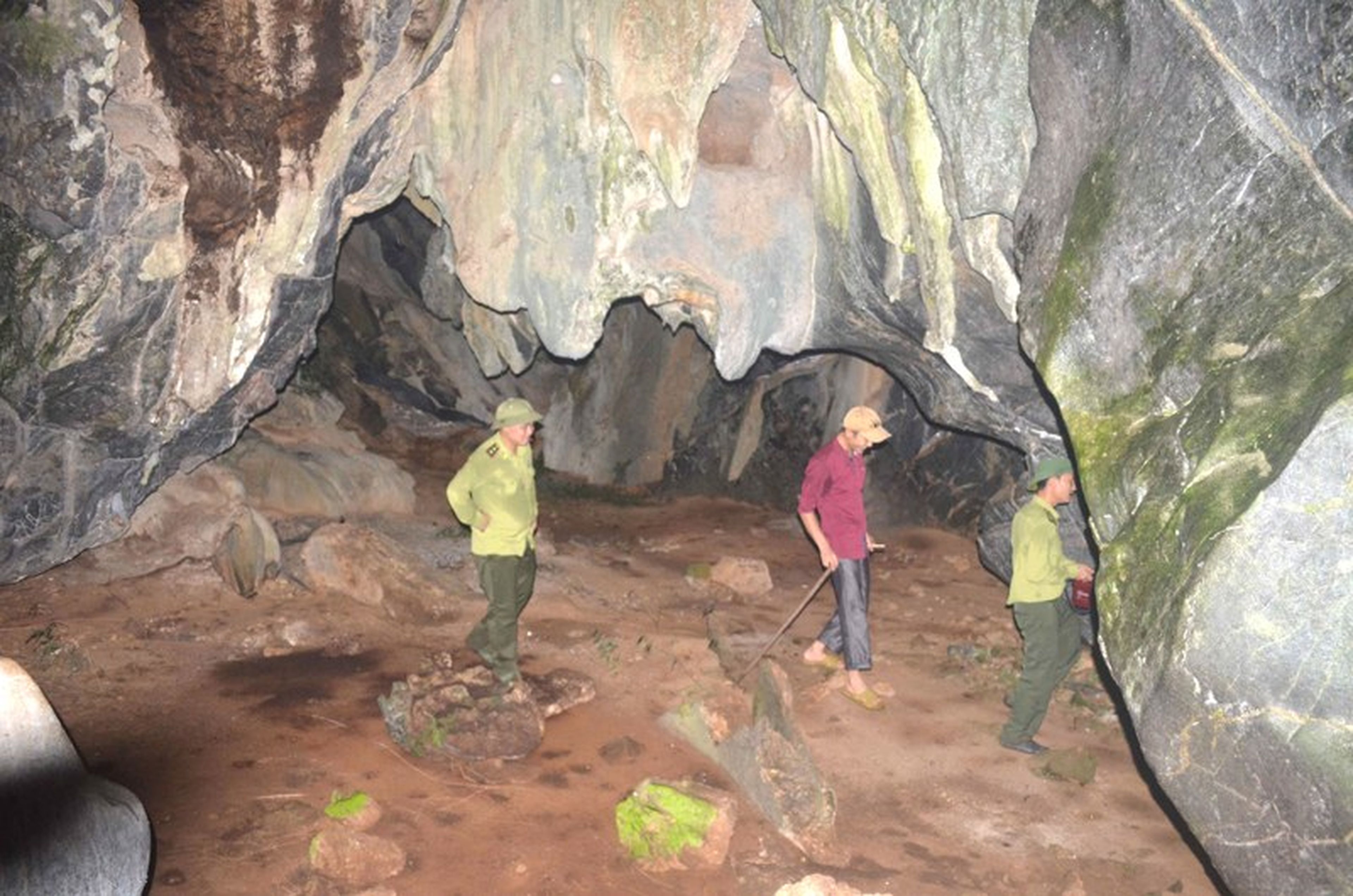
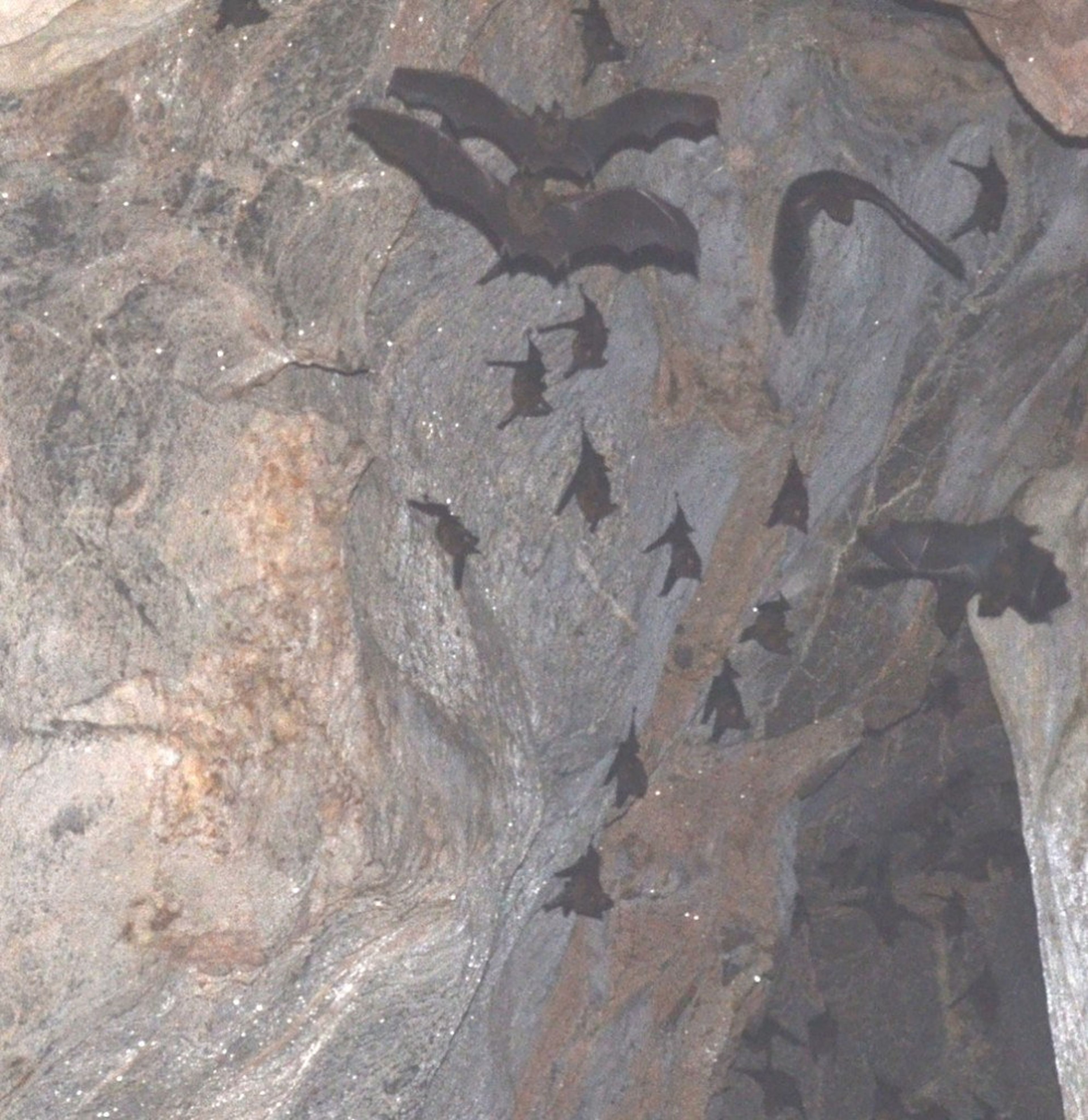
Bat Cave in Cái Lim Lagoon. Photo: Quảng Ninh Newspaper.
The trees in the lagoon generally have trunks about 30 cm in diameter and are hundreds of years old. Cái Lim Lagoon does not come into direct contact with seawater; instead, seawater flows through underground caves and crevices in the rocks. During the rainy season, the lagoon becomes a kingdom of frogs, snakes and other creatures, along with saltwater species such as shrimp, ngán clams and horseshoe crabs, creating a diverse animal ecosystem.
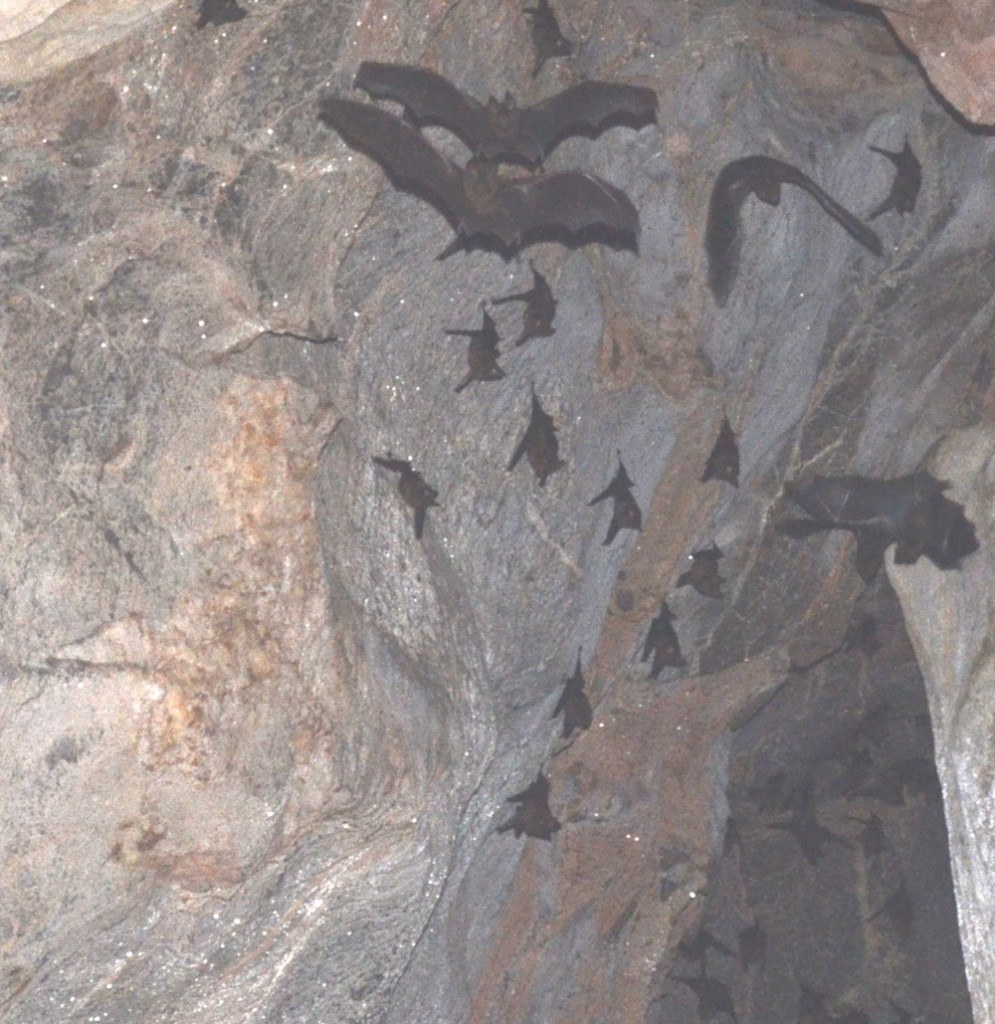
Bats inside the cave. Photo: Quảng Ninh Newspaper.
Bat Cave in the lagoon is home to hundreds of bats and monkeys. There are many monkeys here, including a species with white chests and golden fur that has lived in the wild for many years. Every year, hundreds of long-tailed monkeys confiscated by the Forest Protection Department are released on Ba Mùn Island and Cái Lim Lagoon.
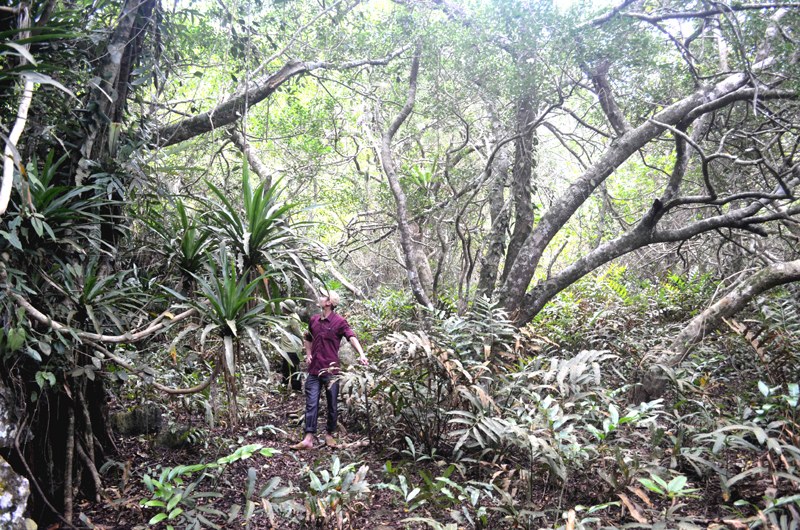
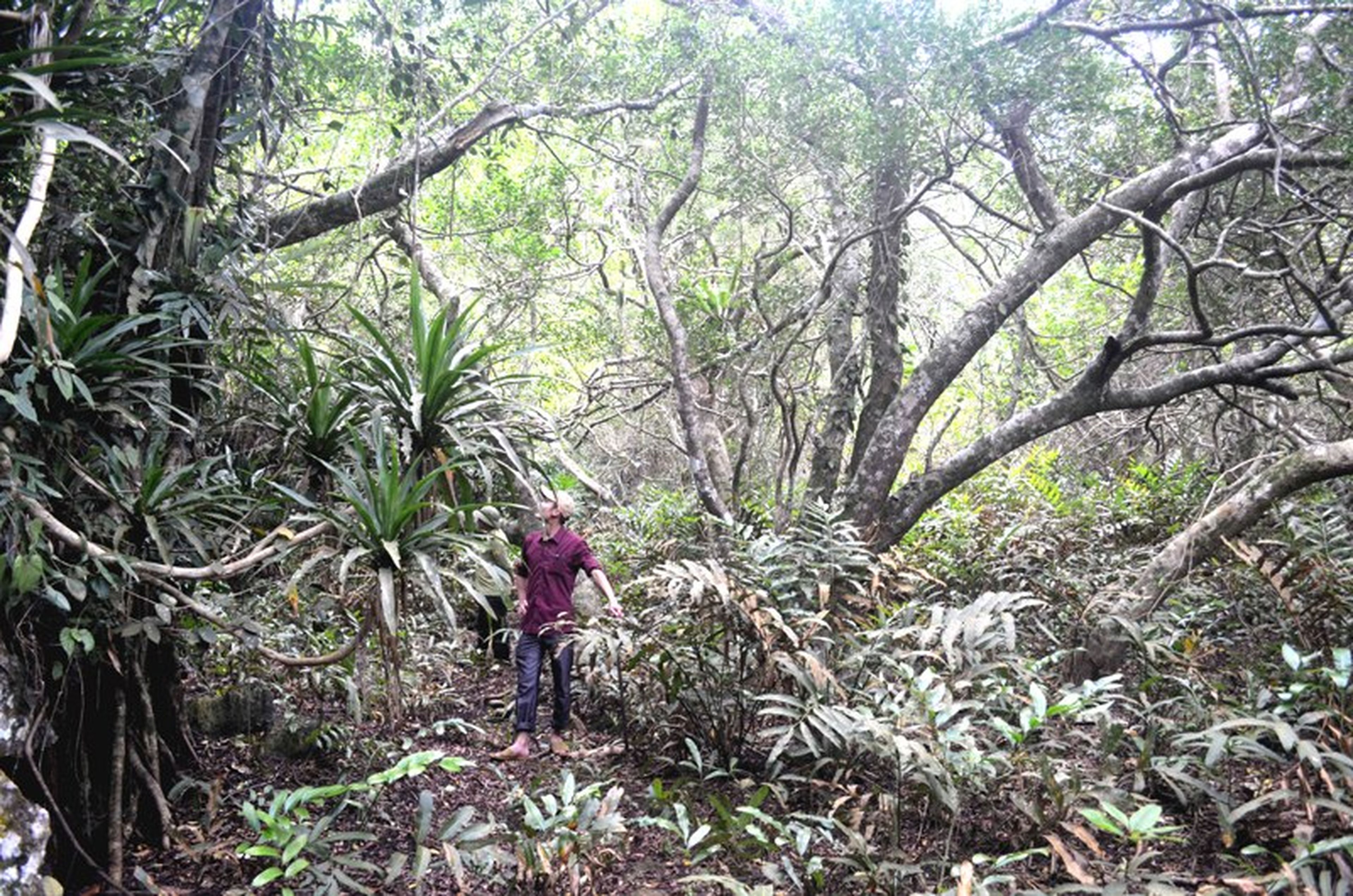
Ancient mangrove trees. Photo: Quảng Ninh Newspaper.
About 1 km north of Bat Cave lies Cái Đé Tunnel Cave, which is also part of the lagoon complex. This is an underground rocky cave running through a mountain range for about 500 m, with its widest section measuring approximately 60 m. The cave can only be entered when the tide is low; when the tide rises, the water reaches the cave’s ceiling. There are huge numbers of ngán clams here, making it a giant ngán clam bed.
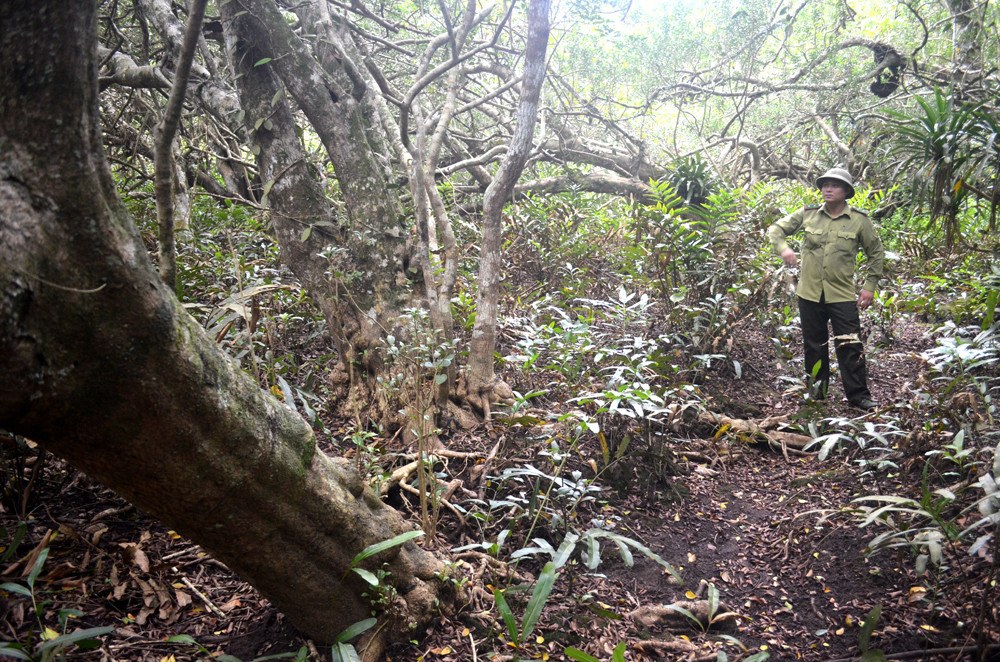
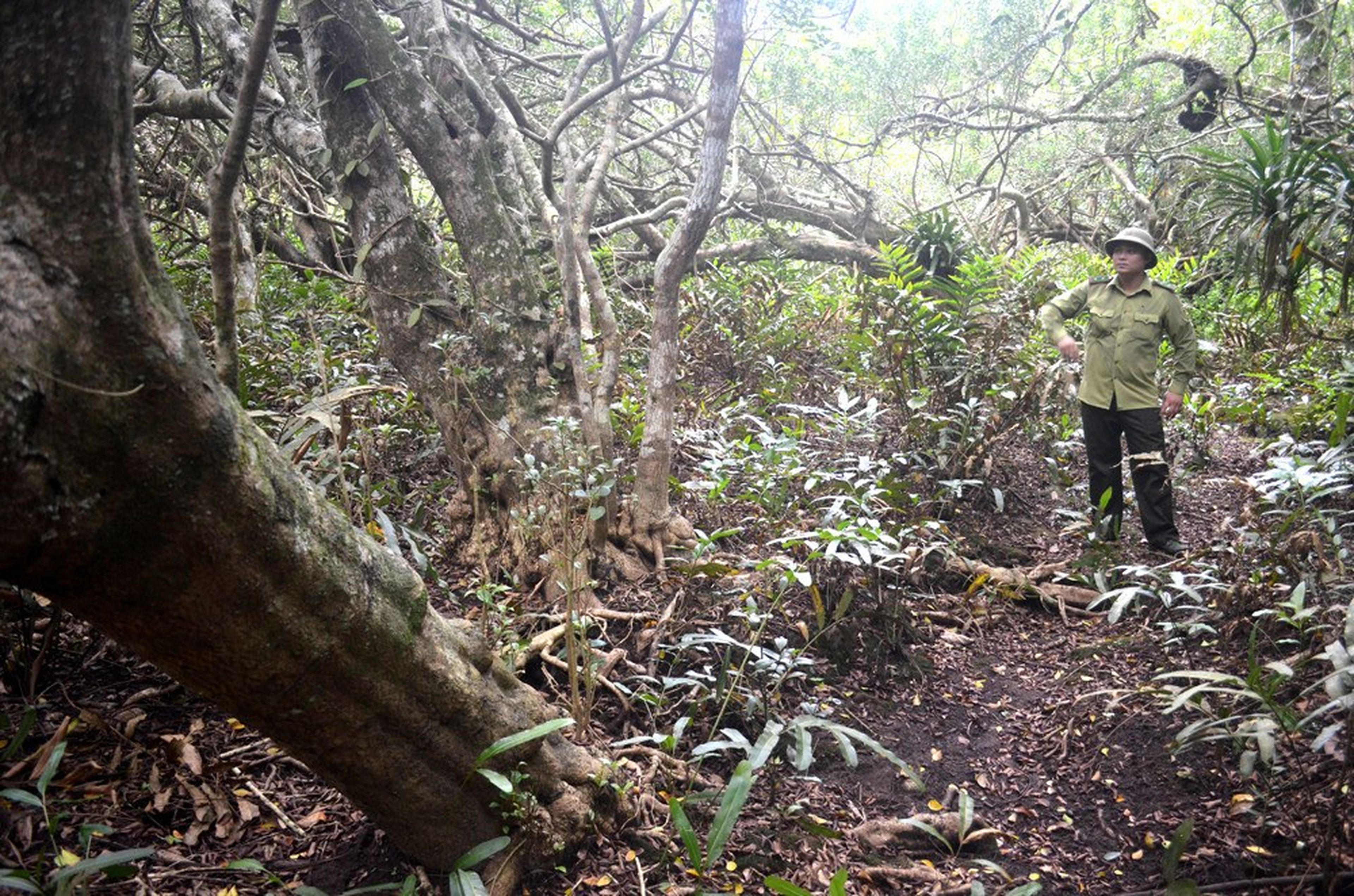
Large mangrove plants. Photo: Quảng Ninh Newspaper.
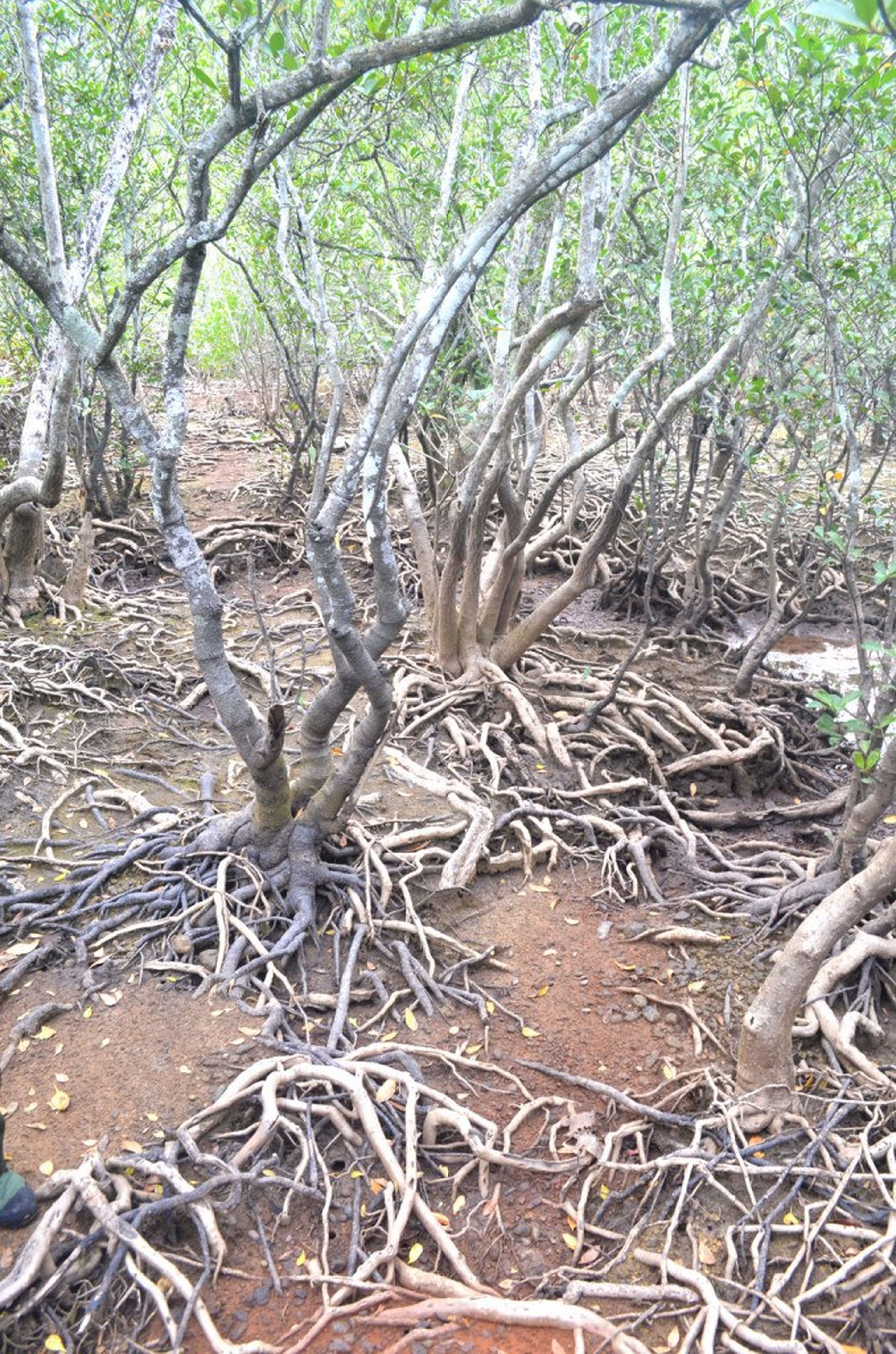
According to scientists, the mangrove forests on Trà Ngọ Lớn Island in particular, and in Bái Tử Long National Park in general, do not receive sediment deposits like the mangrove forests in the Red River estuary region.
Deep inside Cái Lim Lagoon, which is considered to have plant communities unlike any other mangrove areas in Vietnam, visitors encounter everything from lush, dense green bamboo forests to sea tra forests. The sea tra trees grow tightly packed together, with tiny saplings standing among centuries-old trees.
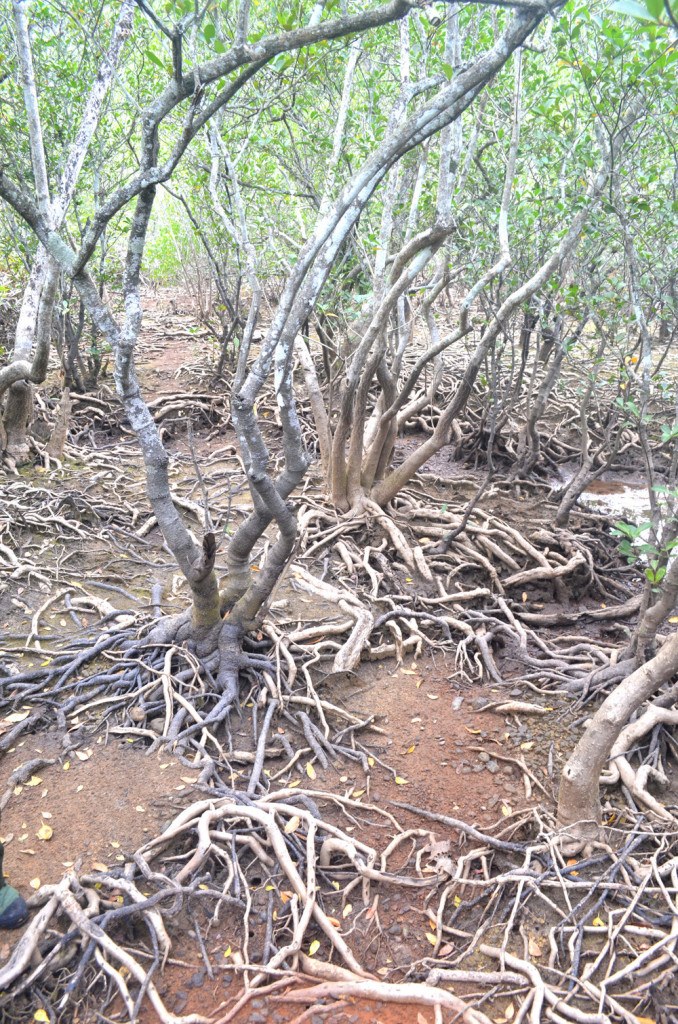
Entangled tree roots. Photo: Quảng Ninh Newspaper.
In addition to sea tra trees, the area is also home to ancient sea giá trees whose trunks are too large for four people to encircle. The deeper one ventures into the lagoon, the more strange wonders appear. Dense orchid-family vegetation clings to the limestone, including rare orchids listed in the “Vietnam Red Data Book”, such as the yellow-flowered Venus slipper orchid, jewel orchids and elephant-ear orchids…
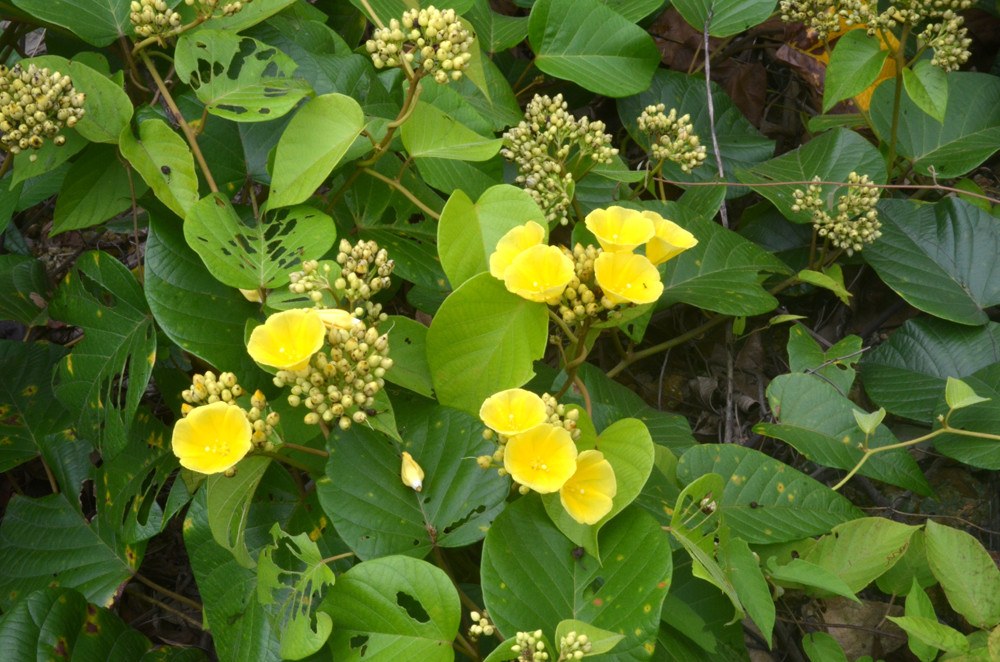
A rich plant ecosystem. Photo: Quảng Ninh Newspaper.
Perhaps that is why scientists have likened Cái Lim Lagoon to a “living museum”, vividly illustrating the evolutionary history of organisms in the Bái Tử Long Bay area.