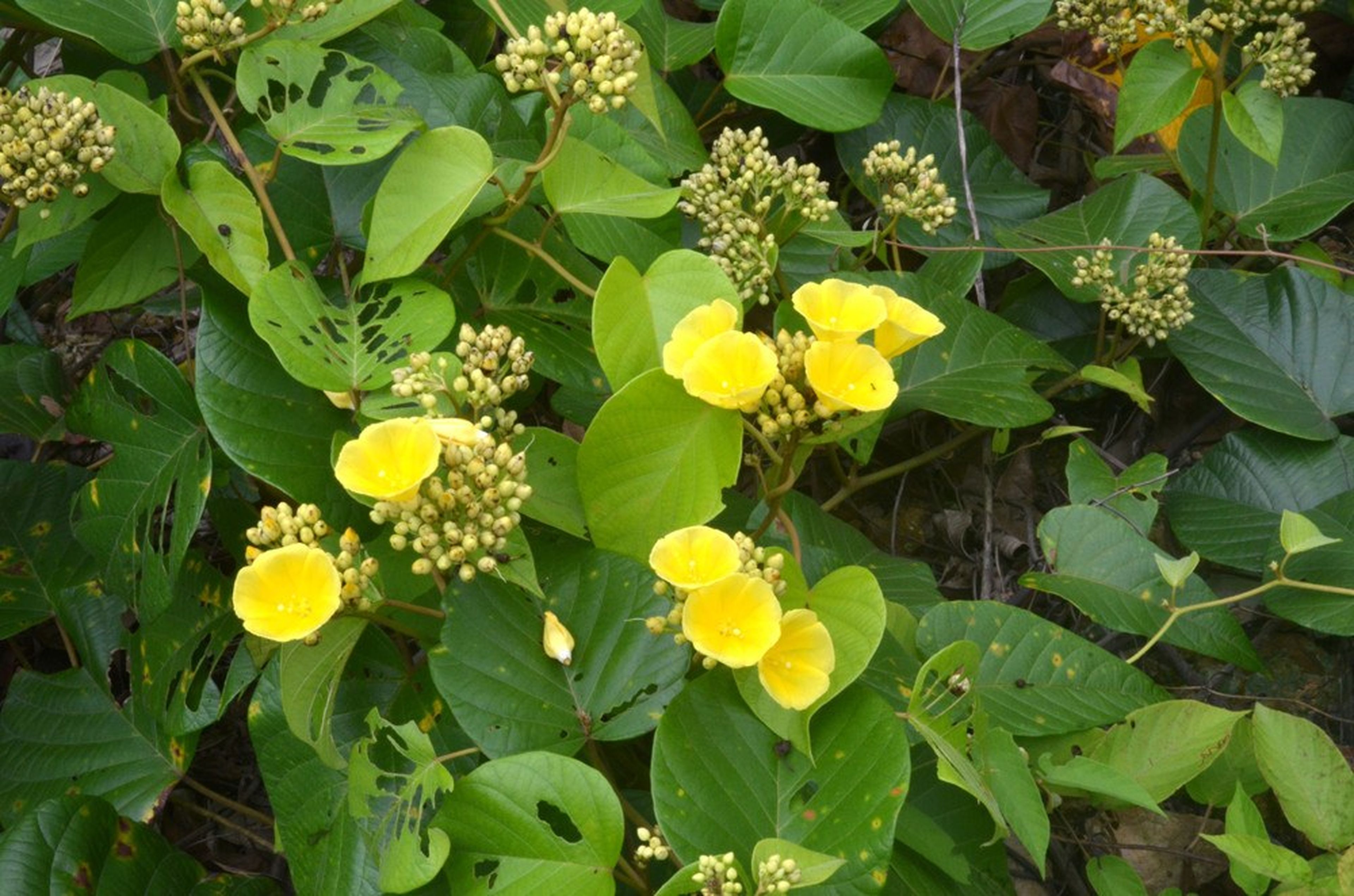
Located on Tra Ngo Lon Island within Bai Tu Long National Park, Cai Lim Karst Valley is pristine and boasts unique plant communities unlike any other mangrove forests in Vietnam.
Cai Lim Karst Valley – A “Living Museum” in Bai Tu Long Bay
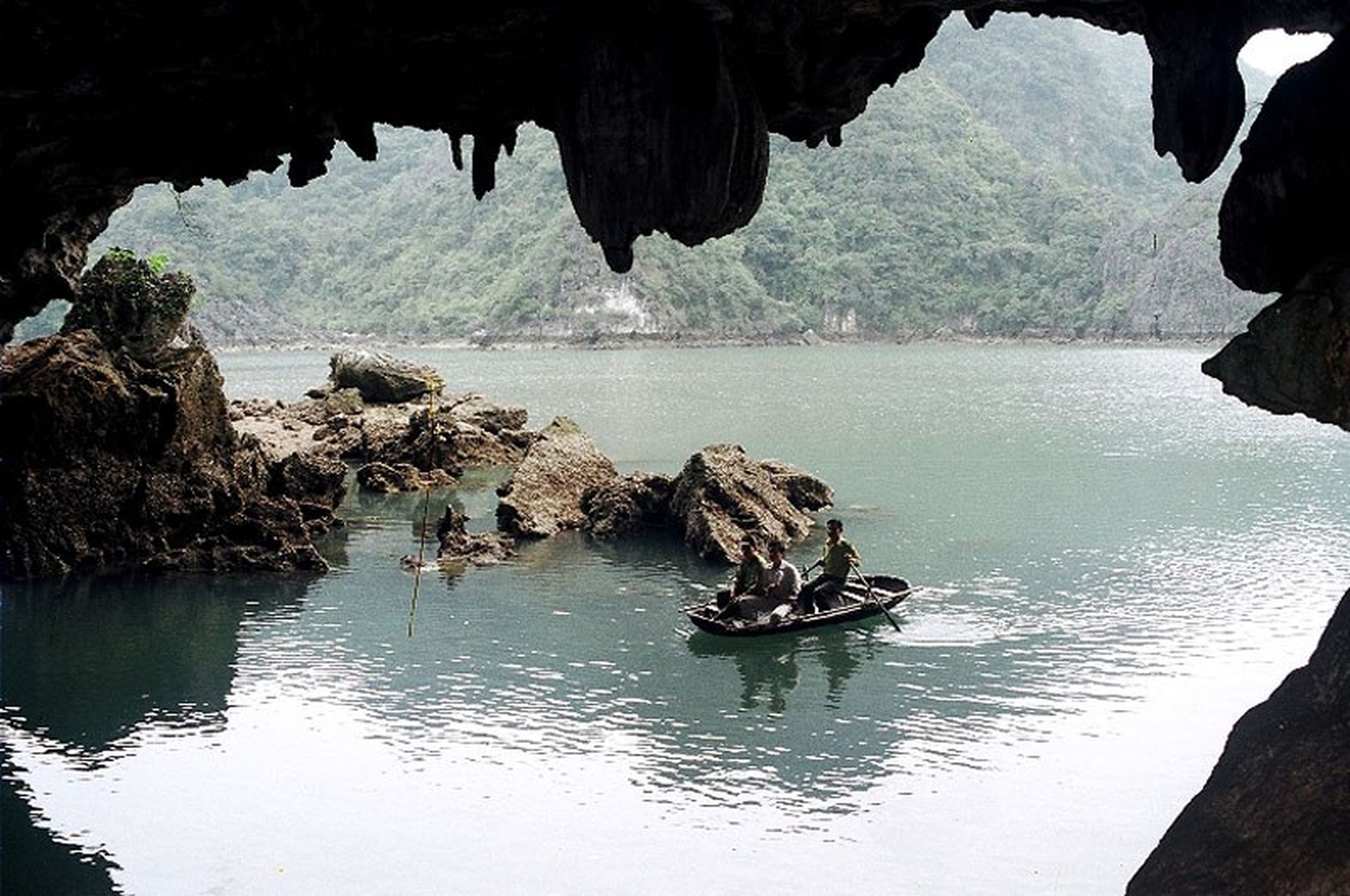
Bai Tu Long National Park covers an area of 15,783 ha, encompassing marine areas and emergent islands including Ba Mun, Tra Ngo Lon, Tra Ngo Nho, Sau Dong, Sau Nam, and more. Cai Lim Karst Valley on Tra Ngo Lon Island remains virtually untouched, as though unaffected by human presence.
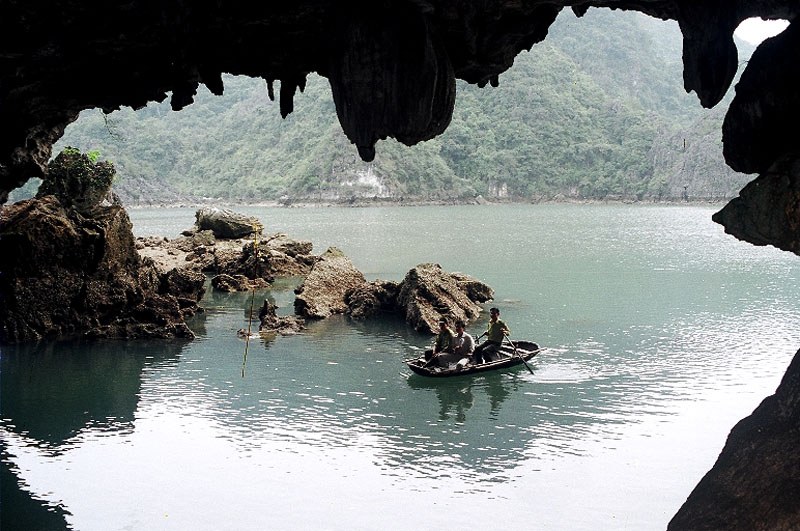
Taking a boat into Cai Lim Karst Valley. Photo: Quang Ninh Newspaper.
With its distinctive geological structure of limestone mountain ranges encircling vast depressions to form karst valleys, it provides a rich habitat for numerous animal and plant species. The core area of Cai Lim Karst Valley features a mangrove forest spanning approximately 10 ha.
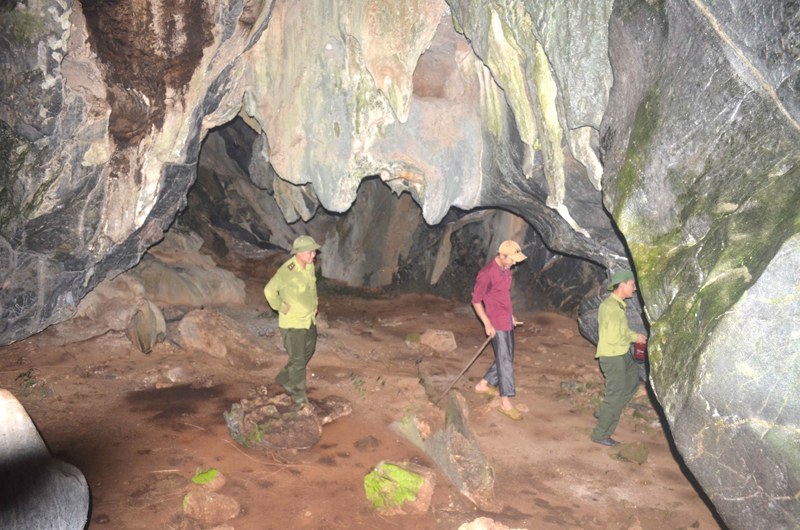
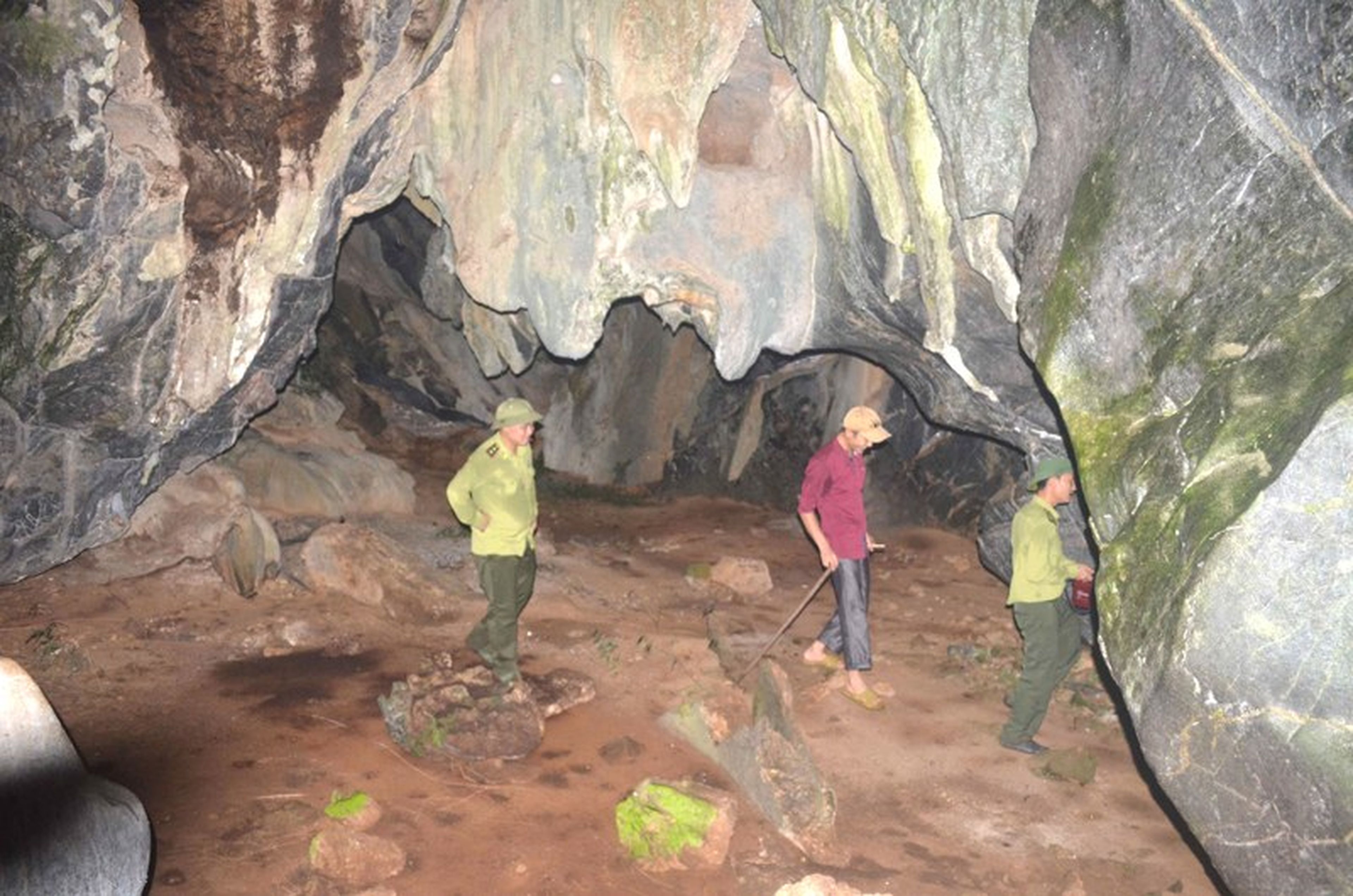
Doi (Bat) Cave in Cai Lim Karst Valley. Photo: Quang Ninh Newspaper.
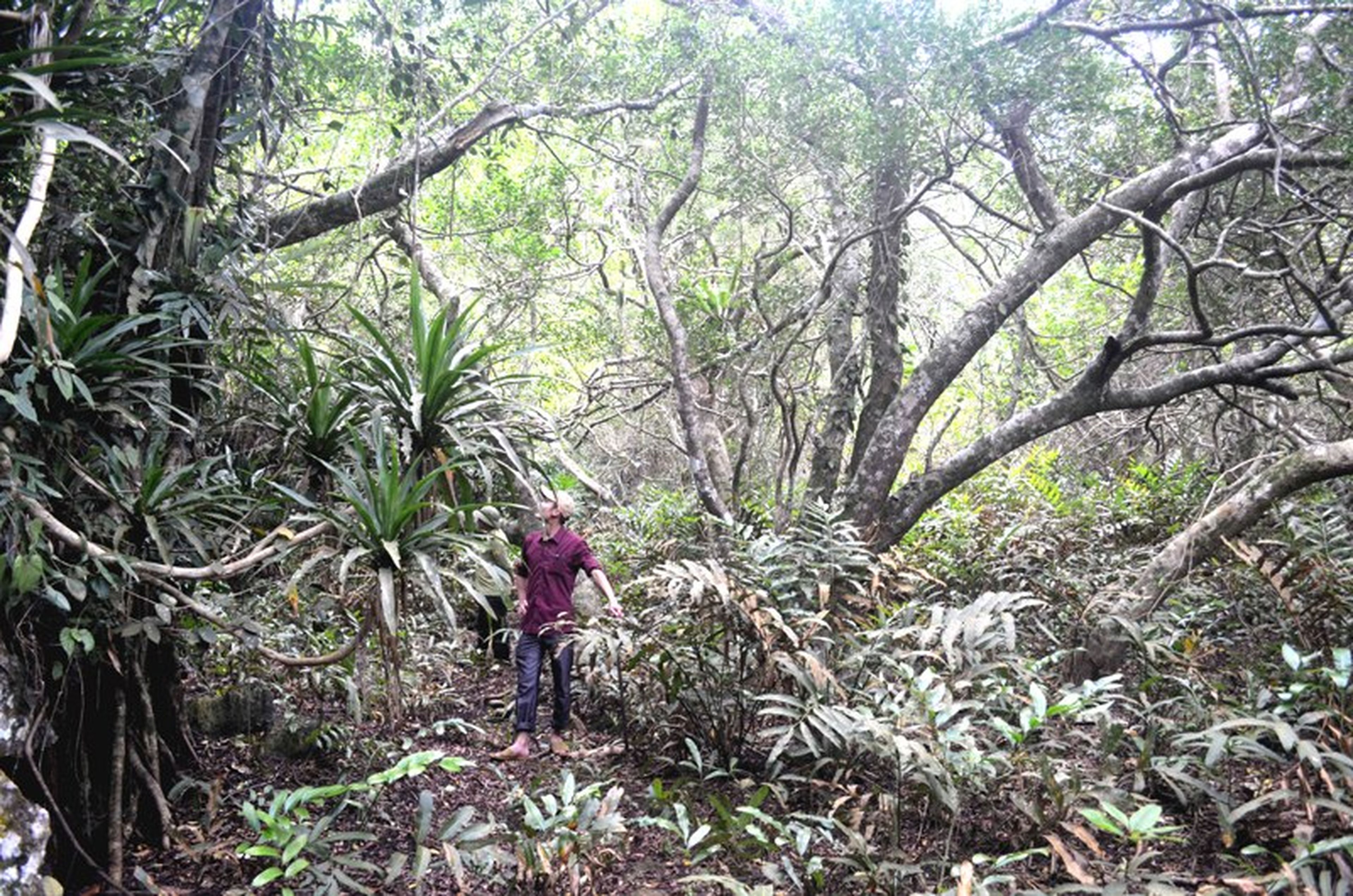
Trees in the valley typically have trunk diameters of around 30 cm and are hundreds of years old. Cai Lim Karst Valley does not connect directly with the open sea; instead, seawater circulates through submerged caves and rock fissures. When the rainy season arrives, the valley transforms into a haven for frogs, snakes, and more, alongside saltwater species such as shrimp, Austrovenus clams (ngán), and horseshoe crabs, forming a remarkably diverse fauna.
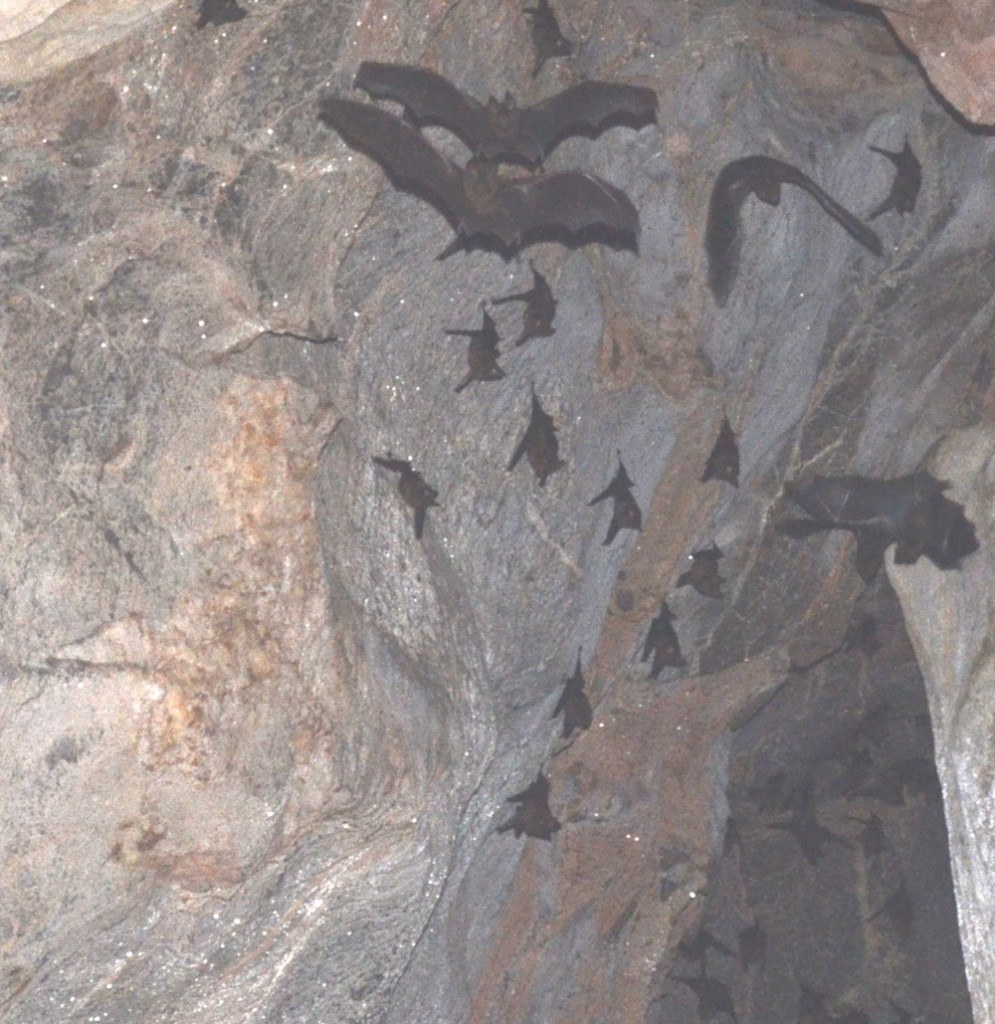
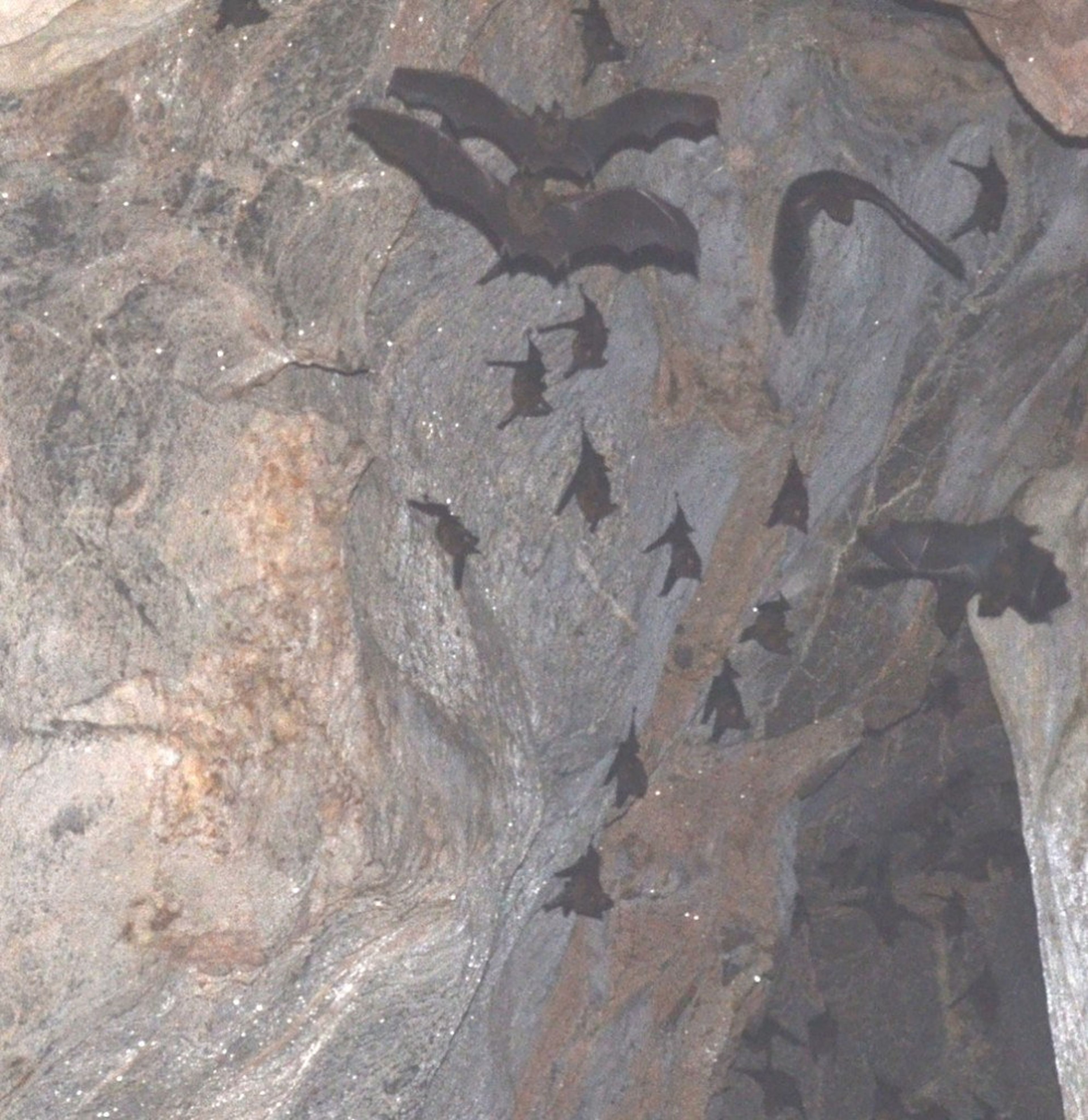
Bats inside the cave. Photo: Quang Ninh Newspaper.
Doi Cave in the valley provides shelter for hundreds of bats and monkeys. Monkeys thrive here in large numbers, including a golden-furred, white-chested variety living wild for many years. Each year, hundreds of long-tailed macaques confiscated by the Forest Protection Department are released on Ba Mun Island and in Cai Lim Karst Valley.
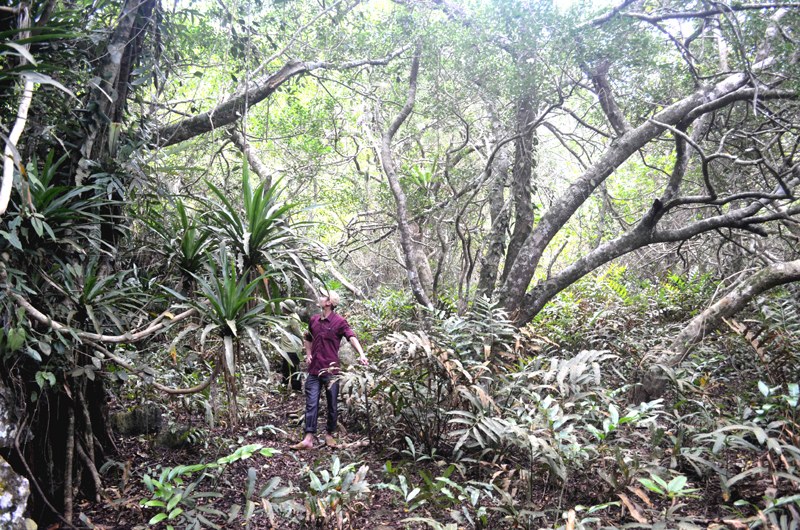
Ancient mangrove trees. Photo: Quang Ninh Newspaper.
About 1 km north of Doi Cave lies Cai De water cave, which is also part of the karst valley complex. This is a subterranean cave cutting through a mountain ridge for approximately 500 m, with its widest chamber reaching about 60 m. The cave can only be entered at low tide, as high tide submerges it up to the ceiling. The area teems with clams, serving as a massive natural clam sanctuary.
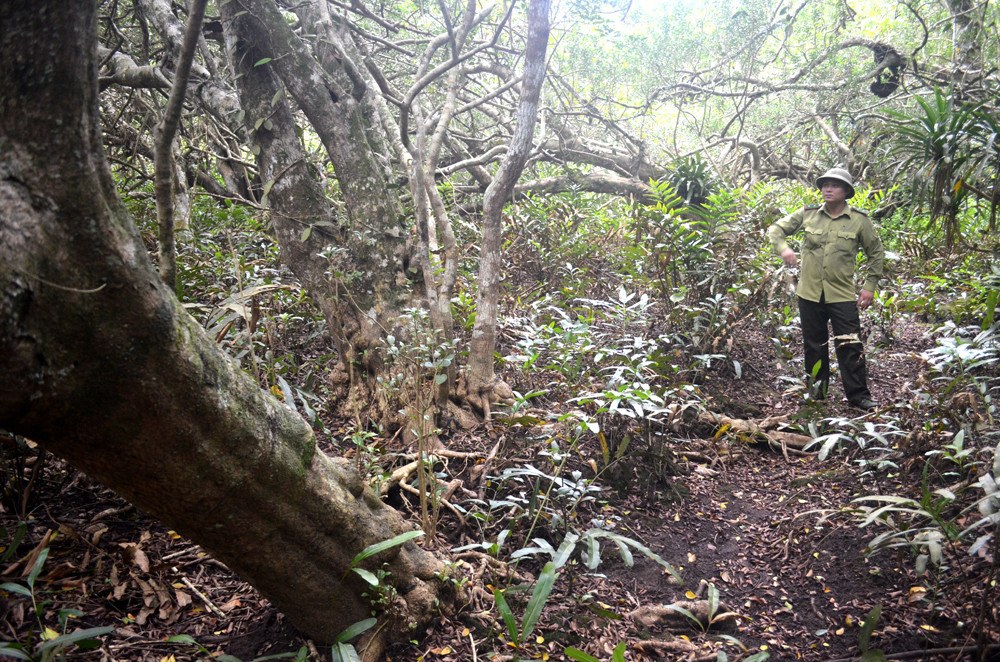
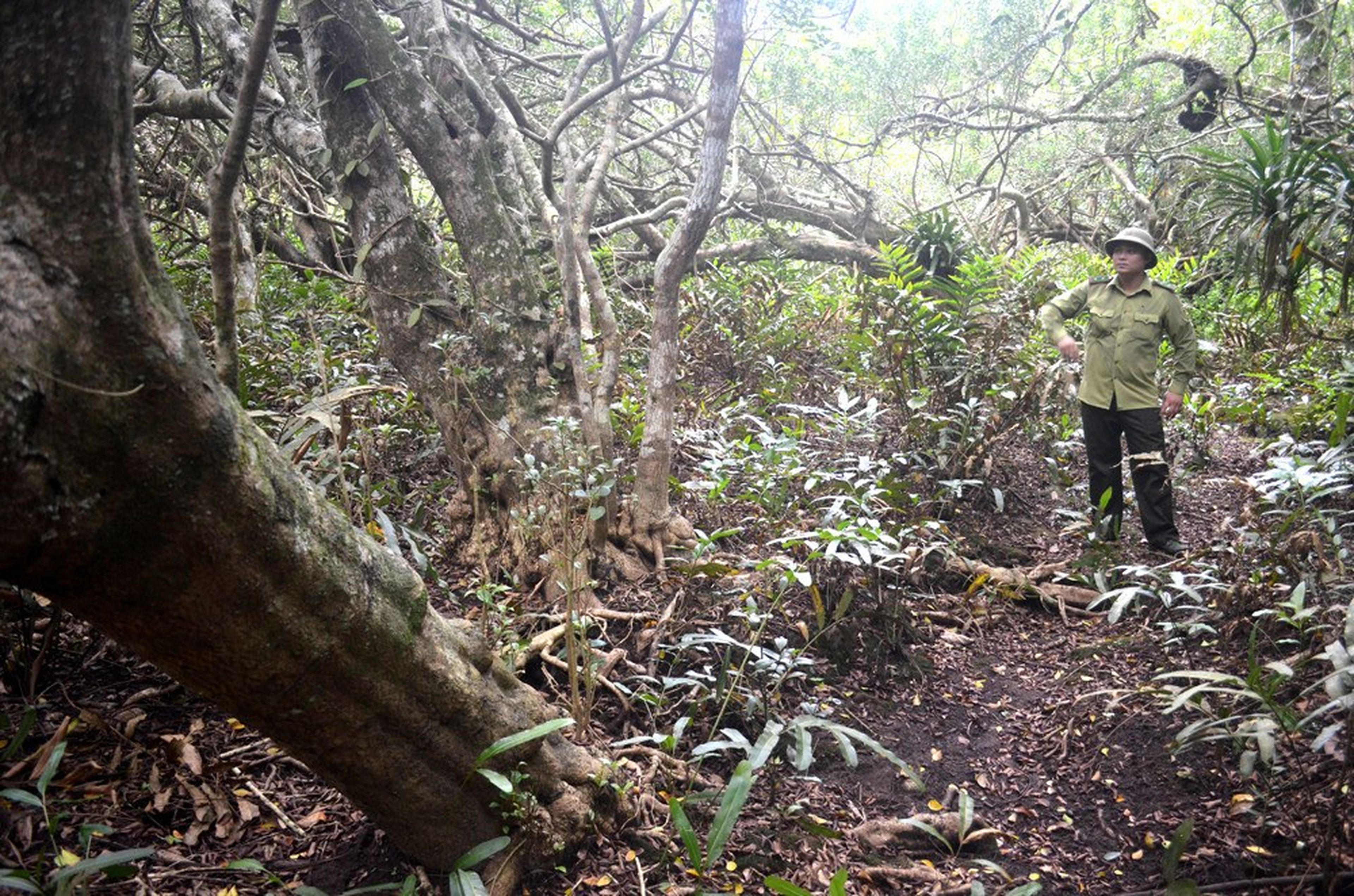
Large-sized mangrove vegetation. Photo: Quang Ninh Newspaper.
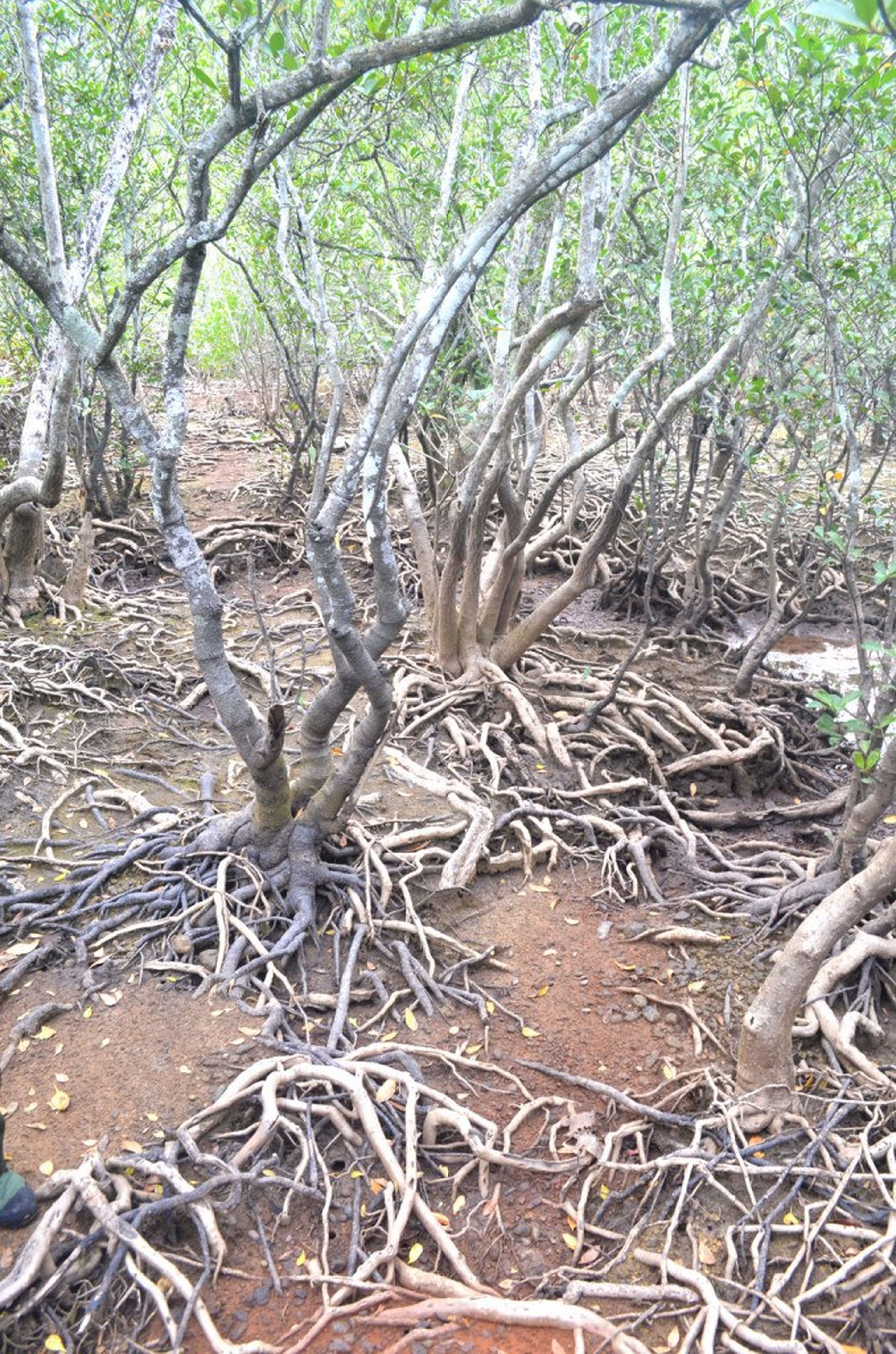
According to scientists, the mangroves on Tra Ngo Lon Island in particular, and in Bai Tu Long National Park in general, receive no alluvial deposition unlike mangrove forests located in the Red River estuary region.
Venturing deep into Cai Lim Karst Valley, recognized for harboring plant communities unique compared to other mangrove areas in Vietnam, visitors encounter lush, dense bamboo groves as well as sea hibiscus forests. The sea hibiscus trees grow closely together, with small saplings thriving alongside centuries-old giants.
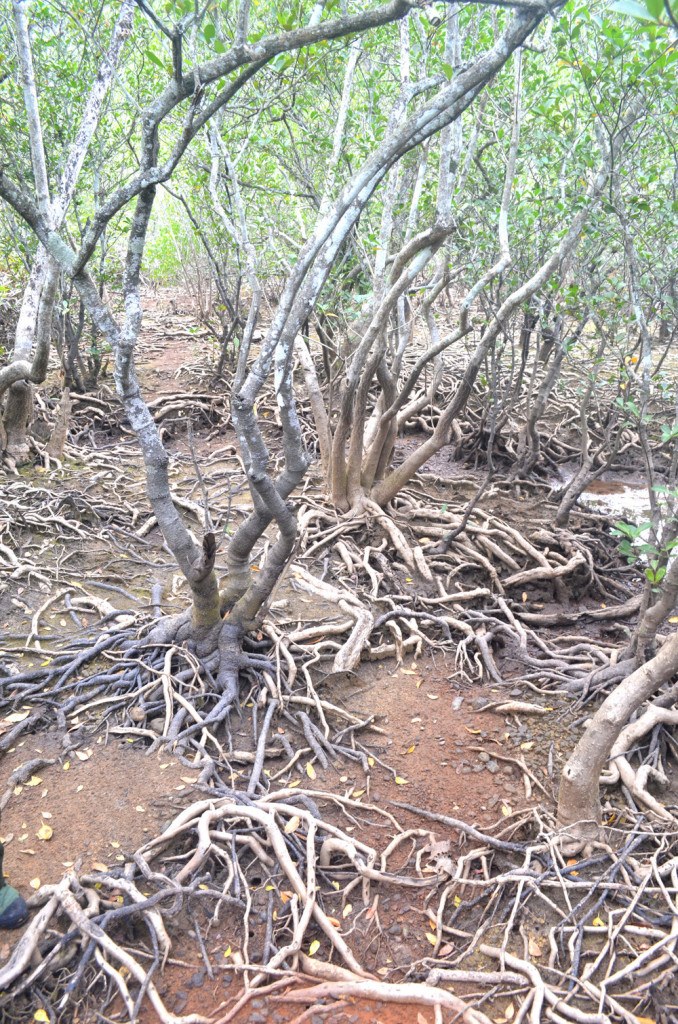
Sprawling tree roots. Photo: Quang Ninh Newspaper.
In addition to sea hibiscus, ancient mangrove blind-your-eye trees (cây giá biển) thrive here with trunks so thick that four people holding hands cannot encircle them. The deeper one goes into the valley, the more wonders appear. A dense layer of orchid flora clings to the limestone rocks, including rare species listed in the “Vietnam Red Data Book” such as yellow lady’s slipper orchids, jewel orchids, and foxtail orchids…
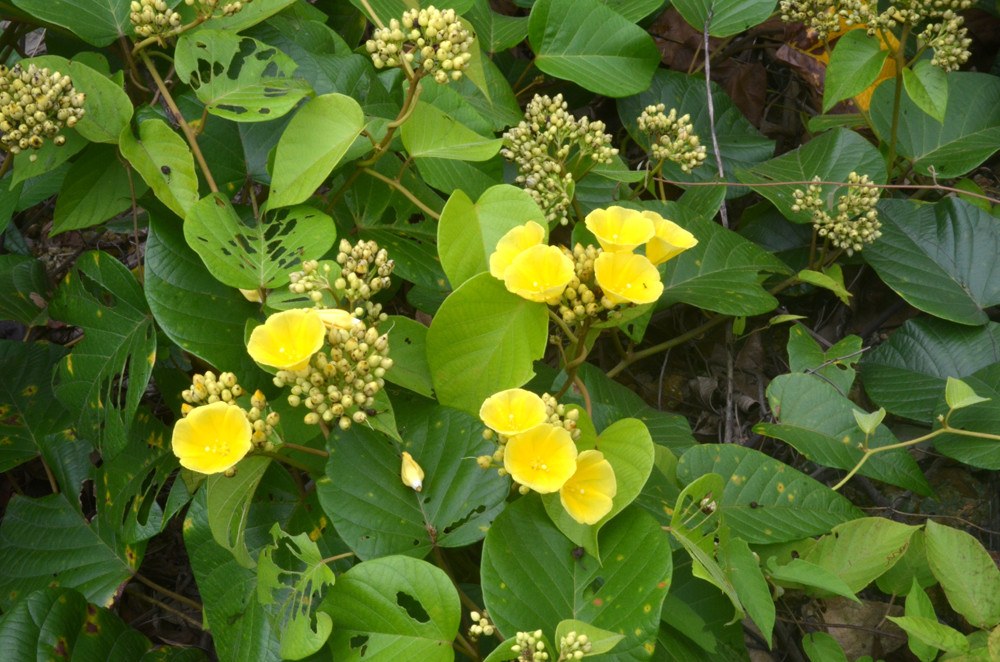
Rich and diverse flora. Photo: Quang Ninh Newspaper.
Perhaps for this reason, scientists have likened Cai Lim Karst Valley to a “living museum” that vividly portrays the evolutionary history of living species in the Bai Tu Long Bay region.