
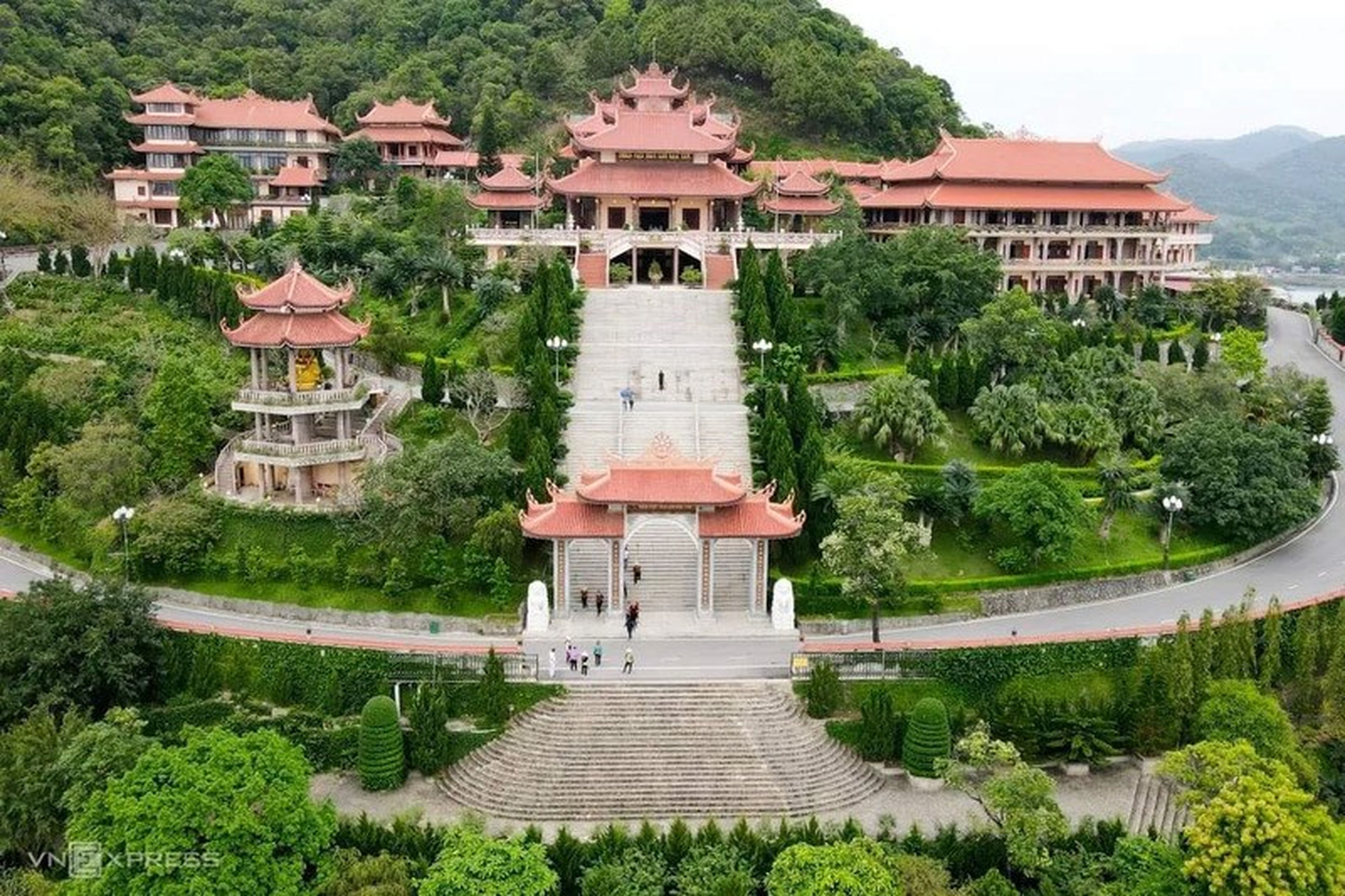
1 The prime location and picturesque scenery of Cái Bầu Pagoda
Address: Hamlet 1, Vân Đồn, Quảng Ninh
Opening hours: 06:00 - 22:00
Cái Bầu Pagoda, also known as Giác Tâm Trúc Lâm Zen Monastery, is located along Vân Đồn's most beautiful coastal road. This location is not only visually stunning but also carries profound feng shui significance: “backed by mountains, facing the sea.”
From the moment you set foot on the road leading to the pagoda, a feeling of relaxation begins to spread. The winding road hugs the coastline, while lush green lawns and rows of coconut trees casting shade create the perfect setting for beautiful check-in photos. On clear blue-sky days, brilliant golden sunlight falls across the bay, creating a sparkling strip that resembles silver leaf.
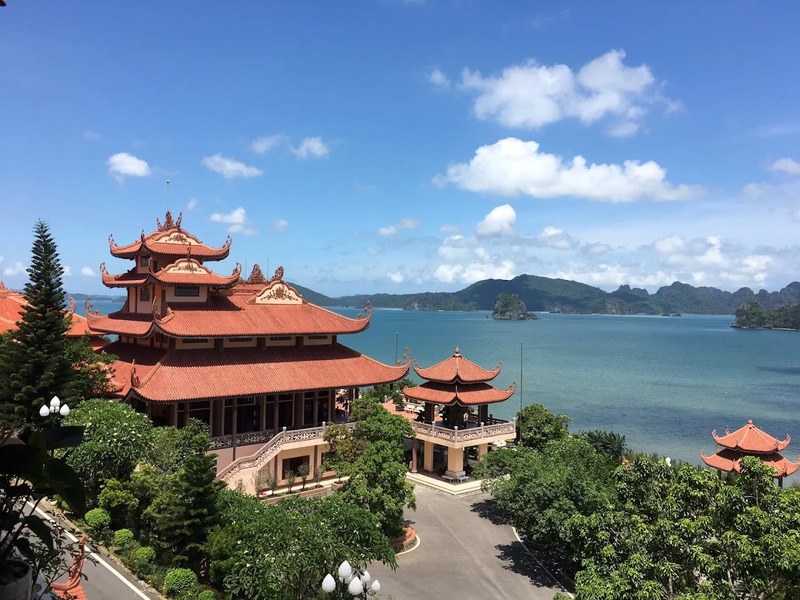
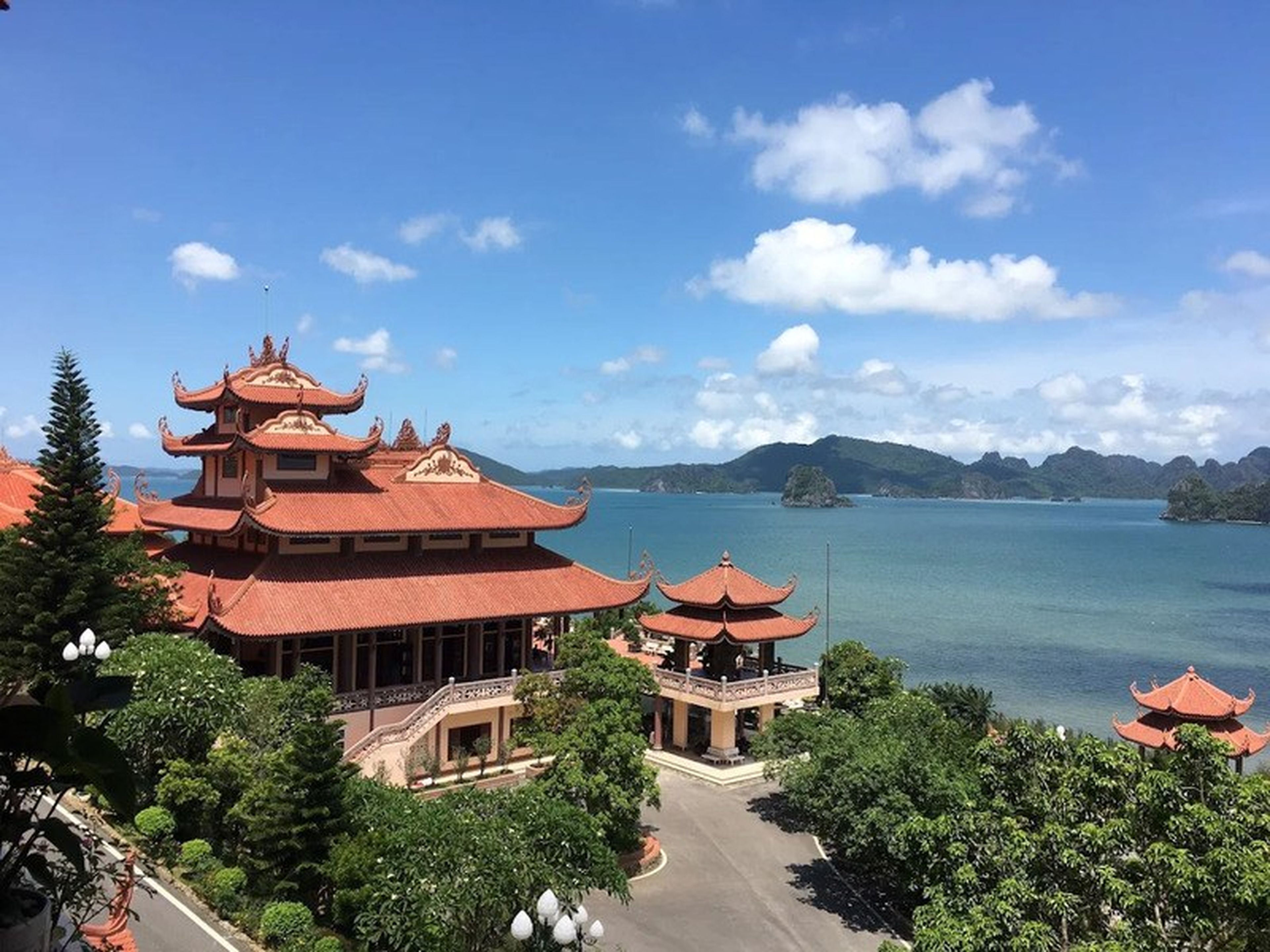
Cái Bầu Pagoda boasts a beautiful location. Illustrative photo: Chơn Quán
The moment you pass through the Tam Quan Gate, all the noise of daily life seems to be left behind. The air here is always cool and fresh thanks to the breath of the sea, carrying a pleasant saltiness. From the Main Hall courtyard, you can admire a panoramic view of Bái Tử Long Bay, with hundreds of large and small rocky islands creating a magnificent natural painting. It is this harmony between the sky, earth, and sea that gives Cái Bầu Pagoda its irresistible appeal.
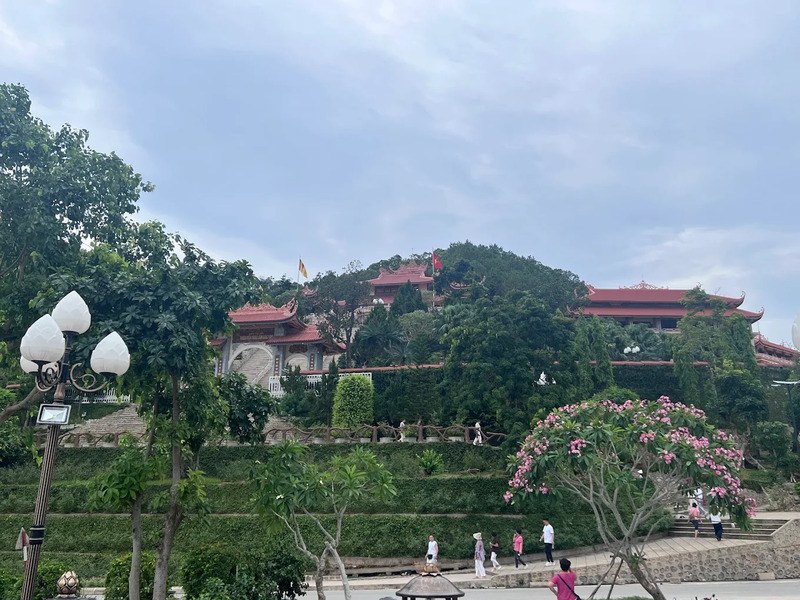
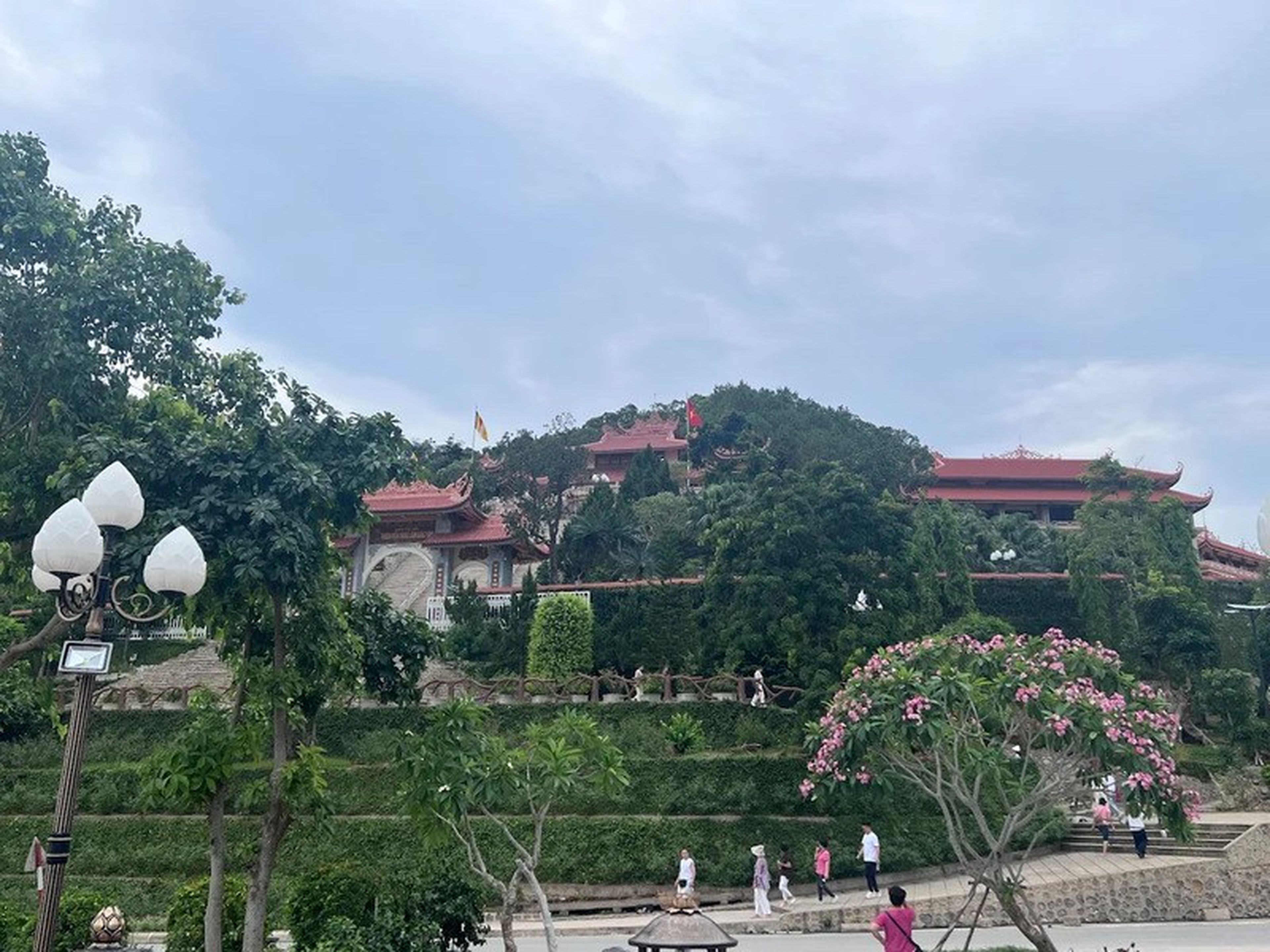
The pagoda grounds are shaded by lush trees. Illustrative photo: Vietnam Destination
2 A 700-year historical legacy
Although Cái Bầu Pagoda was rebuilt and inaugurated only in 2009, it carries a highly respected historical legacy. This modern pagoda was built on the site of Phúc Linh Pagoda, an ancient temple dating back to the Trần dynasty (13th century).
After many historical upheavals and the ravages of time, Phúc Linh Pagoda fell into ruin. In 2007, with the desire to restore this precious spiritual heritage and create a Buddhist center imbued with the spirit of Trúc Lâm Yên Tử in the Northeast region, construction of Cái Bầu Pagoda began.
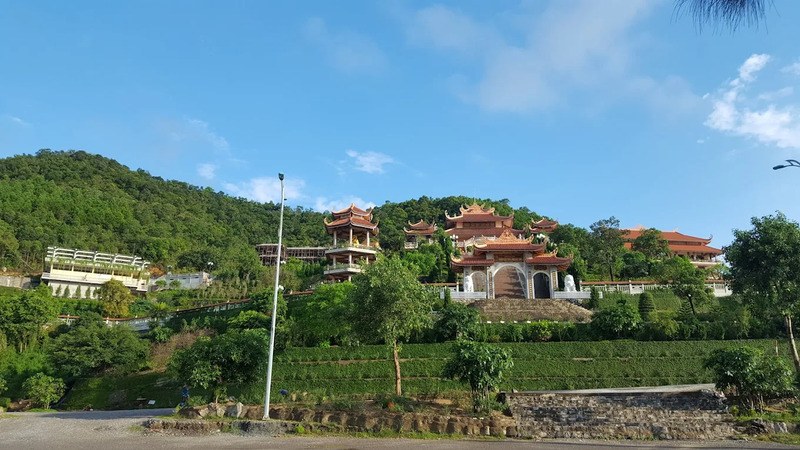
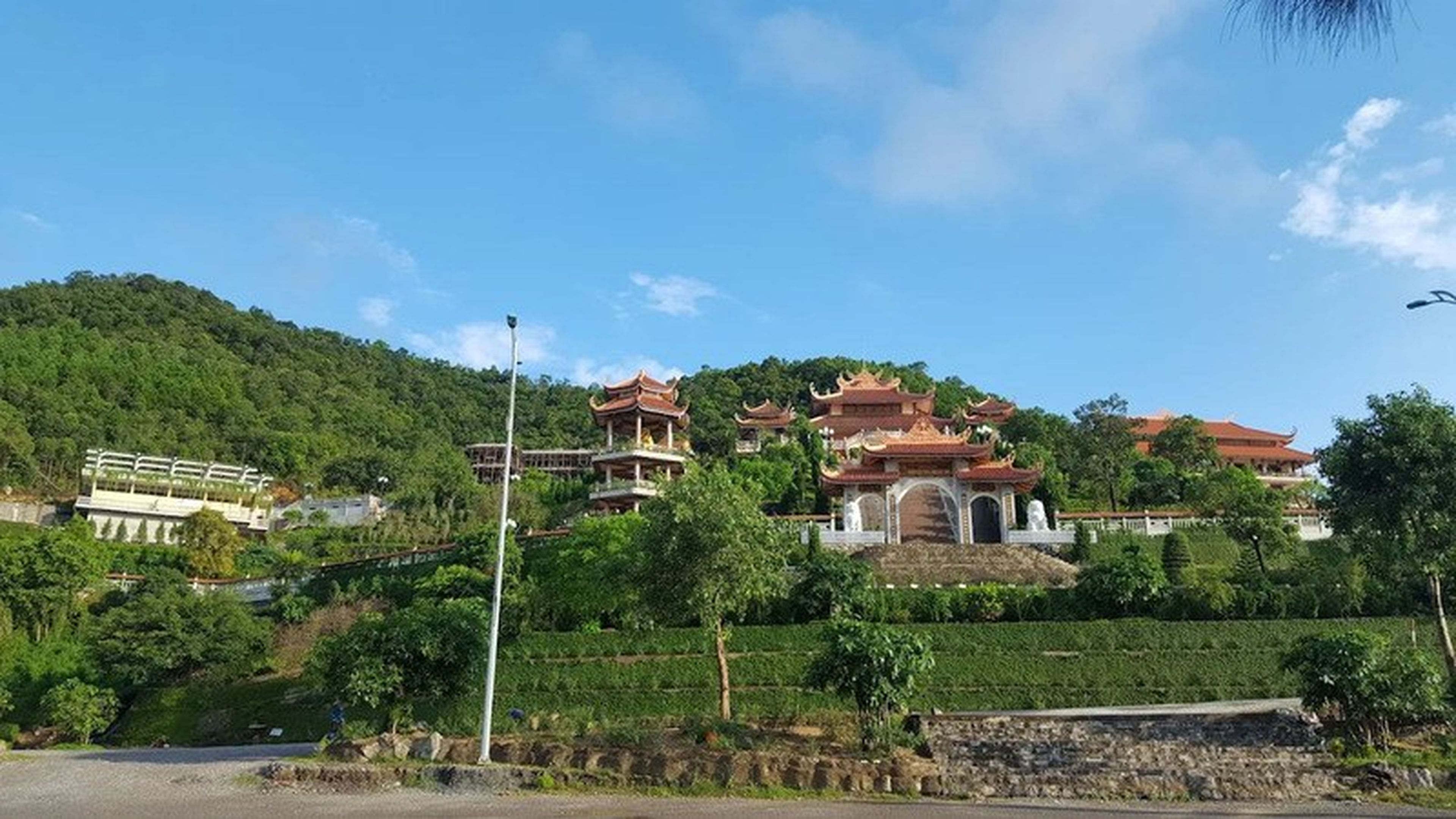
Cái Bầu Pagoda was built on the old foundations of Phúc Linh Pagoda. Illustrative photo: Nguyễn Việt Hoàng
The pagoda's total construction area covers up to 20 ha and was funded entirely through social contributions (24 billion VND). This restoration was not merely the rebuilding of an architectural work, but also the revival of the Vietnamese people's engaged Buddhist spirit—a testament to the continuation of the spiritual and cultural current over seven centuries. Because it carries a great historical foundation and the spirit of Trúc Lâm, Cái Bầu Pagoda attracts visitors not only with its beauty but also with its cultural and historical depth.
3 Solemn architecture in the Zen tradition
The architecture of Giác Tâm Trúc Lâm Zen Monastery strictly follows the style of the Trúc Lâm Zen school: solemn, simple, yet highly refined and harmonious with nature.
3.1 Overall structure
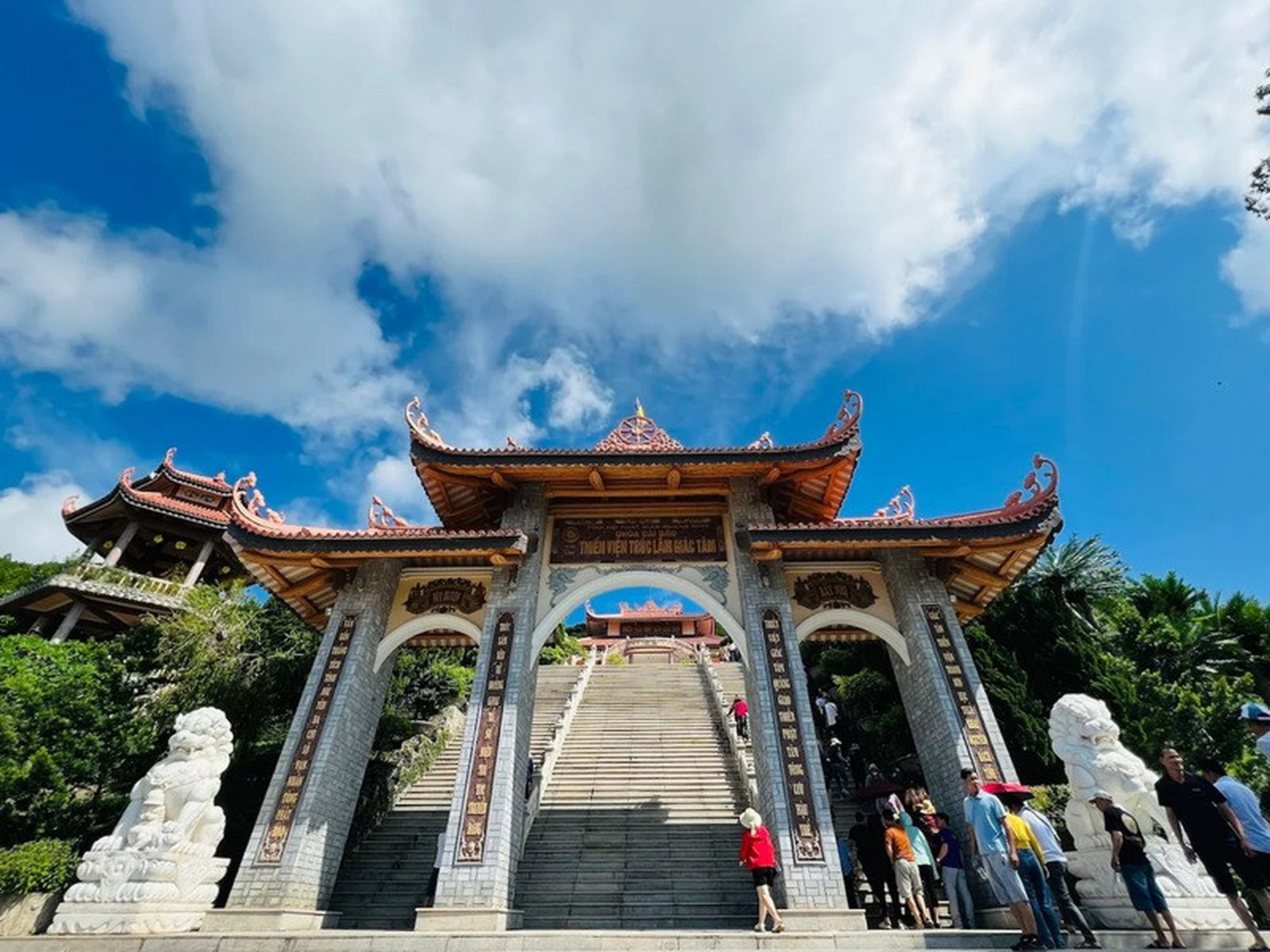
The Tam Quan Gate is the first place visitors reach. The gate of Cái Bầu Pagoda is imposing without being ostentatious, serving as the boundary between the worldly realm and the tranquil Buddhist realm.
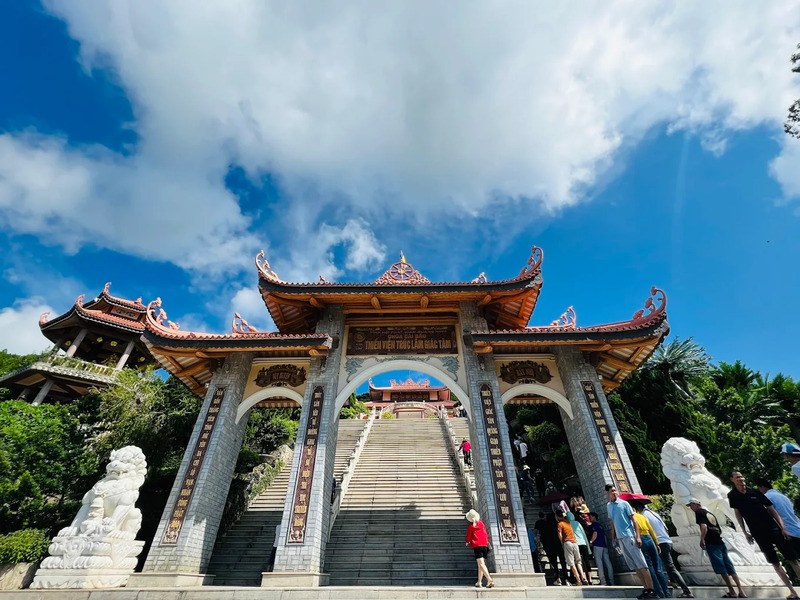
The imposing Tam Quan Gate leads you into the Zen Monastery. Illustrative photo: Hà Vũ (hade)
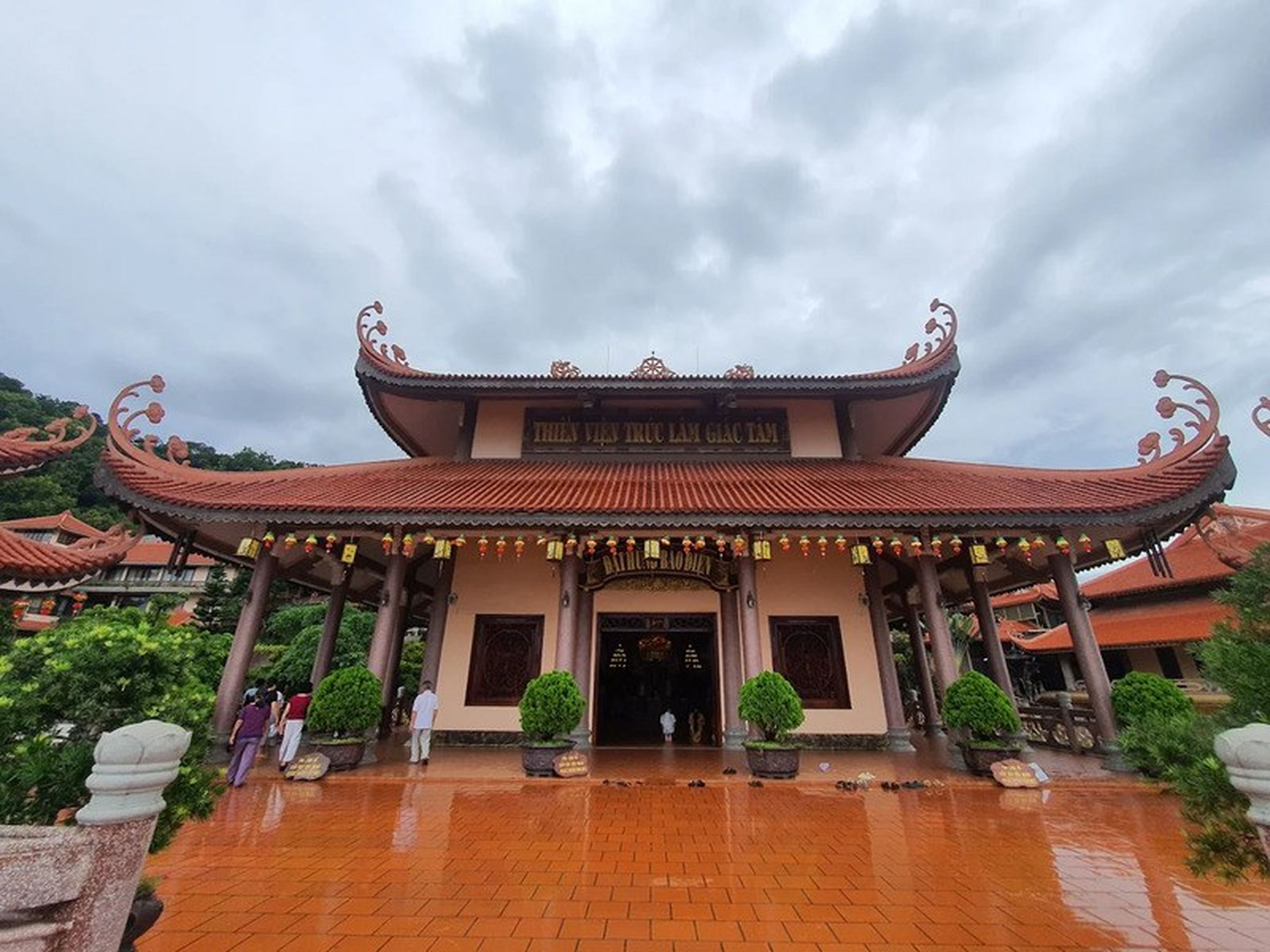
The Main Hall is the central and most important area, covering approximately 6,000m2 and built in a solid, grand style:
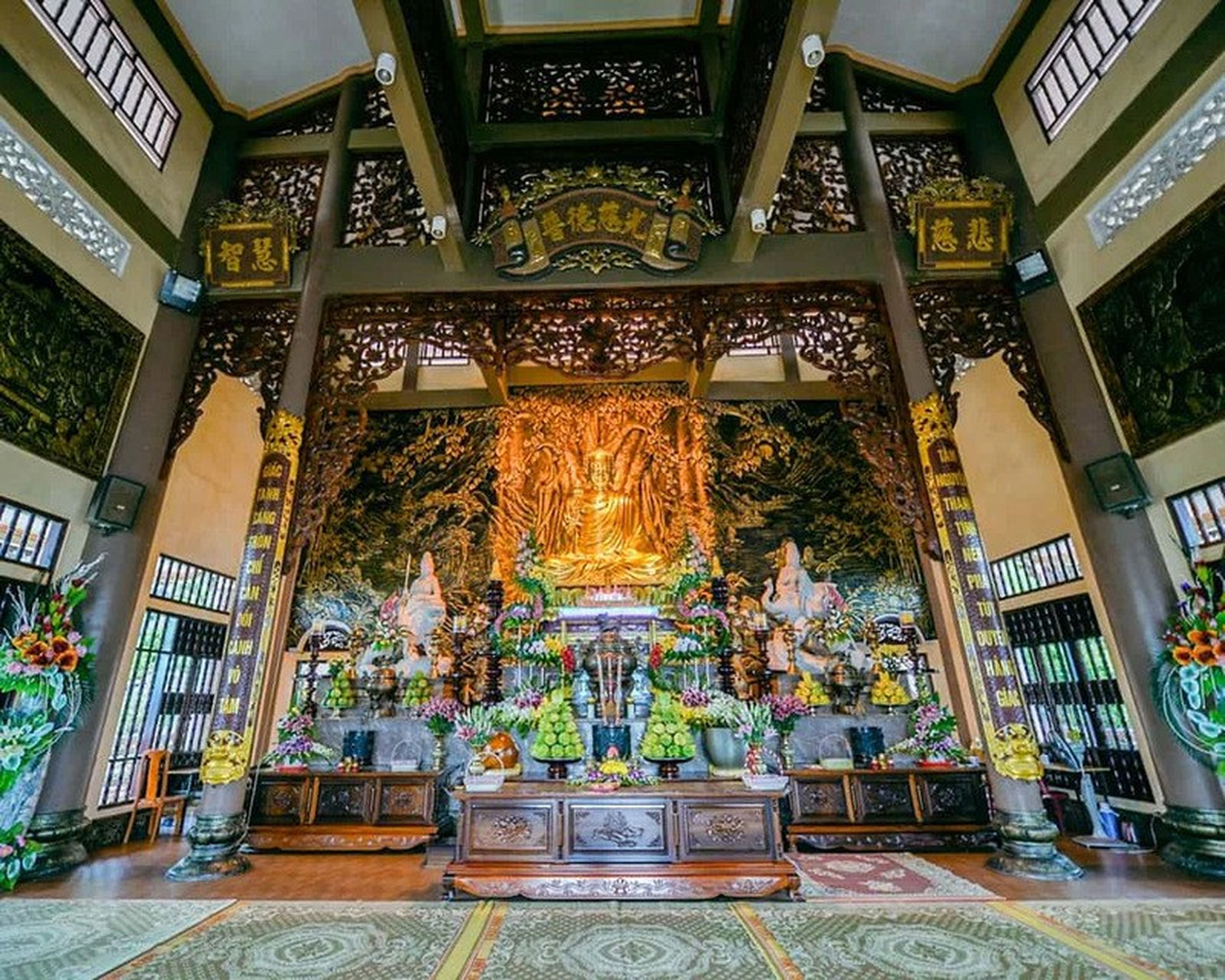
- Lower Floor: This is where Shakyamuni Buddha, the founder of Buddhism, is worshipped. The Buddha statue is placed at the center, radiating compassion and tranquility.
- Upper Floor: This is where statues of Bodhisattvas and Sư Lợi are placed. The statues and reliefs are exquisitely carved, clearly expressing traditional Buddhist art.
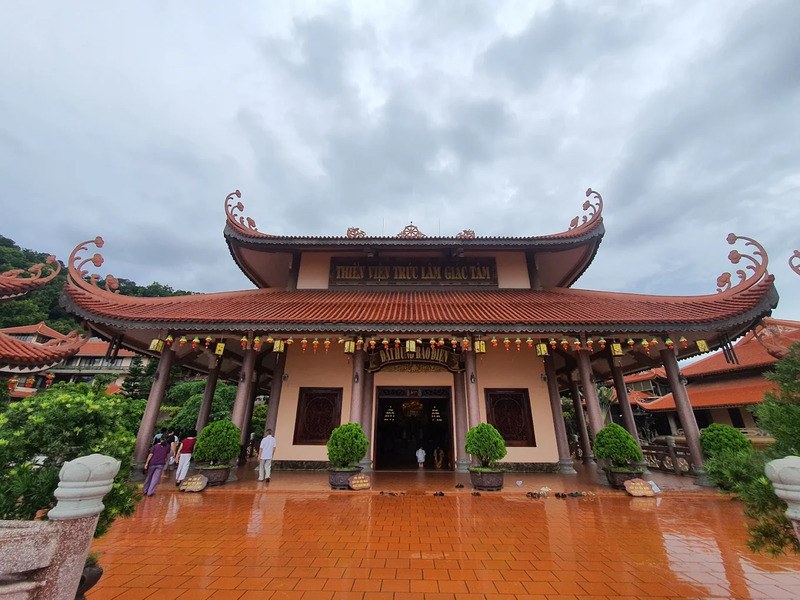
Cái Bầu Pagoda was built with the distinctive architecture of the Trúc Lâm Zen school. Illustrative photo: Le hai hoang
3.2 Perfect symmetry
The monastery is carefully planned with strict symmetry, creating a sense of balance and stillness:
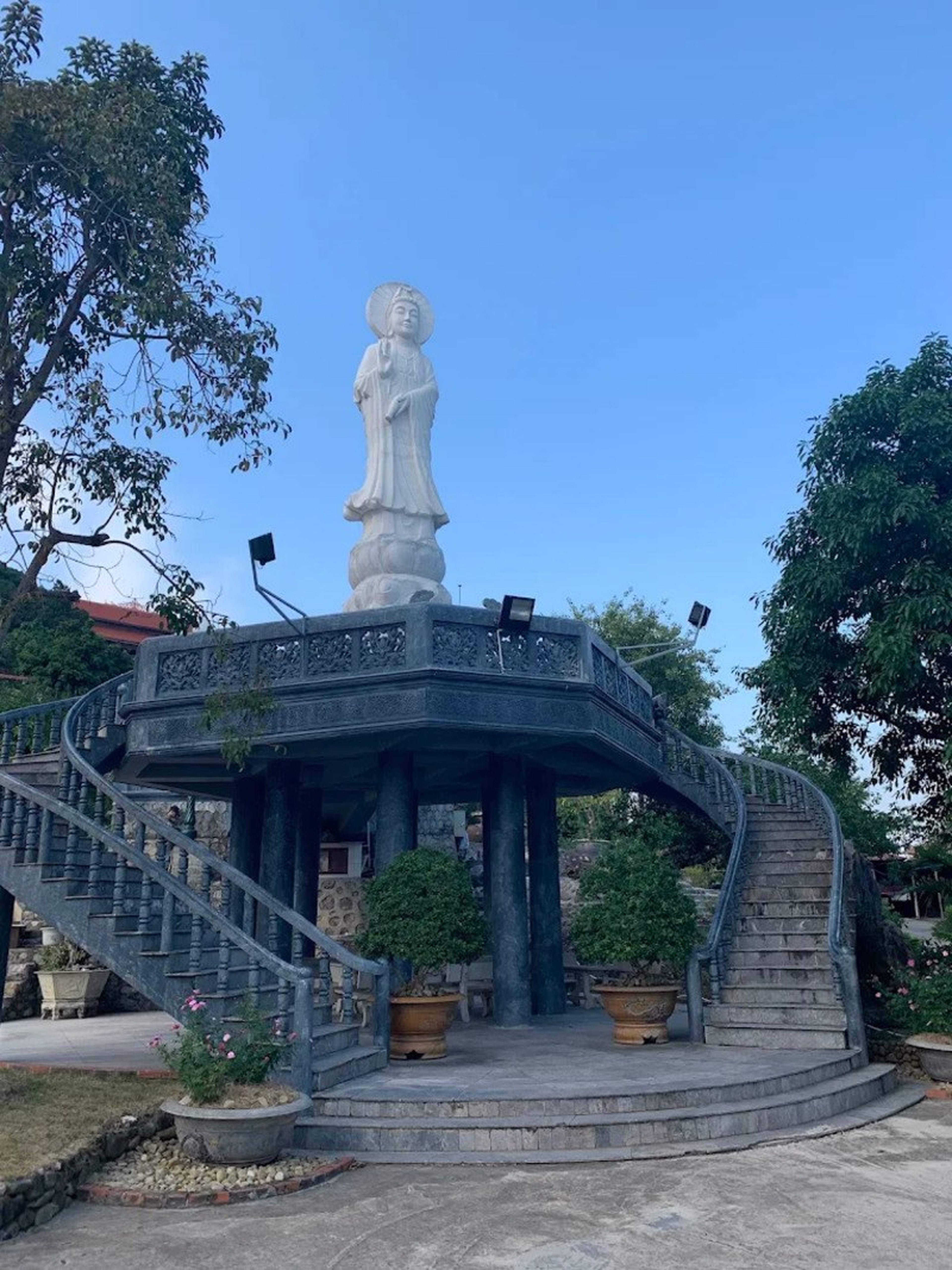
- Bell Tower and Drum Tower: They are placed opposite each other across the large courtyard, creating balance in sound and space. The ringing temple bell reverberates through the vast surroundings, blending with the sound of waves on Bái Tử Long Bay to create a unique spiritual symphony that calms the heart.
- Auxiliary Buildings: Beside the Main Hall are other structures, including the Patriarchs' House (where the patriarchs are worshipped), the monks' quarters, the guest house for monks and nuns, the meditation hall, the dining hall, and the dedicated practice quarters. Everything is arranged scientifically to serve the practice and daily activities of the monks and nuns, as well as to welcome Buddhists and visitors from near and far.
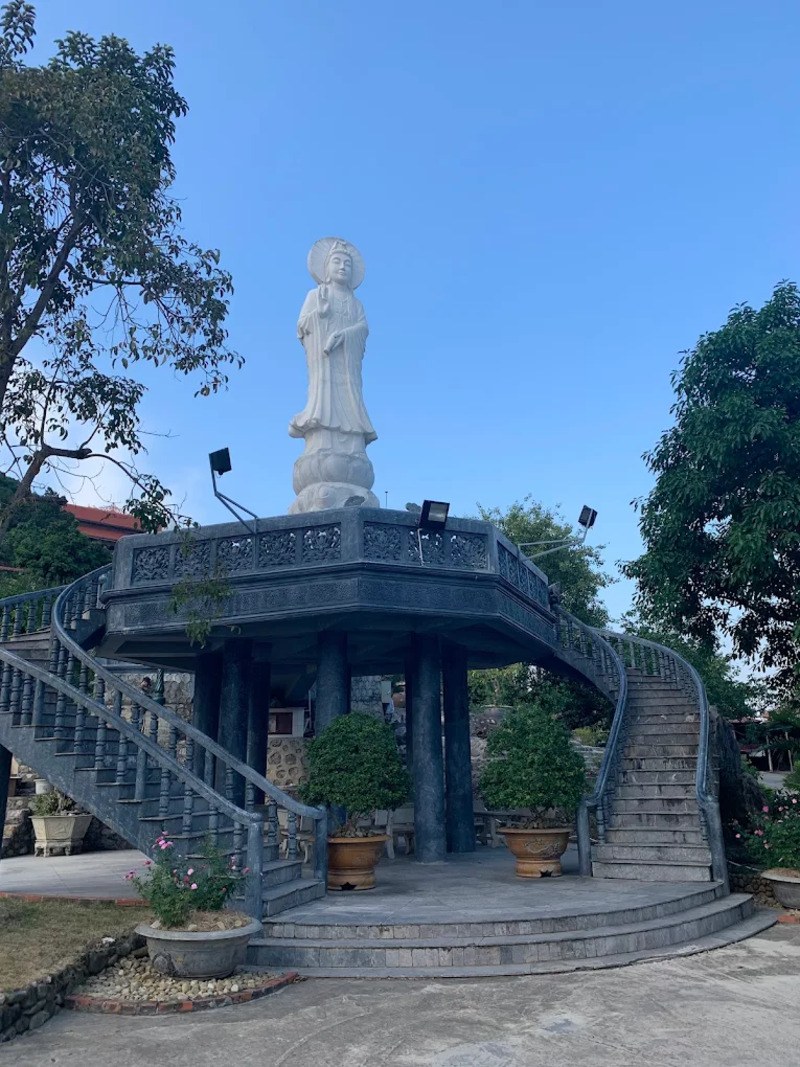
The Buddha statues at the pagoda are placed in sacred locations for Buddhists to pay homage. Illustrative photo: Alan Hsu
This architecture not only expresses reverence for the Buddhas but also offers a lesson in balance and harmony—the core philosophy of Zen Buddhism.
4 A unique tranquil experience: Saying no to votive paper
What most distinguishes Cái Bầu Pagoda from many other pagodas in Vietnam is its highly modern and civilized approach to spiritual practice, in keeping with the spirit of the Trúc Lâm Zen school. It is one of the leading pagodas in the movement to “say no to votive paper.” The pagoda does not permit the burning of votive paper or incense within its grounds.
This guides pilgrims toward offering “inner incense”—the fragrance of sincerity, a good heart, and good deeds. Trúc Lâm Buddhism emphasizes enlightenment through inner cultivation rather than material rituals.
As a result, the pagoda grounds are absolutely fresh and clean, unaffected by smoke, dust, or the dense smell of incense. You can breathe in the fresh sea air comfortably and enjoy complete tranquility.
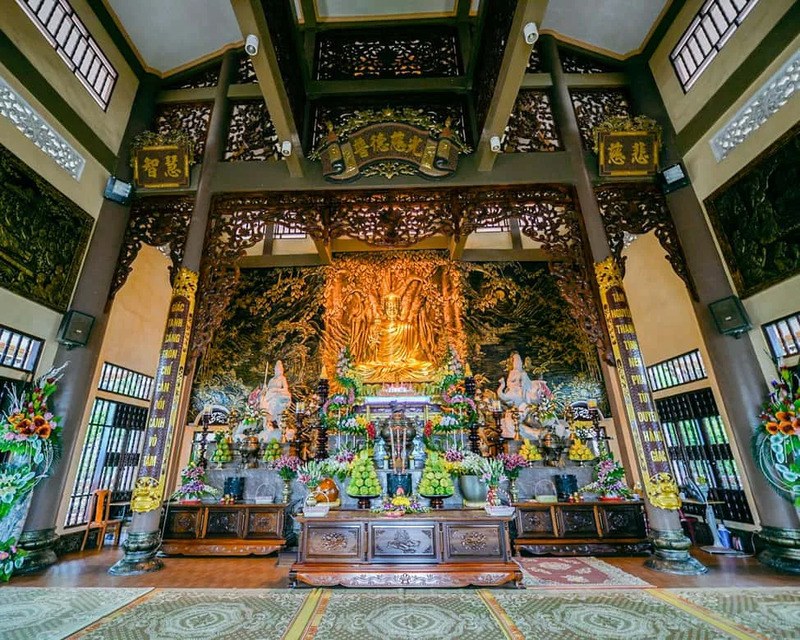
Cái Bầu Pagoda is a pioneer in not burning votive paper. Illustrative photo: Đức Anh Nguyễn
Another major advantage is the absence of noisy commercial activities.
- No shops or street vendors: Around the pagoda grounds, you will not find shops, street vendors, or services aggressively soliciting tourists. This preserves the solemnity and tranquility of the meditation grounds.
- All tourists are admitted completely free of charge for sightseeing and worship.
Thanks to these rules, Cái Bầu Pagoda is not only a tourist attraction in Hạ Long but also an ideal place for people to seek inner peace and take a “walking meditation” journey amid the vastness of the earth and sky.
5 A guide to exploring Cái Bầu Pagoda
To make your visit to Cái Bầu Pagoda as complete as possible, keep a few points in mind:
- Weather: The best time to visit the pagoda is in spring (from January to April), when the weather is cool, there is little rain, and the vegetation is lush.
- Festivals: If you want to experience the atmosphere of Buddhist festivals, visit at the beginning of the year (from January to March in the lunar calendar), when major festivals such as the Peace-Praying Ceremony and Buddha's Birthday take place. However, if you prefer tranquility, choose a weekday.
- Clothing: As this is a sacred place, you should wear polite, modest clothing (long pants and tops with sleeves).
- Conduct: Keep the shared environment clean, speak softly, and show respect for the Buddhas, monks, and nuns.
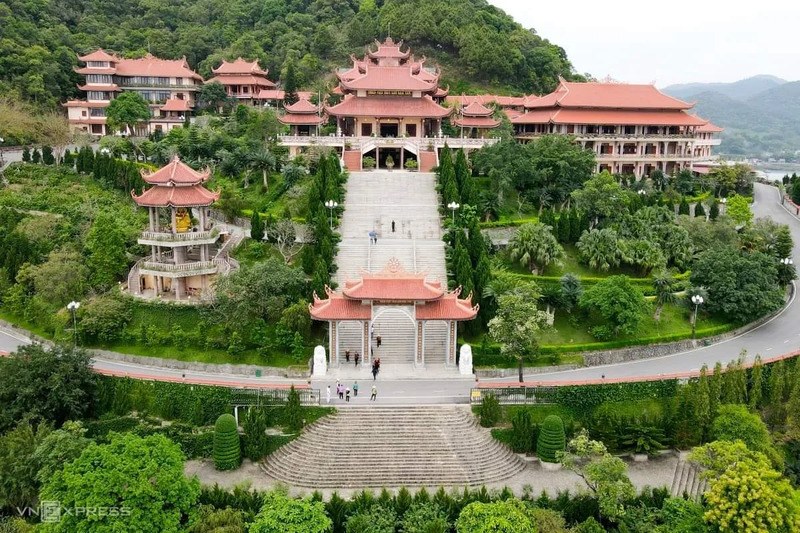
The pagoda grounds are very large, so choose sports shoes to make it easier to climb stairs and walk. Illustrative photo: Vnexpress
Cái Bầu Pagoda (Giác Tâm Trúc Lâm Zen Monastery) has proven that a spiritual destination needs not only a rich history but also harmony with nature and a modern, civilized philosophy of life. It deserves to be one of the must-visit destinations on your Quảng Ninh travel map. And don't forget to get yourself a durable and fashionable MIA.vn travel suitcase, ready for every upcoming journey of exploration!