
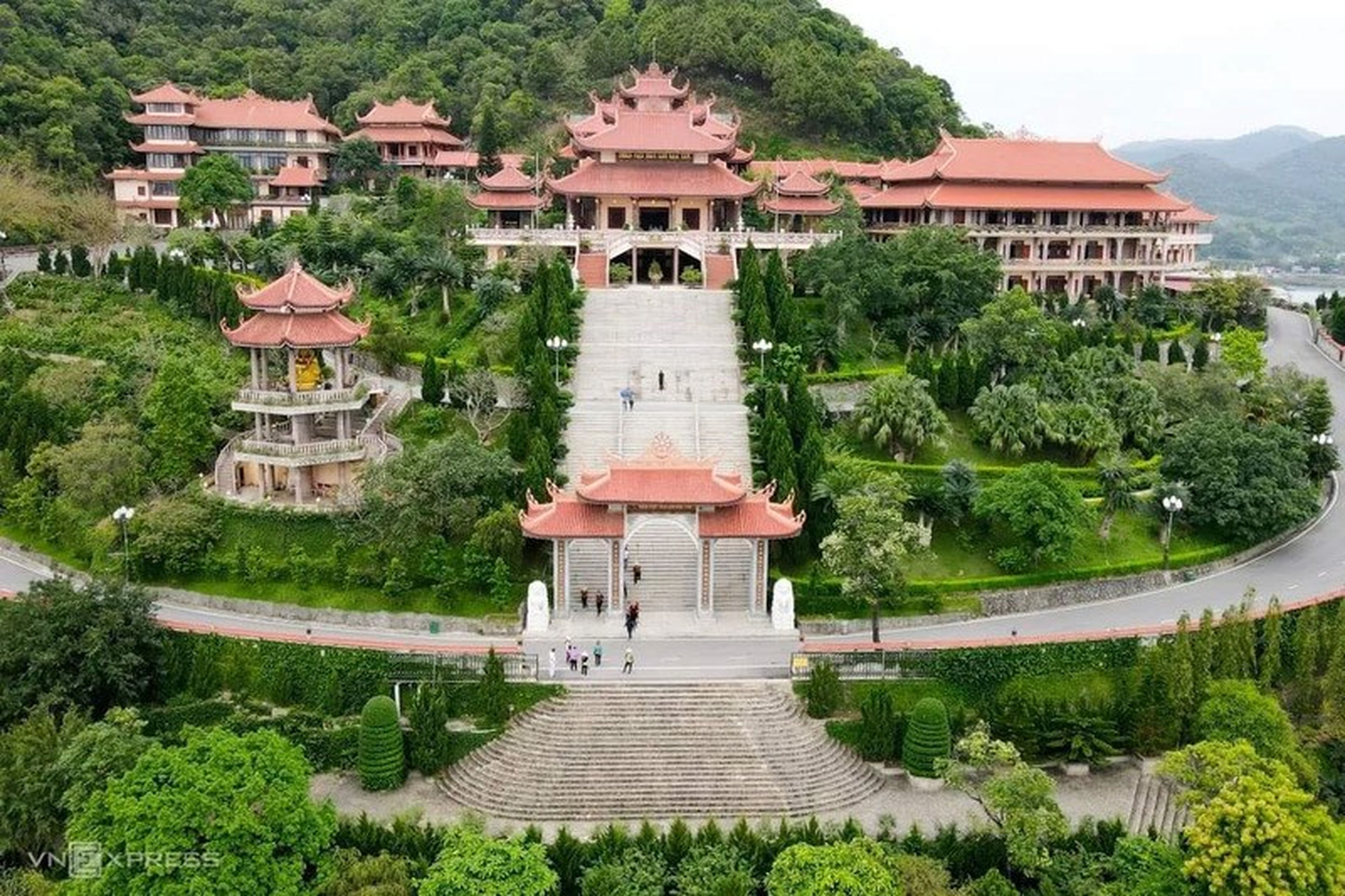
1 Prime Location and Picturesque Scenery of Cai Bau Pagoda
Address: Hamlet 1, Van Don, Quang Ninh
Opening hours: 06:00 - 22:00
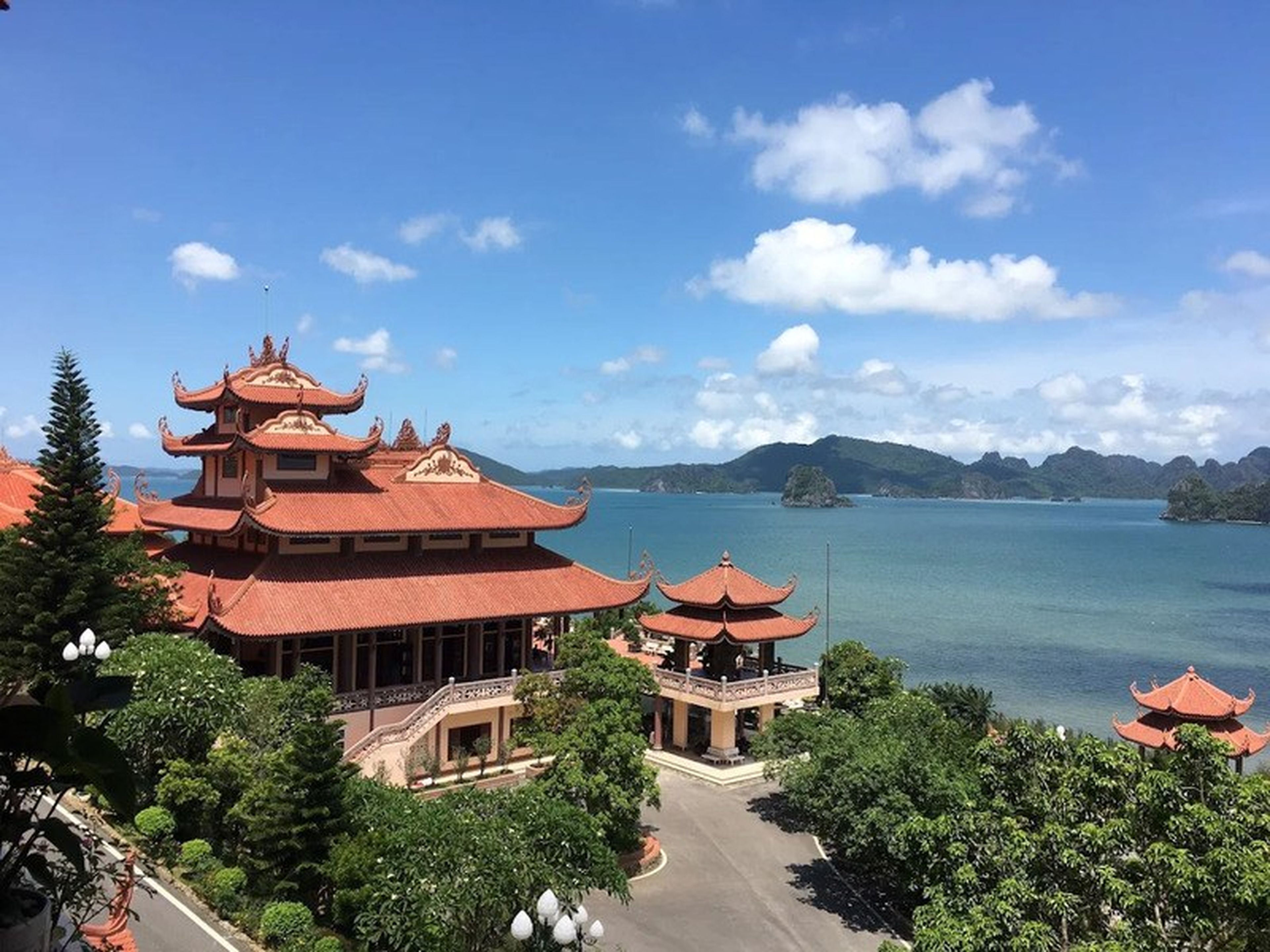
Cai Bau Pagoda, also known as Truc Lam Giac Tam Zen Monastery, is situated along the most scenic coastal road in Van Don. This location is not only visually stunning but also holds profound feng shui significance: “leaning against the mountains, overlooking the sea.”
From the moment you step onto the road leading to the pagoda, a sense of tranquility begins to wash over you. The winding road hugs the coastline, flanked by lush green lawns and shady rows of coconut palms that create the perfect setting for stunning check-in photos. On clear days, brilliant golden sunlight pours down across the bay, creating a shimmering expanse that glistens like silver.
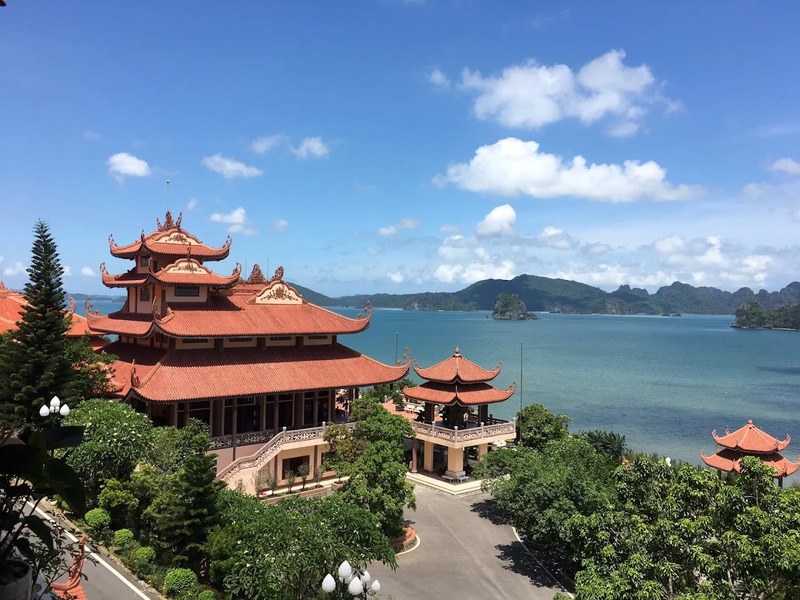
Cai Bau Pagoda boasts a magnificent location. Photo: Chơn Quán
The moment you step through the Three-Entrance Gate, the hustle and bustle of daily life seems to fade away. The air here is always cool and fresh thanks to the ocean breeze, carrying a pleasant hint of salt. Standing in the courtyard of the Main Hall and looking outward, you can admire panoramic views of Bai Tu Long Bay with hundreds of limestone islands of all sizes, creating an exquisite natural painting. It is this harmony between sky, earth, and sea that gives Cai Bau Pagoda its irresistible charm.
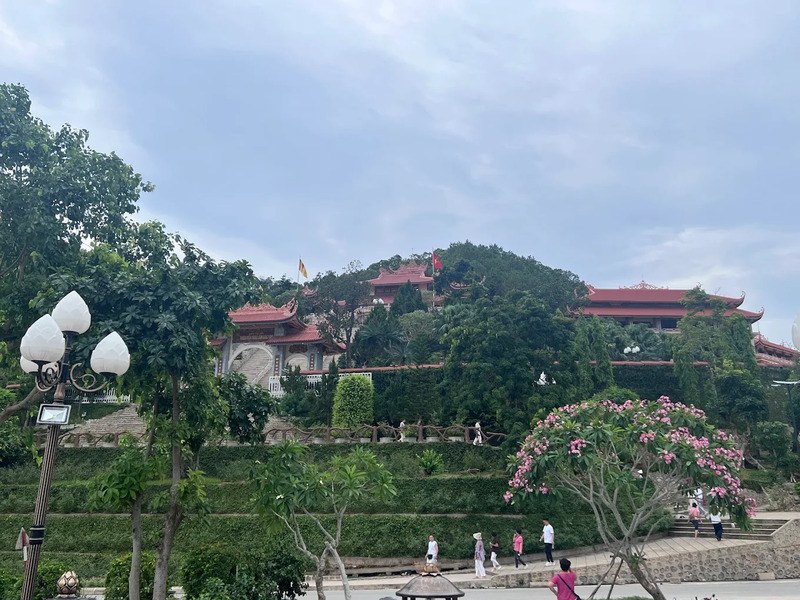
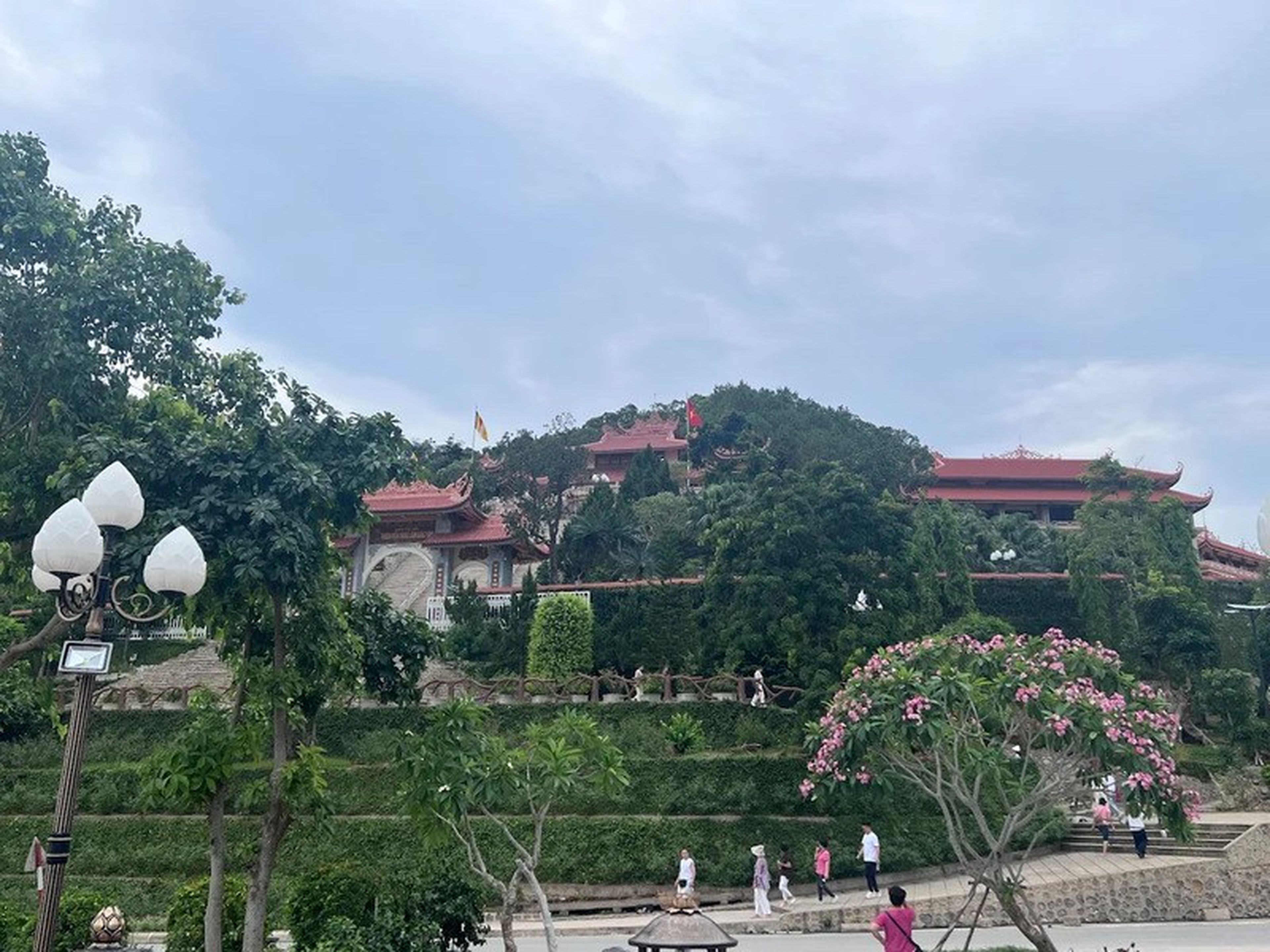
The pagoda grounds are shaded by lush greenery. Photo: Vietnam Destination
2 A 700-Year Historical Legacy
Although Cai Bau Pagoda was recently rebuilt and inaugurated in 2009, it carries a venerable history. This modern pagoda was built upon the historical grounds of Phuc Linh Tu, an ancient pagoda dating back to the Tran Dynasty (13th century).
Following numerous historical upheavals and the ravages of time, Phuc Linh Tu fell into ruin. In 2007, with the desire to revive this precious spiritual heritage and establish a Buddhist center deeply imbued with the Truc Lam Yen Tu spirit in the Northeast region, construction on Cai Bau Pagoda was commenced.
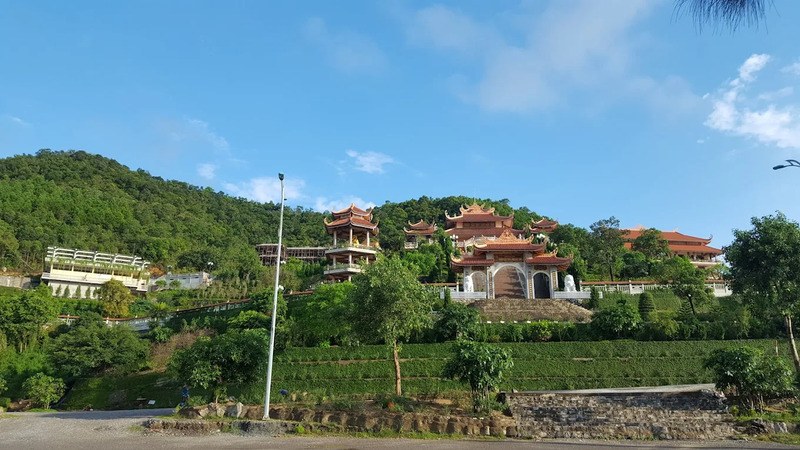
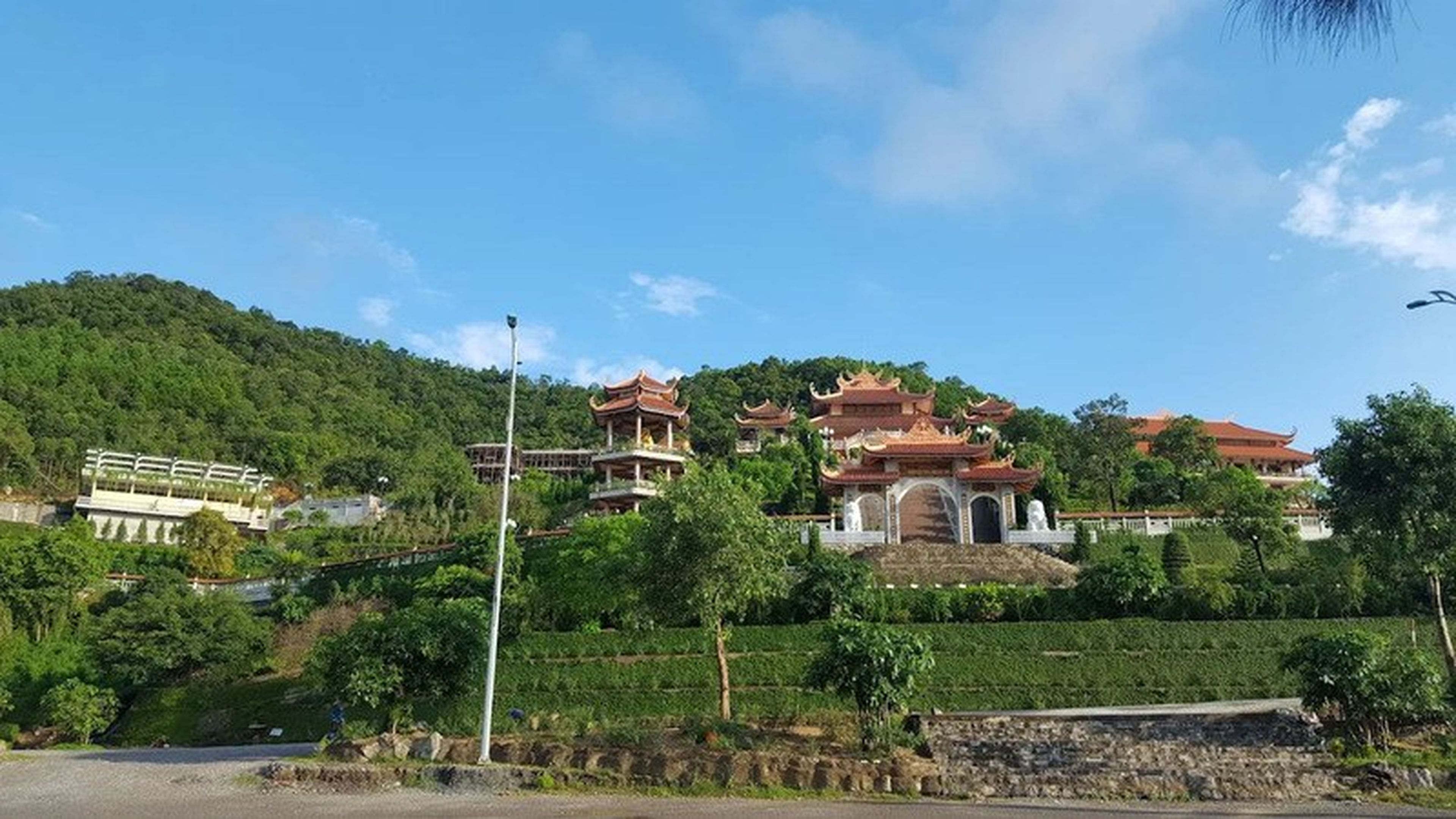
Cai Bau Pagoda was constructed on the former foundation of Phuc Linh Tu. Photo: Nguyễn Việt Hoàng
The pagoda covers a total construction area of up to 20 ha, funded entirely through social contributions (24 billion VND). This restoration represents not merely the rebuilding of an architectural structure, but the revival of engaged Vietnamese Buddhism—a testament to the unbroken continuation of a spiritual tradition spanning seven centuries. Embodying such a storied historical foundation and the Truc Lam spirit, Cai Bau Pagoda attracts visitors not only with its picturesque beauty but also with its profound cultural and historical depth.
3 Solemn Architecture in Zen Style
The architecture of Truc Lam Giac Tam Zen Monastery strictly follows the style of the Truc Lam Zen sect: solemn, unassuming yet remarkably refined and harmonious with nature.
3.1 Overall Layout
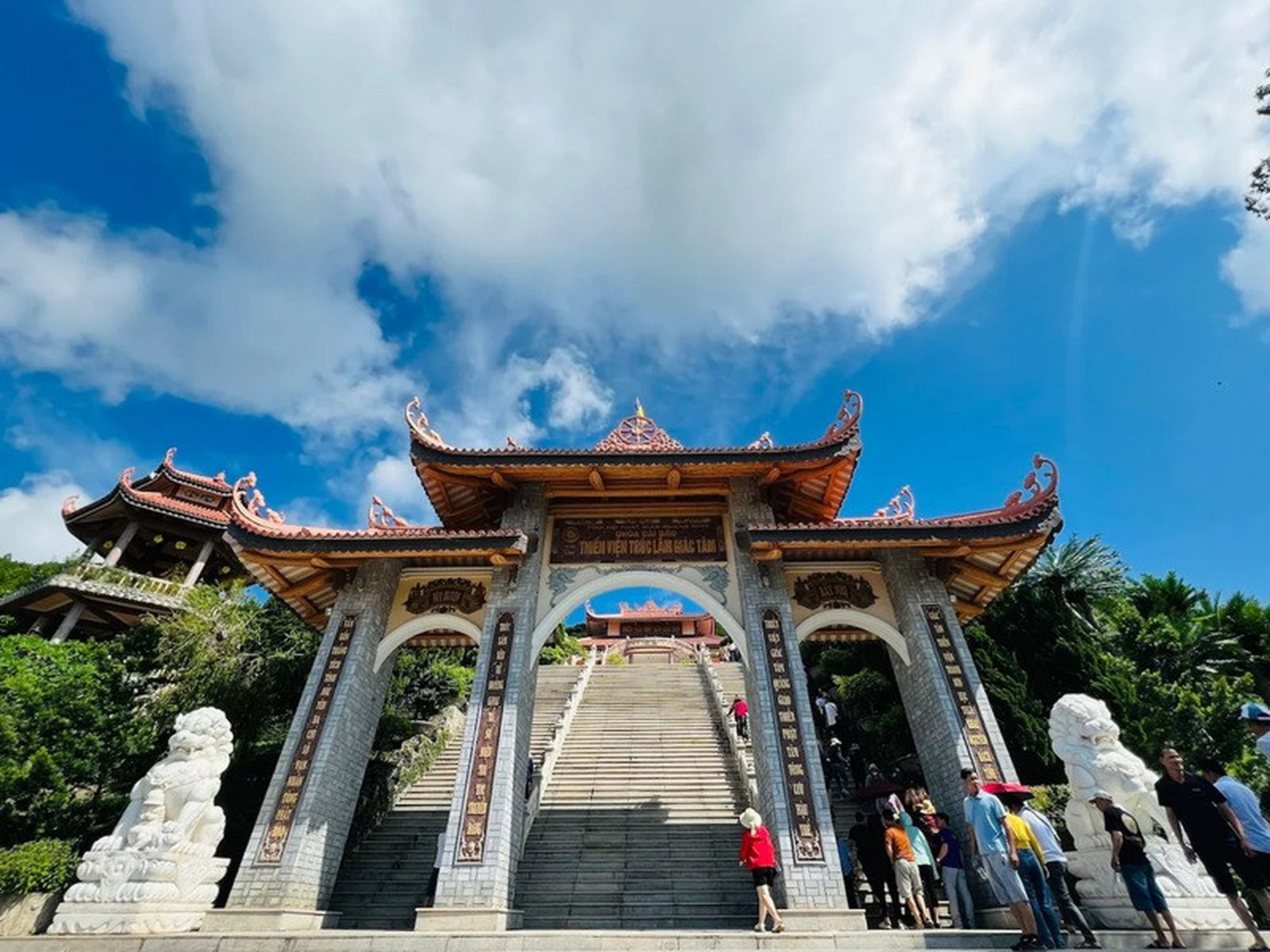
The Three-Entrance Gate is the first place visitors arrive at. The gate of Cai Bau Pagoda is majestic yet unpretentious, serving as a boundary between the mundane world and the peaceful realm of Buddha.
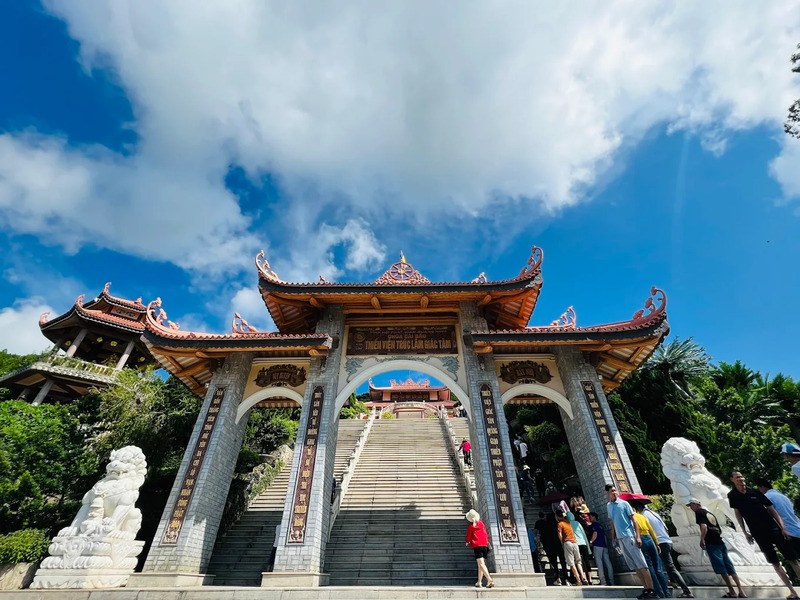
The majestic Three-Entrance Gate welcomes you into the Zen Monastery. Photo: Hà Vũ (hade)
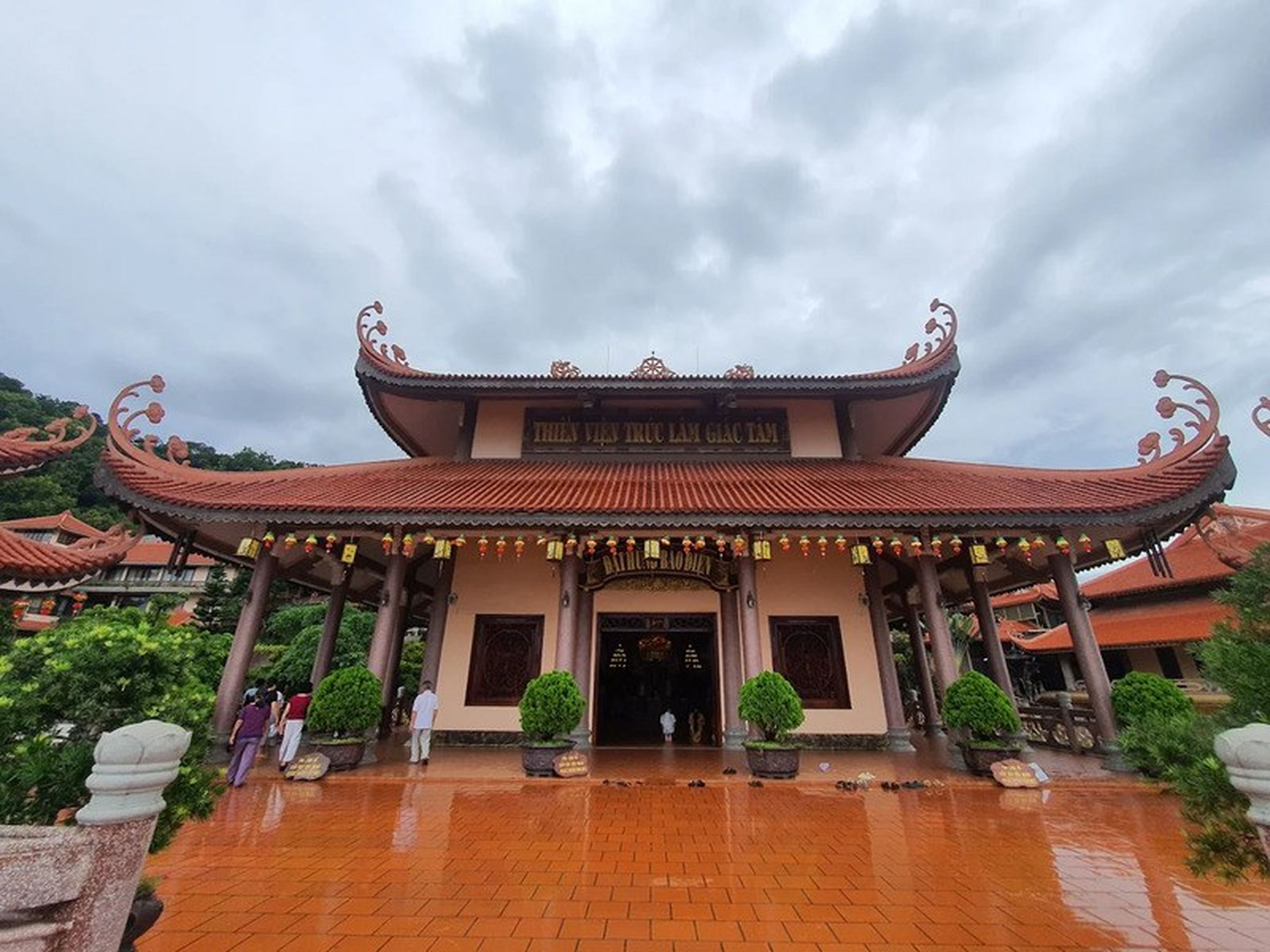
The Main Hall is the central and most important area, spanning approximately 6.000m2 and constructed with solid, imposing craftsmanship:
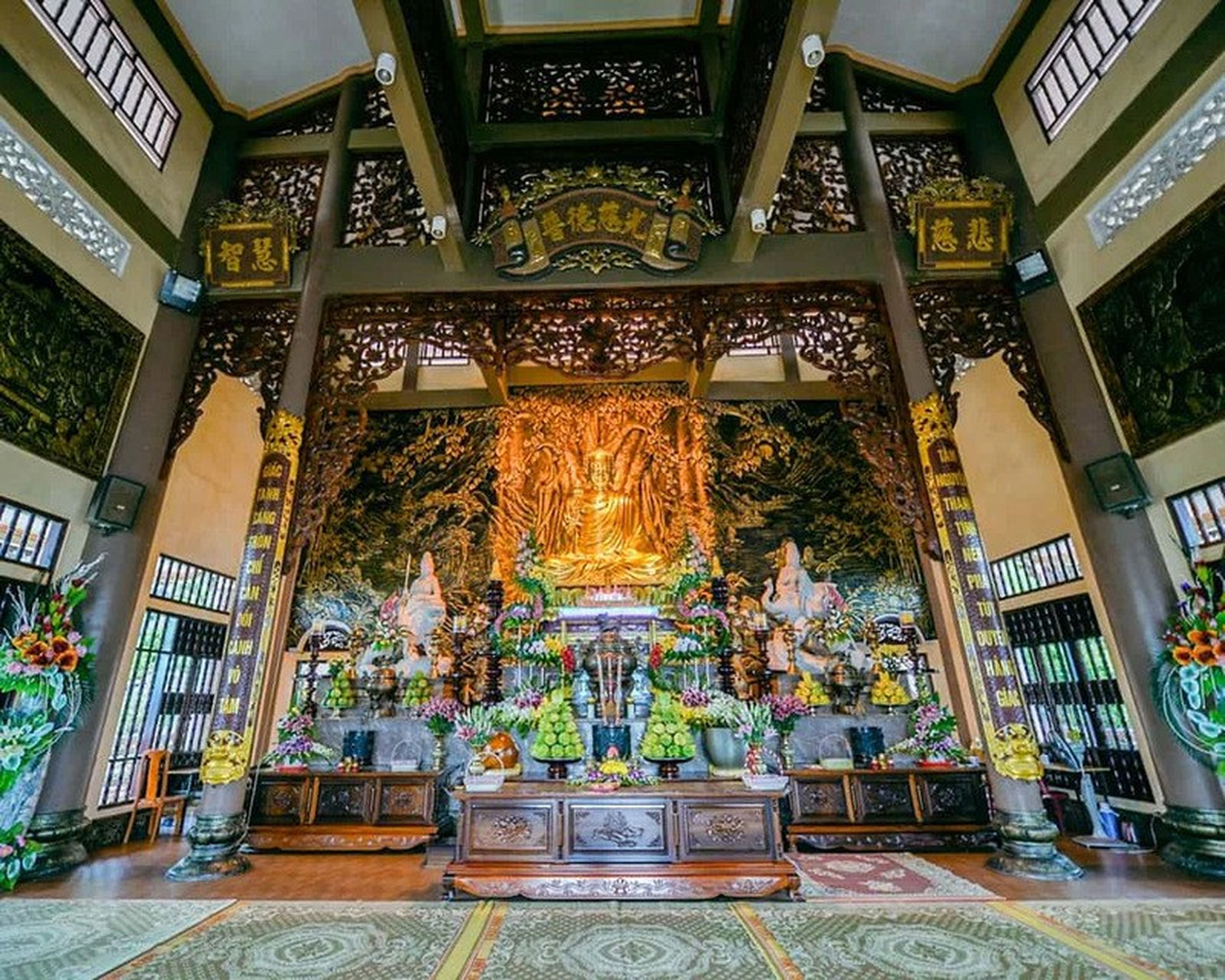
- Lower Floor: The sanctuary dedicated to Shakyamuni Buddha, the founder of Buddhism. The Buddha statue is placed at the center, exuding compassion and serenity.
- Upper Floor: Houses statues of Bodhisattvas and Manjushri. The statues and reliefs are exquisitely carved, vividly reflecting traditional Buddhist artistry.
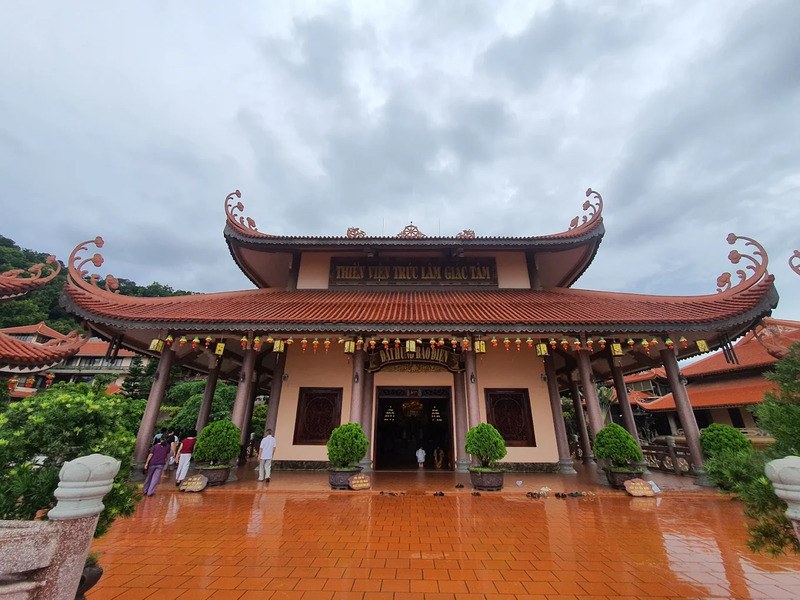
Cai Bau Pagoda is built with the signature architecture of the Truc Lam Zen sect. Photo: Le hai hoang
3.2 Perfect Symmetry
The Zen monastery is designed with rigorous symmetry, creating a profound sense of balance and tranquility:
- Bell Tower and Drum Tower: Placed opposite each other across the main courtyard, establishing balance in both sound and space. The temple bell echoing across the vast expanse, blending with the ocean waves of Bai Tu Long, creates a unique spiritual symphony that soothes the heart.
- Ancillary Facilities: Alongside the Main Hall, other structures include the Ancestor House (worshipping the Patriarchs), the Abbot's quarters, Monks' and Nuns' guest rooms, the Meditation Hall, the Dining Hall (Trai Duong), and individual meditation huts. All are organized systematically to support the spiritual practice and daily life of monks and nuns, as well as to welcome Buddhist devotees and visitors from near and far.
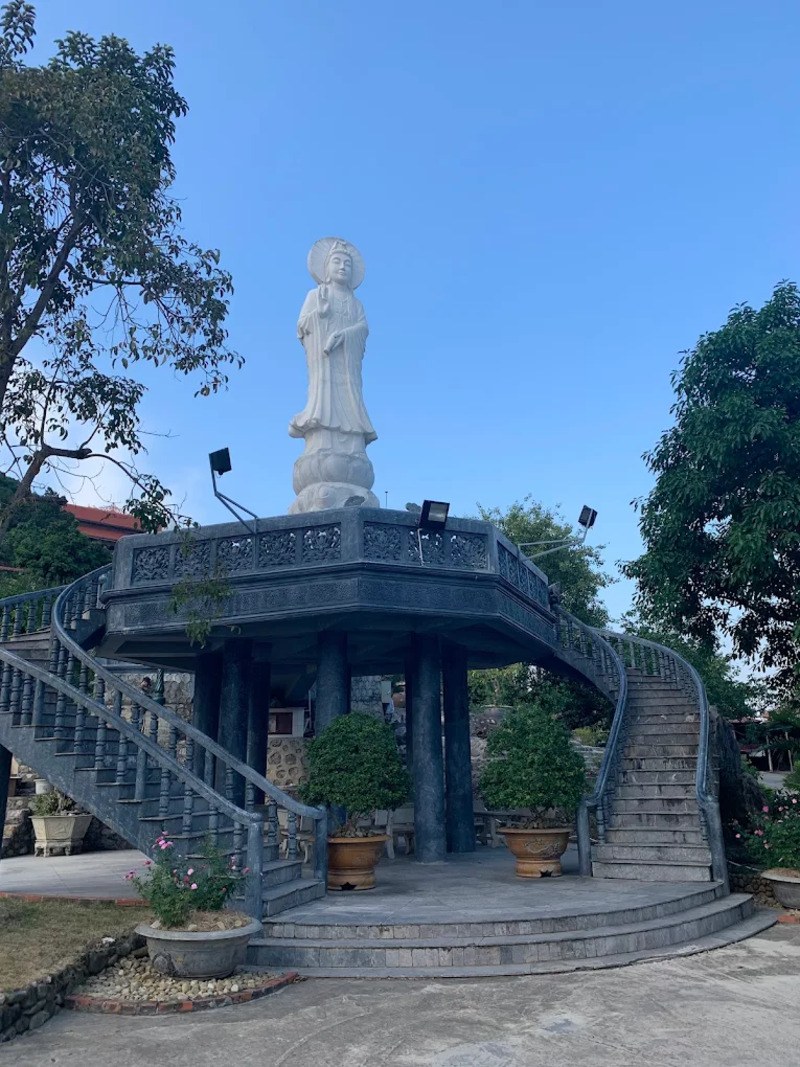
Buddha statues at the pagoda are enshrined in sacred positions for devotees to pay homage. Photo: Alan Hsu
This architecture not only embodies reverence for the Buddhas but also serves as an enduring lesson in balance and harmony—the core philosophy of Zen Buddhism.
4 A Unique Serene Experience: Saying "No" to Votive Paper
What distinguishes Cai Bau Pagoda most from many other temples in Vietnam is its modern and civilized philosophy of spiritual practice, faithful to the spirit of the Truc Lam Zen sect. It is one of the trailblazing pagodas in the movement to “say no to votive paper.” The pagoda strictly prohibits the burning of votive paper and incense sticks within its premises.
This practice guides pilgrims toward lighting “spiritual incense”—the pure fragrance that springs from heartfelt devotion, benevolence, and virtuous deeds. Truc Lam Buddhism values enlightenment through inner cultivation over material rituals.
As a result, the pagoda grounds remain wonderfully clean and fresh, unaffected by smoke, ash, or overpowering incense aromas. You can freely breathe in the crisp sea air and relish the ultimate peace and quiet.
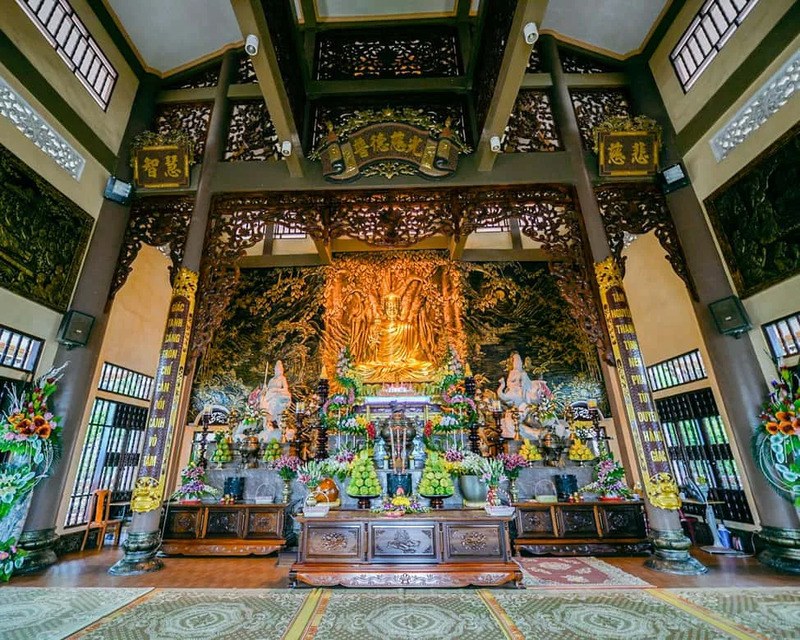
Cai Bau Pagoda pioneers the practice of not burning votive paper. Photo: Đức Anh Nguyễn
Another great advantage is the total absence of noisy commercial activities.
- No shops or street vendors: Around the pagoda grounds, you won't encounter food stalls, street vendors, or persistent tourist touts. This preserves the solemnity and purity of the Zen sanctuary intact.
- All visitors enjoy completely free admission for sightseeing and worship.
Thanks to these regulations, Cai Bau Pagoda is not merely a sightseeing destination near Ha Long, but an ideal sanctuary where one can return to inner serenity and embark on a “walking meditation” amidst the vast expanse of earth and sky.
5 Guide to Exploring Cai Bau Pagoda
To ensure a complete and rewarding pilgrimage to Cai Bau Pagoda, keep the following tips in mind:
- Weather: The ideal time to visit the pagoda is during spring (from January to April), when the weather is pleasant, rainfall is sparse, and the foliage is verdant.
- Festivals: If you wish to immerse yourself in the festive atmosphere of Buddhist celebrations, visit early in the year (from the 1st to the 3rd lunar month) when major events such as the Peace Blessing Ceremony and Vesak (Buddha's Birthday) take place. However, if you seek silence and contemplation, weekdays are the best choice.
- Attire: As this is a sacred sanctuary, please dress respectfully and modestly (long trousers, sleeved shirts).
- Etiquette: Help maintain public cleanliness, speak quietly, and show deference toward the Buddhas, monks, and nuns.
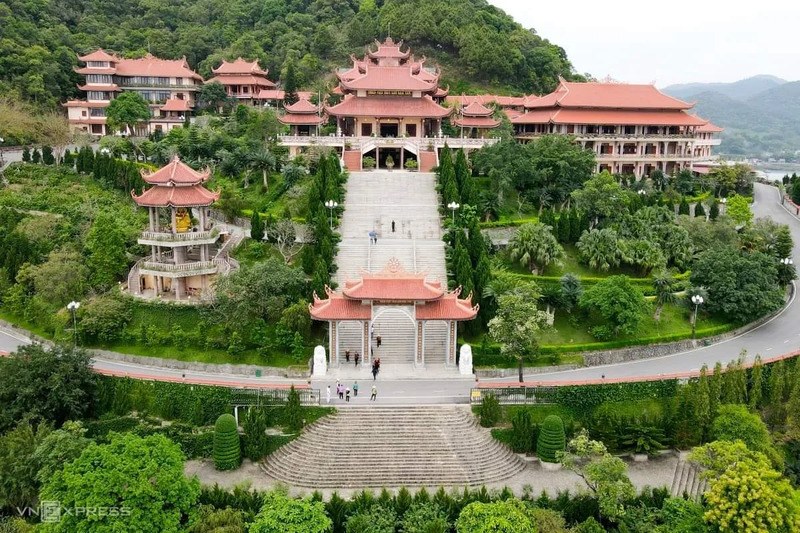
The pagoda grounds are extensive, so choose sneakers to easily climb stairs and walk around. Photo: Vnexpress
Cai Bau Pagoda (Truc Lam Giac Tam Zen Monastery) has demonstrated that a spiritual sanctuary requires not only a rich history but also a seamless harmony with nature and an enlightened, civilized philosophy of life. It thoroughly deserves a prominent place on your Quang Ninh travel map. And don't forget to equip yourself with a stylish, durable MIA.vn travel suitcase to be well-prepared for all your upcoming adventures!