

“Crabs in the third lunar month, cà ra in the eighth”, visitors to Dong Trieu, Quang Ninh, at this time of year have the chance to savor the local specialty of river cà ra. Among its preparations, cà ra hotpot is the most popular during the freezing winter days.
An enticing specialty for the cold season
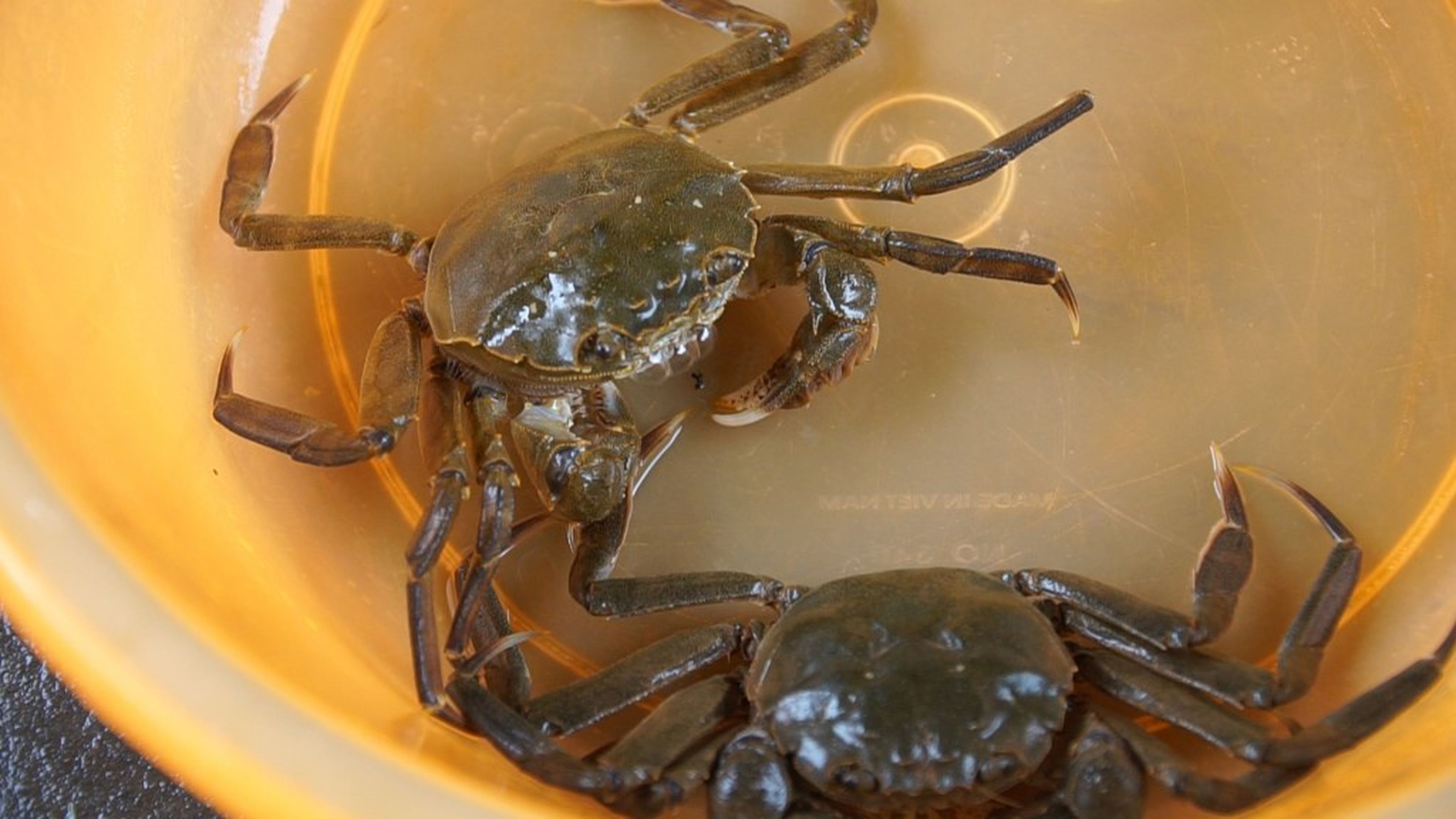
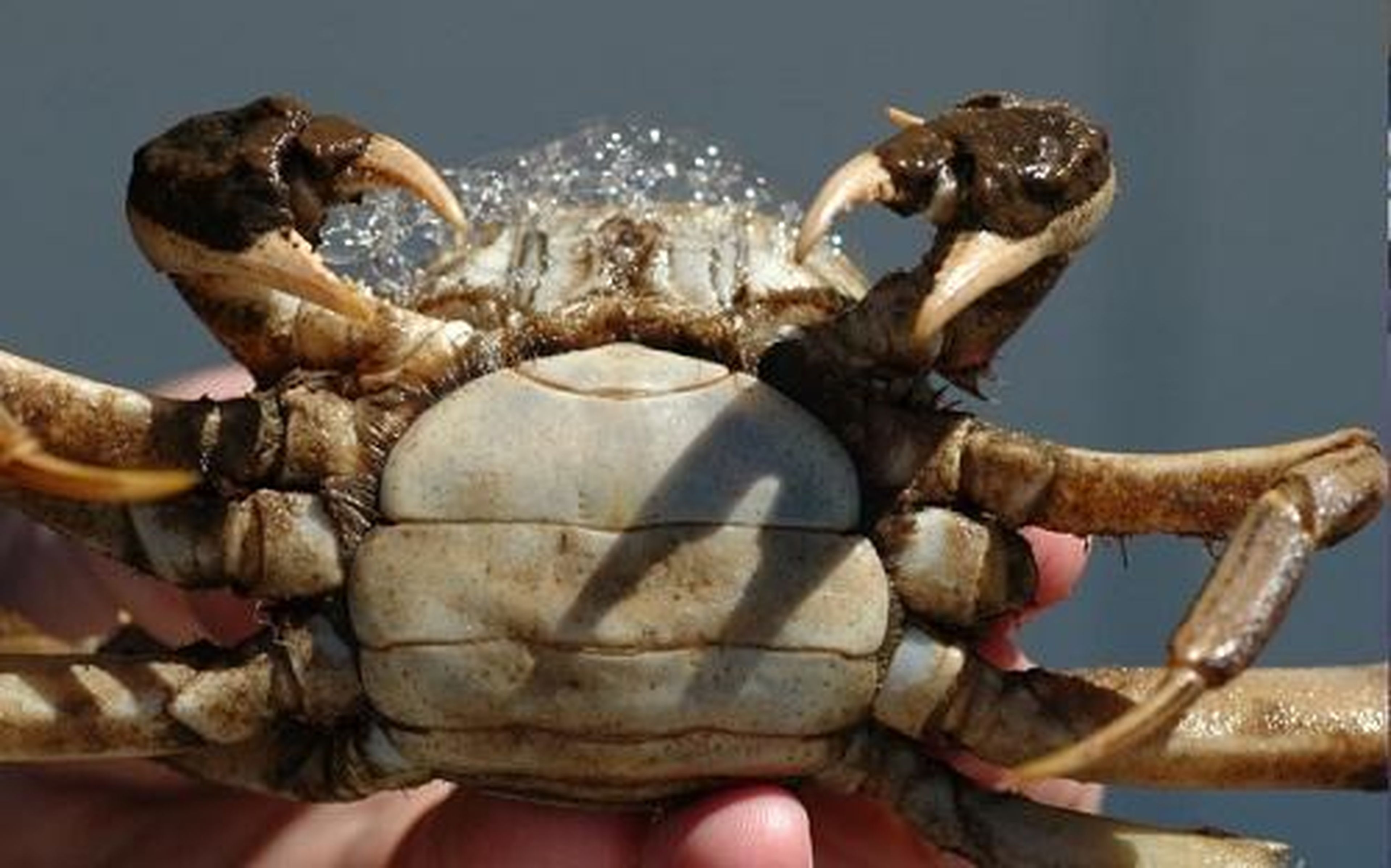
Cà ra is a type of crab that looks quite similar to a mud crab but is larger. It is also known as the hairy crab because the joint at the base of each claw has a tuft of soft, velvety black hairs. While swimming crabs, cù kỳ crabs, and other crabs each have one large claw and one small claw, cà ra has only two small claws and eight legs.
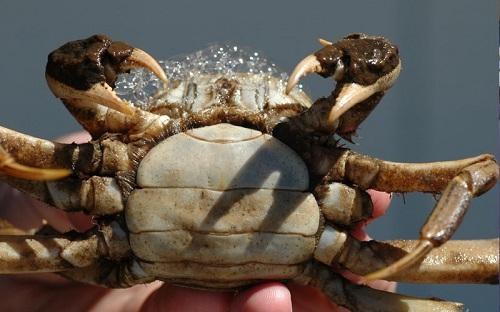
A cà ra crab. Photo: Vietnamese Craft Village Magazine.
“Crabs in the third lunar month, cà ra in the eighth” is a folk saying referring to the cà ra season. However, the peak season is from the ninth and tenth lunar months onward, when cà ra is at its richest and most delicious. The cà ra season in Dong Trieu begins as the weather transitions from autumn to winter and lasts until early spring the following year.
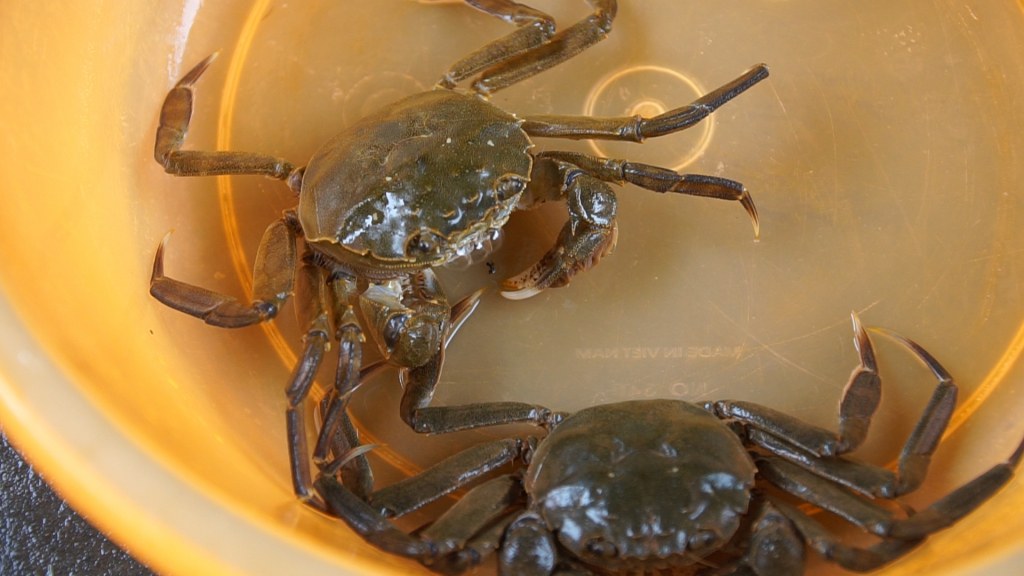
River cà ra. Photo: Quang Ninh Newspaper.
Cà ra usually makes burrows in deep water and near culverts, and it is nocturnal, feeding on mollusks and small shrimp and fish. Therefore, locals place fish traps along the riverbanks from the previous afternoon until the next morning, or catch them with nets at night.
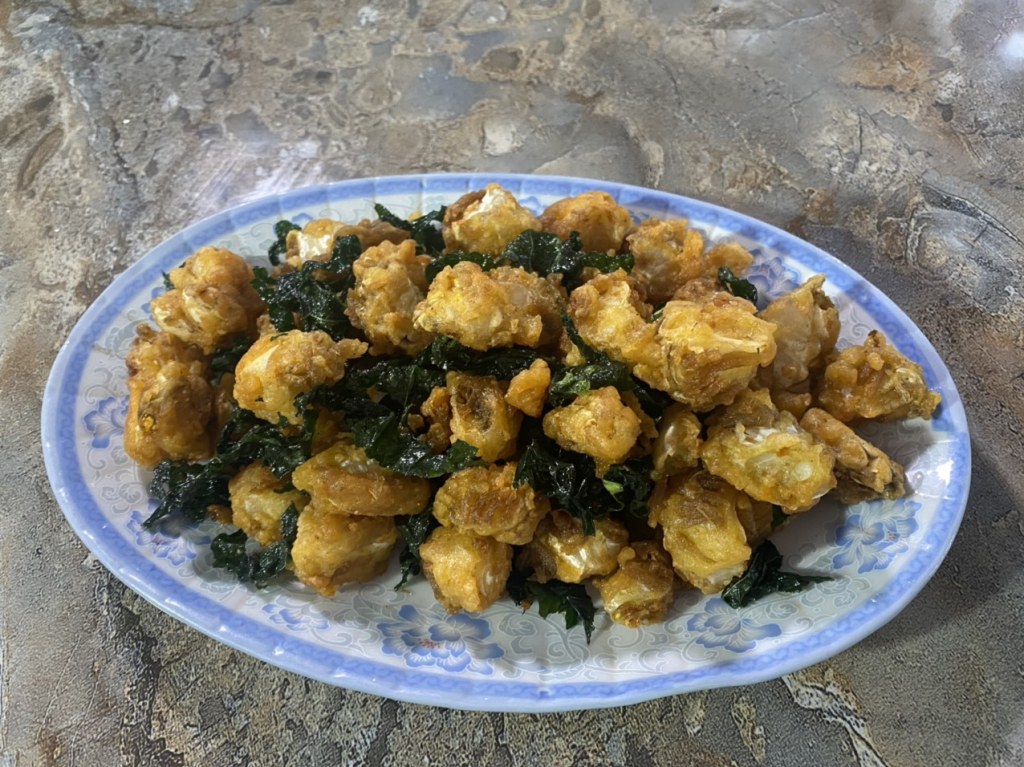
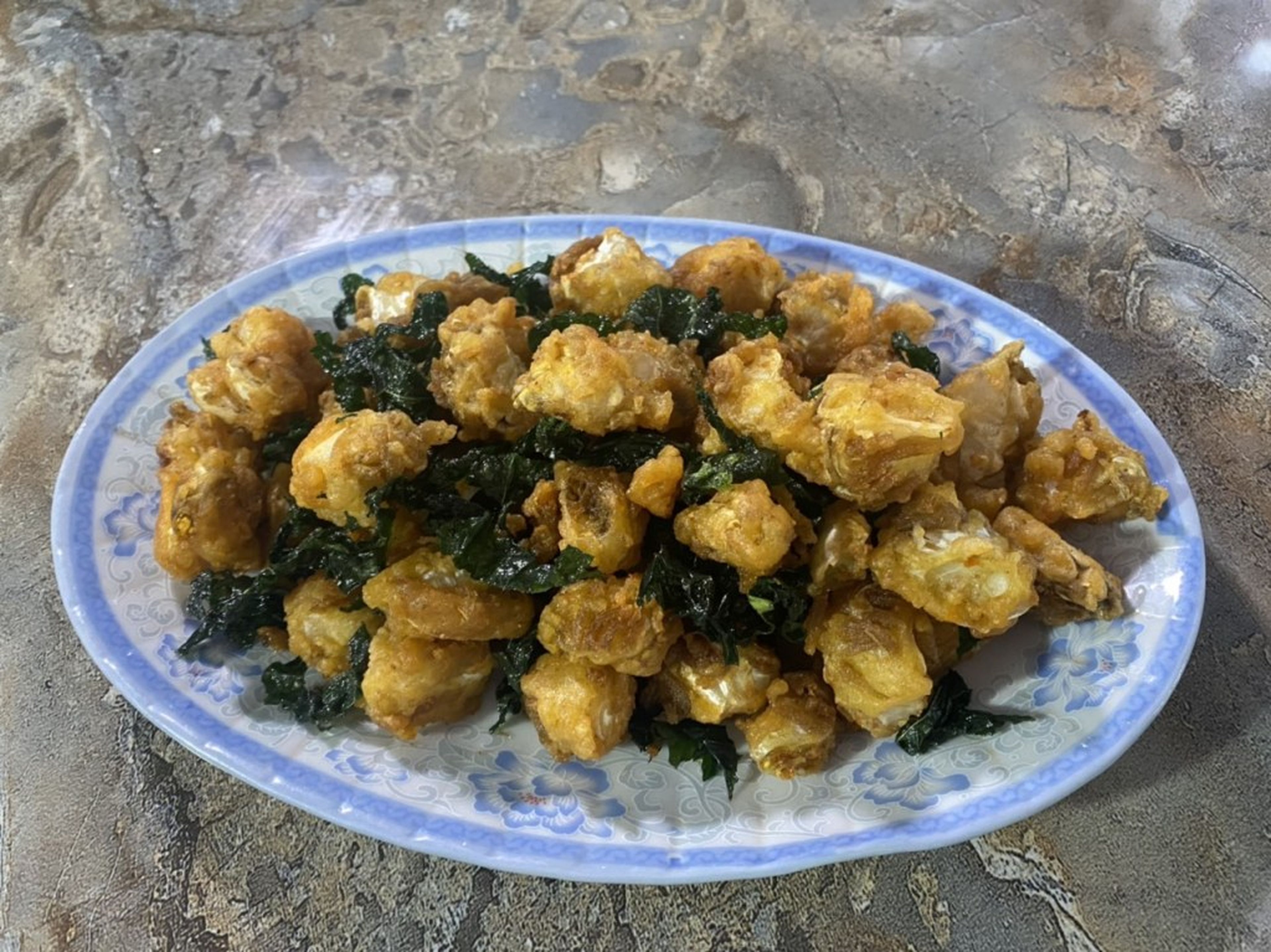
Cà ra fried with lolot leaves. Photo: Quang Ninh Newspaper.
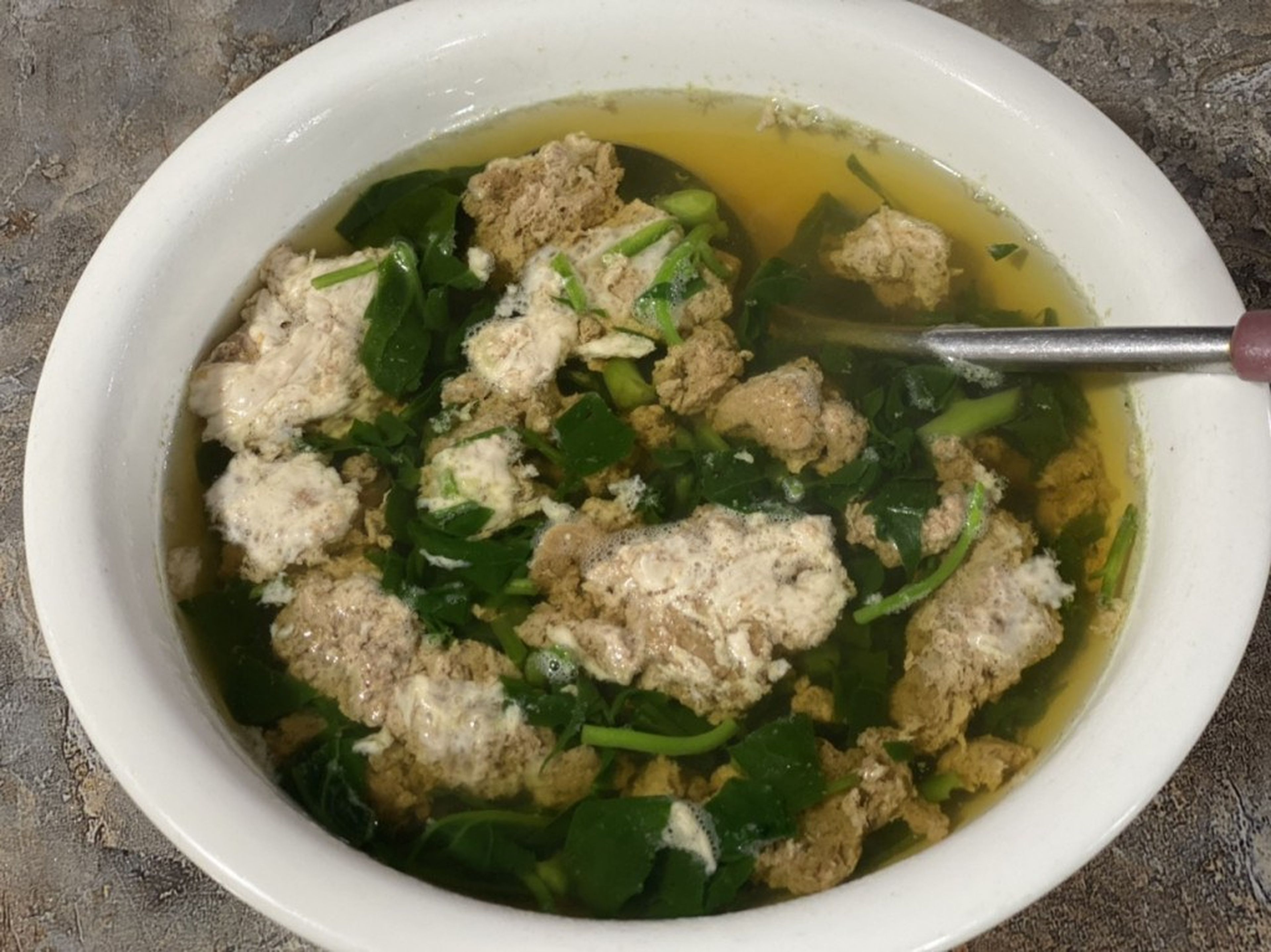
Cà ra can be prepared in many different ways, such as stir-fried with tamarind, steamed, braised with lolot leaves, or cooked in soup… but perhaps the most unique dish is cà ra hotpot.
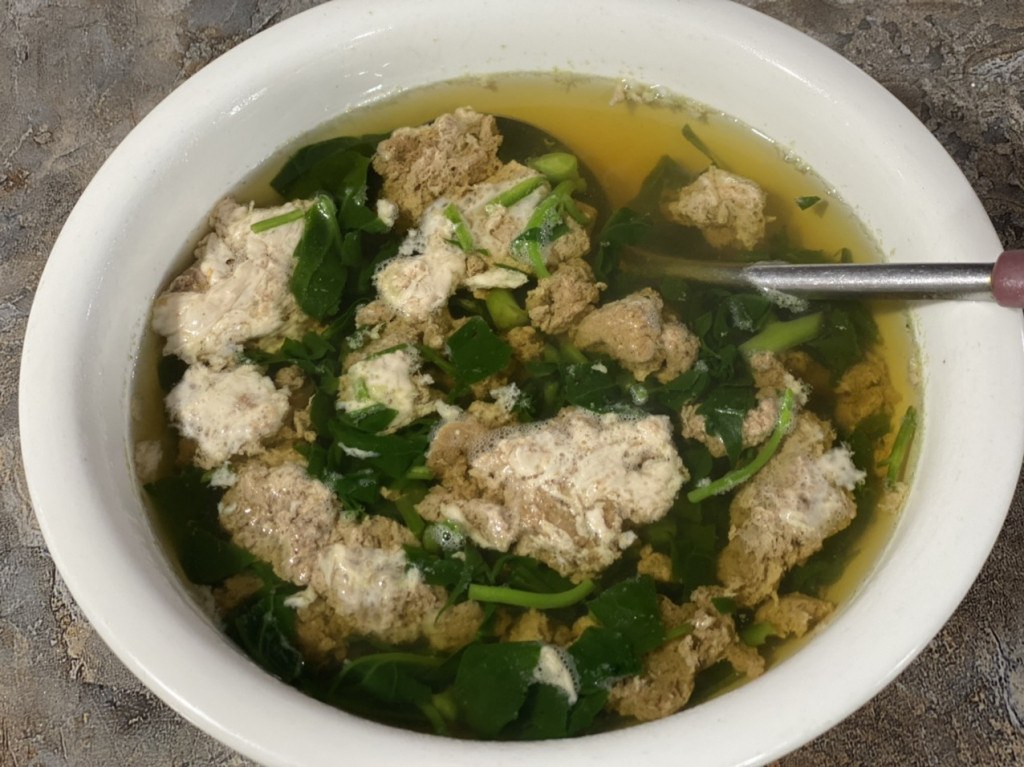
Cà ra and malabar spinach soup. Photo: Quang Ninh Newspaper.
How to cook cà ra hotpot
Cooking the hotpot is quite simple: wash the cà ra, remove the shells, use the large ones for dipping into the hotpot, and grind the small ones and strain them to extract the liquid. To achieve the authentic flavor, preparing the hotpot broth is the most important step. The ground or pounded cà ra is strained carefully to make the crab roe. Add a little salt while grinding so that the cà ra roe sets into clumps. The seasonings for the hotpot include sugar, salt, monosodium glutamate, shallots, tomatoes… and, in particular, fermented rice vinegar to create a sour flavor.
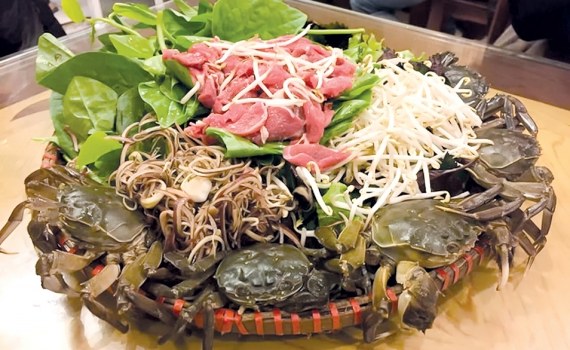
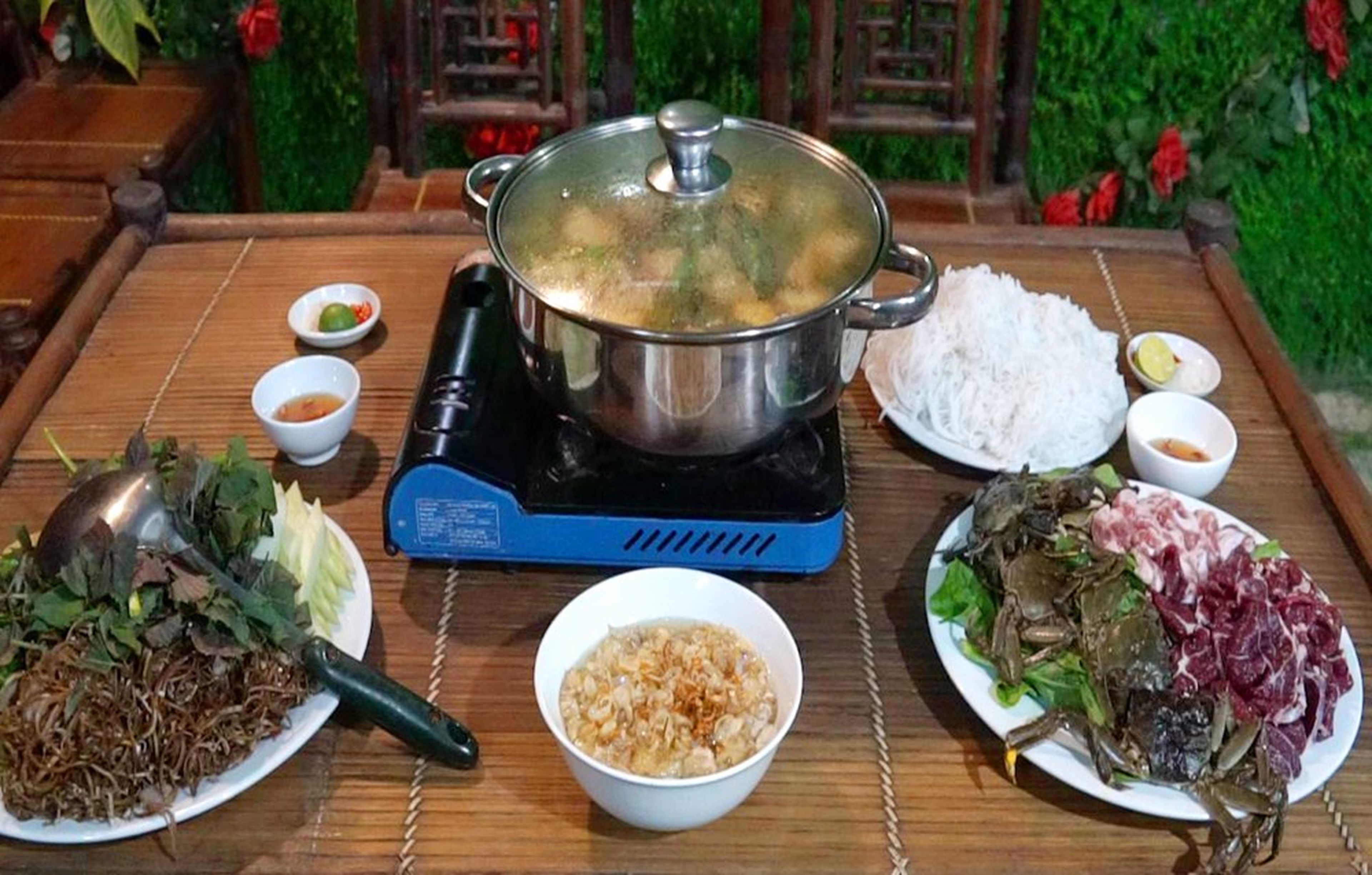
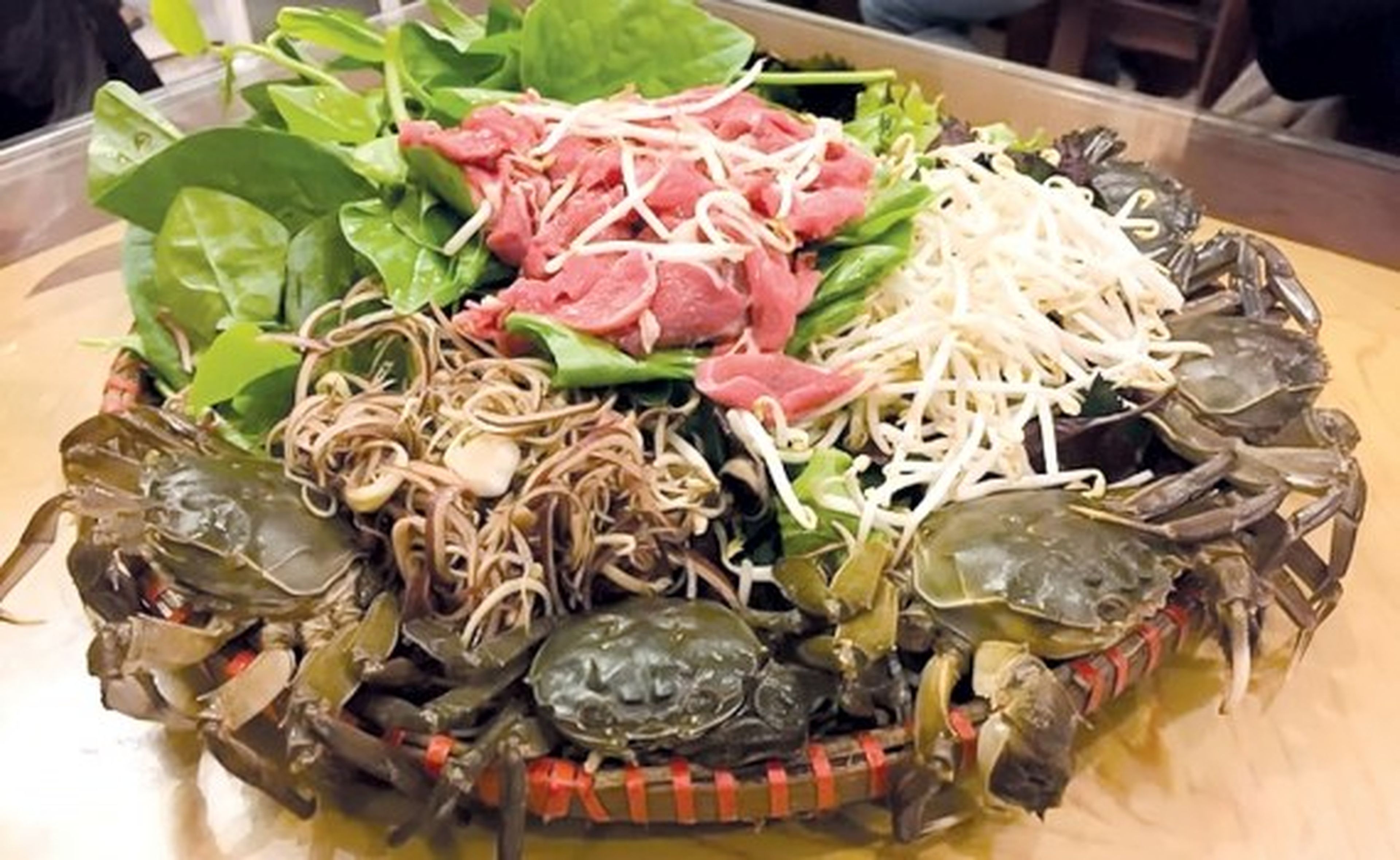
Ingredients for a cà ra hotpot. Photo: Thai Binh Newspaper.
The cà ra roe is simmered until it forms solid pieces, then scooped into a bowl. Next, heat a pot, sauté the shallots until fragrant, add the tomatoes and stir-fry, then add the vinegar to create a thick, fragrant mixture. Add the cà ra roe liquid and bring it to a boil, seasoning to taste.
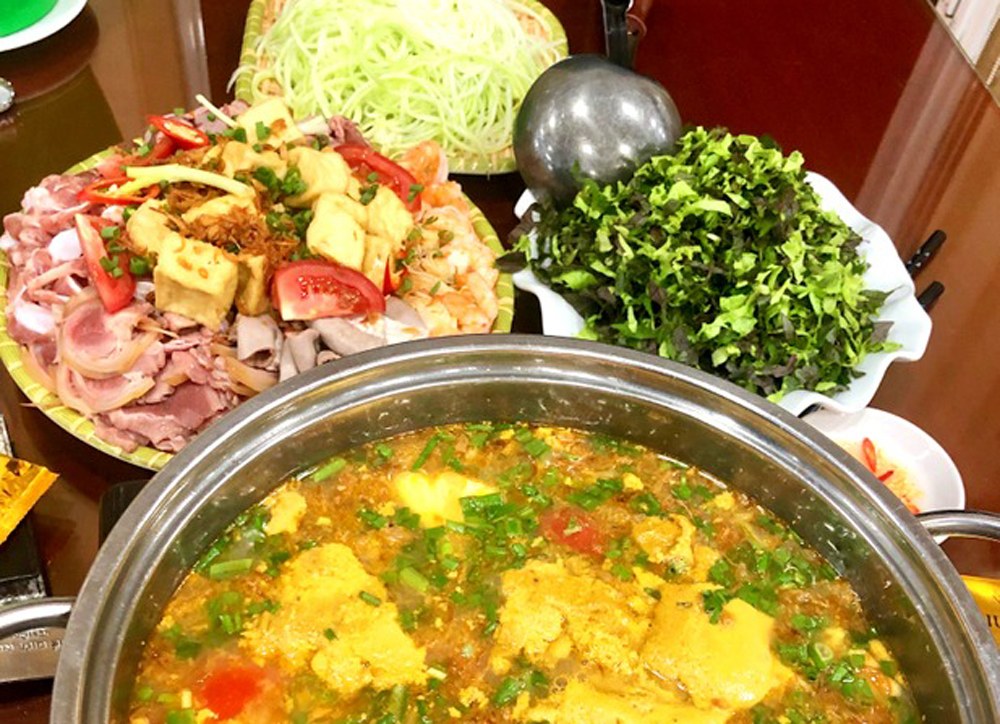
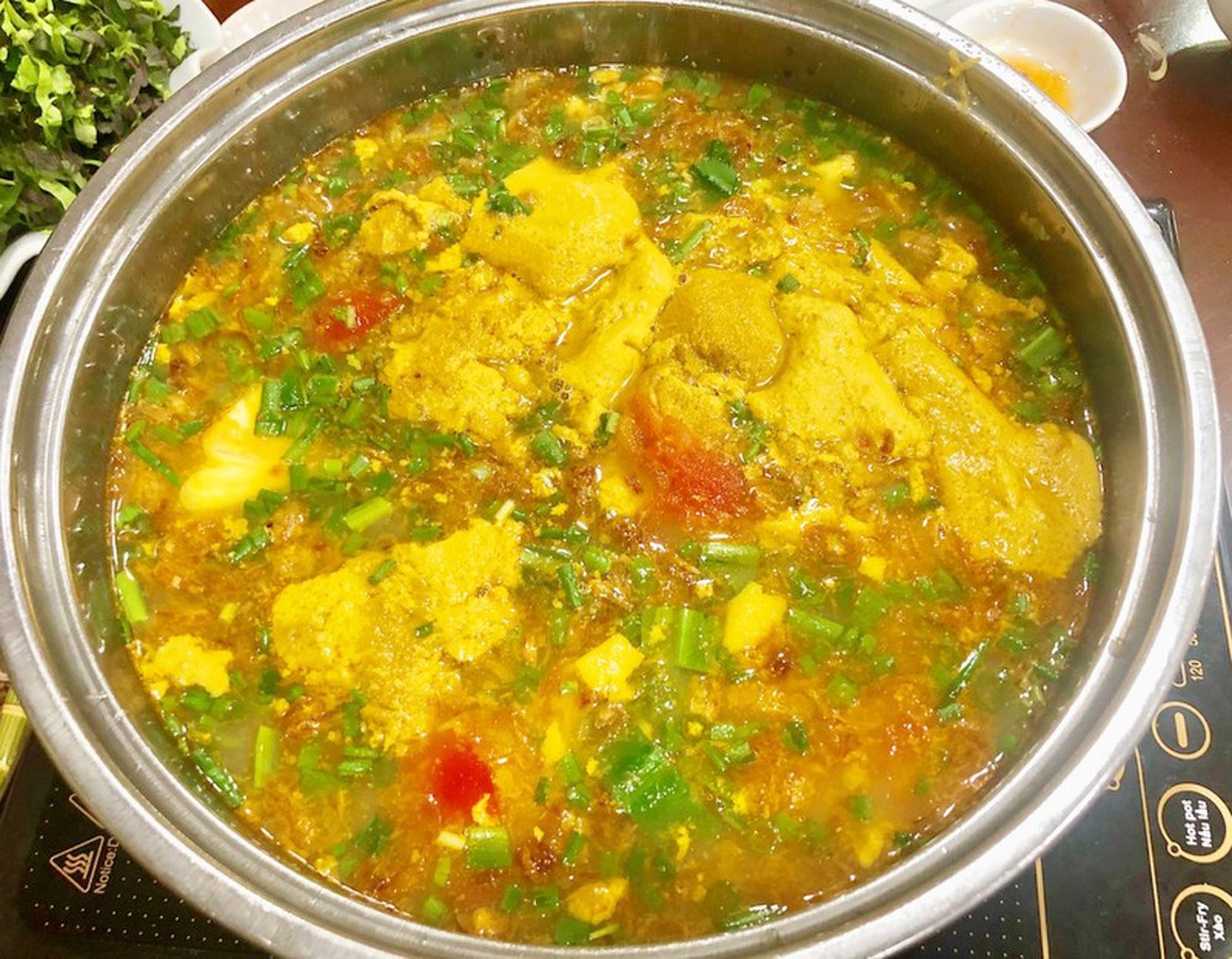
Golden broth. Photo: Quang Ninh Newspaper.
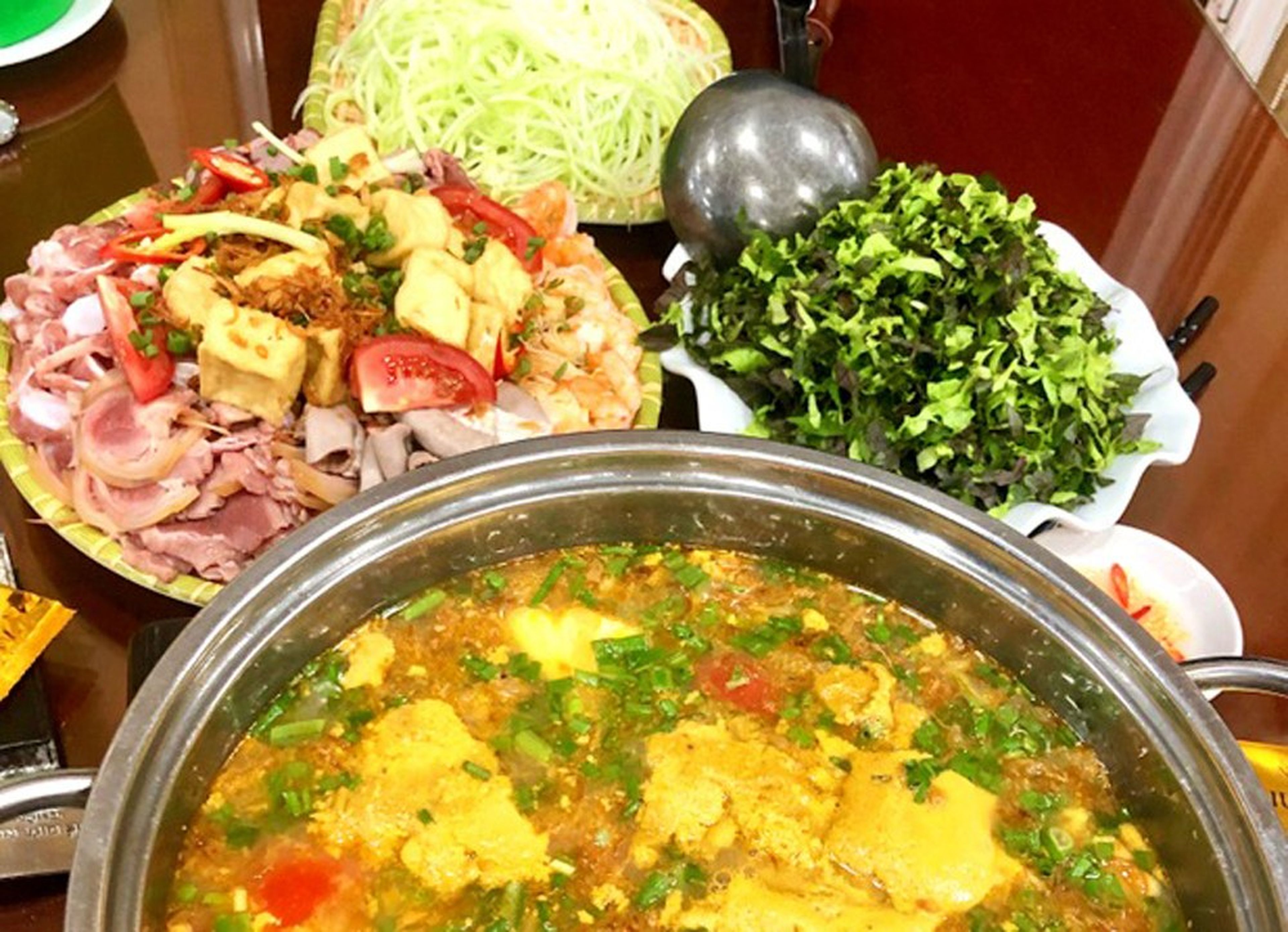
Cà ra hotpot is incomplete without beef, pork cartilage ribs, fried tofu, fried shallots… served alongside it. There are also vegetables such as banana blossoms, perilla, elephant ear stems, and malabar spinach… However, to preserve the distinctive flavor, many diners usually choose to eat the hotpot with an assortment of finely sliced mixed raw vegetables and a plate of shredded bottle gourd.
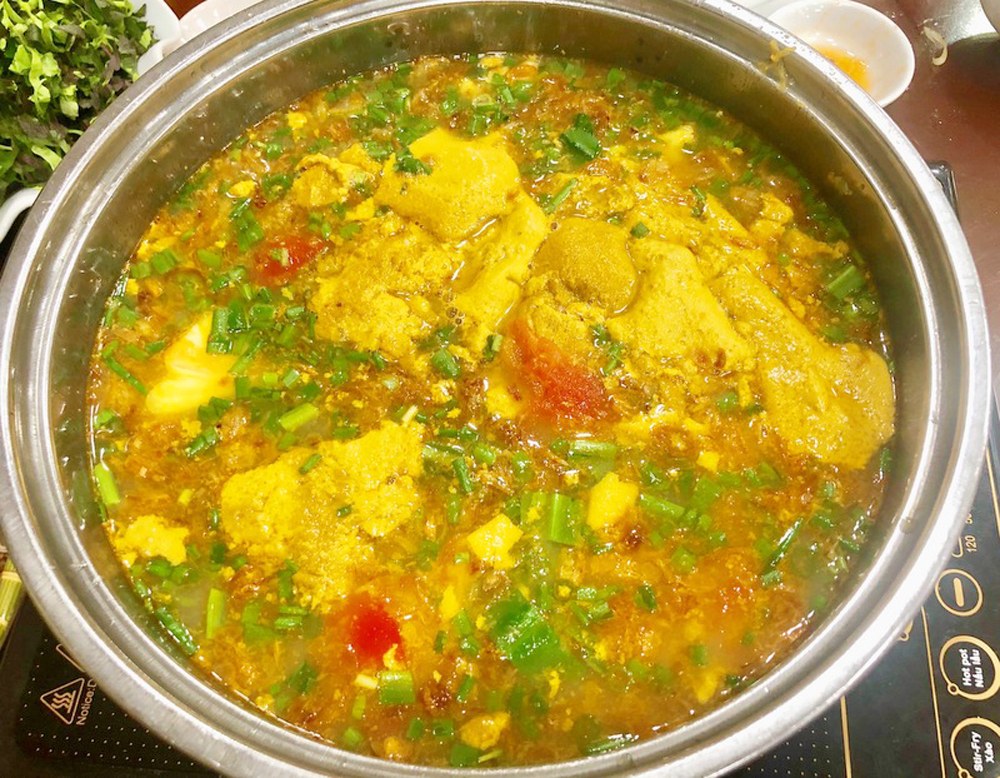
Photo: Quang Ninh Newspaper.
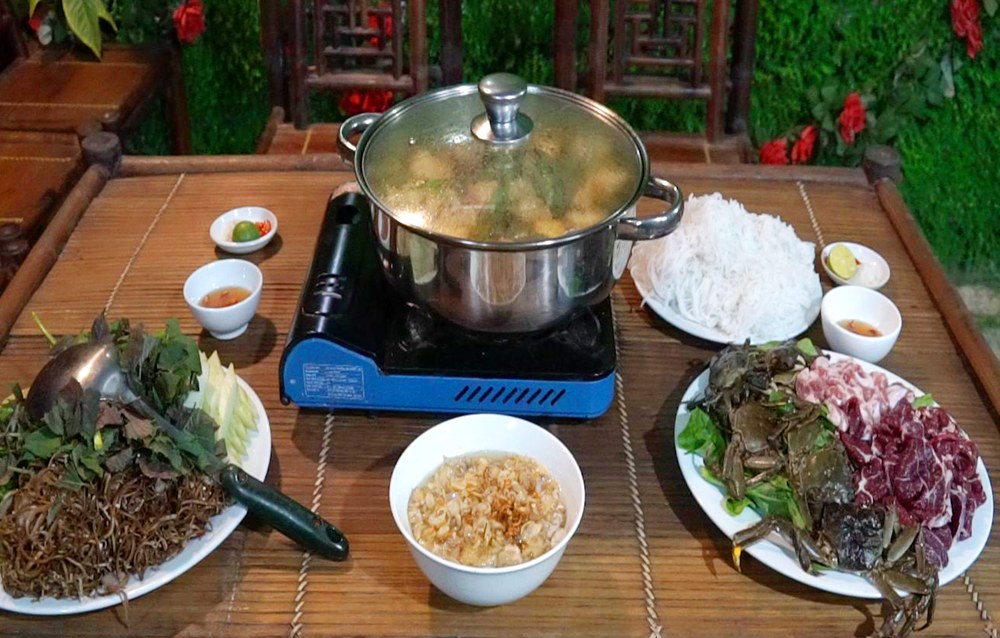
Gathering around the hotpot. Photo: Quang Ninh Newspaper.
In the winter chill of the northeastern region, enjoying a pot of cà ra hotpot —piping hot, rich, and beautifully golden, accompanied by green vegetables—will be an unforgettable culinary experience for visitors to Quang Ninh. Follow the iVIVU blog for more useful articles to help make your trip complete!