Diversifying products and refreshing experiences are becoming key driving forces for Quang Ninh tourism to enhance its destination appeal. This is also a solution to increase destination value, prolong visitor stays, and strive toward sustainable development.
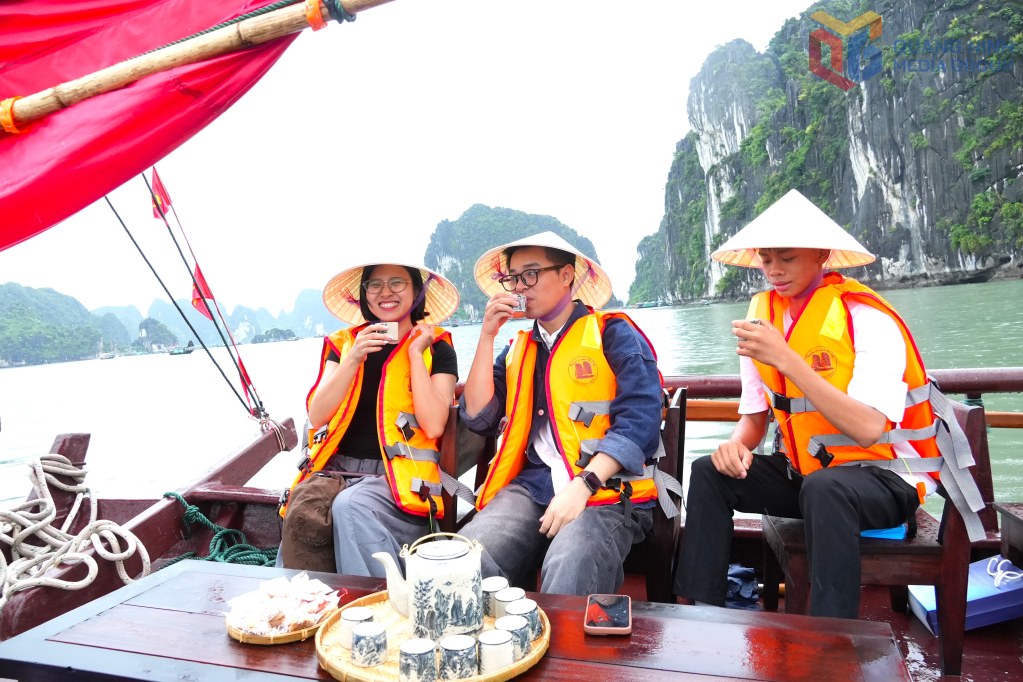
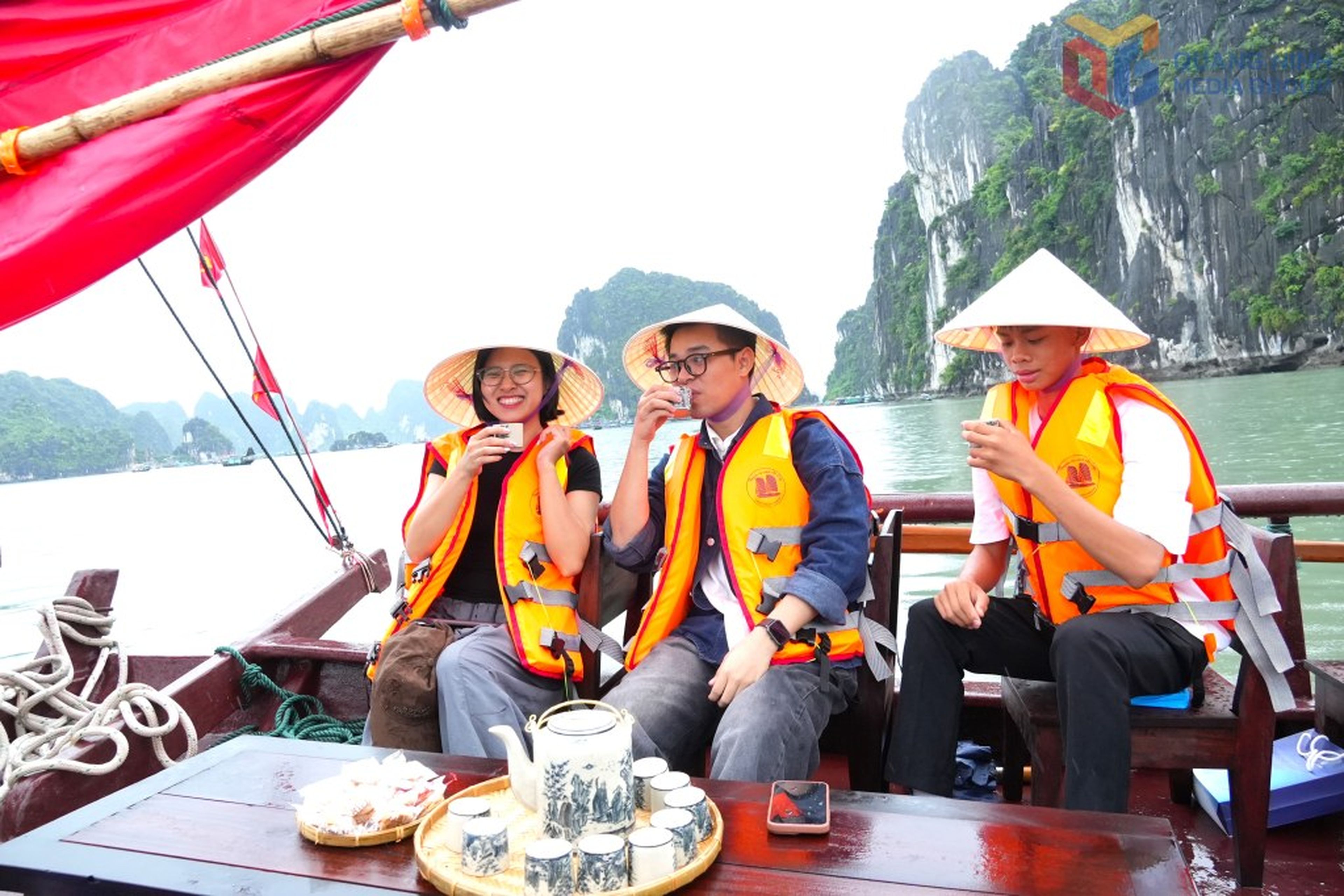
The Ha Long three-plank sailboat tourism product offers visitors fresh experiences by recreating the cultural atmosphere of fishing villages on the bay. These three-plank boats with reddish-brown sails—an image once closely associated with the daily lives of Ha Long fishermen—have been restored to take tourists along the coastal route from Bai Tho Bridge to the Provincial Planning, Fair and Exhibition Center. Amid the tranquil bay waters, the leisurely voyage combined with stories of local history and culture creates a distinctive appeal compared to traditional sightseeing tours.
Ms. Nguyen Xuan Anh, a tourist from Hanoi, shared: "From the chairs and teapots to the brown sails, everything evokes memories of an old, rustic, and peaceful Ha Long. The most compelling aspect of this product is not only the beautiful scenery, but also the cultural values conveyed. I hope Quang Ninh will continue to develop more unique cultural tourism products so visitors can enjoy fresh experiences."
Beyond revamping traditional products, Quang Ninh is gradually diversifying its tourism offerings based on the distinct advantages of each locality, ranging from island and coastal tourism to mountainous, border, community-based, and cultural tourism. This strategic direction not only boosts the destination's appeal, prolongs visitor stays, and increases spending, but also helps expand tourism space, distribute visitor flows rationally, and foster balanced tourism development across different areas of the province.
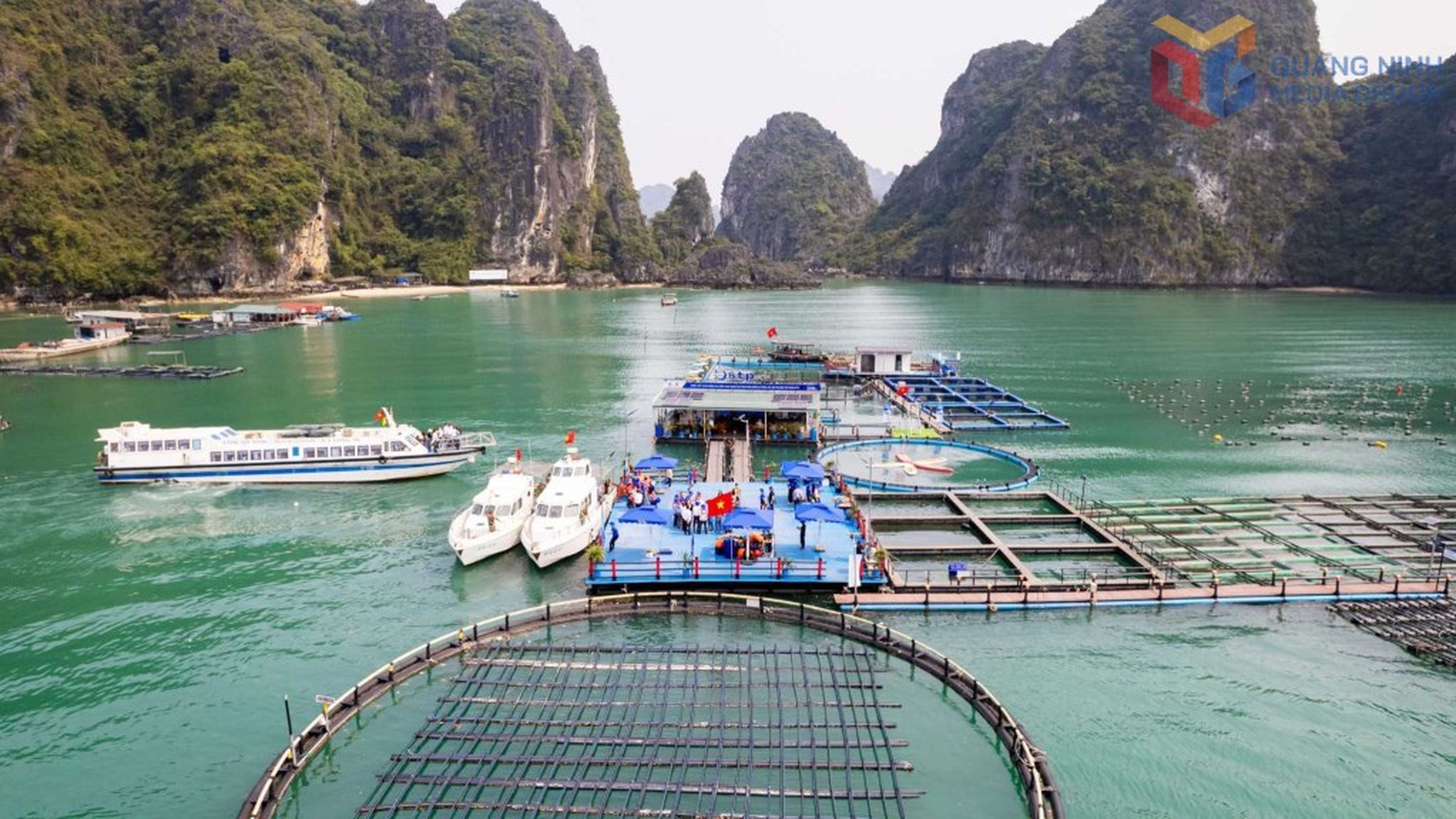
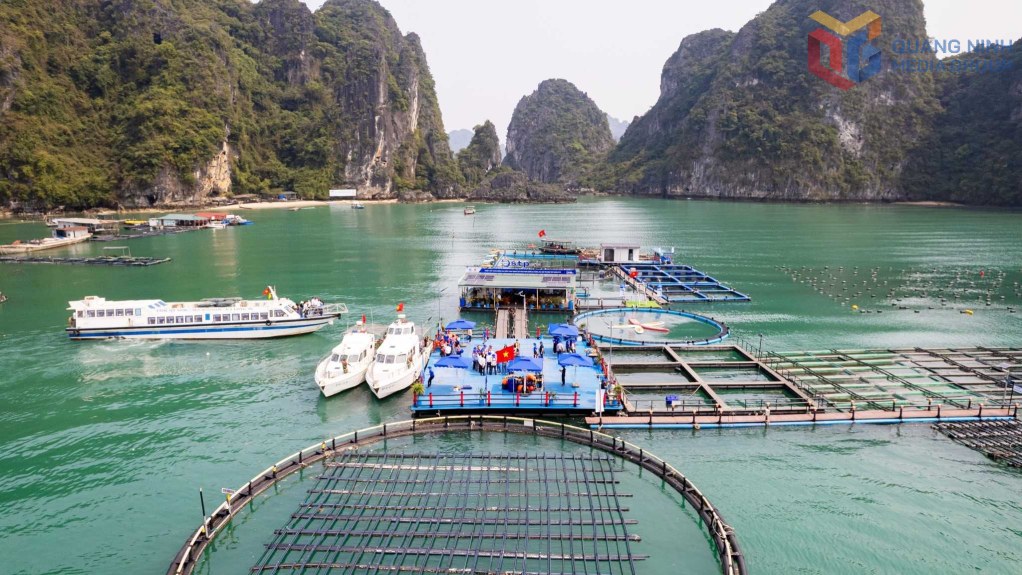
In Van Don, the model of marine eco-tourism integrated with aquaculture on Bai Tu Long Bay is being vigorously promoted. Visitors can tour marine aquaculture cages, experience aquaculture processes, and shop for OCOP products directly at floating stalls. Alongside this, various water sports such as jet skis, banana boats, and inflatable water parks are being operated to meet the demands of young travelers and luxury vacationers.
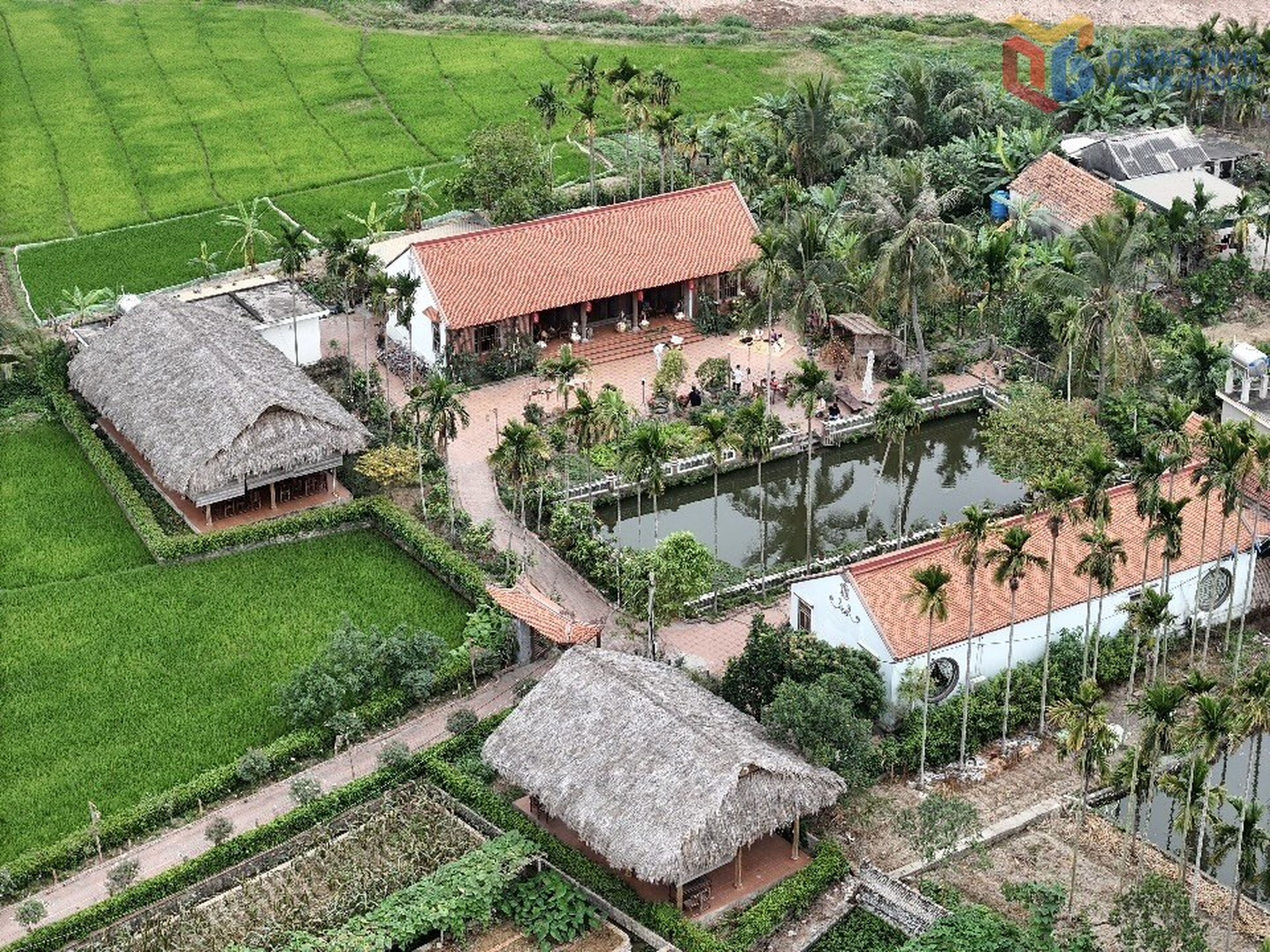
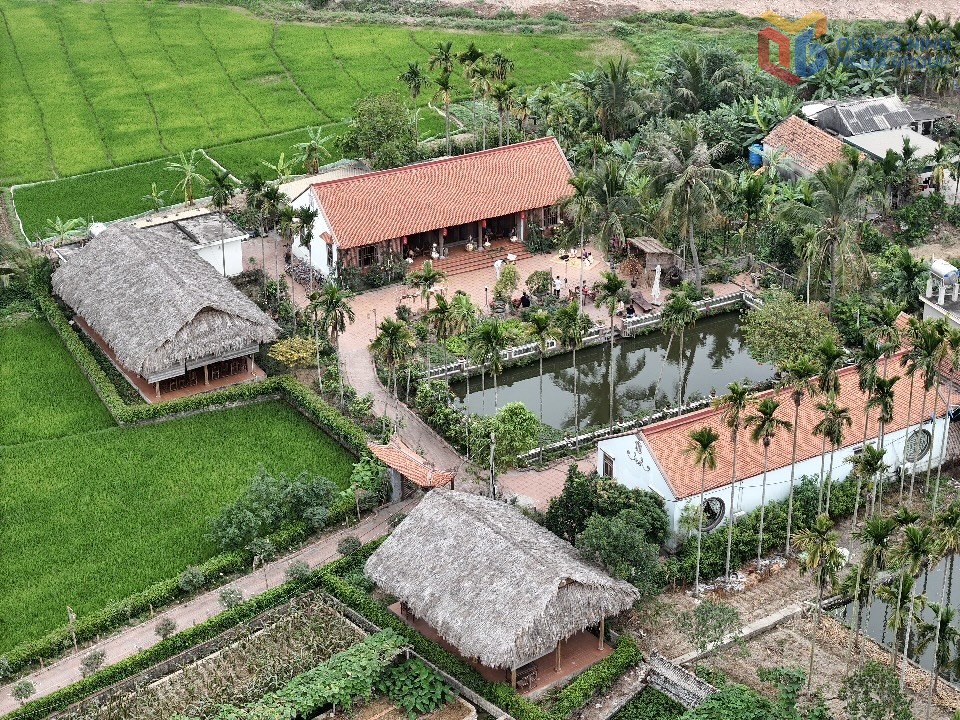
In addition, agritourism is gradually emerging as a high-potential product. Numerous farms, agricultural production areas, and OCOP facilities are being developed into experiential destinations where visitors can tour fruit orchards, learn about specialty livestock farming models, actively participate in production activities, savor clean produce, and purchase signature local goods.
In the eastern region of the province, localities are leveraging the advantages of mountain and forest landscapes, natural resources, and the cultural identity of ethnic minority groups to develop distinctive tourism products. Notably, Hoanh Mo Commune has launched various new offerings, such as eco-tourism combined with exploring historical relics and scenic spots of Cao Ba Lanh Mountain; trekking the "Dinosaur Backbone" to check in at Border Landmark 1305; exploring heritage star anise forests over 100 years old; and experiencing traditional Dao herbal baths. In particular, the "Cao Ly Moon Night" festival, held periodically in autumn with cultural, artistic, culinary, and indigenous experiential activities, is gradually making a unique mark on border-region tourism.
Since the beginning of the year, Quang Ninh has launched nearly 40 new tourism products. This reflects the province's transition from isolated destination development to building a diversified product ecosystem that centers on visitor experiences while capitalizing on the distinctive advantages of each locality. This is also a crucial solution to expand tourism spaces, relieve pressure on traditional destinations, and enhance the value and competitiveness of Quang Ninh tourism.
Parallel to developing new products, the province is finalizing the Project on Developing the Heritage Economy, Night-time Tourism, and Cultural Industries, oriented toward creating 8 distinctive heritage economic spaces. Accordingly, Ha Long Bay - Bai Tu Long is to be developed into a luxury island and marine tourism hub; Yen Tu into a center for Zen tourism, retreat, and wellness; Dong Trieu leverages the historical and cultural values of the Tran Dynasty; Van Don - Co To develops marine eco-tourism; areas of Dao, Tay, and San Chi ethnic groups develop community-based tourism; the Hon Gai - Cam Pha area exploits the values of coal industrial heritage; and the ancient Van Don commercial port along with the traditional festival system are being shaped into distinctive cultural products.
The project also sets out to establish 6 key night-time economic spaces, creating new growth drivers for the tourism sector. The Ben Doan - Cot 8 area will be developed into a cultural space featuring provincial museum night tours and artistic performances; Bai Chay - Hung Thang into an entertainment hub with pedestrian streets, live-action outdoor performances, and music events; Tuan Chau and Van Don toward a "sleepless city" model featuring yacht night streets, shopping, night markets, and overnight services; Mong Cai develops a night-time economy linked to cross-border trade; and Yen Tu introduces night meditation, lantern-floating ceremonies, and wellness services within a spiritual setting.
Accompanying these night-time economic spaces is a diverse ecosystem of products, including dining, shopping, performing arts, cultural experiences, overnight bay stays, sports, and night wellness services. These offerings are expected to generate further momentum to extend visitor stays and boost spending, especially among international tourists, while contributing to positioning Quang Ninh as a four-season destination boasting a rich, high-quality product ecosystem.