With a temperate climate, beautiful nature featuring many spectacular landscapes, diverse terrain, and the unique culture of ethnic minority communities, Binh Lieu tourism is gradually making an impression on visitors from everywhere!
Binh Lieu Tourism – The “Sapa” of Quang Ninh
With nearly 500 square kilometers of natural land, extensive grasslands, black cardamom, star anise, and terraced fields stretching as far as the eye can see. From traditional attire to languages, cuisine, and folk songs of the Tay, Dao, San Chi, and Hoa people, everything creates a distinctive Binh Lieu.
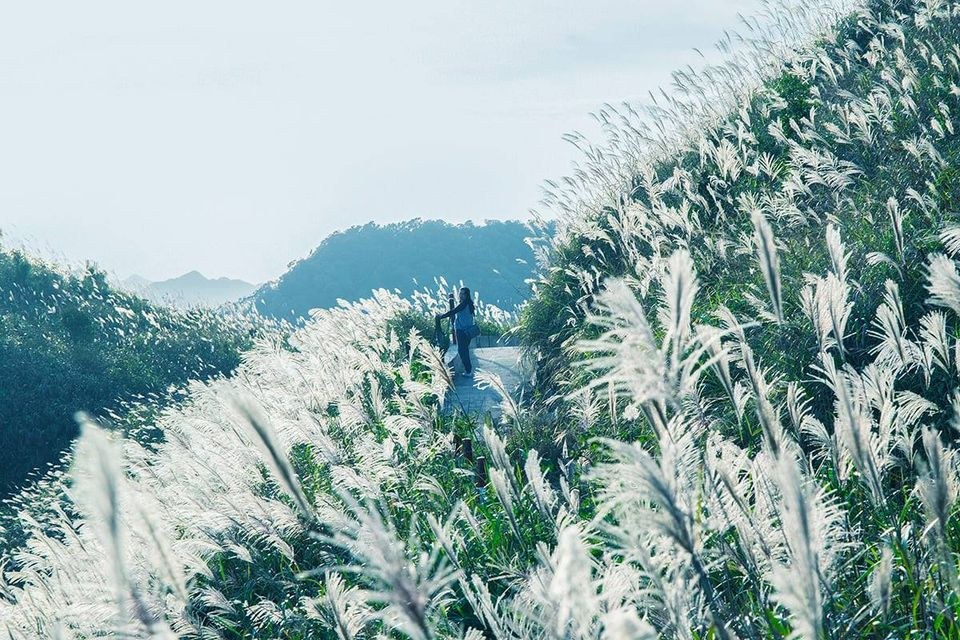
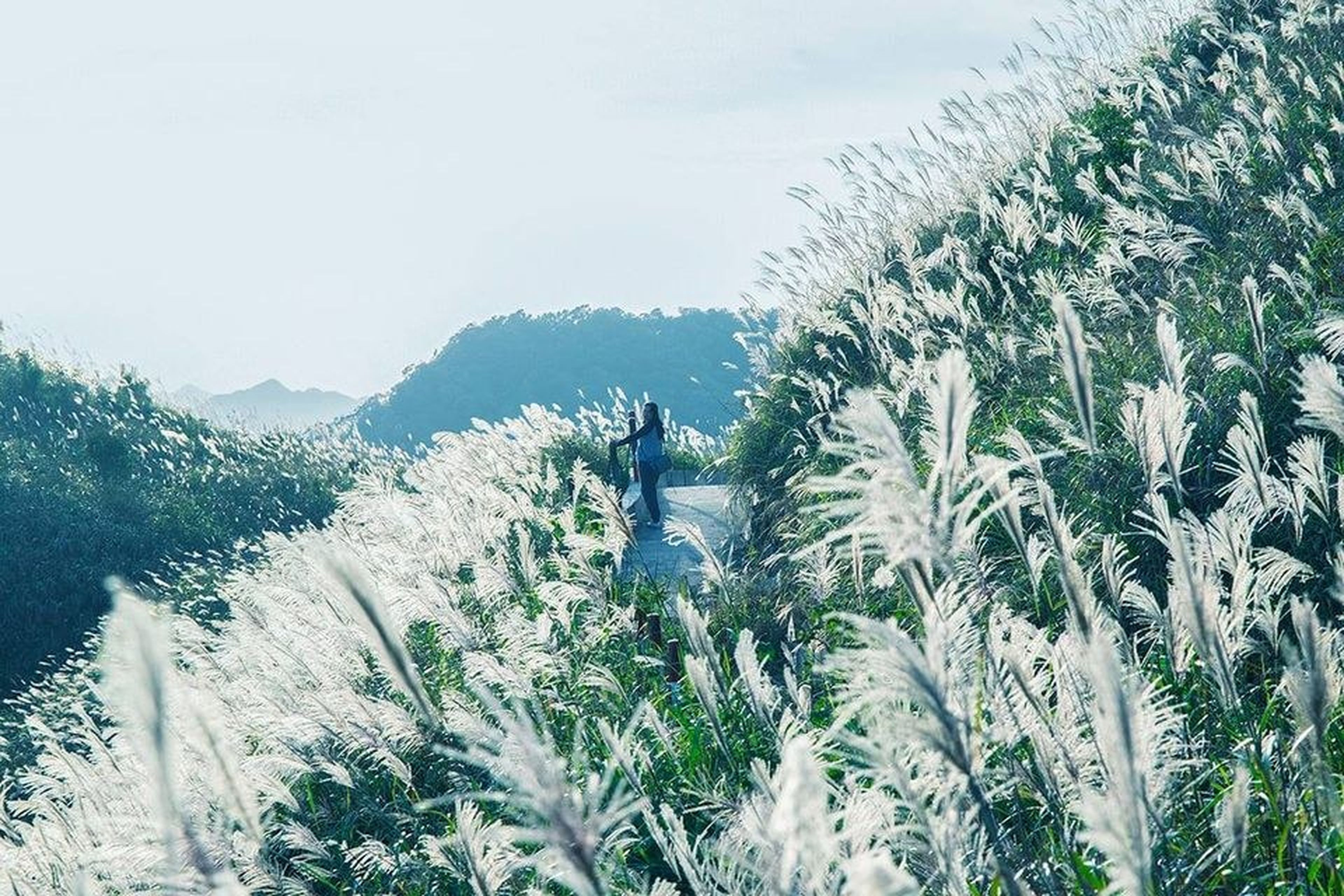
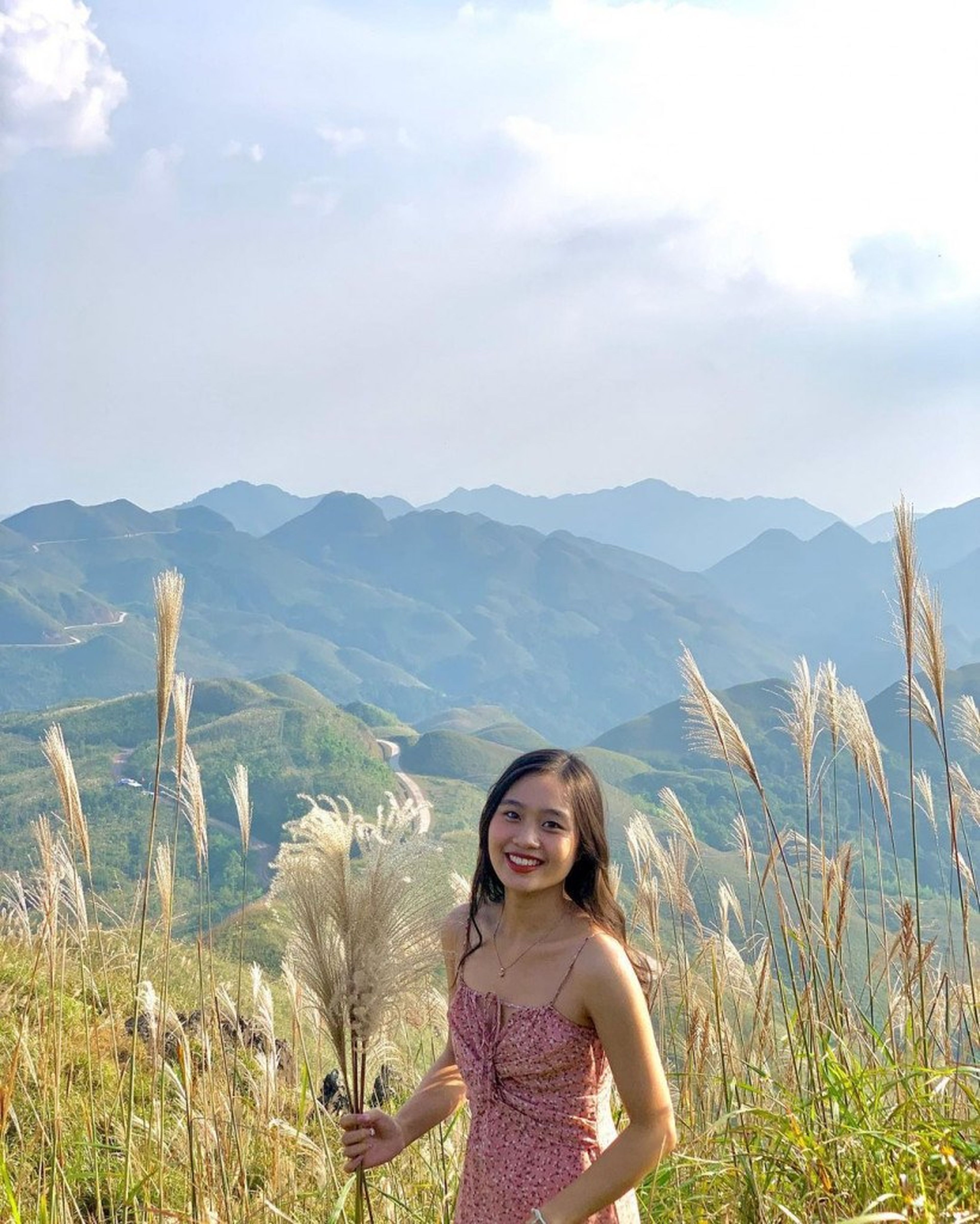
Binh Lieu in the reed grass season. Photo: Dang Ngoc Quang.
Each season of traveling to Binh Lieu brings its own interesting experiences. In spring, many festivals take place, such as the Luc Na communal house festival, the Soong Co love duet singing festival, and the “wind-abstinence” day…
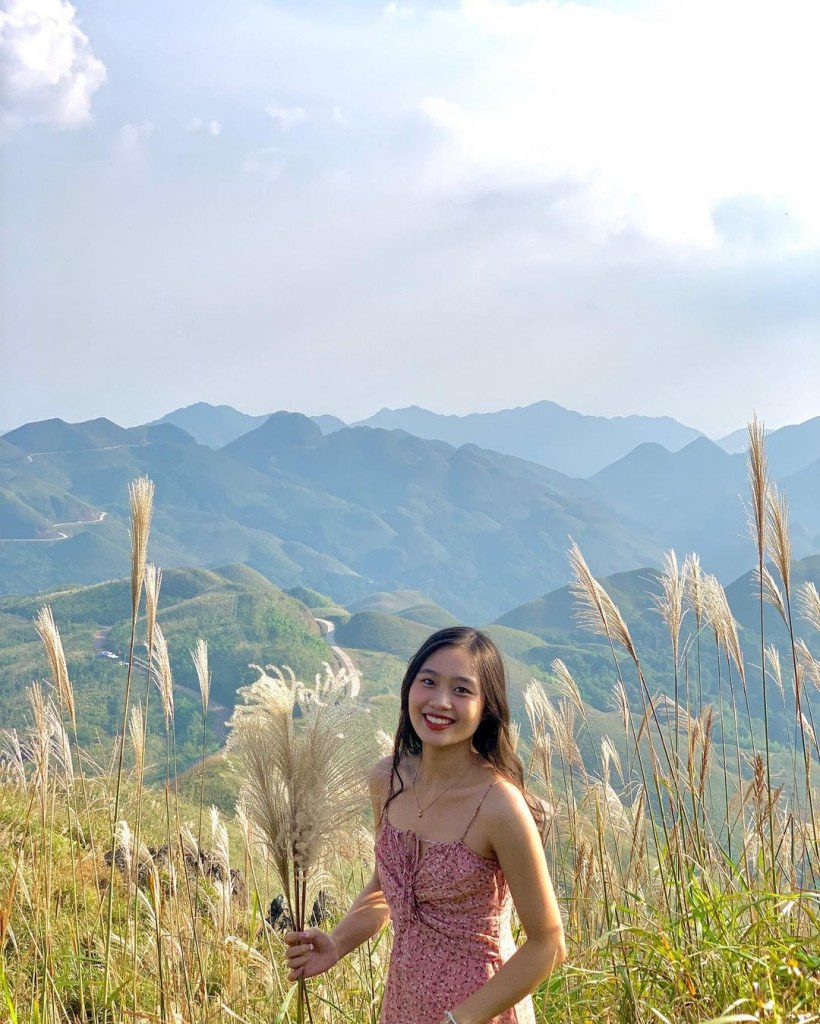
Photo: stella.btl.
In summer, Binh Lieu features foaming white waterfalls and lush green terraced fields. When autumn comes, blooming reed grass everywhere particularly attracts a large number of visitors to enjoy the scenery. In winter, tourists can also see frost here.
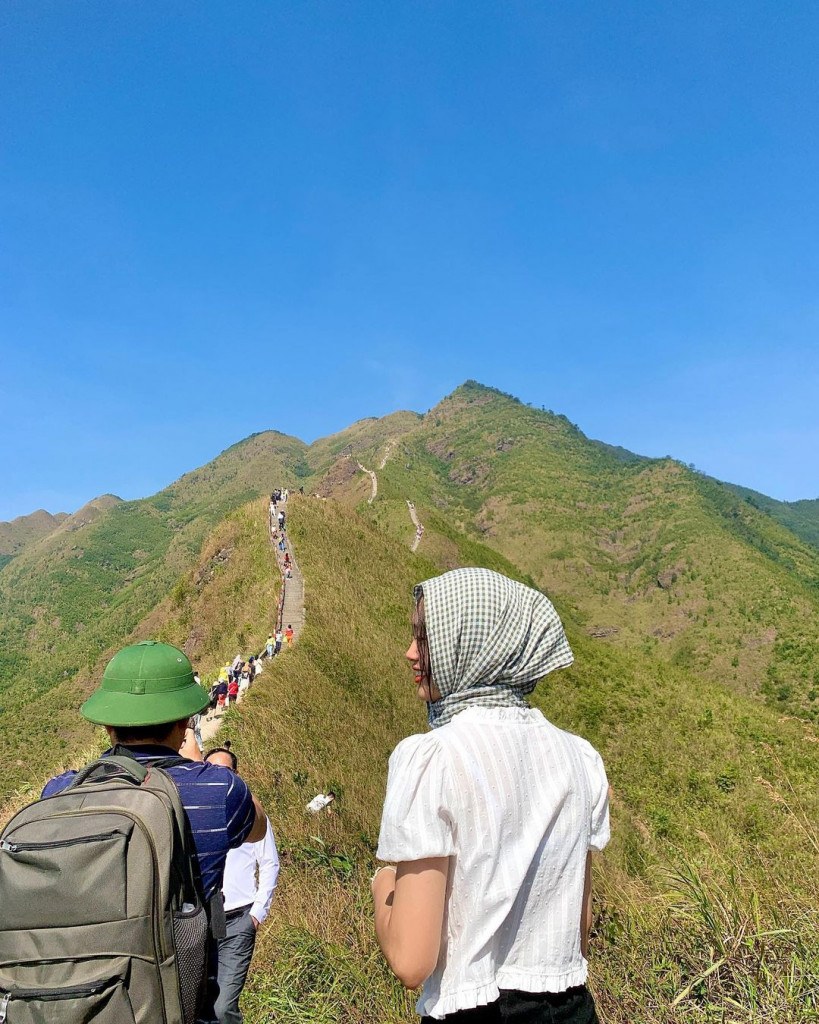
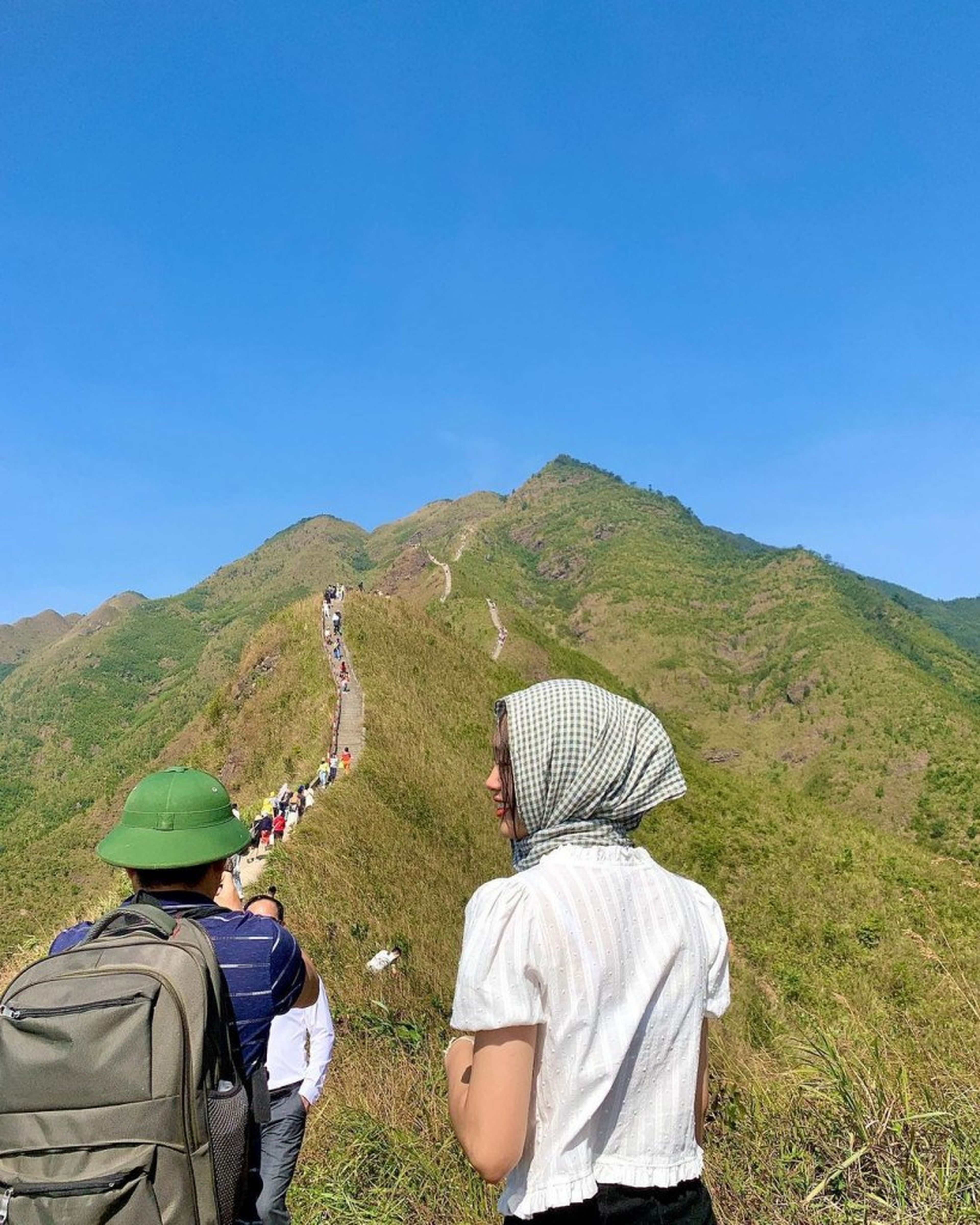
The path to landmark 1305. Photo: stella.btl.
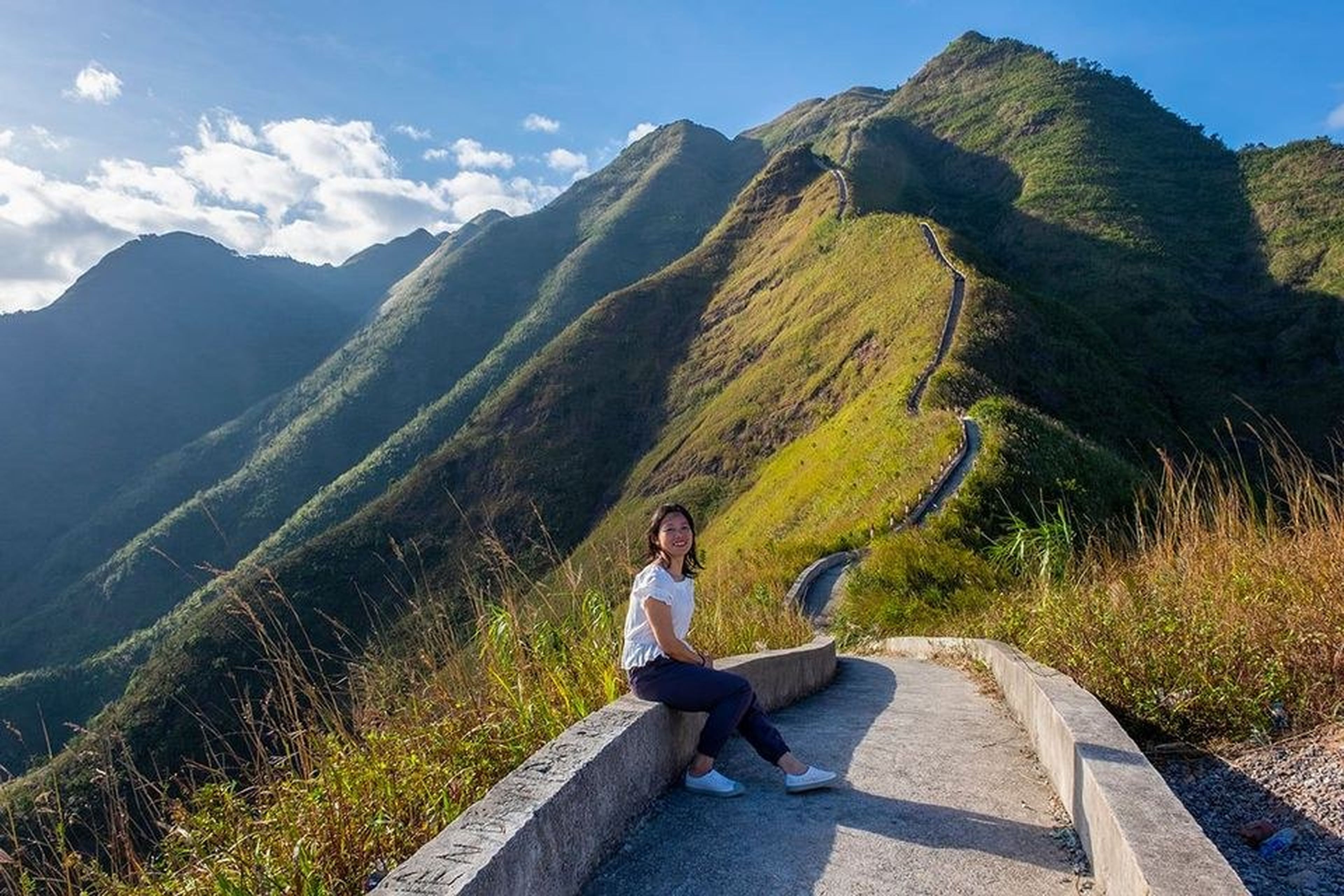
The most attractive tourist spot for travelers from afar, especially young people, is the “dinosaur spine”. The pristine scenery with rolling mountains interspersed with green hillsides captivates countless people. In recent years, the “spine” has always been a trekking and conquering destination for many people passionate about exploring adventurous trails.
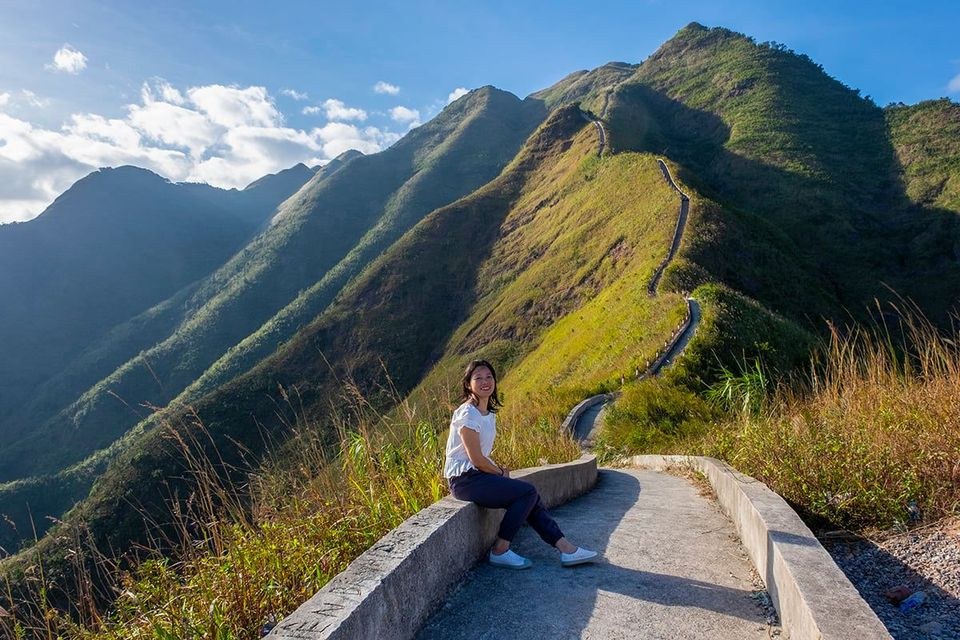
Checking in at the “dinosaur spine” in Binh Lieu. Photo: Dang Ngoc Quang.
The border landmarks are indispensable check-in spots on a trip to Binh Lieu. Bordering China's Phong Thanh and Nam Ninh districts, Binh Lieu has many landmarks situated along a winding and rugged border route nearly 50km long. Binh Lieu has 64 landmarks, with 4 key landmarks being 1300, 1302, 1305, and 1327.
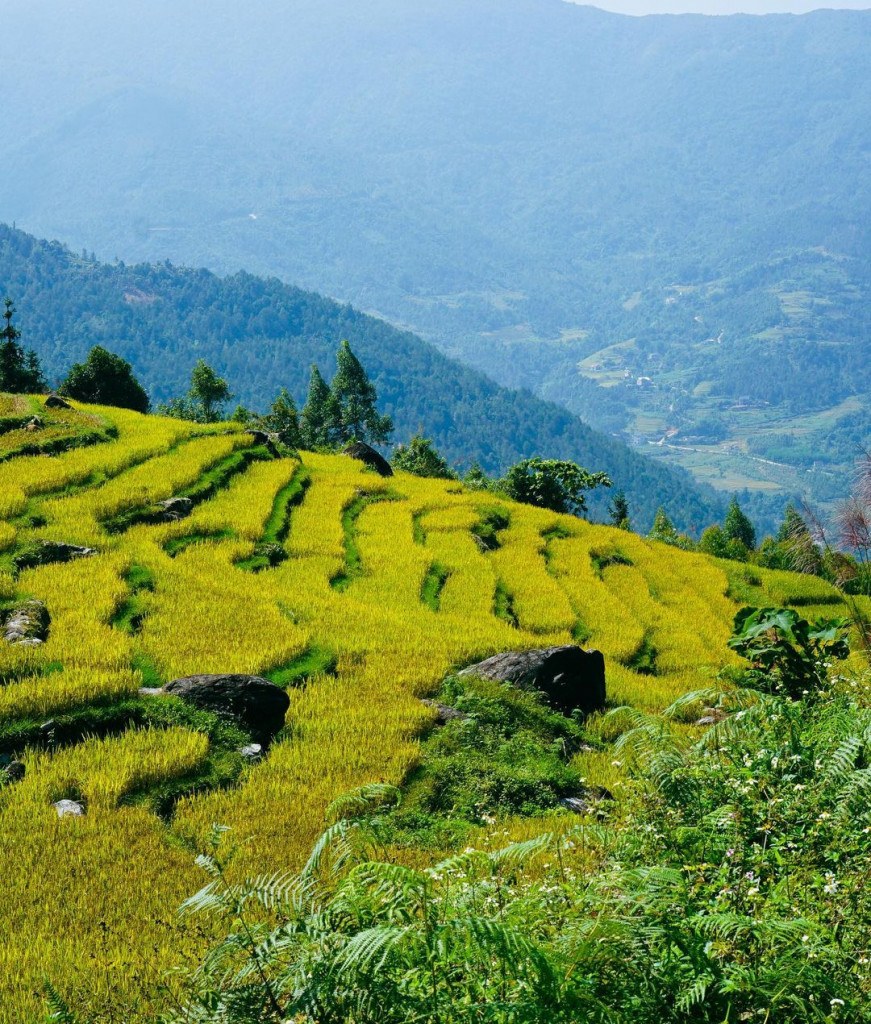
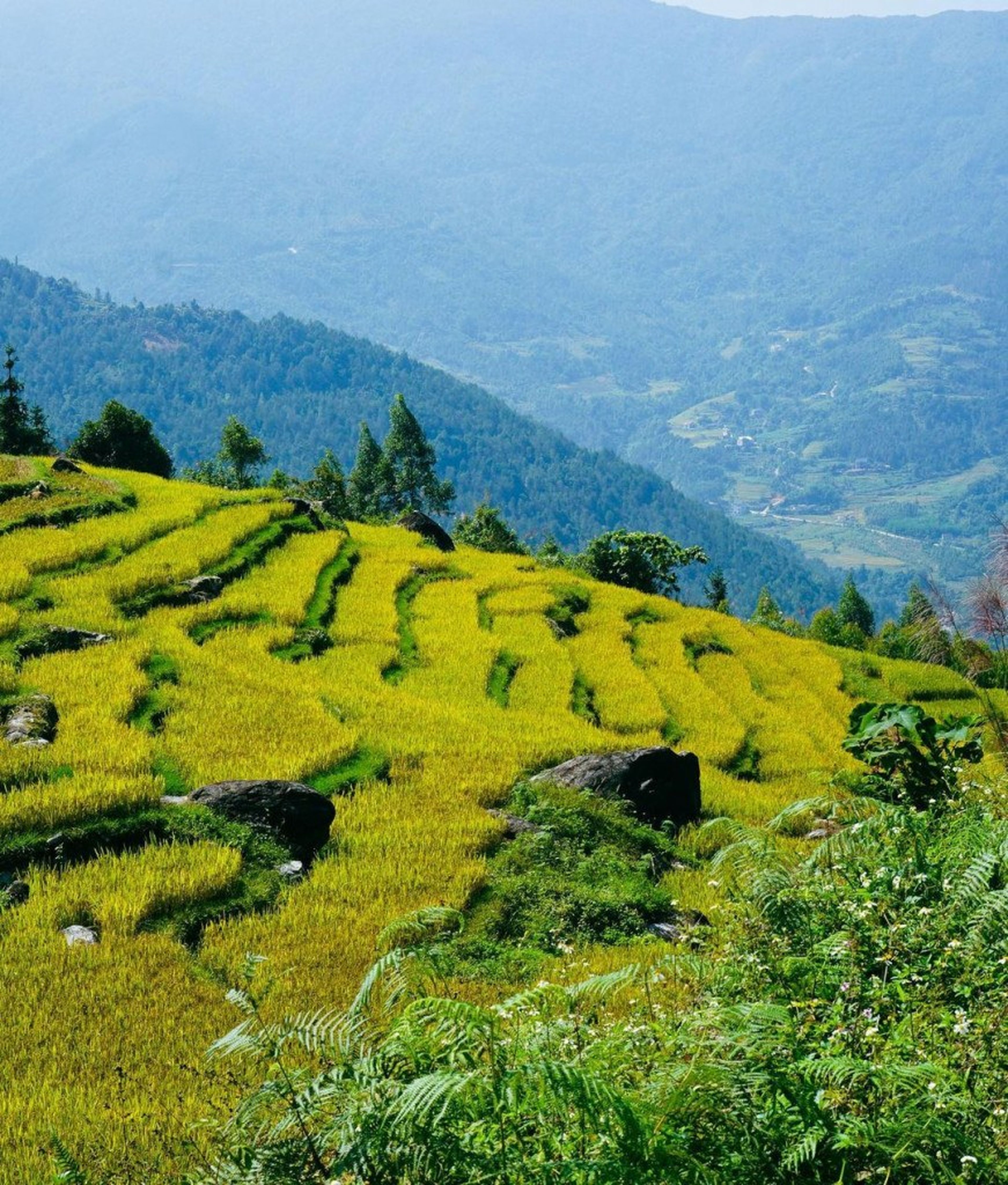
Terraced fields just like in Sapa. Photo: thewanderdairy.
Besides the landmarks, visitors coming here can test their strength conquering Cao Xiem Peak. Also known as Khau Khoang Peak or Cot Co, Cao Xiem Peak stands at 1,429m above sea level and is the “roof” of Quang Ninh province. The trail from the foot of the mountain to the top of Cao Xiem is more than 7km long, making it possible to combine trekking and camping to immerse yourself in nature.
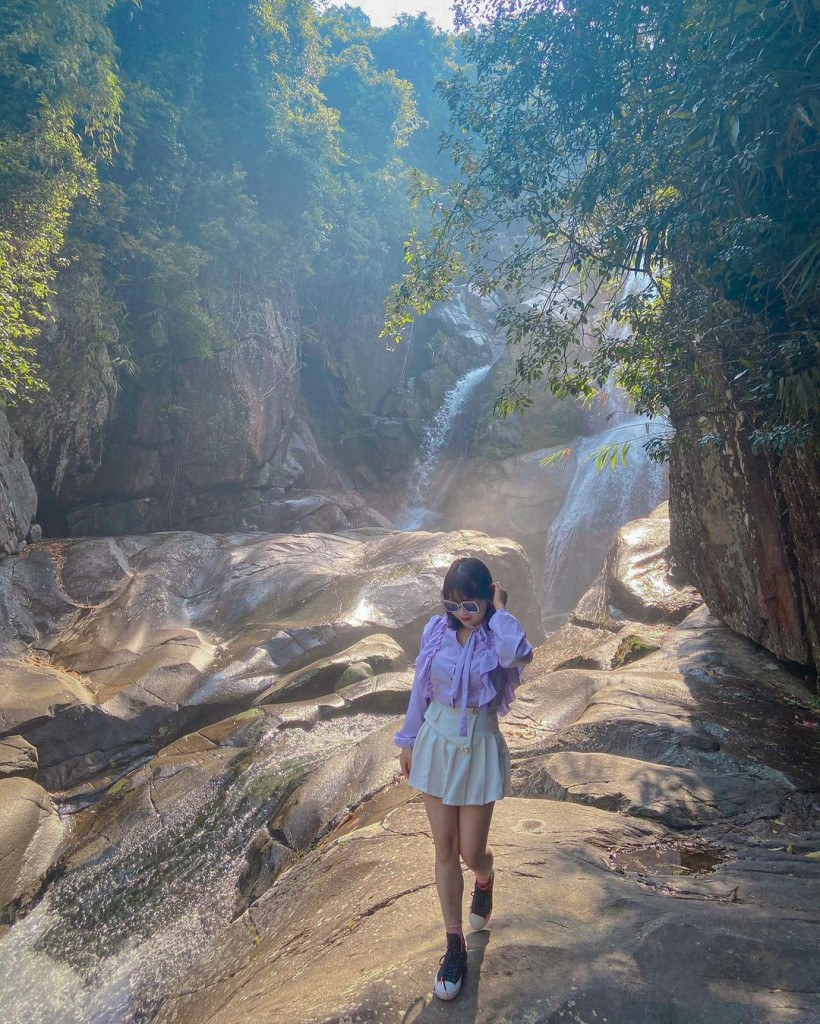
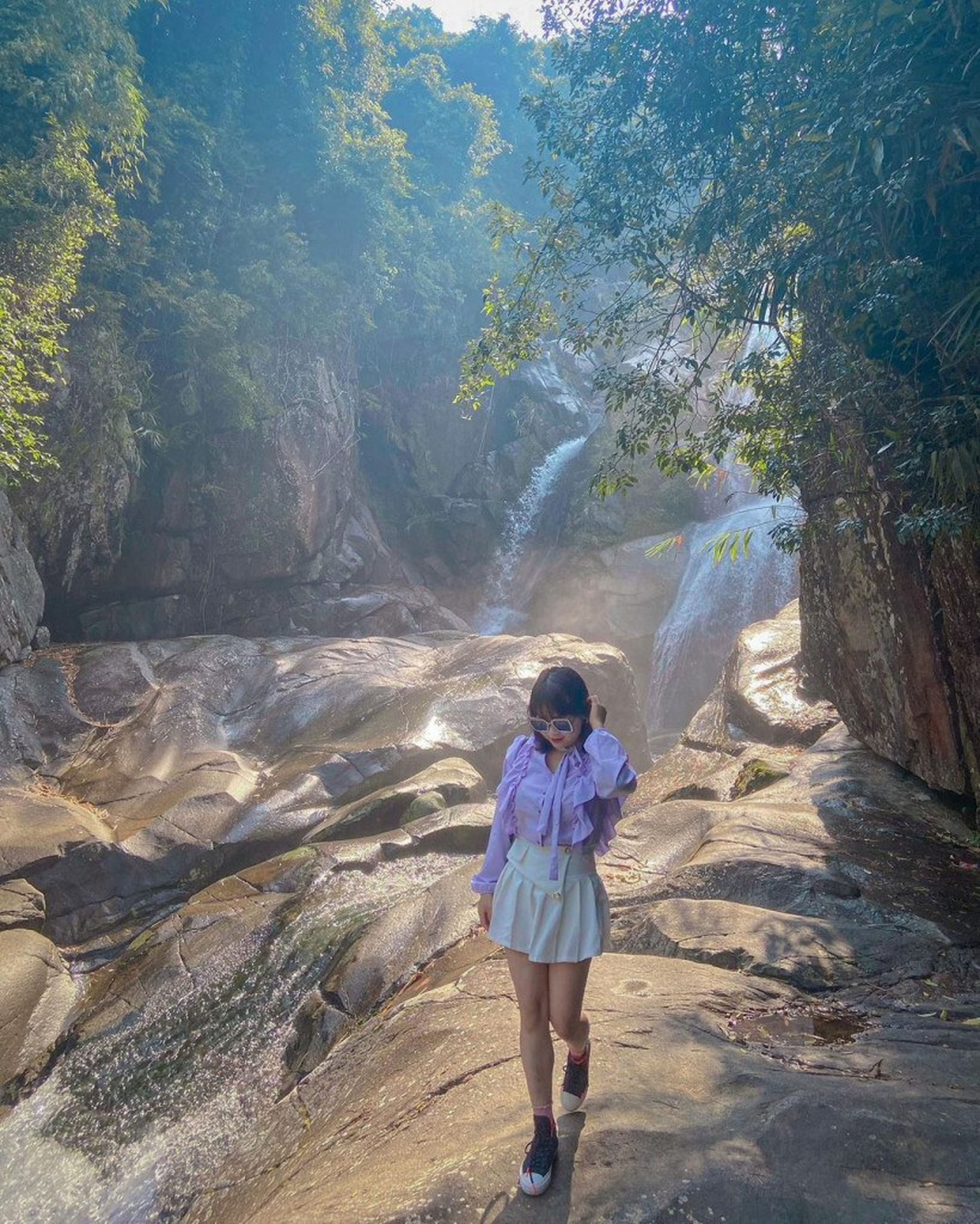
Khe Van Waterfall, Binh Lieu. Photo: phuongnga.1709.
To enjoy the cool streams of water, combine your trip with exploring Khe Van Waterfall, the highest 3-tier waterfall in Binh Lieu. Khe Van Waterfall is in Huc Dong Commune, about 12 km from the center of Binh Lieu town. The nearly 100m-high waterfall is divided into 3 tiers, with each tier possessing its own distinct beauty.
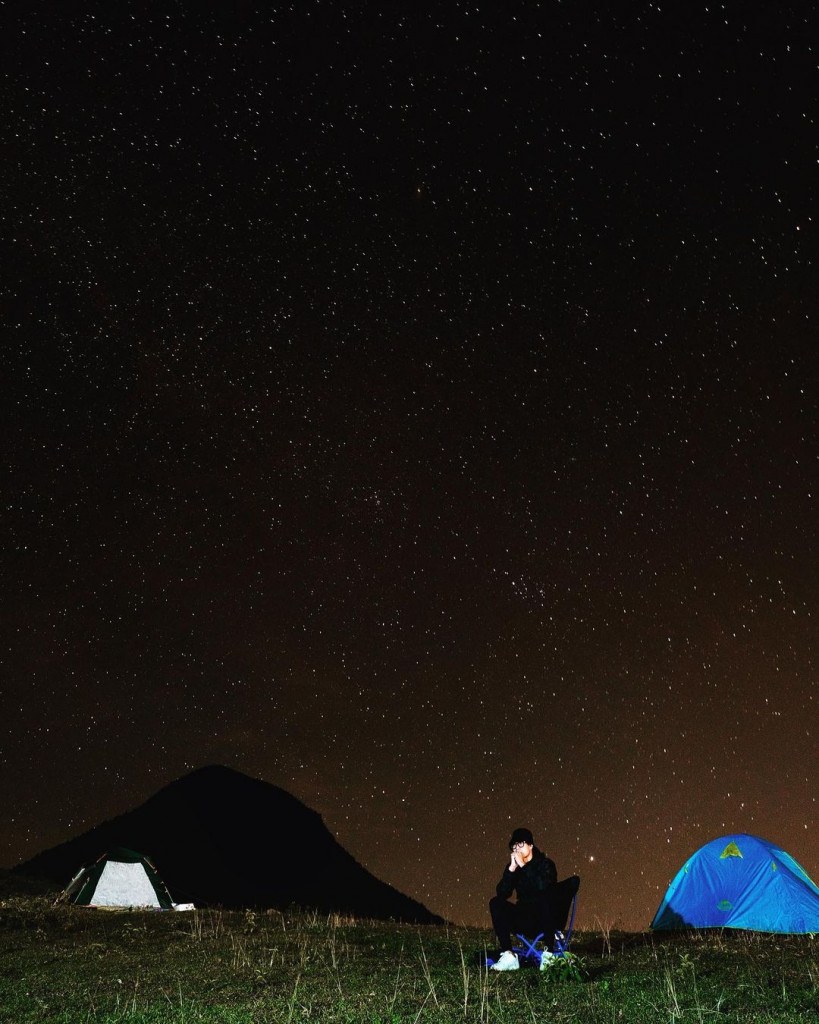
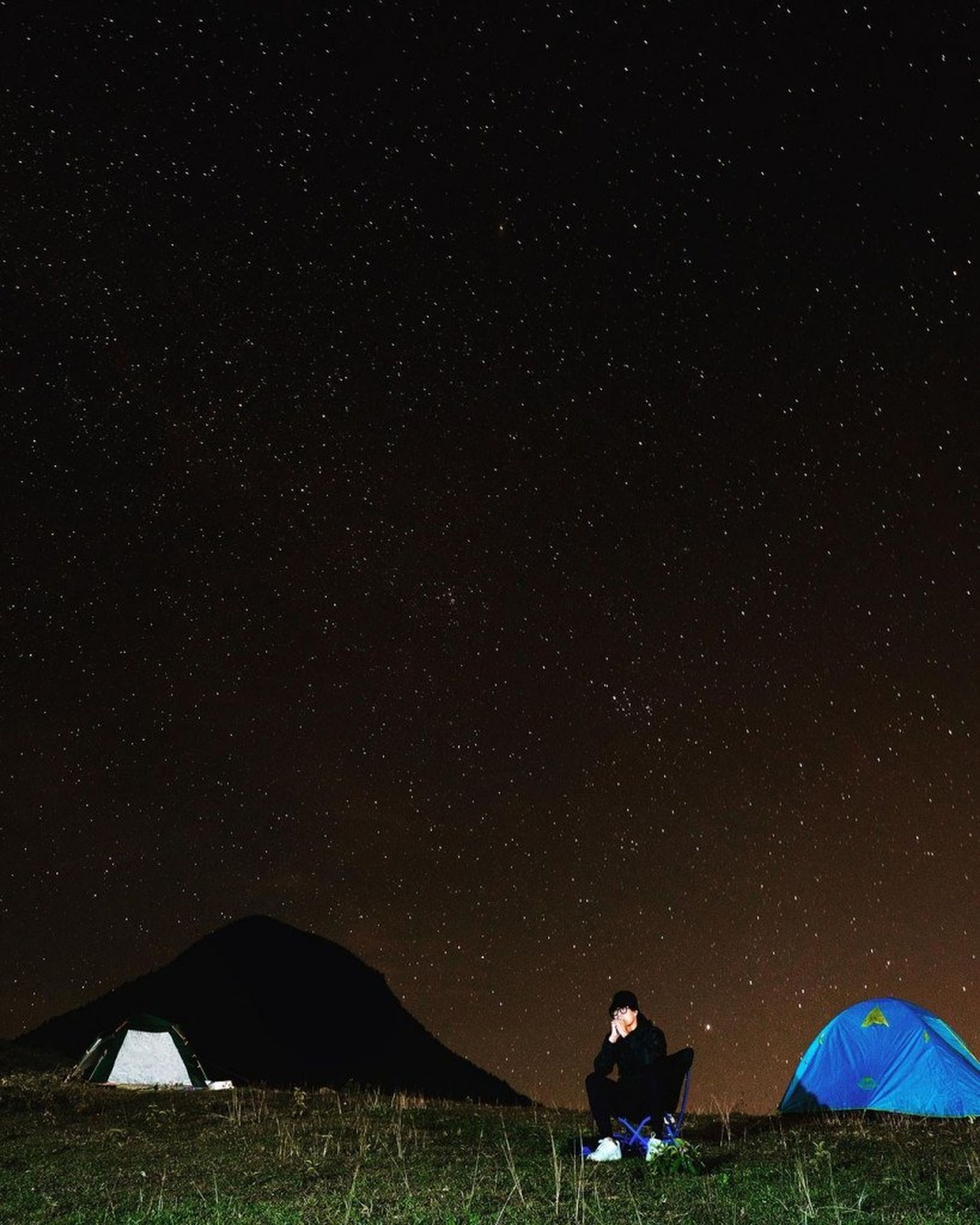
Starry night on Cao Ly Mountain, Binh Lieu. Photo: hiu.markus.
When traveling to Binh Lieu on weekends, visitors have the opportunity to explore the unique periodic markets of the ethnic minority people. The market meets on Saturdays and Sundays, when locals from villages across neighboring communes and districts also bring goods, agricultural, and forestry products to the market for sale. Many mountainous items can only be found at the periodic market, such as herbal bath leaves, medicinal herbs, wild honey, wild bamboo shoots…
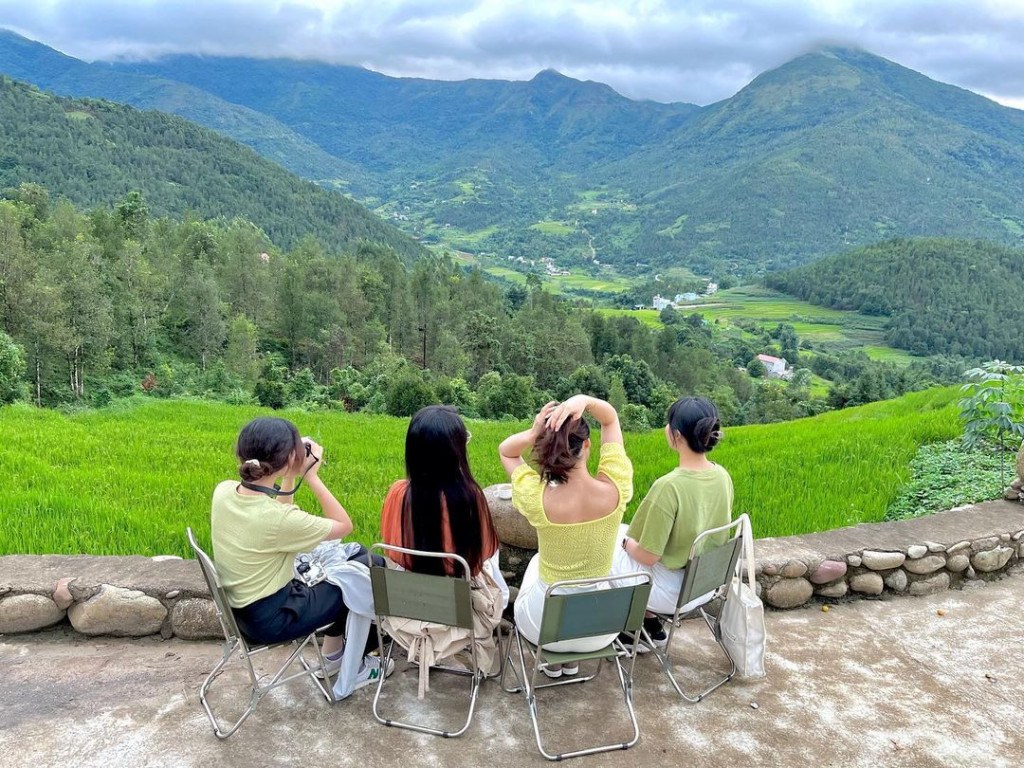
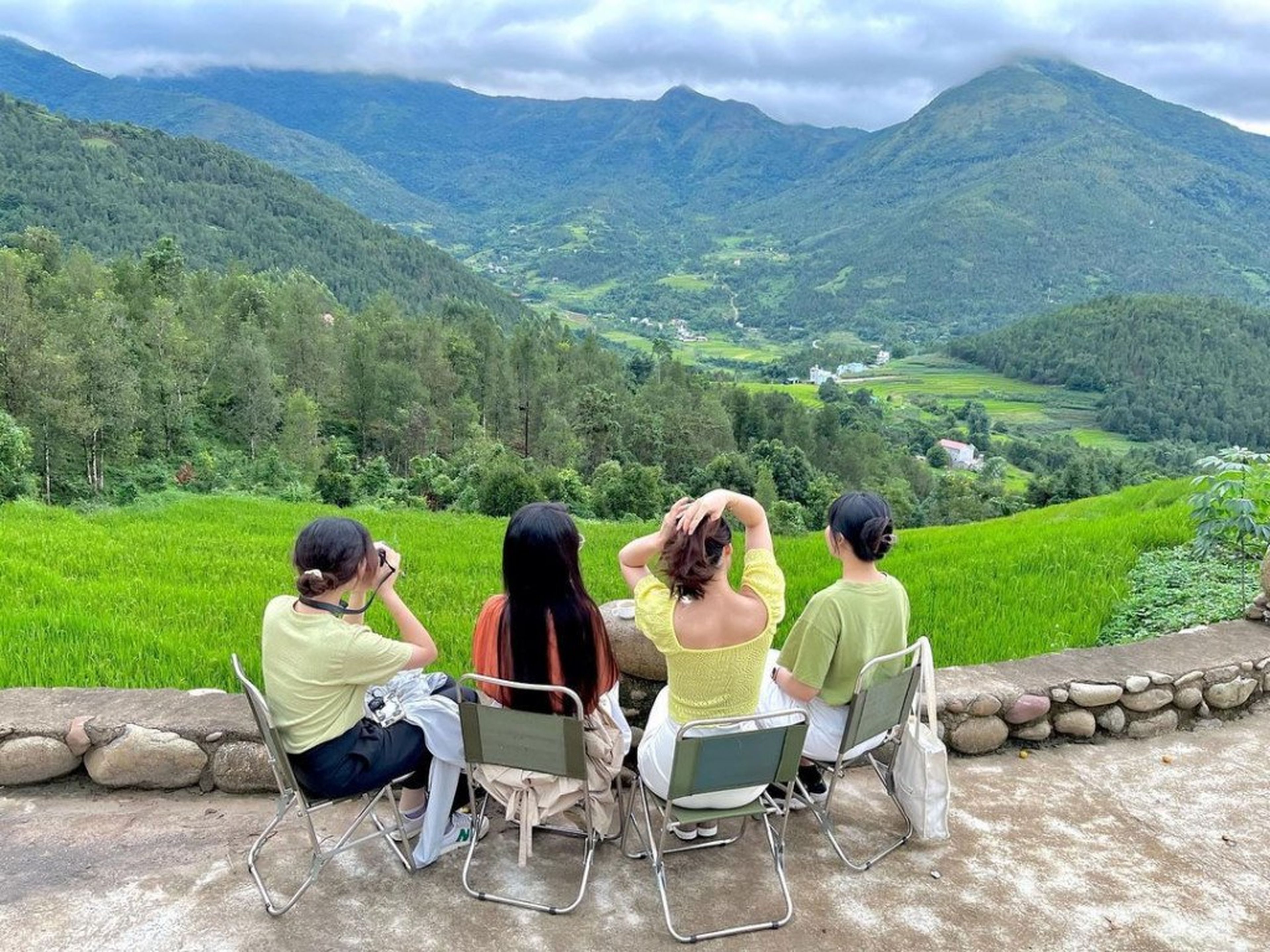
Chilling at Cao Ba Lanh Mountain. Photo: _hoapricot.
Visiting the periodic market, you also cannot take your eyes off the stalls displaying specialties: seven-colored sticky rice, cooc mo cake, gat gu cake, wormwood cake, tai long ep, canna vermicelli, grilled stream fish, stir-fried wild bamboo shoots…
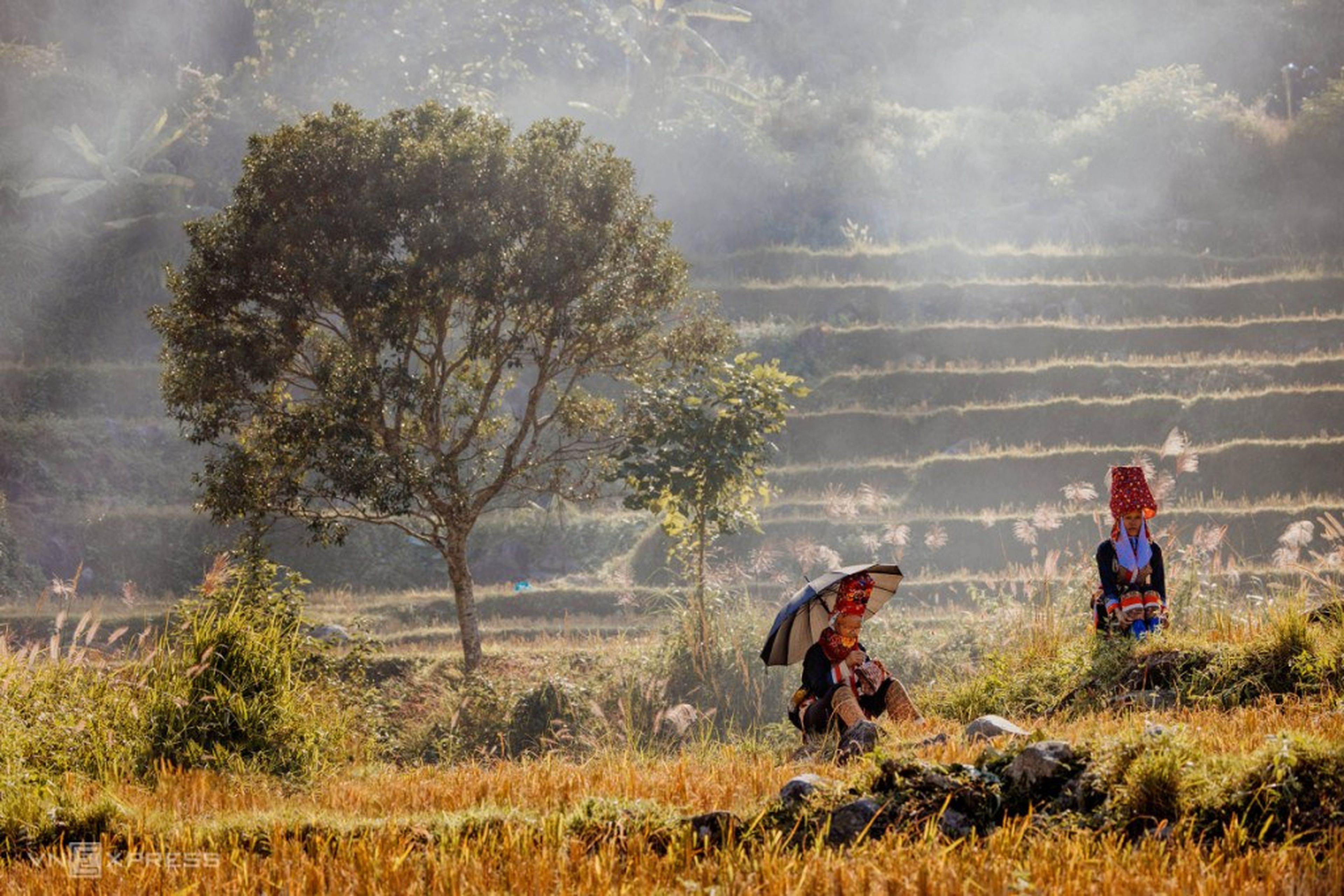
Over 96% of Binh Lieu's population belongs to ethnic minorities, including the Tay, Dao, San Chi, Hoa… Therefore, coming to Binh Lieu to explore the indigenous culture is also an exciting experience.
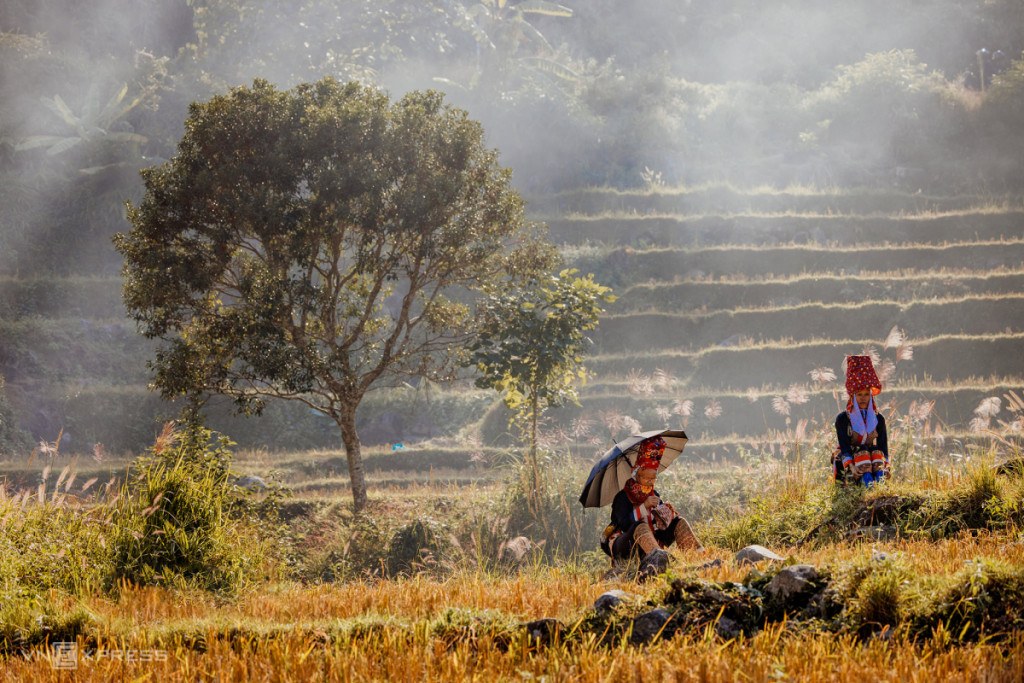
Photo: VnExpress.
Binh Lieu tourism is gradually flourishing with many fascinating things—not only featuring the “dinosaur backbone” or the season when reed flowers bloom white across the sky, but also carrying the breath of the mountains and forests alongside vibrant ethnic cultures. Let's explore this frontier land with helpful articles from iVIVU's blog!