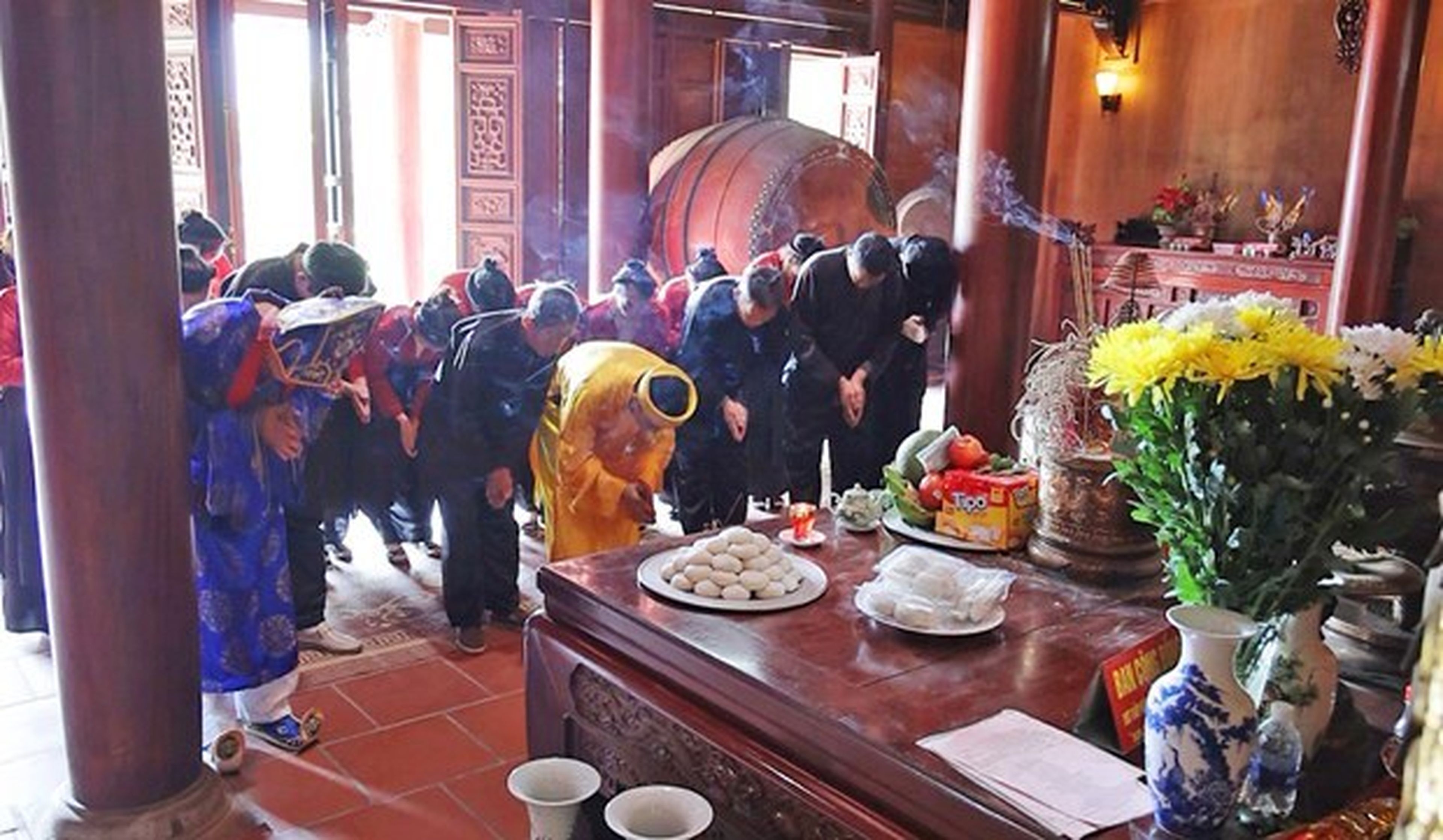
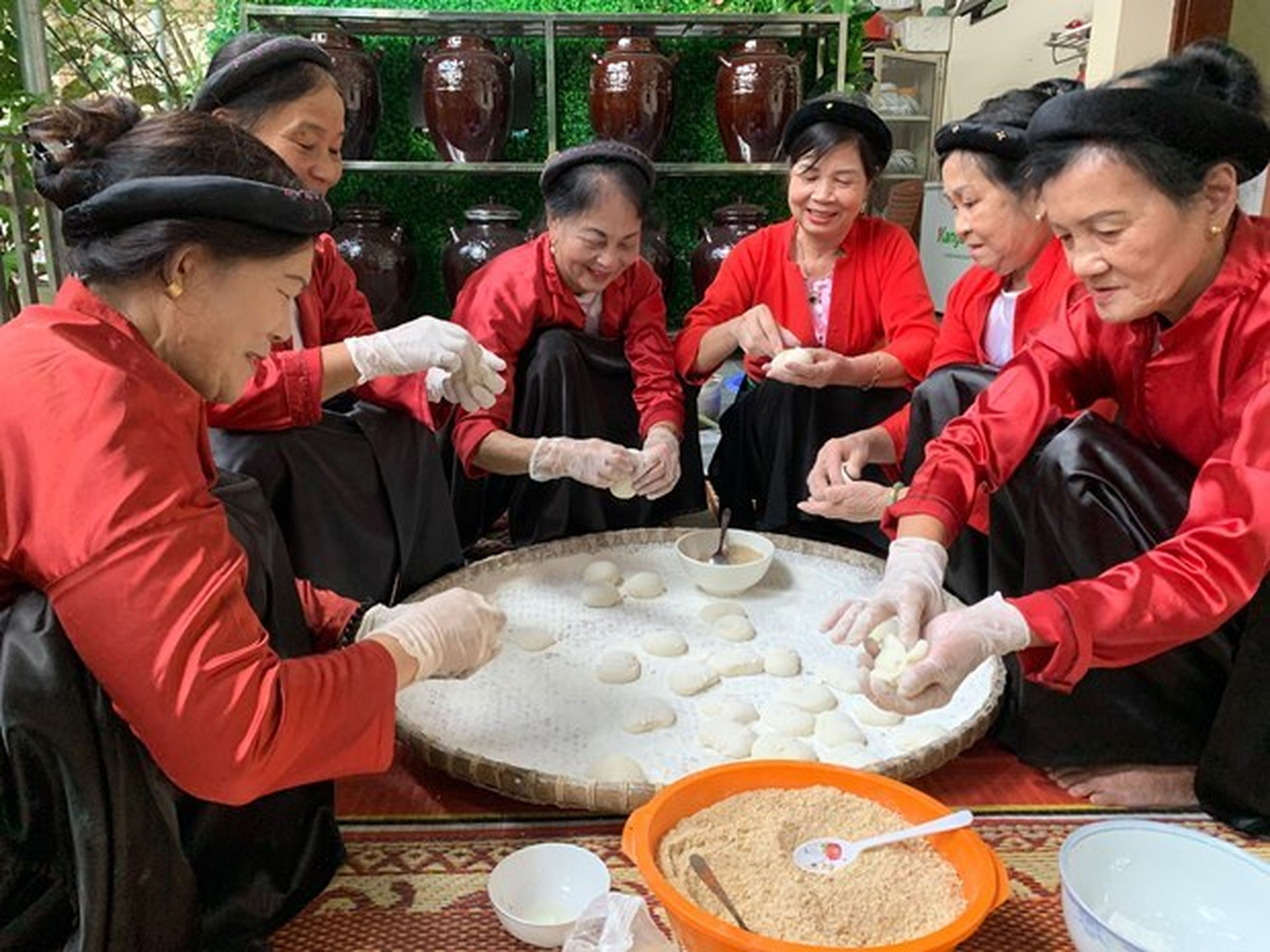
The San Diu ethnic community in Quang Ninh province has a specialty cake that often graces festival banquets, Tet celebrations, and weddings: bánh bạc đầu, a rustic yet uniquely delightful treat.
Bánh Bạc Đầu – The "Shape-and-Eat" Specialty of the San Diu People
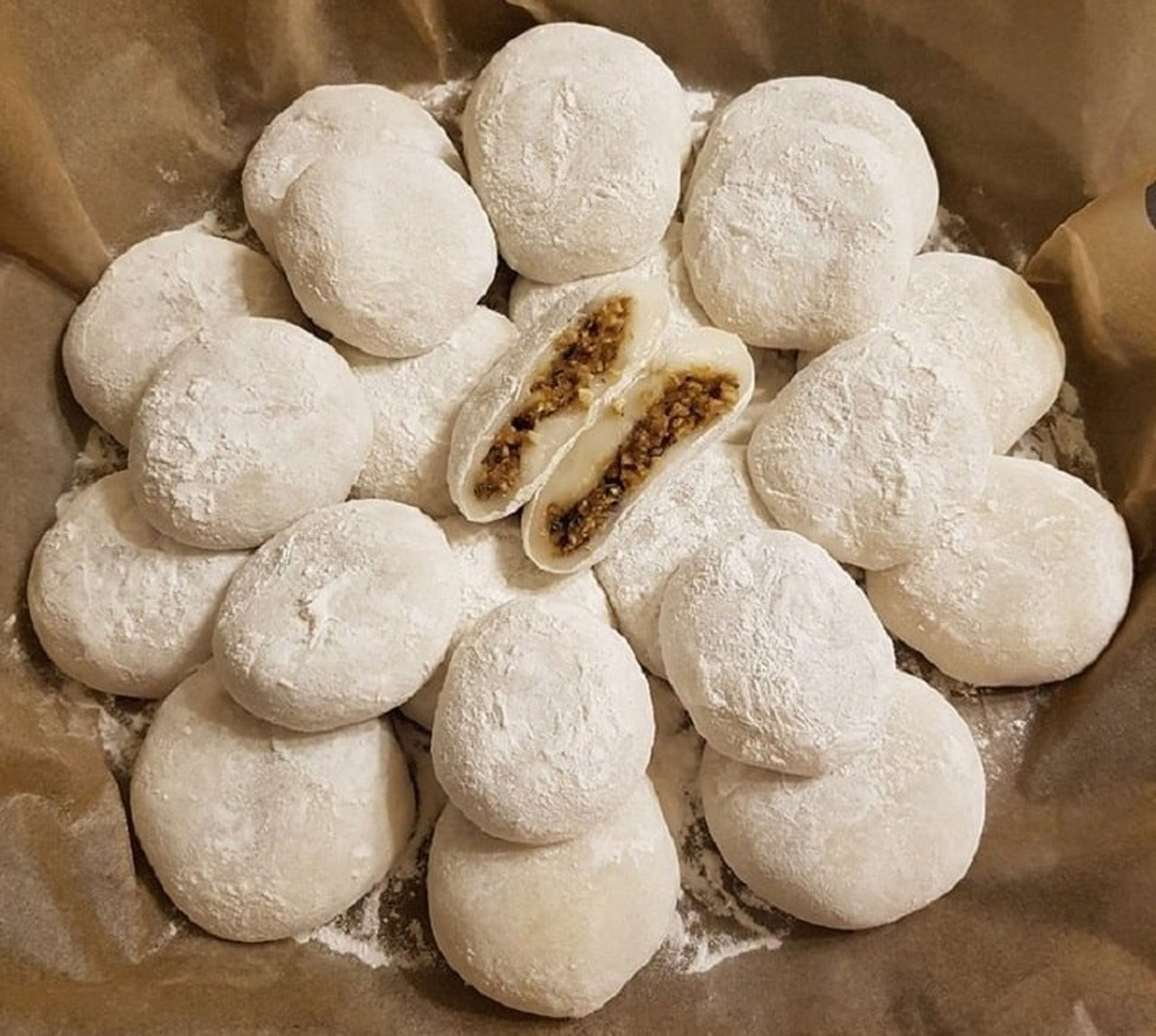
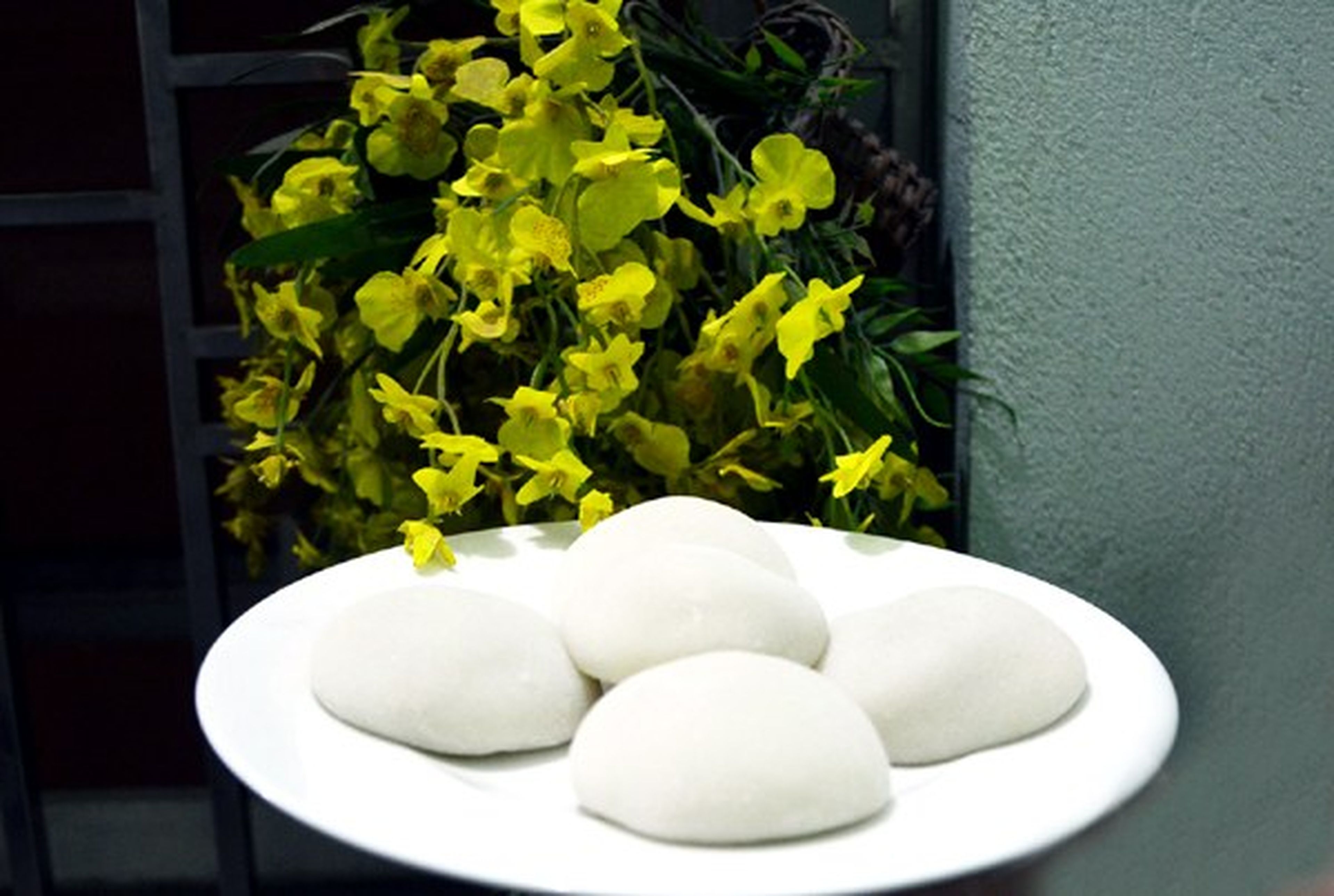
Many people are intrigued by this cake because of its peculiar name, and anyone who has tried it is sure to be deeply impressed. Once shaped and cooked, the cake is dusted with an outer coating of fine, white glutinous rice flour, which is how bánh bạc đầu (literally “white-headed cake”) got its name.
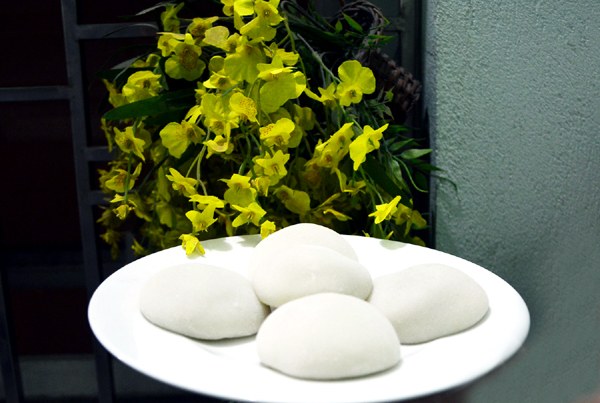
Bánh bạc đầu. Photo: Quang Ninh Newspaper.
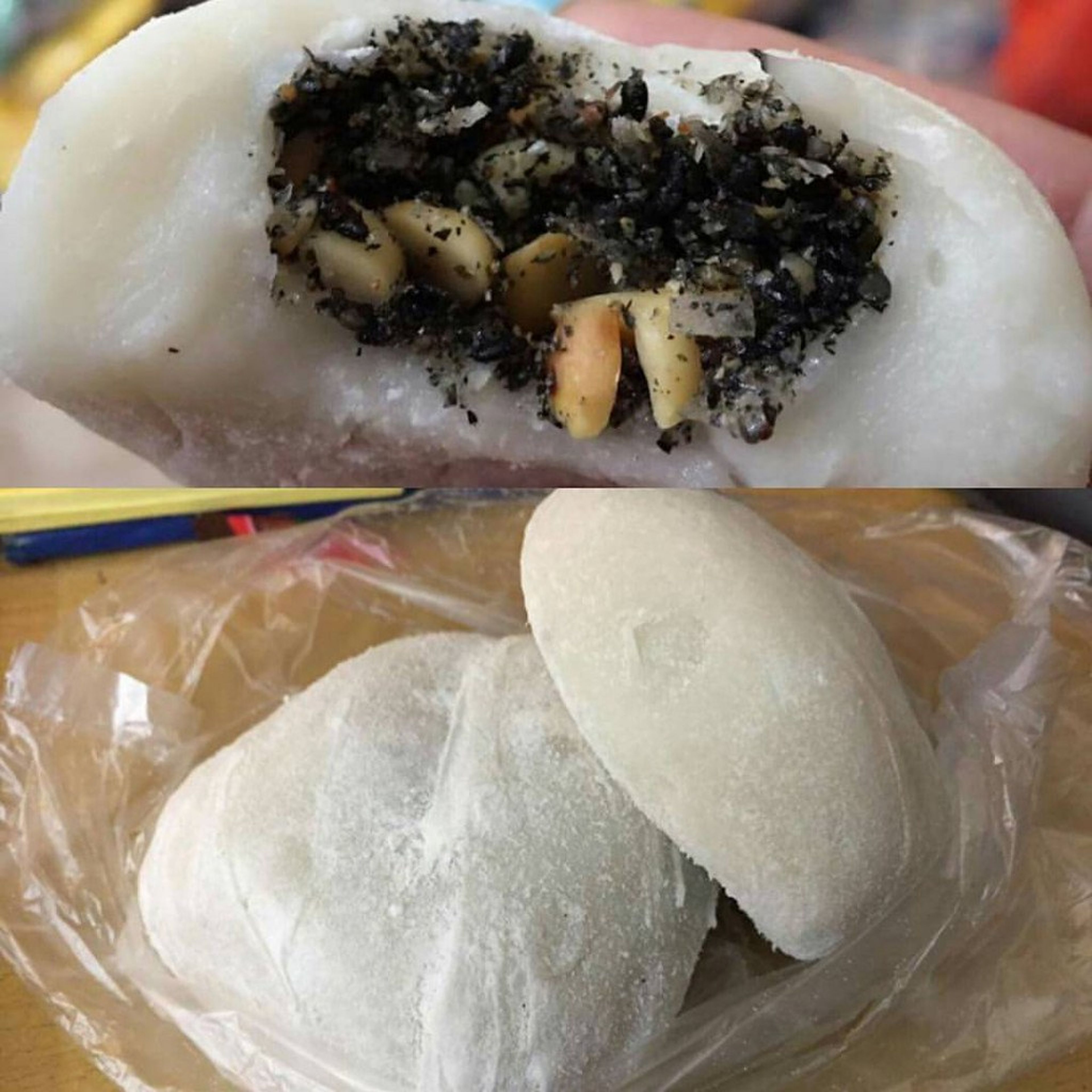
Bánh bạc đầu is made from glutinous rice, coated on the outside with white flour to prevent sticking. To make the cake, glutinous rice is first pounded or ground finely and then shaped into rounds, filled with a mixture of crushed roasted peanuts, sesame seeds, and sugar.
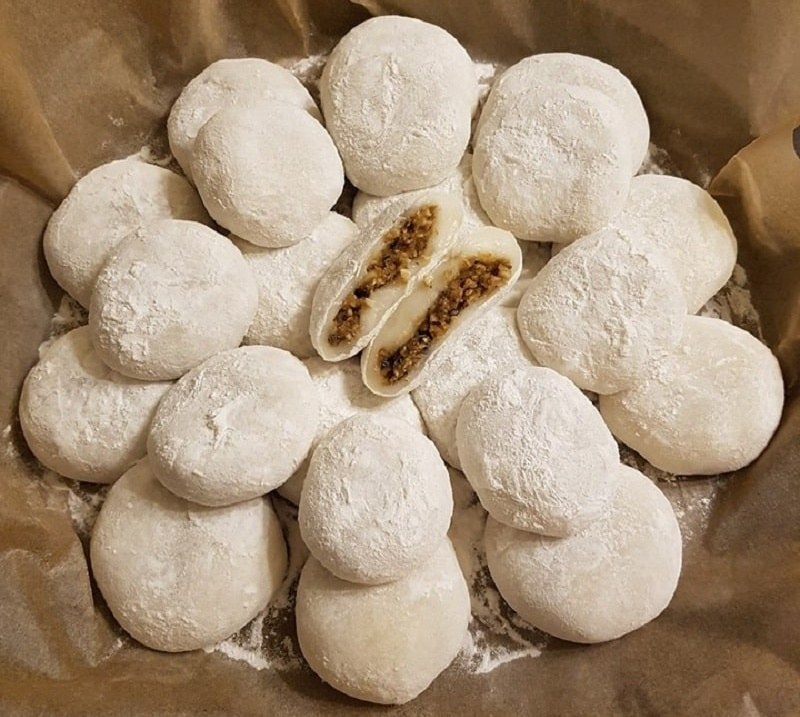
Bánh bạc đầu is coated with a layer of fine flour. Photo: Ethnic and Development Newspaper.
Though it sounds simple, preparing this dish requires great meticulousness and dexterity from the baker. Every step counts, from selecting ingredients to grinding flour and making the filling. When the harvest season concludes, locals choose the finest, most fragrant glutinous rice grains to make the cakes.
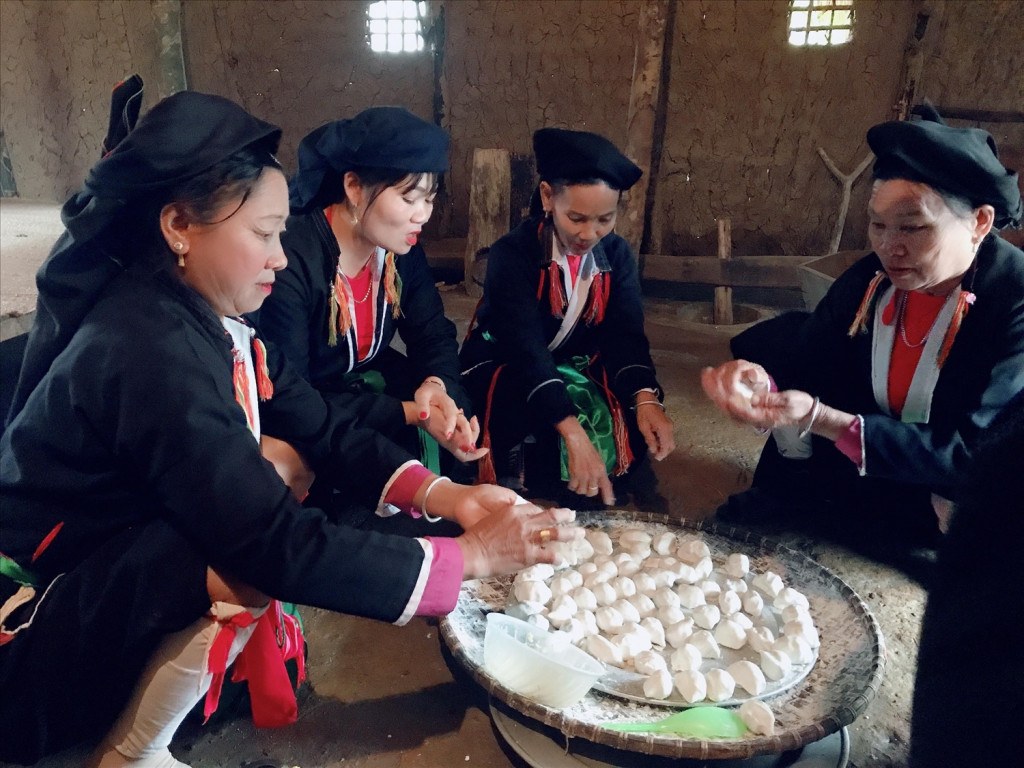
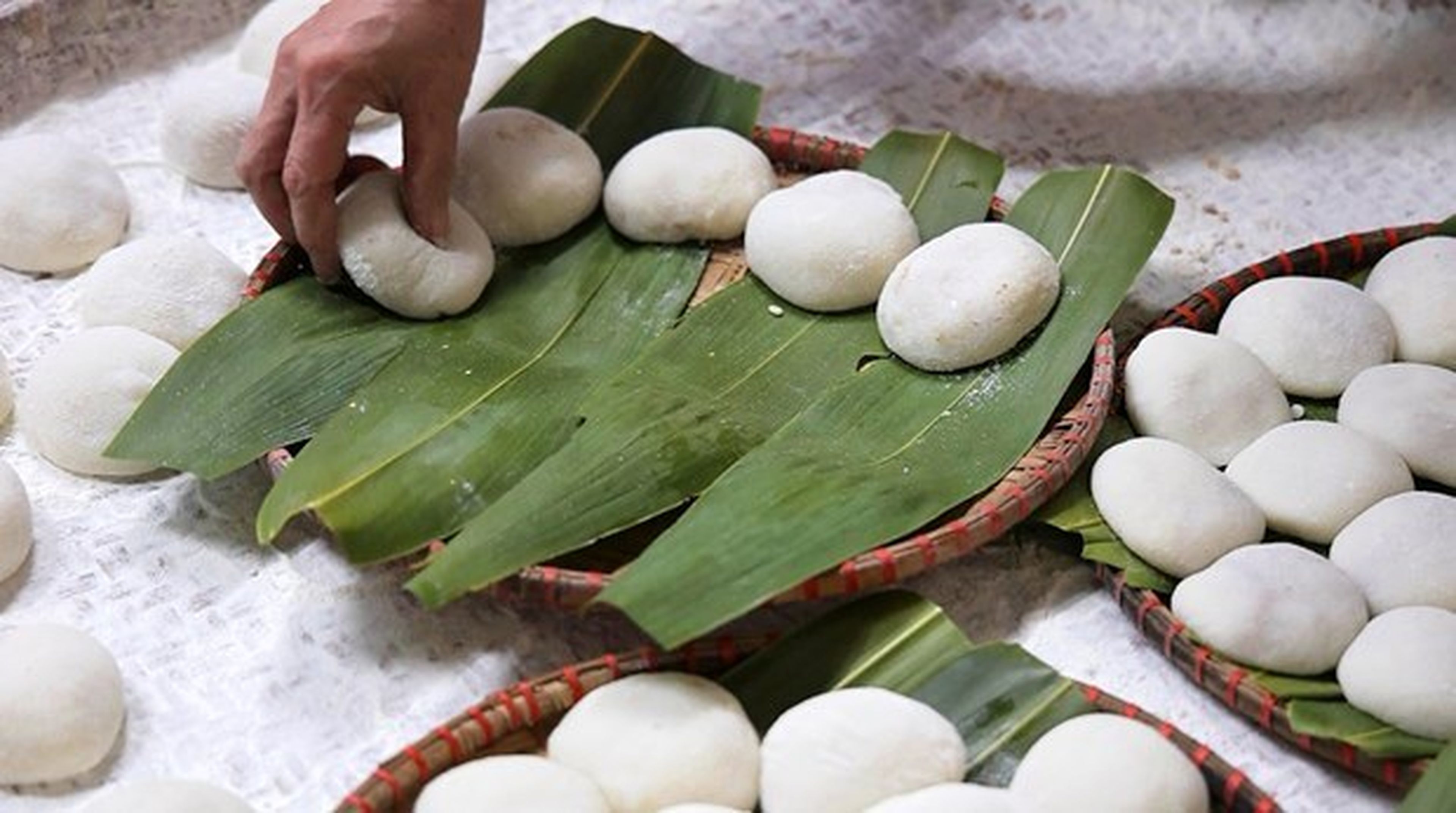
The dough shaping stage. Photo: Ethnic Newspaper.
The glutinous rice must be completely free of ordinary rice grains. It is soaked in water for 10–15 minutes until the grain snaps easily in half, then removed and drained before being pounded in a stone mortar until it becomes a fine flour, which is subsequently sifted thoroughly through a sieve to achieve an ultra-fine texture.
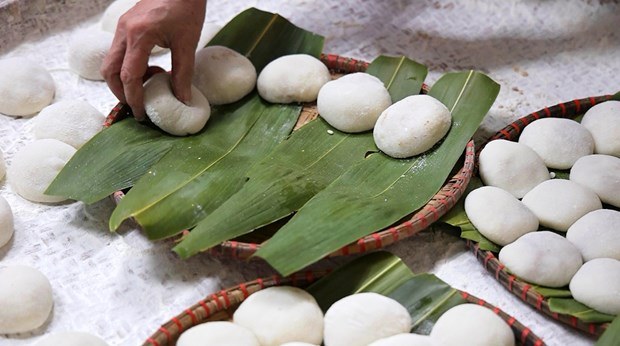
Bánh bạc đầu served during Tet holidays. Photo: Ethnic and Mountainous Pictorial.
After sifting, the coarser flour that hasn't been pounded finely enough is pounded again—a painstaking process that can sometimes take up to half a day. Nowadays, milling rice has become much simpler thanks to electric grinders, and many households no longer pound by hand as before, yet the flour must still meet the highest standards of whiteness, fineness, and cleanliness.
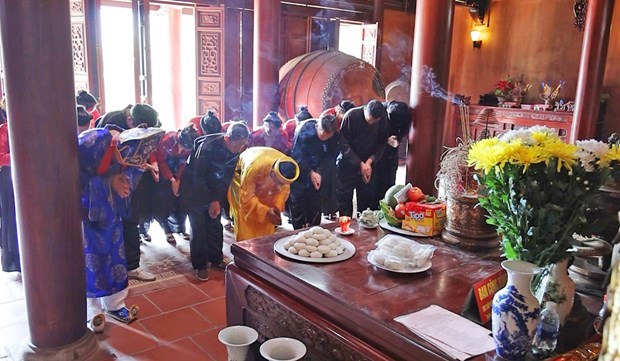
Photo: Hien Anh.
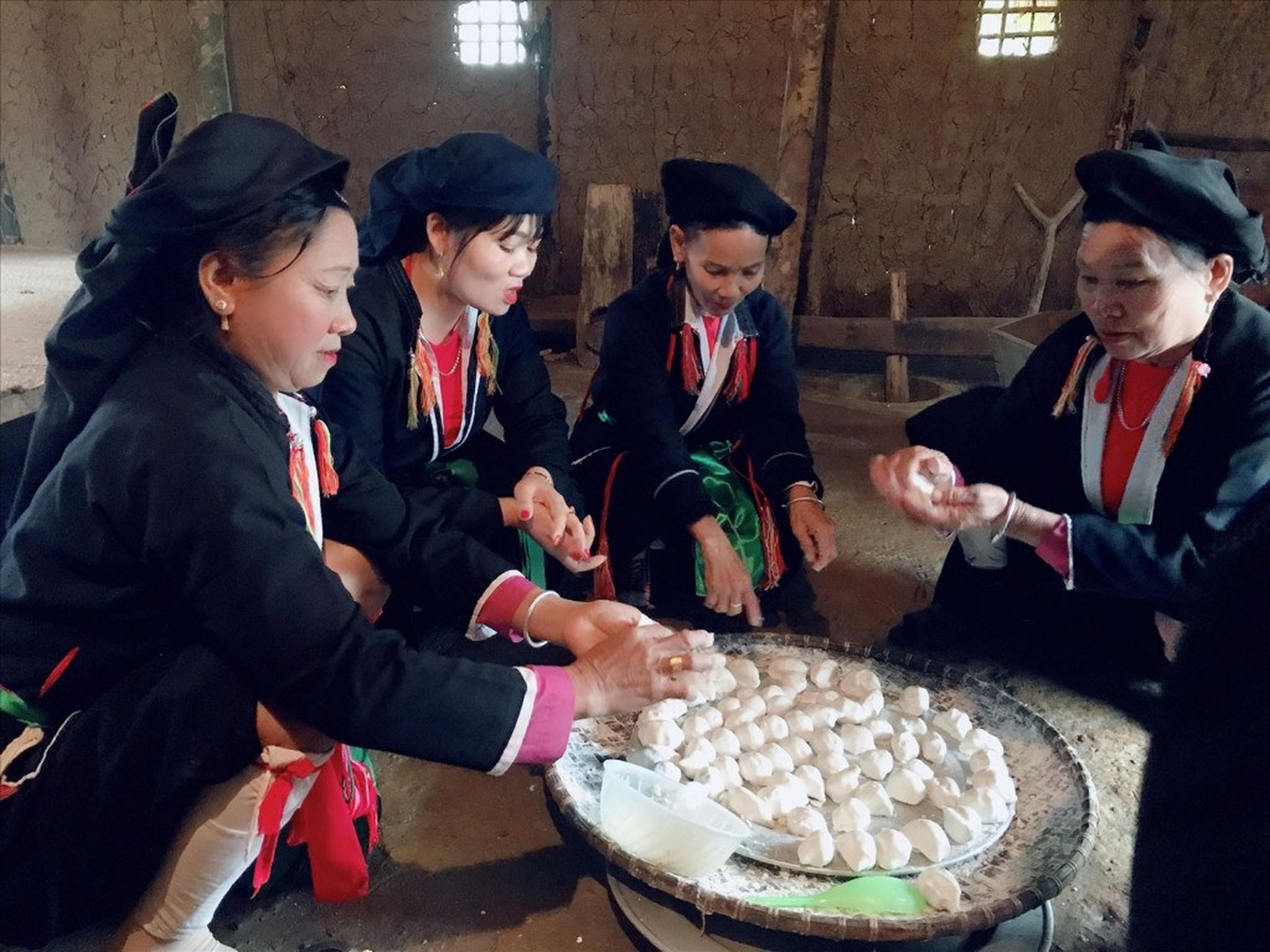
The finished glutinous rice flour is blended with warm water and kneaded thoroughly, then molded into thin, round discs and dropped into a pot of boiling water. The cakes are boiled until they float evenly to the surface, signaling that they are cooked through, and are then retrieved. While still hot, these cooked dough pieces are kneaded together with raw glutinous rice flour, shaped once more into thin, broad rounds, filled right in the center, delicately formed into neat balls, and rolled in a layer of fine flour...
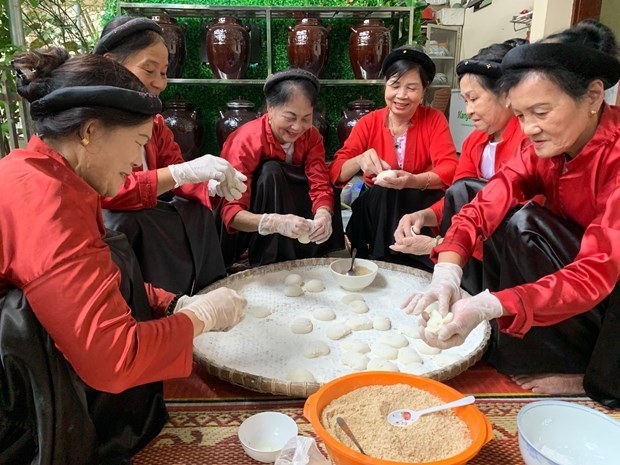
Every San Diu woman knows how to make bánh bạc đầu. Photo: Ethnic and Mountainous Pictorial.
Roasted sesame seeds and peanuts are finely crushed and thoroughly blended with granulated sugar to create the sweet filling. In many places, mung beans or bean paste are also added to enrich the flavor profile. A delicious bánh bạc đầu is one where the filling is subtly visible beneath the translucent glutinous skin; when eaten, it offers a gentle sweetness coupled with the enticing aroma of peanuts, sesame, and new-crop sticky rice.
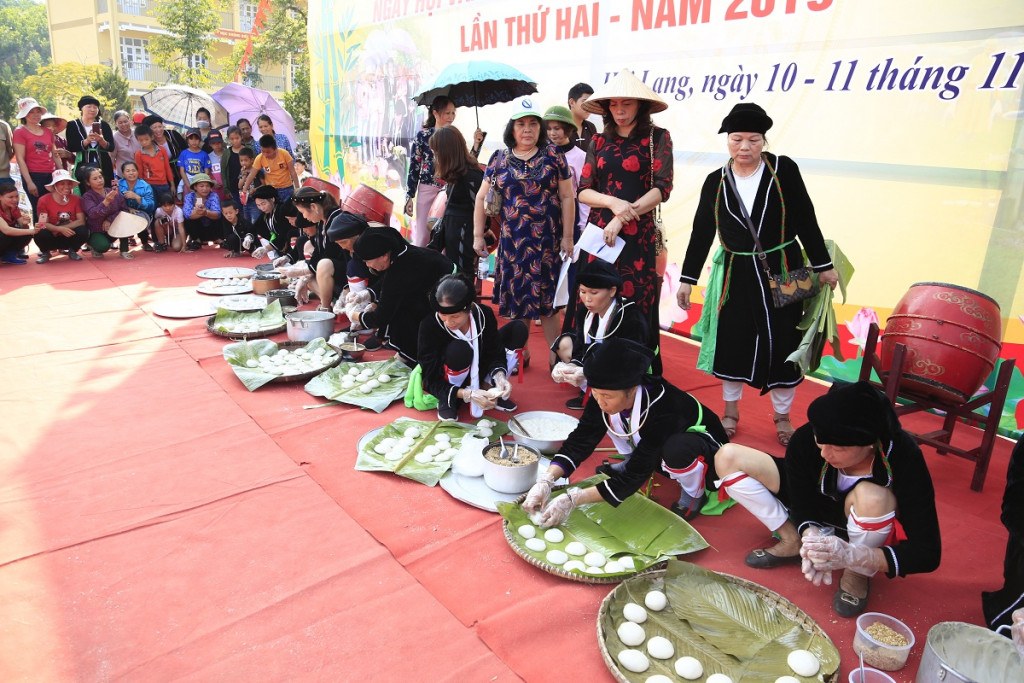
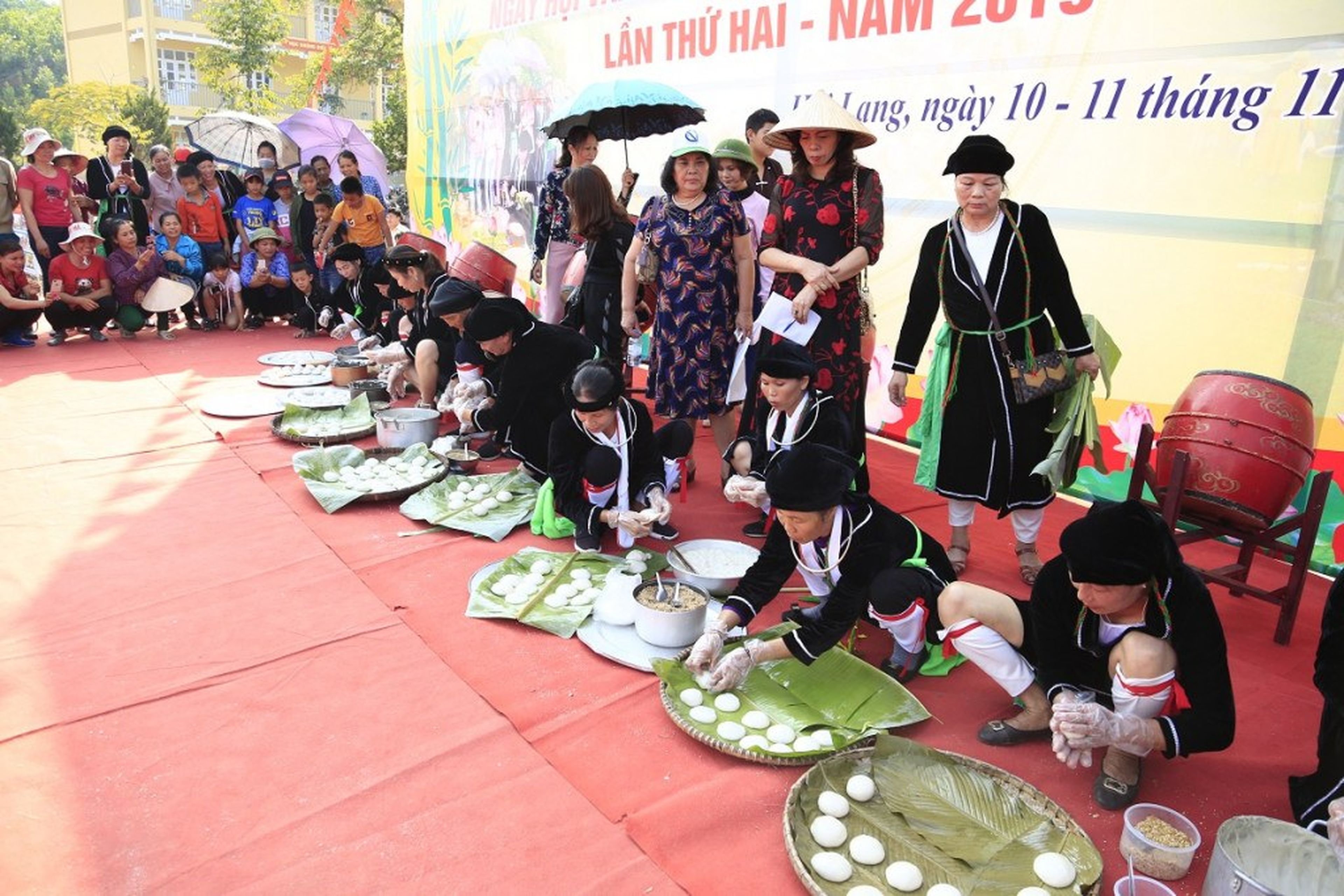
A bánh bạc đầu making competition among the San Diu people. Photo: Tien Yen District.
Bánh bạc đầu requires no deep-frying or steaming; simply boiling makes it ready to savor. It features a pleasant, balanced sweetness without being greasy, heavy, or cloying. For this reason, this rustic specialty quickly wins the hearts of visitors even on their very first taste.
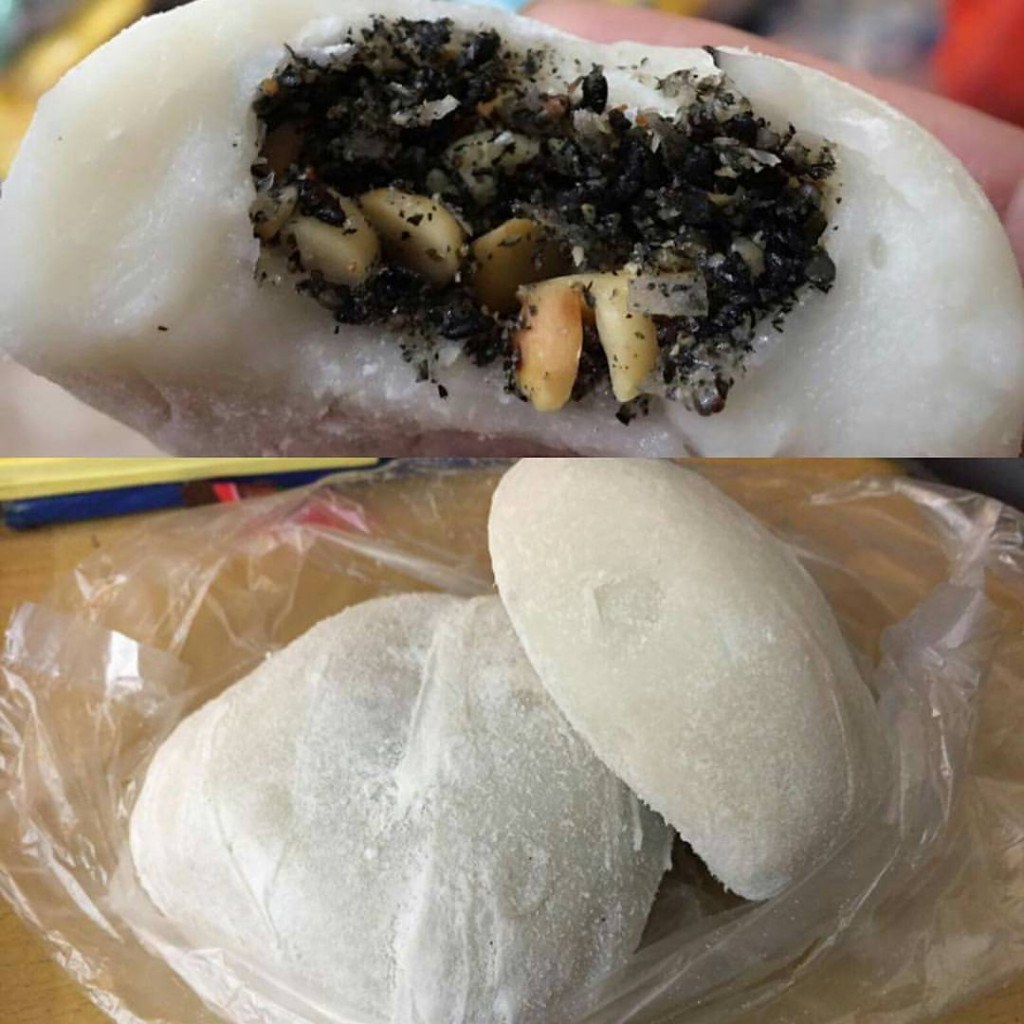
Various types of fillings. Illustrative photo: thu.huyen.black.
Bánh bạc đầu is also ordered as betrothal gifts or prepared for sale, becoming a prized regional delicacy. Visiting the San Diu villages in Quang Ninh during festivals or Tet, travelers will find bánh bạc đầu everywhere. Savoring this mouth-watering cake while exploring the cultural heritage of the San Diu people and other highland communities in Quang Ninh will undoubtedly make for a memorable journey!