The Sán Dìu ethnic community in Quảng Ninh Province has a specialty cake commonly served on holidays, during Tet, at weddings, and on other occasions. It is bánh bạc đầu, a rustic yet remarkably unique delicacy.
Bánh bạc đầu – The Sán Dìu specialty that is “shaped and eaten as it is made”
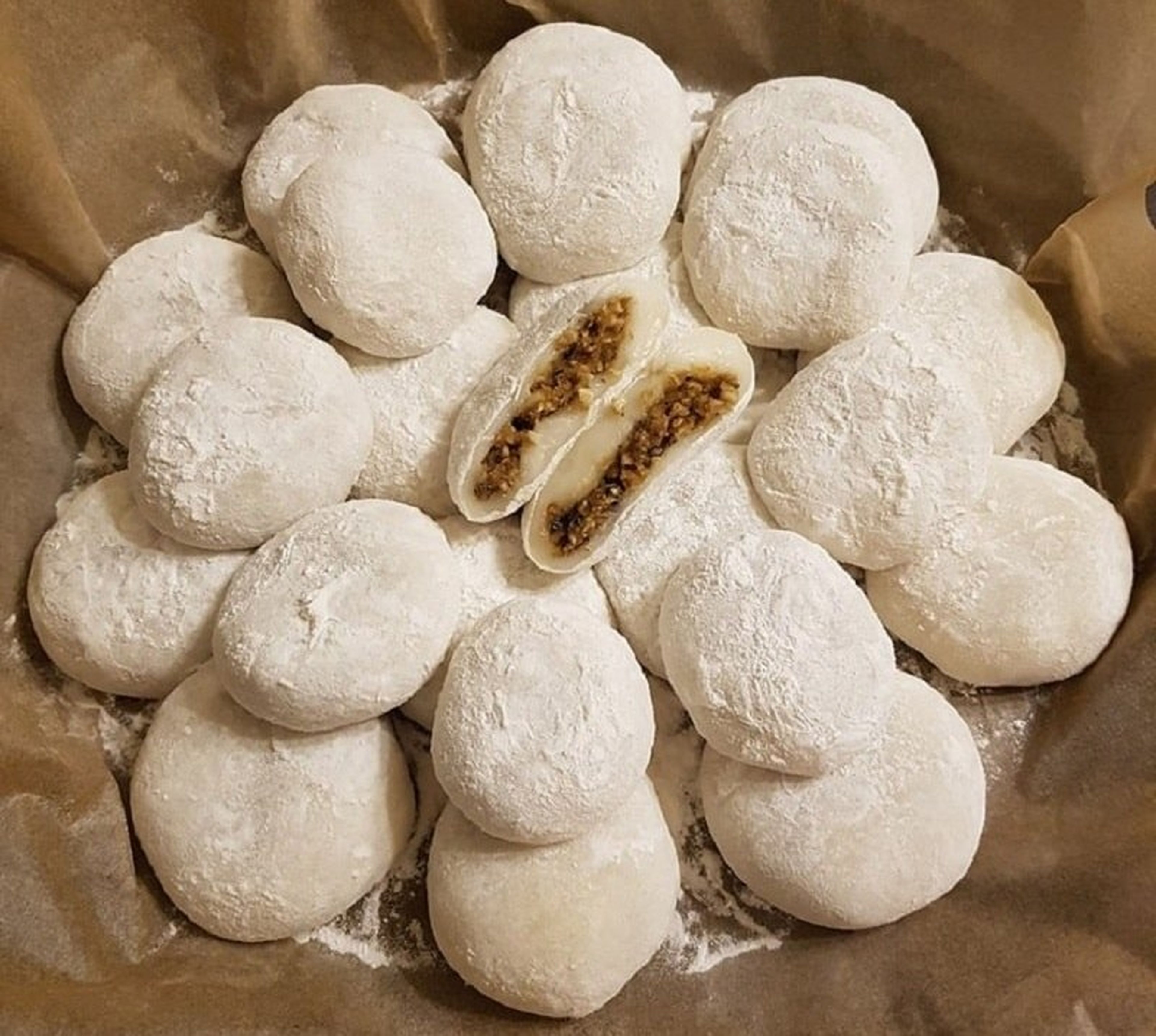
Many people are curious about this cake because of its unusual name, and anyone who has tasted it is sure to be impressed. Once finished, the cake is covered on the outside with a smooth, white layer of glutinous rice flour; the name bánh bạc đầu comes from this.
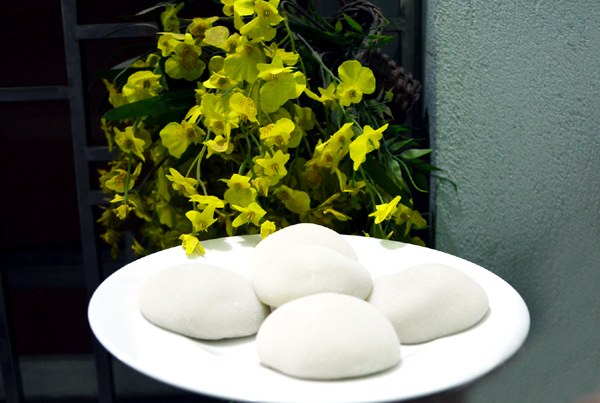
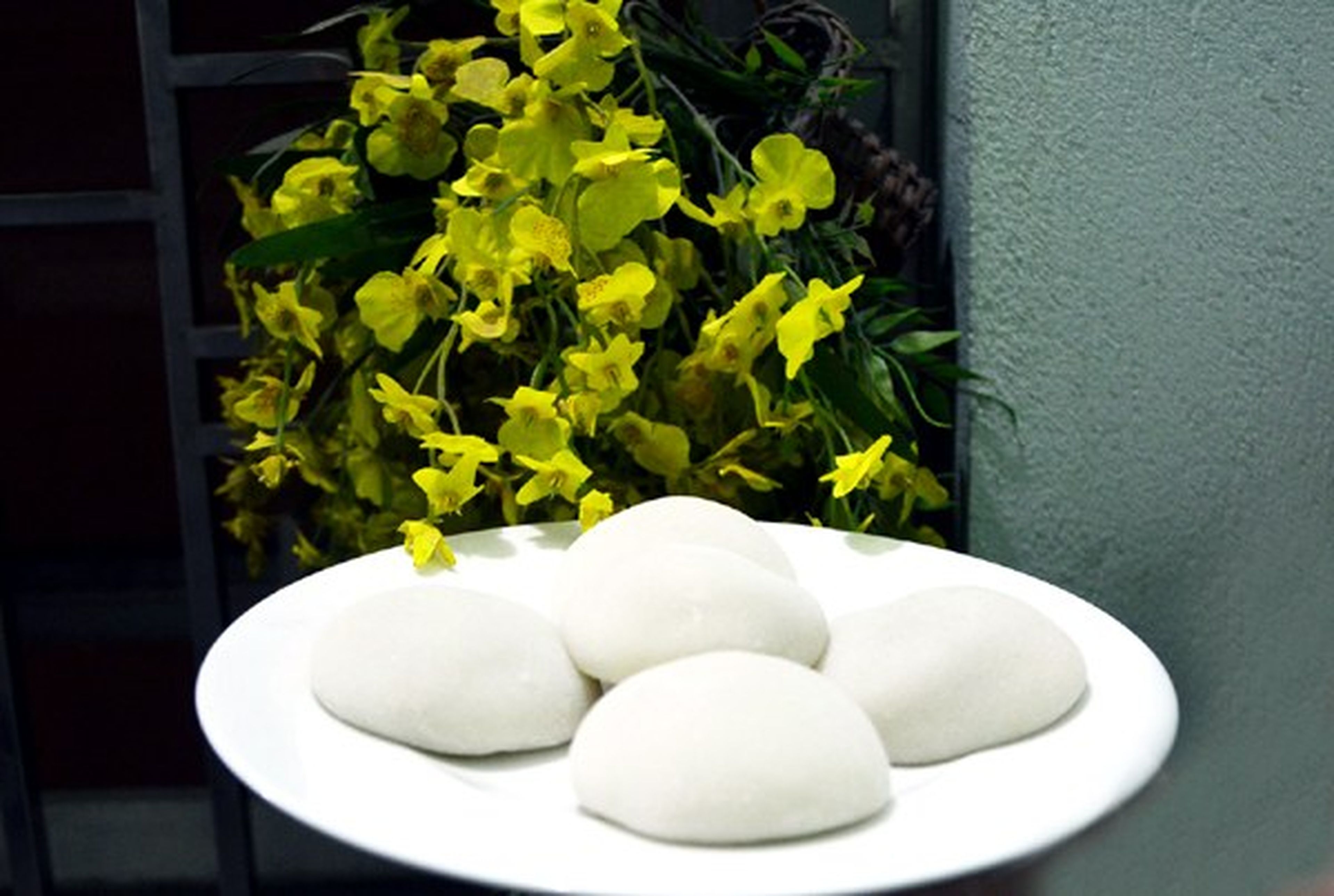
Bánh bạc đầu. Photo: Quảng Ninh Newspaper.
Bánh bạc đầu is made from glutinous rice, with a layer of white flour on the outside to prevent sticking. To make the cakes, the glutinous rice is first pounded or finely ground and shaped into rounds, with peanuts, sesame, and other ingredients used as the filling.
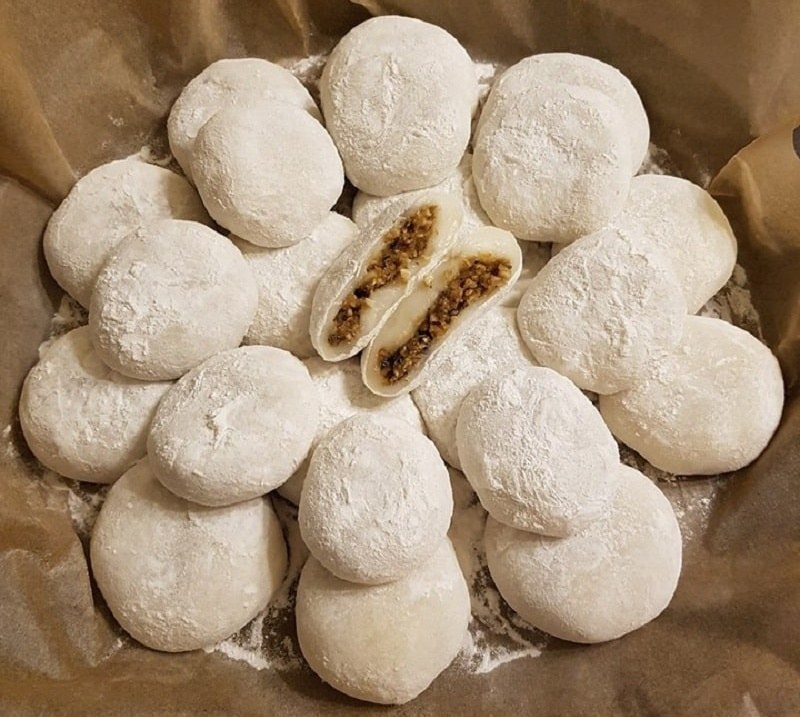
Bánh bạc đầu is covered with a layer of fine flour. Photo: Dân tộc và Phát triển Newspaper.
Although it sounds simple, preparing this dish requires considerable effort and skill. This applies to every stage, from selecting the ingredients and grinding the flour to making the filling. After the harvest, people select the finest and most fragrant glutinous rice to make the cakes.
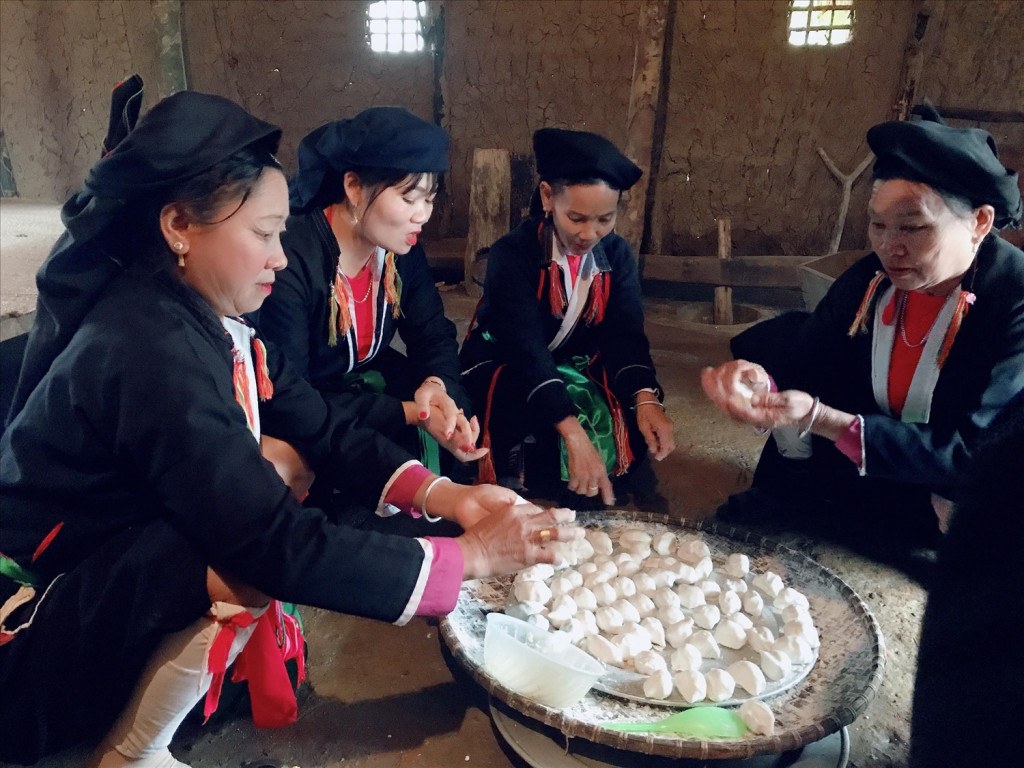
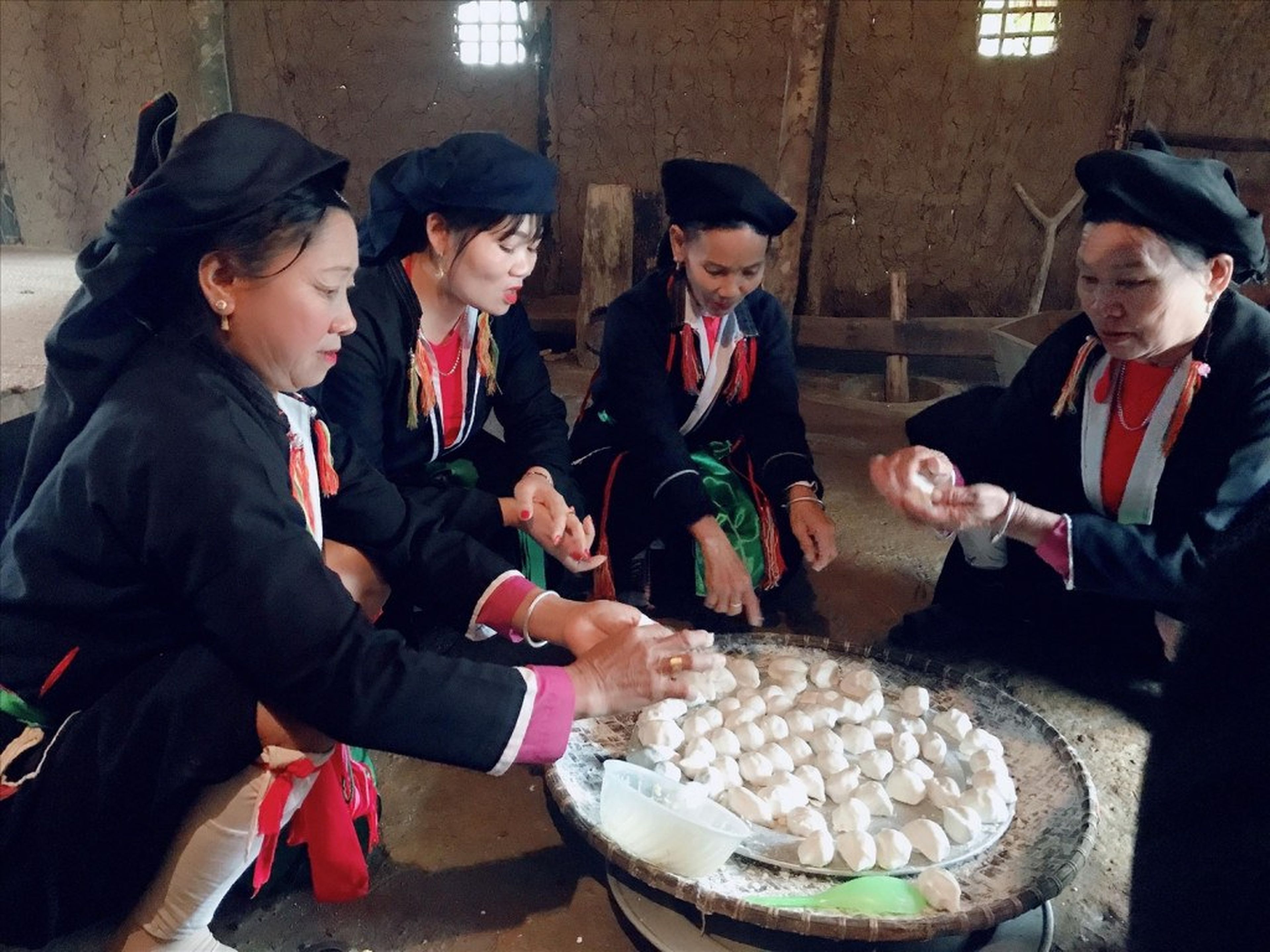
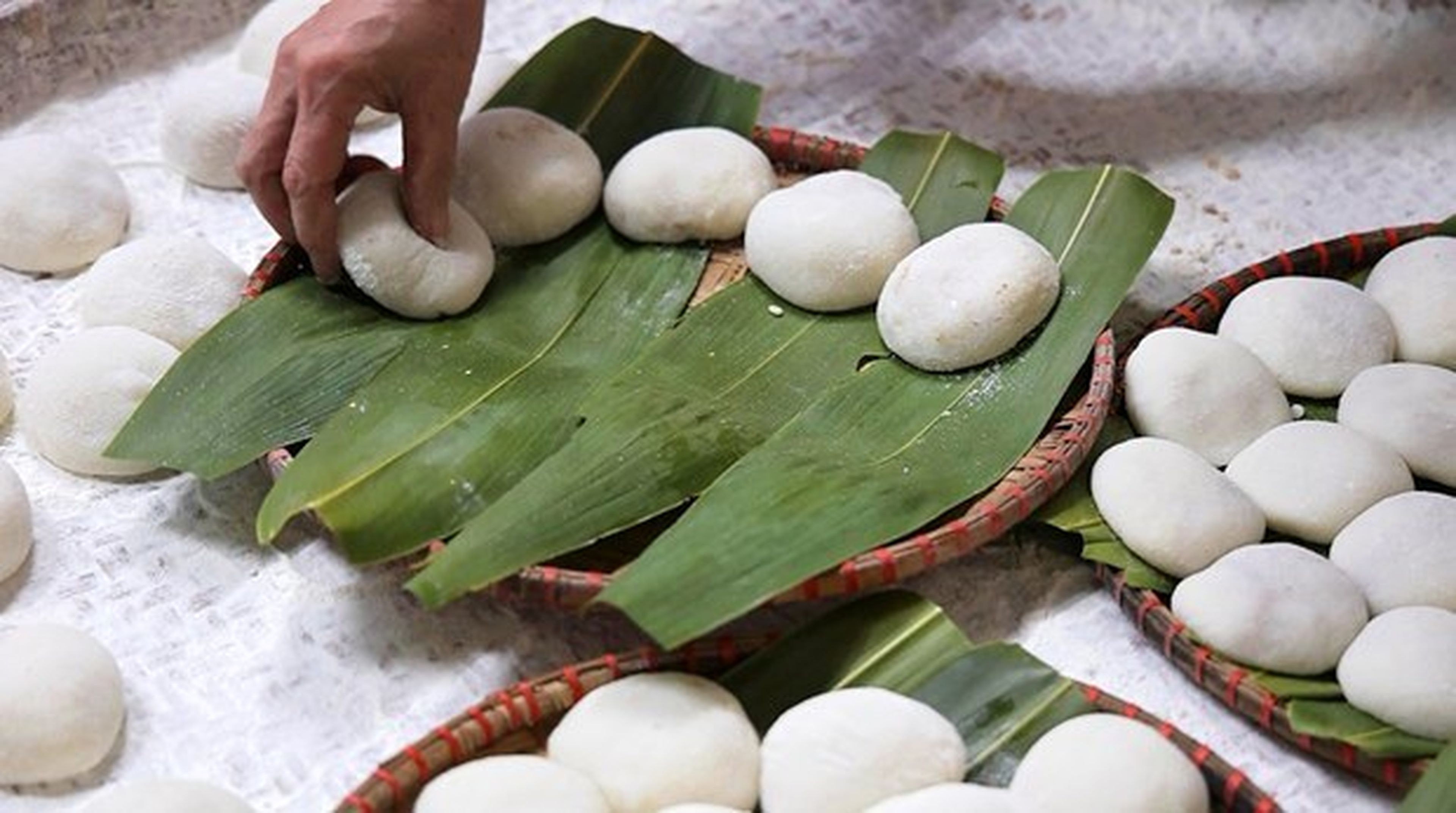
Shaping the cakes. Photo: Dân tộc Newspaper.
The glutinous rice must not be mixed with ordinary rice. It is soaked in water for 10-15 minutes, until the grains can be easily broken in half, then removed and drained before being pounded in a stone mortar until it becomes fine flour. The flour is then carefully sifted again until the finished product is extremely smooth.
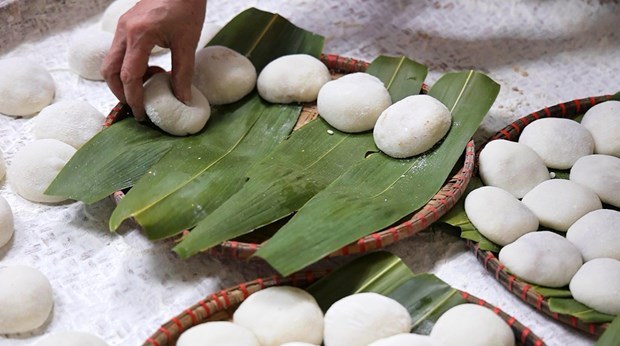
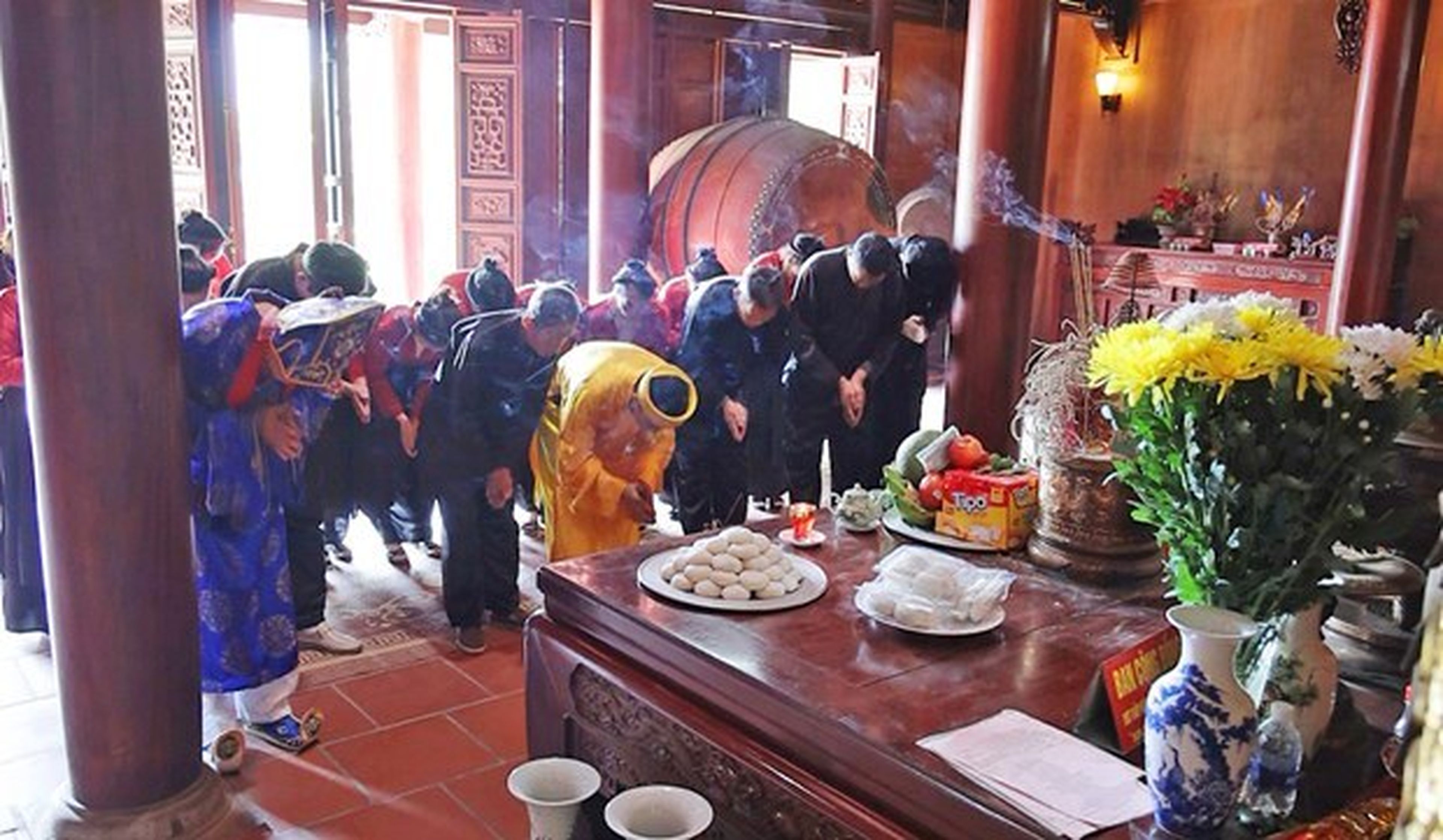
Bánh bạc đầu is served during Tet celebrations. Photo: Ảnh Dân tộc và Miền núi Newspaper.
After sifting, any pieces of rice that were not thoroughly pounded are pounded again. This is a painstaking step that can sometimes take up to half a day. Today, pounding rice is easier thanks to milling machines, and many households no longer pound it by hand as they once did. However, the flour must still be smooth, white, and clean.
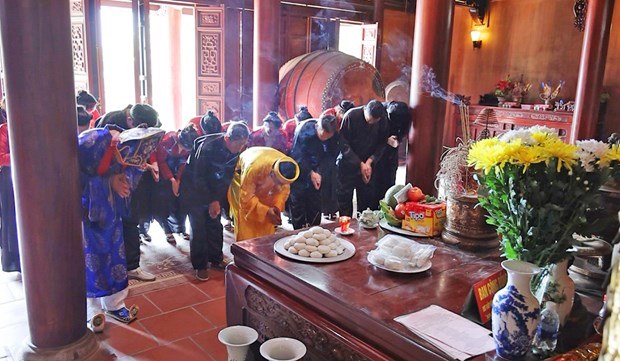
Photo: Hiền Anh.
The finished glutinous rice flour is then mixed with warm water and beaten thoroughly by hand. It is then shaped into thin, round leaves and dropped into a pot of boiling water. The cakes are boiled until they rise evenly to the surface, indicating that they are cooked, and are then removed. The freshly removed dough pieces are still hot, so they are mixed with more glutinous rice flour, shaped again into thin, wide, round sheets, and filled in the center. The sheets are then skillfully shaped into evenly round cakes and rolled in a layer of fine flour…
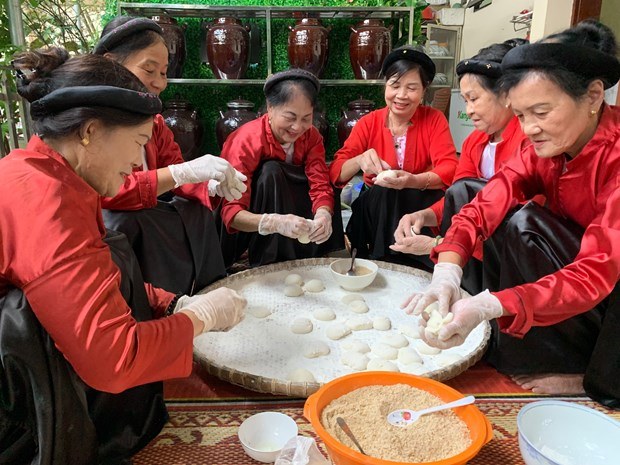
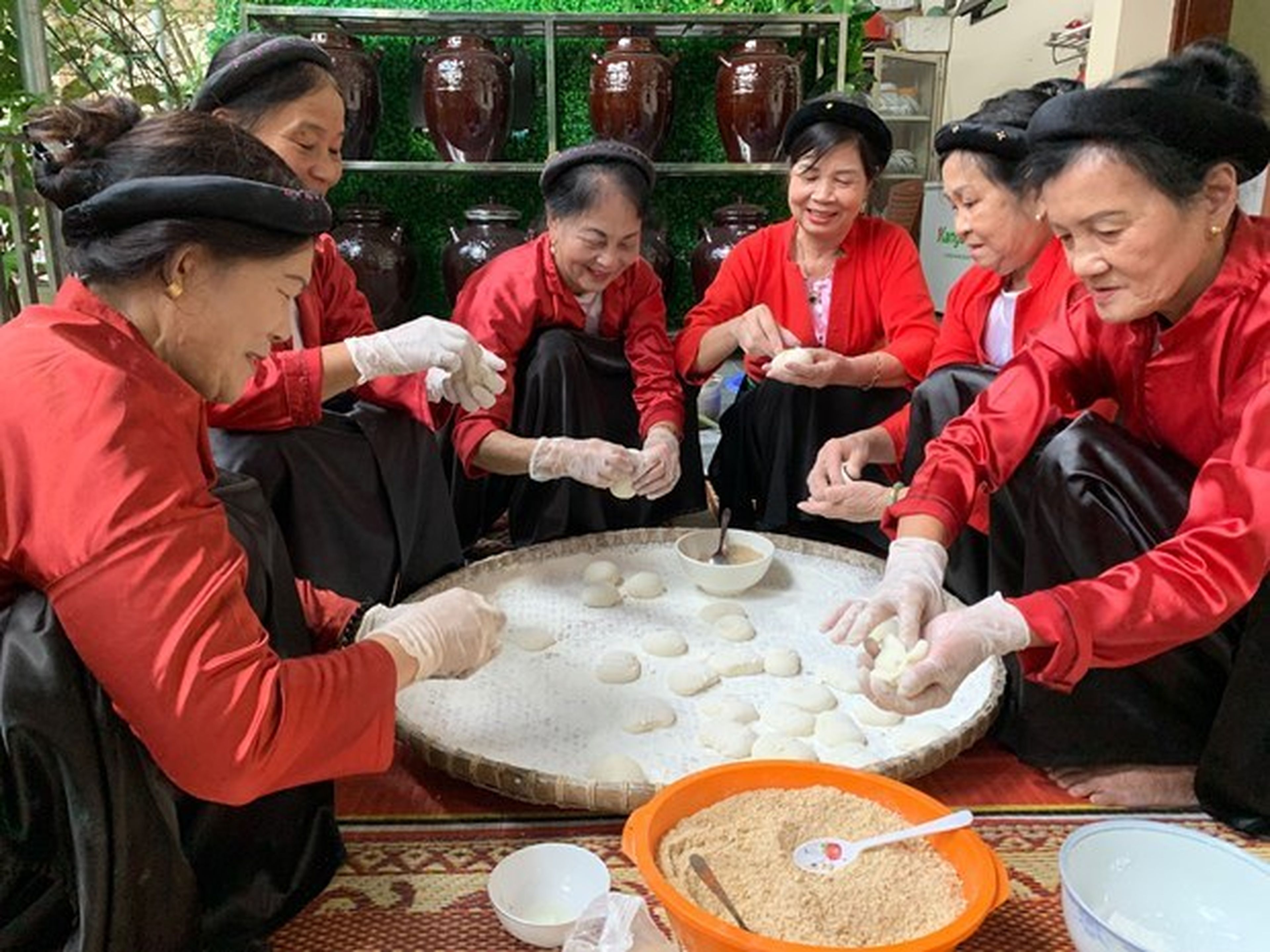
Every Sán Dìu woman knows how to make bánh bạc đầu. Photo: Ảnh Dân tộc và Miền núi Newspaper.
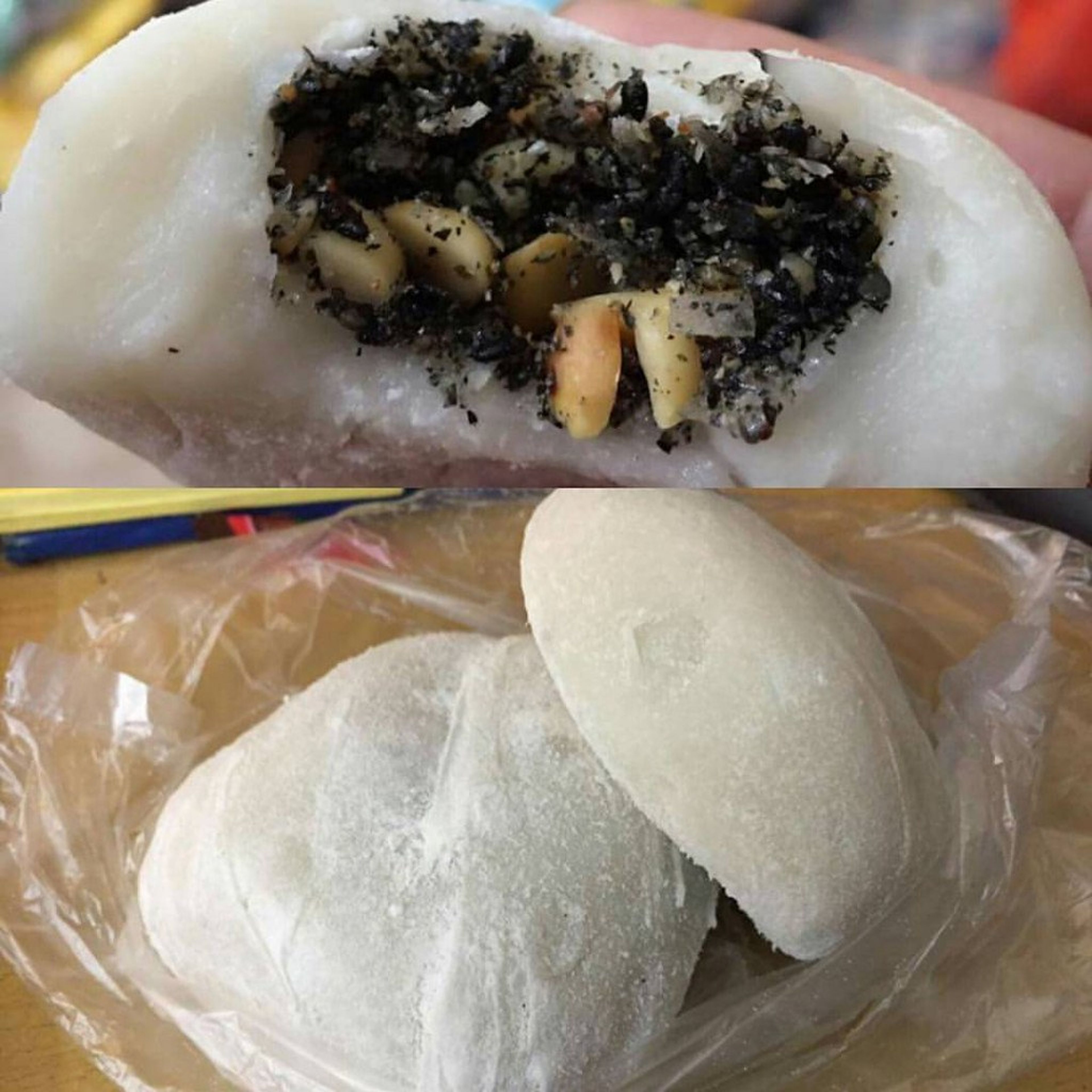
Roasted sesame and peanuts are pounded finely and mixed with finely ground white sugar to make the filling. In some places, mung beans are also added, or the filling is made with bean flour to make it more varied and appealing. A delicious bánh bạc đầu usually has a filling that can be faintly seen through its glutinous rice flour coating. When eaten, the cake has a delicately sweet taste and the fragrant flavors of peanuts, sesame, and freshly harvested glutinous rice.
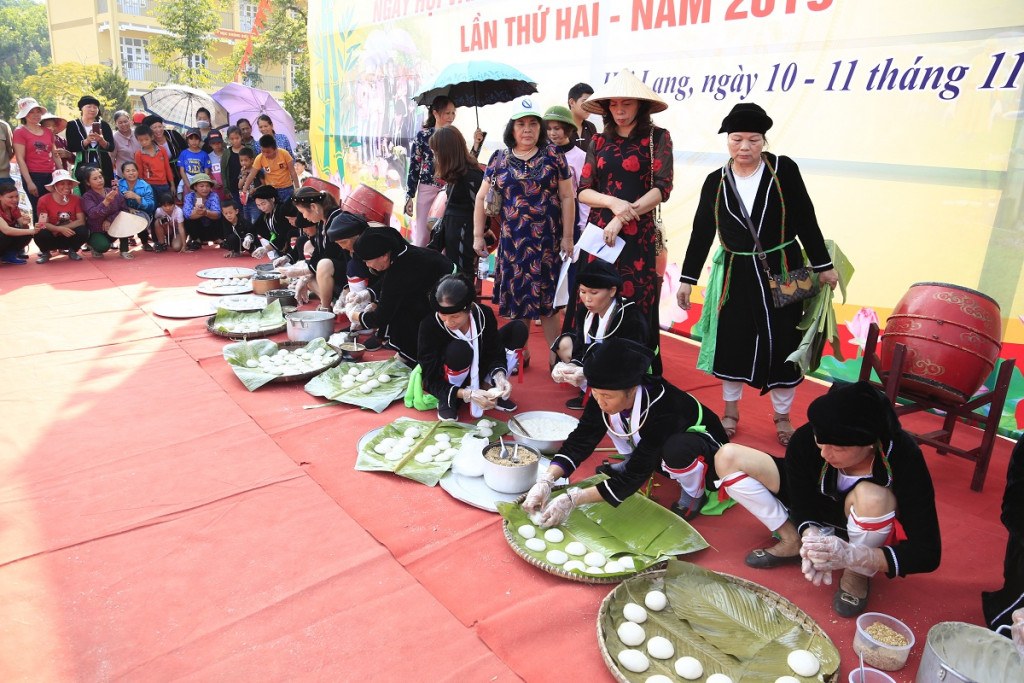
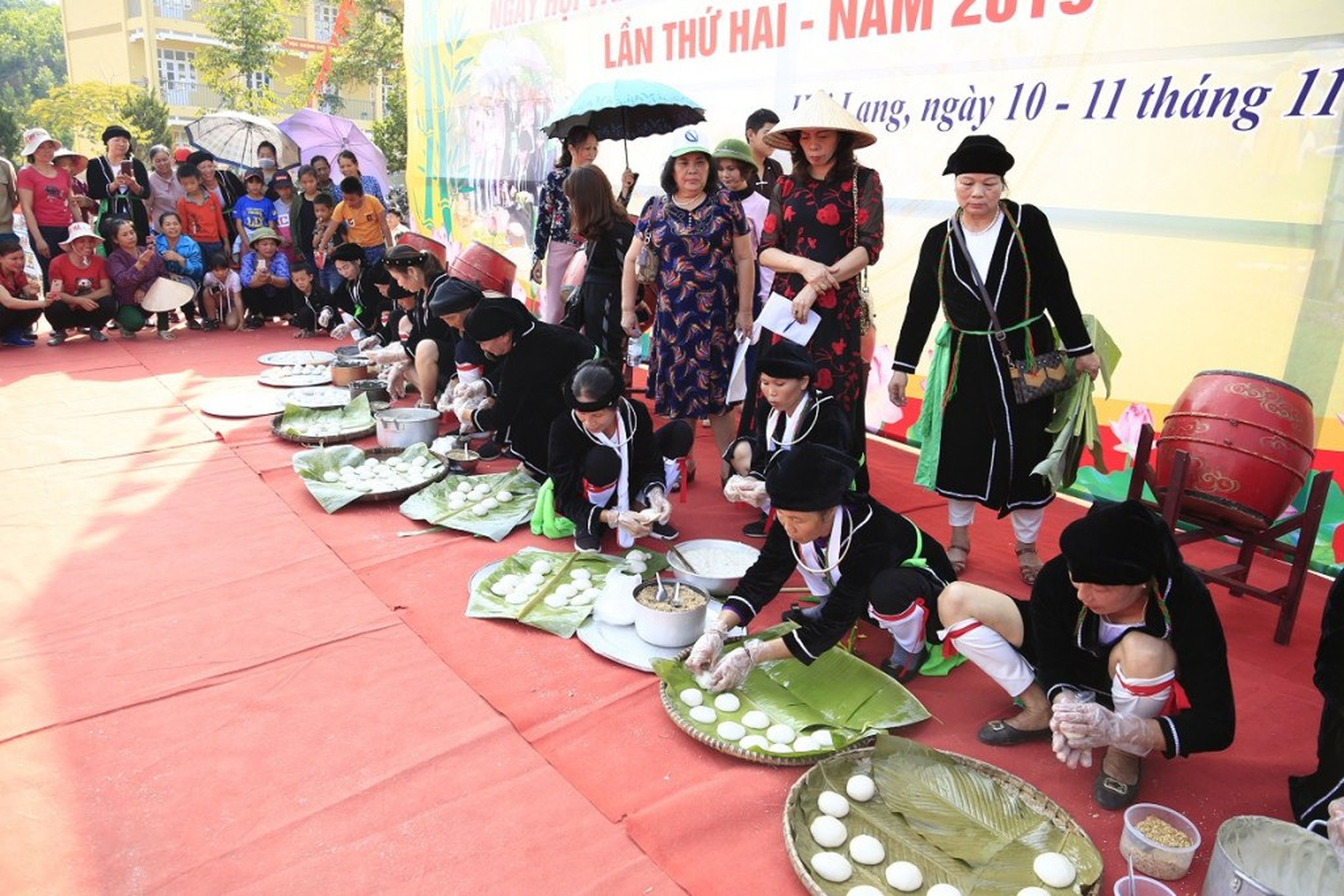
A Sán Dìu bánh bạc đầu-making competition. Photo: Tiên Yên District.
Bánh bạc đầu does not need to be fried or steamed; it only needs to be boiled before it can be enjoyed. The cake is moderately sweet, not greasy, with a delicate flavor, gentle fragrance, and no heaviness. For this reason, this rustic delicacy is very popular with visitors trying it for the first time.
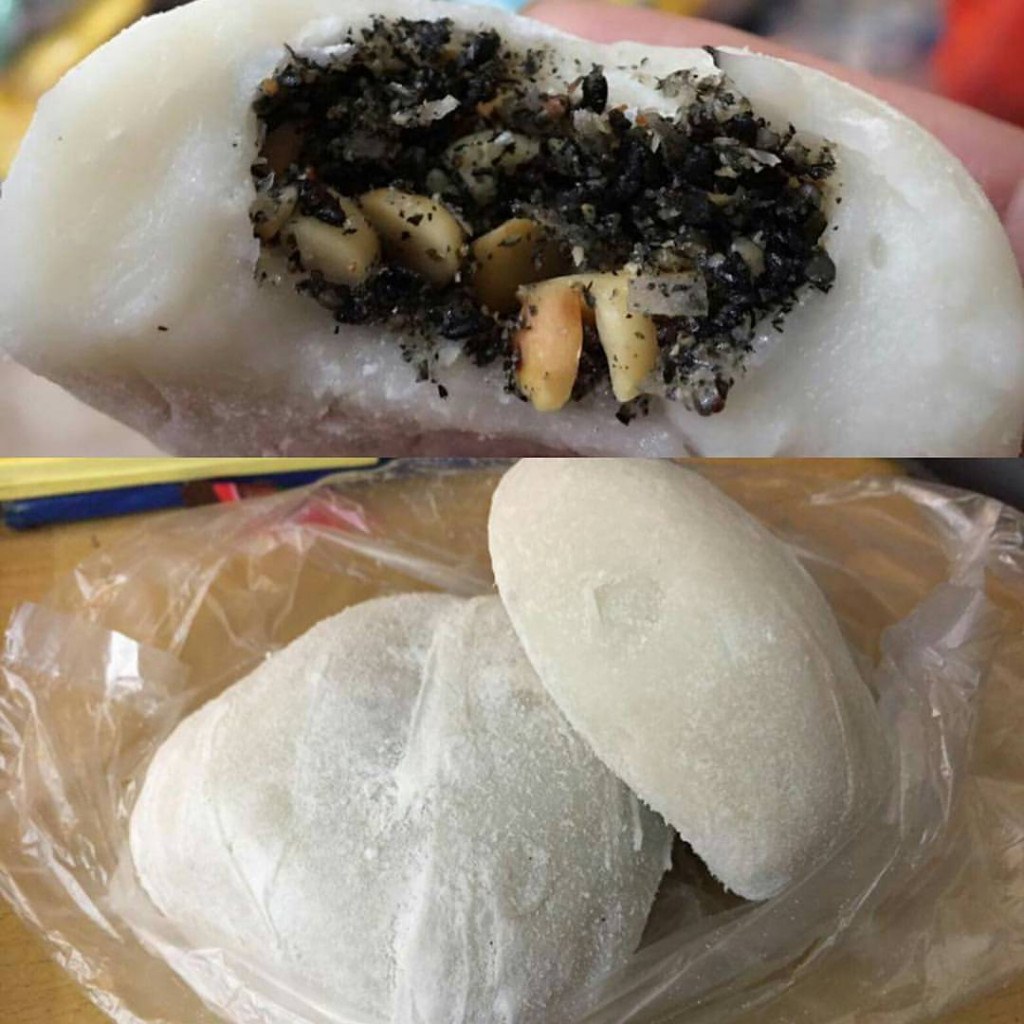
A variety of fillings. Illustrative photo: thu.huyen.black.
Bánh bạc đầu is also made to order as an engagement ceremony offering or for sale, and has become a specialty. When visiting Sán Dìu villages in Quảng Ninh during holidays or Tet, travelers will encounter bánh bạc đầu everywhere. Enjoying this fragrant, delicious cake and learning about Sán Dìu culture, as well as that of the highland communities of Quảng Ninh, will be a meaningful experience during the trip!