The San Diu ethnic community in Quang Ninh Province has a specialty cake that often appears during festivals, Tet, and weddings: banh bac dau, a rustic yet truly unique treat.
Banh Bac Dau – The "made and eaten fresh" specialty of the San Diu people
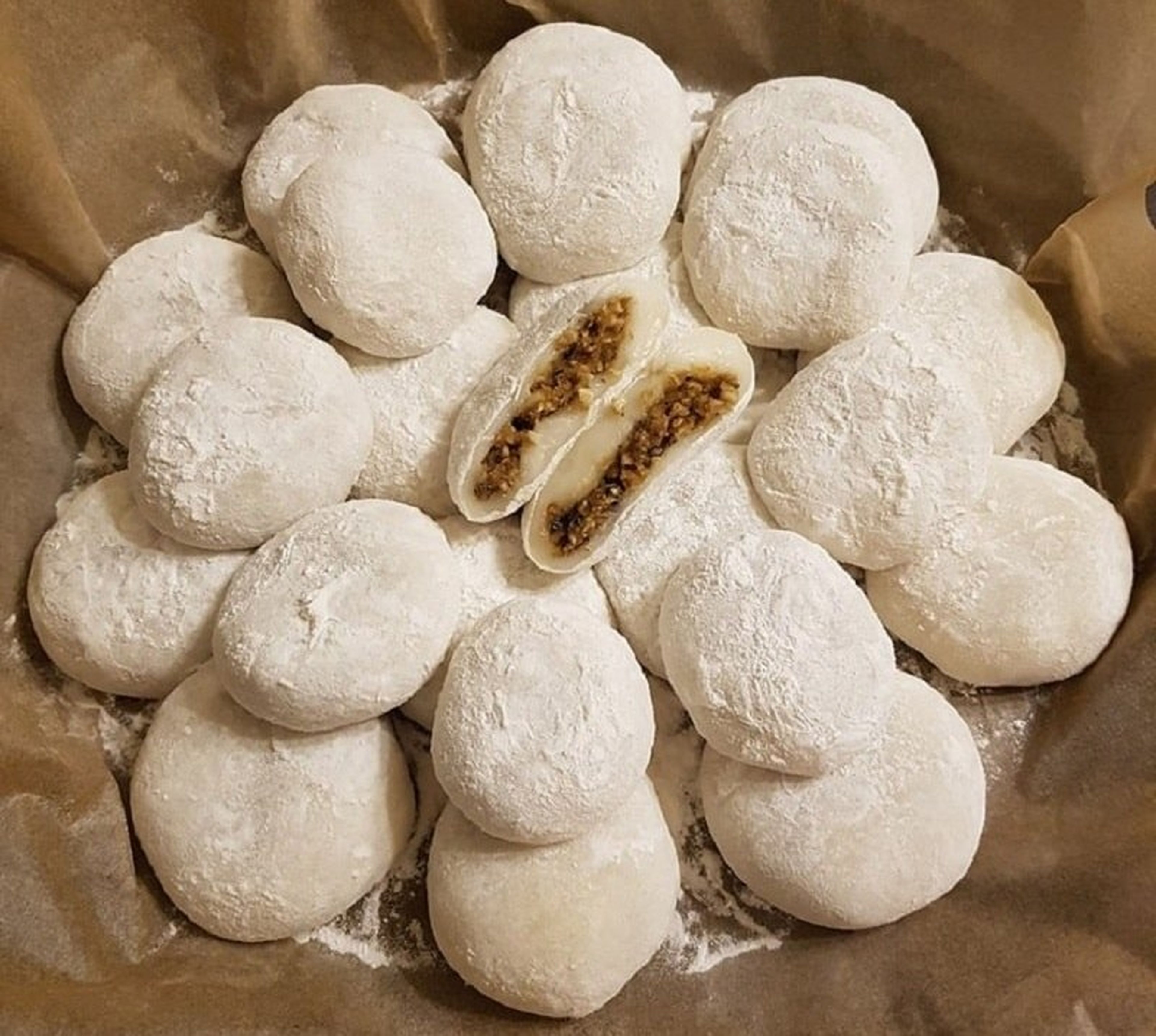
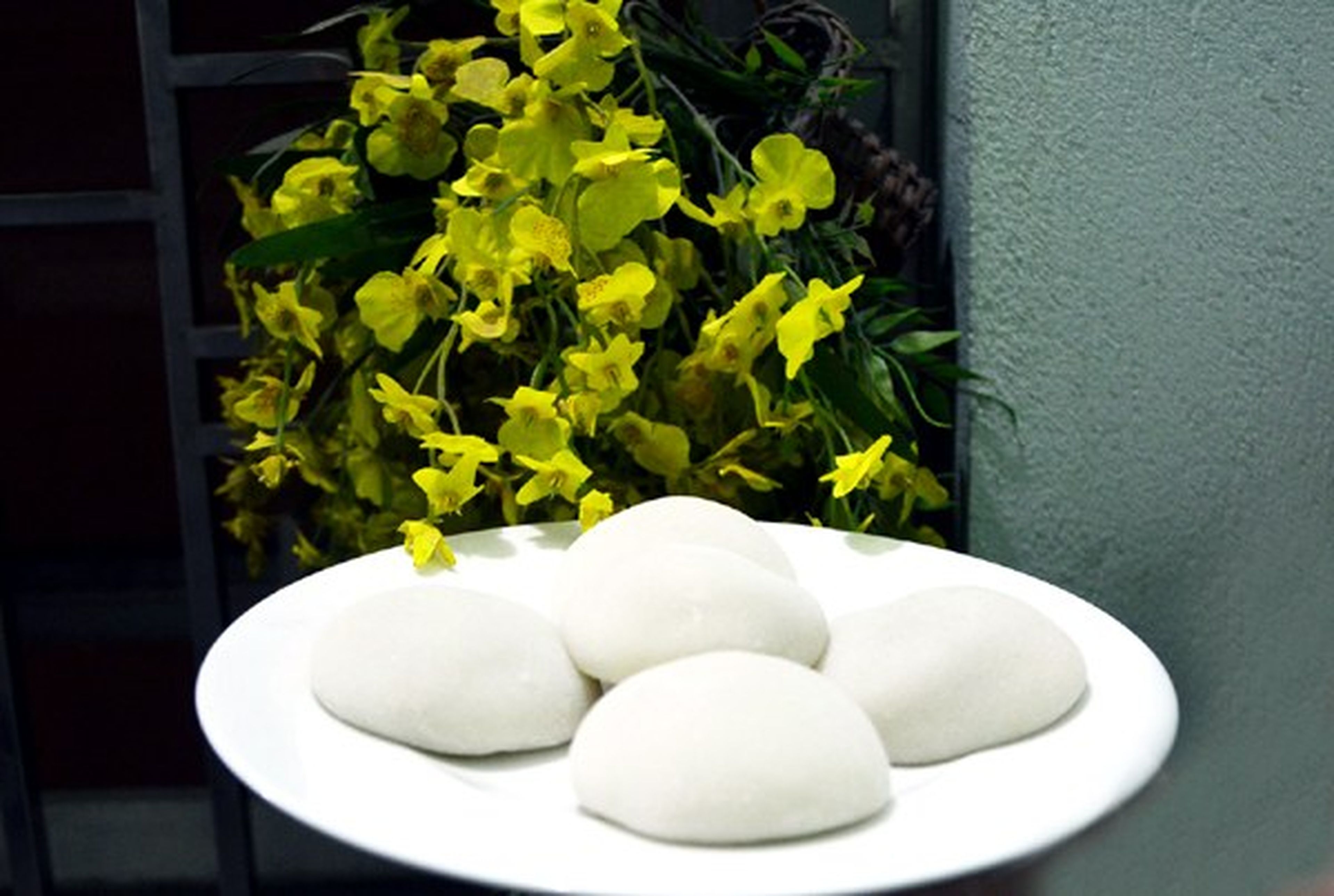
Many people are intrigued by this cake because of its unusual name, and anyone who has tasted it is sure to be impressed. Once finished, the cake is coated with a fine layer of white glutinous rice flour, which is where the name banh bac dau (white-headed cake) originates.
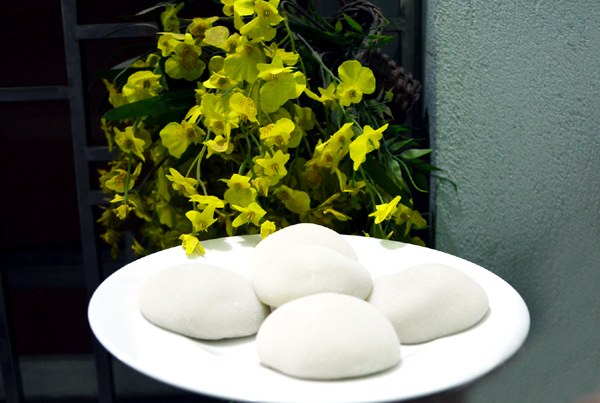
Banh bac dau. Photo: Quang Ninh Newspaper.
Banh bac dau is made from glutinous rice, dusted with a white outer powder to prevent sticking. To make the cake, glutinous rice is first pounded or finely ground and shaped into round pieces, filled with a mixture of roasted peanuts, sesame seeds, and more.
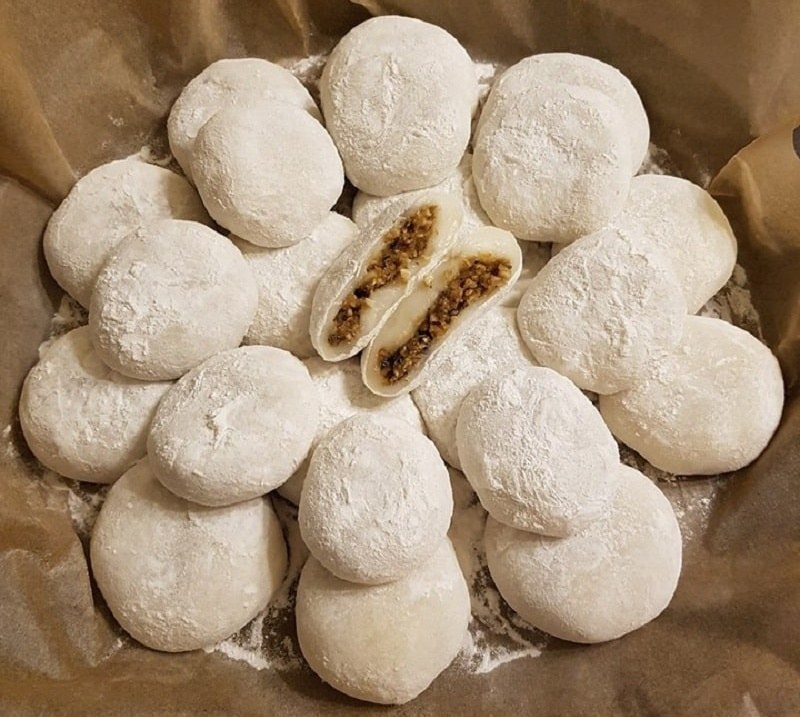
Banh bac dau is coated with a fine layer of flour. Photo: Ethnic and Development Newspaper.
While it sounds simple, preparing this treat requires great skill and meticulous effort from the baker—from selecting the ingredients and grinding the flour to preparing the filling. Once the harvest season ends, the finest and most fragrant glutinous rice is chosen to make the cakes.
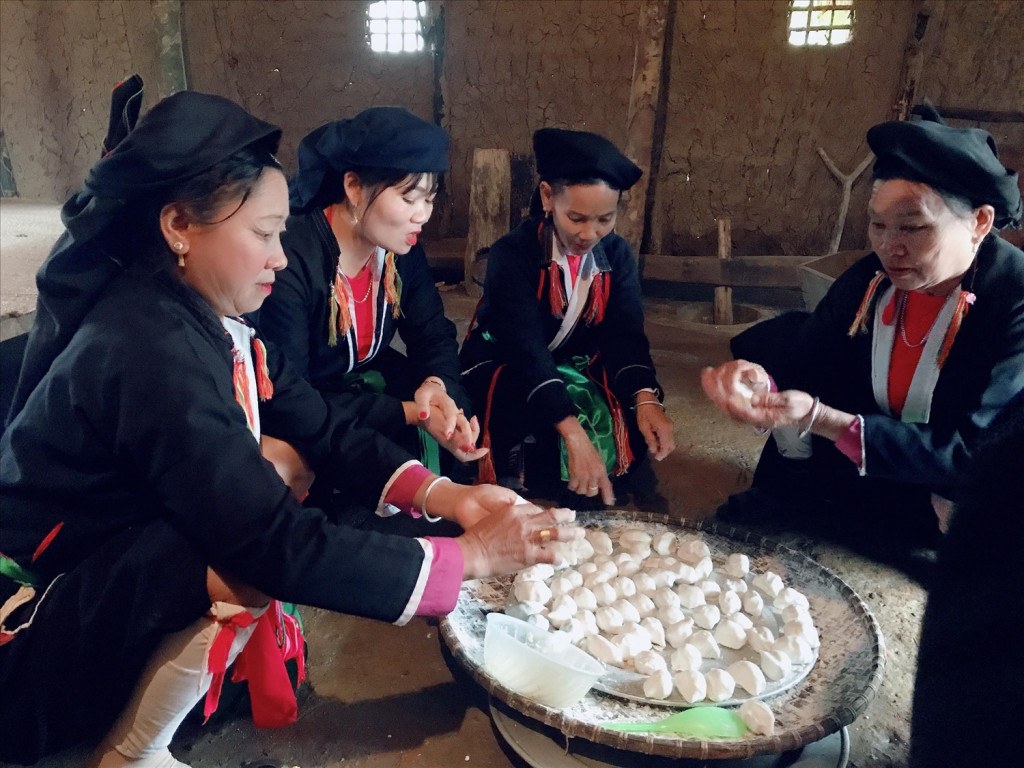
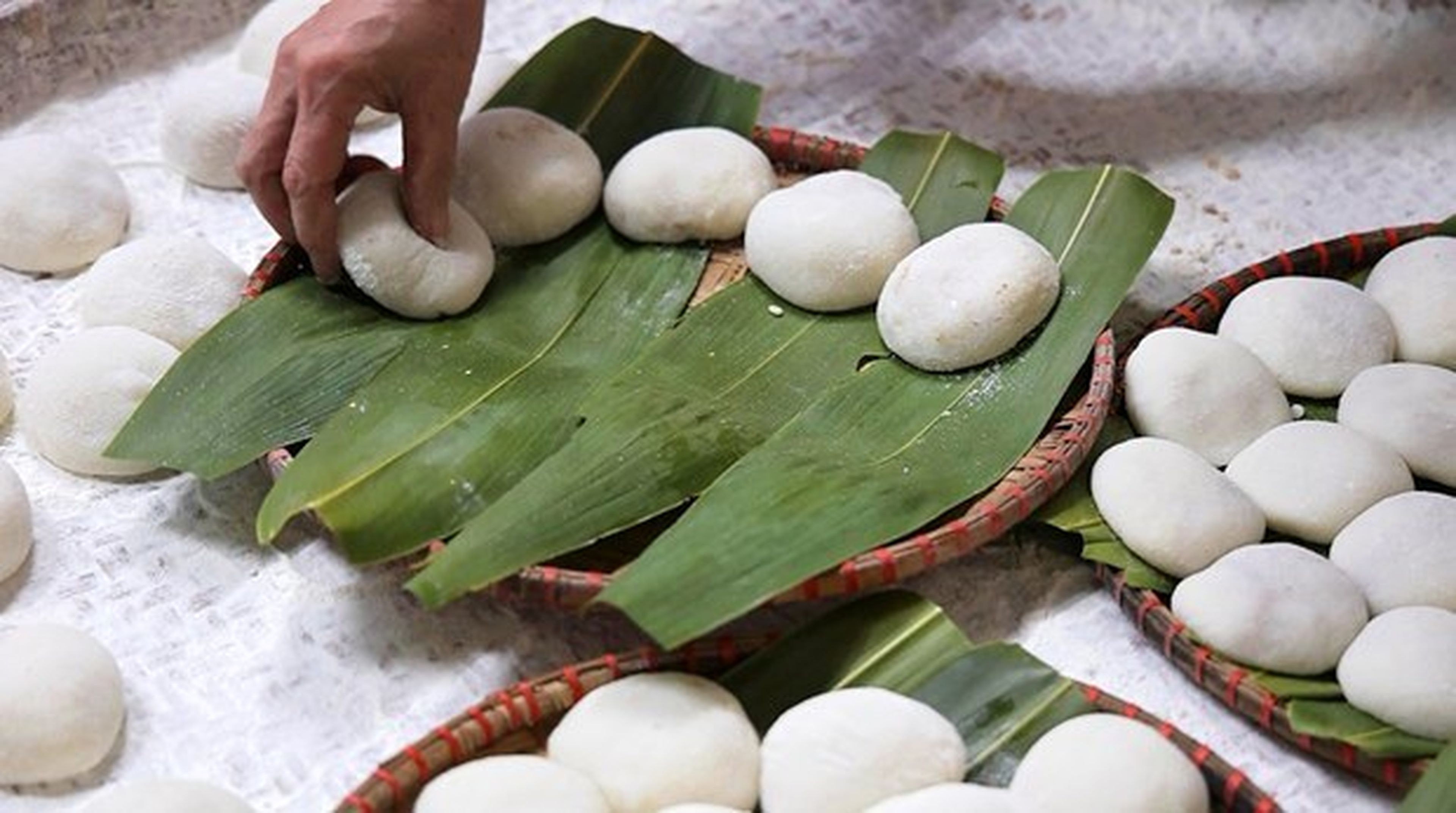
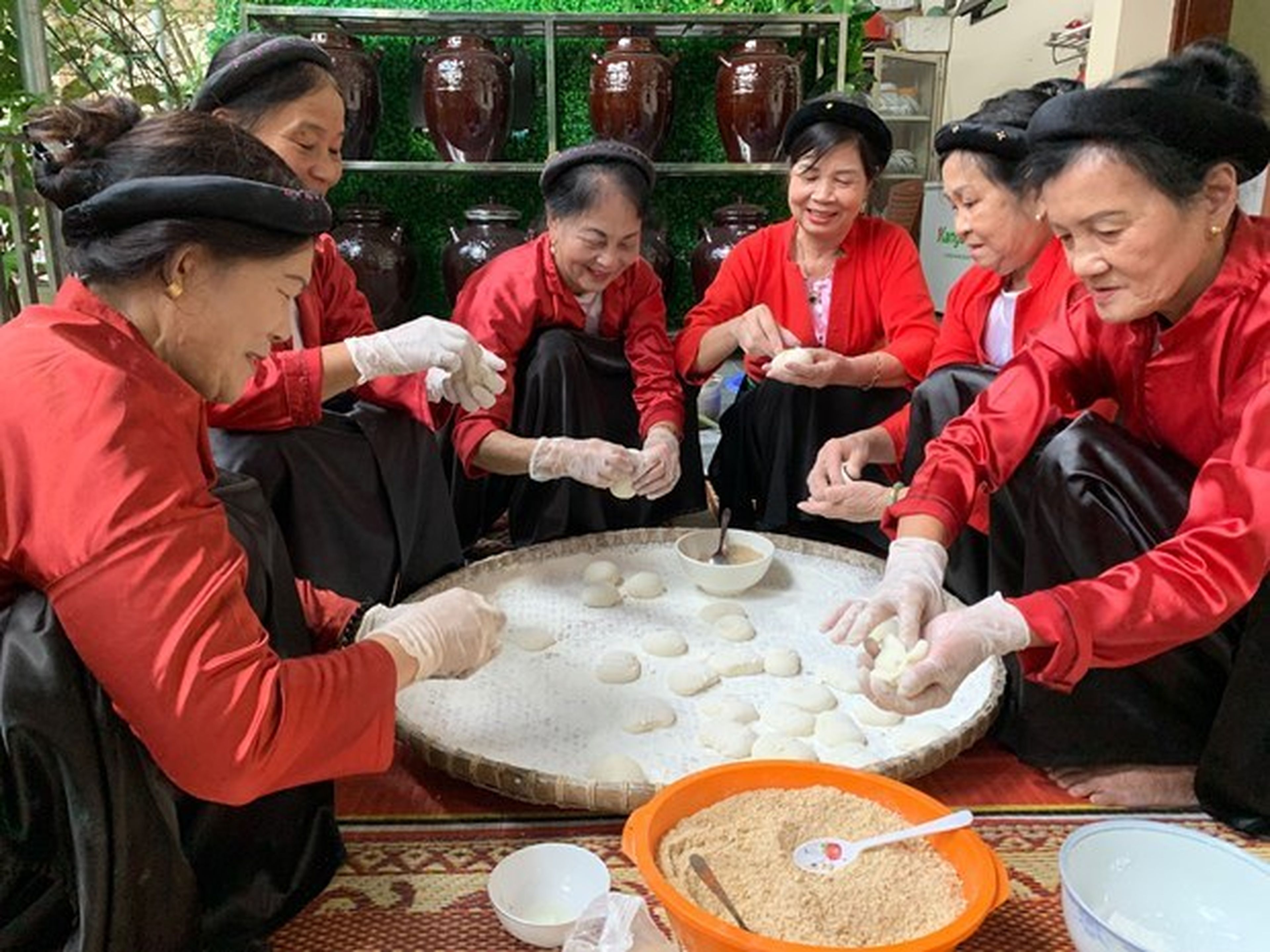
The process of shaping the cakes. Photo: Dan Toc Newspaper.
The glutinous rice must be completely free of regular rice, then soaked in water for 10–15 minutes until the grains easily break in half. It is then drained and pounded in a stone mortar until it turns into a fine powder, which is repeatedly sifted through a fine mesh to ensure the finished flour is exceptionally smooth.
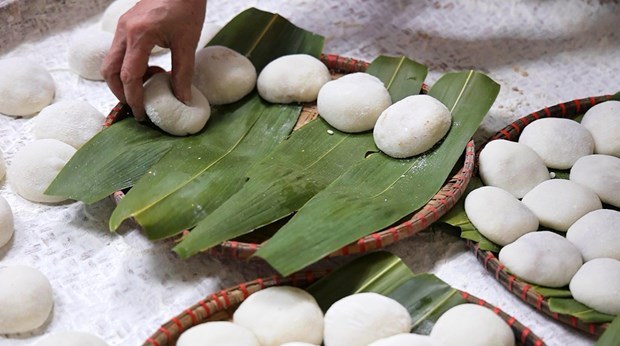
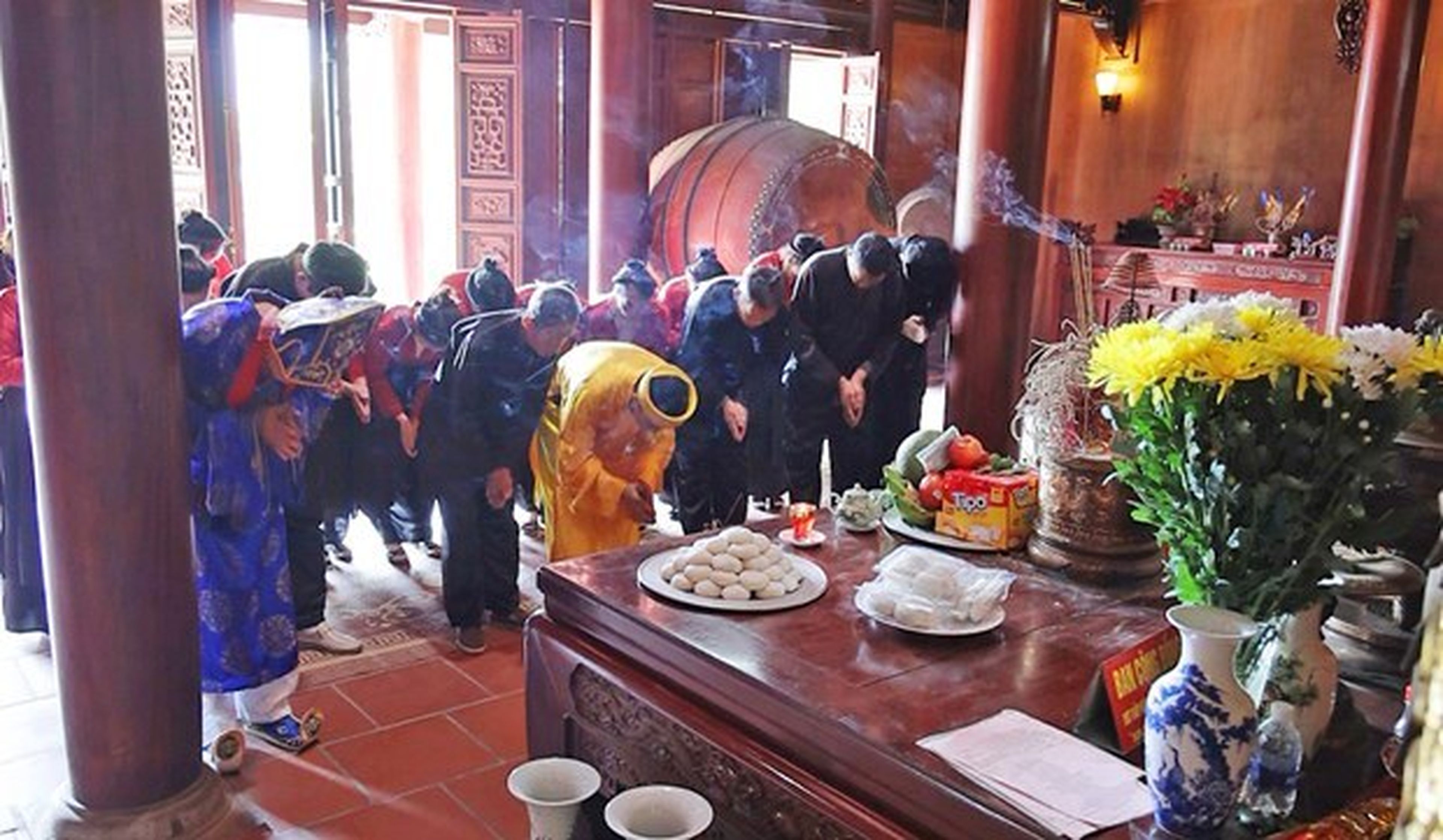
Banh bac dau is traditionally served during Tet holidays. Photo: Ethnic and Mountainous Pictorial.
After sifting, any flour that has not been thoroughly pounded is pounded again—a painstaking step that can take up to half a day. Nowadays, the pounding process has become simpler thanks to milling machines, and many families no longer pound the rice by hand as before; however, the flour must still be guaranteed to be fine, white, and clean.
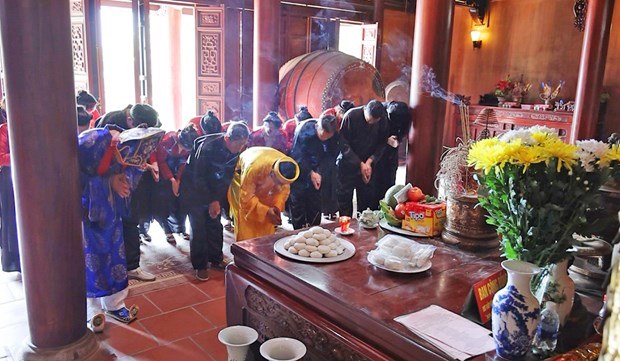
Photo: Hien Anh.
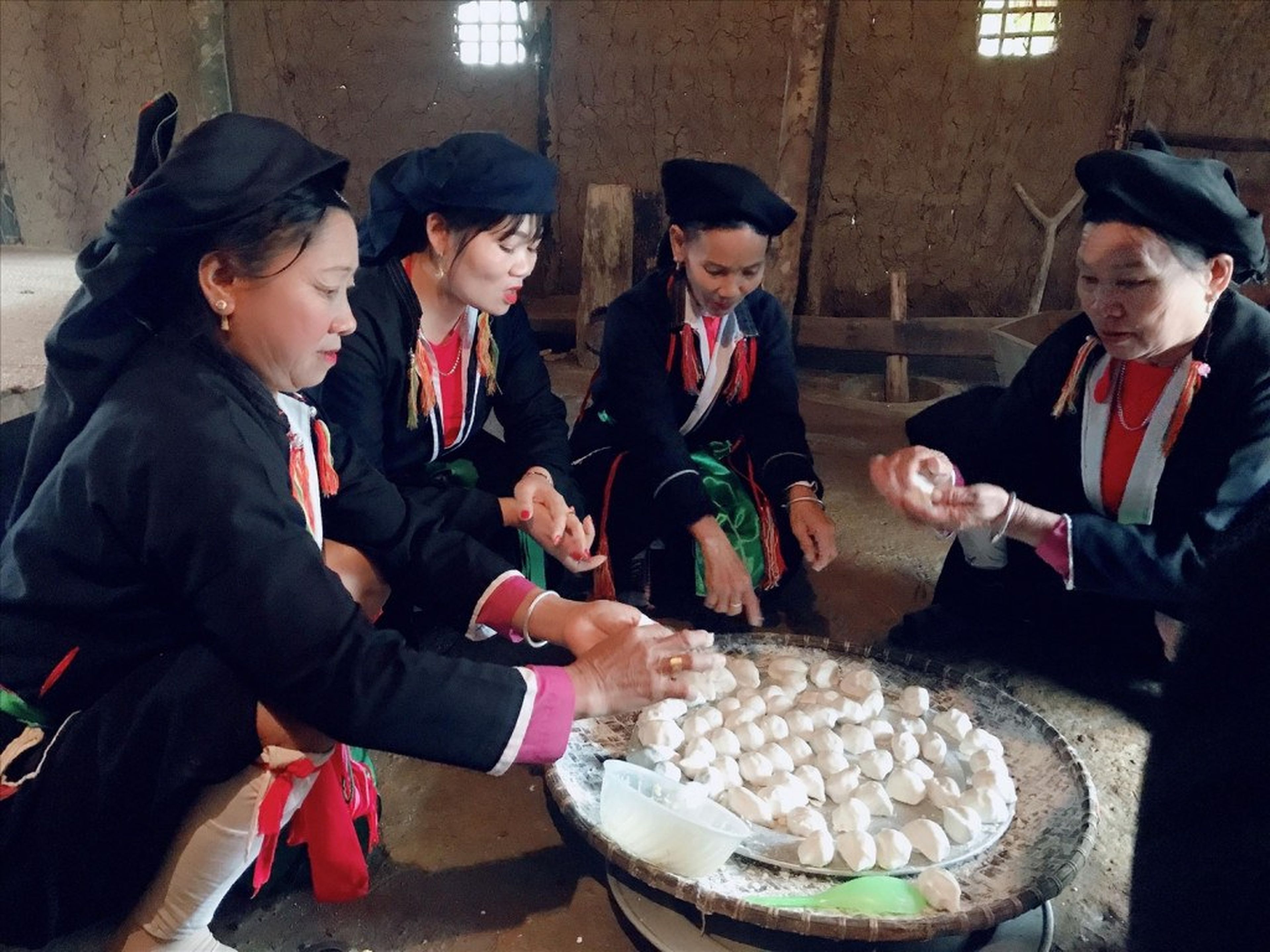
The prepared glutinous rice flour is then mixed with warm water and beaten thoroughly and evenly. It is then flattened into thin, round dough discs and dropped into a pot of boiling water. The dough is boiled until it floats evenly to the surface, signaling that it is cooked, and then taken out. These freshly boiled, still-hot pieces of dough are kneaded with additional glutinous rice flour, shaped again into thin, wide, round sheets, filled at the center, deftly rolled into even spheres, and finally dusted with fine flour…
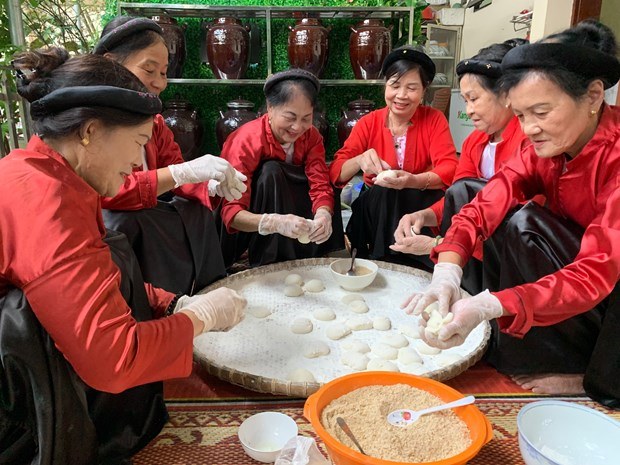
San Diu women all know how to make banh bac dau. Photo: Ethnic and Mountainous Pictorial.
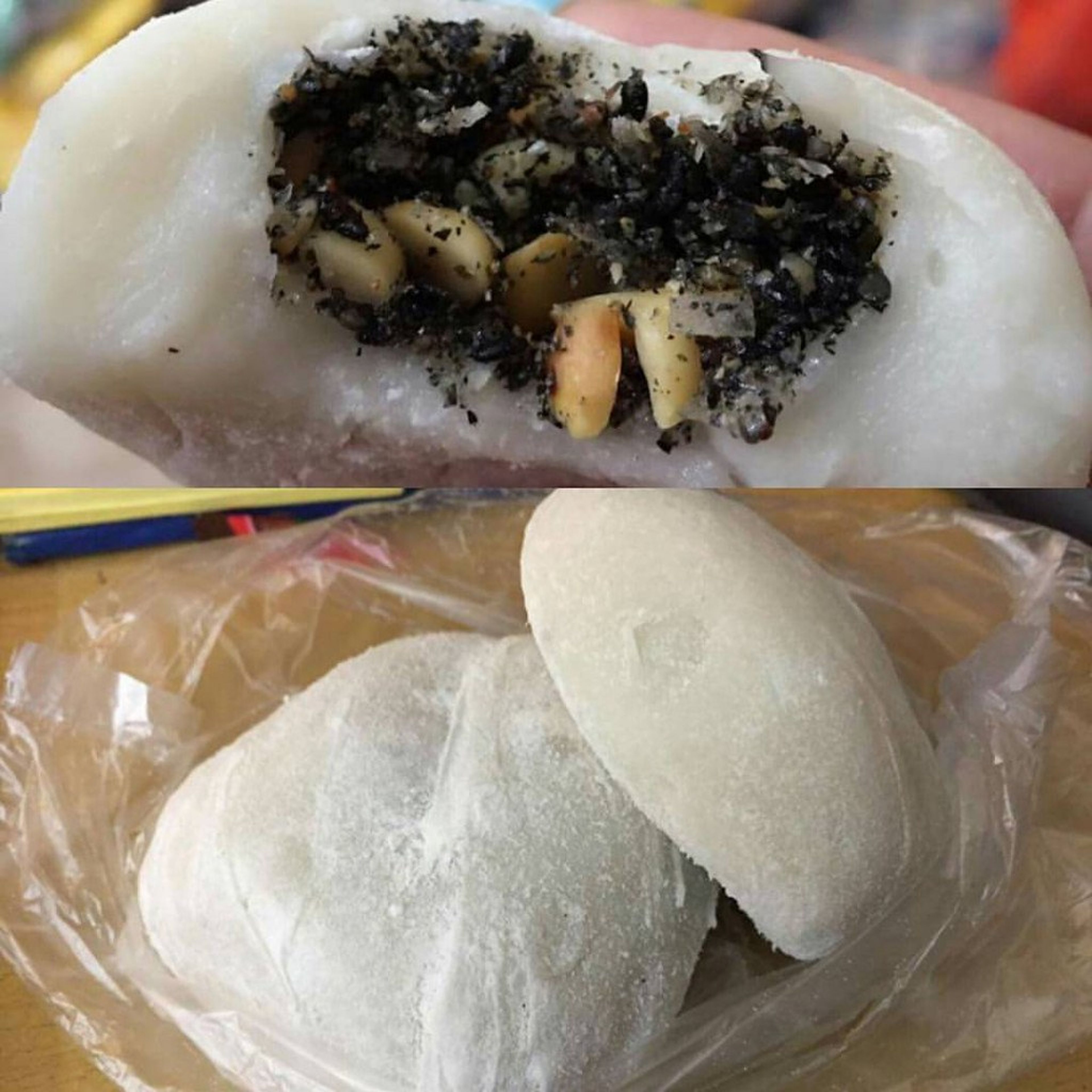
Roasted sesame seeds and peanuts are crushed and mixed evenly with finely ground white sugar to make the filling. In many places, mung beans or bean paste are also added to enrich the filling. A delicious banh bac dau typically lets the filling faintly show through its outer layer of glutinous rice dough; when eaten, it boasts a gentle sweetness and a fragrant aroma of peanuts, sesame seeds, and freshly harvested sticky rice.
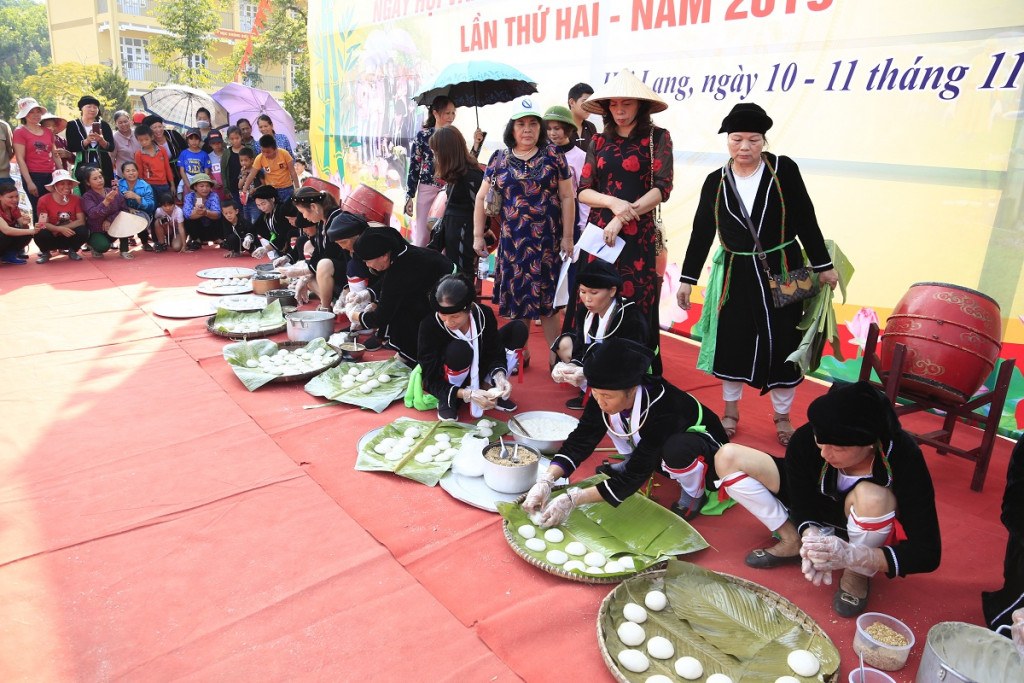
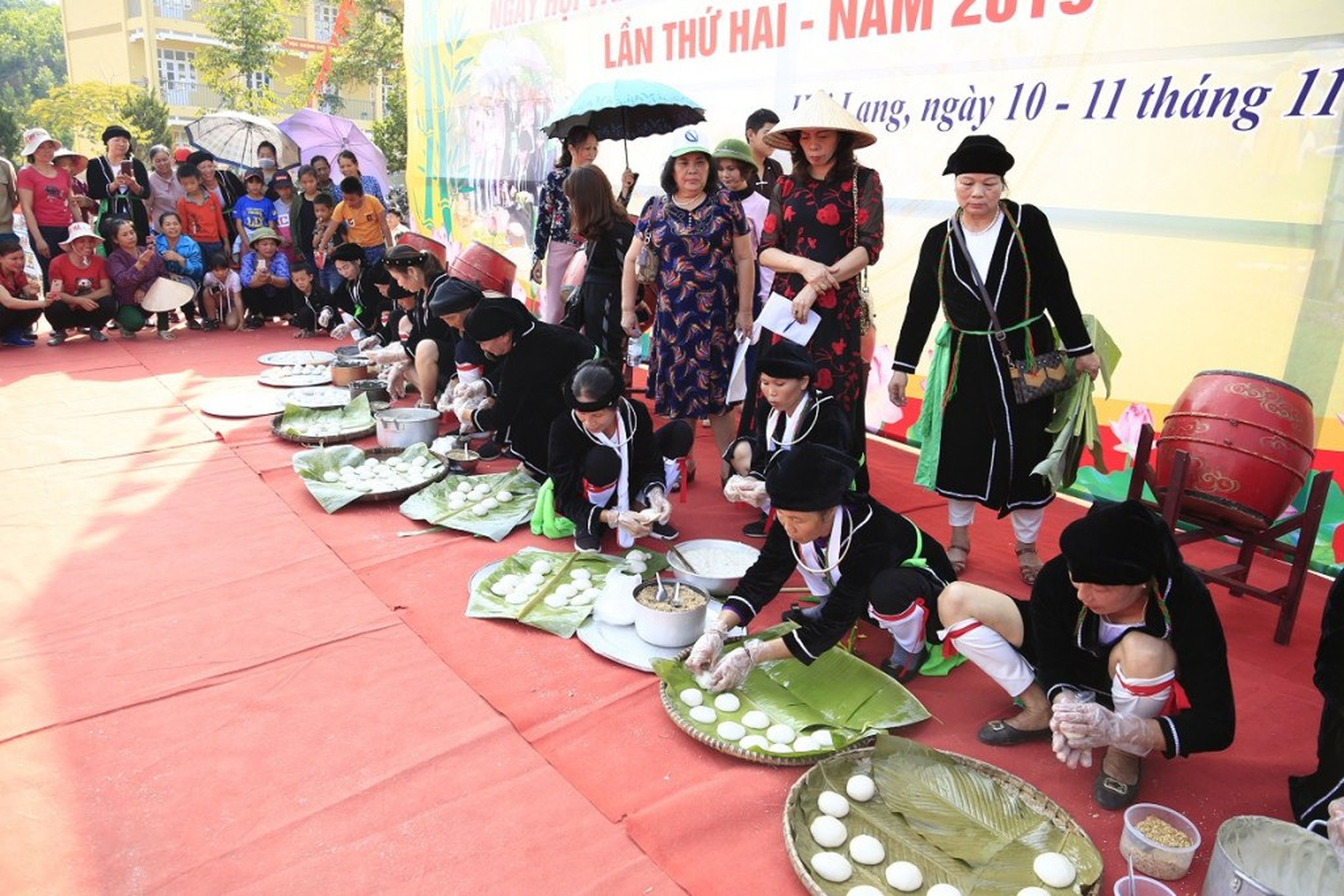
Banh bac dau making competition of the San Diu people. Photo: Tien Yen District.
Banh bac dau requires no frying or steaming; it only needs to be boiled to be enjoyed. The cake has a moderate sweetness, is non-greasy, and features a light, delicately fragrant flavor that is never overwhelming. Hence, this rustic delicacy readily wins over travelers on their very first try.
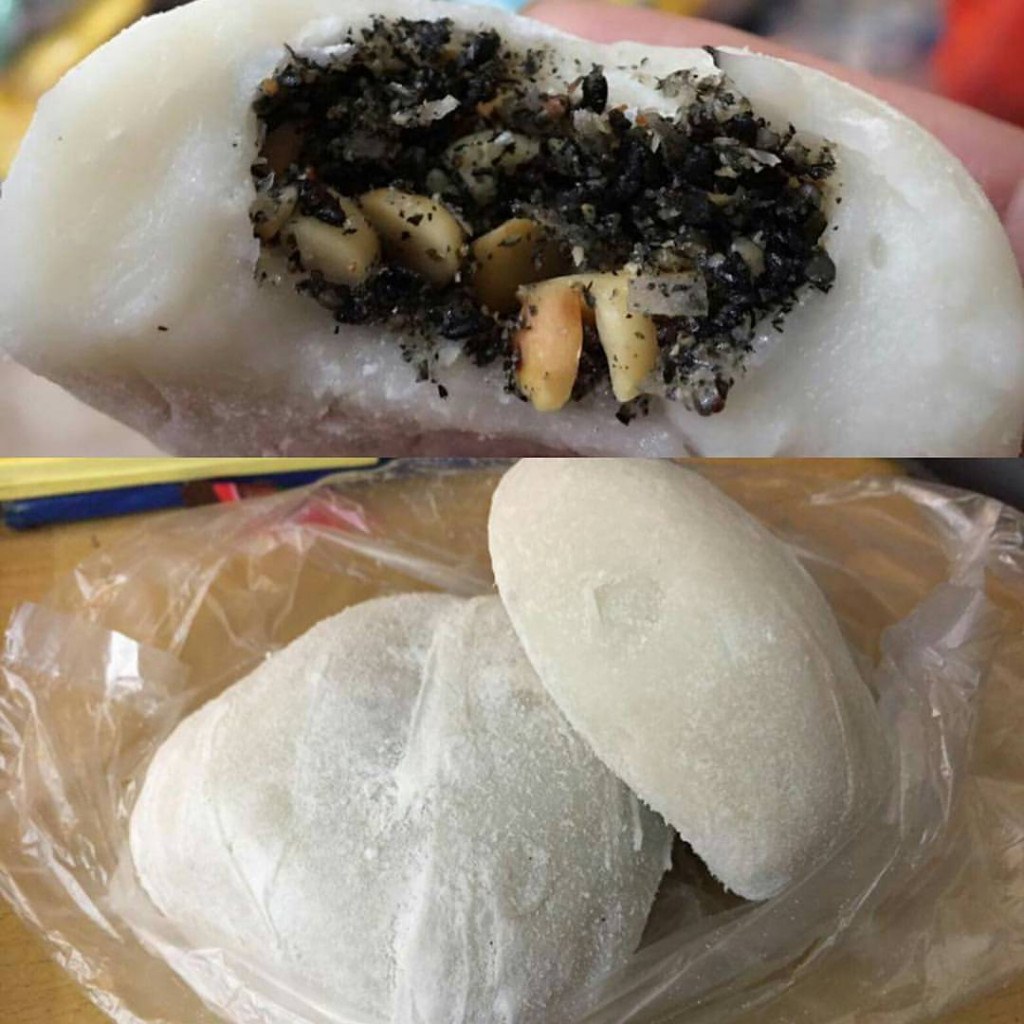
Various cake fillings. Illustrative photo: thu.huyen.black.
Banh bac dau is also ordered as engagement gifts or sold as a local specialty. Visiting San Diu villages in Quang Ninh during festivals or Tet, travelers will find banh bac dau everywhere. Savoring this delectable cake while learning about the culture of the San Diu and other highland communities in Quang Ninh will undoubtedly make for a truly meaningful journey!