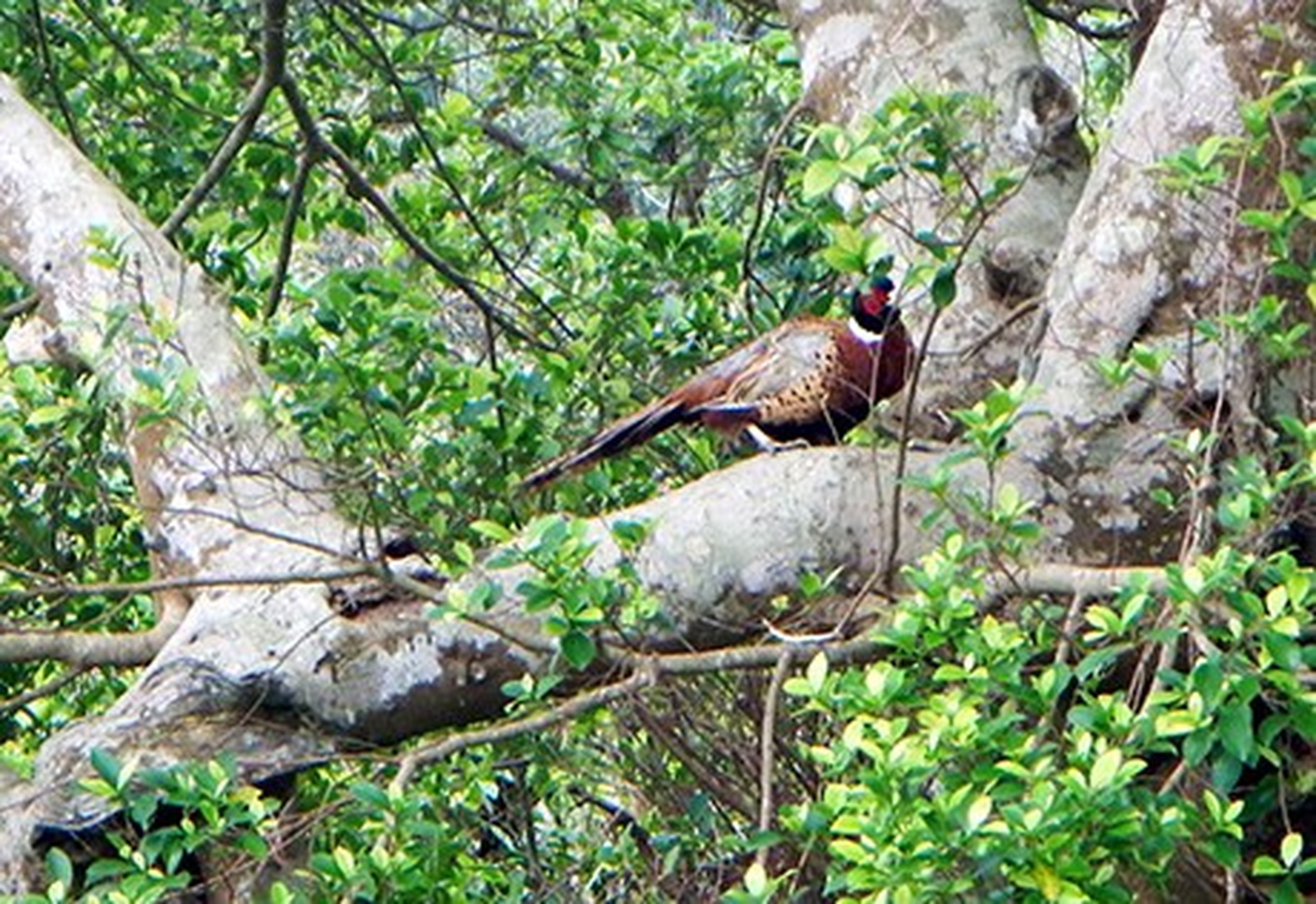
Bái Tử Long National Park became the 38th ASEAN Heritage Park in 2017 because it met five criteria: ecological integrity, representativeness, naturalness, the uniqueness of rare and precious species and habitats, and legality.
Bái Tử Long National Park – The “Rough Gem” of Ecotourism
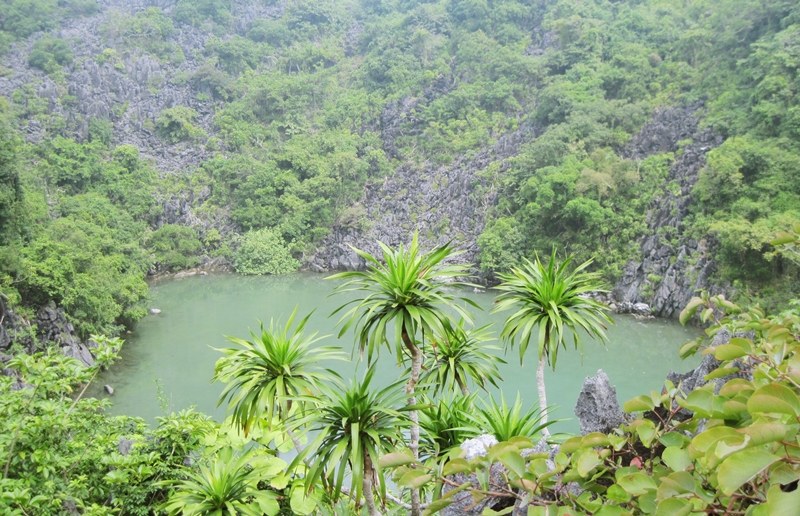
Photo: QTV/Lao Động Newspaper.
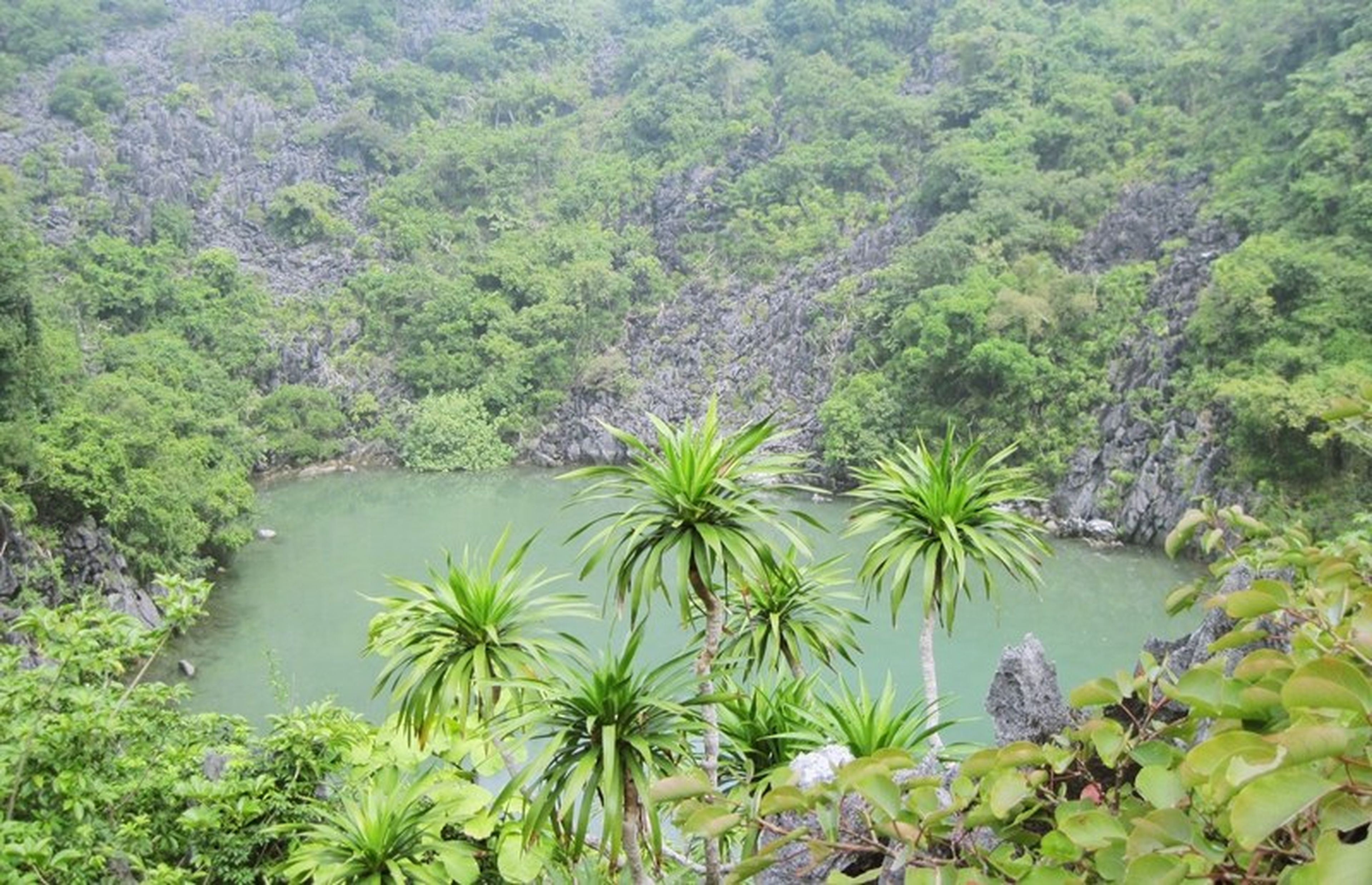
Bái Tử Long National Park covers a total area of 15,780ha, encompassing both forest and marine ecosystems. The park has six basic forest and marine ecosystems, including coral reefs, mangrove forests, seagrass beds, tidal flats, lake–cave ecosystems, and tropical rainforests.
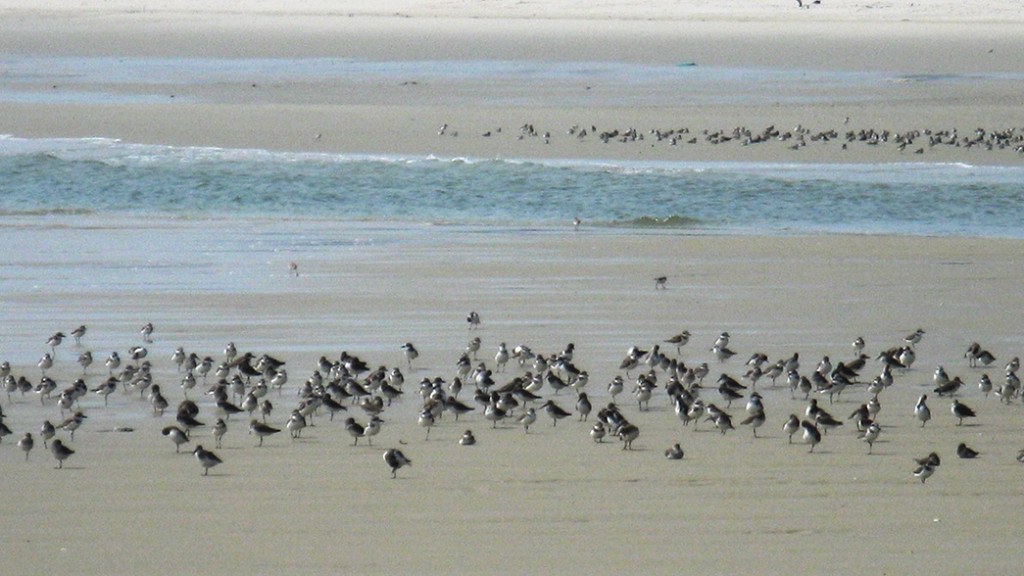
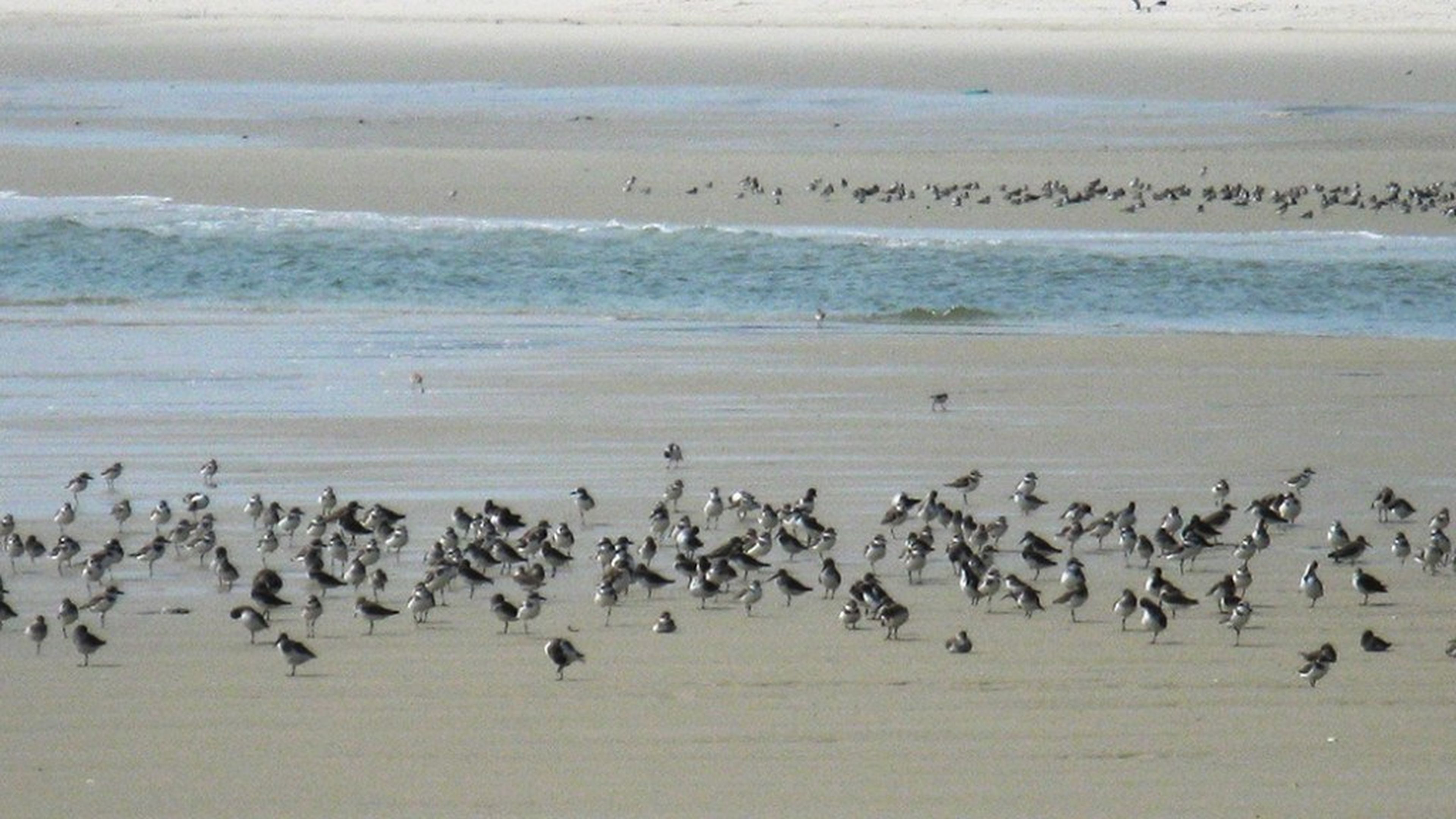
Migratory bird season at Minh Châu Beach. Photo: N.H/Thanh Niên Newspaper.
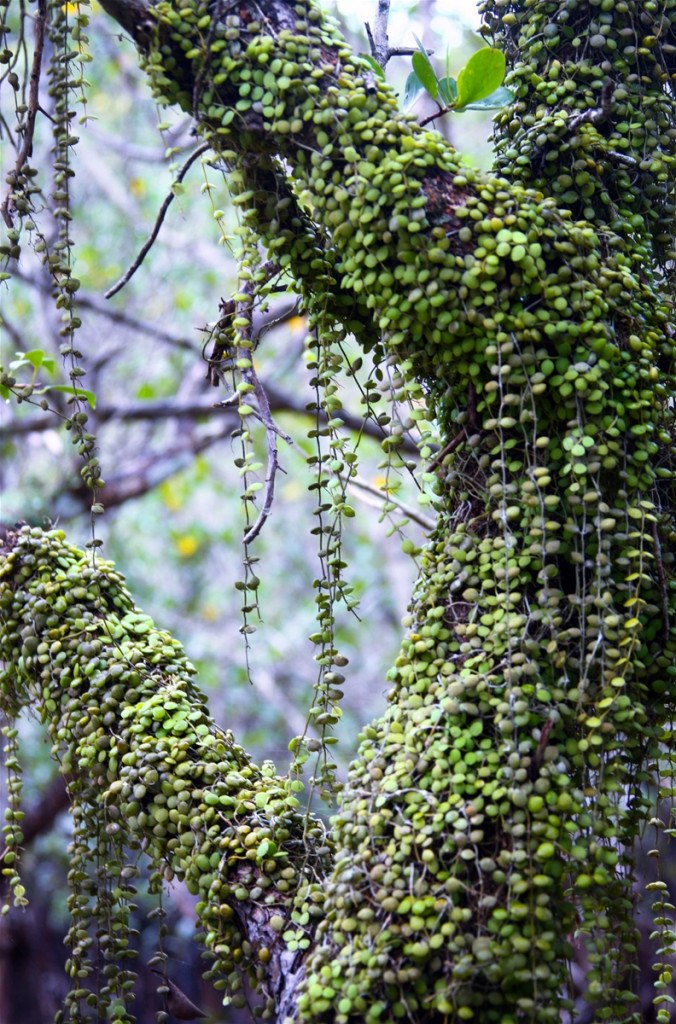
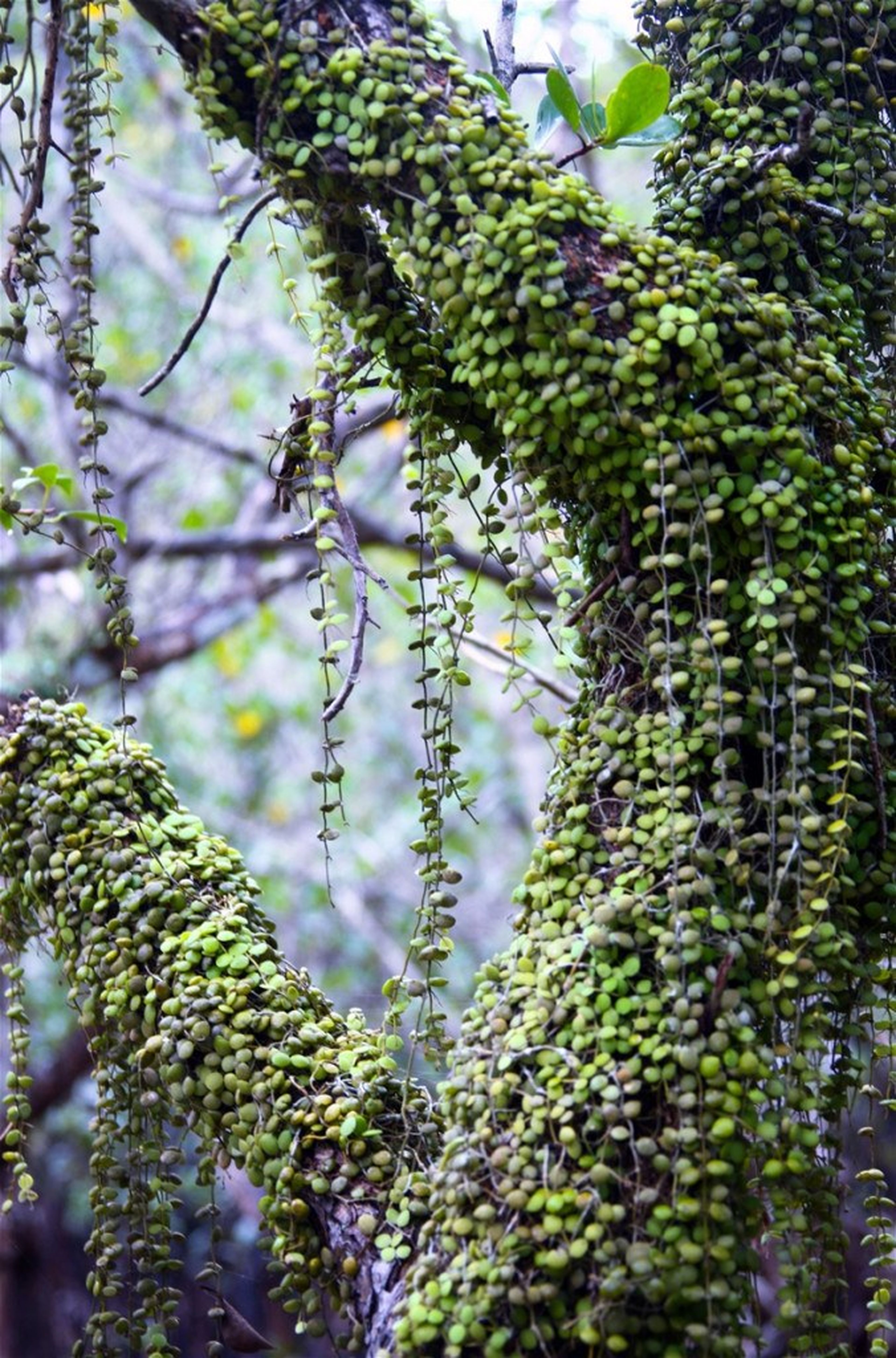
Orchid-family vegetation. Photo: realtimes.vn.
The park is home to 2,247 species of organisms, including 1,004 terrestrial species and 1,244 marine species. The forest ecosystem includes vascular plants, mammals, birds, reptiles, and amphibians. The marine ecosystem includes seaweed, annelids, mollusks, crustaceans, planktonic flora and fauna, echinoderms, fish, corals…
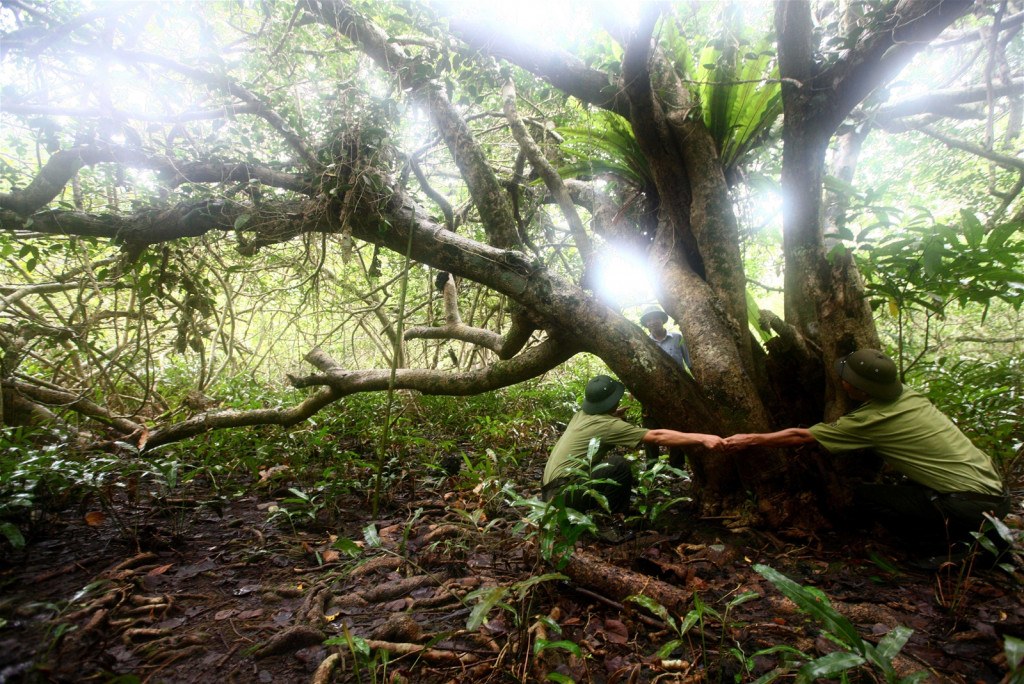
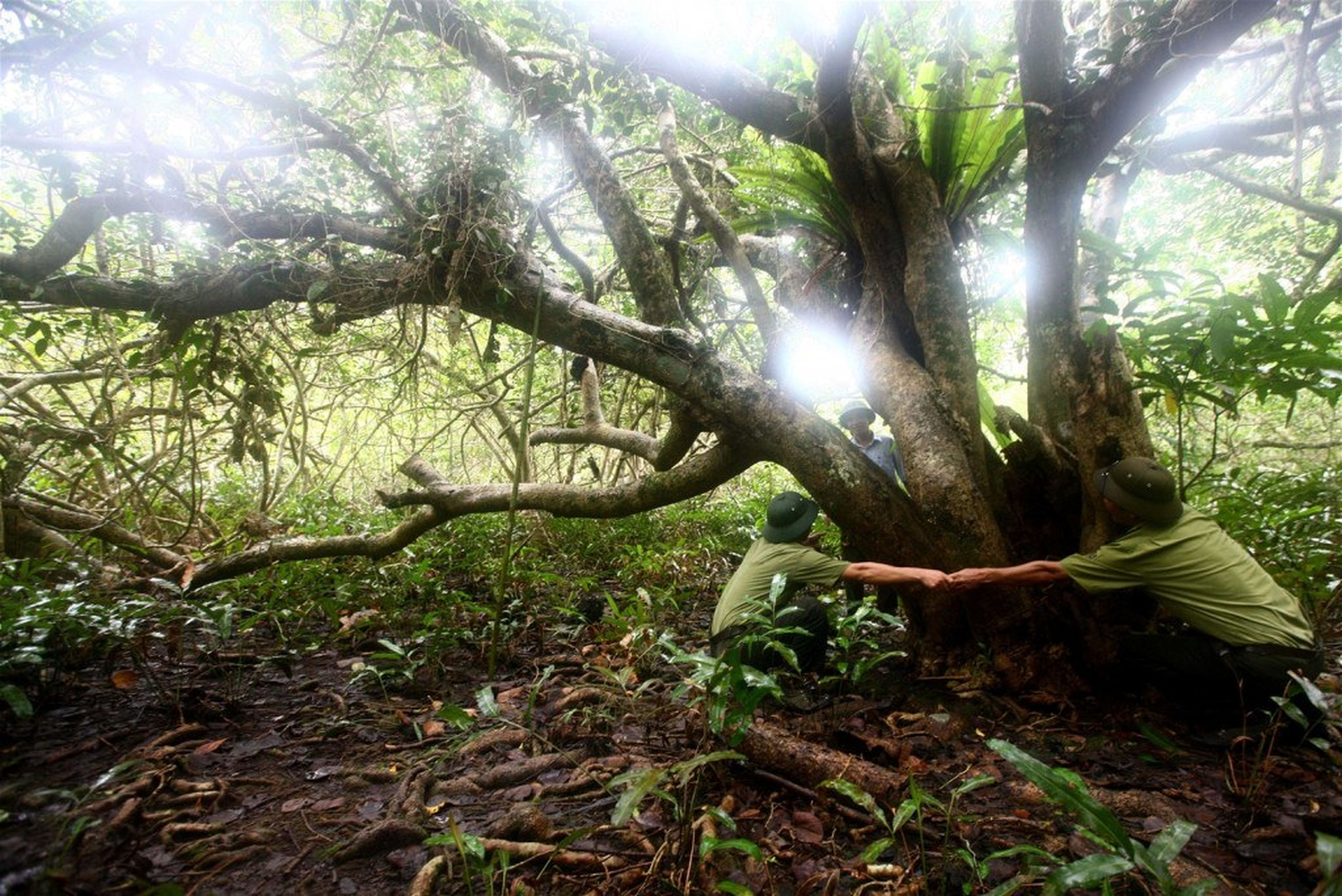
Ancient tra biển tree. Photo: realtimes.vn.
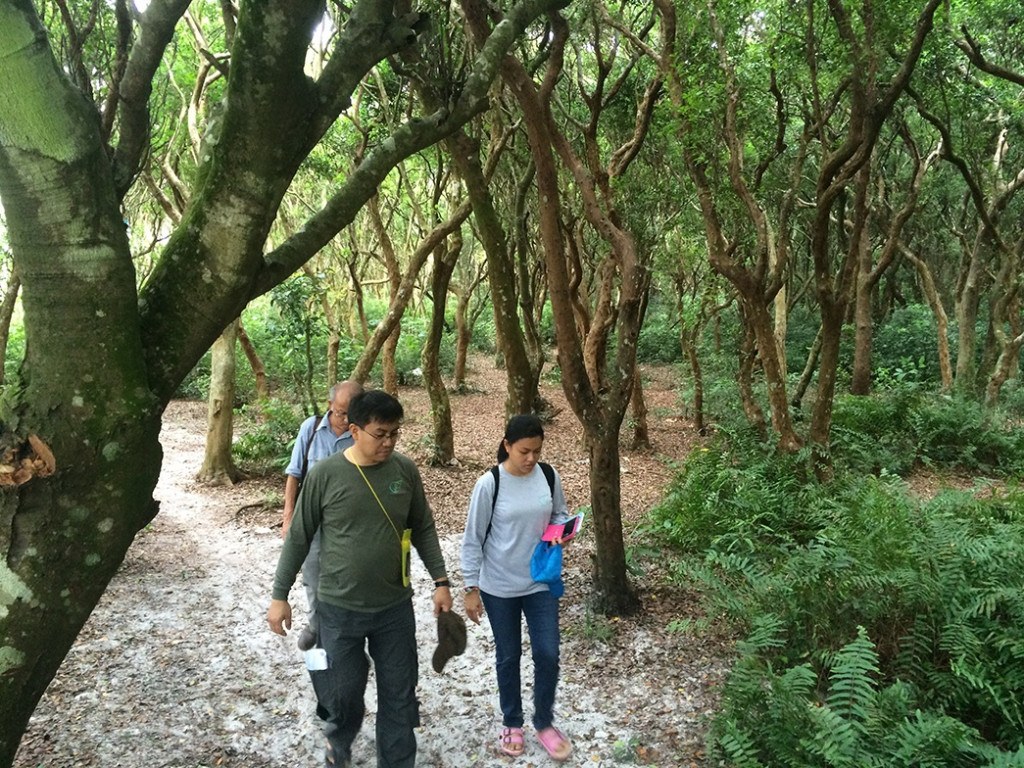
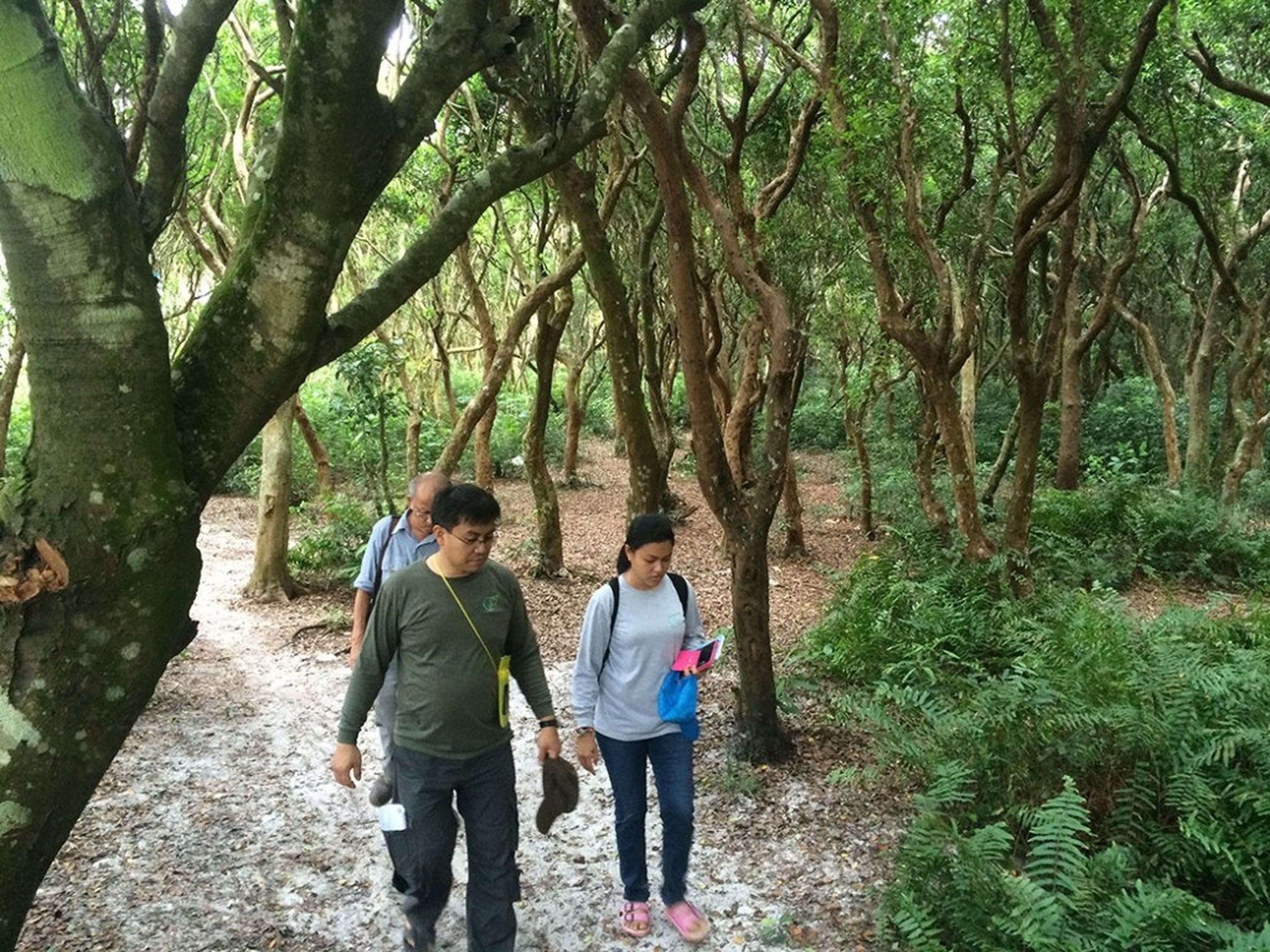
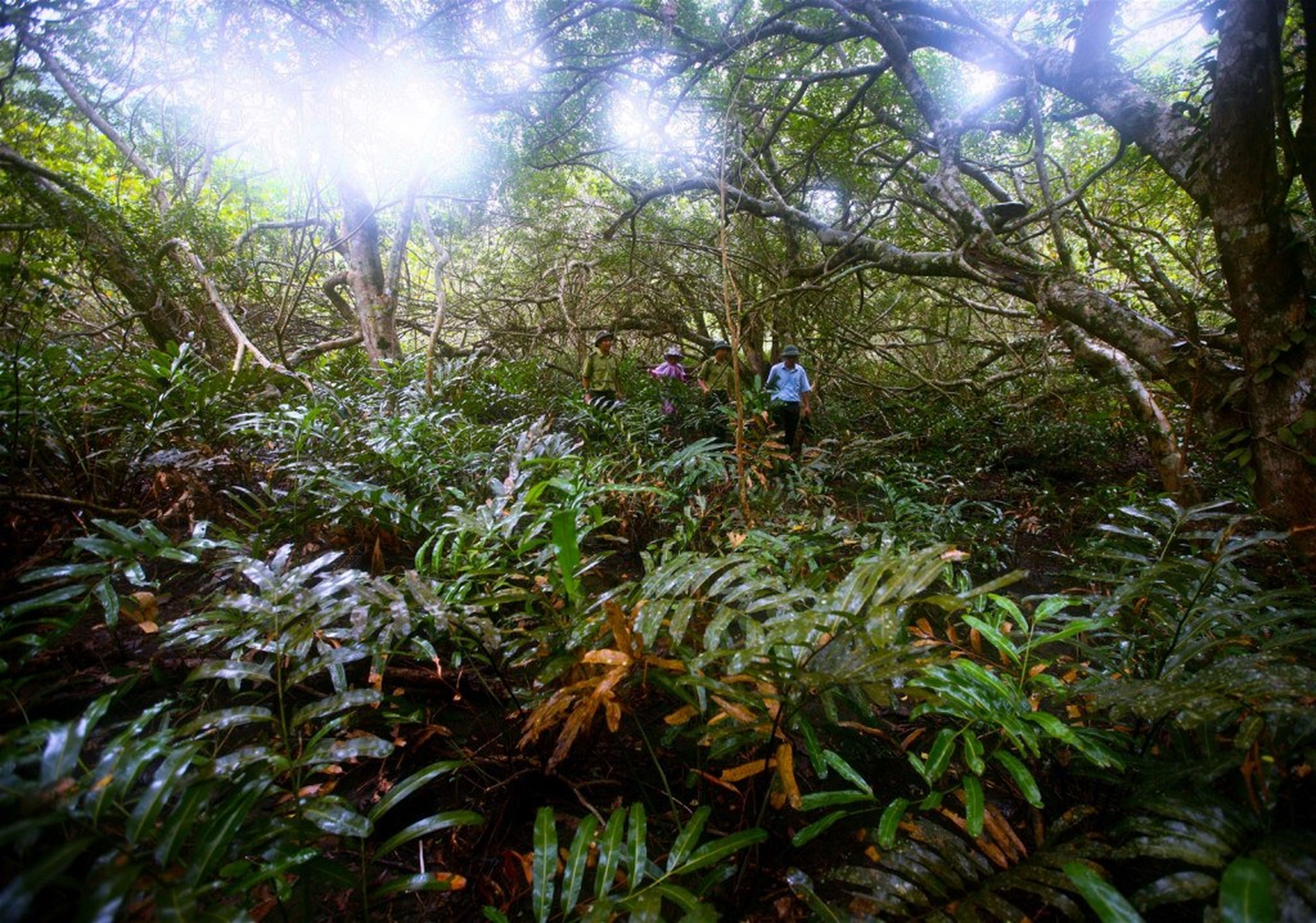
Ancient trâm forest. Photo: N.H/Thanh Niên Newspaper.
A total of 180 species are listed in the World Red List and Vietnam’s Red Data Book. In particular, the park is home to several rare species with high conservation, scientific, and economic value, including lát hoa, trai lý, golden monkeys, ba kích, corals, abalone, sea turtles, peanut worms, dolphins, brown pigeons, clouded leopards, leopard cats, serows…
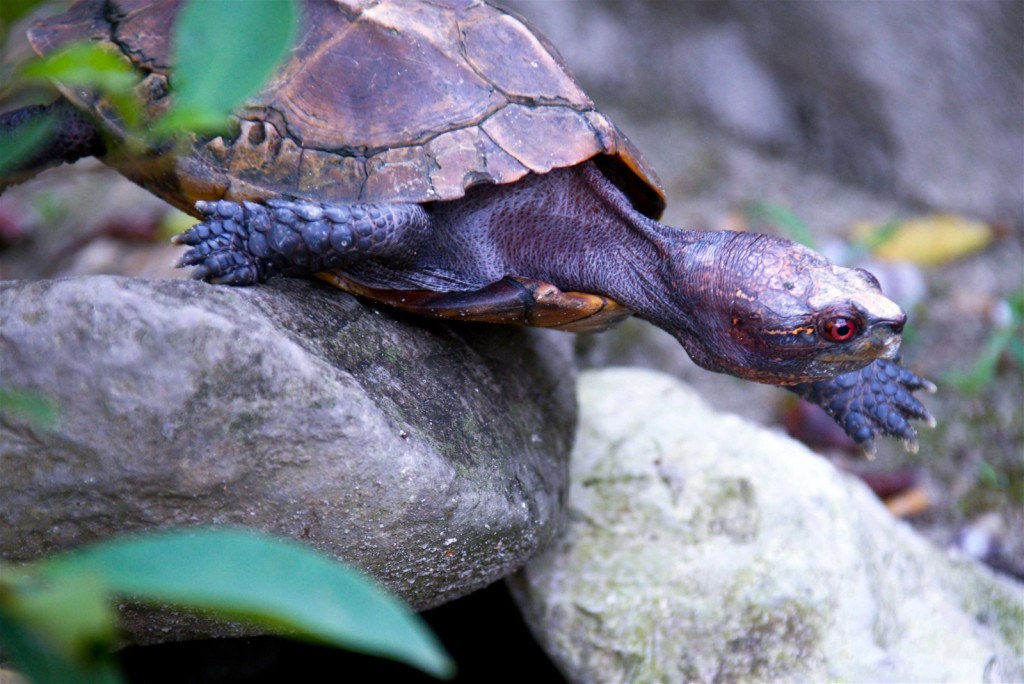
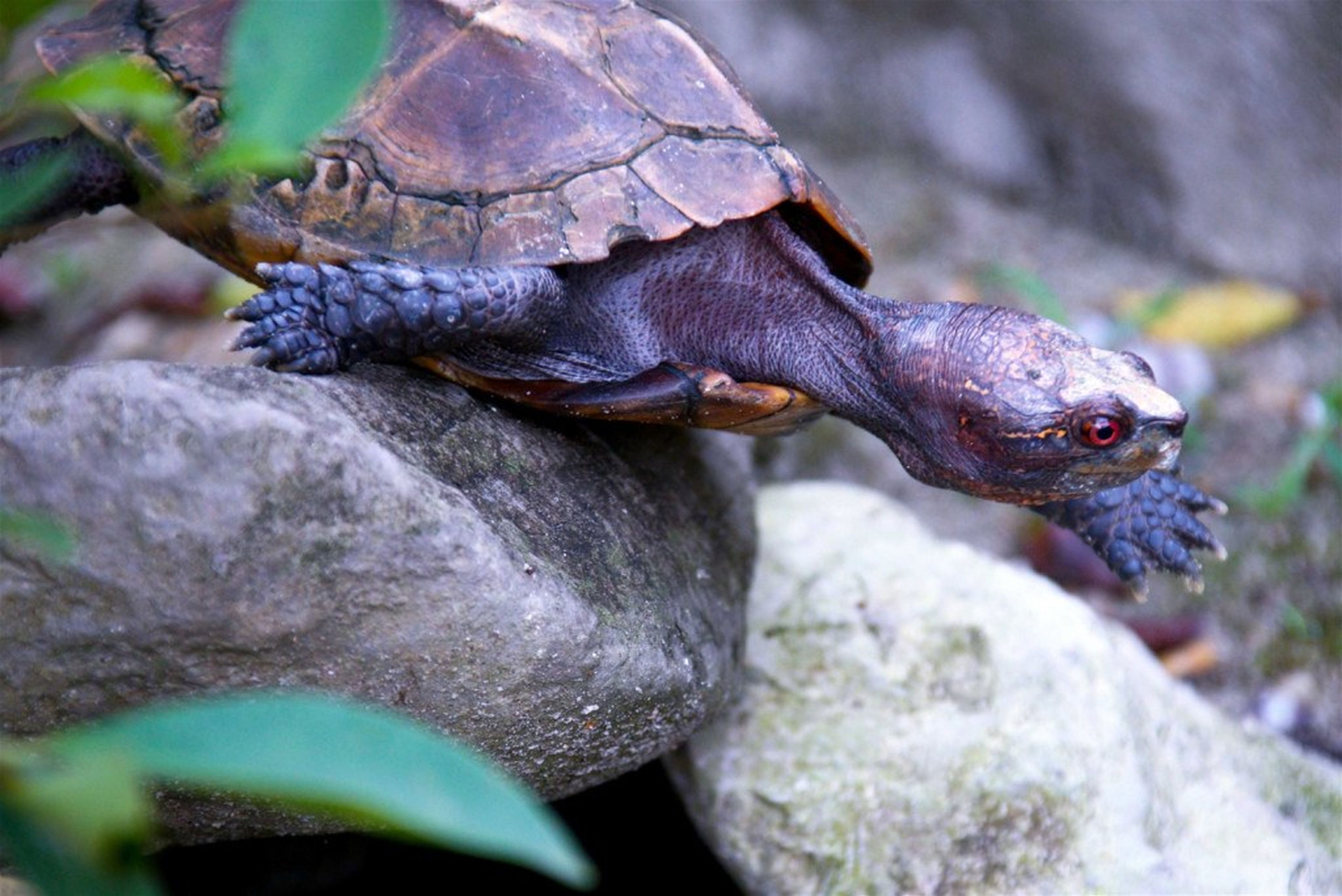
Cardamom tortoise. Photo: realtimes.vn.
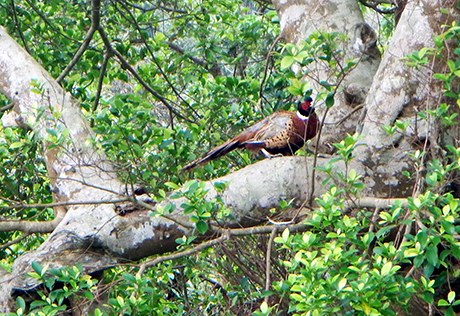
Unique bird species on Ba Mùn Island. Photo: Quảng Ninh Newspaper.
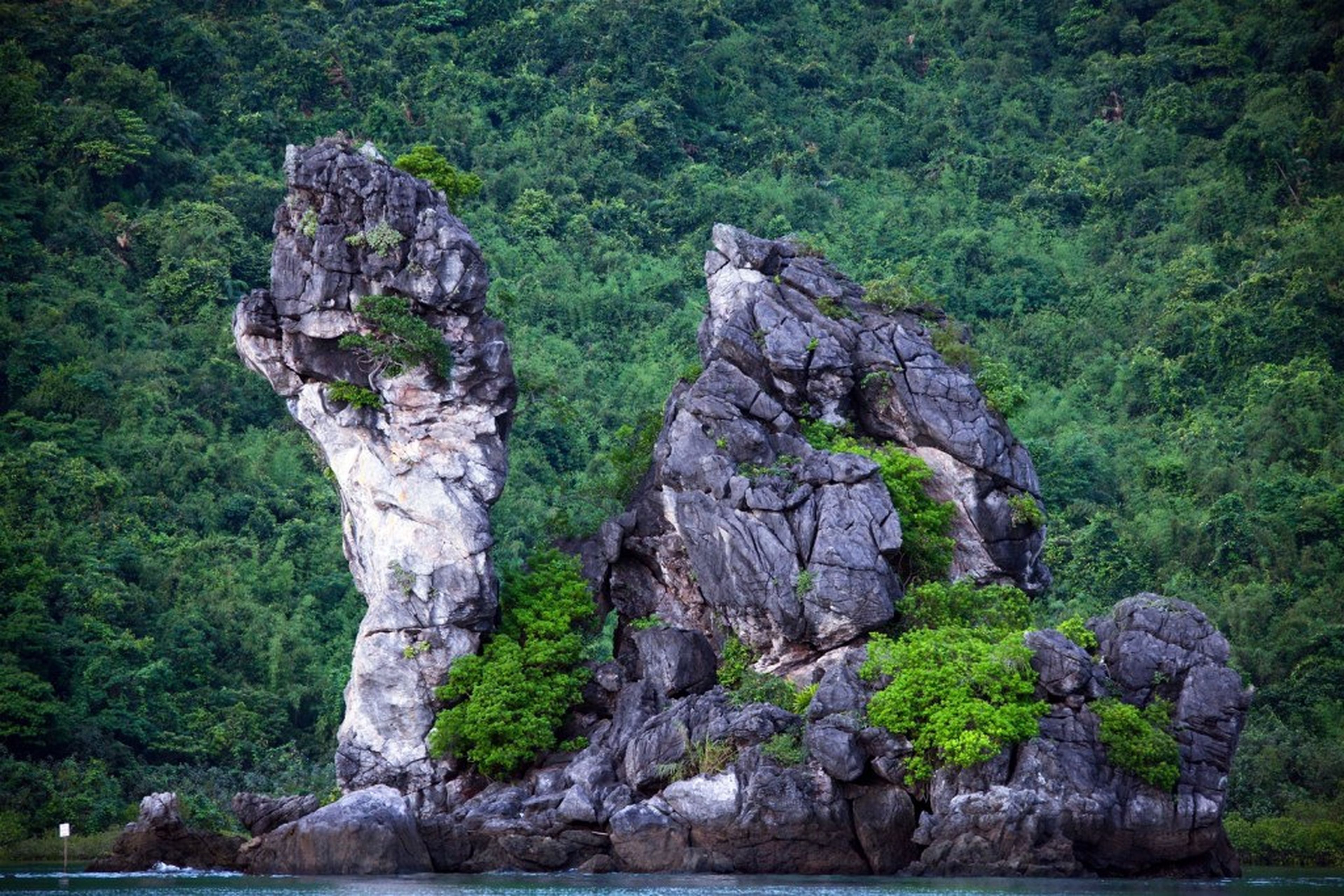
Due to its unique geological structure, the rocky islands of Ba Mùn, Trà Ngọ Lớn, Trà Ngọ Nhỏ, Đông Ma, Sậu Động, Sậu Nam… lie next to one another, forming a closed arc. Inside it is a habitat for many rare and precious plant and animal species.
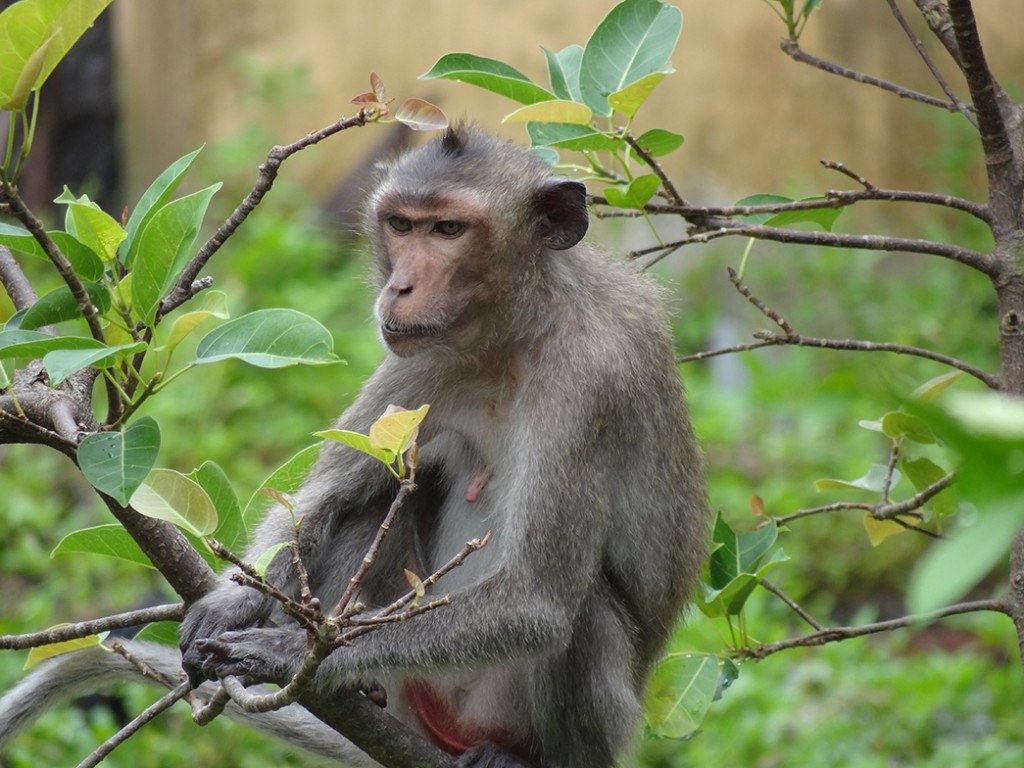
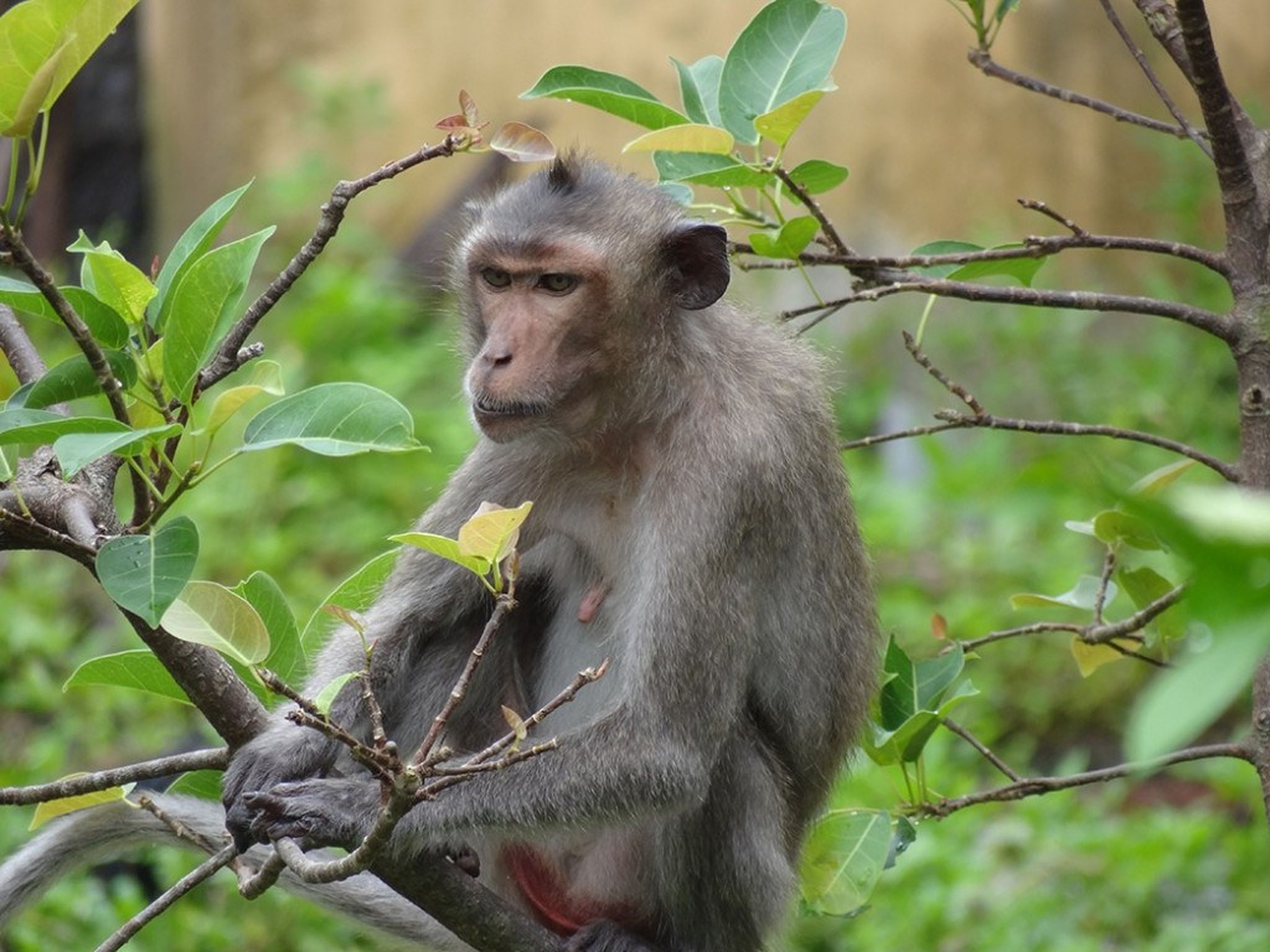
Long-tailed monkey. Photo: N.H/Thanh Niên Newspaper.
Not only does it have forests and limestone mountains, Bái Tử Long National Park also has caves beneath the limestone mountains. Among them, Cái Đé Cave, a large limestone cave, attracts many visitors.
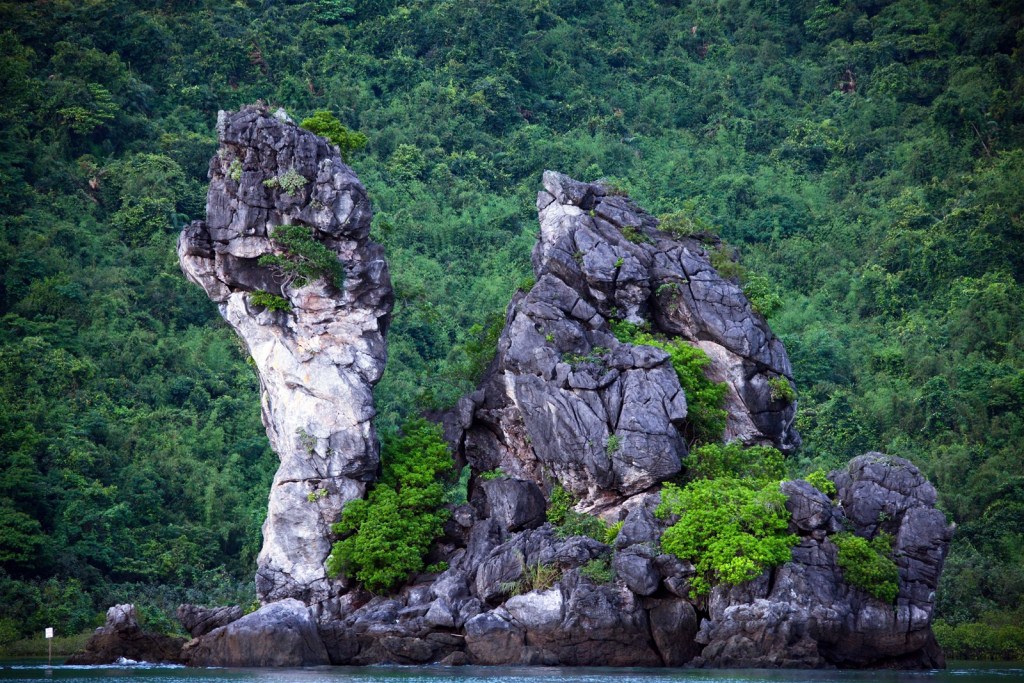
Thiên Nga Islet, part of Trà Ngọ Lớn Island. Photo: realtimes.vn.
Ba Mùn Island is the largest and most beautiful island group, and has the richest vegetation, in Bái Tử Long National Park. It is the only shale island in the bay with primary forest, covering approximately 1,800 ha. The island possesses exceptionally rich flora and fauna, including many rare species, most notably trâm đỏ and ironwood, sến, táu…
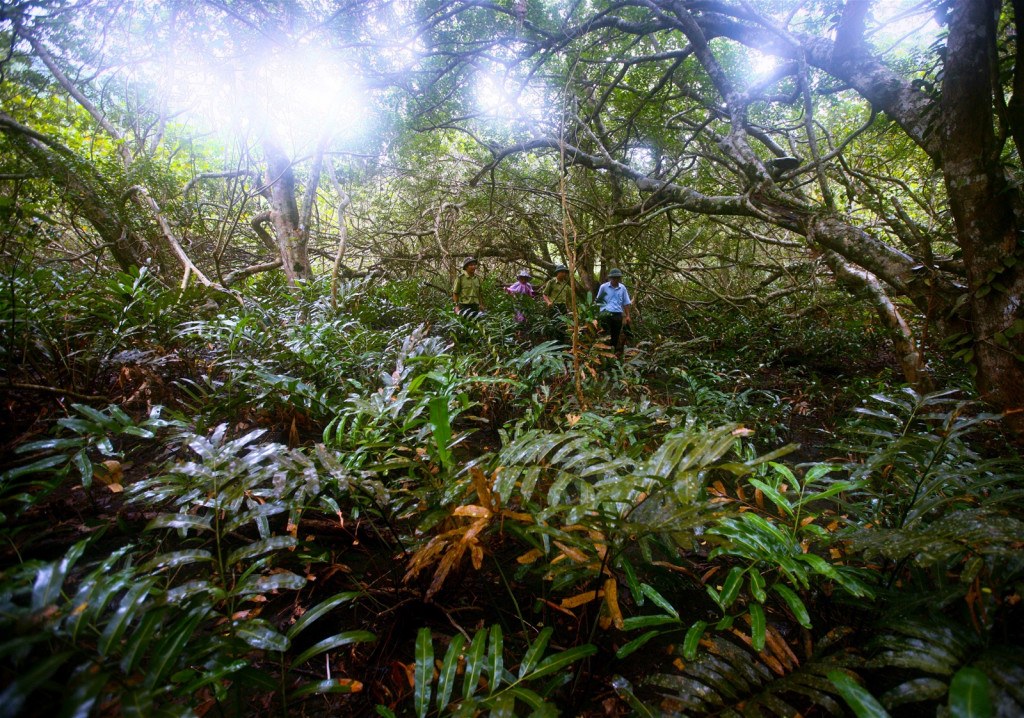
Ancient giá/trầm giả and trà mủ tree population. Photo: realtimes.vn.
In particular, Ba Mùn Island is home to populations of golden deer, as well as serows, deer, monkeys, langurs… along with seabirds and migratory birds. With its diverse animal species, Ba Mùn Island is the largest natural wildlife conservation area in the northeastern region.
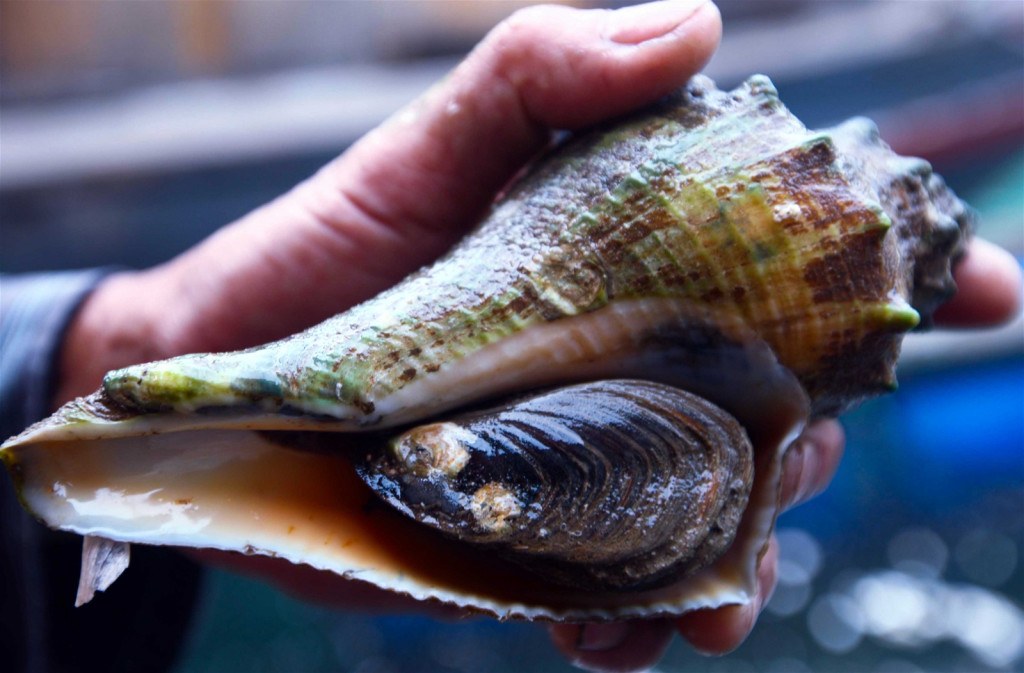
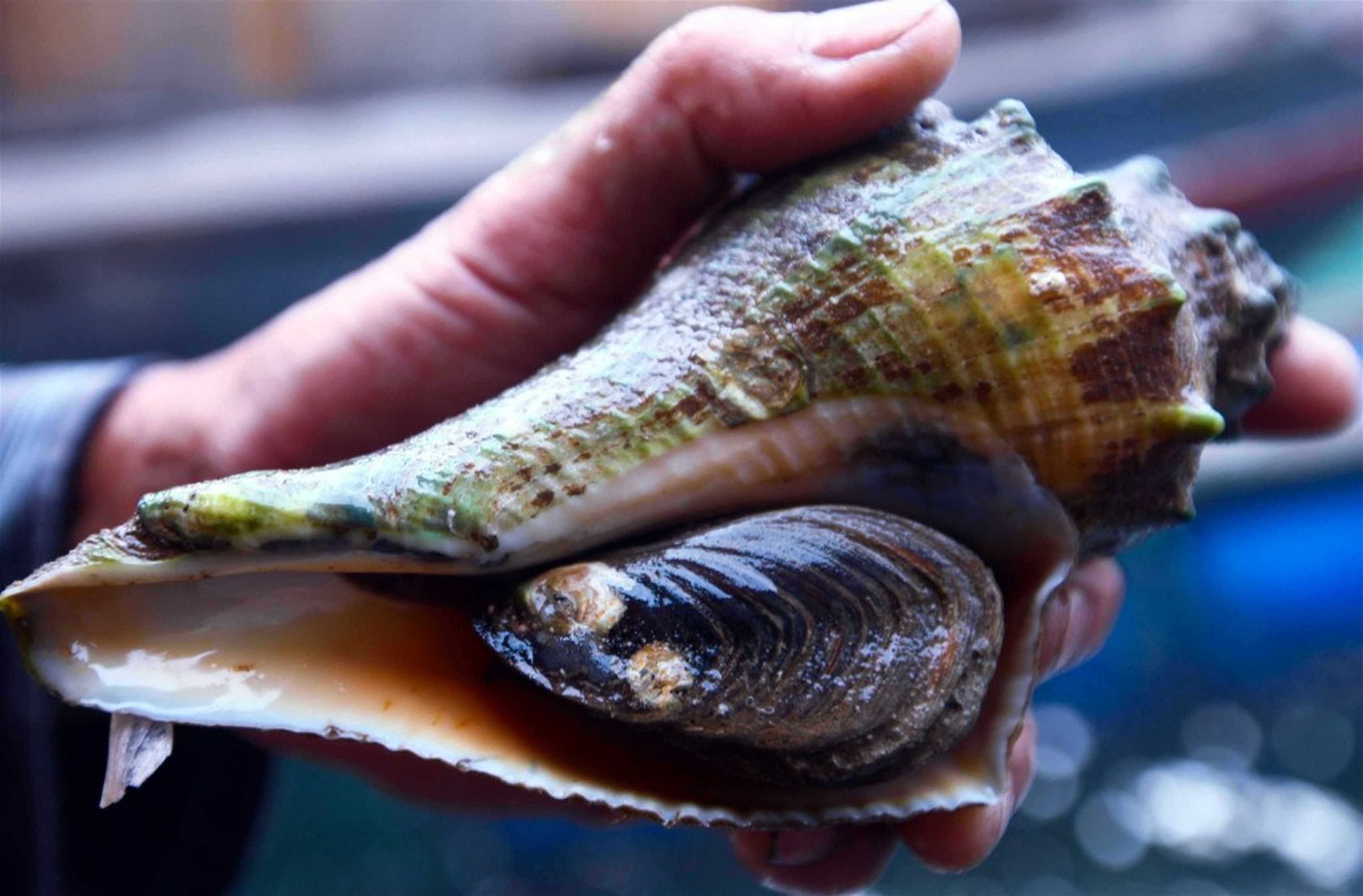
Trumpet shell, representative of the marine ecosystem. Photo: realtimes.vn.
With its diverse and unique ecological resources, Bái Tử Long National Park has become and continues to be a favorite destination, likened to a “rough gem” with tremendous tourism development potential alongside the heritage site of Hạ Long Bay. Check out more useful articles for a wonderful holiday on the iVIVU blog!