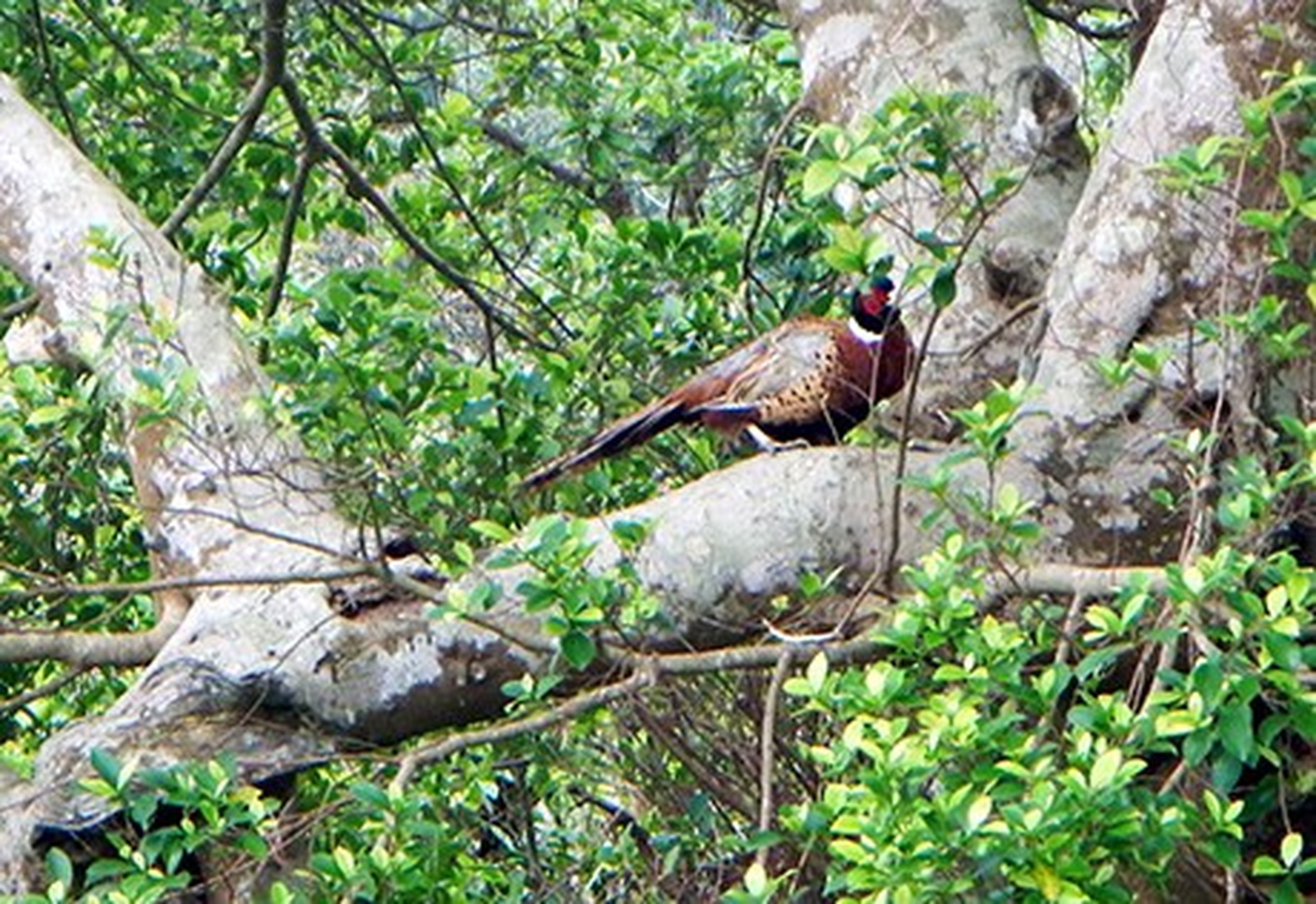
Bai Tu Long National Park became the 38th ASEAN Heritage Park in 2017 by meeting five criteria: ecological integrity; representativeness; naturalness; uniqueness of rare, precious species and habitats; and legality.
Bai Tu Long National Park – “Rough Gem” of Ecotourism
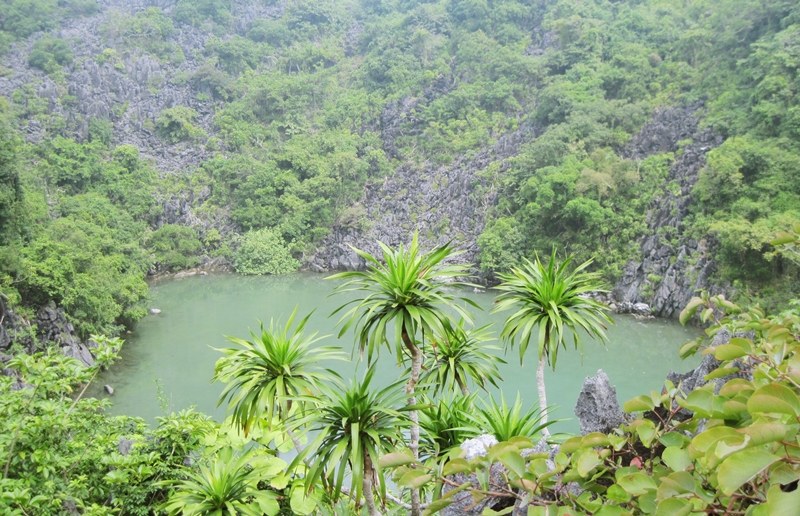
Photo: QTV/Lao Dong Newspaper.
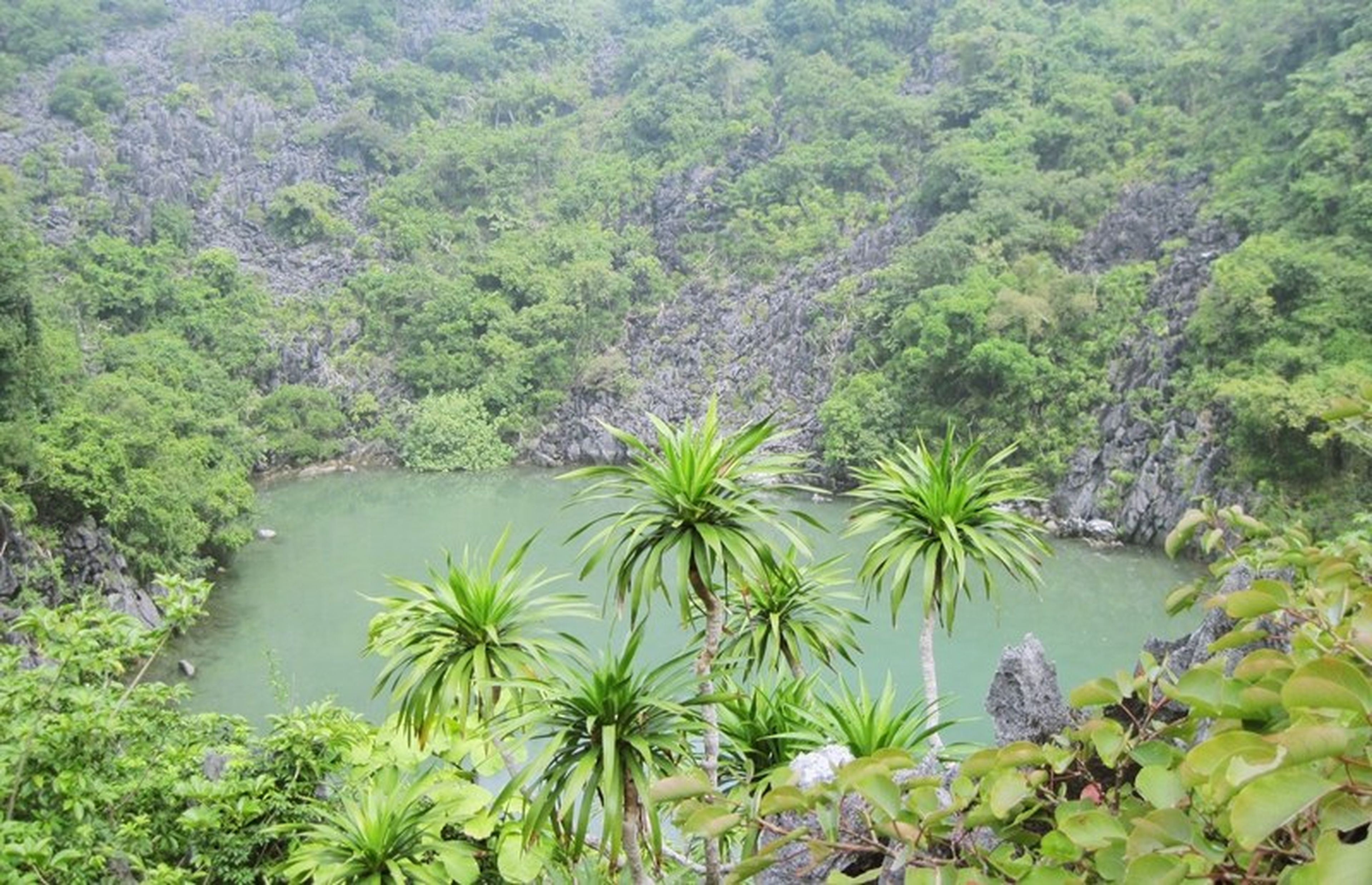
Bai Tu Long National Park has a total area of 15,780 ha, encompassing both forest and marine ecosystems. The park features six basic forest and marine ecosystems, including: coral reefs, mangrove forests, seagrass beds, tidal flats, lake–cave ecosystems, and tropical rainforests.
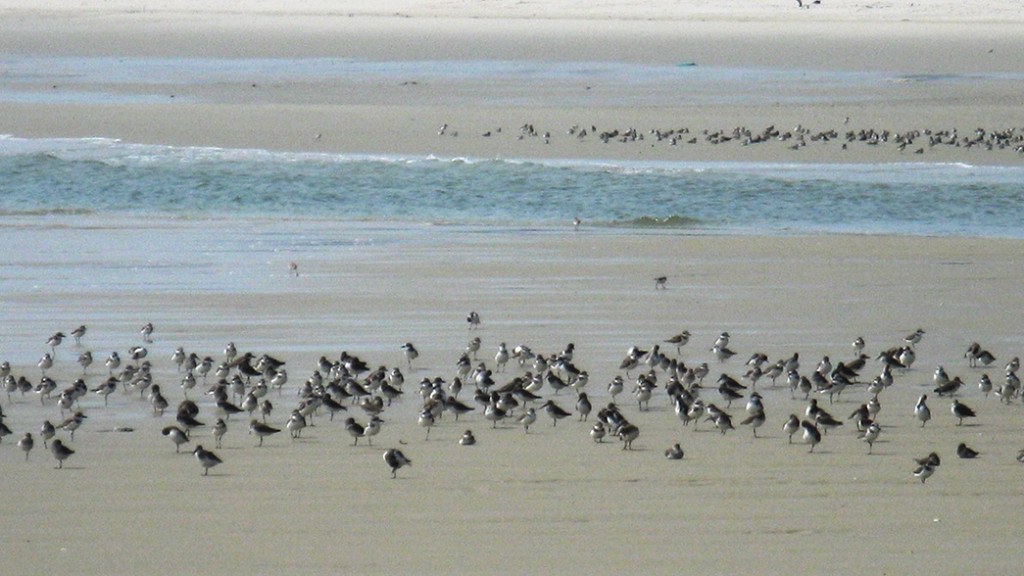
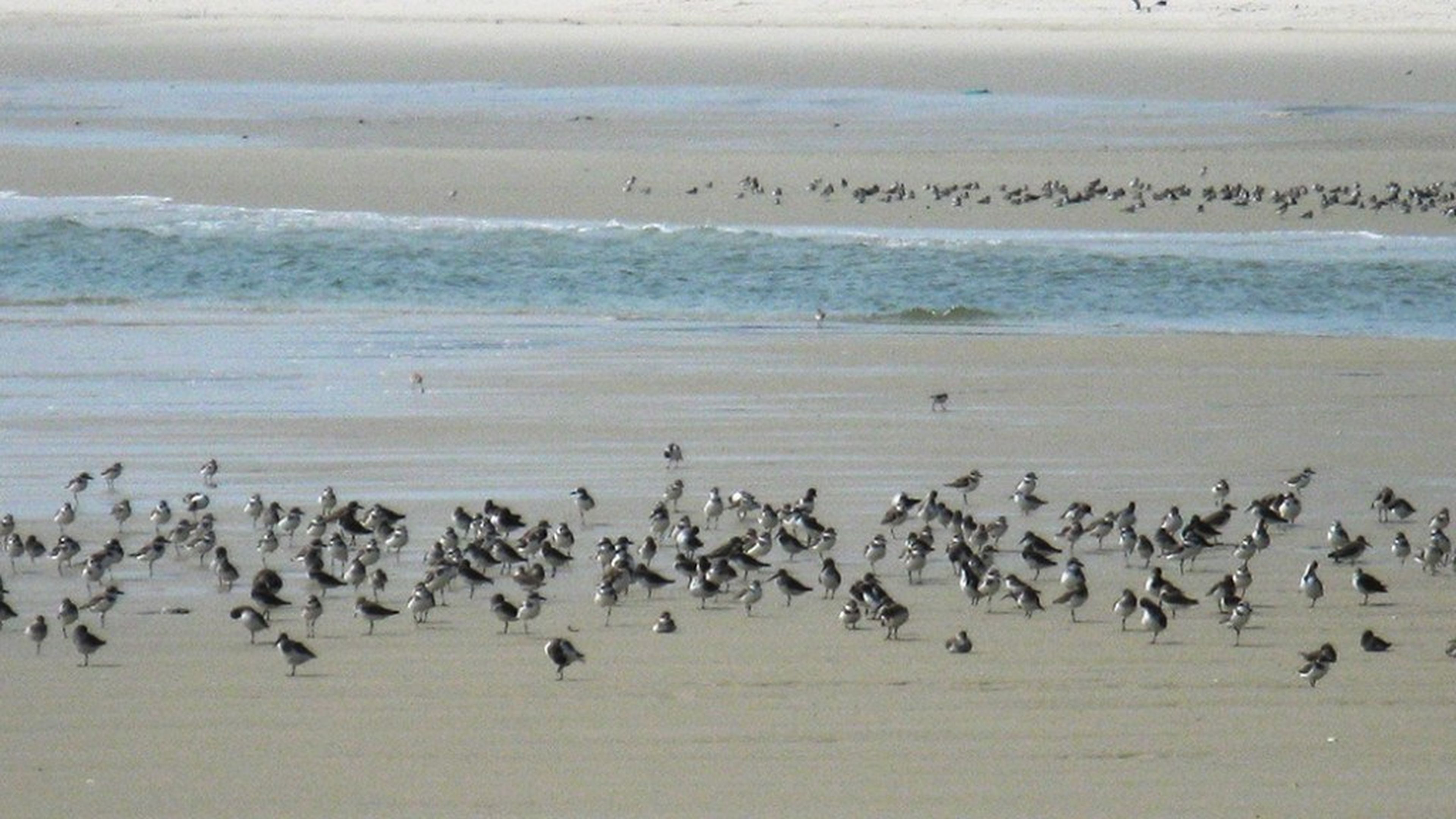
Migratory bird season at Minh Chau beach. Photo: N.H/Thanh Nien Newspaper.
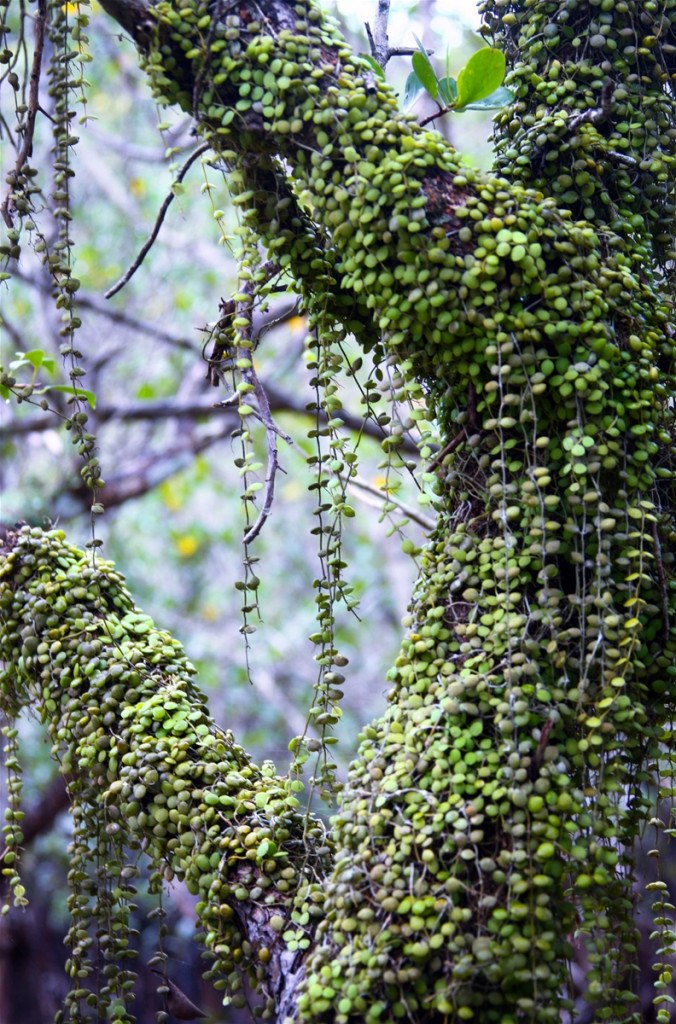
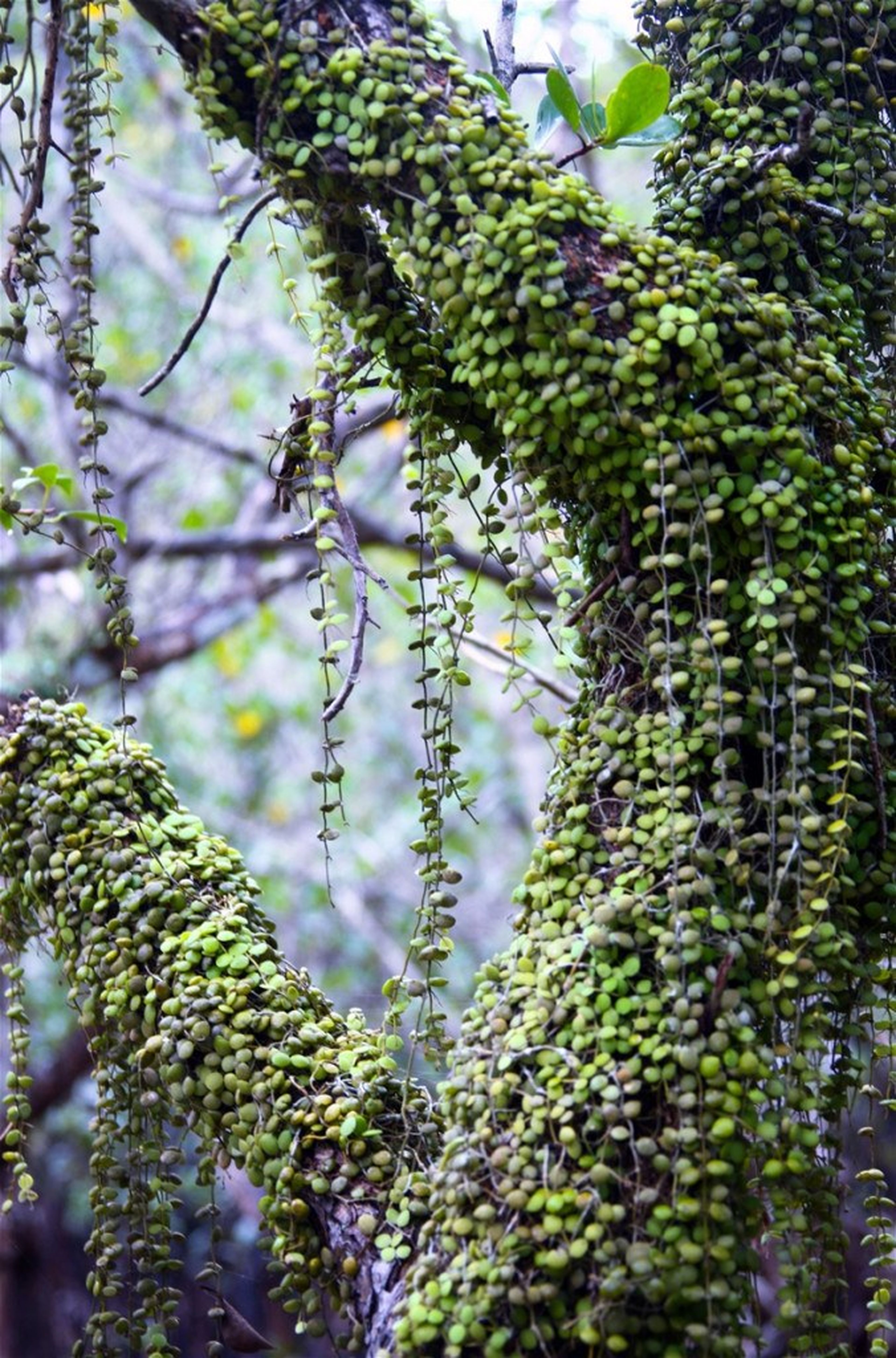
Orchid flora. Photo: realtimes.vn.
The park currently has 2,247 species of organisms, of which the terrestrial group includes 1,004 species, and the marine group includes 1,244 species. The forest ecosystem includes: higher vascular plants, mammals, birds, reptiles, and amphibians. The marine ecosystem includes: seaweed, annelids, mollusks, crustaceans, plankton, echinoderms, fish, corals…
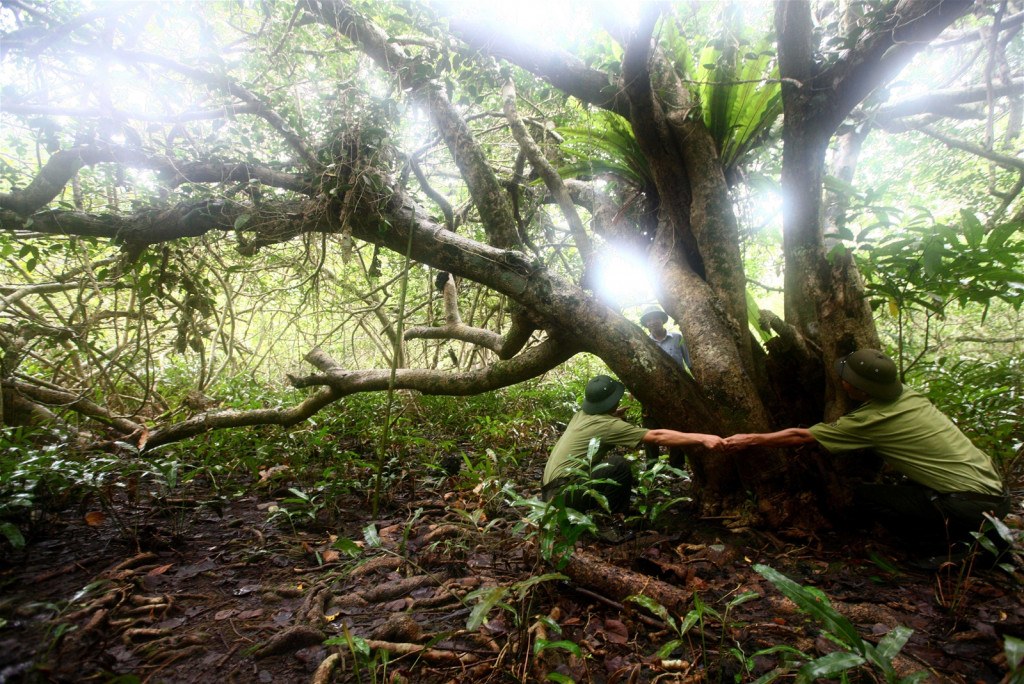
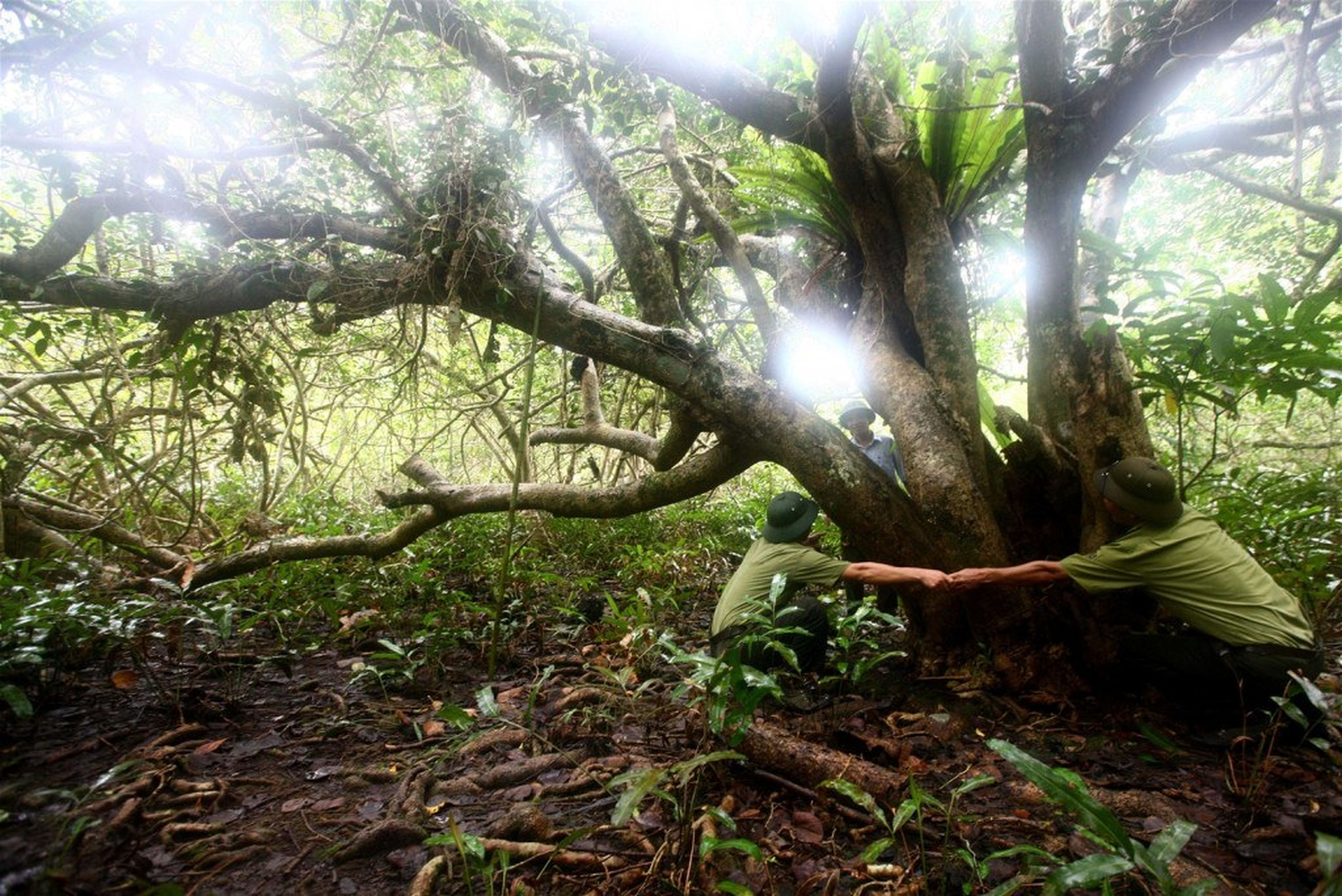
Ancient sea hibiscus tree. Photo: realtimes.vn.
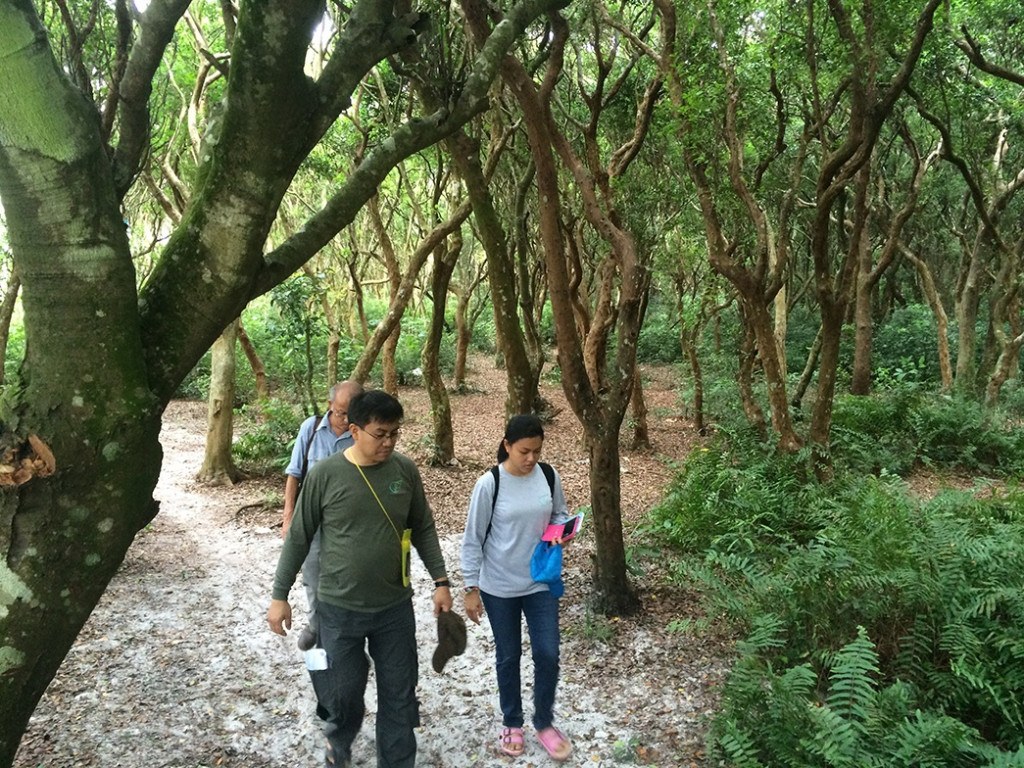
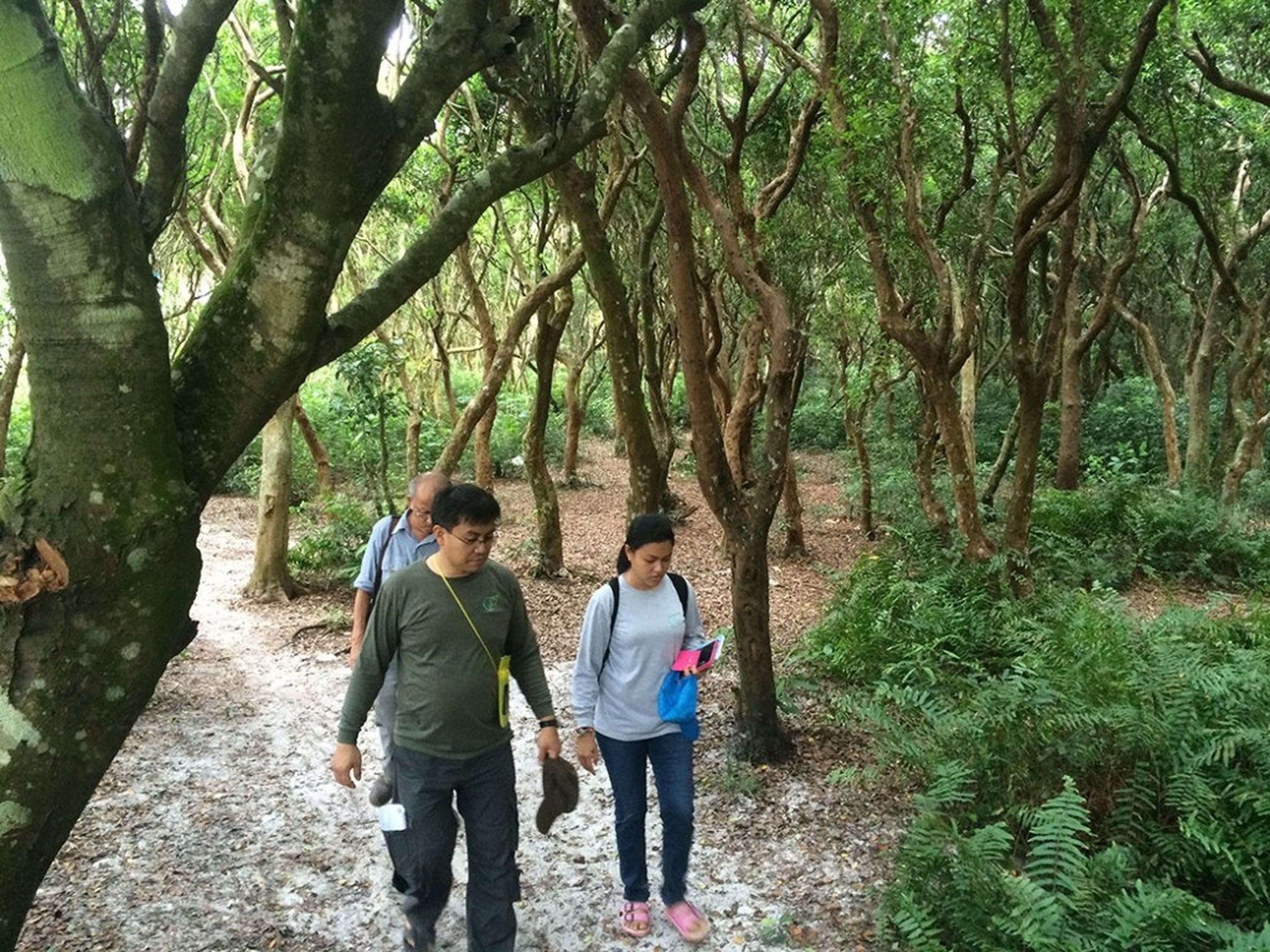
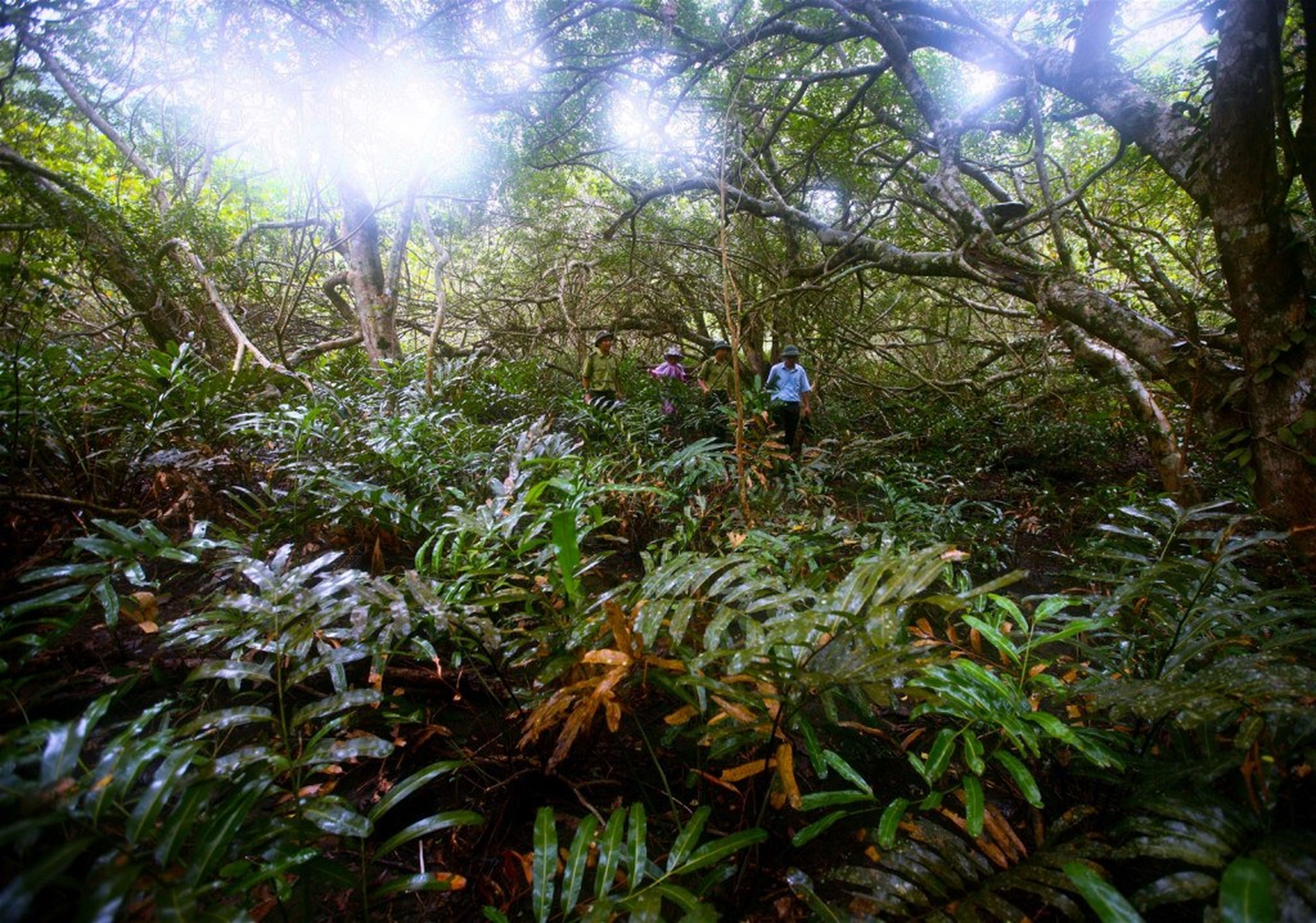
Ancient syzygium forest. Photo: N.H/Thanh Nien Newspaper.
The number of species listed in the world Red List and the Vietnam Red Data Book is 180 species. In particular, the park has a number of rare and precious species with high conservation, scientific, and economic value: Chukrasia tabularis, Garcinia fragraeoides, rhesus macaques, Morinda officinalis, corals, abalone, sea turtles, peanut worms, dolphins, brown doves, clouded leopards, Asian golden cats, serows…
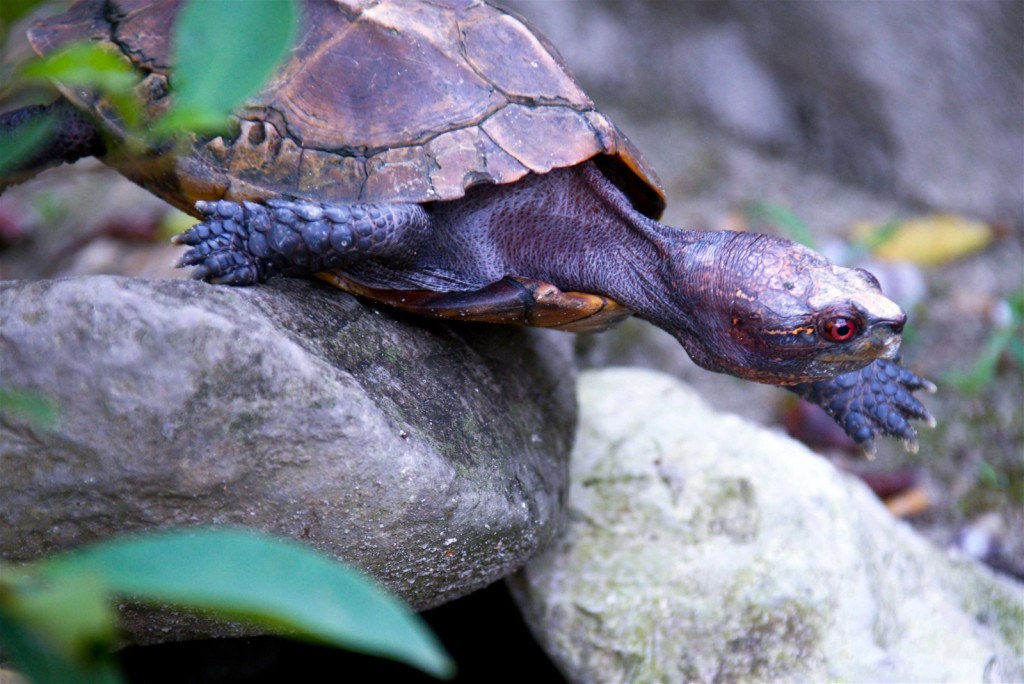
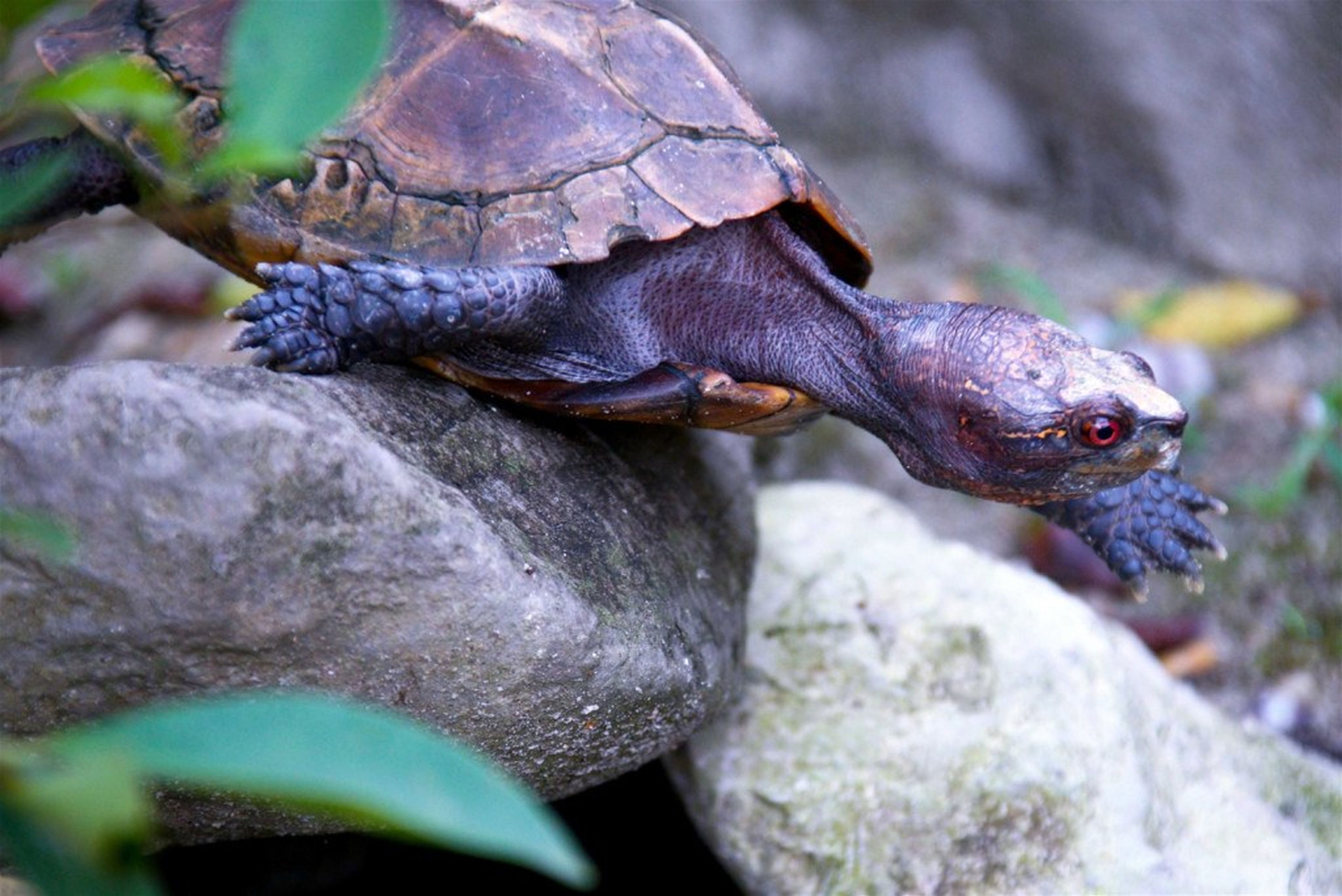
Keeled box turtle. Photo: realtimes.vn.
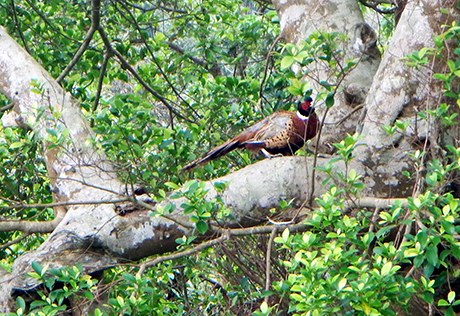
Unique bird species on Ba Mun Island. Photo: Quang Ninh Newspaper.
Due to their special geological structure, the rocky islands of Ba Mun, Tra Ngo Lon, Tra Ngo Nho, Dong Ma, Sau Dong, Sau Nam, and others lie adjacent to each other, forming an enclosed arc, with the interior serving as a habitat for many rare and precious flora and fauna species.
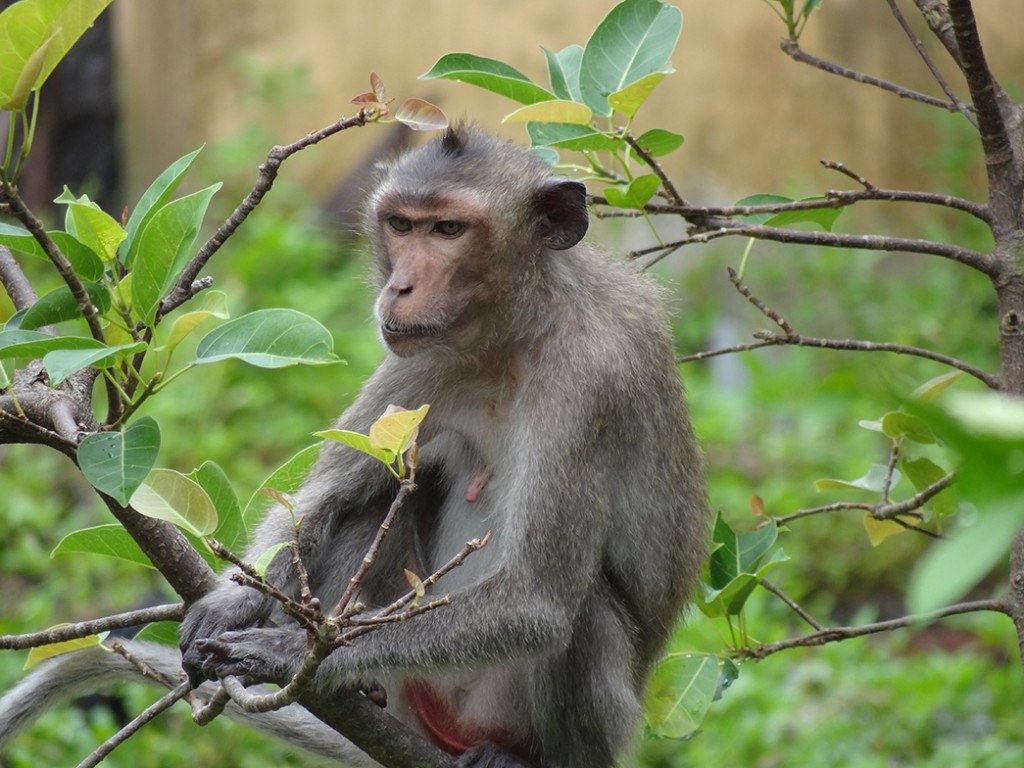
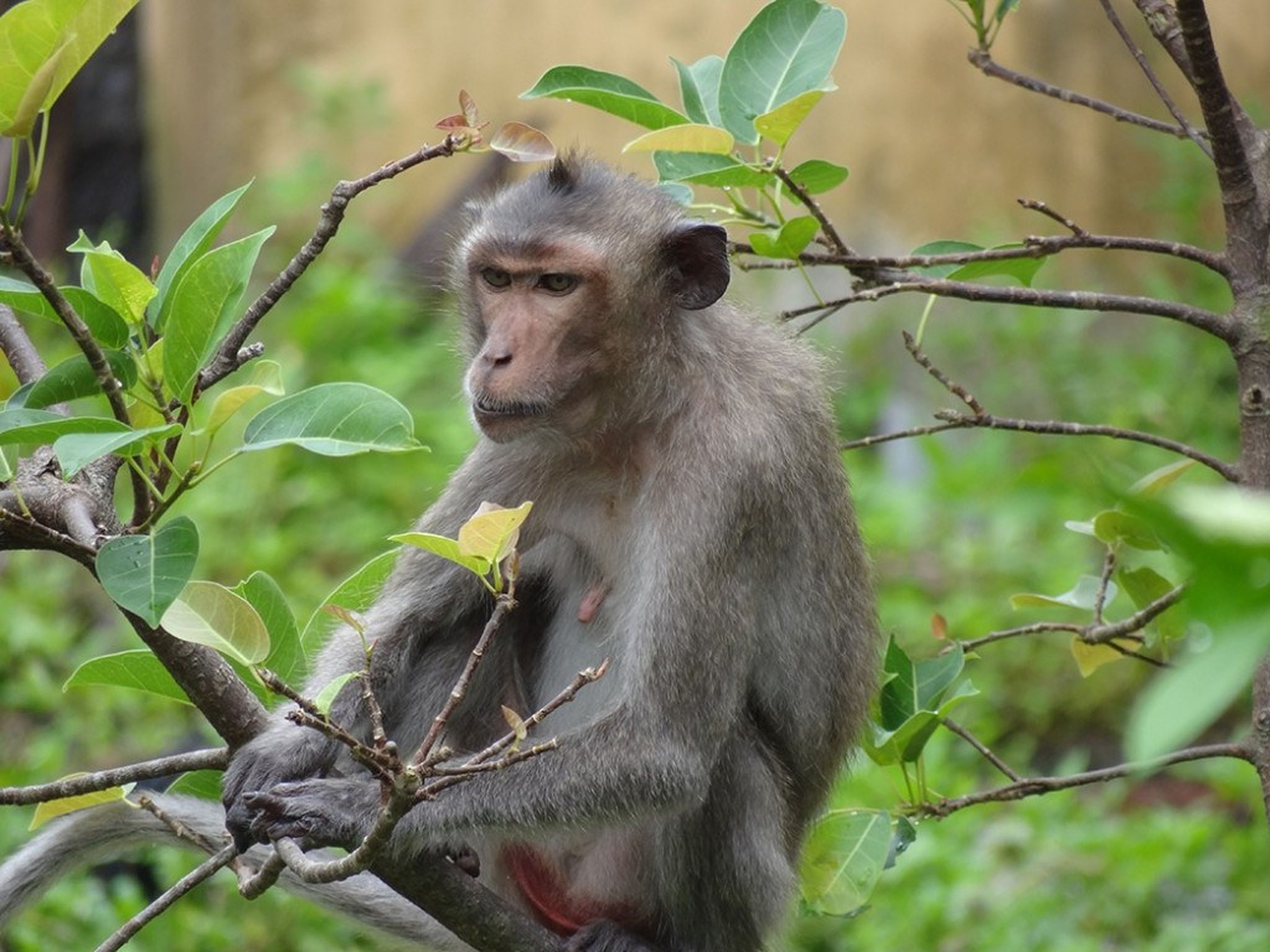
Long-tailed macaque. Photo: N.H/Thanh Nien Newspaper.
Not only does it have forests and limestone mountains, Bai Tu Long National Park also boasts caves beneath the limestone mountains, among which Cai De Cave, a large limestone cave, attracts a large number of visitors.
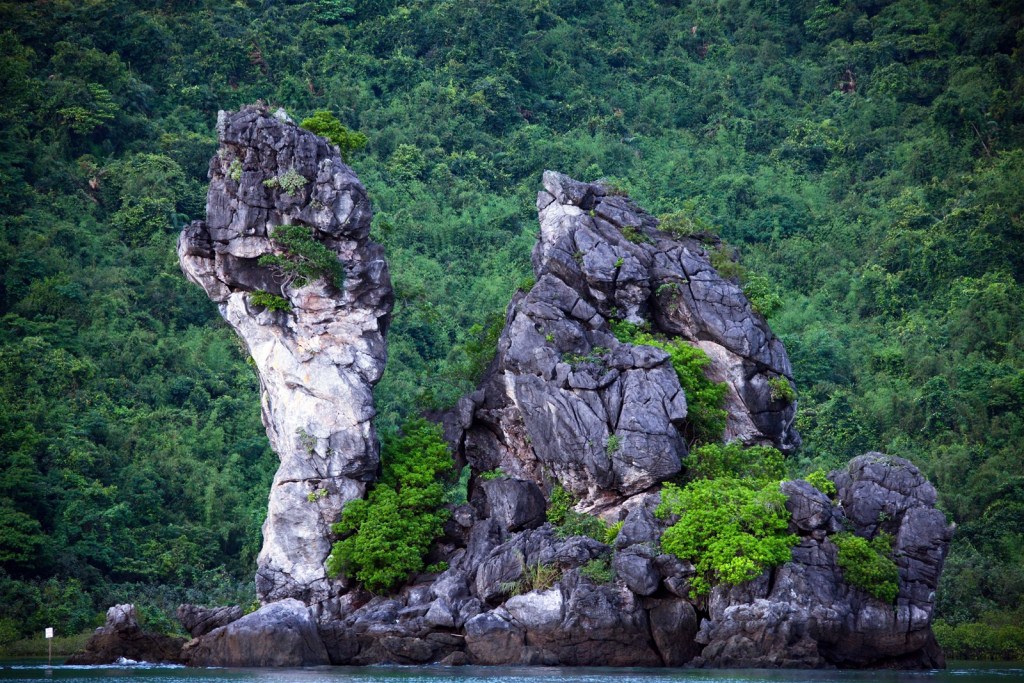
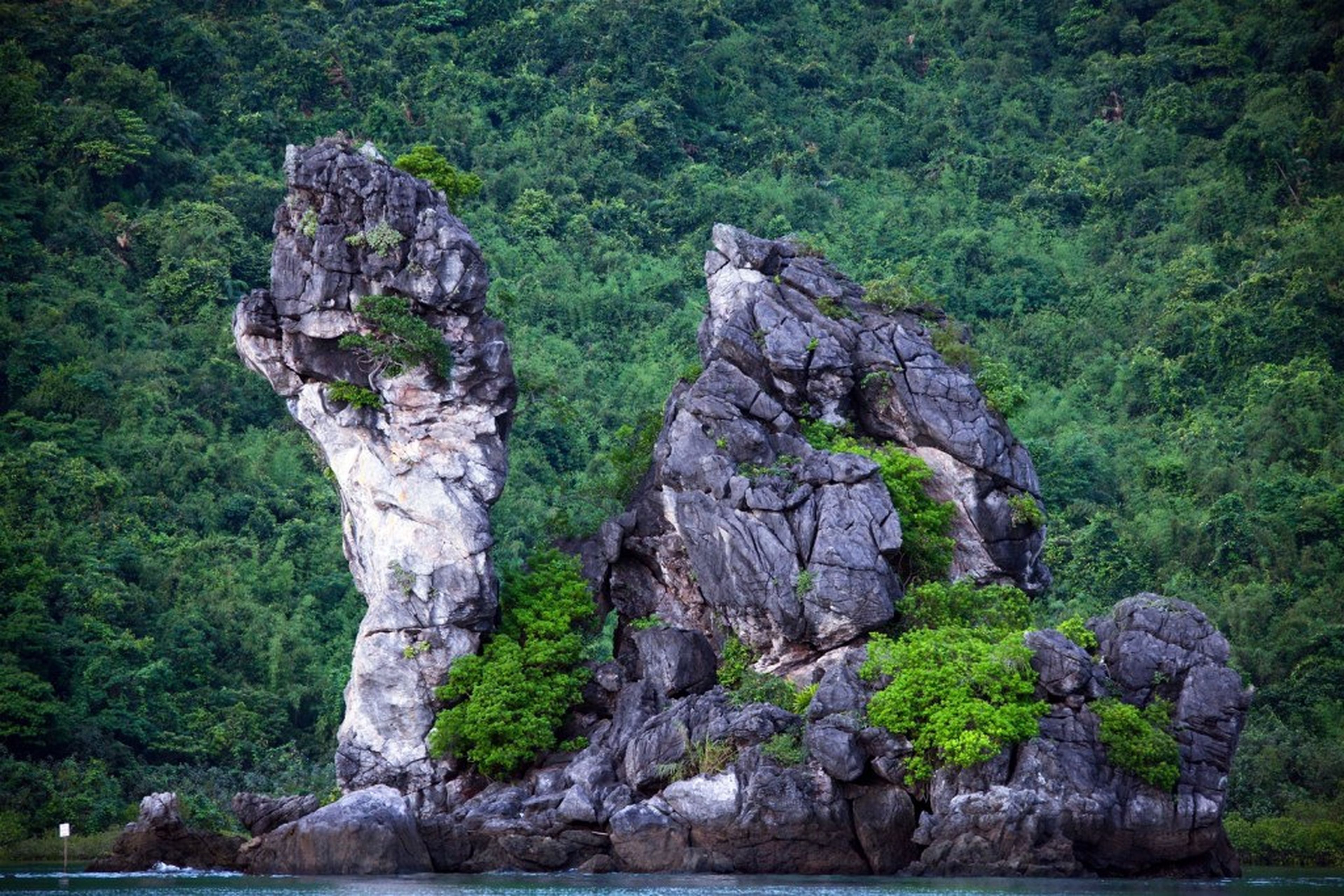
Swan Islet, on Tra Ngo Lon Island. Photo: realtimes.vn.
Ba Mun Island is the largest, most beautiful island cluster with the richest flora in Bai Tu Long National Park. This is the only schist island in the bay with primeval forest covering an area of about 1,800 ha, possessing extremely rich flora and fauna, including many rare and precious species, most notably red tram and lim, sen, tau…
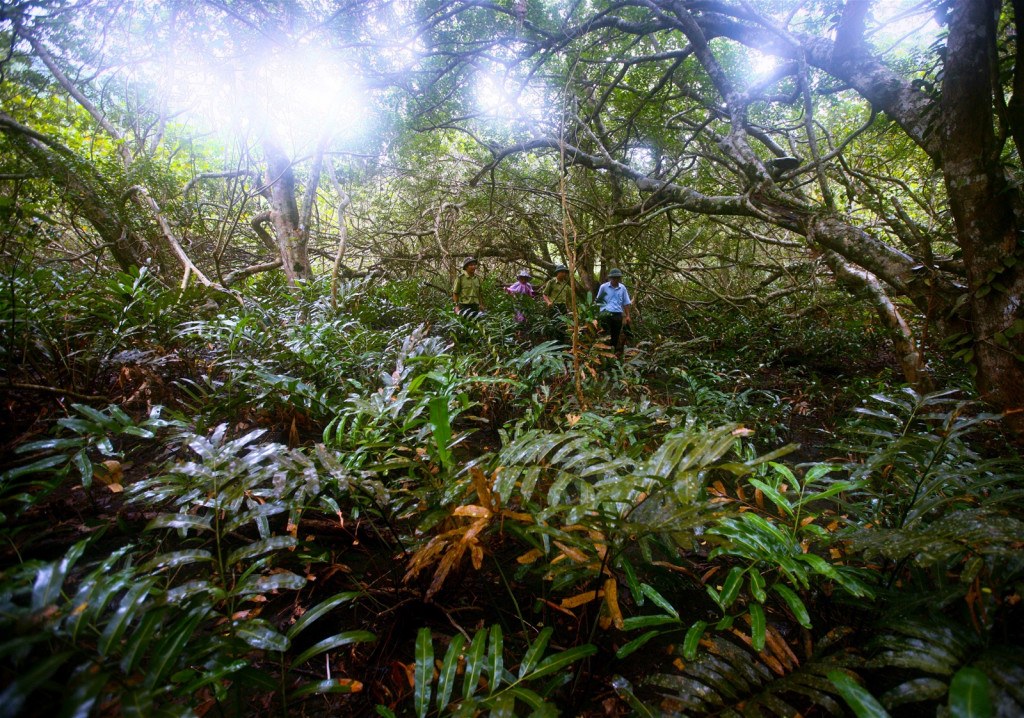
Ancient cluster of gia/tram gia and tra mu trees. Photo: realtimes.vn.
In particular, Ba Mun Island has populations of sambar deer, serows, deer, monkeys, langurs… along with seabirds and migratory birds. With its diverse animal species, Ba Mun Island is the largest natural wildlife sanctuary in the Northeast region.
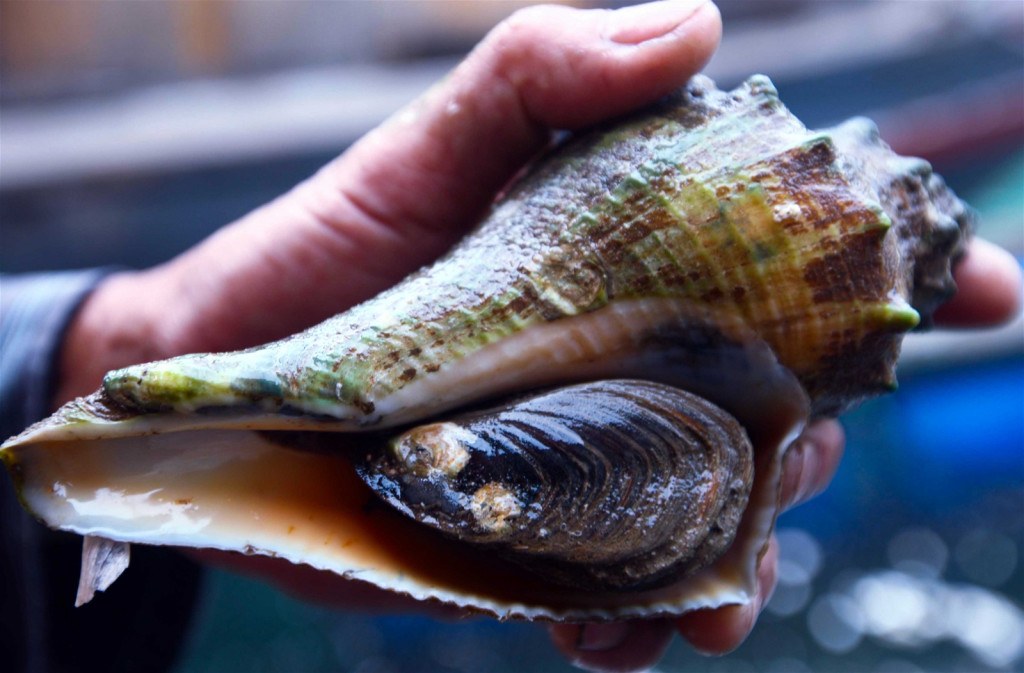
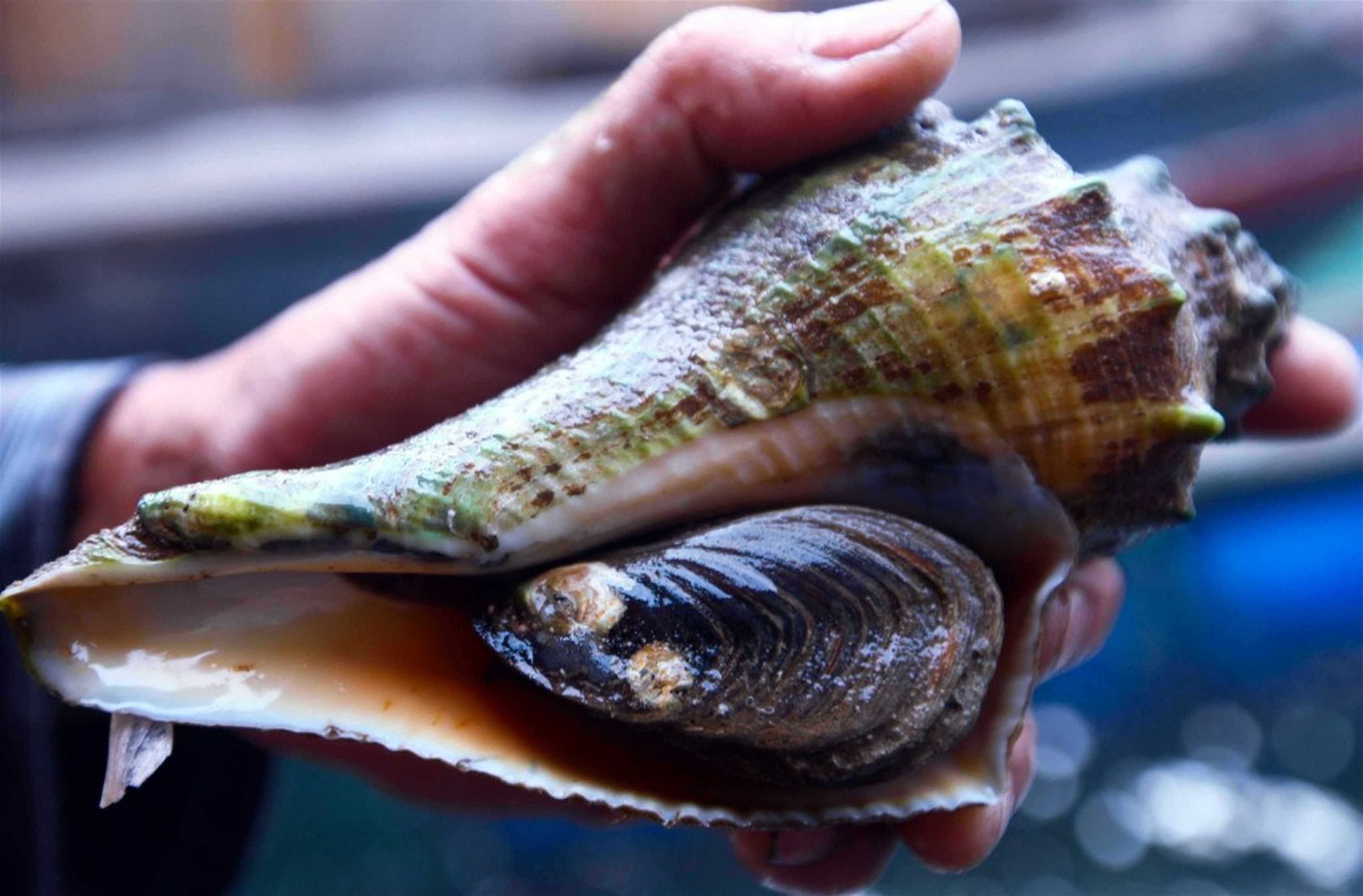
Triton's trumpet, representing the marine ecosystem. Photo: realtimes.vn.
With diverse and unique ecological resources, Bai Tu Long National Park has been and continues to be a favorite destination, likened to a “rough gem” with great potential for tourism development alongside the heritage of Ha Long Bay. Stay updated with more useful articles for a wonderful vacation on the iVIVU blog!