





Located beside the heritage site of Ha Long Bay, Bai Tho Mountain is a source of pride for the people of Quang Ninh. It is home to numerous poems engraved in the rock, including a poem by King Le Thanh Tong.
Bai Tho Mountain Scenic Site – the pride of Quang Ninh’s people
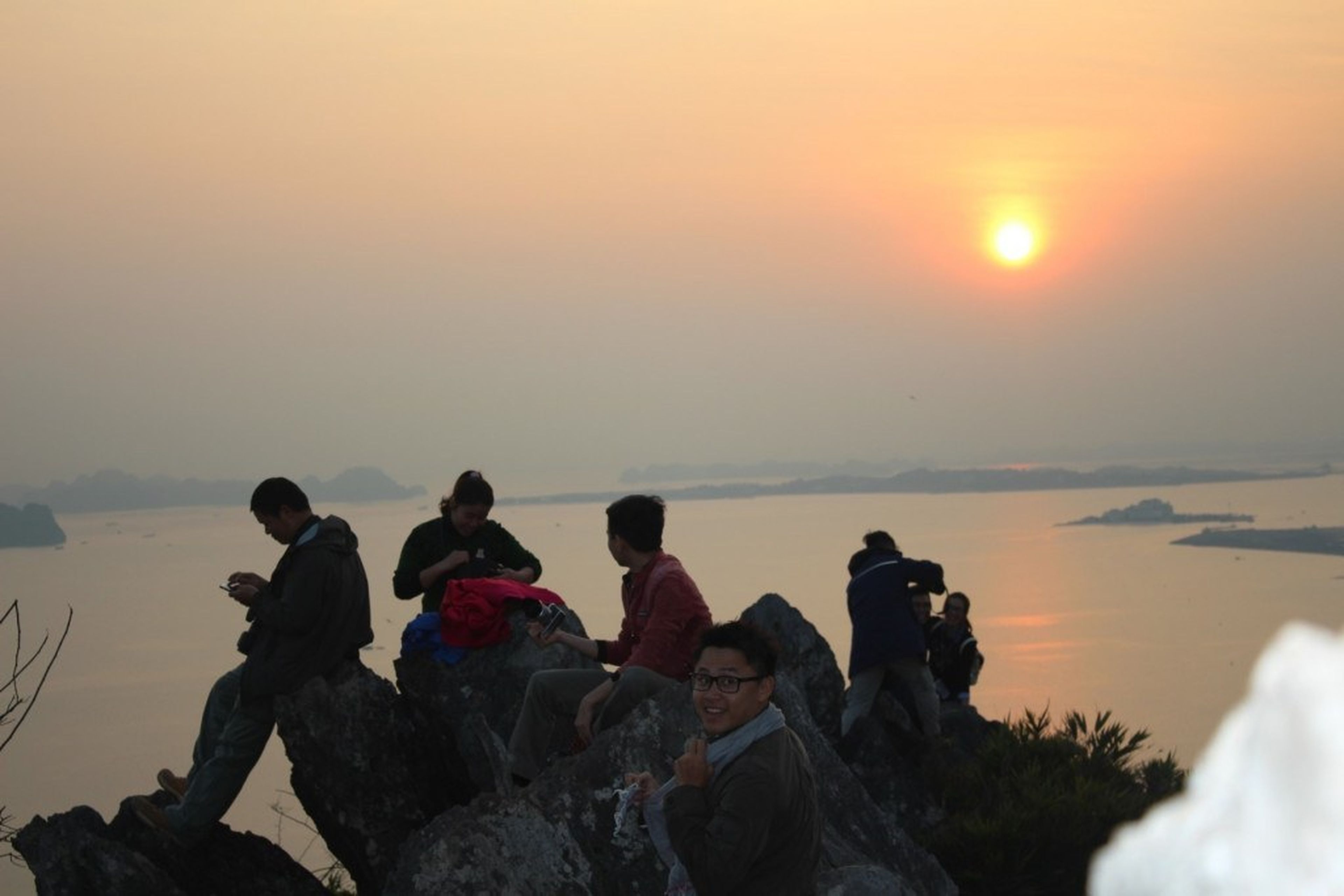
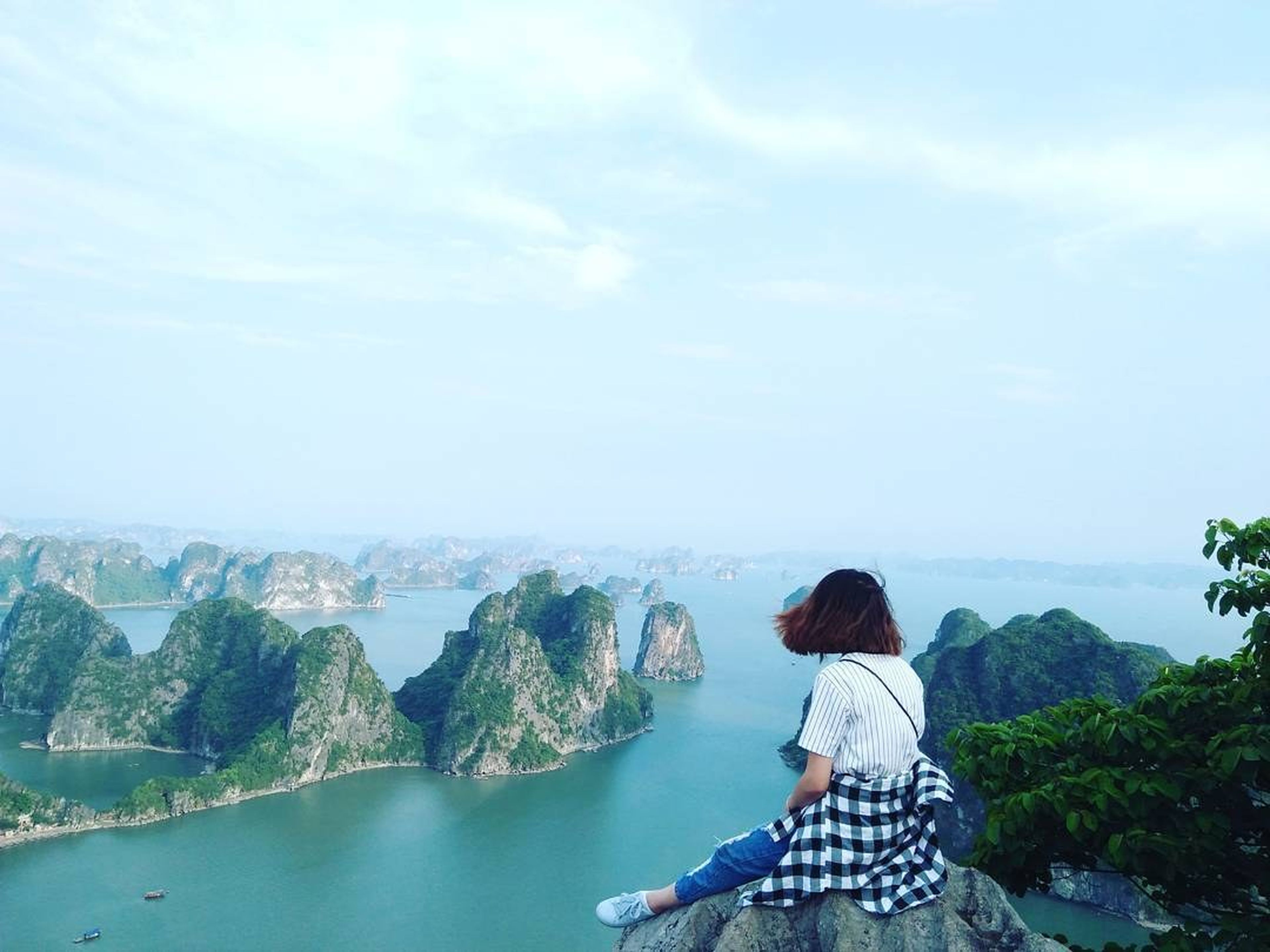
At an elevation of 200m, from the summit of Bai Tho Mountain Ha Long Bay looks magnificent and poetic, especially at sunset. According to historical records, the mountain was once a lookout post guarding the gateway to the northeastern border region. In 1468, while passing through here on a patrol, King Le Thanh Tong had his poem “For All Eternity, the Southern Sky and Mountains Stand Firm” engraved on the mountainside. A number of other poems appeared later.

Photo: nhung_black.
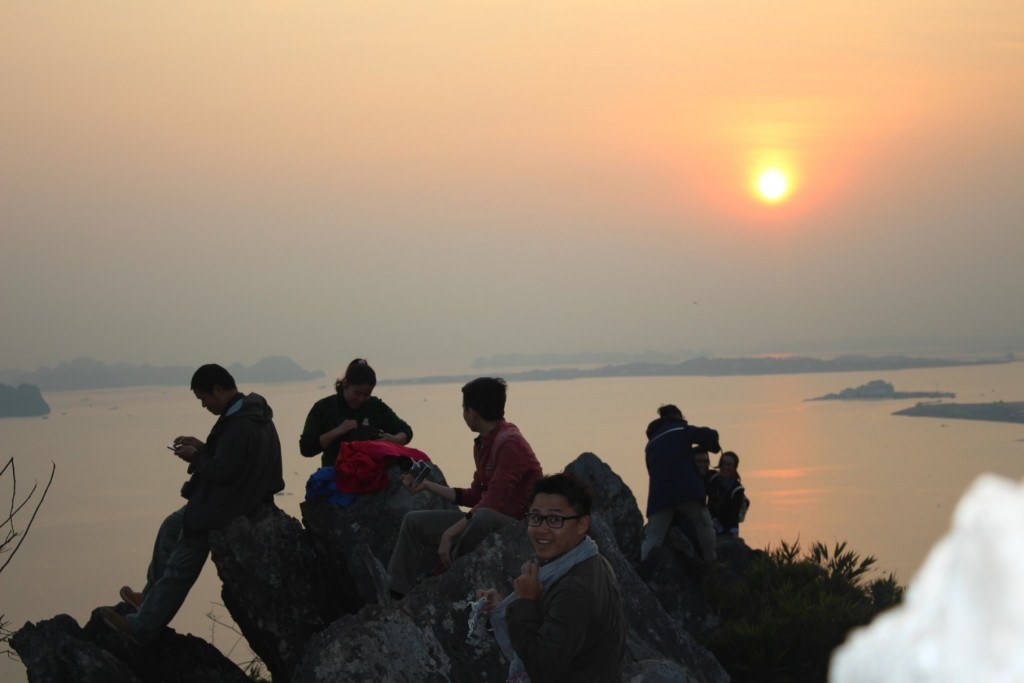
Sunset on the mountaintop. Photo: Nguyen Hung.
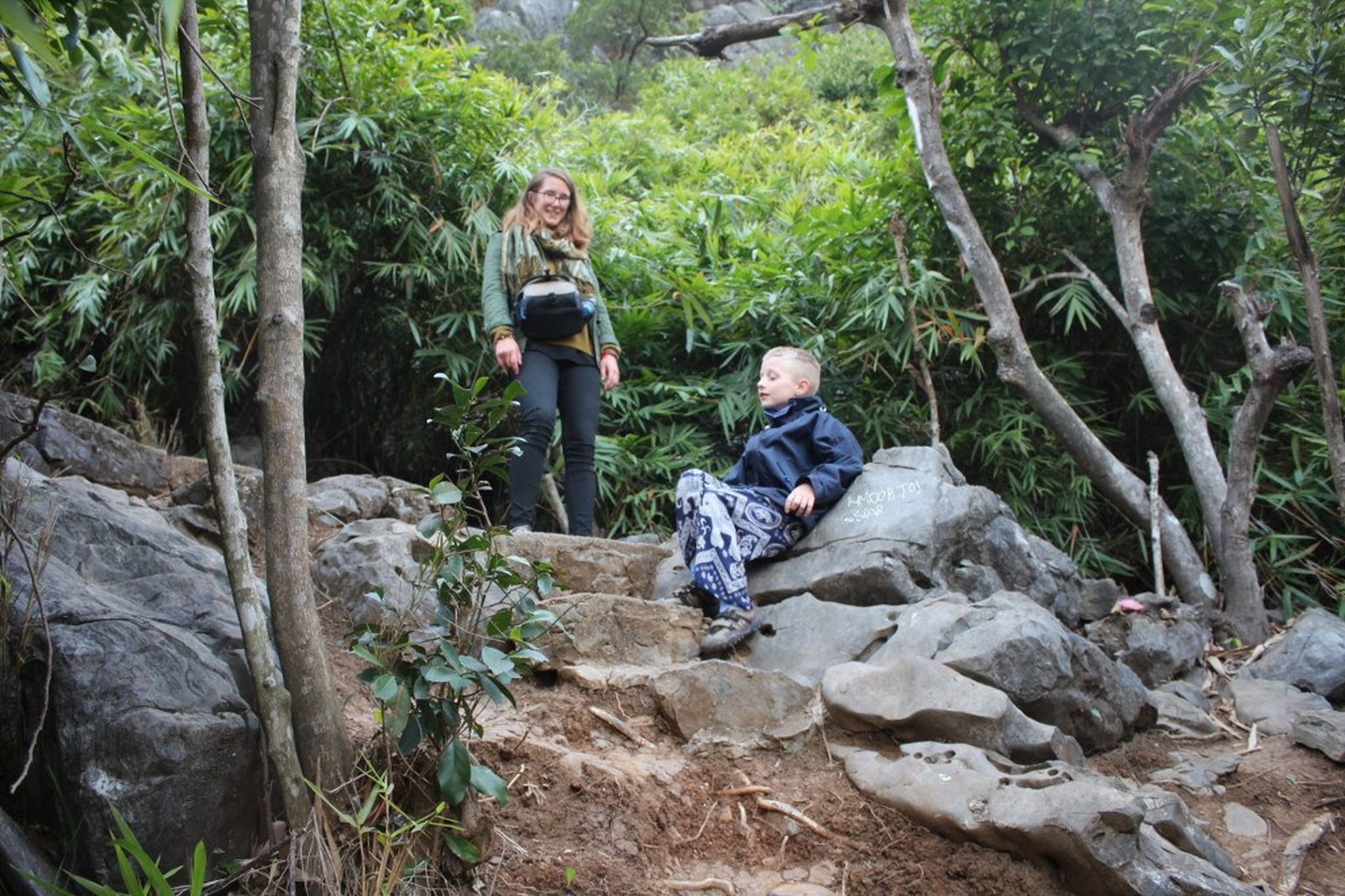
The mountain is not high, but the climb is by no means easy, as some sections are extremely steep. Along many stretches, one side is jagged rock and the other a deep ravine. Local people still raise many herds of goats on the mountain.

Ha Long Bay viewed from Bai Tho Mountain. Photo: Nguyen Hung.
There are still troops of golden-furred monkeys living on the mountain, belonging to the same species as the monkeys used for medical research on Reu Island, Cam Pha City. From time to time, the monkeys still sneak into the kitchens of households at the foot of the mountain to steal food.
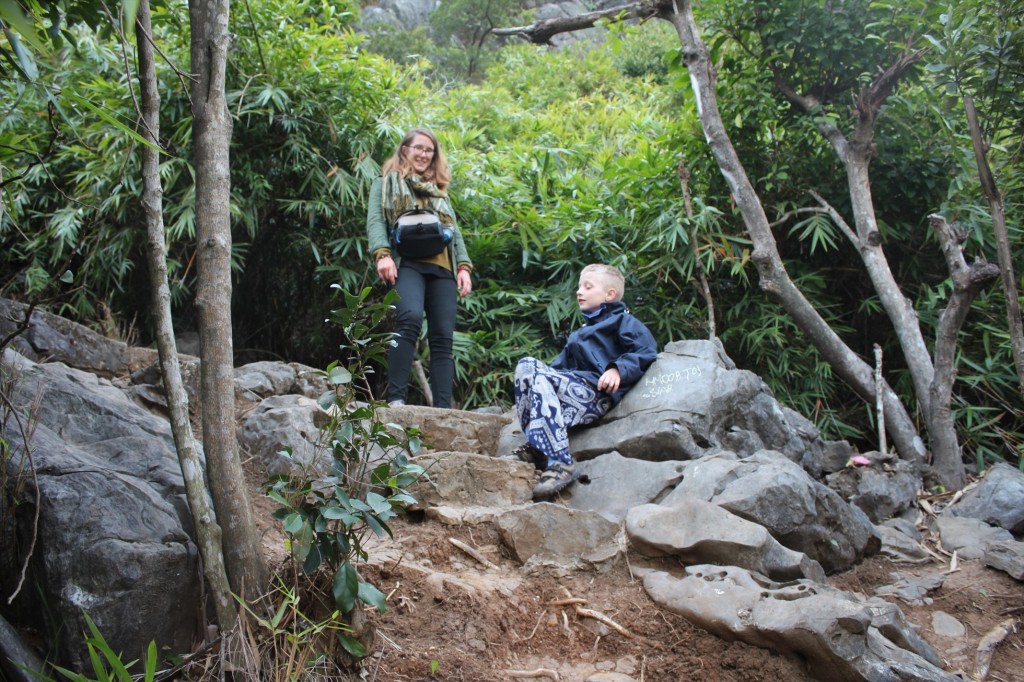
Climbing Bai Tho Mountain. Photo: Nguyen Hung.
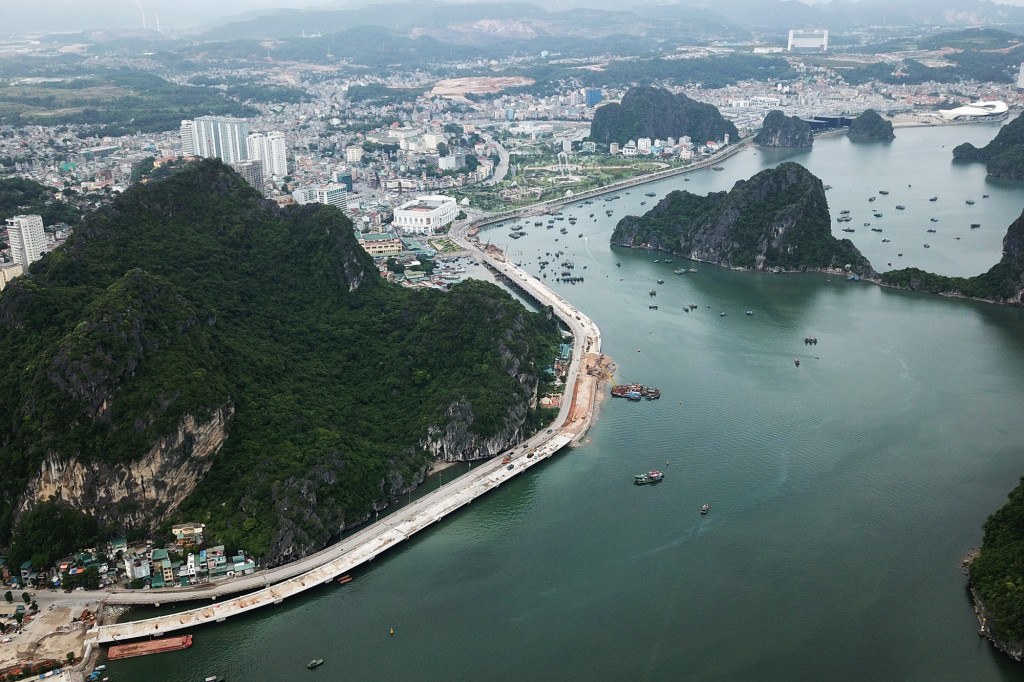
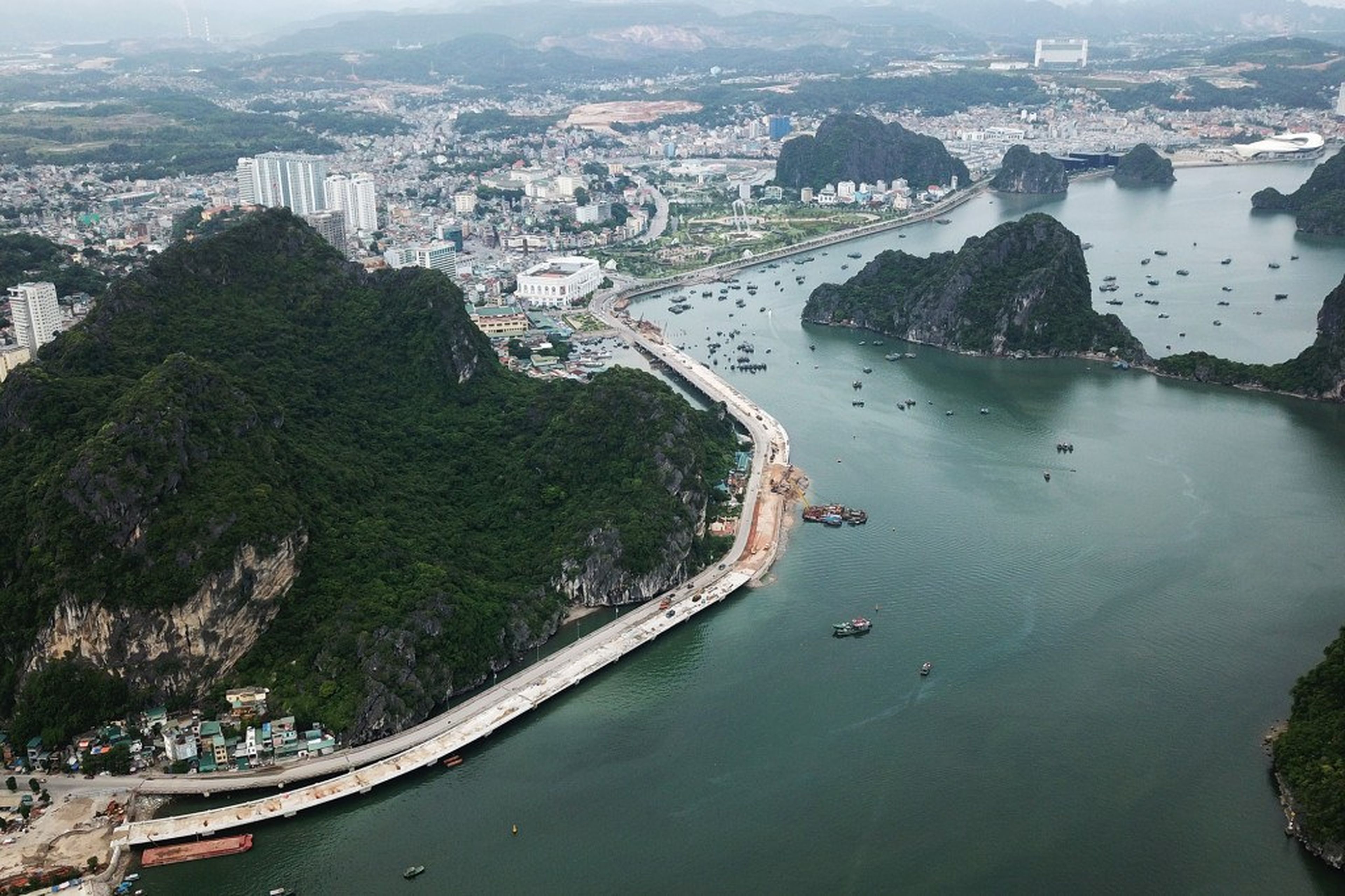
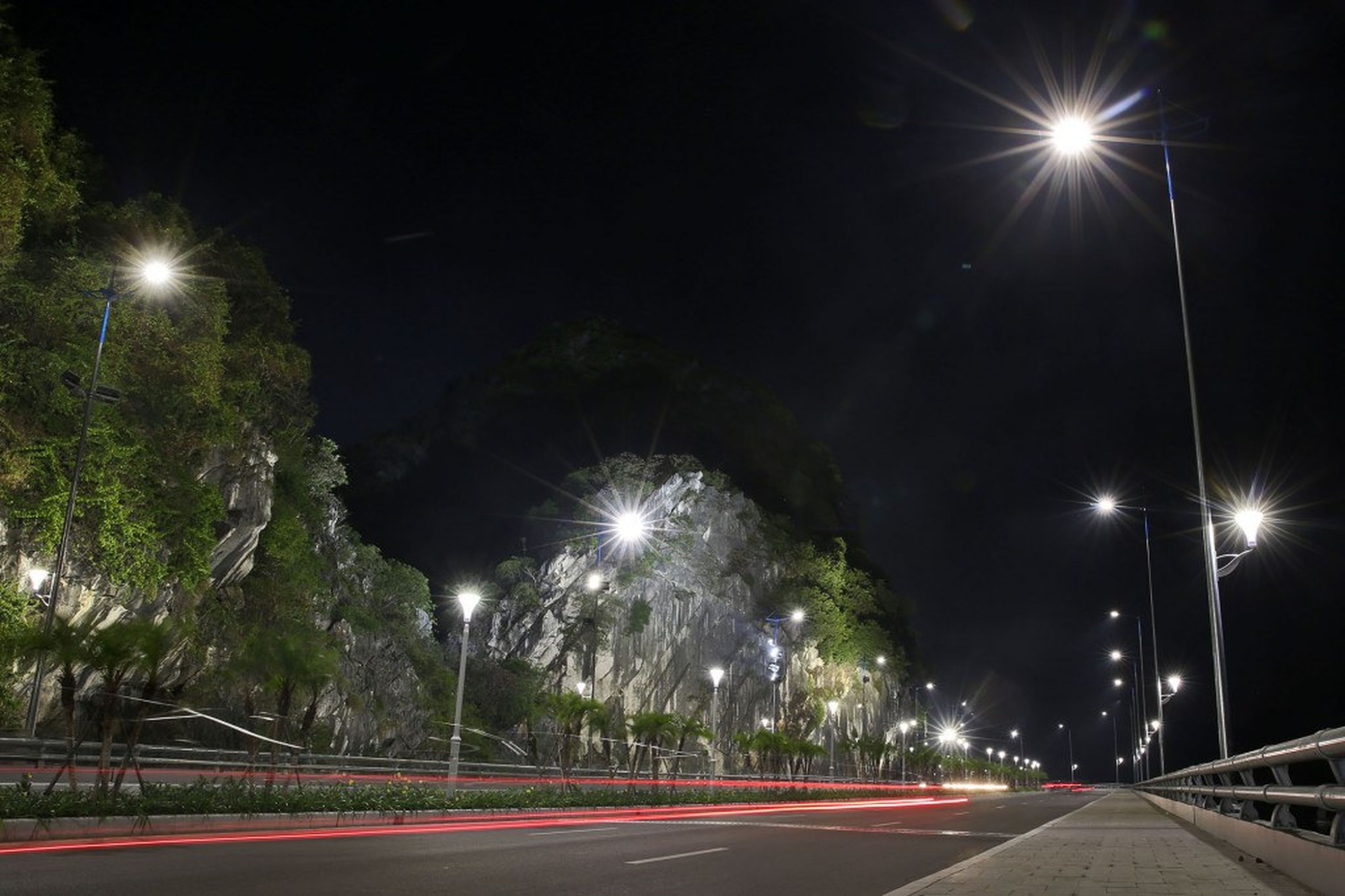
The road around the mountain. Photo: Quang Ninh Newspaper.

Photo: @logan_fan38.
Historical relics can still be found along the route to the summit of Bai Tho Mountain. These include the main telephone exchange of the Quang Ninh post office during the resistance against the Americans, which had to be relocated to the mountain to avoid bombing.
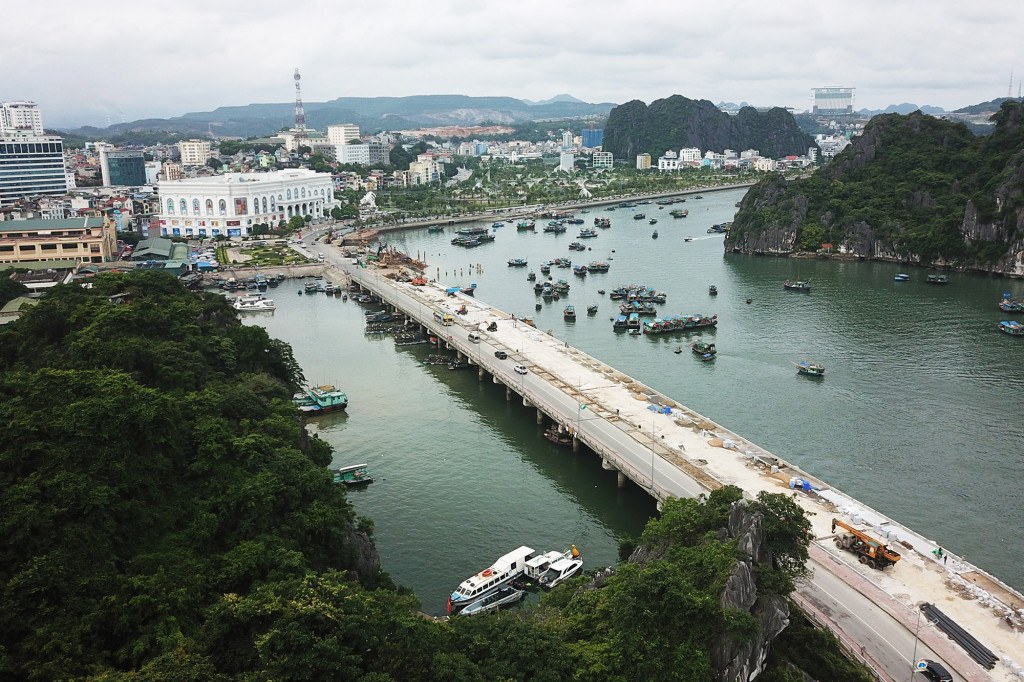
Photo: Quang Ninh Newspaper.
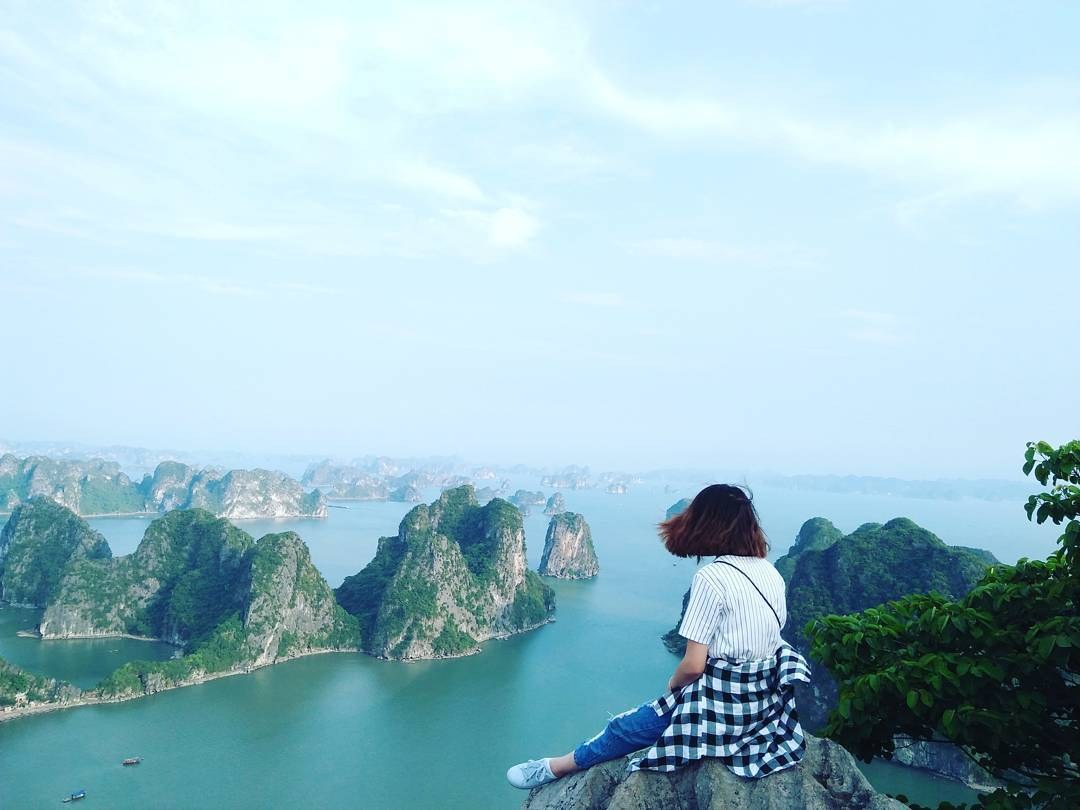
Photo: @anhk.98.
At the summit, the sacred red flag with a yellow star flies proudly in the wind. It was also here that, in the early morning of 1-5-1930, railway engine driver Dao Van Tuat from the Ba Deo coal-washing facility secretly climbed up and hung the Party flag to celebrate International Workers’ Day.
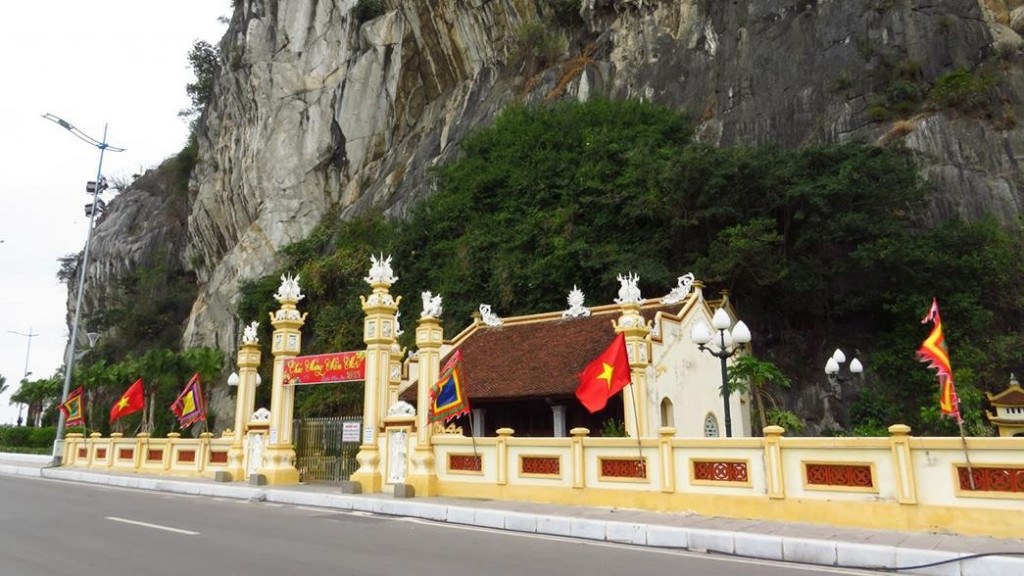
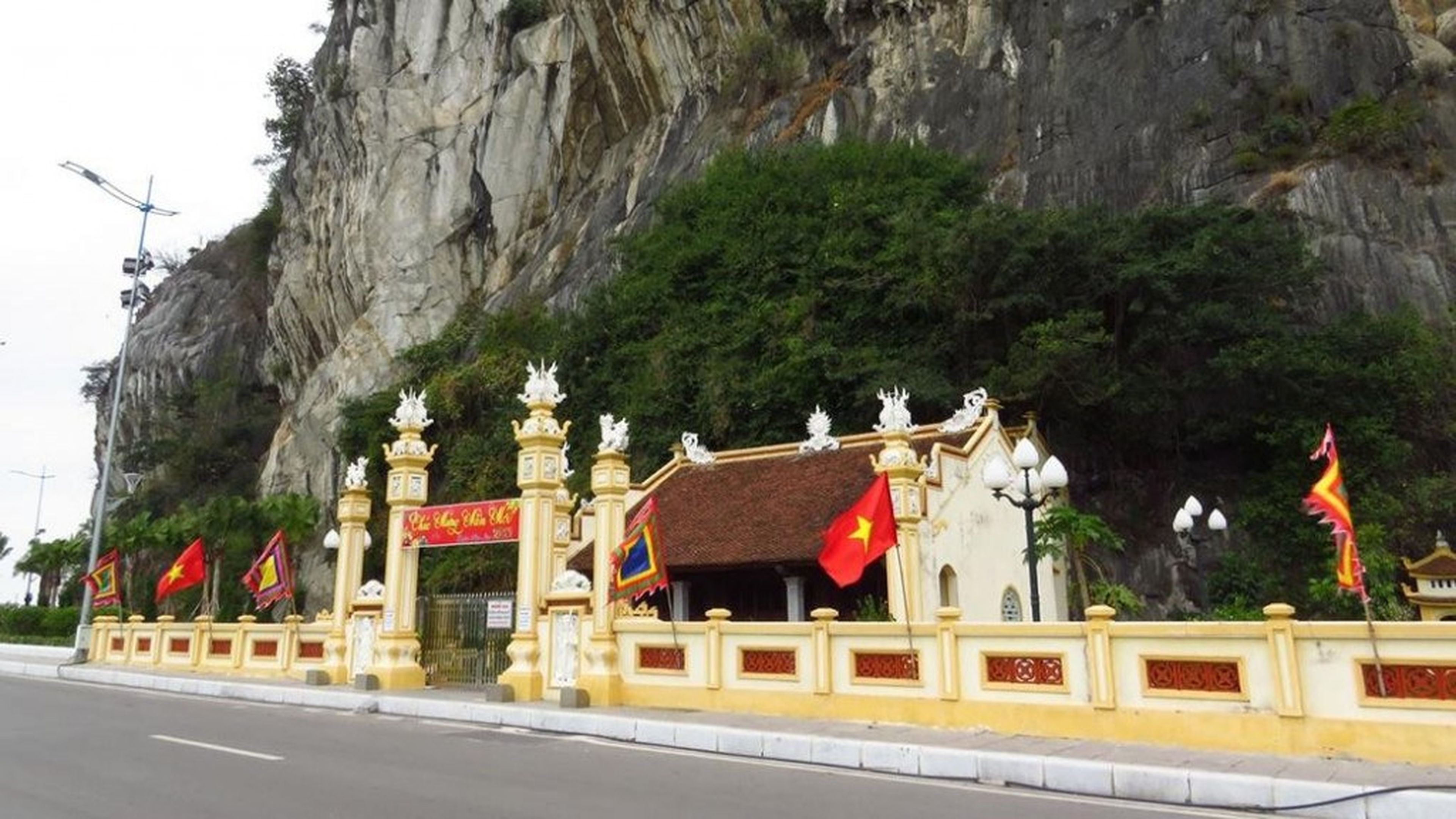
The pagoda at the foot of the mountain. Photo: Thanh Nien Newspaper.
In 1992, the Bai Tho Mountain complex was recognized as a National Historical and Cultural Relic, comprising 3 relics: “the Inscribed Stele on the Mountain, Long Tien Pagoda and Duc Ong Temple”. Today, the relics remaining on Bai Tho Mountain include a flagpole and a red flag with a hammer and sickle, an observation post and the 12.7 ly air-defense position of the Bach Dang self-defense company during the resistance against the Americans, the post office cave, the air-defense command post and operating room, and Quang Ninh Provincial Hospital.

Photo: quockhanh2511.
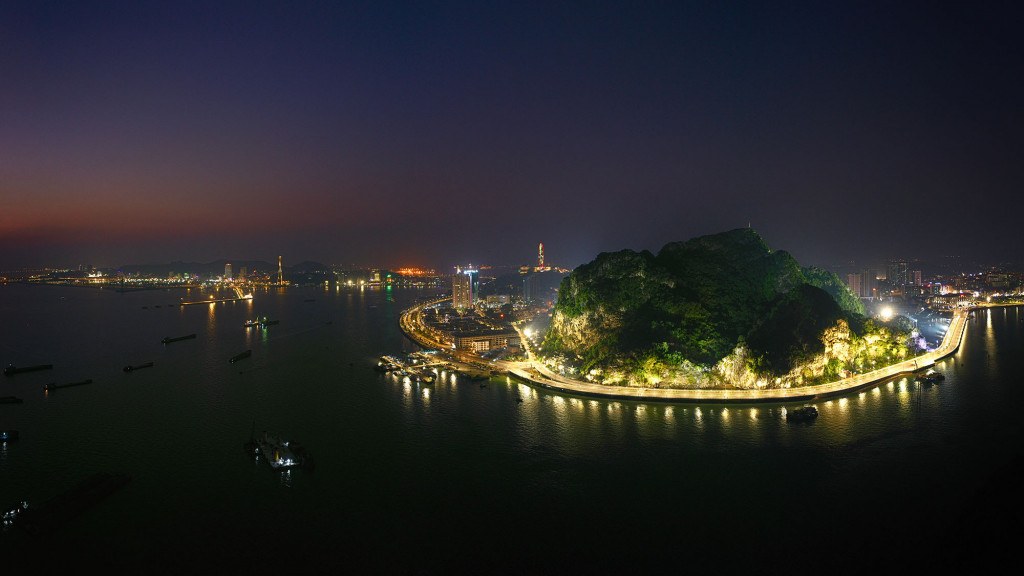
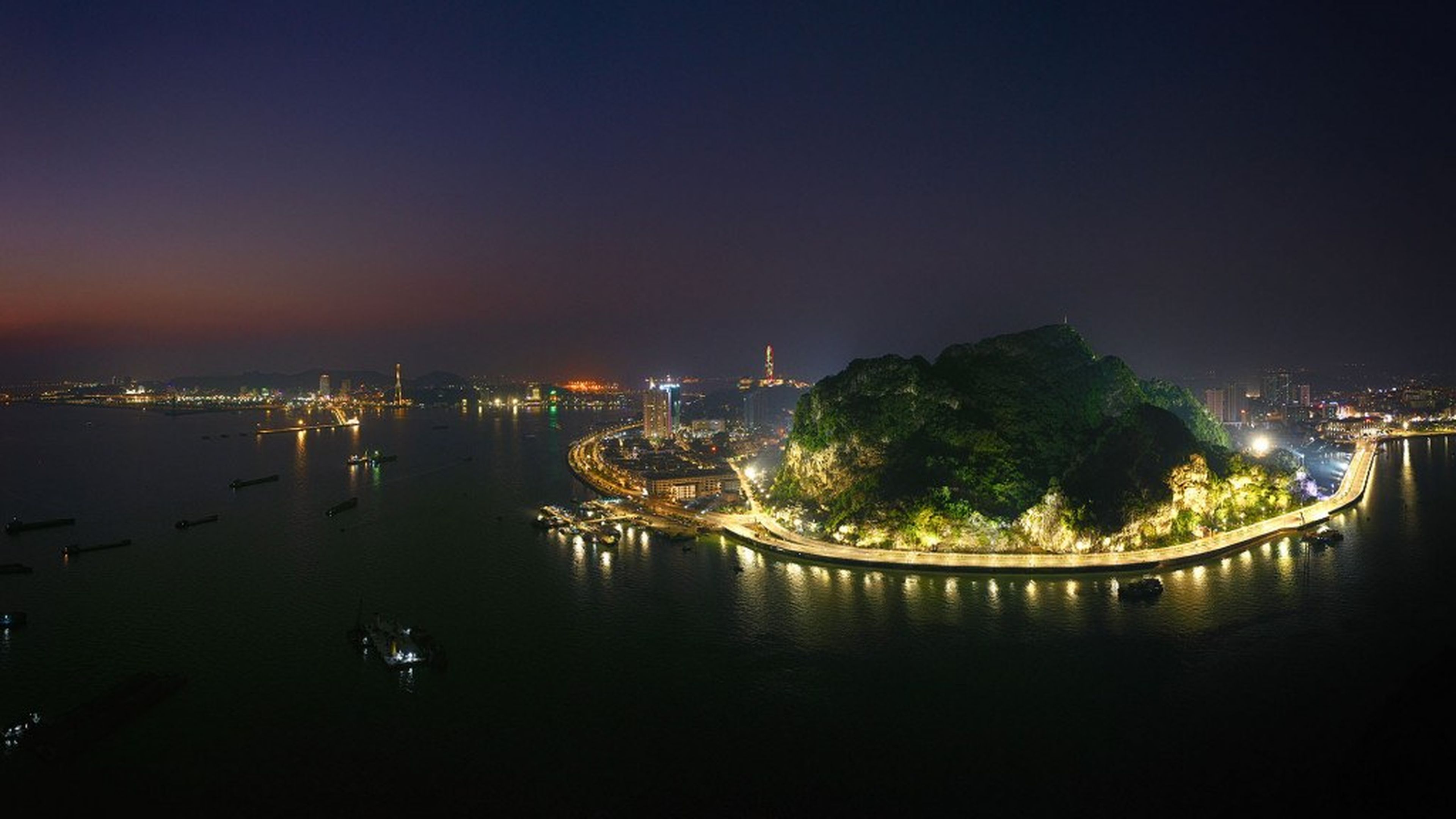
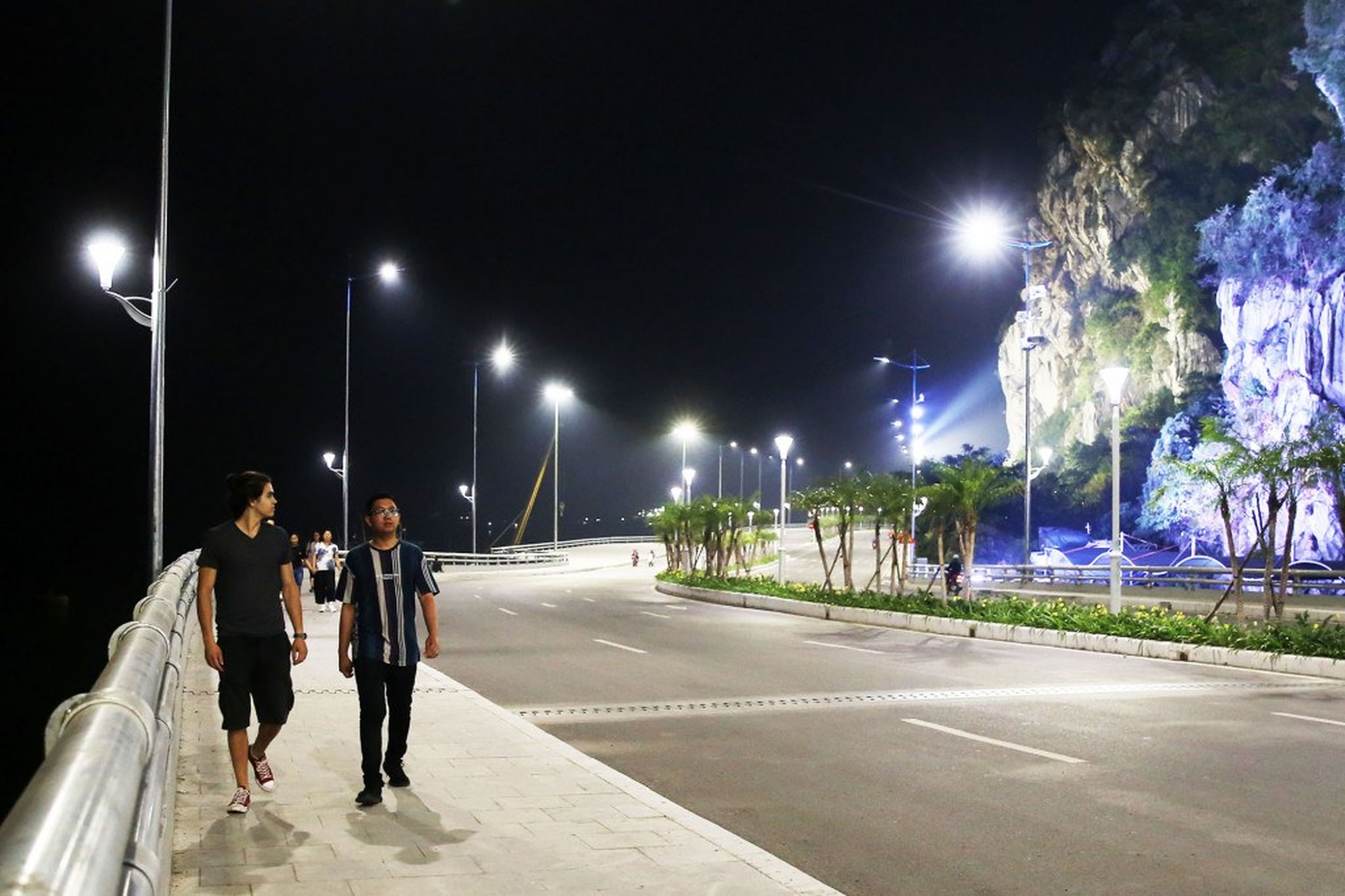
Bai Tho Mountain shimmering at night. Photo: Quang Ninh Newspaper.
For this reason, Bai Tho Mountain is a heritage site filled with historical imprints and a folk legend in the land beside Ha Long Bay. Bai Tho Mountain is the “divine eye” of the northeastern region. From earlier dynasties through the Ho Chi Minh era, it has witnessed resounding victories.
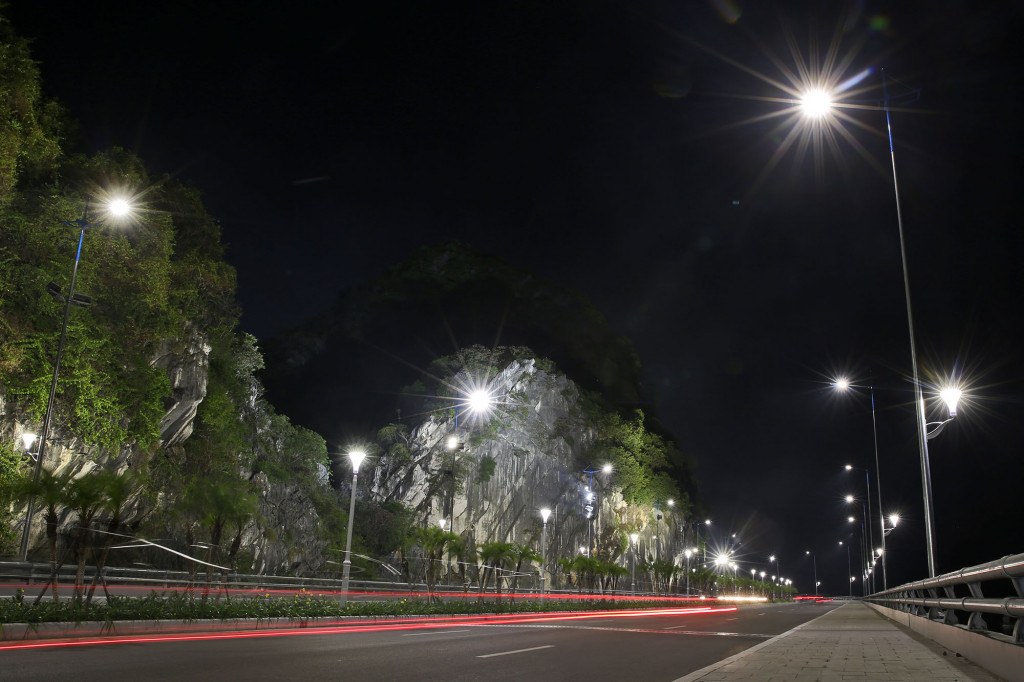
The mystical mountain at night. Photo: Quang Ninh Newspaper.
Bai Tho Mountain is also a place where the culture of successive generations of Vietnamese people is connected and continues to develop sustainably. Its conservation value and the value of the nation’s culture should be honored and promoted, along with tourism development in Ha Long City and Quang Ninh Province.
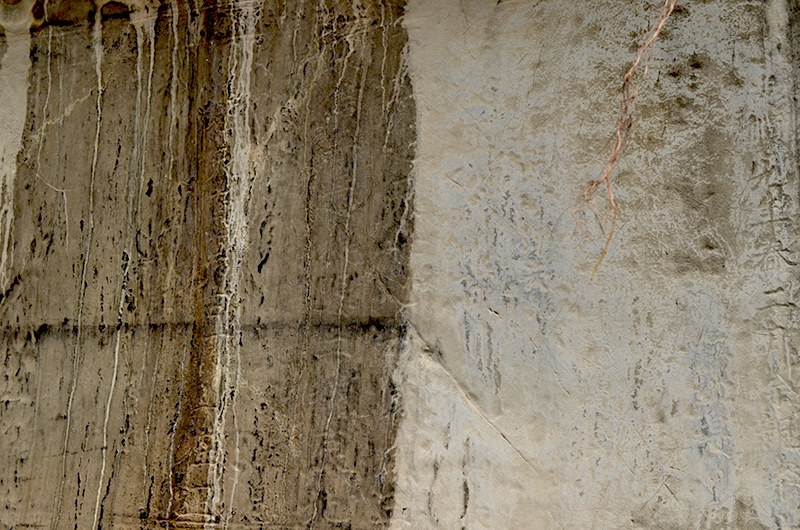
King Le Thanh Tong’s poem. Photo: Pham Hoc.
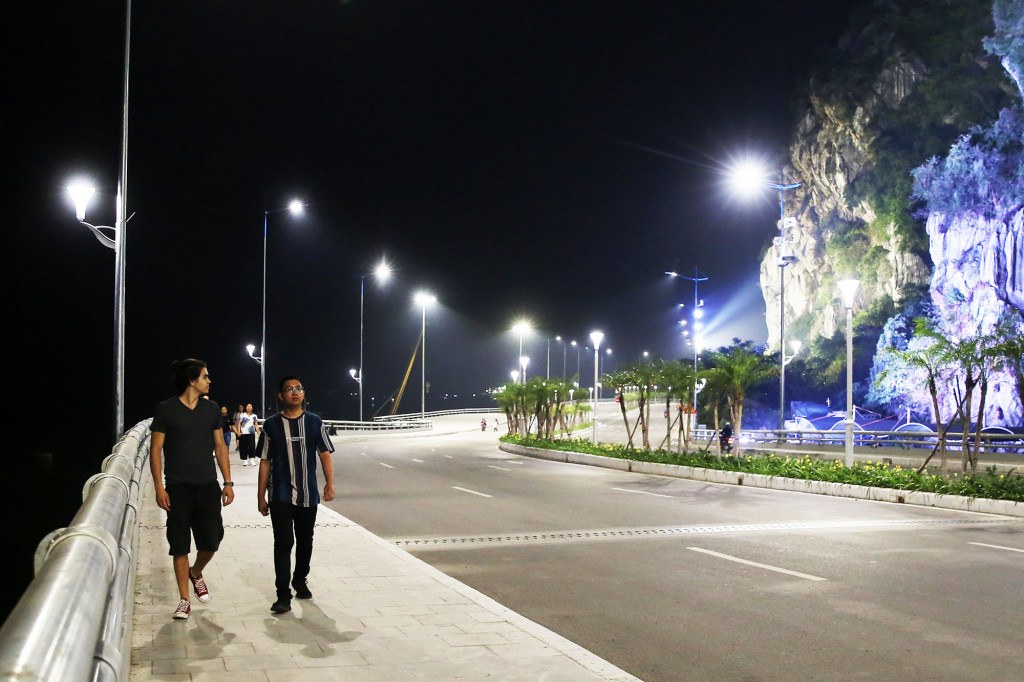
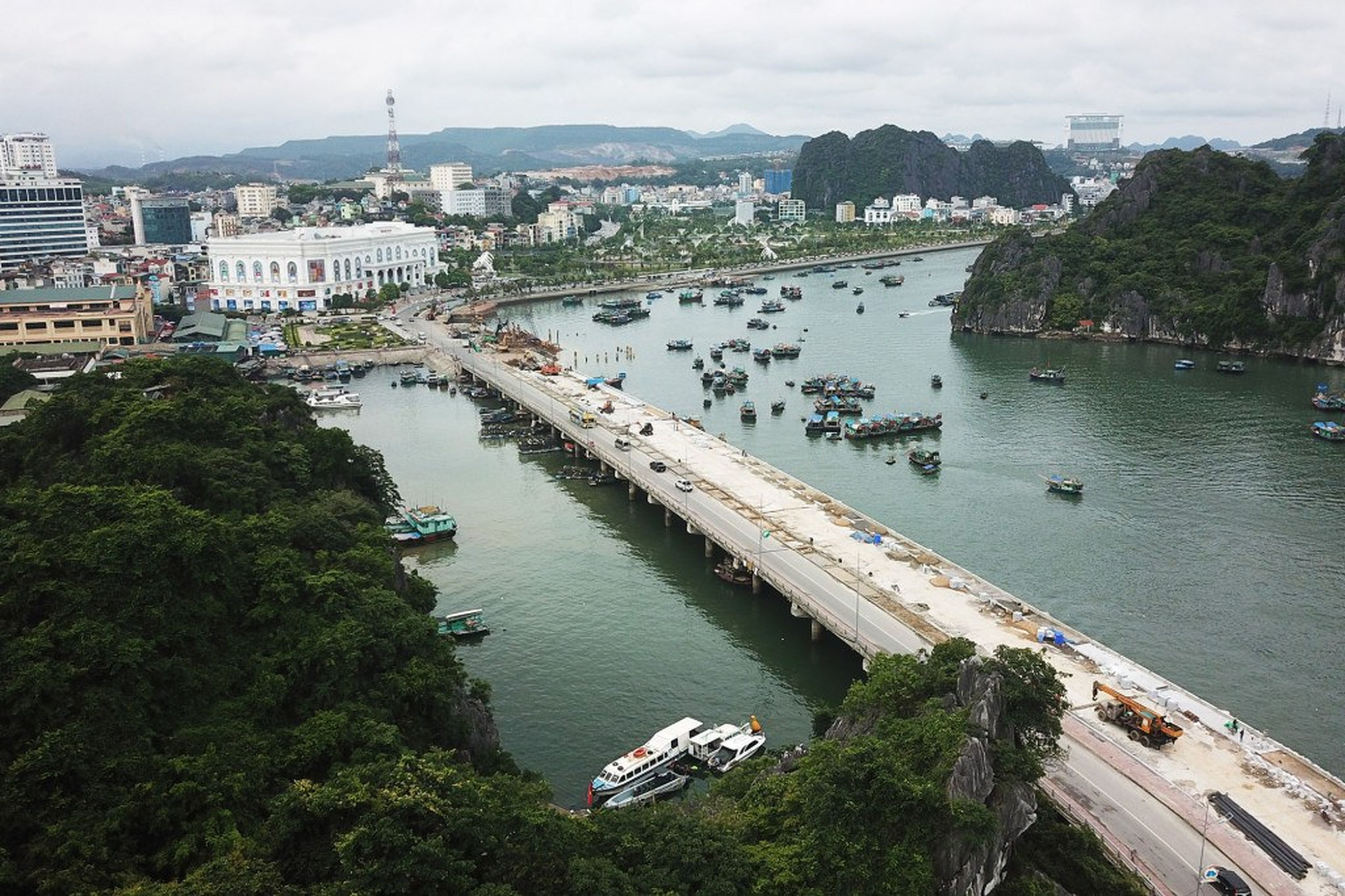
Bai Tho Bridge makes it easier for visitors to explore the area. Photo: Quang Ninh Newspaper.
So when you visit Quang Ninh Province and Ha Long Bay, be sure to visit Bai Tho Mountain—the pride of generations of people in the Ha Long area in particular and Quang Ninh in general.