


The Bach Dang Victory Relic Complex, located in Quang Yen Town and Uong Bi City, commemorates Tran Hung Dao's resounding victory over the Mongol-Yuan invaders in 1288.
Bach Dang Victory Relic Site – Marking Heroic Pages of History
The 1288 Bach Dang Victory Relic Site
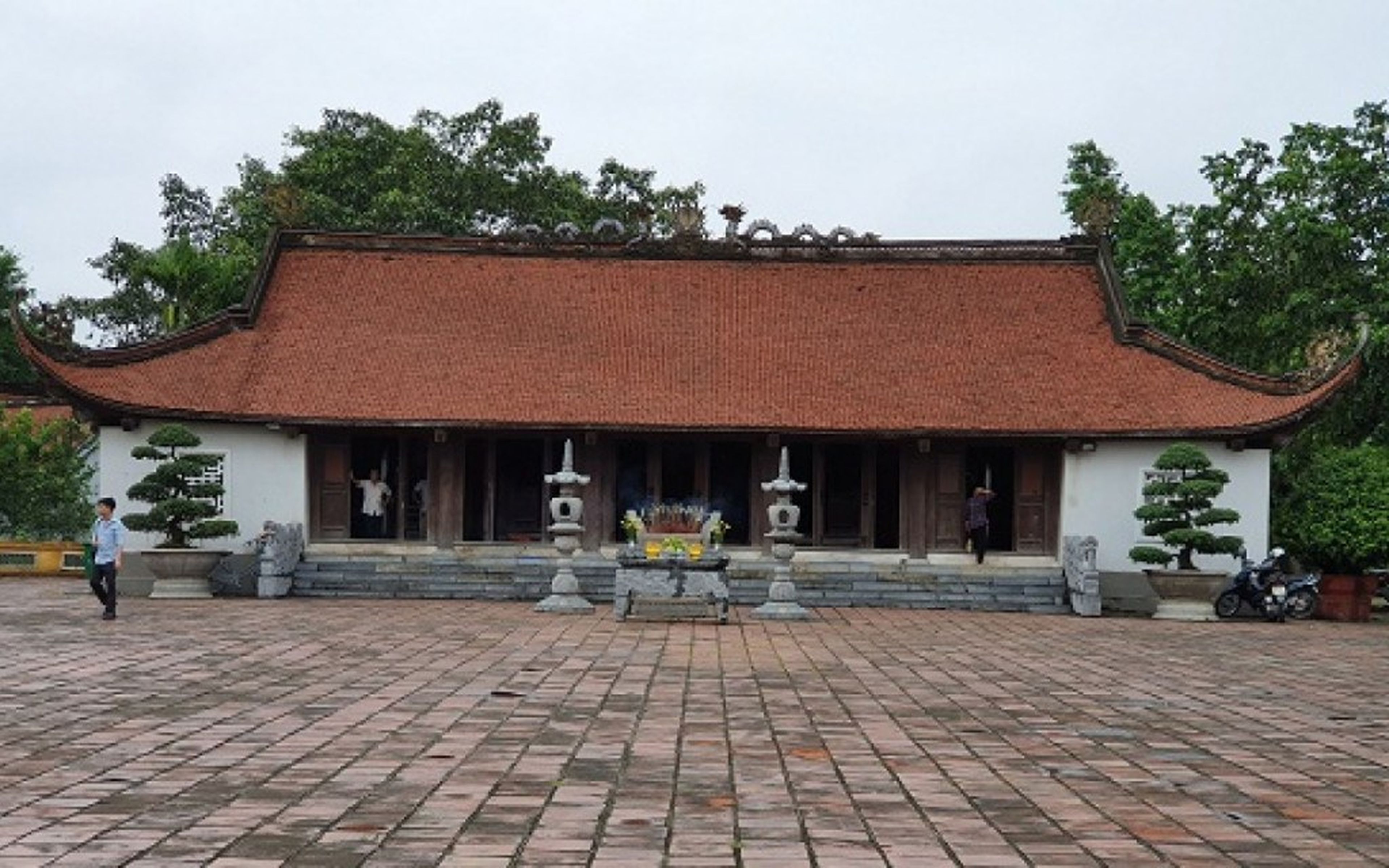
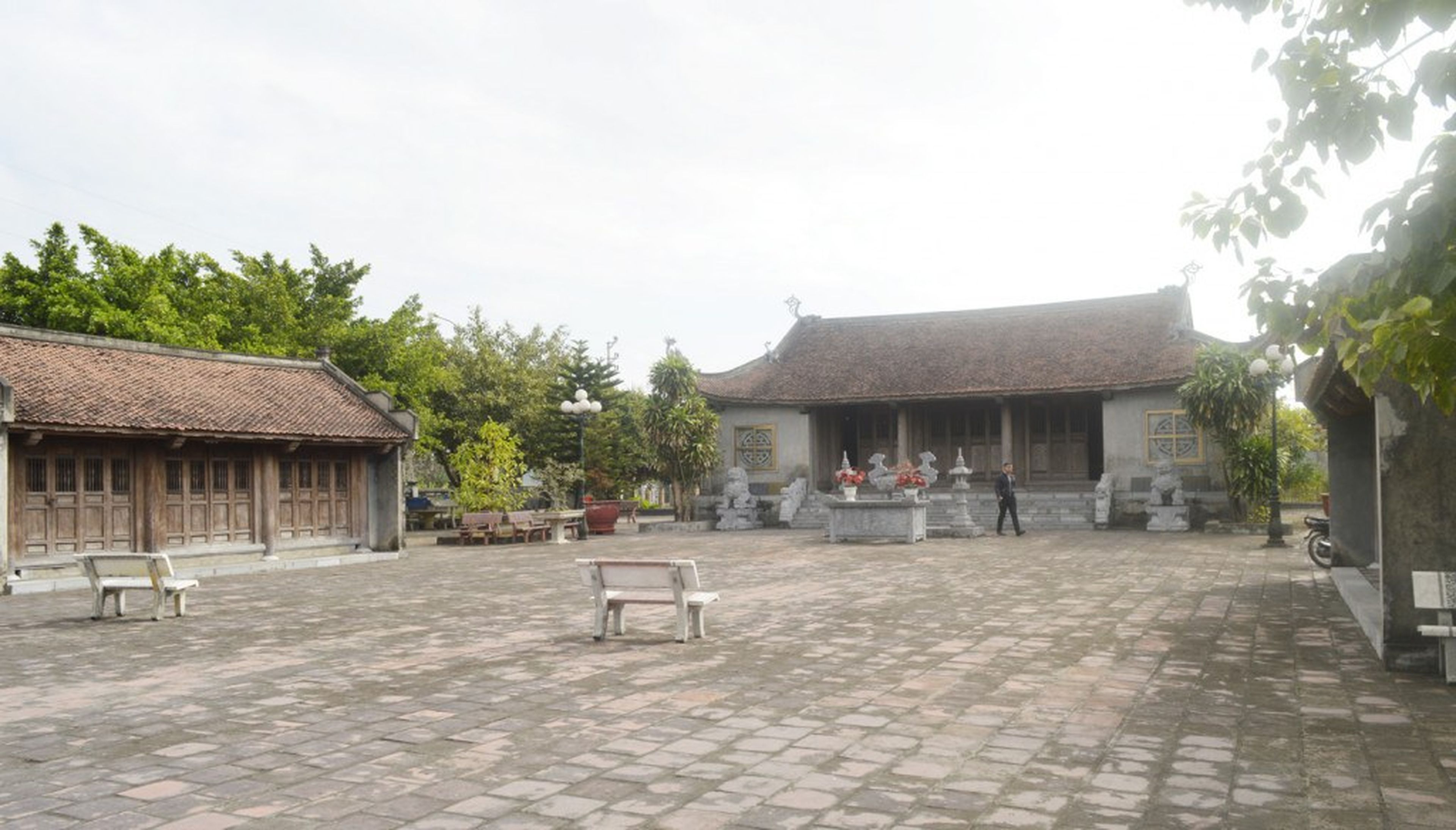
The Bach Dang Victory Relic Site includes Tran Hung Dao Temple, Vua Ba Shrine, Rung Ferry Pier, Yen Giang Communal House, Trung Coc Temple, Trung Ban Communal House, Den Cong Communal House, as well as the Yen Giang stake field, Dong Van Muoi stake field, and Dong Ma Ngua stake field.
In addition to several tangible cultural heritages, the site currently preserves many valuable intangible cultural heritages. Recognized for its exceptional historical, cultural, and scientific values, the 1288 Bach Dang Victory Historical Relic Site was designated a Special National Relic in 2012.
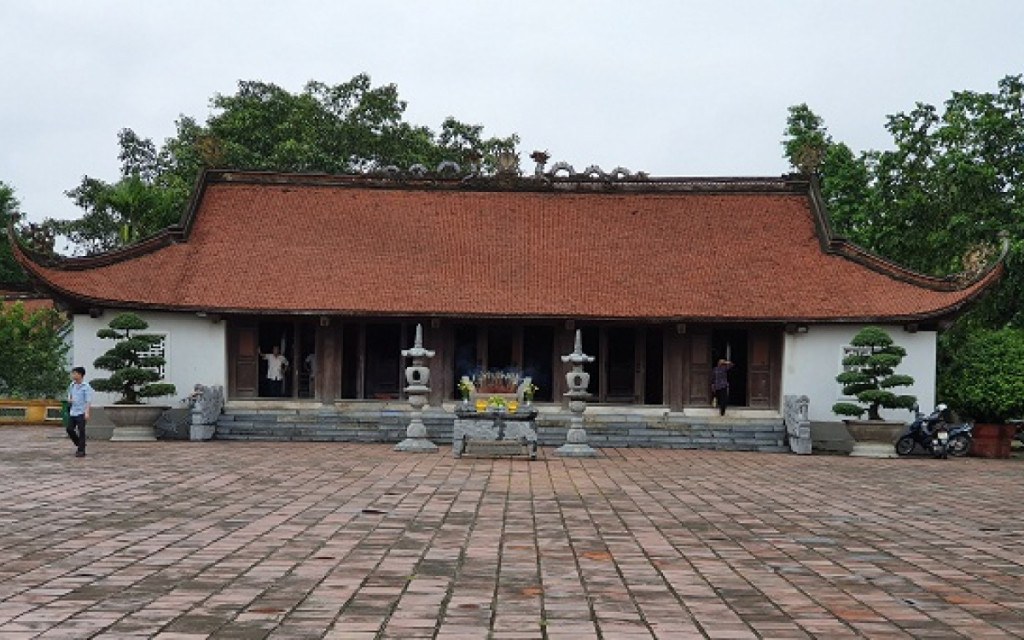
Vua Ba Shrine. Photo: truyenhinhdulich.
Folk tradition passes down the legend of the female tea vendor who informed Tran Hung Dao about the tidal patterns of the Bach Dang River to arrange the stake field (Vua Ba Shrine); the place where Tran Hung Dao propped his sword and tied up his hair to command the troops (Trung Ban Communal House); the place where Tran Hung Dao and Pham Ngu Lao ran aground while inspecting the battlefield (Trung Coc Temple); and Tran Hung Dao naming Den Cong Village to express gratitude to the four deities who devised the strategy to defeat the invaders (Den Cong Communal House).

Rung Ferry Pier. Photo: truyenhinhdulich.
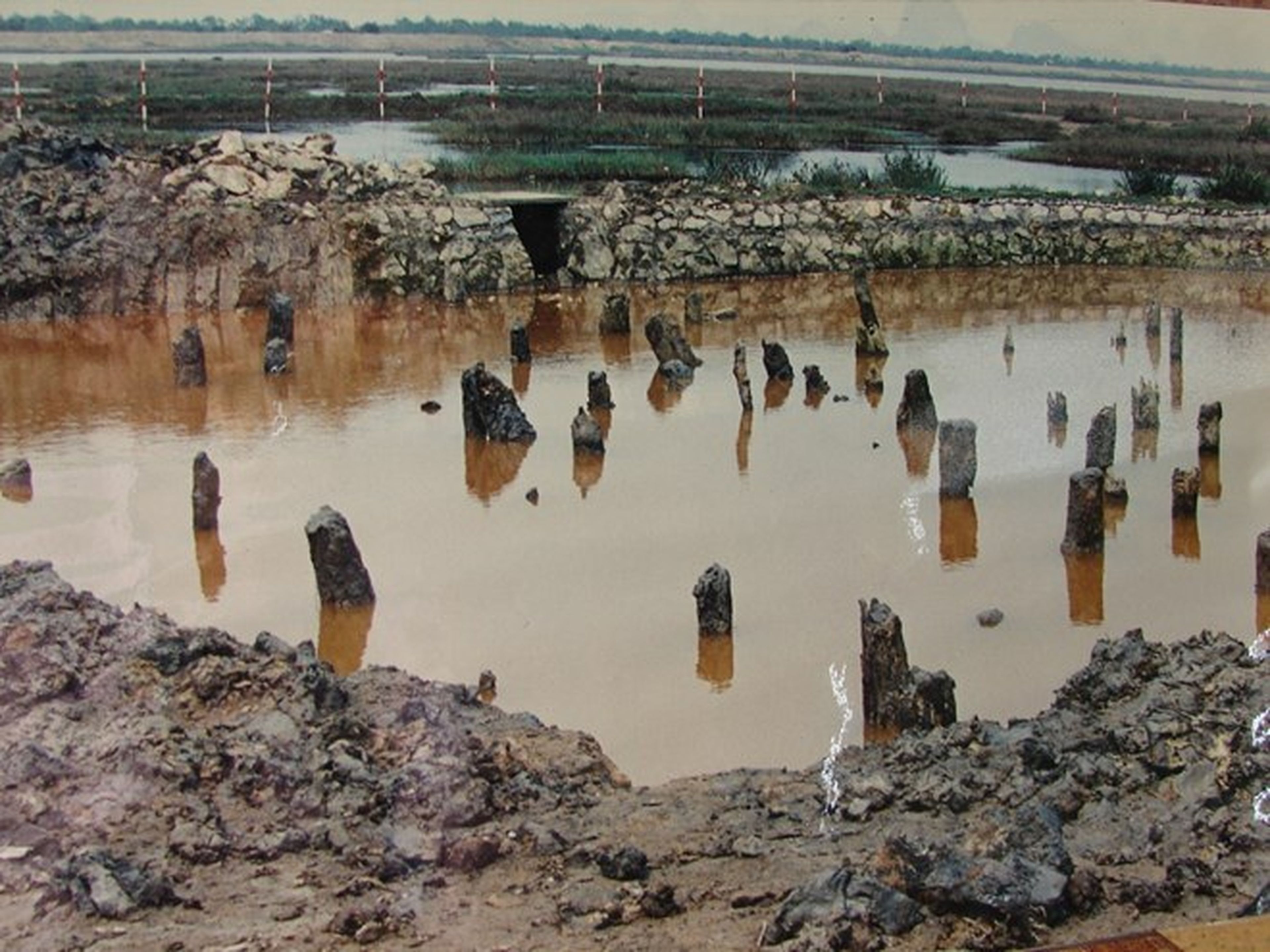
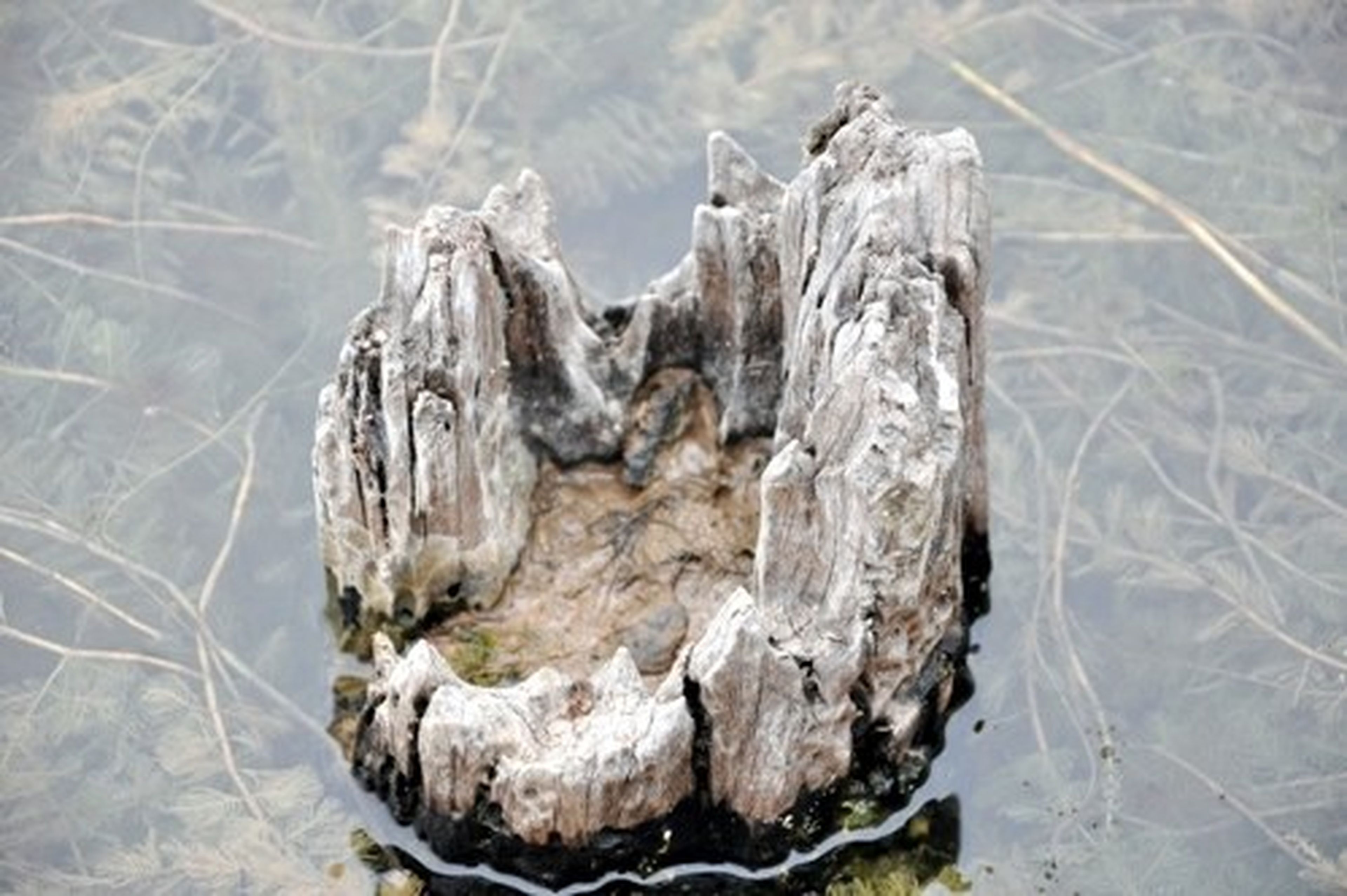
Exactly 670 years after the 1288 Bach Dang Victory, in November 1958, the Yen Giang stake field was discovered. Excavations unearthed hundreds of ironwood and Vatica odorata wooden stakes measuring 2.6 – 2.8m in length and 20 – 30cm in diameter. The upper ends, up to 1m long, were sharpened to be driven vertically into the riverbed.
Multiple excavation phases in 1969, 1976, 1984, 1988, and other years were also carried out here. During the 1984 excavation, experts also discovered two wooden pile drivers.
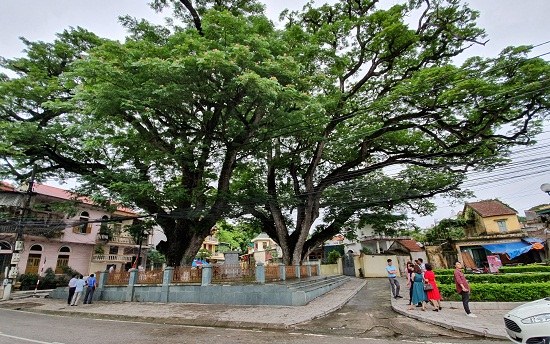
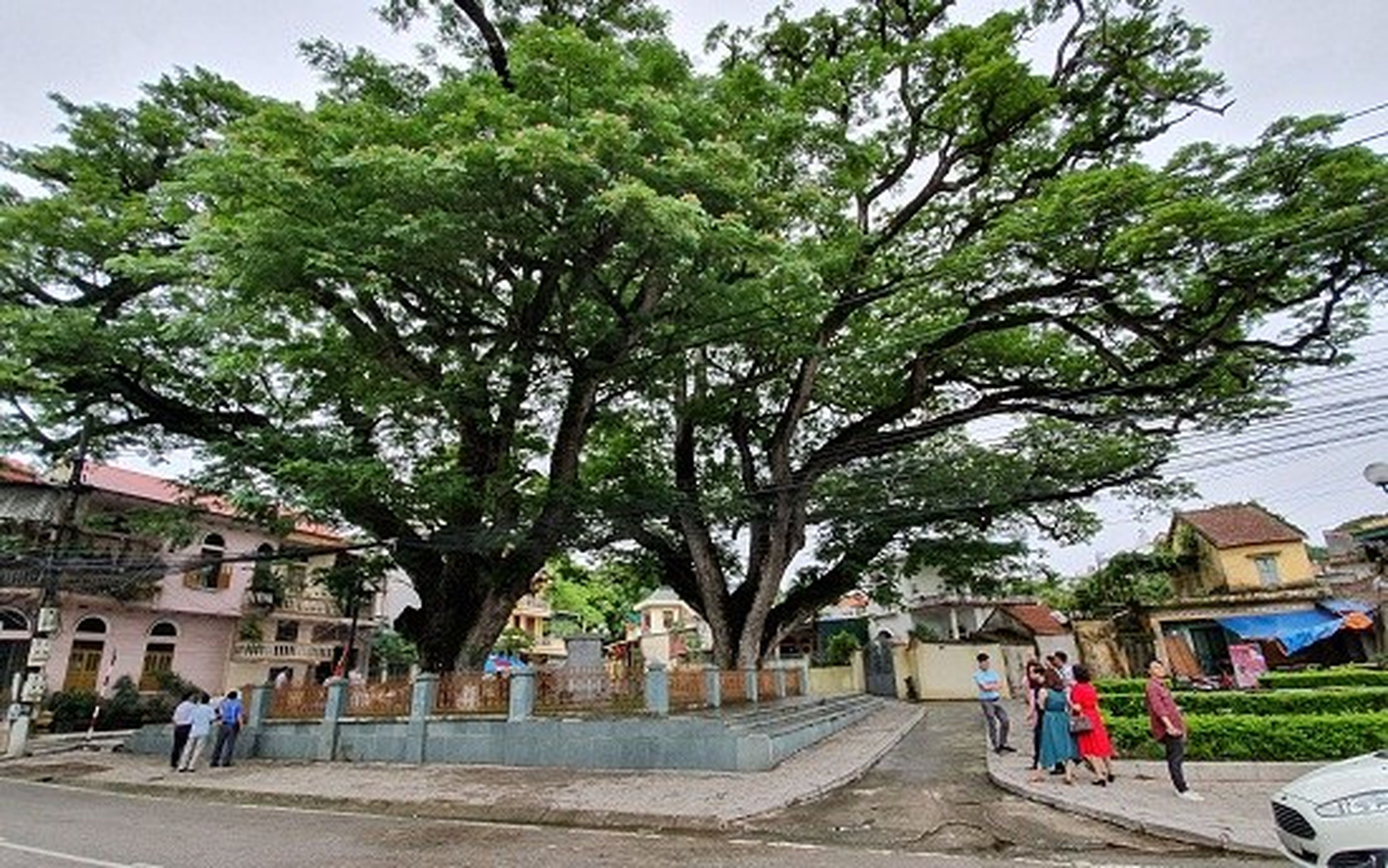
The two Gieng Rung ironwood trees – traces of where troops obtained timber to make stakes. Photo: truyenhinhdulich.
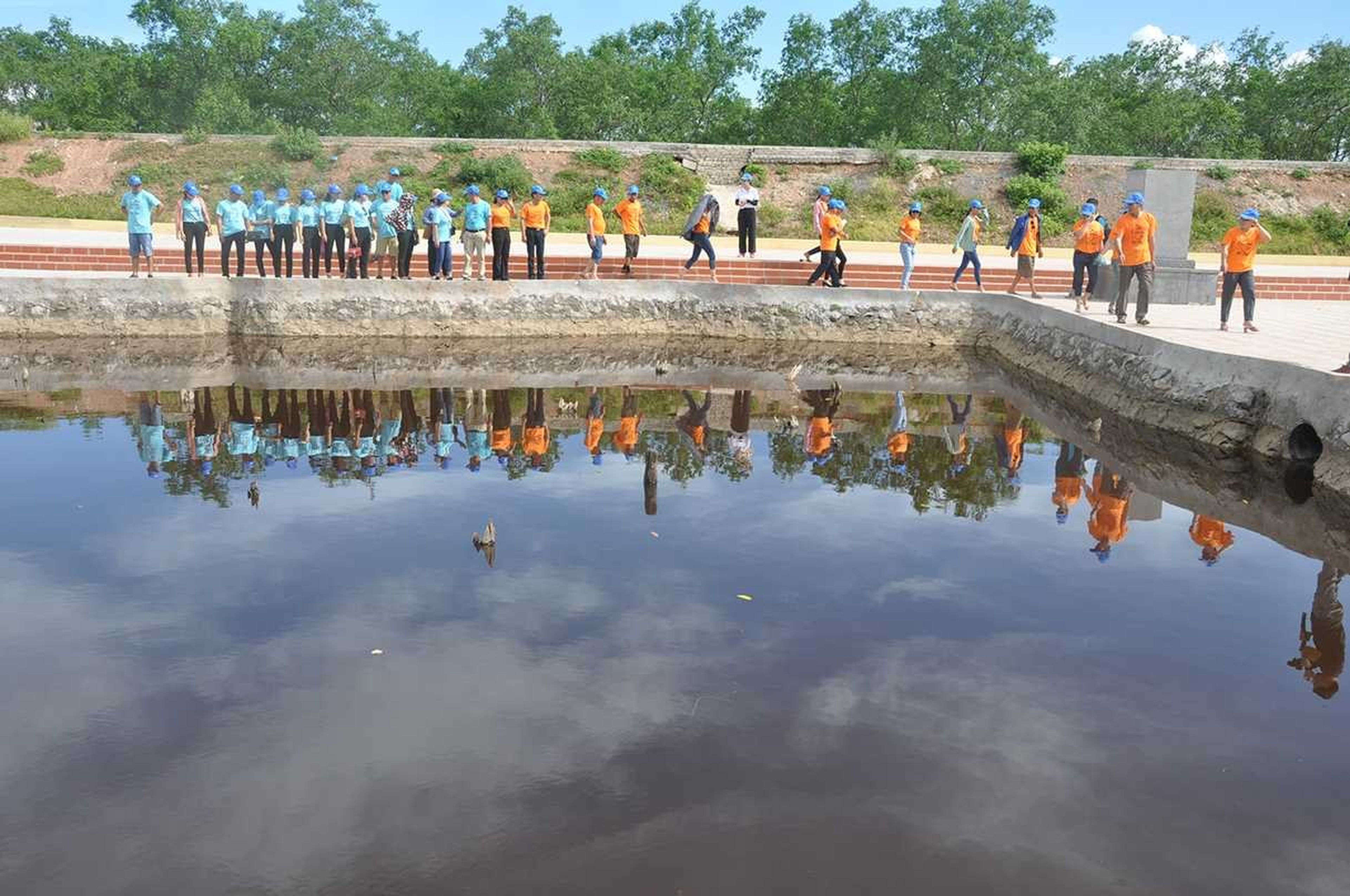
In 2005, the Dong Van Muoi stake field, located a few kilometers from Yen Giang, was excavated with a width of 100m and a length of 300m. The stakes here have smaller diameters (only 10 – 30cm) but were planted in very dense clusters, spaced only about 60cm apart.
In 2009, the third stake field, Dong Ma Ngua, was discovered and excavated in 2010, 2011, and 2012. This stake field is 70m long and 30m wide, featuring smaller stakes that were also densely placed.
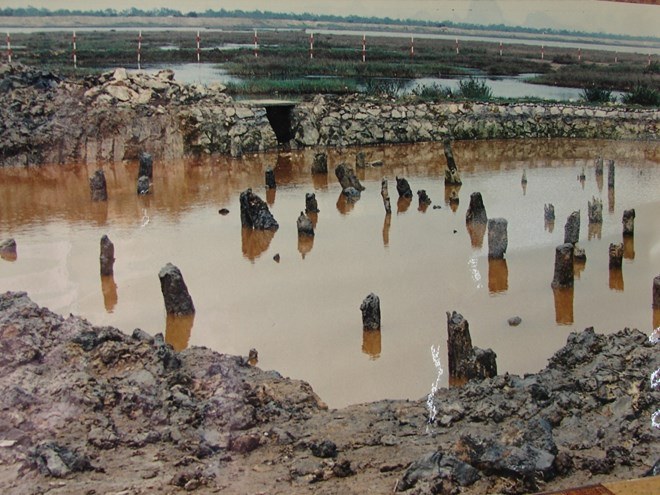
Stake field. Photo: quangninh.gov.vn.
Based on historical records, scientists determined that the three stake fields above are indeed the remnants of the wooden stake battlefield in the 1288 Bach Dang Victory. Radiocarbon (C14) dating of numerous stake samples yielded results dating to the 13th century, matching the time of the historic victory.
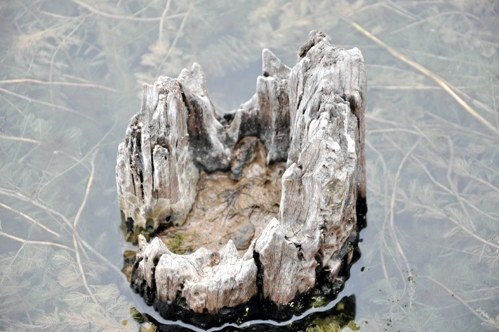
Remaining traces of the stake field. Photo: VnExpress.
Complementing the underground wooden stake relics, this site still preserves dozens of communal houses, temples, pagodas, and shrines associated with the 1288 Bach Dang Victory. Each structure is steeped in the echoes of that historic battle.
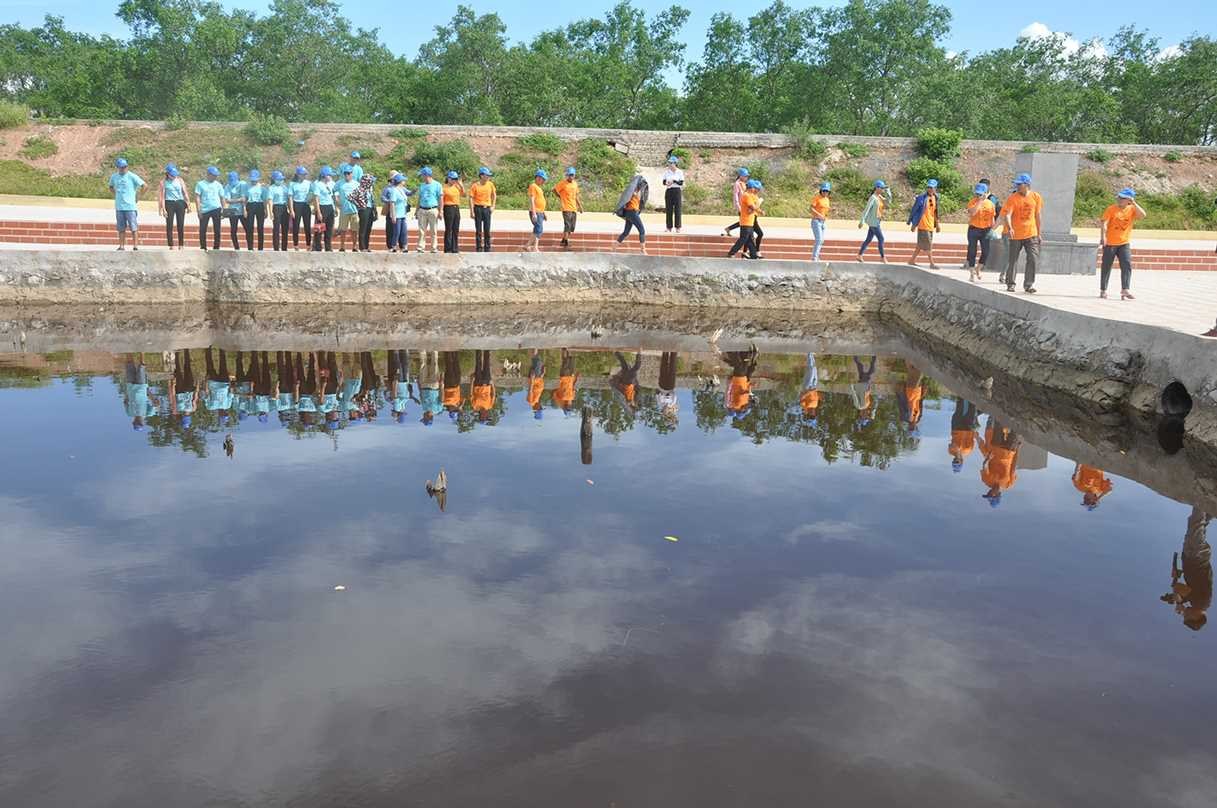
Yen Giang stake field. Photo: quangninh.gov.
Bach Dang Festival
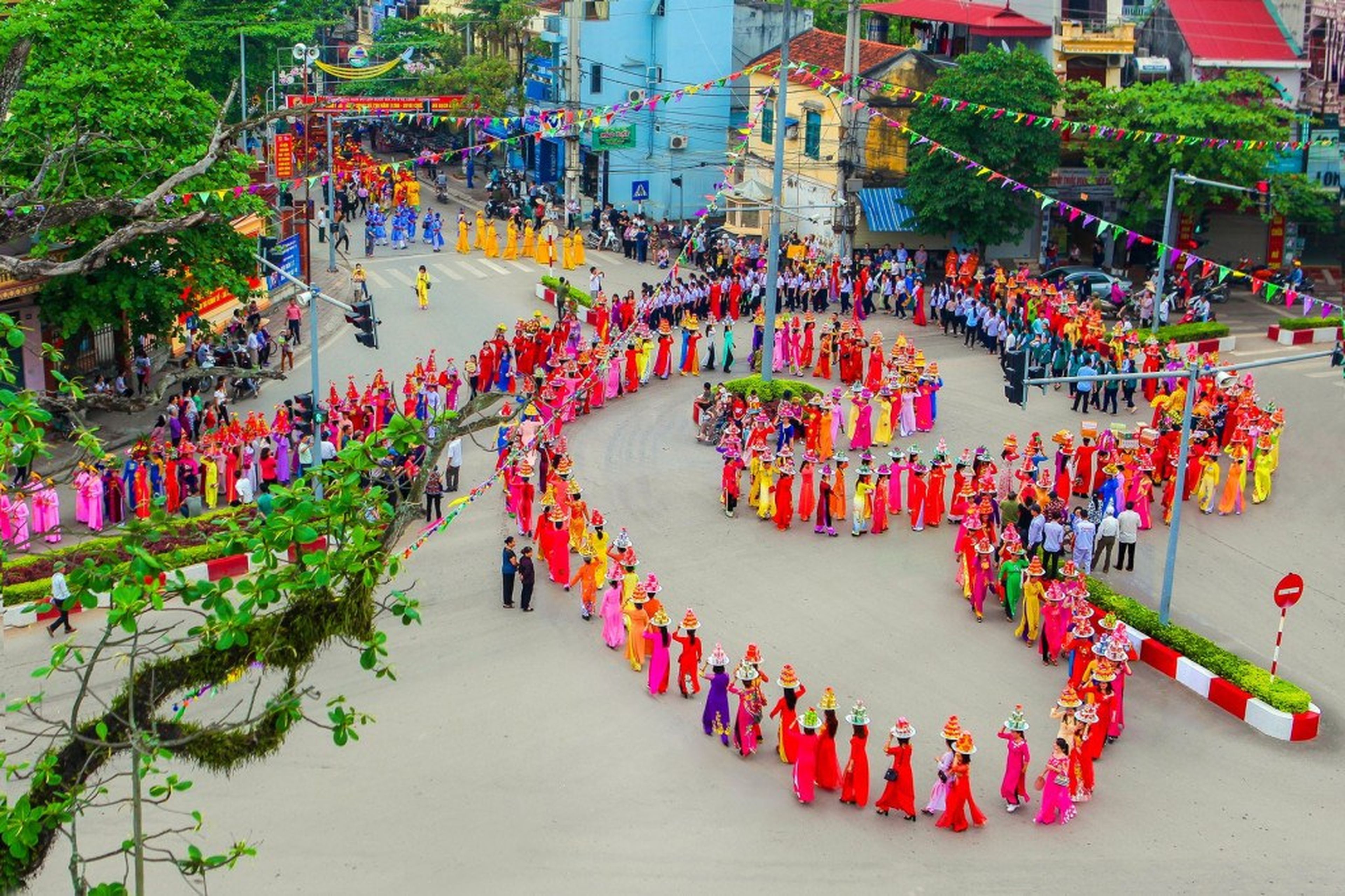
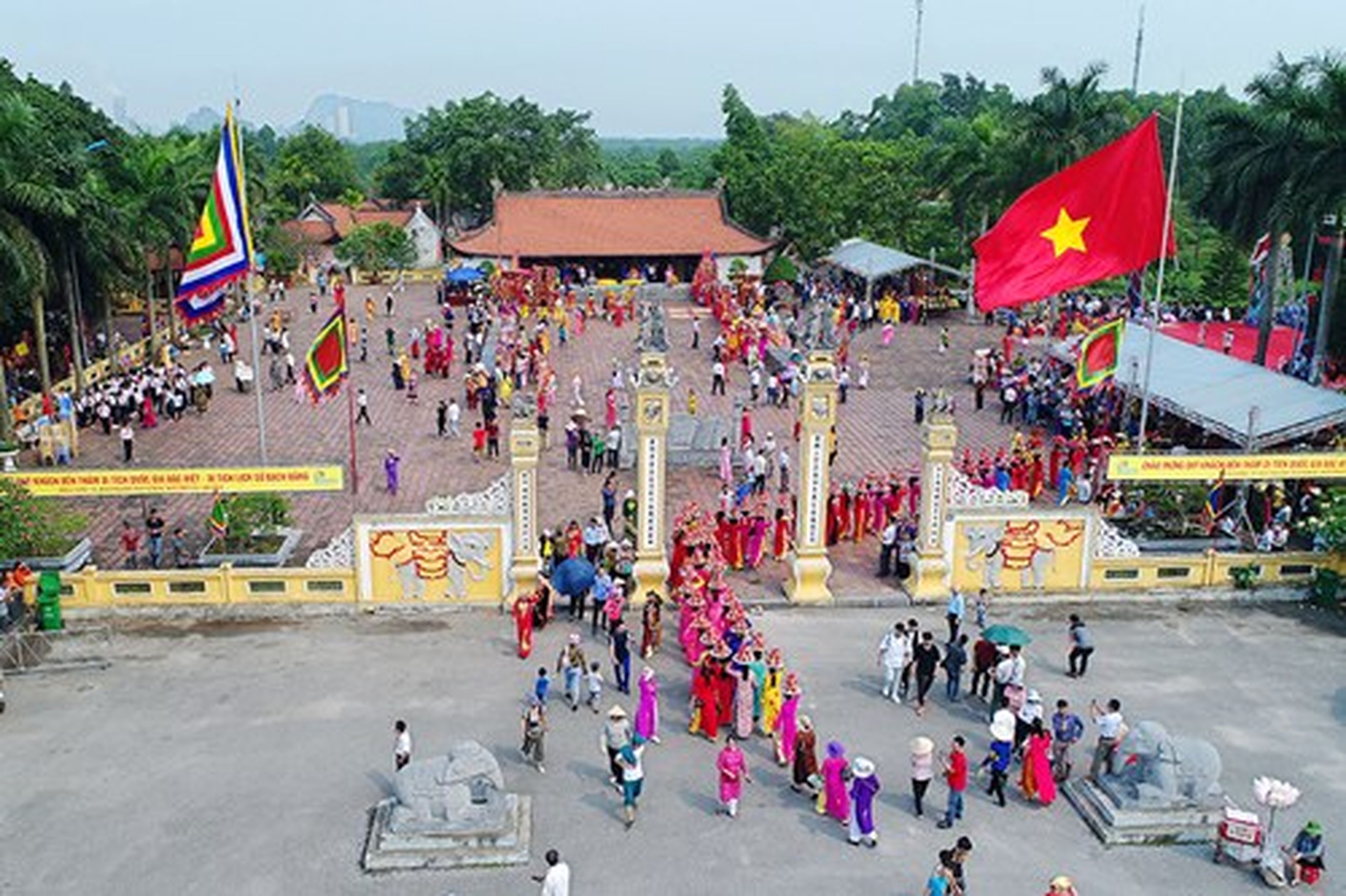
The Bach Dang Festival, also known as the Battle Commemoration Day, is held annually from the 6th to the 9th day of the 3rd lunar month, sometimes lasting up to 4 days and nights to pay tribute to the heroes on the historic Bach Dang River in the years 938 and 1288.
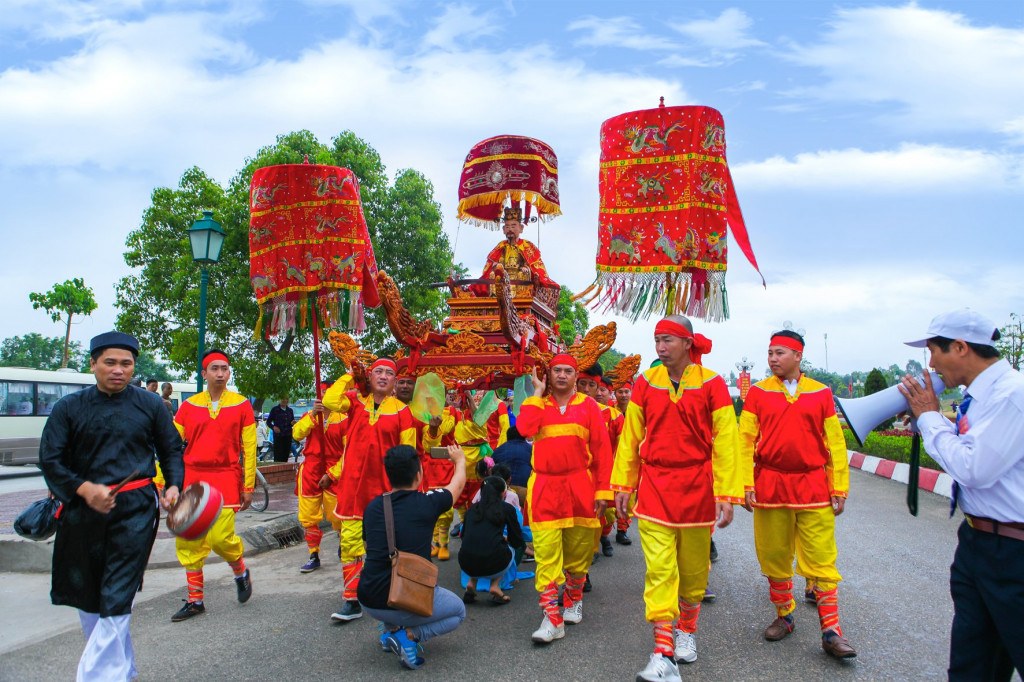
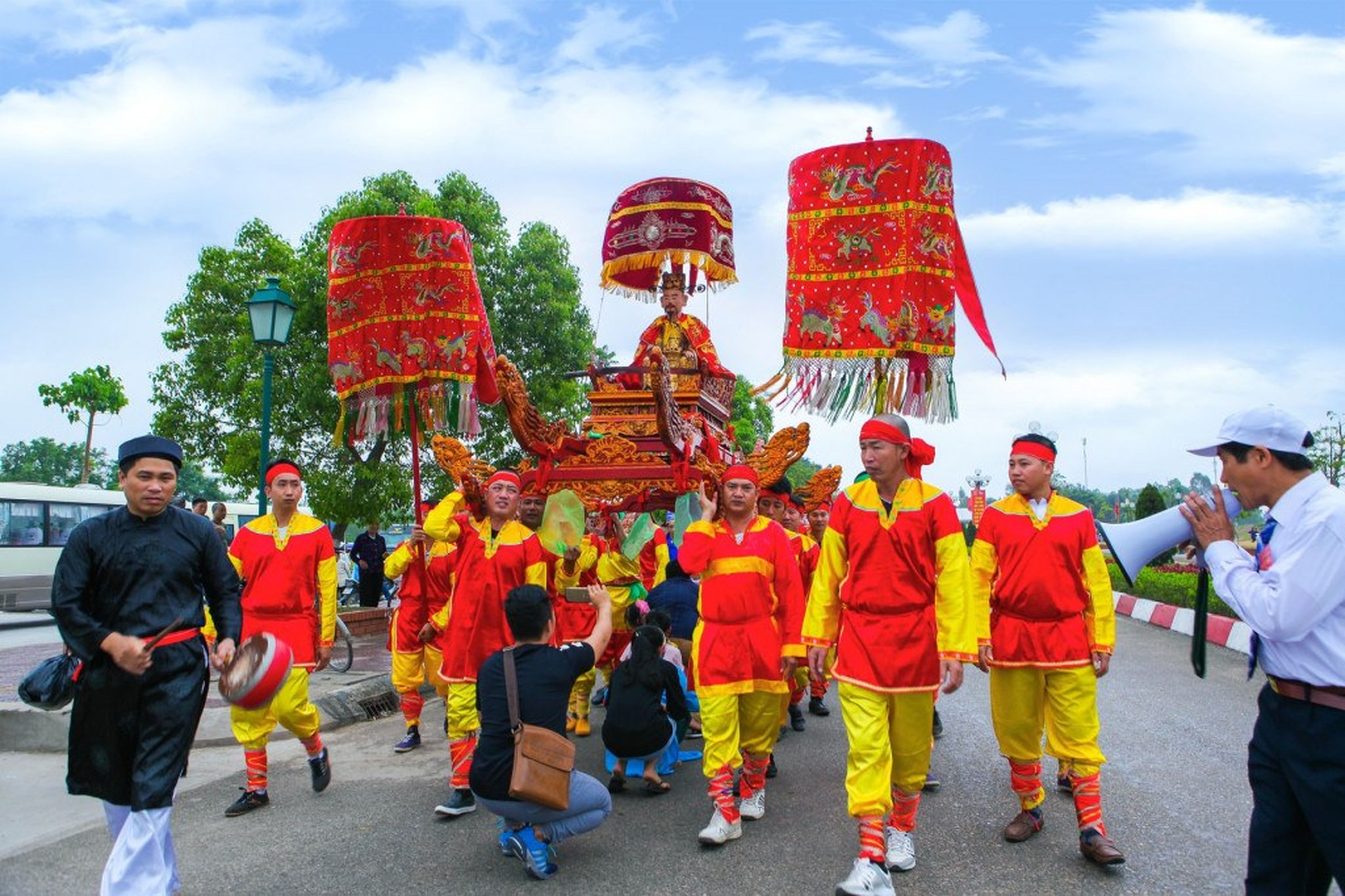
Procession of the Saint Tran statue during the festival. Photo: Long Giang.
The festival takes place at the Bach Dang Victory Relic Complex, with key sites including Tran Hung Dao Temple, Vua Ba Shrine, and Yen Giang Communal House situated at the festival center.
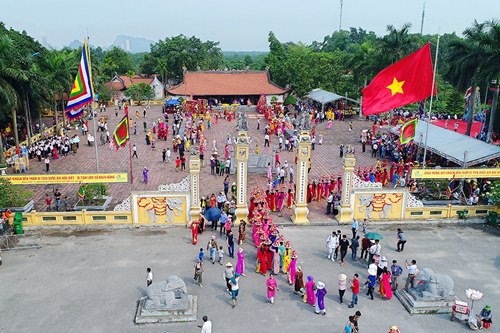
Bach Dang Festival. Photo: Quang Ninh Newspaper.
Following the incense offering ceremony and the opening drum beats, the most anticipated procession of Saint Tran Hung Dao's statue commences. Dozens of groups bearing elaborate offering trays join the procession from Tran Hung Dao Temple to Yen Giang Communal House. Residents along the route also prepare feast trays to offer to Saint Tran to express their profound gratitude.
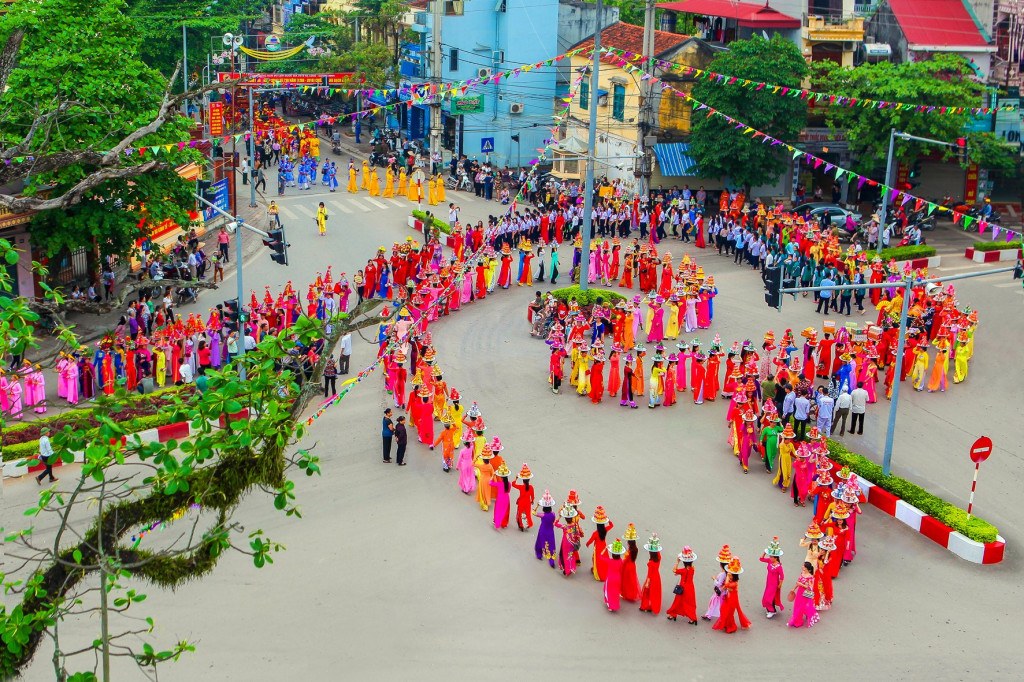
Festival procession. Photo: Long Giang.
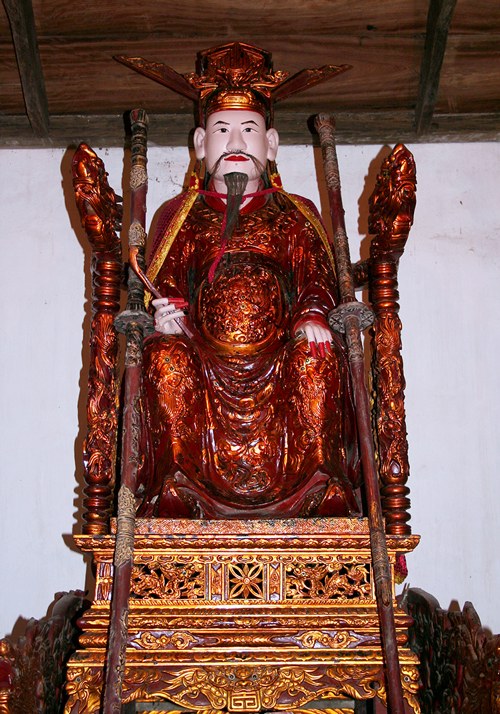
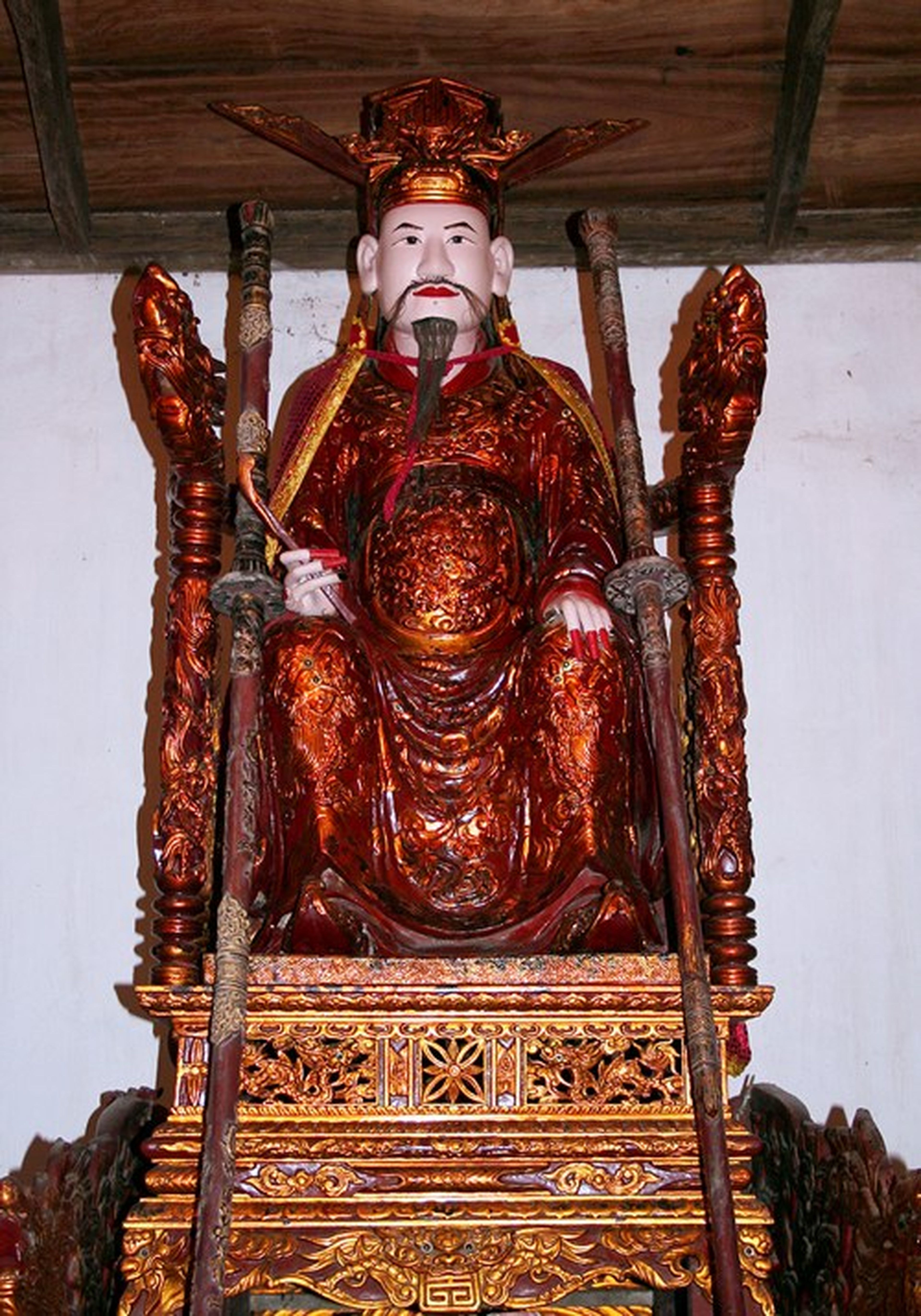
Statue of Tran Hung Dao at Trung Ban Communal House. Photo: Quang Ninh Newspaper.
The traditional Bach Dang Festival is organized elaborately and solemnly according to traditional rites to honor and reaffirm the significance and historical value of the Bach Dang Victory in the struggle against foreign invaders.
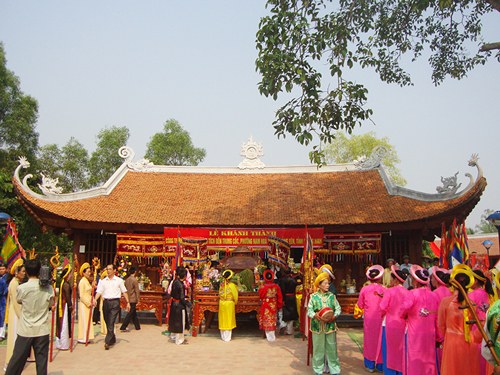
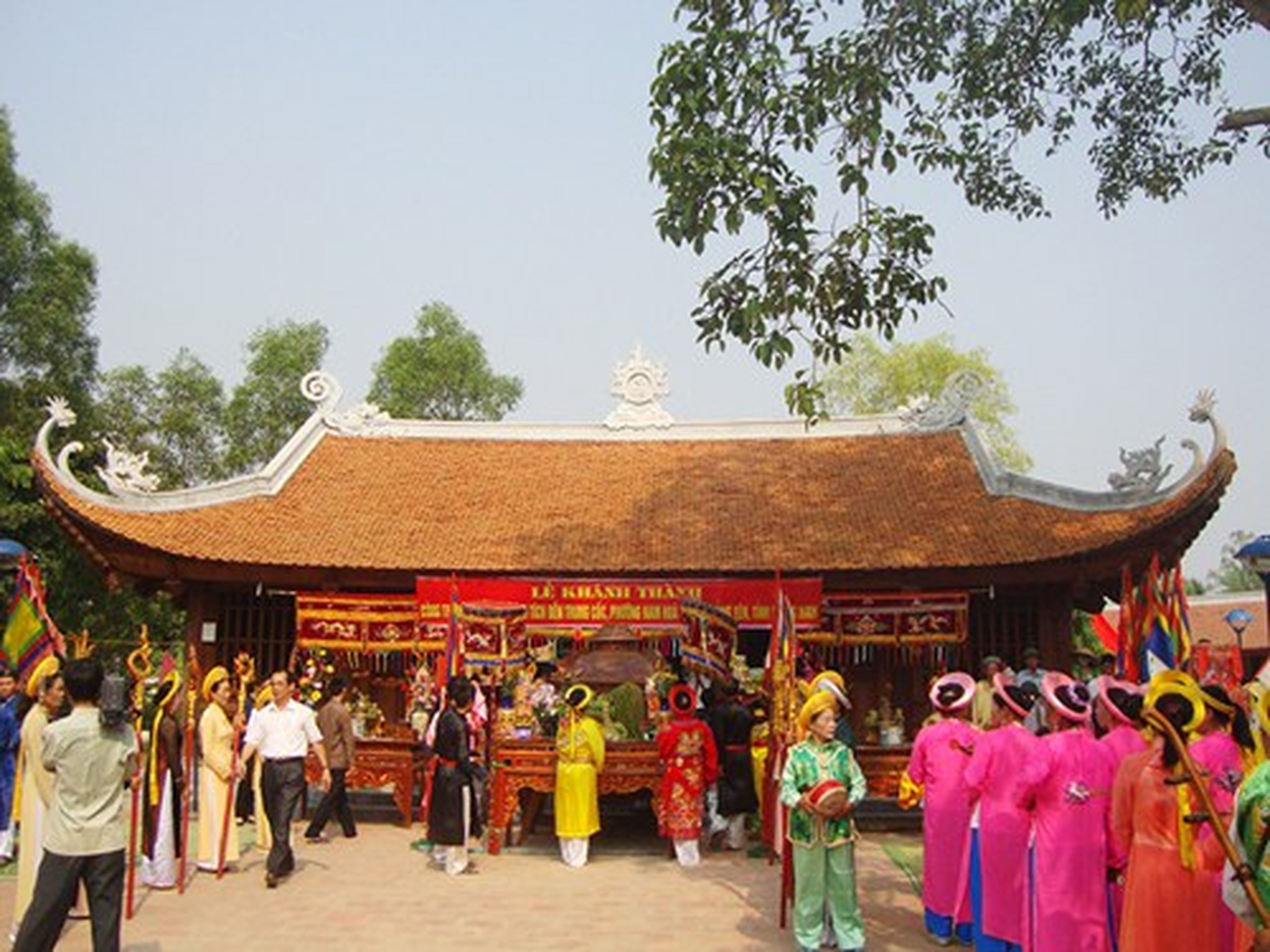
Trung Coc Temple. Photo: Quang Ninh Newspaper.
Through these activities, the festival also sparks national pride and educates people on historical traditions. It also serves as a cultural activity that stimulates tourism, contributing to the goal of attracting an increasing number of visitors to Quang Ninh Province.
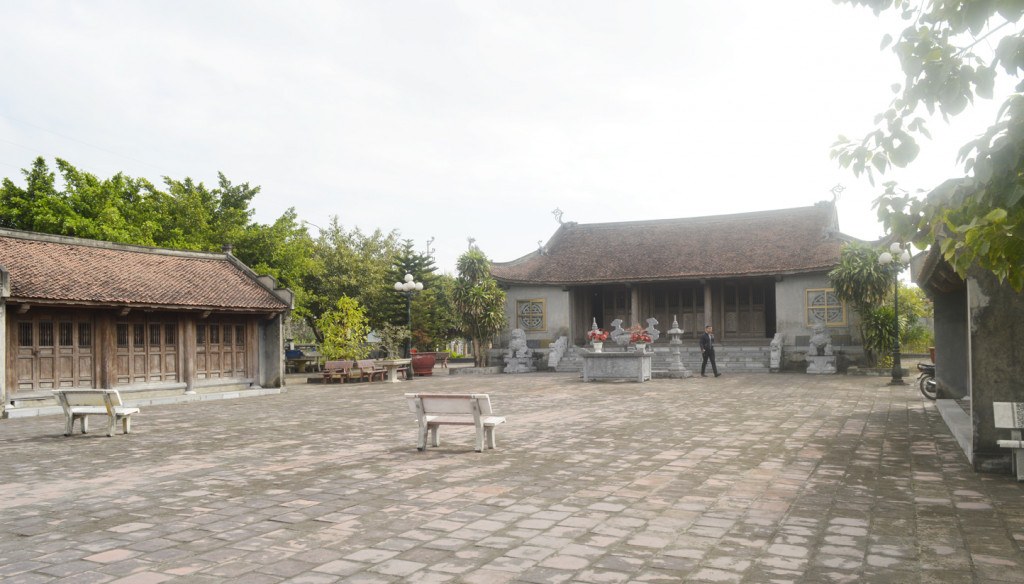
Den Cong Communal House. Photo: Quang Ninh Newspaper.
The Bach Dang Victory Relic Site and the Bach Dang Festival play an essential role in preserving invaluable historical values. Be sure to visit this relic site during your journey to Quang Ninh to learn more about the history of a heroic nation!