1Overview of Ba Vang Pagoda
1.1 Where is Ba Vang Pagoda?
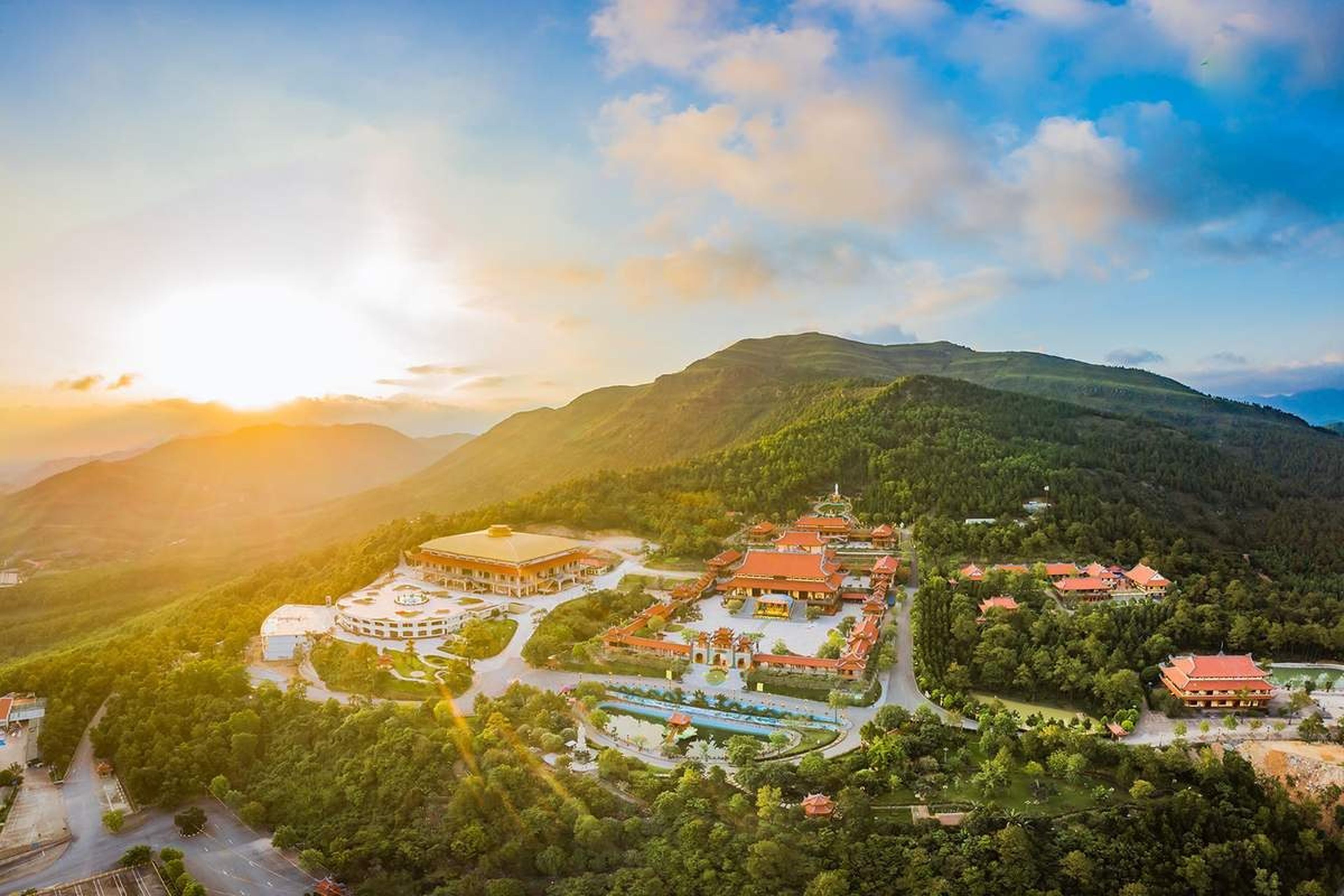
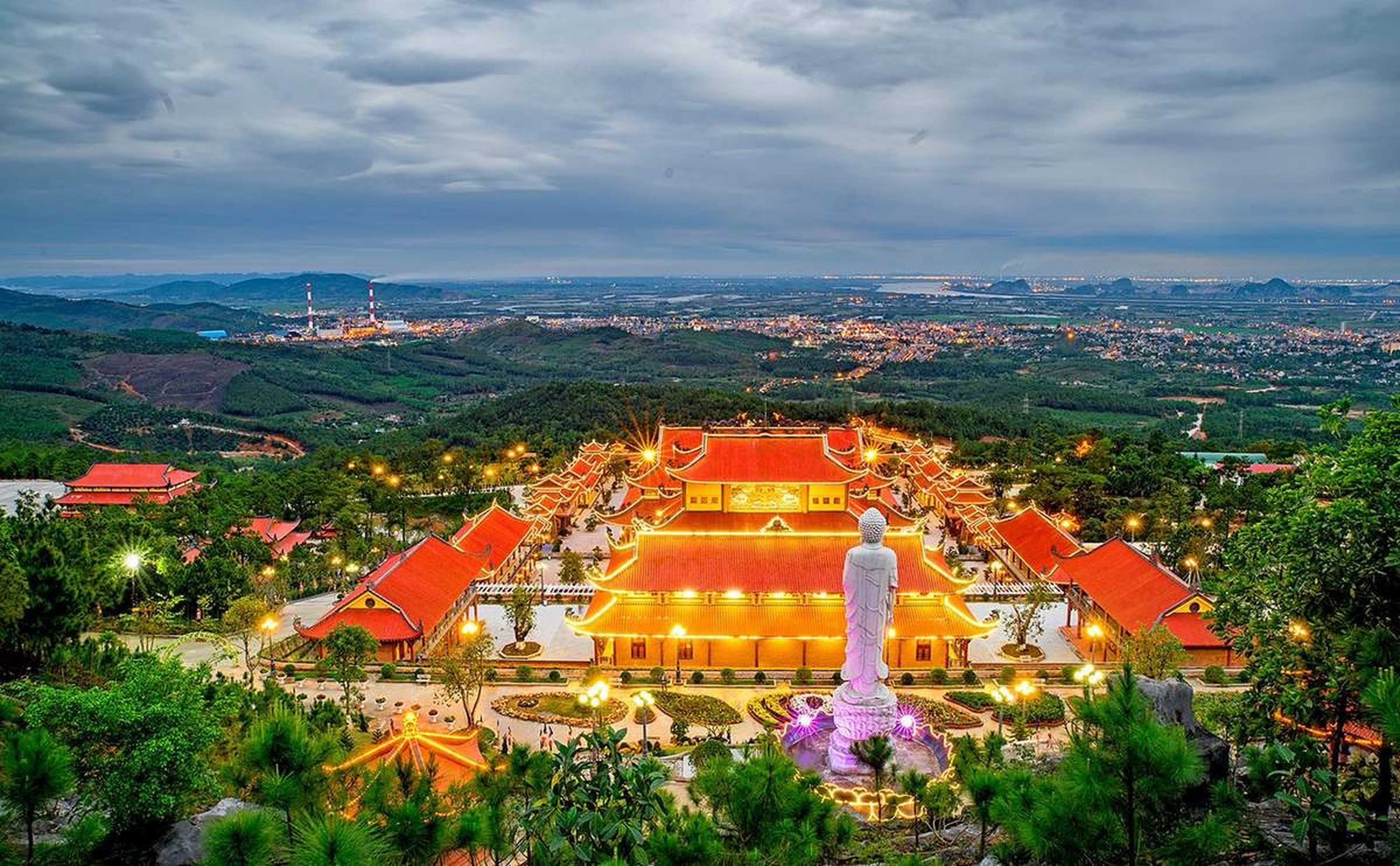
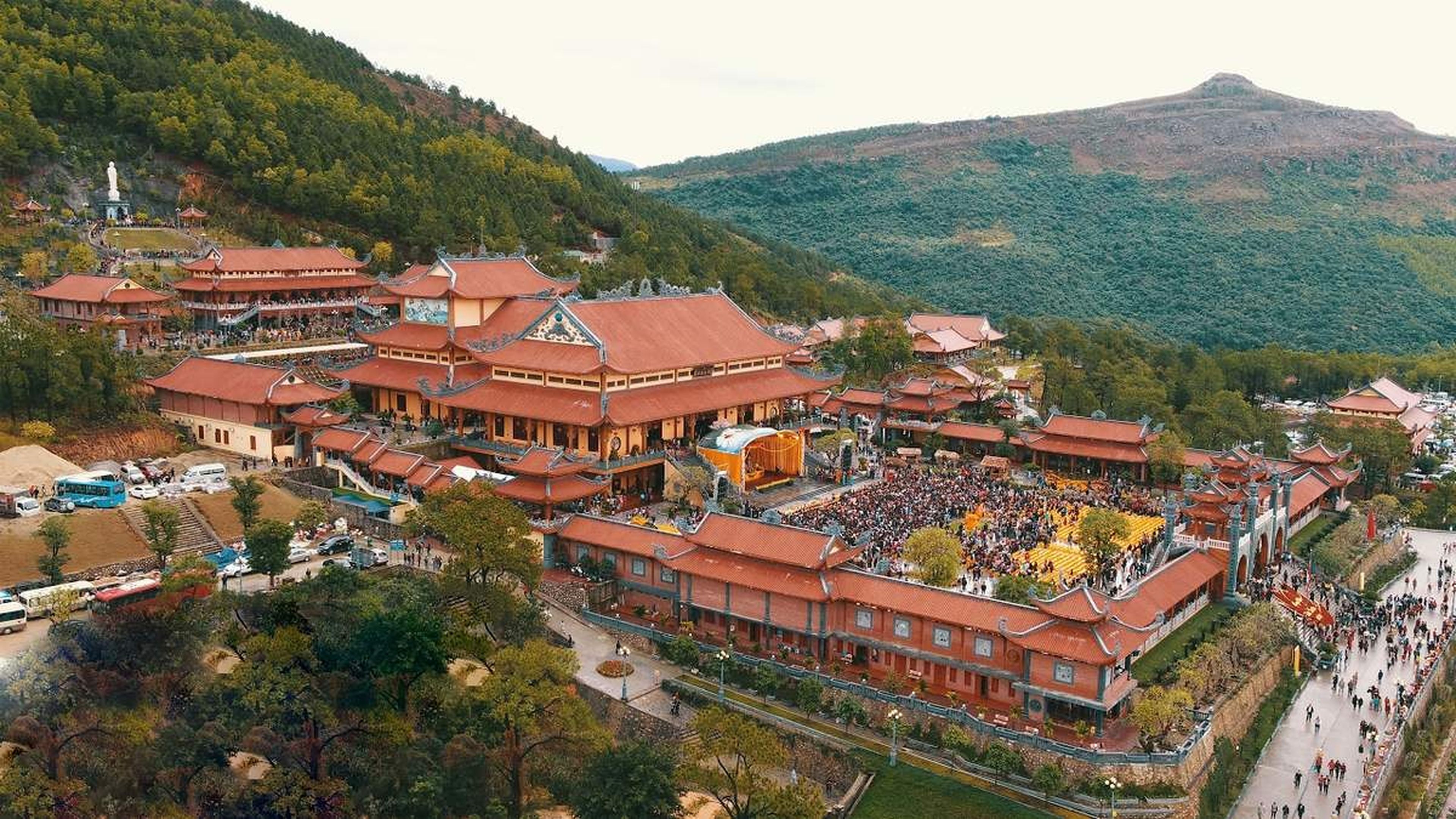
Ba Vang Pagoda, also known as Bao Quang Tu, is located halfway up Thanh Dang Mountain, in Uong Bi Ward (formerly Uong Bi City), Quang Ninh Province.
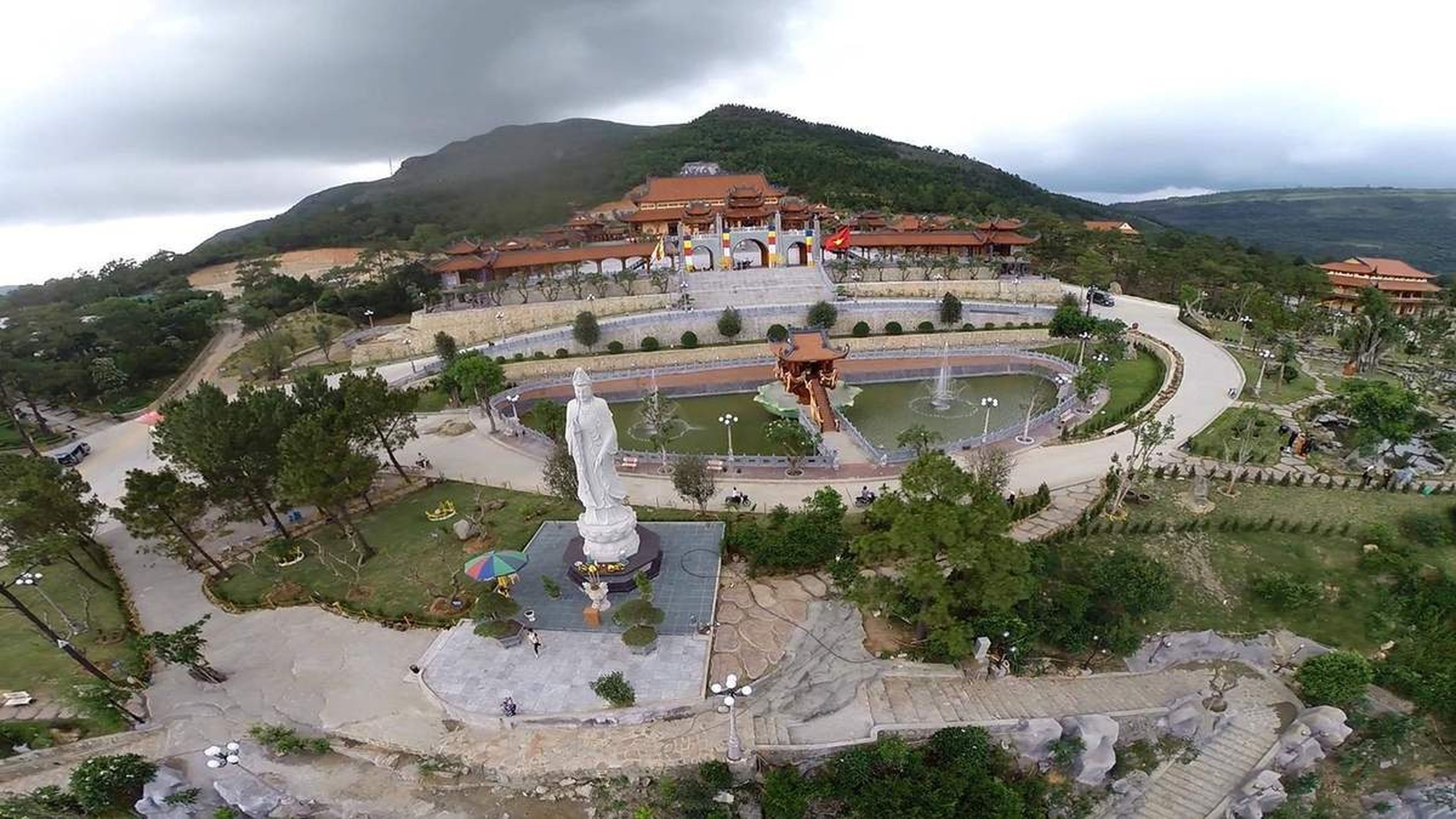
The pagoda enjoys a beautiful location at an elevation of 340 meters above sea level, with the mountain behind it, a tranquil river in front, and expansive pine forests on both sides covered in lush green. Therefore, Ba Vang Pagoda, together with Long Tien Pagoda, is considered a spiritual symbol of the mining land.
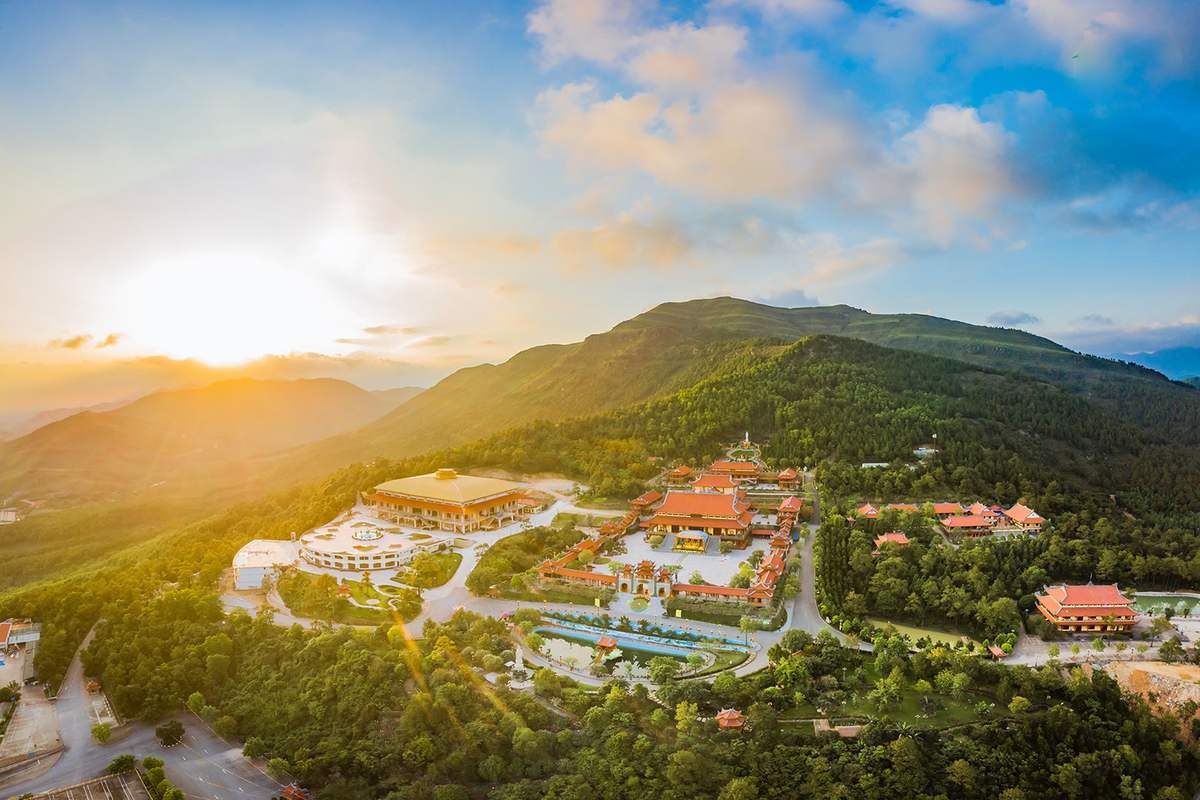
Ba Vang Pagoda is surrounded by lush, cool and peaceful green groves. Illustrative photo: Đời sống & Pháp luật Magazine
A visit to Ba Vang Pagoda has become a choice for many travelers because this place is considered a sacred Buddhist land with an exceptionally ideal feng shui location. People therefore tell one another that visiting Quang Ninh without stopping by Ba Vang Pagoda would be a major omission.
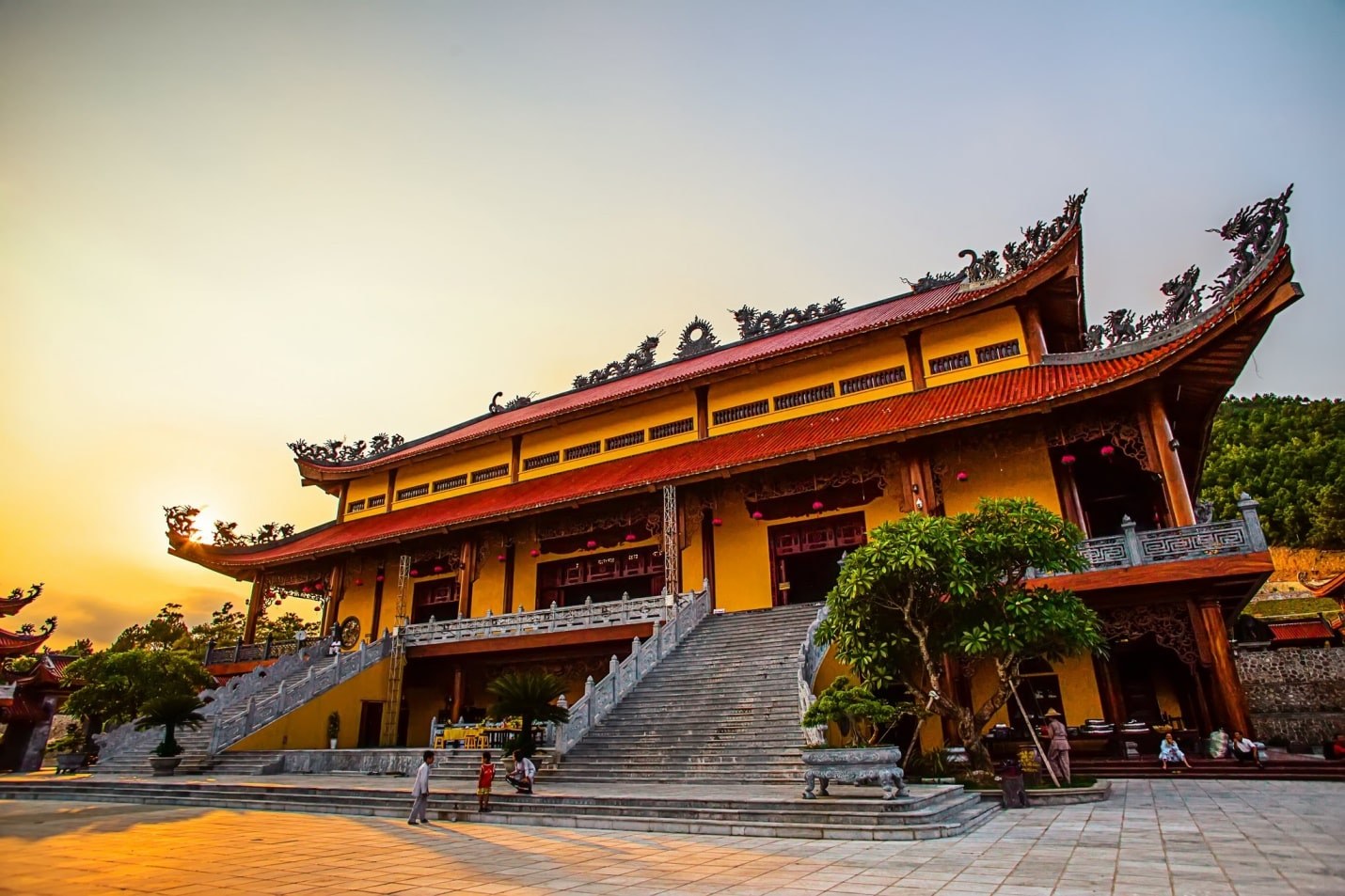
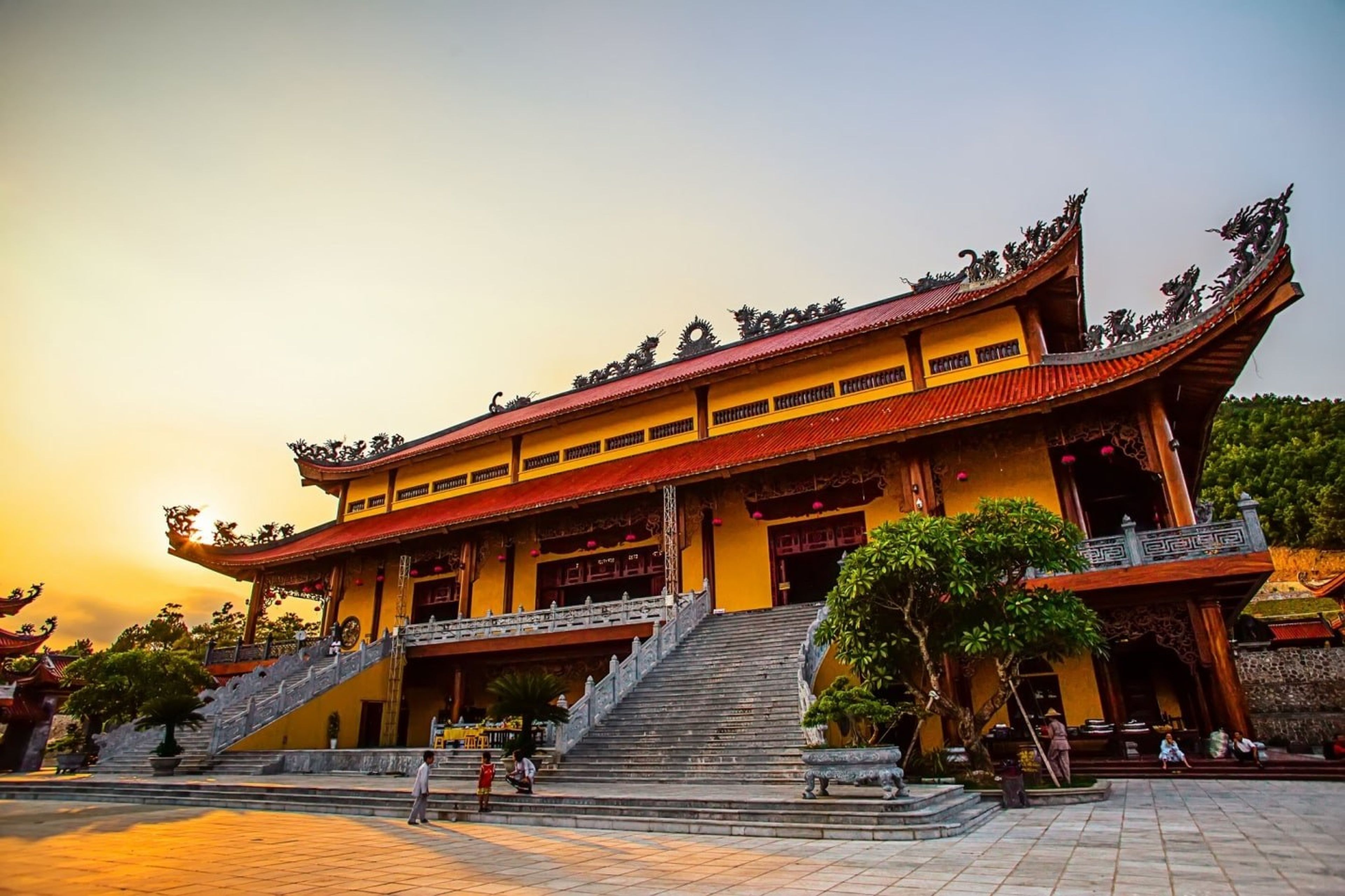
The grounds of Ba Vang Pagoda feature ancient and sacred architecture. Illustrative photo: Cat Tour Vietnam Co., Ltd.
1.2 The history of Ba Vang Pagoda
This pagoda was built in 1706, during the reign of King Le Du Tong. After enduring historical upheavals and wartime destruction, Ba Vang Pagoda was severely damaged.
In 1988, the pagoda was almost completely restored and renovated with wooden materials. In 1993, Quang Ninh decided to rebuild the entire pagoda complex. To this day, only a stone incense burner, a stele bearing the memorial tablet of a Zen master, and the stones supporting the column bases remain as witnesses to the pagoda’s long history.
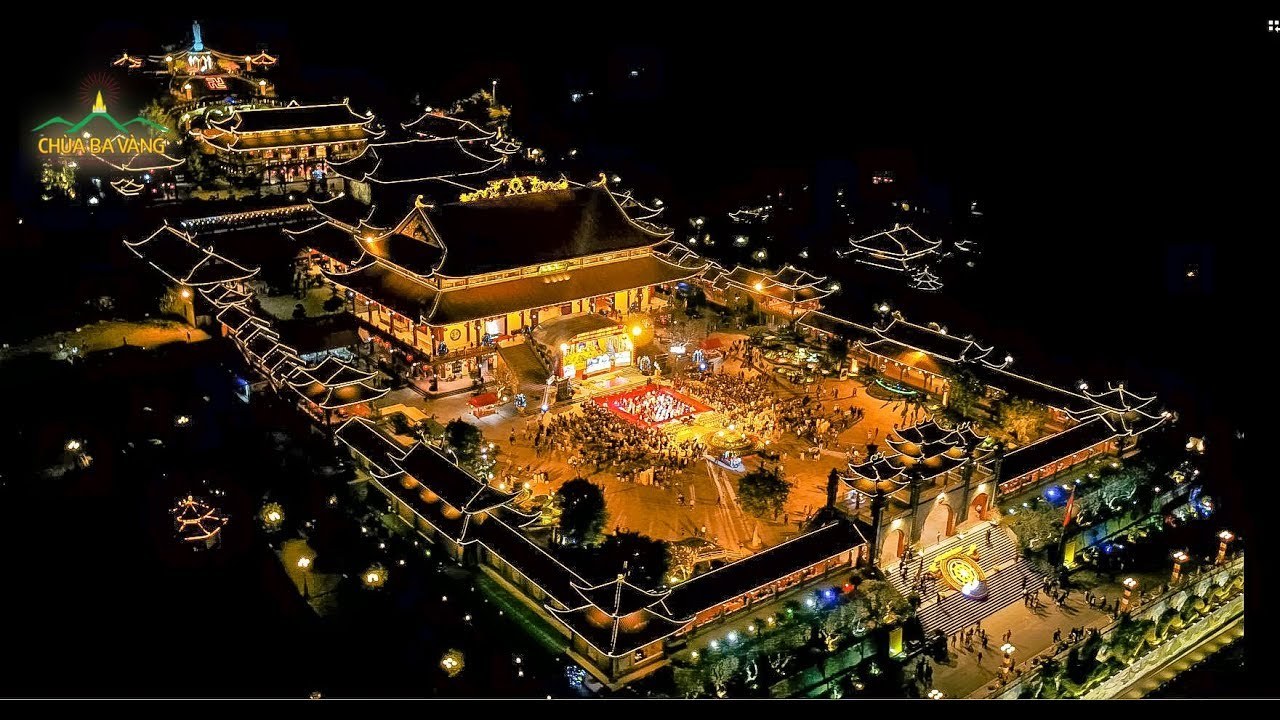
Ba Vang Pagoda was almost entirely rebuilt after being devastated by time and war. Illustrative photo: Dulichvanan
In January 2011, to meet the practice needs of monks, nuns and Buddhists and to propagate Buddhism, Ba Vang Pagoda was rebuilt once again on a very large scale. As a result, it became one of the most famous spiritual tourist destinations
2Unique architecture at Ba Vang Pagoda
Having undergone many restorations, Ba Vang Pagoda today has a relatively modern architectural style, while still retaining its distinctive spiritual character.
The Amitabha Buddha statue: Carved from wood, it is reputed to be the largest and most beautiful statue among the pagodas in northern Vietnam.
A series of imposing statues standing over 2m tall: the Three Buddhas statue, the Guanyin statue...
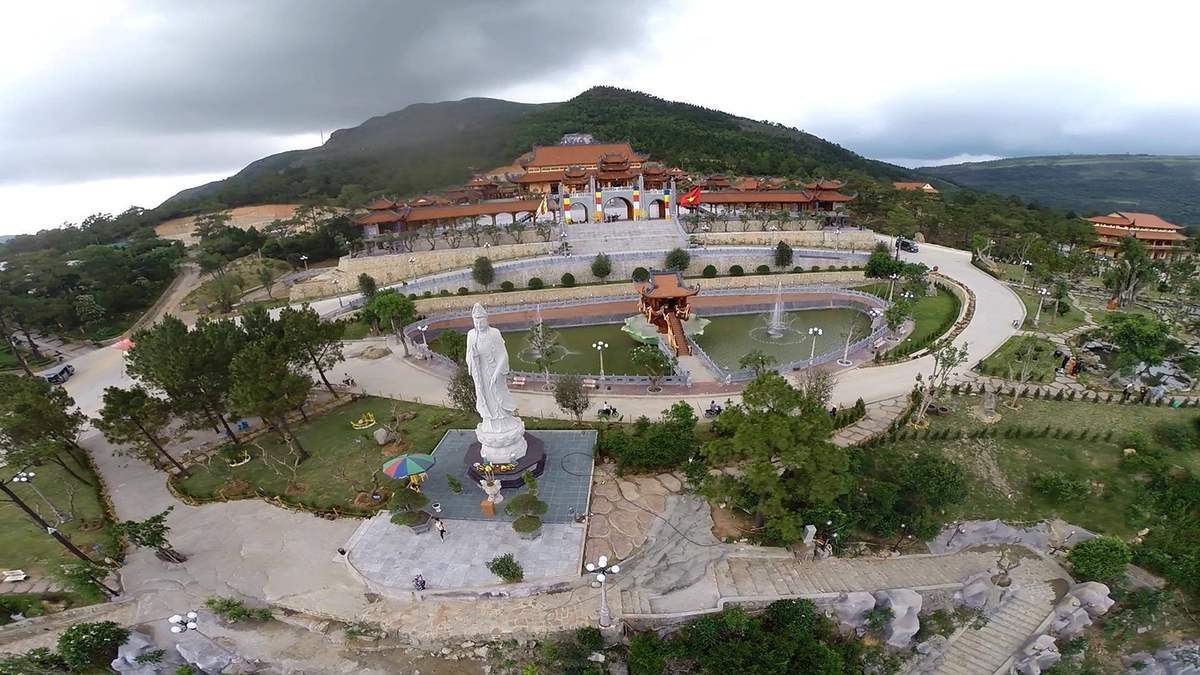
The pagoda grounds feature large, sturdy statues standing beneath the sky. Illustrative photo: Quang Ninh Newspaper
The largest statue of Guanyin Bodhisattva is 10.8m tall: It stands on a 2.8m-high lotus pedestal and weighs 80 tons. The statue is made entirely from a single block of granite and was meticulously and painstakingly carved by skilled artisans.
The enormous, never-drying well: According to local legend, it is a sacred well. Drinking just one sip of its water is said to dispel all illnesses, bring lasting health and ensure fulfillment into old age.
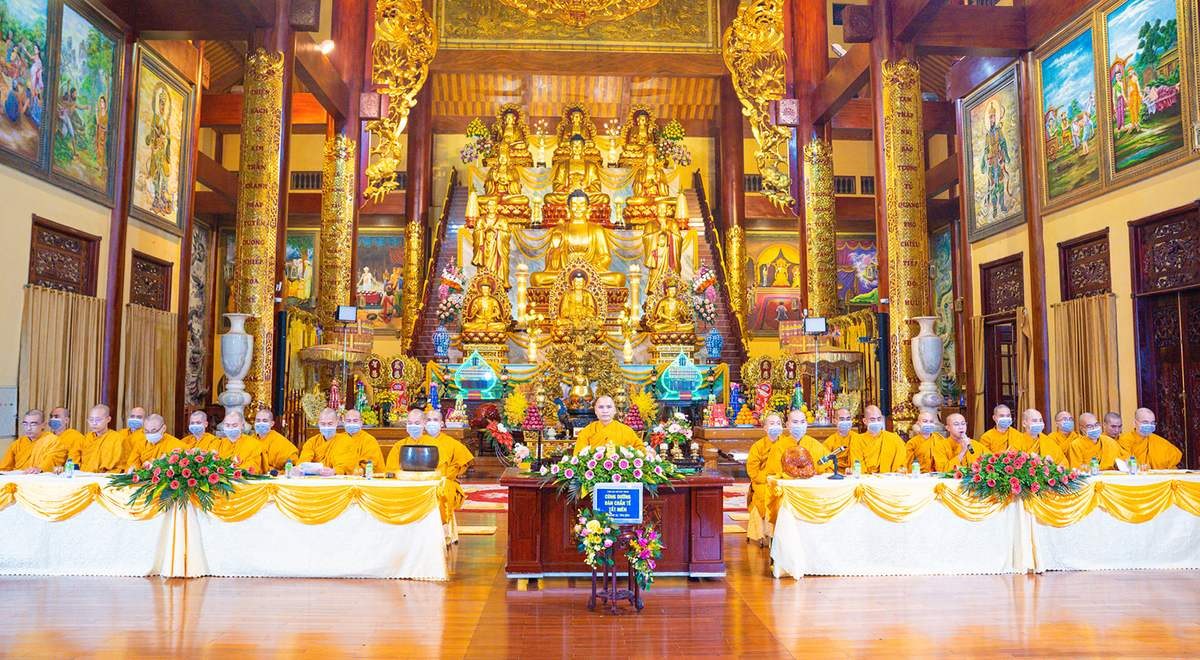
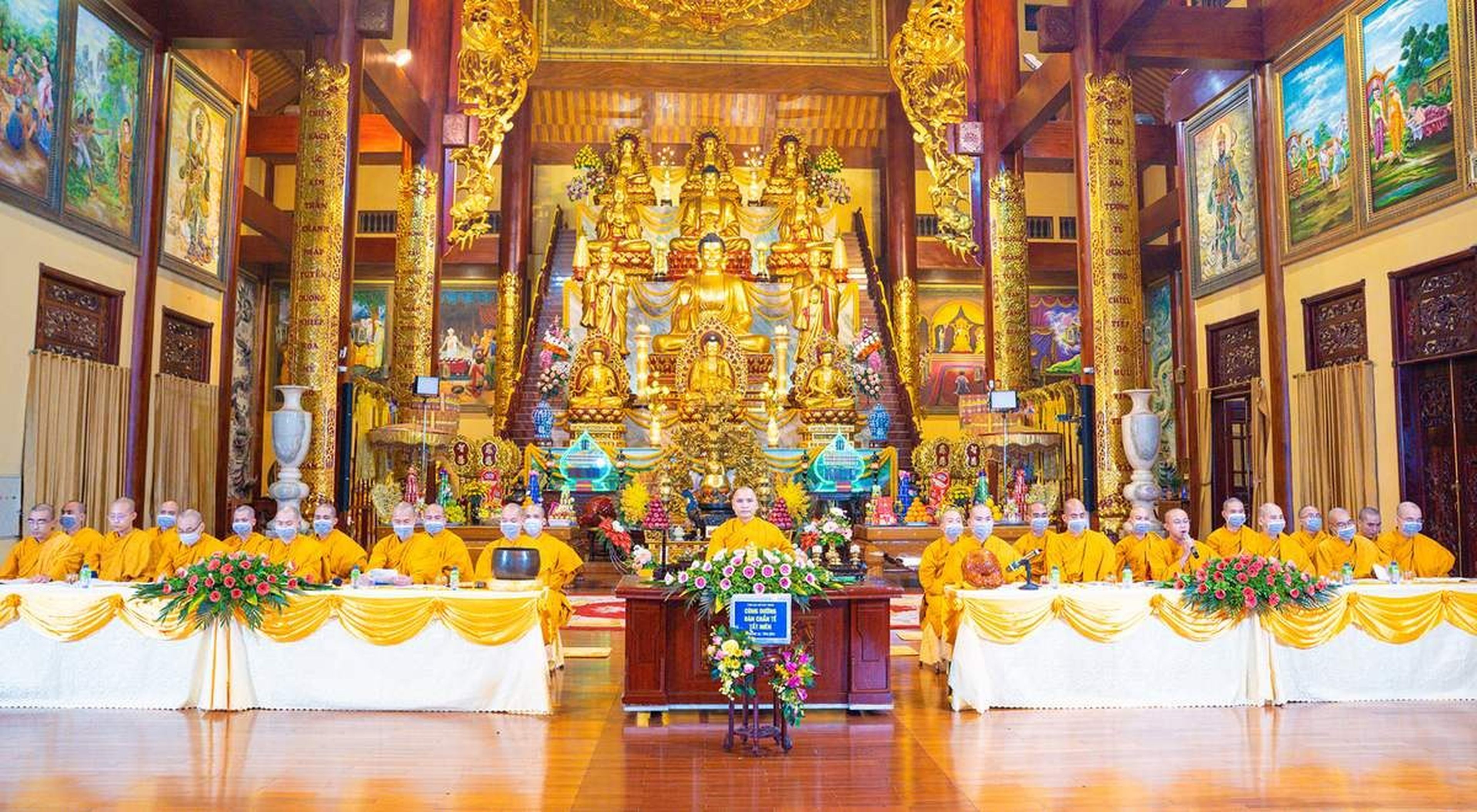
Ba Vang Pagoda worships many finely and delicately carved Buddha statues. Illustrative photo: Vietnam Airlines
The Bell Tower and Drum Tower: They feature delicate patterns and sophisticated carvings. The space here is ideal for visitors to lose themselves in a tranquil, contemplative setting.
3 Beautiful hidden corners of Ba Vang Pagoda
3.1 The Main Hall: A temple of mountain records
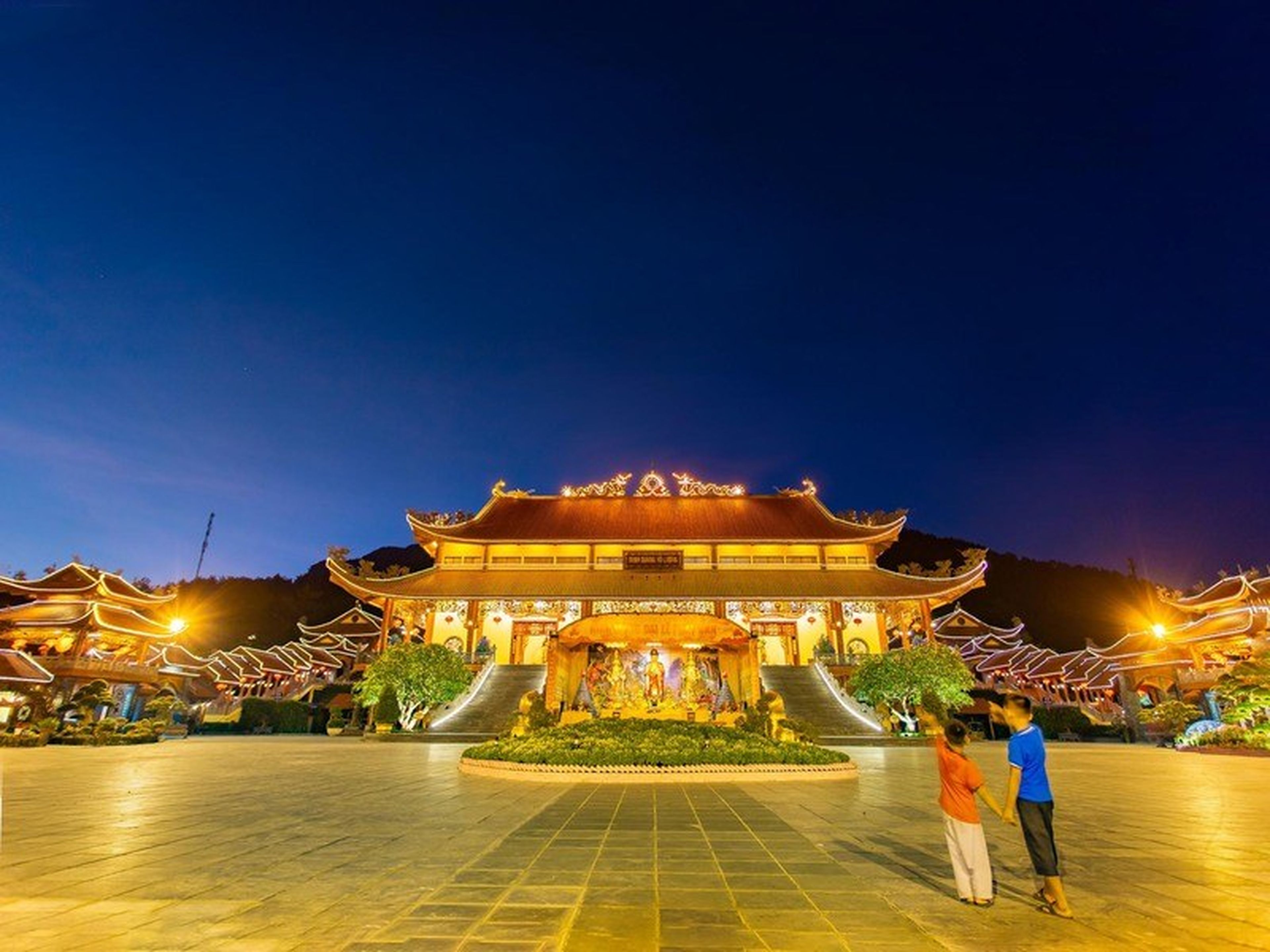
The first stop should certainly be the Main Hall. This is the largest mountain-top Main Hall in Indochina, standing majestically amid the vast mountains and forests. Yet its true beauty lies inside.
When you enter, you will see 37 exquisitely carved relief paintings. They tell the story of the Buddha’s life, from his birth to his entering nirvana. Each painting is a story about letting go and compassion.
In front of the hall is a large courtyard. The Main Hall courtyard is usually decorated according to each festival season. It is an ideal place to stop and take commemorative photos.
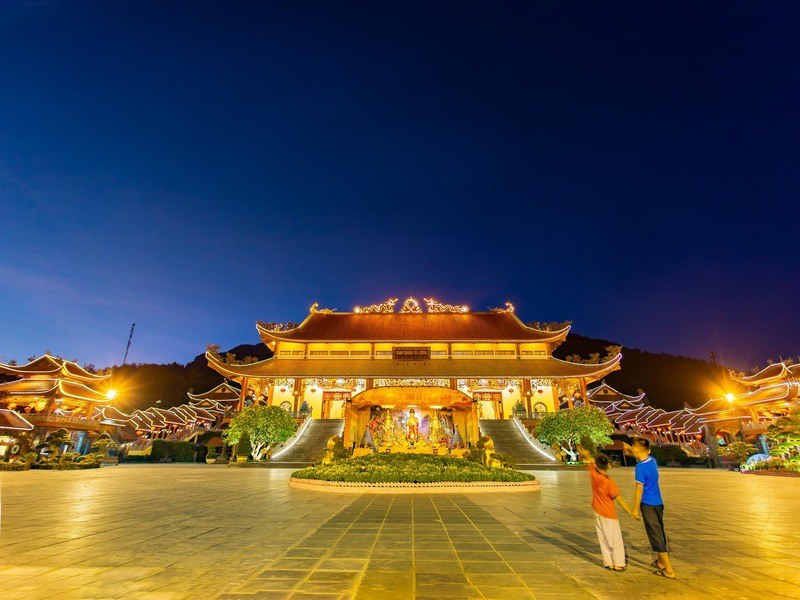
The vast space makes us feel small yet incredibly peaceful. Illustrative photo: VinWonders
3.2 Quiet corners among the Meditation Forest and Meditation Garden
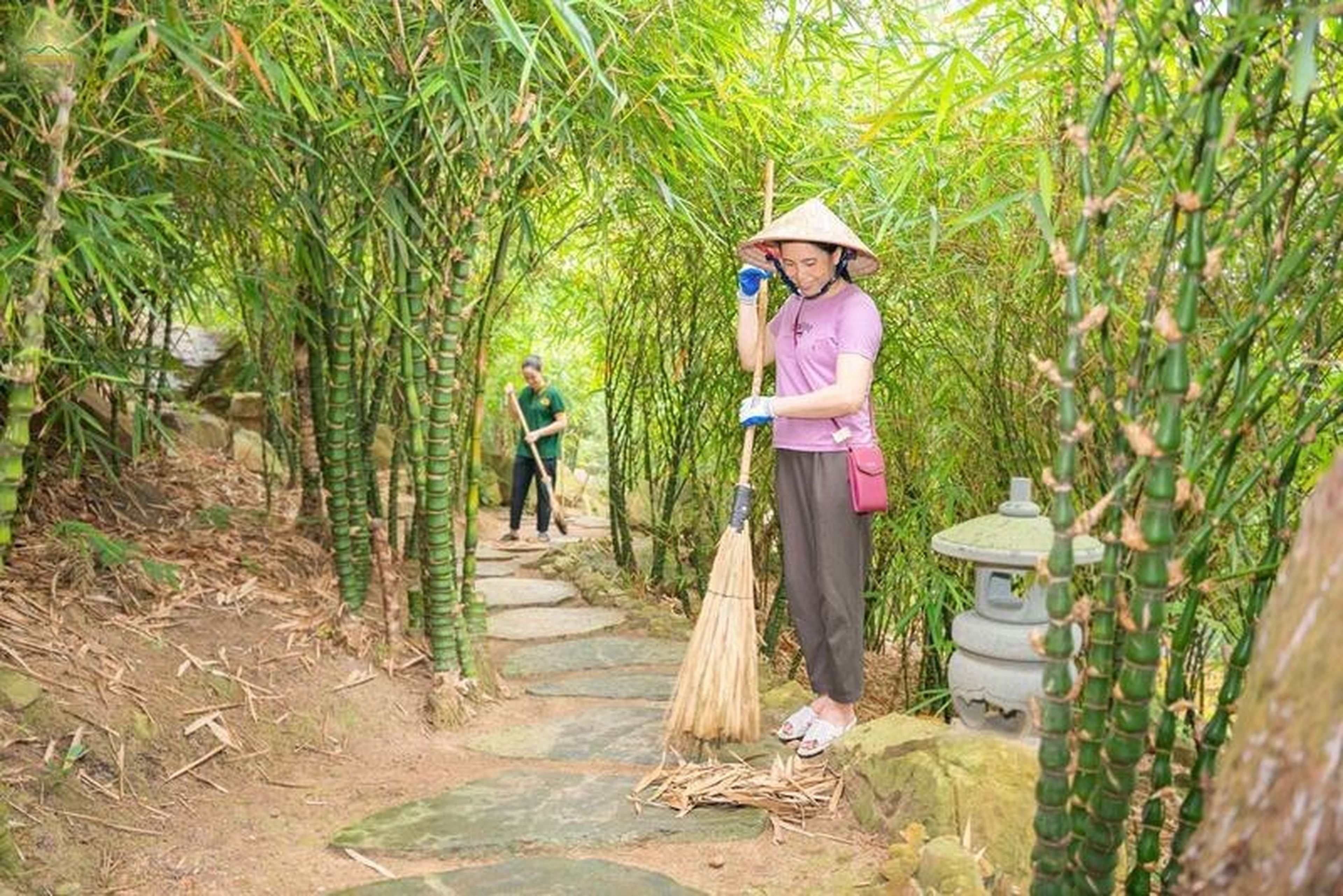
If you want to set aside life’s troubles, head to the Meditation Forest. The space opens out with many branching paths. Rows of green bamboo provide shade along both sides of the way. The farther visitors walk, the more relaxed they feel when they encounter simple communal longhouses, with small tea tables already set out.
This is where we find true stillness: the wind whistling through the leaves and birdsong in the distance. The Meditation Forest of Ba Vang Pagoda is a gift for souls seeking relaxation.
Right beside it is the Meditation Garden, whose houses bear the distinctive character of a Zen monastery. This space helps visitors leave the noise behind. Here, we learn how to slow down.
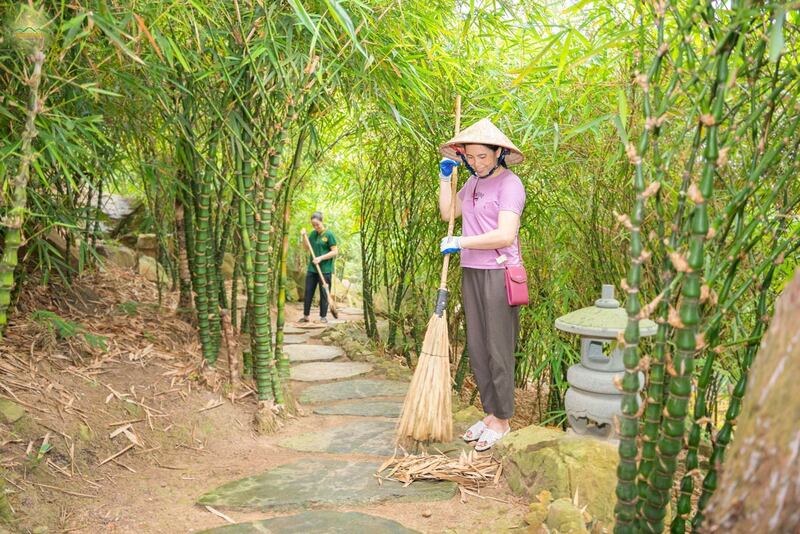
Time seems to stand still, leaving only peace in the soul. Illustrative photo: Ba Vang Pagoda
3.3 One Pillar Pagoda and Tinh Tam Lake
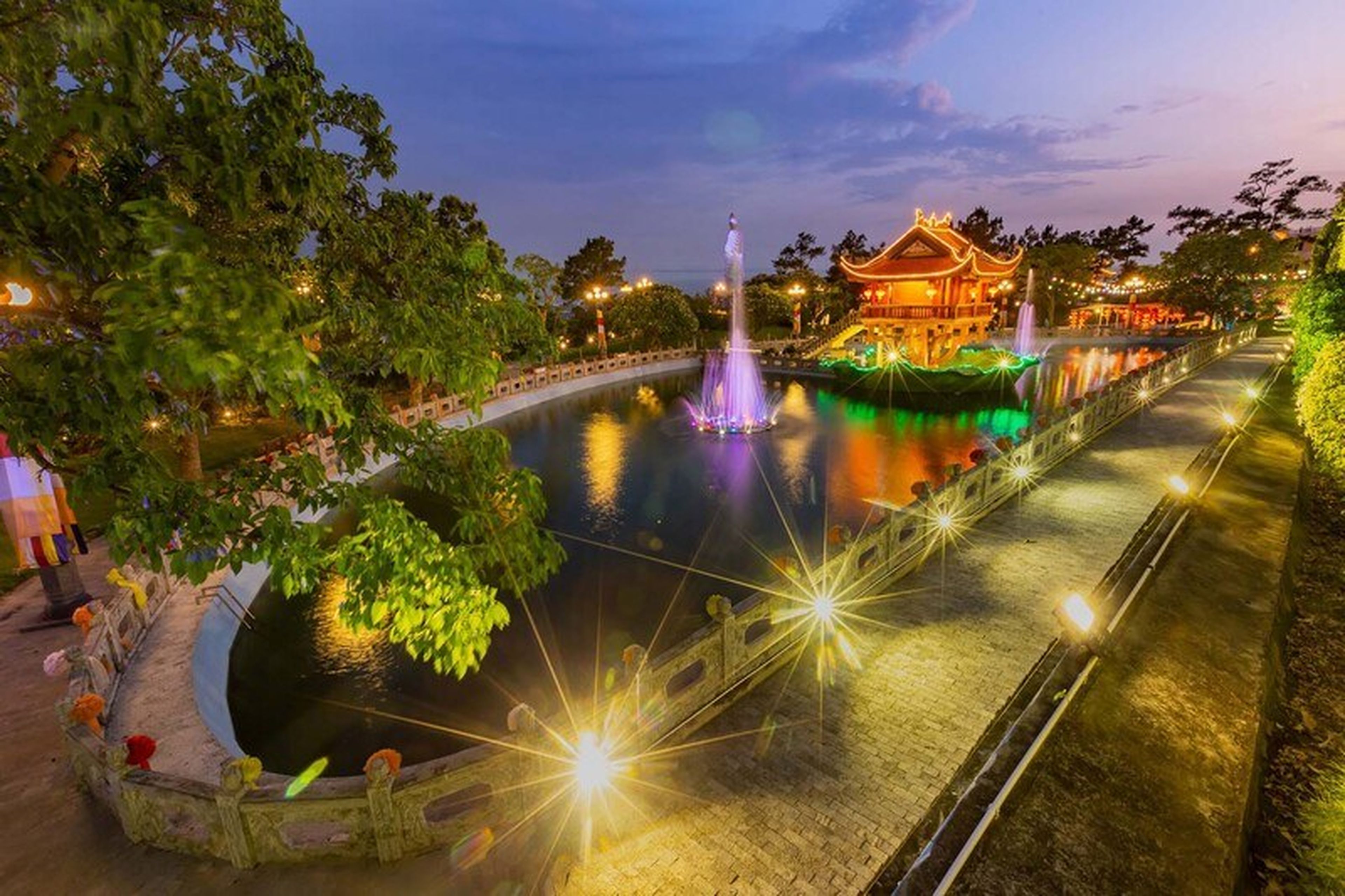
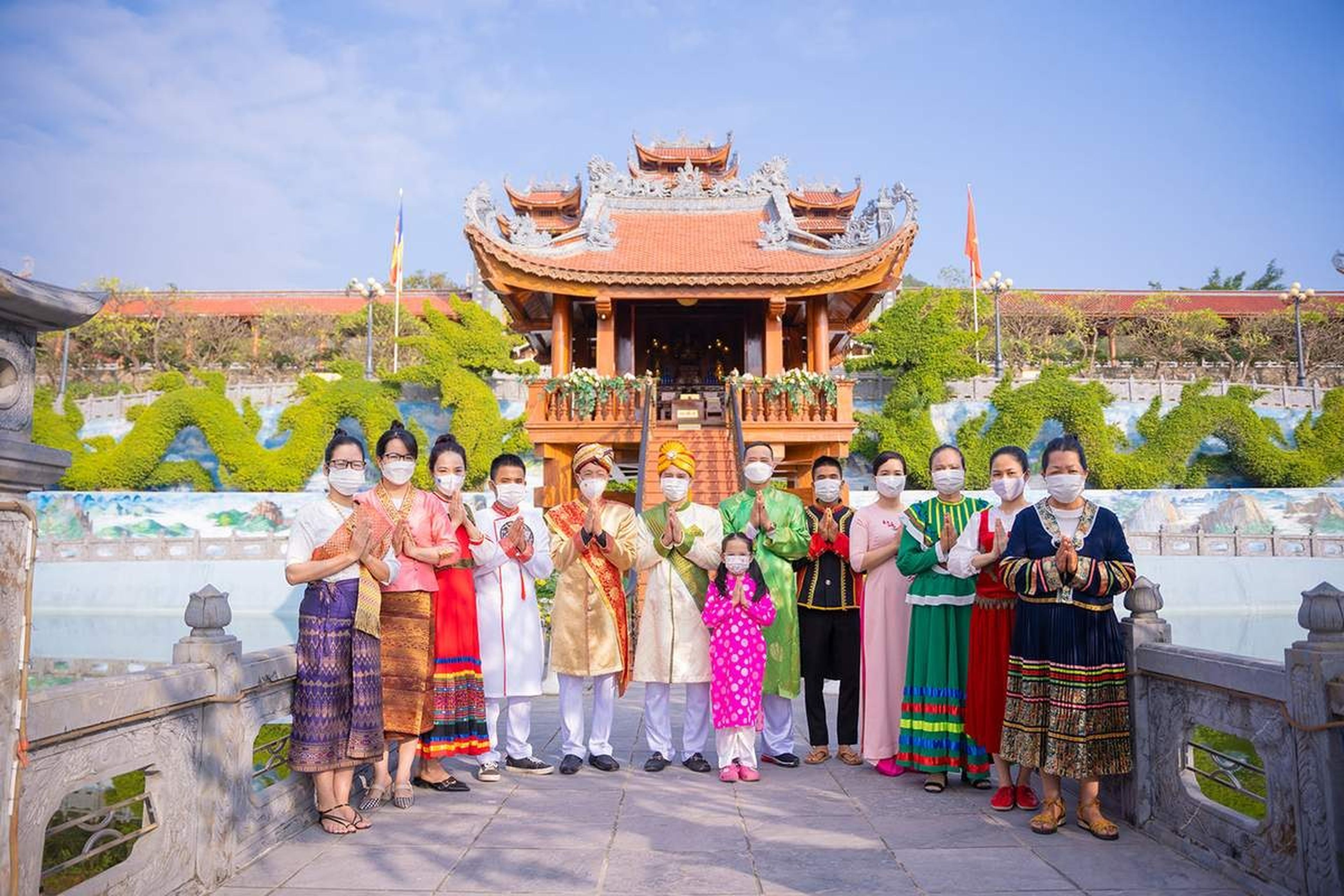
A One Pillar Pagoda stands here, modeled on the famous original in the capital. Ba Vang Pagoda’s One Pillar Pagoda is located in the middle of Ban Nguyet Lake, combining an ancient beauty with an airy elegance.
Many people whisper that this place is highly sacred. They come to pray for children, and many have had their wishes fulfilled. The combination of wooden architecture and still water creates an eye-catching scene.
Next is Tinh Tam Lake. True to its name, the lake is exceptionally tranquil. Whether you visit during the bright sunshine of the day or the sparkling night, its surface always gives off a strange attraction.
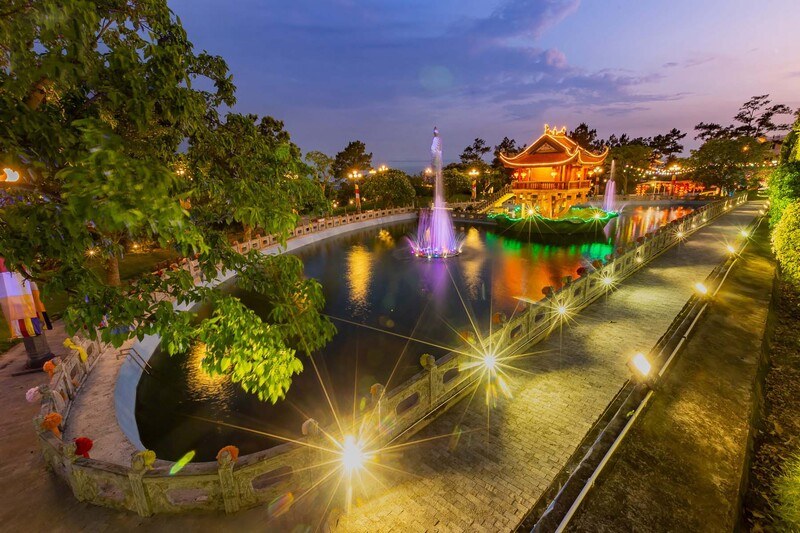
Simply raise your camera and you will find a unique photo from any angle. Illustrative photo: VinWonders
3.4 Gold-plated statues and the Relic Worship Palace
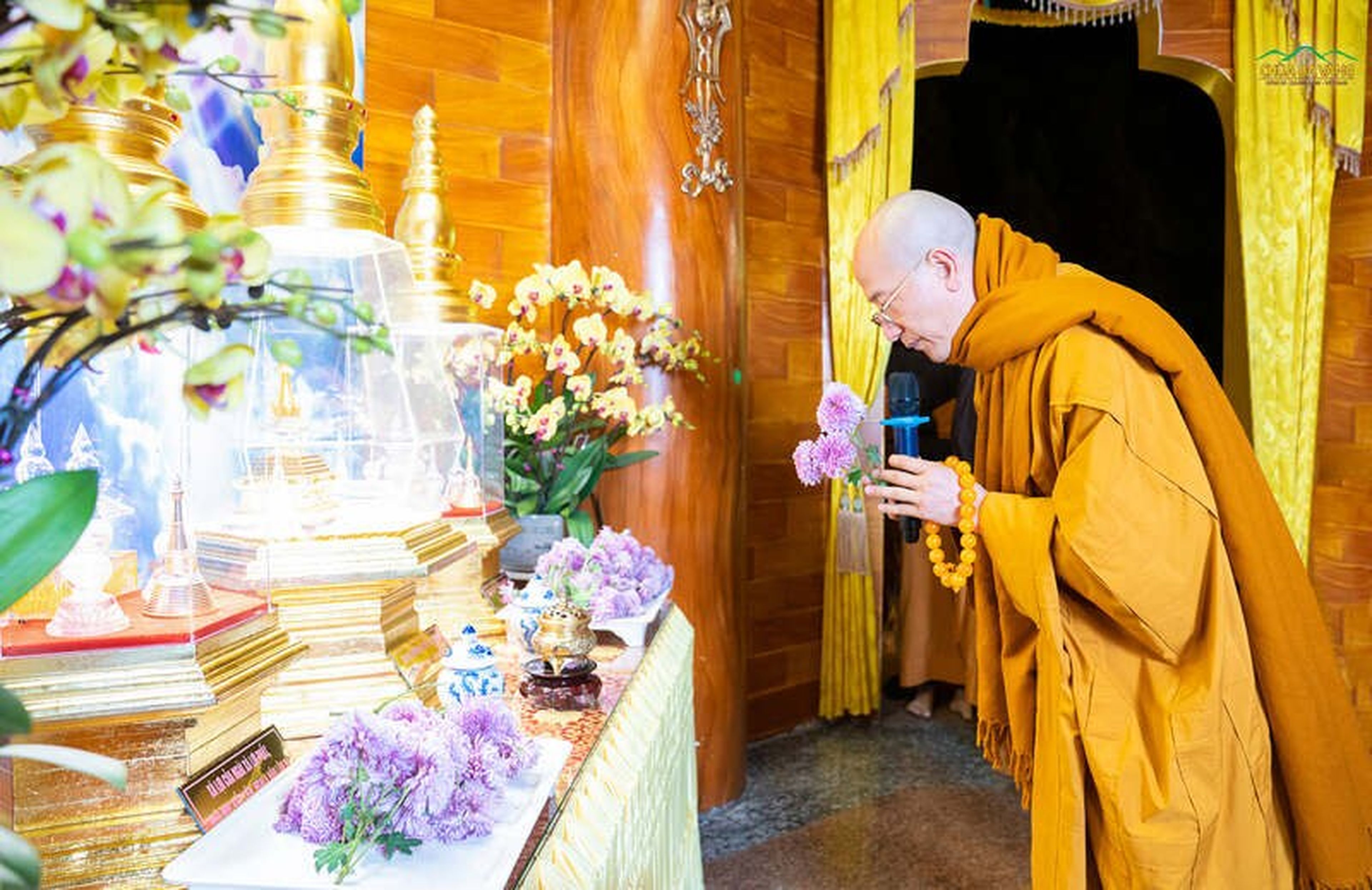
Along the pagoda’s corridors, we can pay homage to the 18 Arhats. These statues were carved from solid green stone. What makes them special is that they are plated with 99.98% gold. In Buddhism, Arhat is the highest attainment. Arhats are those who have completely ended all suffering. The solemnity of the statues makes our hearts feel light. Continuing the journey, visit the Buddha Relic Worship Palace. The tiny relics, like jewels, are crystallized from the Buddha’s sacred body.
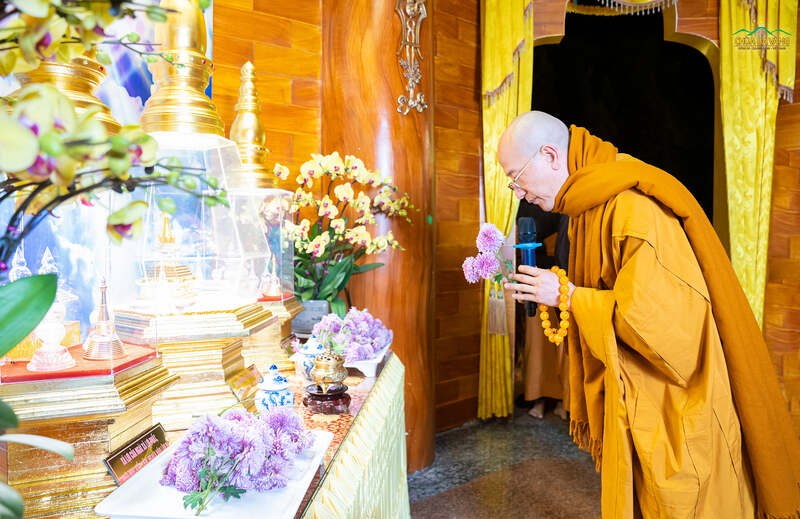
At Ba Vang Pagoda, making offerings of relics is a way to accumulate merit. Illustrative photo: Ba Vang Pagoda
3.5 The Buddha’s Birth Statue and Sacred Well
The Buddha’s Birth Statue features the jade-green color of the lotus pedestal blending with the white of the clouds and sky. This is the best place to watch the sunrise and sunset at Ba Vang Pagoda. As the final sunlight of the day fades, the statue seems to become extraordinarily sacred.
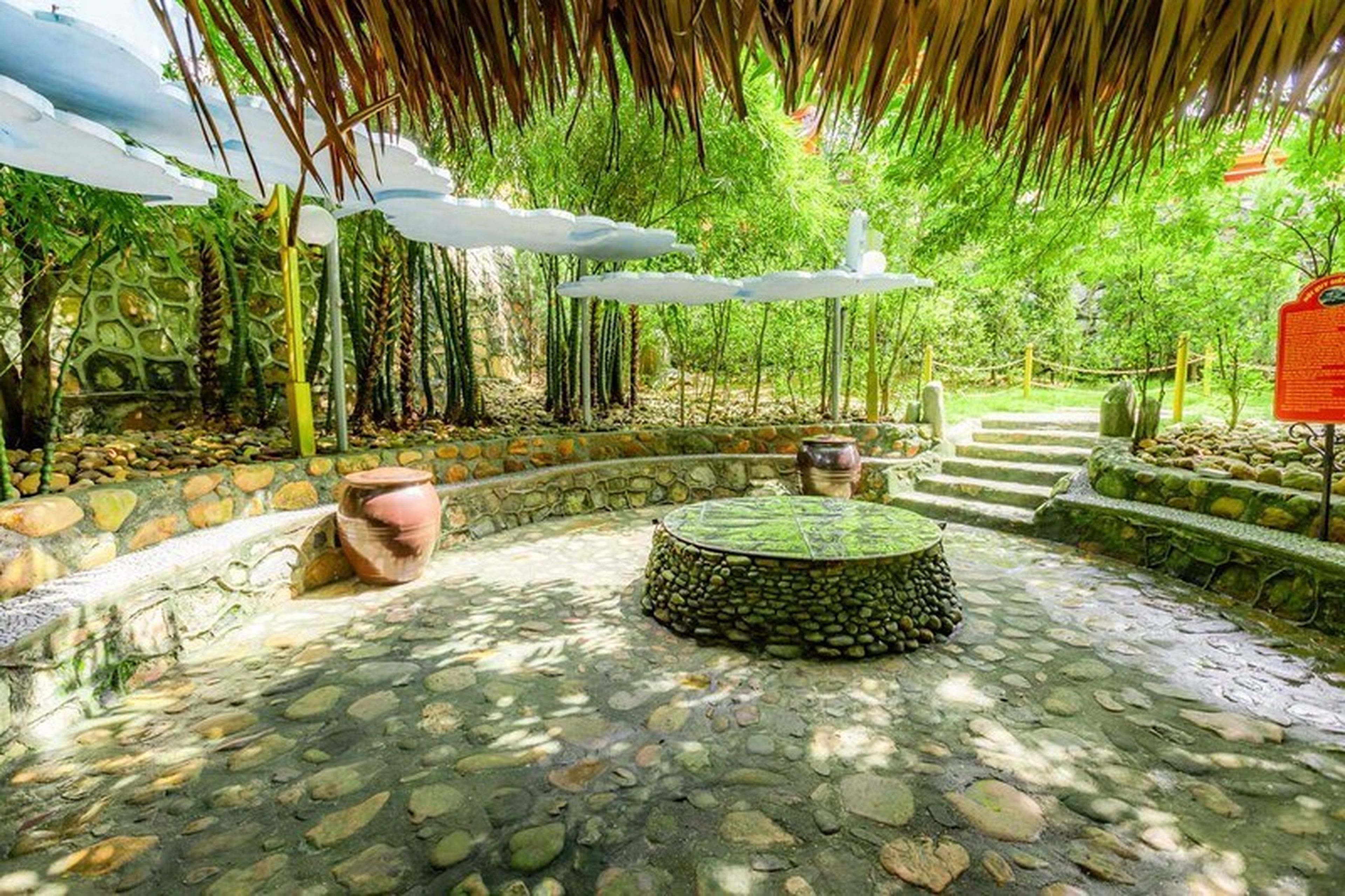
And do not forget to visit the Sacred Well on Thanh Dang Mountain. Although it lies 340m above sea level, the well has never run dry. Local people say that anyone fortunate enough to drink its water on New Year’s Eve will feel joyful and enjoy good things throughout the year.
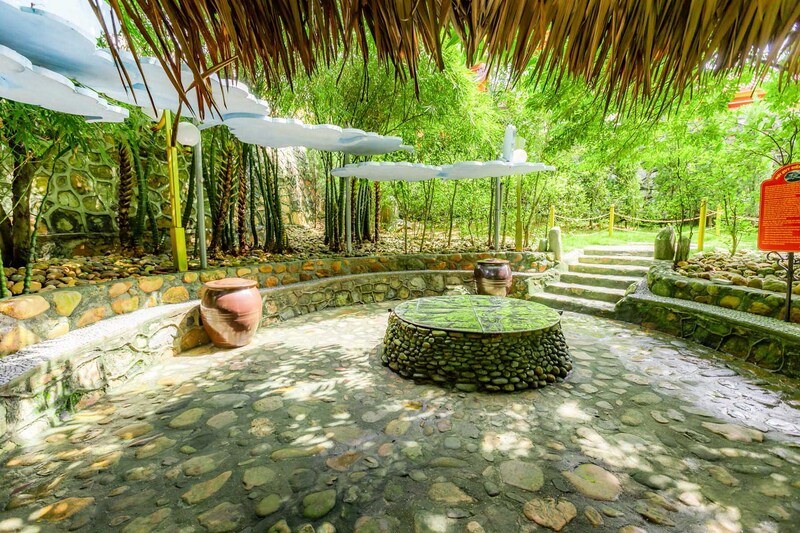
The well water is very clear, sweet and cool. Illustrative photo: VinWonders
4 Enjoy Ba Vang specialties
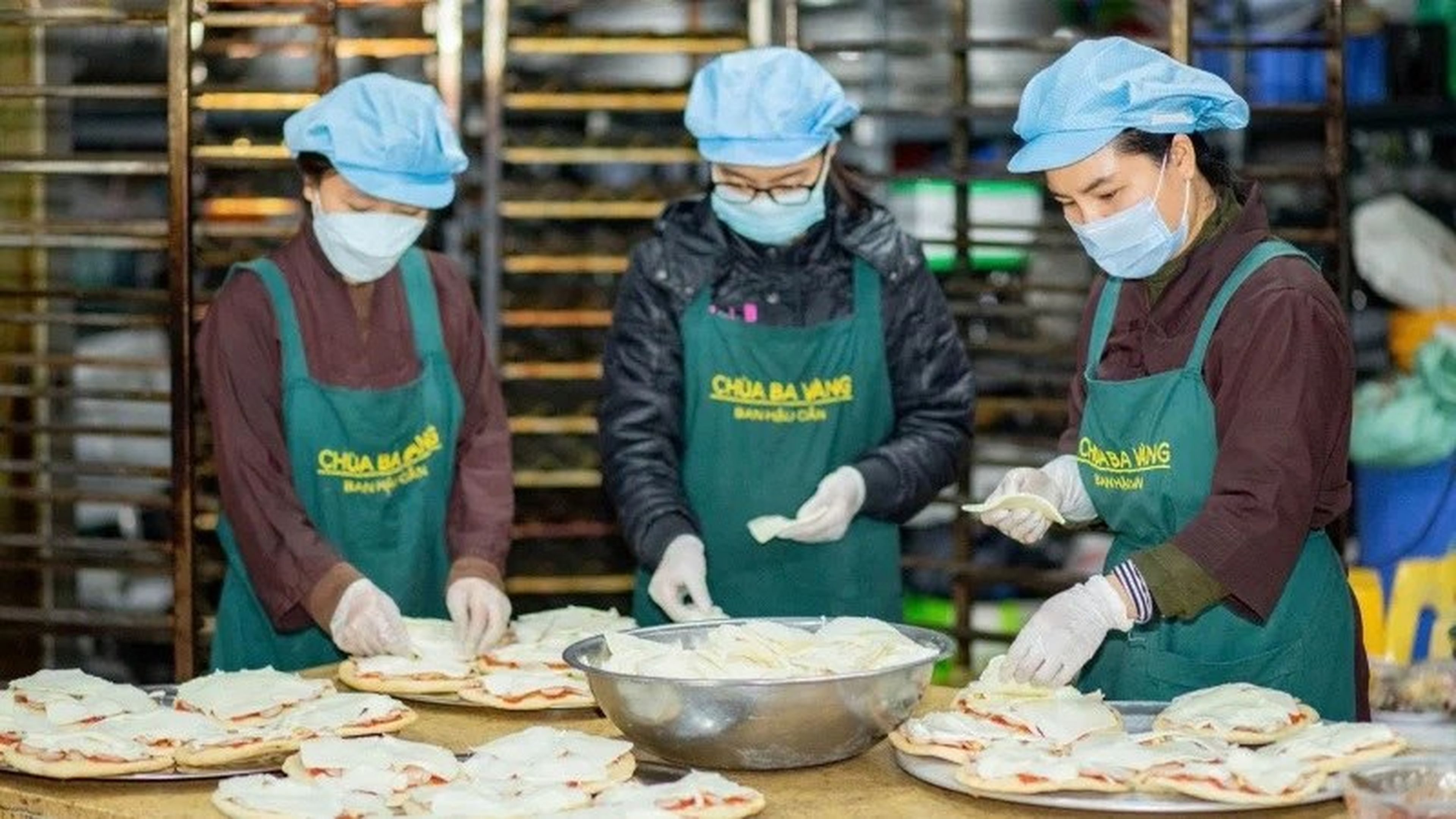
What makes many pilgrims love Ba Vang Pagoda even more is its hospitality. During spring, you can enjoy completely free local specialties.
Rice balls and cakes: These are the pagoda’s “signature.” Firm, fragrant and delicious rice balls are distributed at merit-giving stations from 16h00 to 18h00 every day.
Nutritious vegetarian meals: If you arrive at lunchtime, from 11h00 to 13h00, visit the courtyard of the Buddha’s Birth Statue. Hot vegetarian meals, with menus that change daily, are waiting for you.
Other gifts and snacks: The grounds also offer milk tea, confectionery and fruit for Buddhists from everywhere.
If you visit on other days of the year, do not worry. Simply go to the Guest Reception Office on the first floor of the Main Hall for instructions on registering for a vegetarian meal.
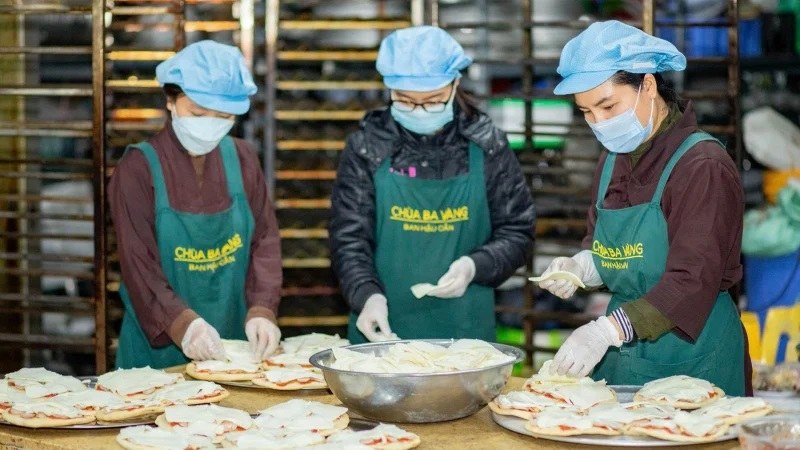
The pagoda’s generosity toward pilgrims is truly boundless. Illustrative photo: Thế giới tiếp thị - Danviet.vn
5 Sacred festival seasons at Ba Vang Pagoda
Throughout the year, Ba Vang Pagoda is filled with vitality through important events. People flock here not only to admire the scenery but also to seek peace of mind through meaningful annual festivals.
Beginning the new year with faith and hope: During Tet, Ba Vang Pagoda becomes more vibrant and bustling than ever. This is when thousands of devotees and visitors from everywhere come to the Buddha’s gate. People come to entrust the pagoda with their most sincere prayers.
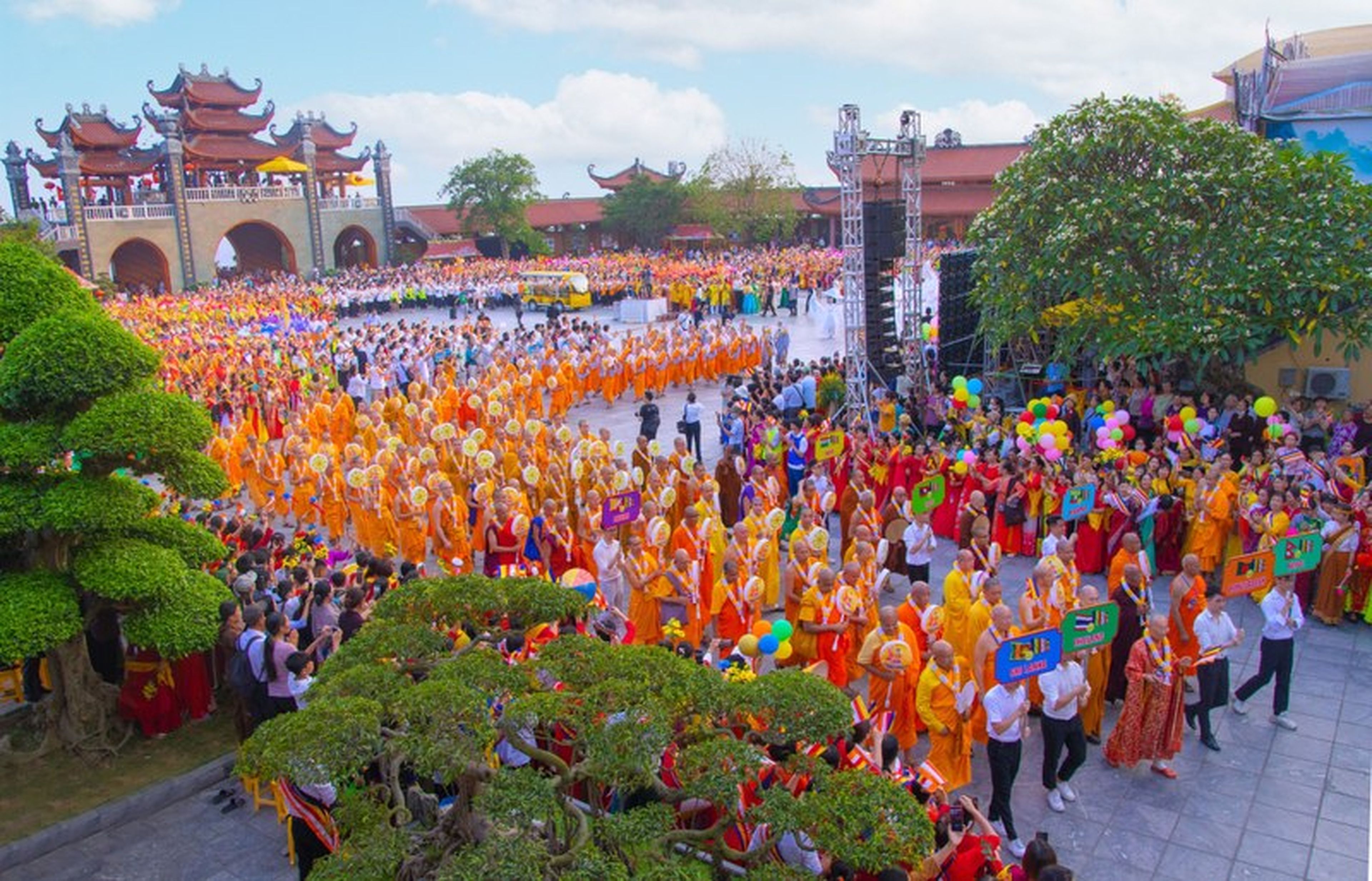
Vesak Celebration: Around April or May in the Gregorian calendar, as summer sunlight begins to filter through the leaves, Ba Vang Pagoda solemnly holds its Vesak celebration. This is one of the most important events in the global Buddhist calendar. The festival commemorates three sacred milestones: the Buddha’s birth, enlightenment and entering Nirvana. Participating in the festival at Ba Vang Pagoda, you will feel reverence spreading throughout the space.
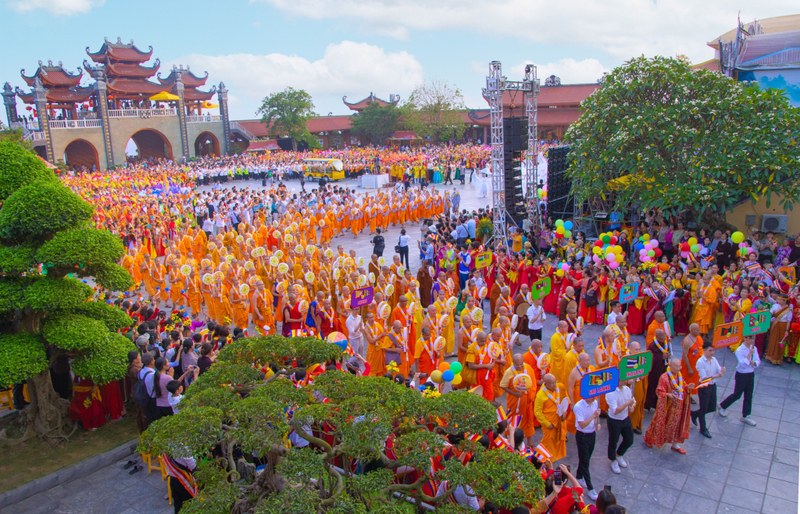
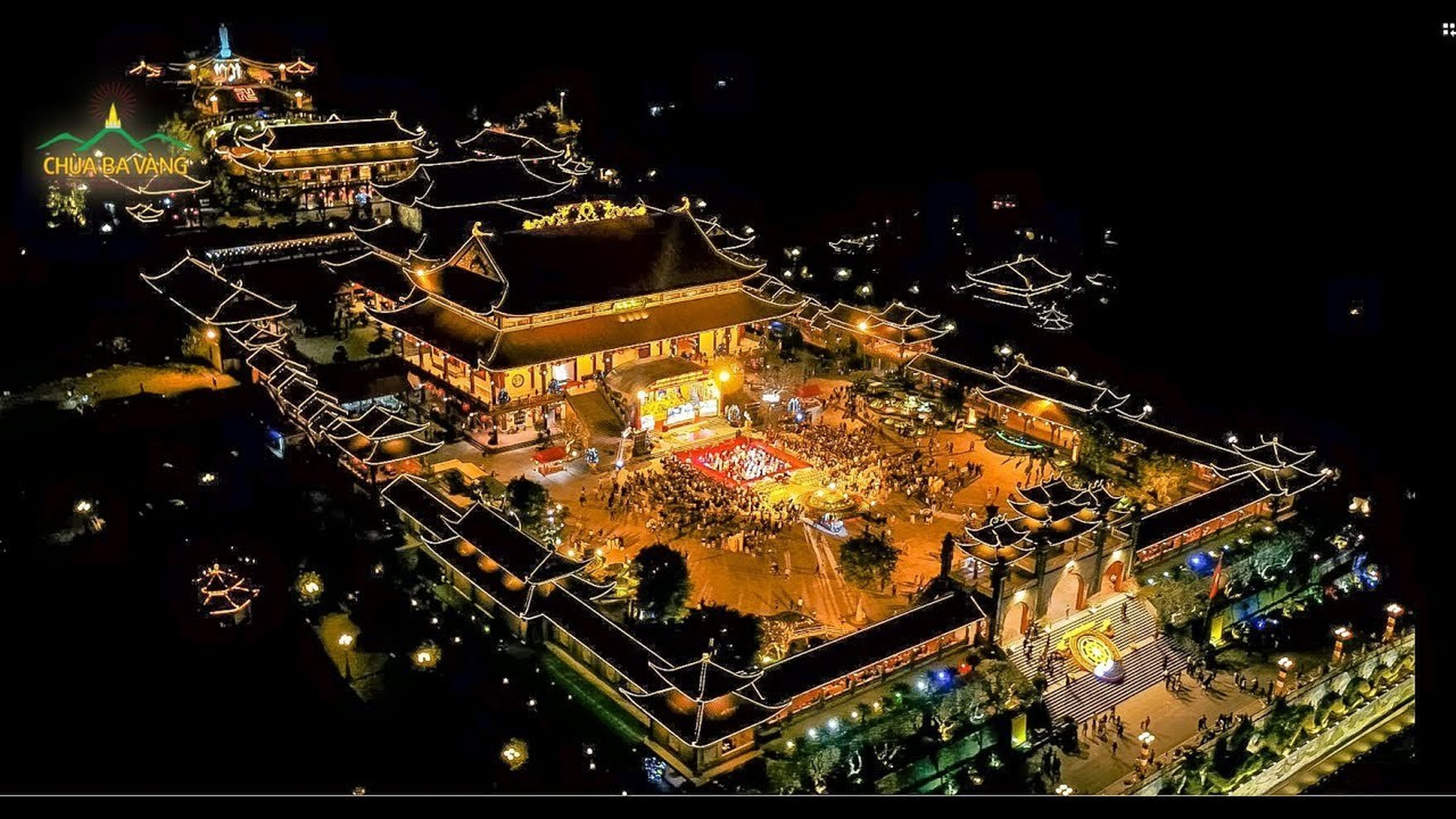
The light from lanterns and the sound of prayers create a solemn, transcendent atmosphere. Illustrative photo: Quang Ninh Newspaper
Fall festival: When August arrives, Ba Vang Pagoda takes on the contemplative appearance of autumn. The fall festival here has a dual meaning: it is both an occasion to celebrate a plentiful harvest and an ideal time for everyone to renew themselves spiritually. Amid the peaceful surroundings of the mountain pagoda, you can reflect on yourself, cast aside your worries and recharge for the journey ahead.
6Ba Vang Pagoda visiting tips
Next, let’s join MIA.vn in compiling tips for visiting Ba Vang Pagoda so you can enjoy a smooth trip.
6.1 The ideal time to visit Ba Vang Pagoda
The most suitable time to visit Ba Vang Pagoda in Quang Ninh is after Lunar New Year. The pagoda festival takes place on the 8th day of the first lunar month, while the chrysanthemum festival takes place on 9/9. This is known as the ancient Vietnamese New Year, officially called the Trung Duong Festival or Chrysanthemum New Year.
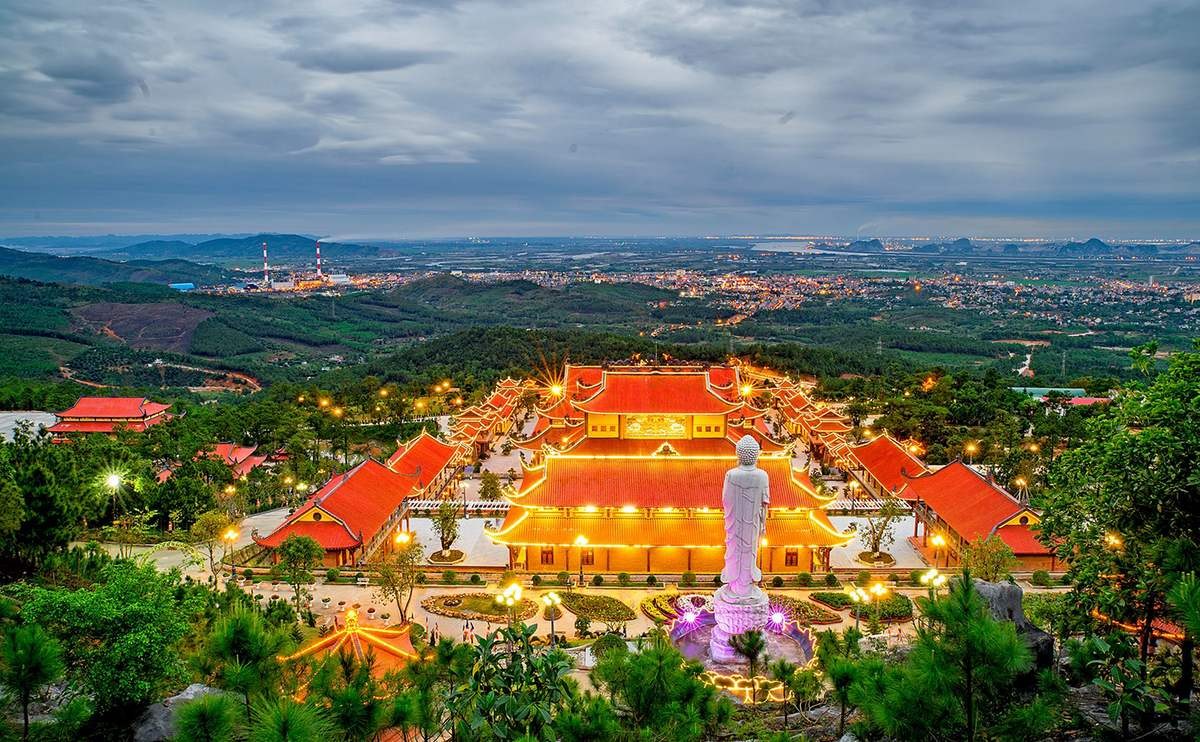
Ba Vang Pagoda’s grounds are brightly decorated every Tet and spring to welcome monks, nuns and Buddhists from all directions. Illustrative photo: Eco Travel Vietnam
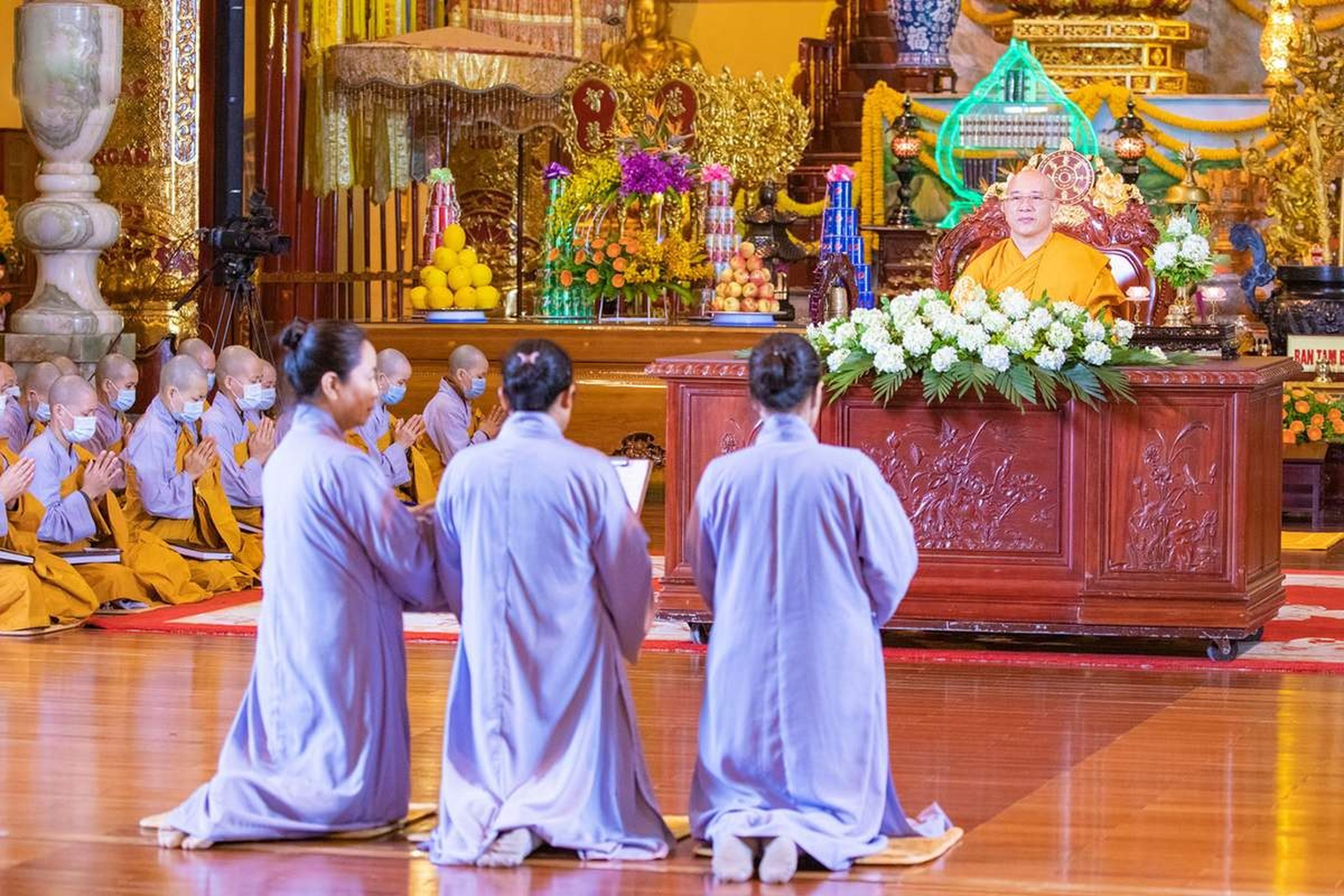
For visitors interested in Buddhism, Ba Vang Pagoda regularly organizes monthly retreats. Each participant can listen to monks and the abbot teach Buddhist Dharma. After these short retreats, everyone’s mind becomes more peaceful, creating a firm psychological foundation for facing life’s difficulties. At the same time, this is also an educational and valuable activity that spreads Buddhism and helps preserve beautiful traditional cultural values.
6.2 Ba Vang Pagoda entrance fees
Currently, Ba Vang Pagoda is open free of charge, allowing everyone to easily visit, enjoy the scenery, pay homage and participate in other activities.
7Notes for visiting Ba Vang Pagoda
7.1 What should you prepare?
When visiting Ba Vang Pagoda, tourists should prepare as follows:
Dress politely and modestly in tasteful clothing. Visitors dressed inappropriately will be reminded by the pagoda’s management board and may not be allowed to enter unless they adjust their clothing.
Choose flat shoes, sneakers or low-heeled shoes that are comfortable and easy on your feet. High heels are not recommended because the pagoda grounds are extensive, require a lot of walking and include fairly difficult hilly terrain.
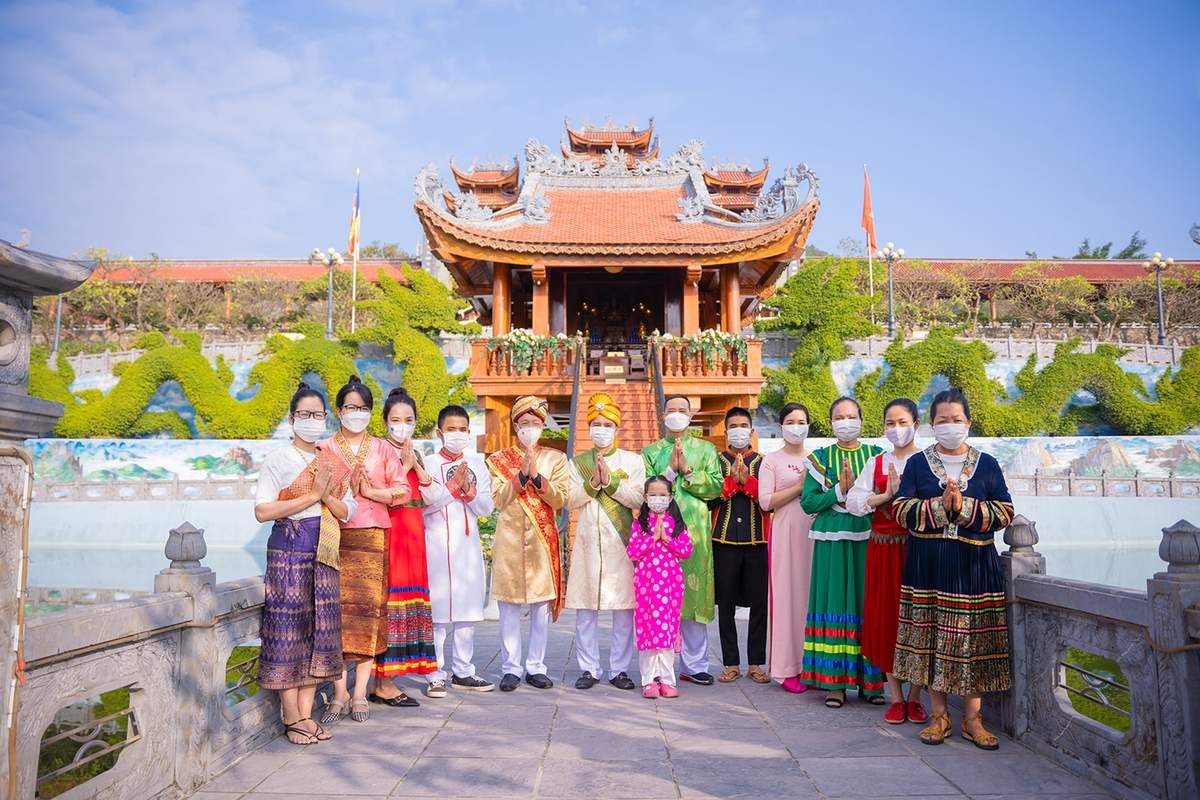
Visitors at Ba Vang Pagoda. Illustrative photo: Khachsanyenthanh
Visitors should exchange small denominations in advance for use during worship, offerings and donations to charity boxes…
7.2 Notes while visiting and worshipping at Ba Vang Pagoda
If driving yourself, park in the designated areas and follow the instructions of the pagoda’s management board and security staff.
Do not use impolite language, speak loudly or joke around at the Buddha’s gate. Walk quietly, speak softly, and behave calmly and politely.
Do not push or jostle while sightseeing or making offerings. Maintain the proper spirit of a Buddhist sanctuary.
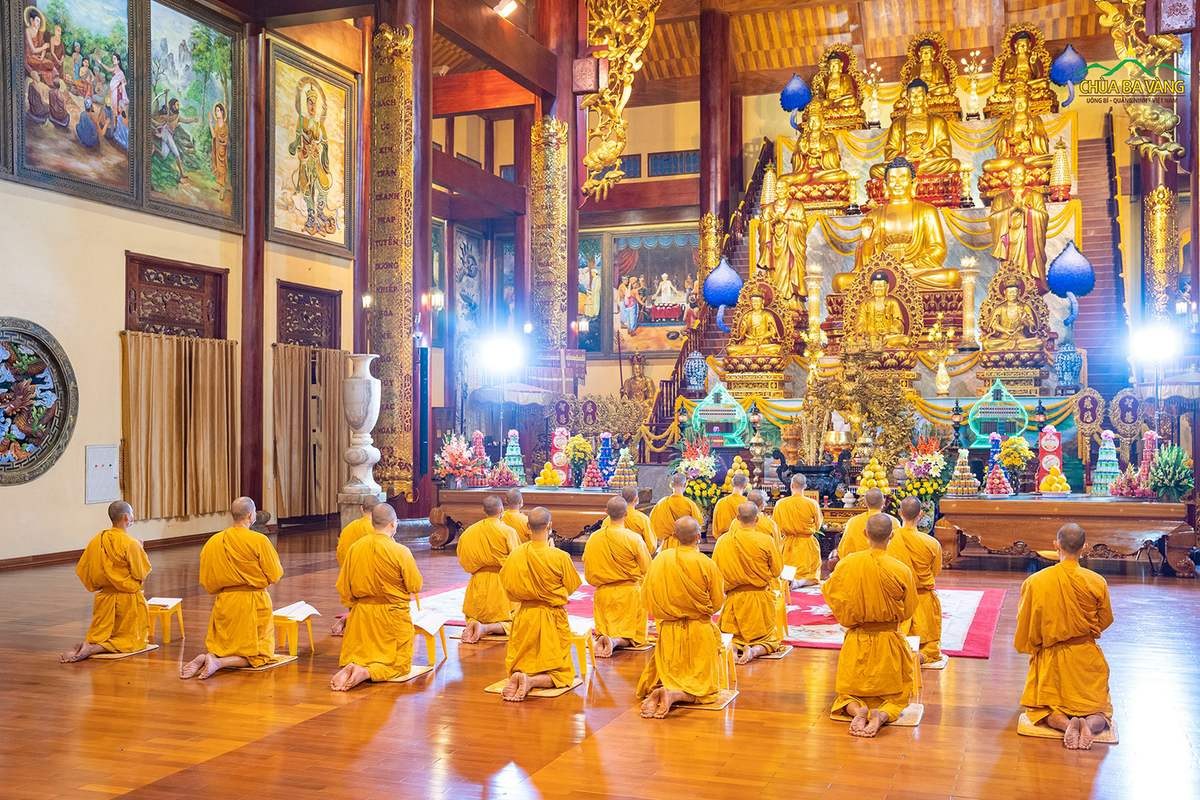
Respect the sacred space at the pagoda and participate in festivals with reverence. Illustrative photo: Ba Vang Pagoda
Do not bring dangerous objects, flammable or explosive substances, or stimulants such as drugs and addictive substances. Do not bring obscene cultural products or documents and materials promoting misguided ideas that have not been reviewed and approved by the pagoda’s management board.
Do not enter areas marked “No Entry” or the private quarters of monks and nuns.
Do not eat, drink or litter indiscriminately within the pagoda grounds.
Absolutely do not ring the pagoda’s bells, beat its drums or play any of its ritual instruments without permission.
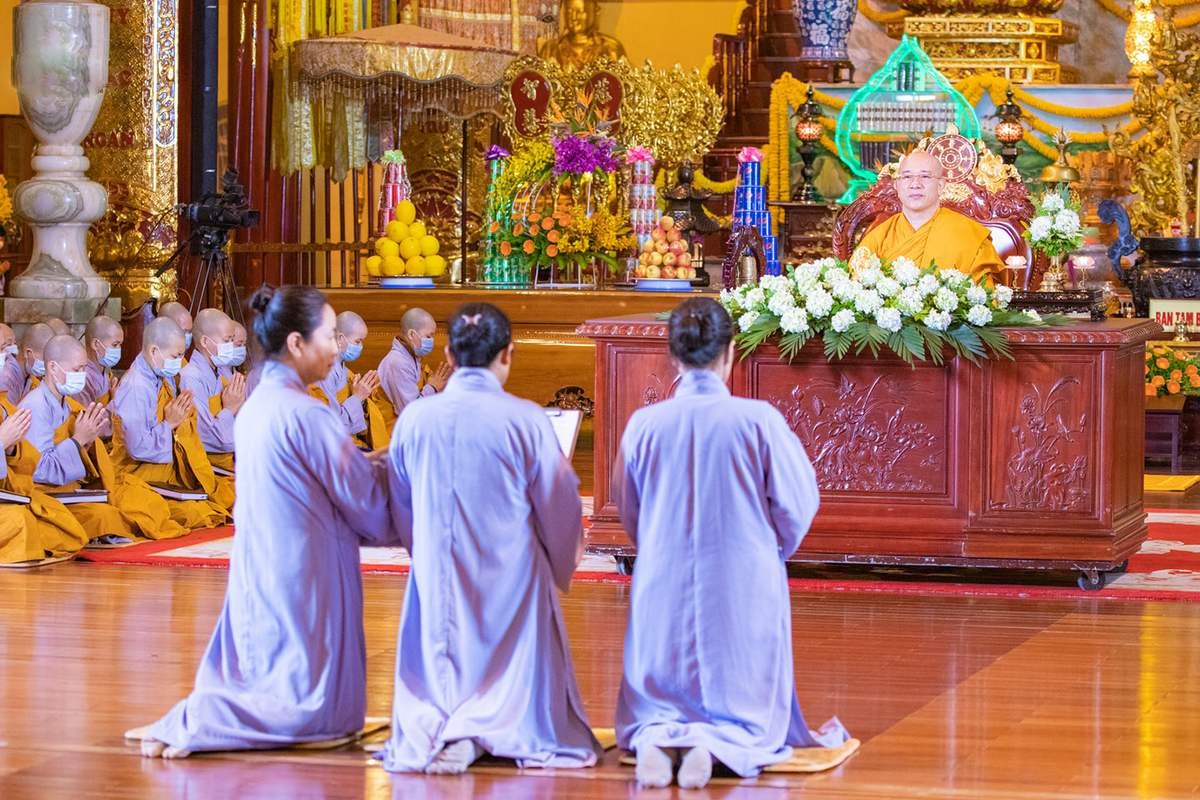
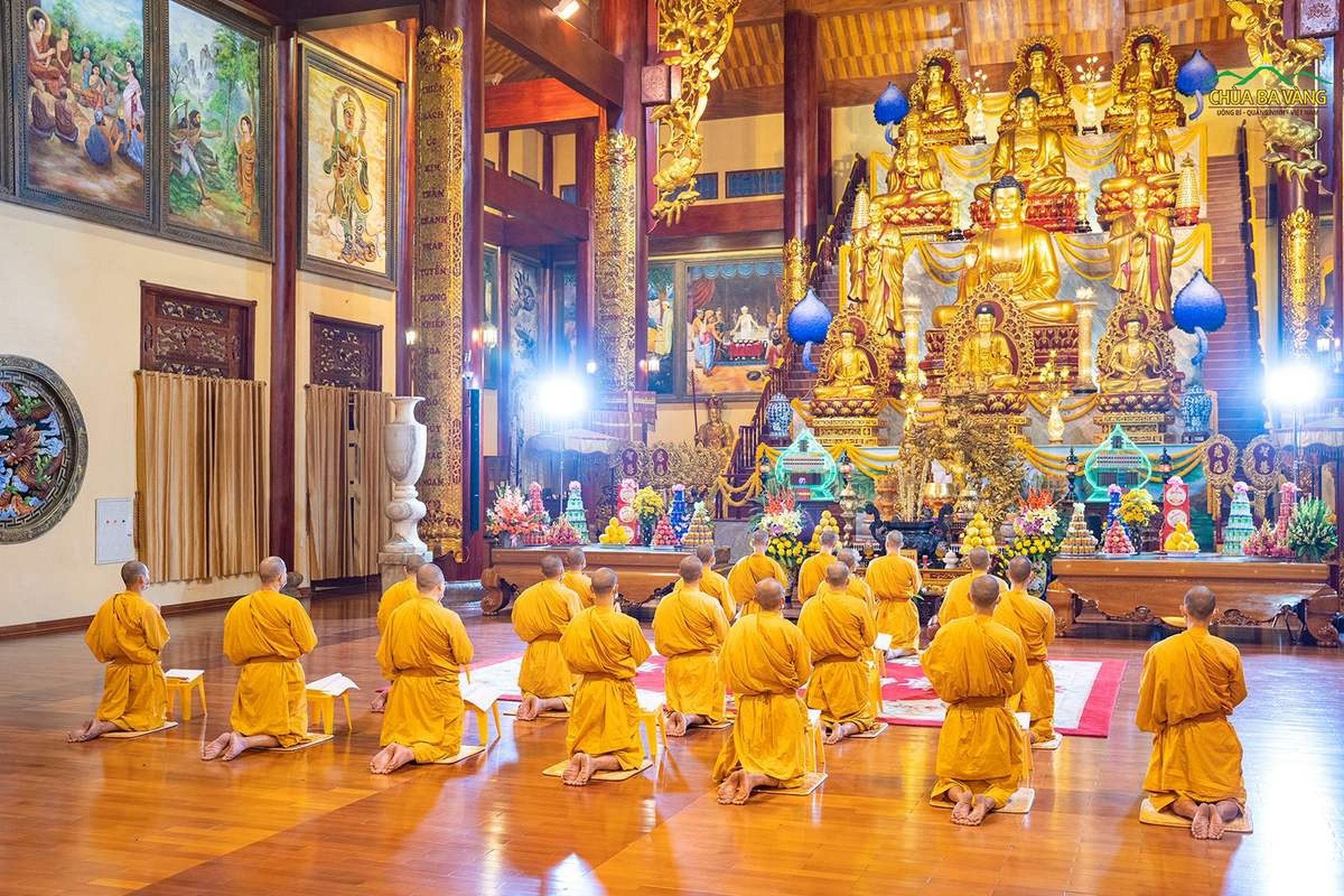
Buddhists worshipping at Ba Vang Pagoda. Illustrative photo: Ba Vang Pagoda
Do not place cash indiscriminately. Offerings must be prepared according to tradition and arranged solemnly; donated money should be placed in the merit box or brought to the merit-recording desk.
Do not break branches, pick flowers, climb trees, scribble or engage in similar acts within the pagoda grounds; be conscious of preserving the shared landscape.
Begging, fortune-telling, distributing flyers, trading and exchanging small-denomination currency are strictly prohibited within the pagoda grounds.
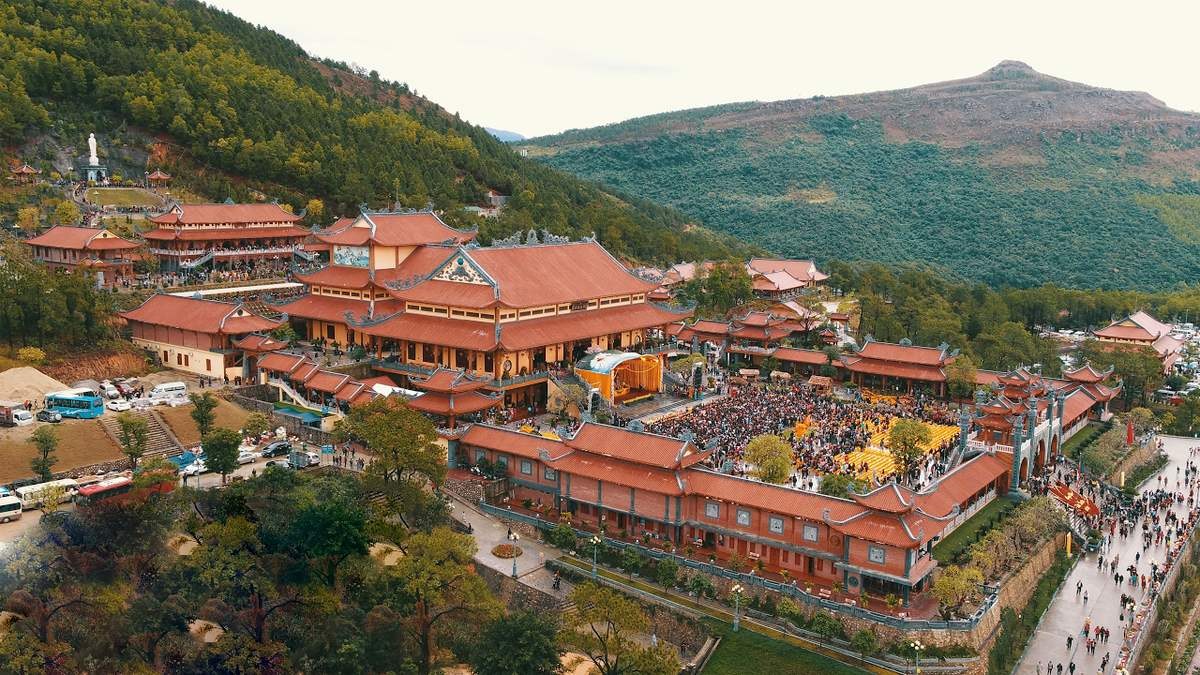
Crowds at Ba Vang Pagoda during major annual festivals. Illustrative photo: Nguoiquansat
Above are the experiences MIA.vn would like to share with visitors so that you can enjoy the most convenient visit to Ba Vang Pagoda. We wish you an exciting trip with your luggage to this sacred Buddhist destination.