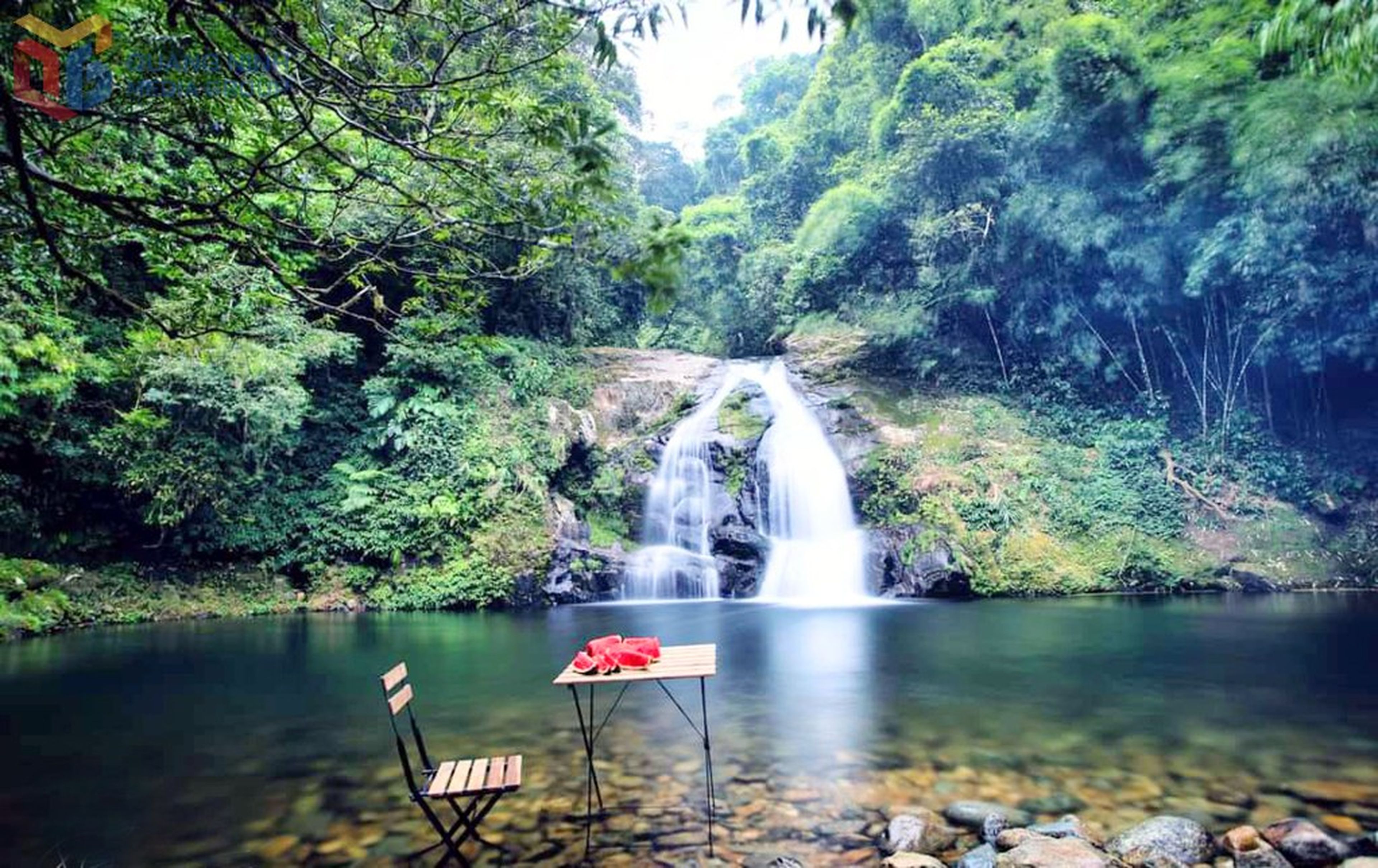
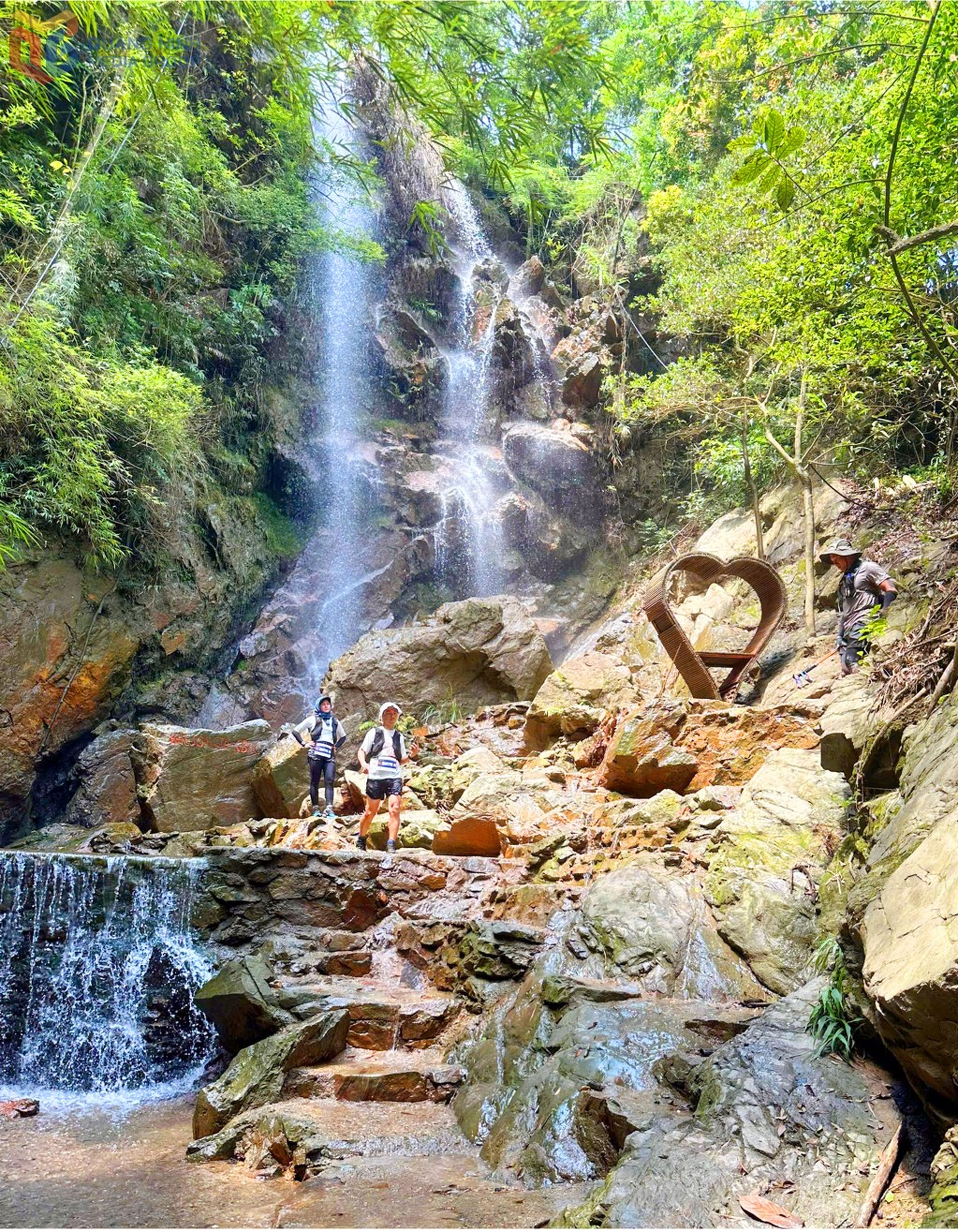
In the sweltering summer weather, a cool, refreshing stream or a poetic waterfall amid lush green mountains and forests is an ideal destination for family and group outings and camping trips. With its extensive geographical area, Quang Ninh has an advantage in developing nature-based experiential tourism of this kind.
This advantage stems from the province’s steep, heavily fragmented mountainous terrain and its rich system of headwater forests. Streams winding through rocky crevices and cascading into rapids and waterfalls amid cool, pristine greenery create abundant potential resources for ecotourism and exploration.
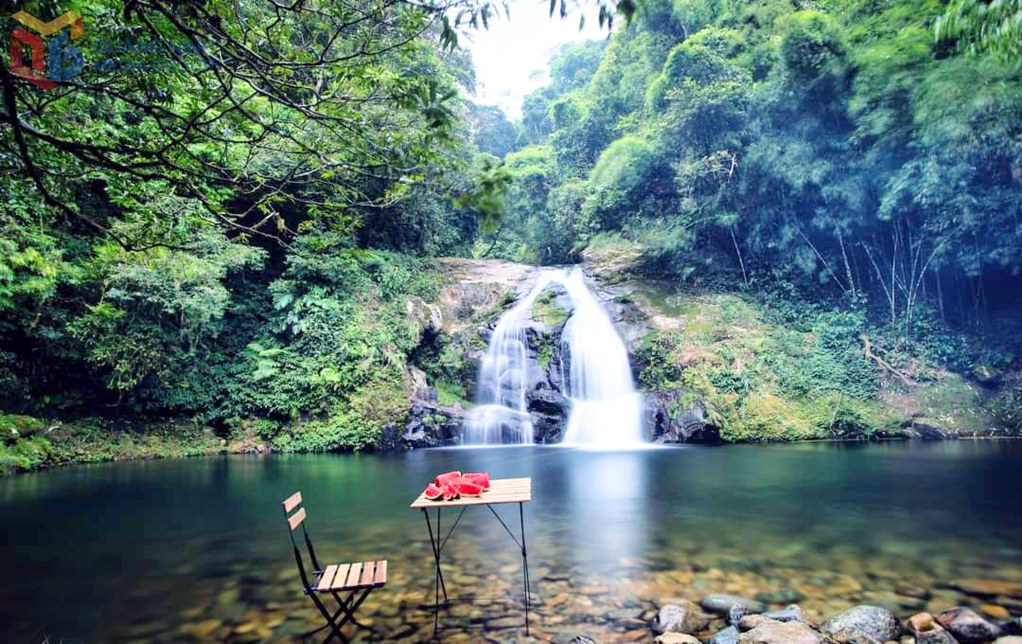
Built on this natural foundation, each place has its own character, ranging from easily accessible destinations suitable for families to routes requiring hiking, forest exploration and stays in villages. Ba Che Commune stands out with Lang Cang, Khe Lanh and Khe Lung, along with numerous forest streams and creeks; Quang Tan Commune has the five-tiered Bach Van Waterfall and many waterfalls in Tam Lang and Sieng Long hamlets; Dong Mai Ward is home to Mo Waterfall, convenient for short trips. Meanwhile, Ky Thuong Commune possesses a system of forest streams, creeks and waterfalls; most of the commune’s area lies within the core zone of the Dong Son - Ky Thuong Nature Reserve.
This diversity makes it possible to offer a wide range of experiences, from picnics, stream bathing, camping and short treks to forest exploration and discovering village life. Streams and waterfalls are therefore not merely places to “beat the heat”; they can also add a new tourism product and enrich the summer travel experience.
Nevertheless, many destinations are still developed spontaneously, mainly through word of mouth or social media. Visitors often bathe in the streams or take day trips, so spending remains low, while accommodation, guide, rescue and sanitation services are still lacking. Some places become overcrowded on weekends, and many areas deep in the forest are not yet equipped to receive visitors, leaving a considerable gap between scenic attractions and fully developed tourism products.
Against this backdrop, some places have been recognized or operated in a more organized manner. Khe Van, Pac Sui and Khe Song - Thac Bac have been recognized as tourist attractions; Mo Waterfall has received investment and been organized for operation to serve recreational and leisure needs. Although their levels of completion vary, these developments show that activities at streams and waterfalls are gradually being brought under management, supported by infrastructure investment and expanded services.
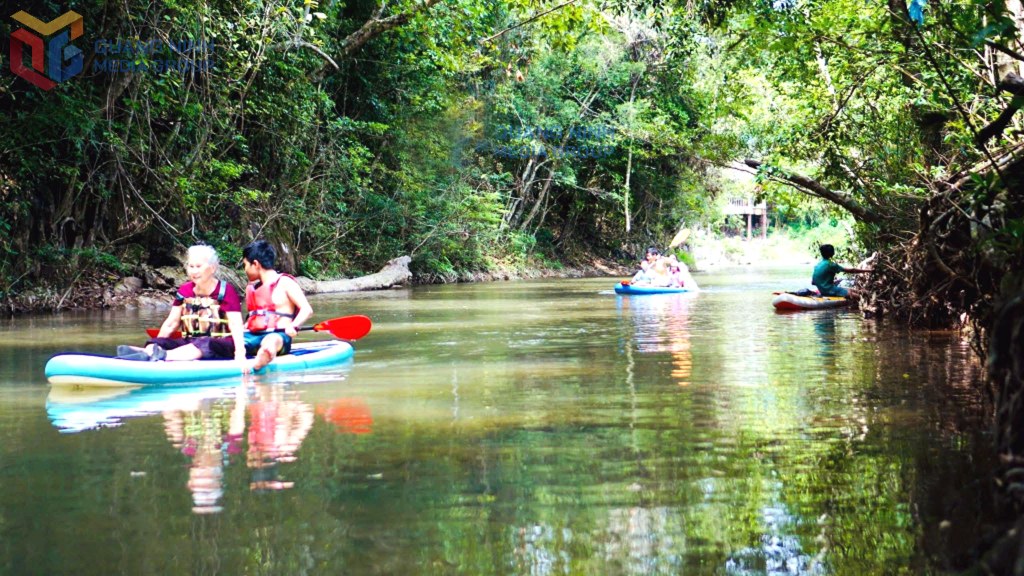
Photo: Hoang Nga
Beyond simply exploiting the scenery, some destinations have begun connecting it with community values. Khe Van is associated with the Soong Co people, arrowroot vermicelli production and San Chi culture; the journey to Khe Tien passes through Dao villages, terraced fields, star anise forests and cinnamon forests. Lang Cang combines river and waterfall experiences and boating with Ba Che specialties such as stream fish, free-range mountain chicken and golden flower tea. Khe Song and Thac Bac, meanwhile, are located within the forest and cultural space of the Thanh Y Dao people in the Yen Tu area.
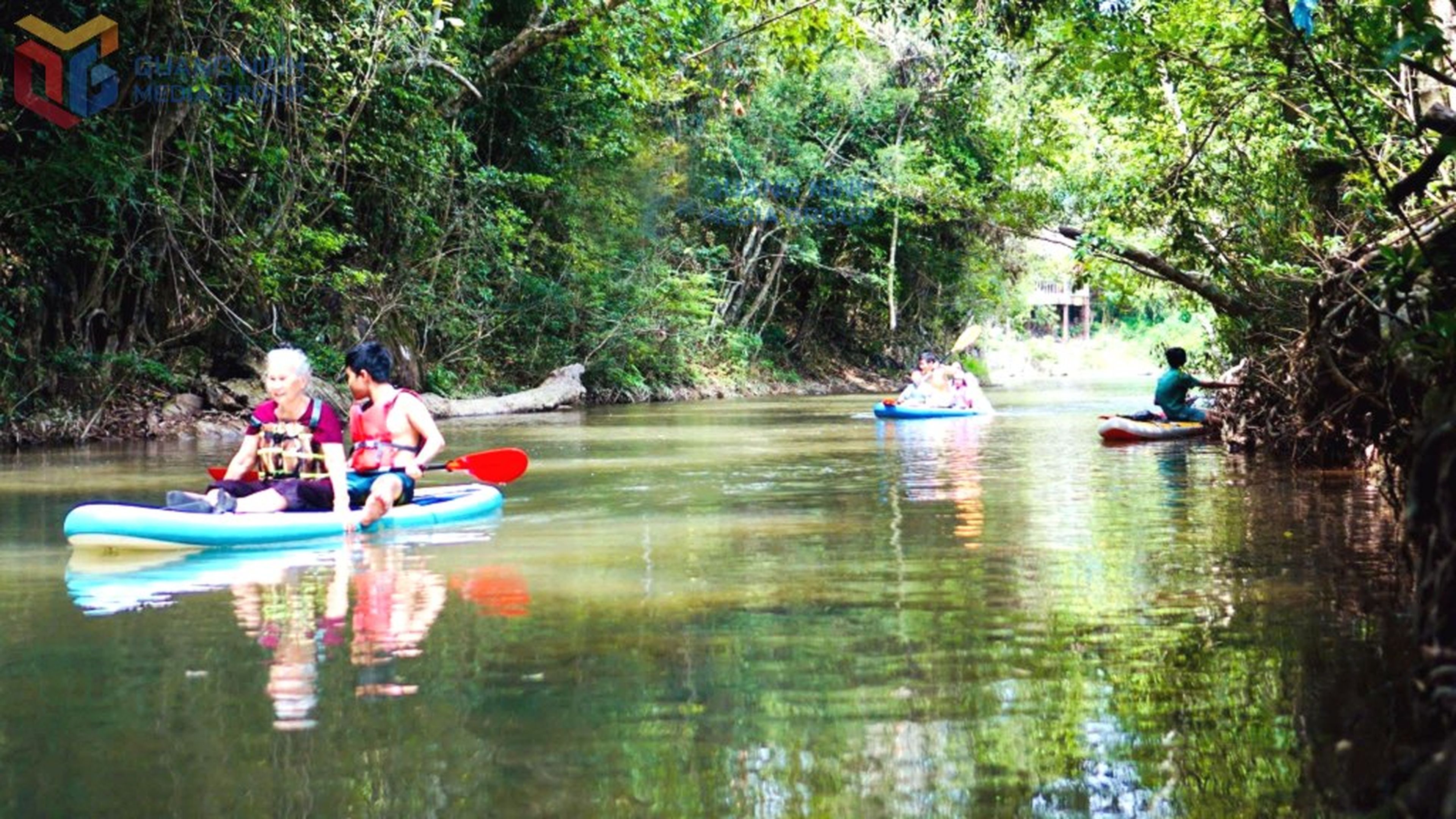
A more notable example is the Am Vap Farm model in Ky Thuong, which combines stream bathing, stand-up paddleboarding, rafting and basket-boat rides with stilt-house accommodation, local cuisine, brocade, medicinal leaf baths and Dao cultural experiences. With on-site guides, this model helps extend visitors’ stays, increase spending and create livelihoods for local residents. Based on this reality, Mr. Le Minh Thu, Chairman of the Community Tourism Club (Provincial Tourism Association), believes that when each waterfall is connected with a community, it carries its own story, helping avoid the monotonous model of stream bathing - eating - checking in.
This view shows that streams and waterfalls should not be developed according to a single model. Areas near urban centers are suitable for picnics and controlled stream bathing combined with dining. Areas connected to villages can organize day tours, hiking, waterfall visits, craft experiences and local cuisine. More remote destinations can develop 2-day, 1-night tours featuring trekking, homestays, medicinal plants and forest products. In the core conservation zone, visitor numbers should be limited, with development permitted only when conditions are safe and guides are available.
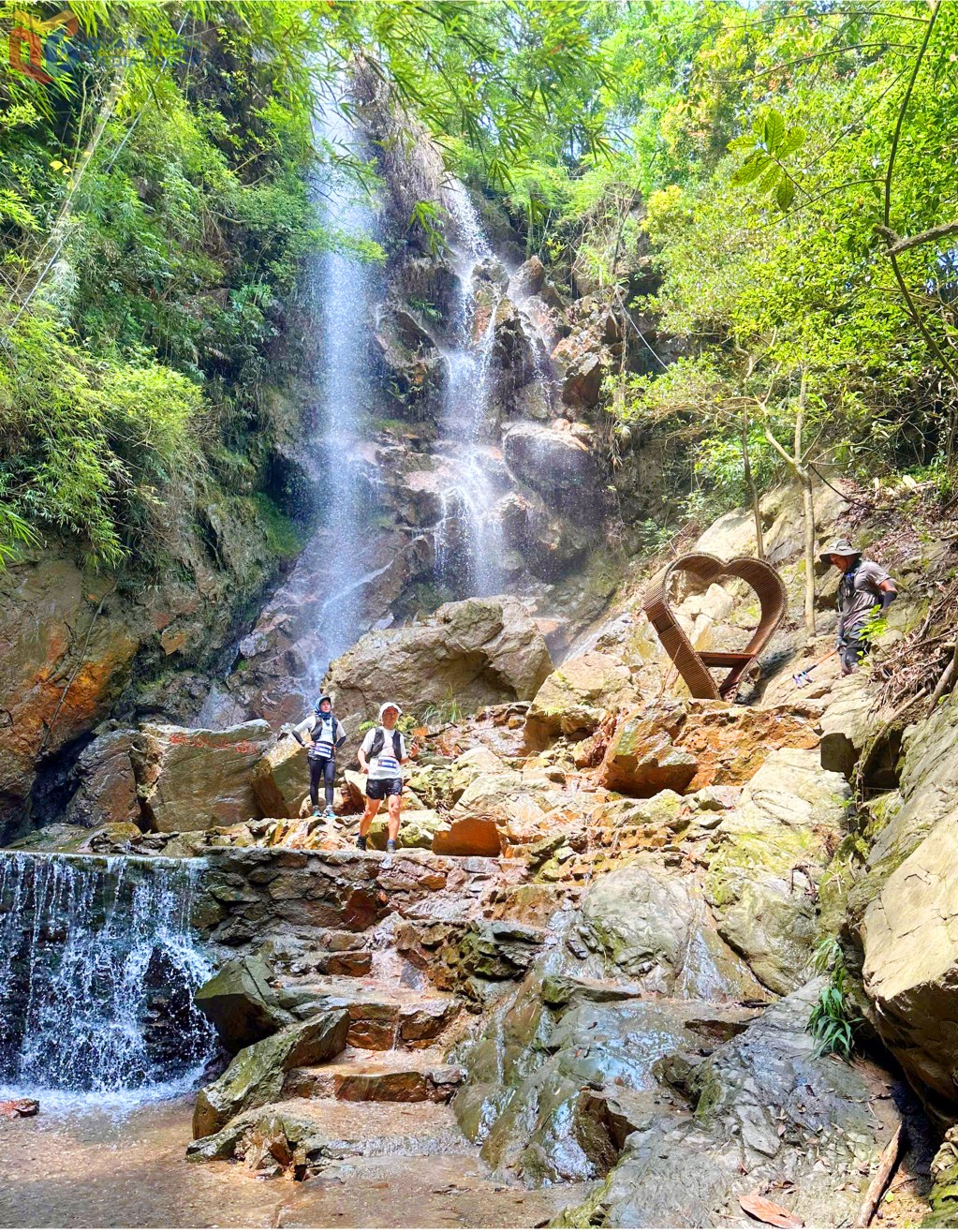
Quang Ninh has many beautiful waterfalls, but development should not focus on scenery alone; it also requires a chain of experiences connected with forests, villages and local culture... When properly organized, safe and supported by community participation, streams and waterfalls can become distinctive and attractive summer tourism products. However, the deeper the development, the more strictly safety and conservation must be enforced: Zoning areas for bathing and sightseeing; issuing weather warnings and closing sites during heavy rain; and arranging guides and on-site first aid. Infrastructure should be adequate for use, but should not be over-concretized in a way that destroys the pristine character of the streams and waterfalls.