Located in the Northeast, Vân Đồn Island District has abundant aquatic resources with high economic value. Among them, sá sùng is a special type of seafood that impresses every visitor to Vân Đồn.
An Unforgettable Vân Đồn Trip with the Rare and Nutritious Sá Sùng Specialty
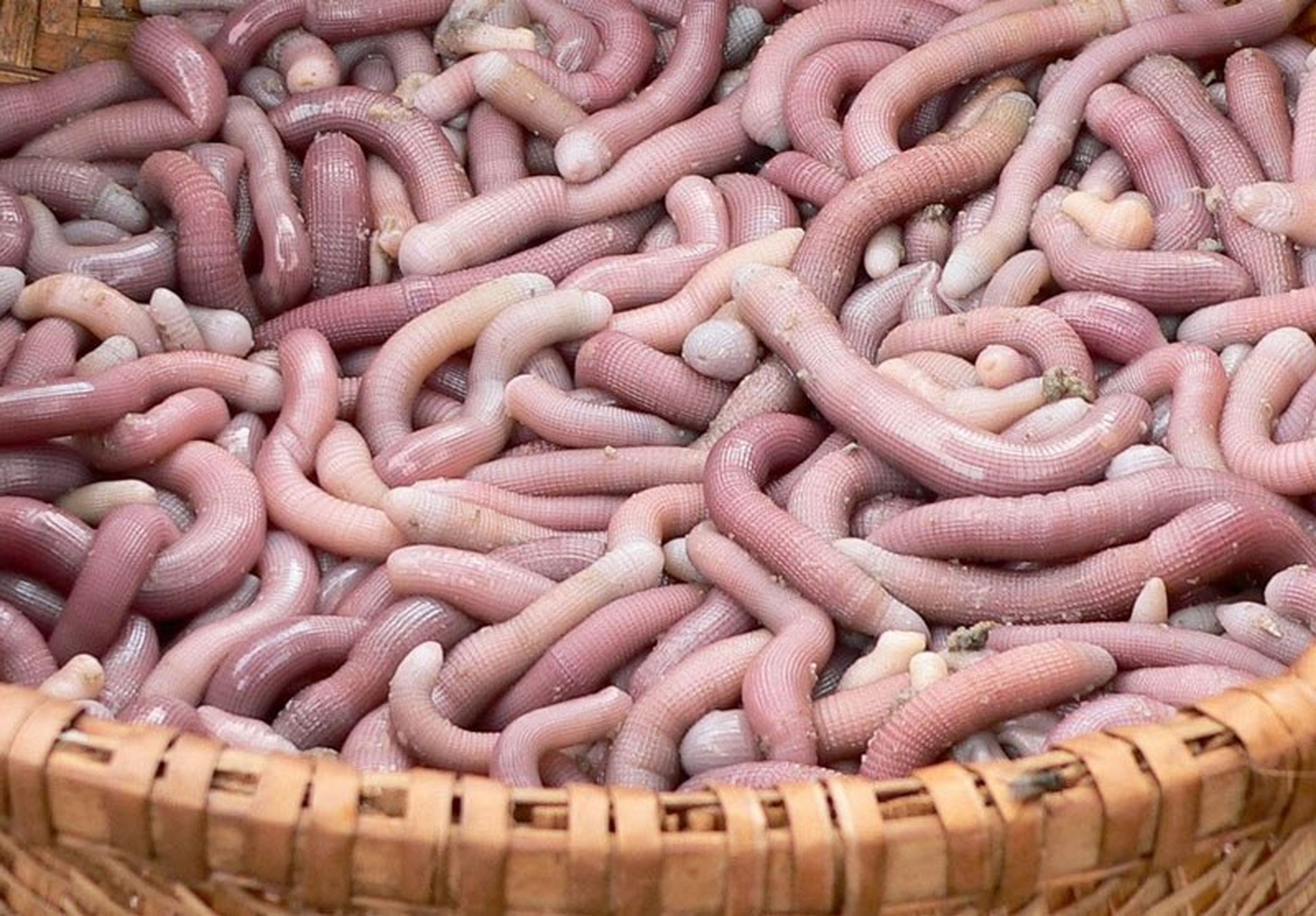
Unlike other types of seafood, sá sùng is harvested according to the ebb and flow of the tides, and can only be dug up when the tide recedes. Sá sùng is a renowned, rare specialty found only in the waters around Quan Lạn, Vân Đồn.
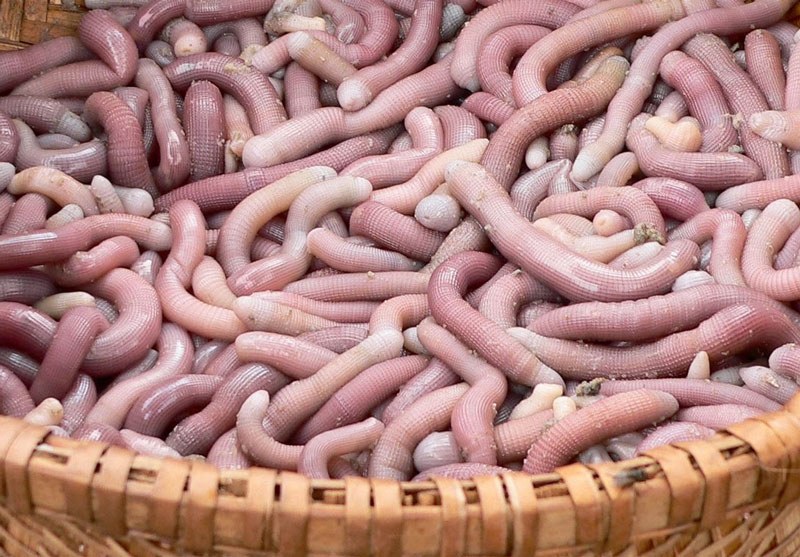
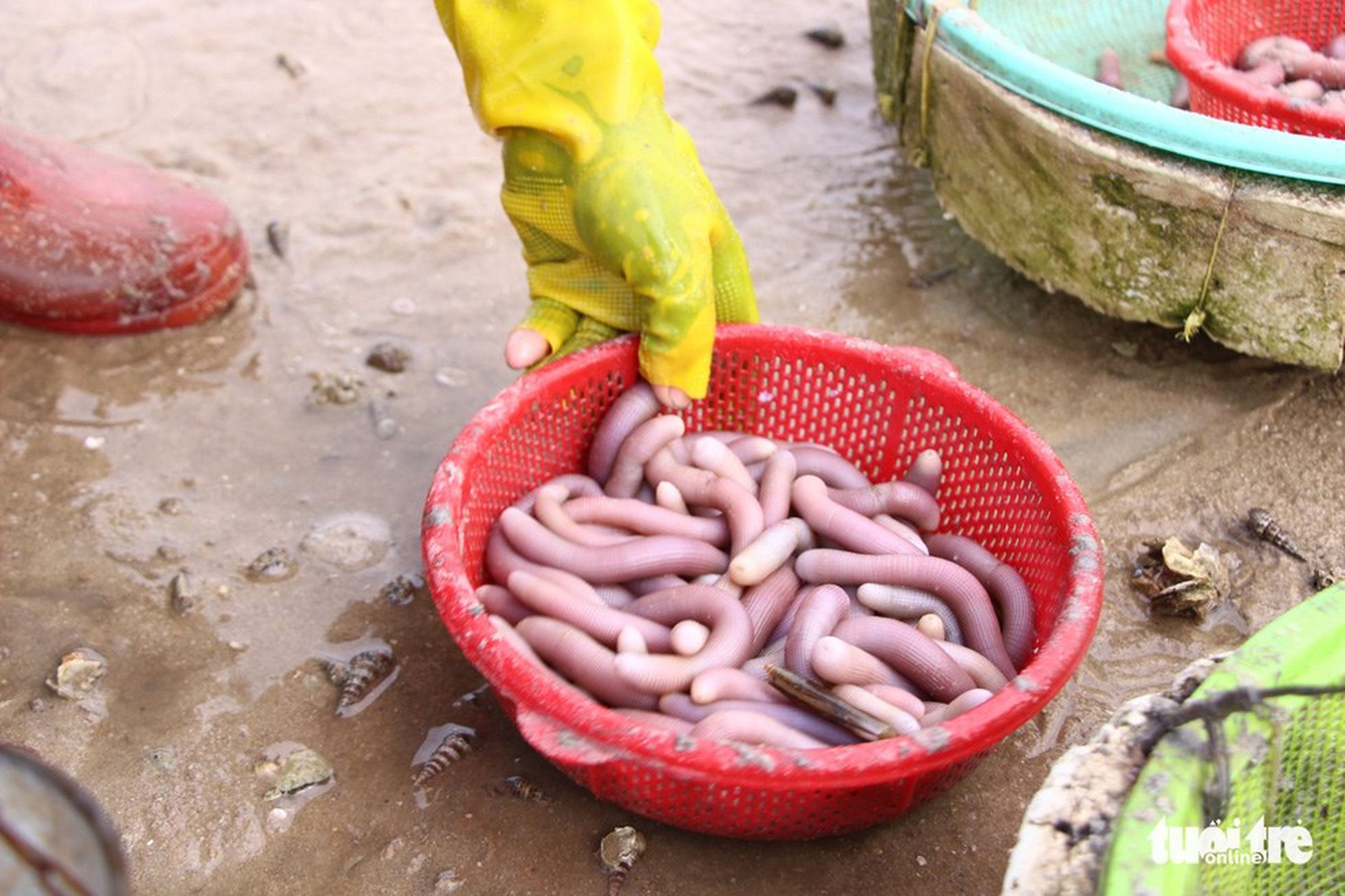
Sá sùng in Vân Đồn. Photo: Khoa học và Phát triển Newspaper.
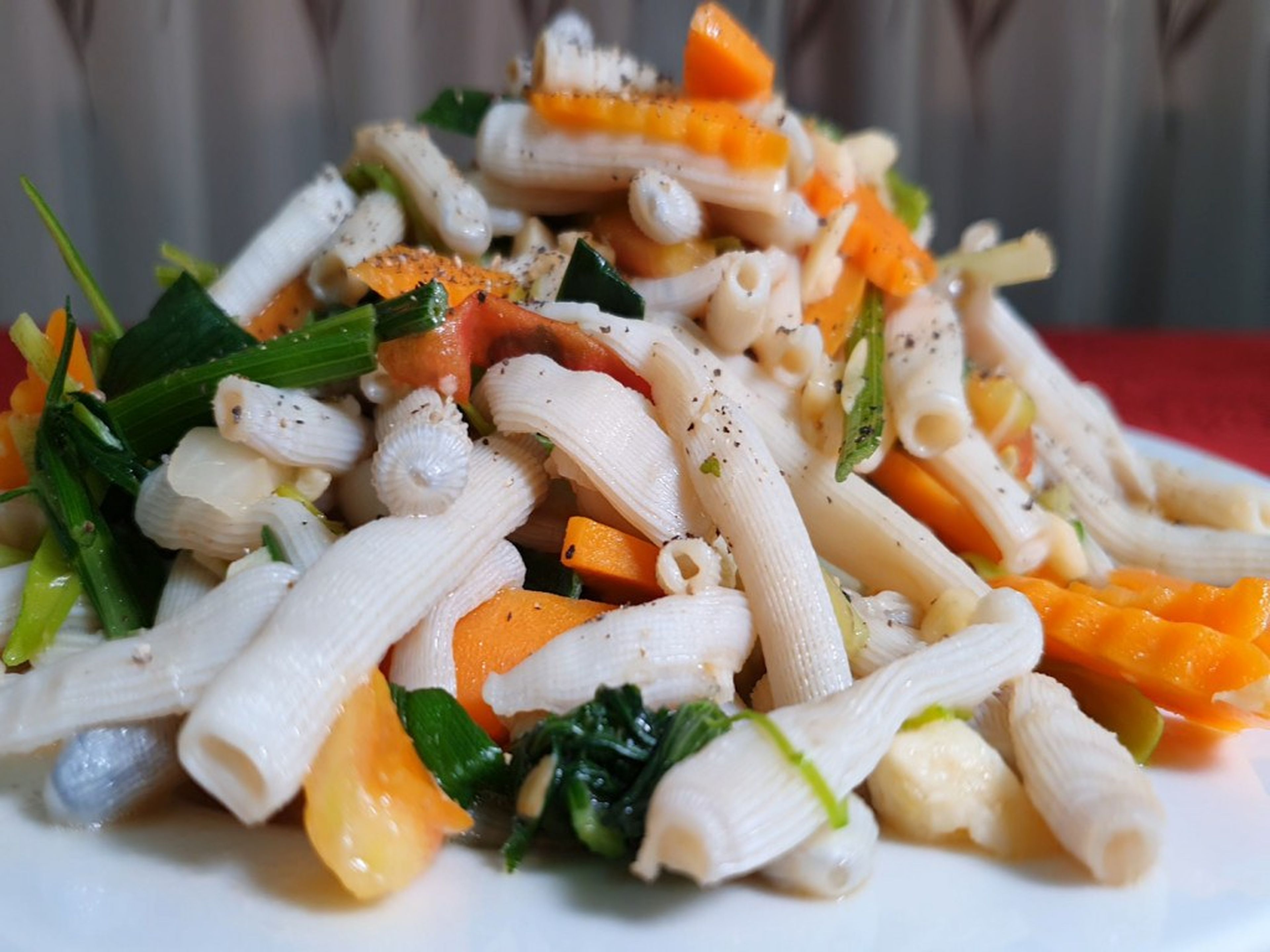
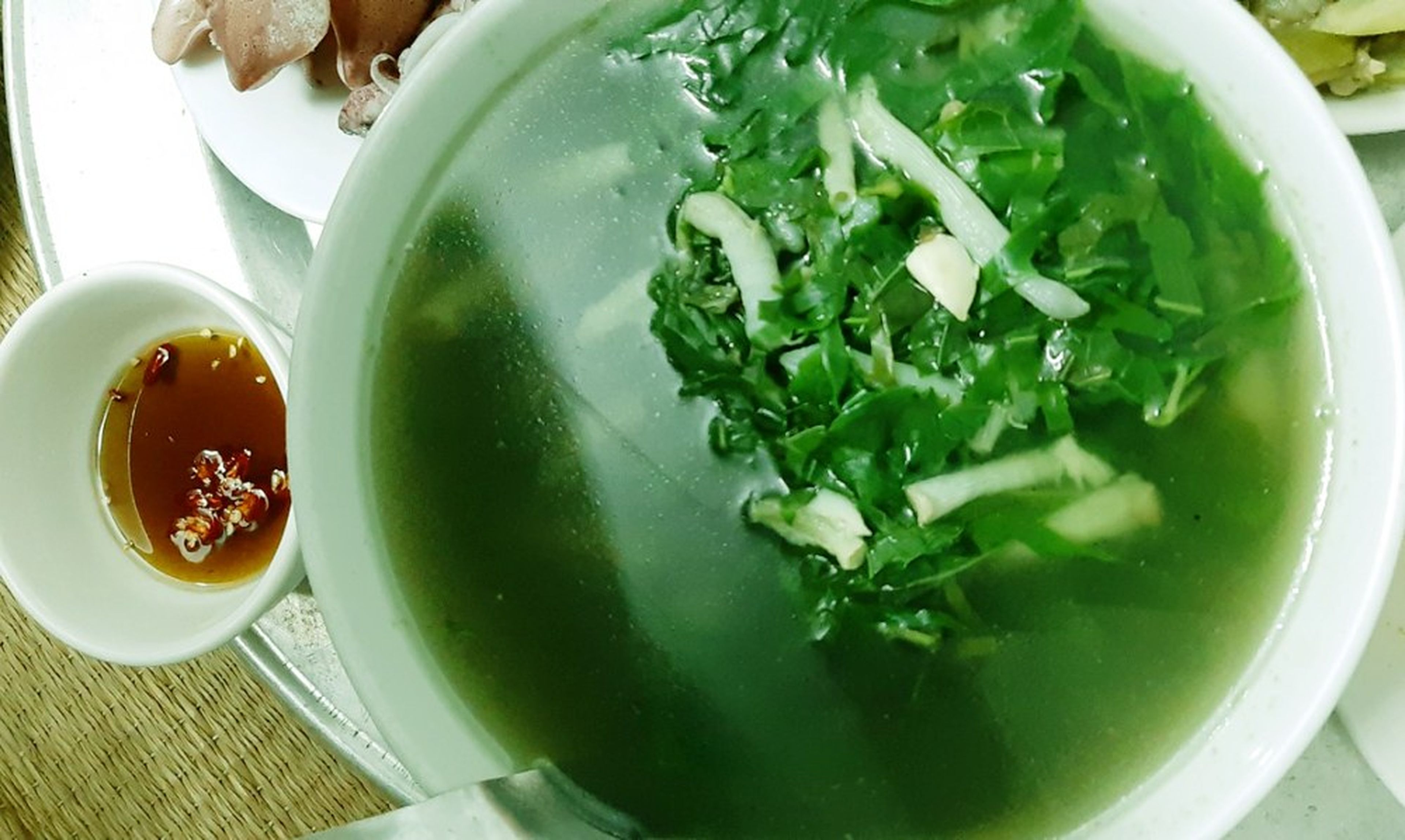
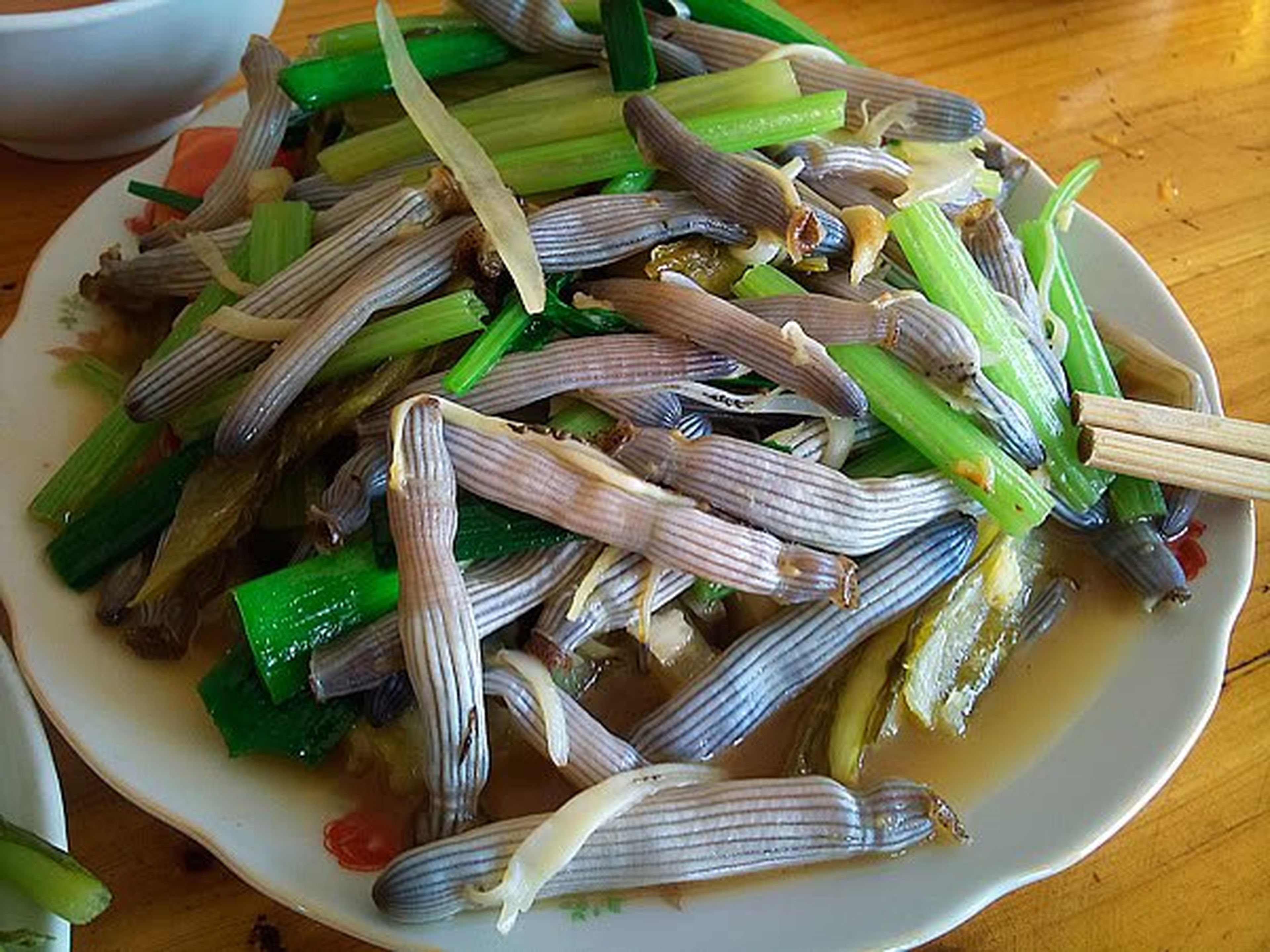
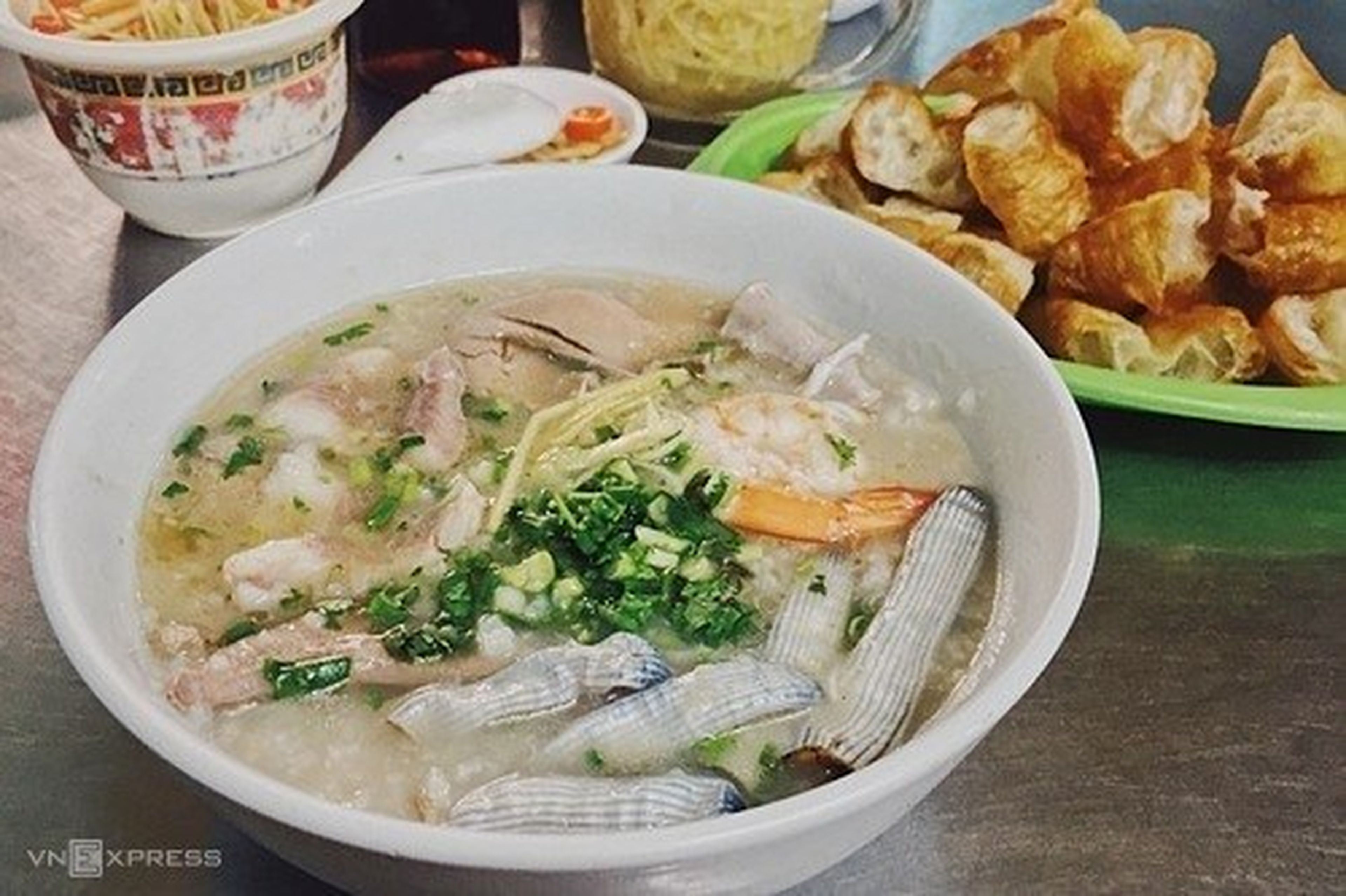
Sá sùng can be prepared into many distinctive island and coastal dishes, such as stir-fried sá sùng, fried sá sùng and sá sùng soup with lolot leaves… These dishes are delicious and unusual, carrying the salty flavor of the sea and delighting visitors to Vân Đồn.
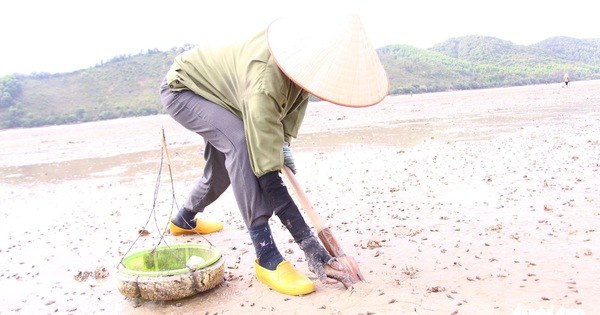
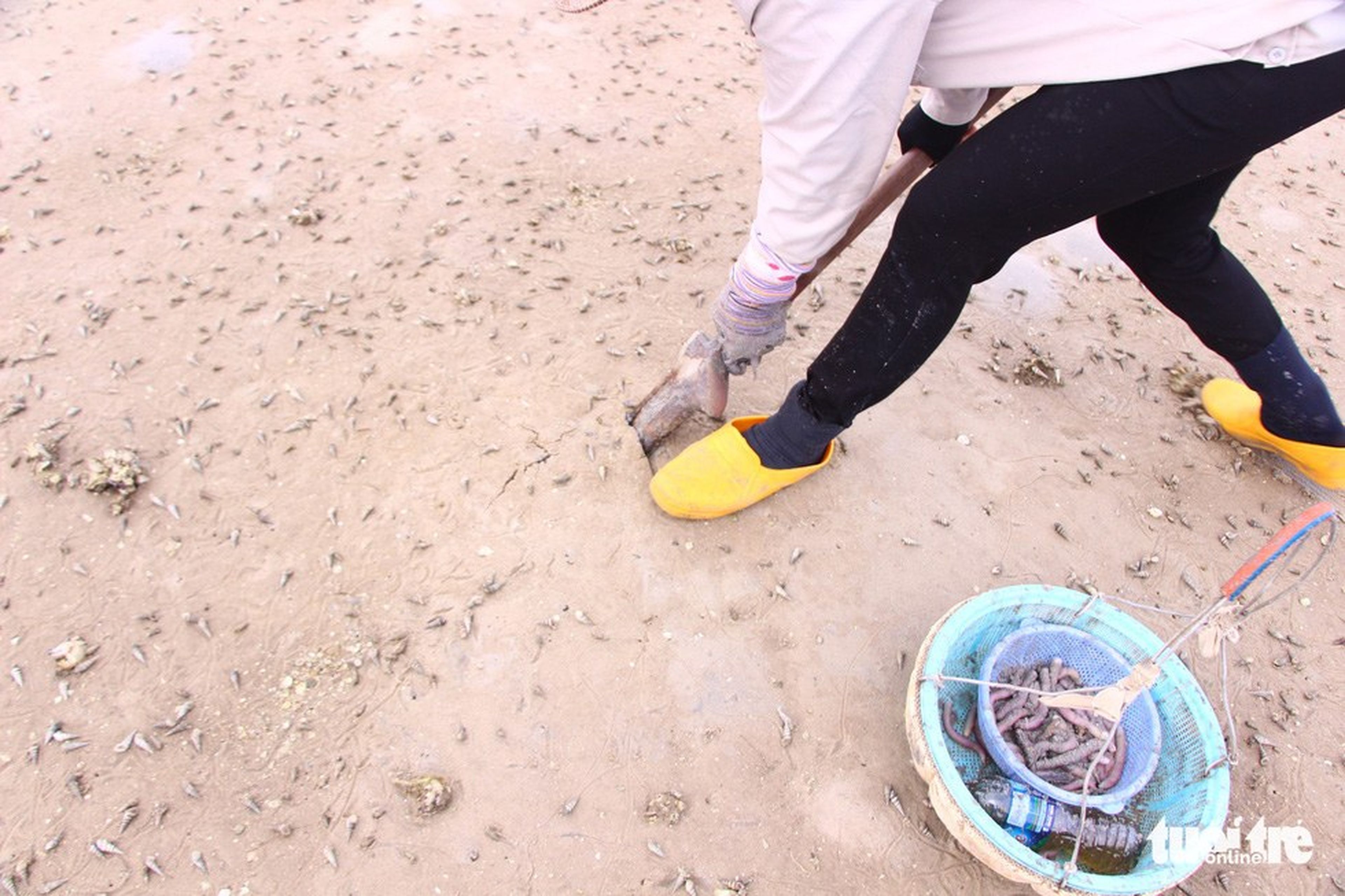
Digging for sá sùng. Photo: Tuổi Trẻ Newspaper.
Sá sùng live in sandy areas along the coast, especially the tidal flats in front of and behind Quan Lạn. They are also known as sea trùng, marine worms, địa sâm, sa sùng and sea worms… Quan Lạn sá sùng are pinkish gray and larger than those found elsewhere. In the past, sá sùng was mainly used as fishing bait.
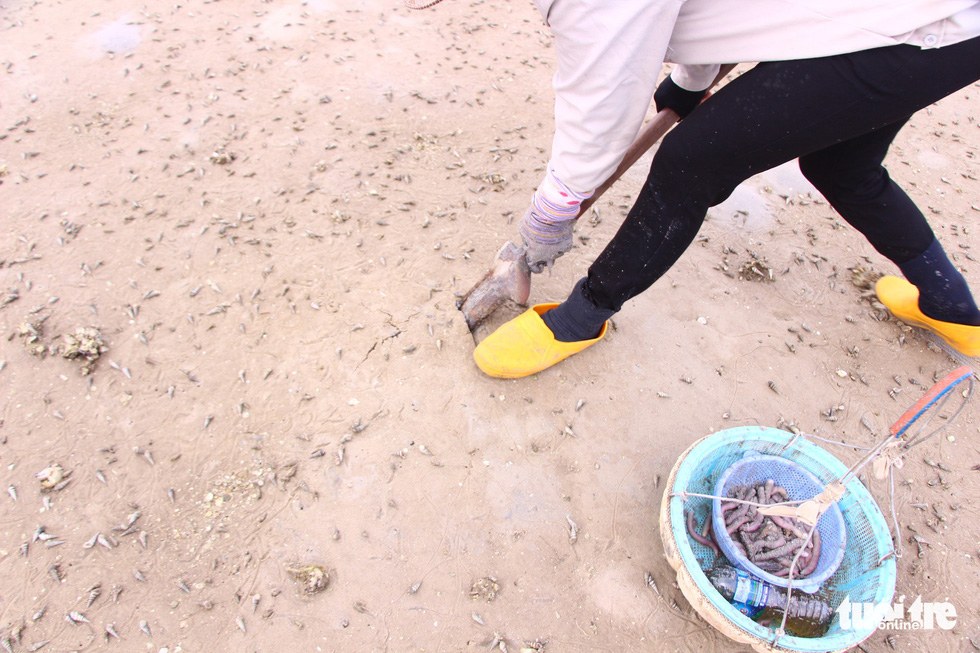
Quick eyes and nimble hands. Photo: Tuổi Trẻ Newspaper.
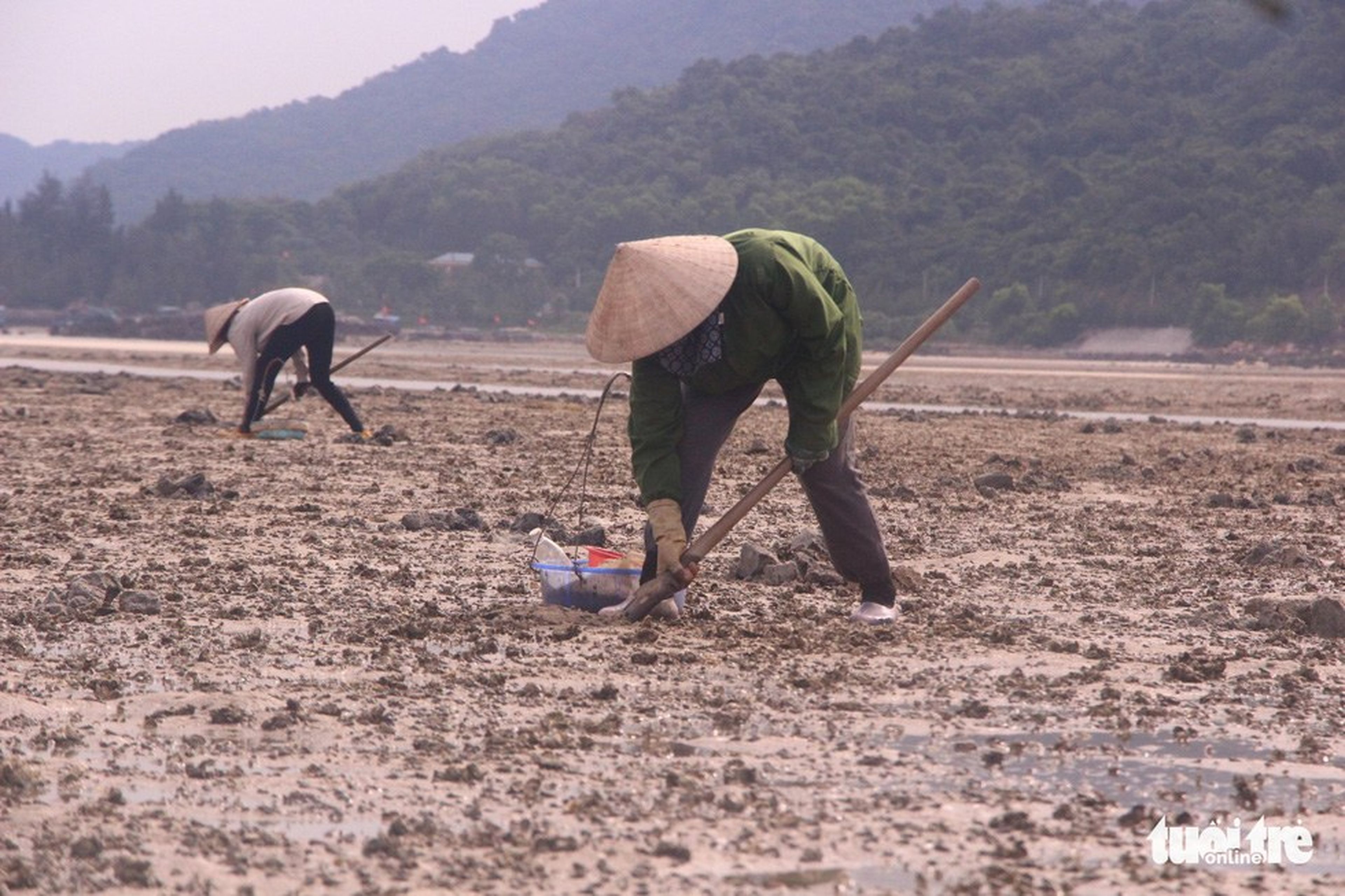
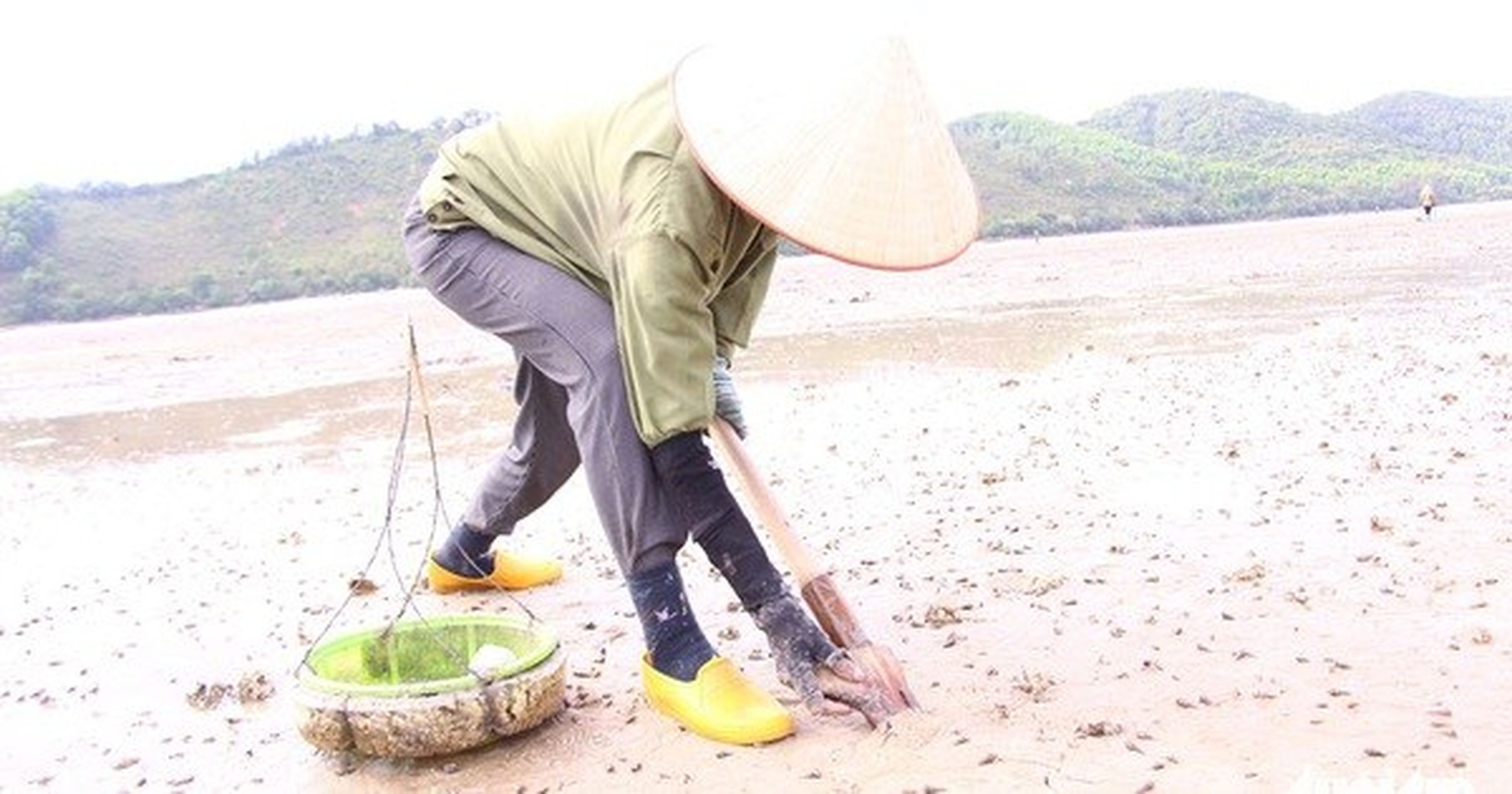
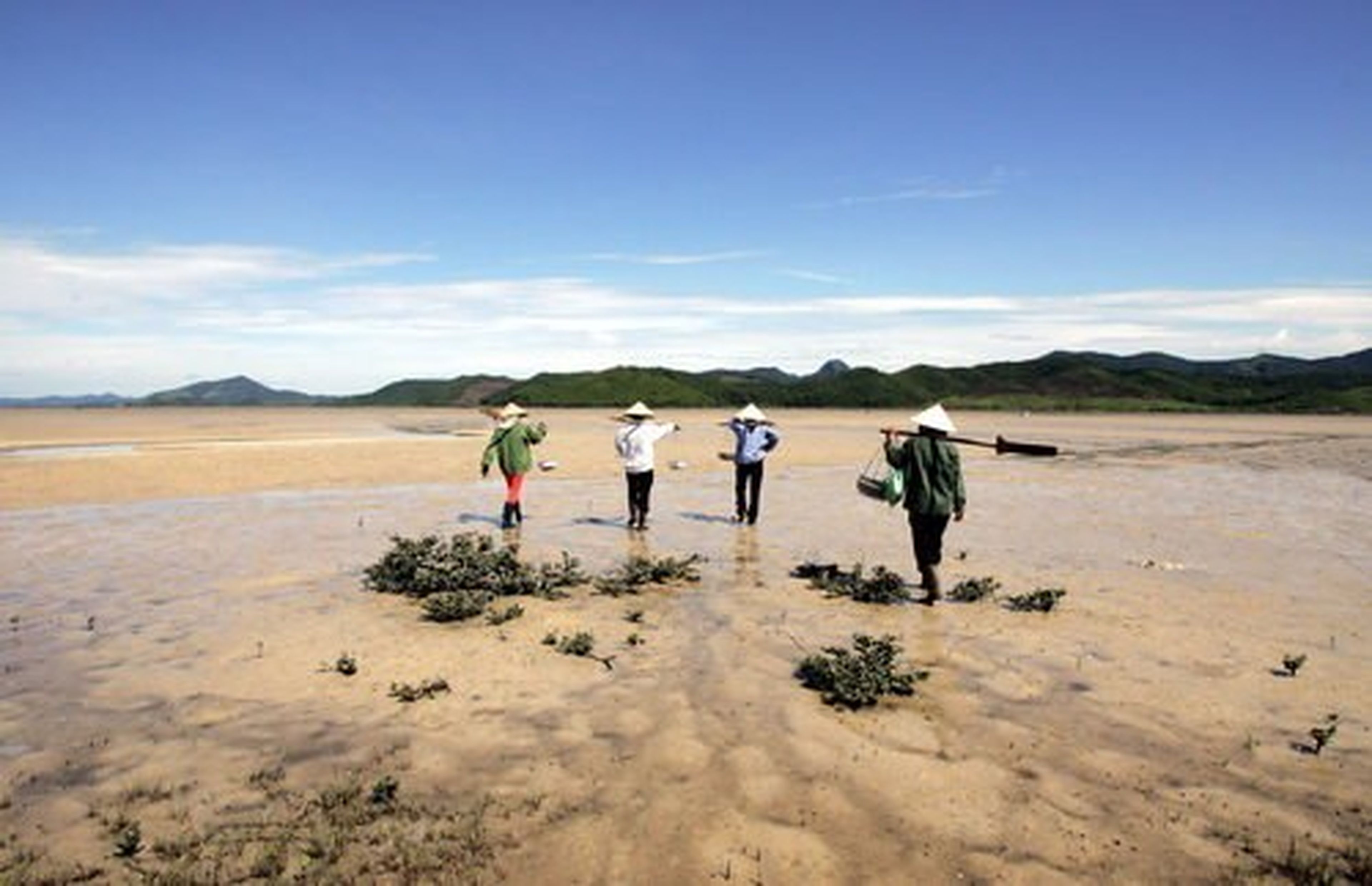
Digging for sá sùng is hard work that requires keen eyes and nimble hands—skills women have accumulated after years of carrying their digging tools to the beach to harvest them regardless of the weather.
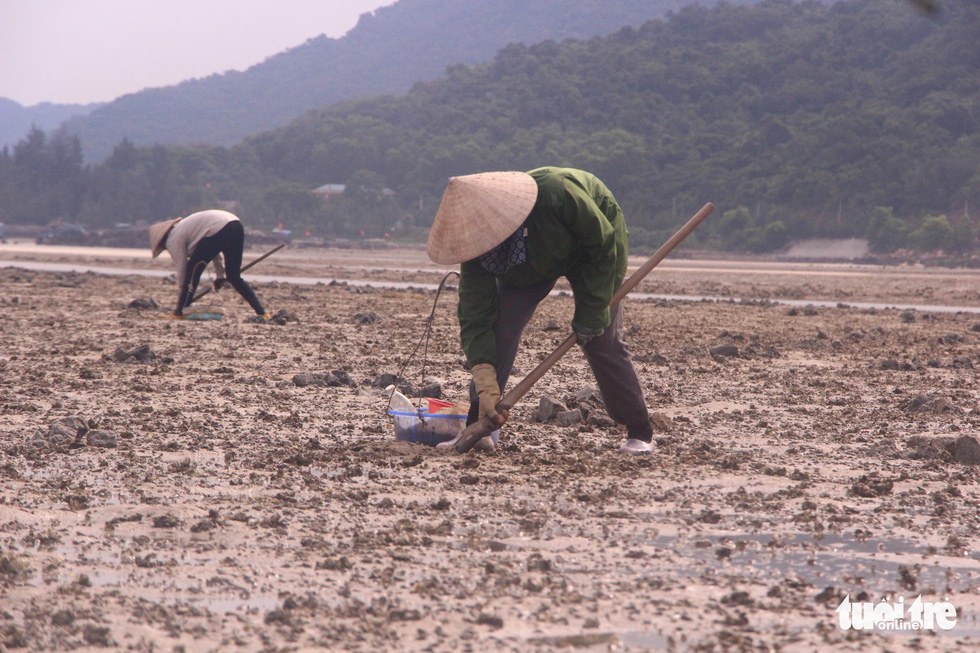
The sá sùng diggers are women who toil in sun and rain. Photo: Tuổi Trẻ Newspaper.
The women’s equipment is very simple: a hat, a scarf covering the entire face except for the eyes, a tool for digging sand, and a basket for sá sùng. They painstakingly make their way across the sandy beach.
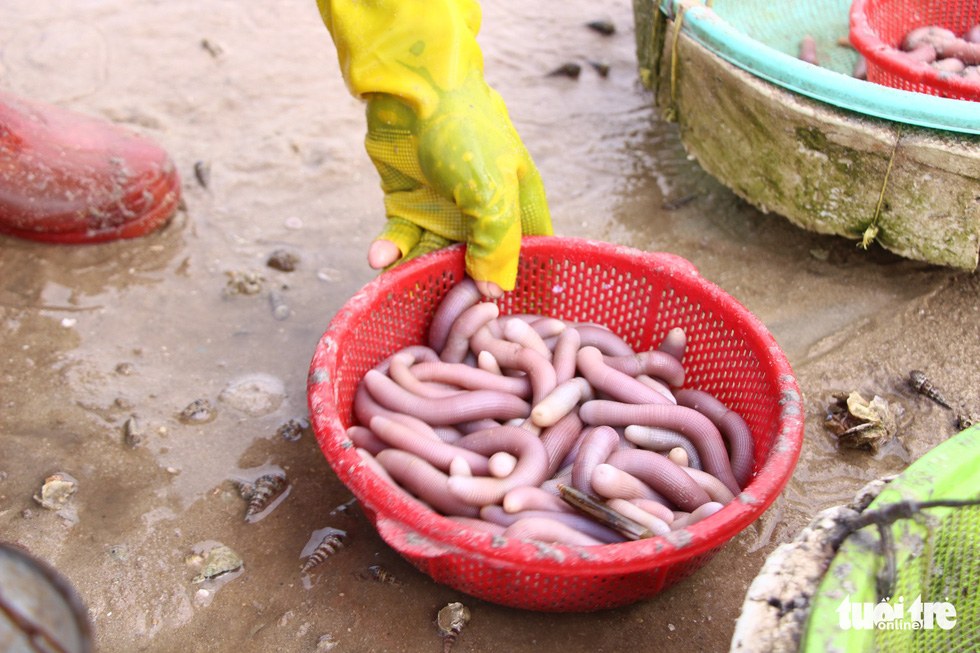
The results after several hours of hard work. Photo: Tuổi Trẻ Newspaper.
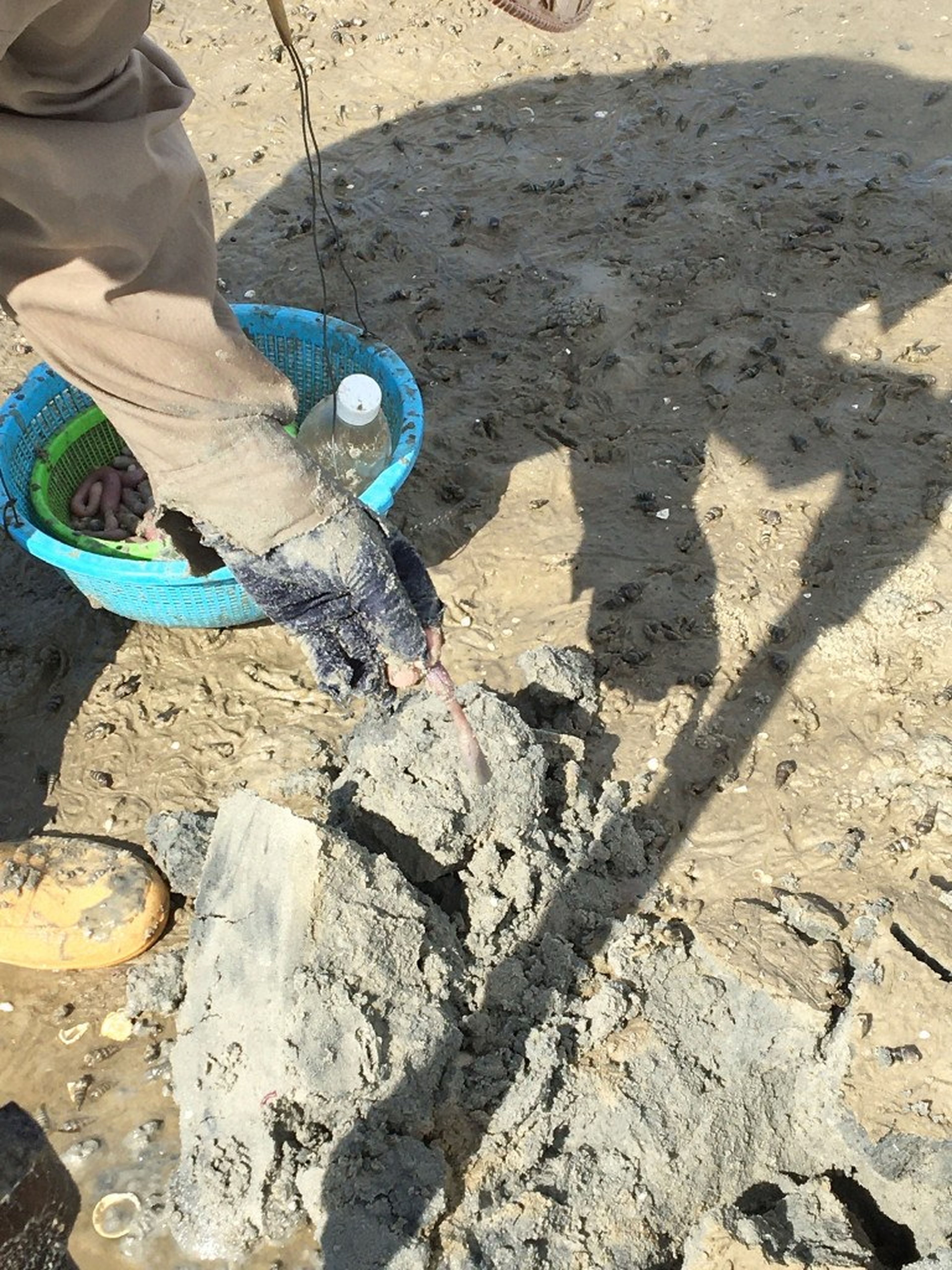
When they spot signs of sá sùng, they move as fast as lightning, thrusting the spade into the ground and tossing up the soil, then quickly grabbing the sá sùng as it emerges. Before dawn, sá sùng burrow deep into the ground, so finding them is by no means easy.
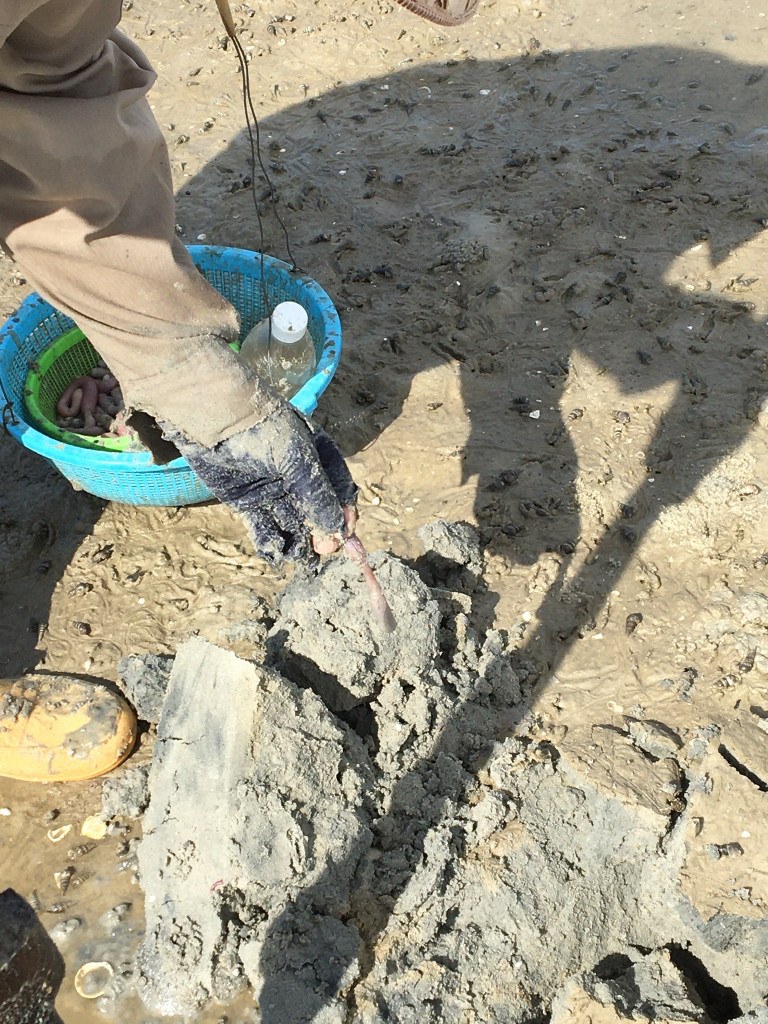
Quickly grabbing a sá sùng. Photo: Dân Việt Newspaper.
The sá sùng season begins around March and lasts until around October each year. Buyers only accept intact specimens, so sá sùng must be dug up skillfully to avoid breaking them.
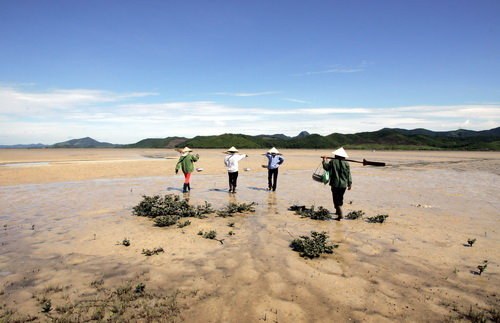
Digging for sá sùng at low tide. Photo: Tuổi trẻ Newspaper.
Fresh sá sùng that is prepared immediately after being brought home retains its absolute freshness and delicious flavor. First, the sá sùng must be washed thoroughly, then slit lengthwise and turned inside out so it can be scrubbed carefully to remove all the sand and fishy odor. It is then washed repeatedly until completely clean, when the sá sùng turns pinkish white.
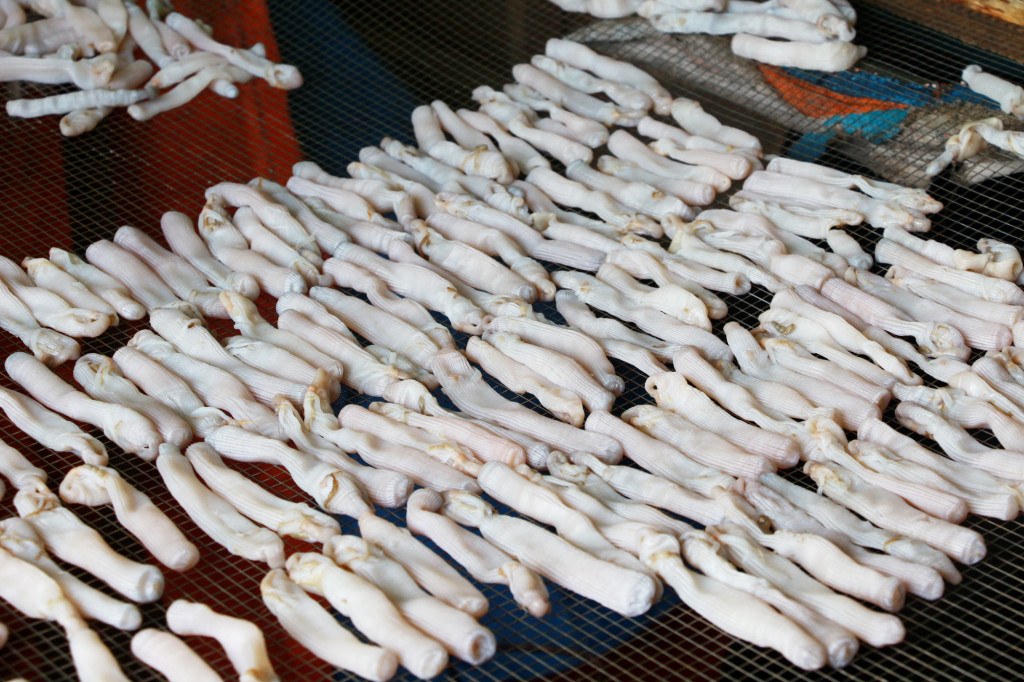
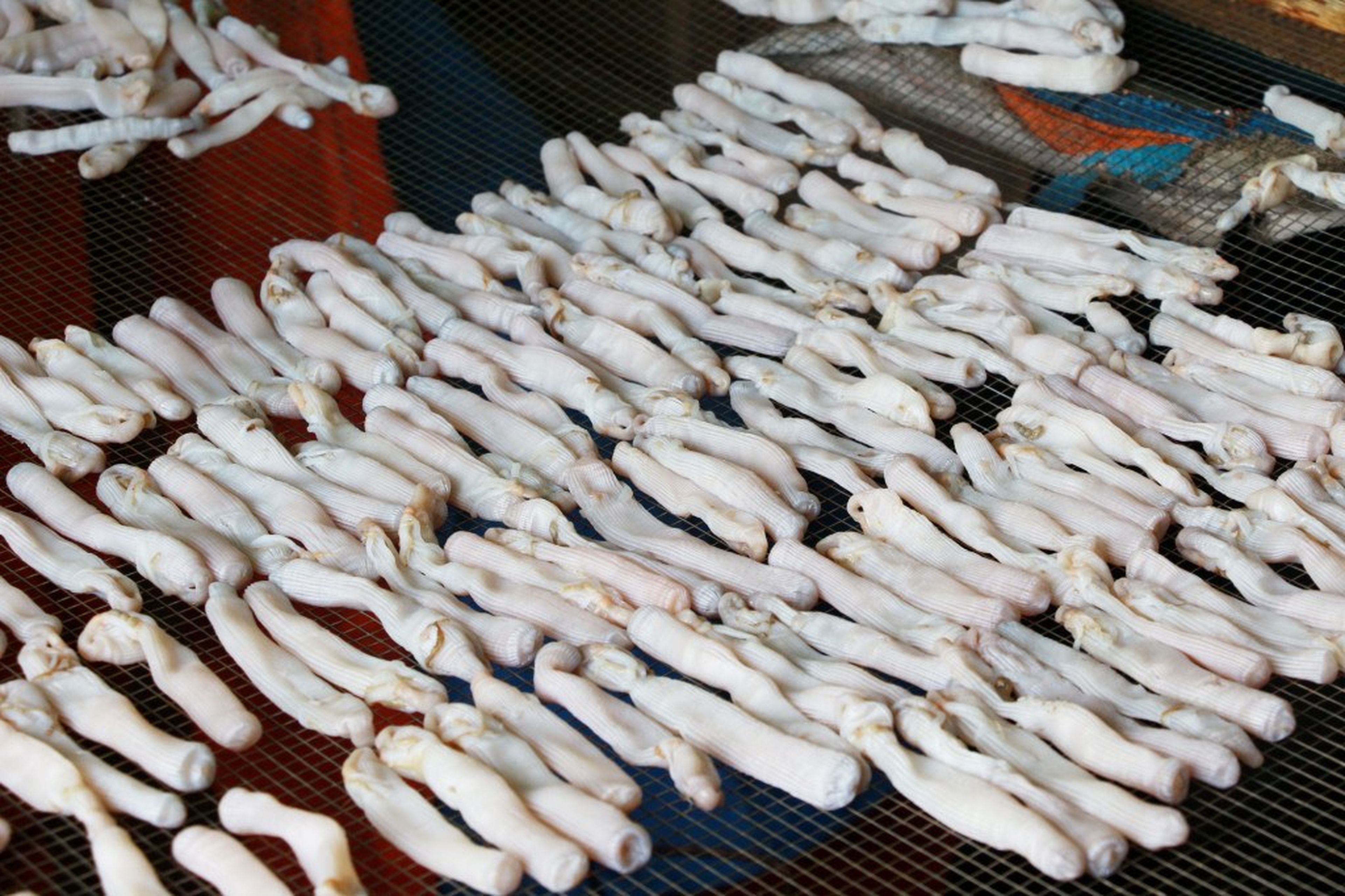
Drying sá sùng. Photo: Quảng Ninh Newspaper.
Next, blanch the sá sùng in water at 70 degrees C, then add cold water. Preparing sá sùng is a very laborious process. Cooked in a soup with garden ingredients such as scallions, garlic, chili, celery and lolot leaves, sá sùng makes a delicious and nutritious dish.
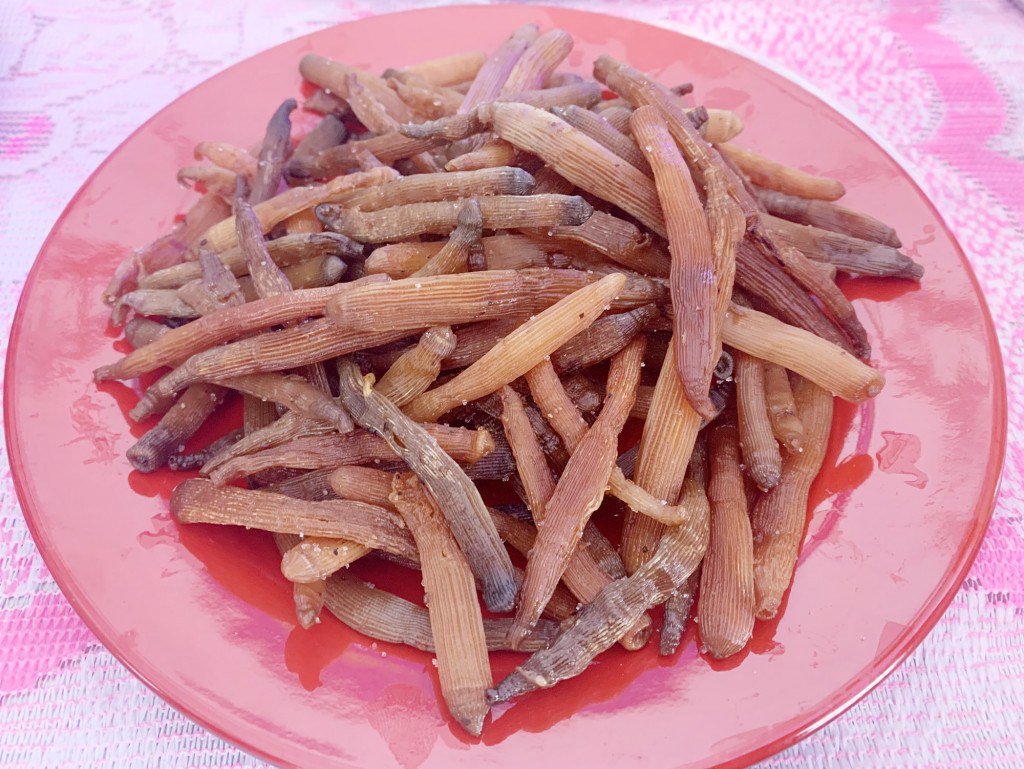
Dried sá sùng roasted in cooking oil. Photo: Quảng Ninh Newspaper.
The important thing when preparing sá sùng is to preserve its naturally fresh, sweet flavor. Therefore, sá sùng does not require too many seasonings, which could overpower the seafood’s original taste.
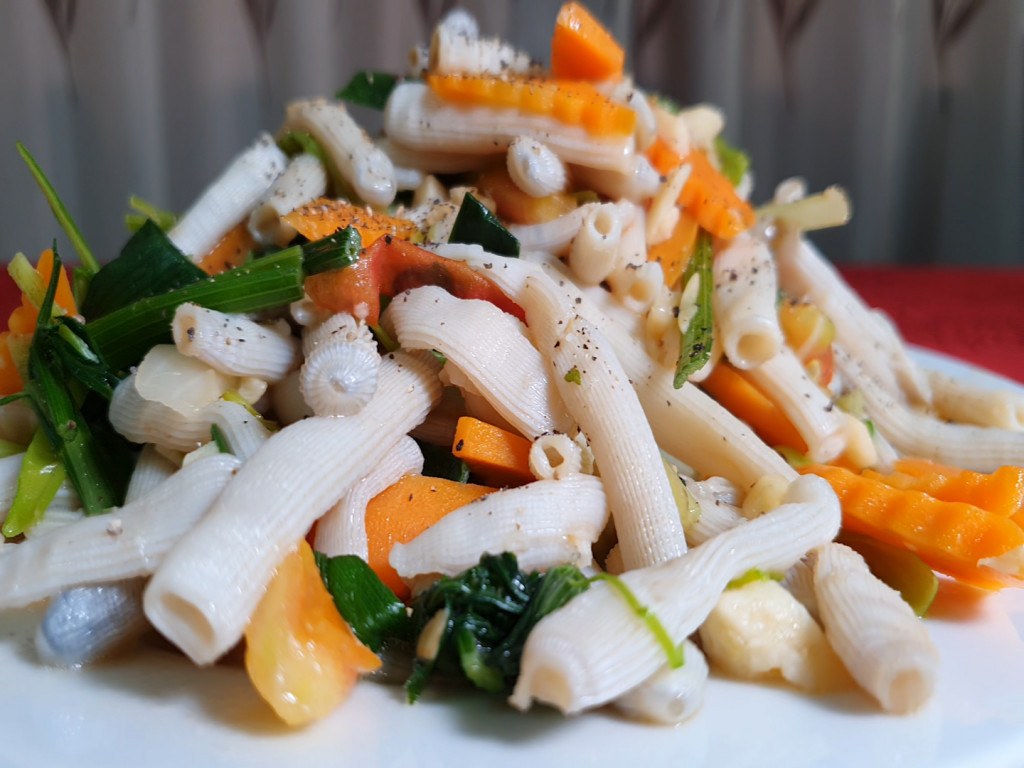
Sá sùng stir-fried with vegetables. Photo: Quảng Ninh Newspaper.
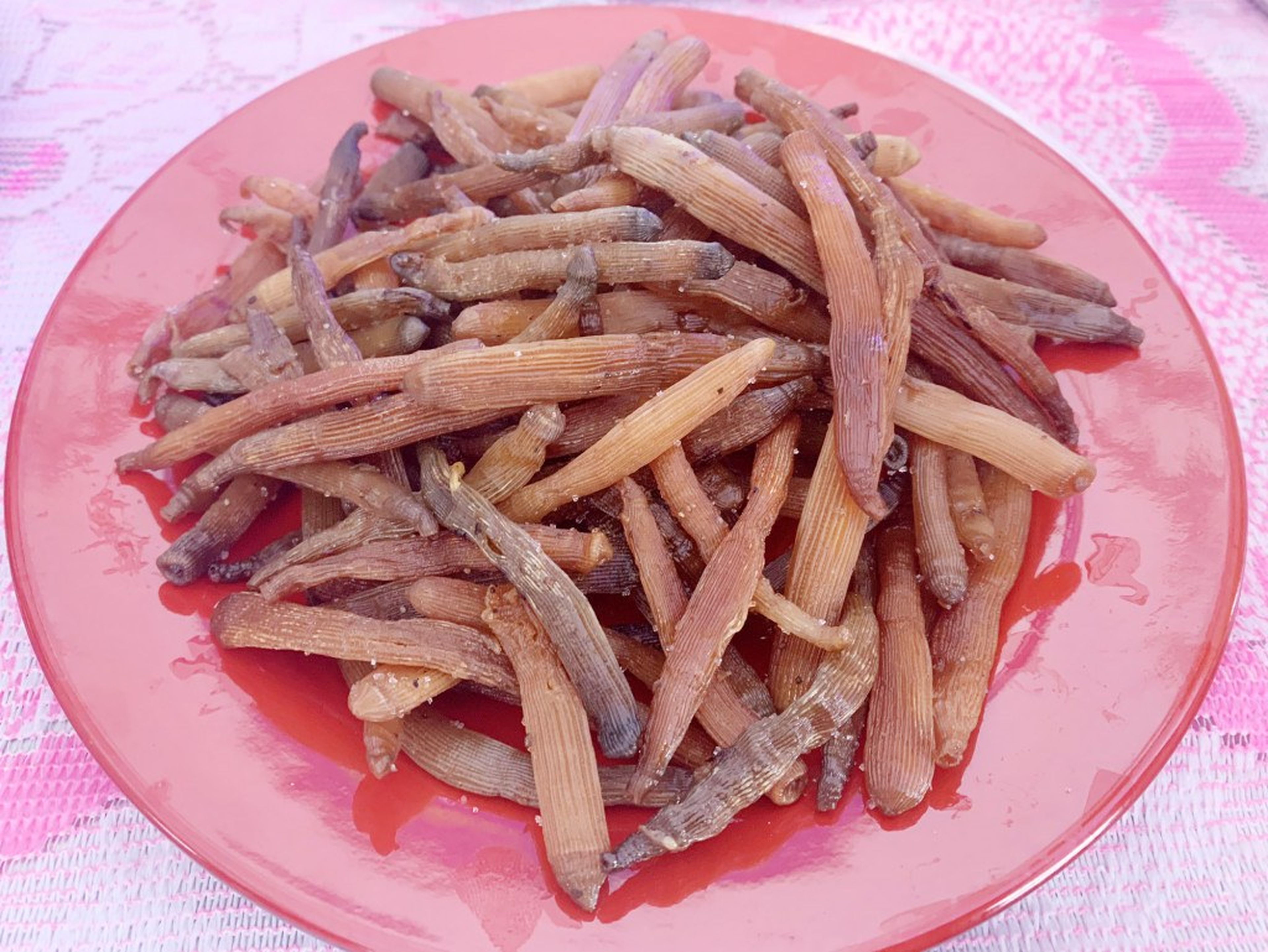
Besides enjoying fresh sá sùng, visitors to Vân Đồn also have the opportunity to take dried sá sùng home as gifts. The cleaned sá sùng are neatly arranged and dried over honeycomb charcoal rather than sun-dried like many other fish and squid…
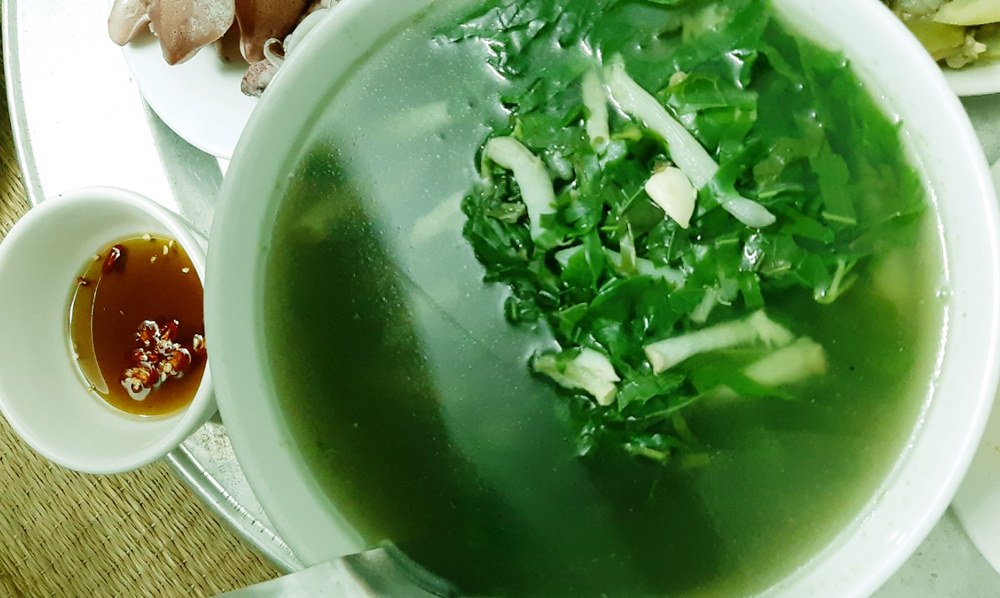
Sá sùng cooked with lolot leaves. Photo: Quảng Ninh Newspaper.
After being dried, sá sùng is tossed in cooking oil to make sweet-and-sour stir-fried sá sùng. The cook must stir it quickly over the stove so that it does not burn and develops an attractive golden color. The seasonings for this dish are also very simple: finely crushed pepper, lime and chili sauce, making it highly suitable as a drinking snack.
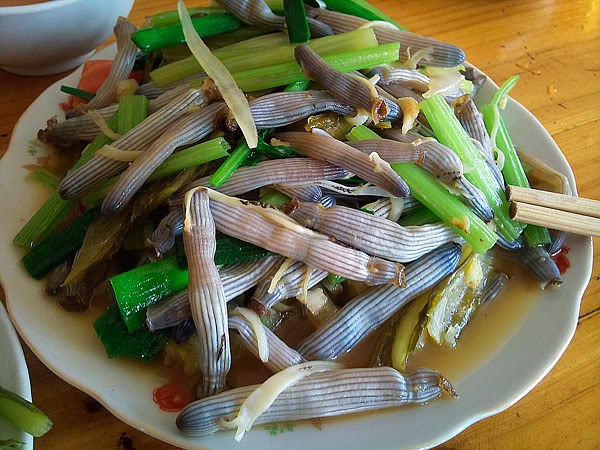
Photo: Du lịch Magazine.
Sá sùng meat contains 17 mineral elements and various essential amino acids, so it is not only delicious but also nutritious. As a result, this seafood brings tremendous nutritional and economic value to the people of the Vân Đồn coastal region.
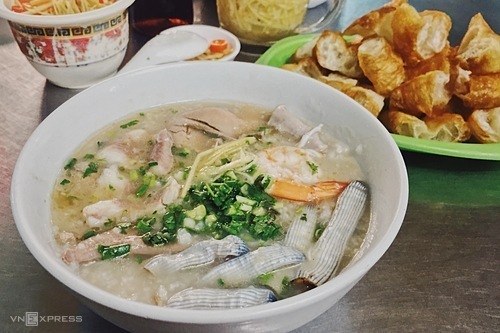
Sá sùng porridge. Photo: Vnexpress.
Traveling the length of the country, one encounters countless dishes that embody the character of each region. Yet perhaps the rich, sweet and fresh flavor of sá sùng will leave an unforgettable impression on visitors to Vân Đồn who have tasted it, ensuring that they remember the flavor of this precious dish forever.