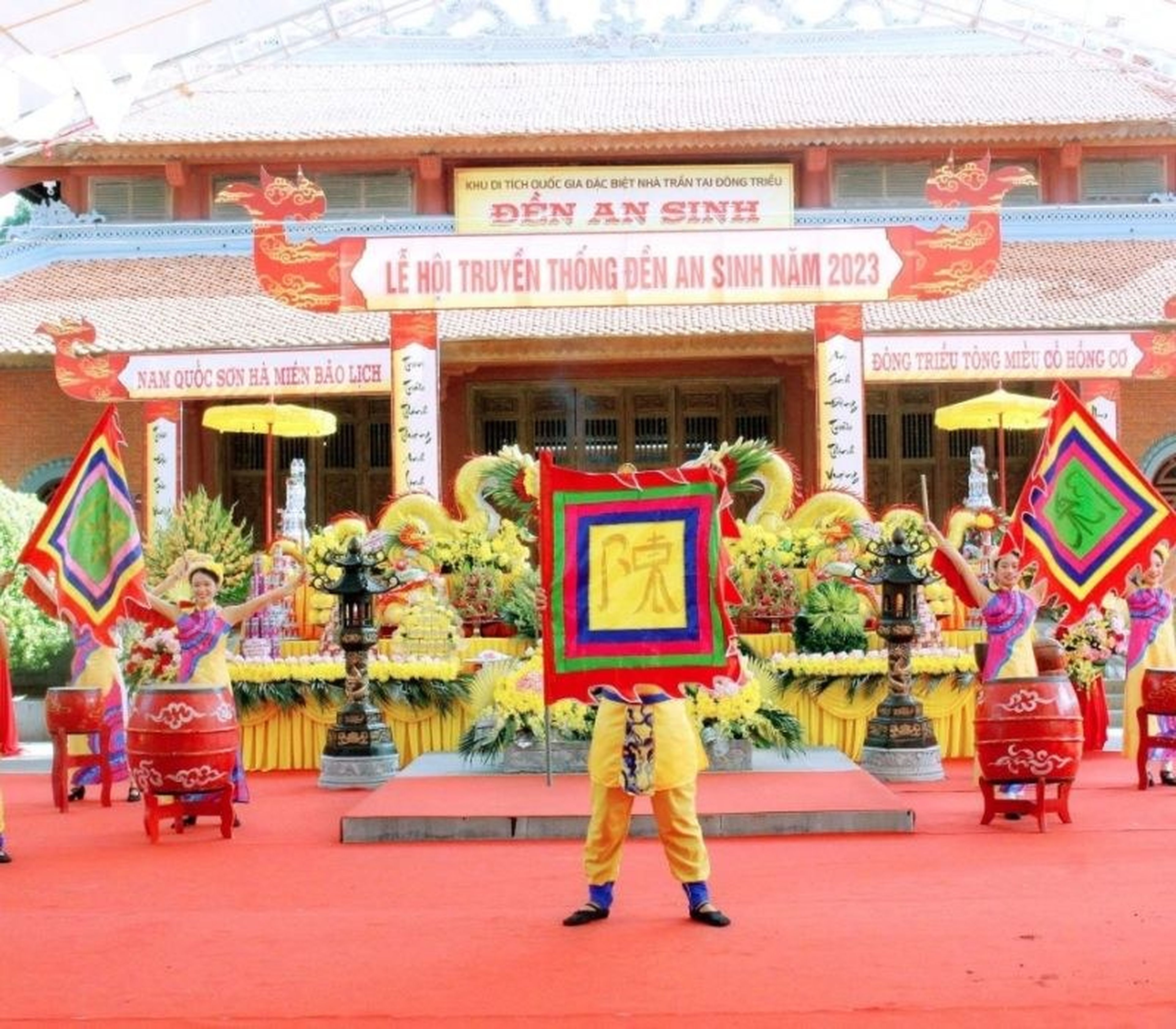
1 Overview of An Sinh Temple - Historical Relic
Address: Trai Loc Hamlet, An Sinh Ward, Quang Ninh Province (formerly part of Dong Trieu City)
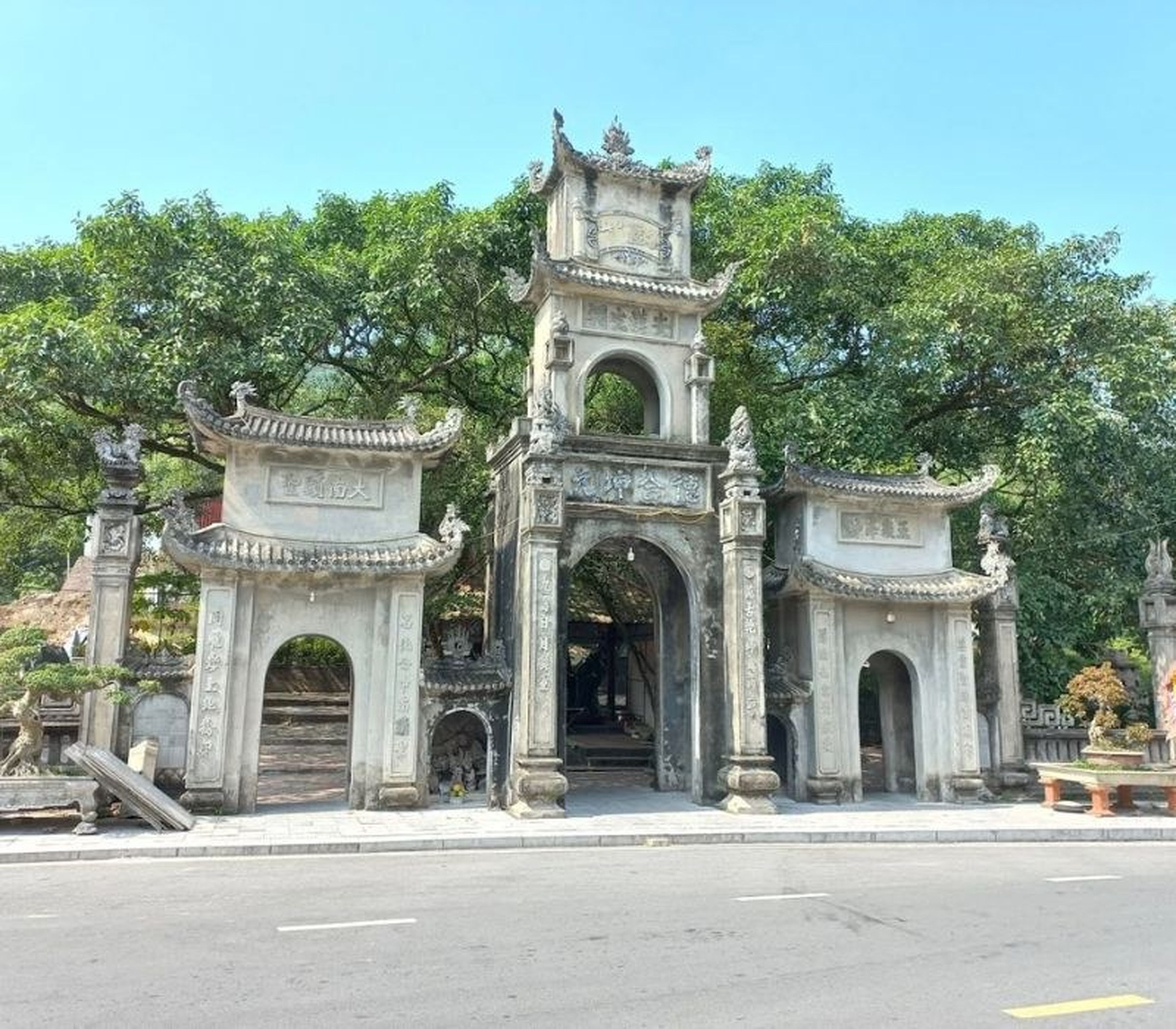
An Sinh Temple has long been recognized as the most vital spiritual center within the Special National Historical Relic Complex of the Tran Dynasty. This destination has established itself as a well-known spiritual hub for spring trips and pilgrimages by visitors from across the country.
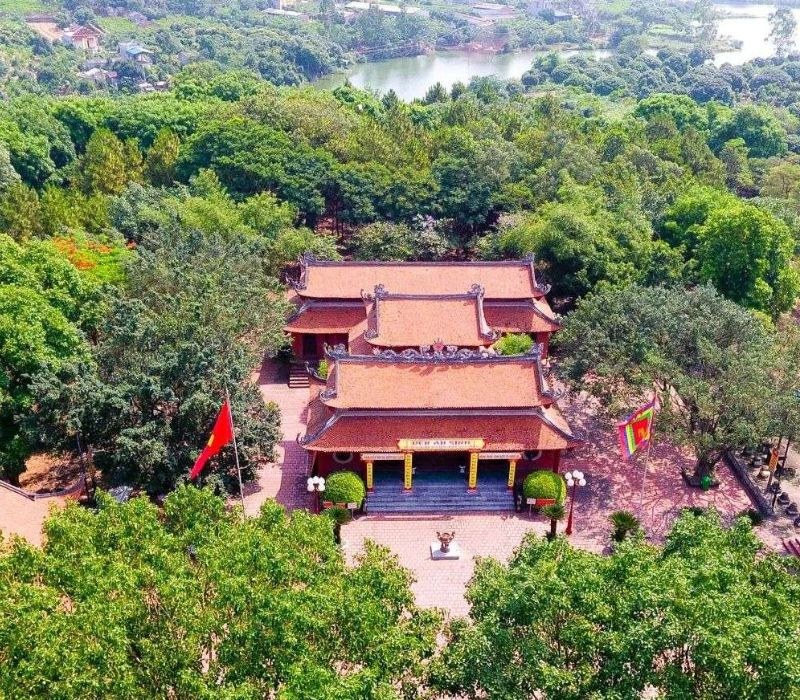
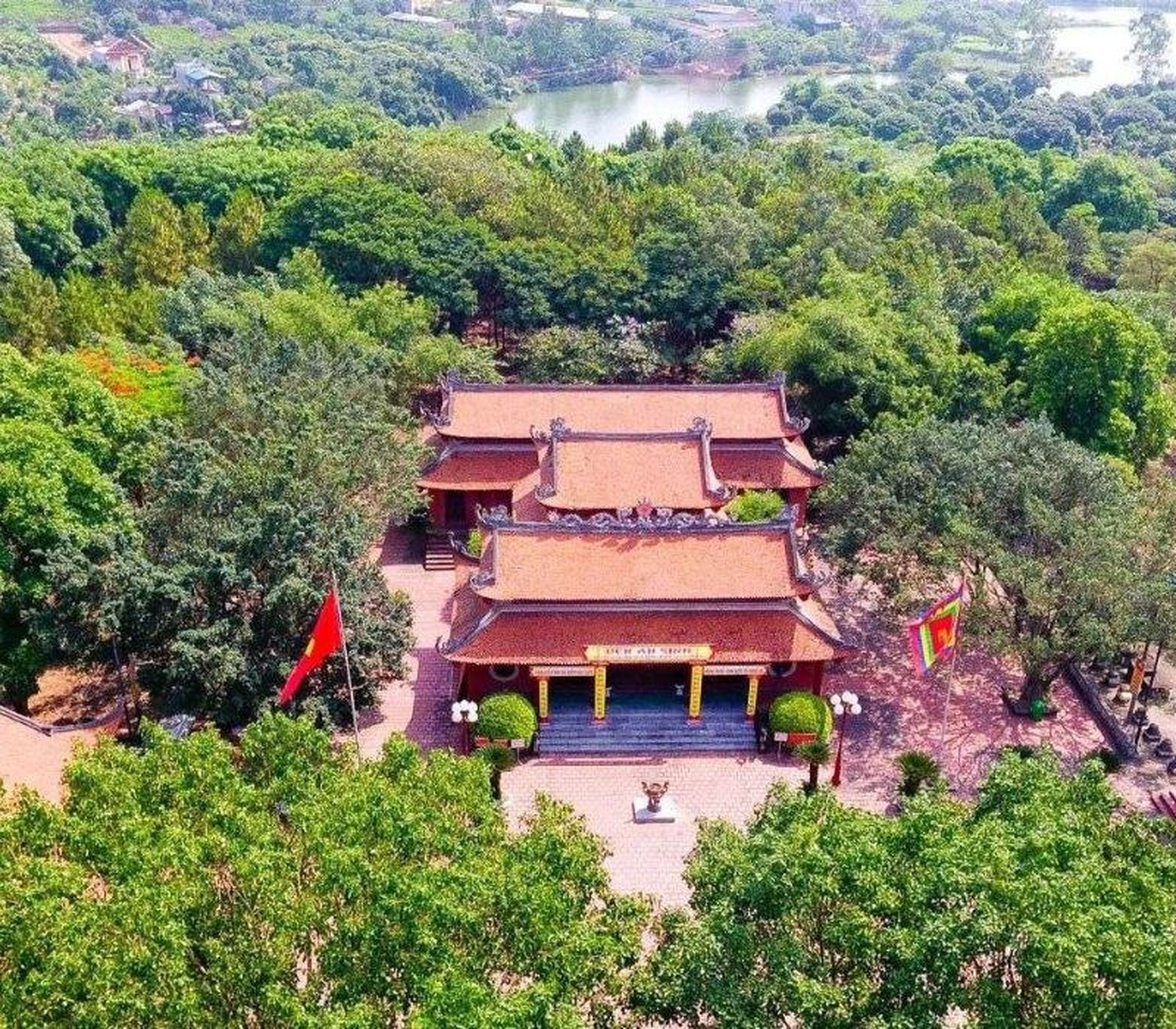
An Sinh Temple is the place of worship for 8 kings of the Tran Dynasty. Illustrative photo: VinWonders
With a history spanning over 600 years, the temple serves as the "ancestral homeland" - preserving the spirit and soul of 8 Tran kings along with revered ancestors who rendered great service in founding and defending the nation. Its designation as a special national relic affirms its peerless value in conserving national cultural identity and educating future generations on traditions. Stepping into the temple grounds, visitors will sense a vibrant spiritual aura where the intersection of history and sacred reverence is felt more vividly than ever.
2 Exploring the Architectural and Scenic Beauty
The architecture of An Sinh Temple stands as a magnificent testament to the union between skilled human craftsmanship and the majestic nature of Dong Trieu.
2.1 An Sinh Temple with an Ancient, Sprawling Space
Spanning an immense area of up to 80,000m2, An Sinh Temple conveys a sense of grandeur and solemnity right from first sight. The temple is built on an elevated, gently sloping hill with a prime feng shui position backing onto mountains and facing water. Before the temple lies the vast An Sinh Lake with gentle waves lapping year-round, while behind it rises the rolling Yen Tu mountain range.
An Sinh Temple boasts an impressively spacious layout situated on high ground, directly facing the expansive An Sinh Lake. Illustrative photo: Vinpearl
This orientation creates a solid "protective mountains and gathering waters" stance according to ancient feng shui principles. Far from feeling confined, the vast campus allows visitors to open their minds and leave behind the worries of daily life.
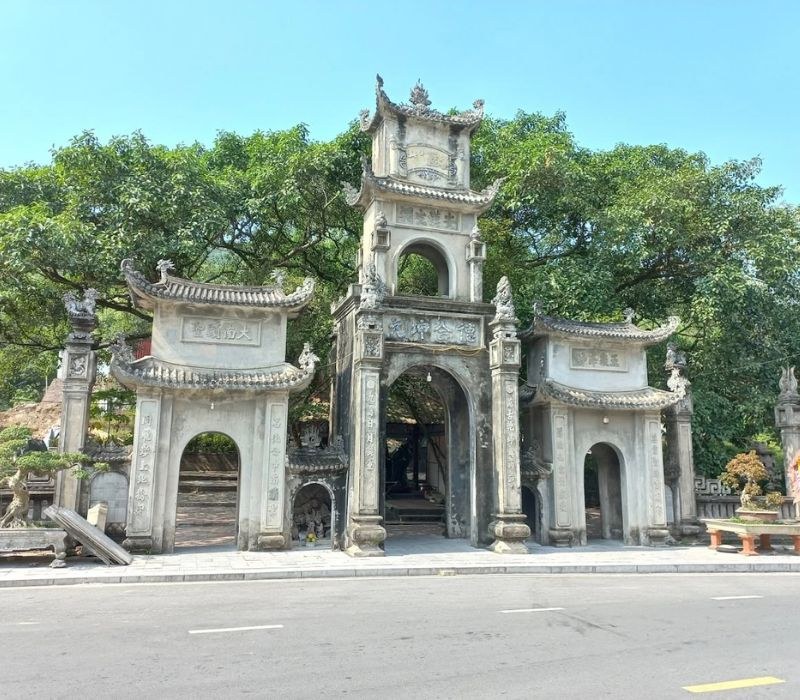
A distinctive highlight that deeply moves visitors upon entering the temple gate is the avenue of centenarian longan trees. These aged trees, with gnarled trunks etched with the marks of time, maintain lush green canopies that interlock to form a cool natural roof shading the pathway to the main hall.
The gentle rustle of wind through the longan leaves accompanied by the faint fragrance of blooming longan in season brings serenity characteristic of the Vietnamese countryside. This is not merely scenery, but a warm, heartfelt welcome from mother nature in An Sinh to descendants returning to their roots.
2.2 Majestic "Cong"-Shaped Architecture
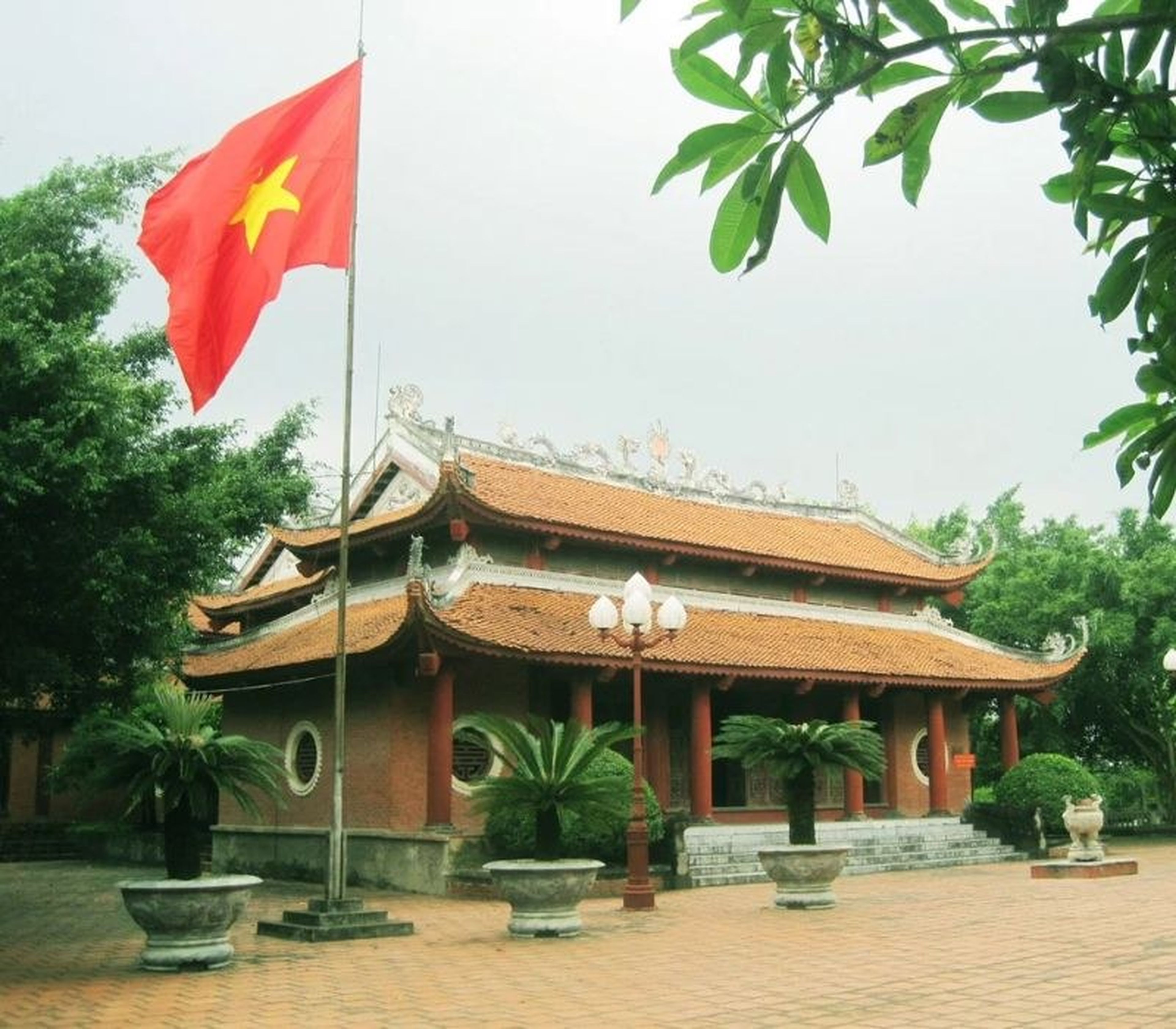
The present architecture of An Sinh Temple represents a crystallization of multiple historical eras, notably the extensive restoration in 2000 that returned the temple to its original stately appearance. The entire complex is laid out in the shape of the character "Cong" (工), a classic layout in traditional Vietnamese temple and pagoda architecture.
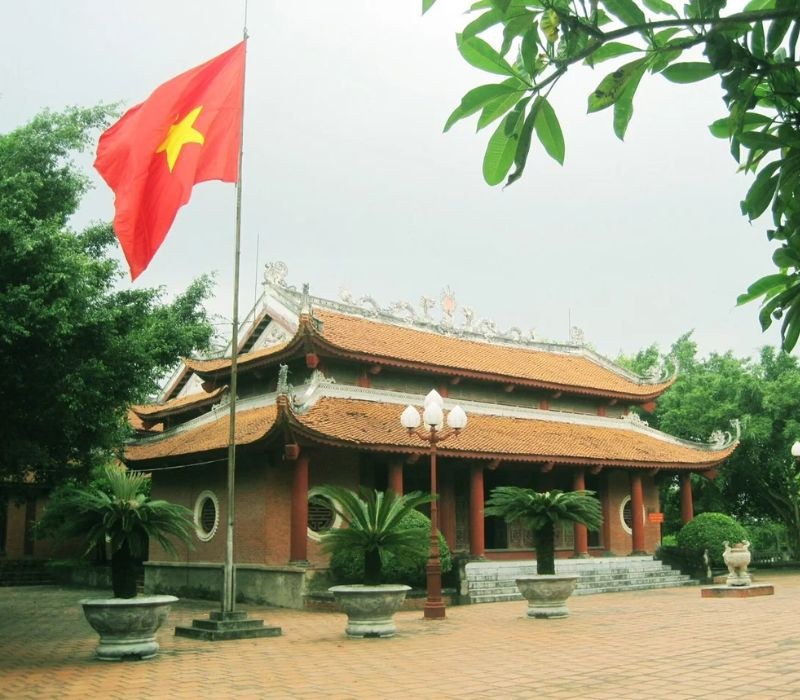
The temple is designed in the shape of the character "Cong" featuring three main halls: Front Hall, Middle Hall, and Inner Sanctuary, interconnected by corridors. Illustrative photo: TripAdvisor
This layout comprises three main sections: the Front Hall (Bai Duong), the Middle Hall (Trung Duong), and the Inner Sanctuary (Hau Cung), linked by corridors or connecting passageways to create seamlessness and reverence in worship. Each hall is constructed from precious woods, topped with moss-tinted red shoe-toe roof tiles, and features gracefully upward-curving eaves symbolizing an aspiration toward celestial loftiness worthy of the late emperors.
The architectural evolution of the temple across different dynasties is an engaging historical narrative. In its early days under the Tran Dynasty, it was named An Sinh Palace, bearing carvings steeped in Buddhist motifs from that era of peak prosperity. Under the Nguyen Dynasty, it was rebuilt following the shape of the character "Tam" (三) to comply with contemporary feudal regulations.
Ultimately, the restoration to the "Cong"-shaped layout in 2000 restored the temple to its complete traditional form, inheriting traditional craftsmanship while accommodating tens of thousands of worshipers annually, affirming the enduring vitality of the relic through historic vicissitudes.
2.3 Symbolic Green Trees with Deep Meaning
In Vietnamese spiritual culture, trees serve not just as decorations but carry profound human philosophies. At An Sinh Temple, the arrangement of precious trees across the courtyard reflects gratitude. Most prominent are 14 large shade trees planted symmetrically along pathways and ceremonial courtyards, symbolizing the 14 Tran monarchs who ruled the nation over 175 years. Each towering trunk stands like a witness to history, standing proud to remind descendants of the enduring Dong A spirit.
Alongside these large trees, 8 cycad trees (van tue) planted solemnly in front of the main courtyard carry special spiritual significance. These 8 trees represent the 8 Tran emperors currently venerated in the inner sanctuary. The cycad, with its sturdy trunk and sharply upright fronds, evokes the solemnity and immortality of rulers who established a glorious dynasty. Harmonizing brick, stone, and wood structures with living symbols from nature creates a cohesive setting, making An Sinh Temple not merely about dry historical figures but full of life and sacred sanctity.
3 Who Is Worshipped at An Sinh Temple?
The question "Who is worshipped at An Sinh Temple?" is always of prime interest to pilgrims. This place gathers the spirits of leaders of the Tran Dynasty, from founding monarchs to heroic figures who defended the country.
3.1 Gathering Place for the Spirits of 8 Tran Kings
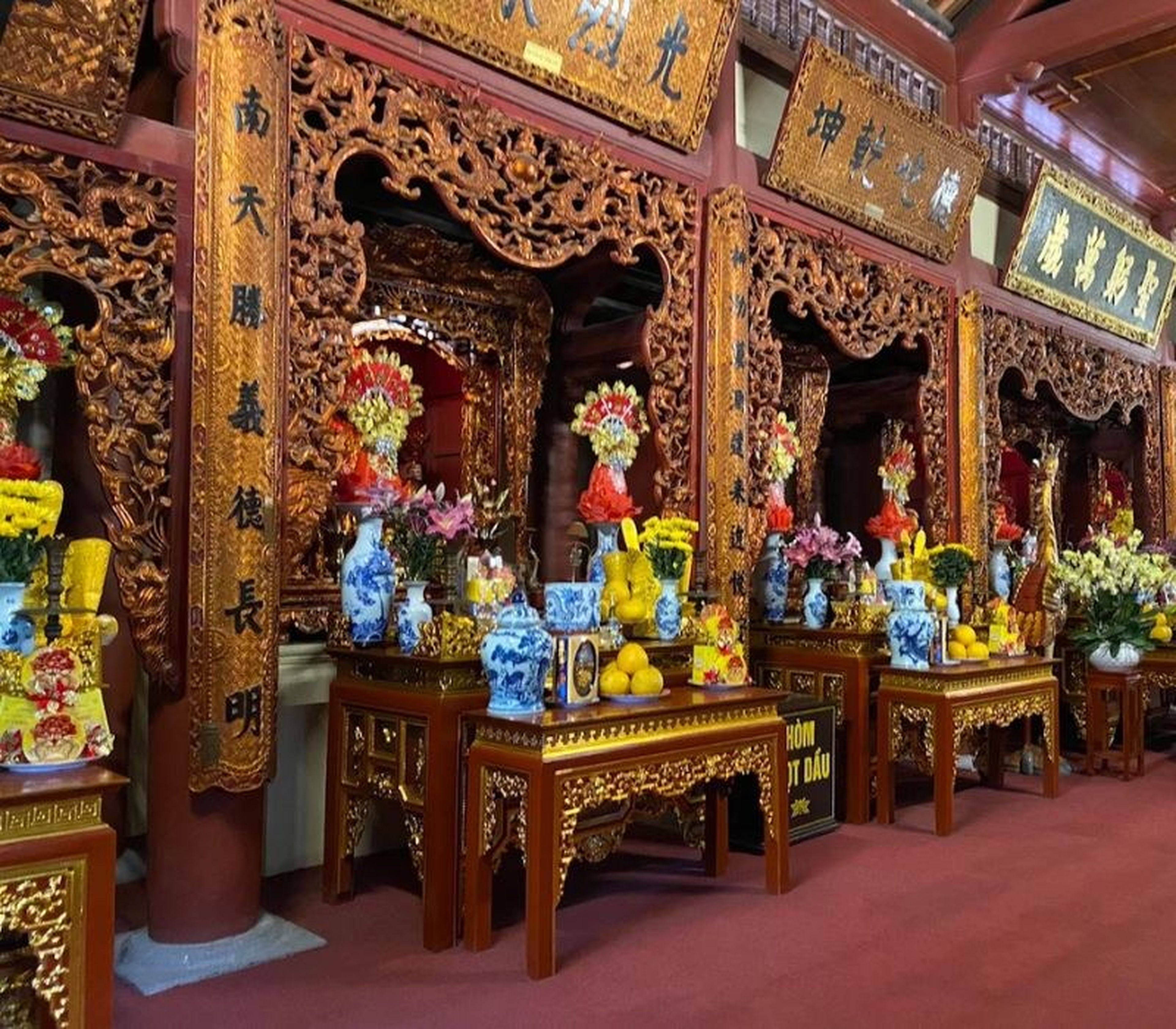
The inner sanctuary of An Sinh Temple is the most sacred and tranquil space, housing the altars and spirit tablets of 8 Tran emperors. These were kings who played major roles in preserving political stability, flourishing culture, and notably commanding the populace in repelling northern invaders.
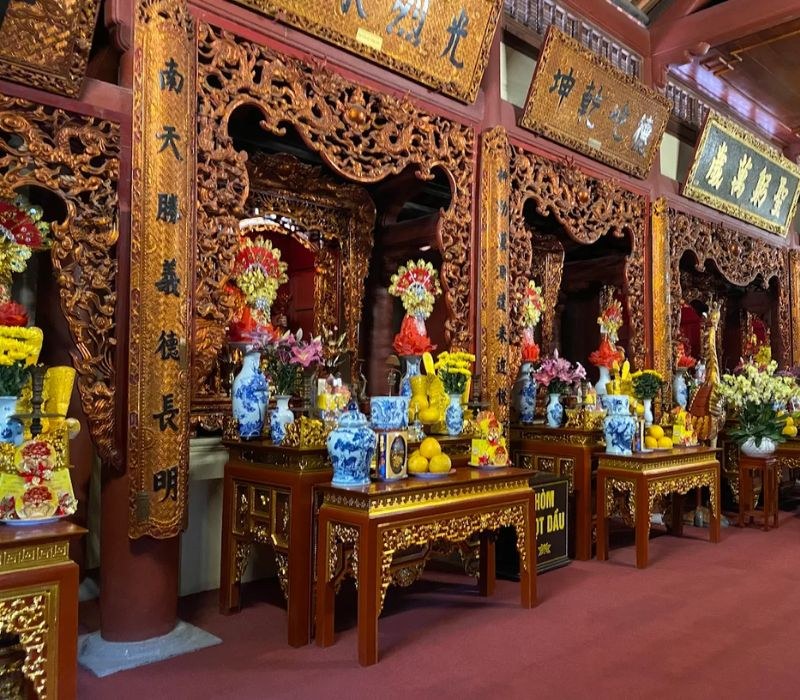
The inner sanctuary at An Sinh Temple is dedicated to the worship of 8 kings of the Tran Dynasty, solemnly decorated with incense smoke swirling year-round. Illustrative photo: TripAdvisor
The list of 8 emperors worshipped here includes King Tran Thai Tong - the dynasty's first monarch; followed by Kings Tran Thanh Tong, Tran Anh Tong, Tran Minh Tong, Tran Hien Tong, Tran Du Tong, and Tran Nghe Tong. Uniquely, the temple also enshrines a spirit tablet for King Gian Dinh - emperor of the Later Tran period.
Each altar in the inner sanctuary is reverently prepared with complete ceremonial regalia and incense wafting all year long. Standing before the altar of the Eight Emperors, visitors often experience deep emotional ties to ancestry and history. Having 8 kings worshipped together in a single communal space at An Sinh, rather than scattered across individual tombs, turns this site into an overarching ancestral temple for the Tran clan in Dong Trieu, acting as a spiritual bridge between the living and illustrious rulers of the past.
3.2 Worship of Prince An Sinh Tran Lieu
The Middle Hall venerates figures of paramount standing for the Tran Dynasty in general and the Dong Trieu land in particular. Prominent among them is Prince An Sinh Tran Lieu - father of Grand Prince Hung Dao Tran Quoc Tuan. Prince An Sinh played a major role in reclaiming and cultivating the An Sinh fief from its earliest days.
Next to Prince An Sinh is the altar of his mother, Lady Thien Dao Quoc Mau, and renowned national hero Grand Prince Hung Dao Tran Quoc Tuan. Placing the altar of Hung Dao Vuong alongside his parents in the Middle Hall not only demonstrates traditional filial piety but also affirms the intimate bond between family and nation. Offering incense here allows visitors to pray for peace for their families while paying tribute to forebears who sacrificed personal interests for the survival of the country, imparting a living moral lesson to future generations.
3.3 Museum Exhibiting Archaeological Artifacts
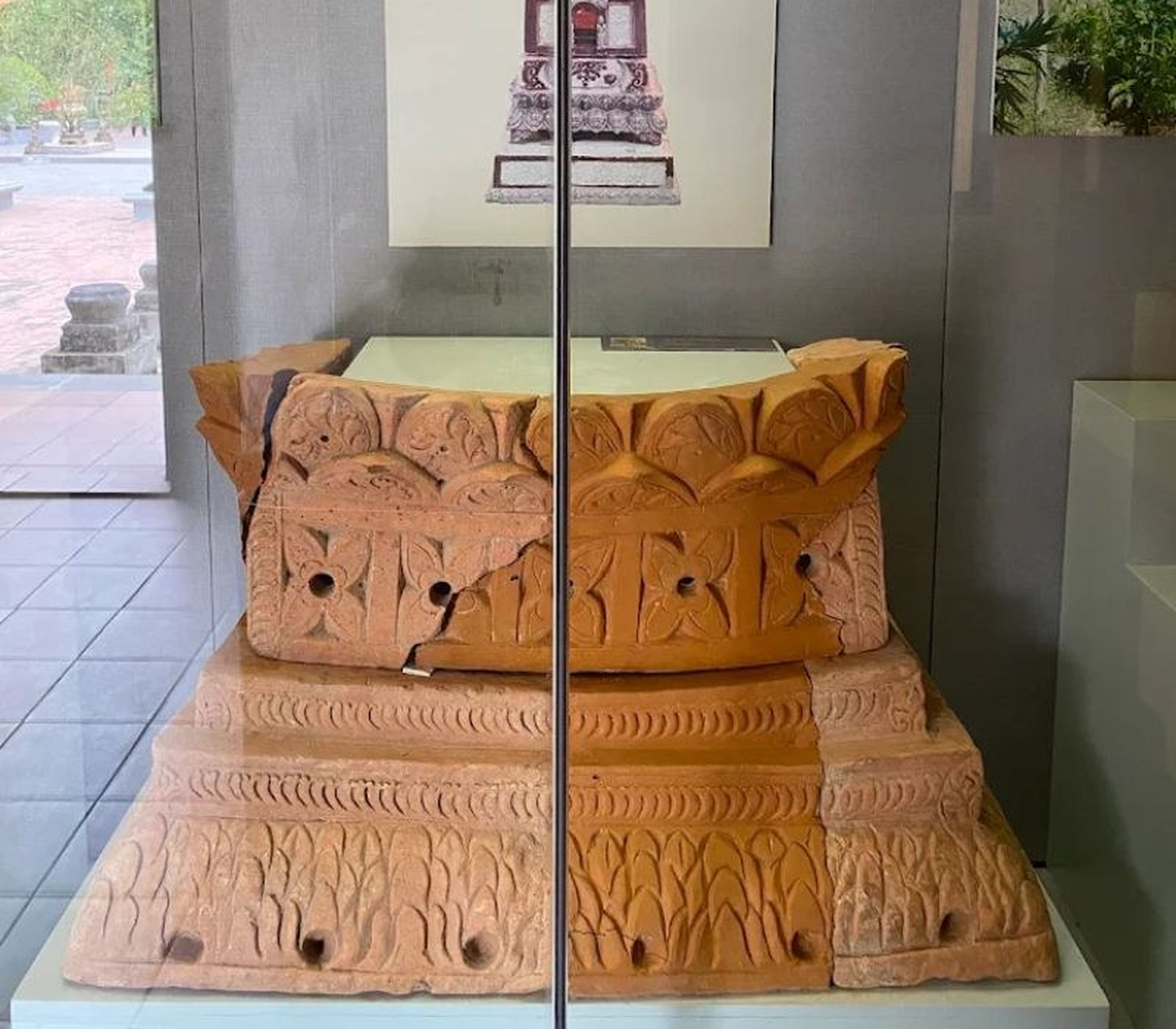
Another highlight setting An Sinh Temple apart from many others is a compact archaeological museum situated right within the relic grounds. It houses and exhibits hundreds of precious artifacts unearthed from the foundation of the old temple and nearby Tran royal tombs. Brick fragments, shoe-toe tiles adorned with flying dragon and phoenix motifs, and refined bronze phoenix statues all tell stories of our ancestors' masterful aesthetic sense over half a millennium ago.
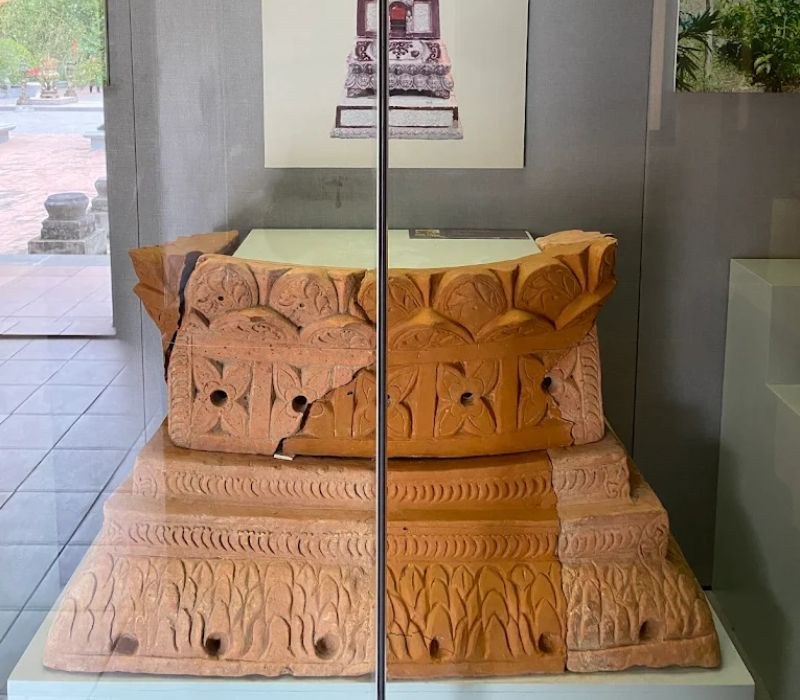
The temple grounds also exhibit antiques reflecting the talent of Vietnamese artisans during the Tran Dynasty. Illustrative photo: Vinpearl
In particular, large brown-patterned ceramic basins decorated with delicate lotus and chrysanthemum motifs showcase the flourishing ceramics craft of the Tran Dynasty - a golden age when Vietnamese ceramics achieved artistic and technical pinnacles. Exploring this artifact display grants visitors a multidimensional perspective, spanning beyond worship to scholarly appreciation of ancient ingenuity. These tangible relics bring history closer, making the monarchs depicted on spirit tablets feel relatable through items once used in royal court life.
4 Tips for Participating in the An Sinh Temple Festival
The An Sinh Temple Festival is not merely an event for the locals of Dong Trieu; it has evolved into a major province-wide festival in Quang Ninh, drawing tens of thousands of participants each year.
4.1 Annual Festival Time
The An Sinh Temple Festival is held annually at a very special time: from the 20th to the 22nd day of the 8th lunar month. Choosing this timeframe aligns with the death anniversary of Saint Tran (20th day of the 8th lunar month) - one of the nation's most revered spiritual icons.
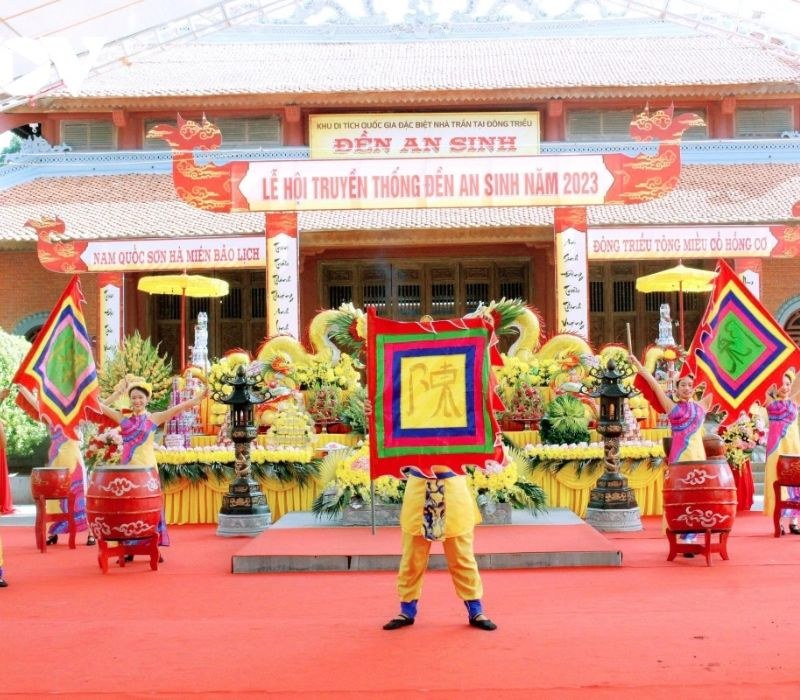
The An Sinh Temple Festival is an occasion to pay tribute to the former emperors. Illustrative photo: VOV
During this time, the atmosphere in Dong Trieu becomes exceptionally vibrant as pleasant autumn breezes set in, creating favorable conditions for travel and outdoor activities. Making a pilgrimage during these days, you will join lively crowds and vividly feel national pride and profound reverence toward the former emperors.
4.2 Notable Rituals and Festive Activities
The festival is divided into two primary parts: the formal Ceremonial Rites and the lively Festive Activities. The ceremonial part commences with a ritual procession of spirit tablets and meticulous sacrifice offerings carried out by male and female ceremonial teams hailing from surrounding villages. Resonant festival drums combined with traditional ceremonial tunes craft a sacred atmosphere that transports attendees back to authentic national cultural roots. Following the sacrifices is the incense offering commemorating the royal Tran tombs in the vicinity, expressing gratitude to the enlightened rulers resting peacefully in An Sinh soil.
Following the solemn ceremonies comes the festive section, filled with folk games celebrating the gallant Dong A spirit. Visitors can watch spirited cockfighting matches, cheer on young men and women soaring high on swings, or enjoy friendly volleyball matches between local villages.
Additionally, performance programs reenacting the lives and achievements of the Tran kings are an indispensable cultural highlight. The harmony of traditional and modern elements makes An Sinh Temple a captivating cultural destination, fostering love for one's homeland and appreciation for venerable historical values.
5 Tips When Visiting An Sinh Temple
To help preserve the sanctity of the relic and ensure a rewarding visit, travelers should note several key guidelines when touring An Sinh Temple:
- Wear modest, respectful clothing with sleeves and long trousers; avoid outfits that are too short or revealing.
- Walk softly and speak quietly upon entering the main halls; refrain from running, shouting, or causing loud noises that disrupt the temple's serenity.
- Maintain environmental cleanliness and dispose of trash in designated bins.
- Do not touch archaeological artifacts or ancient statues to help protect the relic from damage over time.
An Sinh Temple is truly a brilliant gem within the nationwide network of Tran Dynasty historical sites. It is also a haven where visitors can slow down, reflect on the values of peace and independence secured by our ancestors through immense sacrifice. Standing in the cradle of the Tran Dynasty, watching centuries-old longan canopies whisper under the autumn sunlight, one will feel lighter at heart and filled with pride. Pack your bags and begin your journey now!