1Where is Yen Tu Pagoda?
Yen Tu Pagoda’s location: Yen Tu Mountain, Nam Mau Hamlet, Thuong Yen Cong Commune, Uong Bi City, Quang Ninh Province
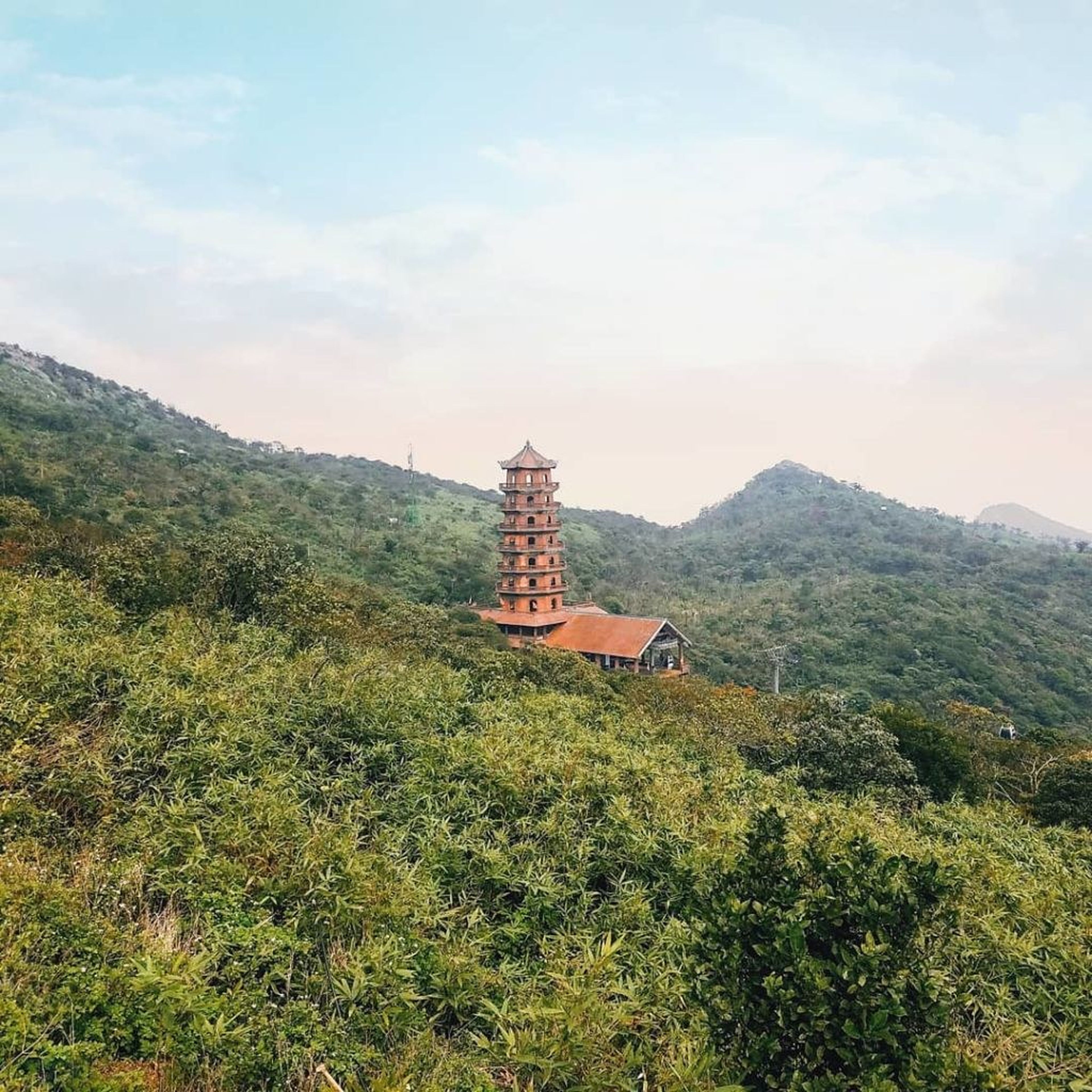
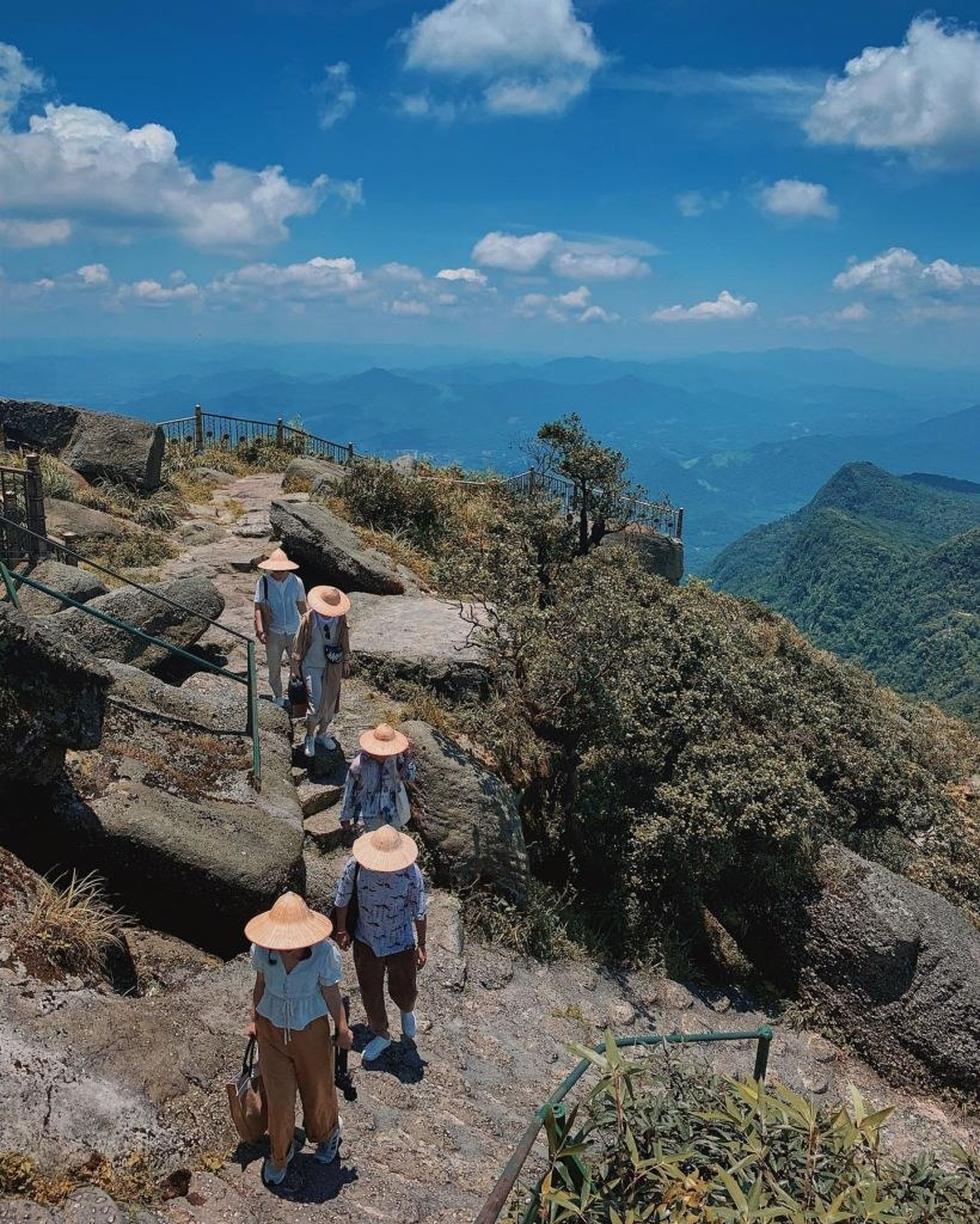
If you are looking for tips on visiting Yen Tu Pagoda, you first need to learn about Yen Tu Mountain. This mountain stretches up to 6,000 m (measured along the walking route), stands at an altitude of 1,068 m above sea level, and belongs to the Dong Trieu mountain range. It lies on the border between Quang Ninh Province (to the east) and Bac Giang Province (to the west). In the past, the mountain was called Bach Van Son because its peak was always covered by drifting layers of mist. Yen Tu Pagoda is known as the “ancestral land of Vietnamese Buddhism” and is also the birthplace of the Truc Lam Zen sect.
Yen Tu Mountain is also home to a vast and diverse green ecosystem that attracts tireless travelers eager to explore. In addition, it preserves a system of cultural and historical relics associated with the Tran dynasty and the Truc Lam Yen Tu Zen sect. The 6,000-m journey to conquer the sacred peak of Yen Tu—Dong Pagoda—can take up to 6 hours. On this pilgrimage, you must pass hermitages, towers, and pagoda steles nestled among groves of ancient bamboo and endless pine forests.
See also: Top 10+ most beautiful must-visit tourist attractions in Quang Ninh
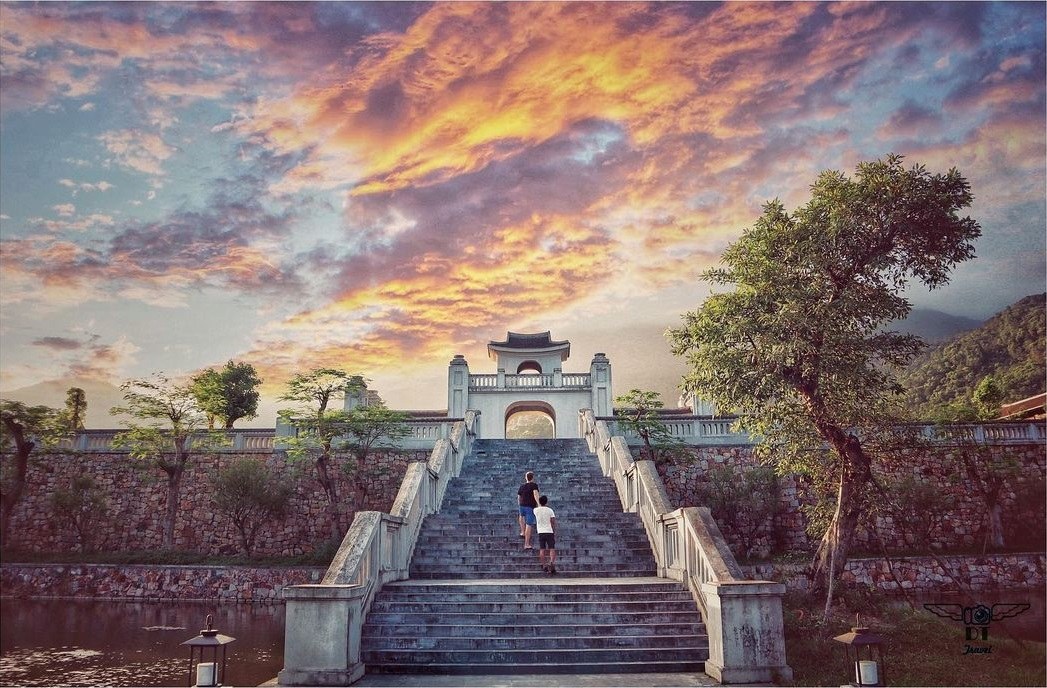
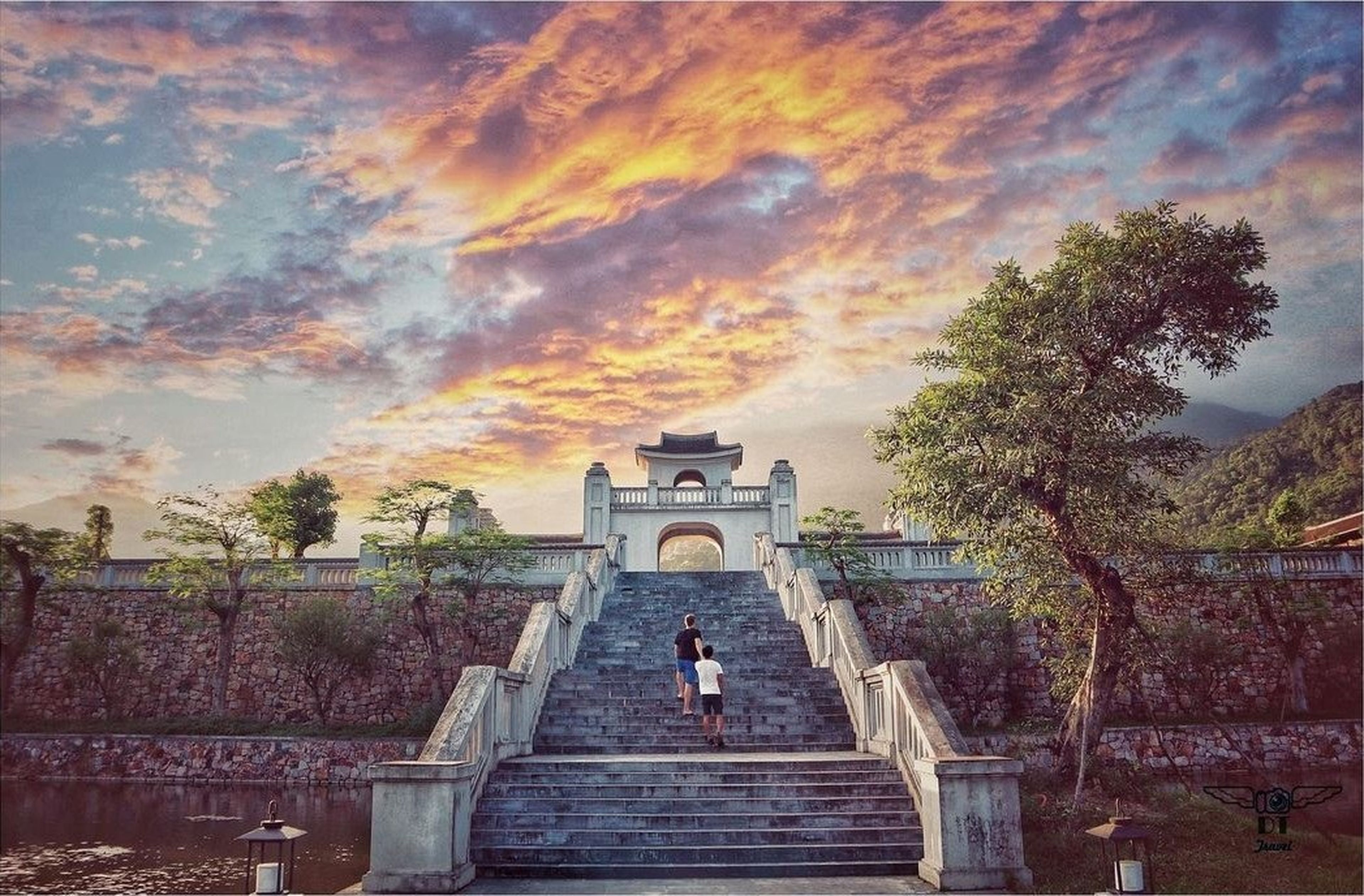
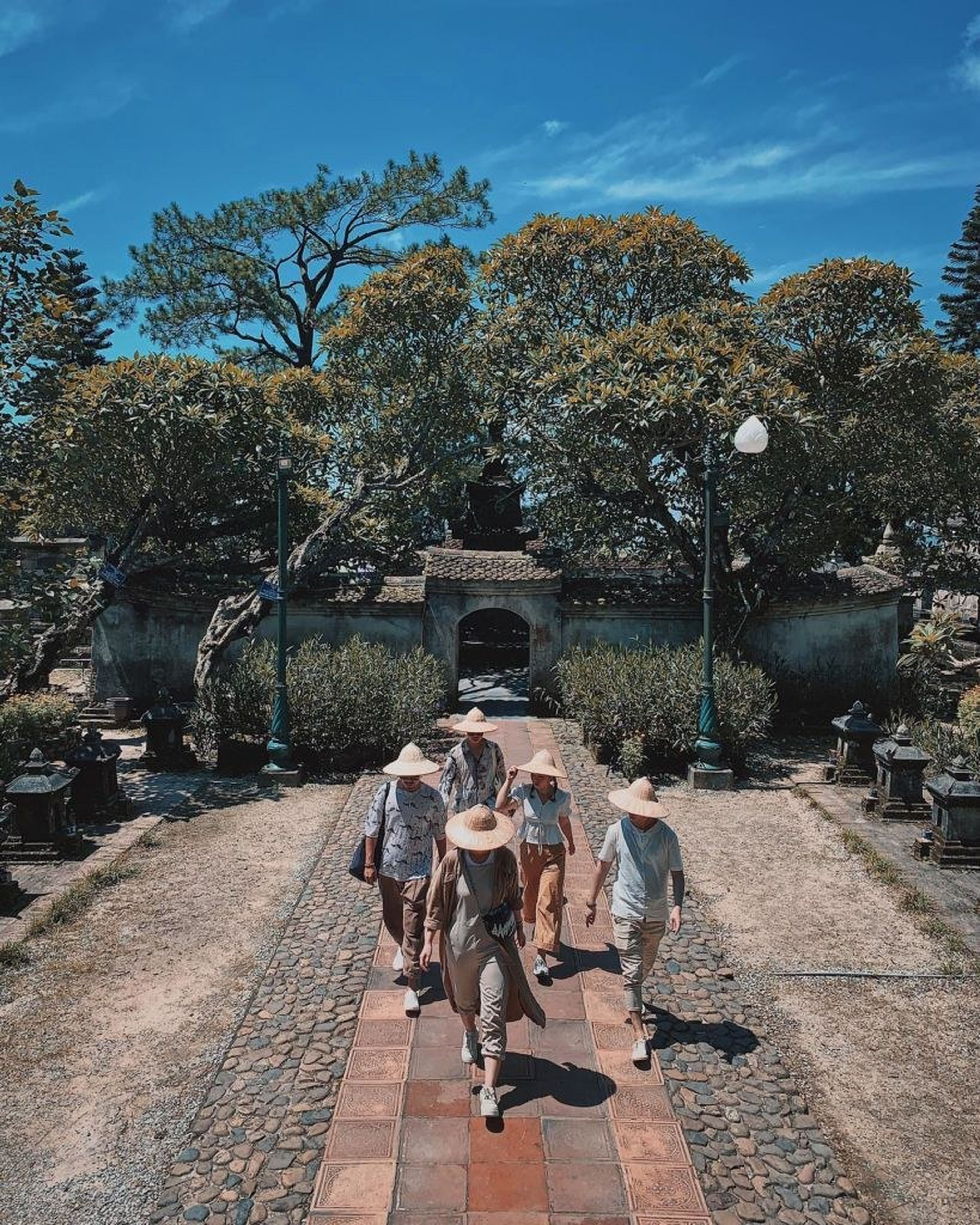
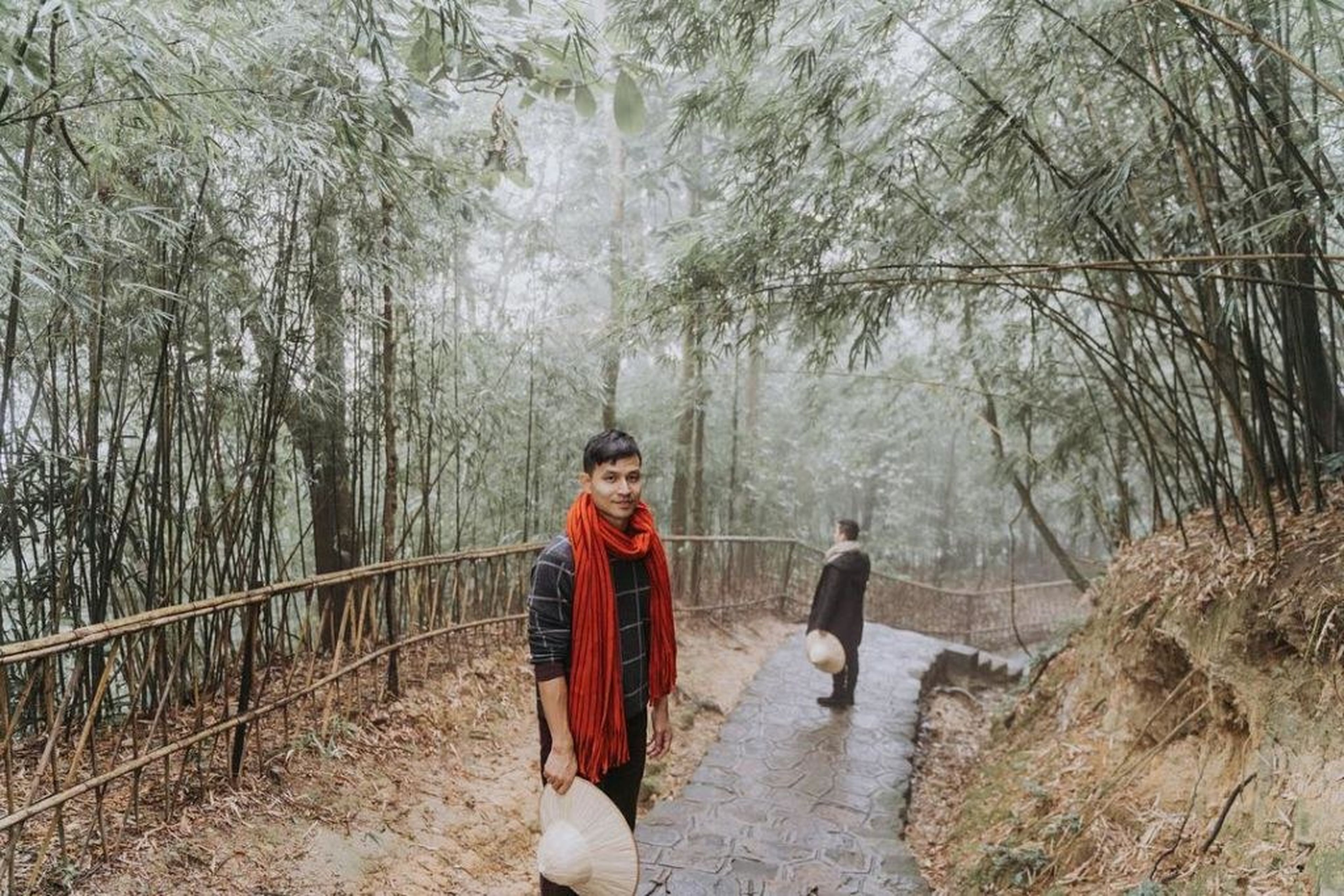
These tips for visiting Yen Tu Pagoda are especially useful for “newbies.” Photo: @davidnguyen.tu
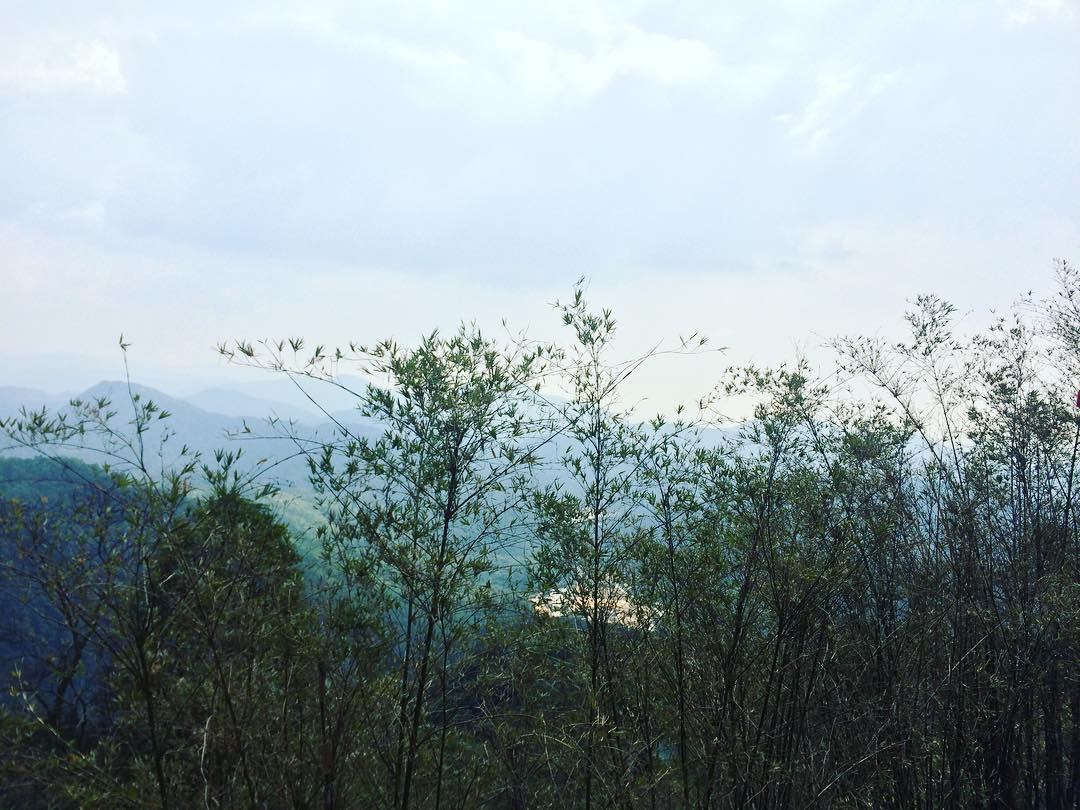
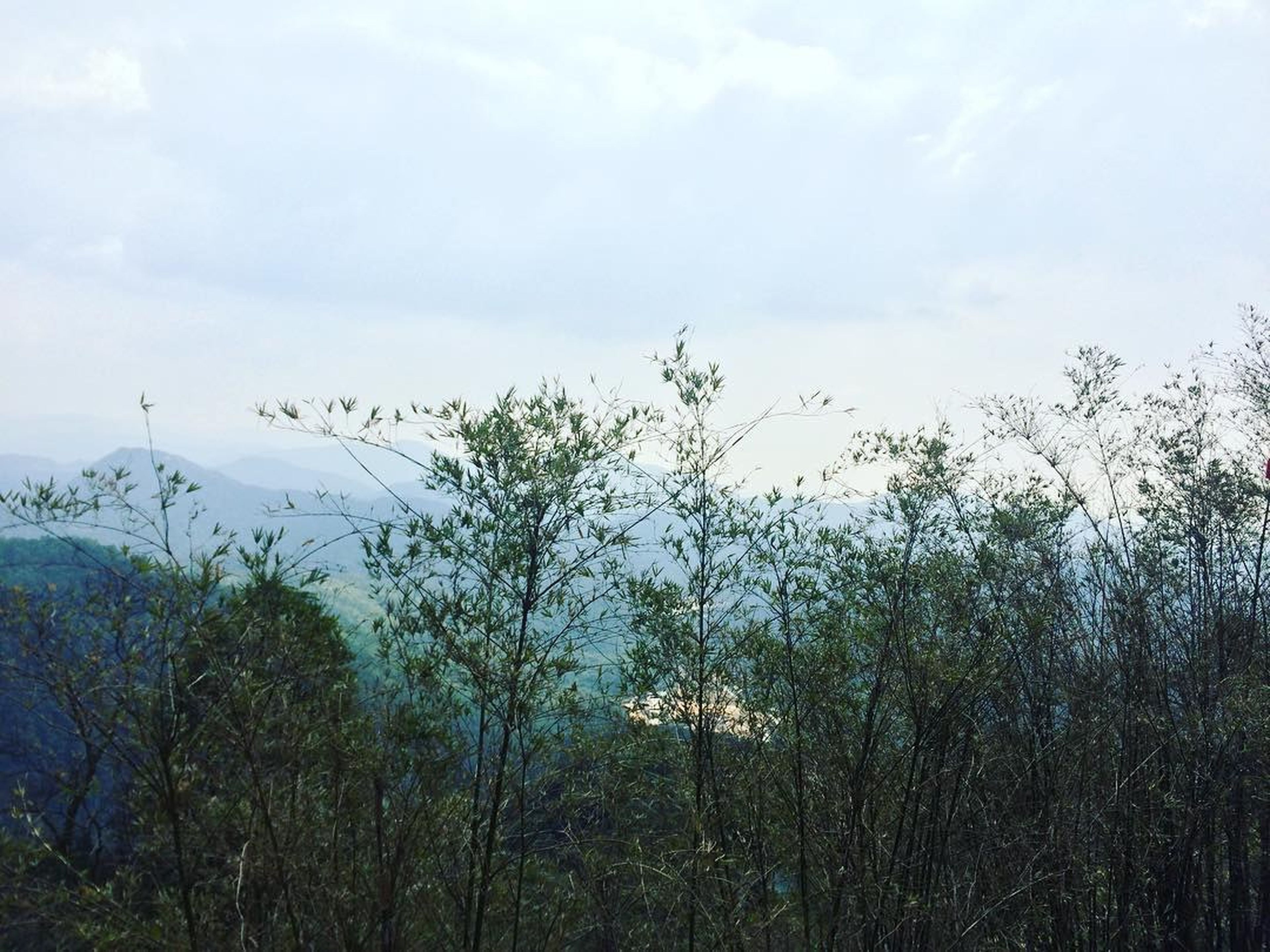
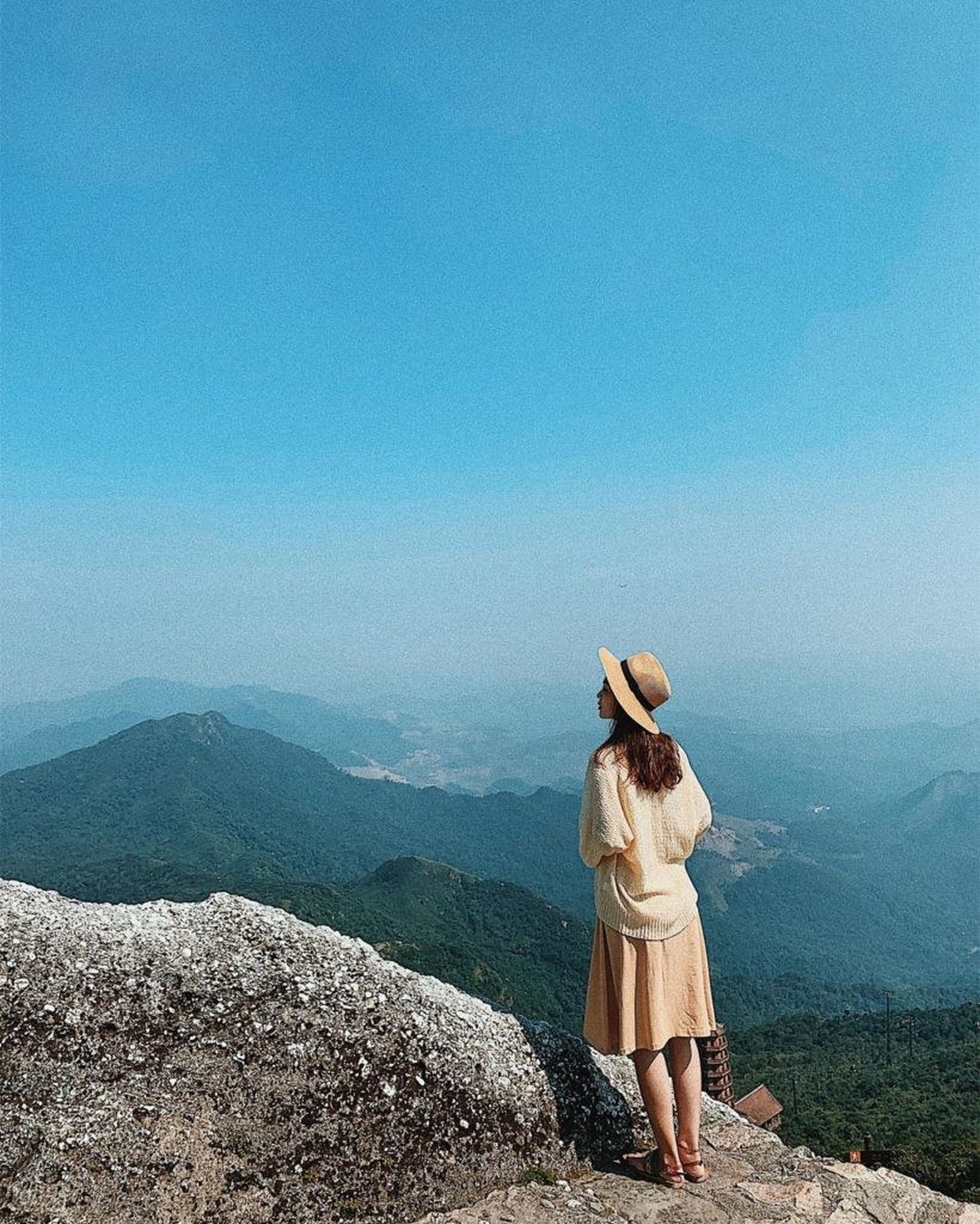
Spectacular nature viewed from the peak of Yen Tu Mountain. Photo: @binhbon0511
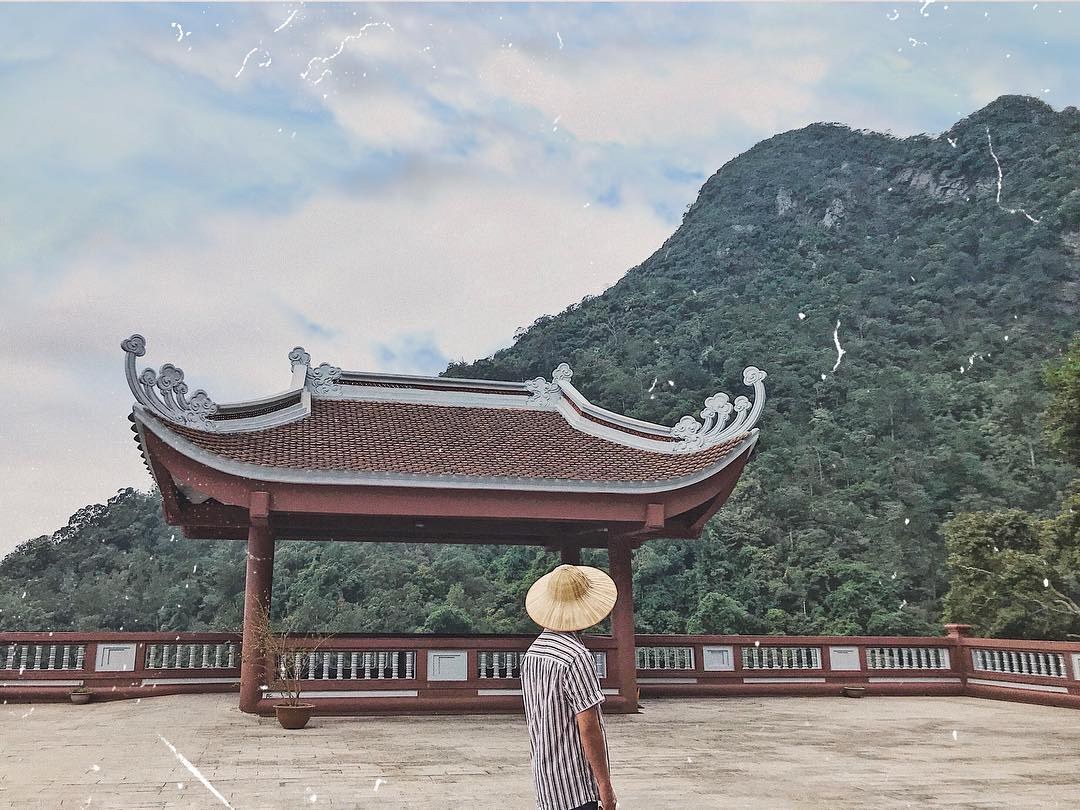
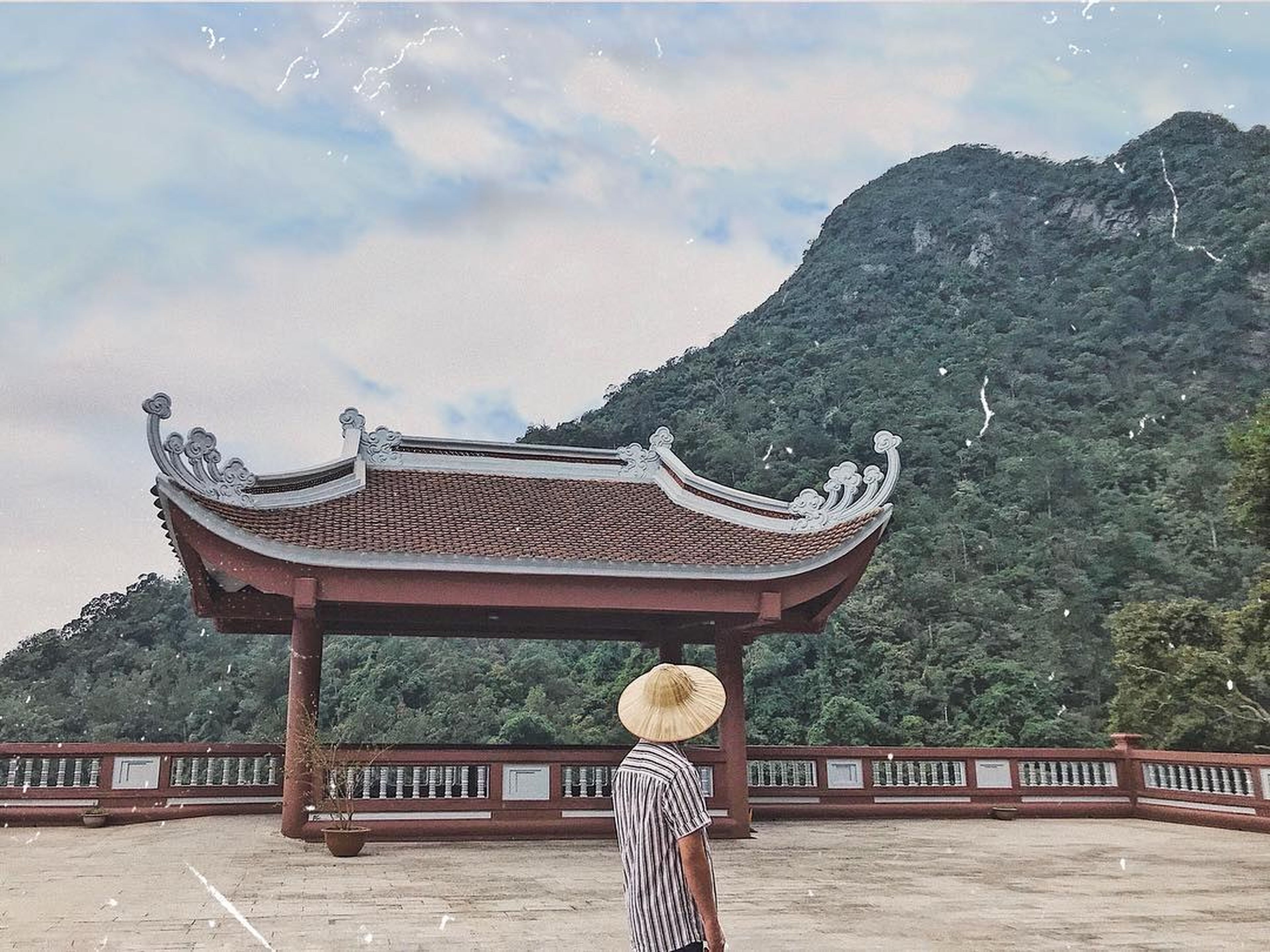
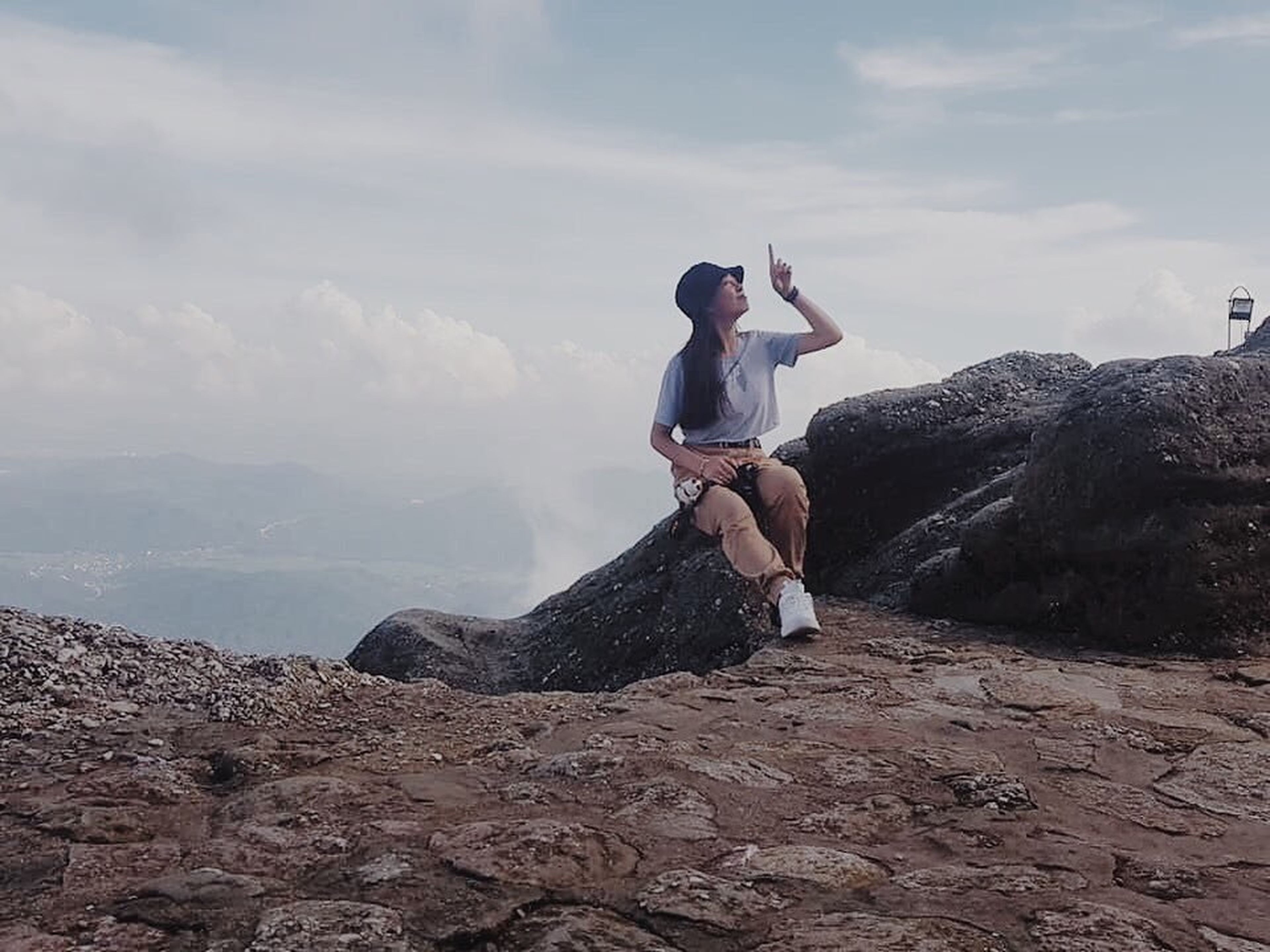
Immersing yourself in the tranquil surroundings is the most meaningful moment of your journey. Photo: @_lylong_
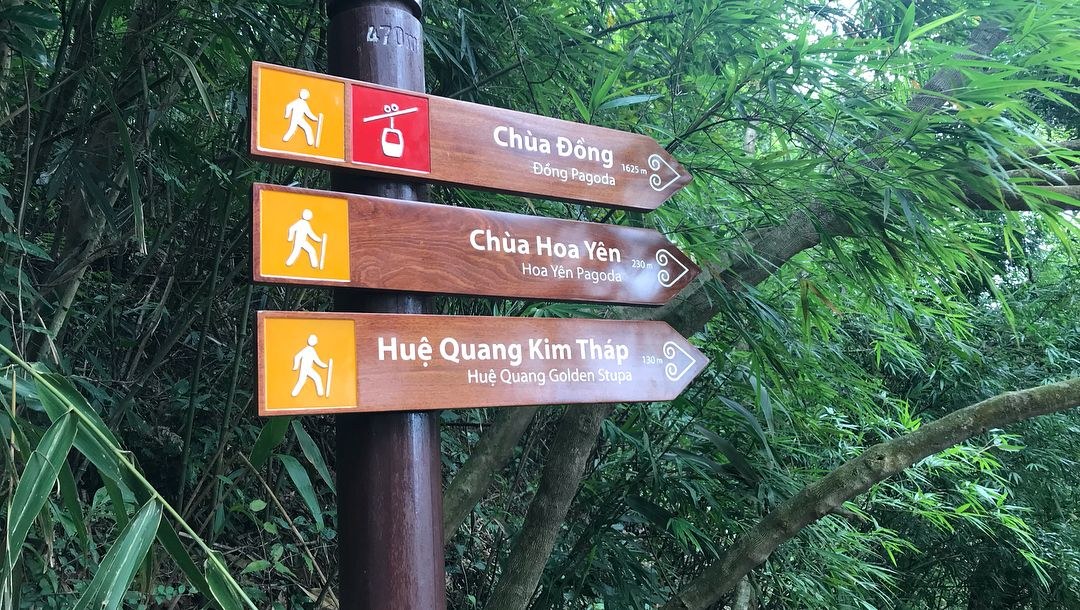
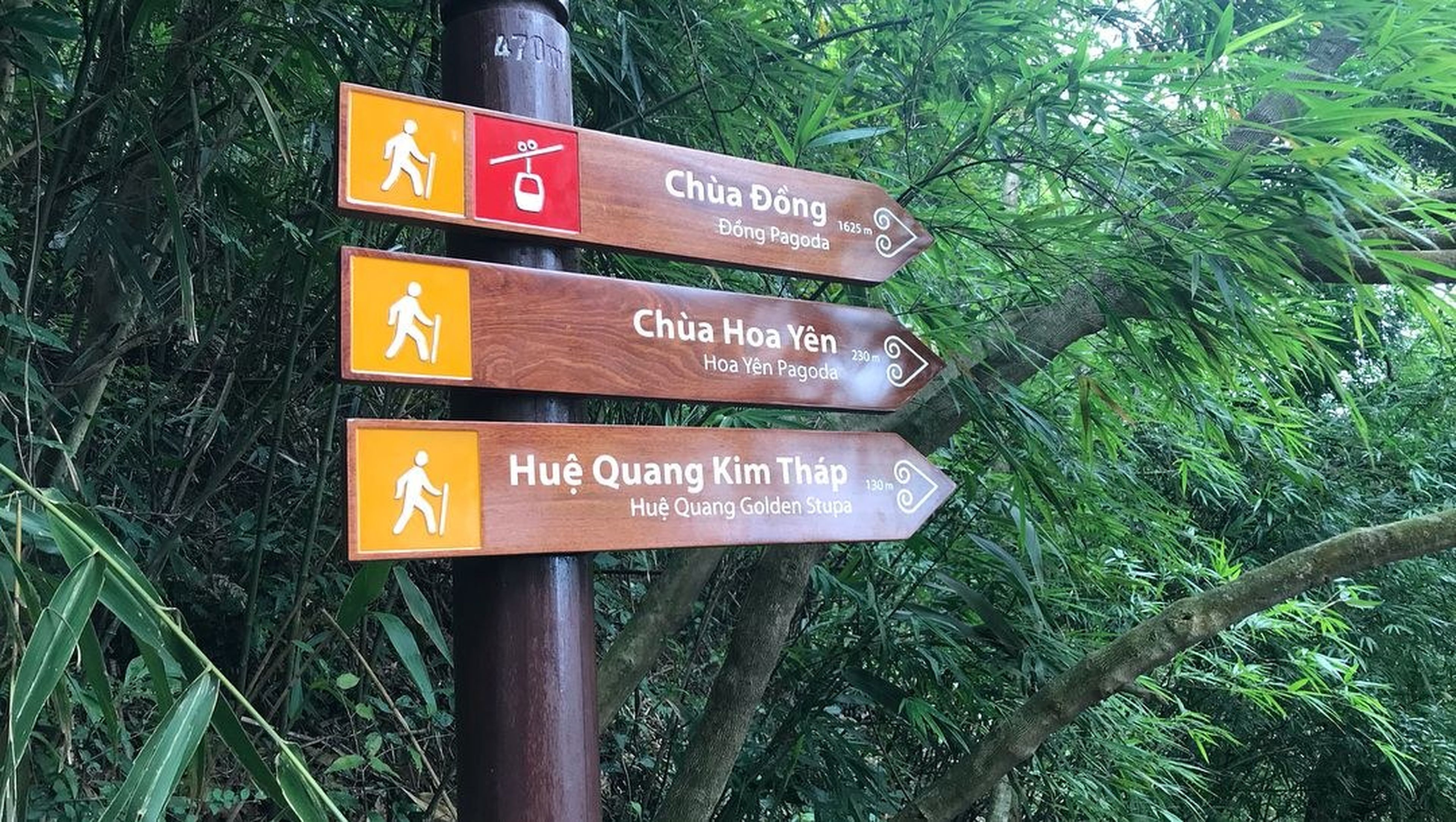
Detailed direction sign. Photo: @lion.ichi
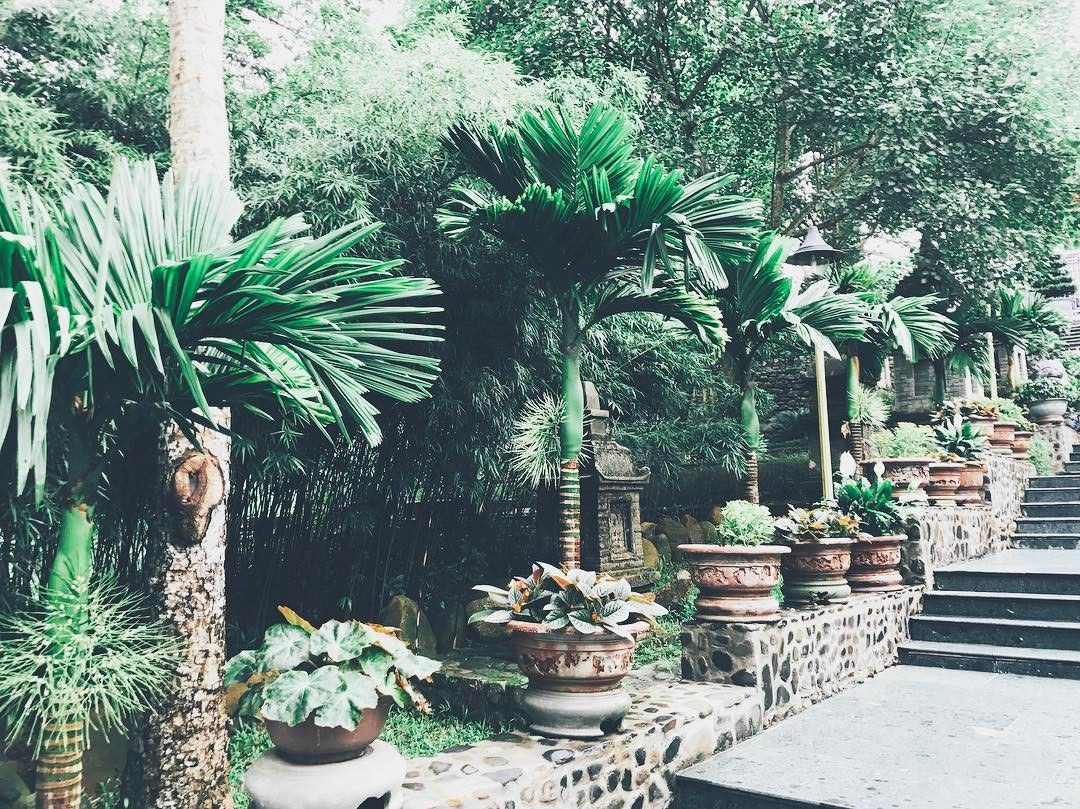
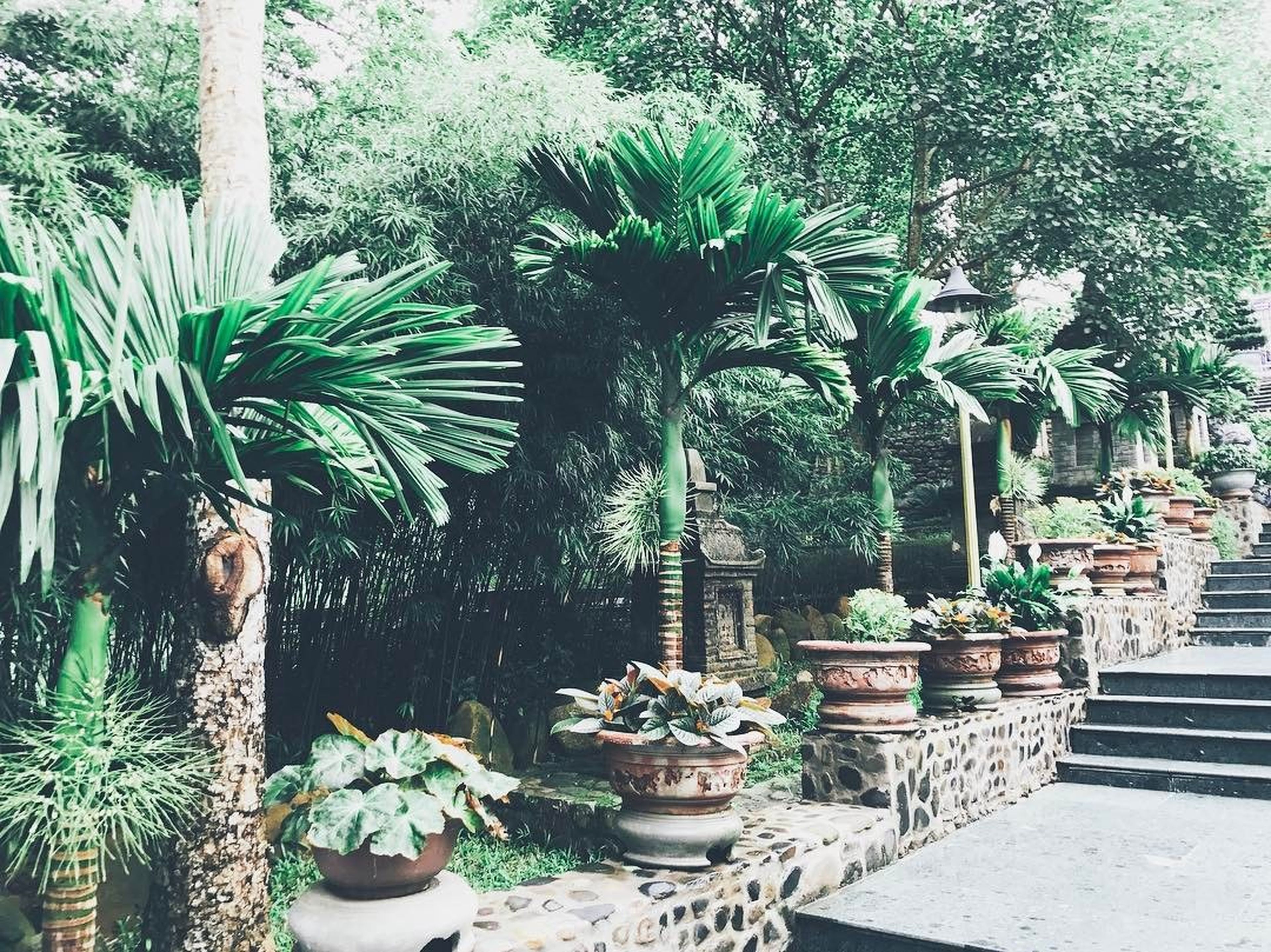
Cool green trees and a relaxed, comfortable atmosphere warmly welcome you to Yen Tu Pagoda. Photo: @phuonglan61
2Tips for visiting Yen Tu Pagoda must include the Yen Tu Spring Festival
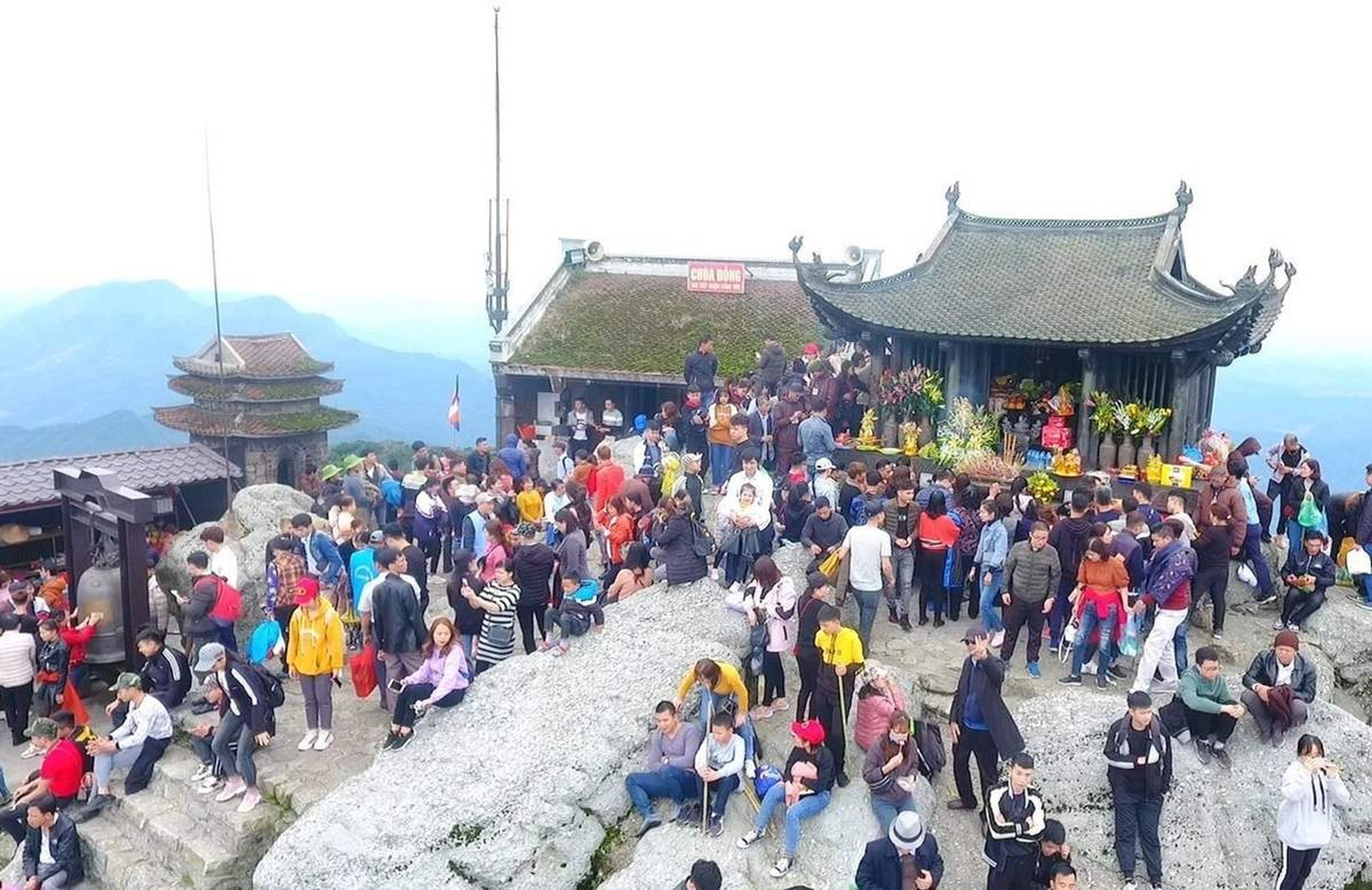
Any guide to visiting Yen Tu Pagoda would be incomplete without mentioning the period from the 10th day of the first lunar month to the third lunar month each year, which is also the peak travel season. During this time, Yen Tu Pagoda welcomes large numbers of visitors from various provinces for spring outings and pilgrimages. On the festival’s opening day, this entire sacred Buddhist land seems to don a new outfit, accompanied by unique and distinctive traditional cultural and artistic activities such as the seal-opening ceremony, “The Sacred Mark of Dong Pagoda,” Buddhist offering ceremonies, and homage to the Truc Lam Patriarch...
When you arrive at Yen Tu Pagoda and make a pilgrimage to Dong Pagoda’s peak, immersing yourself in the majestic, boundless natural surroundings veiled in mist, you will understand what it feels like to return to a fairyland paradise, as though your whole body has been cleansed of worldly dust and your mind is free from anger and attachment. The Yen Tu Spring Festival is an opportunity to experience the sacred and peaceful atmosphere of the Buddhist realm.
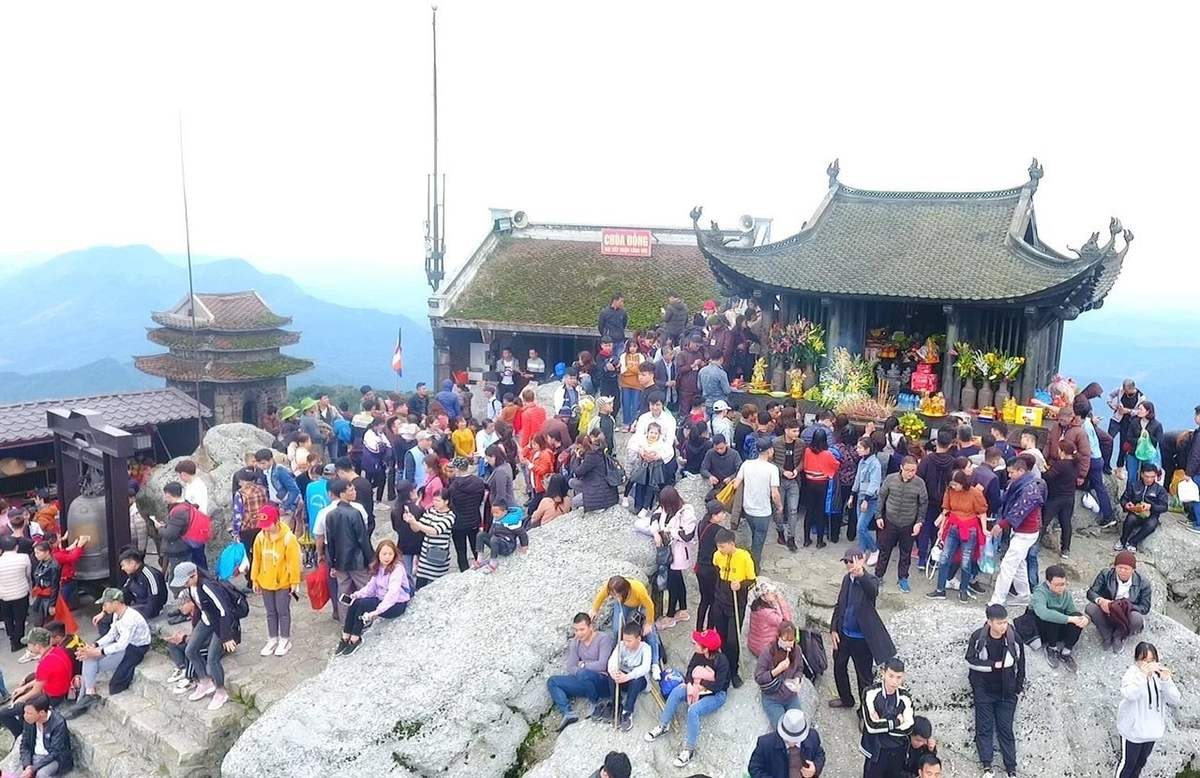
The Yen Tu Spring Festival draws large numbers of pilgrims and tourists from everywhere
3 A-Z guide to visiting Yen Tu Pagoda and important notes to remember
To build up your experience of visiting Yen Tu Pagoda, you should first learn how to conquer sacred Yen Tu Mountain from the starting point. Our travel-loving community can choose one of two popular options: making the pilgrimage on foot or taking the cable car.
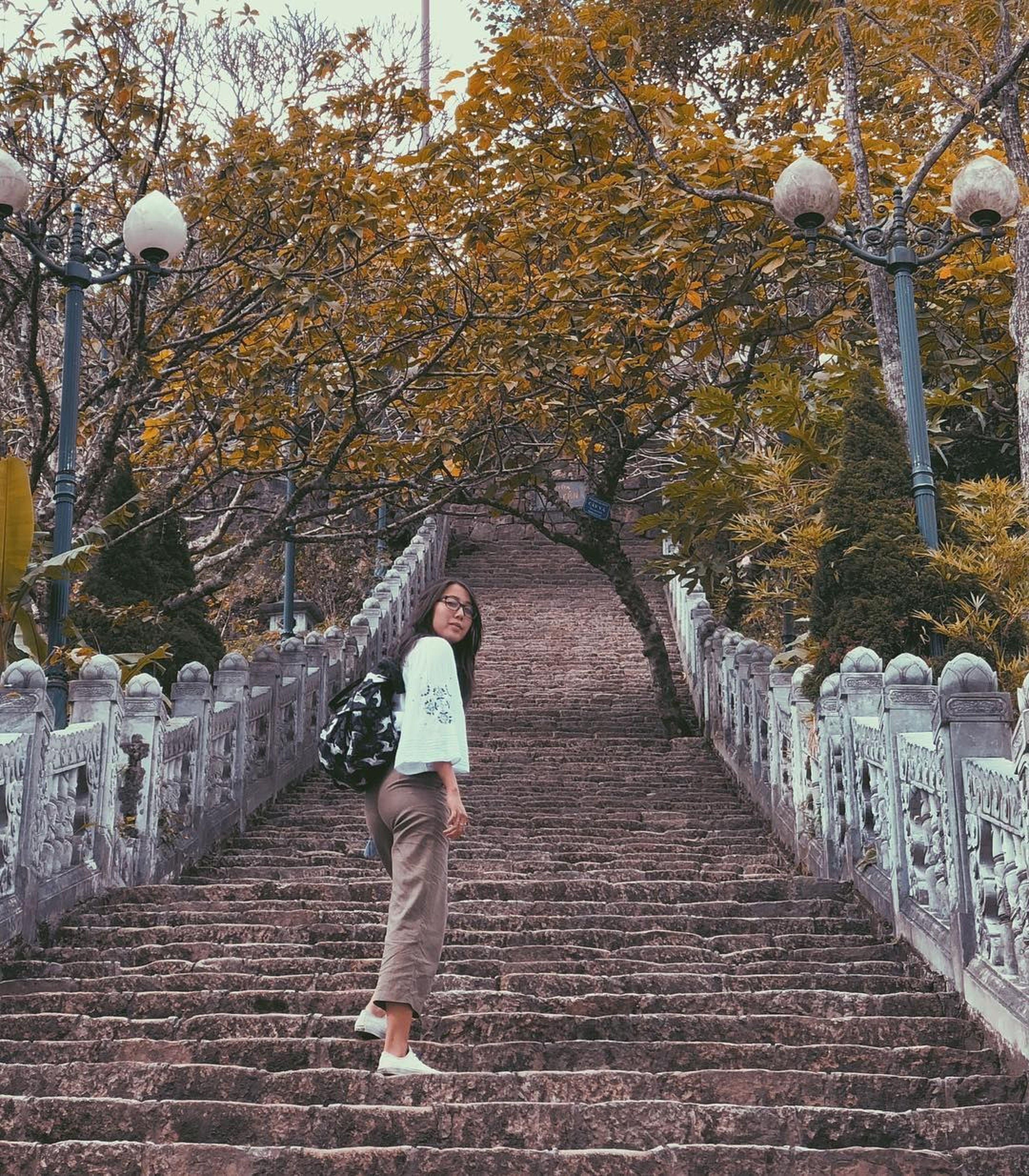
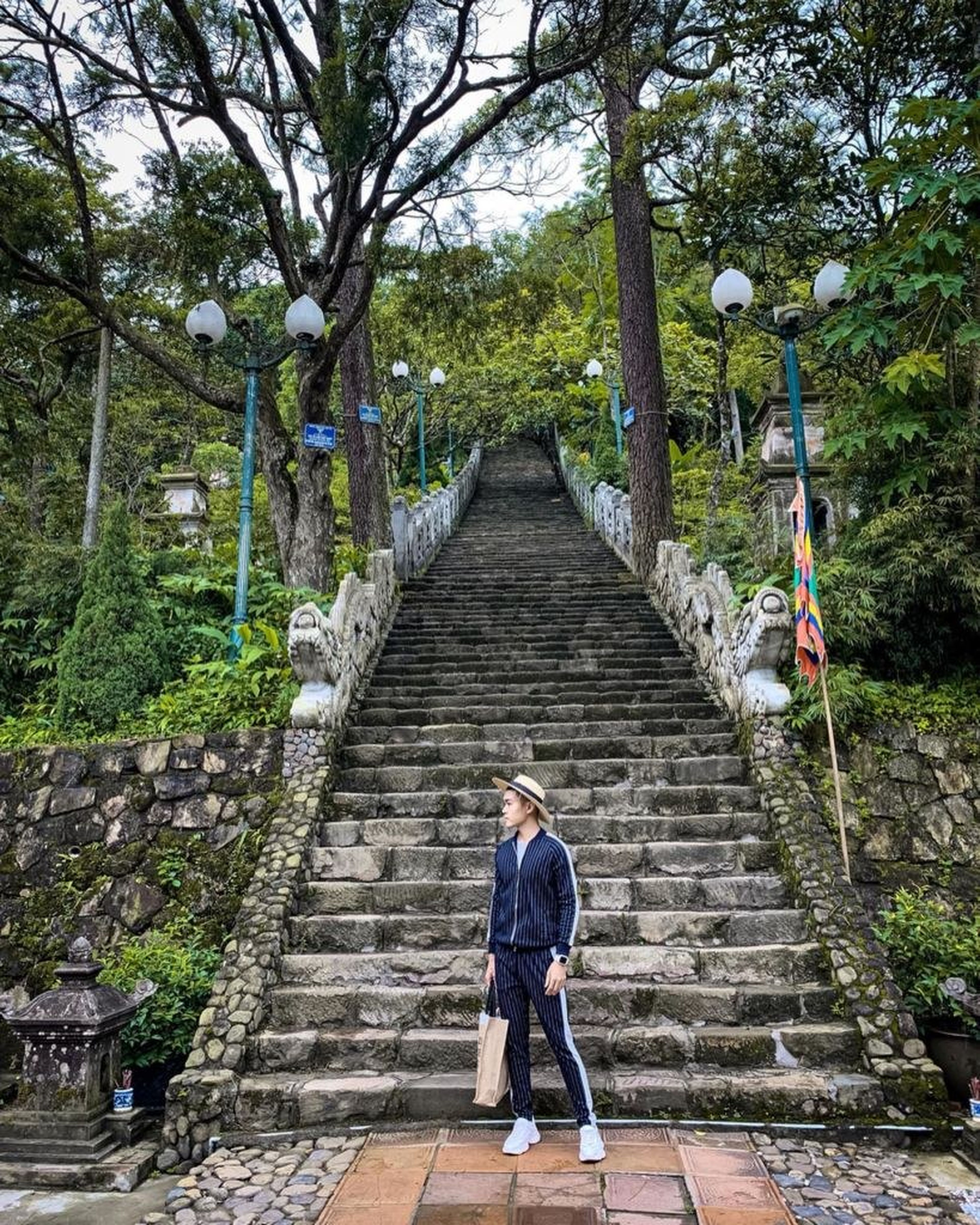
To reach Dong Pagoda by cable car (reference ticket prices: 350,000 VND / person / round trip – 200,000 VND / person / one way – free for children under 1.2 m and people over 70 years old). Here is what you need to know about the Yen Tu cable car: it takes around 4 hours, or about 6 hours on foot along a route with thousands of stone steps cutting through pristine, lush, expansive forests. Join MIA.vn to discover what the route to Yen Tu Pagoda is like.
3.1 Giai Oan Pagoda & Giai Oan Stream
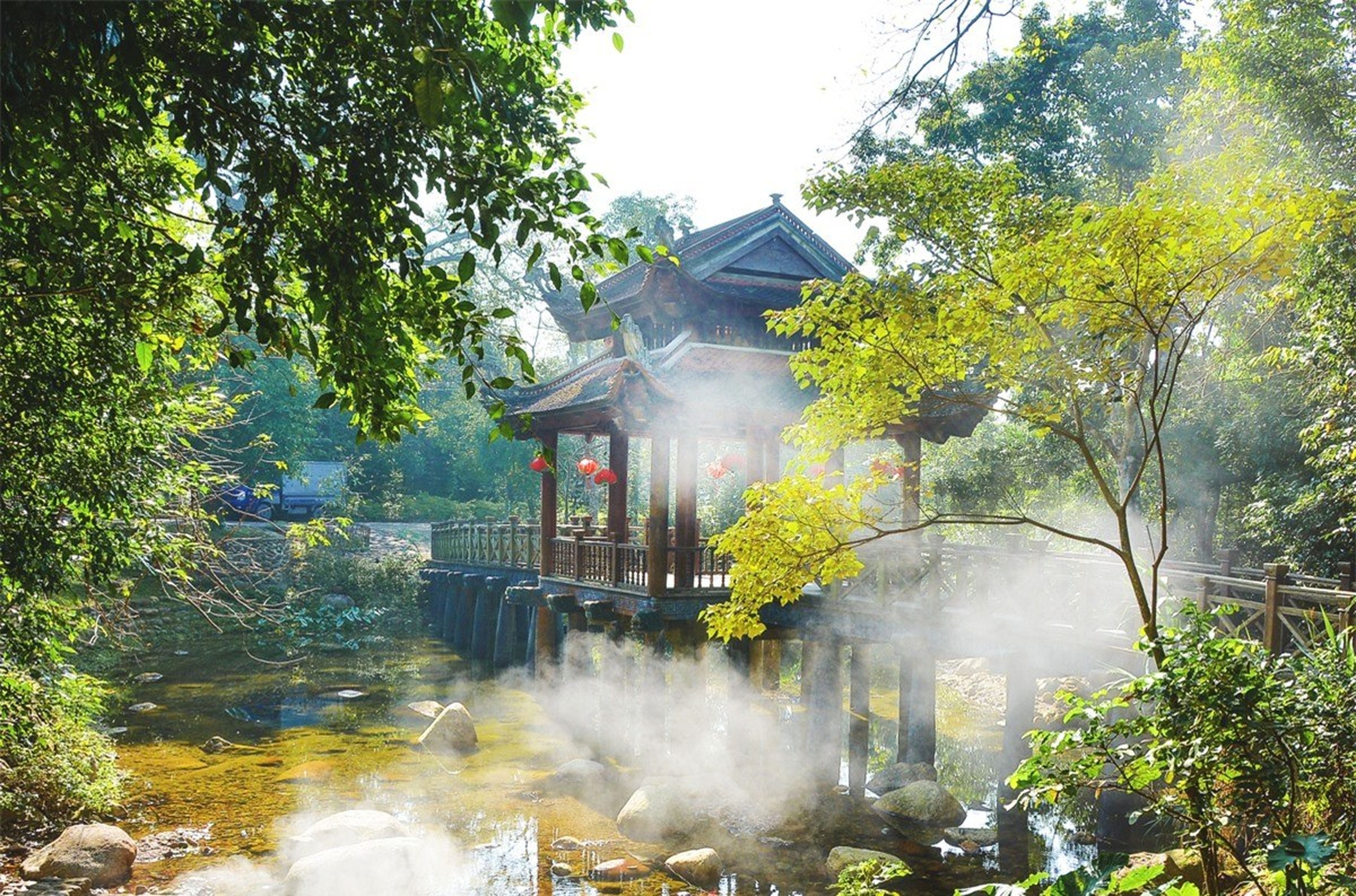
When looking up tips for visiting Yen Tu Pagoda, you have surely heard of Giai Oan Pagoda and Giai Oan Stream, right? The way to Giai Oan Stream begins with a 10-m-long green stone bridge, weathered by time and rich in old-world character, spanning a crystal-clear stream. According to folklore, the stream was where the court ladies and beauties of the Tran dynasty found absolution and were delivered from suffering. They had thrown themselves into the stream to take their own lives after failing to persuade their king to return to the court.
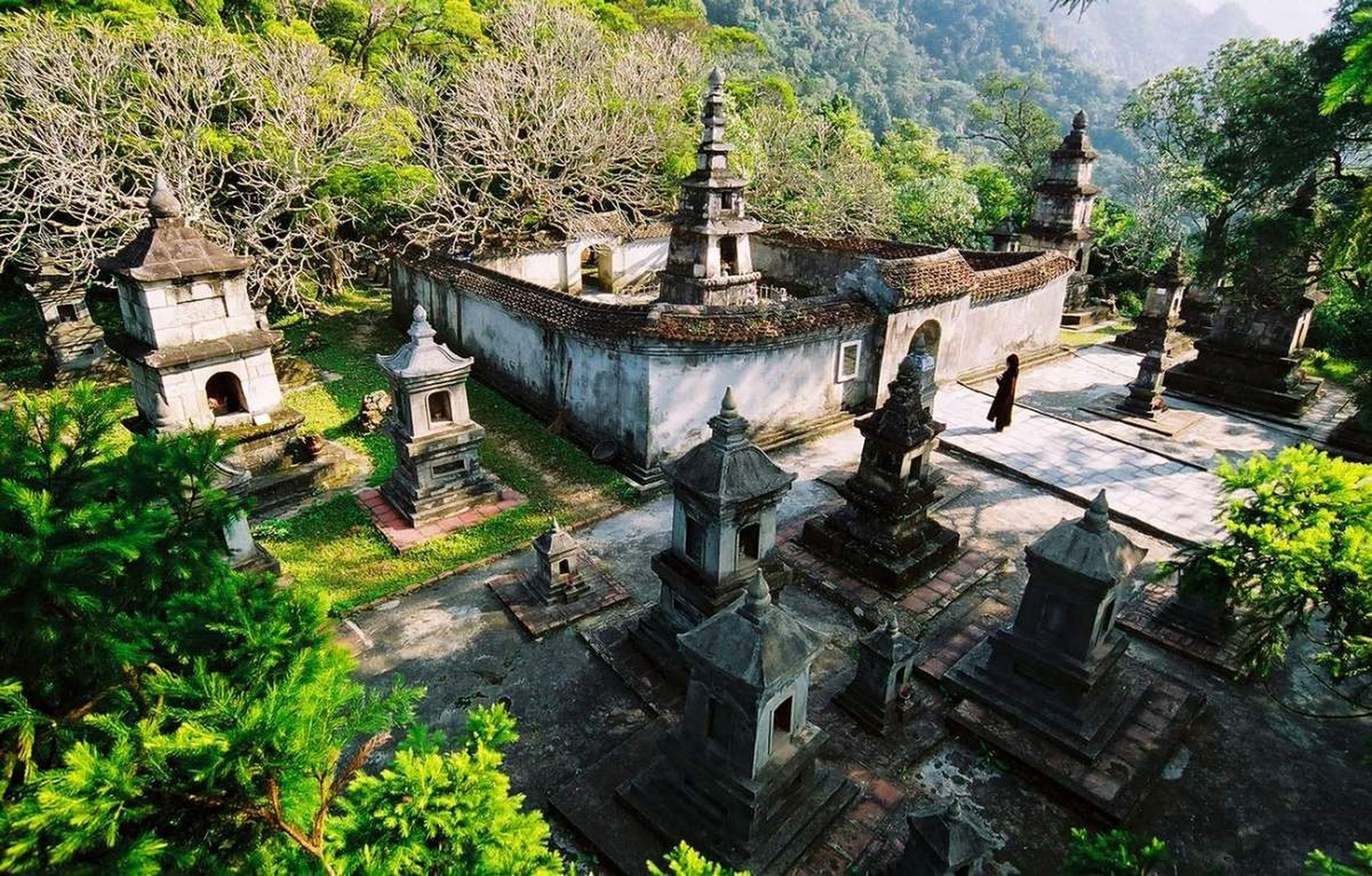
Giai Oan Pagoda, also known as Ha Pagoda, is the main pagoda on your upcoming journey to conquer Yen Tu, alongside Trinh Pagoda, Dong Pagoda, Trung Pagoda, and Hoa Yen Pagoda. When you arrive at the pagoda gate, you will have the chance to see six towers, including the tombs of Master Phap Loa and Master Huyen Quang, as well as the tower worshipping King Tran Nhan Tong.
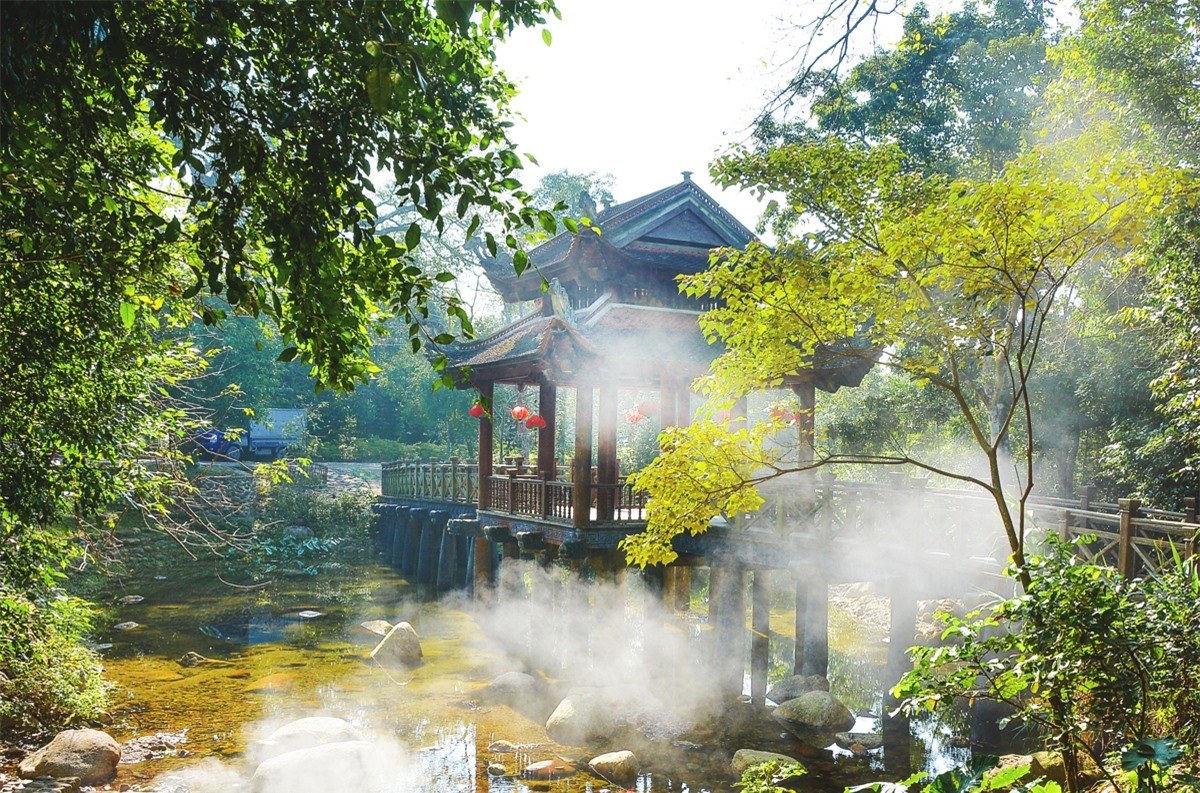
The fresh, cool atmosphere at Giai Oan Stream & Giai Oan Pagoda
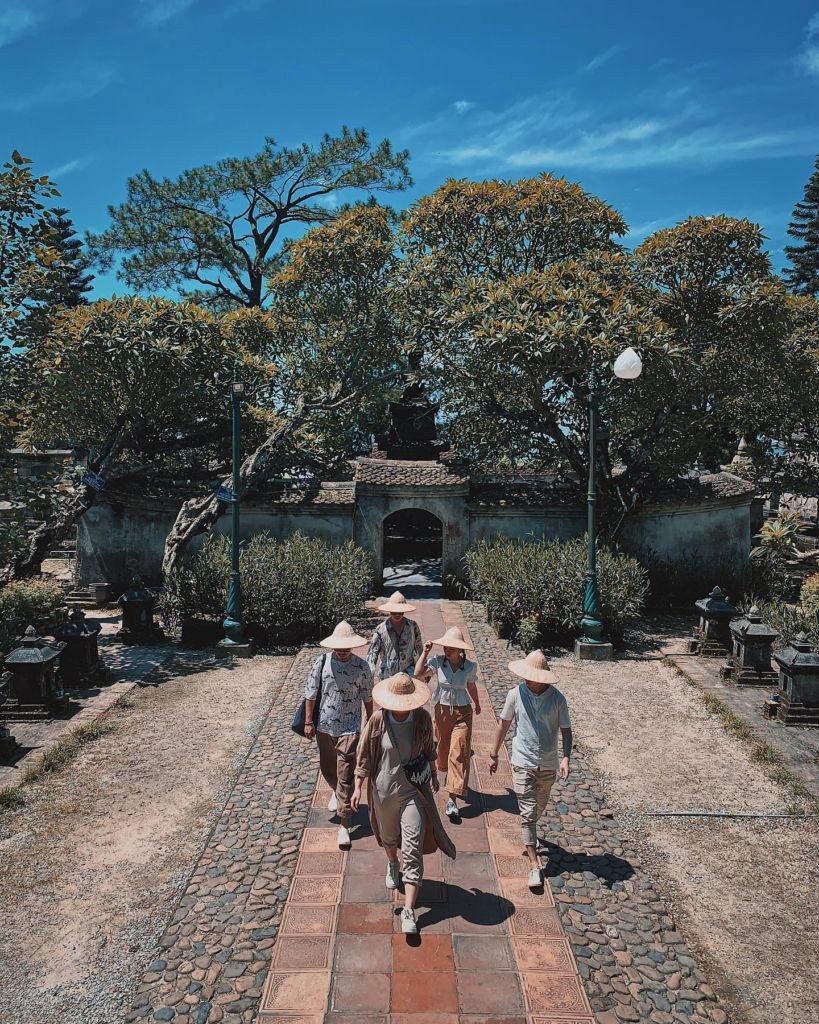
A setting reminiscent of a fairyland that seems to exist only in films. Photo: @_k.h.i.n_
3.2 Tung Road
Continuing along the path toward the Buddhist realm, this Yen Tu Pagoda journey takes you through Tung Road, an ancient route over 700 years old. The entire road is shaded by more than 250 ancient pine trees, whose trunks are so large that one person cannot wrap their arms around them.
Absorbing the sacred atmosphere of this ancestral land, these ancient pines are always lush and vigorous, standing majestically along the road to the sacred mountain. They shelter pilgrims and provide resting places for monks, nuns, and Buddhists returning to the ancestral land of Vietnamese Buddhism in the fresh, pleasant air.
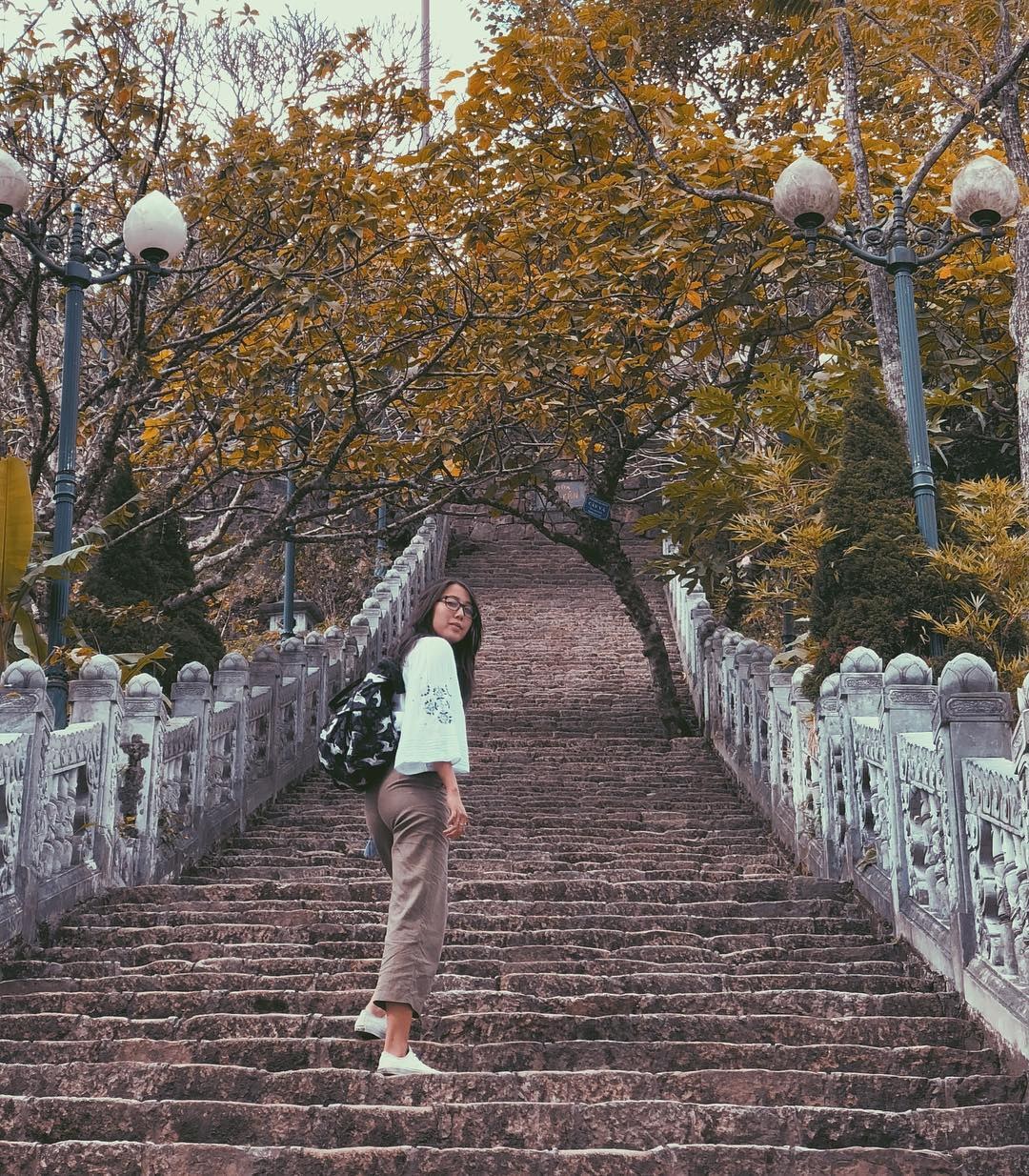
Overwhelmed by the rustic, natural surroundings on Tung Road. Photo: @mellymelngo
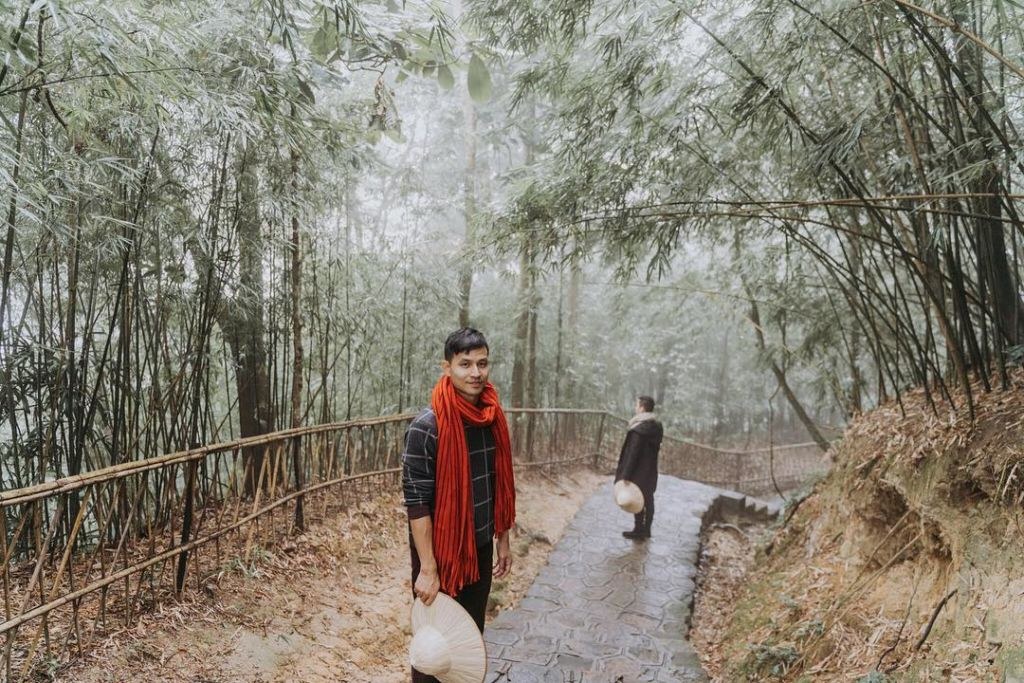
Fully immersing yourself in the tranquil atmosphere on the way to the sacred mountain peak. Photo: @away.we.wow
3.3 Hue Quang Patriarch Tower and Hoa Yen Pagoda
Hoa Yen Pagoda, also called Ca Pagoda, stands at an altitude of 534 m. It is considered the largest pagoda and the heart of Yen Tu, as well as the most anticipated destination when learning about visiting Yen Tu Pagoda. The pagoda was built during the Ly dynasty under the name Phu Van. After the reigns of several kings, it was renamed Hoa Yen Pagoda during the Le dynasty. This most beautiful pagoda on Yen Tu Mountain was once where the Buddha King preached to the monks and Buddhists at the pagoda.
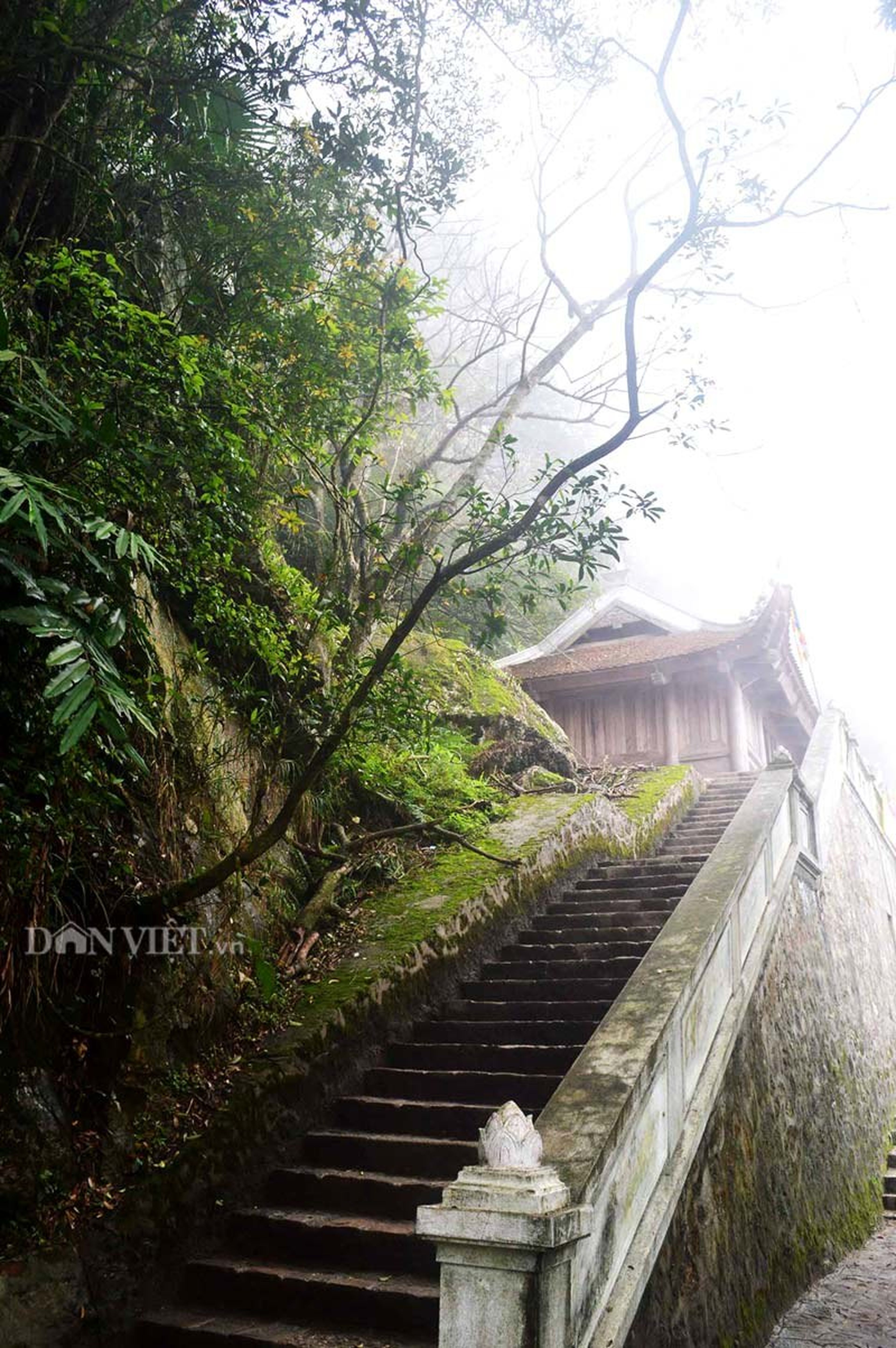
After completing thousands of stone steps, you can stop at Hoa Yen Pagoda to admire the scenery and appreciate its unique, highly elaborate Tran dynasty architecture. You can also visit Hue Quang Patriarch Tower, which holds part of the relics of King Tran Nhan Tong.
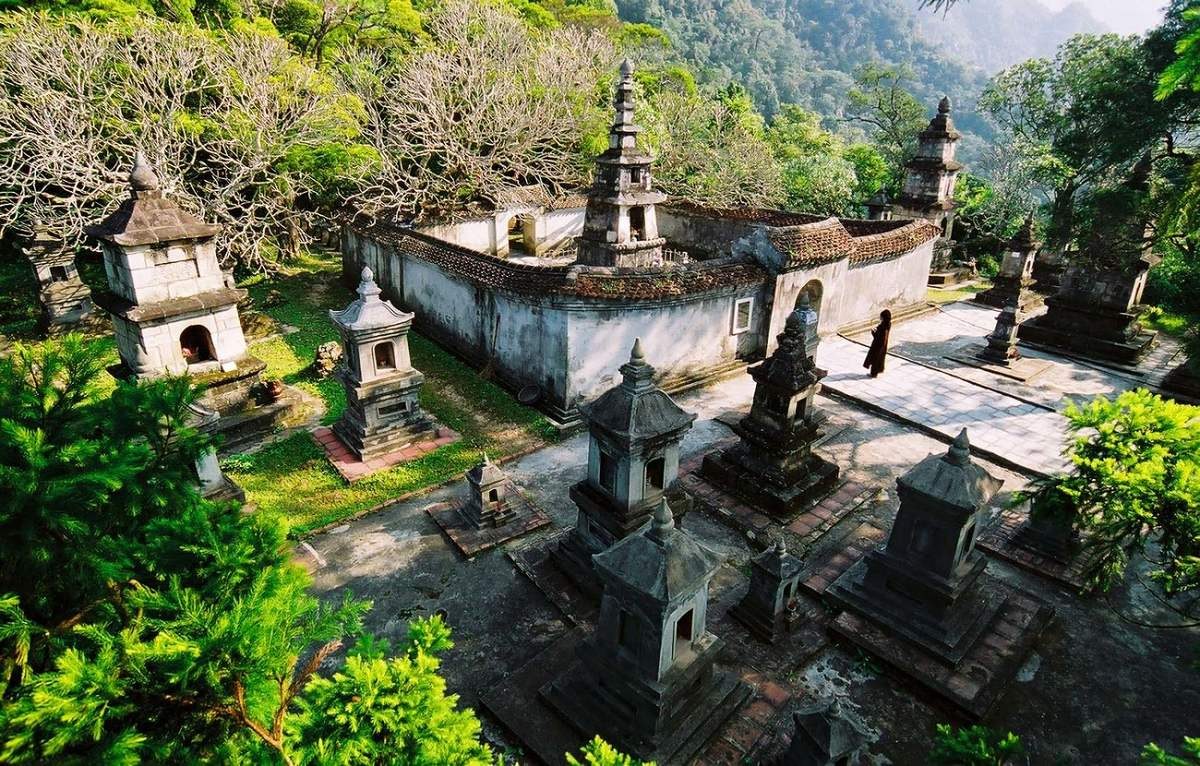
Hue Quang Patriarch Tower is remarkable for its timeworn, moss-covered, nostalgic surroundings
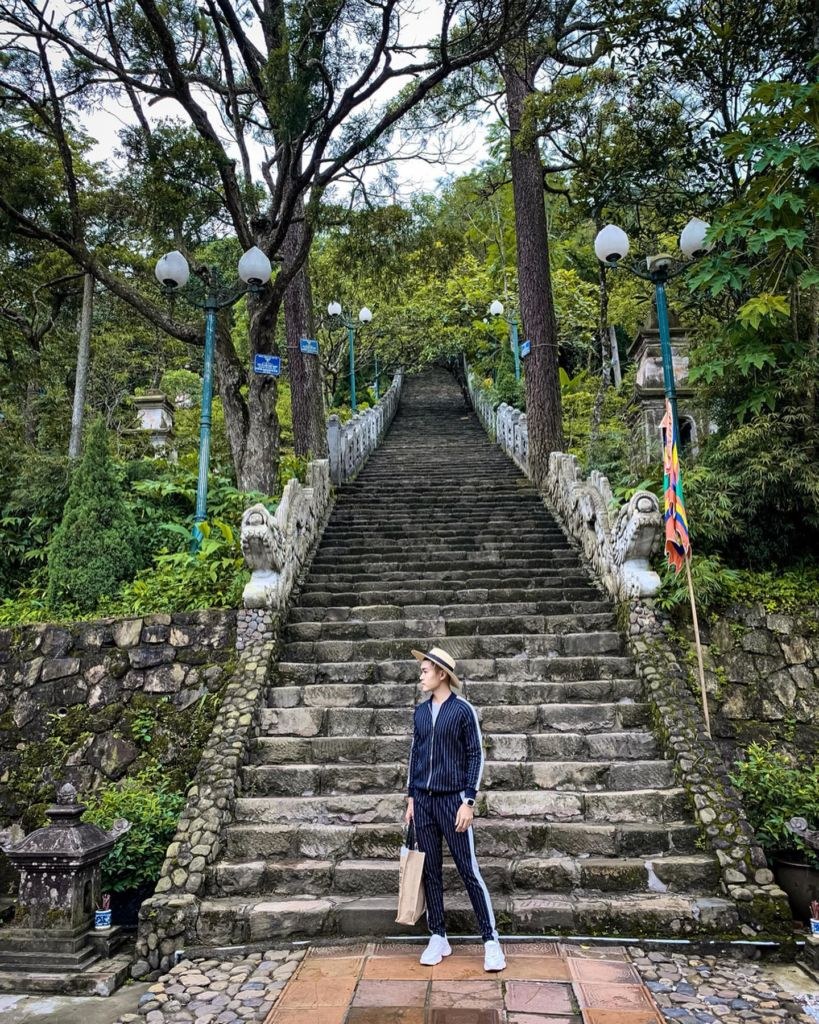
The path leading to Hoa Yen Pagoda. Photo: @tanubui
3.4 Mot Mai Pagoda
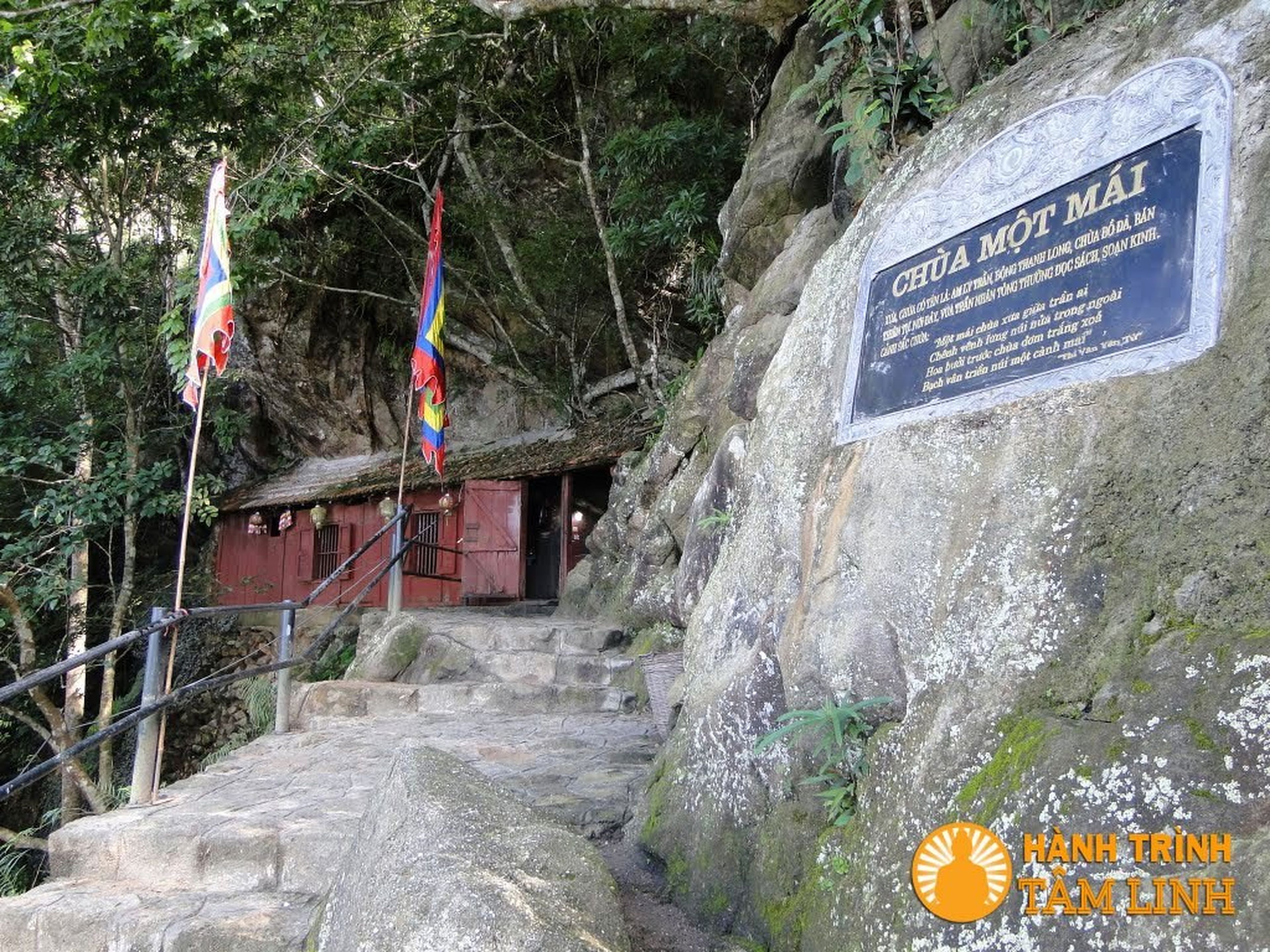
Mot Mai Pagoda (Half-Roof Pagoda), built against the cliffs of Yen Tu Mountain, features an elaborate and refined three-compartment architectural style. It is also a place of worship dedicated to Guanyin Buddha.
When you arrive at the pagoda, you will immediately see its three main worship areas: the Patriarch altar, the Three Jewels altar, and the Hau altar, located at the lowest and deepest position. A visit to Mot Mai Pagoda would also be incomplete without drinking a sip of sacred water from the spring at the pagoda. After drinking it, your whole body will feel cleansed and wonderfully light.
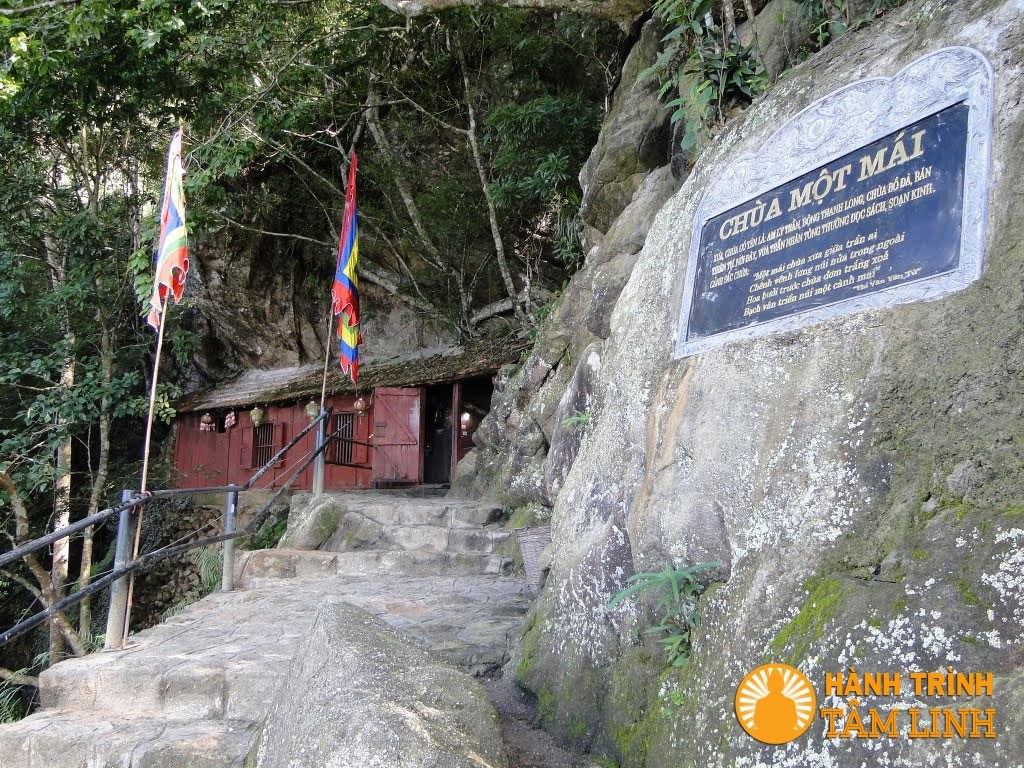
Mot Mai Pagoda stands halfway up the mountainside and is unique for its distinctive single roof. Photo: Hanh Trinh Tam Linh
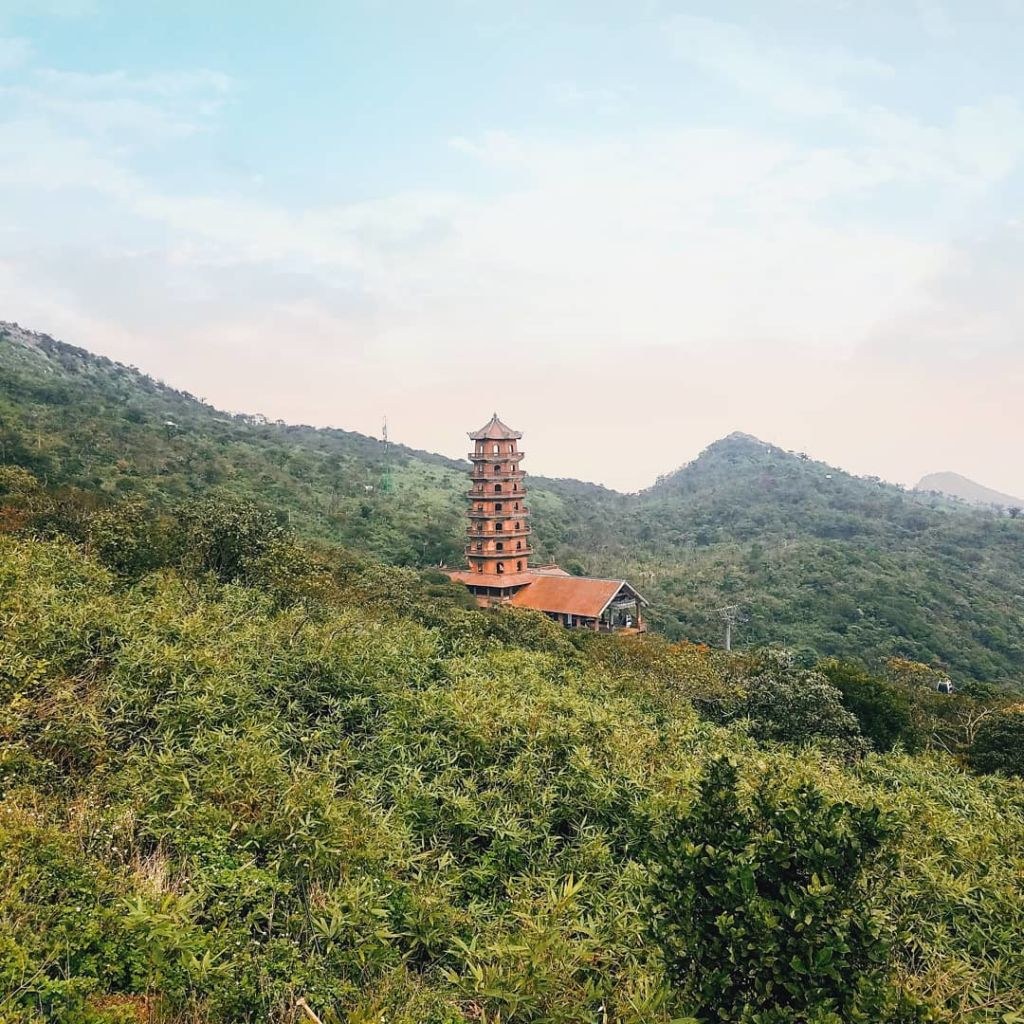
Overwhelming natural scenery all around. Photo: @im.phuc_vu
3.5 Bao Sai Pagoda
Bao Sai Pagoda is the next destination when looking for tips on visiting Yen Tu Pagoda. Located on the cliffs of Yen Tu Mountain, this pagoda is named after Bao Sai, the first disciple of Buddha King Tran Nhan Tong. After many restorations, Bao Sai Pagoda has preserved the distinctly Tran dynasty architecture of its Patriarch Hall and main sanctuary, as well as its sacred and unique landscape. In particular, the pagoda also has an altar dedicated to a deity and an ancient, moss-covered sacred well. It is also home to a huge statue of Buddha King Tran Nhan Tong entering Nirvana, which is extremely eye-catching.
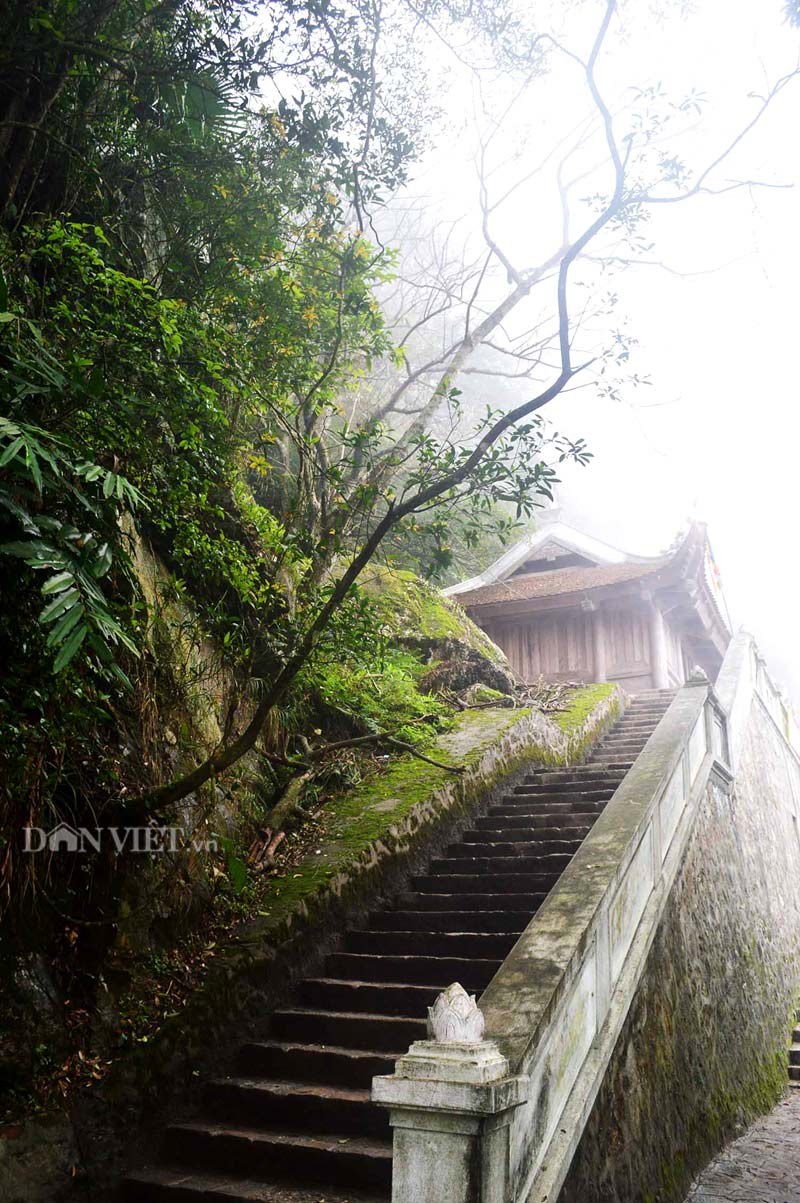
Bao Sai Pagoda is also located beside the mountain cliffs, like Mot Mai Pagoda. Photo: danviet.vn
3.6 Statue of Buddha King Tran Nhan Tong & An Ky Sinh
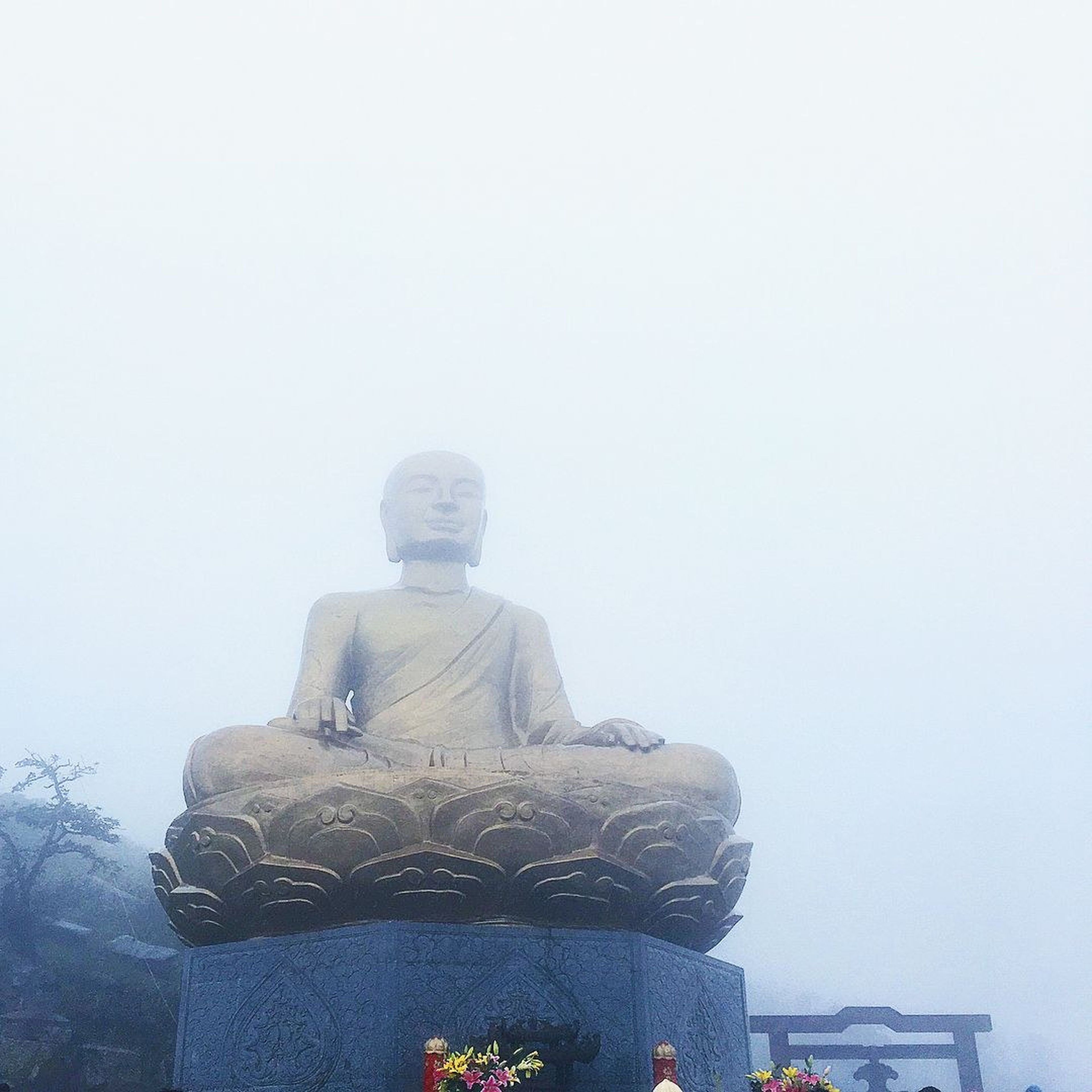
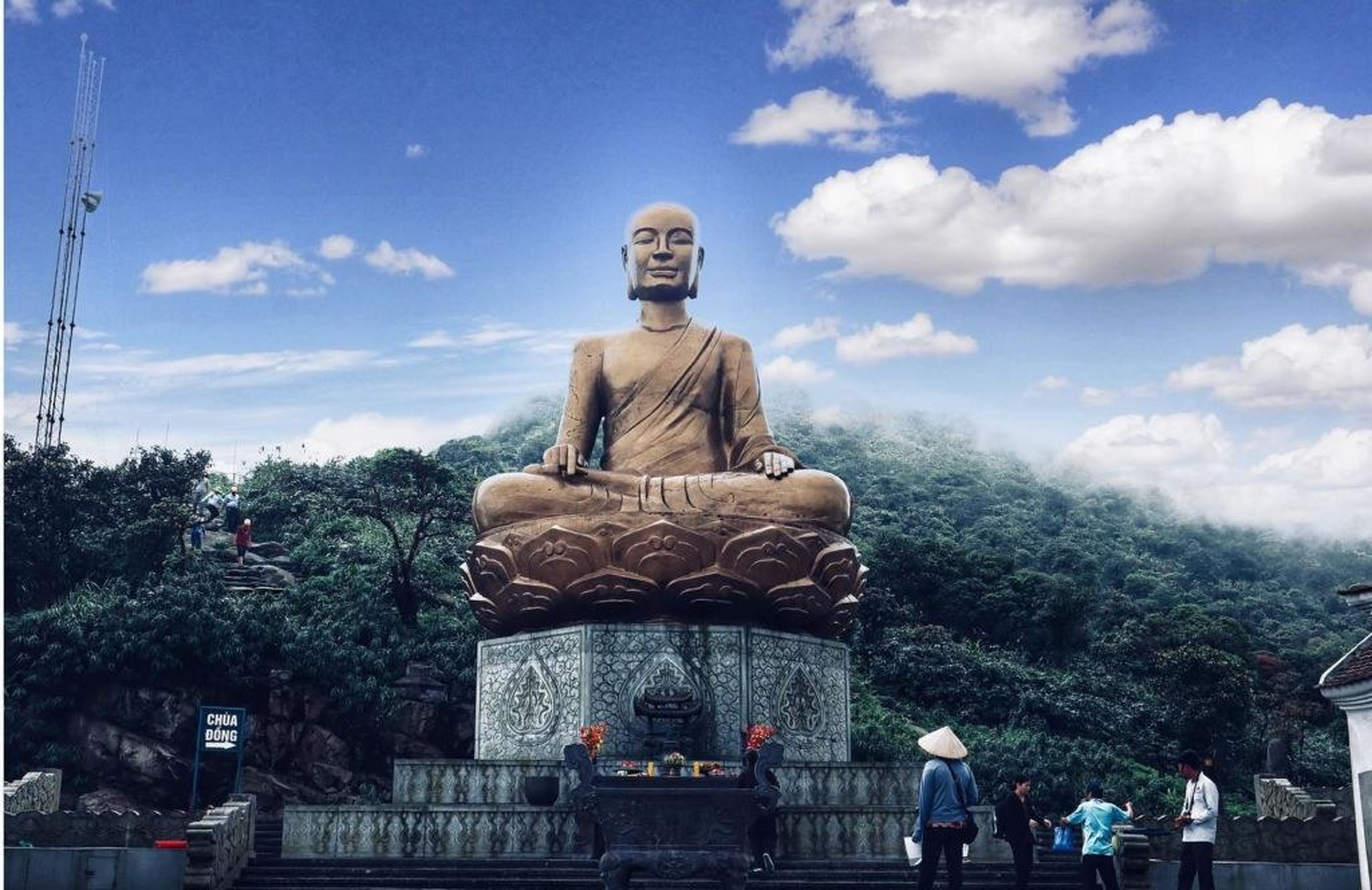
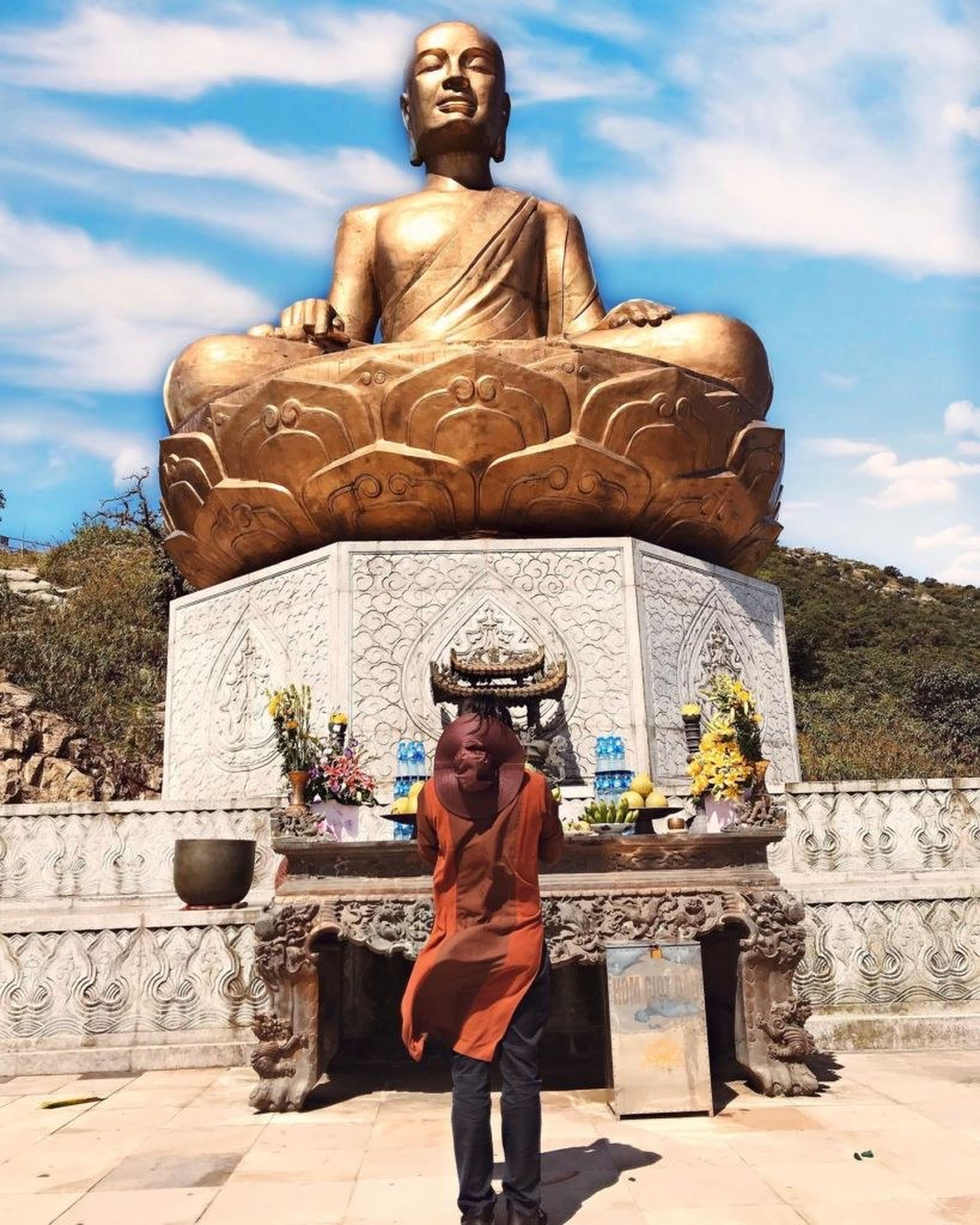
Continuing your journey to explore Yen Tu Pagoda, you will see the magnificent, solemn statue of Buddha King Tran Nhan Tong standing atop An Ky Sinh. The statue weighs up to 138 tons, is 15 m high, and stands amid Yen Tu’s captivating fairyland scenery.
Beside the statue of Buddha King Tran Nhan Tong is the timeworn, moss-covered, nostalgic statue of the monk who turned to stone (An Ky Sinh). Wearing a dark monastic robe with both hands respectfully clasped before his chest, the imposing statue has stood majestically for seven decades, weathering the elements on the sacred mountain. It also holds profound meanings that worldly people may find difficult to comprehend.
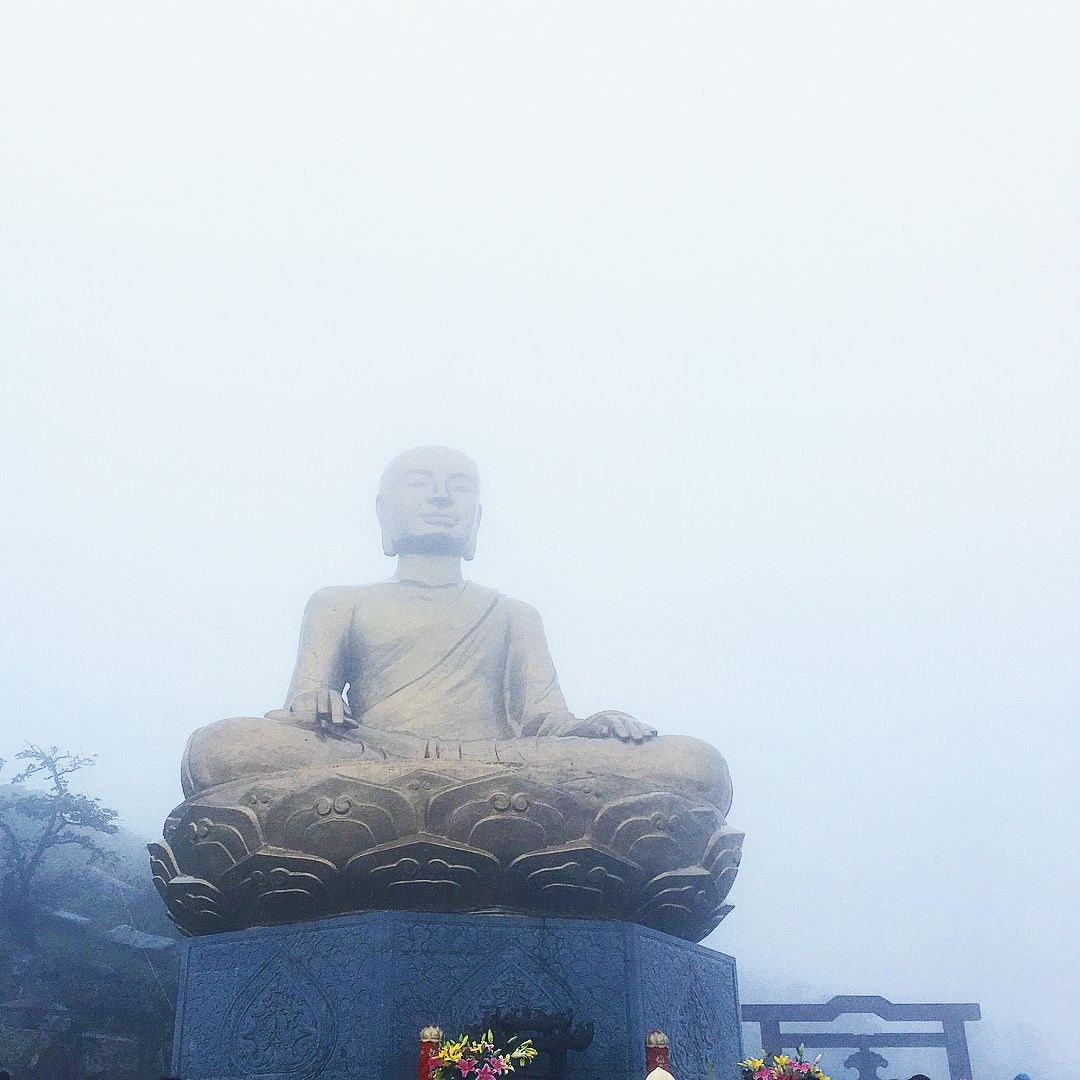
The Buddha King statue appearing and disappearing amid the mist. Photo: @hathanh.z
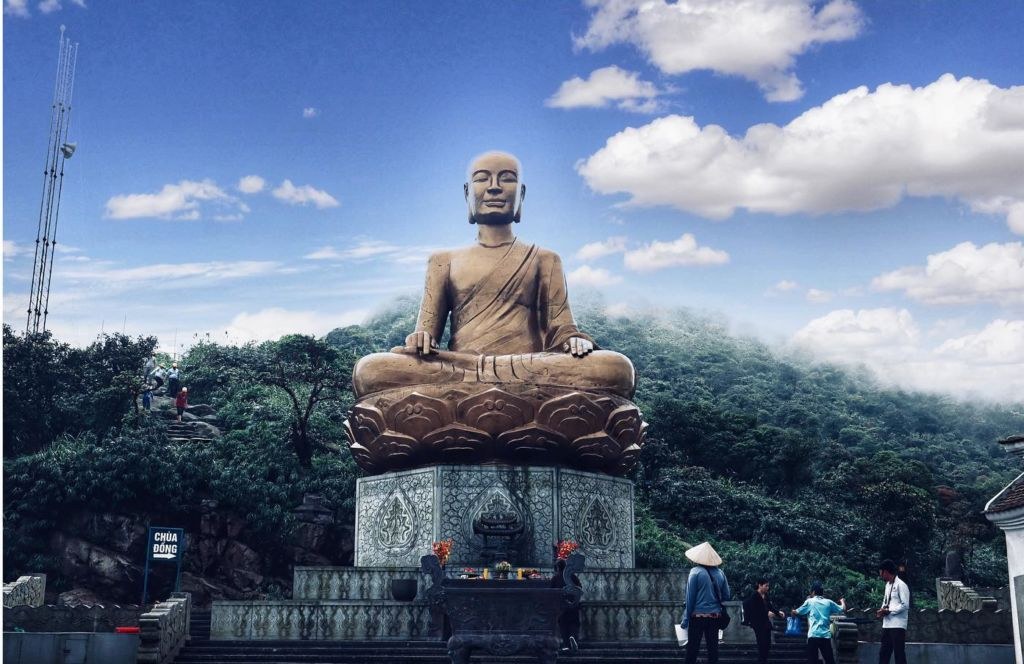
You cannot take your eyes off the grandeur and magnificence of the Buddha King statue. Photo: @schaemenguyen.travel.leisure
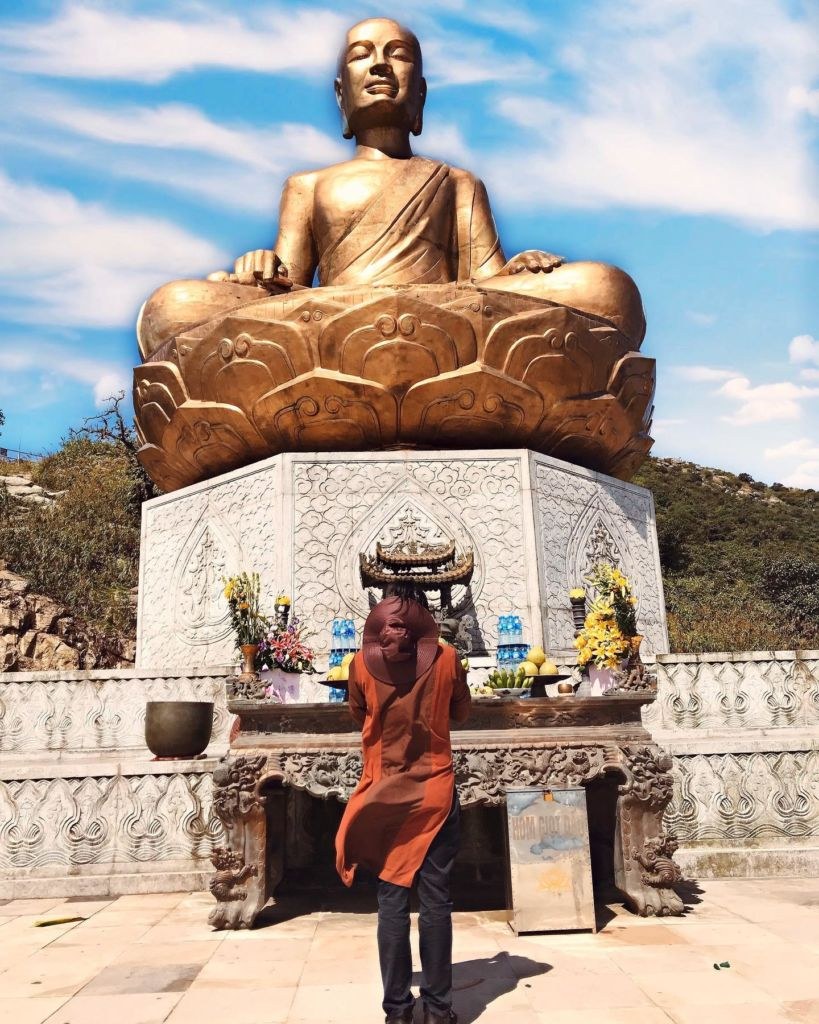
The Buddha King statue’s solemn yet benevolent appearance. Photo: @tung_anh_1987
3.7 Dong Pagoda
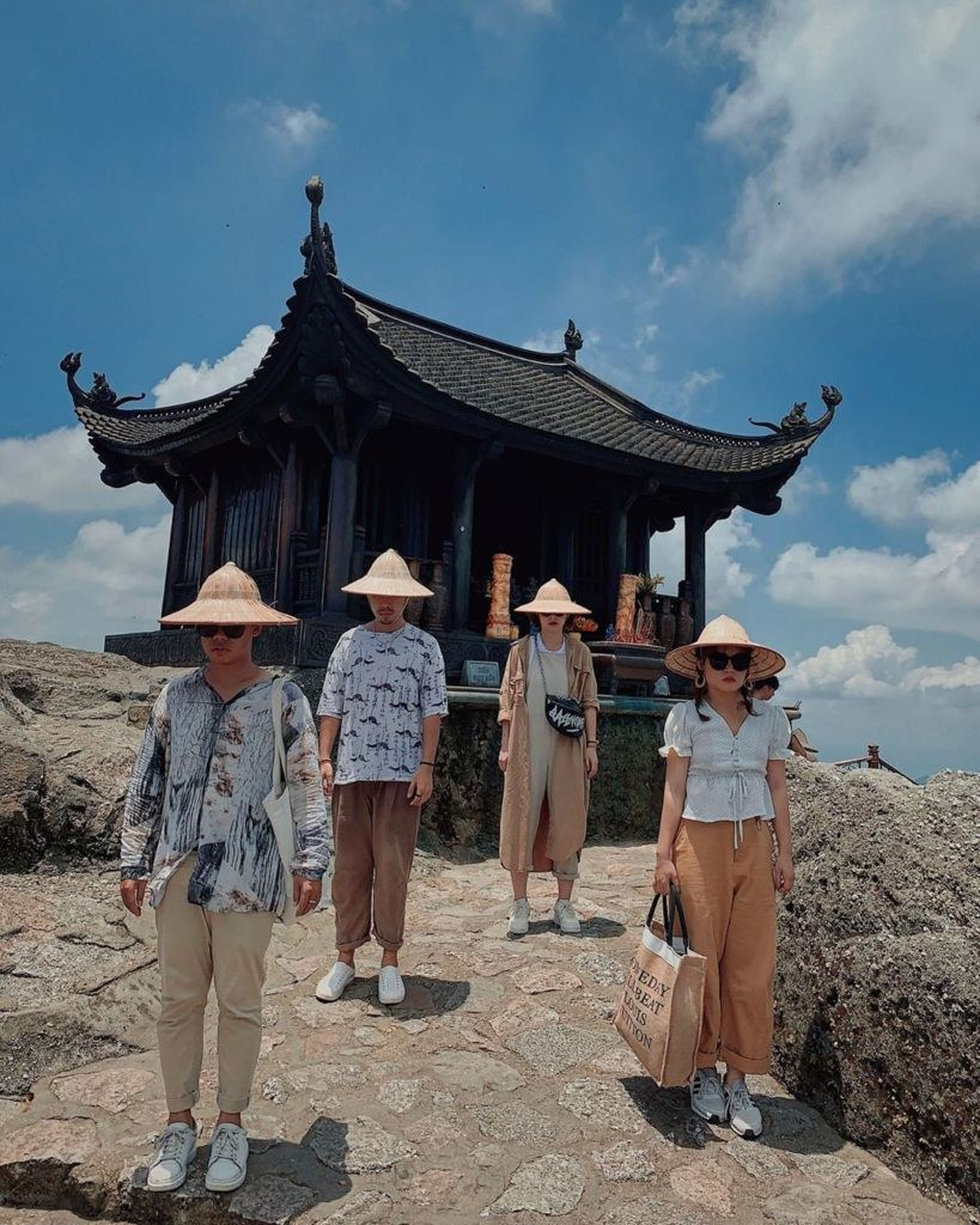
This is the final stage in conquering sacred Yen Tu Mountain and the last stop in your Yen Tu Pagoda experience. After a long journey past thousands of steep, rugged cliffs and endless green forests, you will arrive at Dong Pagoda. The pagoda stands on the sheer cliff of Yen Tu’s peak, surrounded by layers of drifting mist like a fairyland paradise.
As you let your emotions drift atop Yen Tu Mountain, you will have the chance to take in breathtaking views in every direction, leaving you speechless. There is mist, cool green ancient forest, large rocks and vast bamboo groves stretching around the pagoda. The entire Yen Tu Pagoda, with its intricate and elaborate architecture, seems nestled in the valley like a Tran dynasty village from seven centuries ago.
When visiting Dong Pagoda—the largest pagoda in Asia—you will be endlessly amazed by its exceptionally distinctive architecture, painstakingly cast entirely in bronze. A large Buddha statue stands at the mountaintop, flanked by large bronze bells and wind chimes. Listen closely to the steady sound of the wooden fish echoing through the majestic natural scenery, and your heart will suddenly feel more serene and peaceful than ever, almost able to escape the worldly attachments of everyday life.
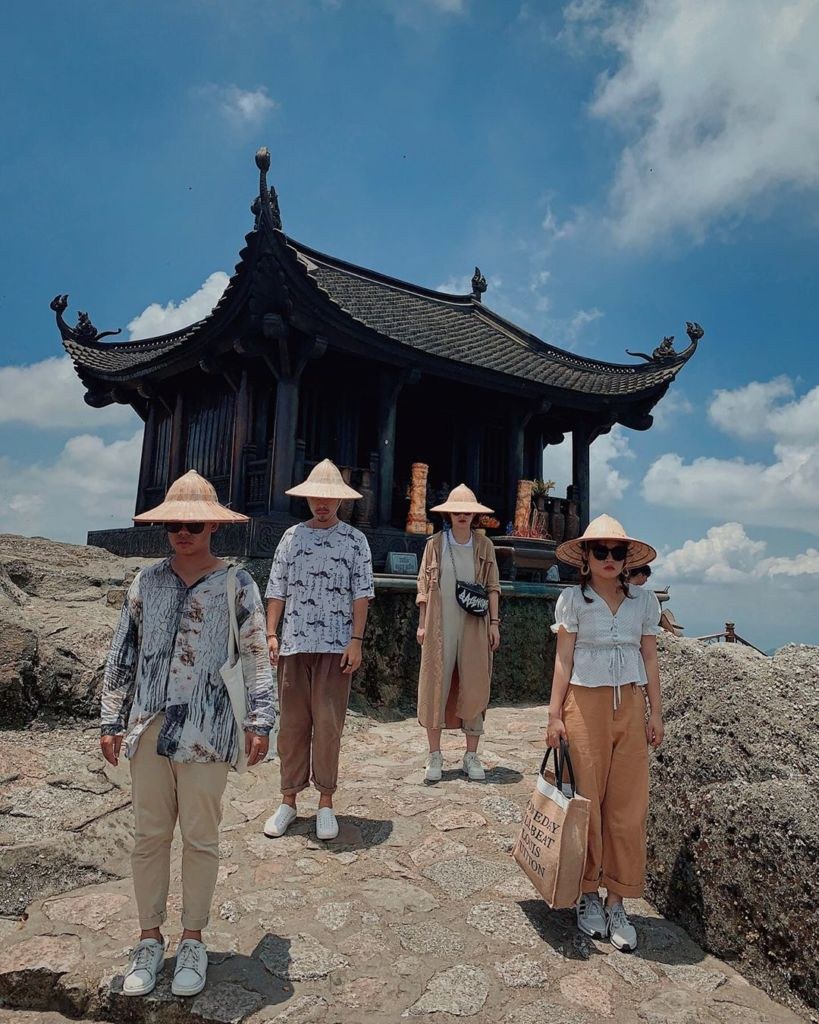
Dong Pagoda astonishes visitors with its entirely bronze architecture. Photo: @_k.h.i.n_
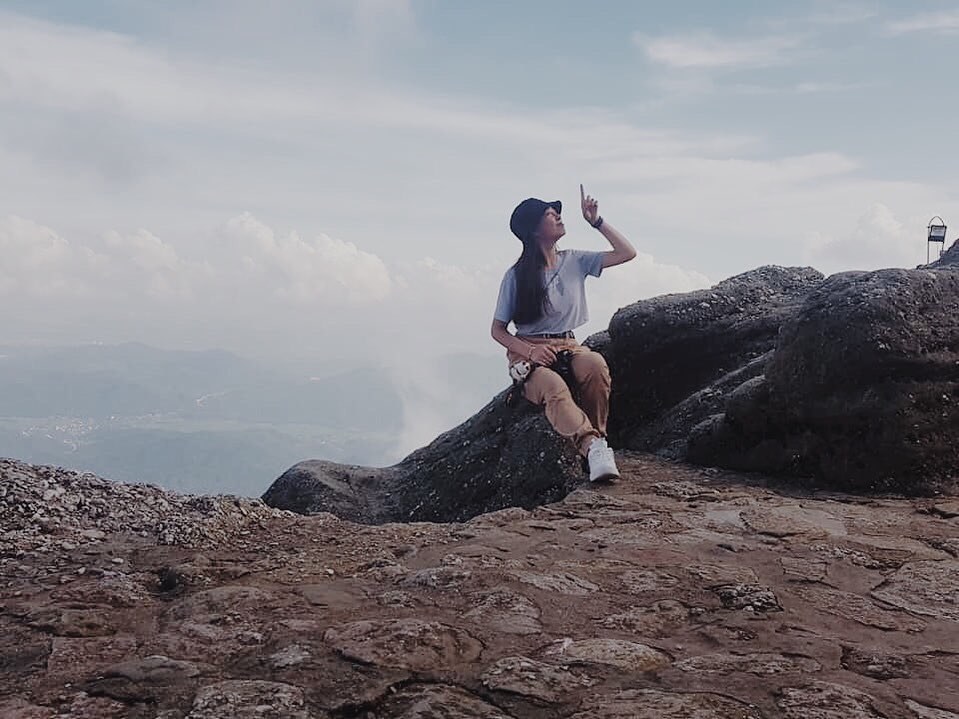
The scenery around Dong Pagoda is perfect for check-in photos. Photo: @myctruong
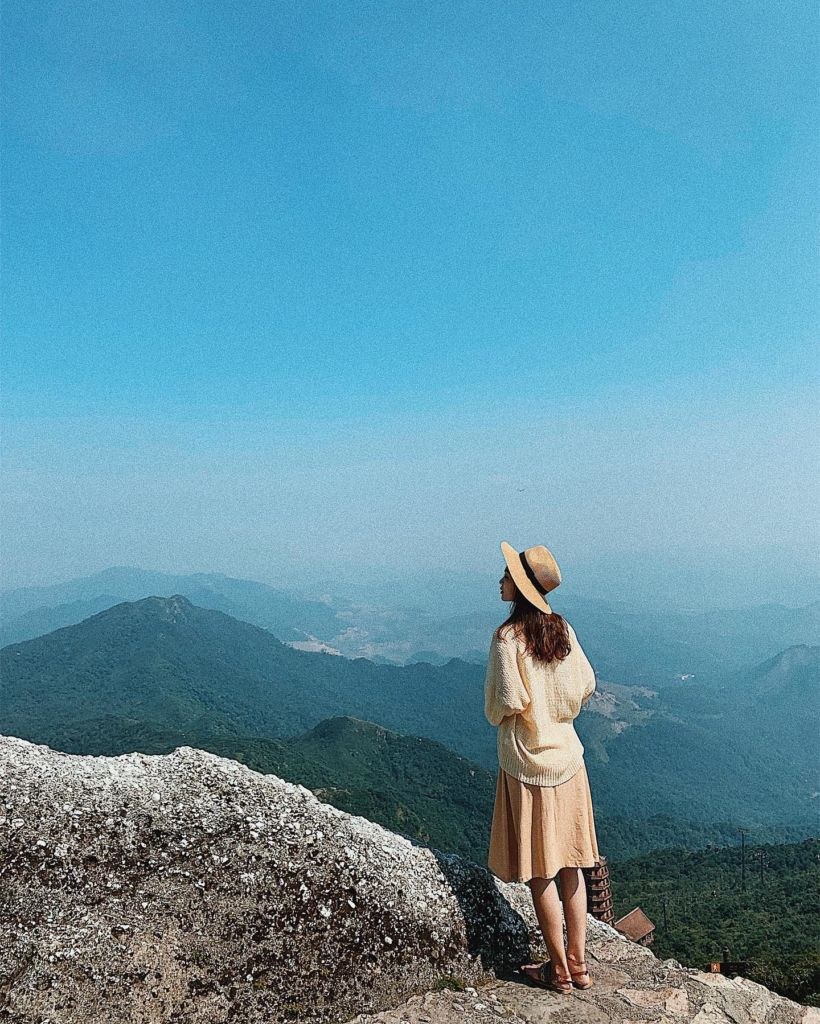
Let your soul drift amid the spectacular natural beauty surrounding Dong Pagoda. Photo: @kellympham
3.8 Notes for visiting Yen Tu Pagoda for those without prior experience
This Yen Tu Pagoda guide is for first-time visitors planning to visit this tranquil and peaceful pagoda. Be sure to note a few important things before beginning your journey.
- Prepare a small amount of cash for spending and rest stops; do not carry too much to avoid the risk of theft in crowded areas
- The route to Yen Tu’s peak is fairly long and includes difficult sections. You should prepare a comfortable pair of well-fitting shoes and prioritize compact belongings and equipment to avoid exhaustion
- Bring water for the journey, as services at Yen Tu Pagoda are considerably more expensive than usual
- Dress simply, comfortably, and modestly, both for convenient walking and to suit the sacred atmosphere at Yen Tu Pagoda
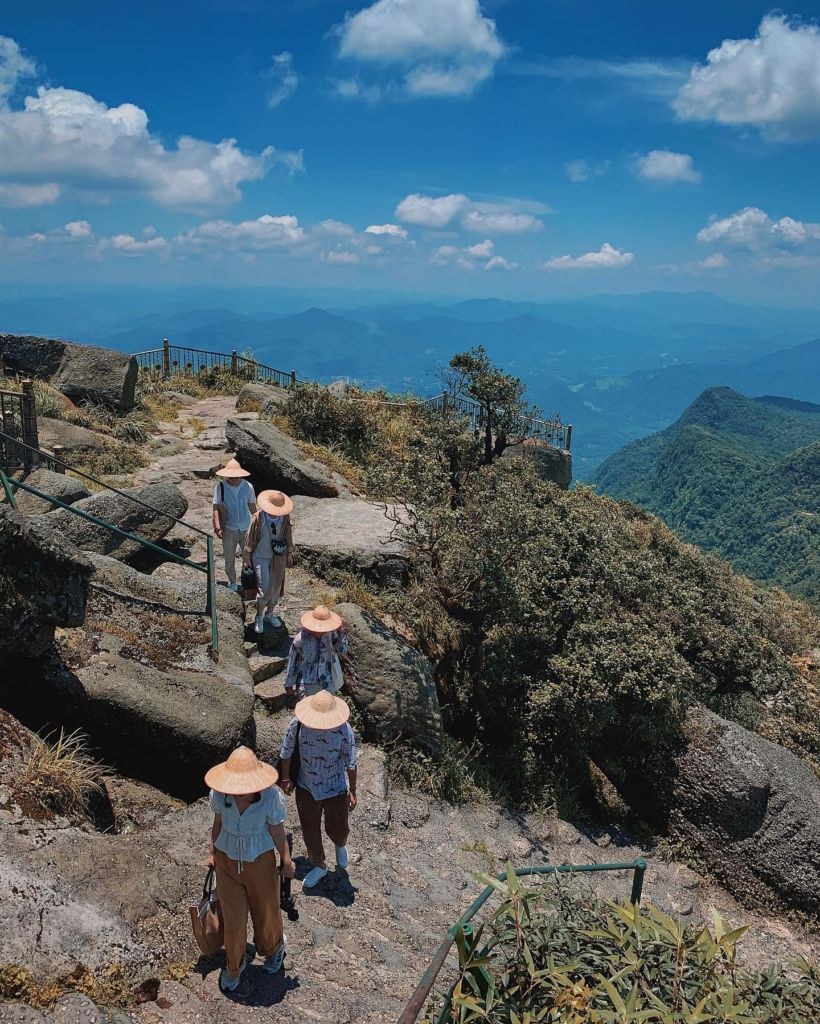
Choose your clothing carefully and pack light to enjoy a complete Yen Tu Pagoda experience. Photo: @_k.h.i.n_
The above is a complete A-Z guide to visiting Yen Tu Pagoda for travelers constantly seeking new experiences and memorable moments in their youth. Hopefully, it will help you make a perfect plan for your upcoming Ha Long trip. Don’t hesitate to share your achievements with MIA.vn.