

Act fast to grab special offers when booking the 5D4N Northern Vietnam tour: HCMC – Sapa – Lao Cai – Ninh Binh – Ha Long during the April 30 holiday, with discounts of up to 400,000 VND for travelers.
5 D4N Northern Vietnam tour with massive deals for April 30 holiday
The connected journey Ho Chi Minh City – Sapa – Lao Cai – Ninh Binh – Ha Long in the 5D4N Northern Vietnam tour will take travelers to outstanding scenic landscapes and heroic historical relics of Northern Vietnam, from the foggy city of Sapa to world heritage destinations such as Ha Long Bay or Trang An,…
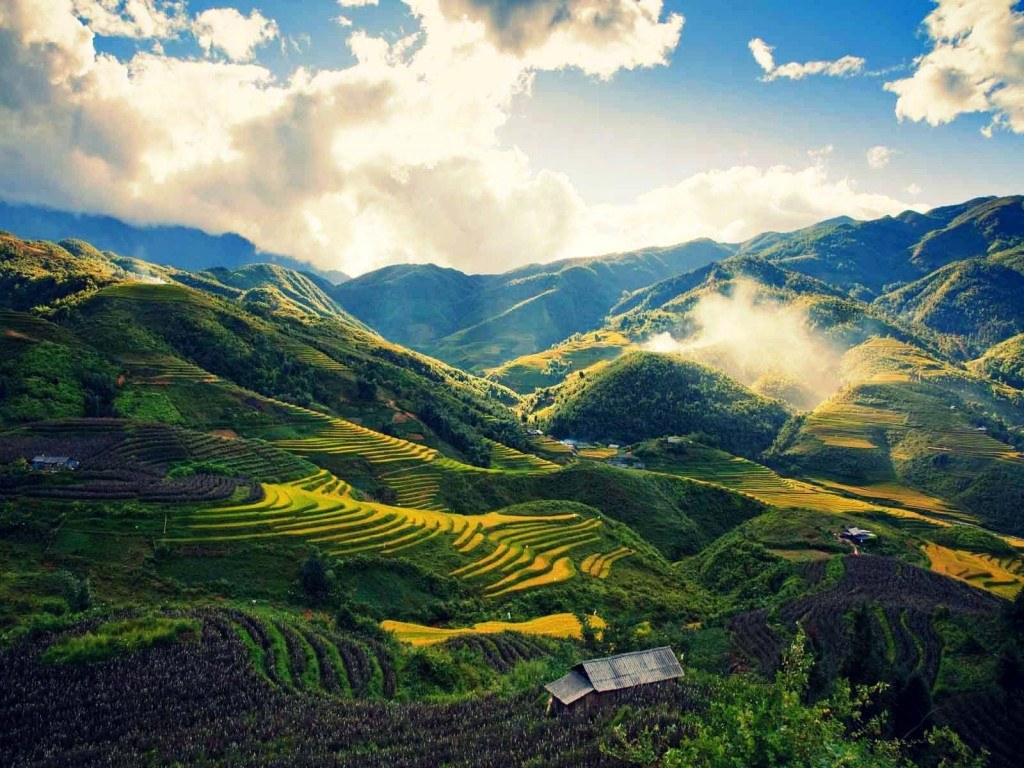
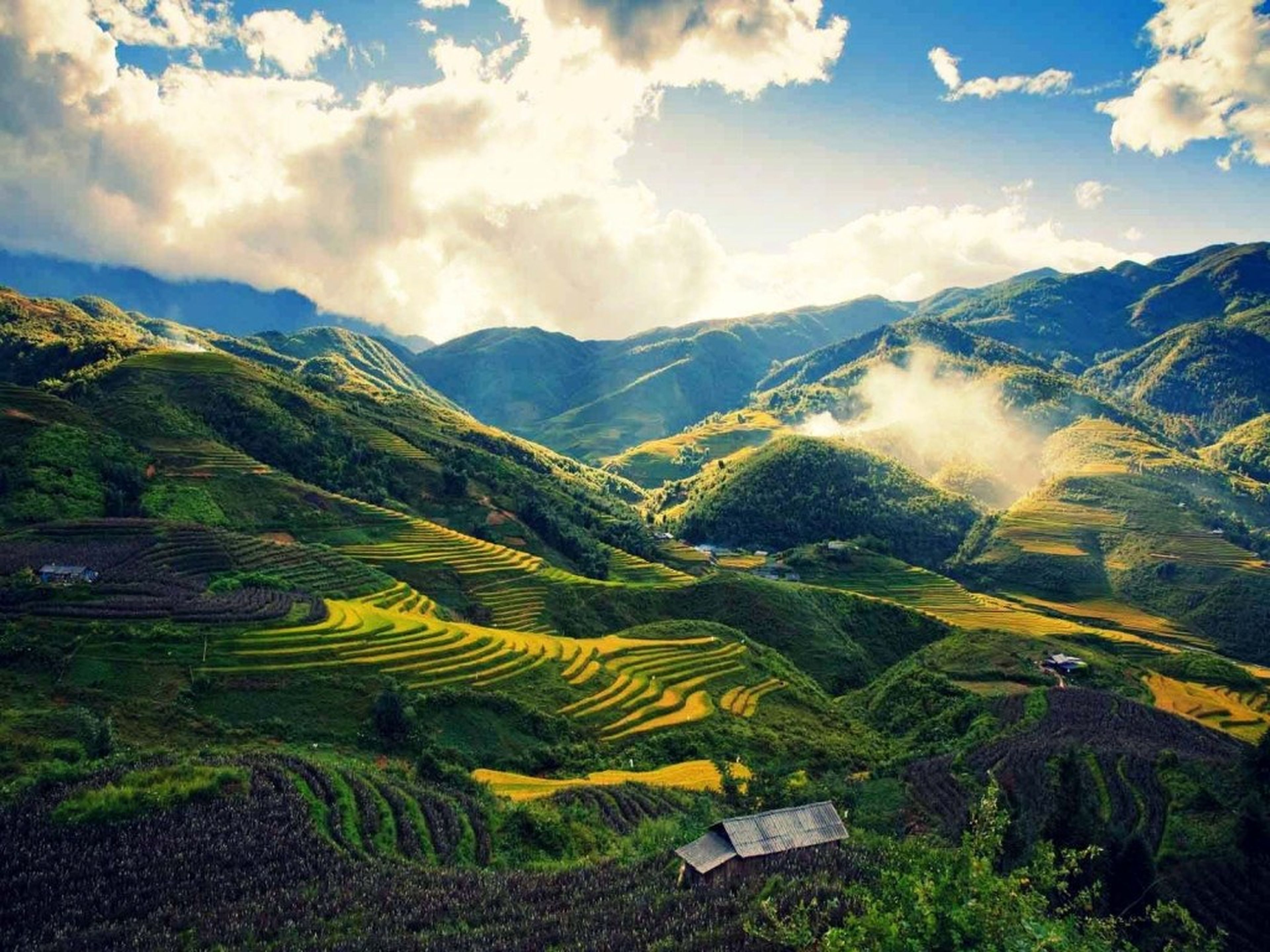
Muong Hoa Valley, Sapa.
On this 5D4N Northern Vietnam tour, you can fully enjoy the itinerary, from pilgrimage travel to experiential tourism, exploring natural heritage wonders, and tasting the specialties of various regions and ethnic groups. Visitors will feel immense pride in this S-shaped land blessed with numerous magnificent landscapes.
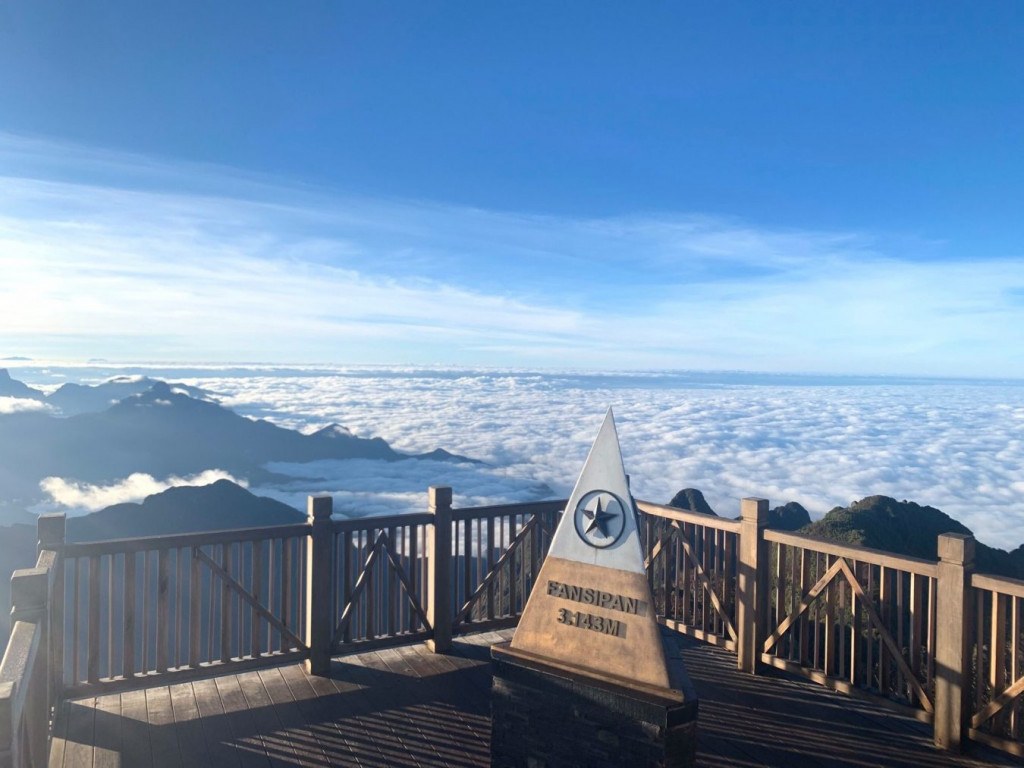
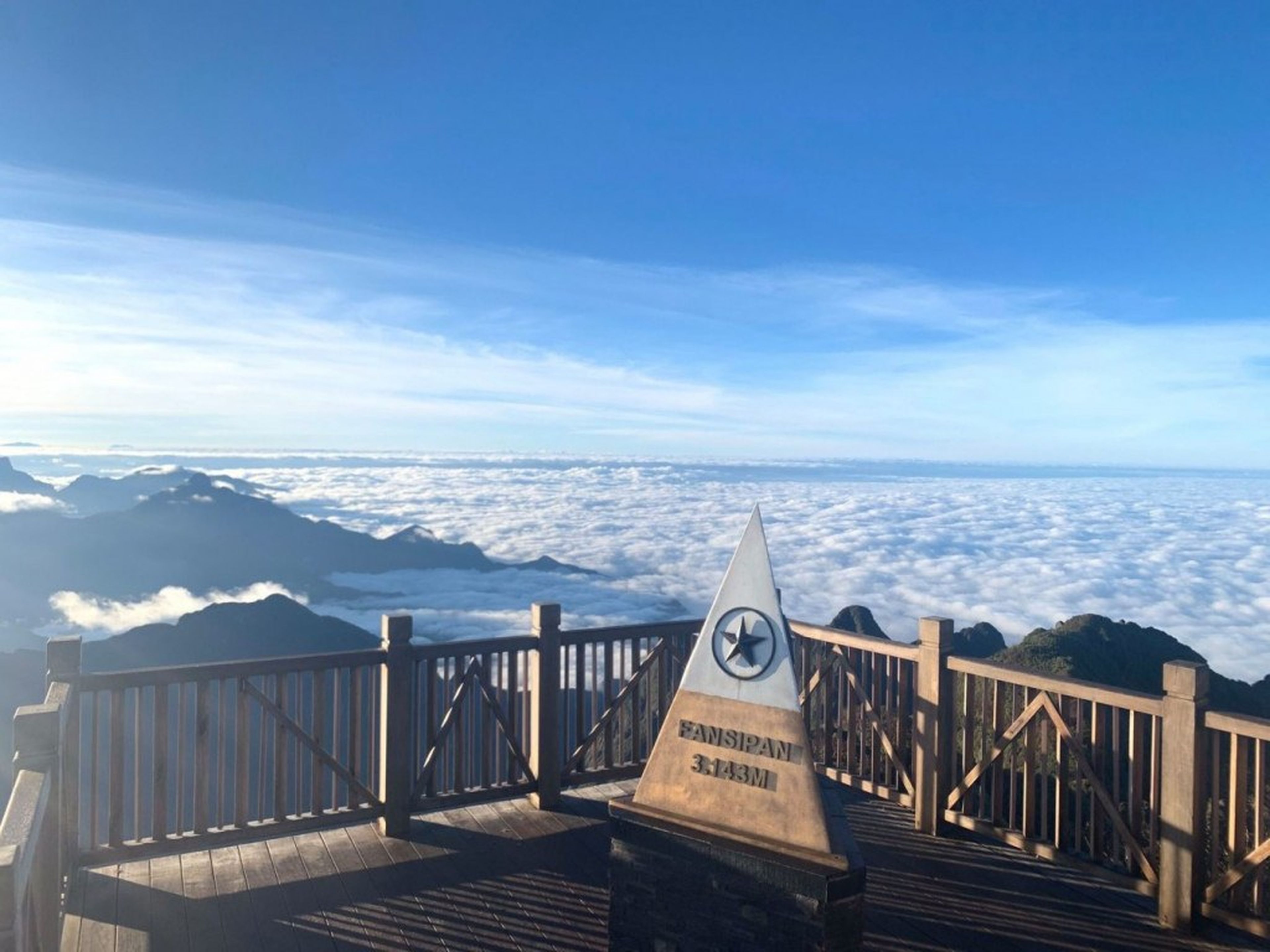
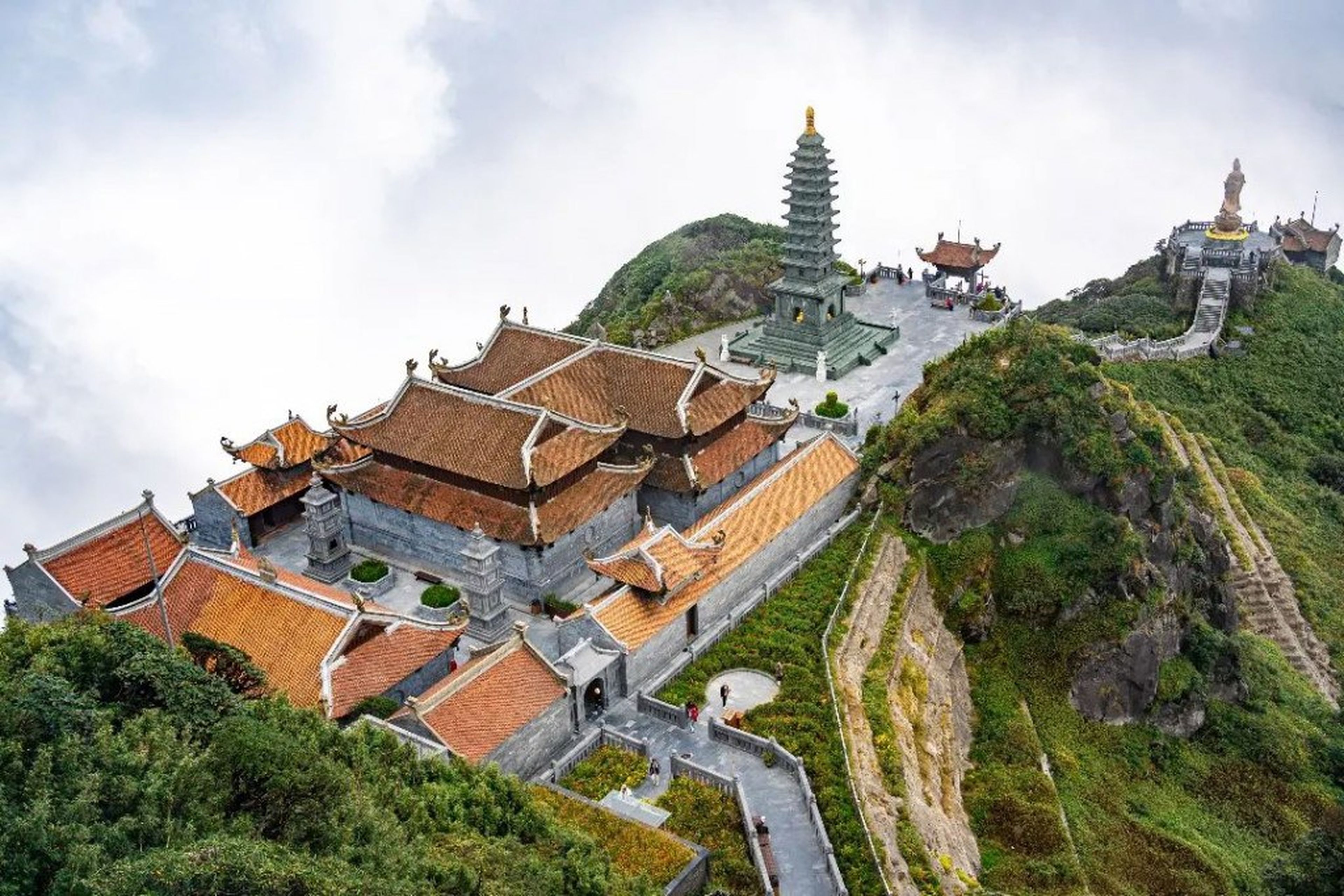
Fansipan Peak blanketed by a sea of clouds.
With special deals when booking the “5D4N Northern Vietnam tour: HCMC – Sapa – Lao Cai – Ninh Binh – Ha Long” for the April 30 holiday, travelers will enjoy an instant discount of 400,000 VND. Join iVIVU in exploring the highlighted destinations in this “5D4N Northern Vietnam tour: HCMC – Sapa – Lao Cai – Ninh Binh – Ha Long” right below.
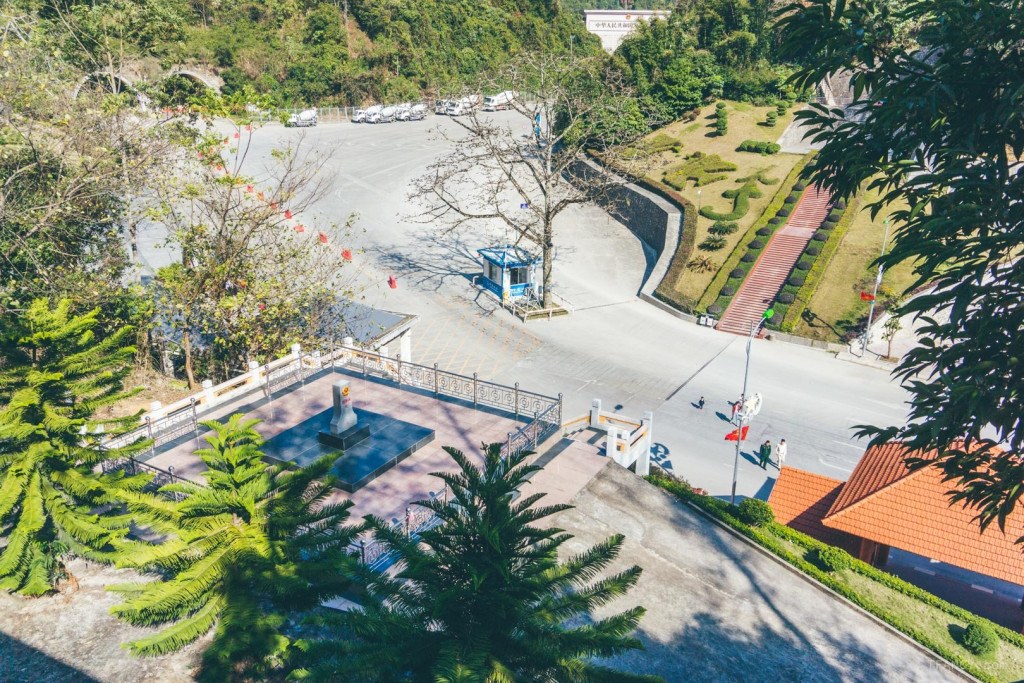
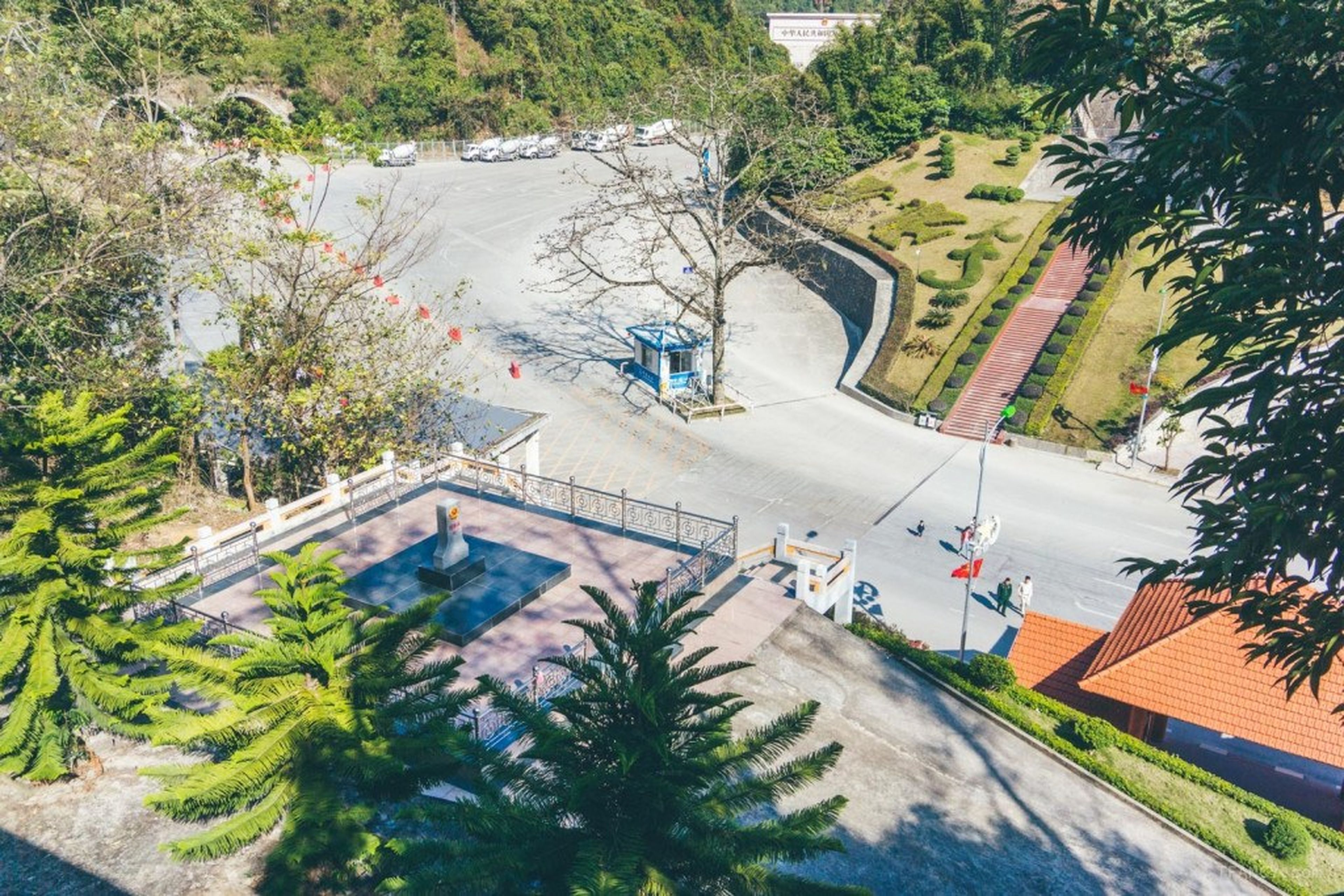
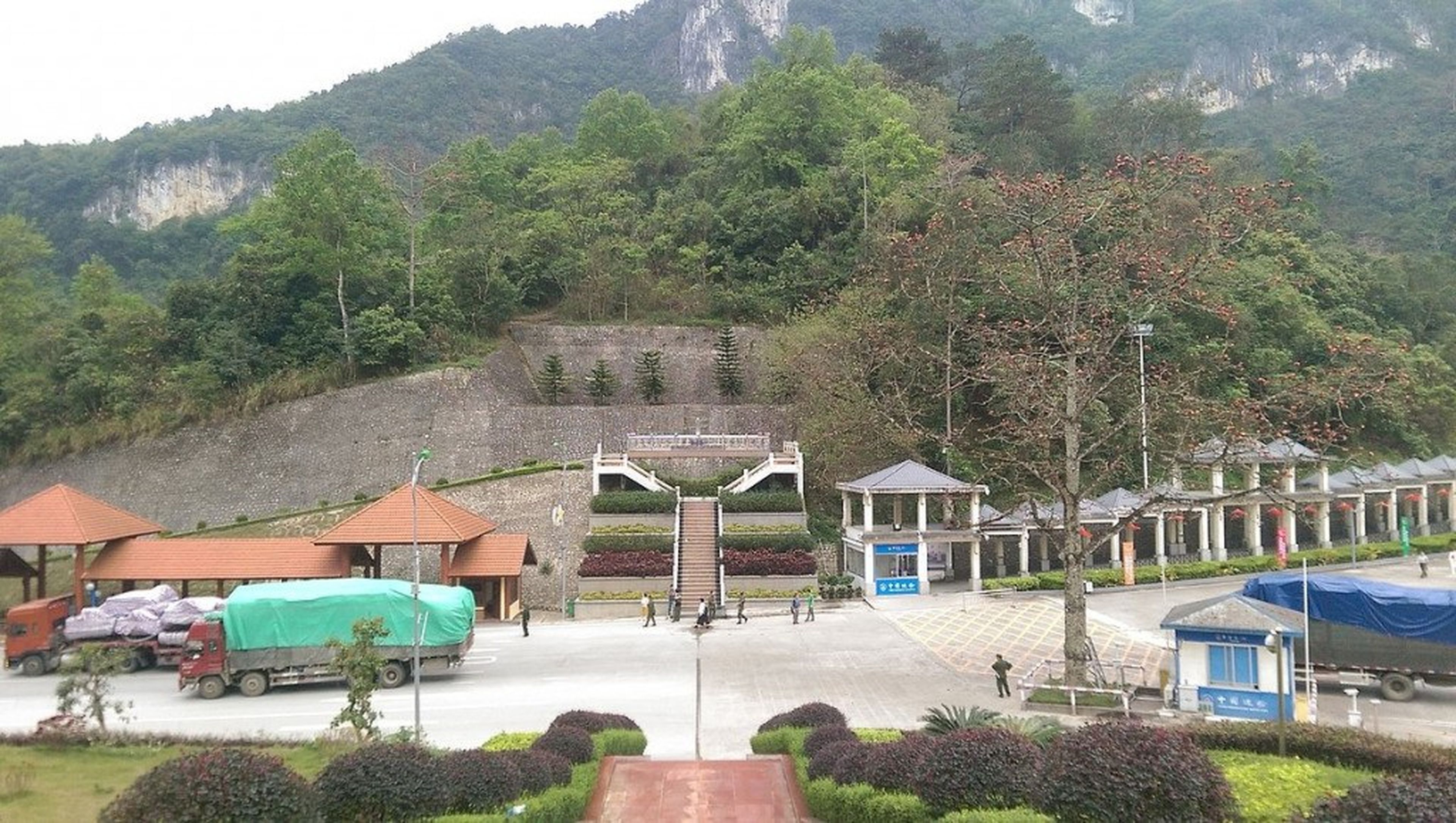
Huu Nghi Border Gate.
Huu Nghi Border Gate
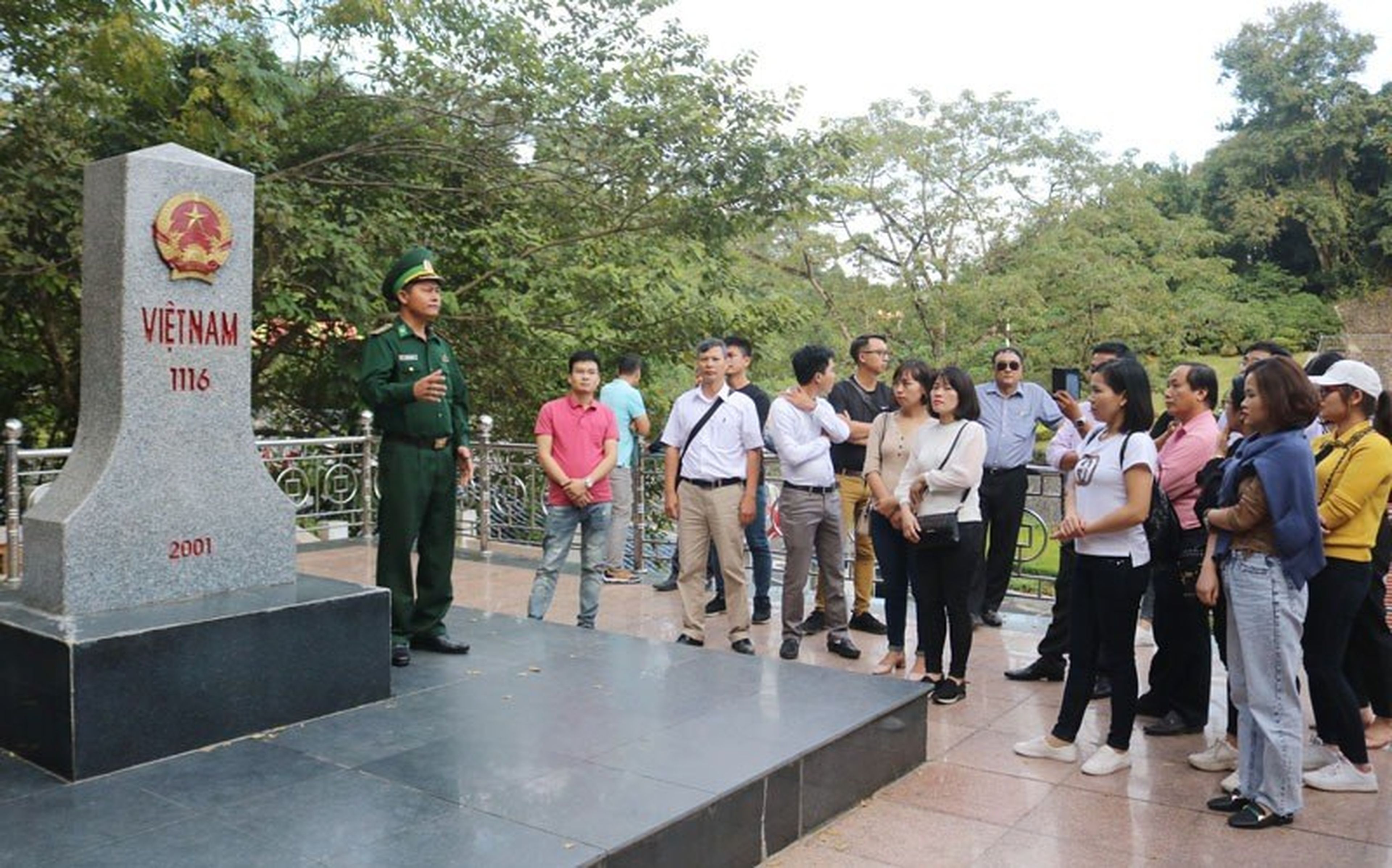
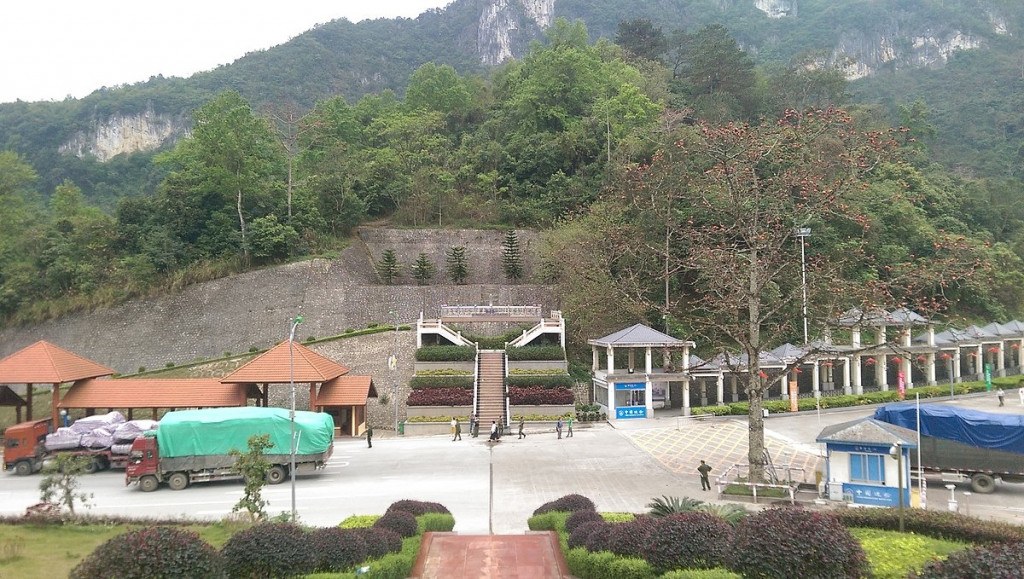
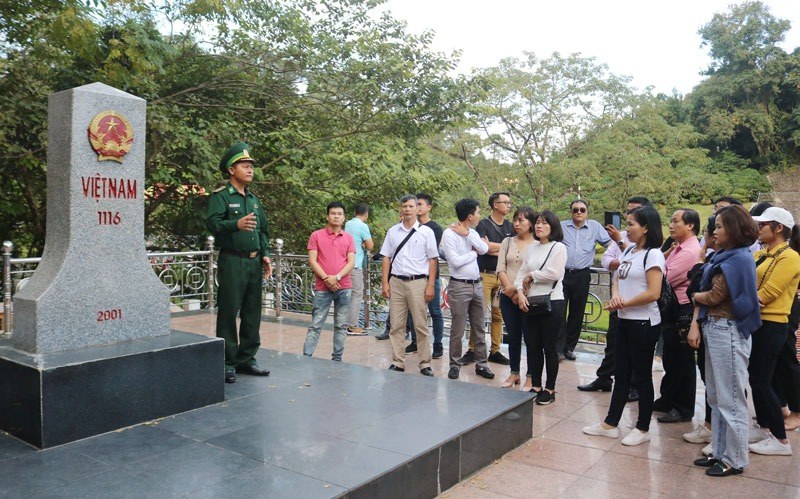
Located on the Vietnam – China border, 17km from Lang Son City, Huu Nghi Border Gate is an essential bridge for developing economic ties between Vietnam and China. At the Huu Nghi International Border Gate, the Vietnamese side erected landmark 1116 and the Chinese side erected landmark 1117, both of which are large-scale boundary markers bearing the national emblems of the two countries.
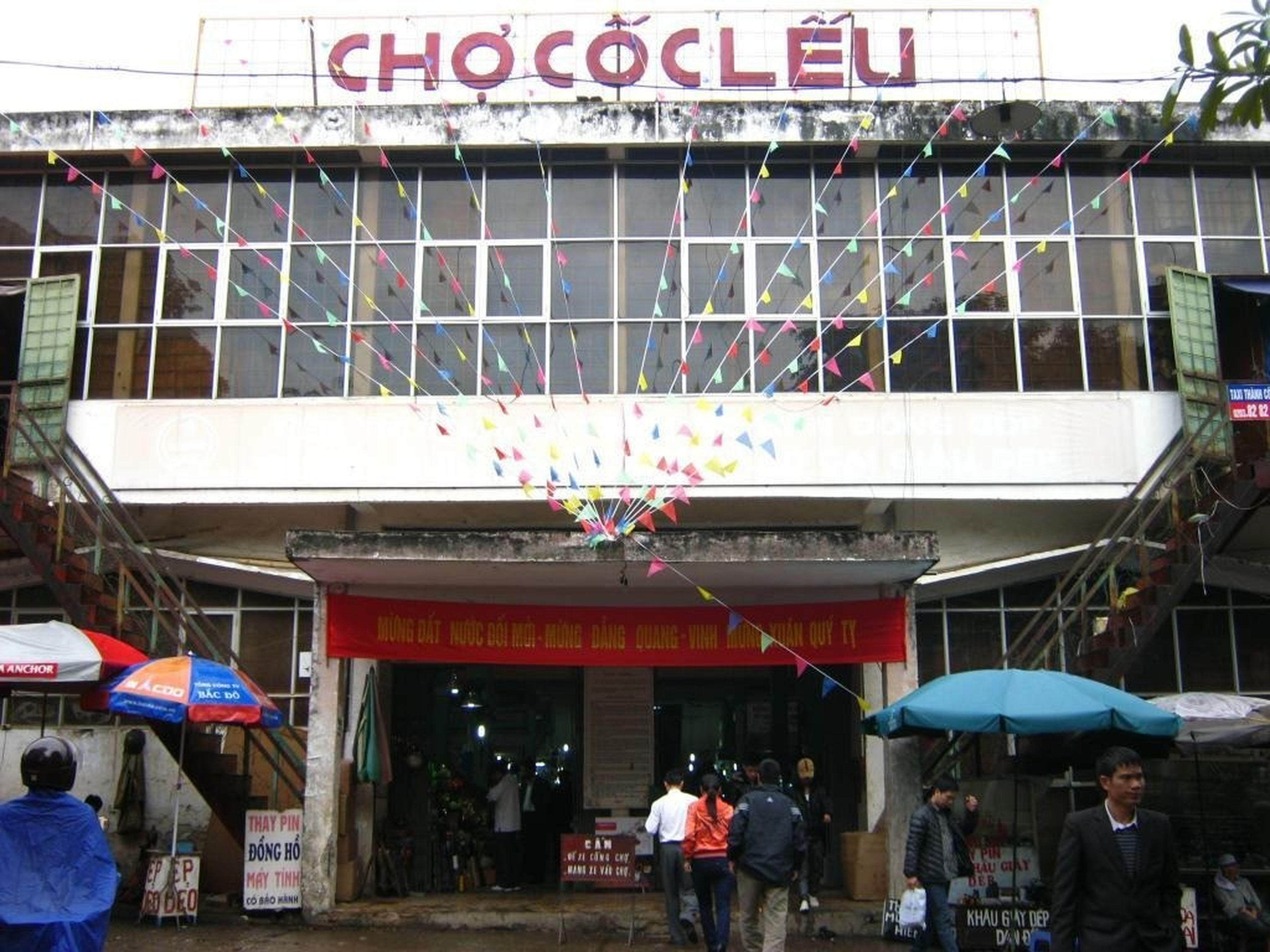
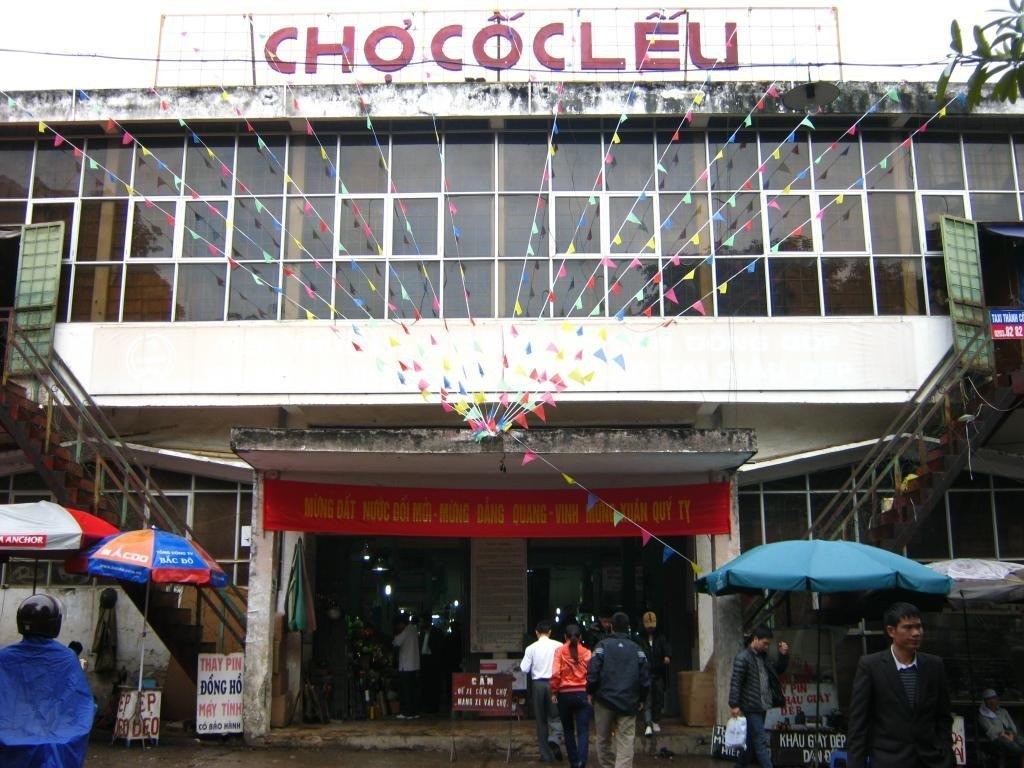
Coc Leu Market, Lao Cai
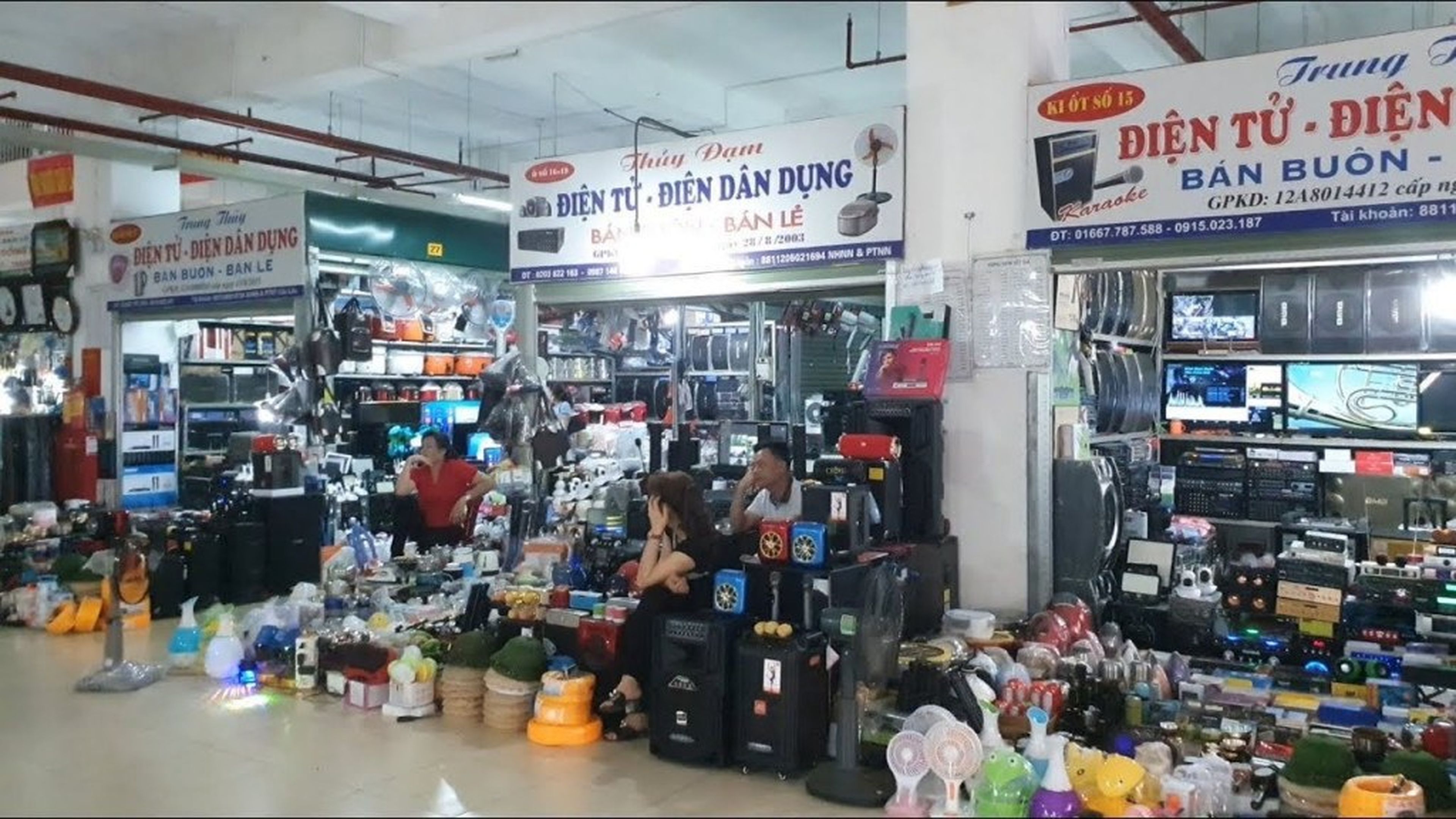
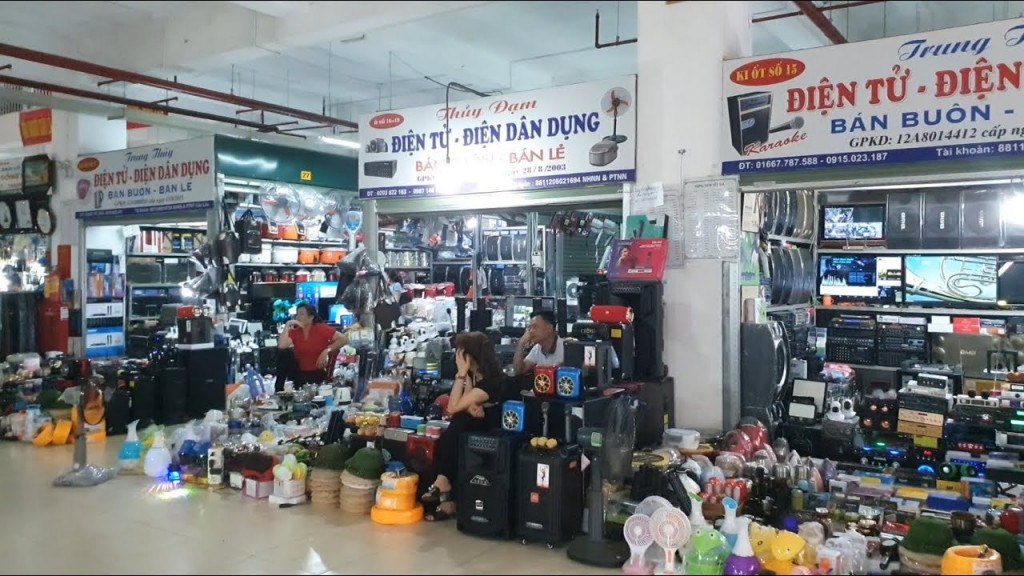
Located right in the heart of Lao Cai City, Coc Leu Market is considered the largest commercial center of the province and a shopping stop in this 5D4N Northern Vietnam tour that visitors should not miss. The market has a total construction area of nearly 8.000m2, with 600 kiosks of all sizes, 700 commercial households across 25 merchandise categories, ranging from standard items and premium goods to luxury commodities.
Here, visitors and shoppers can find and purchase a diverse variety of goods, including handicrafts, home appliances, and electronics, as well as food products, cosmetics, medicinal herbs, and assorted fresh vegetables and fruits…
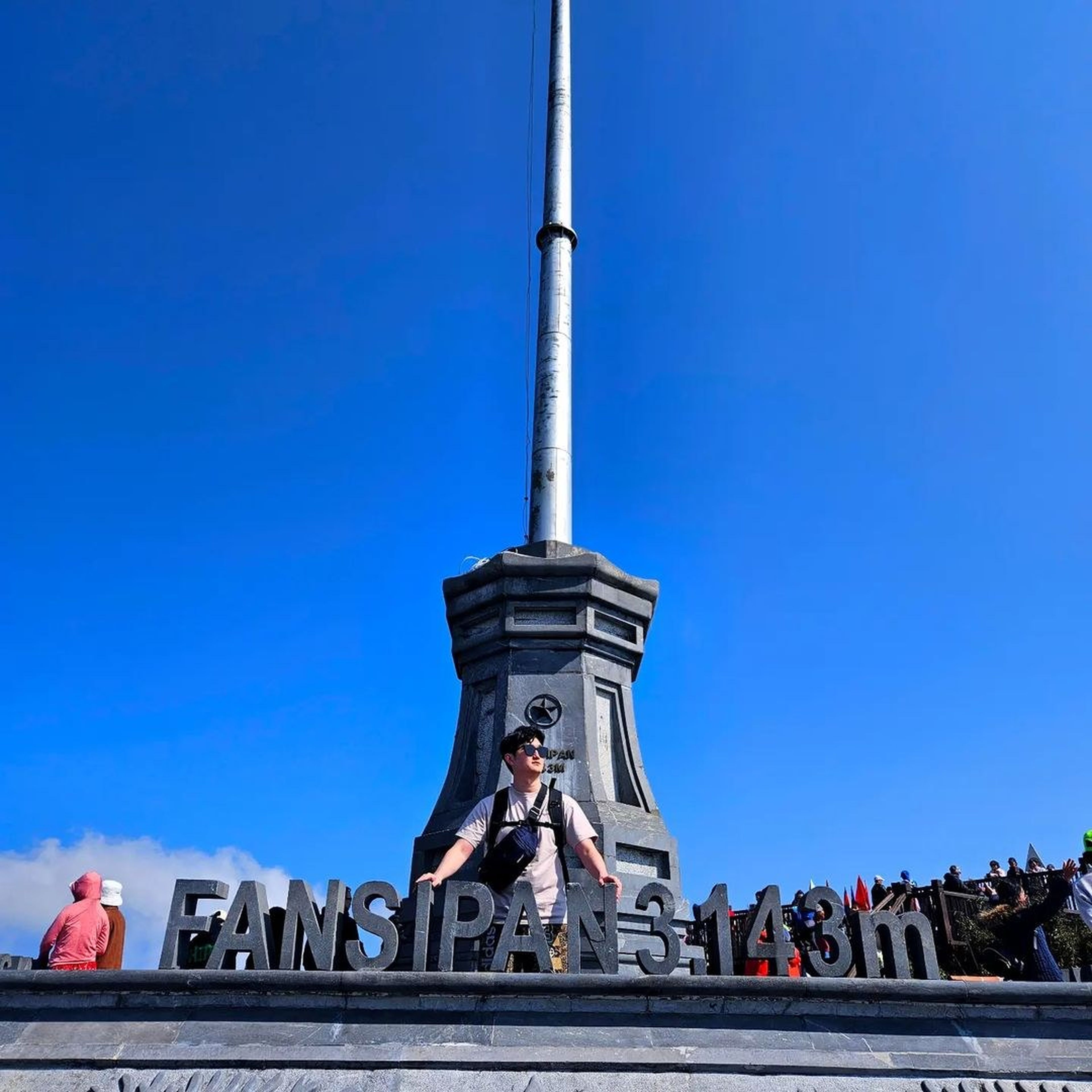
Fansipan – The Roof of Indochina
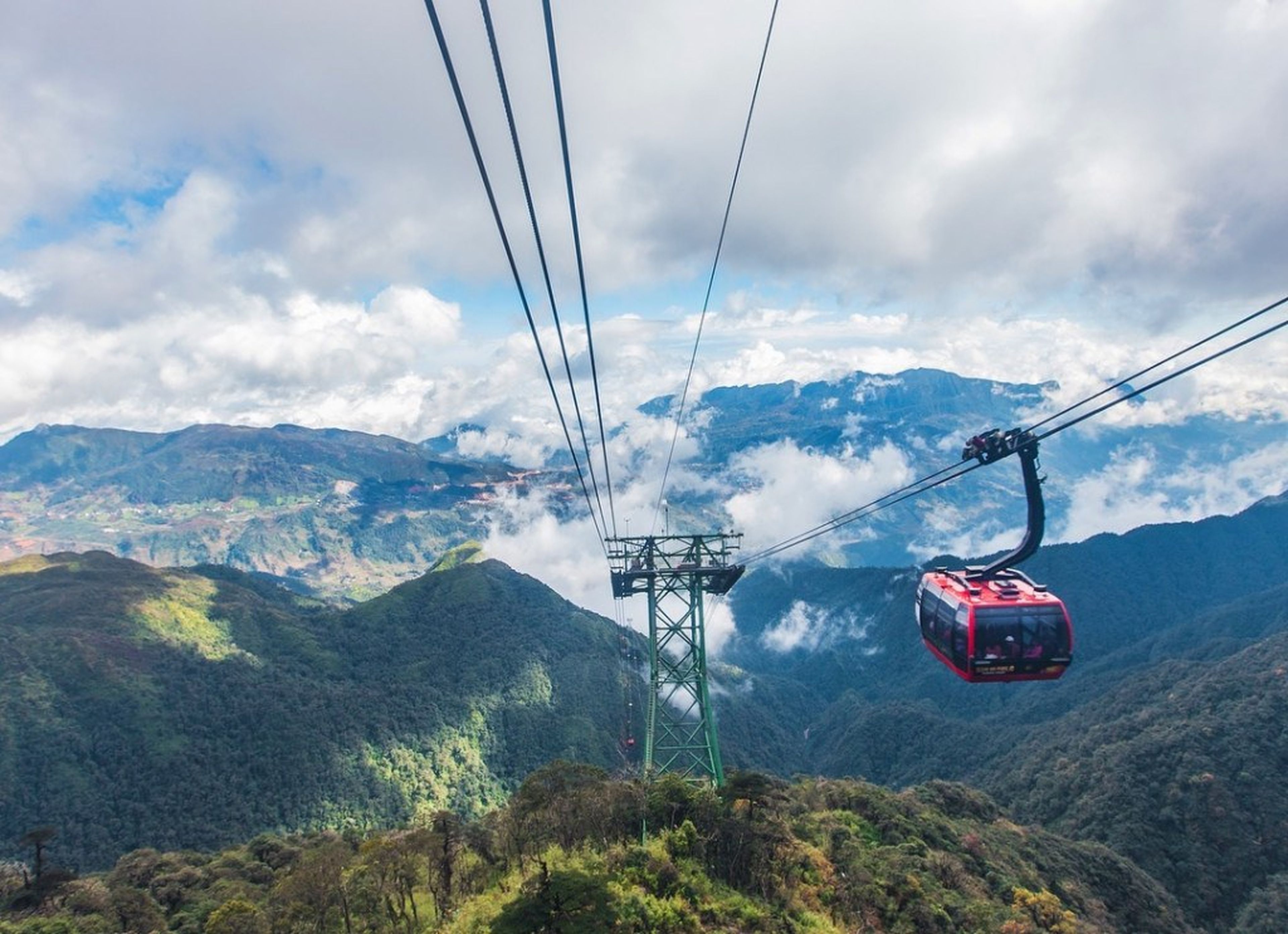
Travelers can choose to conquer Fansipan Peak by cable car. This is a three-rope cable car system connecting the town center up to the top of Fansipan. It not only shortens the travel time to Fansipan Peak from 2 days down to just 15 minutes, but also offers visitors the chance to fully admire panoramic, stunning views of the sea of clouds, Muong Hoa Valley, and the Hoang Lien Son mountain range from above.
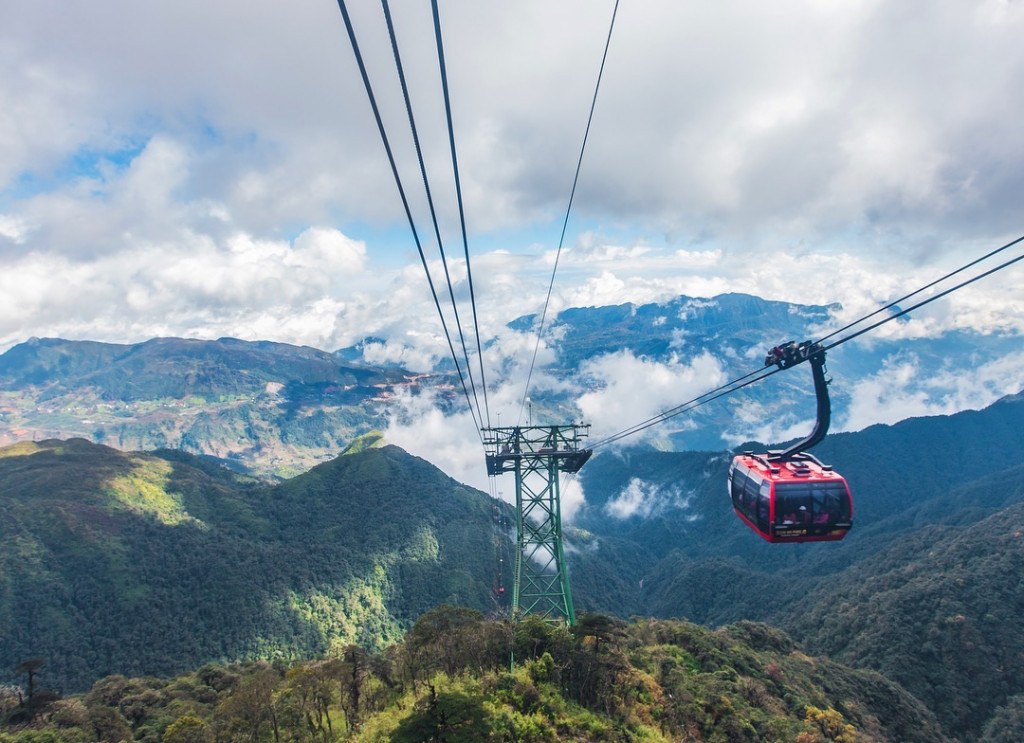
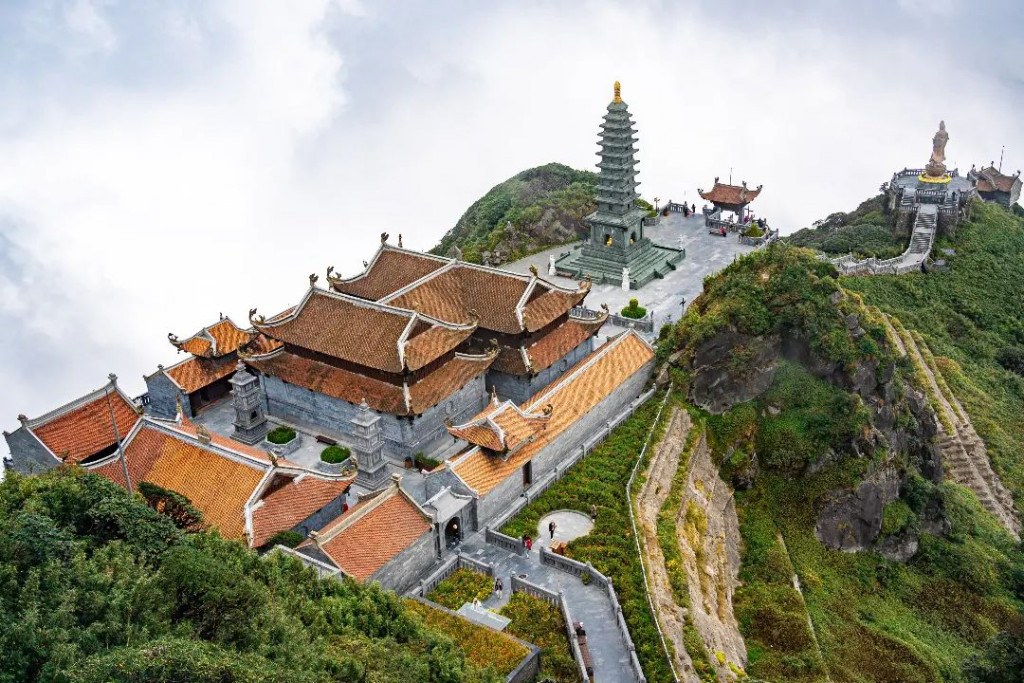
Photo: @jun_gorizou_.
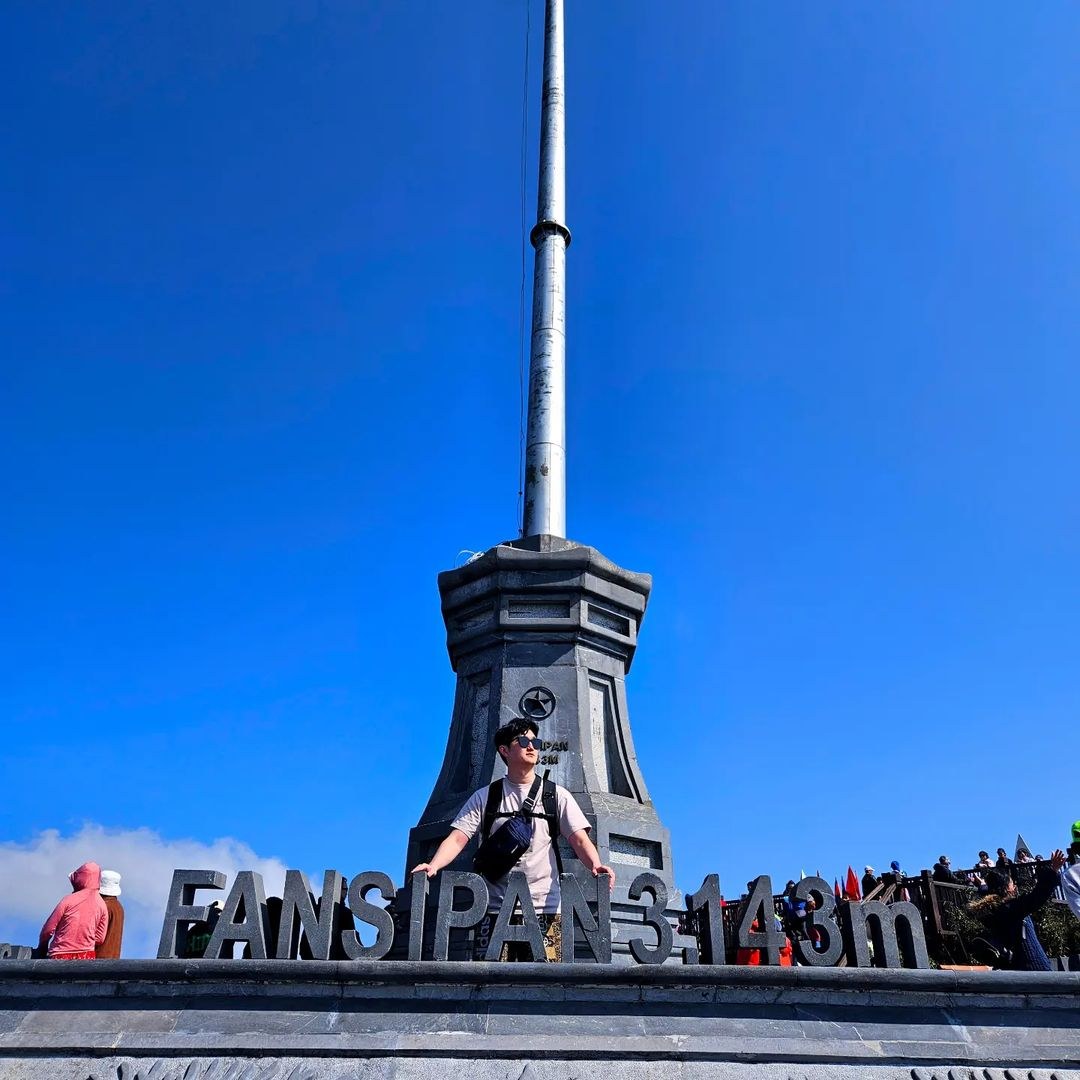
Photo: @1_ssik.
Cat Cat Village
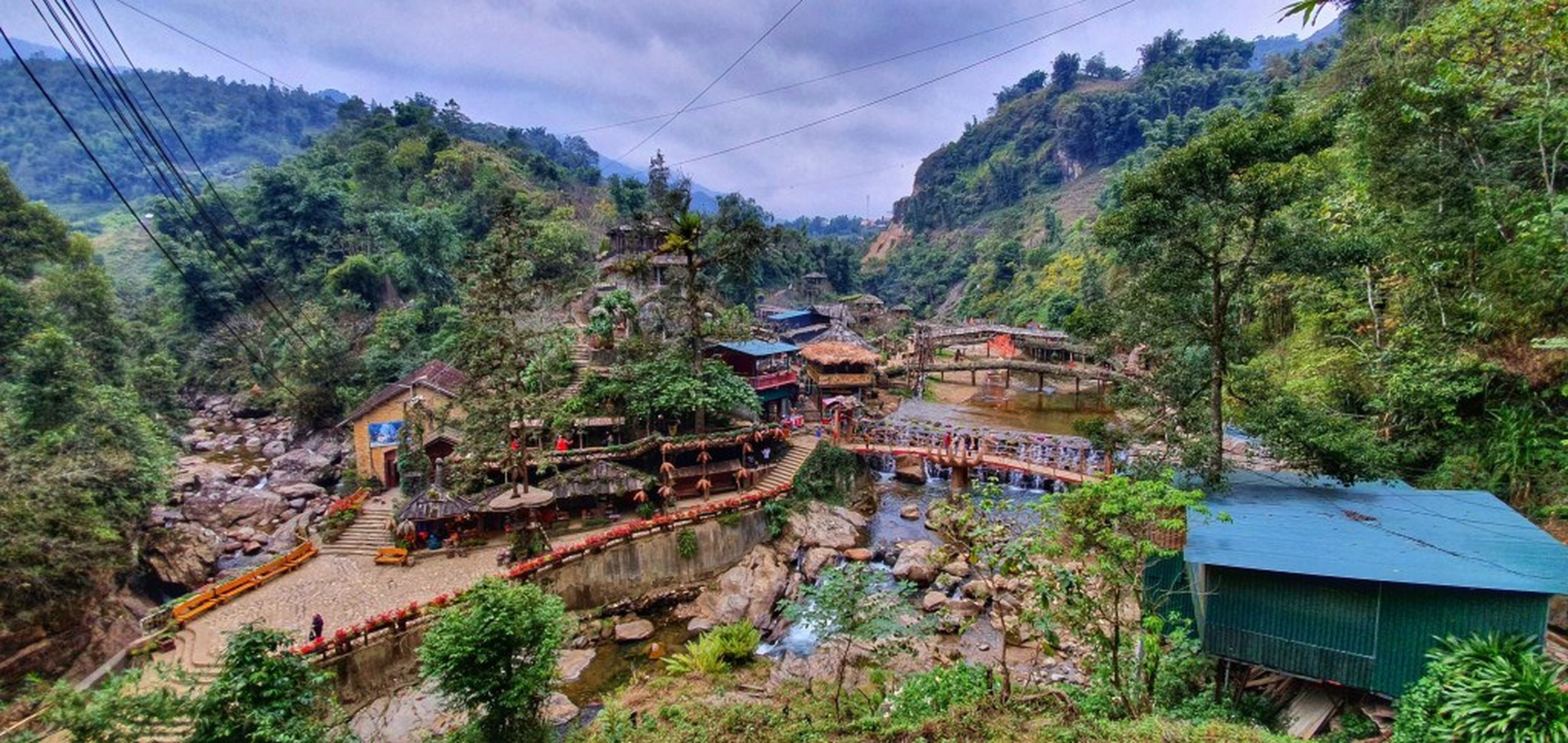
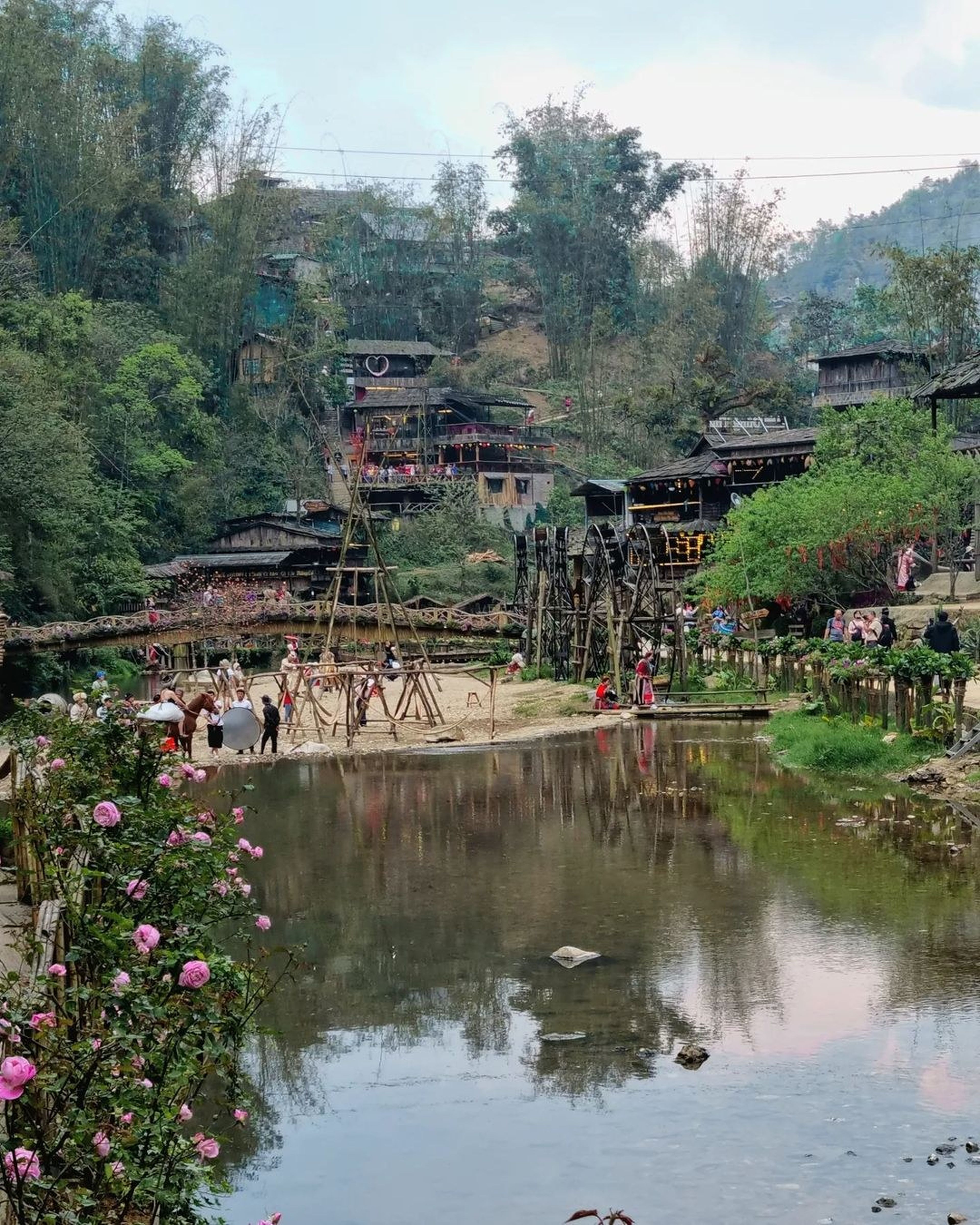
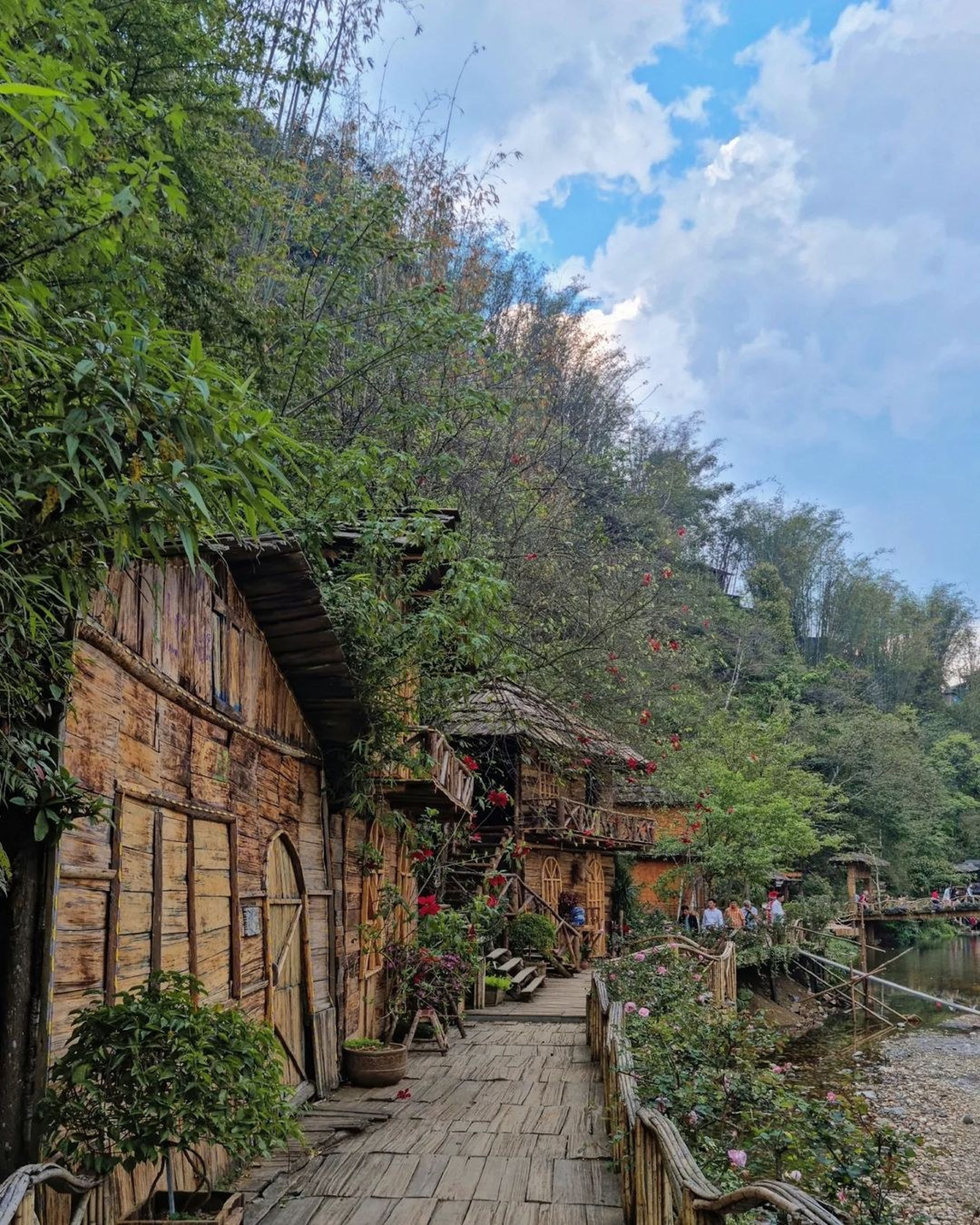
Cat Cat Village is nestled right at the foot of the Hoang Lien Son range, within San Sa Ho Commune, Sapa Town, only about 2km from the town center. Cat Cat Village enchants visitors with rustic wooden houses, gentle babbling streams, vividly colorful brocades, and simple, welcoming ethnic locals.
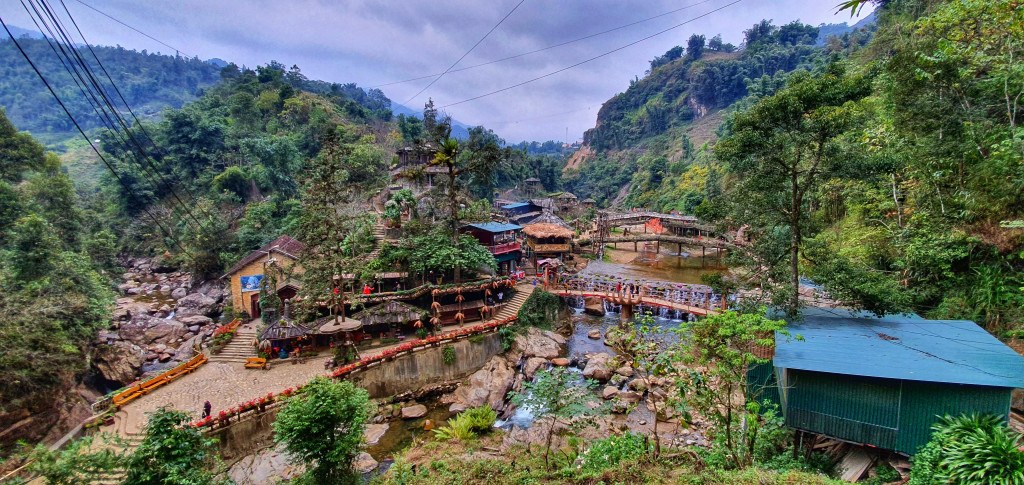
Cat Cat Village.
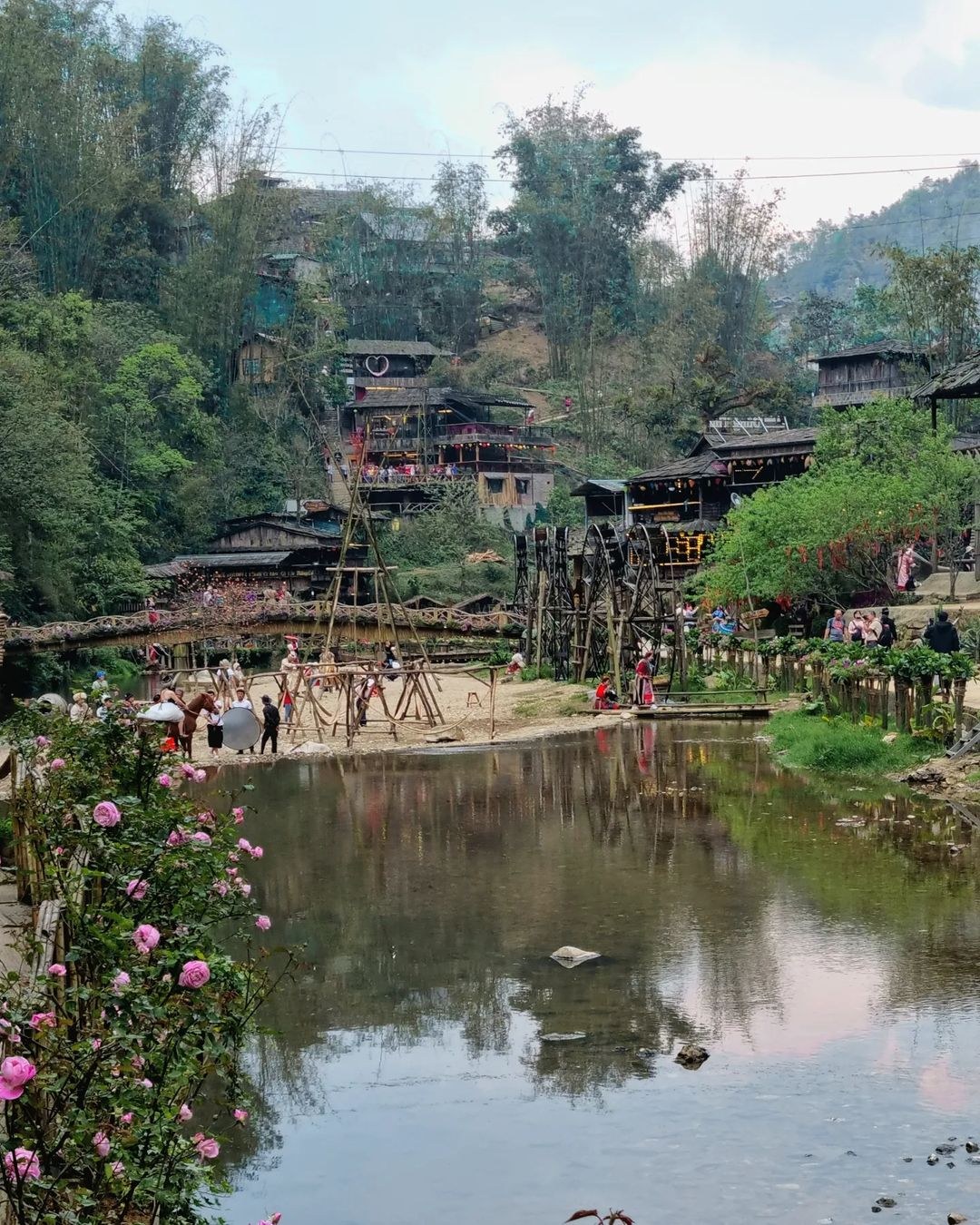
Photo: @nobl.travel.
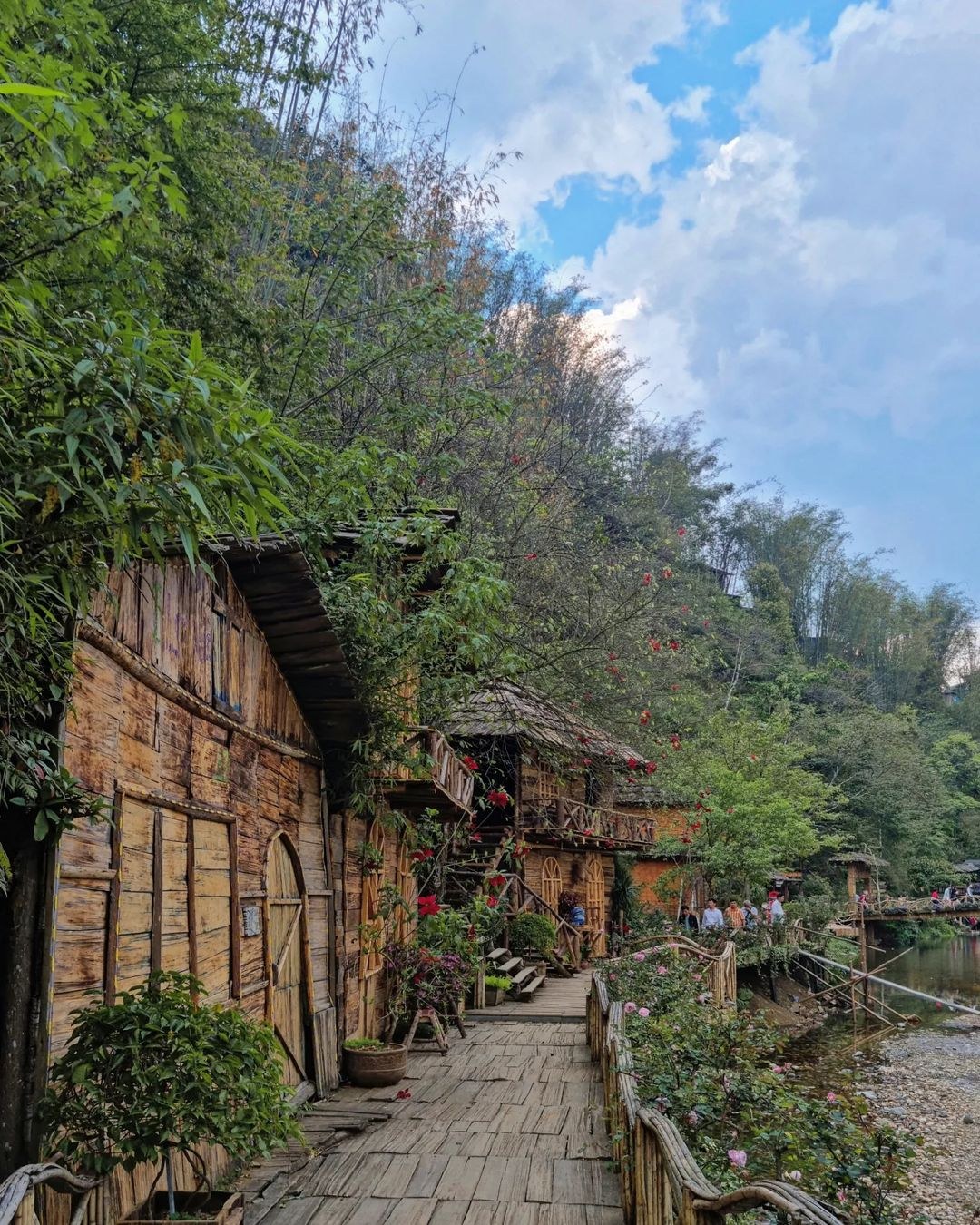
Photo: @nobl.travel.
The Stone Church
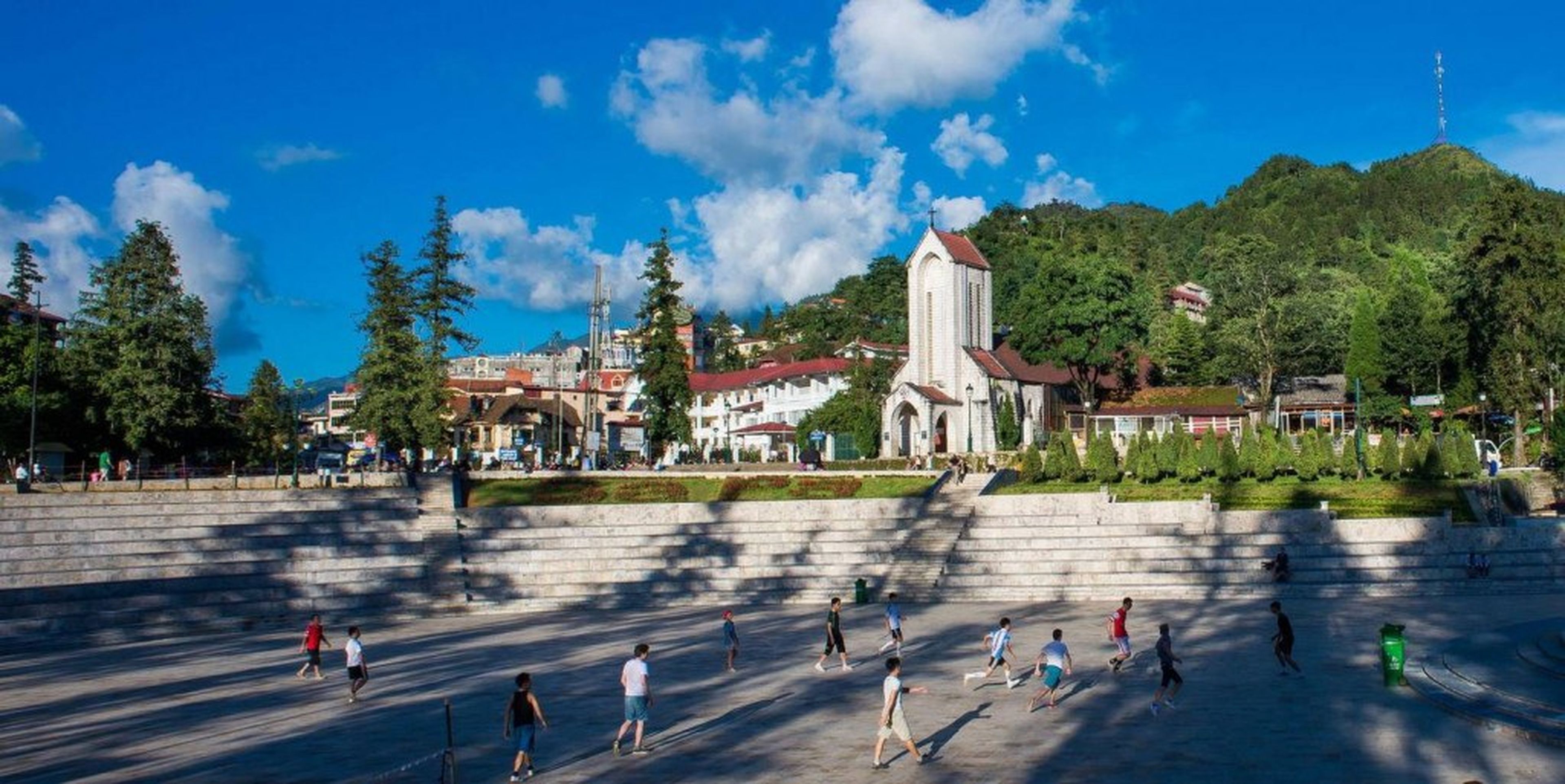
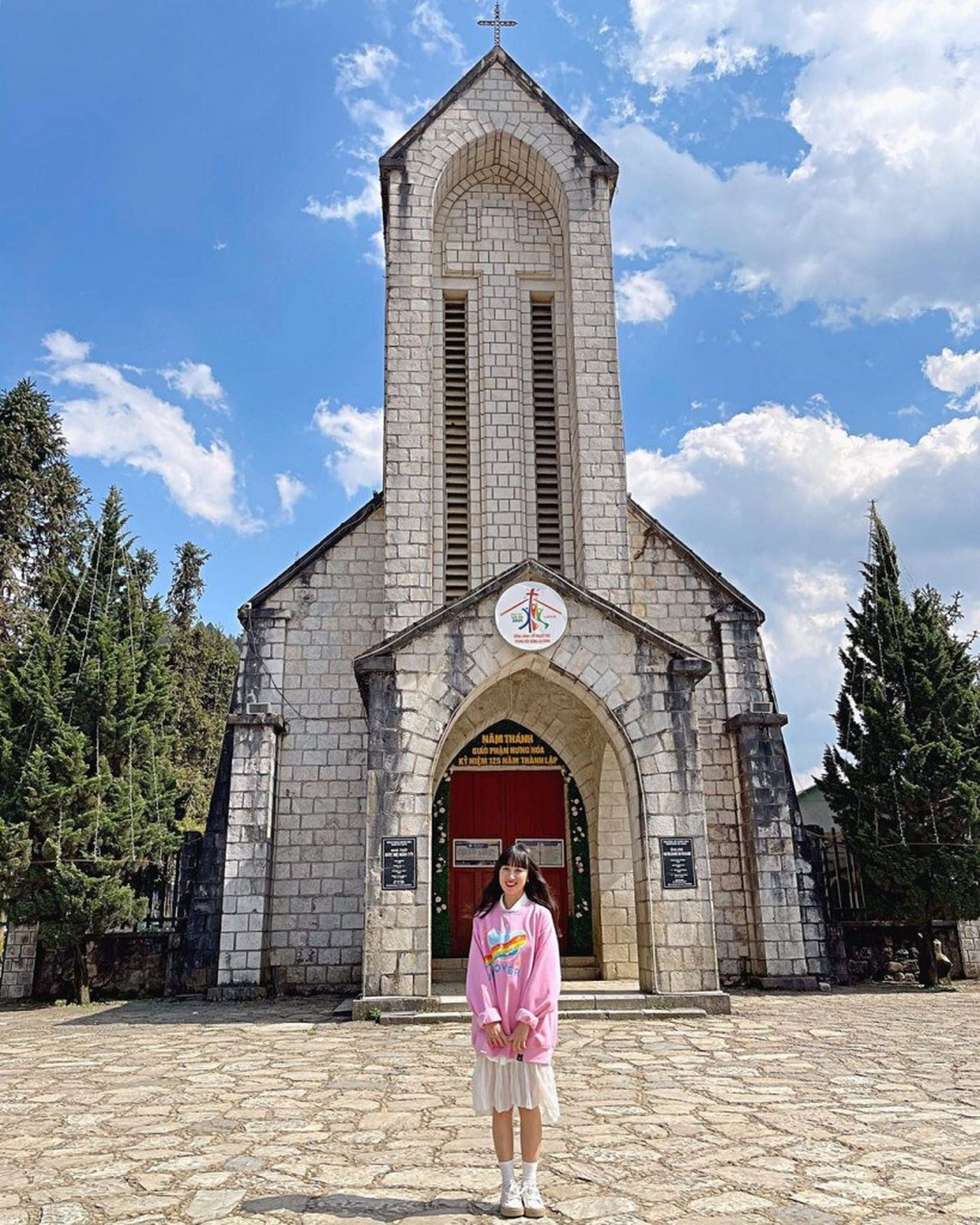
Situated right in the town center, Sapa Stone Church was constructed in 1895 and is regarded as the most intact ancient French architectural legacy left behind. Although it has undergone several restorations and renovations due to wars and the harsh ravages of nature, the church still retains the graceful charm and spirit of a historic religious architecture.
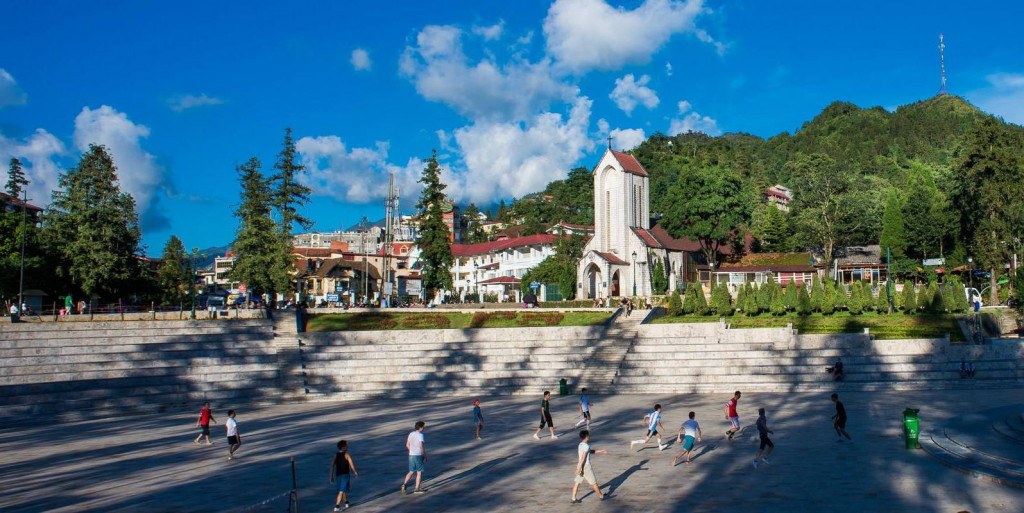
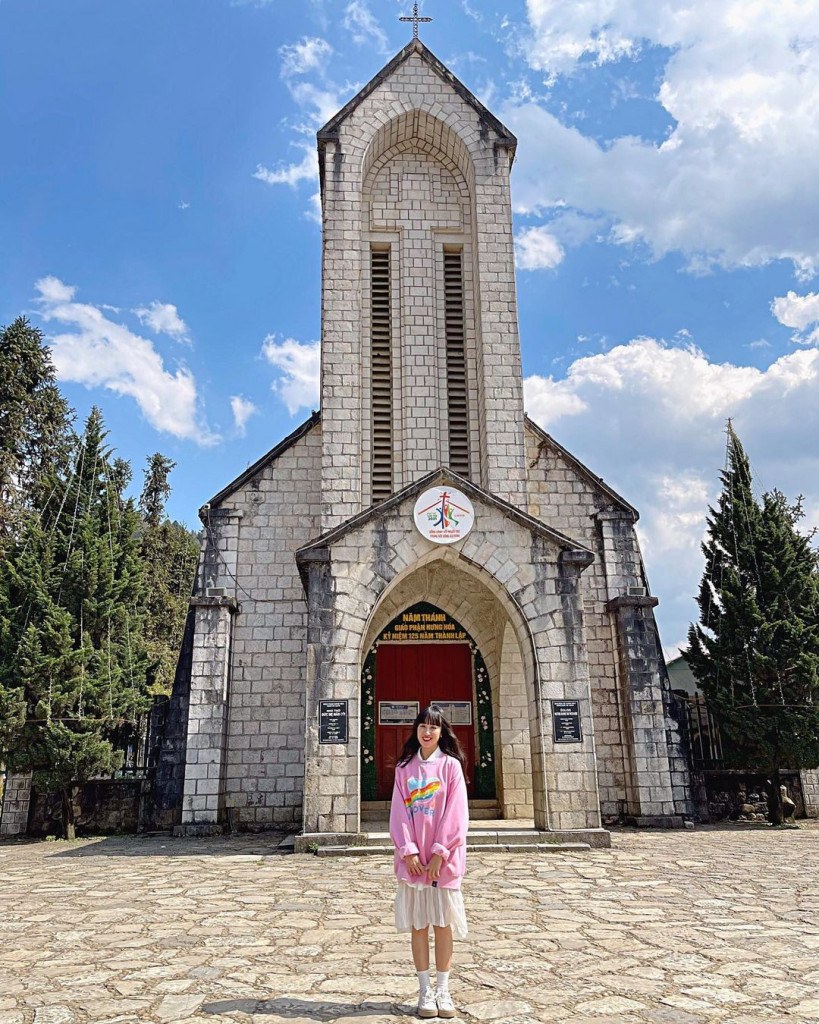
Photo: @trinh_x.
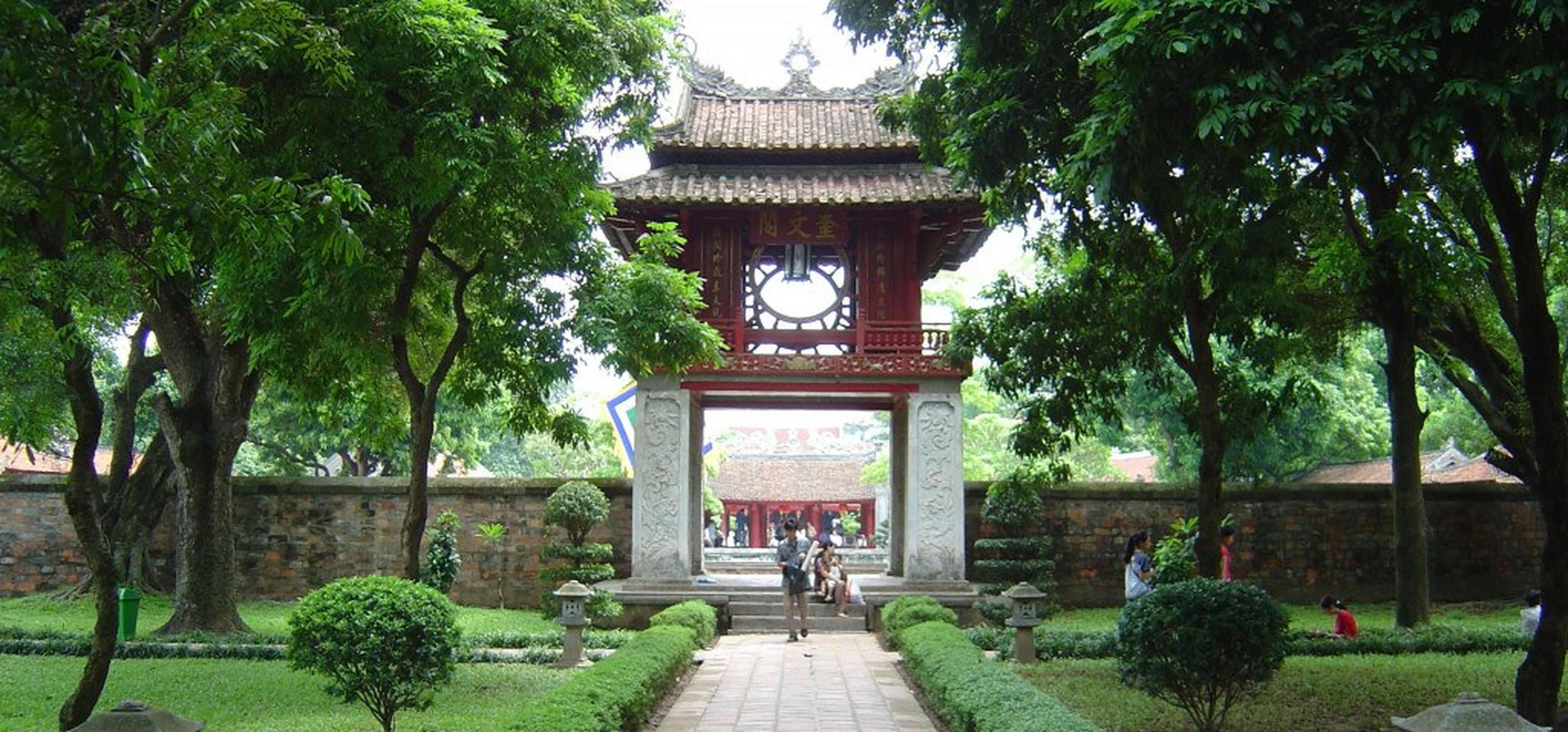
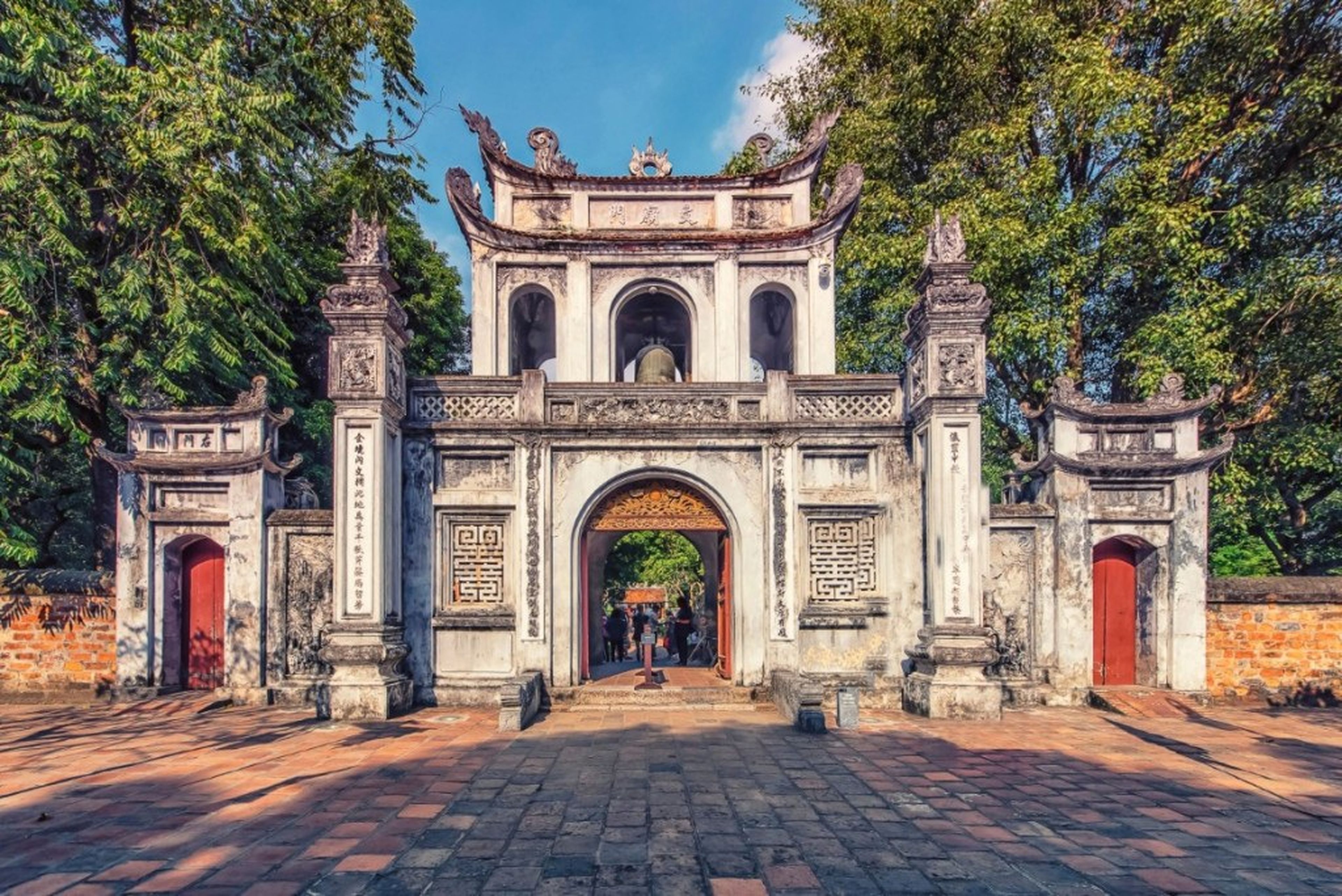
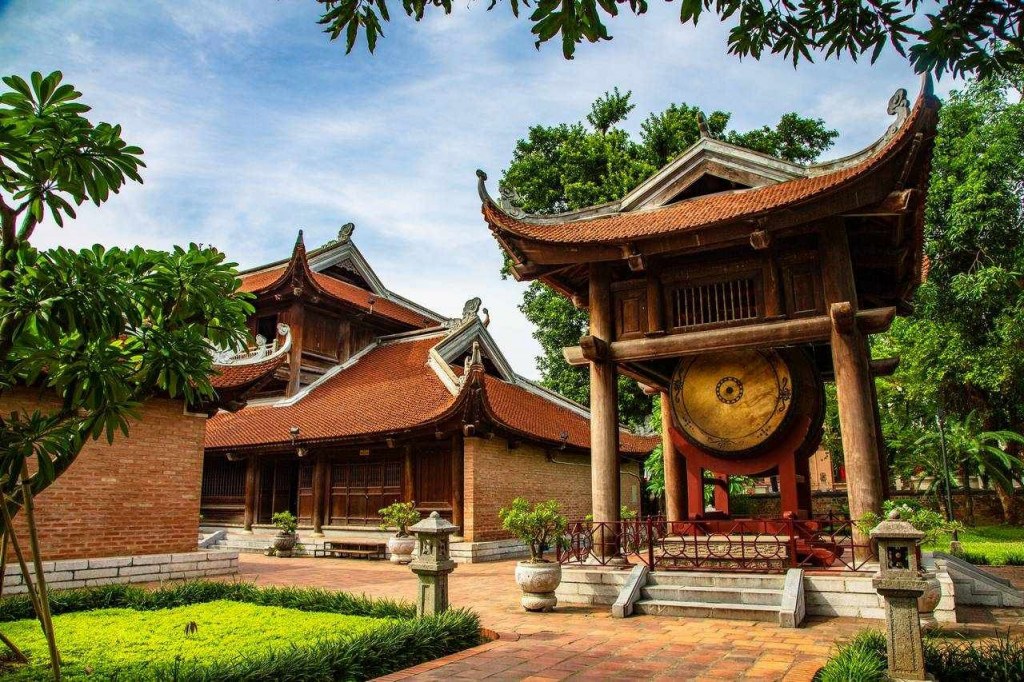
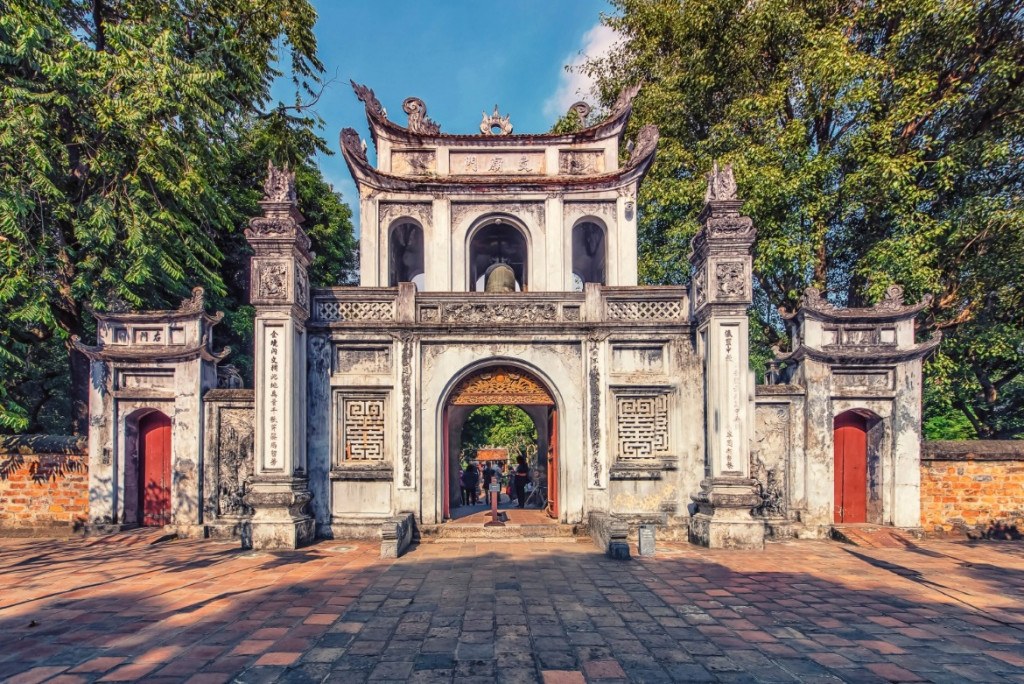
Temple of Literature – Imperial Academy
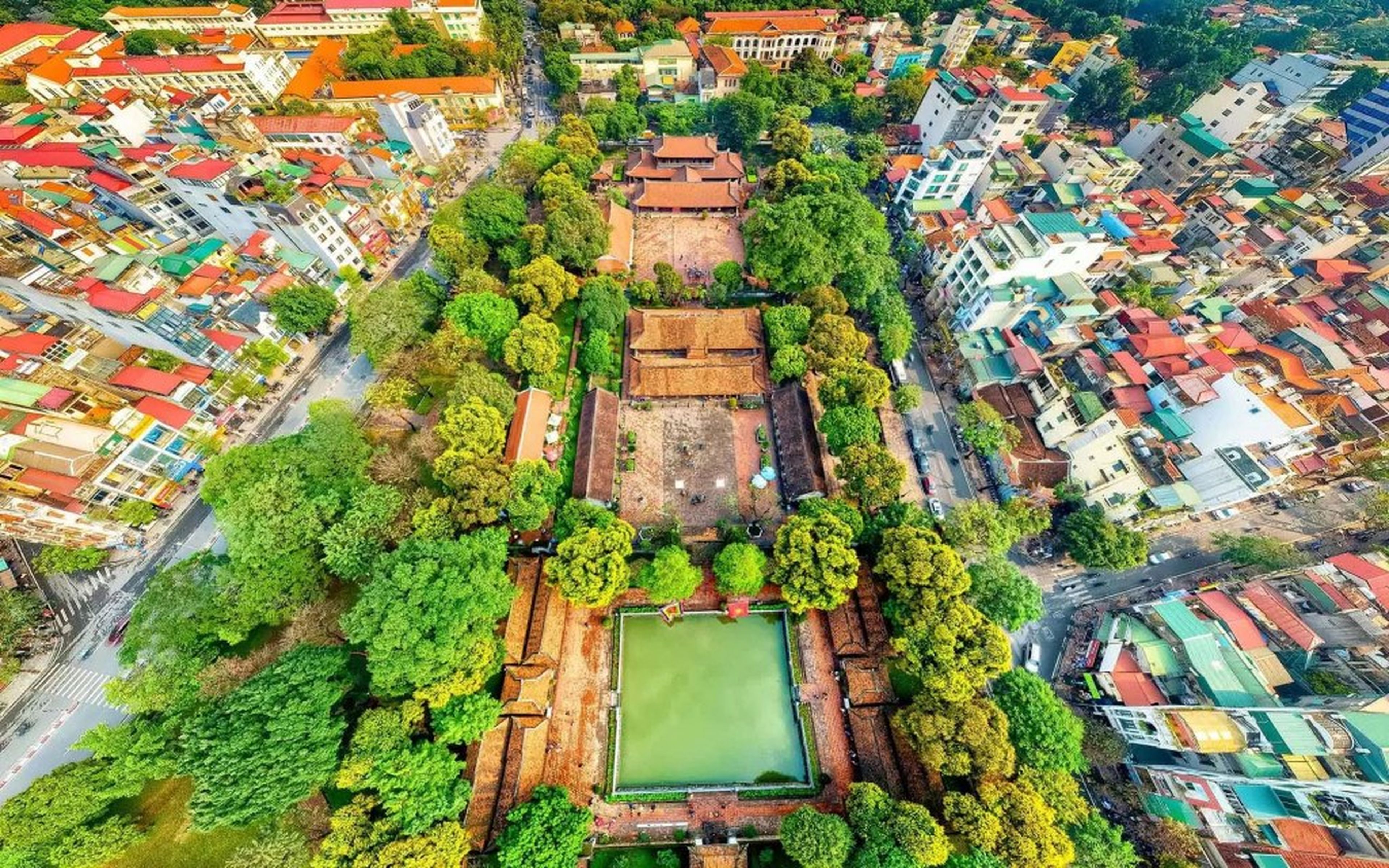
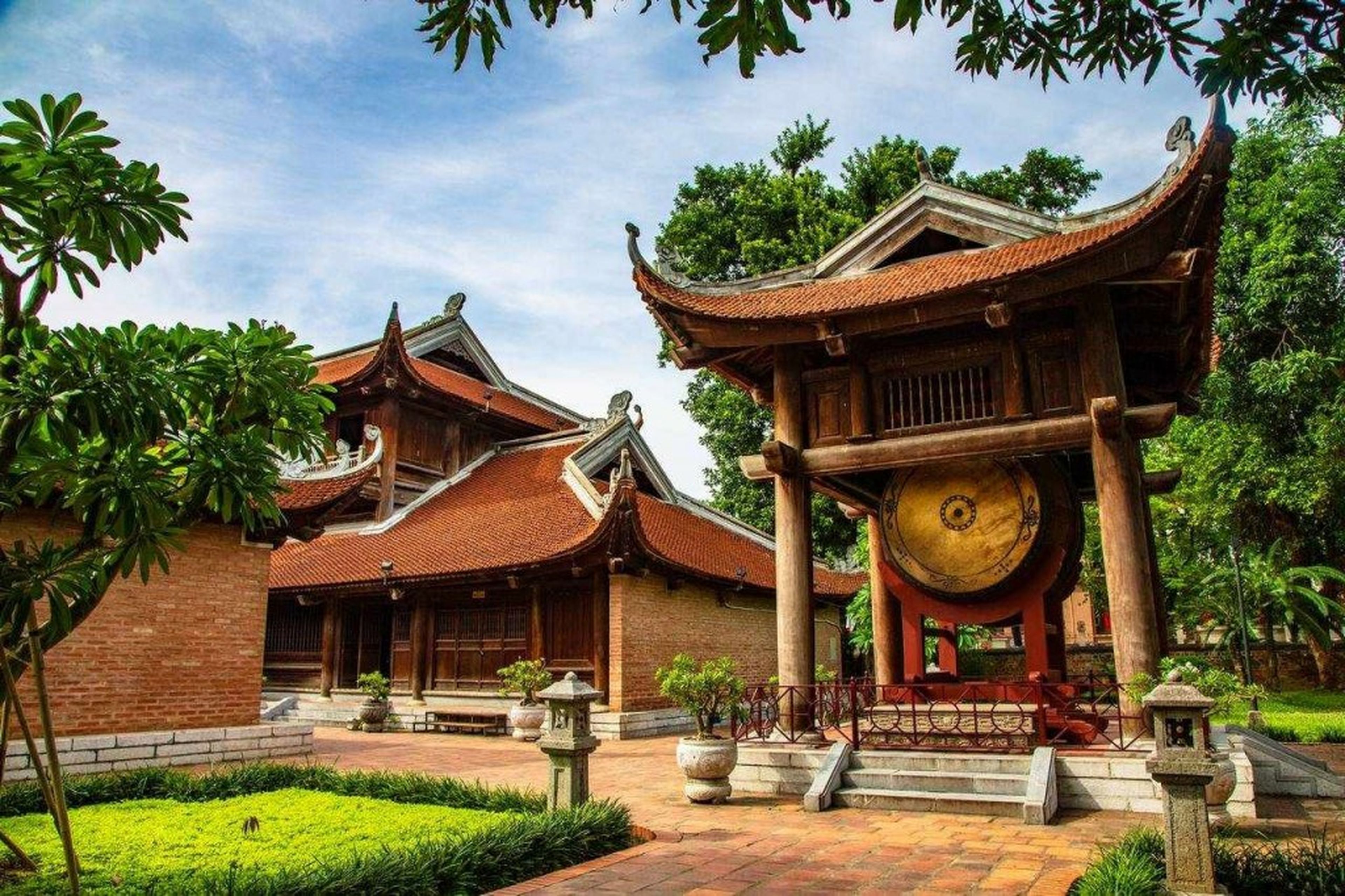
The Temple of Literature is located in Dong Da District, Hanoi, surrounded by four major streets: Nguyen Thai Hoc, Ton Duc Thang, Van Mieu, and Quoc Tu Giam. This is the relic complex of Vietnam's first university; it is not only a cultural-historical monument but also a revered sanctuary where many scholars and students come to pray for good fortune in their examinations and studies.
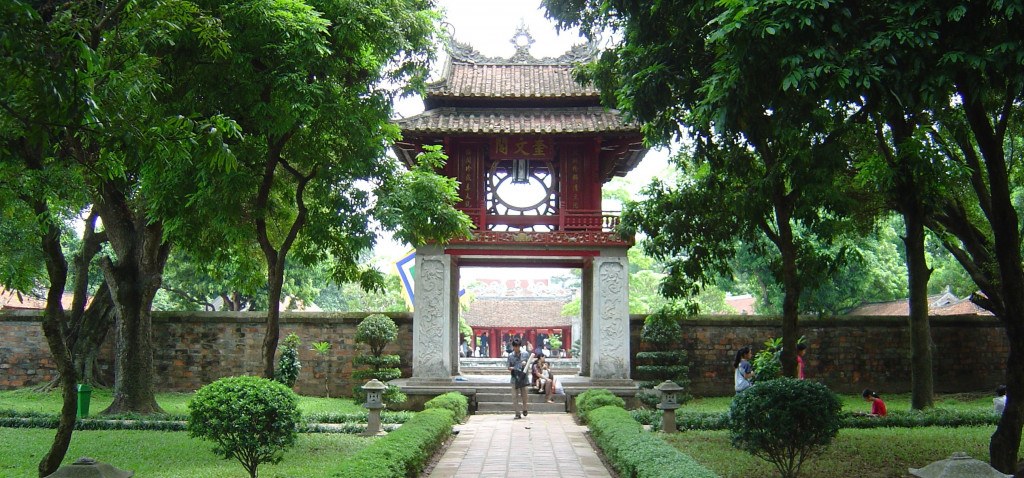
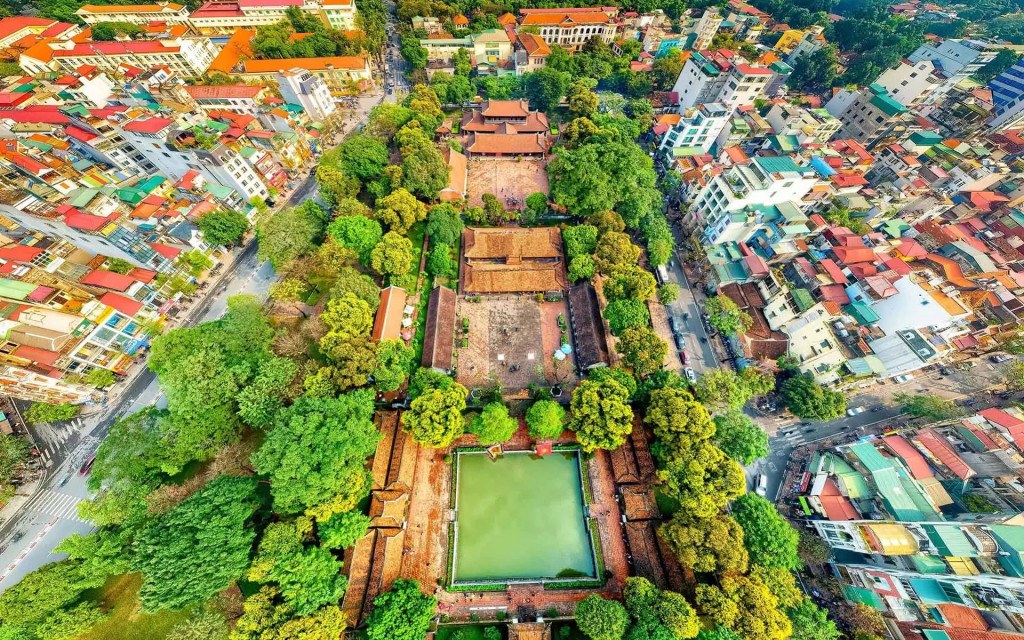
Panoramic view of the Temple of Literature.
The Temple of Literature was built in 1070 during the reign of King Ly Thanh Tong as a place to worship Confucius, the Duke of Zhou, and the Four Sages. In 1076, King Ly Nhan Tong established the Imperial Academy (Quoc Tu Giam) right beside it as an academy dedicated to princes and sons of noble families. By the reign of King Tran Thai Tong, Quoc Tu Giam was renamed "Quoc Hoc Vien" and began enrolling children from commoner backgrounds who exhibited outstanding academic excellence.
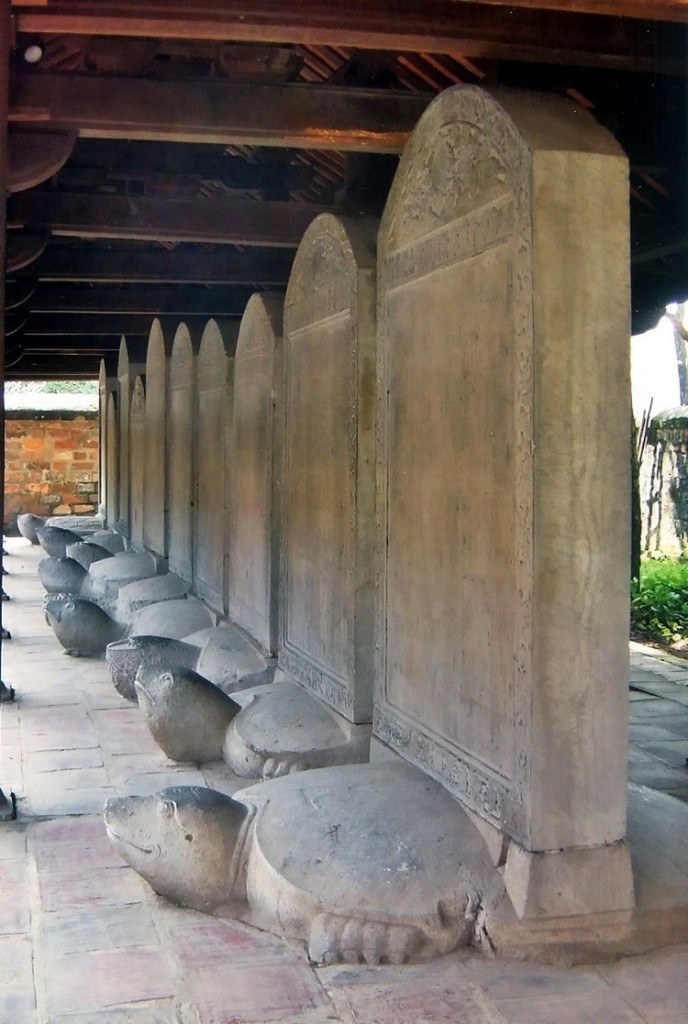
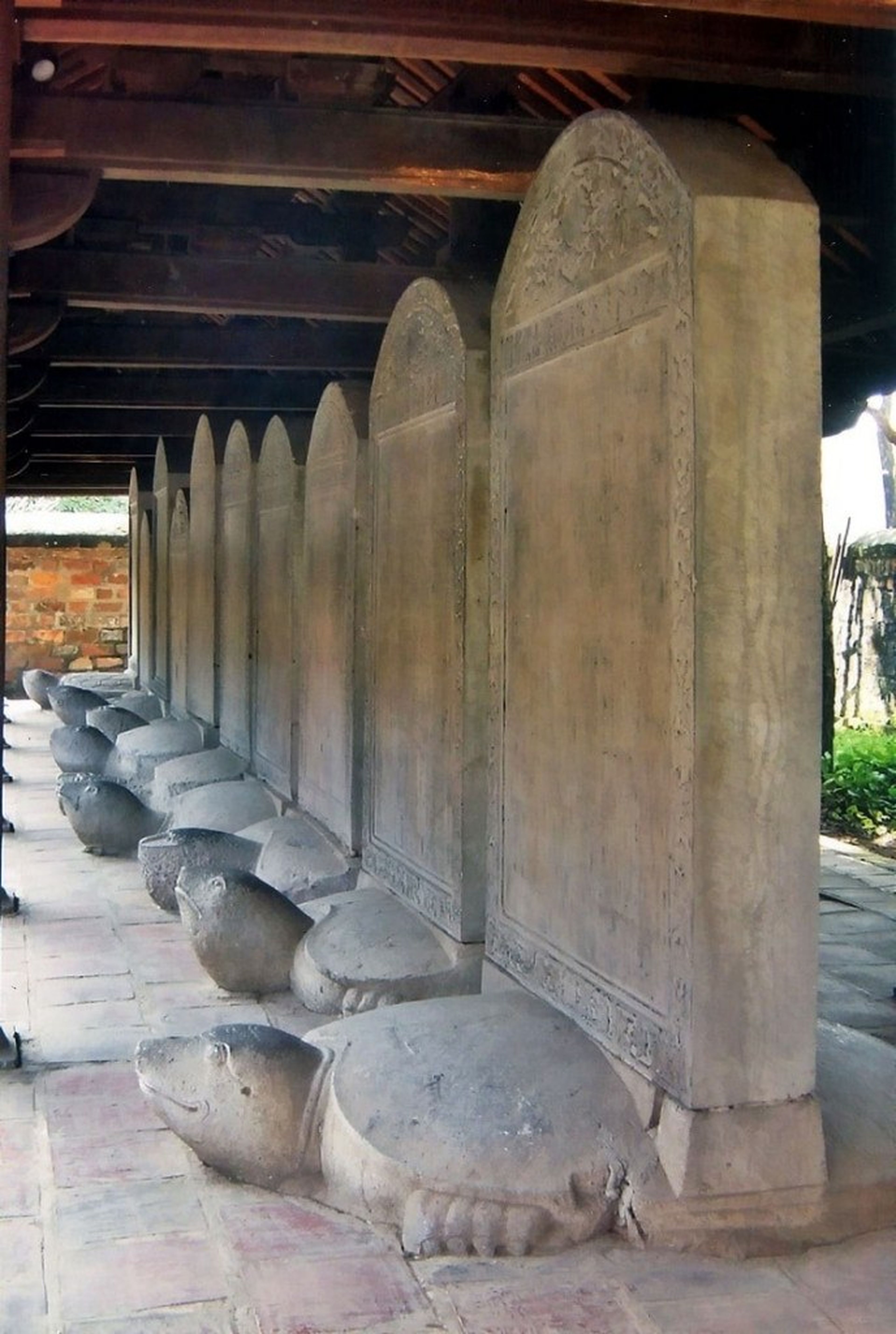
Doctor stone steles.
The Temple of Literature – Imperial Academy comprises numerous smaller architectural edifices enclosed within brick walls. Surviving through various historical upheavals, this complex has been restored several times. To this day, it continues to attract a vast number of tourists for sightseeing.
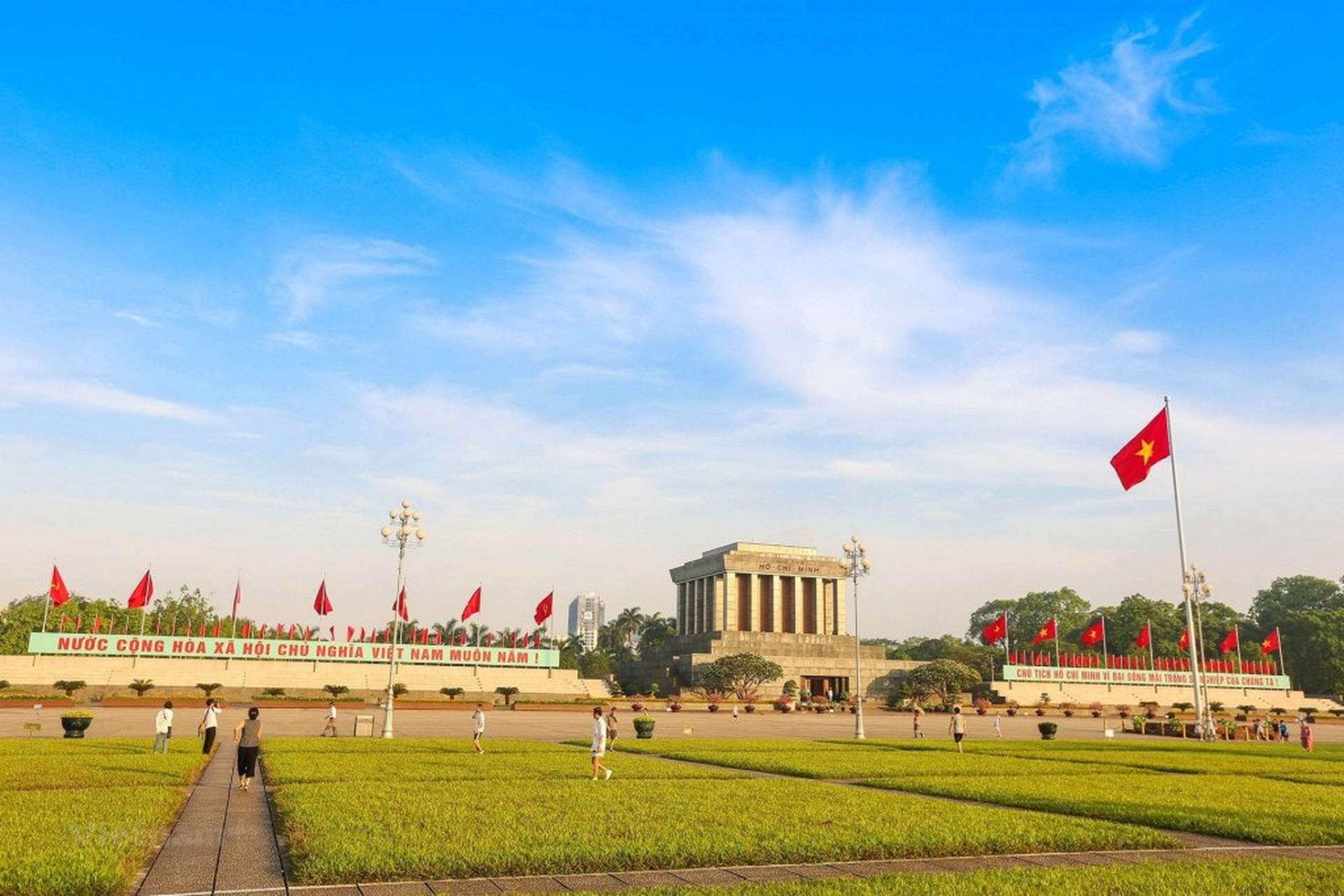
Ba Dinh Square
Ba Dinh Square is situated on Hung Vuong Street and is the site where the President Ho Chi Minh Mausoleum was constructed. This square has also been the setting for multiple momentous historical events, most prominently on September 2, 1945, when President Ho Chi Minh read the "Declaration of Independence", giving birth to the Democratic Republic of Vietnam.
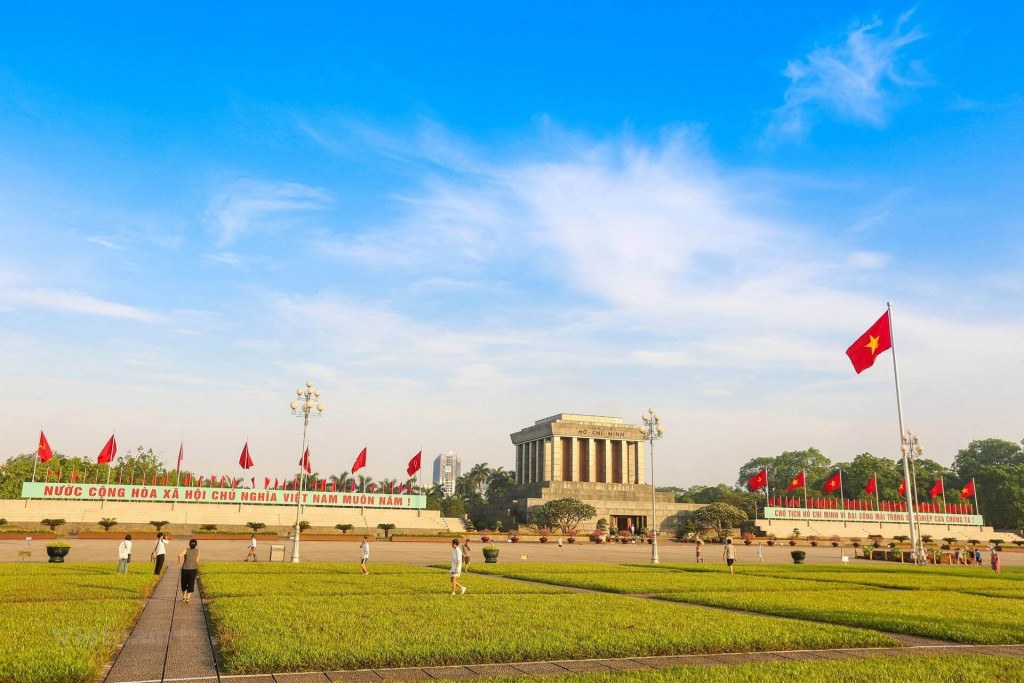
Ba Dinh Square in front of the President's Mausoleum.
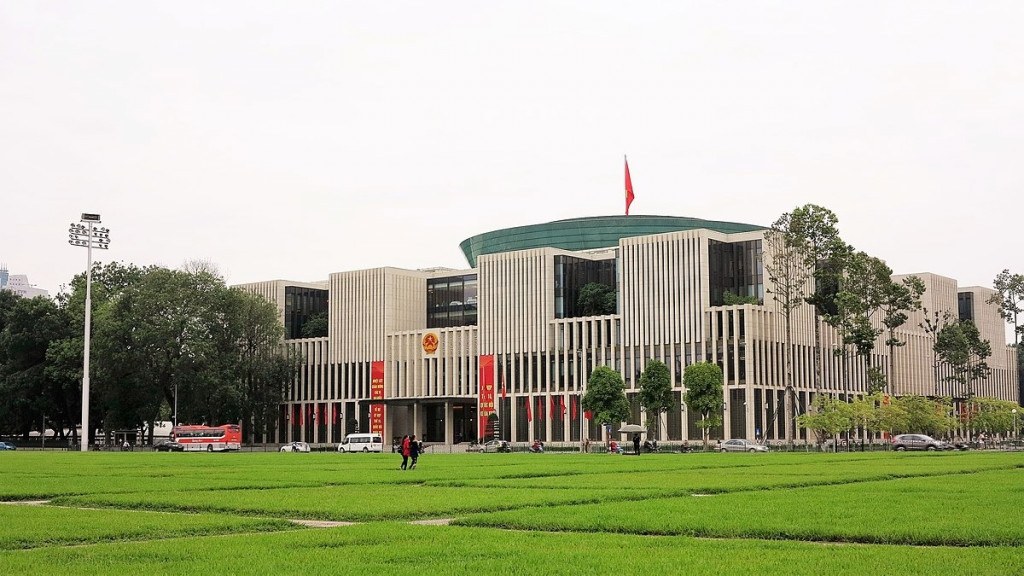
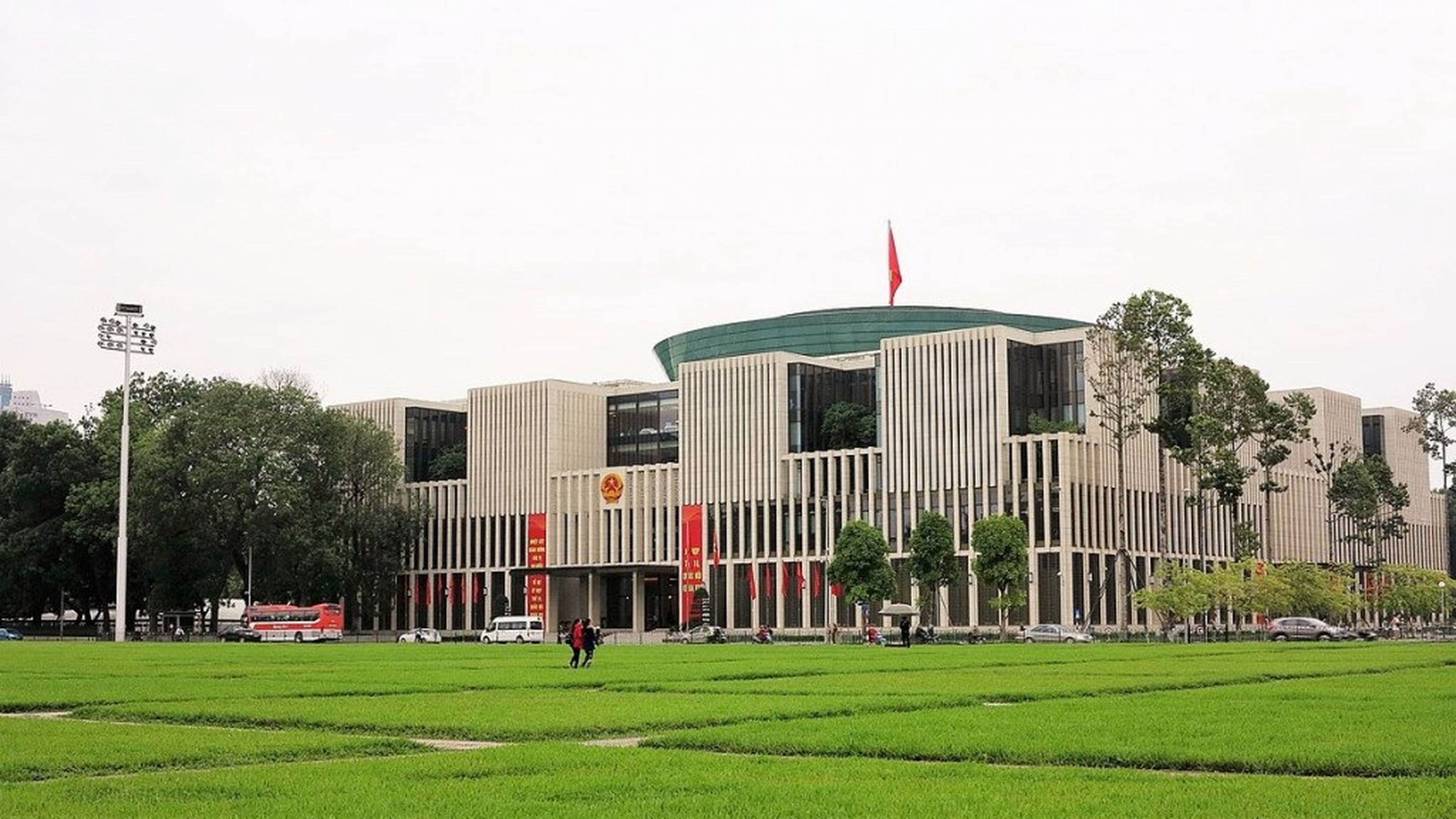
The National Assembly Building right beside the square.
Today, Ba Dinh Square spans grounds measuring 320m long and 100m wide, crisscrossed by 1,4 m wide pathways. In the center of the square stands a 25 m tall flagpole. This is the venue for grand parades on major Vietnamese holidays, as well as a popular destination for tourists and locals to sightsee, relax, and take leisurely strolls.
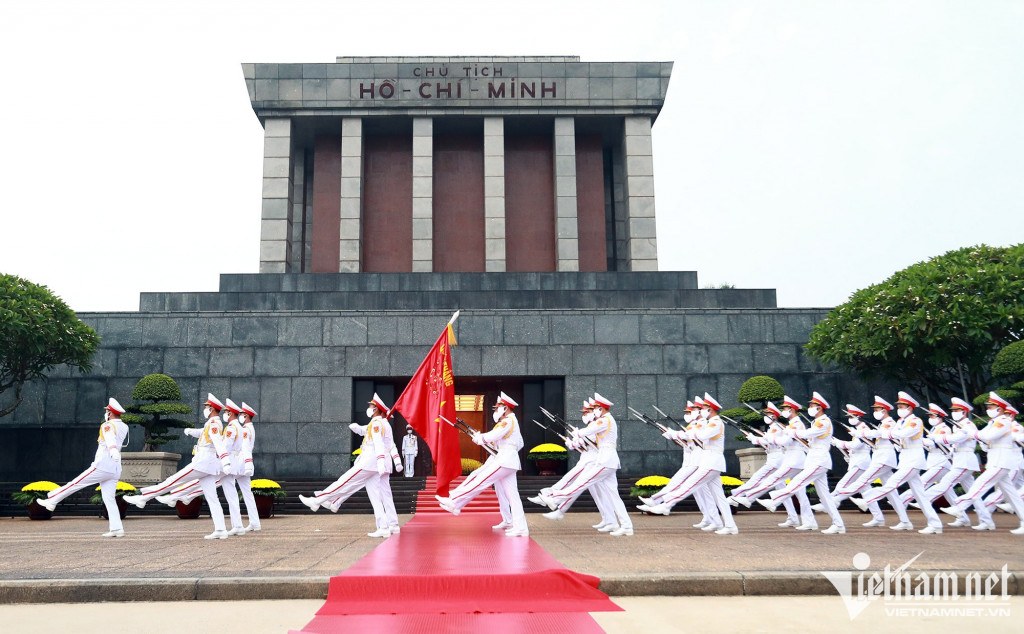
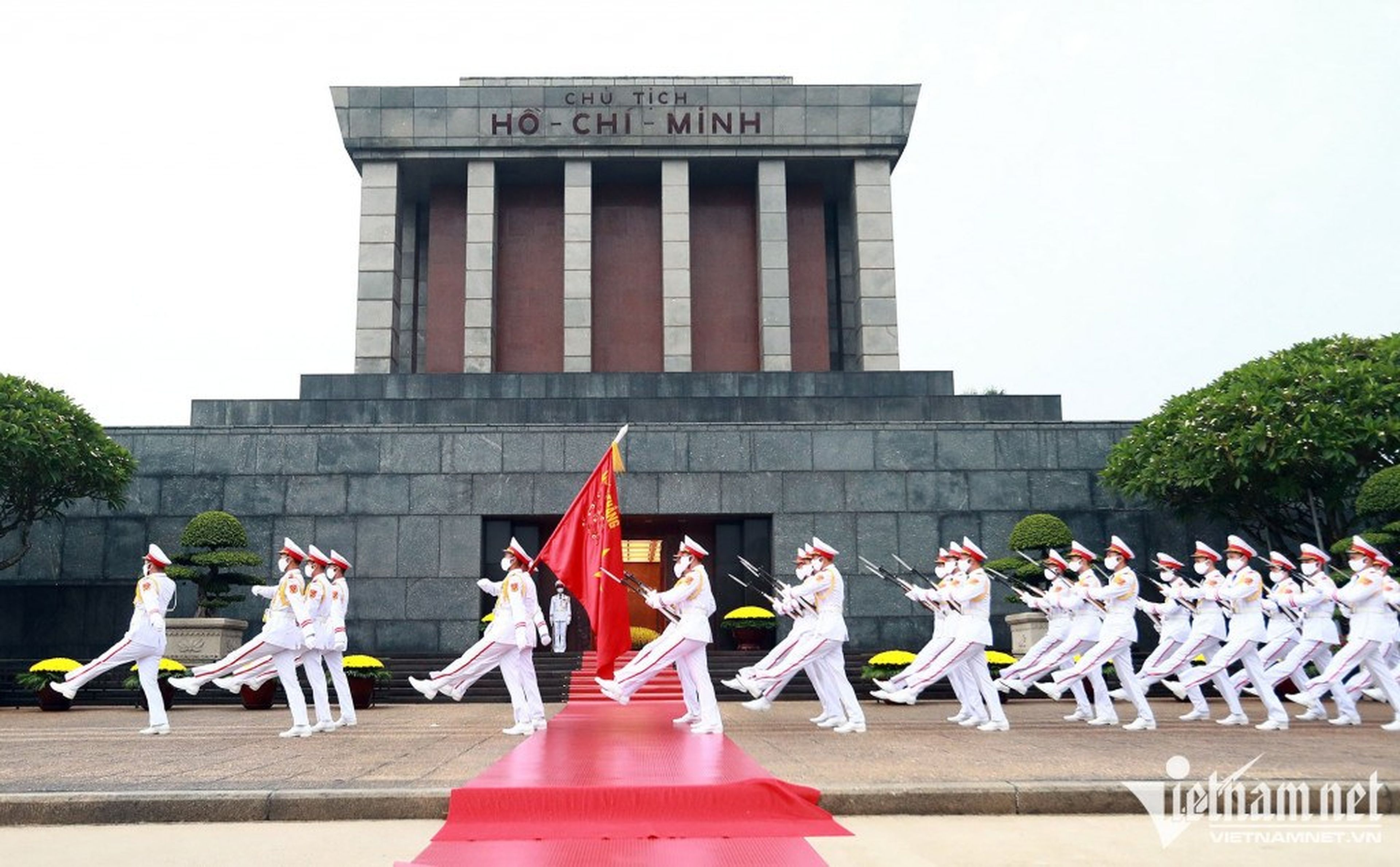
President's Mausoleum.
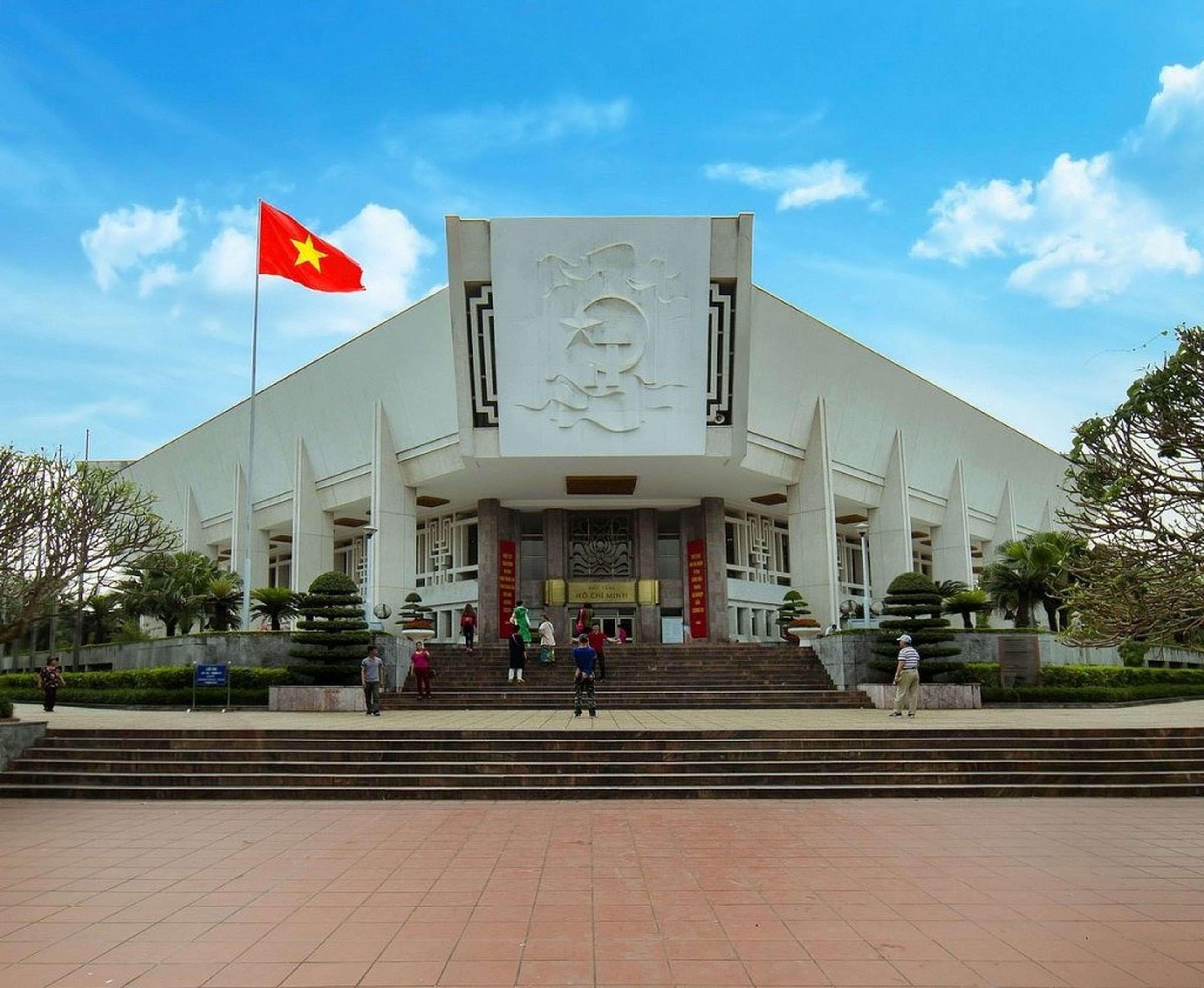
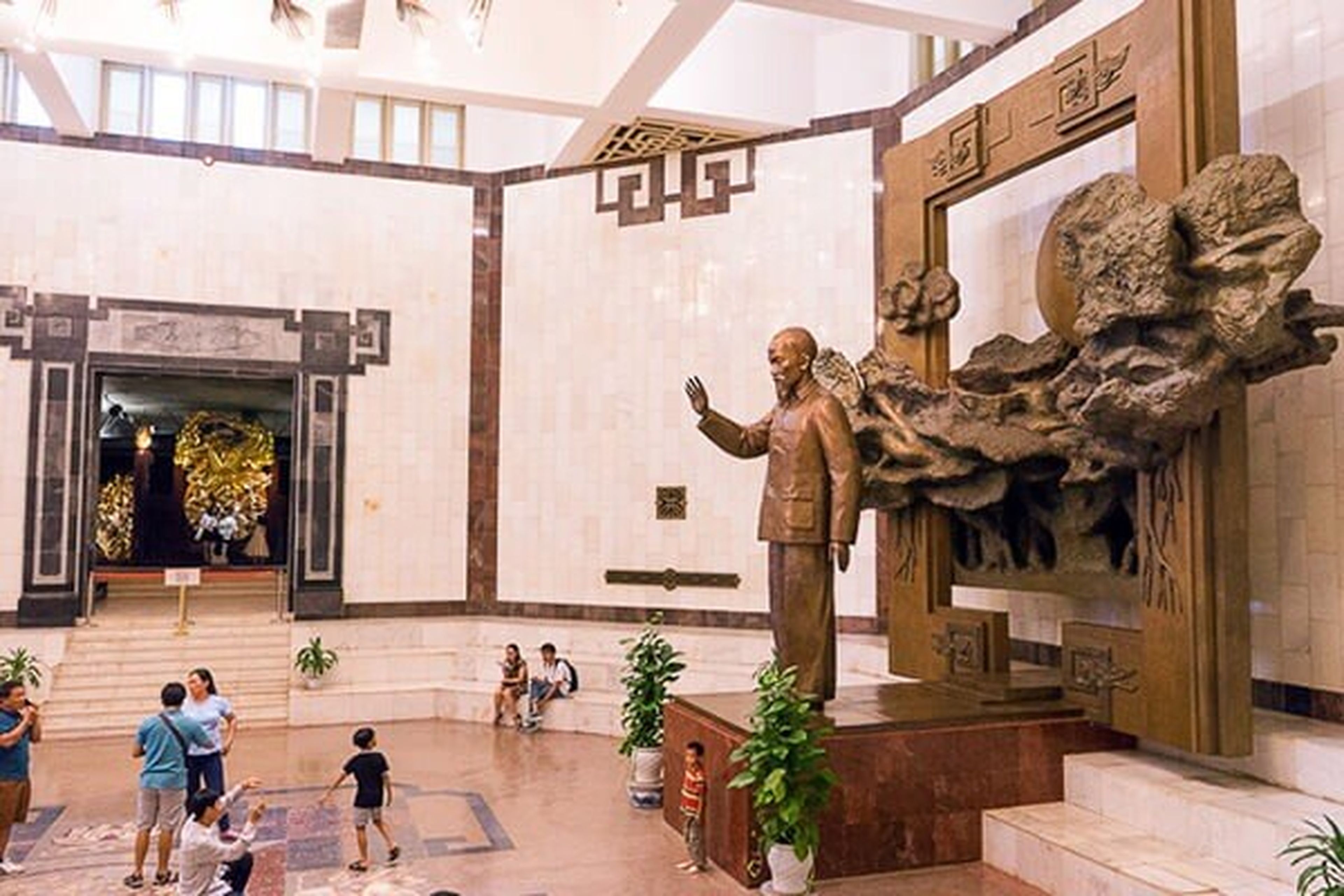
Ho Chi Minh Museum
The Ho Chi Minh Museum is located at No. 19 Ngoc Ha Street, right behind President Ho Chi Minh Mausoleum. It can be considered one of the largest museums in Vietnam today, focusing predominantly on displaying artifacts and historical records regarding the life and personality of Ho Chi Minh. The Ho Chi Minh Museum and the Mausoleum complex attract large volumes of both domestic and international visitors.
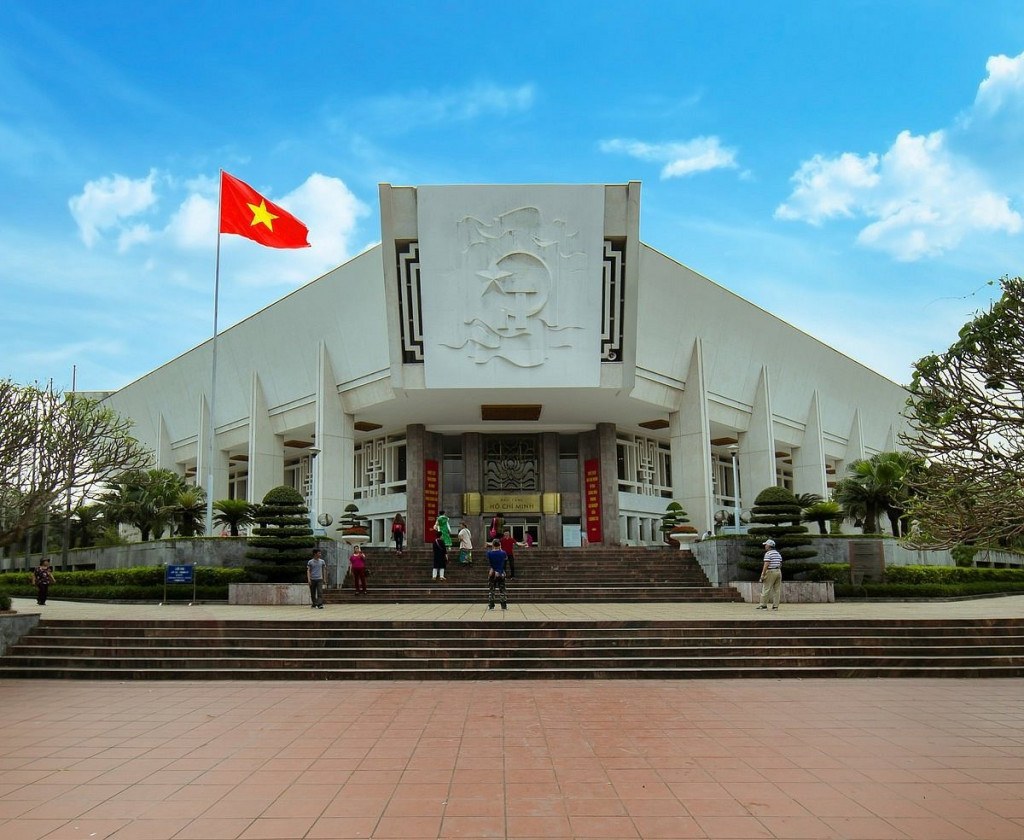
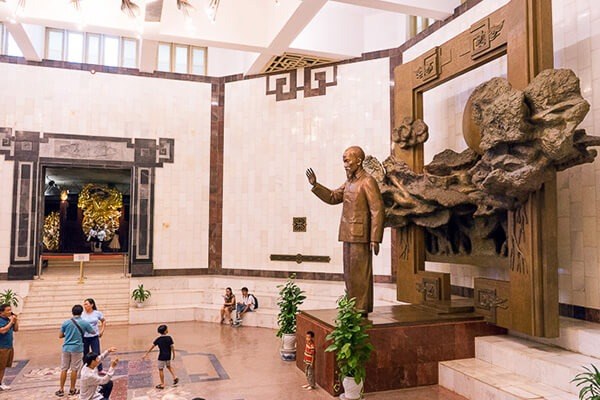
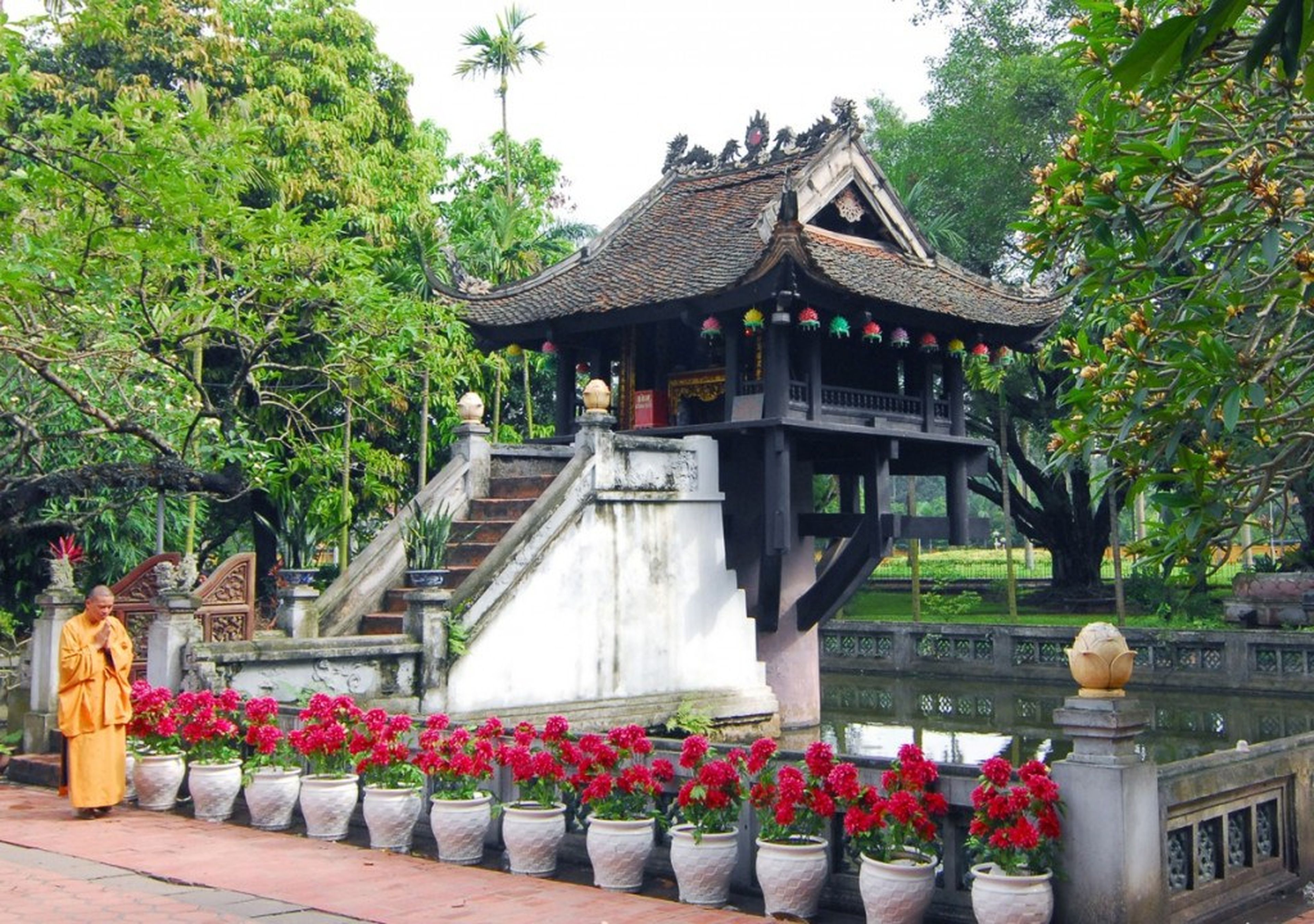
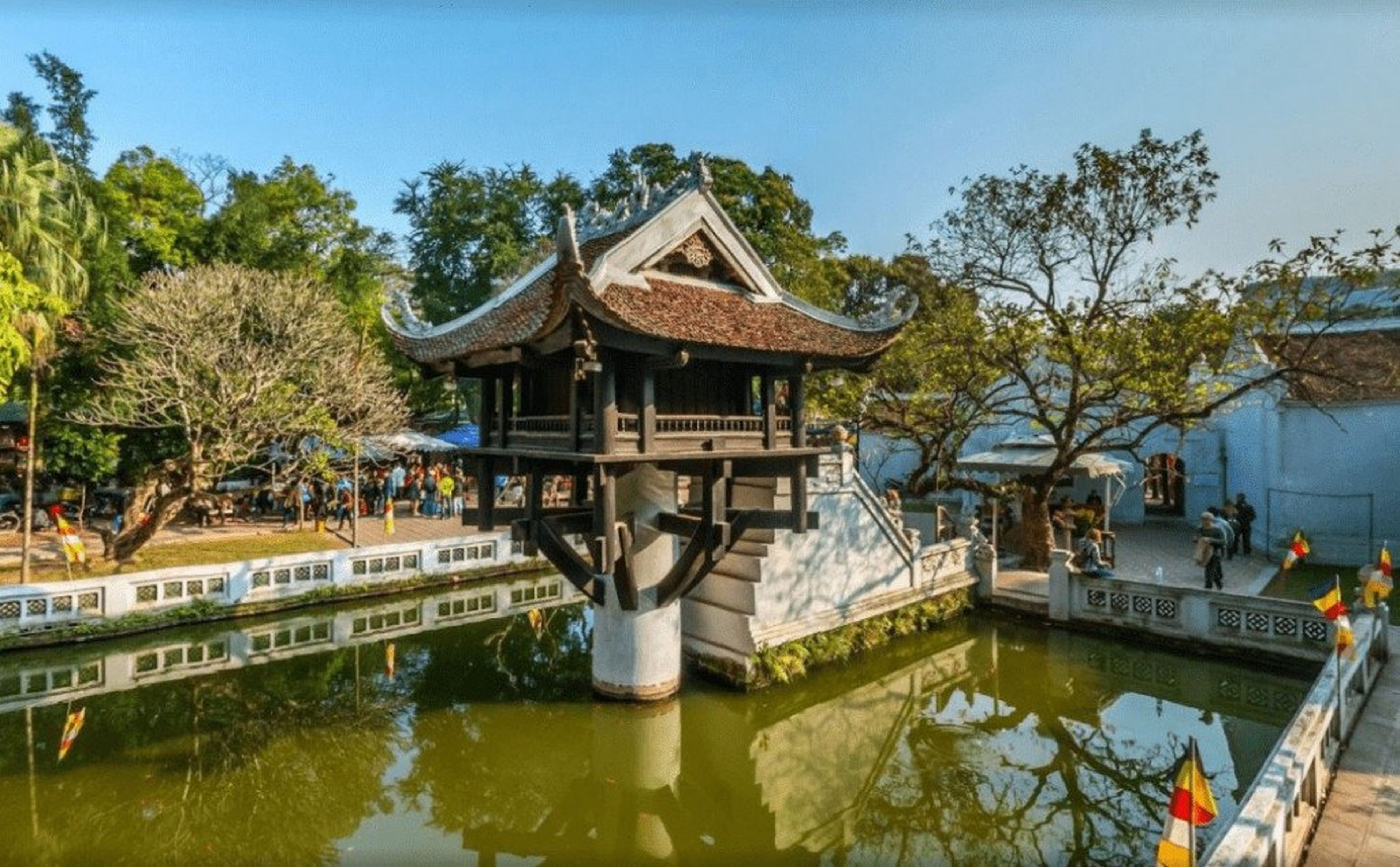
One Pillar Pagoda (Mat Pagoda)
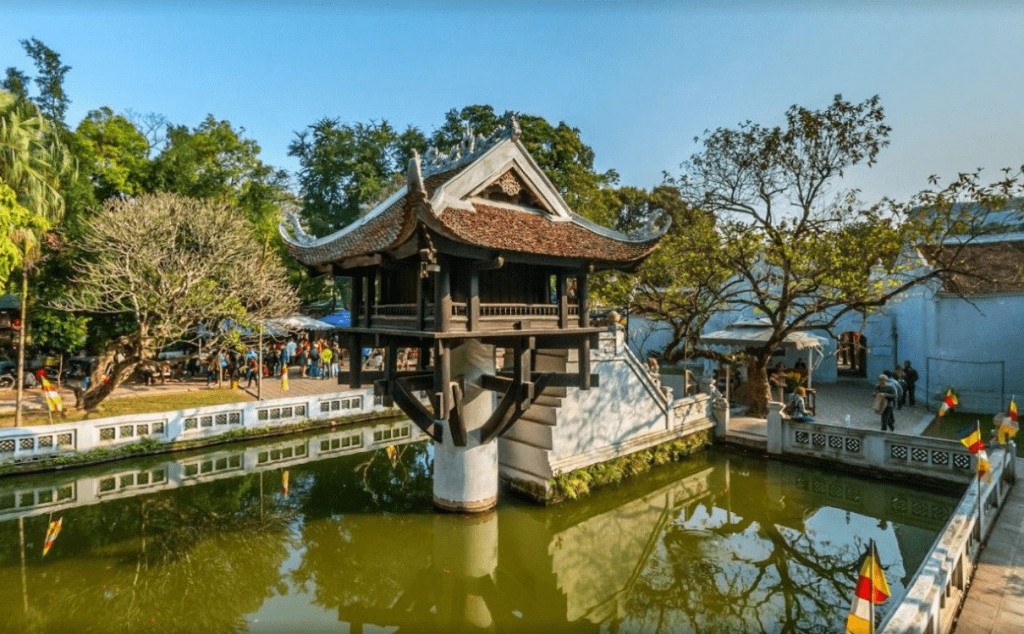
The One Pillar Pagoda, or Mat Pagoda, also known as "Dien Huu Tu", is an iconic pagoda in the heart of Hanoi capital known for its unique architecture shaped like a central lotus pedestal. Built during the reign of King Ly Thai Tong. Since its inception, the pagoda has been well preserved and has gone through several renovations, most notably the major rebuilding in 1954 after it was destroyed by French explosives.
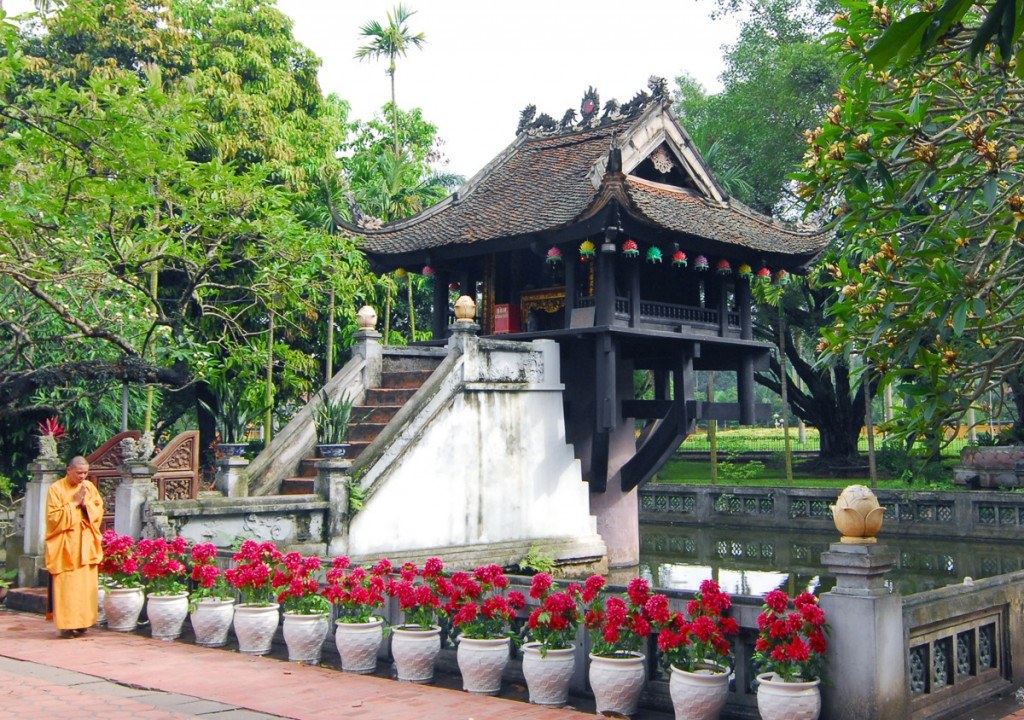
This is an ingenious architectural masterpiece blending rhythmic heights in design, featuring sculptures, paintings, corridor carvings, and a reflecting water surface that together embody elevated cultural and artistic values with strong national character. Not only celebrated as having the most unique artistic architecture in Vietnam, the One Pillar Pagoda is also a sacred spiritual destination and a thousand-year-old cultural icon of Hanoi capital.
Bai Dinh Pagoda
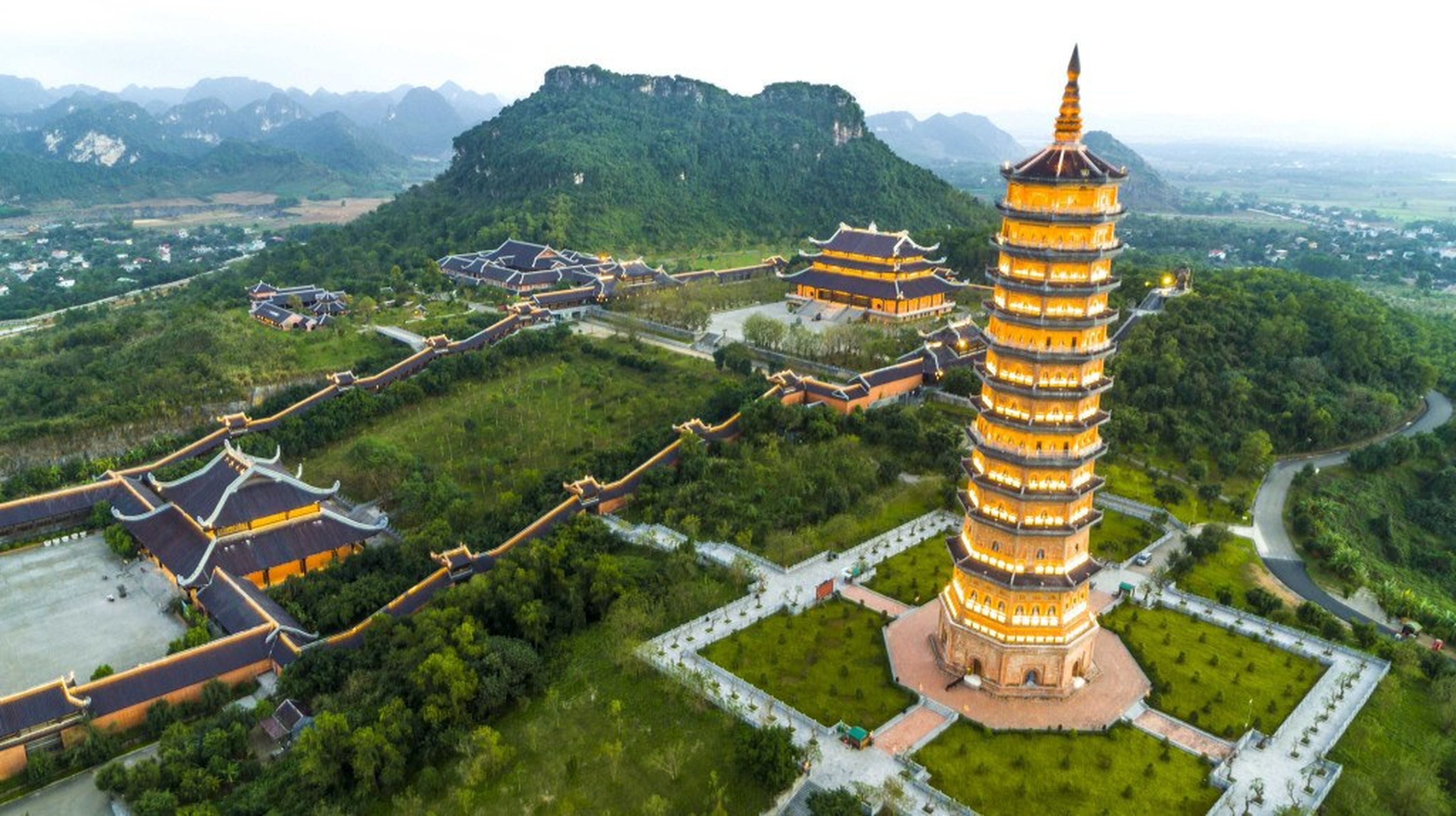
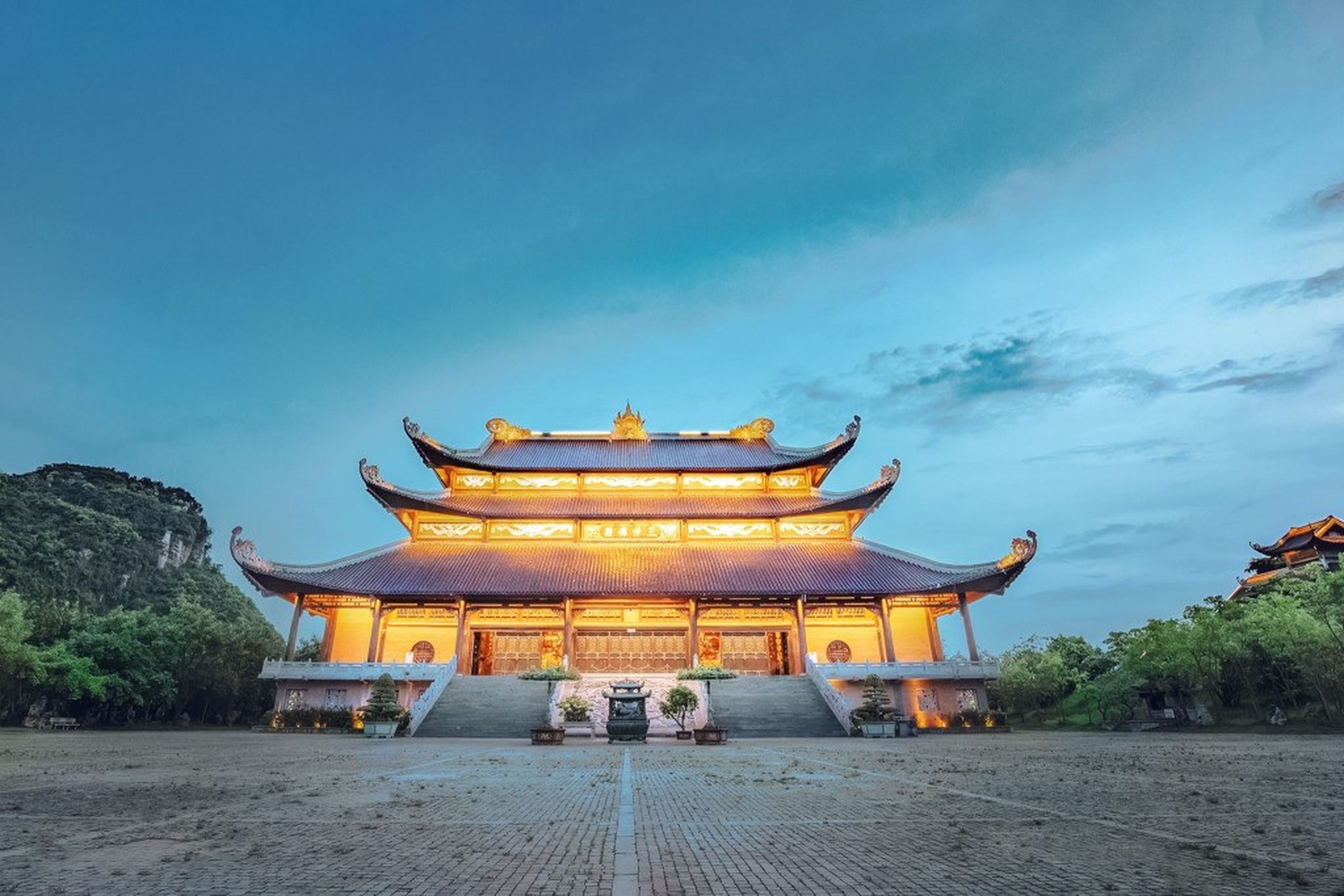
Bai Dinh Pagoda is located at the western gateway to the Hoa Lu Ancient Capital relic area, alongside National Highway 38B, in Gia Sinh Commune – Gia Vien – Ninh Binh, 15 km from Ninh Binh City and to the north of the Trang An World Heritage complex. It can be said that this is one of the grandest pagoda complexes, holding numerous records.
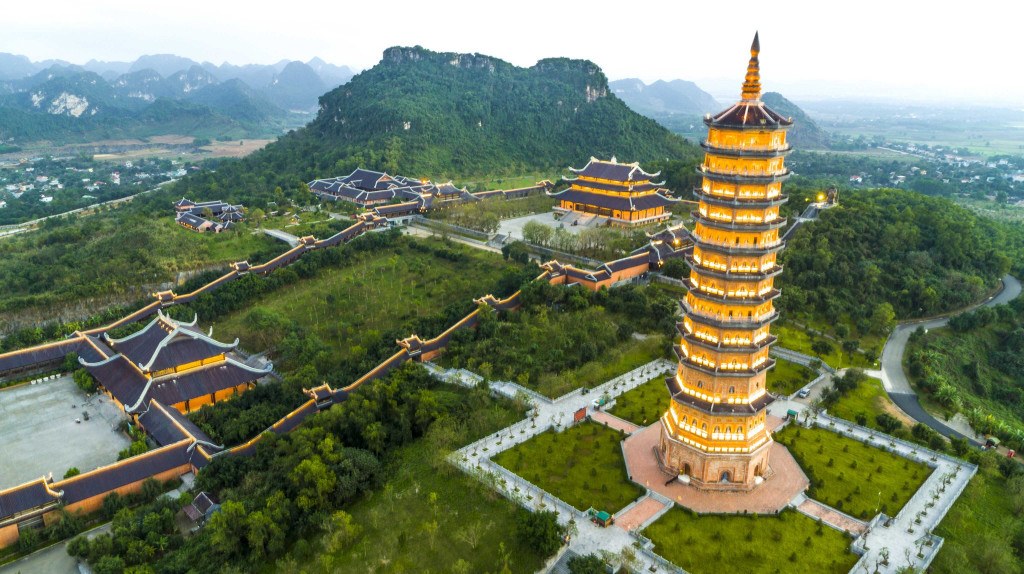
Panoramic view of Bai Dinh Pagoda.
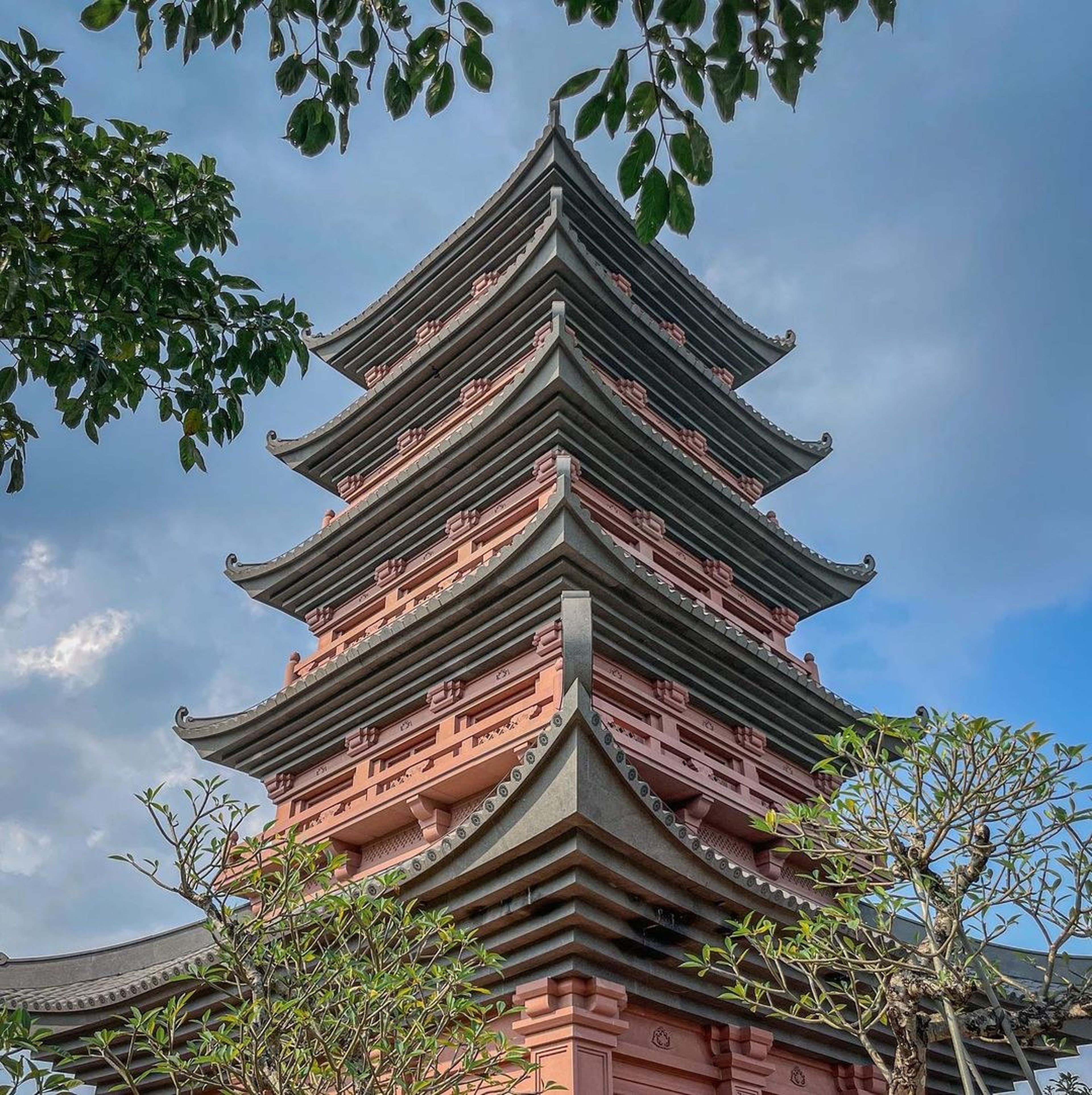
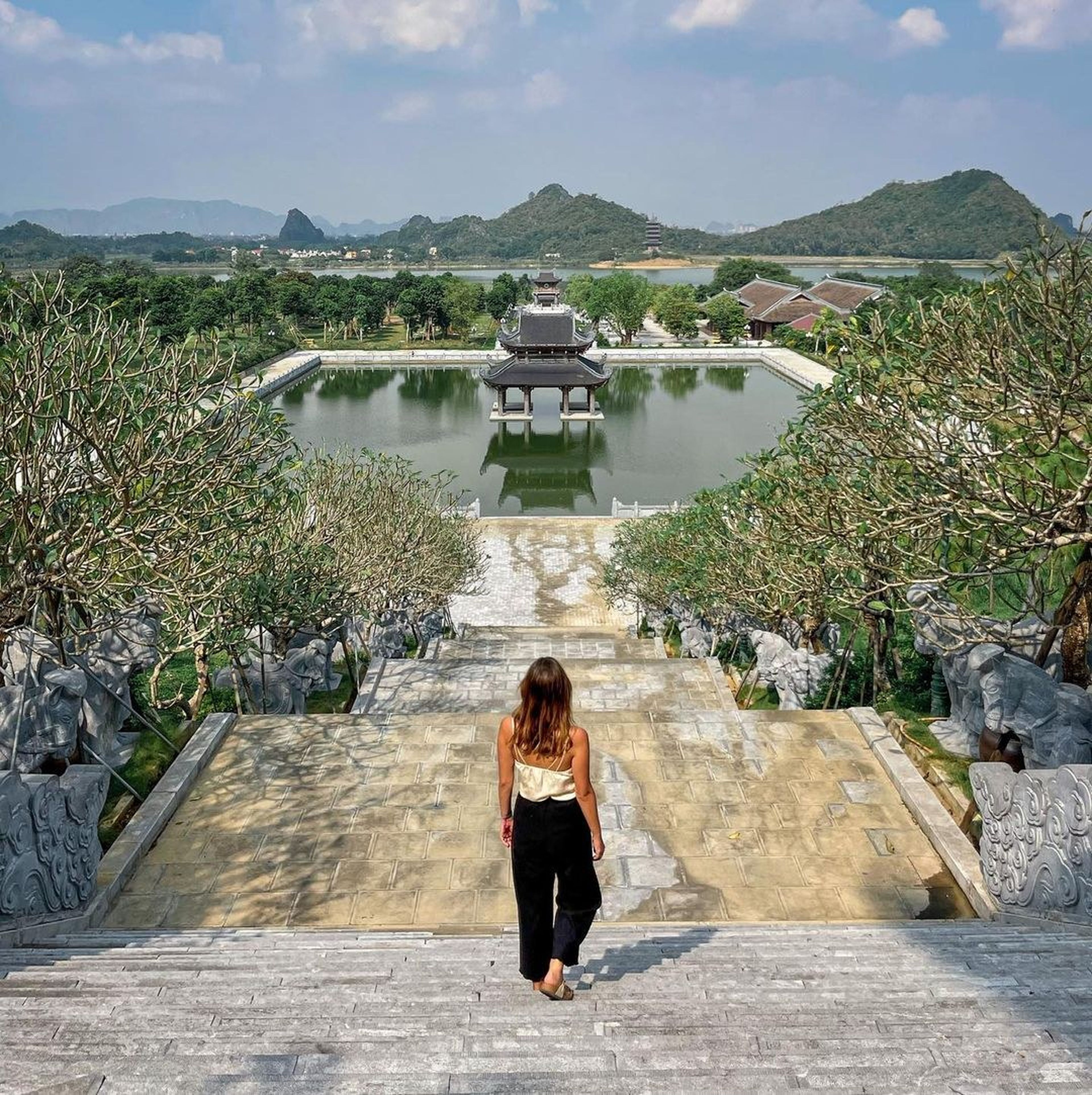
The Bai Dinh Pagoda complex encompasses an ancient pagoda section and a new pagoda area constructed starting in 2003. The pagoda rests on a mountainside among vast valleys of lakes and rocky peaks, at the western entrance to the ancient capital of Hoa Lu. The new pagoda's architecture is magnificent and colossal while remaining deeply rooted in traditional identity. Therefore, this destination quickly rose to fame.
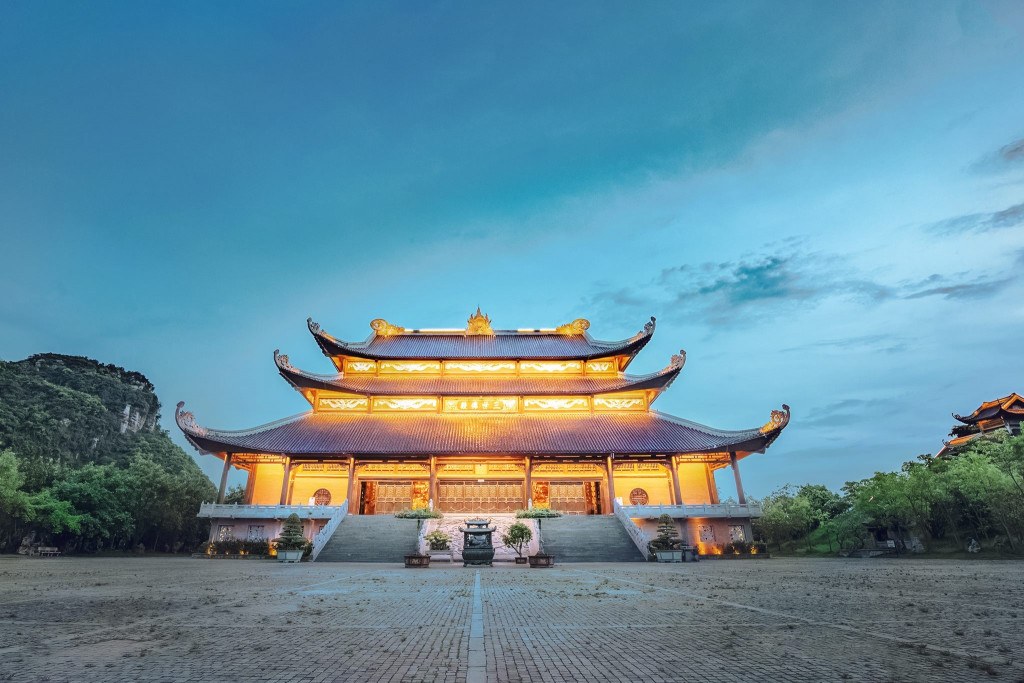
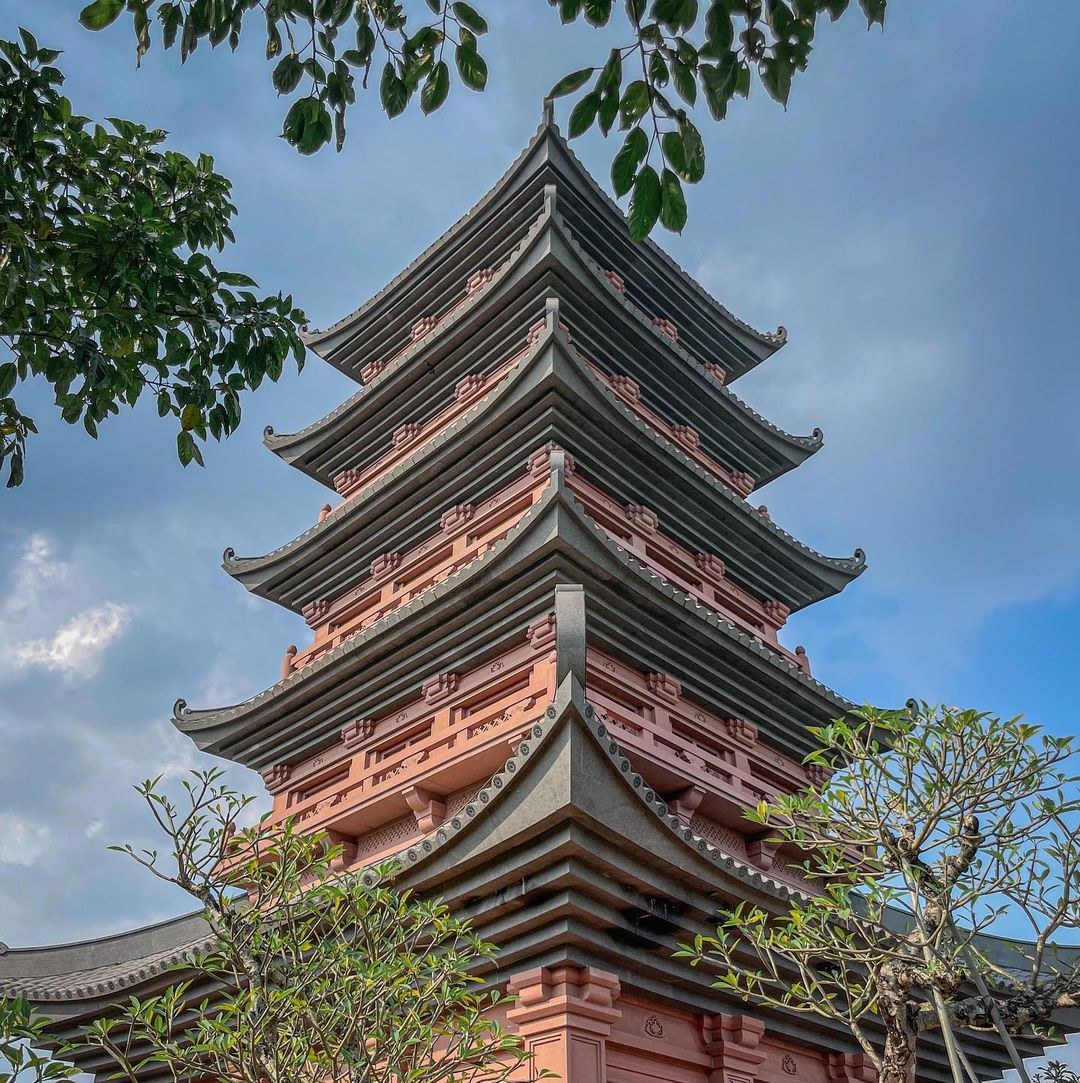
Photo: @_atraverslemonde.
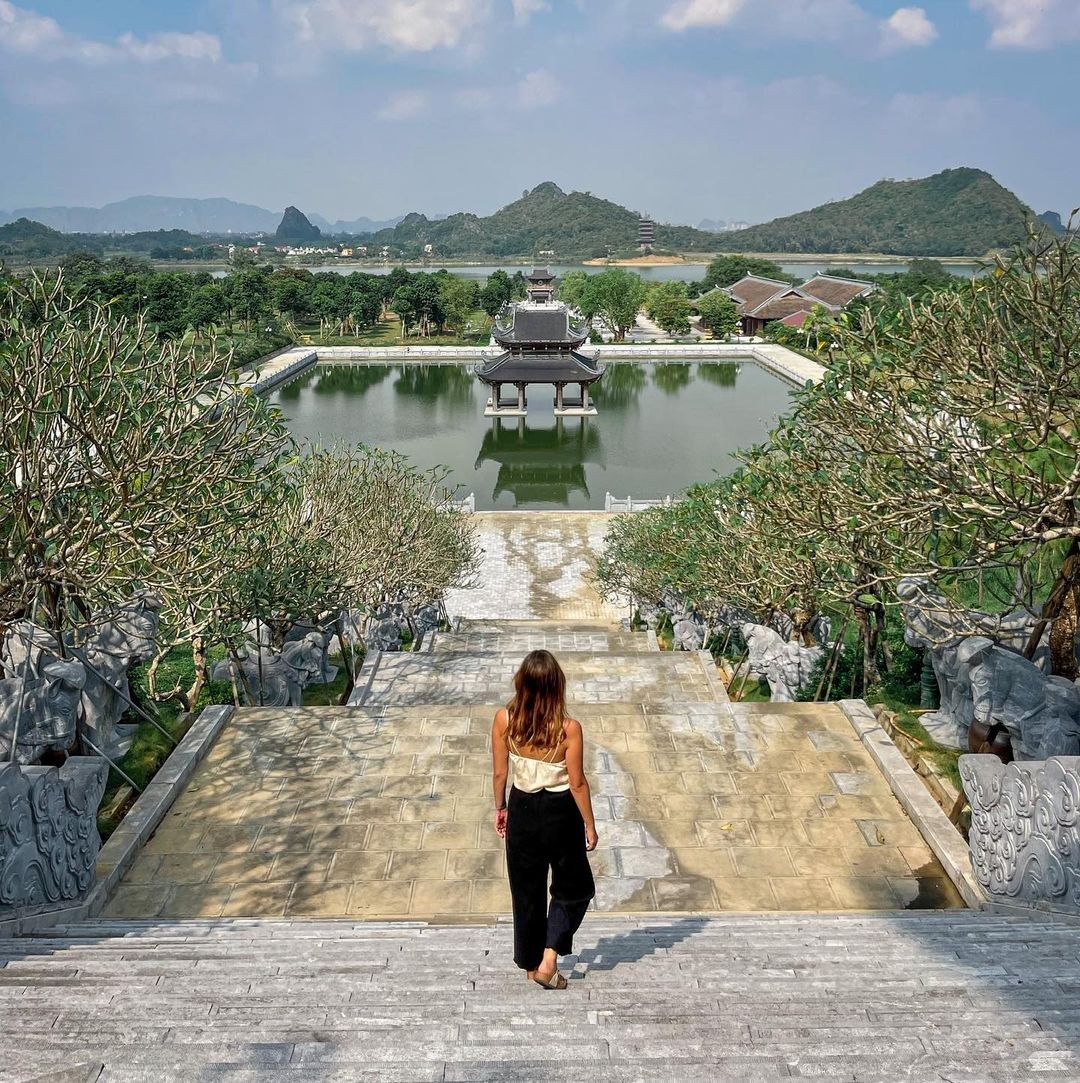
Photo: @_atraverslemonde.
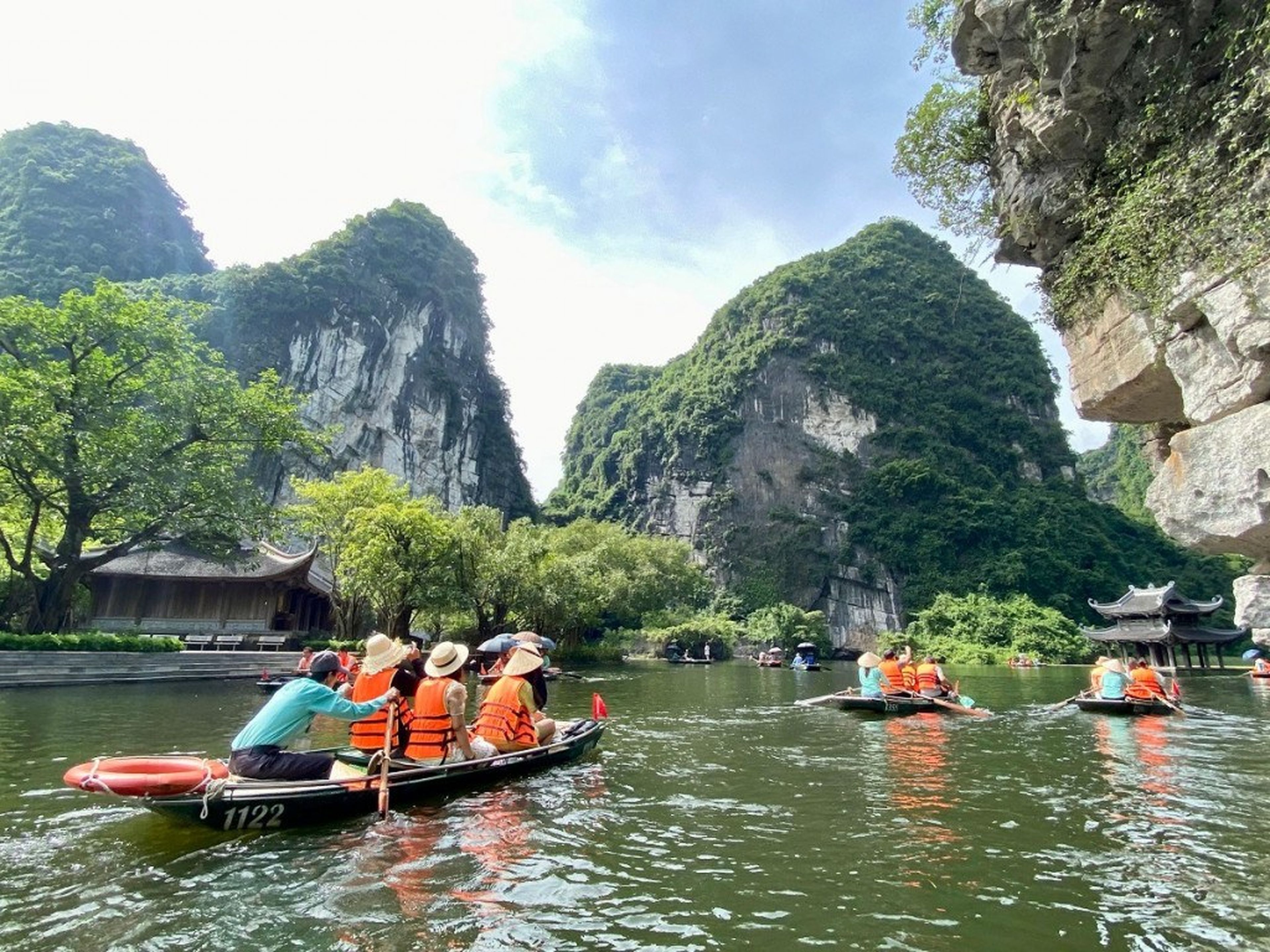
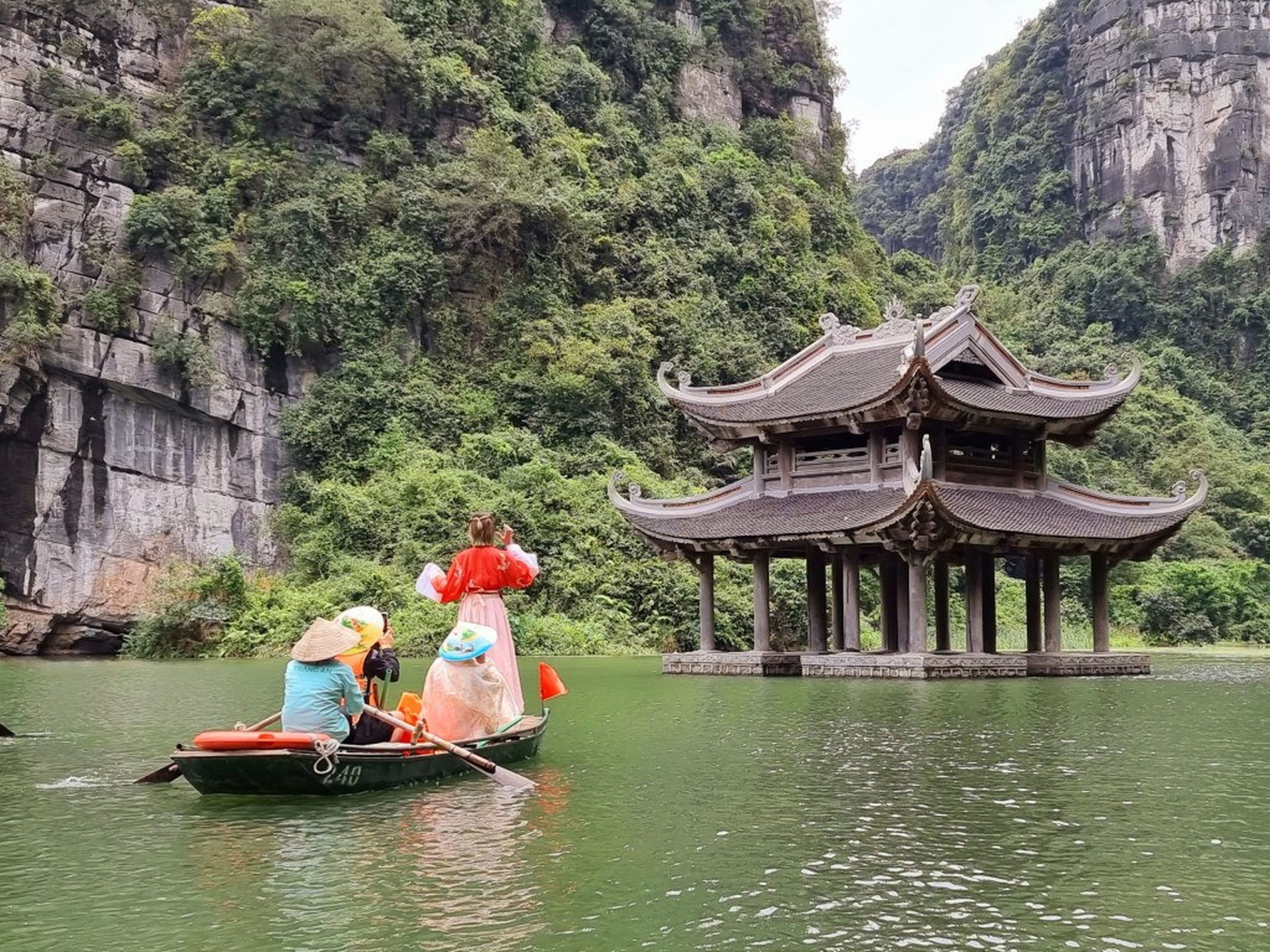
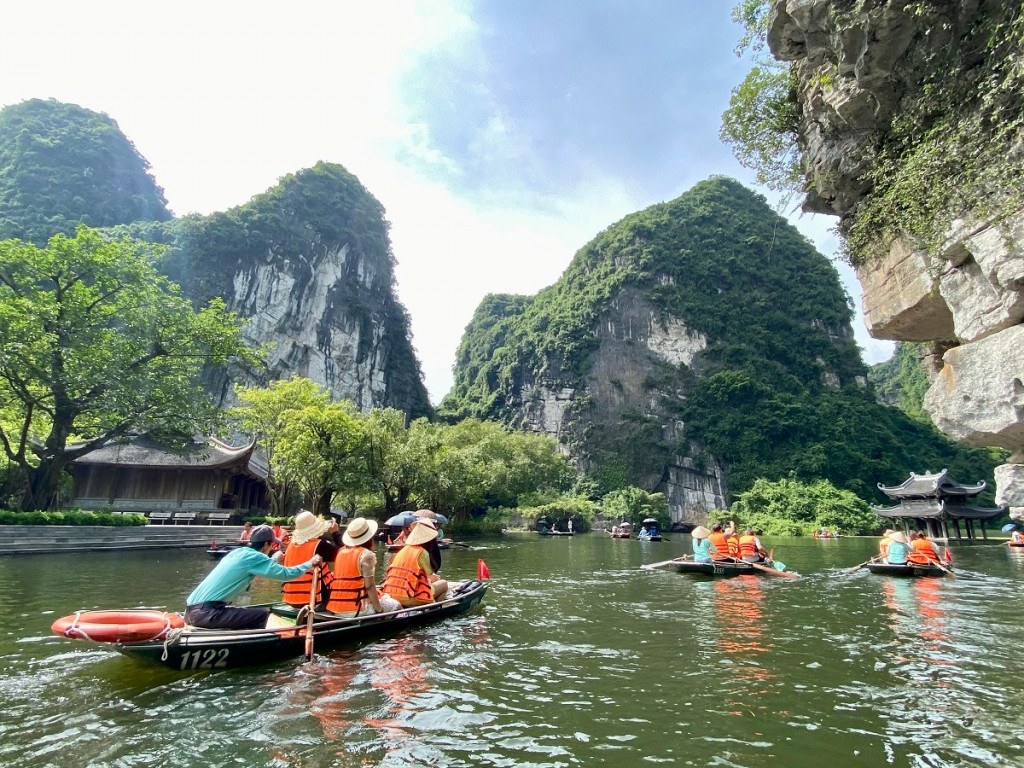
Trang An Tourism Complex
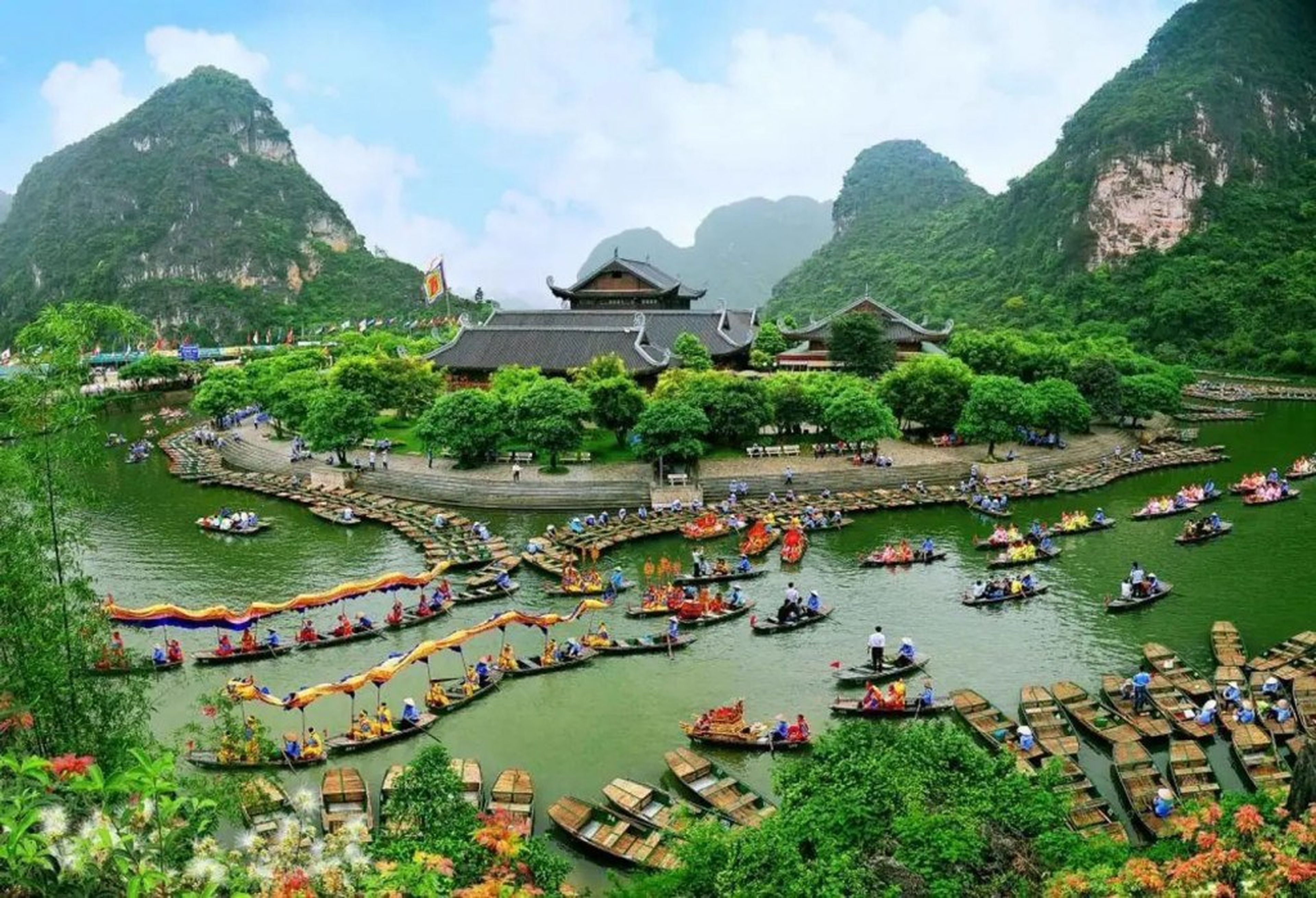
Travelers will be overwhelmed by the karst limestone mountain ranges, valleys, and interlacing waterways that create the mystical, enchanted ambiance of this world natural heritage site. Drifting on a small sampan boat, visitors will weave along the meandering Sao Khe River amid rice paddies before venturing deep into the interior cave systems.
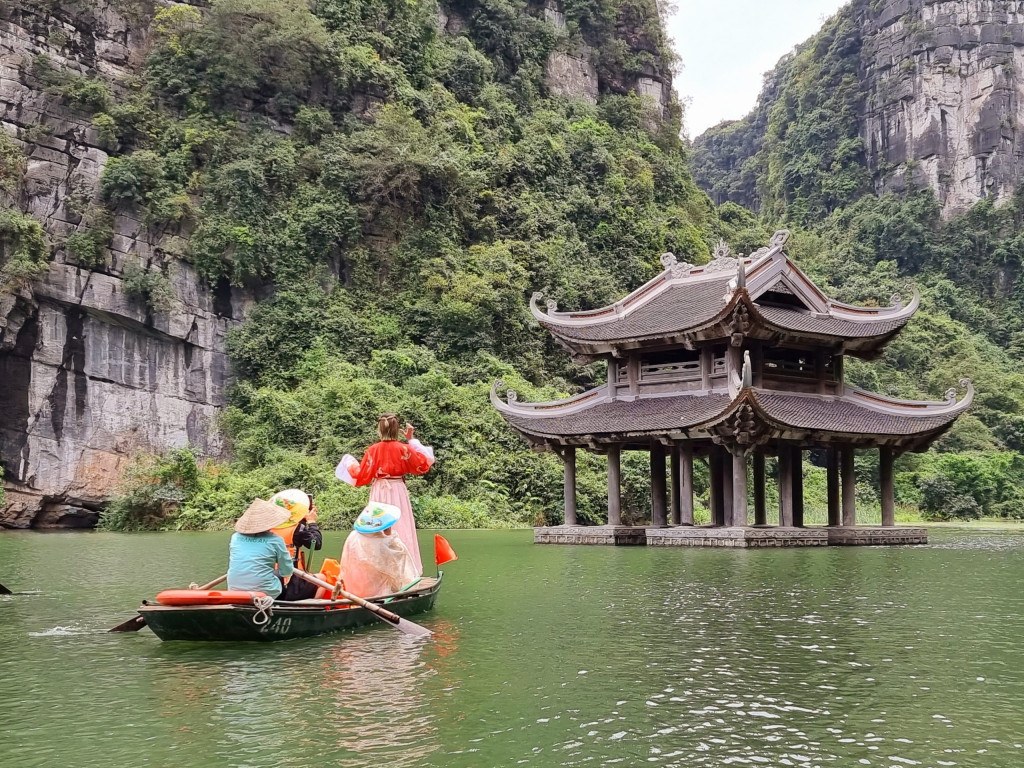
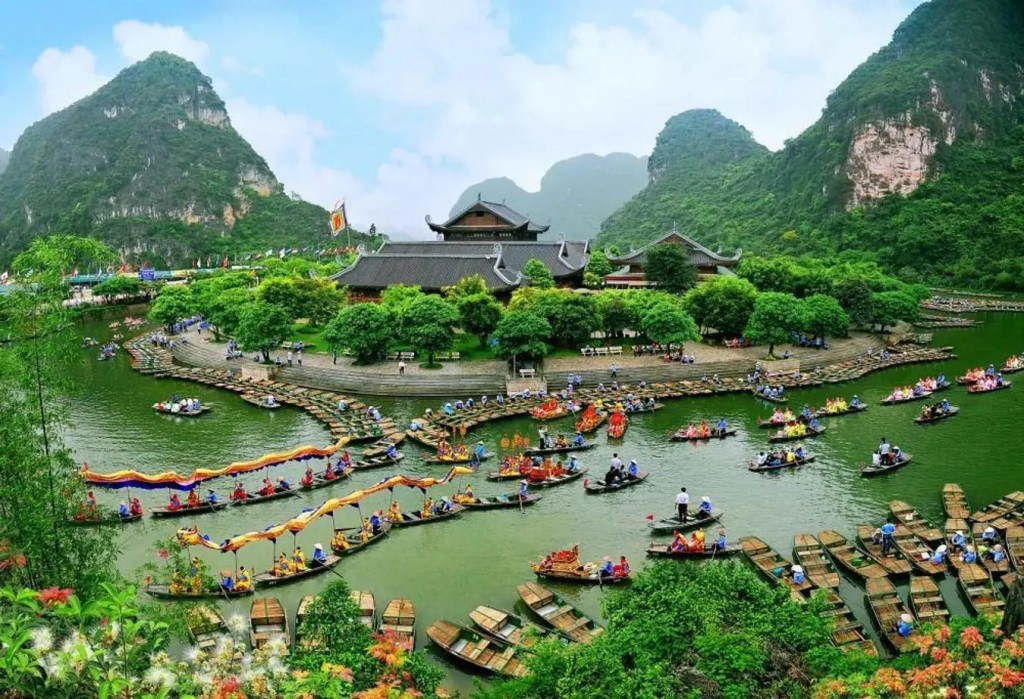
Thien Cung Cave
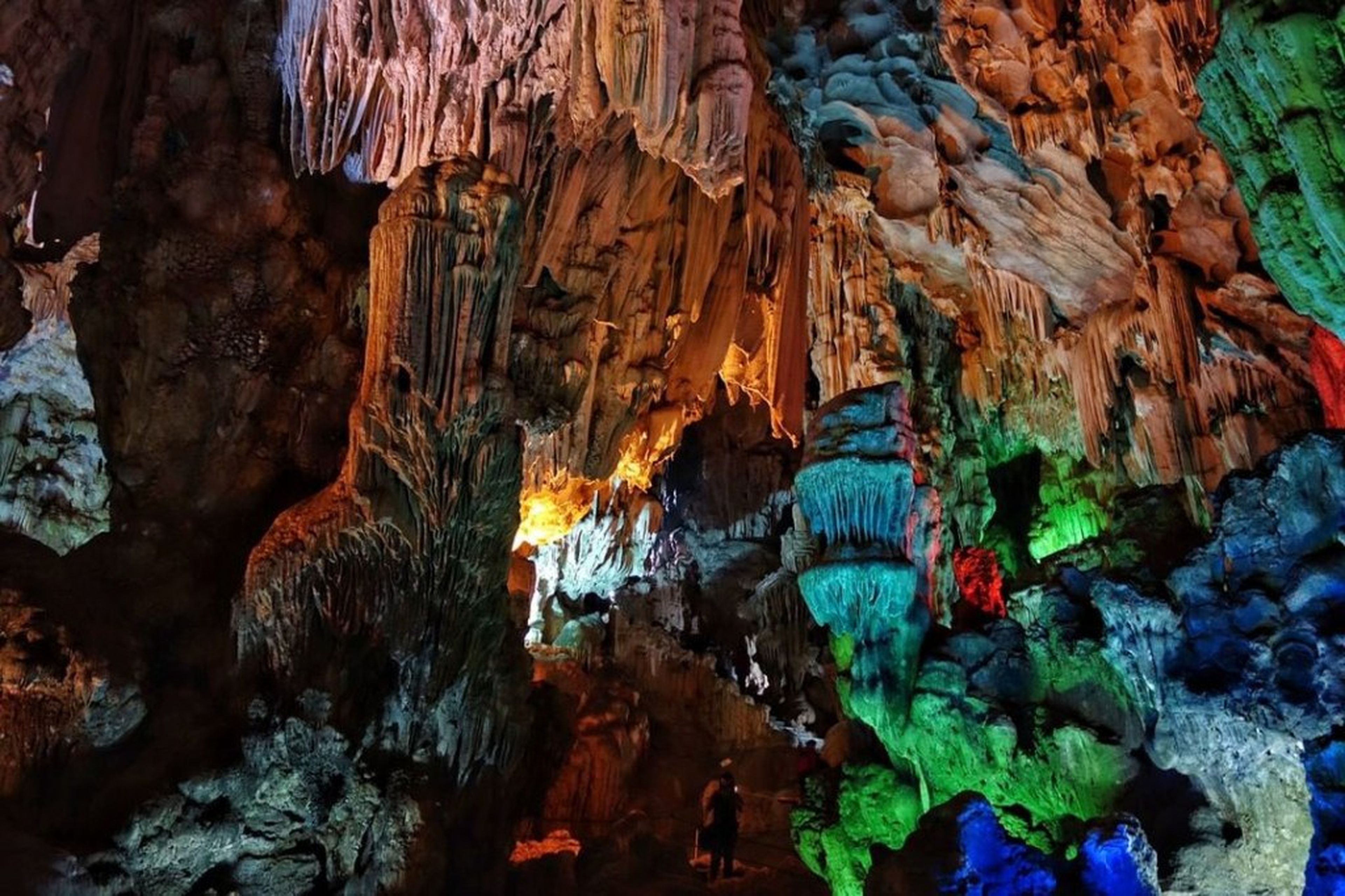
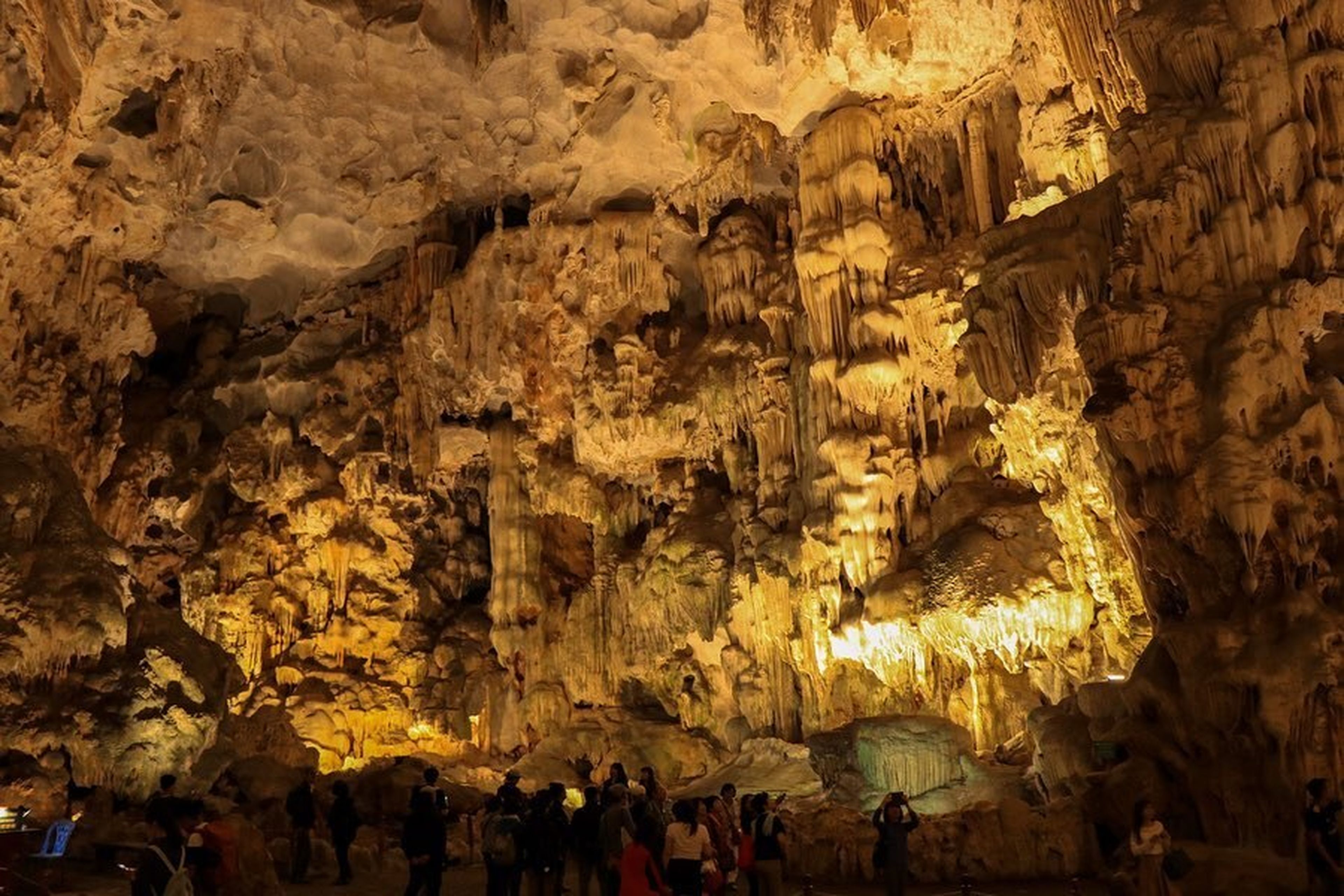
Visiting Thien Cung Cave is undoubtedly an unmissable highlight when traveling to Ha Long Bay. This "paradise on earth" spans a sizable area of around 10 thousand square meters, and the cave's interior structure is remarkably multifaceted with several levels and chambers, adorned with myriad uniquely shaped, splendid limestone stalactites and stalagmites.
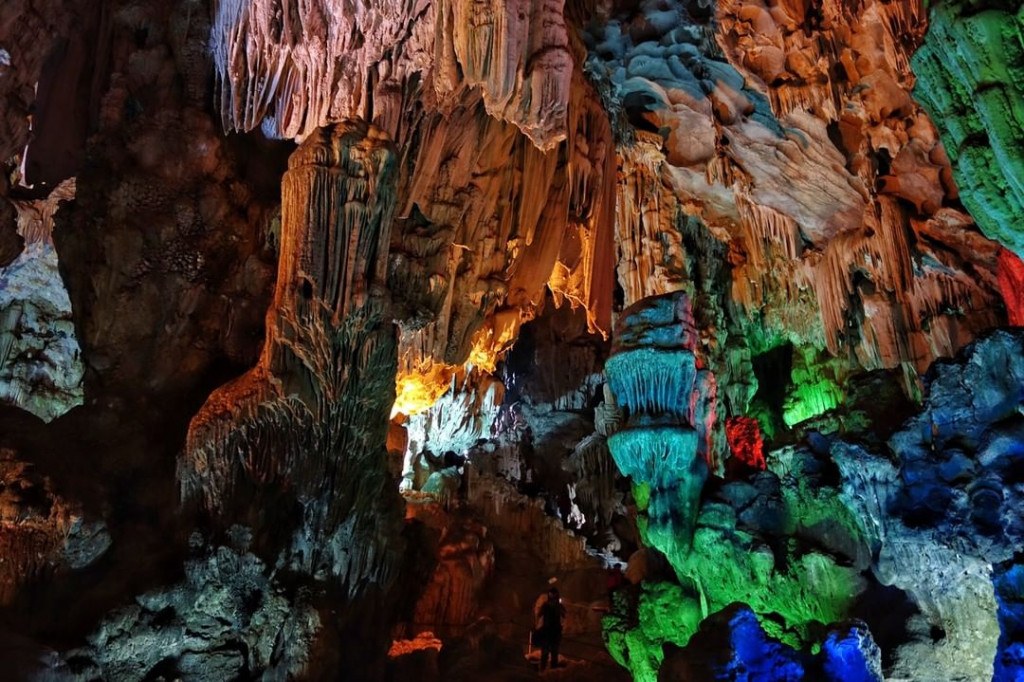
Photo: @jetsetpandaz.
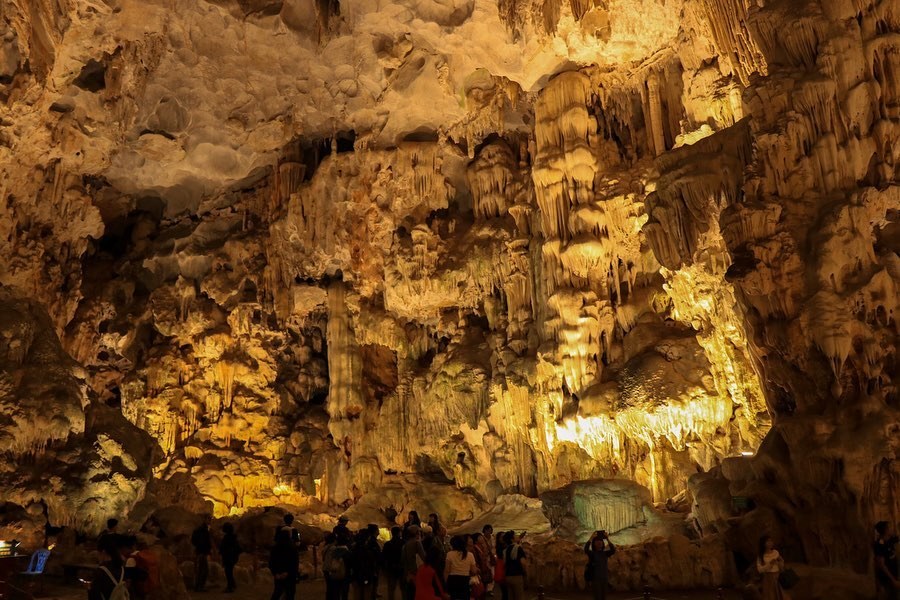
Photo: @_daichi_0613.
Read the detailed article: Thien Cung Cave – A paradise on earth nestled in Ha Long Bay
Ha Long Bay
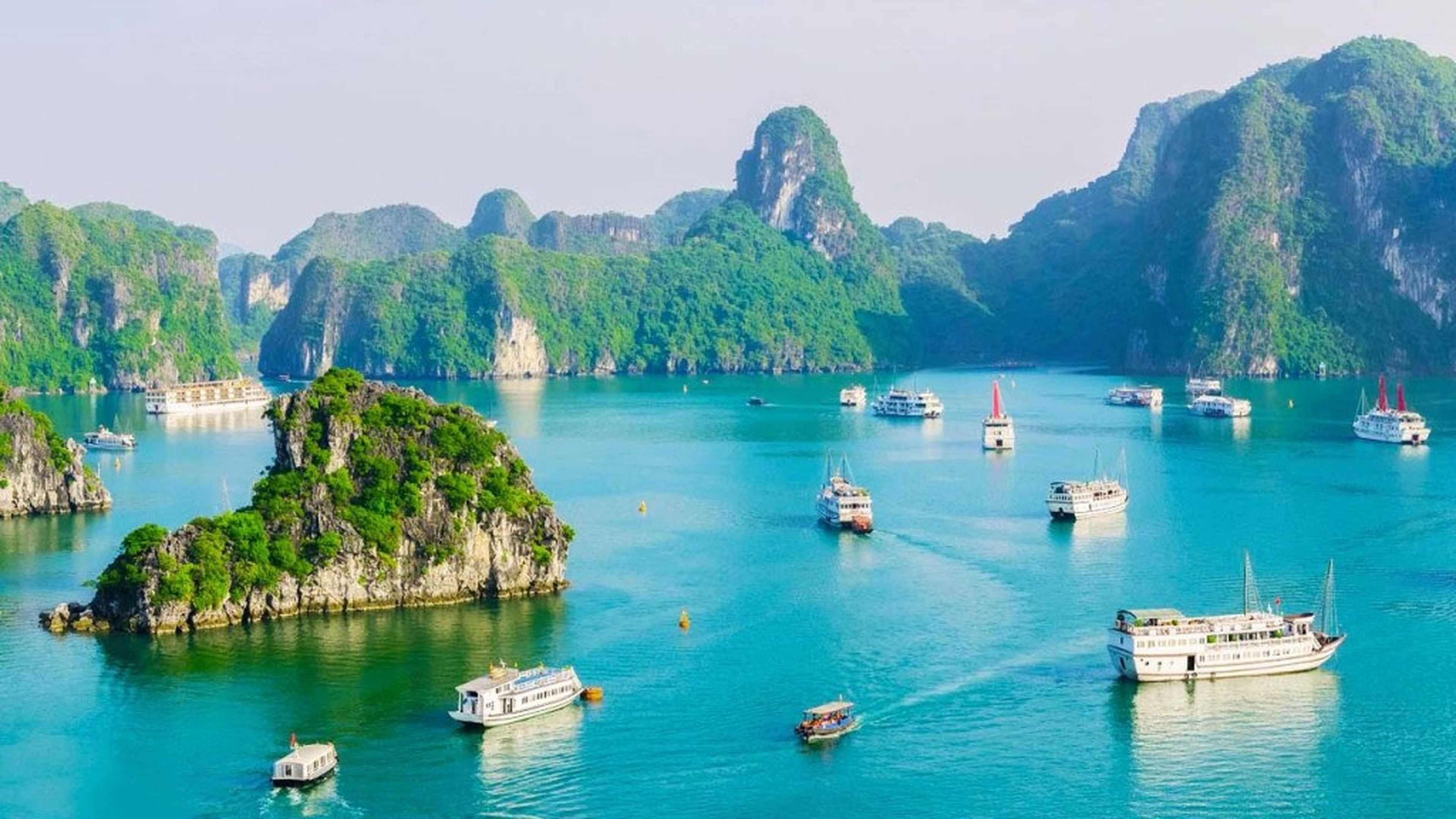
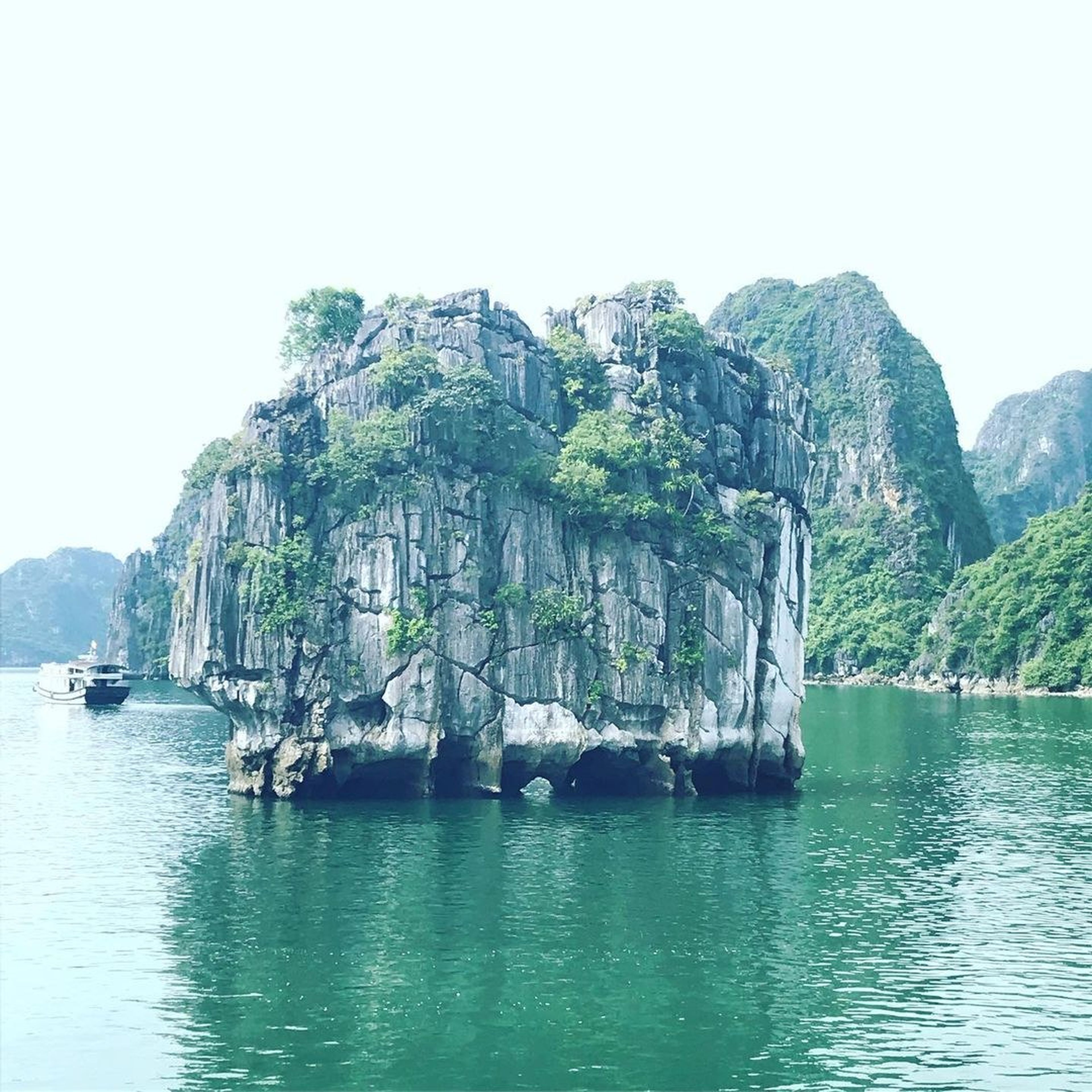
Besides Thien Cung Cave, visitors to Ha Long Bay can also discover countless signature attractions, such as touring floating fishing villages and admiring Dinh Huong Islet (Incense Burner Islet), the famous emblem of Ha Long Bay. Travelers will marvel at the uniquely grandiose landscapes as the boat glides across the bay. This will surely be an unforgettable experience at this world natural heritage site.
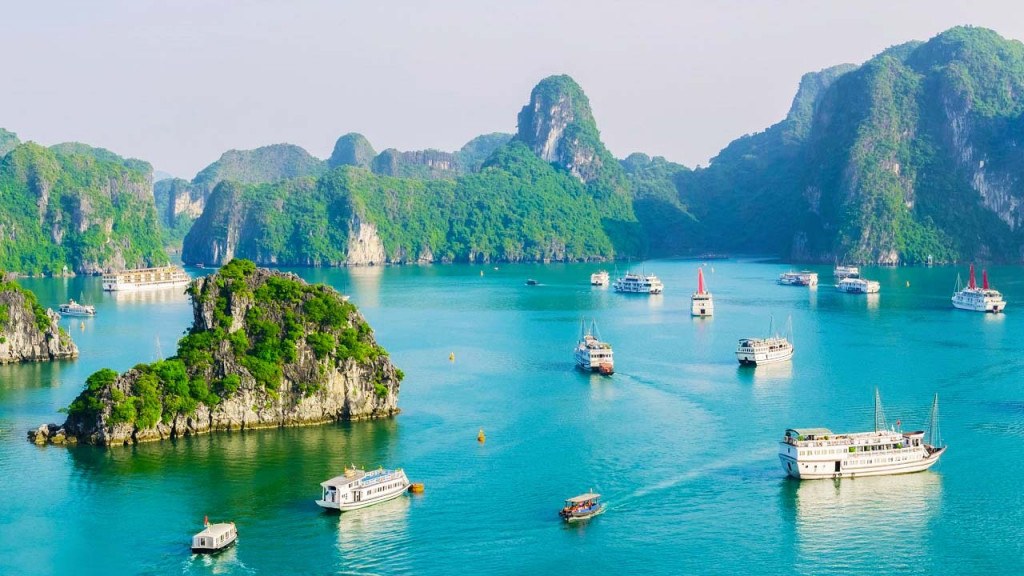
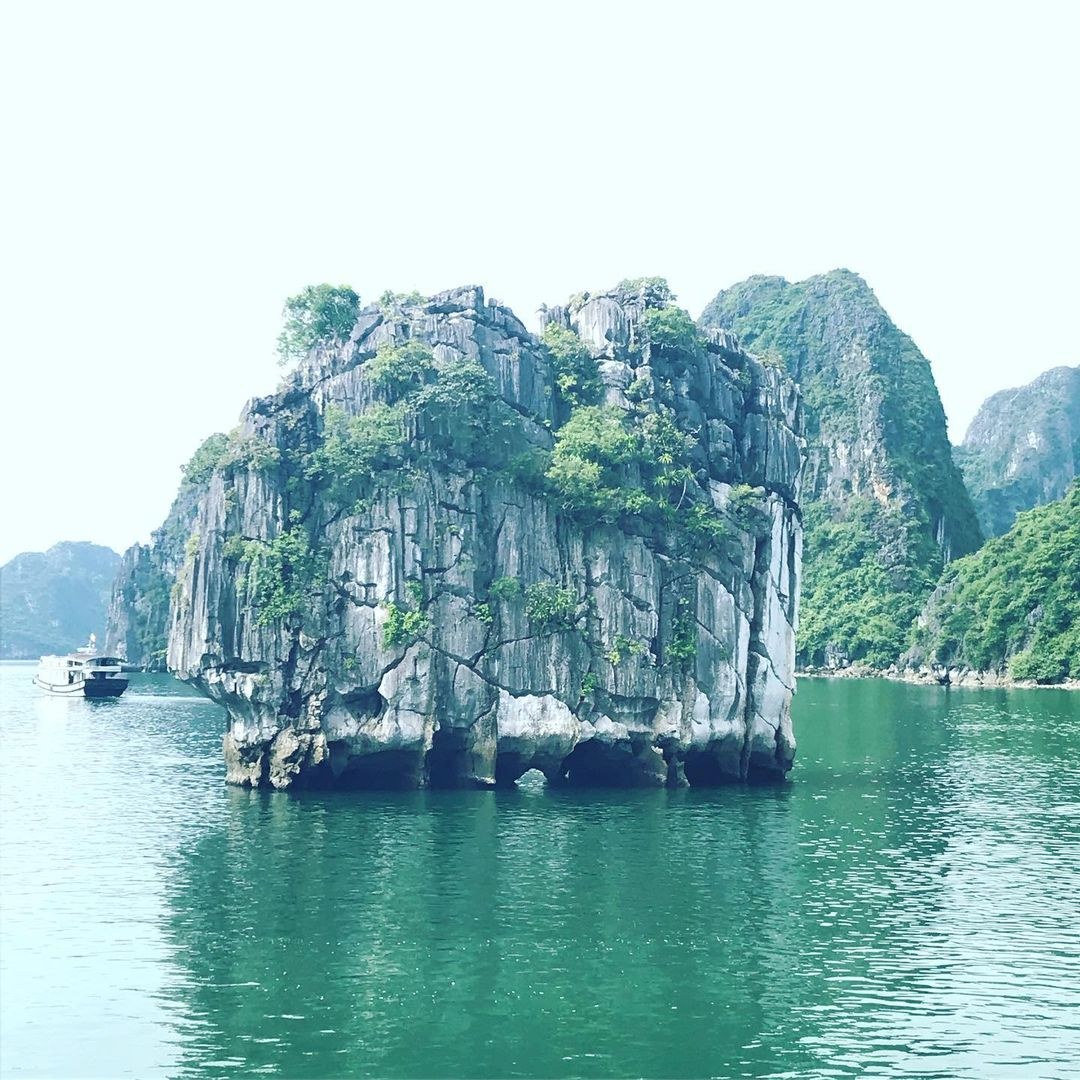
Dinh Huong Islet. Photo: @nhuphuong1412.