Spring in Northern Vietnam brings vibrant red peach blossoms, white pear and plum blossoms, and golden mustard flowers. More than that, spring here leaves a lasting impression on the 5D4N Northern Vietnam tour, with its stunning scenic attractions.
5D4N Northern Vietnam Tour: Captivated by the Spring Scenery of Northern Vietnam’s Scenic Sites
Temple of Literature – Imperial Academy
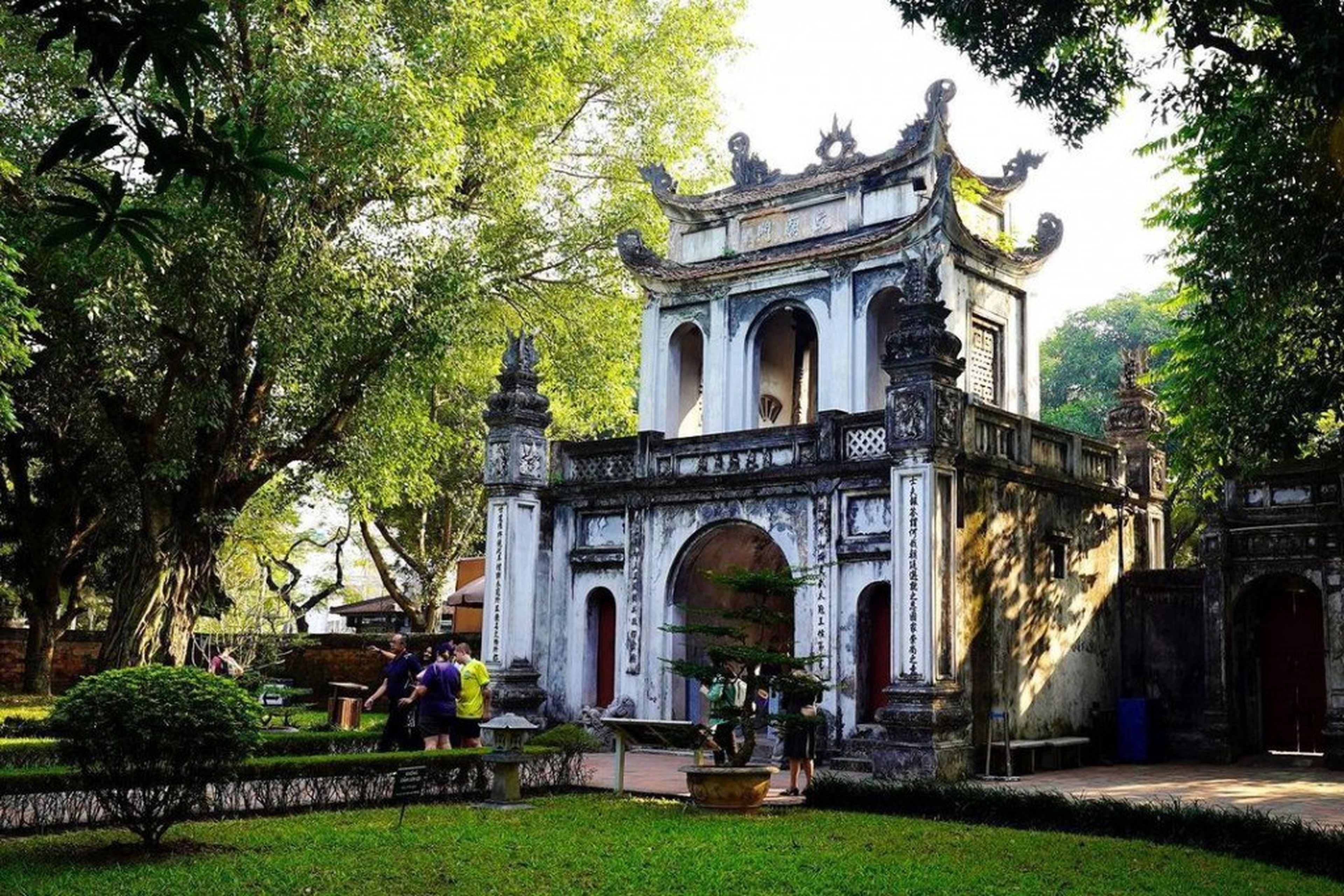
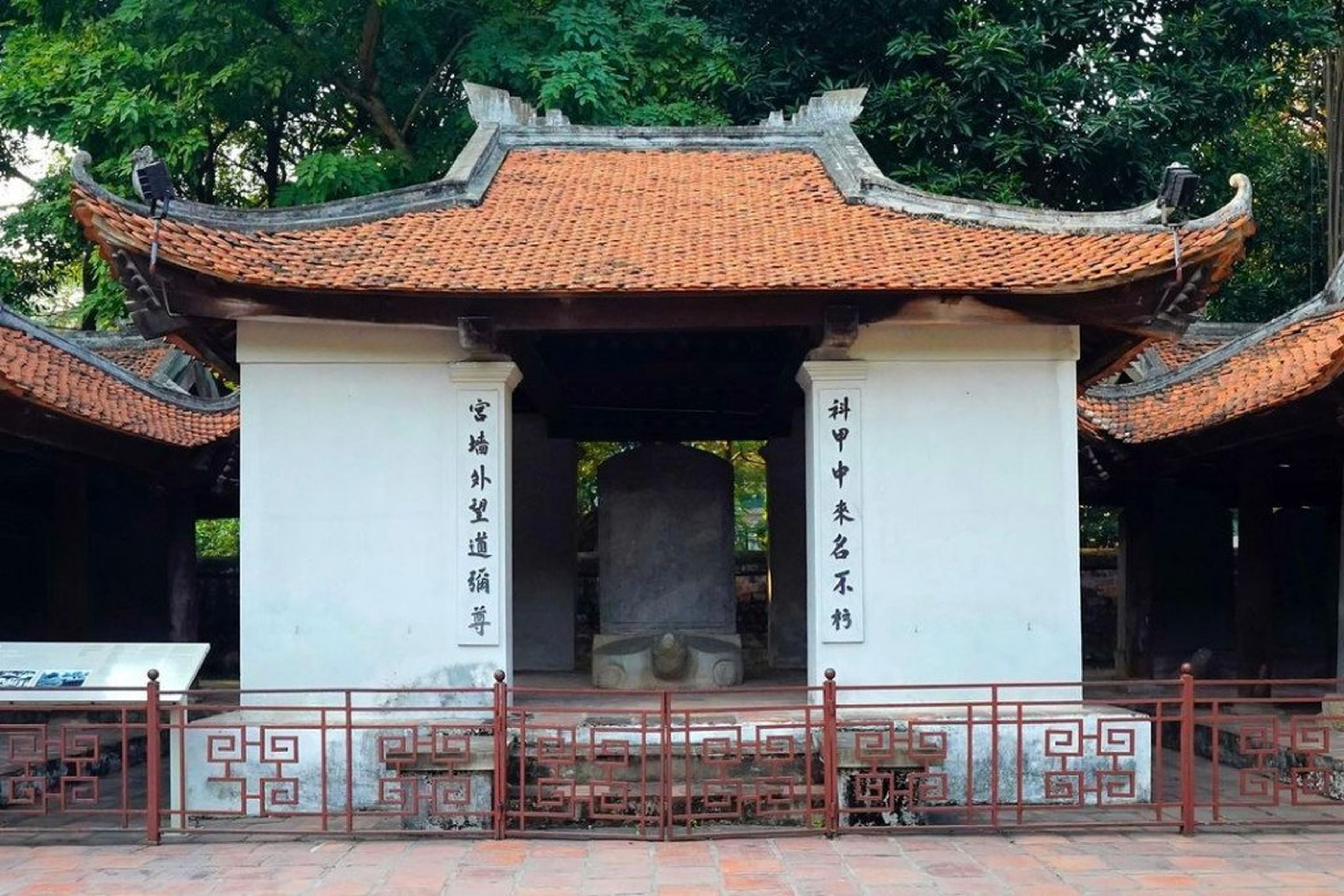
The Temple of Literature – Imperial Academy is located south of the former Thang Long Imperial Citadel and was recognized as a Special National Relic in 2012. The Constellation of Literature Pavilion at the Temple of Literature was chosen as a symbol of the capital, while the 82 doctoral steles were recognized by UNESCO as Documentary Heritage and inscribed on the Memory of the World Register.
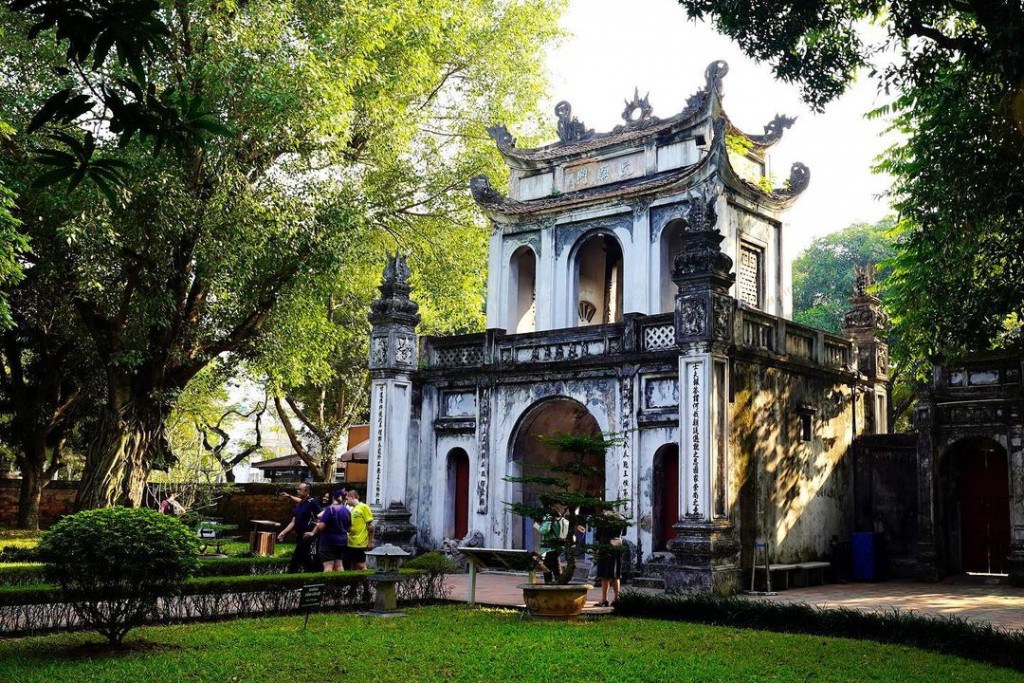
Temple of Literature. Photo: @gingerzap.
This shows that the Temple of Literature – Imperial Academy is not only a precious asset of Vietnam, but has also become a cultural heritage of humanity. For many years, it has been a symbol of intellect and the tradition of valuing education, as well as an appealing destination for domestic and international visitors and an interesting stop on the 5D4N Northern Vietnam tour.
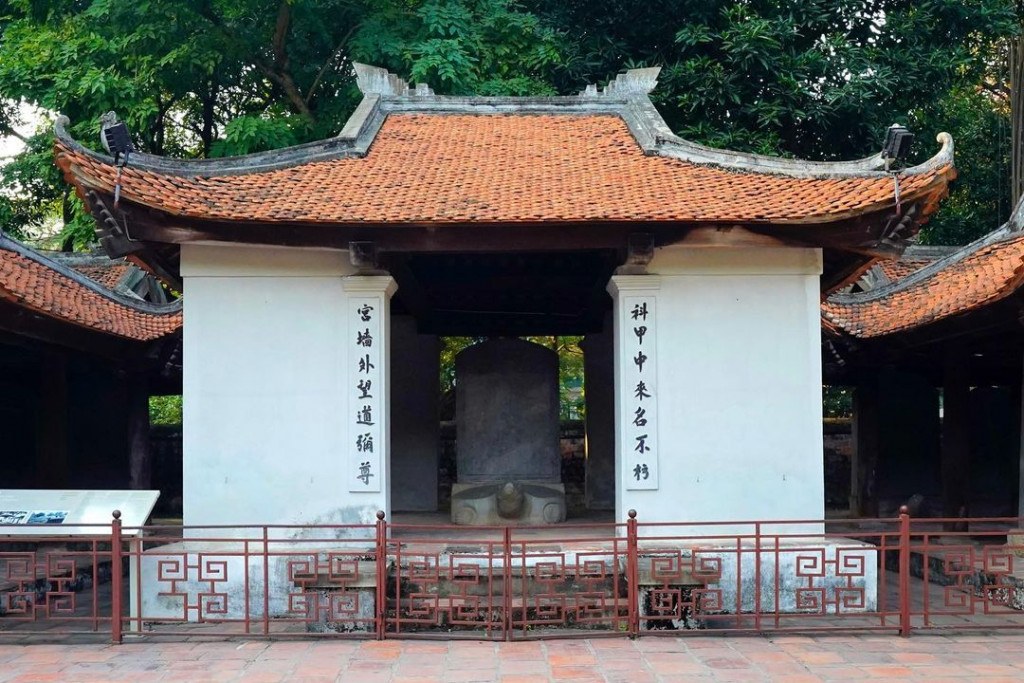
Photo: @gingerzap.
Ba Dinh Square
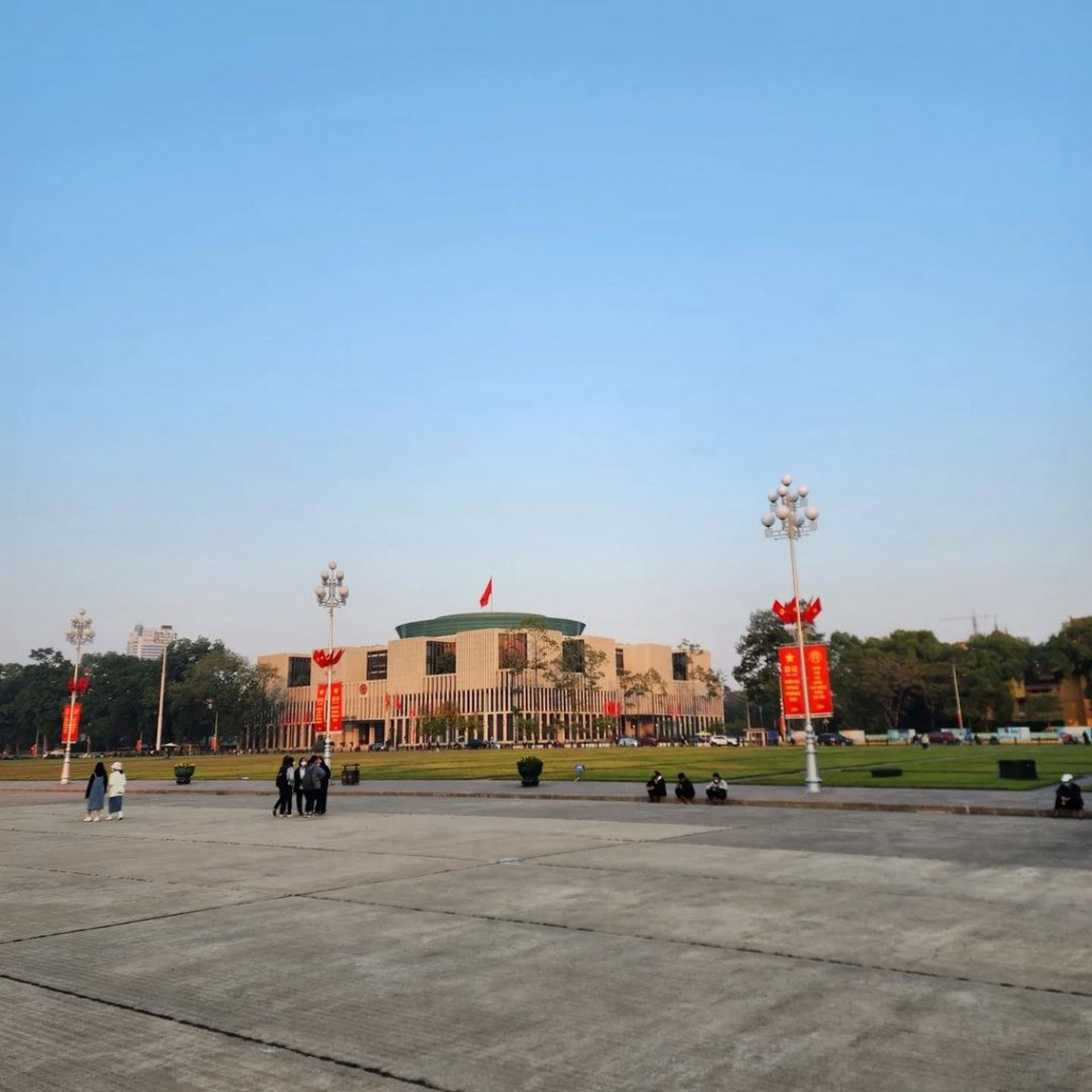
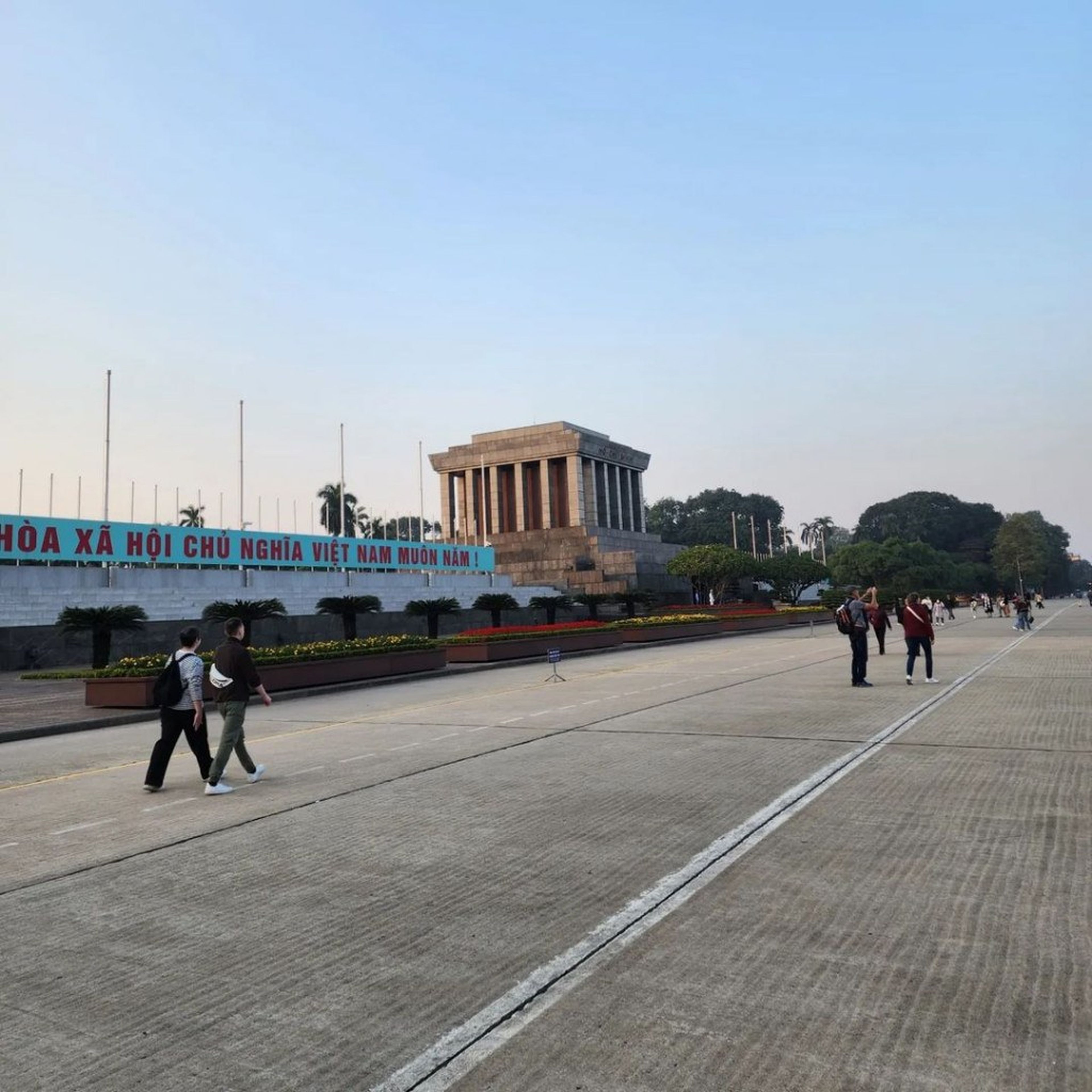
Ba Dinh Square is Vietnam’s largest square, located on Hung Vuong Street in front of the Ho Chi Minh Mausoleum. It has witnessed many major events in the nation’s history. On September 2, 1945, President Ho Chi Minh read the Declaration of Independence here, giving birth to the Democratic Republic of Vietnam.
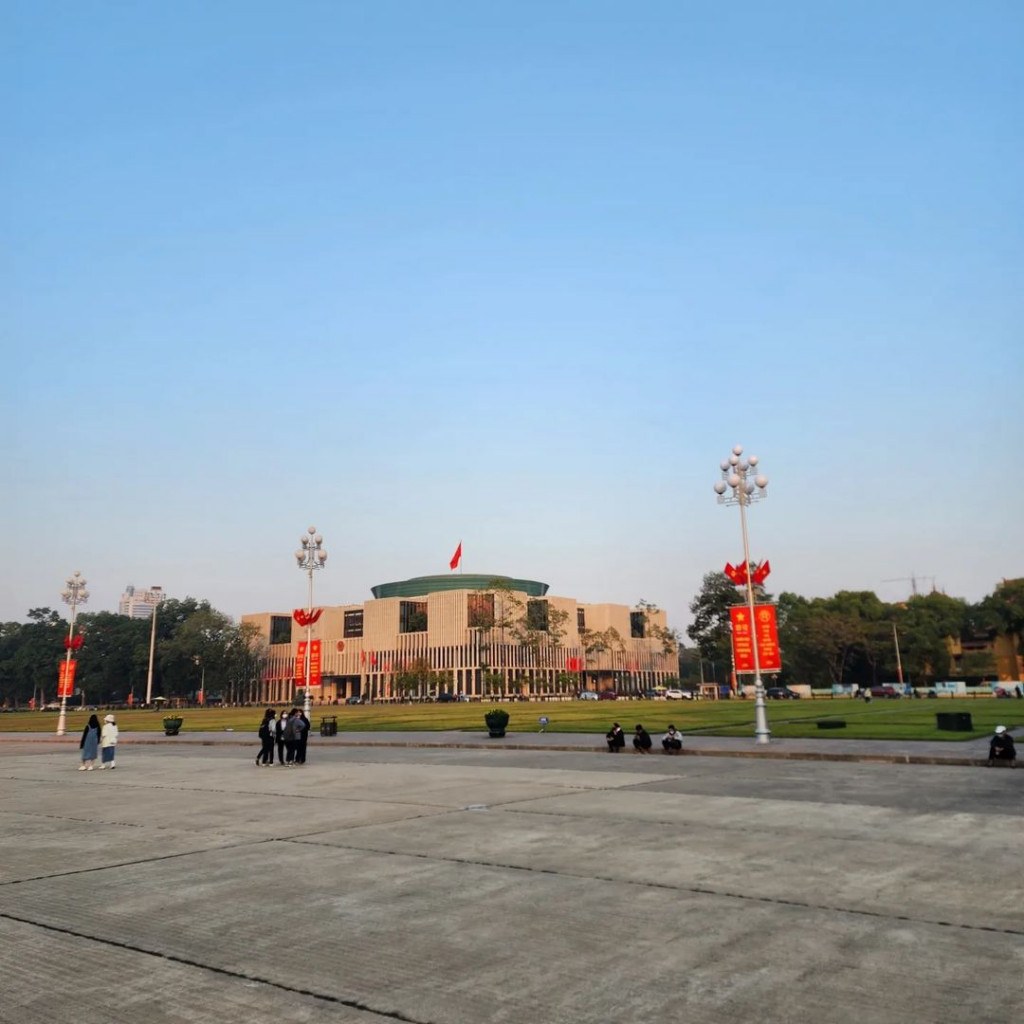
Ba Dinh Square. Photo: @jihyep1211.
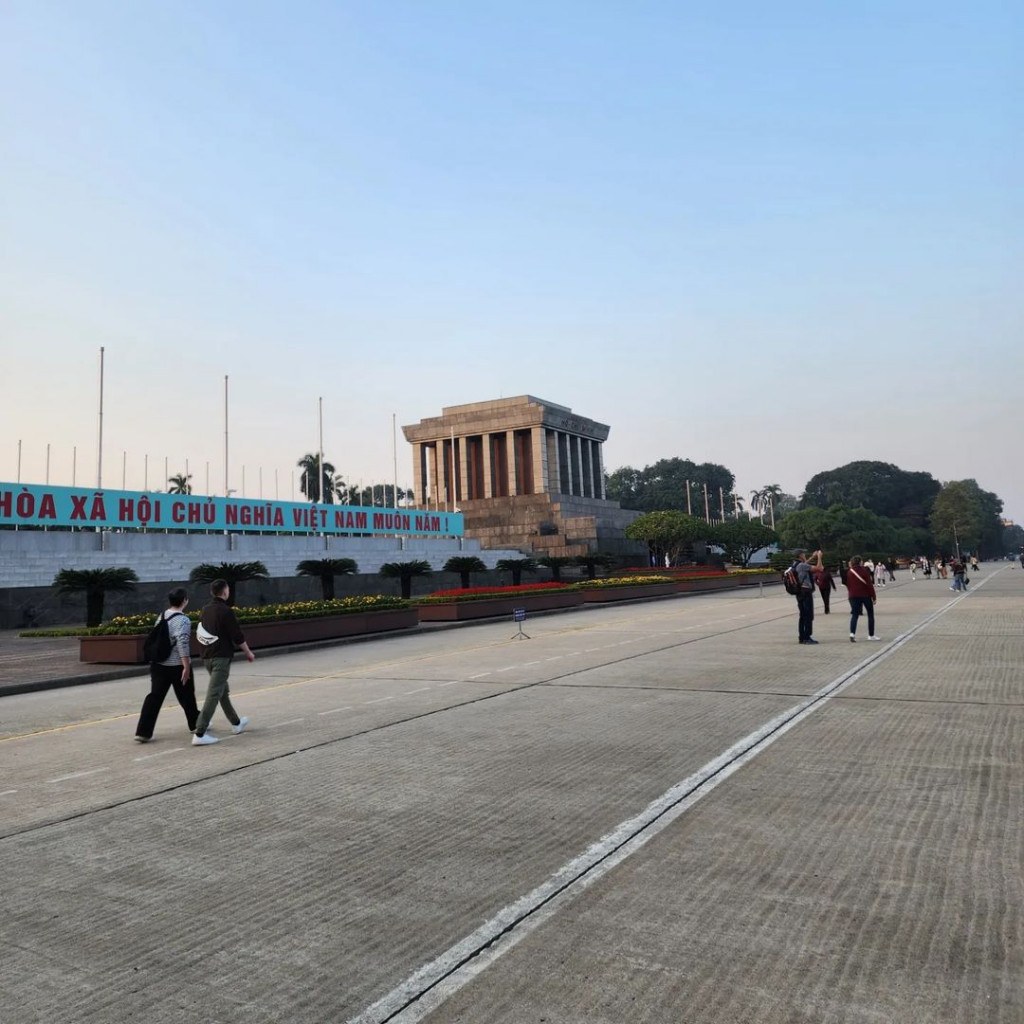
The square near Uncle Ho’s Mausoleum. Photo: @jihyep1211.
One Pillar Pagoda
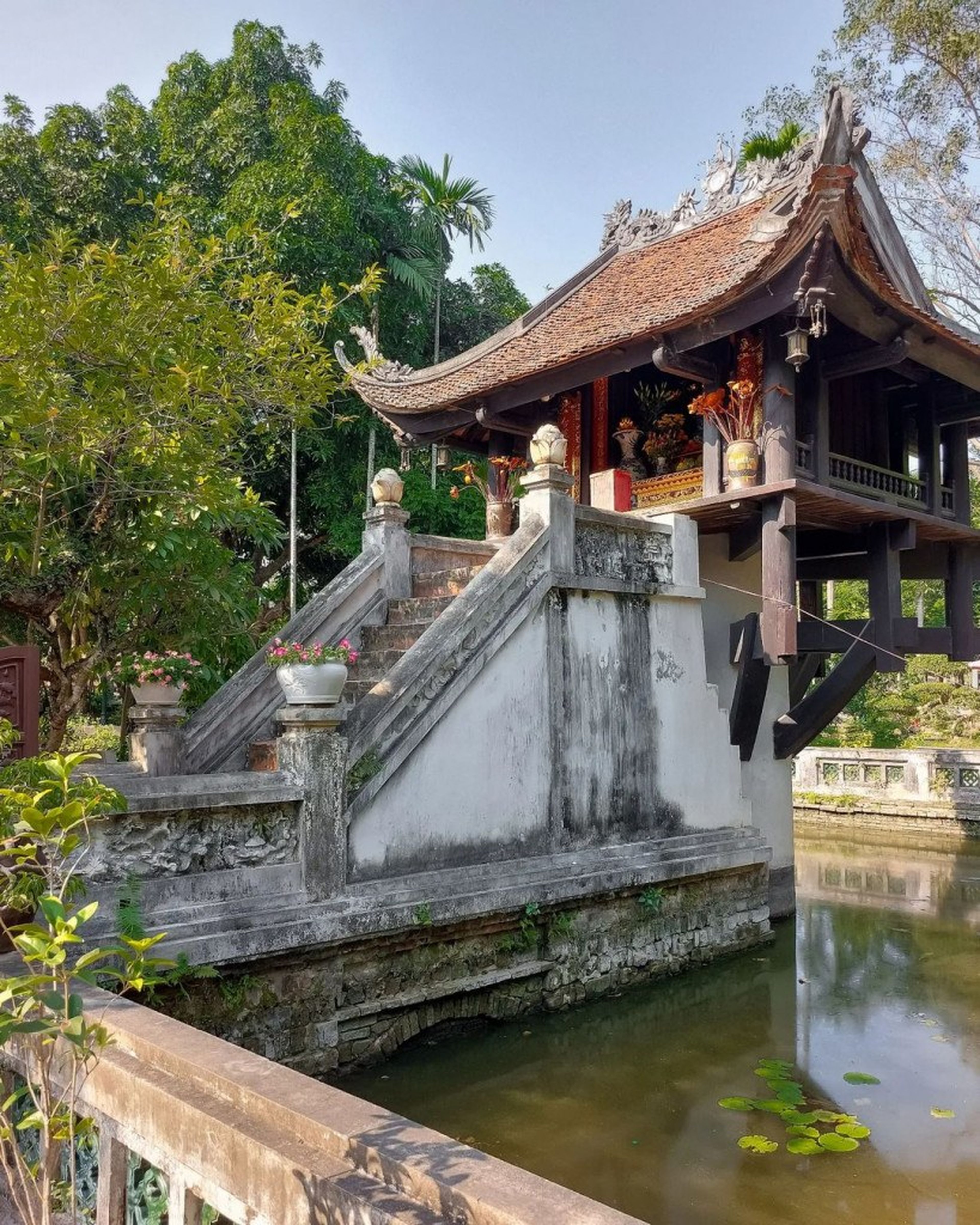
One Pillar Pagoda is also known as Dien Huu or Lien Hoa Dai and was built in 1049 during the reign of King Ly Thai Tong. Today, the pagoda consists of a square lotus-blossom platform with 3m-long sides and a curved roof, built on a 4m-high pillar, excluding the part buried underground. The upper section of the pillar is a system of wooden beams supporting the platform above. The lotus platform has a tiled roof with curved corners and a pair of dragons facing the moon.
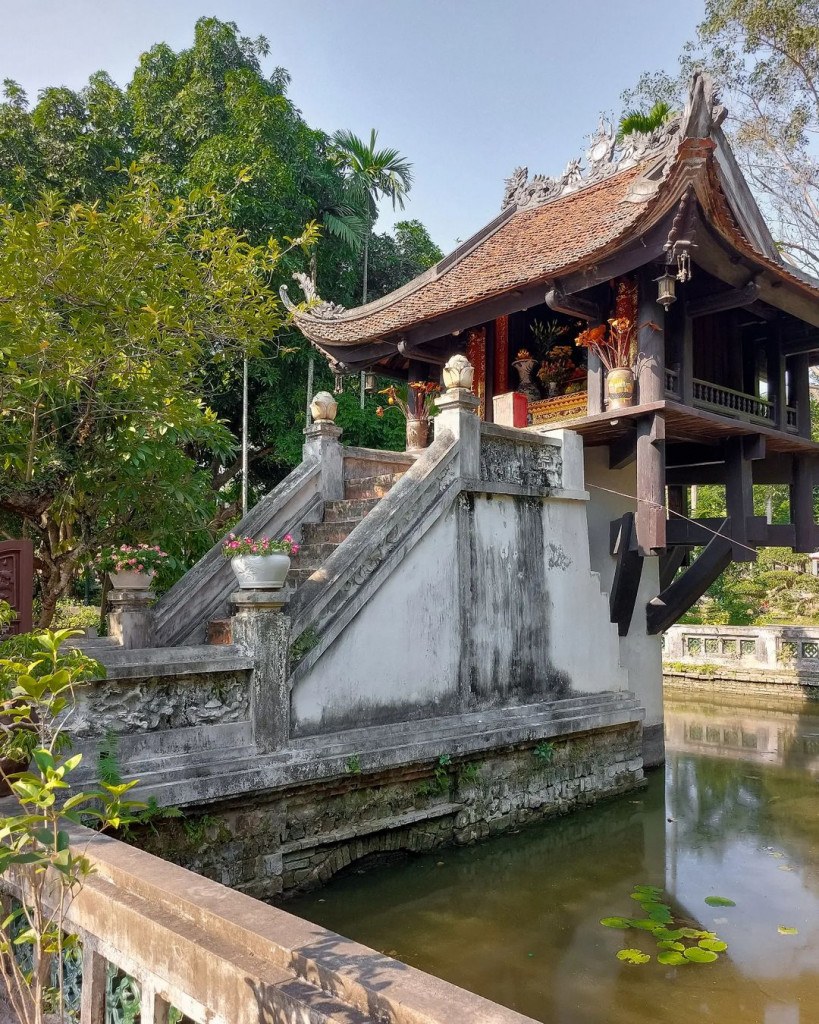
Photo: @angybangys.
Bai Dinh Pagoda
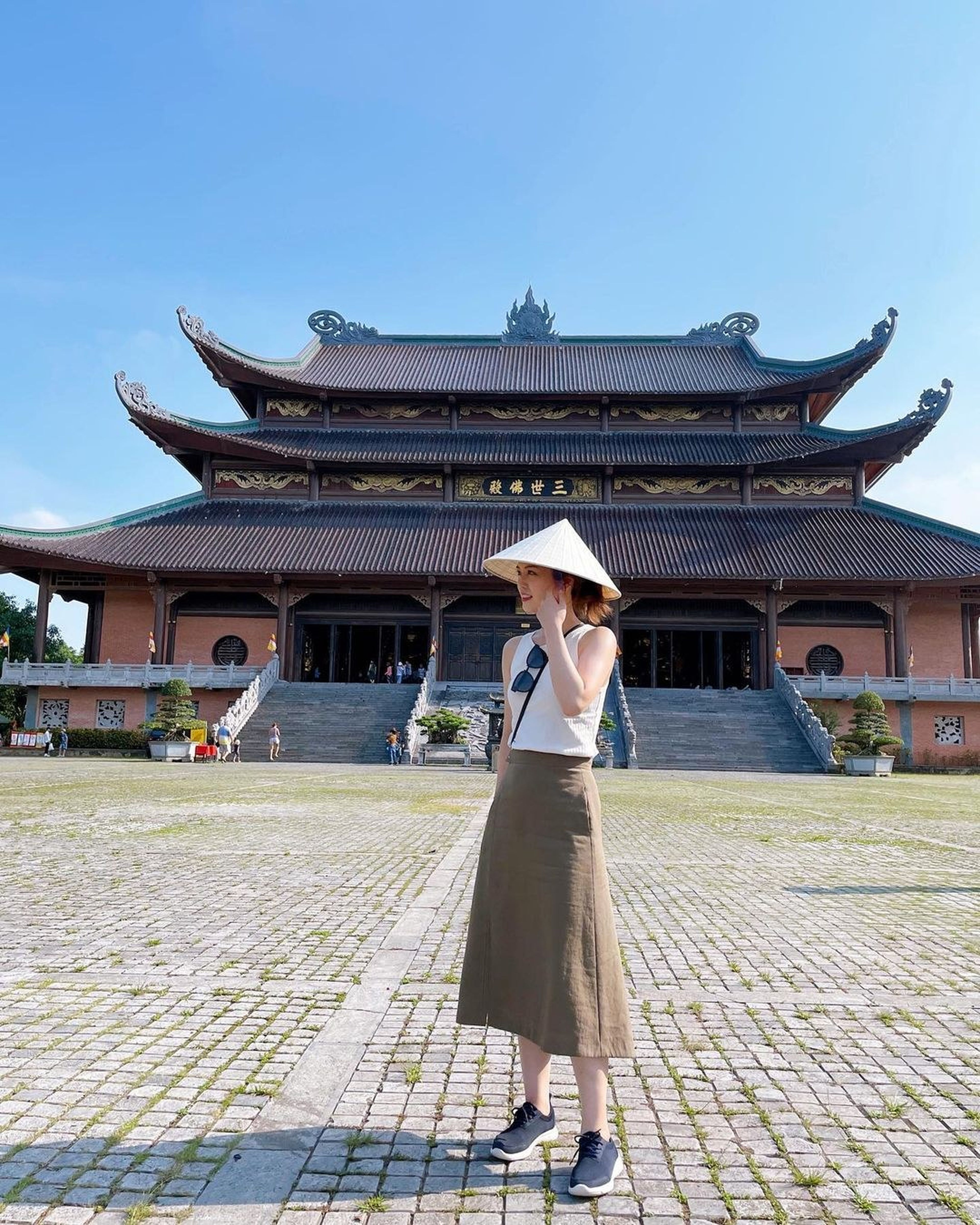
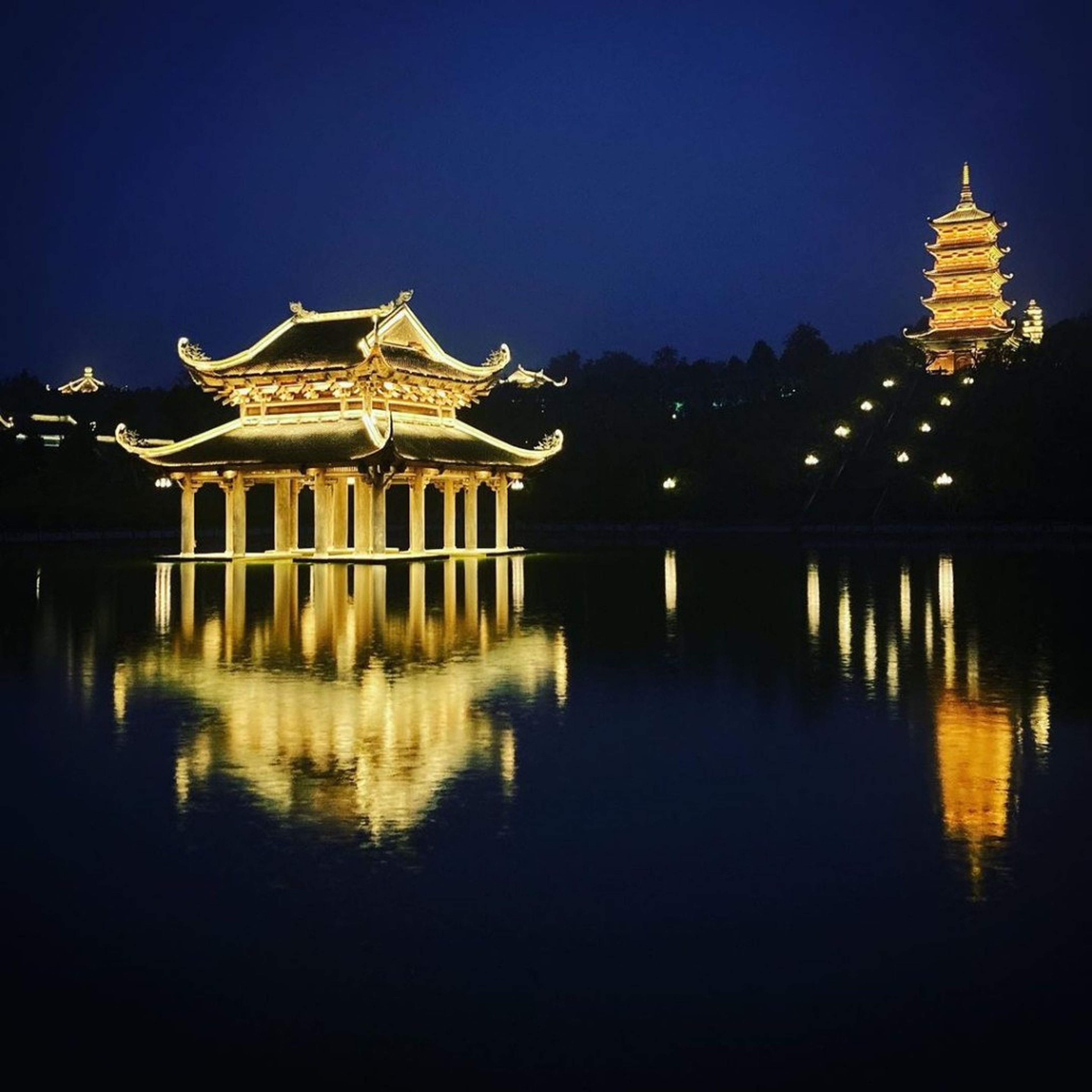
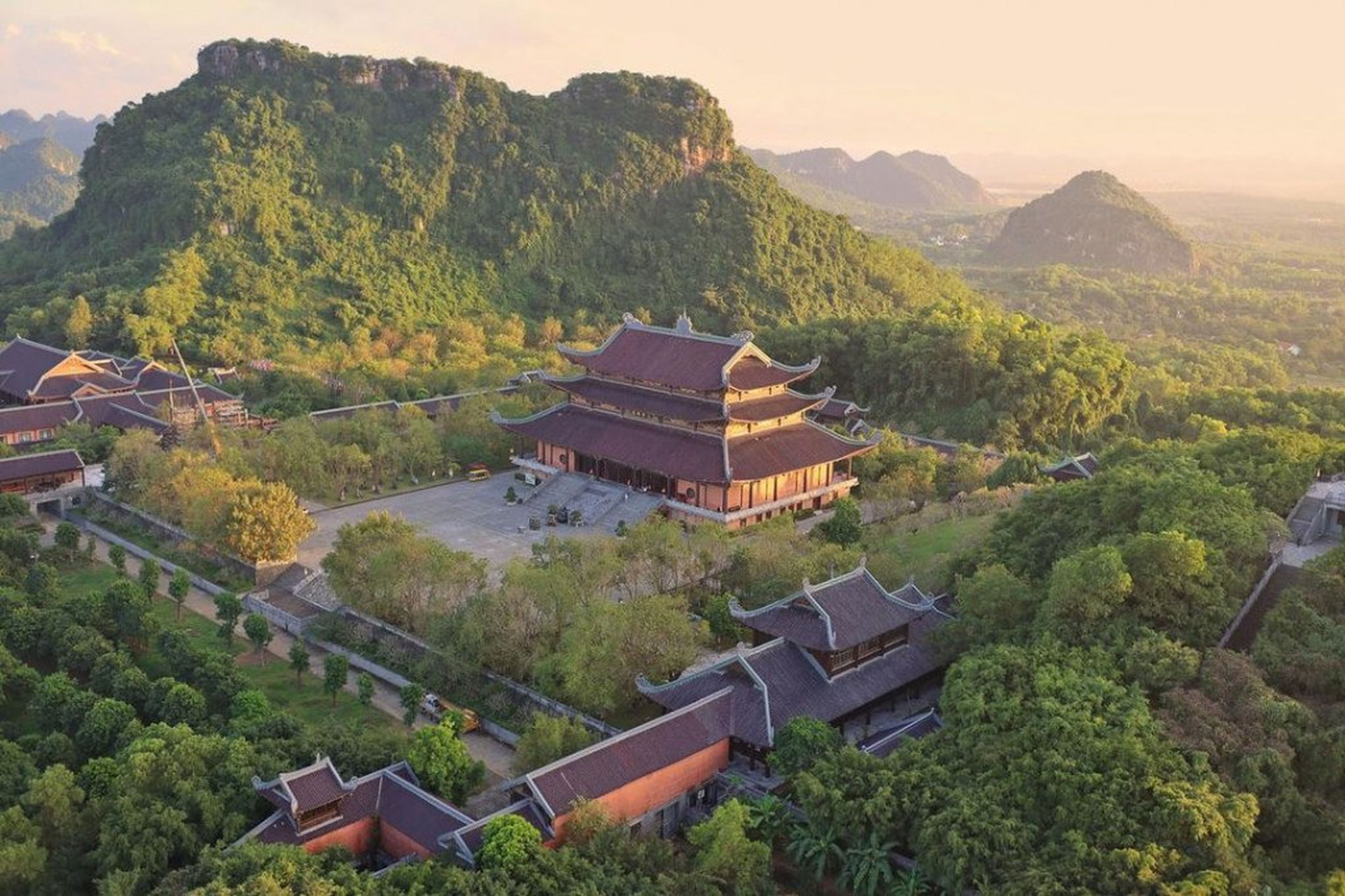
As the largest pagoda in Vietnam included in the 5D4N Northern Vietnam tour, Bai Dinh Pagoda leaves visitors in awe of its imposing scale during the day and amazed by its mystical beauty at night. Ancient Bai Dinh Pagoda was discovered by the saint Nguyen Minh Khong, who turned the caves into a pagoda when he came here to find medicinal herbs to cure King Ly Than Tong’s illness, which had transformed him into a tiger.
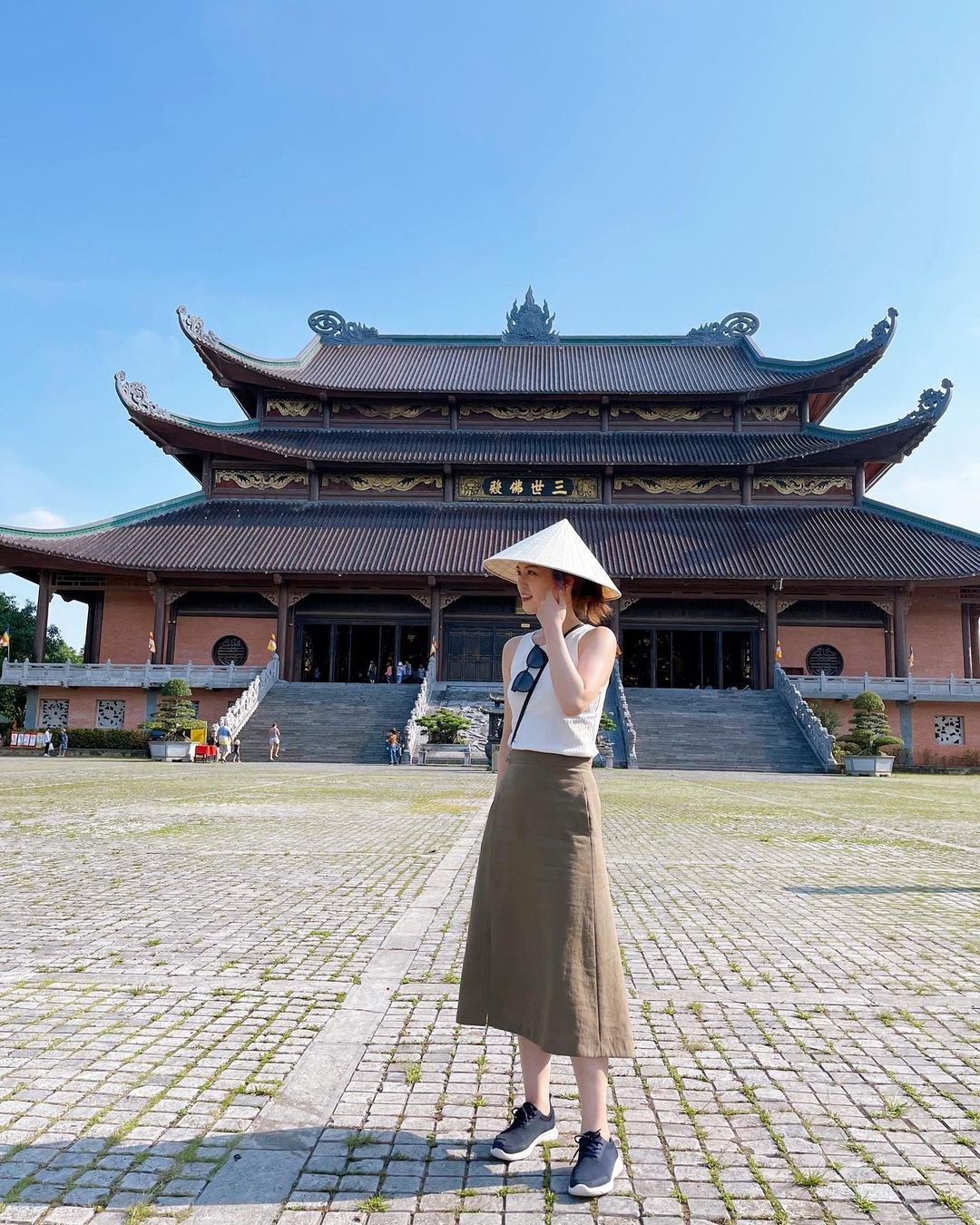
Photo: @narum_i_muran.
Ancient Bai Dinh Pagoda is situated on a 187m-high mountain, about 800m from the Tam The Hall of the new pagoda. The pagoda complex lies in a quiet mountainous forest area, consisting of a front hall in the middle, a Bright Cave worshipping Buddha, and then the shrine dedicated to Cao Son Deity; turning left leads to the shrine dedicated to Saint Nguyen, followed by a Dark Cave worshipping the Mother Goddess and fairies.
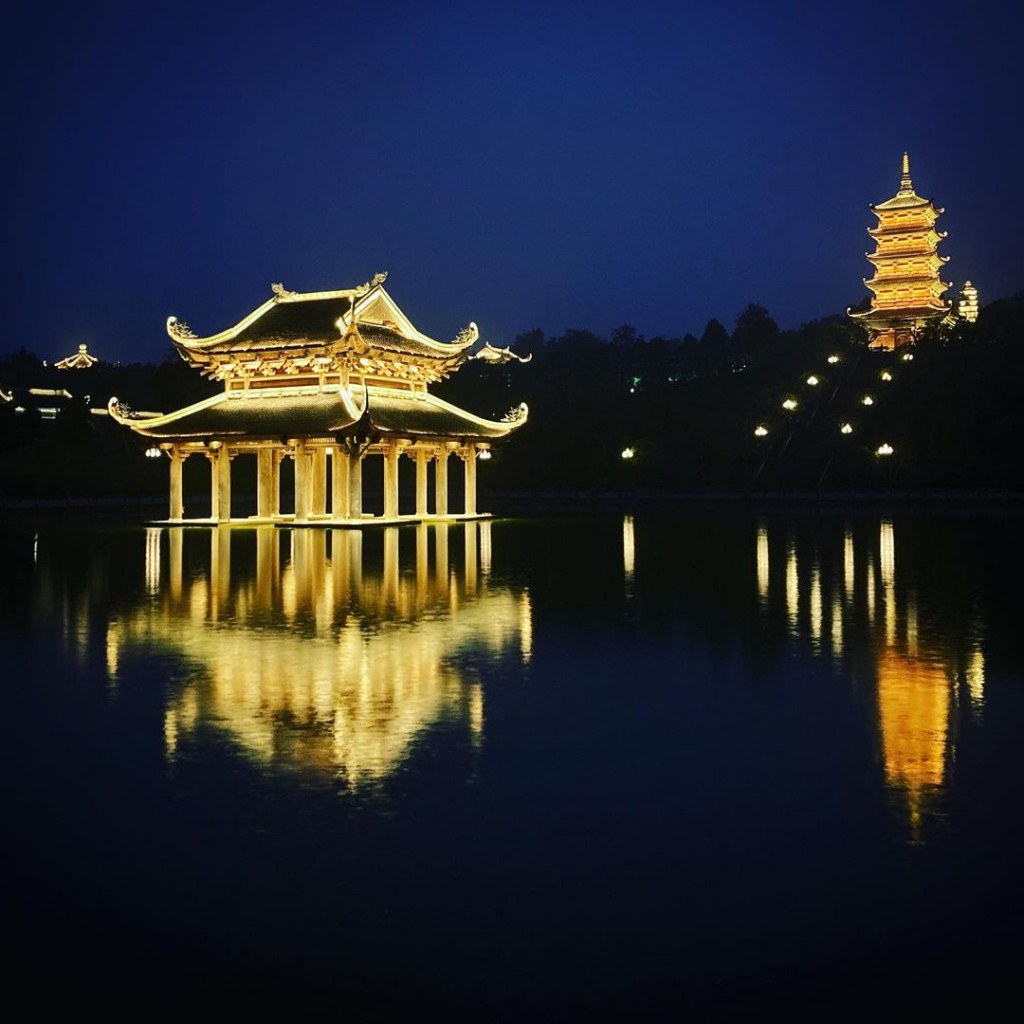
Bai Dinh Pagoda at night. Photo: @soliter_na_cestach.
This area is a land where all the elements of outstanding people converge: it is the land that gave birth to Kings, Saints, and Deities. During the resistance war, Bai Dinh Pagoda was also where leaders of the Communist Party of Vietnam spread revolutionary messages among the people.
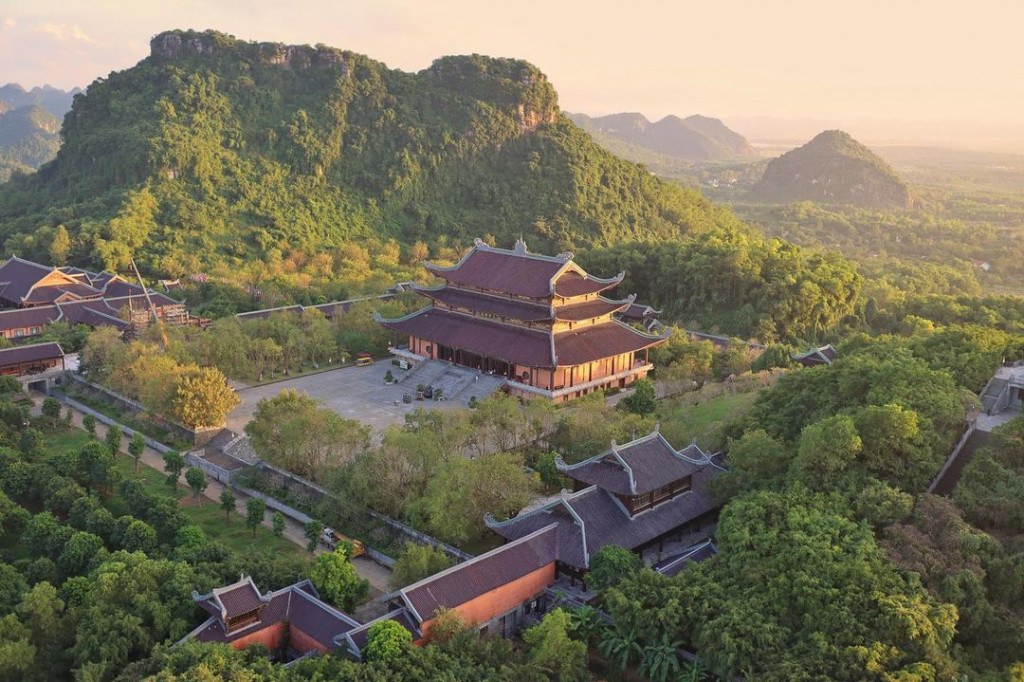
Bai Dinh Pagoda from above. Photo: @huynhhoa0209.
Trang An Scenic Landscape Complex
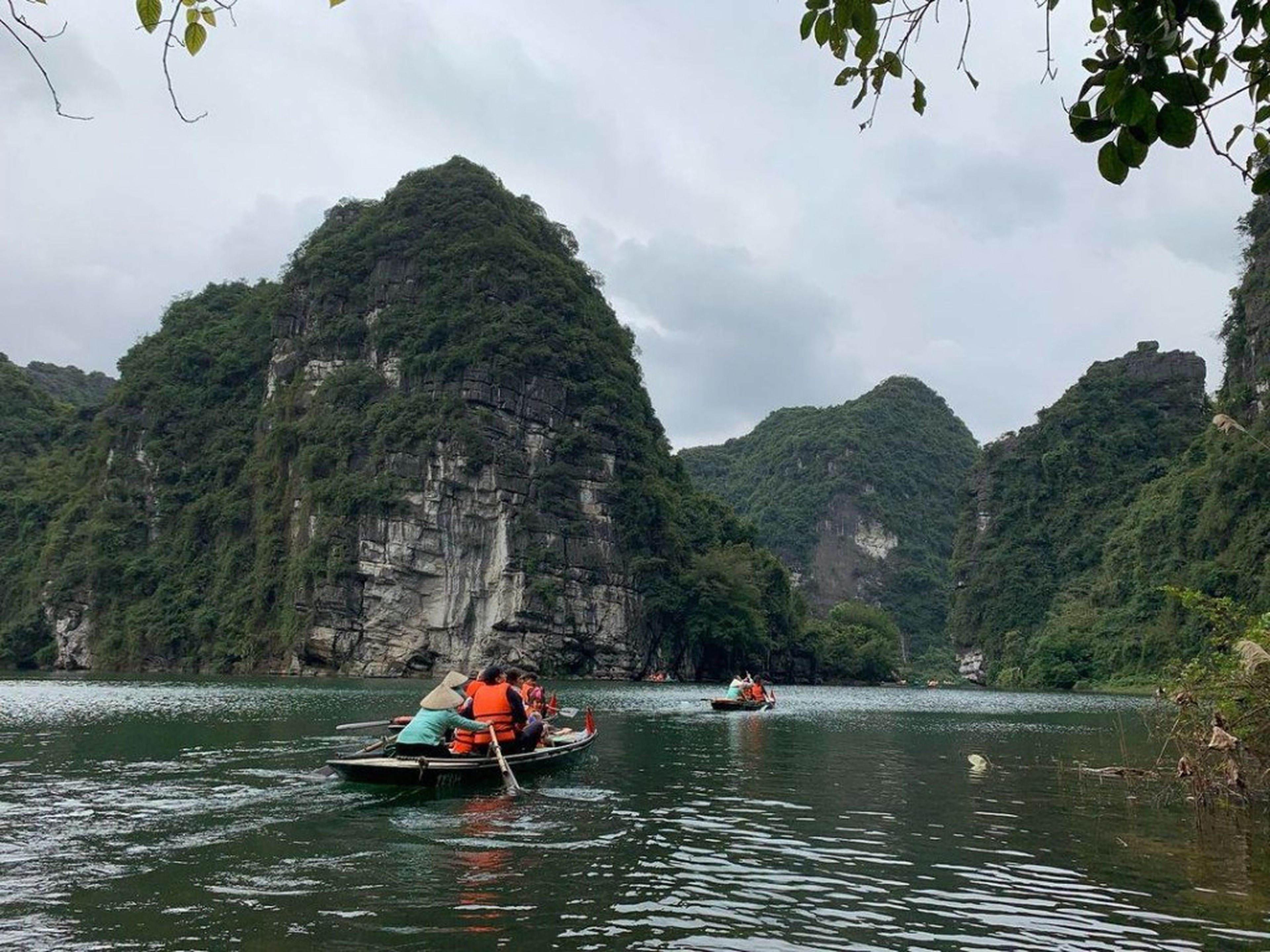
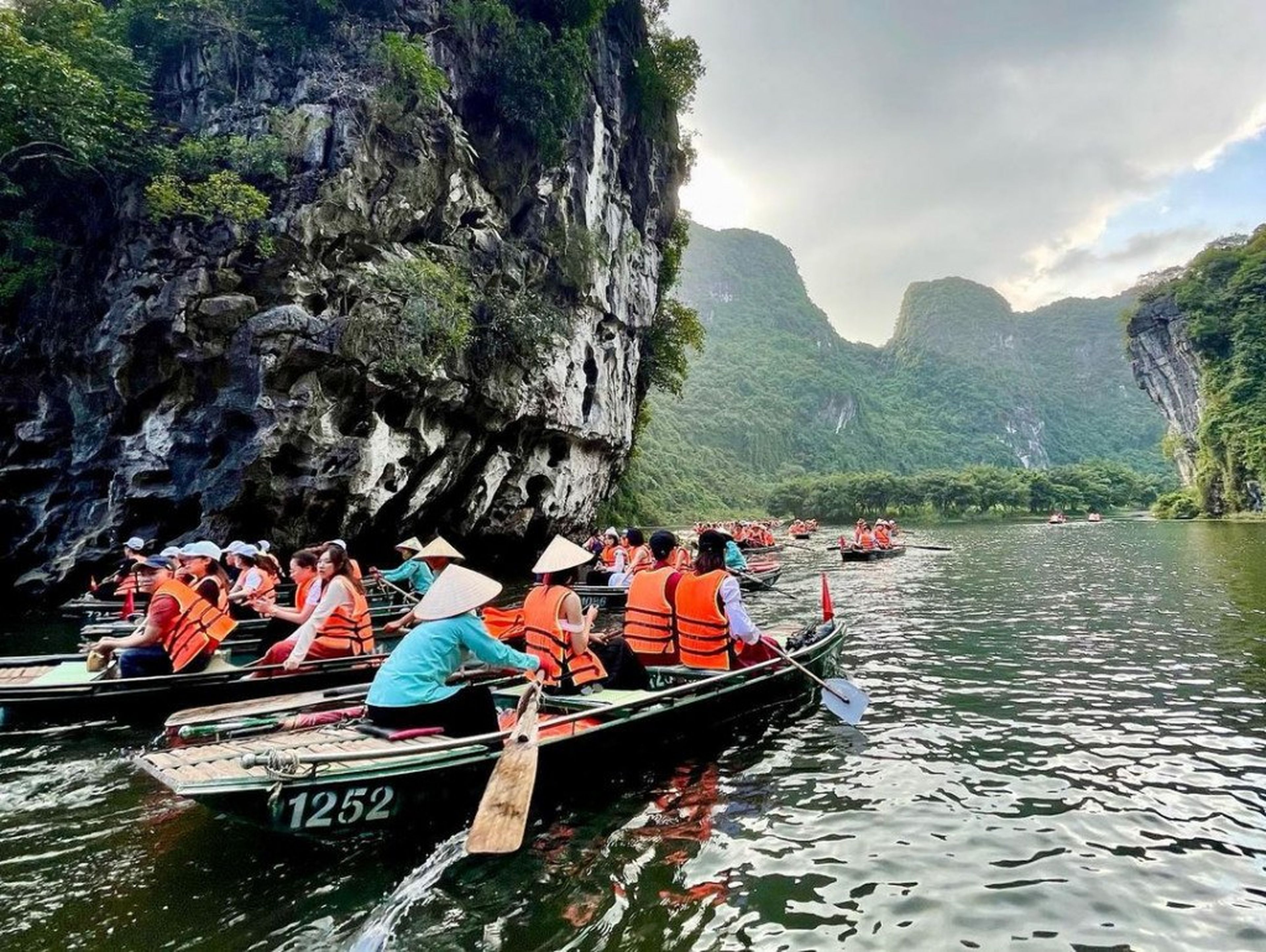
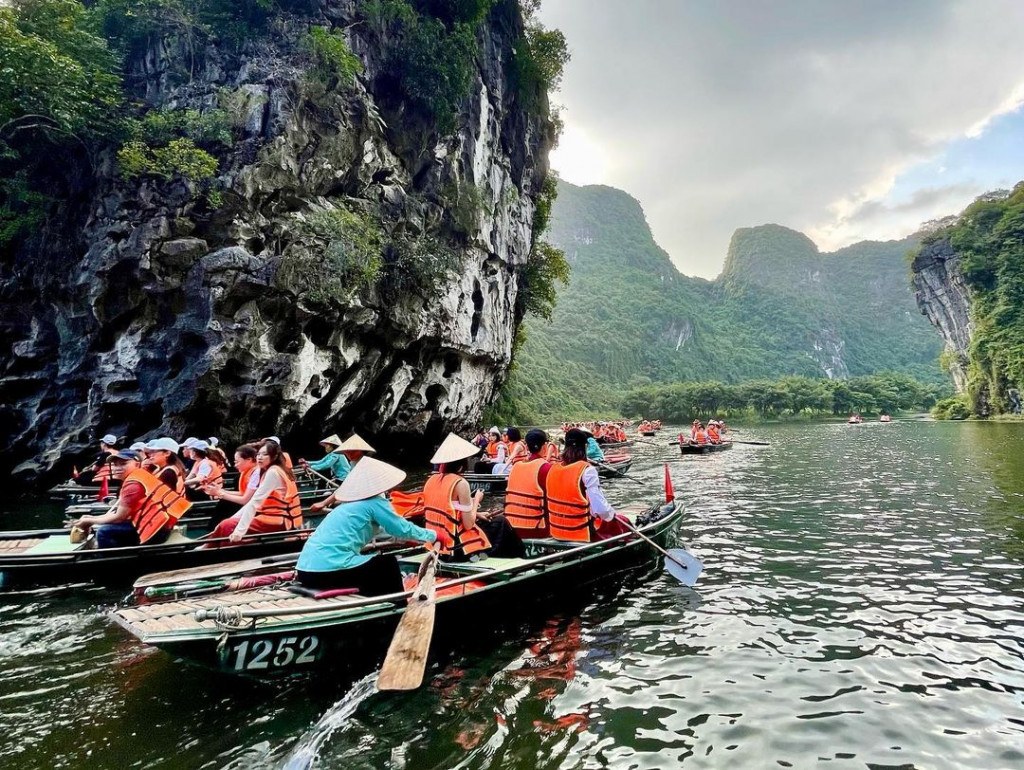
The Trang An Scenic Landscape Complex covers 6,172ha across Hoa Lu, Gia Vien, and Nho Quan districts, Tam Diep Town, and Ninh Binh City. The Trang An scenic area comprises three adjoining protected zones: the Hoa Lu Ancient Capital historical and cultural relic site, the Trang An – Tam Coc – Bich Dong scenic area, and a special-use primeval forest.
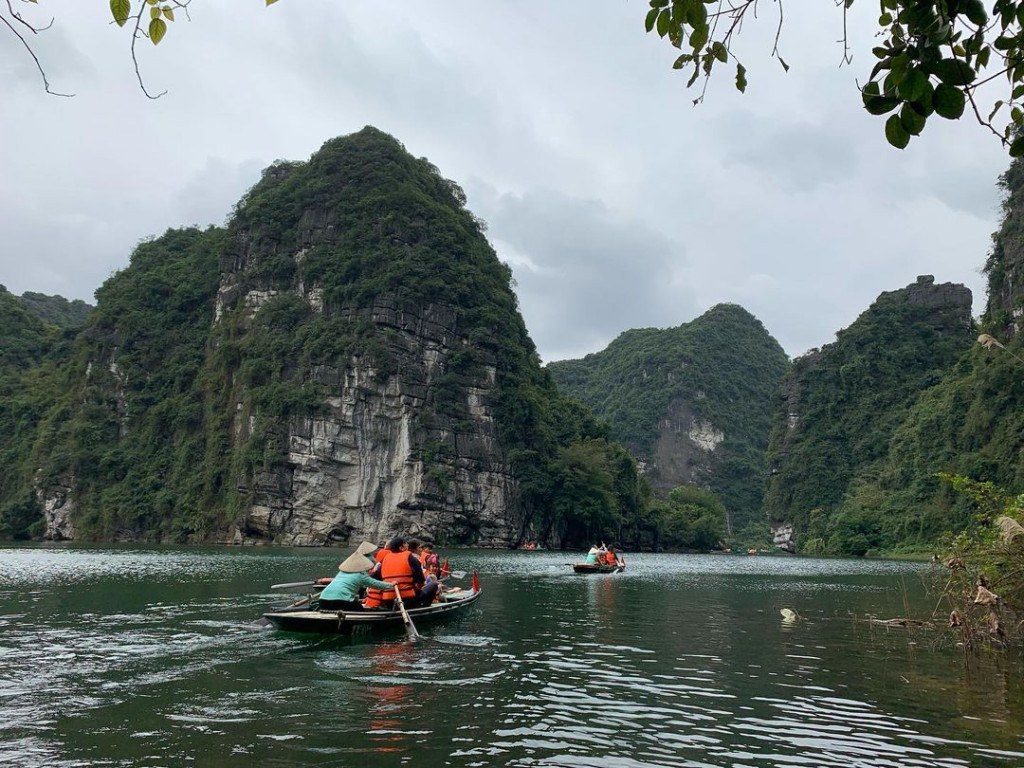
Trang An’s mountains and waters. Photo: @angry_jamie.
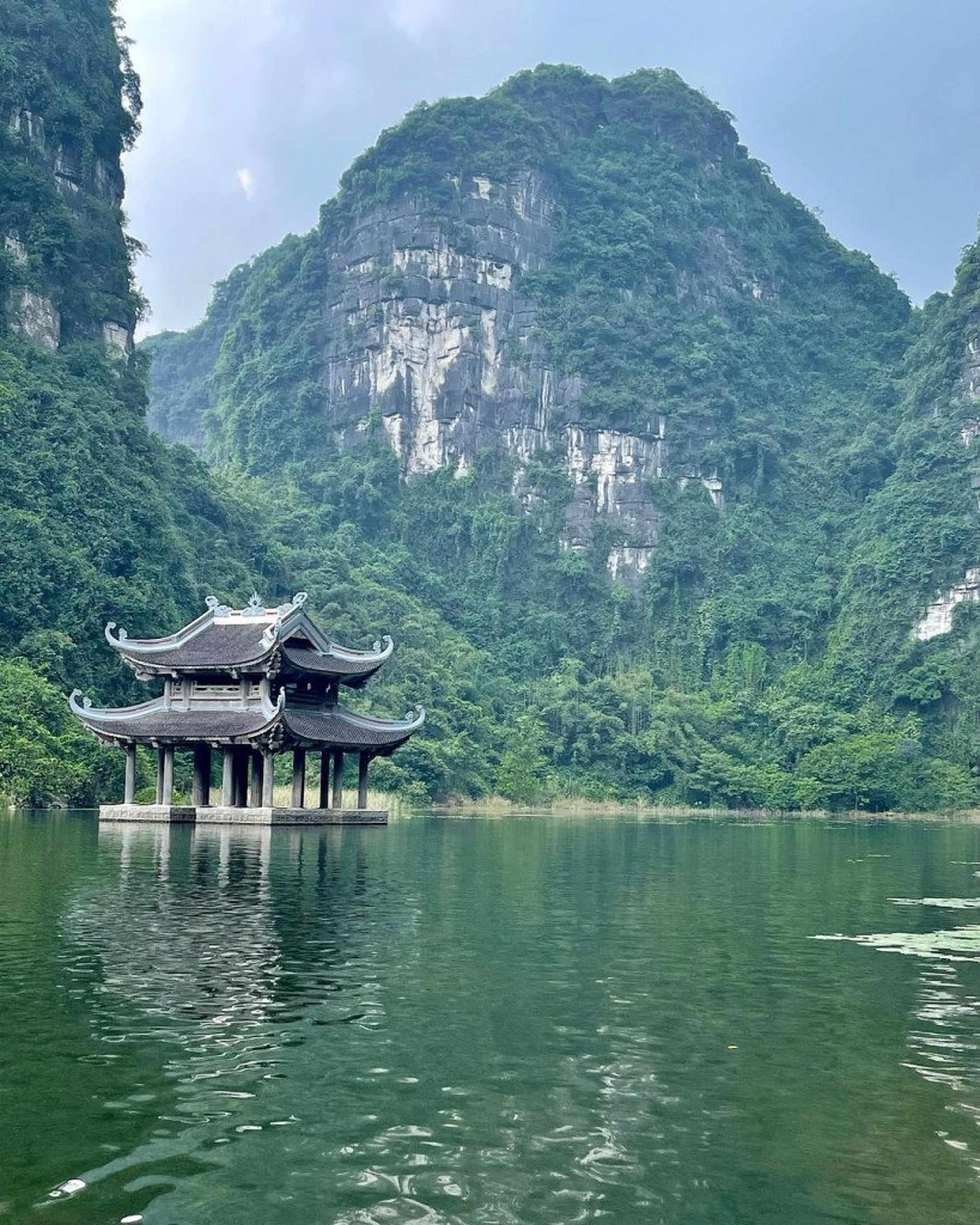
Trang An is likened to “Ha Long Bay on land,” with its beauty shaped by a system of limestone mountains in countless forms, reflected in small winding streams that connect caves and valleys. The harmonious beauty of rocks, rivers, forests, and sky creates a vibrant natural landscape in Trang An. The area also preserves many wetland forest ecosystems, forests on limestone mountains, archaeological sites, and historical and cultural relics.
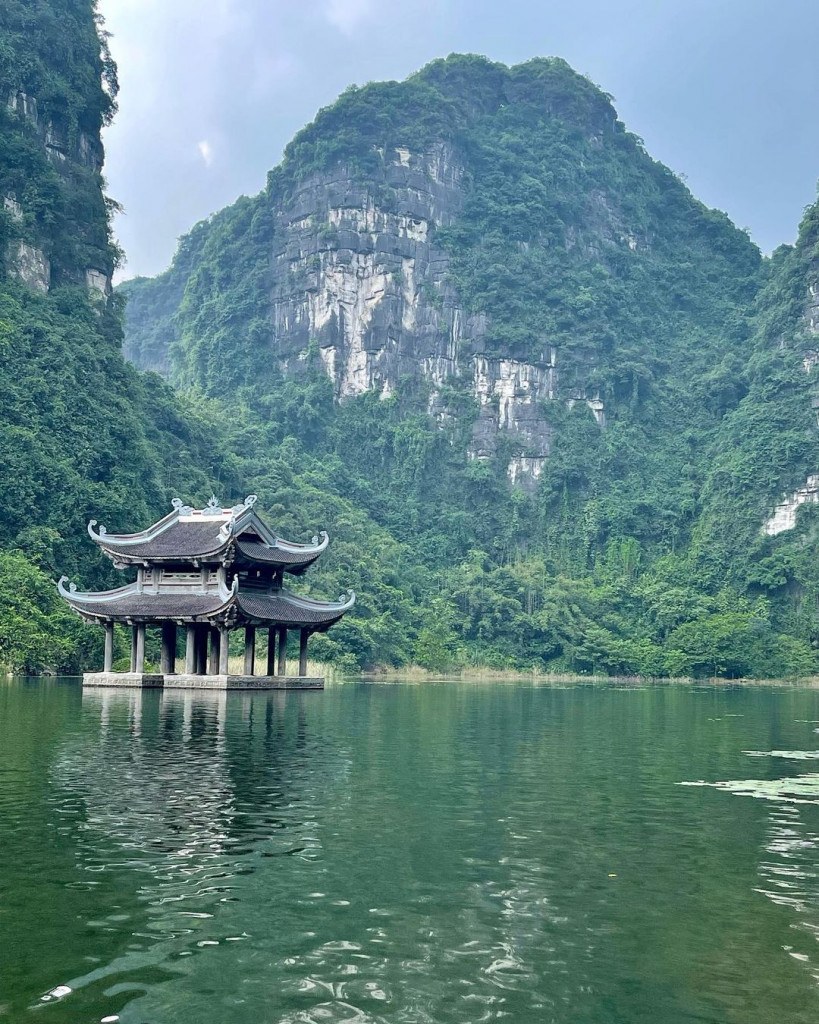
Photo: @gian_lakhmi_kaur.
Ha Long Bay
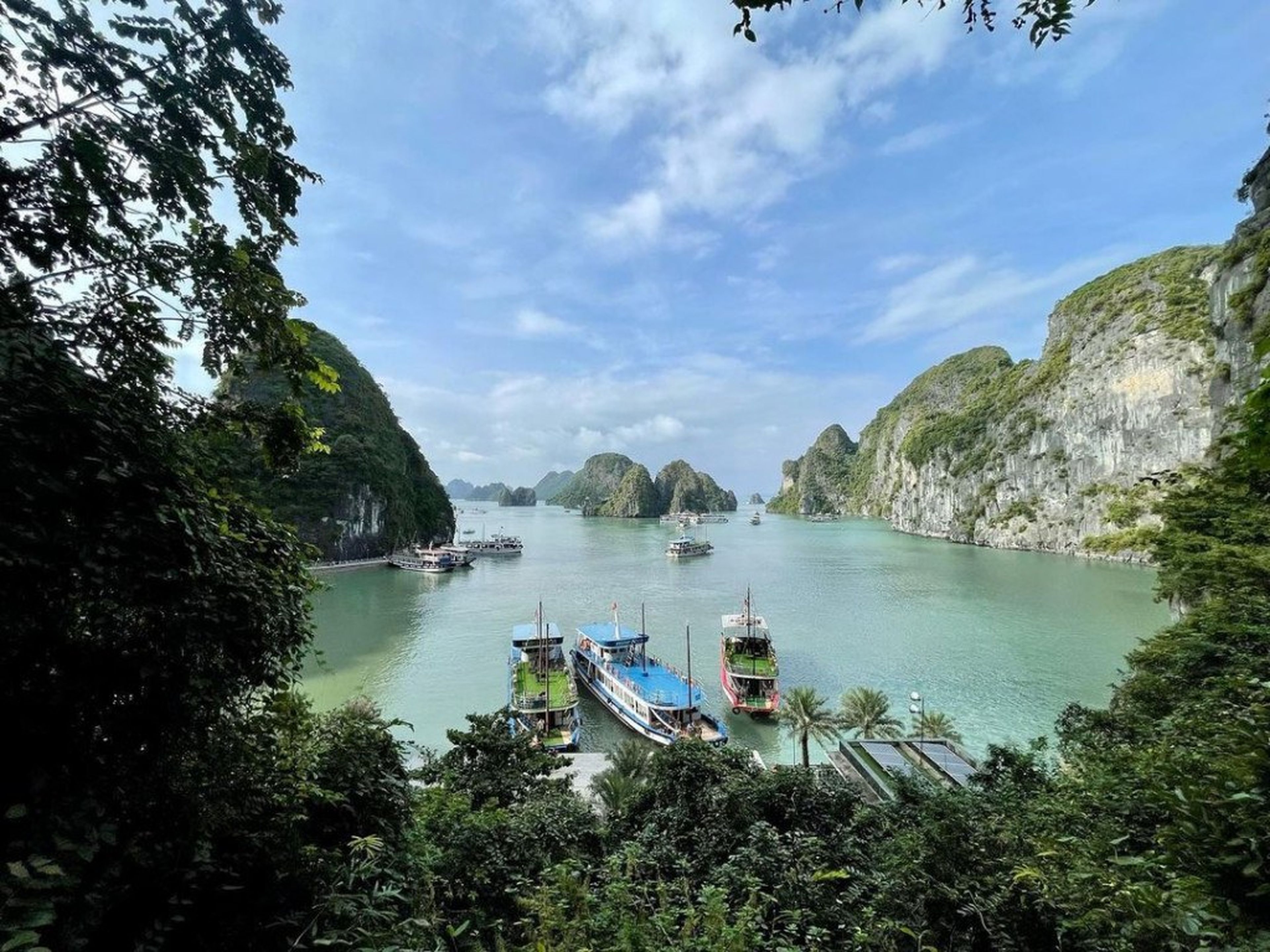
This natural wonder was recognized by UNESCO as a World Natural Heritage Site in 1994. Ha Long Bay comprises 1,600 limestone islands scattered across an area of 1,500 square kilometers. The majestic and vivid islands create a magnificent, beautiful landscape to be proud of.
Ha Long Bay. Photo: @n.yusuke_0114.
The islands in Ha Long Bay come in many different shapes and are named after those shapes: Head Island, Fighting Cocks Islet, Incense Burner Islet, Sail Islet, Trong Mai Islet, Tortoise Islet, Stone Dog Islet, Dinh Huong Islet…
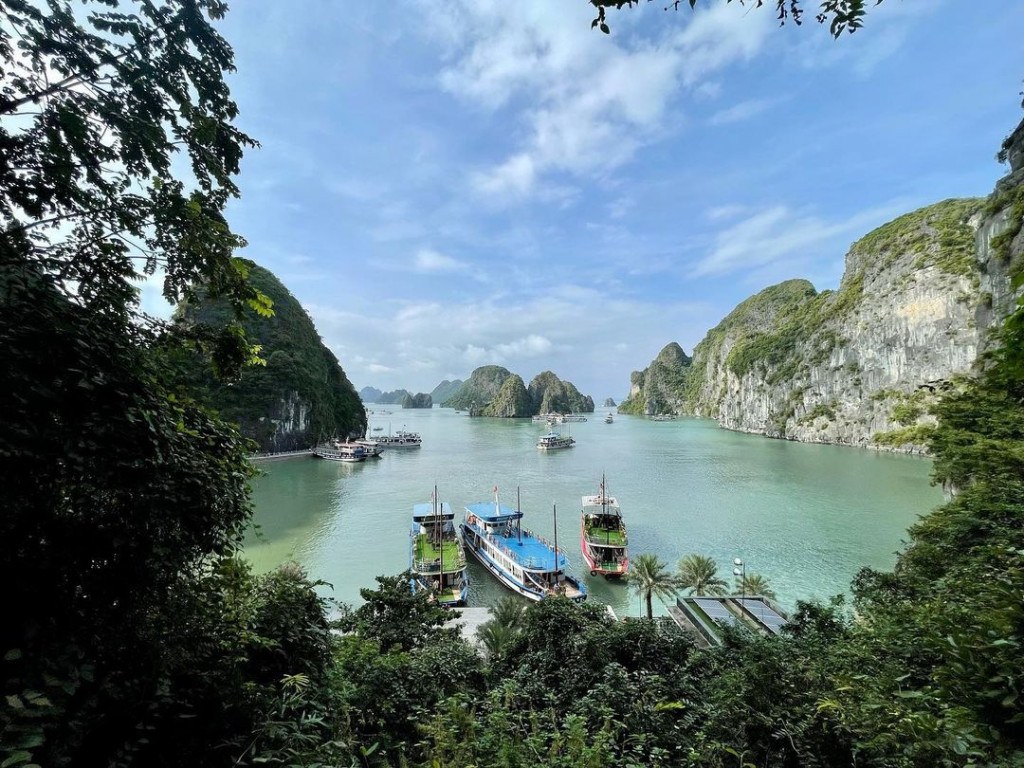
Photo: @n.yusuke_0114.
Fansipan
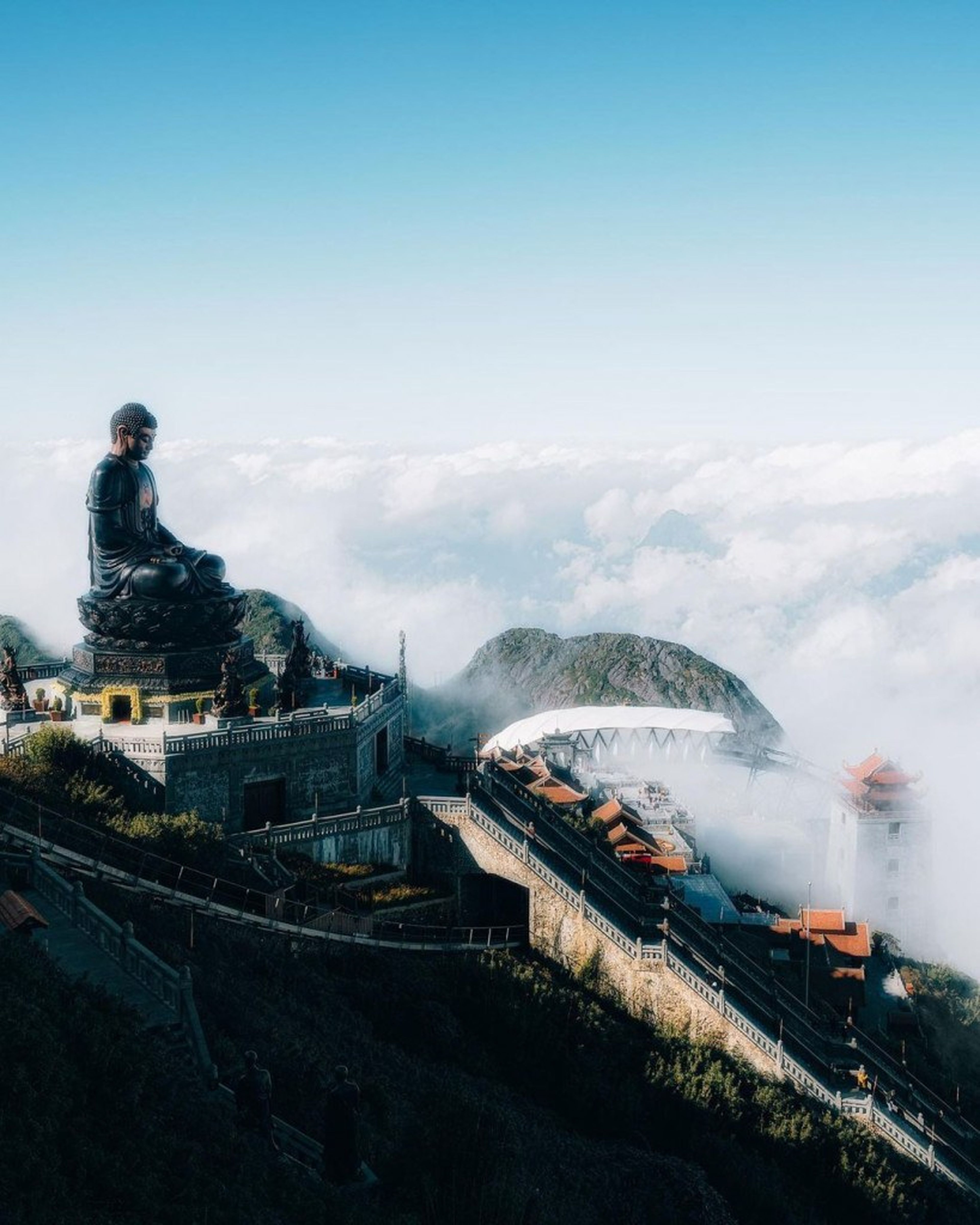
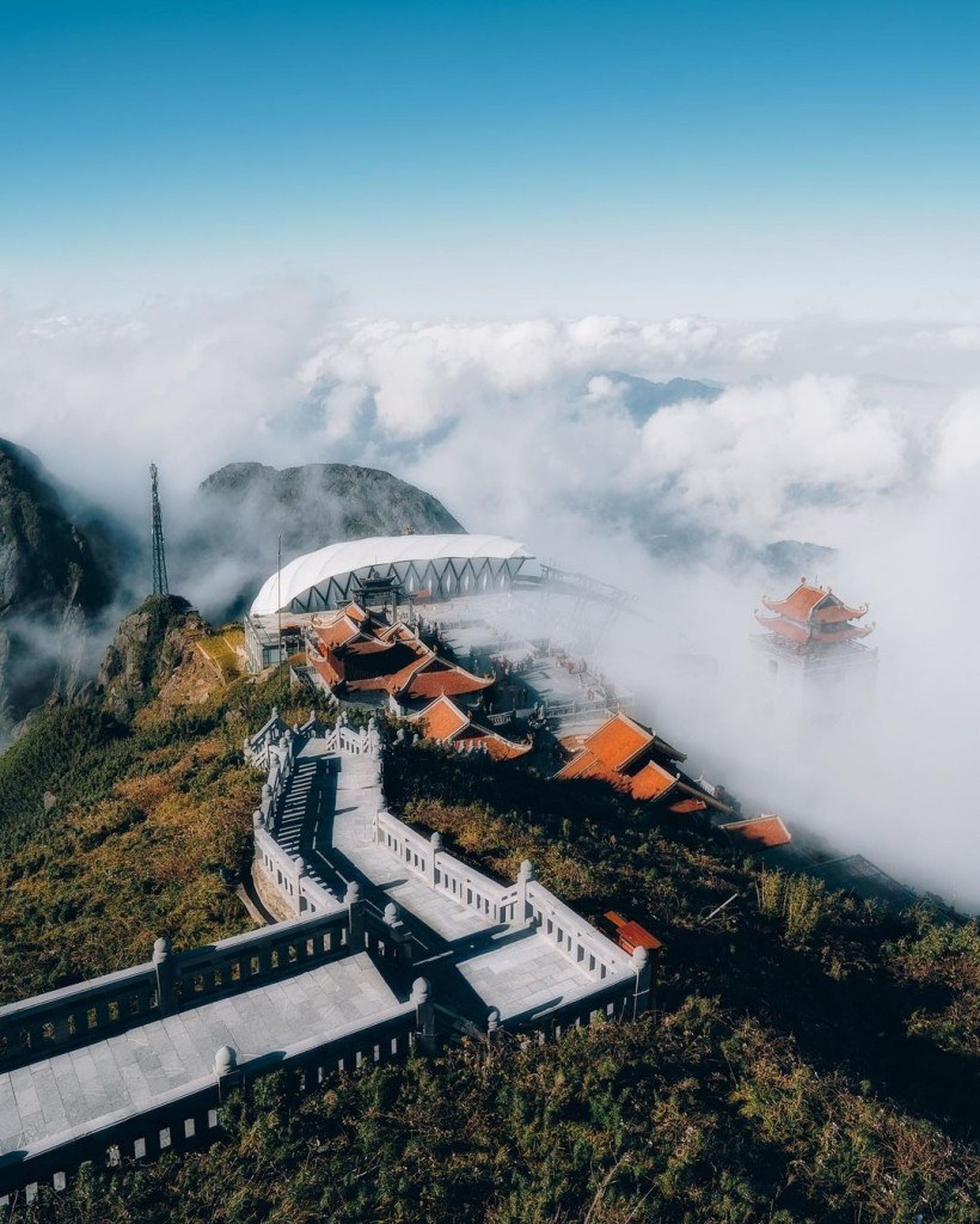
Fansipan Peak stands at 3,143m and is known as the “roof of Indochina.” Fansipan offers majestic natural scenery and poetic landscapes, with clouds, wind, and mist ever-present here. Travelers on the 5D4N Northern Vietnam tour can reach the summit by cable car or take on the challenge of conquering the mountain through trekking, relying on the strength of their own legs.
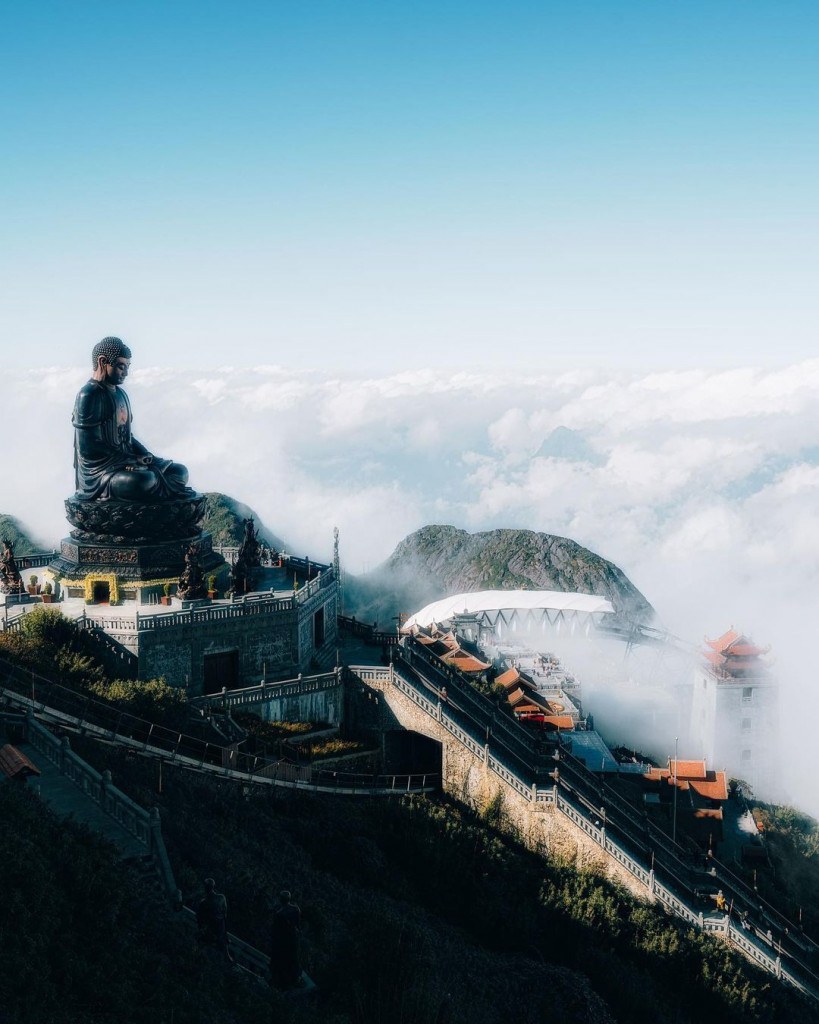
Fansipan Peak. Photo: @im0gil.
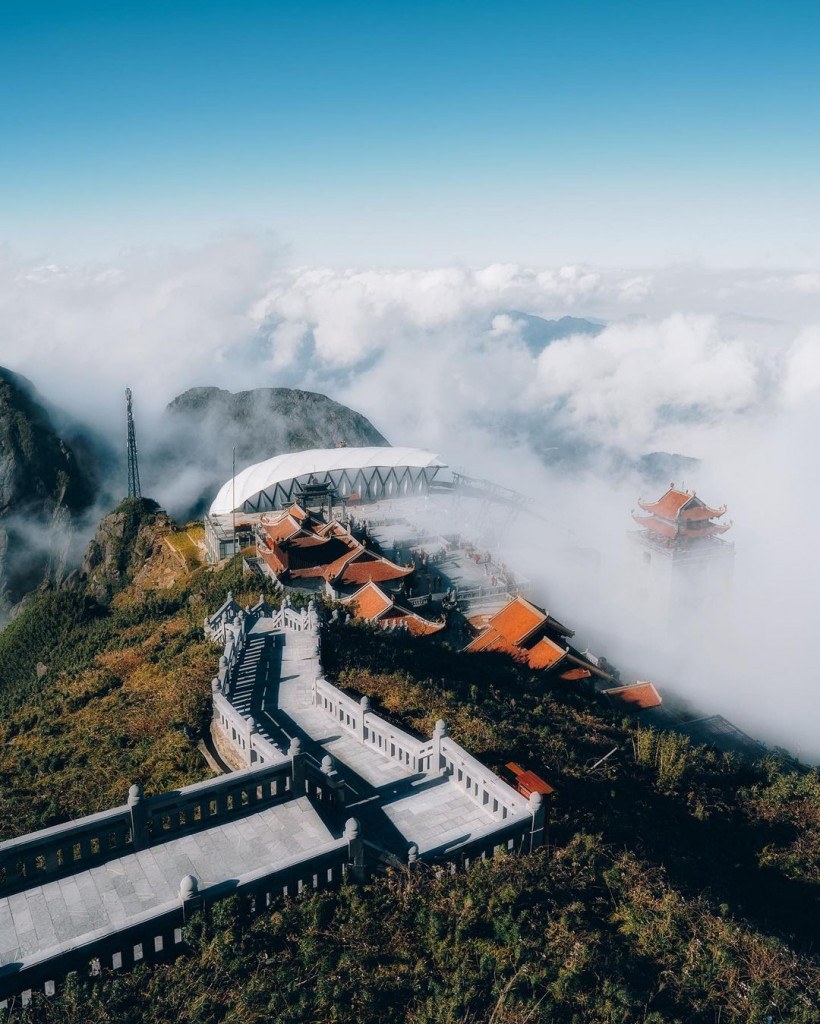
Cloud-covered mountain peak. Photo: @im0gil.
Cat Cat Village
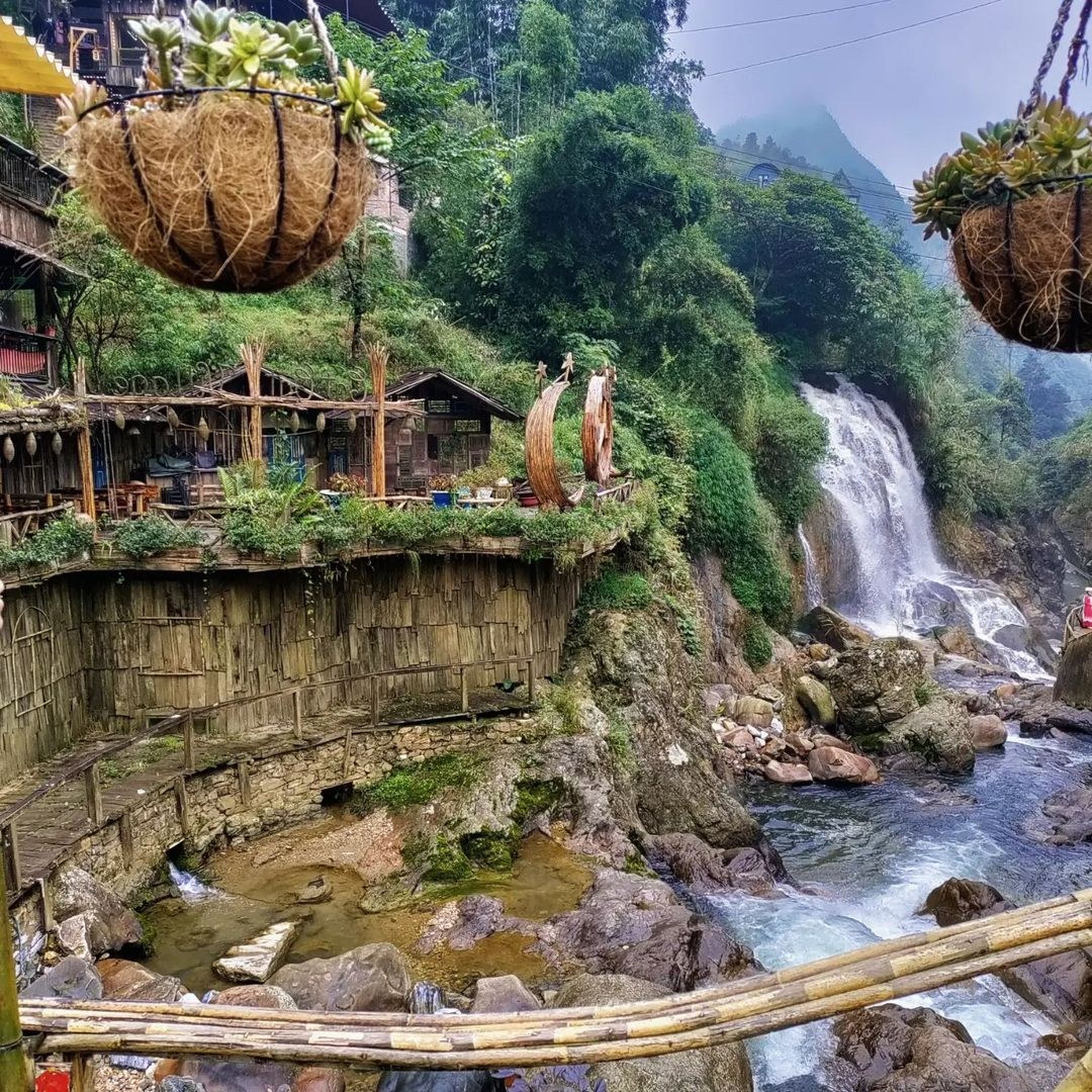
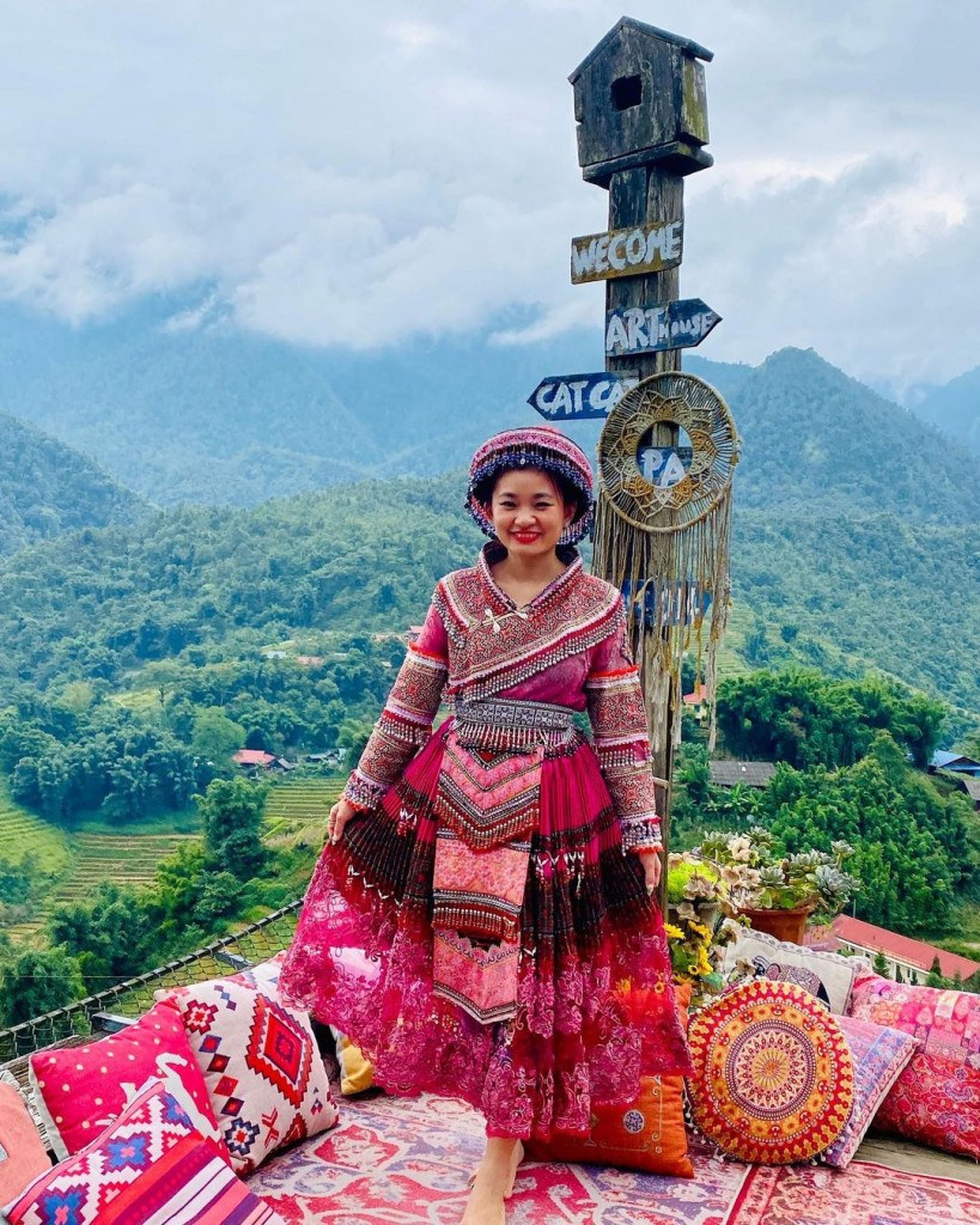
Cat Cat Village is a community-based tourism village inhabited entirely by the H’Mong people and established in the mid-19th century. The village has nearly 80 households spread along a stone-paved stepped road and scattered across the mountainside. After walking down several hundred meters of steps, visitors reach the village center, where three streams—Tien Sa, Vang, and Bac—converge. Nearby, Si Bridge and A Lu Bridge attract visitors looking to take commemorative photos.
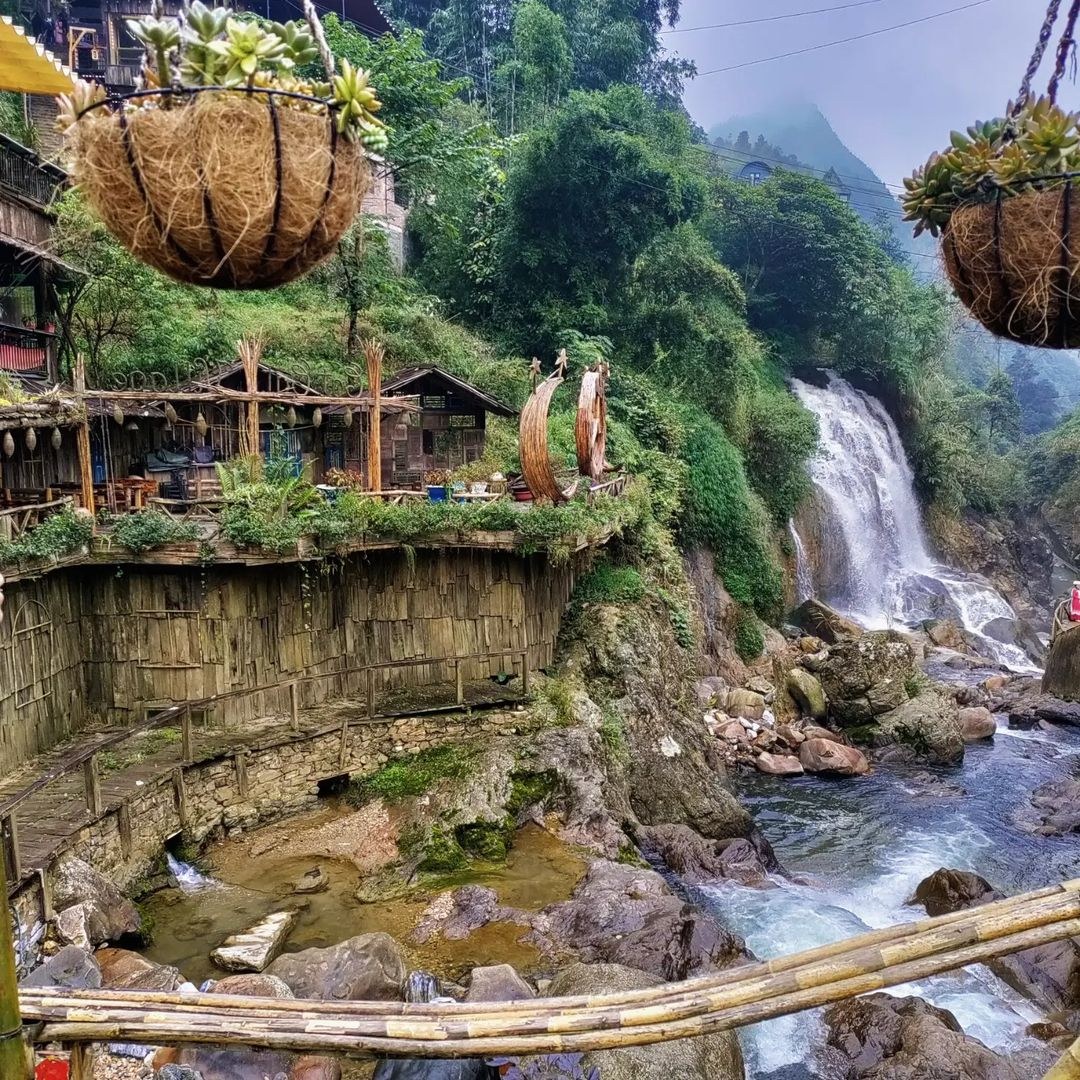
Photo: @jhanvit7.
Visiting Cat Cat Village in the early days of the year gives travelers the chance to take part in the Gau Tao Festival, a spring festival that reflects the distinctive cultural life of the local people. During the festival, you can also enjoy corn wine, men men, thang co, “khang gai” smoked meat, bamboo-cooked frog, corn cakes, fermented tofu, and more…
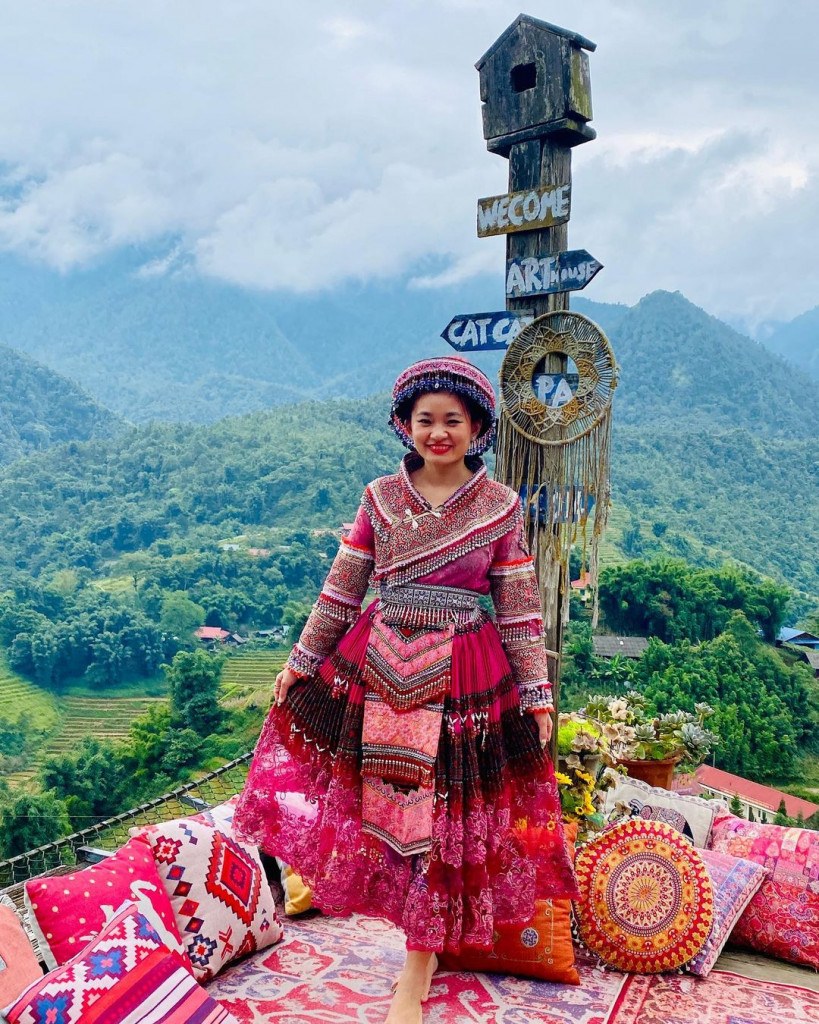
Photo: @berryoivn.
Sapa Stone Church
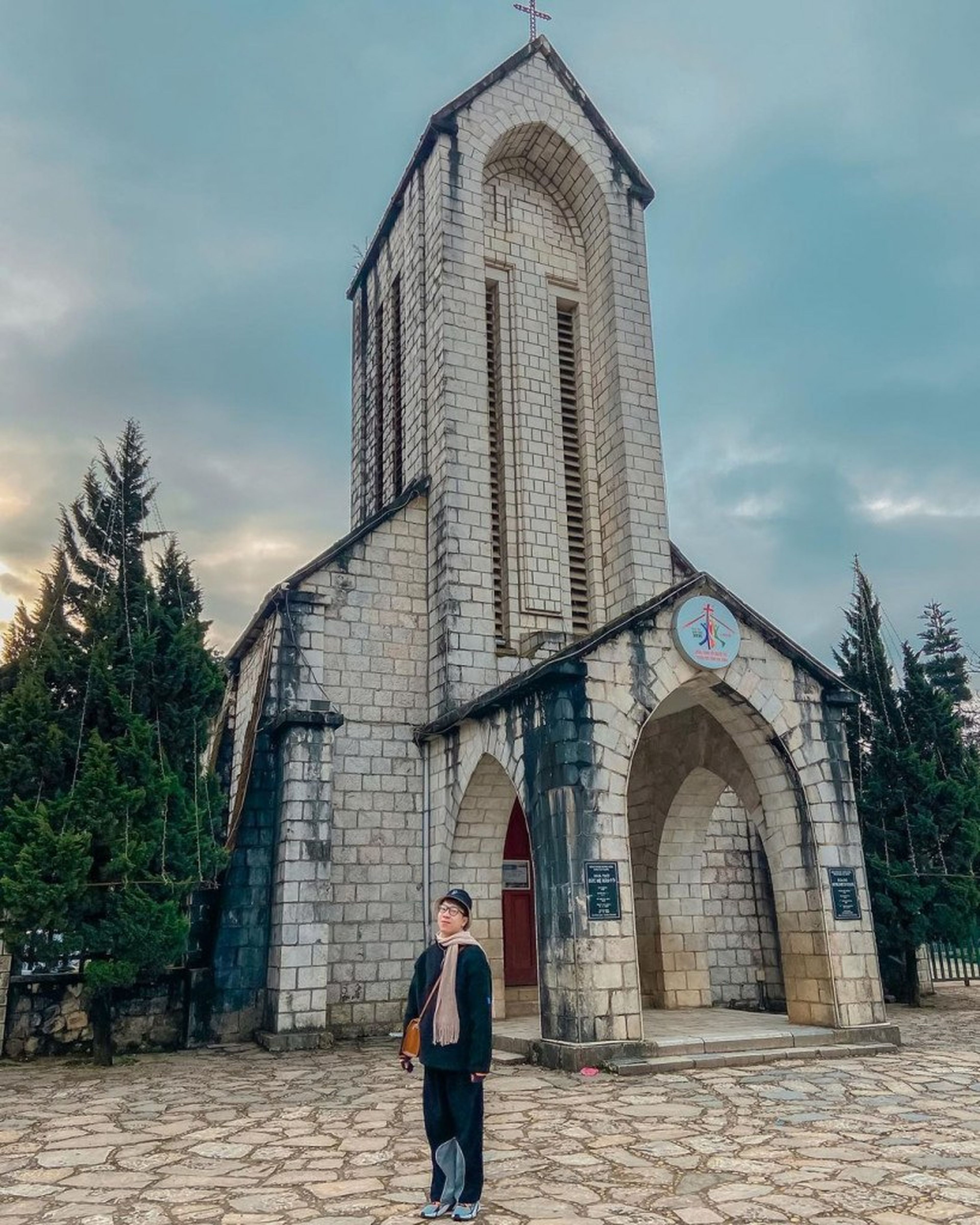
Sapa Stone Church was built by the French in 1895 and officially completed and put into use in 1935. The church features Western architecture with white as its dominant color, exuding a sense of age and timelessness.
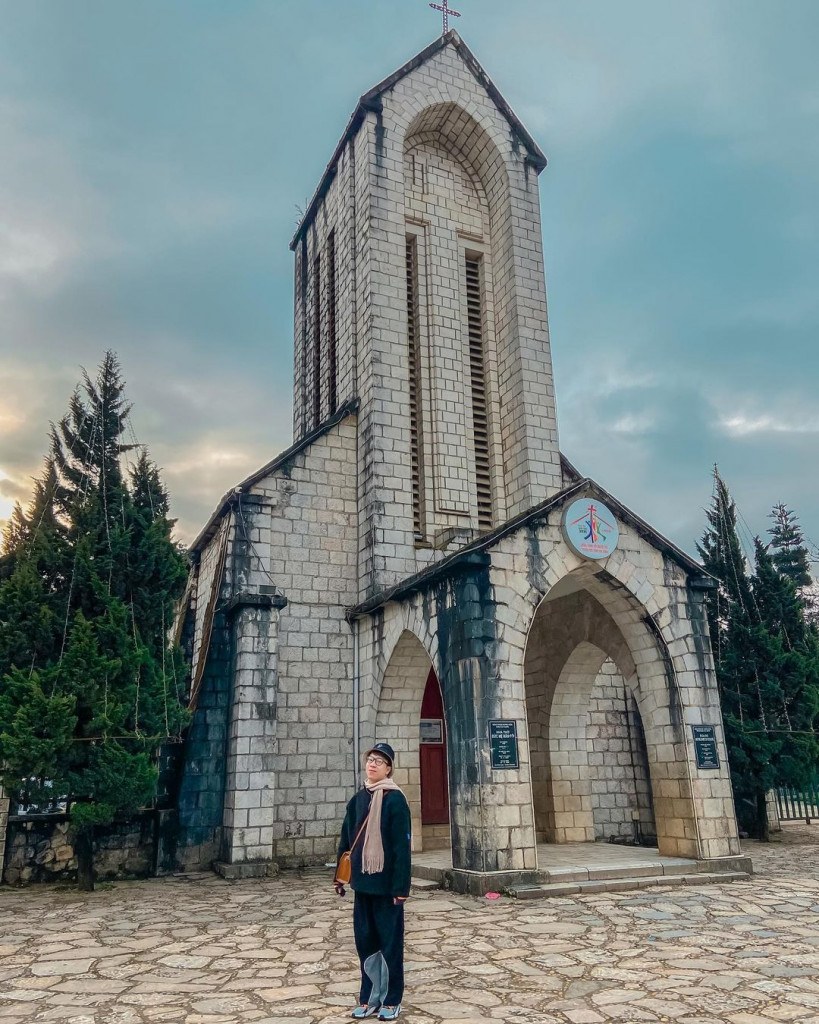
Stone Church. Photo: @jammie_tuanle.
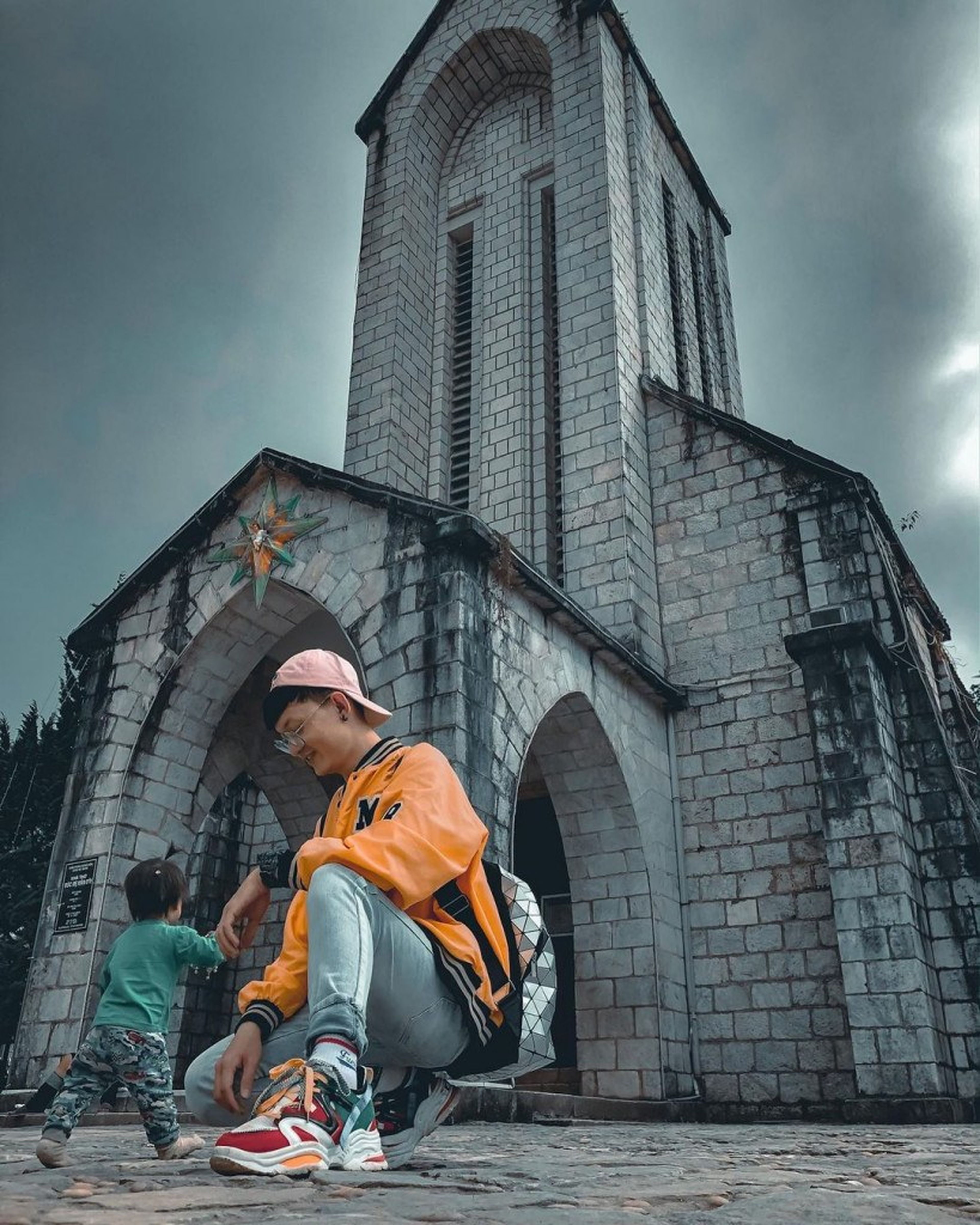
The entire church was built from hewn stone, joined with a mixture of sand, lime, and molasses. The walls of the cross were textured like stalactites flowing downward, enhancing the natural beauty. The roof is tiled, while the straw-and-lime ceiling has now been renovated. In particular, the ceiling in the bell tower is made of lime, straw, and iron and remains intact to this day.
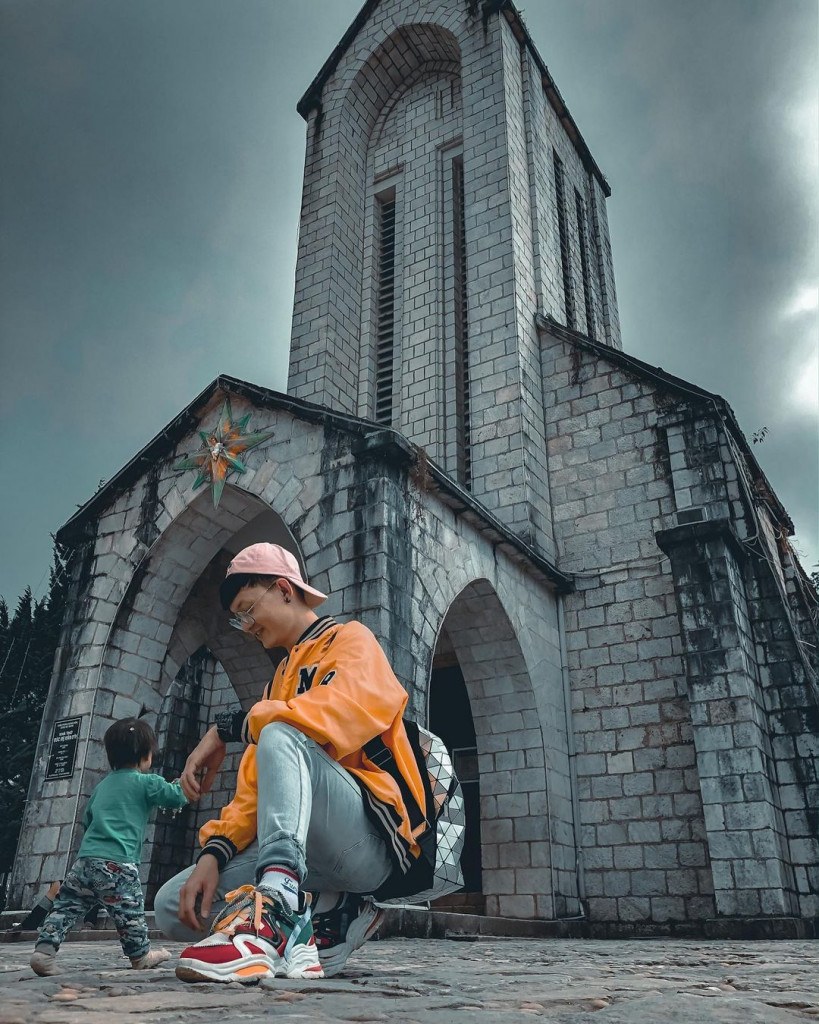
Photo: @sinnkypoo.
The famous scenic attractions of Northern Vietnam will bring a new spring filled with memorable moments with family and friends. Call iVIVU now to book the 5D4N Northern Vietnam tour and welcome spring with many attractive offers and professional services!