Spring in Northern Vietnam features vibrant red peach blossoms, pure white pear and plum blossoms, and bright yellow mustard flowers. What's more, spring here leaves a lasting impression on the 5D4N Northern Vietnam tour, with its gorgeous scenic attractions.
5 D4N Northern Vietnam Tour: Captivated by spring scenery across northern attractions
Temple of Literature – Imperial Academy
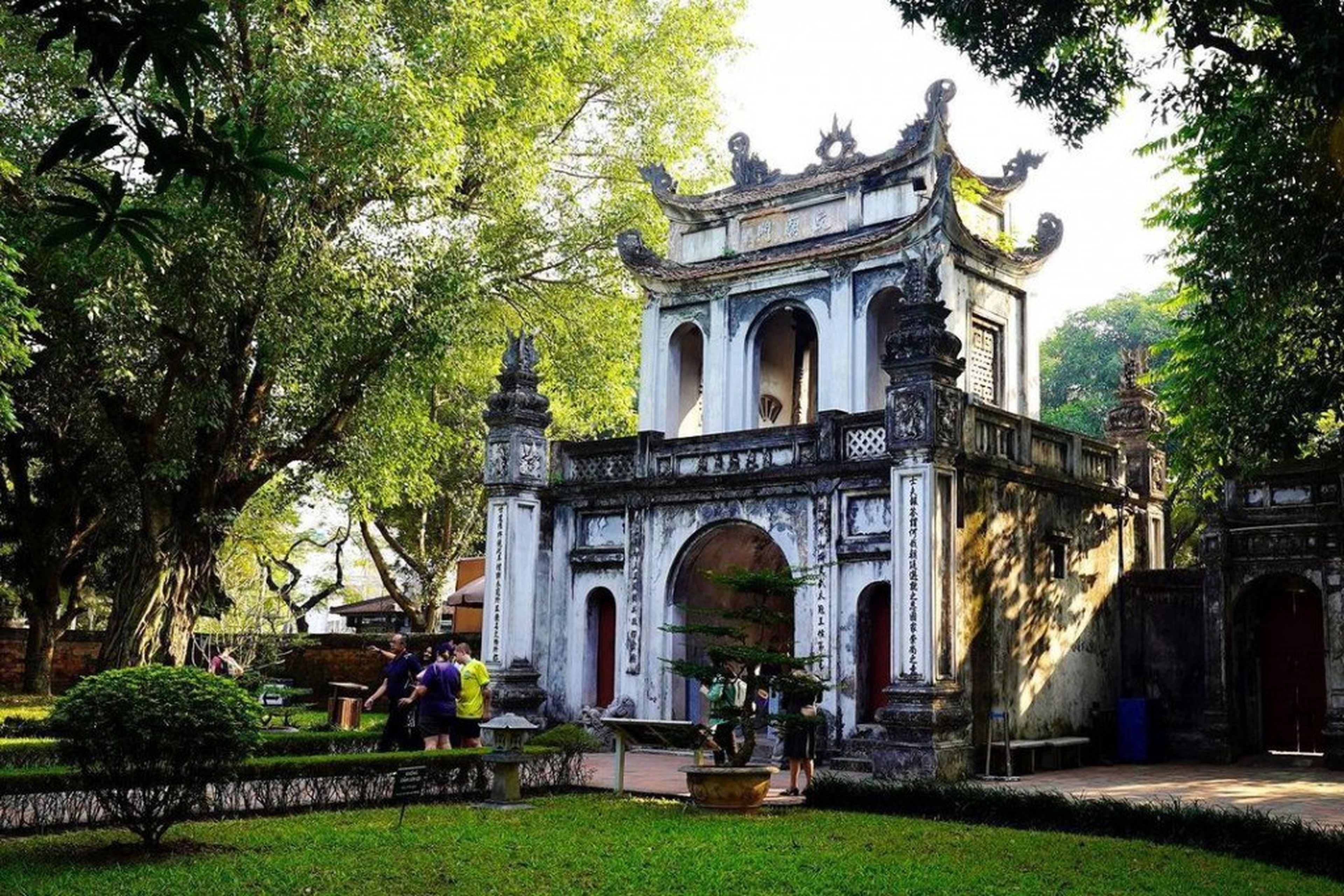
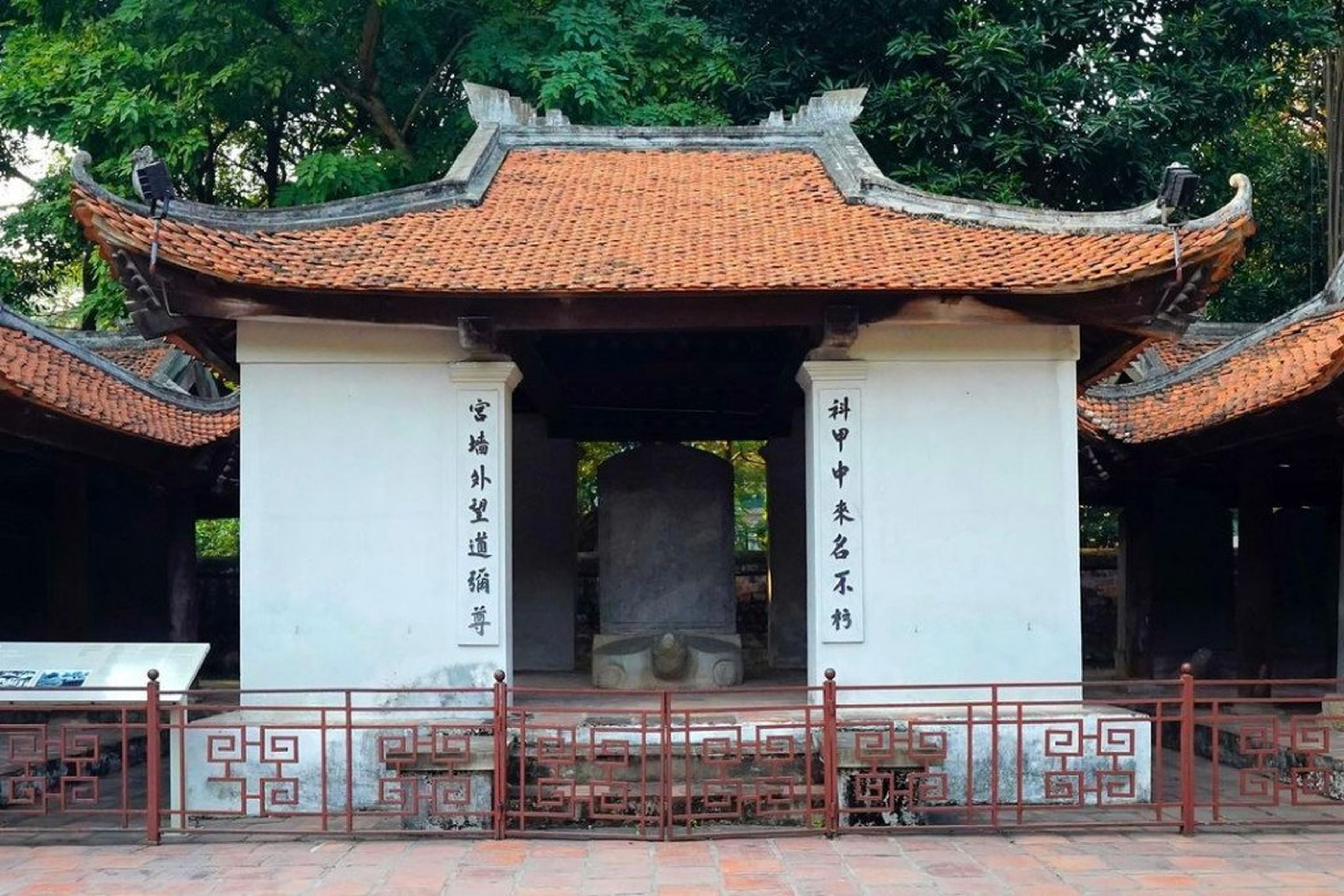
The Temple of Literature – Imperial Academy is located south of the ancient Thang Long Citadel and was recognized as a Special National Monument in 2012. Khue Van Cac (Pavilion of Constellation) at the Temple of Literature was chosen as the symbol of the capital, and 82 Doctors' steles were recognized by UNESCO as Documentary Heritage and inscribed on the Memory of the World Register.
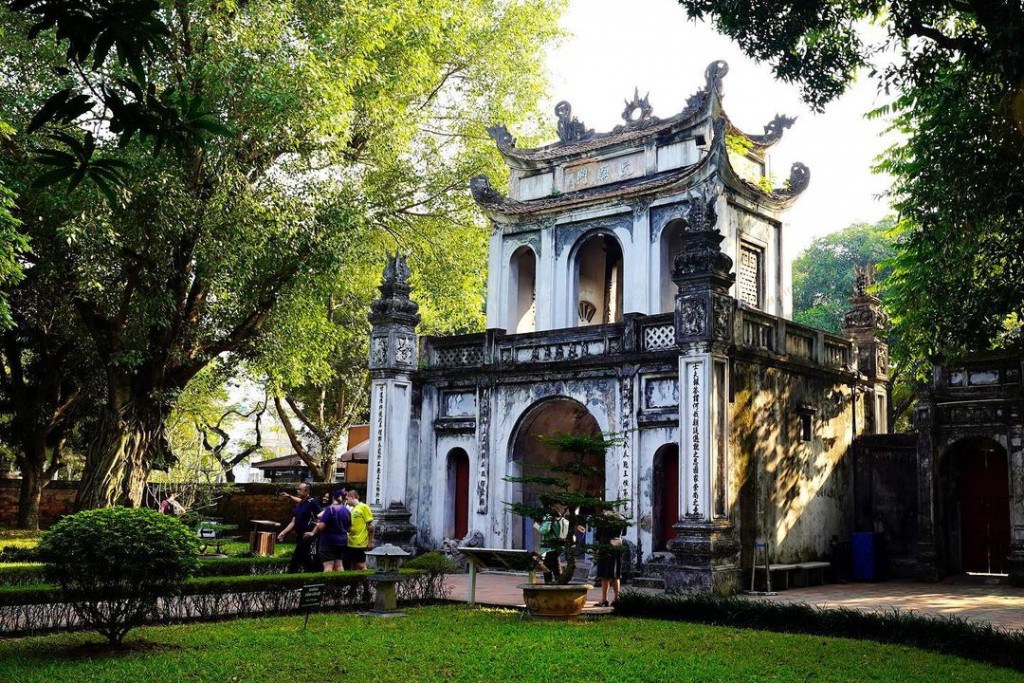
Temple of Literature. Photo: @gingerzap.
This shows that the Temple of Literature – Imperial Academy is not only a precious asset of Vietnam, but has also become a cultural heritage of humanity. For many years, this place has been a symbol of intellect and the tradition of studiousness, an attractive destination for domestic and international tourists, and an exciting stop on the 5D4N Northern Vietnam tour.
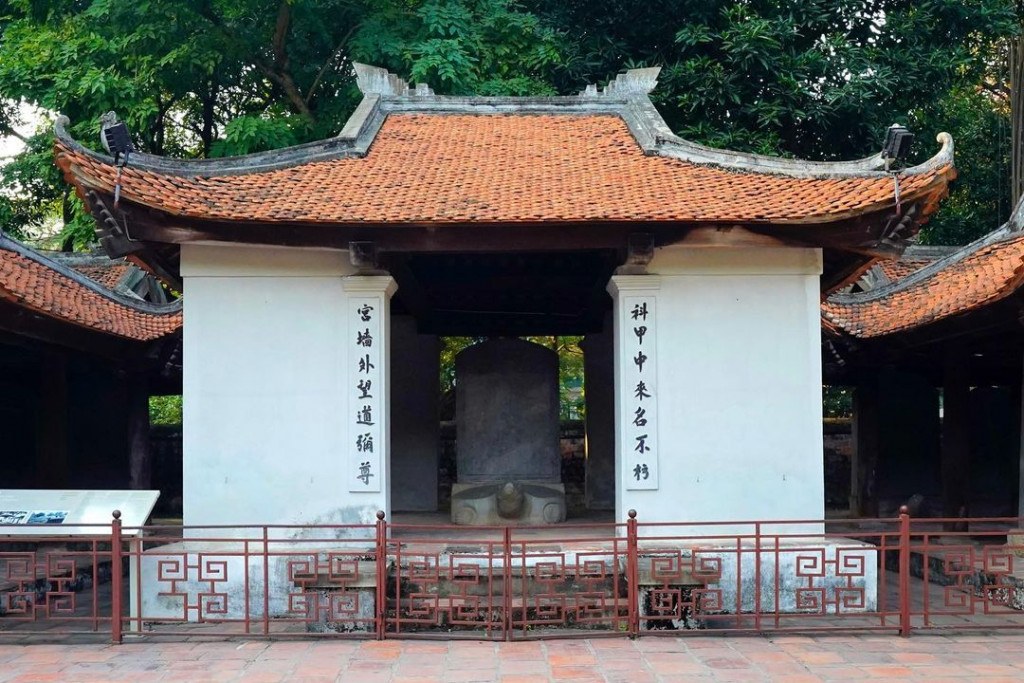
Photo: @gingerzap.
Ba Dinh Square
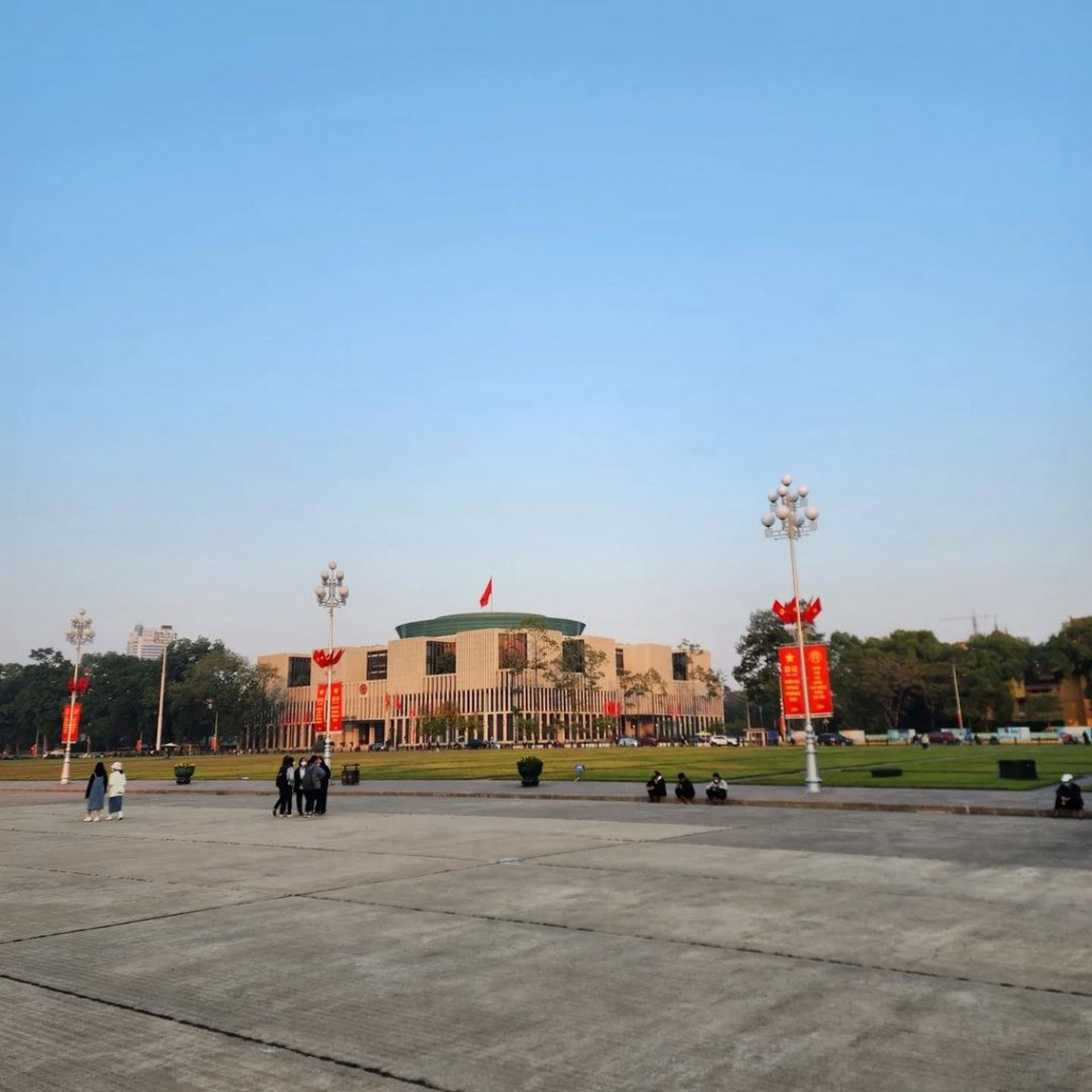
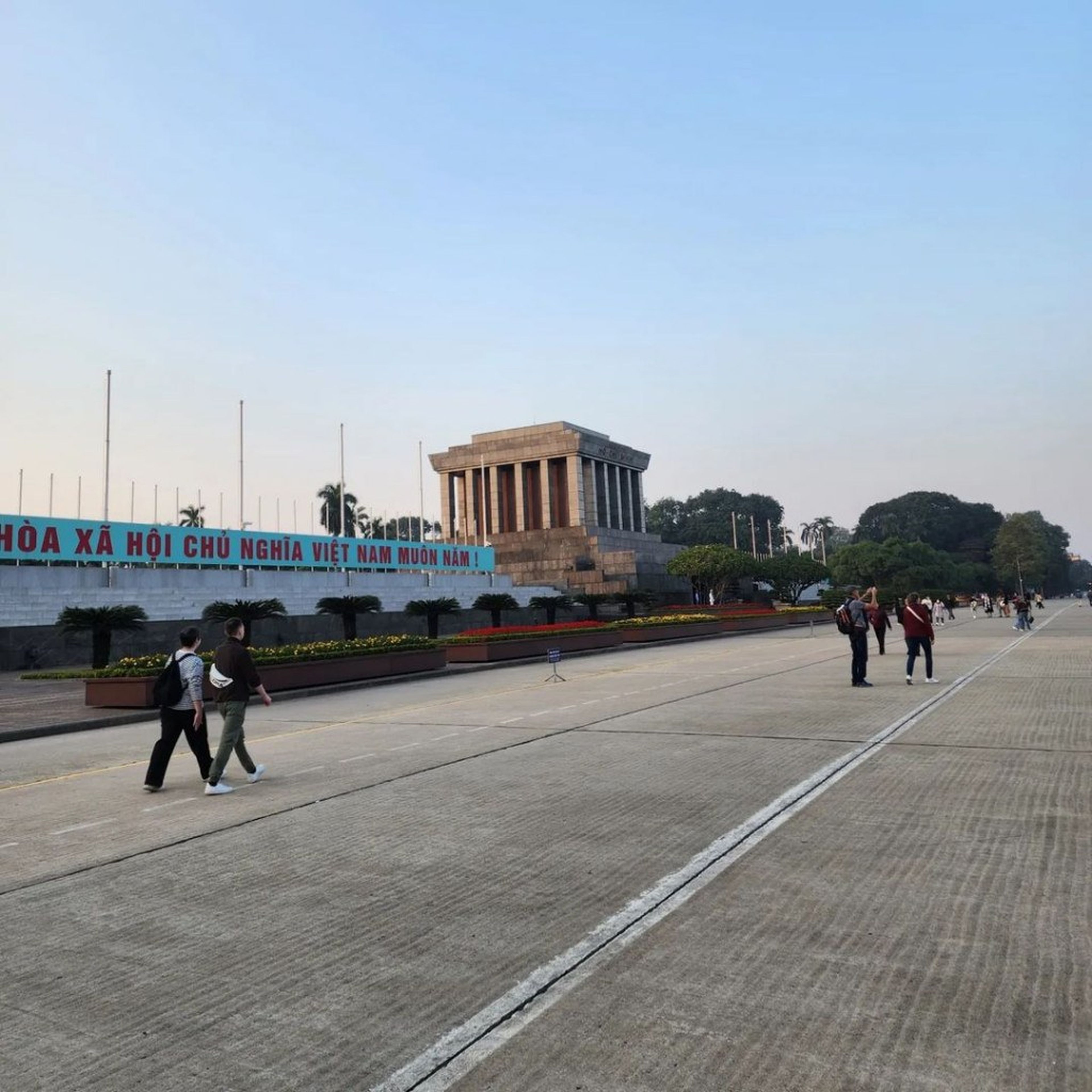
Ba Dinh Square is the largest square in Vietnam, located on Hung Vuong Street in front of the Ho Chi Minh Mausoleum. It has witnessed many momentous national events. On September 2, 1945, President Ho Chi Minh read the Declaration of Independence here, giving birth to the Democratic Republic of Vietnam.
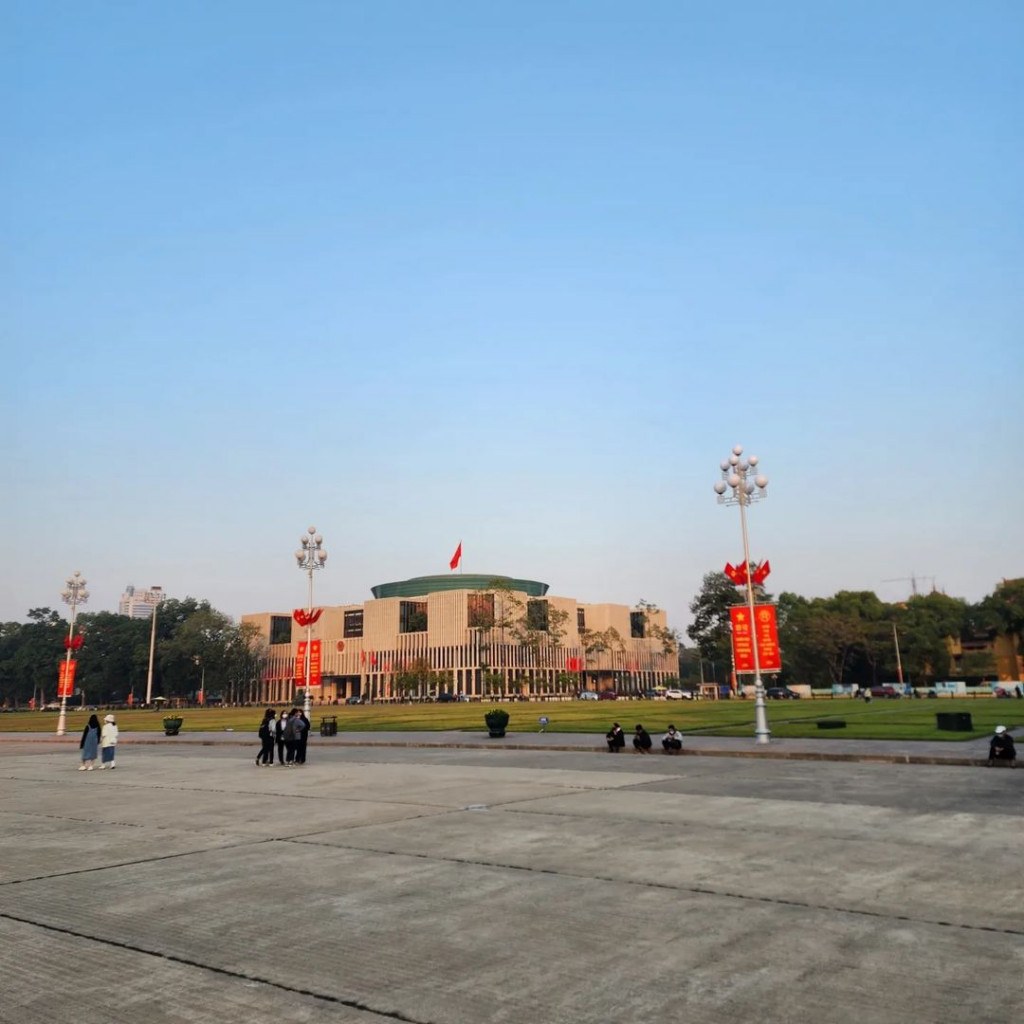
Ba Dinh Square. Photo: @jihyep1211.
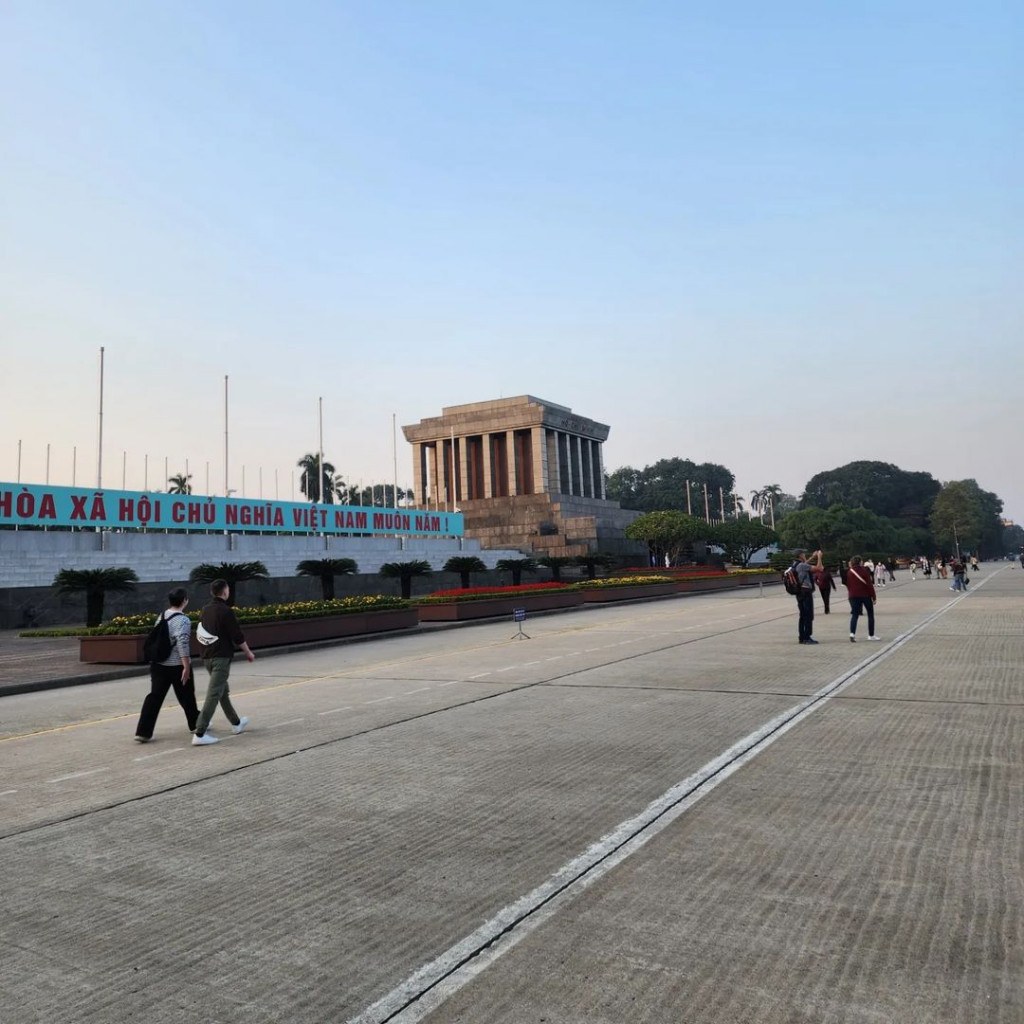
The square near Uncle Ho's Mausoleum. Photo: @jihyep1211.
One Pillar Pagoda
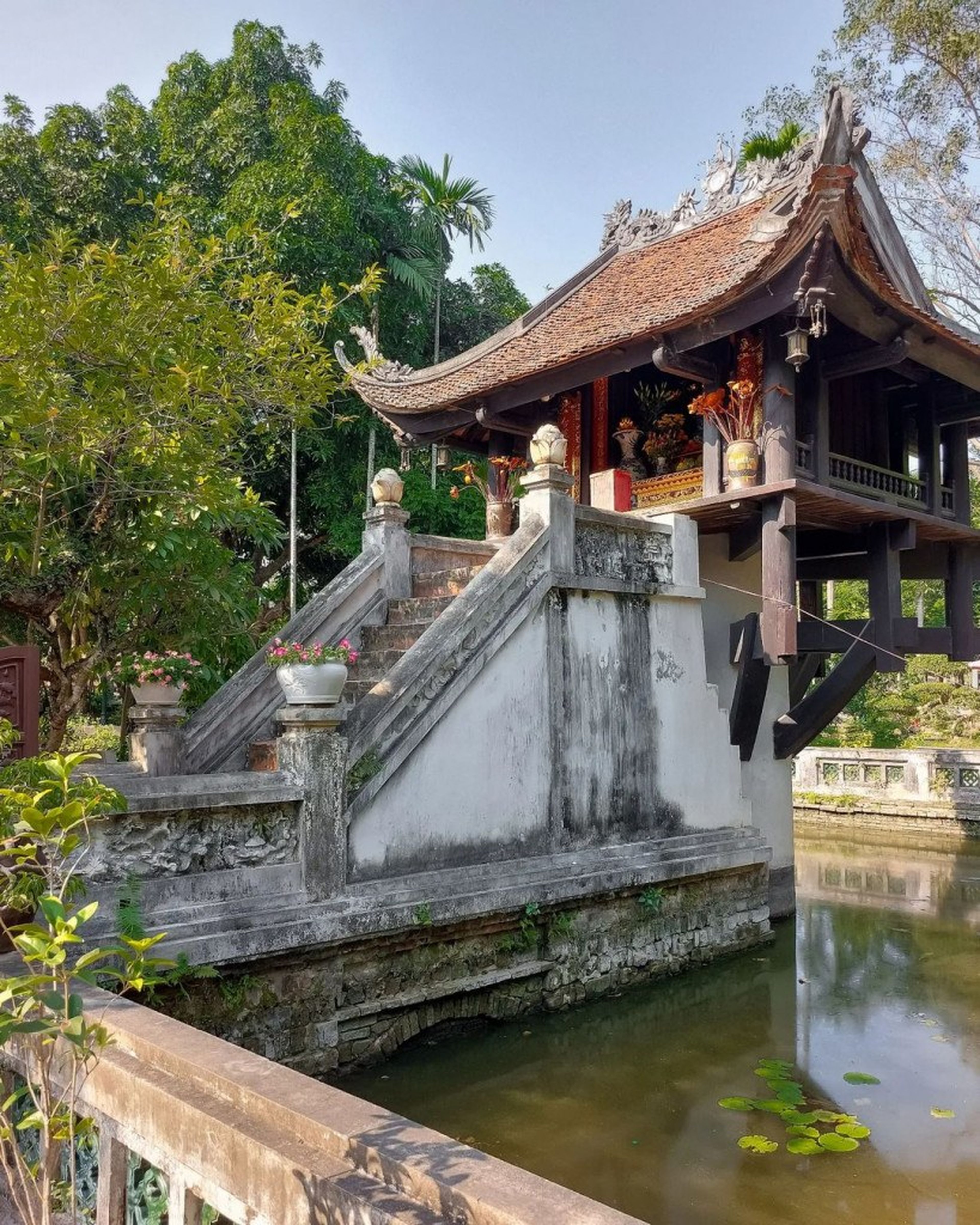
The One Pillar Pagoda, also known as Dien Huu Pagoda or Lien Hoa Dai (Lotus Platform), was built in 1049 during the reign of King Ly Thai Tong. The pagoda currently consists of a square lotus pavilion with 3m-long sides and curved roofs, erected on a 4m-high pillar, excluding the underground portion. The upper section of the pillar features a system of wooden beams that support the platform above. The lotus pavilion has a tiled roof with curved eaves, adorned with two dragons flanking the moon.
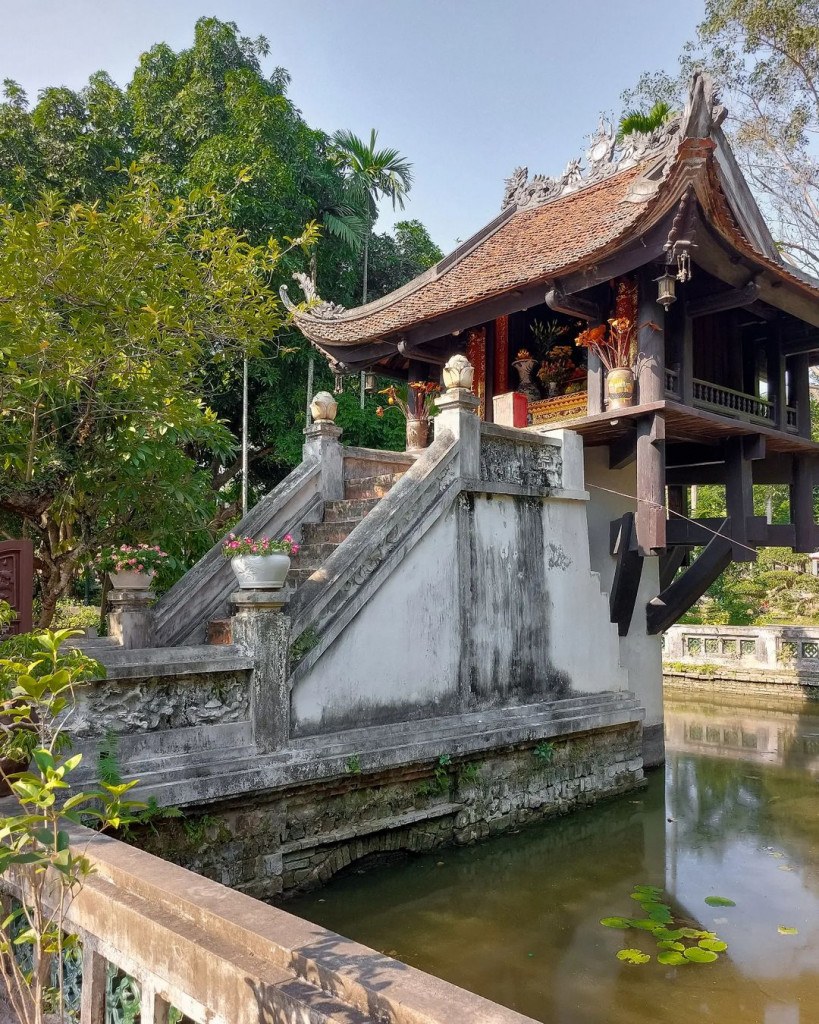
Photo: @angybangys.
Bai Dinh Pagoda
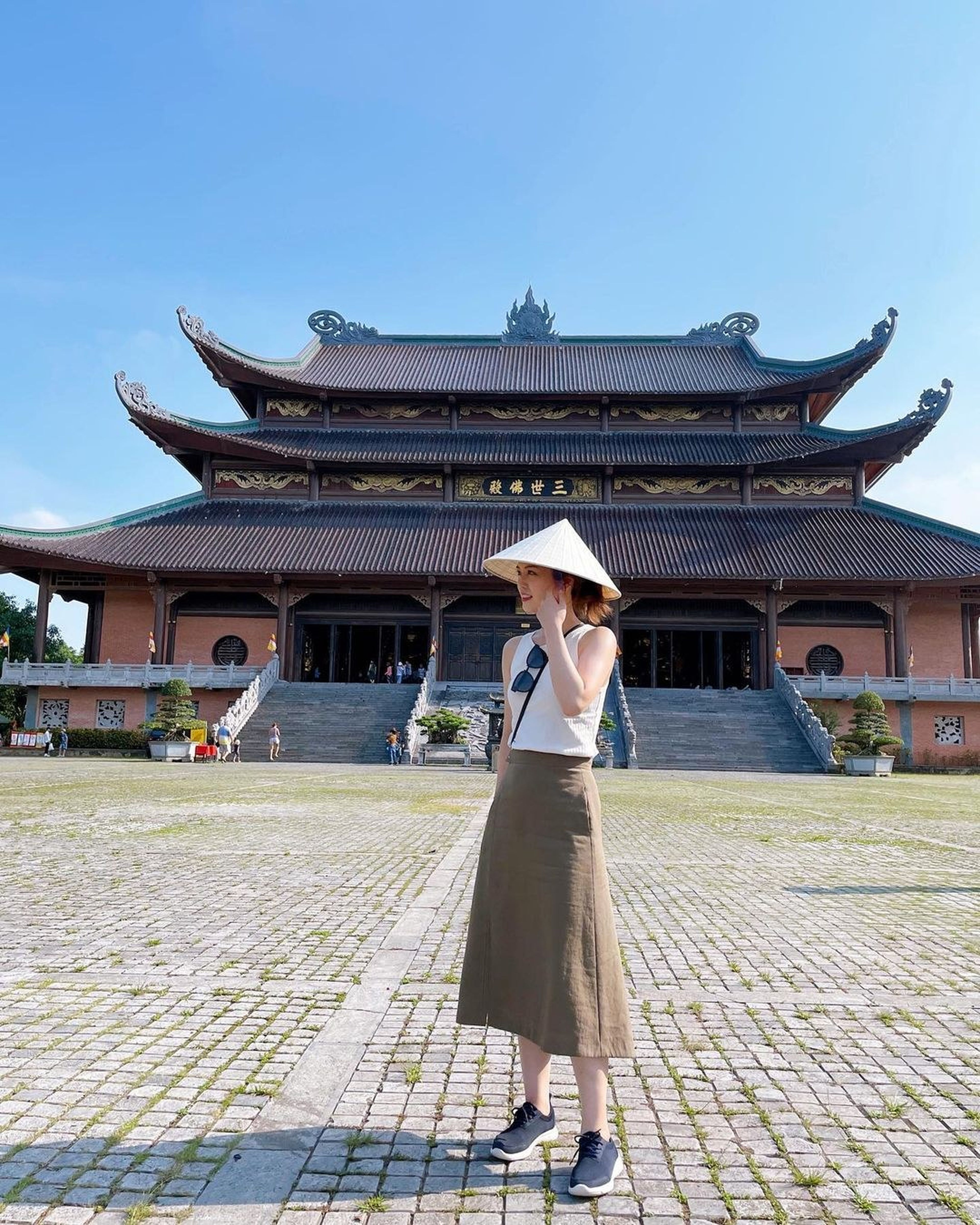
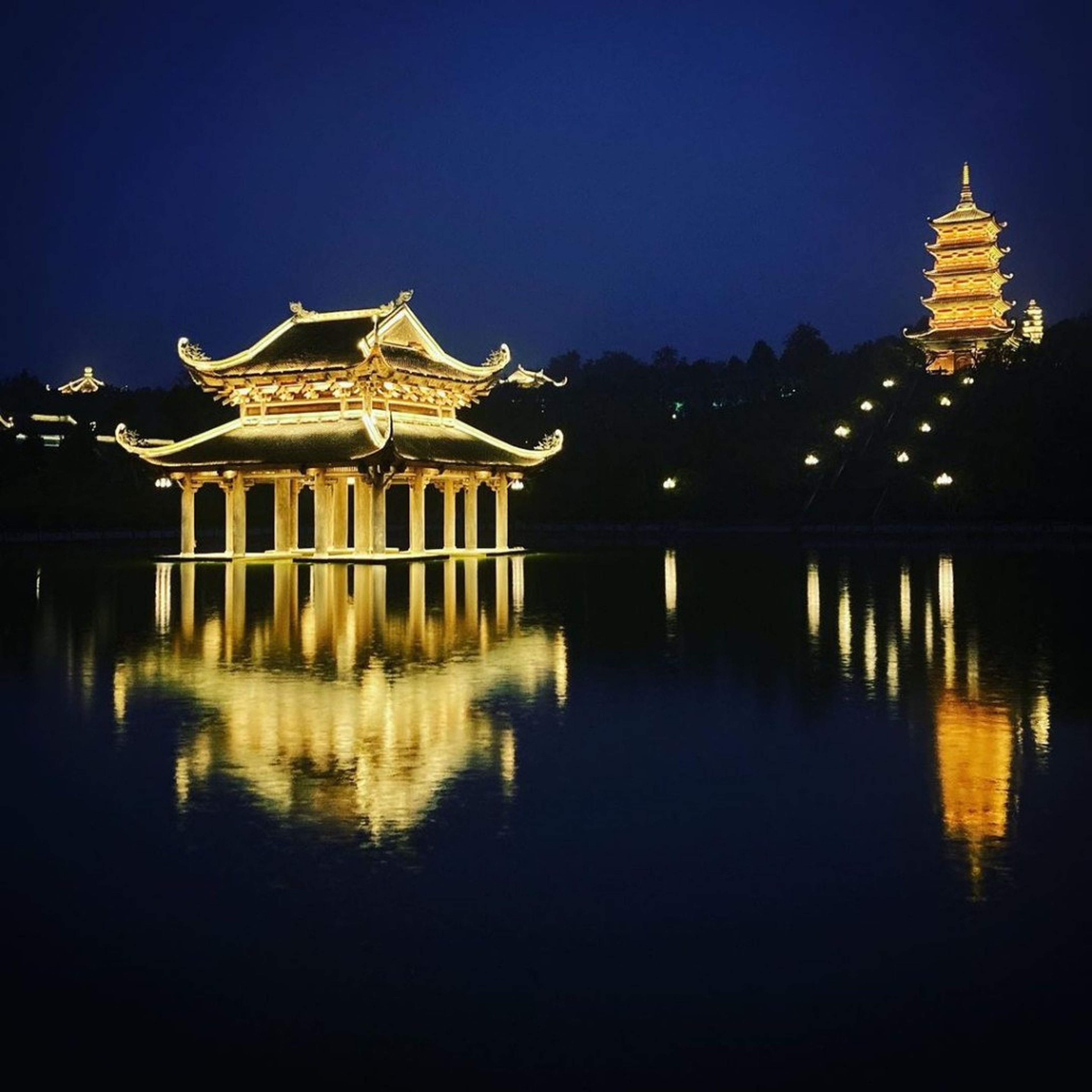
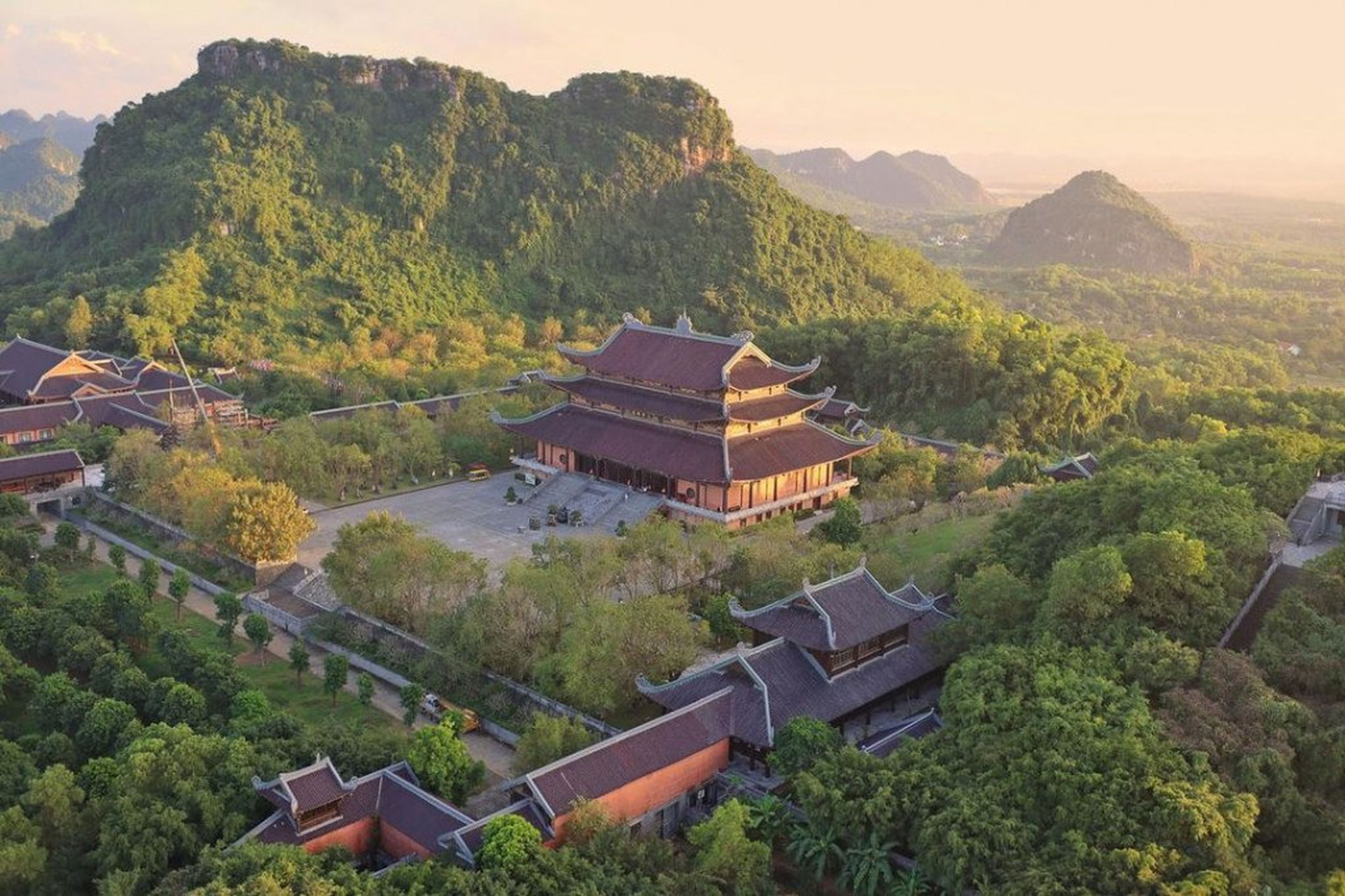
As the largest pagoda in Vietnam featured in the itinerary of the 5D4N Northern Vietnam tour, Bai Dinh Pagoda will leave you in awe with its grandeur by day and mesmerized by its mystical beauty by night. The ancient Bai Dinh Pagoda was founded by Zen Master Nguyen Minh Khong, who transformed the caves into a pagoda when he came here searching for medicinal herbs to cure King Ly Than Tong's tiger affliction.
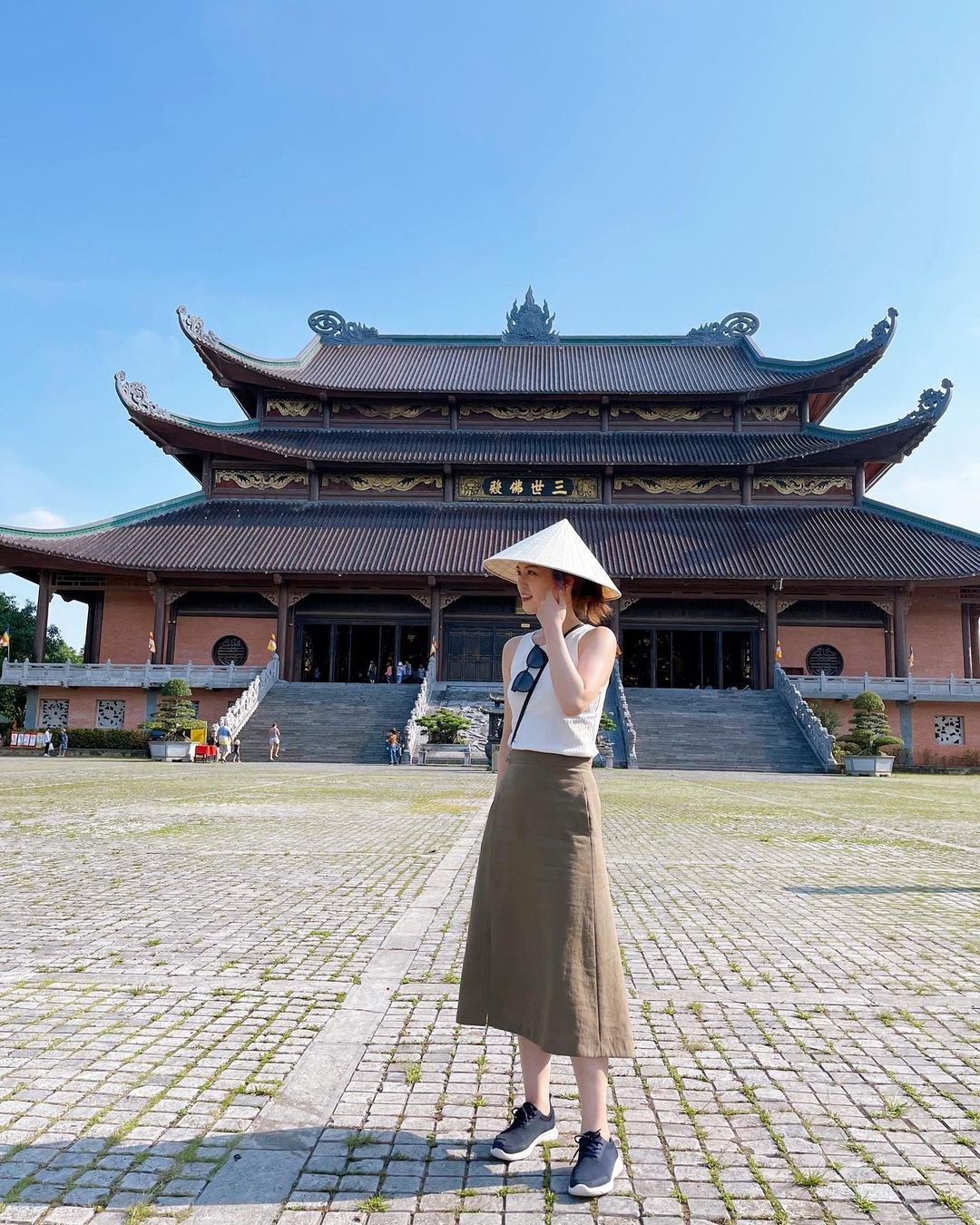
Photo: @narum_i_muran.
The ancient Bai Dinh Pagoda is situated on a 187m-high mountain, about 800m away from the Tam The Hall of the new pagoda. The pagoda complex is nestled in a tranquil mountainous forest, featuring a front hall in the center, the light cave worshipping the Buddha, followed by the temple dedicated to Mountain God Cao Son; turning to the left is the shrine worshipping Saint Nguyen, followed by the dark cave worshipping Mother Goddesses and fairies.
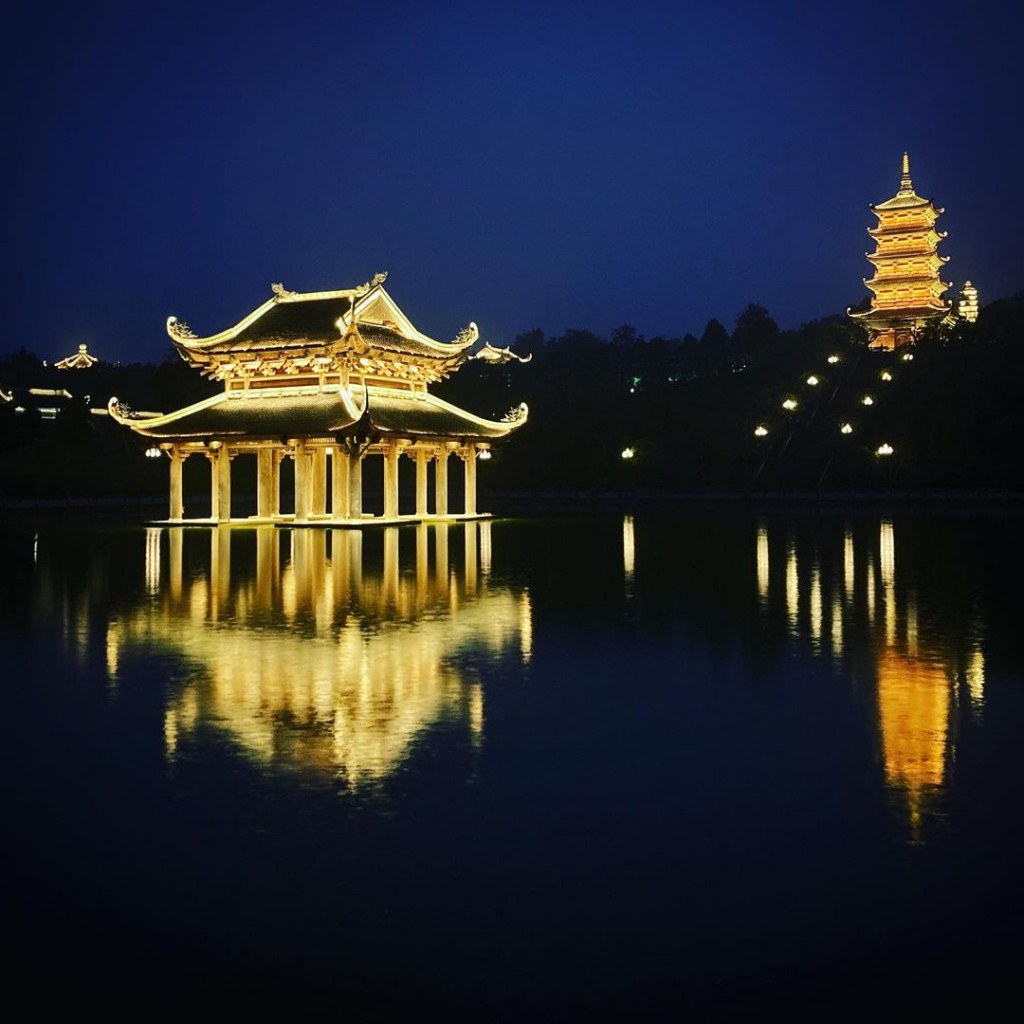
Bai Dinh Pagoda at night. Photo: @soliter_na_cestach.
This place is situated in a land that brings together all the qualities of extraordinary figures—a land that gave birth to Kings, Saints, and Gods. During the resistance war, Bai Dinh Pagoda was also where leaders of the Communist Party of Vietnam spread revolutionary propaganda to the people.
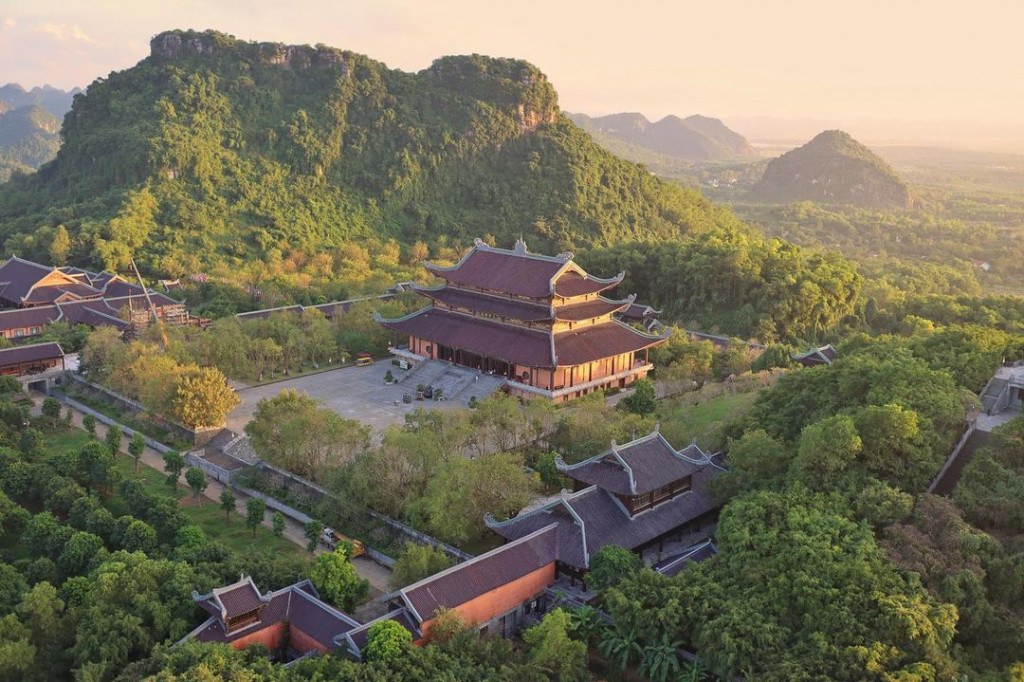
Bai Dinh Pagoda from above. Photo: @huynhhoa0209.
Trang An Scenic Landscape
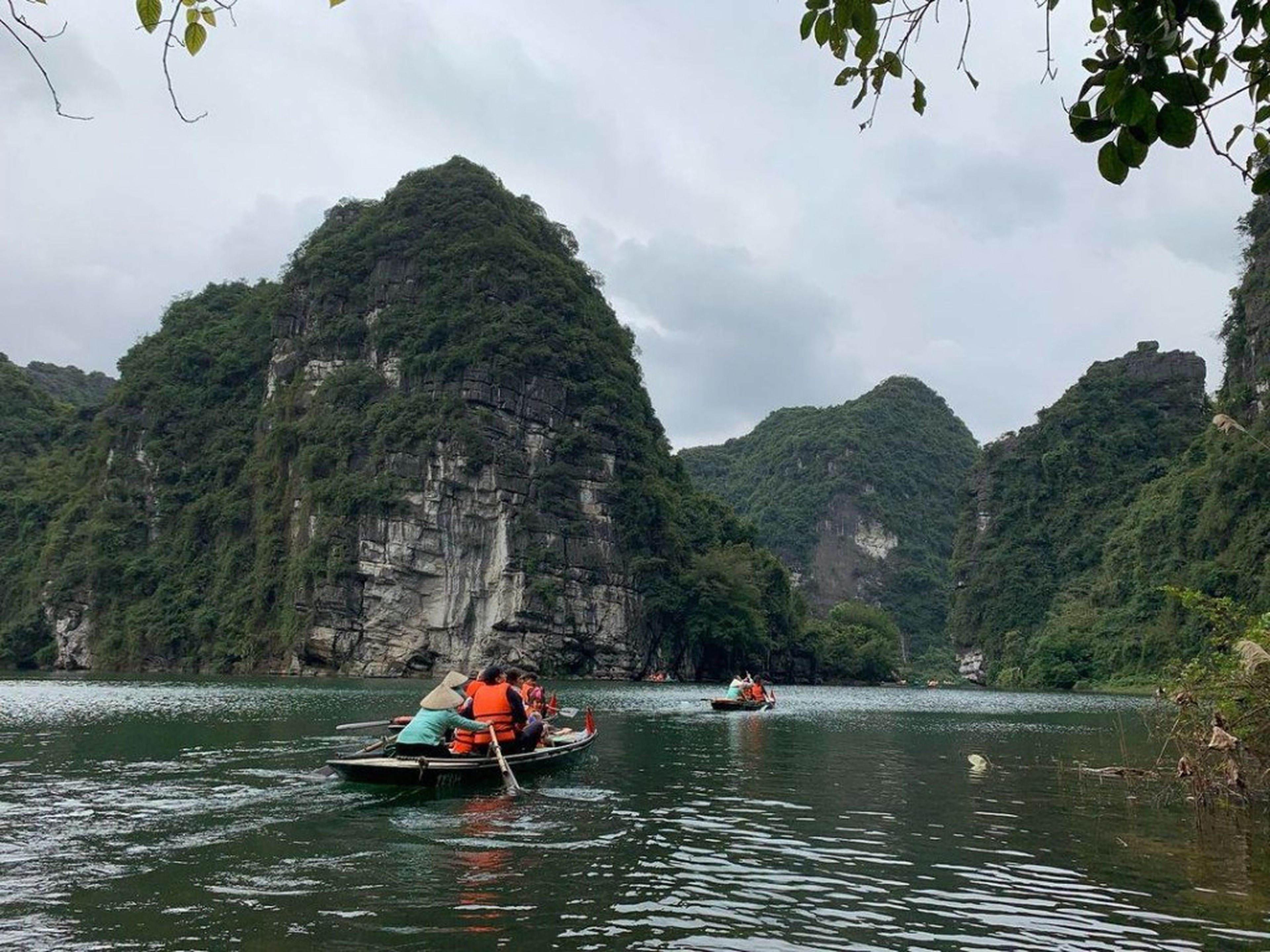
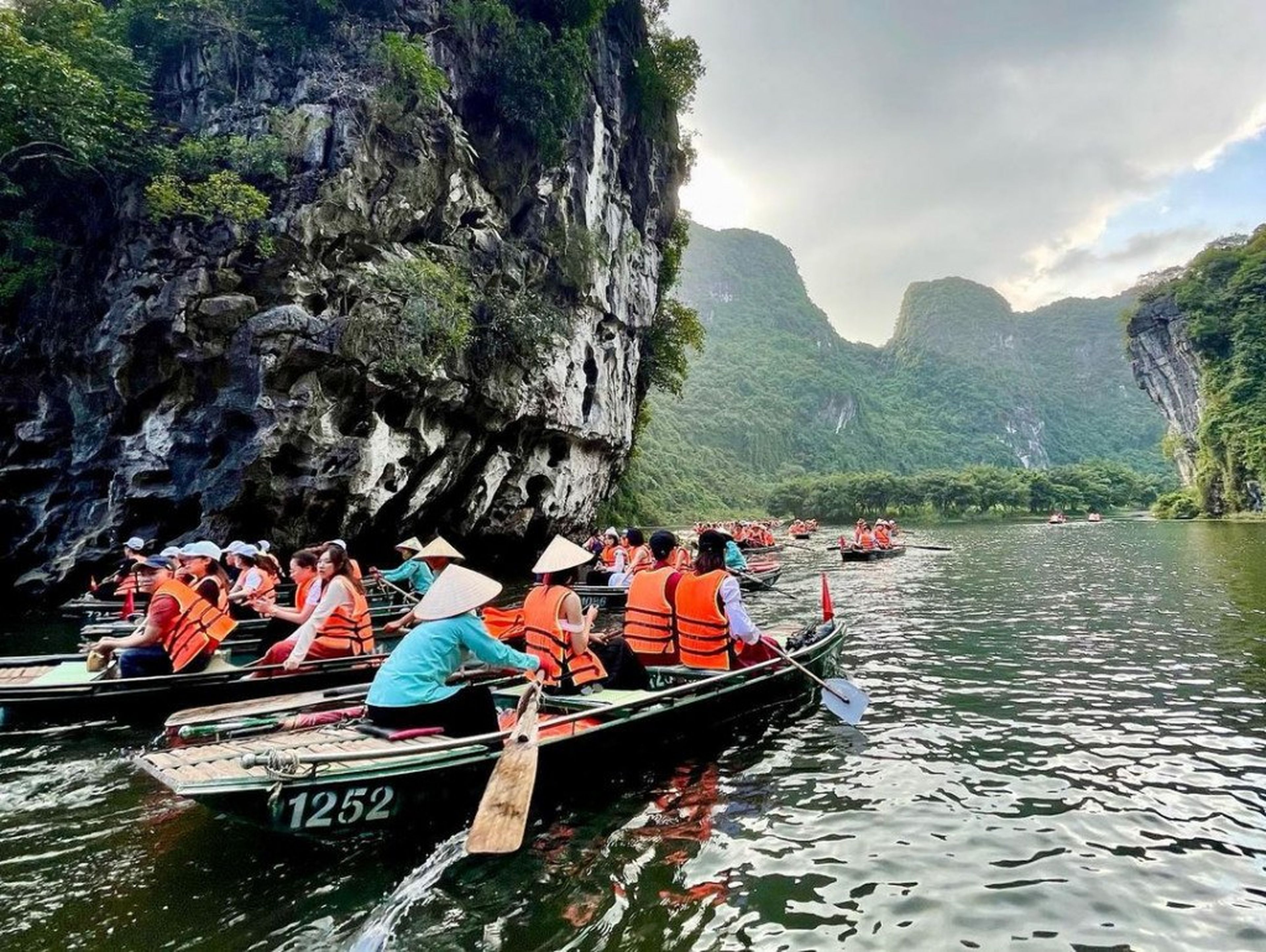
Trang An Scenic Landscape Complex covers an area of 6,172 ha across Hoa Lu, Gia Vien, and Nho Quan districts, Tam Diep town, and Ninh Binh city. Trang An Scenic Landscape comprises three contiguous protected zones: the Hoa Lu ancient capital historic and cultural relic site, the Trang An – Tam Coc – Bich Dong scenic area, and the special-use primary forest.
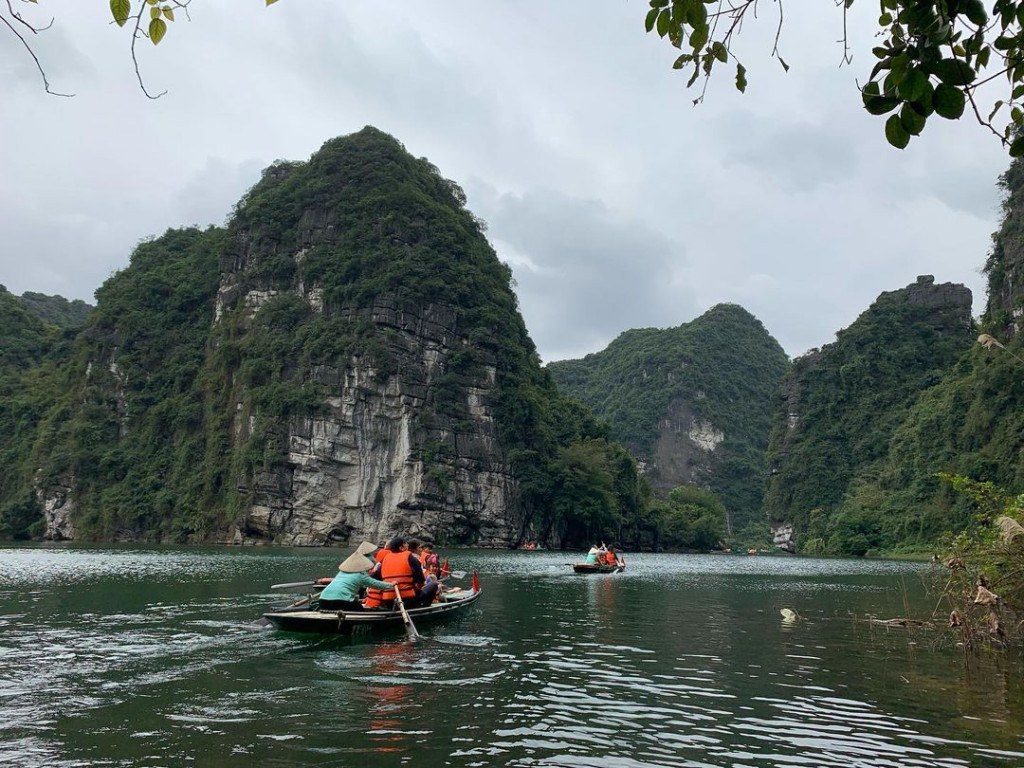
The picturesque landscape of Trang An. Photo: @angry_jamie.
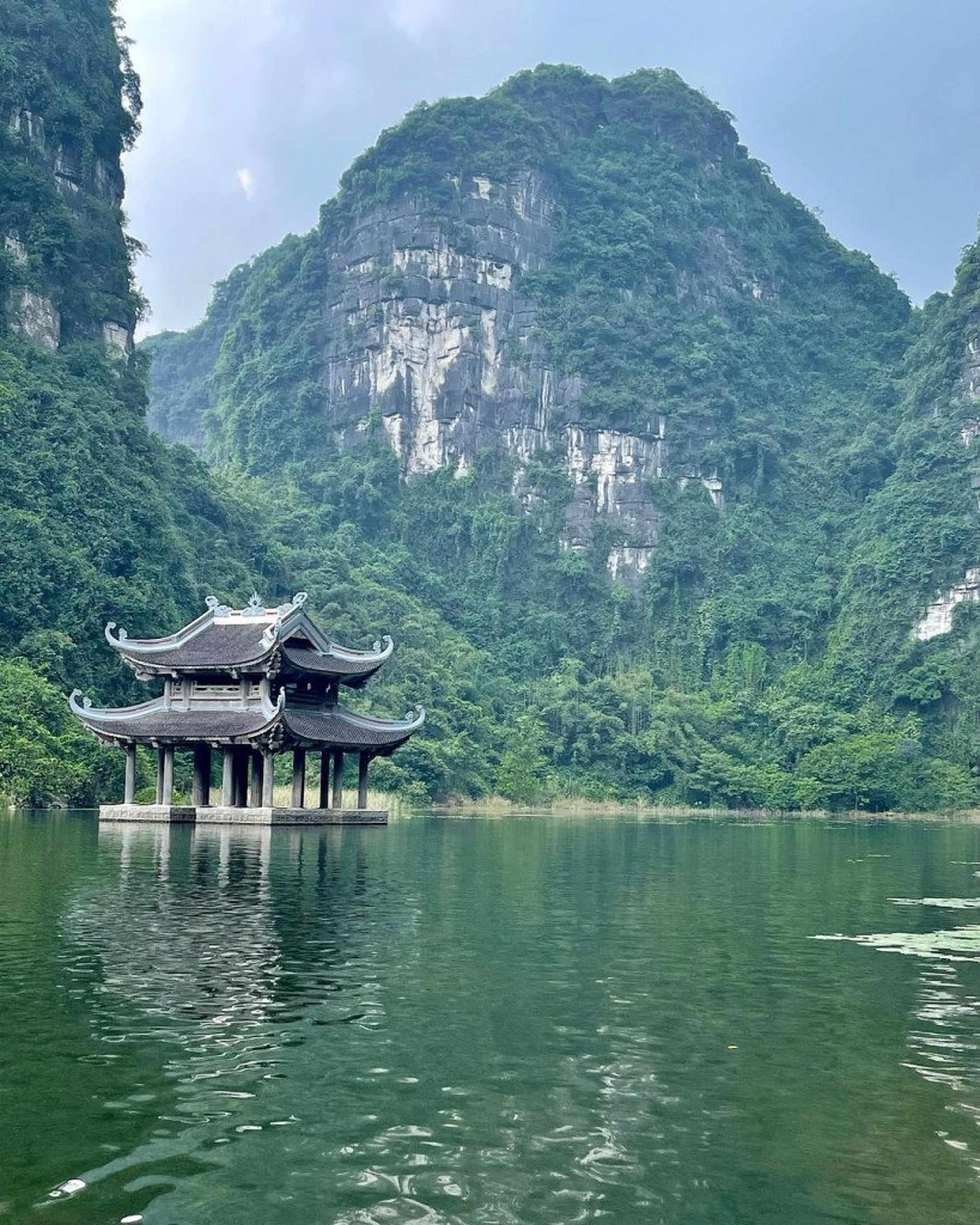
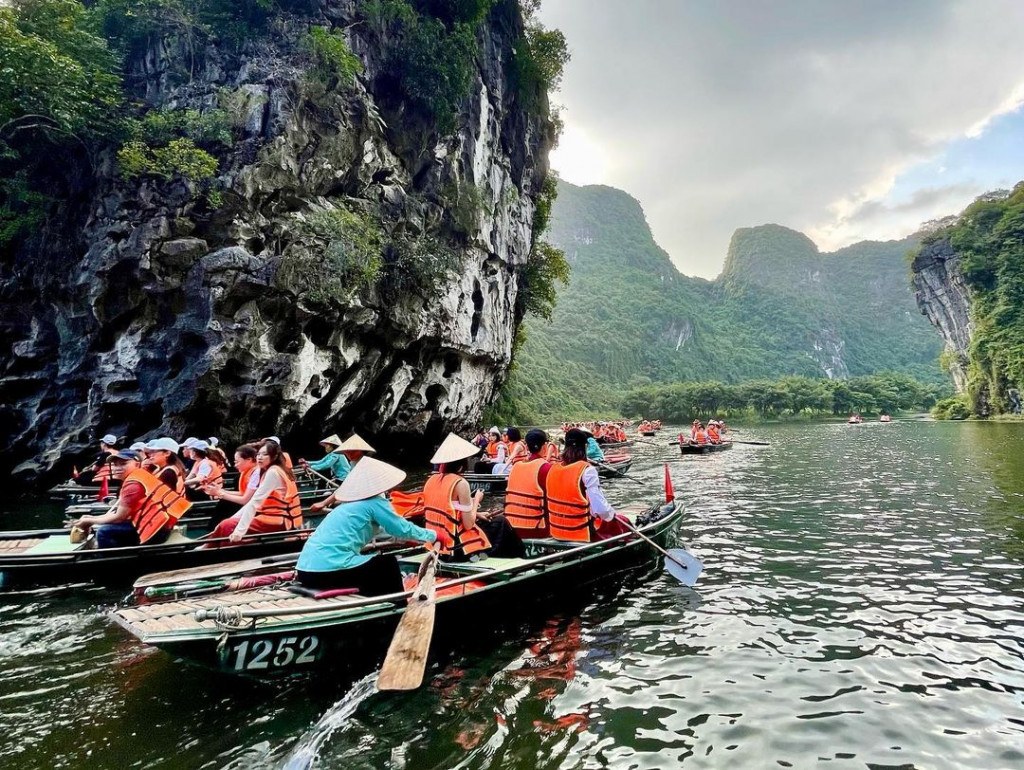
Trang An is likened to "Ha Long on land" with its beauty created by a diverse system of limestone karst mountains reflected in winding small streams connecting caves and valleys. The harmonious beauty of rocks, waterways, forests, and sky in Trang An creates a vibrant natural landscape. The area also preserves many wetland forest ecosystems, limestone karst forests, archaeological sites, and historical-cultural relics.
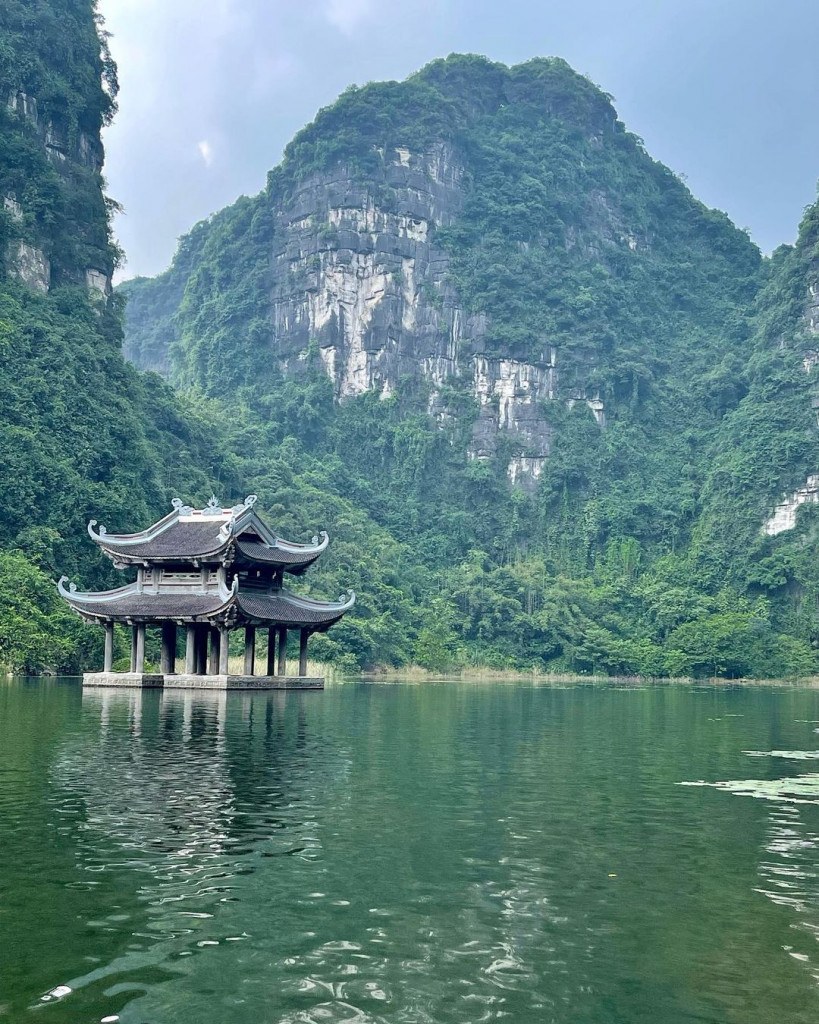
Photo: @gian_lakhmi_kaur.
Ha Long Bay
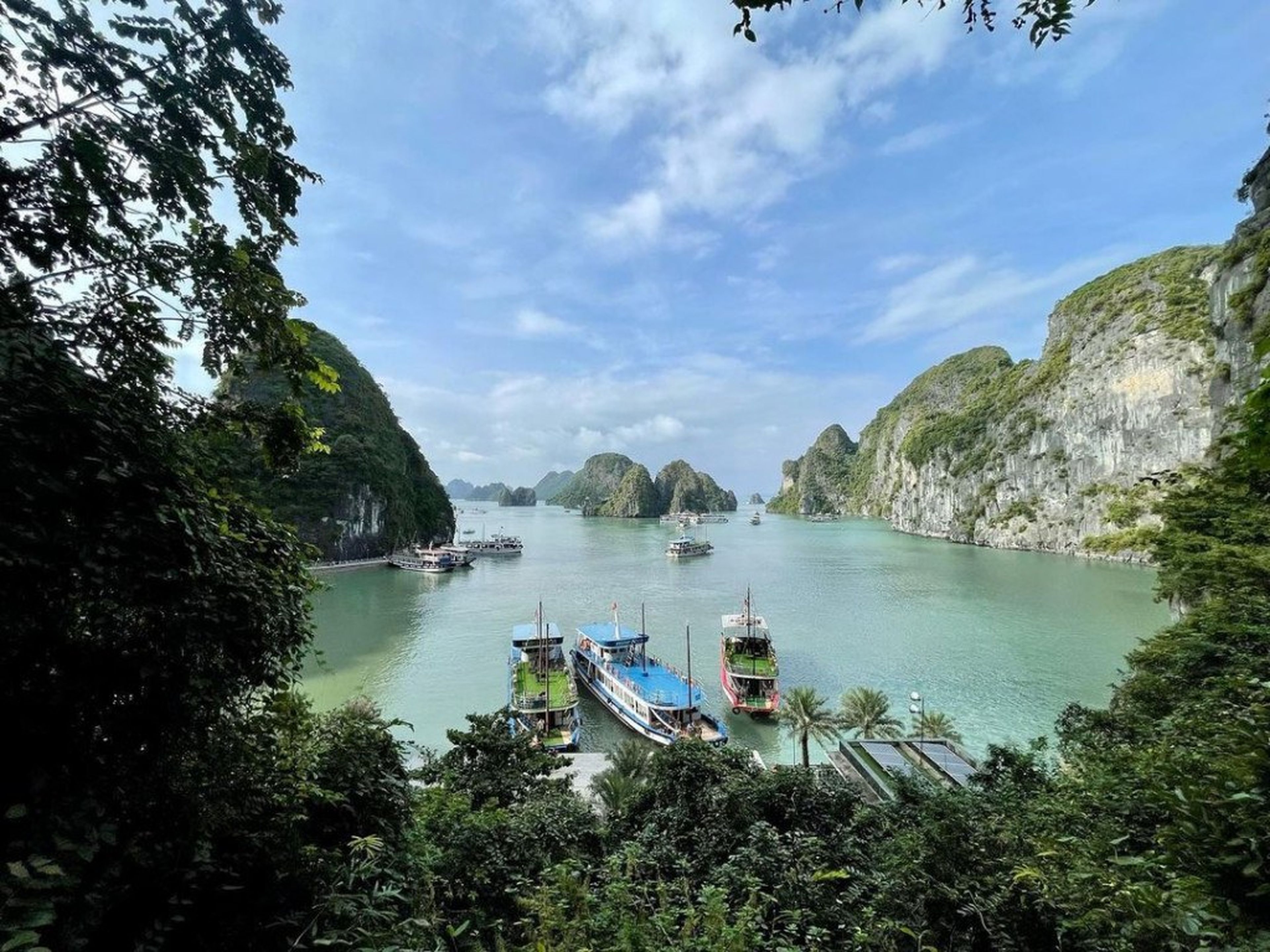
This is a natural wonder recognized by UNESCO as a World Natural Heritage site in 1994. Ha Long Bay consists of 1,600 limestone islands scattered over an area of 1,500 square kilometers. The majestic and vivid islands create a stunning, magnificent scenery to be proud of.
Ha Long Bay. Photo: @n.yusuke_0114.
The islands in Ha Long Bay come in many different shapes and are named after those shapes: Dau Nguoi (Human Head) Islet, Ga Choi (Fighting Cocks) Islet, Lu Huong (Incense Burner) Islet, Canh Buom (Sail) Islet, Trong Mai (Kissing Rocks) Islet, Rua (Turtle) Islet, Cho Da (Stone Dog) Islet, Dinh Huong (Incense Burner) Islet…
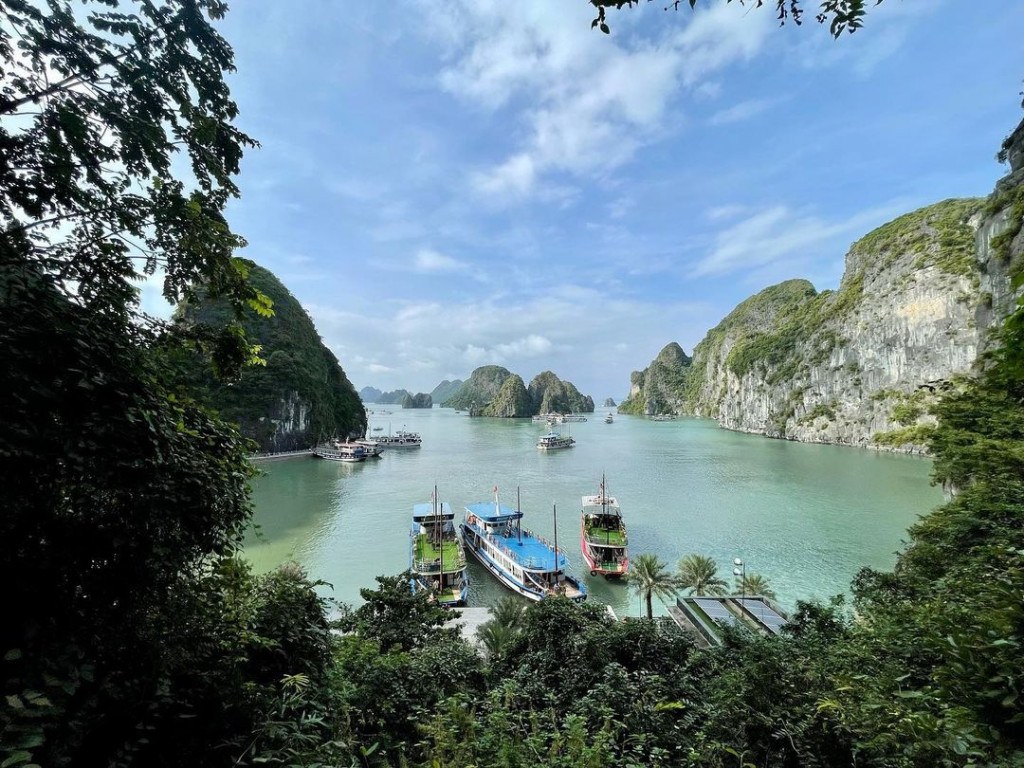
Photo: @n.yusuke_0114.
Fansipan
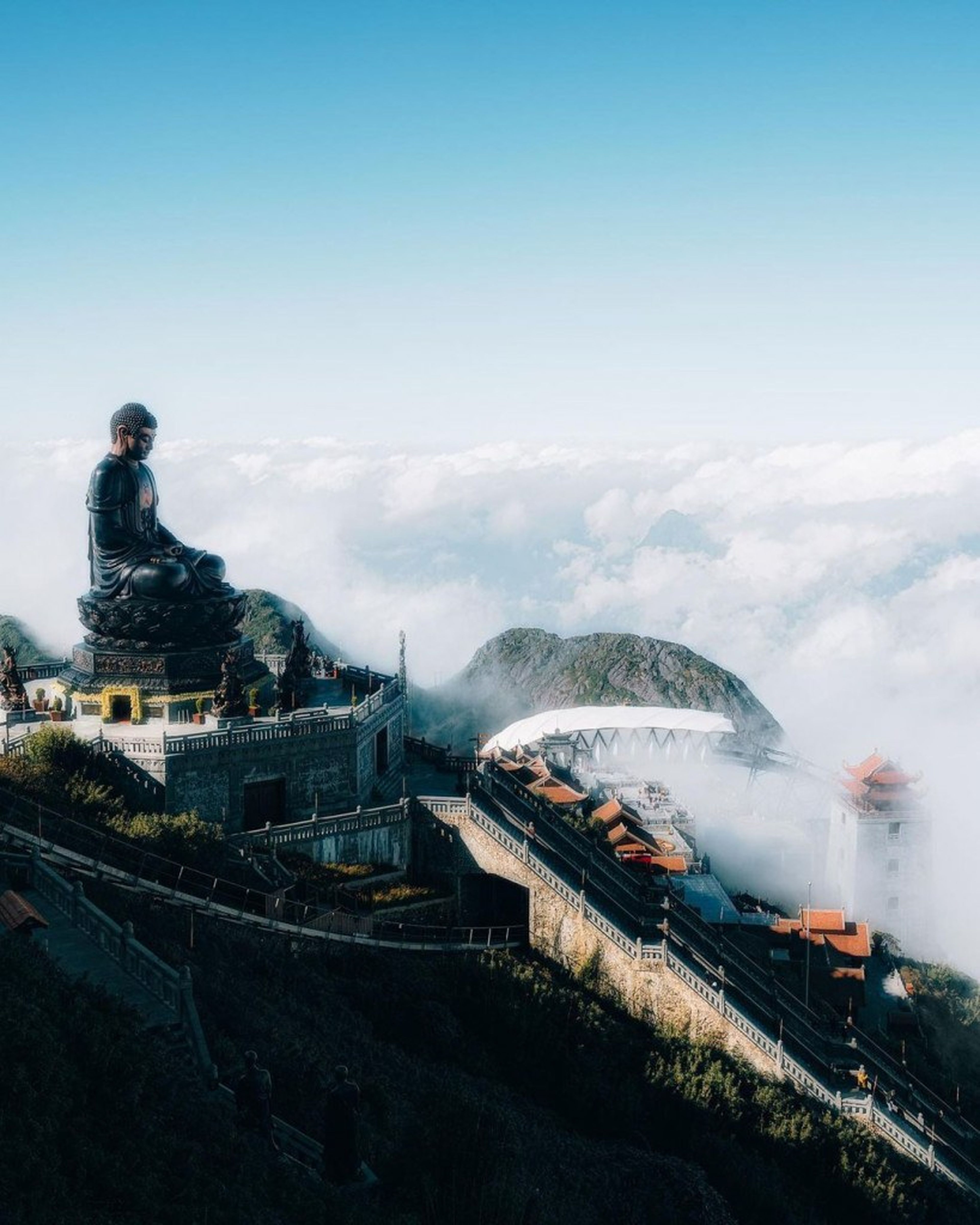
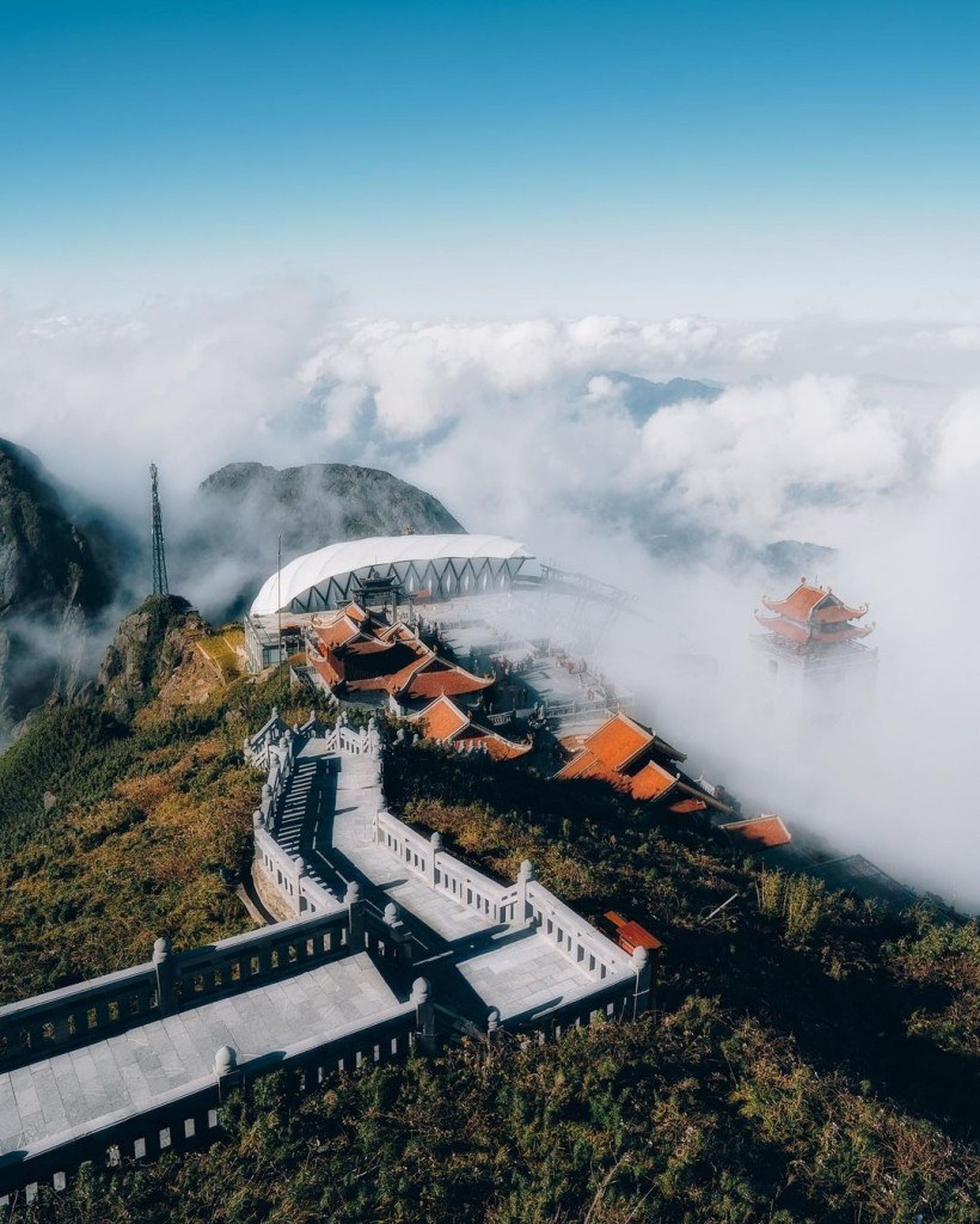
Fansipan peak stands at 3,143m high, known as the "Roof of Indochina". Fansipan peak features extremely majestic nature and poetic scenery with clouds, wind, and mist ever-present. Tourists on the 5D4N Northern Vietnam tour can reach the peak by cable car or take on the trekking challenge to conquer the mountain with the strength of their own legs.
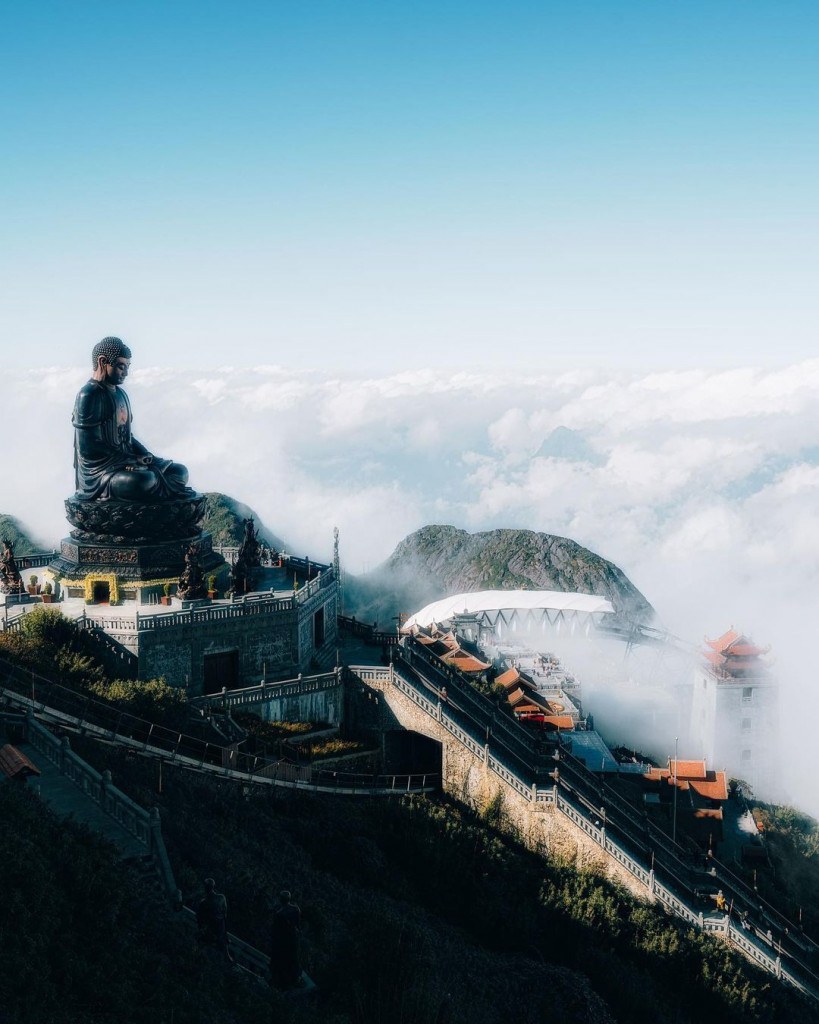
Fansipan peak. Photo: @im0gil.
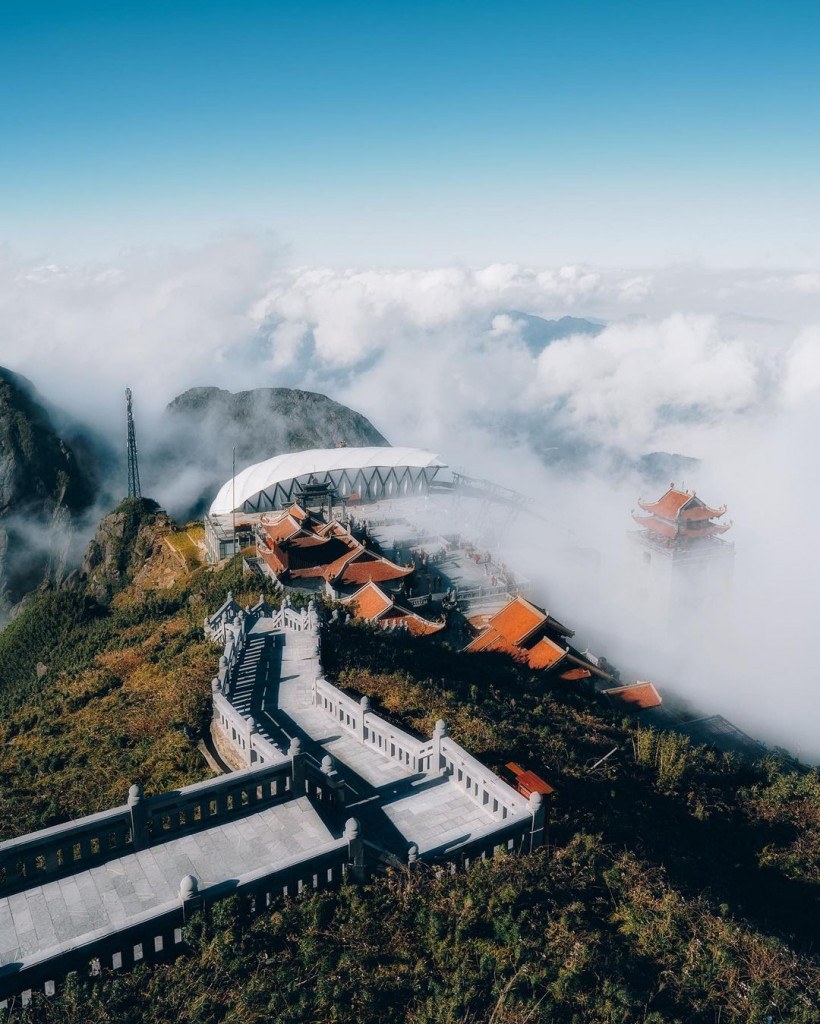
Cloud-covered mountain peak. Photo: @im0gil.
Cat Cat Village
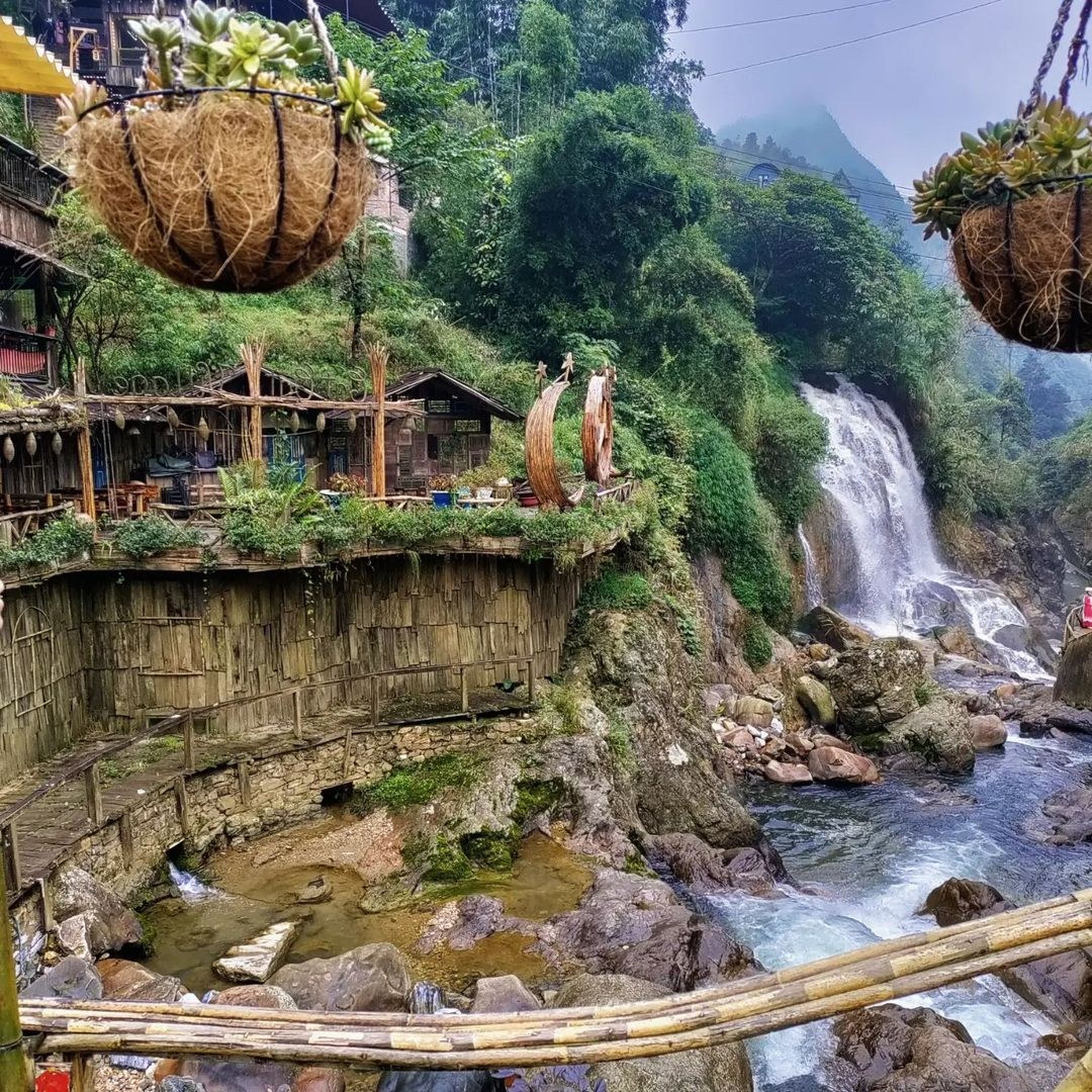
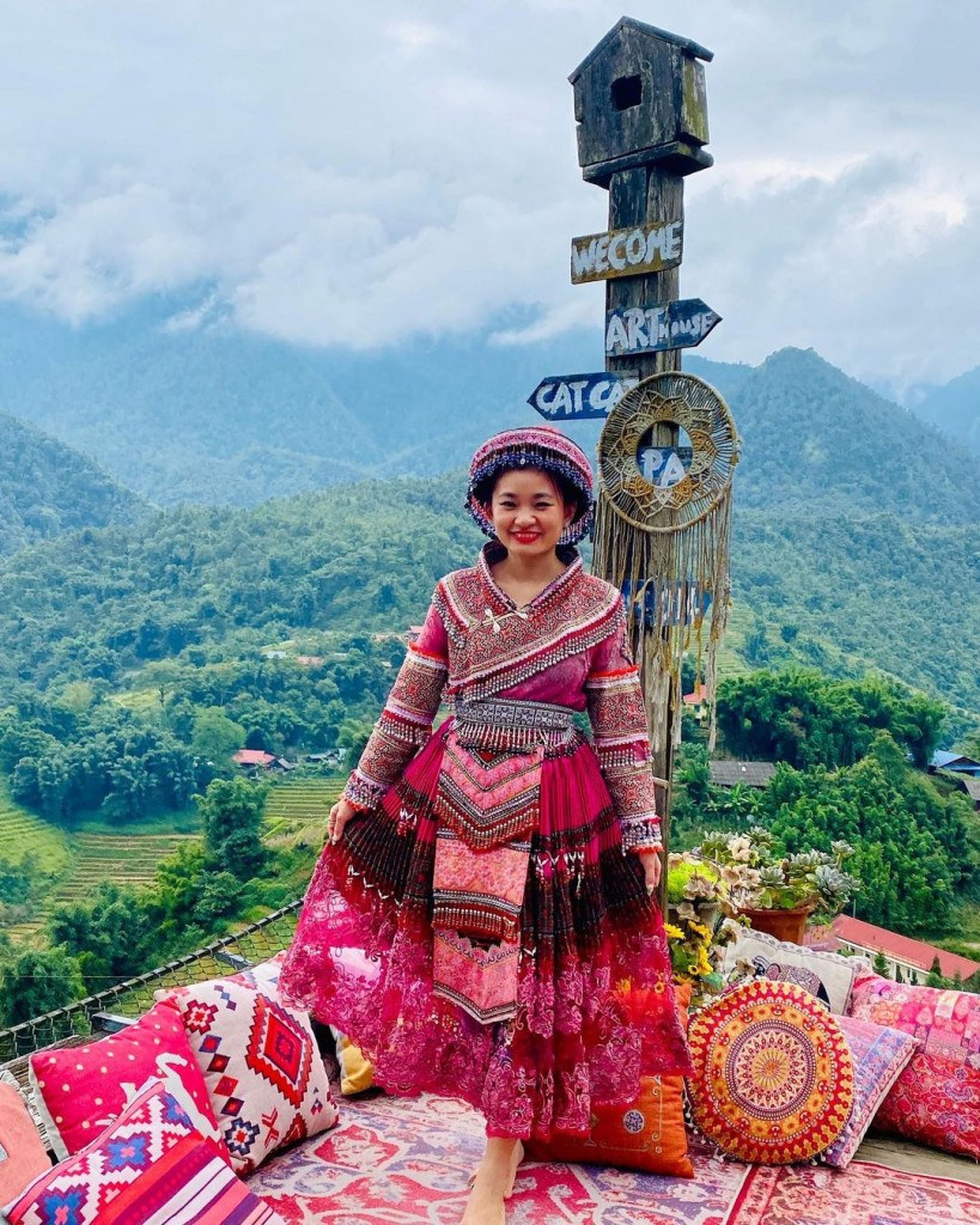
Cat Cat Village is a purely Hmong community tourism village, established in the mid-19th century. The village has nearly 80 households located along stone-paved stepped paths and scattered across the mountainside. Walking a few hundred meters along the steps leads to the center of the village, where the three streams of Tien Sa, Suoi Vang, and Suoi Bac converge. Nearby, Si Bridge and A Lu Bridge attract visitors to take souvenir photos.
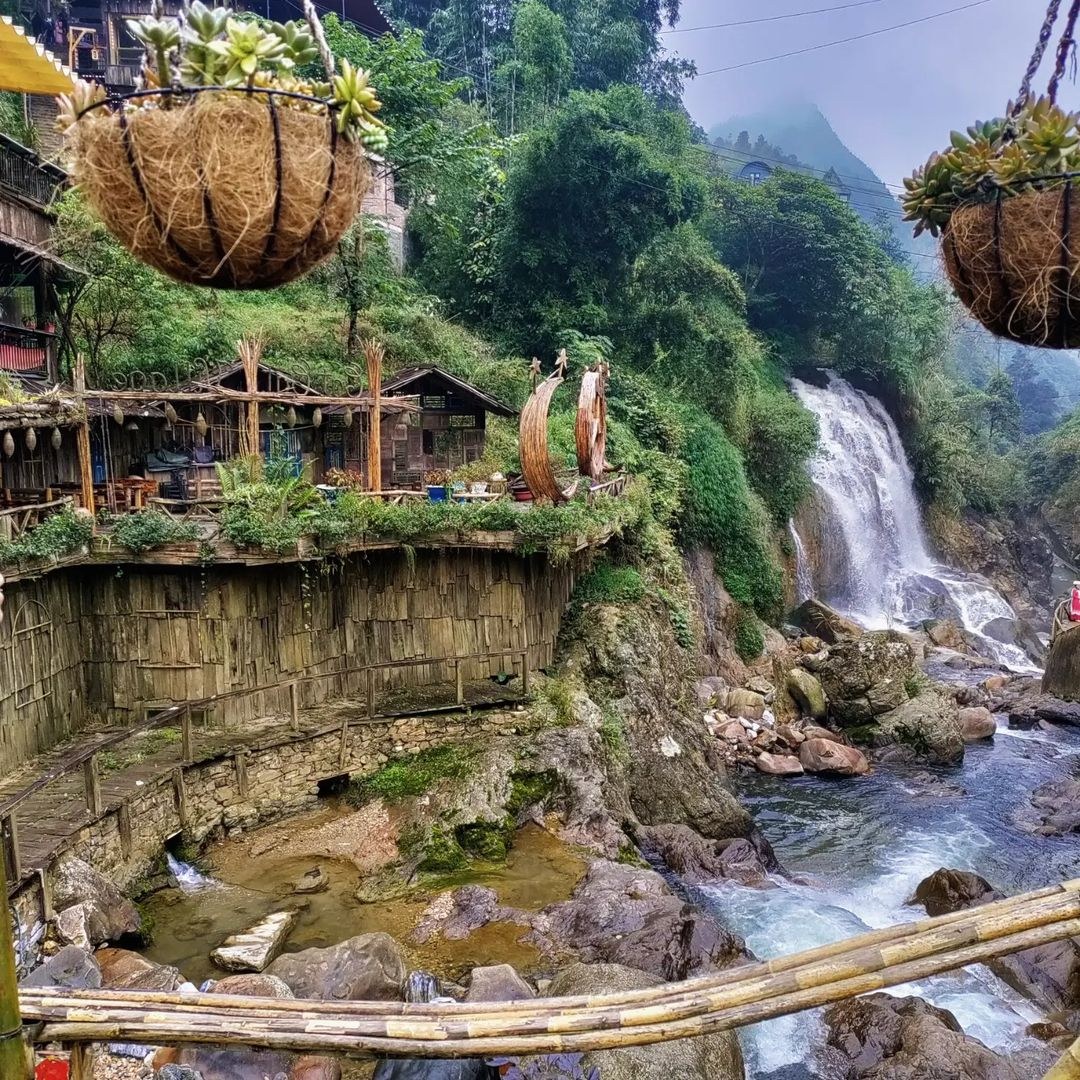
Photo: @jhanvit7.
Visiting Cat Cat Village in the early days of the year, tourists have the chance to attend the Gau Tao Festival, a spring festival reflecting the unique cultural life of the ethnic community. During the festival, you can also savor corn wine, men men (steamed corn flour), thang co, "khang gai" smoked meat, small frogs cooked with bamboo shoots, corn cakes, fermented black beans…
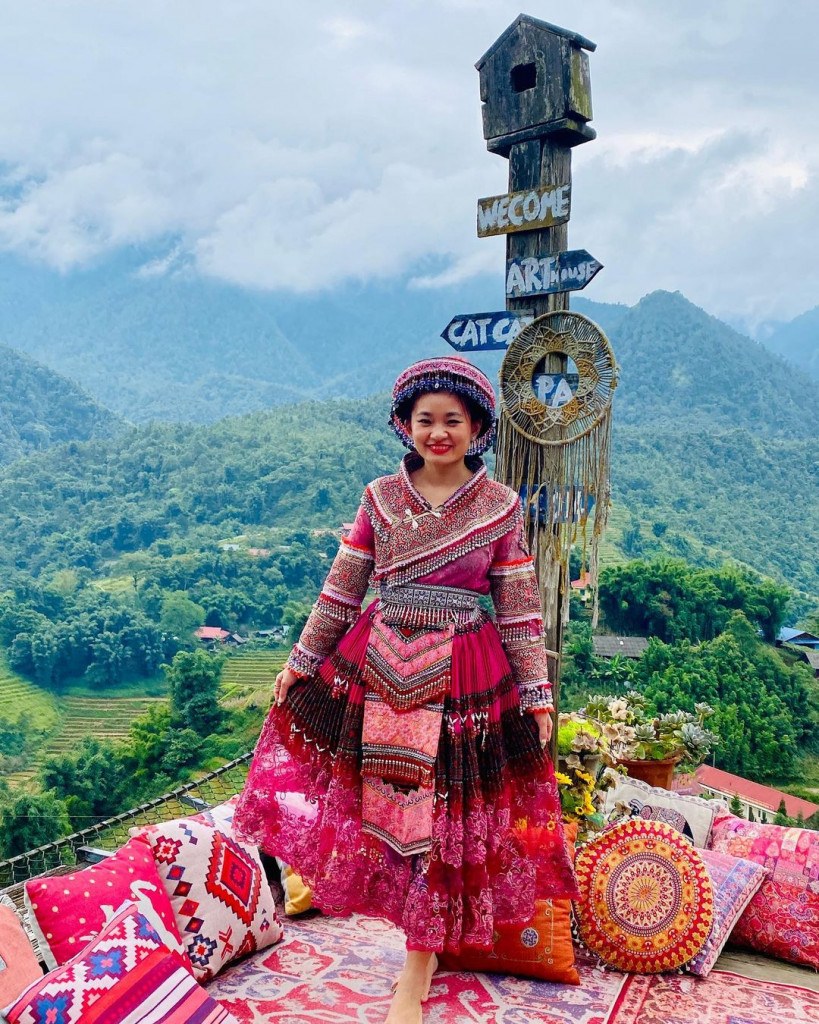
Photo: @berryoivn.
Sapa Stone Church
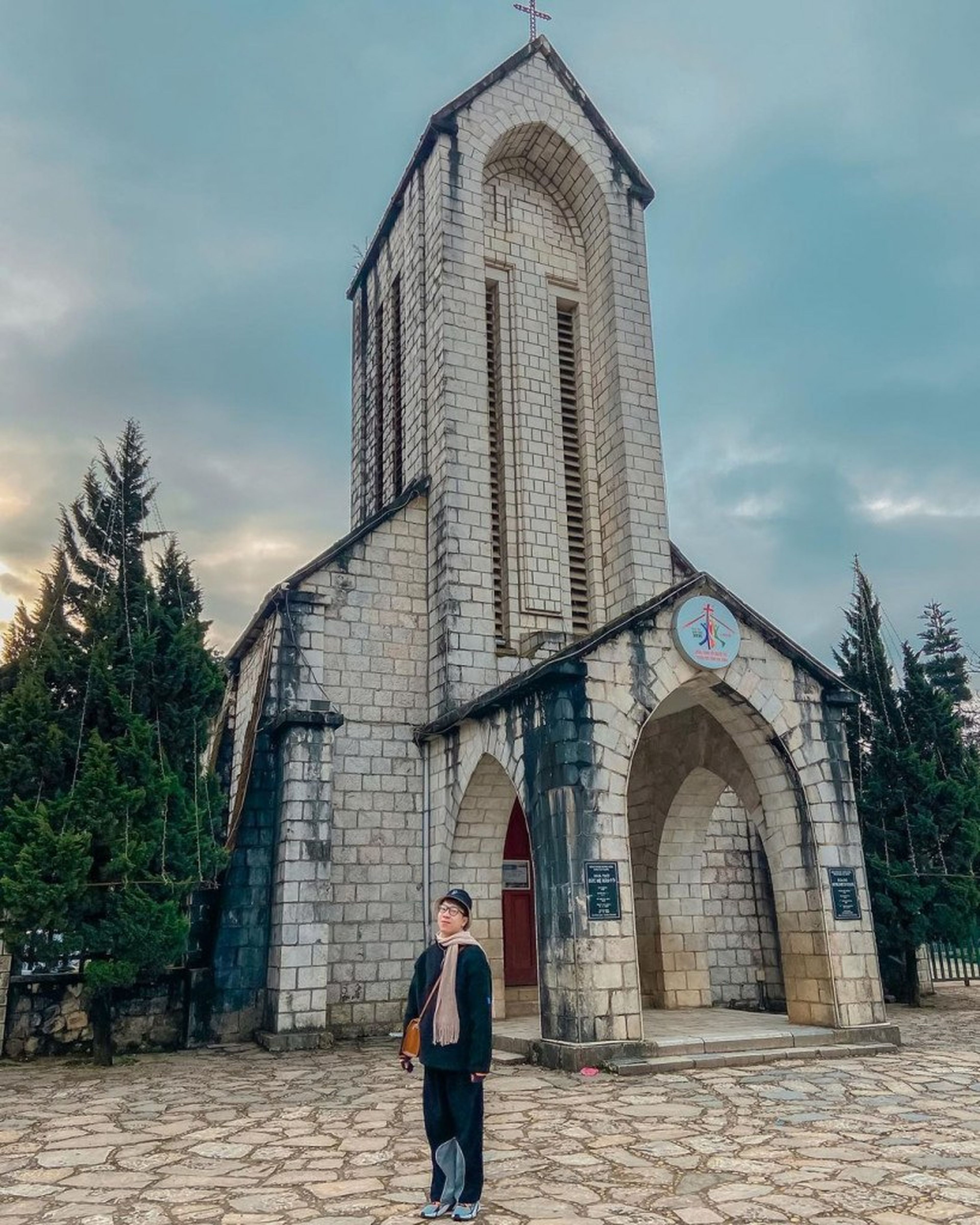
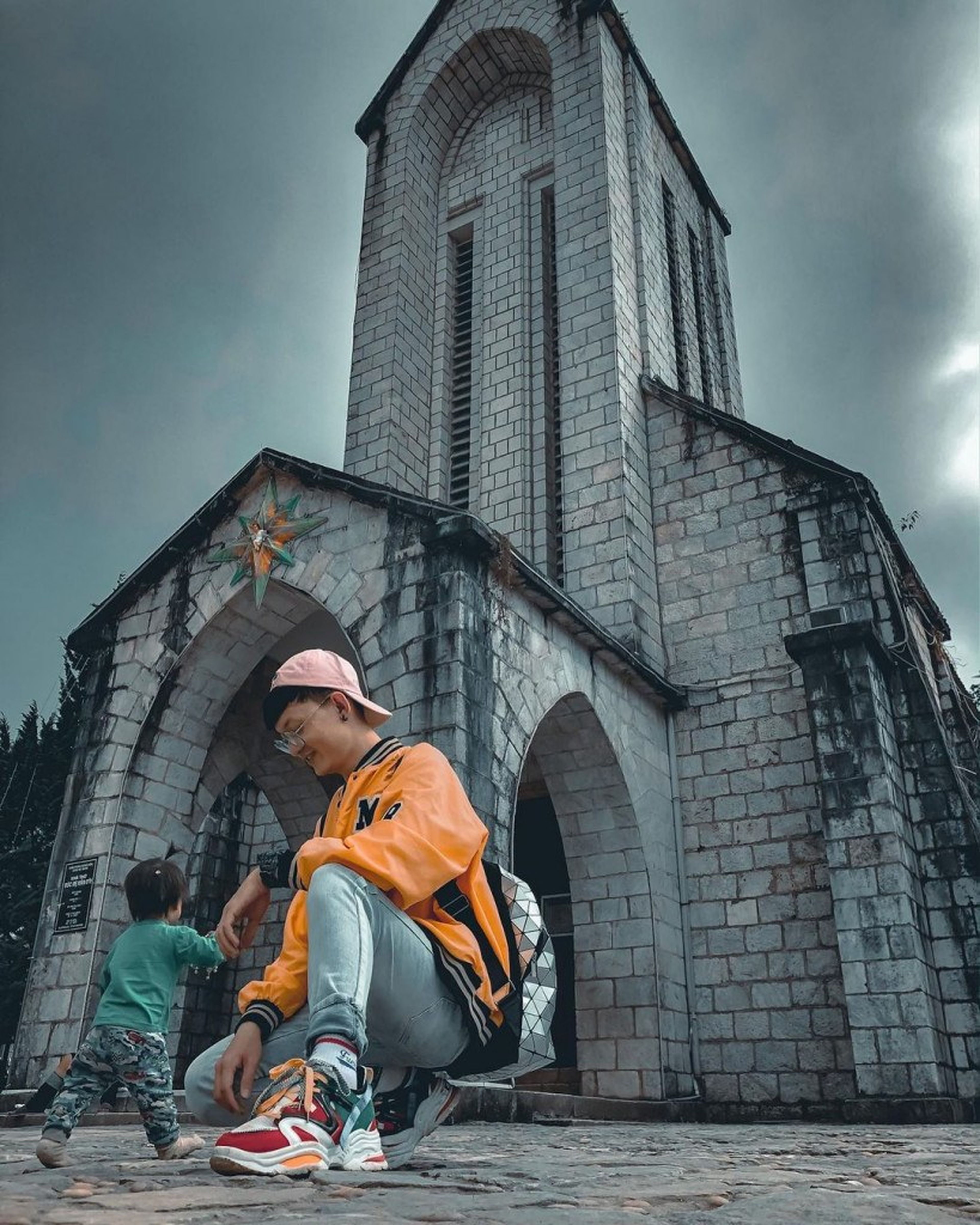
Sapa Stone Church was built by the French in 1895, and was officially completed and put into use in 1935. The church features typical Western architecture with a predominantly white color scheme, exuding a timeless charm.
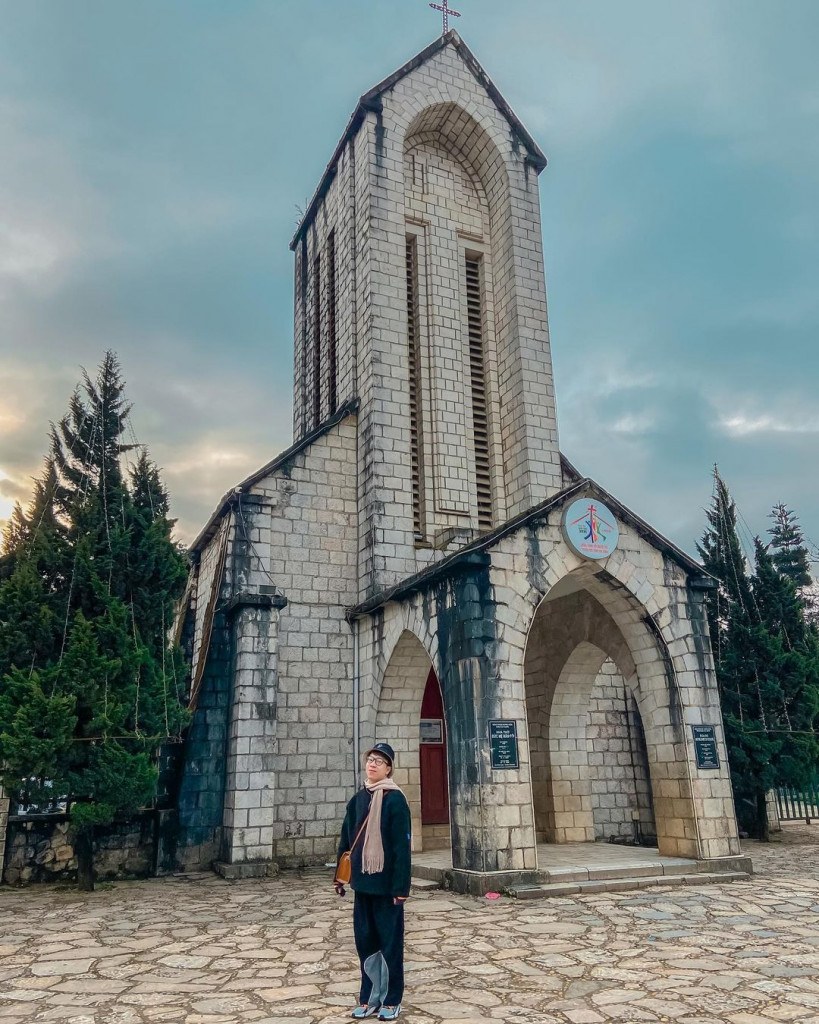
Stone Church. Photo: @jammie_tuanle.
The entire church was built of hewn stone, bound together with a mixture of sand, lime, and molasses. The wall of the cross is textured like cascading stalactites, enhancing its natural beauty. The roof is tiled, and the lime-and-straw ceiling has now been renewed. In particular, the ceiling of the bell tower, made from a mixture of lime, straw, and iron, remains intact to this day.
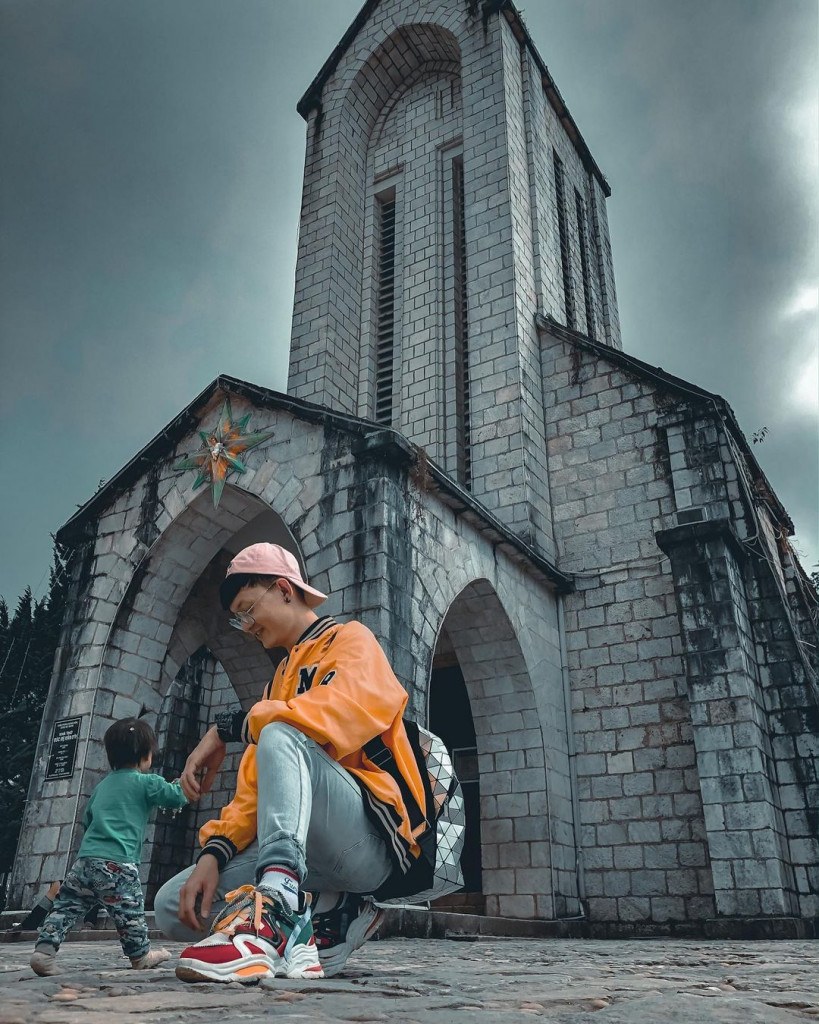
Photo: @sinnkypoo.
The famous scenic spots of Northern Vietnam will bring a new spring filled with memories with family and friends. Quickly call iVIVU to book the 5D4N Northern Vietnam spring tour now with many attractive deals and professional service!